Category: FOREIGN

  • Modi leads yoga day event in Indian-occupied Kashmir

    Modi leads yoga day event in Indian-occupied Kashmir

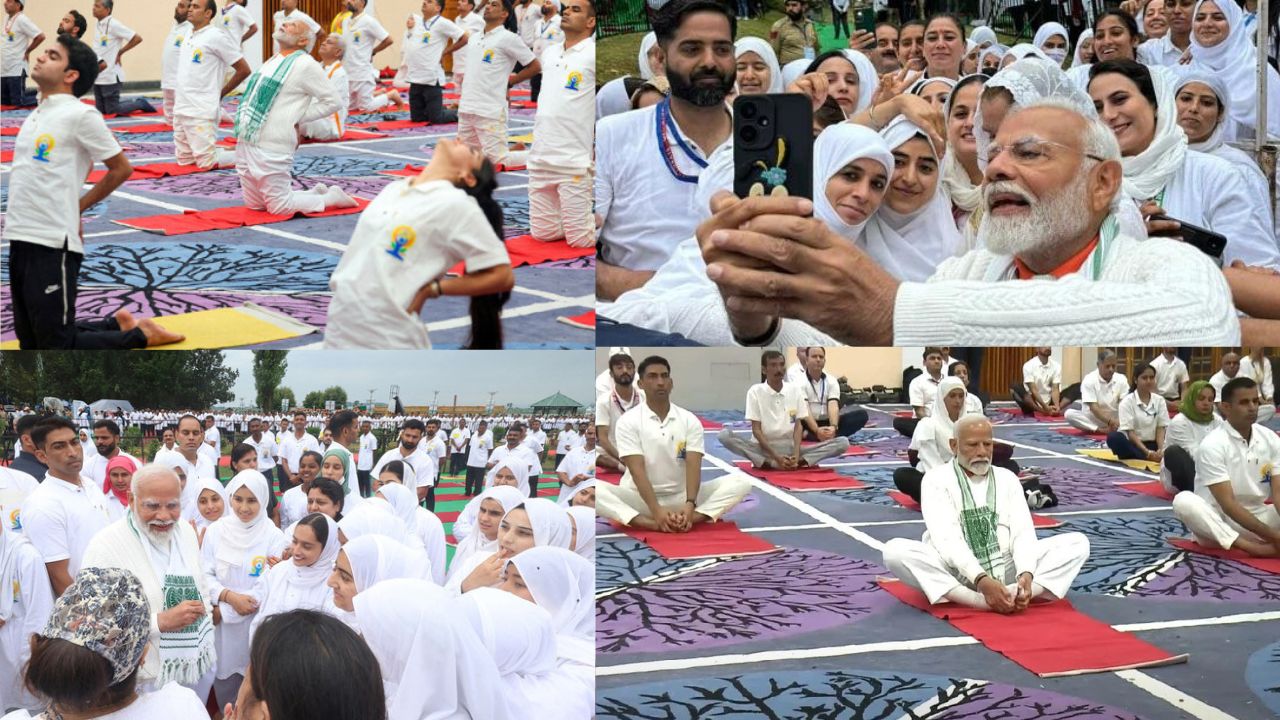
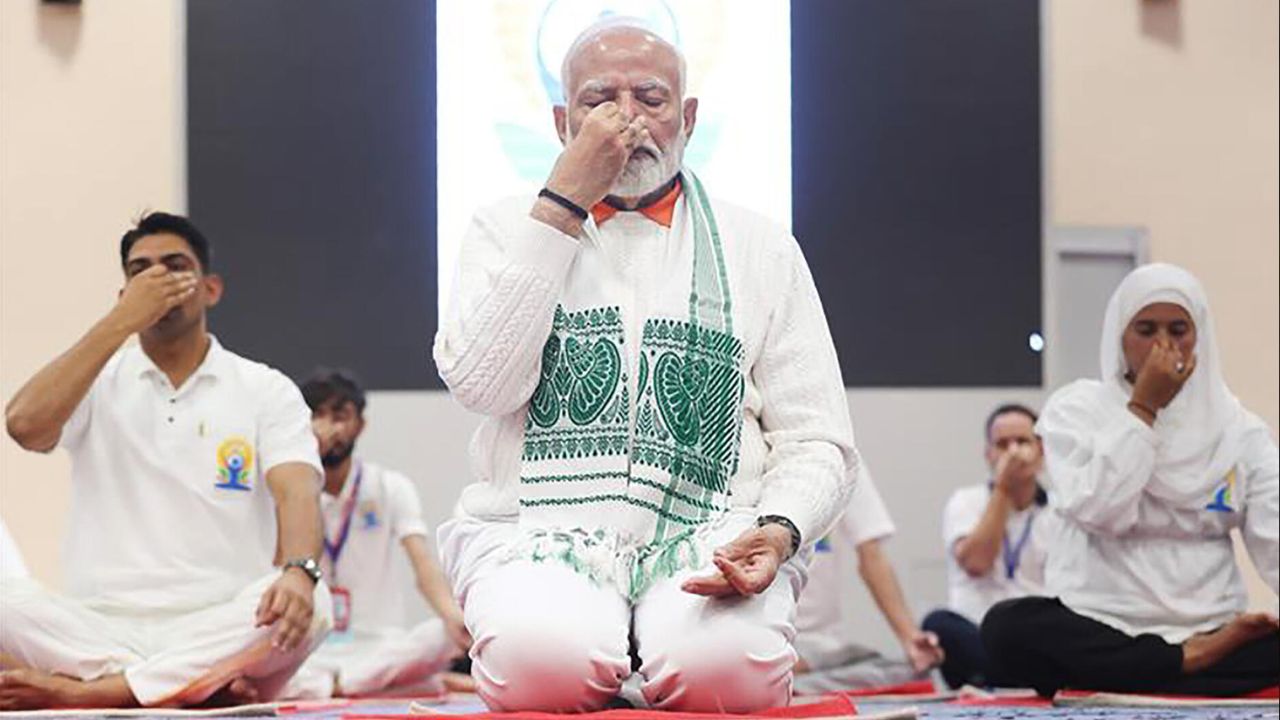
    Stretching, arching his back and kneeling on a mat, India’s Hindu nationalist Prime Minister Narendra Modi led hundreds of people performing yoga in India-held Kashmir on Friday.

    The exercises in Srinagar marked the 10th International Yoga Day, Modi’s own brainchild.

    But while yoga is not itself a religious practice, it has its origins in Hindu philosophy — the god Shiva is said to have been the first yogi — and many Kashmiris are indifferent to the discipline.

    Thousands of government employees, schoolteachers and students from all over the region were brought in for the event, although rain forced Modi’s performance indoors.

    Afterwards, he urged hundreds of people including many police and armed forces personnel on the shores of Dal Lake to make yoga “a part of their daily lives”.

    “Yoga fosters strength, good health and wellness,” he said.

    But one Srinagar resident saw the event as a cultural intrusion.

    “This yoga is being imposed on our children to culturally change the next generations and control their minds,” they told AFP, declining to be identified for fear of reprisal.

    “It’s an imposition on us.”

    Modi’s visit comes after a series of attacks, including one where nine people were killed and 33 injured when a bus carrying Hindu pilgrims plunged into a deep gorge after a suspected attack.

    June 21 was declared International Yoga Day a decade ago and Modi has since led events at emblematic locations across India, and last year at the UN headquarters in New York.

  • Hajj death toll exceeds 1,000 as temperatures reach 52 degrees

    Hajj death toll exceeds 1,000 as temperatures reach 52 degrees

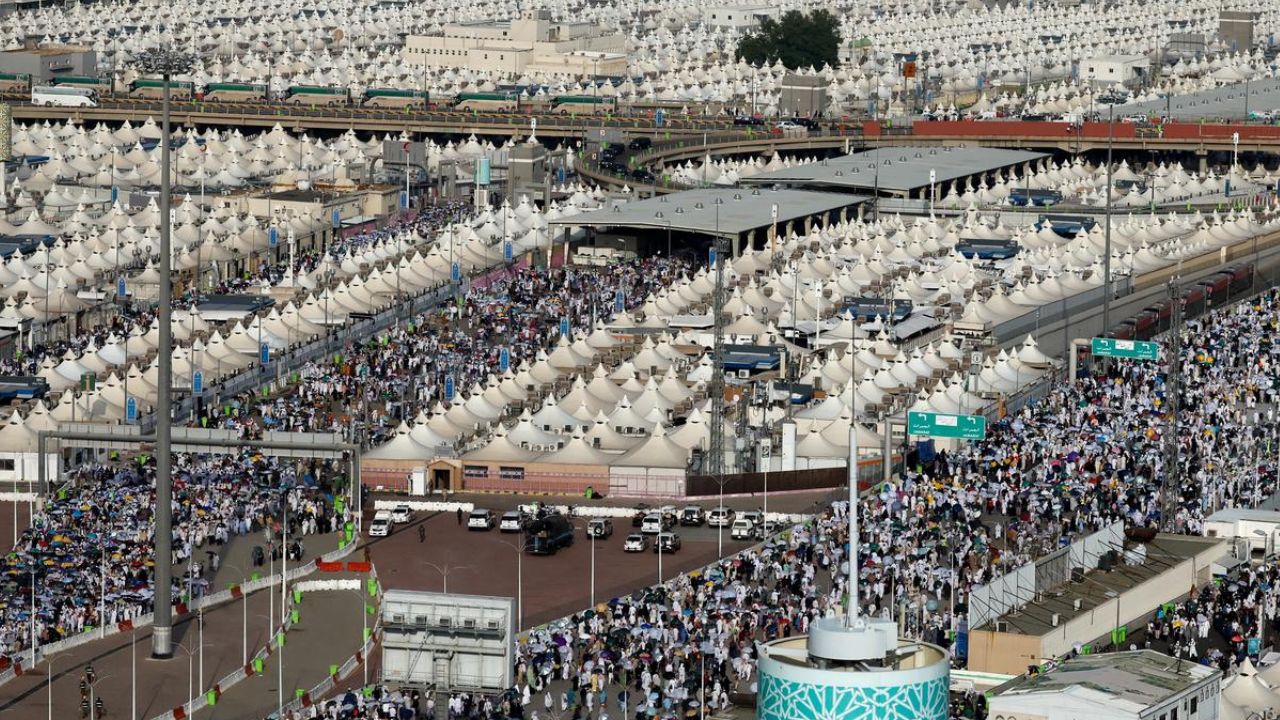
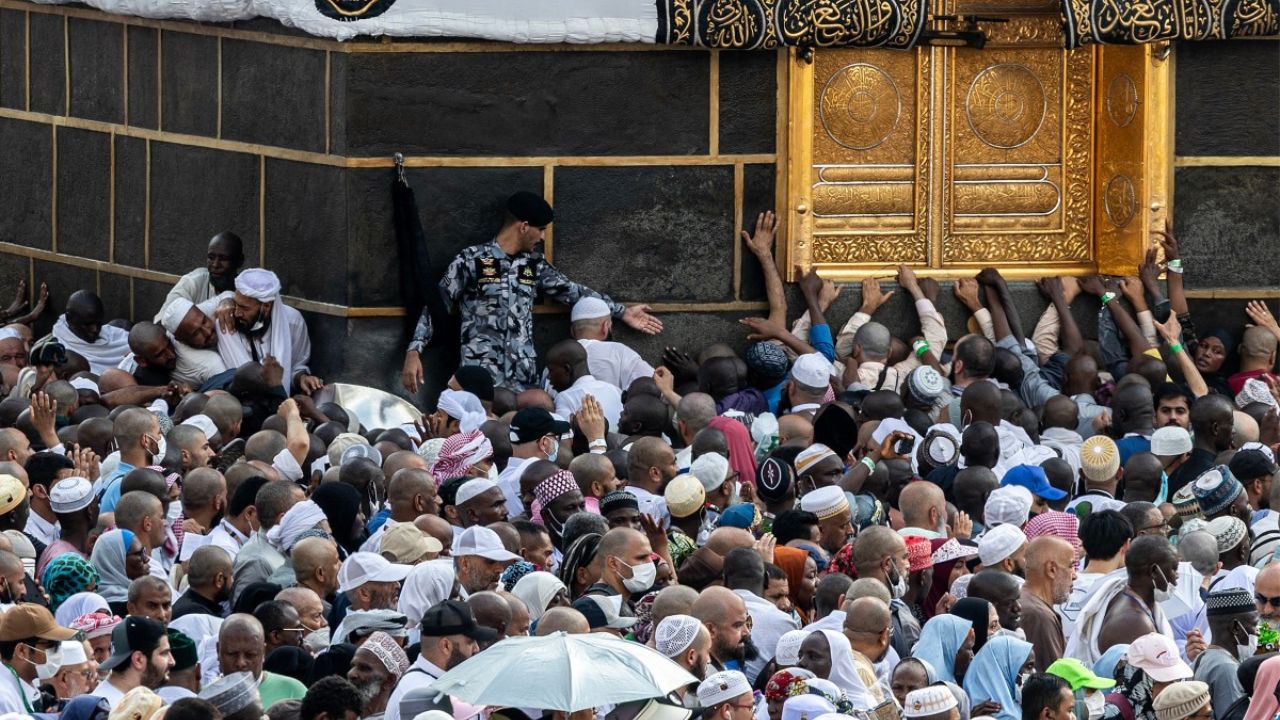
    The death toll from this year’s hajj has exceeded 1,000, an AFP tally said Thursday, more than half unregistered worshippers who performed the pilgrimage in extreme heat in Saudi Arabia.

    The new deaths reported Thursday included 58 from Egypt, according to an Arab diplomat who provided a breakdown showing that of 658 Egyptians who died, 630 were unregistered pilgrims.

    Around 10 countries have reported 1,081 deaths during the pilgrimage, one of the five pillars of Islam which all Muslims with the means must complete at least once.

    The hajj, whose timing is determined by the lunar Islamic calendar, fell again this year during the oven-like Saudi summer.

    The national meteorological centre reported a high of 51.8 degrees Celsius (125 Fahrenheit) this week at the Grand Mosque in Mecca.

    A Saudi study published last month said temperatures in the area are rising 0.4 degrees Celsius each decade.

    Each year tens of thousands of pilgrims try to join the hajj through irregular channels as they cannot afford the often costly official permits.

    Saudi authorities reported clearing hundreds of thousands of unregistered pilgrims from Mecca this month, but it appears many still participated in the main rites which began last Friday.

    This group was more vulnerable, because without official permits they could not access air-conditioned spaces provided for the 1.8 million authorised pilgrims to cool down.

    “People were tired after being chased by security forces before Arafat day. They were exhausted,” one Arab diplomat told AFP on Thursday of Saturday’s day-long outdoor prayers that marked the hajj’s climax.

    The diplomat said the main cause of death among Egyptian pilgrims was the heat, which triggered complications related to high blood pressure and other issues.

    Egyptian officials were visiting hospitals to obtain information and help Egyptian pilgrims get medical care, the foreign ministry said in a statement on Thursday.

    “However, there are large numbers of Egyptian citizens who are not registered in hajj databases, which requires double the effort and a longer time to search for missing persons and find their relatives,” it said.

    Egyptian President Abdel Fattah El-Sisi has ordered that a “crisis cell” headed by the prime minister follow up on the deaths of the country’s pilgrims.

    Sisi stressed “the need for immediate coordination with the Saudi authorities to facilitate receiving the bodies of the deceased and streamline the process,” said a statement from his office.

    Burials begin

    More fatalities were also confirmed on Thursday by Pakistan and Indonesia.

    Out of around 150,000 pilgrims, Pakistan has so far recorded 58 deaths, a diplomat told AFP.

    “I think given the number of people, given the weather, this is just natural,” the diplomat said.

    Indonesia, which had around 240,000 pilgrims, raised its death toll to 183,  its religious affairs ministry said, compared with 313 deaths recorded last year.

    Deaths have also been confirmed by Malaysia, India, Jordan, Iran, Senegal, Tunisia, Sudan and Iraq’s autonomous Kurdistan region. In many cases, authorities have not specified the cause.

    Friends and relatives have been searching for missing pilgrims, scouring hospitals and pleading online for news, fearing the worst.

    Two diplomats told AFP Thursday that Saudi authorities had begun the burial process for dead pilgrims, cleaning the bodies and putting them in white burial cloth and taking them to be interred.

    “The burial is done by the Saudi authorities. They have their own system so we just follow that,” said one diplomat, who said his country was working to notify loved ones as best it could.

    The other diplomat said that given the number of fatalities it would be impossible to notify many families ahead of time, especially in Egypt which accounts for so many of the dead.

    Jordan’s foreign ministry said on Thursday that Saudi authorities had granted 68 permits for Jordanian pilgrims to be buried in Mecca.

    Sixteen Jordanians remain missing and 22 are in hospital, including seven who are in critical condition, the foreign ministry said in a statement.

    ‘Extreme danger’

    Saudi Arabia has not provided information on fatalities, though it reported more than 2,700 cases of “heat exhaustion” on Sunday alone.

    Last year various countries reported more than 300 deaths during the hajj, mostly Indonesians.

    The timing of the hajj moves back about 11 days each year in the Gregorian calendar, meaning that next year it will take place earlier in June, potentially in cooler conditions.

    A 2019 study by the journal Geophysical Research Letters said because of climate change, heat stress for hajj pilgrims will exceed the “extreme danger threshold” from 2047 to 2052 and 2079 to 2086, “with increasing frequency and intensity as the century progresses”.

    Hosting the hajj is a source of prestige for the Saudi royal family, and King Salman’s official title includes the words “Custodian of the Two Holy Mosques”, in Mecca and Medina.

    The hajj has seen a number of disasters over the years, most recently in 2015 when a stampede during the “stoning the devil” ritual killed up to 2,300 people.

    bur/srm

    © Agence France-Presse
  • India has slightly more nuclear arms than Pakistan, SIPRI study reveals

    India has slightly more nuclear arms than Pakistan, SIPRI study reveals

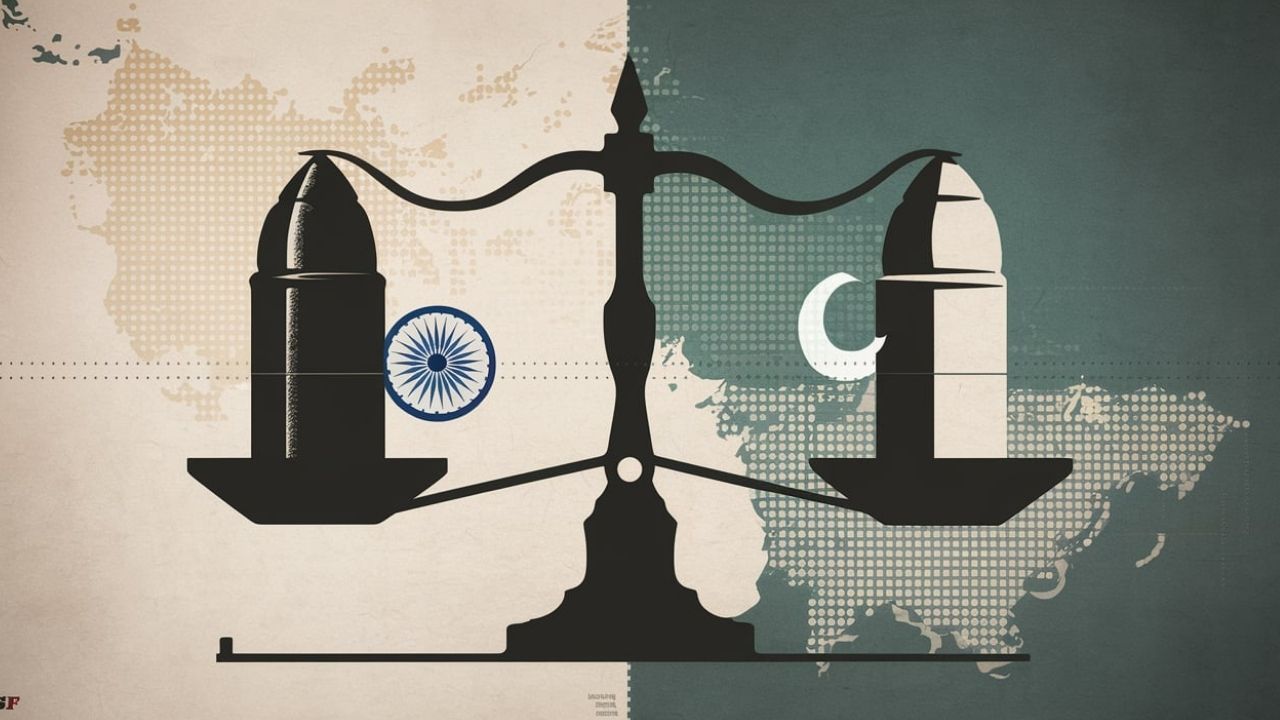
    A Stockholm Inter­national Peace Research Institute (SIPRI) reveals that India possesses more nuclear weapons than its arch-rival Pakistan.


    Since the nuclear tests in 1998 that officially declared both countries nuclear-armed nations, it has been reported for the first time that India has surpassed Pakistan in the number of nuclear warheads, though by a slim margin of two warheads.


    Traditionally, Western assessments, including those from SIPRI and the International Panel on Fissile Materials (IPFM), have shown Pakistan maintaining a slight lead over India in terms of nuclear arsenal size, generally by a margin of five to ten weapons. However, a recent report based on assessments for 2023 shows a marginal lead for India, reports Baqir Sajjad Syed from Dawn.


    Pakistani warheads


    As of January 2024, Pakistan, according to SIPRI estimates, maintained its nuclear arsenal at around 170 warheads, consistent with its previous year’s estimates. These warheads are distributed across Pakistan’s emerging nuclear triad, which includes aircraft, ground-launched ballistic and cruise missiles, and sea-launched cruise missiles.


    Indian warheads


    Indian nuclear arsenal as of January 2024, according to SIPRI, comprises approximately 172 nuclear weapons, showing a minor increase from the previous year.


    These weapons are part of India’s developing nuclear triad, which includes aircraft, land-based missiles, and nuclear-powered ballistic missile submarines (SSBNs).


    The International Campaign to Abolish Nuclear Weapons (ICAN) report estimated that India spent $2.7bn on nuclear programme in 2023, which equalled an expenditure of $5,057 per minute.


    Global Estimates of Nuclear Warheads


    The report revealed that all nine nuclear-armed countries, the US, Russia, the UK, France, China, India, Pakistan, North Korea and Israel, are modernising their arsenals and deploying new nuclear-capable weapon systems.


    Globally, the total number of nuclear warheads is estimated at 12,121, with 9,585 of these in military stockpiles ready for potential use. About 2,100 warheads are maintained in a state of high operational alert on ballistic missiles, primarily by Russia and the US, with China recently joining this high-alert grouping.


    Questions over transparency of report


    SIPRI’s assessment is primarily based on satellite imagery of uranium enrichment facilities and plutonium production plants. The specifics of the methodologies and metrics used by SIPRI and IPFM remain largely undisclosed, posing questions about the precision and transparency of these estimates.

  • Loved ones search for missing as hajj death toll passes 900

    Loved ones search for missing as hajj death toll passes 900

    Riyadh, Saudi Arabia – Friends and family searched for missing hajj pilgrims on Wednesday as the death toll at the annual rituals, which were carried out in scorching heat, surged past 900.

    Relatives scoured hospitals and pleaded online for news, fearing the worst after temperatures hit 51.8 degrees Celsius (125 Fahrenheit) in Mecca, Islam’s holiest city, on Monday.

    About 1.8 million people from all over the world, many old and infirm, took part in the days-long, mostly outdoor pilgrimage, which this year fell during the oven-like Saudi summer.

    An Arab diplomat told AFP that deaths among Egyptians alone had jumped to “at least 600”, from more than 300 a day earlier, mostly from the unforgiving heat.

    That figure brought the total reported dead so far to 922, according to an AFP tally of figures released by various countries.

    The diplomat later added that Egyptian officials in Saudi Arabia had received “1,400 reports of missing pilgrims”, including the 600 dead.

    Mabrouka bint Salem Shushana of Tunisia, in her early 70s, has been missing since the climax of the pilgrimage on Saturday at Mount Arafat, her husband Mohammed told AFP on Wednesday.

    Because she was unregistered and did not have an official hajj permit, she was unable to access air-conditioned facilities that allow pilgrims to cool down, he said.

    “She’s an old lady. She was tired. She was feeling so hot, and she had no place to sleep,” he said. “I looked for her in all the hospitals. Until now I don’t have a clue.”

    Facebook and other social media networks have been flooded with pictures of the missing and requests for information.

    Those searching for news include family and friends of Ghada Mahmoud Ahmed Dawood, an Egyptian pilgrim unaccounted for since Saturday.

    “I received a call from her daughter in Egypt begging me to put any post on Facebook that can help track her or find her,” said one family friend based in Saudi Arabia, who spoke on condition of anonymity because he did not want to anger Saudi authorities.

    “The good news is that until now we did not find her on the list of the dead people, which gives us hope she is still alive.”

    Searing heat

    The hajj is one of the five pillars of Islam and all Muslims with the means must complete it at least once.

    Its timing is determined by the Islamic lunar calendar, shifting forward each year in the Gregorian calendar.

    For the past several years the mainly outdoor rituals have fallen during the sweltering Saudi summer.

    According to a Saudi study published last month, temperatures in the area are rising 0.4 degrees Celsius (0.72 degrees Fahrenheit) each decade.

    In addition to Egypt, fatalities have also been confirmed by Jordan, Indonesia, Iran, Senegal, Tunisia and Iraq’s autonomous Kurdistan region, though in many cases authorities have not specified the cause.

    A second Arab diplomat told AFP on Wednesday that Jordanian officials were looking for 20 missing pilgrims, though 80 others who were initially reported missing were located in hospitals.

    An Asian diplomat told AFP there were “around 68 dead” from India and that others were missing.

    “Some (died) because of natural causes and we had many old-age pilgrims. And some are due to the weather conditions, that’s what we assume,” he said.

    Saudi Arabia has not provided information on fatalities, though it reported more than 2,700 cases of “heat exhaustion” on Sunday alone.

    Last year more than 200 pilgrims were reported dead, most of them from Indonesia.

    ‘No news’

    Each year tens of thousands of pilgrims attempt to perform the hajj through irregular channels as they cannot afford the often costly official permits.

    This has become easier since 2019 when Saudi Arabia introduced a general tourism visa, said Umer Karim, an expert on Saudi politics at the University of Birmingham.

    “Before, the only people who could have done that were residents of the kingdom, and they know the situation,” he said.

    “For these tourist visa guys, it’s like being on the migrant route without any idea of what to expect.”

    One of the Arab diplomats who spoke to AFP on Wednesday said many of the dead Egyptians were unregistered.

    Even pilgrims who have official permits can be vulnerable, including Houria Ahmad Abdallah Sharif, a 70-year-old Egyptian pilgrim who has been missing since Saturday.

    After praying on Mount Arafat, she told a friend she wanted to go to a public bathroom to clean her abaya, but she never came back.

    “We’ve searched for her from door to door and we have not found her until now,” said the friend, who also spoke on condition of anonymity.

    “We know many who are still searching for their family members and relatives and they are not finding them, or if they are finding them they are finding them dead,” the friend added.

    bur/th/dcp/jsa

    © Agence France-Presse

  • French boys charged with rape of 12-year-old girl

    French boys charged with rape of 12-year-old girl

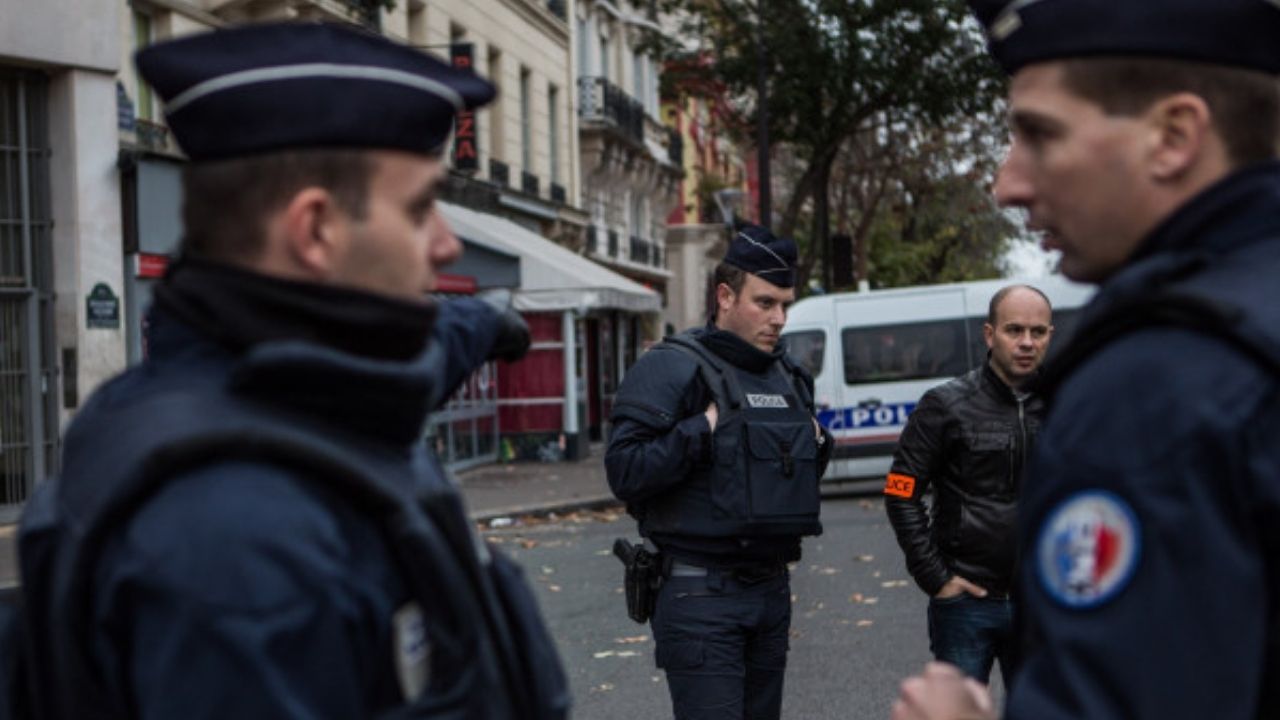
    French authorities said they have charged two teenagers with the gang rape of a 12-year-old Jewish girl in a Paris suburb in an attack suspected to have been motivated by anti-Semitism.

    The violence has sent shockwaves through the Jewish community and added to tensions in the run-up to a snap election that could bring the far-right National Rally to power for the first time.

    The girl told police she was approached by three boys aged between 12 and 13 while she was in a park near her home with a friend and dragged into a shed on Saturday evening in the northwestern suburb of Courbevoie.

    The suspects beat her and “forced her to have anal and vaginal penetration, fellatio, while uttering death threats and anti-Semitic remarks,” a police source told AFP.

    Her friend managed to identify two of the attackers.

    The three boys were arrested on Monday.

    On Tuesday evening, two of them both aged 13 were charged with gang rape, anti-Semitic insults and violence and issuing death threats. The pair were taken into custody.

    The third boy, 12, was also charged with anti-Semitic insults and violence and issuing death threats, but not with rape. He was allowed return home after being charged.

  • Israeli official confirms Netanyahu dissolves war cabinet

    Israeli official confirms Netanyahu dissolves war cabinet

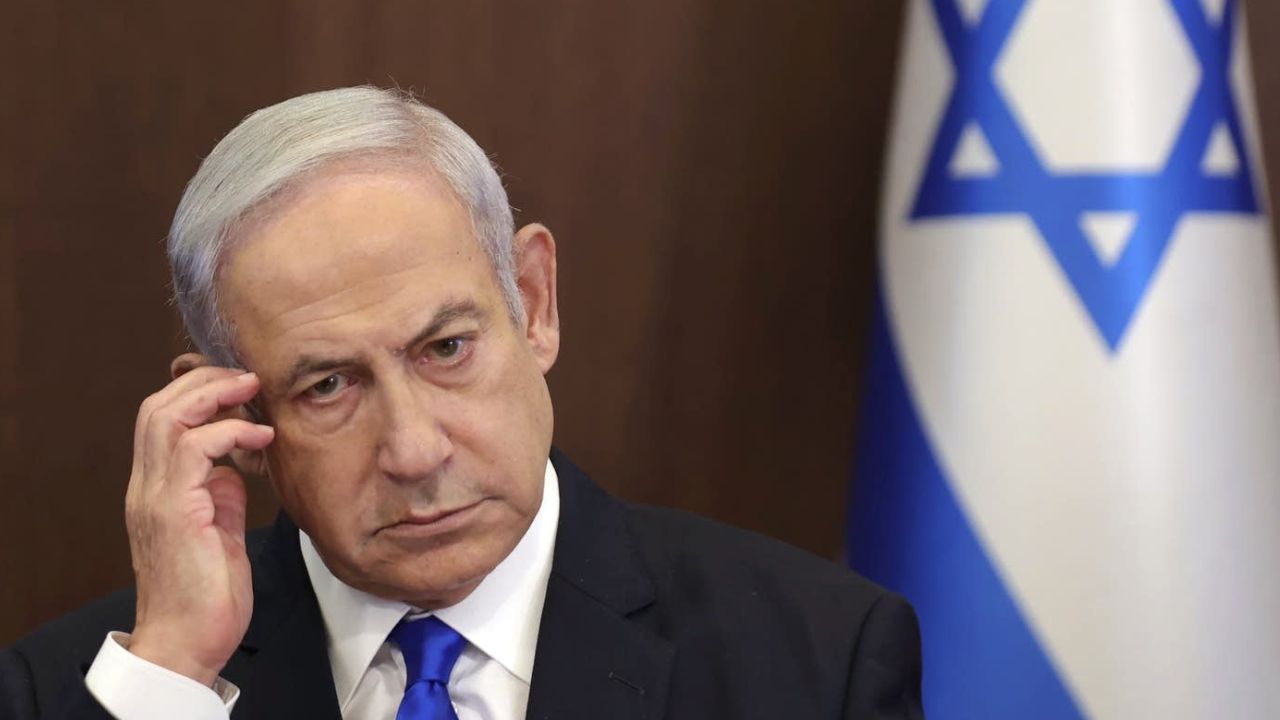
    An Israeli government spokesman on Monday said Prime Minister Benjamin Netanyahu had dissolved the war cabinet following the resignation earlier this month of centrist leader Benny Gantz.

    David Mencer, spokesman at the prime minister’s office, told reporters the war cabinet was a “prerequisite” for former army chief and defence minister Gantz to join a unity government.

    “So with Mr Gantz leaving government, there is no need for the cabinet. Its duties will be taken over by the security cabinet”, a pre-existing body, on matters regarding the war between Israel and Hamas in the Gaza Strip, he said.

    Israeli media said the move, which was not expected to trigger any major policy shift, was meant to counter pressure from far-right politicians seeking a greater say in decision-making.

    The war cabinet was formed after Gantz had left the opposition to join Netanyahu’s government following Hamas’s October 7 attack on Israel.

    Another member of Gantz’ party, also a former military chief, Gadi Eisenkot, had also agreed to join the government on condition that a war cabinet be formed, according to Israeli officials.

    Eisenkot left the war cabinet along with Gantz.

    “It means that the security cabinet will meet more often. The security cabinet is the body responsible for making decisions (related to the war) anyway,” said an Israeli official on condition of anonymity because he was not authorised to speak on the issue.

    Defence Minister Yoav Gallant, National Security Adviser Tzachi Hanegbi and Strategic Affairs Minister Ron Dermer, who were all part of the war cabinet, also sit on the security cabinet — which ratifies decisions regarding the war including truce and hostage release negotiations.

    Gantz announced his resignation on June 9 after failing to get Netanyahu to approve a post-war plan for Gaza.

    Israeli media reported that Netanyahu dissolved the war cabinet to avoid including far-right coalition members in the sensitive forum, fearing harm to relations with Western allies such as the United States.

    Mencer declined to answer when asked if Netanyahu’s decision aimed to rebuff his far-right partners and tighten his grip over decision-making.

    National Security Minister Itamar Ben Gvir and Finance Minister Bezalel Smotrich, who are both security cabinet members and opposed to a truce before Hamas is “eliminated”, had put pressure on Netanyahu to add them to the war cabinet.

    Israel’s genocide against Palestinians in Gaza has killed at least 37,347 people, also mostly civilians, according to the health ministry in the territory.

  • Islamophobic residents protest allotment of flat to Muslim woman in India

    Islamophobic residents protest allotment of flat to Muslim woman in India

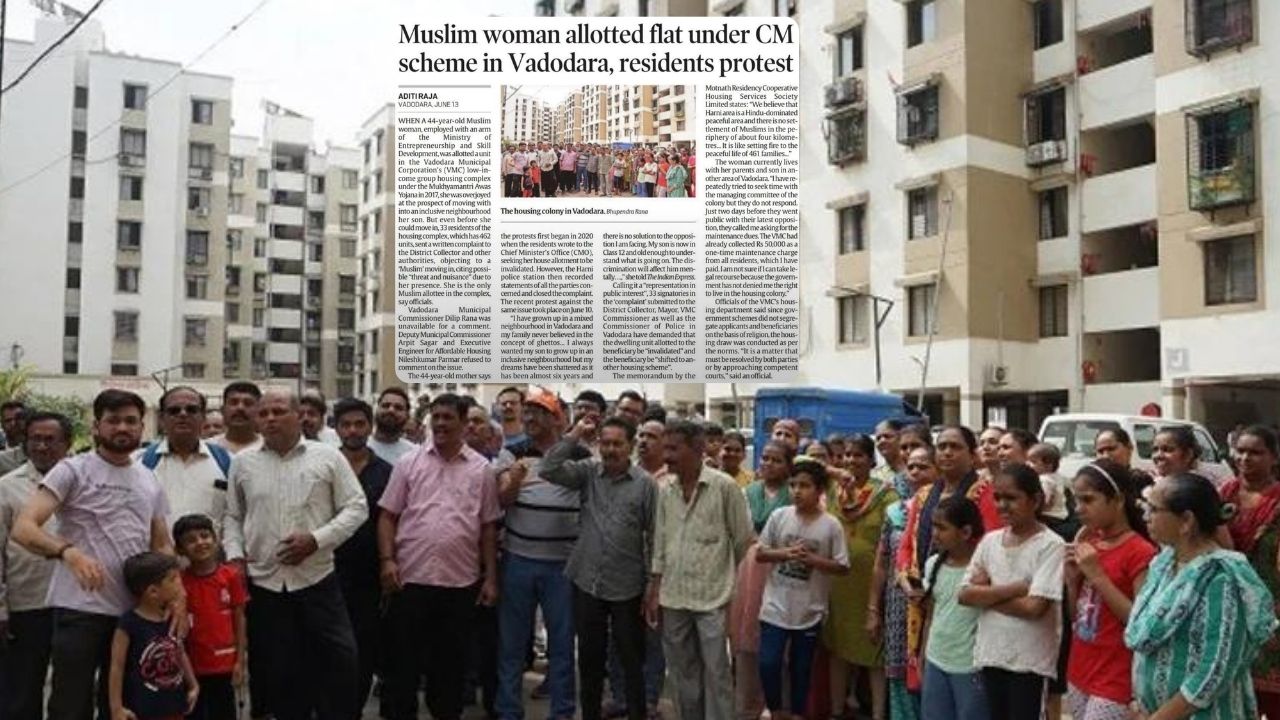
    Residents of a housing scheme built under the Gujarat government’s housing project have launched protests against the allotment of a flat to a Muslim woman in India, claiming that the locality is meant ‘only for Hindus’.


    The protestors told local media that if the allotment was not revoked, they would intensify their agitation and hold protests in other cities, including the capital, New Delhi.


    “Though I was given the house way back in 2018, there is no solution in sight. I currently live at another place with my son,” said the woman.


    The extremist Hindu protestors believe that houses cannot be allotted to members of minority communities because it is a locality of Hindu inhabitants and falls under the Disturbed Areas Act that puts a ban on the sale of property by members of one religious community to those from another community without the prior approval of the District Collector.


    “The protest by the residents have once again exposed the near-complete housing segregation in Gujarat where in a majority of places, Muslims don’t get any house for lease or for purchase,” highlighted the report by The Hindu.

  • Princess Catherine looks stunning in first public appearance since cancer diagnosis

    Princess Catherine looks stunning in first public appearance since cancer diagnosis

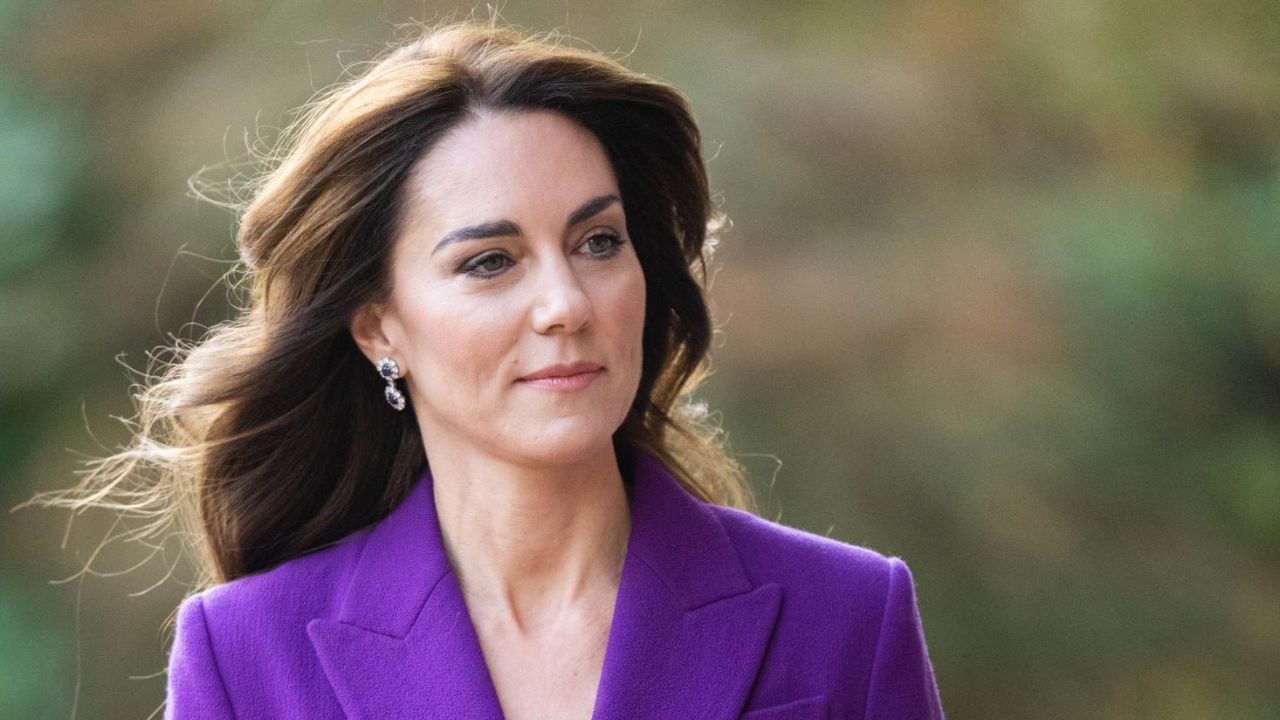
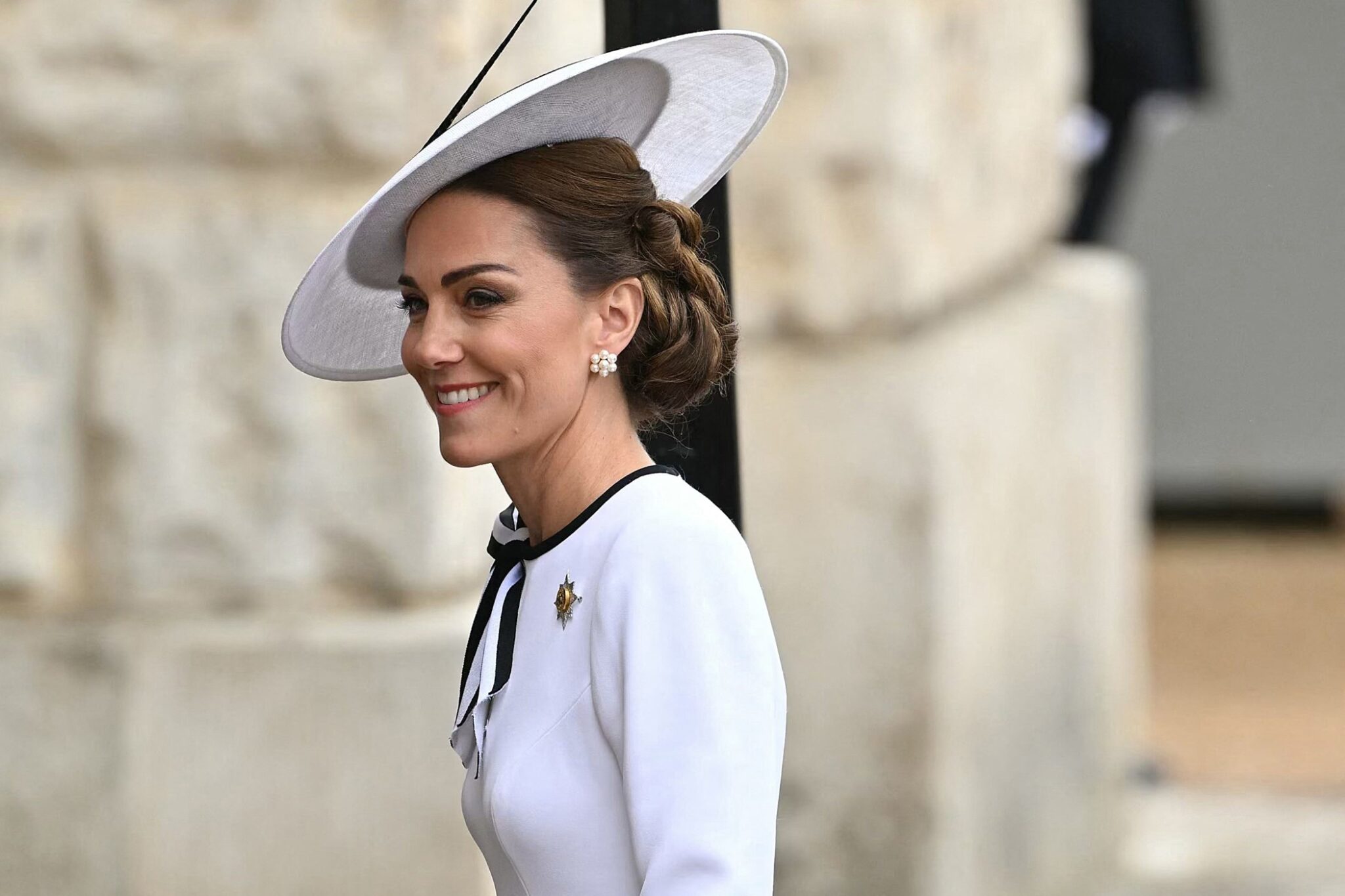
    Catherine, Princess of Wales, on Saturday made a tentative return to public life for the first time since being diagnosed with cancer, attending a military parade in central London to mark Britain’s King Charles III’s official birthday.

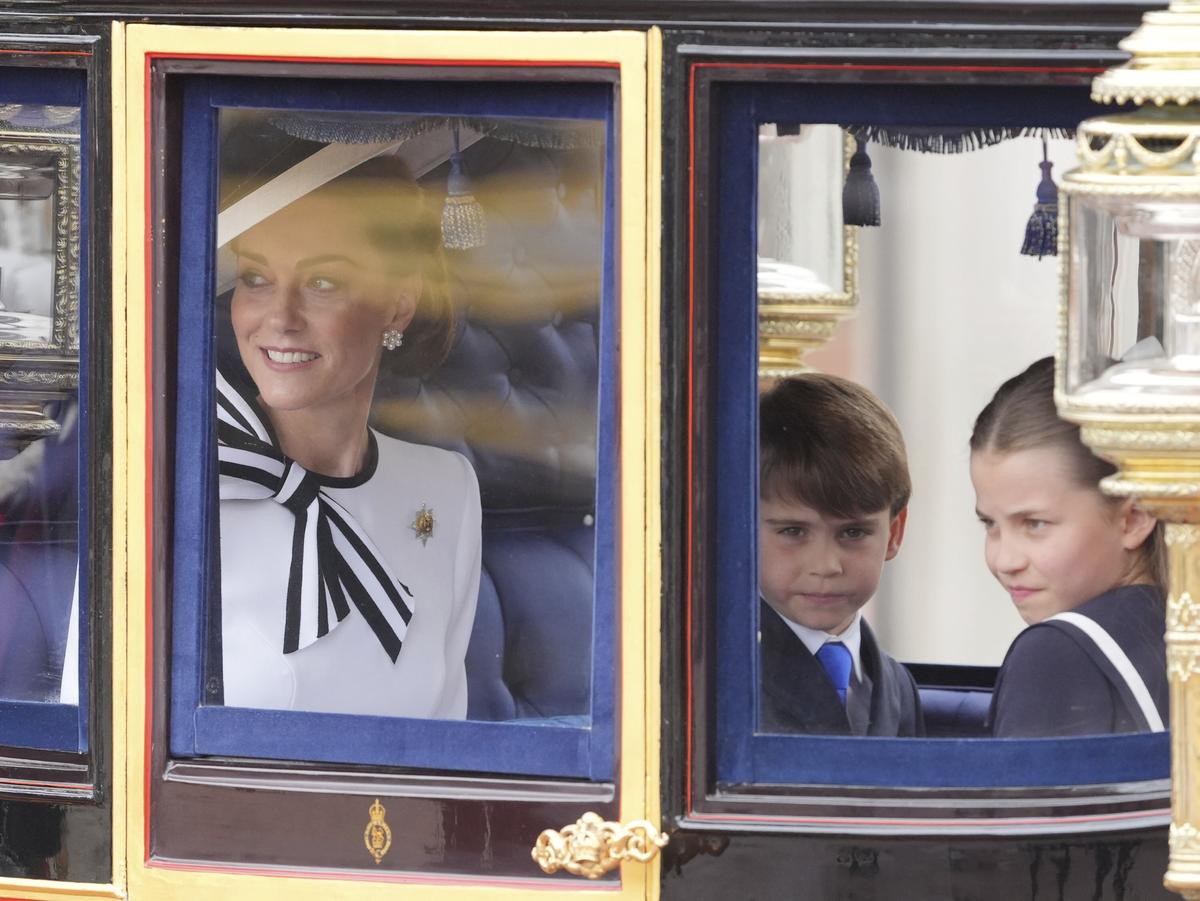
    Kate, as she is widely known, rode in a carriage alongside her three children at the outset of the annual celebration before disembarking to watch proceedings from a viewing point.

    It comes nearly three months after the future queen revealed she was receiving chemotherapy treatment. The 42-year-old princess had not been seen at a public engagement since a Christmas Day service last year.

    In a Friday evening statement Kate said she was “making good progress” with her treatment, which is set to last for several more months, but was “not out of the woods yet”.

    “I’m looking forward to attending the King’s Birthday Parade this weekend with my family and hope to join a few public engagements over the summer,” the princess said.

    Kate’s announcement that she had cancer came just weeks after it was disclosed that her father-in-law, King Charles III, had also been diagnosed with the condition.

    Neither has revealed what type of cancer they have.

    British head of state Charles, 75, was given the green light to resume public duties in April, after doctors said they were “very encouraged” by his progress.

    His first engagement was meeting staff and patients at a London cancer treatment centre.

    Earlier this month, he attended commemoration events in northern France for the 80th anniversary of D-Day.

    However, unlike previous years when he inspected troops on horseback at Trooping the Colour, Charles participated this year from a carriage, in full military regalia alongside Queen Camilla.

    His elder son and heir William, 41, rode on horseback, also in military uniform.

    Kate, wearing a white dress and hat, had been seen arriving by car at Buckingham Palace with William and their children ahead of the parade, which formally began at 11:00 am (1000 GMT).

    Spectators on The Mall leading to Buckingham Palace to witness the yearly ceremonial event welcomed Kate’s tentative return to public appearances.

    “I was so pleased to hear the news last night,” Angela Perry, a teacher in her 50s from Reading in central England, told AFP.

    “She’s our future queen. She’s so important,” she added, calling Kate’s reemergence “reassuring”.

    Royal officials will be keen to manage expectations about Kate’s gradual return to the public eye, and have maintained that her appearances will depend on her treatment and recovery.

    Kate explained in her statement that she had “good days and bad days” and was “taking each day as it comes”.

    After travelling with Prince George, aged 10, Princess Charlotte, nine, and six-year-old Prince Louis in a state carriage to watch the parade from a building, the family were set to return to Buckingham Palace for a balcony appearance.

    Trooping the Colour marks the British sovereign’s official birthday and is a minutely choreographed military tradition dating back more than two centuries.

    It starts at Buckingham Palace and moves down The Mall to Horse Guards Parade, where Charles will receive a royal salute before inspecting soldiers.

    Charles was actually born in November but the second birthday tradition dates back to King George II in 1748, who wanted to have a celebration in better weather as his own birthday was in October.

    The ceremony has its origins in the preparations for war, where all regimental flags — or colours — were shown to the soldiers so that they would recognise them in the confusion of battle.

    This year’s event will include three of five military horses that bolted through the streets of central London in April after being spooked by the noise of building construction.

    London’s Metropolitan Police said it would mount a “significant” security operation and had been liaising with anti-monarchy group Republic, which kicked off protests at the event.

    The force said it had banned “amplified sound” in and around the parade route on public safety grounds and to avoid disruption to the mounted regiments taking part.

    Republic’s activists, who huddled on a section of The Mall alongside royalists, held aloft placards bearing slogans including “not my king” and “down with the crown”.

  • Passengers strip, faint after AC breaks down on Qatar Airways plane

    Passengers strip, faint after AC breaks down on Qatar Airways plane

    A Qatar Airways flight endured three hours without air conditioning while the plane waited in the heat at Athens airport.


    Passengers scheduled to head to Doha on Monday (June 10) nearly suffocated after the plane’s air-conditioning system stopped working while it was waiting to take off.

    The heat resulted in some passengers stripping off their clothes while others fainted.

    Some passengers reportedly suffered nosebleeds, while others relied on oxygen masks to help with breathing.

    While passengers were stuck in the stifling heat inside the plane, the outside temperature reached a high of 43 degrees Celsius.


    A physical confrontation also nearly broke out between passengers and flight crew during the incident.


    Smoke was emitting from the aircraft’s rear while it was waiting to take off, prompting airport officials to put fire trucks on standby in case of fire.

    The passengers included 49 members of the Thai Muay Thai team returning from the world championship.

    Muay Thai athlete Thananchai Sitsongpeenong told reporters that he only spotted the smoke after he got off the plane.


    “I consider myself lucky to have survived this,” he told The Nation, adding that he and other passengers were practically melting in the sauna-like heat on board.

  • Israeli soldiers turn mosque to ‘cooking place’ in Rafah

    Israeli soldiers turn mosque to ‘cooking place’ in Rafah

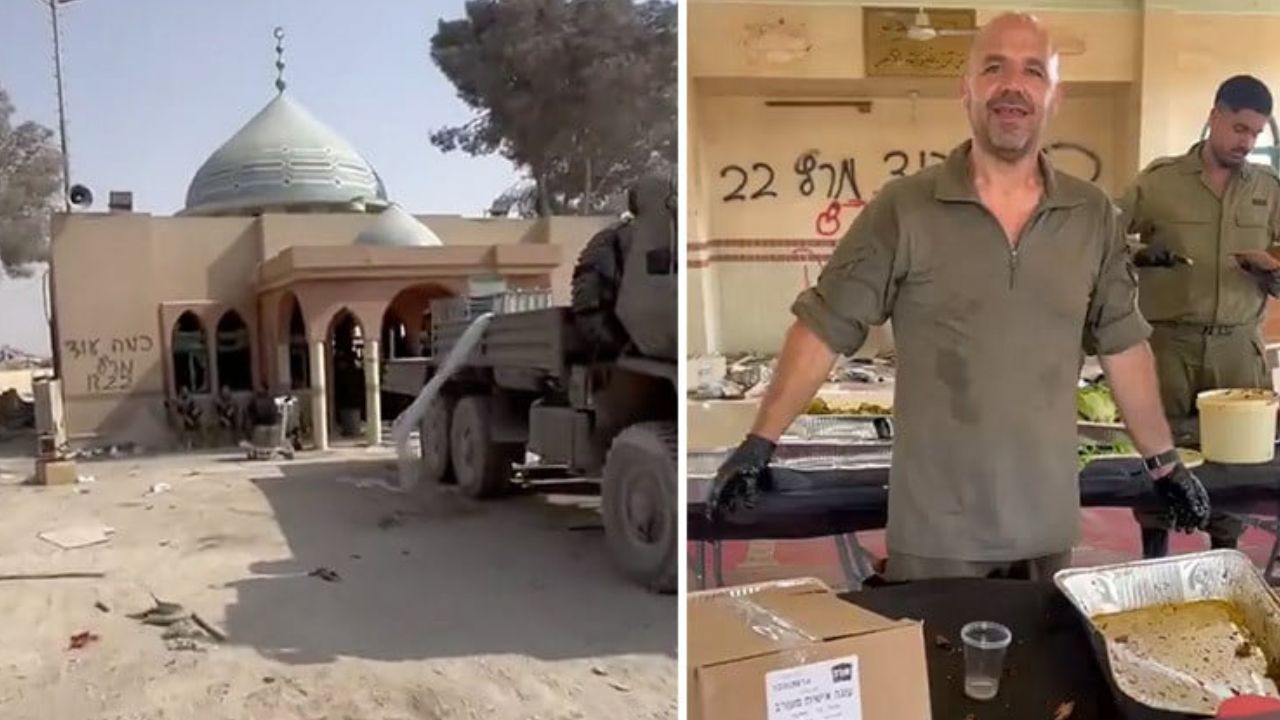
    Israeli soldiers have turned a mosque in Rafah in southern Gaza into a cooking place.

    A clip that emerged on social media showed a mosque being used by soldiers to serve meals.

    The video features large tables inside the mosque on which Israeli soldiers had placed various types of food items.

    A sticker affixed to a cardboard food box used by soldiers is also shown, with a production date of May 22, which is likely when the video was shot.

    Israeli military vehicles also appear stationed inside the Rafah border crossing near the mosque.

    Israel has faced international condemnation amid its continued brutal offensive on Gaza since Oct. 7, 2023, despite a UN Security Council resolution demanding an immediate cease-fire.

    More than 37,200 Palestinians have since been killed in Gaza, most of them women and children, and more than 84,900 others injured, according to local health authorities.


    Eight months into the Israeli war, vast tracts of Gaza lay in ruins amid rampant starvation.