Category: FOREIGN

  • New crime: Green eyes

    New crime: Green eyes

    A husband in Egypt divorced his new bride for an absurd reason.

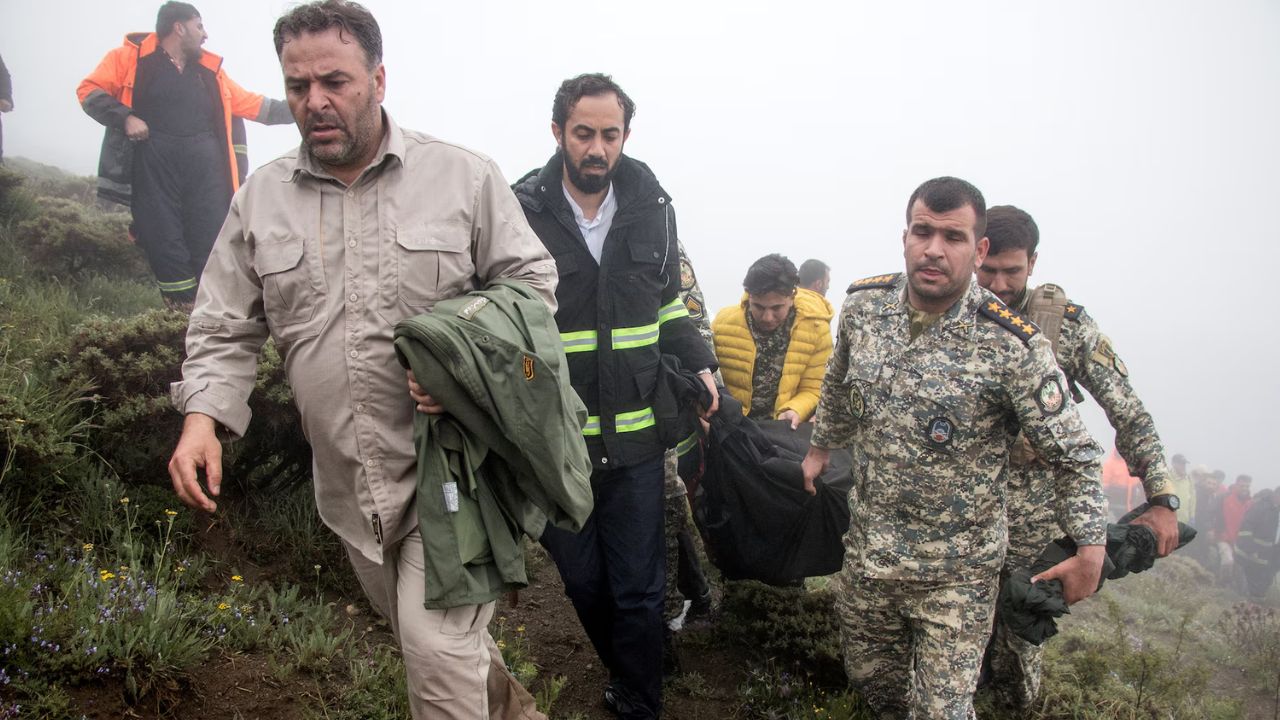
    During a hearing at the family court of Cairo, the lawyer of the woman revealed that the morning after the wedding, the woman’s husband started quarrelling with her because of the colour of her eyes after she took off her contact lenses post- event.

    The real colour of his wife’s eyes is green which the husband did not know about.

    To end the quarrel, the wife tried to tell her husband that poor eyesight compelled her to always wears contact lenses and take them off only when she sleeps, but all was in vain.

    On the other hand, the ex-husband of the woman said that since the wife’s eyes are green, their children could also have green eyes — citing that as the reason for asking for a divorce.

    According to Al Arabiya News, the woman belongs to Cairo, the capital of Egypt, and is a law student.

  • UK PM Sunak calls general election for July 4

    UK PM Sunak calls general election for July 4

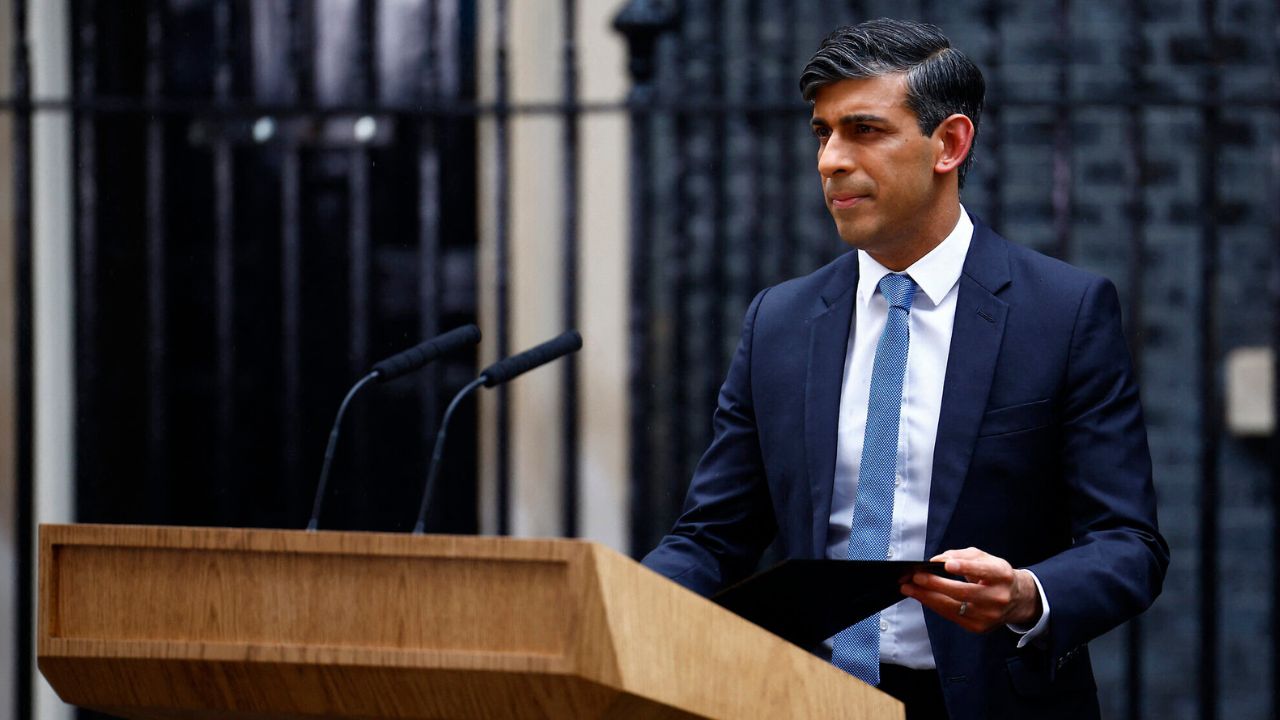
    UK Prime Minister Rishi Sunak on Wednesday set a general election date for July 4, ending months of speculation but not the doom-laden forecasts about the size of the government’s expected defeat.

    The poll will be the first time Sunak, 44, faces the public while in charge, after he was appointed leader of the largest party in parliament by Conservative MPs in October 2022.

    The vote — the third since the Brexit referendum in 2016 — comes as Sunak seeks to capitalise on better economic data to woo voters hit by cost-of-living rises.

    Halving inflation within a year from historic highs of above 11 percent at the end of 2022 was one of the former financier’s five key pledges.

    That happened last year and on Wednesday rates slowed to a near three-year low at 2.3 percent, prompting finance minister Jeremy Hunt to declare: “This is proof that the plan is working.”

    Sunak, in a Downing Street statement made in driving rain after he gathered his top ministers, said he had spoken to head of state King Charles III and requested the dissolution of parliament.

    “The king has granted this request and we will have a general election on July 4,” he said, adding: “Now is the moment for Britain to choose its future.”

    Parliament will be prorogued — suspending the current session — on Friday, then formally dissolved next Thursday, before campaigning begins.

    Keir Starmer, whose resurgent Labour party is widely tipped to win power in a landslide, called the vote a chance to “turn the page” on 14 years of Tory “chaos”.

    Bounce?

    Political commentators have increasingly suggested that Sunak could try to seek a pre-election bounce from the healthier economic outlook.

    But critics point out that it is more to do with changes in the global economy than government policy.

    Sunak had previously batted back all efforts to name a date, saying only that he would go to the country in the second half of this year.

    Speculation mounted again after Sunak and his top officials on Wednesday refused to deny fresh talk that he was about to call an election on the back of the more positive data.

    Rumours went into overdrive when Foreign Secretary David Cameron was recalled from a trip to Albania and Defence Secretary Grant Shapps delayed a trip to eastern Europe to attend a cabinet meeting.

    Hunt also cancelled a scheduled television interview for Wednesday evening, ITV’s political editor said, as journalists, photographers and camera crews flocked to Downing Street.

    Uphill task

    The economy — hit by external factors such as Covid and more self-inflicted wounds such as Brexit and former premier Liz Truss — will be a key battleground.

    But Sunak faces an uphill task to convince the public that the country’s finances are still safe in Tory hands after 14 years in power.

    Sunak has tried to steady the ship since succeeding Truss, whose 49-day tenure ended after her unfunded tax cuts sent household bills soaring, spooked the markets and crashed the pound.

    Immigration — another key issue since the government’s vote-winning pledge to “take back control” of Britain’s borders after Brexit — remains politically troublesome.

    Sunak — the Tories’ fourth leader since 2016 — has talked tough to “stop the boats” of irregular migrants crossing the Channel from northern France.

    But his controversial scheme to deport asylum seekers to Rwanda has yet to get off the ground, as costs and legal challenges mount.

    Starmer’s Labour has meanwhile been consistently ahead of the Tories by 20 points for almost two years.

    “It really is Labour’s to lose at this stage,” finance worker Stephen Mann, 55, told AFP in central London.

    Wipe-out?

    Desperate polling for Sunak has sparked talk of a landslide similar to the first of Tony Blair’s three election victories for Labour in 1997 — and even a near wipe-out for the Tories.

    Starmer, 61, and his top team have in recent weeks been honing their election pitch, nearly five years after the party was thrashed by Boris Johnson and his vow to “Get Brexit Done”.

    Last week, Starmer set out six key pledges that were notably more electorally friendly than the hard-left policies of his divisive predecessor Jeremy Corbyn.

    Starmer, a pro-European centrist, promised economic stability, shorter health service waiting times and a new border security command to tackle irregular immigration.

    He also vowed to establish a publicly owned clean energy company, crack down on anti-social behaviour with more neighbourhood police and recruit 6,500 new teachers.

    pdh-phz/bc

    © Agence France-Presse
  • Iran’s Raisi to be laid to rest in home town

    Iran’s Raisi to be laid to rest in home town

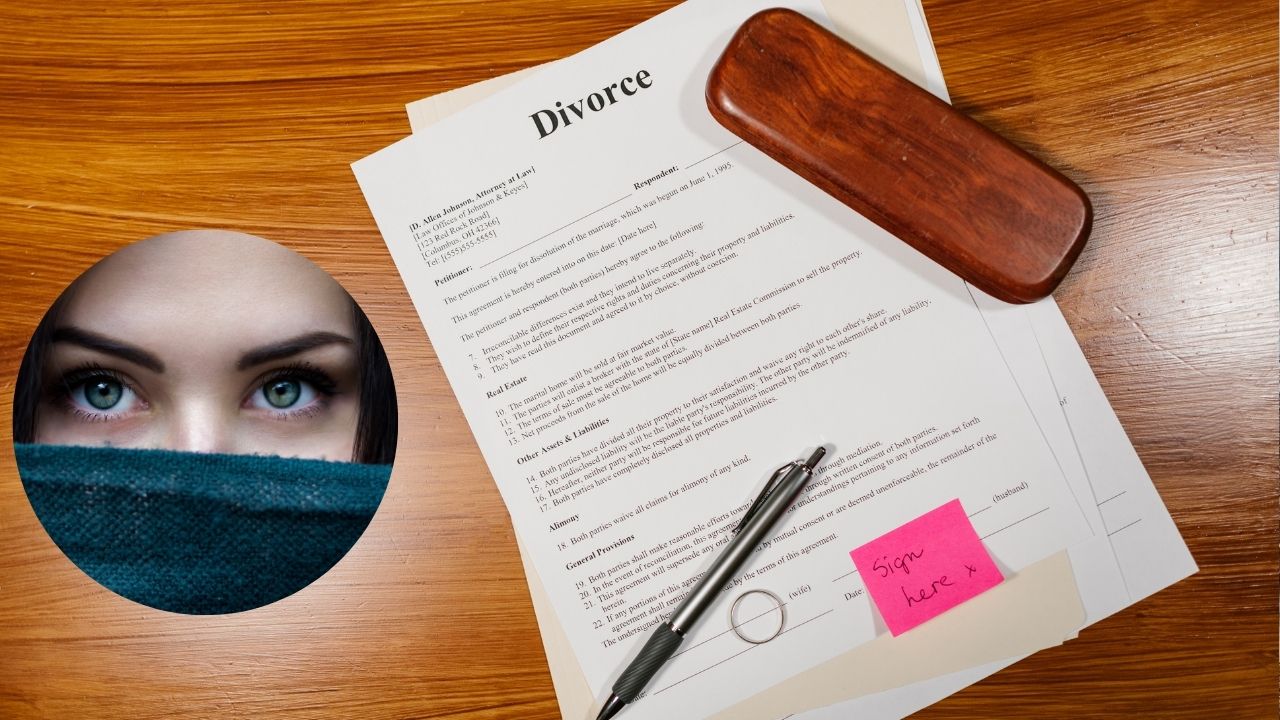
    Iran’s president Ebrahim Raisi, who was killed in a helicopter crash, will be buried Thursday in his hometown after two days of funeral processions attended by thousands of mourners.

    Raisi, 63, died on Sunday alongside his foreign minister and six others when their helicopter crashed in the country’s mountainous northwest while returning from a dam inauguration.

    His final resting place will be at the holy shrine of Imam Reza, a key Shiite mausoleum in the northeastern city of Mashhad, where the ultra-conservative president was born.

    Images published by Iranian media on Wednesday showed officials in Mashhad preparing for the final day of funerary rites.

    Large photos of Raisi, black flags and Shiite symbols were erected throughout the streets of Iran’s second city, particularly around the Imam Reza shrine.

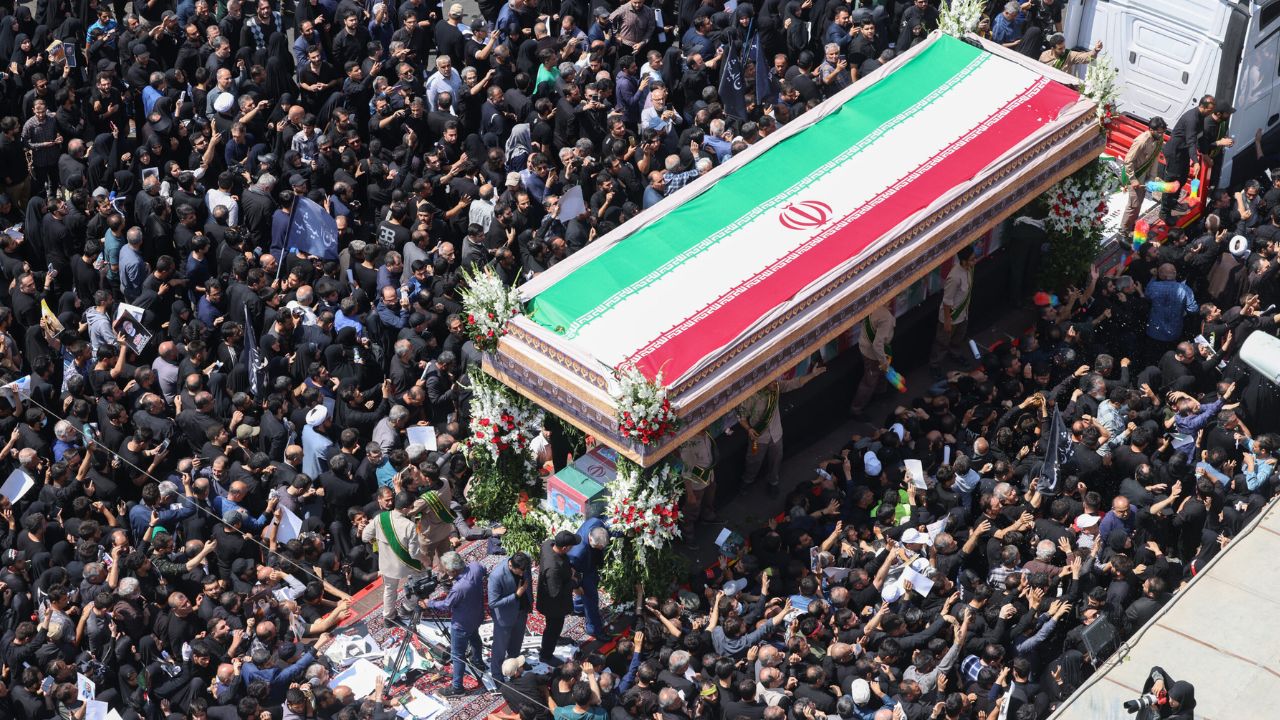
    Massive crowds had gathered for a funeral procession on Wednesday in the capital Tehran to pay their final respects to the president, whom officials and media dubbed a “martyr”.

    Supreme leader Ayatollah Ali Khamenei — whom Raisi had been widely expected to succeed — led prayers for the late president, kneeling before the coffins of the eight people killed in the crash.

    Among them was foreign minister Hossein Amir-Abdollahian, who will also be buried Thursday in the shrine of Shah Abdol-Azim in the town of Shahr-Rey south of the capital.

    – June 28 election –

    Tunisian President Kais Saied and Qatari Emir Tamim bin Hamad al-Thani attended an afternoon ceremony for Raisi on Wednesday in which around 60 countries took part, said state news agency IRNA.

    Member countries of the European Union were among the absentees of the ceremony, while some non-member countries, including Belarus and Serbia had their representatives.

    Khamenei, who wields ultimate authority in Iran, has declared five days of national mourning and assigned vice president Mohammad Mokhber, 68, as caretaker president until a June 28 election for Raisi’s successor.

    A presidential election in Iran had not been expected until next year, and Sunday’s crash has caused some uncertainty as to who will succeed Raisi, with some expressing concern about the upcoming president.

    “How do I find someone like him? I’m really worried about that,” said 31-year-old cleric Mohsen at Wednesday’s funeral in Tehran. “As far as I know, we don’t have anyone of his stature.”

    Raisi was elected president in 2021, succeeding the moderate Hassan Rouhani at a time when the economy was battered by US sanctions imposed over Iran’s nuclear activities.

    The ultra-conservative’s time in office saw mass protests, a deepening economic crisis and unprecedented armed exchanges with arch-enemy Israel.

    After his death, Russia and China sent their condolences, as did NATO, while the UN Security Council observed a minute’s silence.

    Messages of condolence also flooded in from Iran’s allies around the region, including the Syrian government as well as Hamas and Hezbollah.

  • EU accused of funding migrant dumping in Sahara

    EU accused of funding migrant dumping in Sahara

    The European Union admitted on Tuesday to a “difficult situation” after a journalism consortium said Tunisia, Morocco, and Mauritania were dumping migrants in the desert, using the bloc’s funds.

    The wide-ranging investigation by Lighthouse Reports with outlets including Le Monde and The Washin­gton Post paints the EU as complicit in a “system of mass displacement” and serious rights abuses.

    “Europe supports, finances and is directly involved in clandestine operations in North African countries to dump tens of thousands of black people in the desert or remote areas each year to prevent them from coming to the EU,” a report said.

    Such operations, it said, were “run thanks to money, vehicles, equipment, intelligence and security forces provided by the EU and European countries”.

    “This is a difficult situation. It’s a fast-moving situation, and we will continue to work on it,” European Commission spokesman Eric Mamer told reporters when questioned about the investigation.

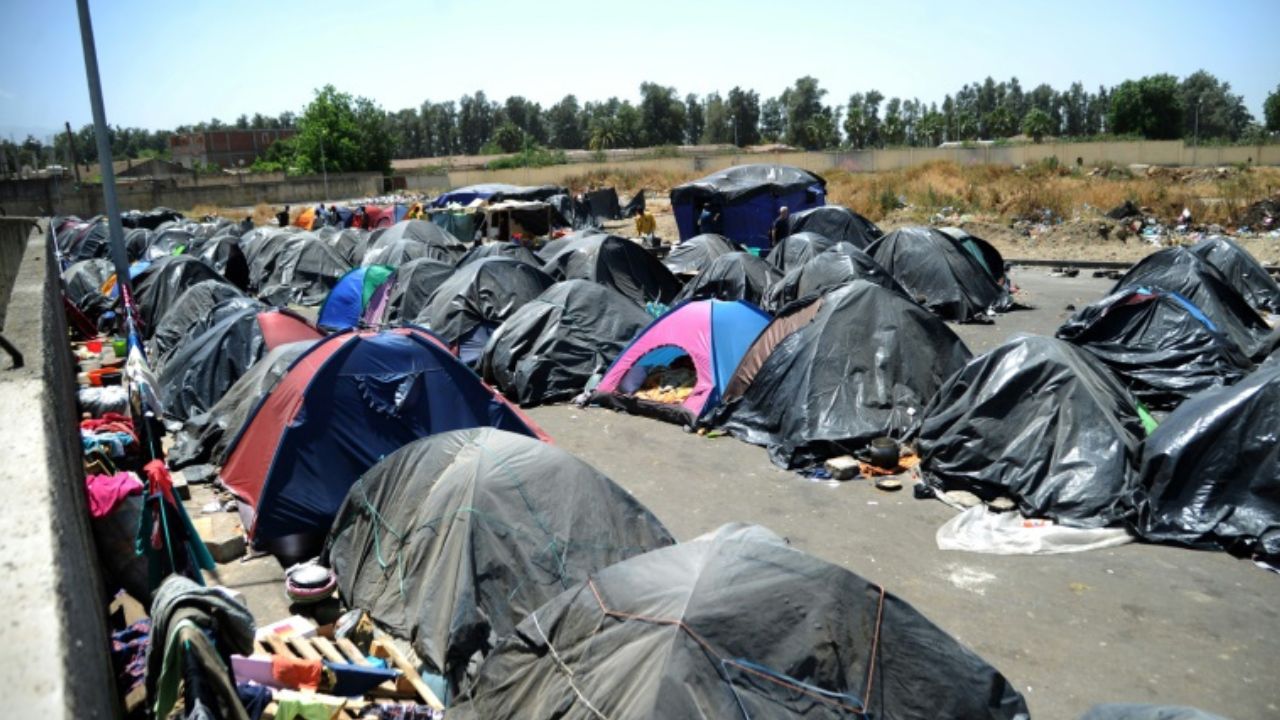
    The report said refugees and migrants in Morocco, Mauritania and Tunisia were being “apprehended based on the colour of their skin, loaded onto buses and driven to the middle of nowhere, often arid desert areas”, without water or food.

    Others reportedly were taken to border areas where they were allegedly “sold by the authorities to human traffickers and gangs who torture them for ransom”. The 27-nation EU has struck deals with the three named countries with explicit financing to boost stopping irregular migration to Europe.

    Brussels has given 150 million euros ($160 million) to Tunisia under a recent accord, with more promised. It has also allocated 210 million euros to Mauritania and 624 million euros to Morocco under the cooperation agreements.

    Racially motivated practices

    The EU’s efforts to have African countries stem migration flows across the Mediterranean Sea go hand in hand with a newly agreed overhaul of the bloc’s asylum rules. These will make EU borders tighter and speed up the deportation of unsuccessful asylum seekers.

    The Lighthouse Reports said it interviewed more than 50 black migrants — all of them from sub-Saharan Africa and West Africa — who had been expelled from the three North African countries.

    Their testimony, including videos and photos, “helped us to recognise the systematic and racially motivated nature of the practices,” along with the consortium’s own evidence gathering, it said.

    It cited unnamed European officials as denying that EU funds were being used to violate migrants’ rights. But it said two EU sources acknowledged it was “impossible” to fully account for how the funding from Brussels was being used.

    The European Commission — the EU’s executive arm — did not respond explicitly to the report’s allegations. Commission spokeswoman, Ana Pisonero, said: “Sometimes the situation is challenging in our partner countries… (but they) remain sovereign states and they continue to be in control of their national forces.” She said the EU monitored programmes it provided funding for, and noted pledges from partner countries to uphold international law and human rights.

  • Israel recalls its envoys to Ireland, Norway, Spain

    Israel recalls its envoys to Ireland, Norway, Spain

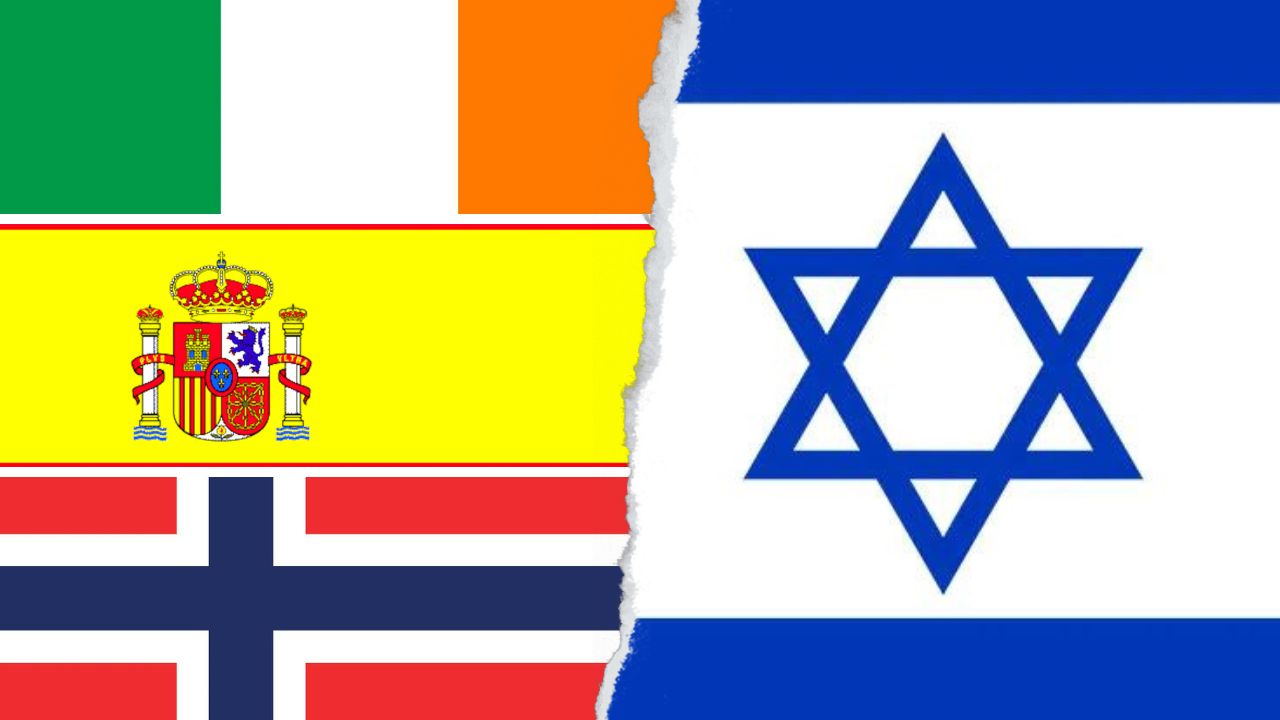
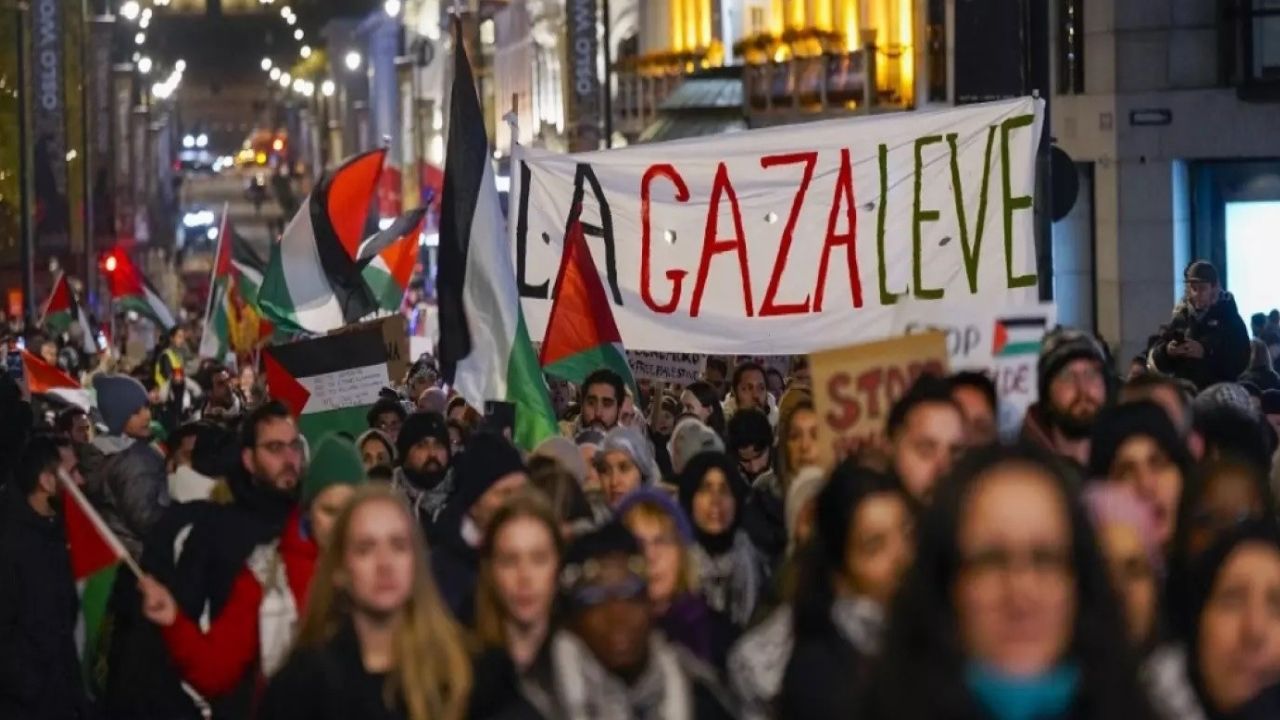
    Israel recalled its ambassadors to Ireland, Norway and Spain on Wednesday and also summoned their envoys in protest at the three governments’ recognition of a Palestinian state.

    Foreign Minister Israel Katz charged that all three countries were rewarding the Palestinian group Hamas for their October 7 attack which sparked the Gaza war.

    “The twisted step of these countries is an injustice to the memory of the 7/10 victims,” he said in a statement.

    Israel’s envoys were being recalled from Dublin, Oslo and Madrid for “urgent consultations” and threatened “serious consequences”, the minister added.

    Katz said that the three countries’ ambassadors were also being summoned for a “conversation that would rebuke” their governments’ decision to recognise a Palestinian state by May 28.

    Israeli genocide against Palestinians has killed at least 35,647 people in Gaza, mostly women and children, according to the Hamas-run territory’s health ministry.

    Katz said he would show the three ambassadors a video of the kidnapping of female Israeli soldiers during the Hamas attack.

    “They decided to award a gold medal to the murderers and rapists of Hamas,” Katz said. “We will demonstrate to them what a twisted decision their governments took.”

    mod-jd/fz

    © Agence France-Presse

  • Spain, Norway, Ireland recognise Palestine state in historic move

    Spain, Norway, Ireland recognise Palestine state in historic move

    Spain, Norway and Ireland have officially recognised the Palestinian state on Wednesday, paving the way for other European countries to do the same.

    The momentous development comes as yet another setback to Israel after the ICC announced this week that it will seek arrest warrants for Prime Minister Benjamin Netanyahu and Defence Minister Gallant for war crimes.

    “Today, Ireland, Norway and Spain are announcing that we recognise the state of Palestine,” Irish Prime Minister Simon Harris announced at a news conference, adding that other countries will join them within a few weeks.

    Israel reacted by announcing that it has recalled its ambassadors to Norway and Ireland. The occupying country’s ambassador to Spain had already been recalled in November last year.

    During the news conference, Harris said that he viewed the two-state solution as the only viable pathway for peace and security for the peoples of Israel and Palestine.

  • Relieved travellers land in Singapore after deadly turbulence

    Relieved travellers land in Singapore after deadly turbulence

    Rattled travellers and crew landed in Singapore Wednesday after a terrifying high-altitude plunge on a flight from London during which an elderly passenger died and more than 80 were injured.

    Singapore Airlines flight SQ321 hit “sudden extreme turbulence” over Myanmar 10 hours into its journey on Tuesday, abruptly rising and plunging several times.

    One passenger said people were thrown around the cabin so violently they put dents in the ceiling during the drama at 11,300 metres (37,000 feet), leaving dozens with head injuries.

    Photos from inside the plane show the cabin in chaos, strewn with food, drinks bottles and luggage, and with oxygen masks dangling from the ceiling.

    The plane, carrying 211 passengers and 18 crew, made an emergency landing at Bangkok’s Suvarnabhumi Airport, where medical staff used gurneys to ferry the injured to ambulances waiting on the tarmac.

    A 73-year-old British man died, while Bangkok’s Samitivej Srinakarin Hospital said late Tuesday 71 people had been sent for treatment — six of them seriously injured.

    The airport in the Thai capital said 83 passengers and crew were hurt.

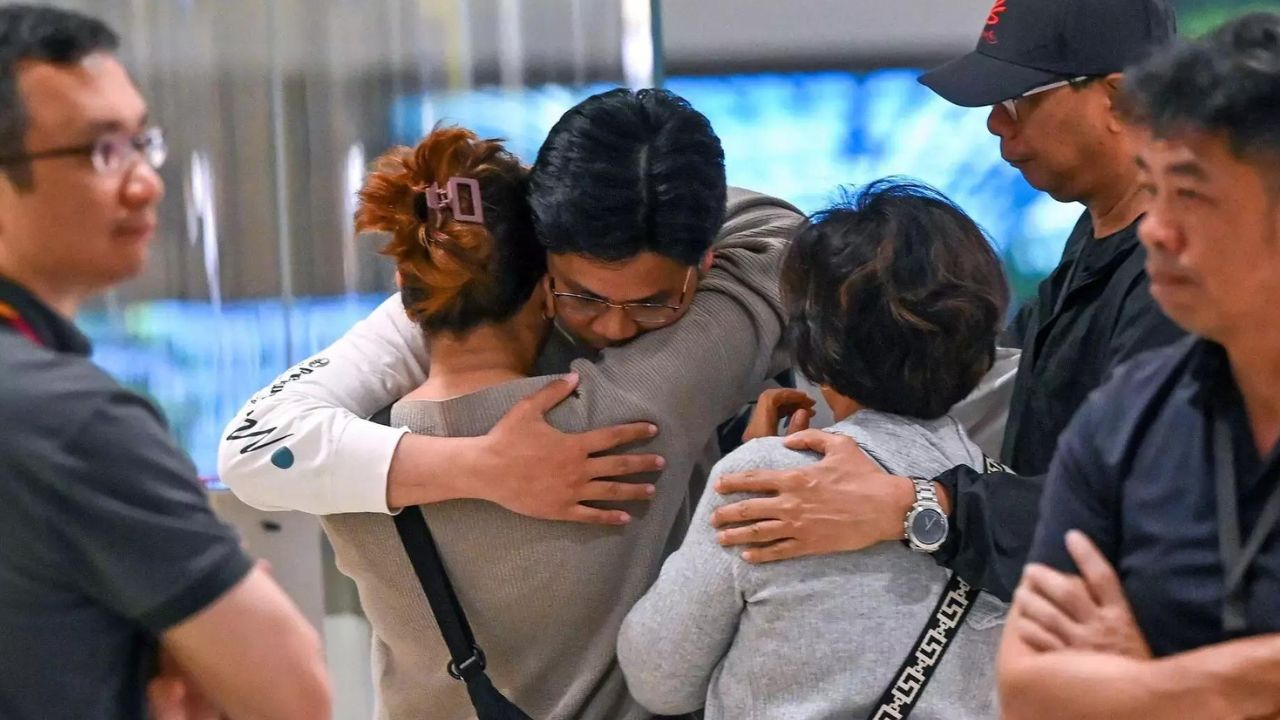
    A relief flight carrying 131 passengers and 12 crew landed at Singapore’s Changi Airport on Wednesday morning.

    Relieved relatives greeted the arrivals with hugs but all were too shaken to talk to waiting reporters.

    Andrew Davies, a British passenger aboard the Boeing 777-300ER, told BBC radio that the plane “suddenly dropped” and there was “very little warning”.

    “During the few seconds of the plane dropping, there was an awful screaming and what sounded like a thud,” he said, adding that he helped a woman who was “screaming in agony” with a “gash on her head”.

    Separately, he told a BBC podcast he feared the plane was going to crash.

    “Remembering the plane now — the huge dents in the roof that people had obviously hit with their head. There was a water bottle stuck in a gap in the ceiling,” he said.

    Singapore Prime Minister Lawrence Wong sent his “deepest condolences” to the family and loved ones of the dead man — identified as Geoff Kitchen, a musical theatre director from near Bristol.

    The city-state is sending investigators to Bangkok to probe the incident and Wong posted on Facebook that they were “working closely with Thai authorities.”

    Of the passengers, 56 were Australians, 47 British and 41 Singaporeans, according to the airline.

    “In terms of exactly what happened, it’s too early to tell. But I think passengers are too casual on board commercial aircraft,” US-based aerospace safety expert Anthony Brickhouse told AFP.

    “The moment the captain turns off the seatbelt sign, people literally unbuckle.”

    Davies, the passenger, said “the plane suddenly dropped” at the very moment a seatbelt sign came on.

    Allison Barker told the BBC her son Josh, who was aboard the plane, texted her that he was on “a crazy flight” that was making an emergency landing.

    “It was terrifying,” she said. “I didn’t know what was going on. We didn’t know whether he’d survived, it was so nerve-racking. It was the longest two hours of my life.”

    Scientists have long warned that climate change is likely to increase so-called clear air turbulence, which is invisible to radar.

    A 2023 study found the annual duration of clear air turbulence increased 17 percent from 1979 to 2020, with the most severe cases increasing more than 50 percent.

  • Before Raisi, other leaders killed in aviation crashes

    Before Raisi, other leaders killed in aviation crashes

    Iranian President Ebrahim Raisi, whose death in a helicopter crash was announced Monday, is the latest major political leader to die in an aviation crash. Here are some of the best known among the others:

    2024: Former Chilean president Sebastian Pinera

    On 6 February 2024, former Chilean president Sebastian Pinera (in office from 2010-2014, and then 2018-2022), died in a helicopter crash at Lago Ranco, a vacation site 920 kilometres (570 miles) south of the capital Santiago.

    2010: Poland’s president Lech Kaczynski

    On 10 April 2010, a Tupolev 154 with 96 people aboard including Polish President Lech Kaczynski and senior political and military figures, crashed while trying to land in thick fog at an airport near Smolensk in western Russia.

    There were no survivors. The crash was attributed to bad weather as well as errors by the Polish pilots and Russian air traffic controllers.

    2005: Rebel leader turned Sudanese vice-president John Garang

    On 30 July 2005, John Garang, the former separatist rebel leader who became vice-president of Sudan, died when his helicopter crashed in Sudan on a flight back from Uganda.

    2004: Macedonian President Boris Trajkovski

    Macedonia’s president Boris Trajkovski was killed along with eight others when his plane crashed on February 26 2004, as it prepared to land in thick fog in the southern Bosnian town of Mostar.

    1994: Presidents Juvenal Habyarimana of Rwanda and Cyprien Ntaryamira of Burundi

    On 6 April 1994, a Falcon 50 transporting Rwandan president Juvenal Habyarimana and his Burundi counterpart Cyprien Ntaryamira was shot down over Kigali by at least one missile.

    The attack is considered the spark that unleashed the genocide of Tutsis that left at least 800,000 dead, according to the United Nations.

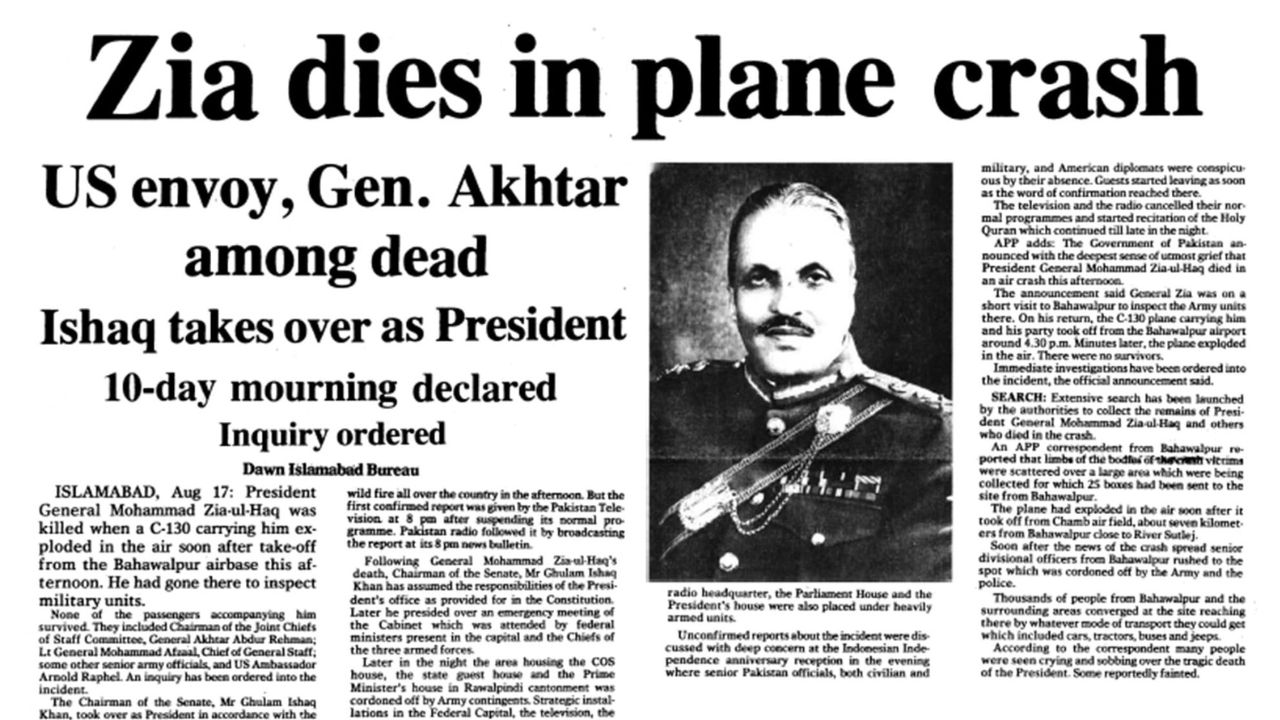
    1988: Pakistani President Zia ul-Haq

    Pakistan’s president Zia ul-Haq was among the victims of a 17 August 1988 plane crash near Bahawalpur, in the country’s east.

    1986: Mozambique President Samora Machel

    On 19 October 1986, Mozambique’s first president Samora Machel died when his Tupolev 134 went down in the north-east of South Africa.

    1961: UN Secretary General Dag Hammarskjold

    On September 17 or 18 of 1961, a plane carrying the UN Secretary General Dag Hammarskjold crashed in Northern Rhodesia, now Zambia, while attempting to negotiate a ceasefire between warring factions in the former Belgian Congo. The cause of the crash has never been established.

    doc-ang/lch/gv/rox/gv/db

    © Agence France-Presse

  • India shuts schools as temperatures soar

    India shuts schools as temperatures soar

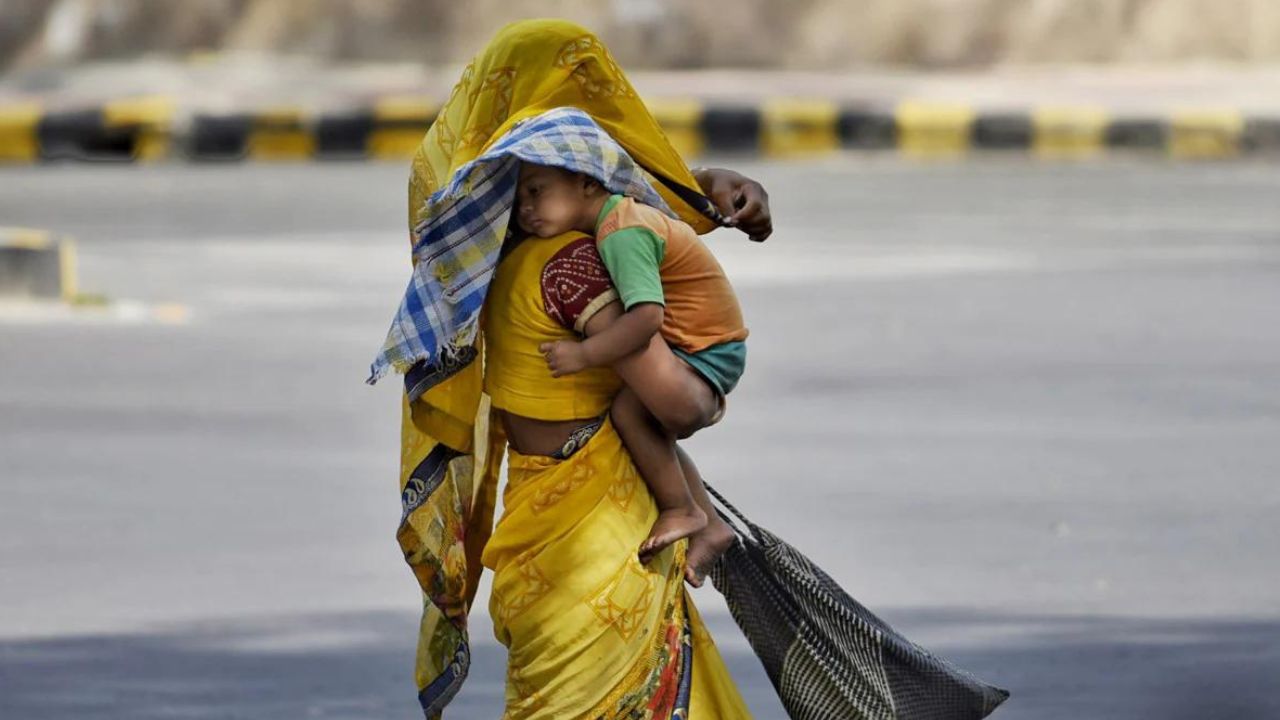
    Indian authorities in the capital have ordered schools shut early for the summer holiday, after temperatures hit 47.4 degrees Celsius (117 degrees Fahrenheit) with Delhi gripped by a “severe heatwave”.

    Delhi city officials asked schools to shut with “immediate effect” due to the blistering heat, according to a government order quoted by the Hindustan Times Tuesday, cutting short the term by a few days.

    India’s weather bureau has warned of “severe heatwave conditions” this week, with the mercury reaching the sizzling peak of 47.4 degrees Celsius in Delhi’s Najafgarh suburb on Monday, the hottest temperature countrywide.

    Authorities in other states — including Haryana, Madhya Pradesh, Punjab and Rajasthan — have also ordered schools close, Indian Today reported.

    India is no stranger to searing summer temperatures.

    But years of scientific research have found climate change is causing heatwaves to become longer, more frequent and more intense.

    The Indian Meteorological Department warned of the impact of the heat on the health especially for infants, the elderly and those with chronic diseases.

    In May 2022, parts of Delhi hit 49.2 degrees Celsius (120.5 Fahrenheit), Indian media reported at the time.

    The next round of voting in India’s six-week-long election takes place on Saturday, including in Delhi.

    Turnout in voting has dipped, with analysts suggesting the hotter-than-average weather is a factor — as well as the widespread expectation that Prime Minister Narendra Modi will easily win a third term.

    India’s election commission has formed a task force to review the impact of heatwaves and humidity before each round of voting.

    At the same time, India’s southern states including Tamil Nadu and Kerala have been lashed by heavy rains over the past few days.

    Severe storms also hit parts of the country last week, including in the financial capital Mumbai, where strong winds flattened a giant billboard that killed 16 people and left dozens more trapped.

    ash/pjm/sn

    © Agence France-Presse

  • US says Iran sought help over president crash

    US says Iran sought help over president crash

    Washington (AFP) – The United States said Monday that arch-enemy Iran sought assistance over a helicopter crash that killed president Ebrahim Raisi, as Washington meanwhile offered condolences despite saying he had “blood on his hands.”

    The State Department said Iran, which has had no diplomatic relations with Washington since the aftermath of the 1979 Islamic revolution, reached out afer Raisi’s aging chopper crashed in foggy weather Sunday.

    “We were asked by the Iranian government for assistance,” State Department spokesman Matthew Miller told reporters.

    “We said that we would be willing to assist — something that we would do with respect to any government in this situation,” he said.

    “Ultimately, largely for logistical reasons, we were unable to provide that assistance.”

    He declined to go into detail or describe how the two countries communicated. But he indicated Iran was seeking help in the immediate aftermath to find the helicopter of Raisi, who died along with his foreign minister, Hossein Amir-Abdollahian, and seven others.

    The crash came after the United States and Iran reportedly held their latest quiet talks in Oman aimed at increasing stability following open clashes between Iran and Israel.

    The State Department in a statement offered “official condolences” over the deaths.

    “As Iran selects a new president, we reaffirm our support for the Iranian people and their struggle for human rights and fundamental freedoms,” it said.

    President Joe Biden’s administration described condolences as standard and not showing support for Raisi, who as a judge presided over mass executions of politicial prisoners and under whose presidency authorities have cracked down on mass protests led by women.

    “This was a man who had a lot of blood on his hands,” National Security Council spokesman John Kirby told reporters, saying Raisi was responsible for “atrocious” abuses.

    Kirby said, however, that “as in any other case, we certainly regret in general the loss of life and offered official condolences as appropriate.”

    The United States has often but not always offered condolences in the past to leaders it opposed with such messages sent over Joseph Stalin, Kim Il Sung and Fidel Castro.

    But the condolence message, along with similar words from European nations, brought anger to some opponents of the clerical state who saw Raisi’s death as reason to celebrate.

    Masih Alinejad, a women’s rights activist who US investigators say was the target of an assassination plot in New York engineered by Tehran, wrote on X, formerly known as Twitter, “Your condolences only pour salt on the wounds of the oppressed.”

    No ‘security impact’

    Defense Secretary Lloyd Austin indicated that US forces have not changed their posture after the crash in Iran, where decisions are ultimately made by the supreme leader, Ayatollah Ali Khamenei.

    “I don’t necessarily see any broader regional security impact,” Austin told reporters.

    He preemptively denied any US role and said there was no reason to think it was anything other than an accident.

    “The United States had no part to play in that crash. That’s a fact, plain and simple,” Austin said.

    “It could be a number of things — mechanical failure, pilot error, you name it,” he said.

    Iran’s military ordered an investigation. It has often in the past blamed security incidents on Israel and the United States, which both in recent years have struck Iranian targets.

    Former foreign minister Mohammad Javad Zarif blamed the crash on continued US sanctions which have impeded the sale of aviation parts.

    Asked about Zarif’s remark, Miller said: “Ultimately, it’s the Iranian government that is responsible for the decision to fly a 45-year-old helicopter in what was described as poor weather conditions, not any other actor.”