Category: FOREIGN

  • USAID contractor resigns, alleging work on Palestine was censored

    Alexander Smith, a contractor for the US Agency for International Development (USAID), resigned from his private sector position, saying he could no longer perform contract work for the Biden administration after a presentation he was preparing on Gaza’s humanitarian crisis was cancelled.


    Smith claimed that USAID gave him a choice between resigning or dismissal after he attempted to give a presentation on maternal and child mortality among Palestinians, says a report published by The Guardian.


    “I cannot do my job in an environment in which specific people cannot be acknowledged as fully human, or where gender and human rights principles apply to some, but not to others, depending on their race,” Smith wrote in his resignation letter quoted by The Guardian.


    Smith’s resignation adds to a small but growing list of officials working inside or for the US government who have resigned in protest against the Biden administration’s support for Israel’s genocide in Gaza.


    On Tuesday, Stacy Gilbert, a career official in the US State Department’s Bureau of Population, Refugees and Migration (PRM), told staff she was resigning because she felt the State Department had wrongly concluded that Israel was not preventing the entry of aid into Gaza.


    Earlier this month, Lilly Greenberg Call became the first Jewish-American political official to resign. Call worked in the Department of Interior, but there have been a number of high-profile resignations from officials working on the Middle East and defence.


    Major Harrison Mann tendered his resignation from the Department of Defence Intelligence Agency in May, citing Washington’s support for the war on Gaza.

  • In historic first, Mexicans expected to elect woman president

    In historic first, Mexicans expected to elect woman president

    Millions of Mexicans are expected to vote for their first woman president in a landmark election Sunday, following a long and sometimes acrimonious race overshadowed by soaring political violence.

    In a watershed for a country with a long history of gender discrimination, two women have dominated the contest to lead the world’s most populous Spanish-speaking country.

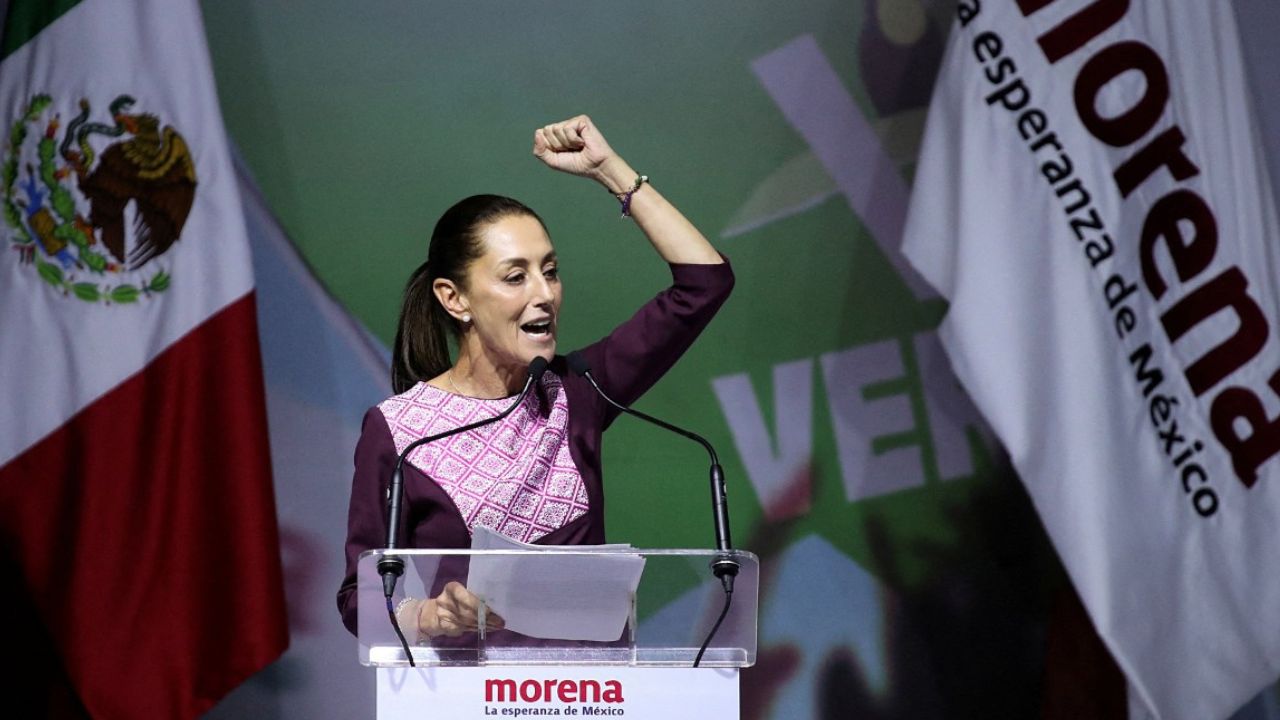
    Addressing a cheering crowd of thousands at her closing campaign rally, ruling party candidate Claudia Sheinbaum said Mexico was going to “make history” this weekend.

    “I say to the young women, to all the women of Mexico — colleagues, friends, sisters, daughters, mothers and grandmothers — you are not alone,” the 61-year-old said.

    Her vow to champion women’s rights was music to the ears of Evelyn Trasvina.

    “I’m very excited,” said the 42-year-old accountant from western Mexico.

    “Many people have been lifted out of poverty and one of the promises is the recognition of women’s unpaid work,” she told AFP.

    Sheinbaum, a former Mexico City mayor and a scientist by training, was leading her main opposition rival Xochitl Galvez, also 61, by around 17 points in opinion polls days before the election.

    Nearly 100 million people are registered to vote in the country of 129 million, and 61-year-old housewife Rosa Maria Miranda said that criminal violence meant Galvez would get her support.

    “We women are fed up. We’re afraid to go out into the streets,” she said.

    The campaign season ended on a tragic note Wednesday when a gunman shot dead an aspiring mayor in the southern state of Guerrero.

    The attack brought the number of local politicians who have been murdered to at least 24 during what has been a particularly violent electoral process, according to official figures.

    Some non-governmental organizations have reported an even higher toll, including Data Civica, which has counted around 30 killings.

    Sheinbaum has pledged to continue outgoing President Andres Manuel Lopez Obrador’s controversial “hugs not bullets” strategy of tackling crime at its roots.

    Galvez, meanwhile, promised a tougher approach to cartel-related violence.

    “You will have the bravest president, a president who does confront crime,” the outspoken senator and businesswoman with Indigenous roots told her closing rally in the northern city of Monterrey.

    She accused Lopez Obrador of implementing “a security strategy where hugs have been for criminals and bullets for citizens.”

    Sheinbaum owes much of her popularity to Lopez Obrador, a close ally who has an approval rating of more than 60 percent but is only allowed to serve one term.

    It is almost a year since the contest for the ruling party nomination got underway, with Sheinbaum crisscrossing the country to meet supporters.

    The ruling party candidate had the backing of 53 percent of voters as campaigning drew to a close, according to a poll average compiled by research firm Oraculus.

    Galvez, who lashed out at her main rival in a series of televised presidential debates, calling her an “ice lady” and “narco-candidate,” was second with 36 percent.

    The only man running, 38-year-old centrist Jorge Alvarez Maynez, had just 11 percent.

    Tackling the cartel violence that makes murder and kidnapping a daily occurrence in Mexico will be among the major challenges facing the next leader, along with managing migration and delicate relations with the neighboring United States.

    More than 450,000 people have been murdered and tens of thousands have gone missing since the government deployed the army to fight drug trafficking in 2006.

    While Mexican women enjoy growing success in politics and business, gender violence remains a major problem in a country where around 10 women are murdered every day.

    And while millions of Mexicans have escaped poverty in recent years, more than a third still live below the poverty line, according to official figures.

    As well as voting for a new president, Mexicans will choose members of Congress, several state governors and myriad local officials. In total, more than 20,000 positions are being contested.

  • One dead after falling into jet engine at Schiphol

    A person died Wednesday after falling into the spinning turbine blades of a departing passenger jet at Amsterdam’s Schiphol airport, officials said.

    The death occurred on the apron outside the busy hub’s terminal as a KLM flight was ready to depart for Billund in Denmark.

    “An… incident took place at Schiphol today during which a person ended up in a running aircraft engine,” Dutch flagship carrier KLM said in a statement.

    “Sadly the person has died,” KLM said, without disclosing the victim’s identity.

    Dutch border police, who are responsible for security at the Netherlands’ largest airport, said passengers were removed from the plane and an investigation was opened.

    The plane involved is a short-haul Embraer jet, used by KLM’s Cityhopper service which operates flights to other nearby destinations like London, Dutch news reports said.

    A picture posted on the NOS public broadcaster showed the plane surrounded by fire trucks and ambulances next to the departure terminals.

    Safety and security measures are strict at Schiphol and accidents are rare at the busy airport, which handled around 5.5 million passengers last month alone, according to airport figures.

  • North Korea drops rubbish-filled balloons on South Korea

    North Korea drops rubbish-filled balloons on South Korea

    North Korea just dropped at least 260 filth-filled balloons on South Korea, prompting officials to warn residents to stay indoors.


    South Korea’s army cautioned the public against touching the balloons and the plastic bags attached to them because they contain “filthy waste and trash”.
    The balloons have been found in eight of nine provinces in South Korea and are now being investigated.


    The recent incident comes days after North Korea said it would retaliate against the “frequent scattering of leaflets and other rubbish” in border areas by activists in the South.


    Photographs shared on various social media platforms show bags attached via string to white translucent balloons carrying toilet paper, dark soil, batteries, and leaflets, among other contents.

    BBC quotes South Korea’s Yonhap news agency’s report: “Some of the fallen balloons carried what appears to be faeces judging from its dark colour and odour”.

    Battle of Ballons

    North and South Korea have both used balloons in their propaganda campaigns since the Korean War in the 1950s.


    South Korea’s military had earlier said it was investigating whether there were any North Korean propaganda leaflets in the balloons.

    Earlier this month, a South Korea-based activist group claimed it had sent 20 balloons carrying choco pies, leaflets, and USB sticks containing Korean pop music and music videos across the border, all of which are banned in North Korea.

    Back in 2016, North Korea launched balloons southward that attacked Seoul’s leaders The balloons reportedly carried toilet paper, cigarette butts, and rubbish.

    However, Seoul police described them as “hazardous biochemical substances”.

    “It seriously threatens the safety of our people. North Korea is entirely liable for what happens due to the balloons and we sternly warn North Korea to immediately stop this inhumane and crass action,” the South’s military said.

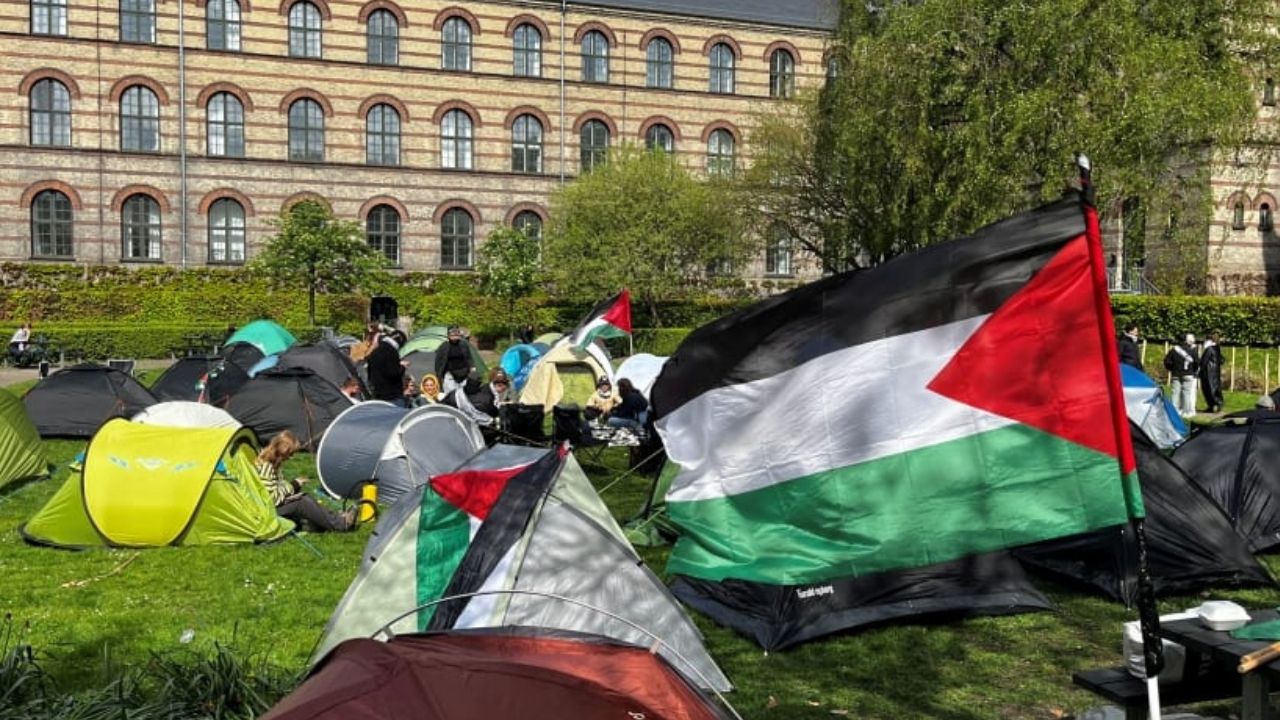
  • Danish student protest in support of Gaza successful, Copenhagen university agrees to divestment

    Danish student protest in support of Gaza successful, Copenhagen university agrees to divestment

    Copenhagen University has decided to stop investing in companies operating in Israeli settlements, Reuters has reported.

    Amid student protests pressuring the campus to cut financial and institutional ties with Israel, the University of Copenhagen says that it will stop investing in companies doing business in the occupied West Bank.

    The university has announced that it will, as of May 29, divest its holdings worth a total of about 1 million Danish crowns ($145,810) in Airbnb, Booking.com, and eDreams.


    The university also said that it would work with fund managers to manage its investments and ensure they comply with a United Nations list of companies involved in illegal Israeli settlements in the West Bank.


    The University of Copenhagen has a yearly revenue of over 10 billion crowns, some of which is invested in bonds and equities.

  • Know the story behind the viral post ‘All eyes on Rafah’

    Know the story behind the viral post ‘All eyes on Rafah’

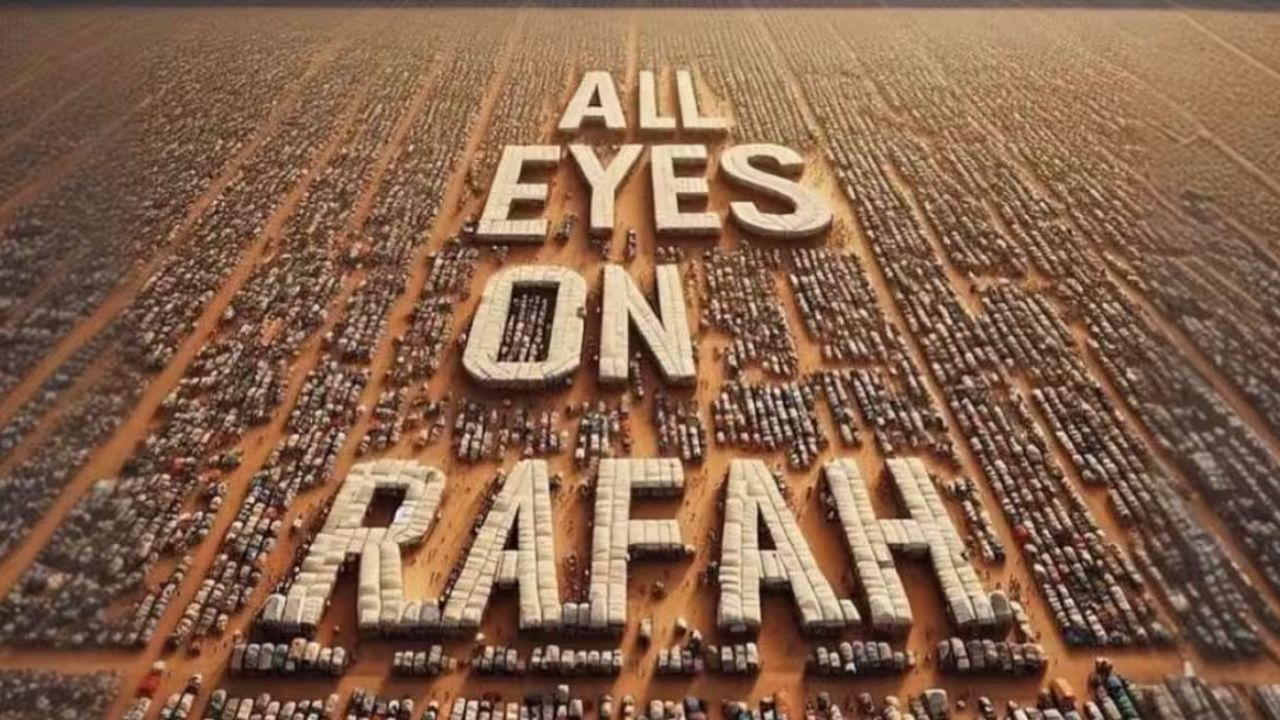
    An artificial intelligence (AI) post showing many tented camps with the inscription ‘All Eyes on Rafah’ in the middle has gone viral on Instagram.

    The photo was posted as a story template by shahv4012, a user from Malaysia, which has since gone viral. The image was posted on May 28 and has since been shared by more than 38 million Instagram users.

    It was shared on Instagram by many celebrities including Bollywood and Hollywood stars to highlight the seriousness of Rafah’s situation.

    What does it mean?

    The Malaysian user posted the photo to draw the world’s attention to the massacre in Rafah following an Israeli attack on a refugee camp on May 27.

    The attack was carried out in a safe zone. Many people including, women and children, were martyred and injured in this attack. Videos flooded social media sites, showing children beheaded and refugees burnt alive.

    The purpose of the post is not only to focus the world’s attention on the situation in Gaza but also to show support for the Palestinian cause. The more people share this photo, the more eyes will be able to see the genocide in Gaza.

    The slogan “All eyes on Rafah” was probably taken from a statement by Dr.Rik Peeperkorn, director of the World Health Organization (WHO) office in the Palestinian region.

    In February, the Israeli Prime Minister instructed the Palestinians to withdraw from Rafah, after which Rik Peeperkorn said in a statement that all eyes are on Rafah.

  • Protestors set fire to Israeli Embassy in Mexico City

    Protestors set fire to Israeli Embassy in Mexico City

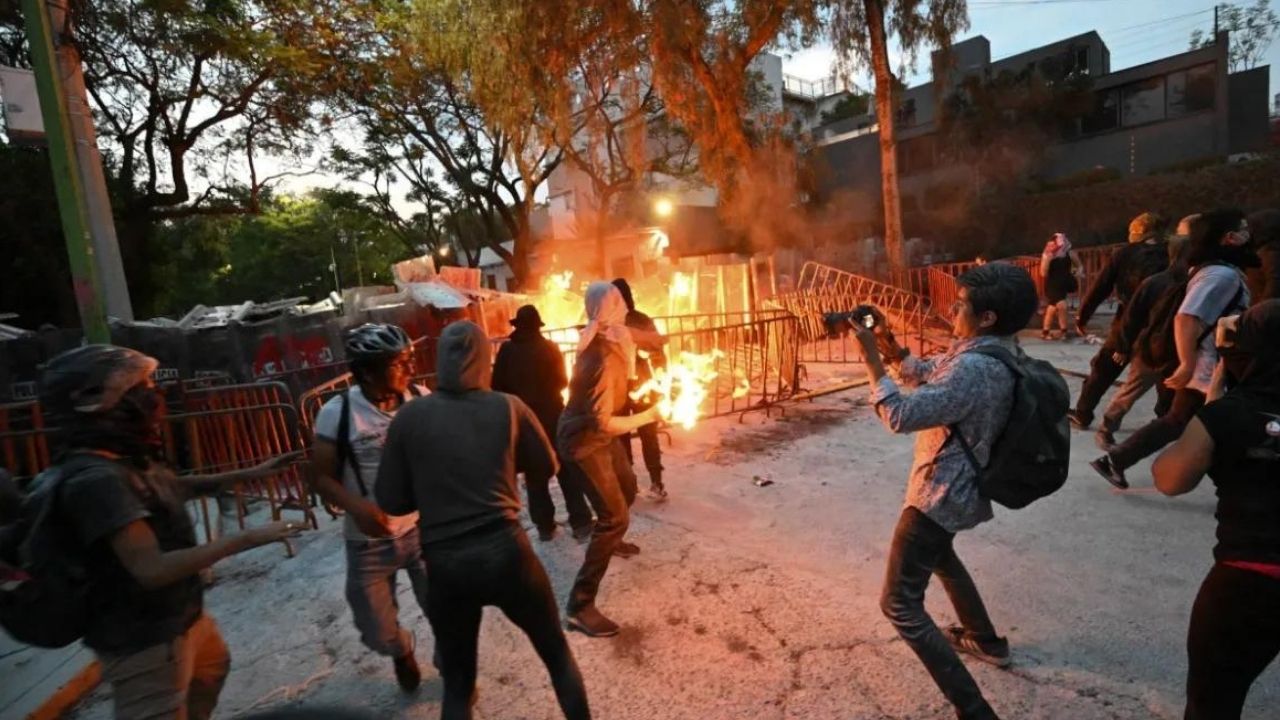
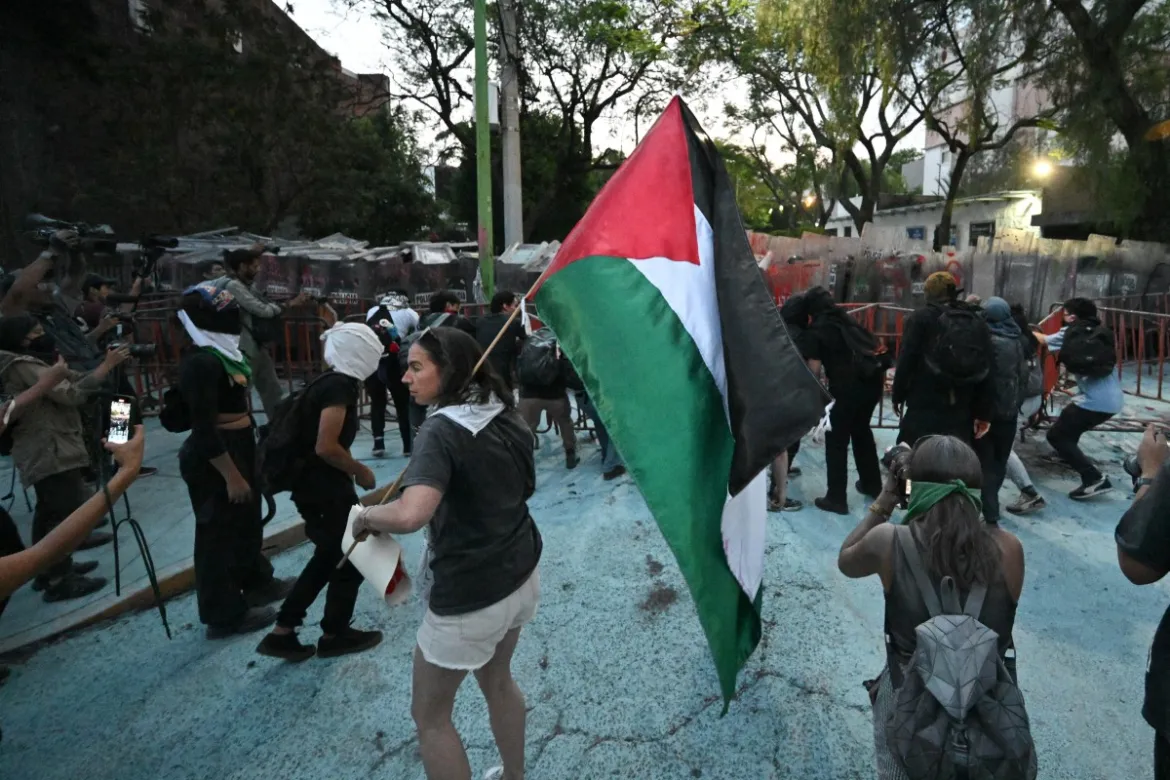
    Videos of enraged protestors setting fire to the Israeli embassy in Mexico City have emerged online.


    The protest was a reaction to the massacre carried out by Israel in Rafah where displaced people’s tents were burnt down, leaving at least 45 refugees dead and hundreds injured.


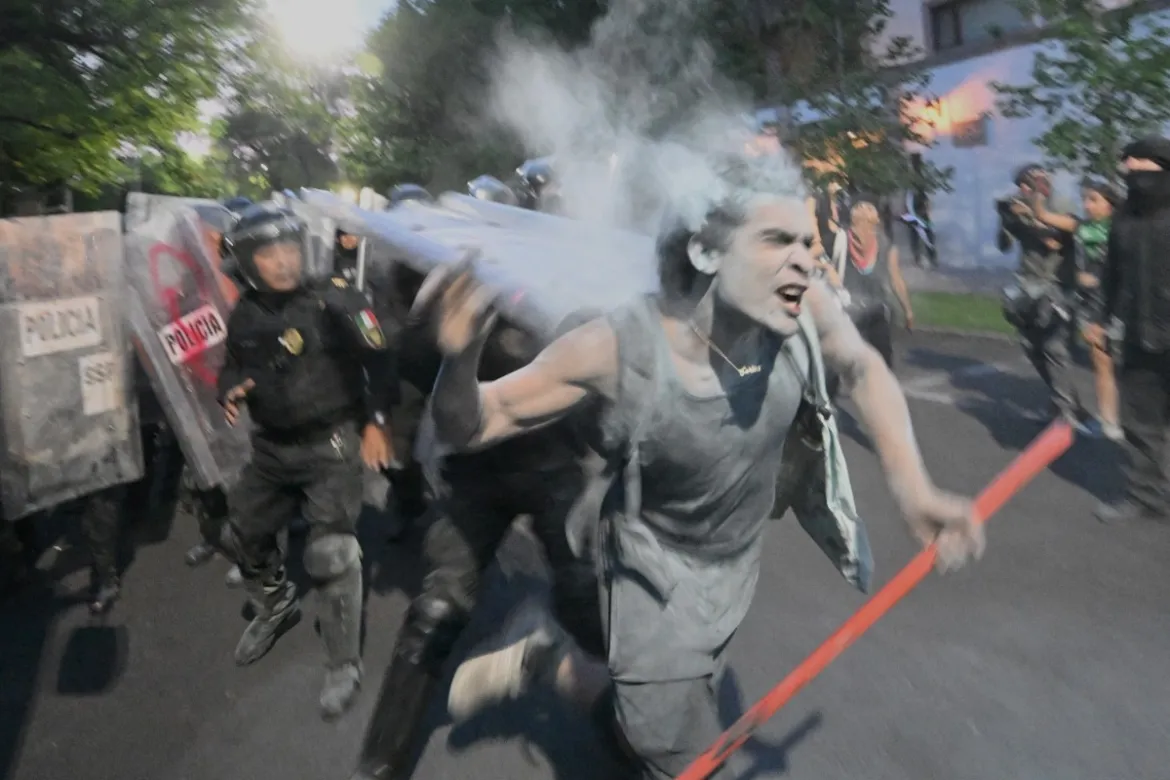
    In the capital of Mexico, Mexico City, about 200 people gathered outside the embassy in a demonstration called “Urgent Action for Rafah”. Protesters covered their faces and threw stones at the police blocking their path to the Israeli Embassy.

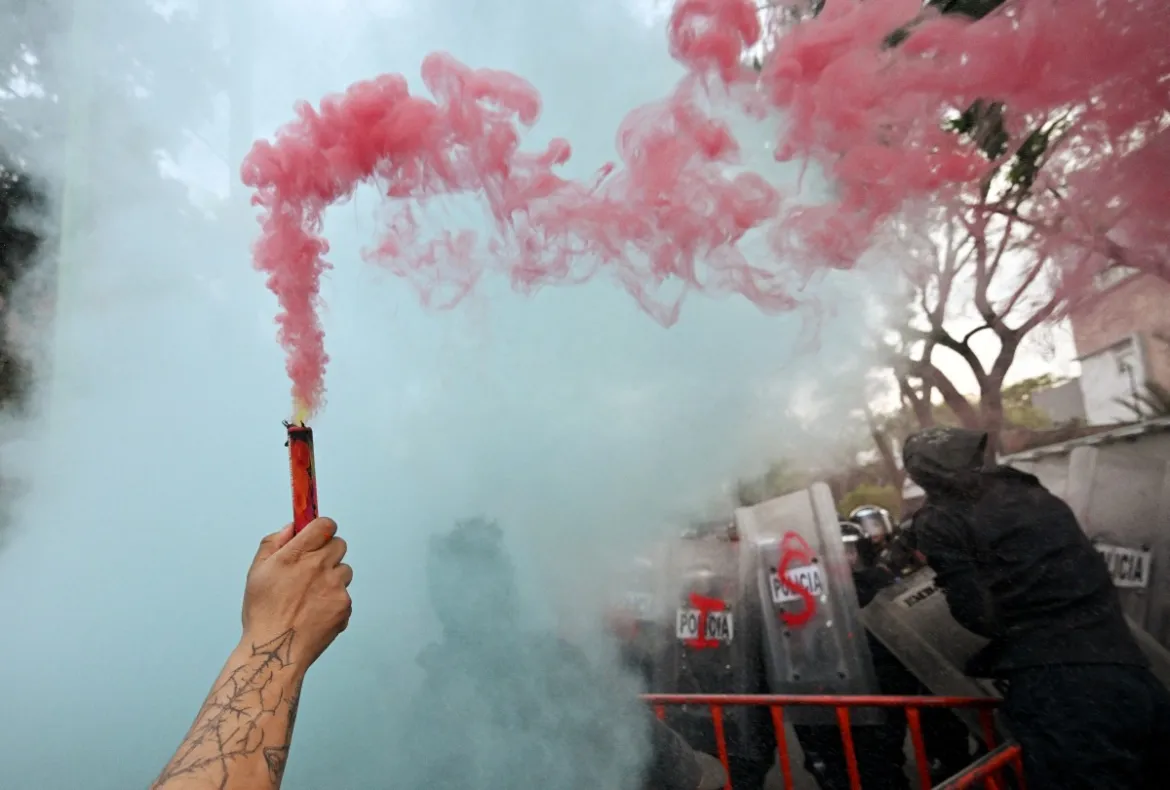
    Demonstrators clash with the police in front of the Israeli embassy in Mexico City. [Pedro Pardo/AFP]
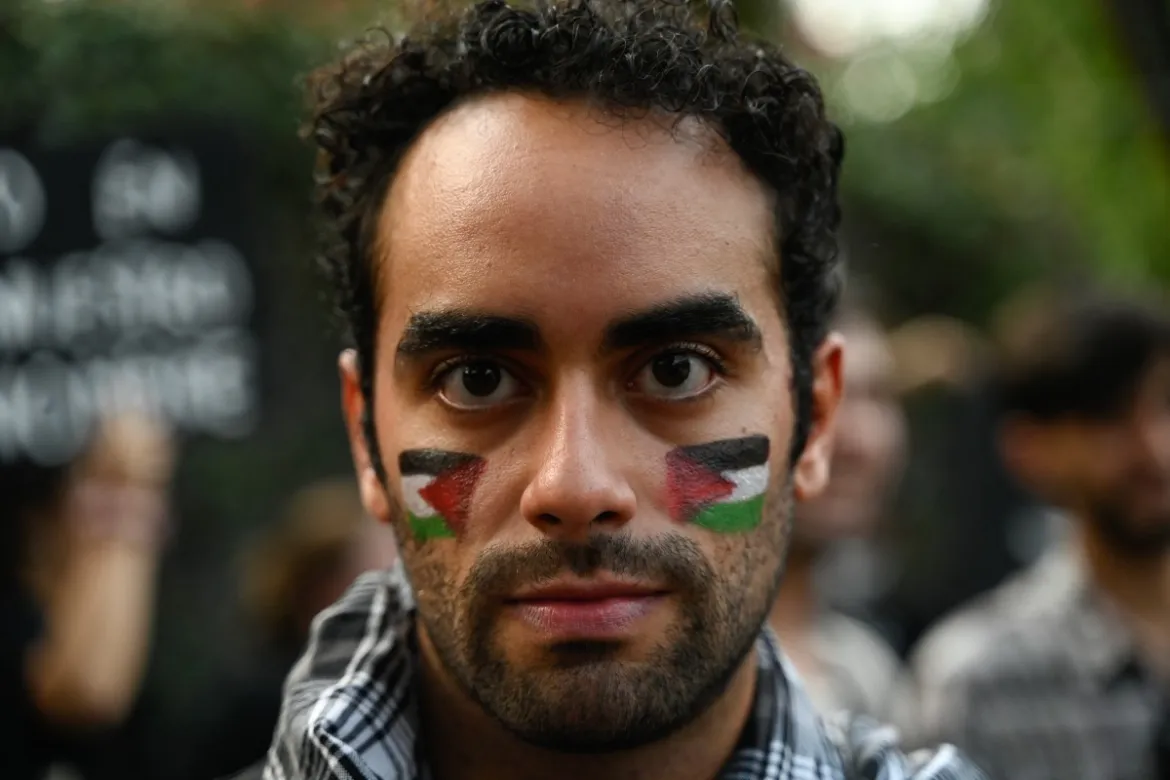
    A man with Palestine flags painted on his face attends the pro-Palestinian rally. [Pedro Pardo/AFP]
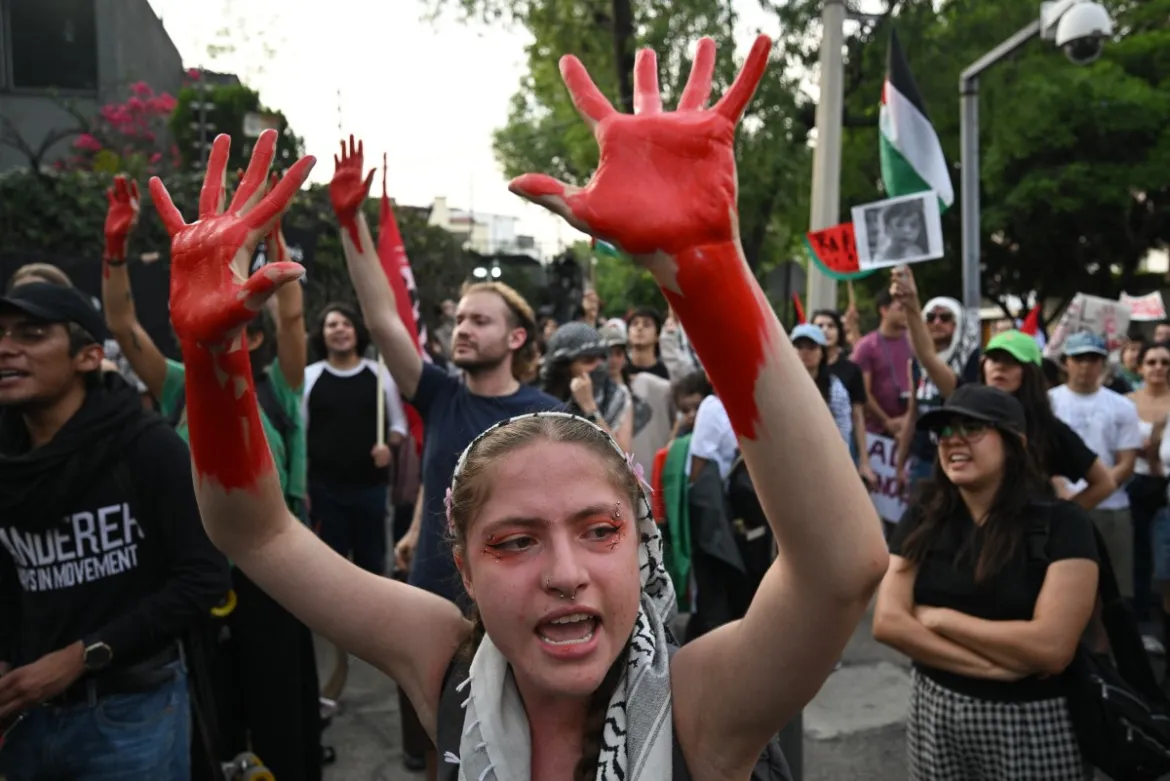
    Demonstrators shouted slogans during the pro-Palestinian “Urgent action for Rafah” rally. [Pedro Pardo/AFP]
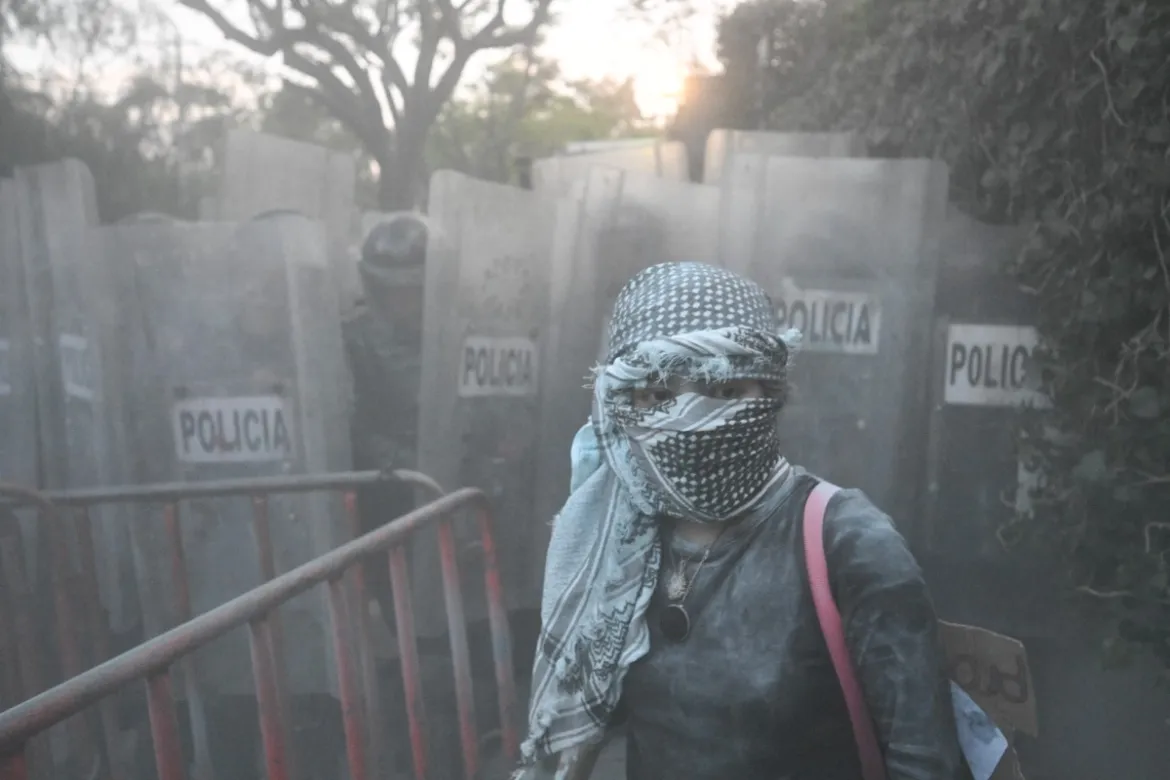
    Protesters tried to break down barriers preventing them from reaching the Israeli mission. [Pedro Pardo/AFP]
    Police officers deployed tear gas and threw back the stones hurled at them by protesters. [Pedro Pardo/AFP]
    About 200 people joined the demonstration. [Pedro Pardo/AFP]
  • Indian capital records highest-ever temperature of 49.9 Celsius

    Indian capital records highest-ever temperature of 49.9 Celsius

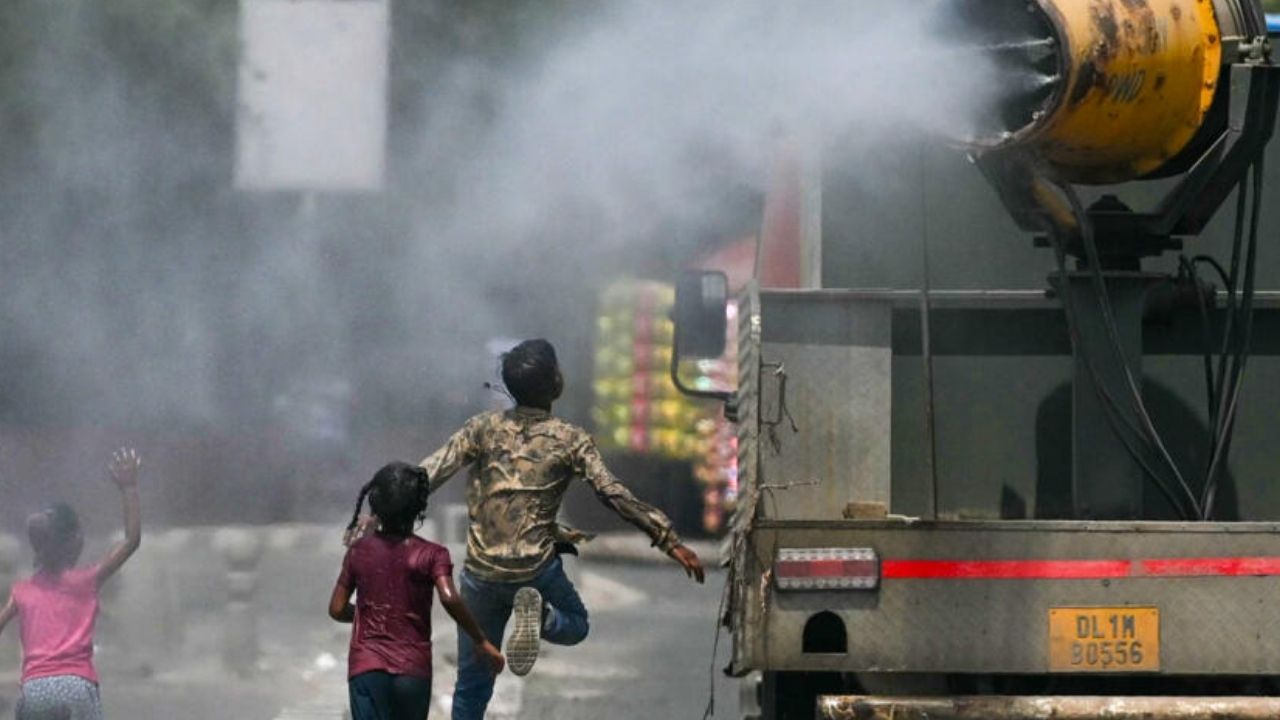
    New Delhi (AFP) – Temperatures in India’s capital have soared to a record-high 49.9 degrees Celsius (121.8 Fahrenheit) as authorities warn of water shortages in the sprawling mega-city.

    The India Meteorological Department (IMD), which reported “severe heat-wave conditions”, recorded the temperatures on Tuesday at two Delhi suburbs stations at Narela and Mungeshpur.

    The weather bureau said the temperatures were nine degrees higher than expected.

    Forecasters predict similar temperatures Wednesday for the city of more than 30 million people, issuing a red alert warning notice for people to take care.

    In May 2022, parts of Delhi hit 49.2 degrees Celsius (120.5 Fahrenheit), Indian media reported at the time.

    India is no stranger to searing summer temperatures.

    But years of scientific research have found climate change is causing heatwaves to become longer, more frequent and more intense.

    ‘Water scarcity’

    New Delhi authorities have also warned of the risk of water shortages as the capital swelters in headache-inducing heat — cutting supplies to some areas.

    Water Minister Atishi Marlena has called for “collective responsibility” in stopping wasteful water use, the Times of India newspaper reported Wednesday.

    “To address the problem of water scarcity, we have taken a slew of measures such as reducing water supply from twice a day to once a day in many areas,” Atishi said, the Indian Express reported.

    “The water thus saved will be rationed and supplied to the water-deficient areas where supply lasts only 15 to 20 minutes a day,” she added.

    The IMD warned of the heat’s impact on health, especially for infants, the elderly and those with chronic diseases.

    Many blame the soaring temperatures on scorching winds from Rajasthan state, where temperatures on Tuesday were the hottest in the country, at 50.5 degrees Celsius.

    Rajasthan’s desert region of Phalodi holds the country’s all-time heat record, hitting 51 degrees Celsius in 2016.

    At the same time, West Bengal state and the northeastern state of Mizoram have been struck by gales and lashing rains from Cyclone Remal, which hit India and Bangladesh on Sunday, killing more than 38 people.

    Bangladesh’s Meteorological Department said the cyclone was “one of longest in the country’s history”, blaming climate change for the shift.

  • After Raisi’s funeral, Iran’s focus turns to vote for successor

    After Raisi’s funeral, Iran’s focus turns to vote for successor

    After Iran mourned President Ebrahim Raisi, who died in a recent helicopter crash, the nation’s focus turns to an election next month for his successor, with the conservative camp seeking support from Ayatollah Ali Khamenei.

    The lead-up to the early vote on June 28 has opened up the field to a broad range of hopefuls from all political parties. The big question for them is how many candidacies will survive the vetting process in the Islamic republic.

    President Raisi, who had more than a year left of his first term, died on May 19 alongside his foreign minister Hossein Amir-Abdollahian and six others when their helicopter crashed into a fog-shrouded mountainside.

    They were laid to rest in multi-day funeral rites drawing mass crowds of mourners.

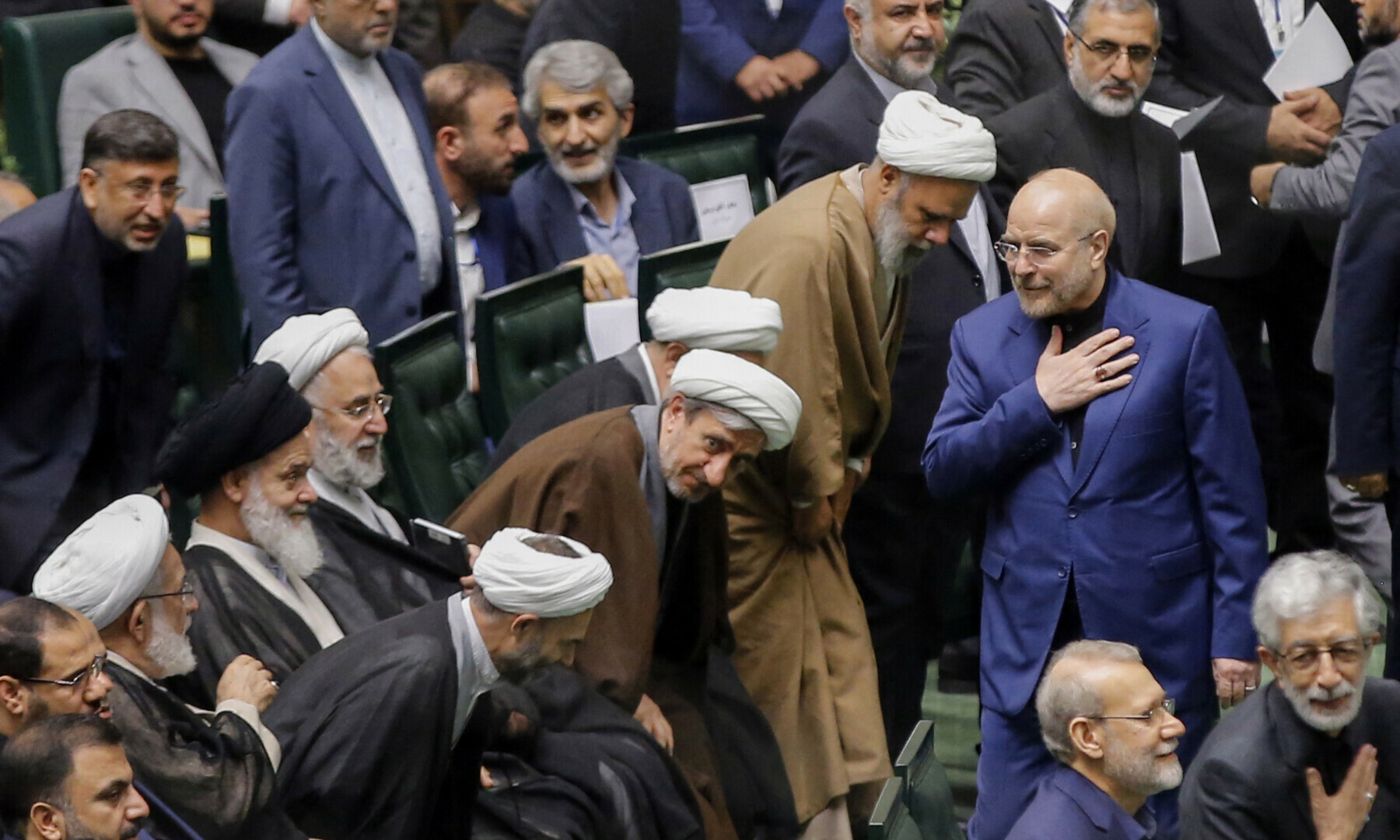
    Iran’s Parliament Speaker Mohammad Bagher Qalibaf (R) greets lawmakers during the inauguration session for the new Parliament in Tehran on May 27, 2024. — AFP

    The June vote will be held during a turbulent time, as the Gaza war rages between Israel and Hamas, and amid continued diplomatic tensions over Iran’s nuclear programme.

    Khamenei, who has the final say in all matters of state, has assigned Raisi’s vice president, Mohammad Mokhber, 68, to assume interim duties for the next few weeks and organise the June election.

    Among other hopefuls, former nuclear negotiator Saeed Jalili was one of the first to announce his candidacy.

    Other contenders include moderate former foreign minister Mohammad Javad Zarif, and centrist Ali Larijani, who served as the speaker in parliament.

    Ex-president Mahmoud Ahmadinejad has so far kept voters guessing and said he is “checking the conditions to decide whether to register”.

    Under Iran’s election process, candidates will have several days to formally register, starting on May 30.

    The final list, however, will depend on the outcome of the validation process by the conservative-dominated Guardian Council following a June 3 registration deadline.

  • Spain, Ireland and Norway recognise Palestinian state

    Spain, Ireland and Norway recognise Palestinian state

    Madrid (AFP) – Spain, Ireland and Norway are formally recognising a Palestinian state on Tuesday in a decision slammed by Israel as a “reward” for Hamas more than seven months into the genocide against Palestinians in Gaza.

    The three European countries believe their initiative has strong symbolic impact, which is likely to encourage others to follow suit.

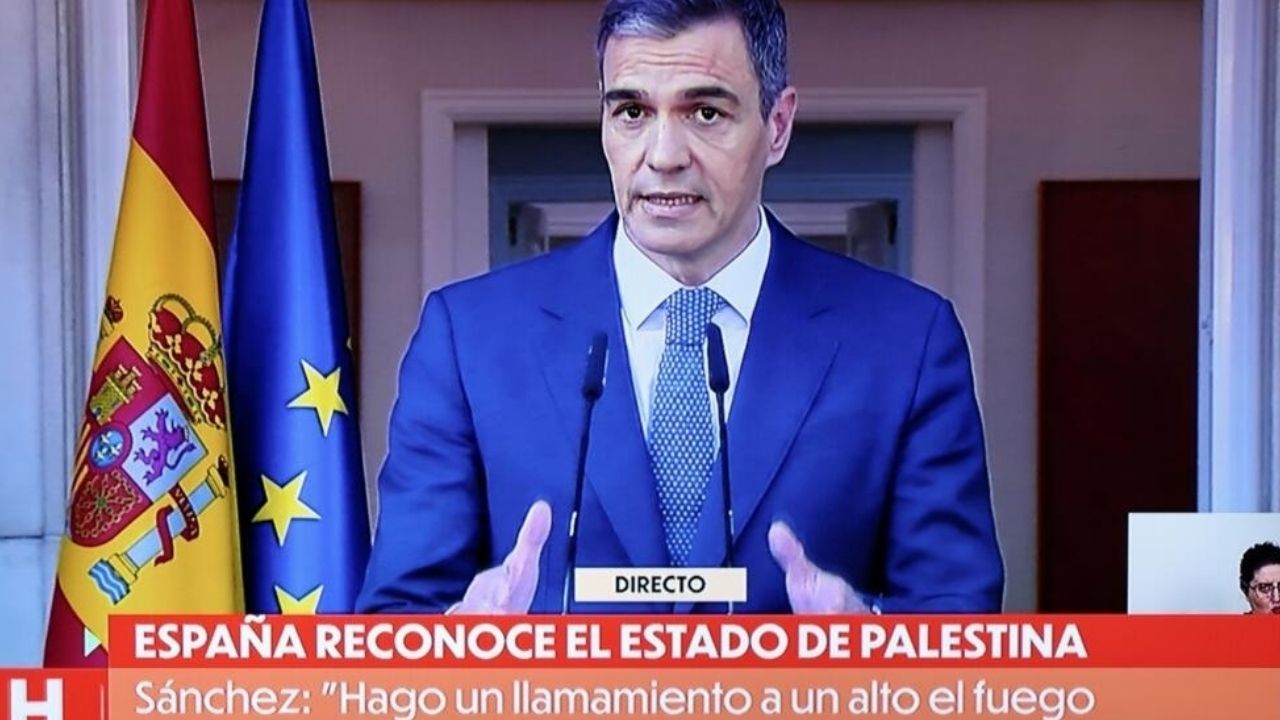
    “Recognition of the State of Palestine is not only a matter of historic justice… It is also an essential requirement if we are all to achieve peace,” Spanish Prime Minister Pedro Sanchez said before meeting his cabinet.

    The move, he said, was “not against anyone, least of all Israel”.

    “It is the only way to move towards the solution that we all recognise as the only possible way to achieve a peaceful future — that of a Palestinian state living side-by-side with the state of Israel in peace and security.”

    Sanchez also said the decision reflected Spain’s “outright rejection of Hamas, which is against the two-state solution” and whose October 7 attacks led to the Gaza war.

    The plans were unveiled last week in a coordinated announcement by the prime ministers of the three countries.

    Both the Spanish and Irish cabinets were meeting to formally approve the step on Tuesday morning, while Norway informed Palestinian prime minister Mohammed Mustafa its recognition would also take effect the same day.

    Entering the cabinet meeting, Irish Prime Minister Simon Harris said it was “an important moment”.

    He said it sent “a signal to the world is that there are practical actions you can take as a country to help keep the hope… of a two-state solution alive”.

    ‘Incitement to genocide’

    The decision has provoked a furious response from Israel and further exacerbated diplomatic tensions, notably with Spain.

    Last week, Sanchez’s far-left deputy Yolanda Diaz hailed the move saying: “We cannot stop. Palestine will be free from the river to the sea”, which Israel’s Madrid envoy denounced as a “clear call for the elimination of Israel”.

    The slogan refers to the British mandate borders of Palestine, which stretched from the River Jordan to the Mediterranean before Israel was created in 1948.

    On Tuesday, Israeli Foreign Minister Israel Katz went even further.

    “Sanchez, as long as you don’t fire your deputy and you recognise a Palestinian state, you are participating in the incitement to commit genocide and war crimes against the Jewish people,” he wrote on X.

    On Sunday, Katz posted a video on X splicing footage of the October 7 attacks with flamenco dancing, saying: “Sanchez: Hamas thanks you for your service”.

    Spain condemned the post as “scandalous and revolting”.

    On Monday, Katz ordered the first of a series of “preliminary punitive measures”, ordering Spain’s Jerusalem consulate to stop offering consular services to Palestinians in the occupied West Bank.

    Differences within the EU

    Recognising Palestinian statehood has provoked sharp disagreement within the 27-nation European Union.

    For decades, formal recognition of a Palestinian state has been seen as the endgame of a negotiated peace between Israelis and Palestinians.

    Washington and most Western European nations have said they are willing to one day recognise Palestinian statehood, but not before agreement on thorny issues like the status of Jerusalem and final borders.

    The Gaza bloodshed has revived calls for Palestinians to be given their own state.

    Ever more European countries are expressing a desire to do so, although others remain reticent.

    France, for example, believes it is not the right time to do so, while Germany only envisages recognition following negotiations between the two sides.

    Tuesday’s move will mean 145 of the United Nations’ 193 member states now recognise Palestinian statehood.

    In 2014, Sweden became the first EU member to recognise a Palestinian state.

    It followed six other European countries that took the step before joining the bloc — Bulgaria, Cyprus, the Czech Republic, Hungary, Poland and Romania.

    Israeli genocide against Palestinians in Gaza has killed more than 36,000 people, also mostly civilians, according to the health ministry.