Category: FOREIGN

  • ‘Russian spy’ whale was shot dead: animal rights groups

    ‘Russian spy’ whale was shot dead: animal rights groups

    Animal rights groups on Wednesday said gunfire killed a beluga whale that rose to fame in Norway after its unusual harness sparked suspicions the creature was trained by Russia as a spy.

    The organisations NOAH and One Whale said they had filed a complaint with Norwegian police, asking them to open a “criminal investigation”.

    Nicknamed “Hvaldimir” in a pun on the Norwegian word for whale, hval, and its purported ties to Moscow, the white beluga first appeared off the coast in Norway’s far-northern Finnmark region in 2019.

    He was found dead on Saturday in a bay on Norway’s southwestern coast. His body was transported on Monday to a local branch of the Norwegian Veterinary Institute for autopsy.

    His body was transported on Monday to a local branch of the Norwegian Veterinary Institute for autopsy.

    The report is expected “within three weeks”, a spokeswoman for the institute said. “He had multiple bullet wounds around his body,” the head of One Whale, Regina Crosby Haug who said she viewed Hvaldimir’s body on Monday, told AFP.

    One Whale was founded to track the beluga, which had become a celebrity in Norway. “The injuries on the whale are alarming and of a nature that cannot rule out a criminal act—it is shocking,” NOAH director Siri Martinsen said in a statement. “Given the suspicion of a criminal act, it is crucial that the police are involved quickly,” she said.

    A third organisation which also tracked the whale’s movements, Marine Mind, said it found Hvaldimir’s dead body floating in the water on Saturday around 2:30 p.m. local time. “There was nothing to immediately reveal the cause of death,” director Sebastian Strand told AFP. “We saw markings but it’s too early to say what they were.”

    He said marine birds probably caused some of the markings but said there was no explanation for others at this stage. With an estimated age of 15 to 20, Hvaldimir was relatively young for a beluga whale, which can live to between 40 and 60 years of age. When he was found in 2019, Norwegian marine biologists removed a man-made harness with a mount suited for an action camera and the words “Equipment St. Petersburg” printed in English on the plastic clasps.

    Norwegian officials said Hvaldimir may have escaped an enclosure and may have been trained by the Russian navy as he appeared to be accustomed to humans. Moscow has never issued any official reaction to speculation that he could be a “Russian spy”.

  • Greta Thunberg arrested at Pro-Palestinian demo in Denmark

    Greta Thunberg arrested at Pro-Palestinian demo in Denmark

    Climate activist Greta Thunberg and several others were arrested Wednesday after occupying a University of Copenhagen building to call for an academic boycott of Israeli universities, Danish media reported.

    Images on the daily Ekstra Bladet website showed the 21-year-old activist, wearing a black-and-white keffiyeh shawl draped over her shoulders, being escorted out of a campus building by police.

    Thunberg herself shared images on Instagram of riot police entering a building where the group “Students against the Occupation” were staging a protest.

    “I can’t confirm the names of those arrested, but six people have been arrested in connection with the demonstration,” a Copenhagen police spokesman told AFP.

    Three of them “are suspected of forcing their way into the building and blocking the entrance”, he said.

    The six were released several hours later, the spokesman told AFP, and video footage published by Ekstra Bladet showed Thunberg walking out of the police station.

    Students against the Occupation said in an Instagram statement that “while the situation in Palestine only gets worse, the University of Copenhagen continues cooperation with academic institutions in Israel”.

    “We are occupying” the university’s “central administration with one demand: academic boycott now.”

    Pro-Palestinian protesters have set up encampments at universities around the United States and Europe since last spring to protest against Israel’s bombardment of Gaza and occupation of Palestinian territories.

  • Indian state passes law seeking death penalty for rape

    Indian state passes law seeking death penalty for rape

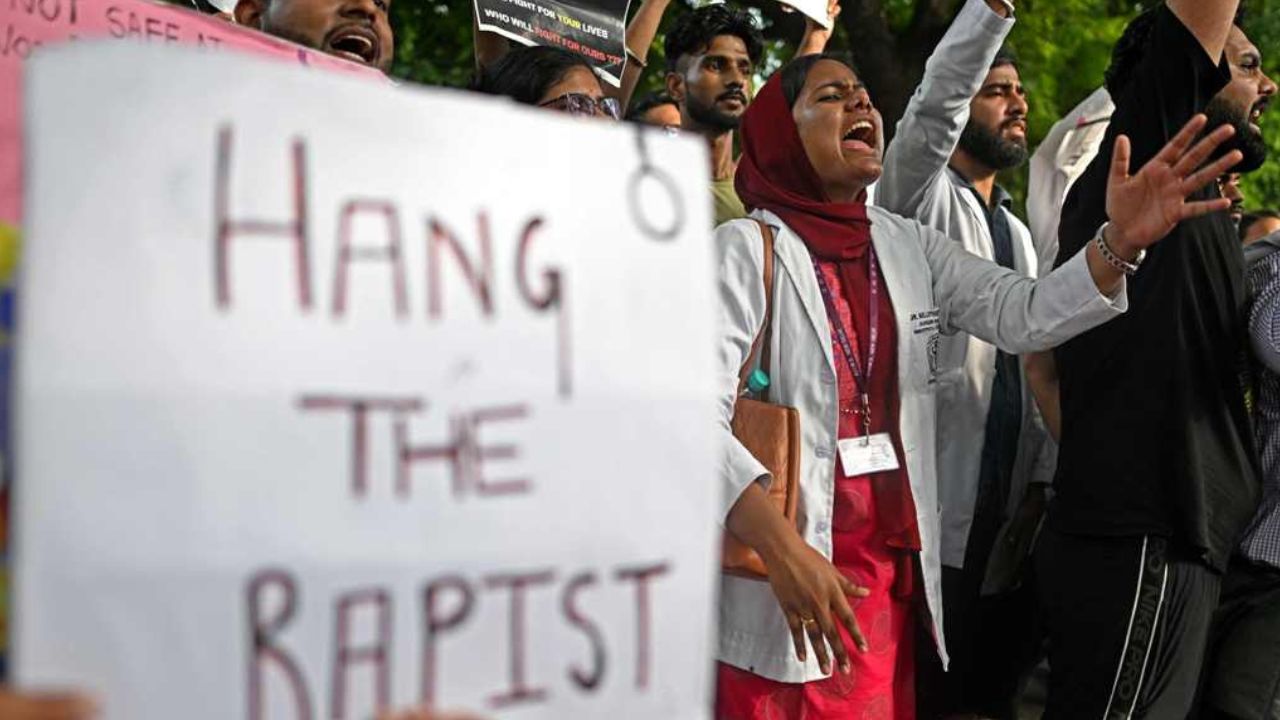
    An Indian state, shaken by weeks of protests demanding justice after the rape and murder of a doctor, passed a law on Tuesday that could lead to the execution of rapists.

    Protests erupted in West Bengal after the discovery of a 31-year-old doctor’s bloodied body at a state-run hospital in the local capital Kolkata on August 9.

    The law, passed by the state assembly but yet to be approved by the president, expresses outrage at the chronic issue of violence against women.

    The new West Bengal law is largely symbolic because India’s criminal code applies uniformly across the country. However, presidential approval could make an exception and see it become state law.

    The law raises punishment for rape from the current sentence of at least ten years to either life imprisonment or execution.

    The doctor’s murder sparked strikes by medics and rallies backed by thousands of ordinary citizens across India, although many doctors have since returned to work.

    Protests in West Bengal have since transformed into clashes between rival political party loyalists, including the ruling All India Trinamool Congress (AITC) and Prime Minister Narendra Modi’s Bharatiya Janata Party (BJP).

    The Hindu-nationalist BJP holds power nationally but sits in opposition in West Bengal. It and the AITC both backed the new state law.

    The gruesome nature of the attack has invoked comparisons with the horrific 2012 gang rape and murder of a young woman on a bus in the capital Delhi.

    Read more: What is the Kolkata doctor rape case and why are Indians protesting?

  • WHO says early polio vaccination targets in Gaza surpassed

    WHO says early polio vaccination targets in Gaza surpassed

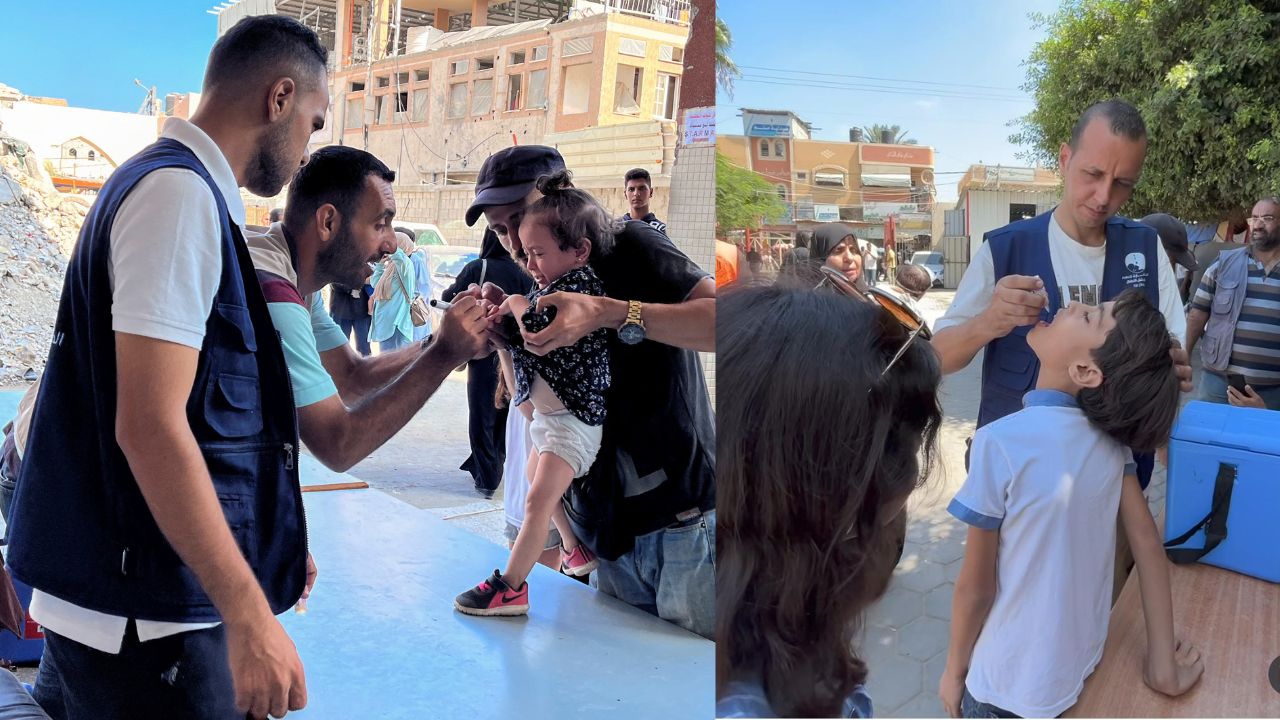
    The World Health Organization said on Tuesday more children had been reached than expected at the start of an emergency polio vaccination campaign in Gaza.

    It added that the first round would take another ten days.

    Rik Peeperkorn, the WHO representative for the Palestinian territories, said that during the first two days of the large-scale vaccination campaign, more than 161,000 children received an initial dose.

    “That surpassed the target we set,” he told reporters in Geneva via video link from Gaza.

    With Gaza lying in ruins and the majority of the 2.4 million residents forced to flee their homes due to Israel’s military assault — often taking refuge in cramped and unsanitary conditions — disease has spread.

    After the first confirmed polio case in 25 years, a large-scale vaccination drive began on Sunday, with localised “humanitarian pauses” in fighting.

    The campaign aims to fully vaccinate more than 640,000 children in the besieged territory, devastated by almost 11 months of genocide.

    Peppercorn said it was vital to reach at least 90 per cent coverage to avoid the spread of the disease, which mainly affects children under five, can cause deformities and paralysis, and is potentially fatal.

    The campaign began in the central part of the densely populated Gaza Strip, where the WHO initially expected to vaccinate 156,500 children under the age of 10.

    “Our target for the central zone was an underestimation,” Peeperkorn said, adding this was probably due to an underestimate of the population crowded into the area.

    He said the vaccination drive was expected to shift to southern Gaza on Thursday, with the aim of immunising some 340,000 children there.

    It would then move to the north of the Strip, where around 150,000 will be vaccinated.

    “We still have 10 days to go at least” for the whole first portion of the campaign, Peeperkorn said, and the rollout of the necessary second dose would begin in four weeks’ time.

    Israel’s military assault on Gaza since October has so far killed at least 40,819 people there, according to the territory’s health ministry.

    The United Nations’ rights office says most of the dead are women and children.

    Genocide has been raging in the Palestinian territory since October 7 by freedom fighters from Hamas.

  • Rebels use drones to drop explosives on Indian forces

    Rebels use drones to drop explosives on Indian forces

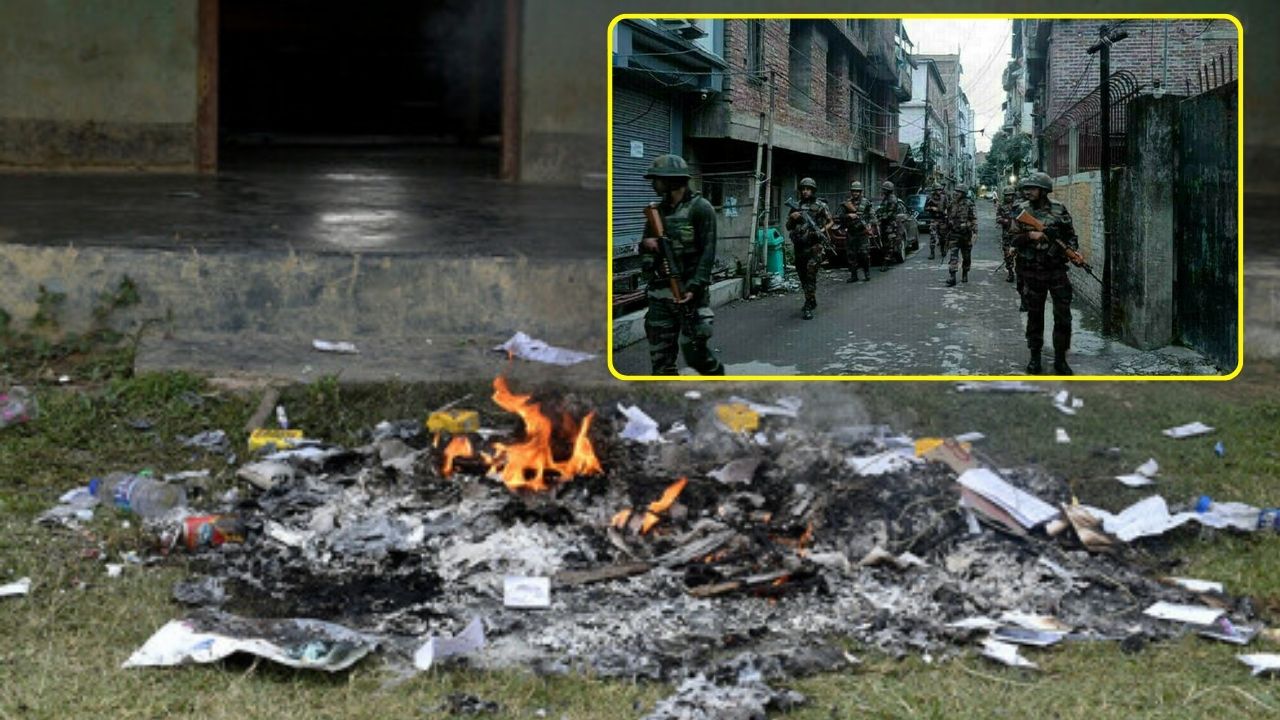
    NEW DELHI: Insurgents in India’s Manipur state have carried out a deadly attack on security forces, using drones to drop explosives in what police called a “significant escalation” of violence in the restive northeastern region.

    A 31-year-old woman was killed, and six people were wounded on Sunday in what police said was an “unprecedented attack” by rebels who used drones to drop the heads of rocket-propelled grenades.

    Fighting broke out in Manipur in May 2023 between the predominantly Hindu Meitei majority and the mainly Christian Kuki community, an ethnic conflict that has since killed at least 200 people. Rival militias have set up blockades in parts of the state, which borders war-torn Myanmar.

    Longstanding tensions between the two groups revolve around competition for land and public jobs, with rights activists accusing local leaders of exacerbating ethnic divisions for political gain.

    “While drone bombs have commonly been used in general warfare, this recent deployment of drones to deploy explosives against security forces and the civilians marks a significant escalation,” Manipur police said in a statement.

    The attack outside the state capital Imphal was carried out by “alleged Kuki” rebels, the statement said. Those injured included an eight-year-old girl — the daughter of the woman who was killed — as well three civilians and two police officers.

    “The involvement of highly trained professionals, possibly with technical expertise and support, cannot be ruled out,” the police said.

  • Frenchman on trial for recruiting 72 strangers to rape drugged wife over 10 years

    Frenchman on trial for recruiting 72 strangers to rape drugged wife over 10 years

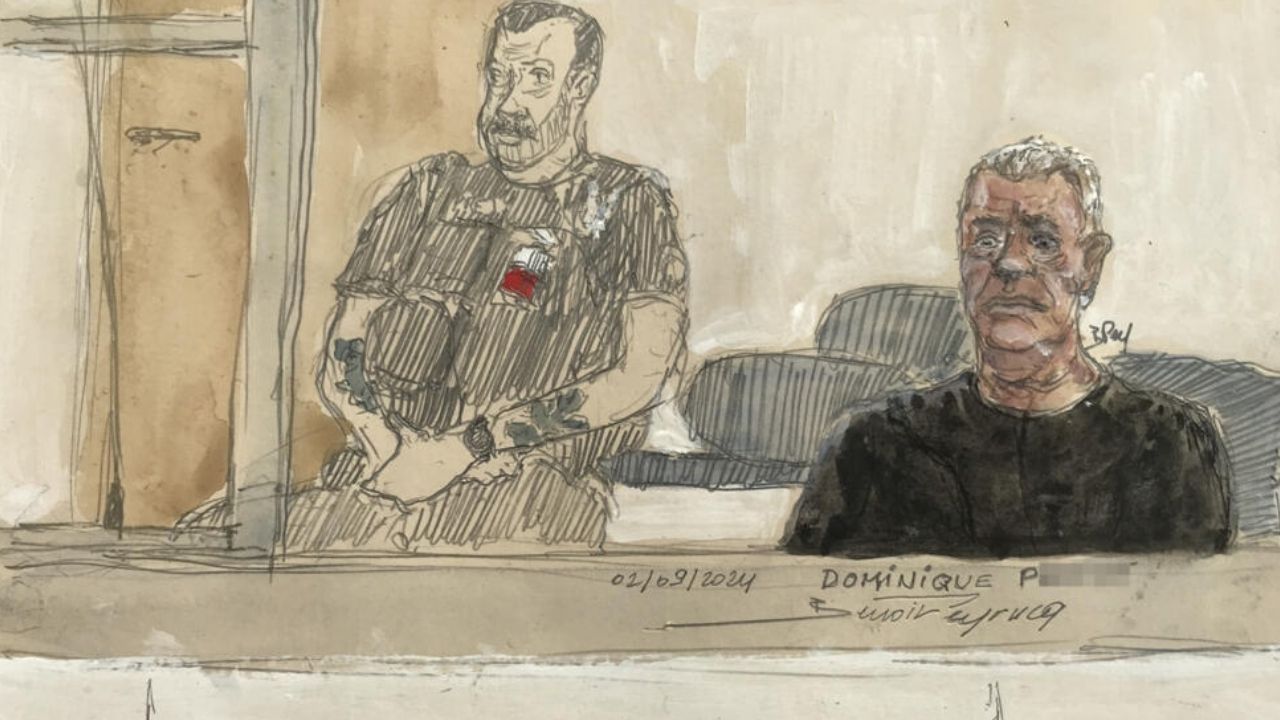
    A French pensioner went on trial Monday on charges of allowing scores of strangers to rape his wife after he drugged her, in a case that has horrified the country.

    Fifty men, recruited online, are also being tried in the southern city of Avignon alongside the main suspect, a 71-year-old former employee at France’s state-owned power utility company EDF.

    Police counted a total of 92 rapes committed by 72 men, 51 of whom were identified. The men, aged between 26 and 74, are accused of raping the 72-year-old woman who, her lawyers say, was so heavily sedated she was not aware of the abuse that went on for a decade.

    Presiding judge Roger Arata announced that all hearings would be public, granting the woman her wish for “complete publicity until the end” of the court case, according to one of her lawyers, Stephane Babonneau.

    “She wants to raise awareness, as widely as possible, of what happened to her so that events like these never happen again,” Babonneau said.

    Another of her attorneys, Antoine Camus, said the trial would nonetheless be “a horrible ordeal” for her. “For the first time, she will have to live through the rapes that she endured over 10 years,” he told AFP, adding that his client had “no recollection” of the abuse that she discovered only in 2020.

    The woman, who arrived at the court supported by her three children, did not want a trial behind closed doors because “that’s what her attackers would have wanted”, Camus said.

    Some came back six times

    Police began to investigate the defendant, Dominique P, in September 2020 when he was caught by a security guard secretly filming under the skirts of three women in a shopping centre.

    Police said they found hundreds of pictures and videos of his wife on his computer, visibly unconscious and mostly in the foetal position.

    The images are alleged to show dozens of rapes in the couple’s home in Mazan, a village of 6,000 people around 33 kilometres from Avignon in Provence.

    Investigators also found chats on a site called coco.fr, since shut down by police, in which he recruited strangers to come to their home and have intercourse with his wife.

    Dominique P admitted to investigators that he gave his wife powerful tranquilisers, especially Temesta, an anxiety-reducing drug. The abuse started in 2011, when the couple was living near Paris and continued after they moved to Mazan two years later.

    The husband took part in the rapes, filmed them and encouraged the other men using degrading language, according to prosecutors.

    No money changed hands.

    The accused rapists include a forklift driver, a fire brigade officer, a company boss and a journalist. Some were single, others married or divorced, and some were family men.

    Most participated just once, but some took part up to six times.

    Murder probe

    Many have said they thought they were simply helping a libertine couple live out its fantasies, but Dominique P told investigators that all were aware that his wife had been drugged without her knowledge.

    An expert said her state “was closer to a coma than to sleep”.

    Her husband told prosecutors that only three men left the house quickly after arriving, while all others proceeded to have intercourse with his wife.

    Dominique P, who said he was raped by a male nurse when he was nine, was ready to face “his family and his wife”, his lawyer Beatrice Zavarro told AFP on Monday morning.

    “He is ashamed of what he did, it’s unforgivable,” she said, adding the case was one of a “sort of addiction”.

    This trial may not be his last.

    He has also been charged with a 1991 murder and rape, which he denies, and an attempted rape in 1999, to which he admitted after DNA testing.

    Experts said the man does not appear to be mentally ill but in documents seen by AFP, they said he had a need to feel “all-powerful” over the female body.

    More than a dozen feminists dressed in black protested outside the courthouse.

    The trial is to last until December 20.

  • China school bus crashes into crowd, kills 11 including students

    China school bus crashes into crowd, kills 11 including students

    A school bus ploughed into a crowd of people outside a middle school in eastern China on Tuesday, killing 11 parents and students, state media reported.

    State broadcaster CCTV said that the driver had “lost control” of the vehicle as it approached the school in Shandong province’s Tai’an city at 7:27 am.

    The bus ran into a group of parents and children on the side of the road, according to CCTV.

    “As of now, (the incident) has caused the deaths of 11 people, of whom six were parents and five were students,” the broadcaster reported.

    It said that one other person was in a “critical” condition, while the vital signs of another 12 people were “stable”.

    Photos and videos circulating on social media showed people in blood-soaked clothes lying in the road near a hulking grey bus. Several adults knelt over children and sprawled unmoving on the ground while other people were heard screaming in the background.

    “They’re all dead, it’s so heartbreaking,” a woman’s voice was heard saying off-camera in one clip of the aftermath of the crash. “I’d have been killed too if I’d stood there, but luckily I ran away fast,” she said.

    AFP geolocated several of the social media photos and videos to the school in Shandong, where the crash took place.

    The driver was being held by the local police, and the cause of the incident was “under investigation,” CCTV said.

    Many public schools in China reopened for the new academic year this week.

    Deadly traffic accidents occur frequently in the country due to lax safety standards and widespread disorderly driving.

    In July, police said a vehicle crashed into pedestrians in the central city of Changsha, killing eight people and injuring five. A 55-year-old suspect living in the area was detained pending an investigation, but it was not clear if the incident was intentional or not.

  • Woman loses 72 lakh in online fraud in India

    Woman loses 72 lakh in online fraud in India

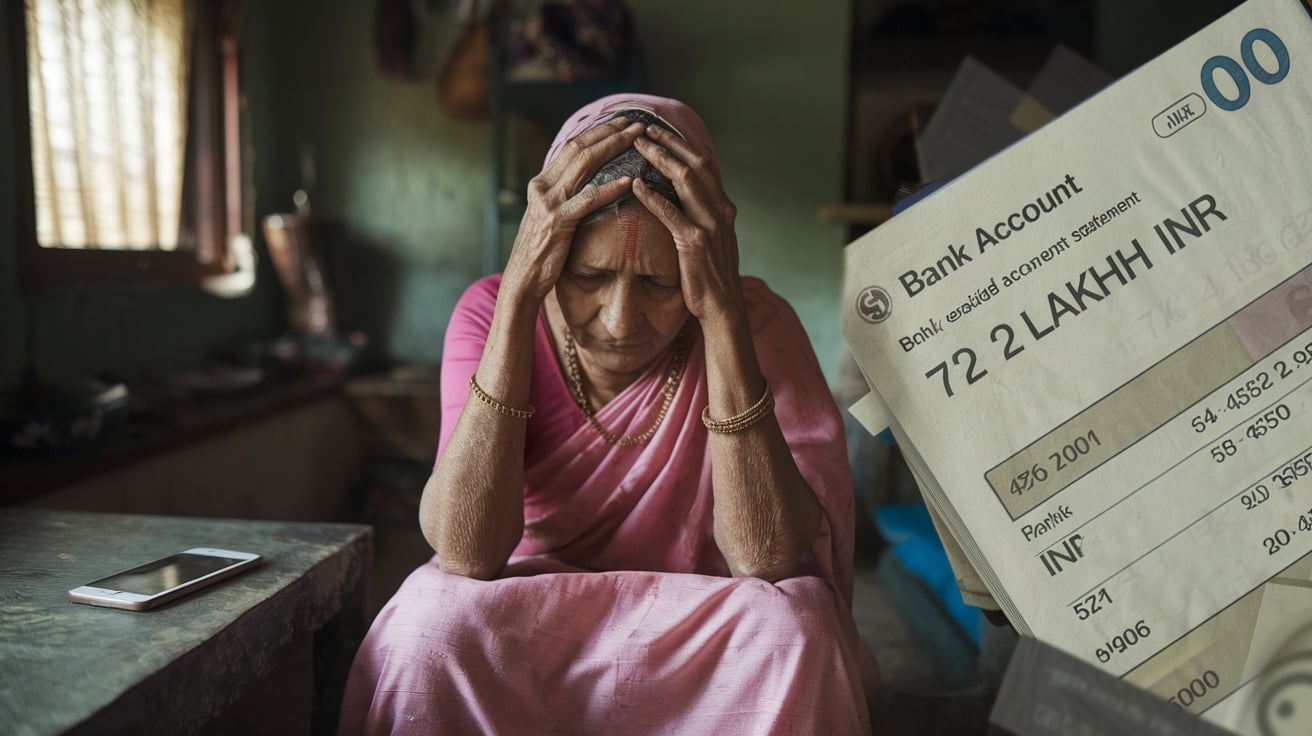
    A 72-year-old woman in India became a victim of an online fraud in which she lost 72 lakh INR (Two crore 40 lakh PKR) from her bank account.

    According to the Times of India, the incident occurred in Kerala, where the victim received a call from an impersonator allegedly posing as a Reserve Bank of India (RBI) official. The fraudsters informed her that her credit card had been blocked due to security concerns.

    Later, the woman received a call in which the man claimed that a money laundering case was being filed against her, troubling her. They also showed the woman fake documents, including a First Information Report (FIR).

    The woman was contacted through various methods, including video calls.

    During the fake investigation, the caller asked the woman for her bank account information, which she gave them. The callers disconnected after that.
    After the call, the older woman tried to unblock her card, but the fraudster stole 72 lakh rupees from her account.

    Digital robbery is common in India. Digital criminals use fake call centers, pretending to be an employee of a tech company (i.e. Microsoft) and ask users to access their computer or any device to solve their problems. When given access by the users, they steal all their sensitive data, including bank account details.

  • Ousted Bangladeshi leader becomes diplomatic headache for India

    Ousted Bangladeshi leader becomes diplomatic headache for India

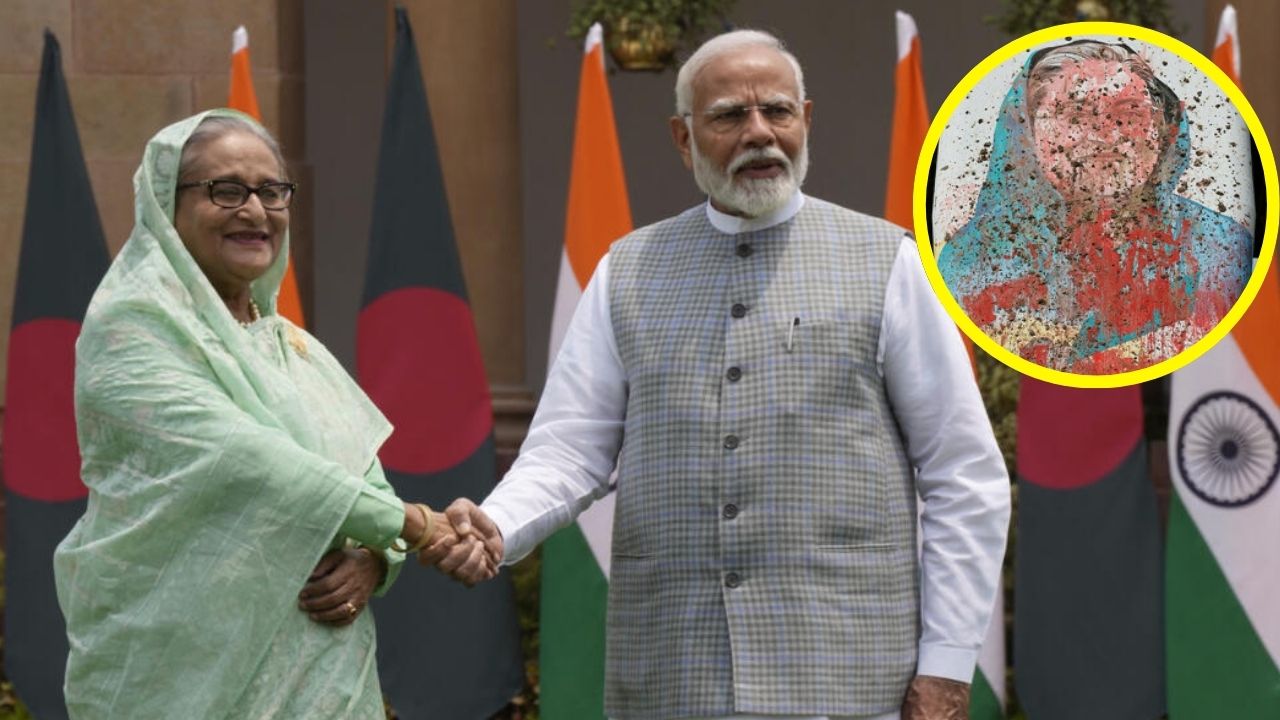
    Four weeks after ex-premier Sheikh Hasina fled Bangladesh by helicopter during a student-led revolution, analysts say she has become a diplomatic headache for her hosts in India.

    Hasina’s iron-fisted tenure came to an end last month as protesters marched on her palace in Dhaka after 15 years characterised by rights abuses and opposition crackdowns.

    Bangladeshi students who led the uprising are demanding she return from India, her biggest benefactor before her ouster, to be tried for the killing of protesters during the revolt.

    But sending the 76-year-old back risks undermining India’s standing with its other neighbors in South Asia, where it is waging a fierce battle for influence with China.

    “India is clearly not going to want to extradite her back to Bangladesh,” said Thomas Kean of the conflict resolution think-tank International Crisis Group.

    “The message that would send to other leaders in the region who are close to New Delhi would not be a very positive one… that ultimately, India will not protect you,” he told AFP.

    New Delhi last year saw its preferred presidential candidate in the Maldives lose to a rival that immediately tilted the strategically placed luxury tourism destination toward Beijing.

    Hasina’s toppling lost India, its closest ally in the region.

    Those who suffered under Hasina in Bangladesh are openly hostile to India for the abuses committed by her government.

    That hostility has smouldered through megaphone diplomacy waged by Hindu-nationalist Indian Prime Minister Narendra Modi and directed toward Bangladesh’s caretaker administration.

    Modi has pledged support for the government that replaced Hasina, led by 84-year-old Nobel Peace Prize laureate Muhummad Yunus.

    But Modi, who has made championing the Hindu faith a key plank of his tenure, has also repeatedly urged Yunus’s administration to protect Bangladesh’s Hindu religious minority.

    Hasina’s Awami League was considered to be more protective of Bangladesh’s Hindu minority than the Bangladesh Nationalist Party (BNP).

    Modi used his annual Independence Day address from atop the 17th century Red Fort to suggest Bangladeshi Hindus were in danger and later raised the matter with US President Joe Biden.

    Some Bangladeshi Hindus and Hindu temples were targeted in the chaos that followed Hasina’s departure in attacks that were condemned by student leaders and the interim government.

    But wildly exaggerated accounts of the violence were later reported by pro-government Indian news channels and sparked protests by Hindu activist groups loosely affiliated with Modi’s party.

    Fakhrul Islam Alamgir, a top leader of the BNP, said India had put “all its fruit in one basket” by backing Hasina and did not know how to reverse course.

    “The people of Bangladesh want a good relationship with India, but not at the cost of their interests,” Alamgir, one of thousands of BNP members arrested during Hasina’s tenure, told AFP.

    “The attitude of India unfortunately is not conducive to creating confidence.”

    Diplomatic issue

    Such is the atmosphere of distrust, when deadly floods washed through both countries in August some Bangladeshis blamed India for the deaths that resulted.

    Bangladesh’s interim government has not publicly raised the issue of Hasina taking refuge in India with New Delhi — her last official whereabouts is a military air base near the capital — but Dhaka has revoked her diplomatic passport, preventing her from traveling onwards.

    The countries have a bilateral extradition treaty first signed in 2013 which would permit her return to face criminal trial.

    A clause in the treaty, however, says extradition might be refused if the offense is of a “political character.”

    India’s former ambassador to Bangladesh, Pinak Ranjan Chakravarty, said that the bilateral relationship is too important for Dhaka to sour it by pressing for Hasina’s return.

    “Any mature government will realize that making an issue out of Hasina staying in India is not going to give them any benefits,” he told AFP.

  • Iranian media attributes cause of Ebrahim Raisi’s death to poor weather conditions

    Iranian media attributes cause of Ebrahim Raisi’s death to poor weather conditions

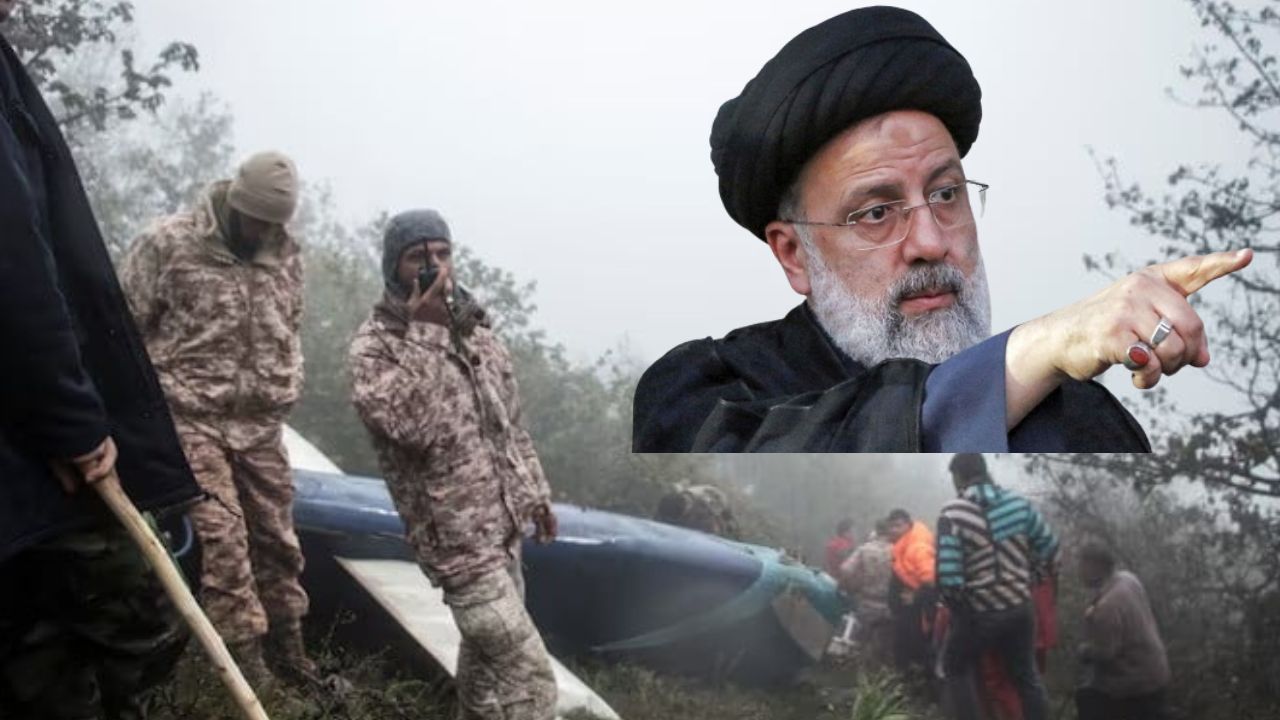
    Iranian state media has confirmed that the chopper crash in which Iran’s late President Ebrahim Raisi was killed was primarily caused by weather conditions that included thick fog, citing the final investigation report of the incident.

    “The main reason for the helicopter crash was complicated weather conditions in the region,” the final report concluded, according to Iran’s state TV.

    A preliminary report by Iran’s military had said in May that no evidence of foul play or an attack had been found during the investigation.

    President Raisi, 63, along with his entourage, died on May 19 after his helicopter went down in the country’s mountainous northwest while returning from a dam inauguration on the border with Azerbaijan.

    Raisi was laid to rest in his hometown of Mashhad.

    Among the people killed in the incident were Foreign Min­ister Hossein Amir-Abdollahian, Malik Rahmati, governor of Iran’s East Azerbaijan Province, Ayatollah Mohammad Ali Al-Hashem, representative of the Iranian supreme leader to East Azerbaijan, Sardar Seyed Mehdi Mousavi, head of Raisi’s guard team, the helicopter’s pilot Colonel Seyed Taher Mostafavi, co-pilot Colonel Mohsen Daryanush, and flight technician Major Behrouz Ghadimi.