Category: FOREIGN

  • Pakistani pilgrim bus crashes in Iran, killing three

    Pakistani pilgrim bus crashes in Iran, killing three

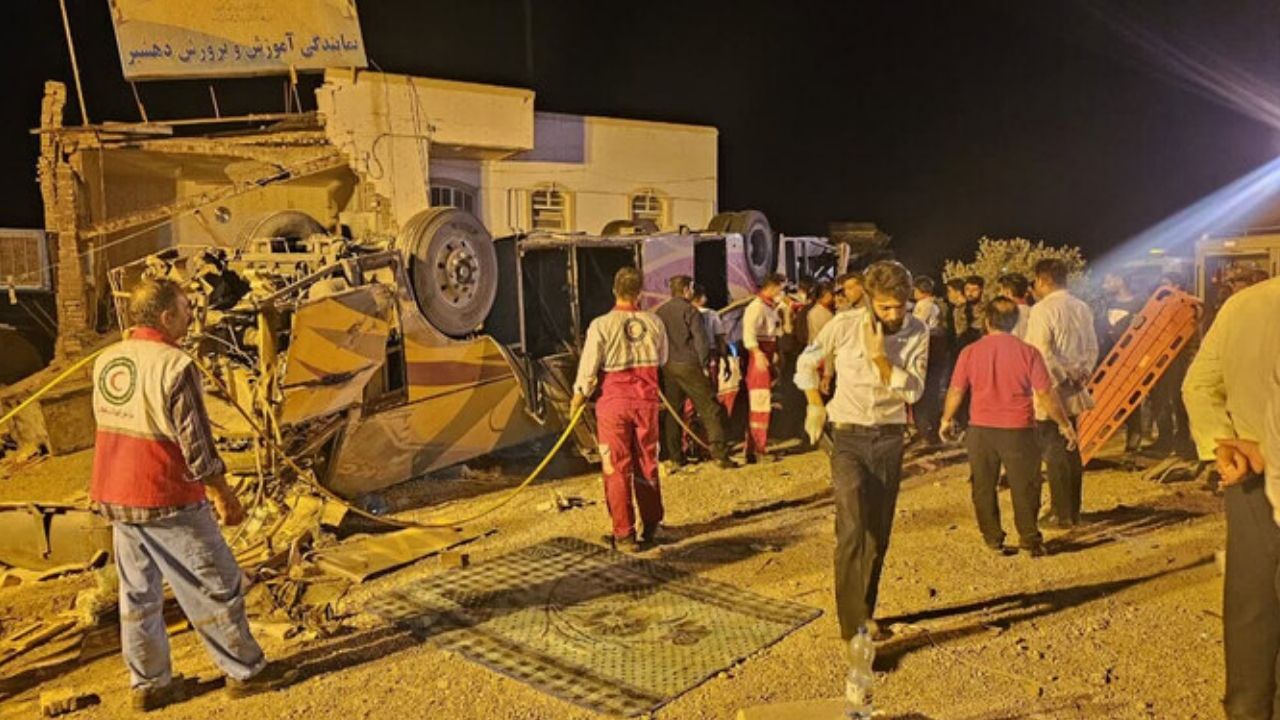
    At least three people have been killed and 48 others wounded when a bus carrying Pakistani pilgrims crashed into a truck in southern Iran, state media reported on Monday.

    The Pakistani pilgrims were headed through Iran to Iraq to attend the Arbaeen commemoration, which marks the 40th day of mourning for Imam Husain, the grandson of the Holy Prophet Muhammad (PBUH).

    Iran’s official news agency IRNA said a bus collided with a truck late on Sunday on the main road between Neyriz city in Fars province and Sirjan in Kerman province, leaving “48 wounded and three dead”.

    It did not specify how many people were on board the bus.

    Colonel Abdol Hashem Dehghani, a Fars traffic police official quoted by IRNA, said the accident was caused by “a technical failure” in the brakes and the driver’s “inability to control the vehicle”.

    Meanwhile, Iran’s Mehr News Urdu quoted Neyriz Governor Yaqub Khosrawani as saying that four Pakistani pilgrims lost their lives while 30 others were injured in the incident.

    This was the second road accident in less than a week involving Pakistani pilgrims after a crash in Iran’s Yazd city killed 28 people on the way to Iraq for Arbaeen.

    Bodies of the 28 pilgrims were brought to Pakistan via a special flight on Friday night.

    Iran has a poor road safety record, with over 20,000 deaths in accidents in the year up to March 2024, according to figures from the Iranian judiciary’s Legal Medicine Organisation cited by local media.

    The occasion of Arbaeen last year drew a total of 22 million pilgrims, according to official figures.

    IRNA said that by August 19 this year, some 25,000 Pakistani pilgrims had entered Iran to reach the Iraqi shrine city of Karbala, where Imam Husain and his brother Abbas are buried.

    Condemnation from Pakistan

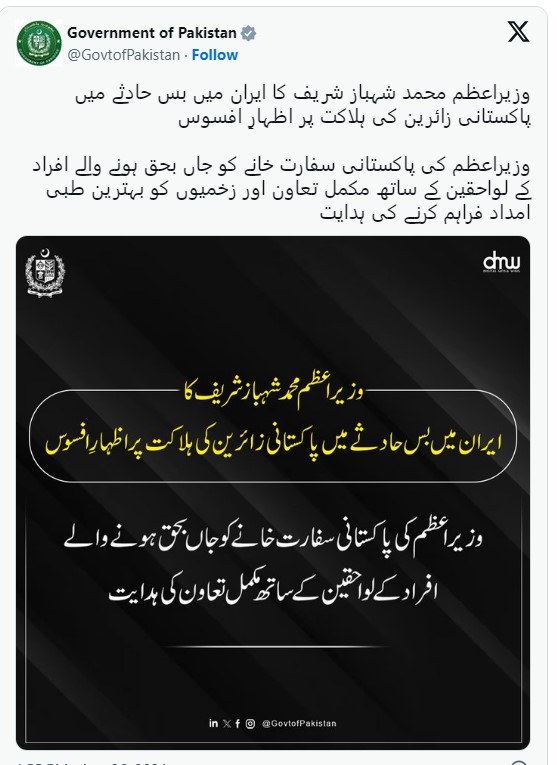
    “The prime minister has instructed the Pakistani embassy to fully cooperate with the families of the deceased and provide the best medical assistance to the injured,” the post shared by the Government of Pakistan’s official post read.

  • Australians can now ignore bosses after working hours

    Australians can now ignore bosses after working hours

    It’s standard for employers or senior executives to make phone calls or emails to employees after office hours to get work done. In such cases, it can be costly for employees to ignore their boss, and they may lose their jobs.

    However, the Australian government has taken a revolutionary step for employees. It has introduced legislation that gives employees the legal right not to answer their employer’s calls or emails after office hours. The new law, dubbed the ‘Right to Disconnect’, was passed in February and will be effective nationwide starting today (August 26).

    According to this law, employees are not bound to obey the orders of their officers or employers and answer their calls and messages after working hours. They have the right to disconnect their calls or not respond to emails, but no disciplinary action will be taken against them.

    The law has been implemented in view of employers’ intrusion into people’s professional and personal lives, especially in the wake of the coronavirus pandemic, with increasing reliance on methods such as digital communication and work from home.

    Australian Prime Minister Anthony Albanese, addressing a news conference, said, “If a worker is not paid 24 hours a day, he cannot be punished for being online 24 hours a day or available for office work.”

    According to a report by the Australia Institute think tank, the average worker in Australia worked 5.4 hours of unpaid overtime a week last year, while workers aged 18 to 19 worked 7.4 hours.

    Proponents of the law argue that employees are often physically out of the office but mentally in the office, as they constantly answer phone calls, emails, and texts while at home or with family. Sometimes, bosses’ or senior officials’ behaviour can cause severe stress among employees. Such calls disrupt their peace of mind, which can also lead to various diseases.

    The right to disconnect from employers was first introduced in France in 2017 to protect workers from punishment for not answering calls after working hours. Later, more than 20 countries, including Spain, France, Ireland, and the Canadian province of Ontario, introduced similar policies.

  • Nearly 300,000 Bangladeshis in emergency shelters after floods

    Nearly 300,000 Bangladeshis in emergency shelters after floods

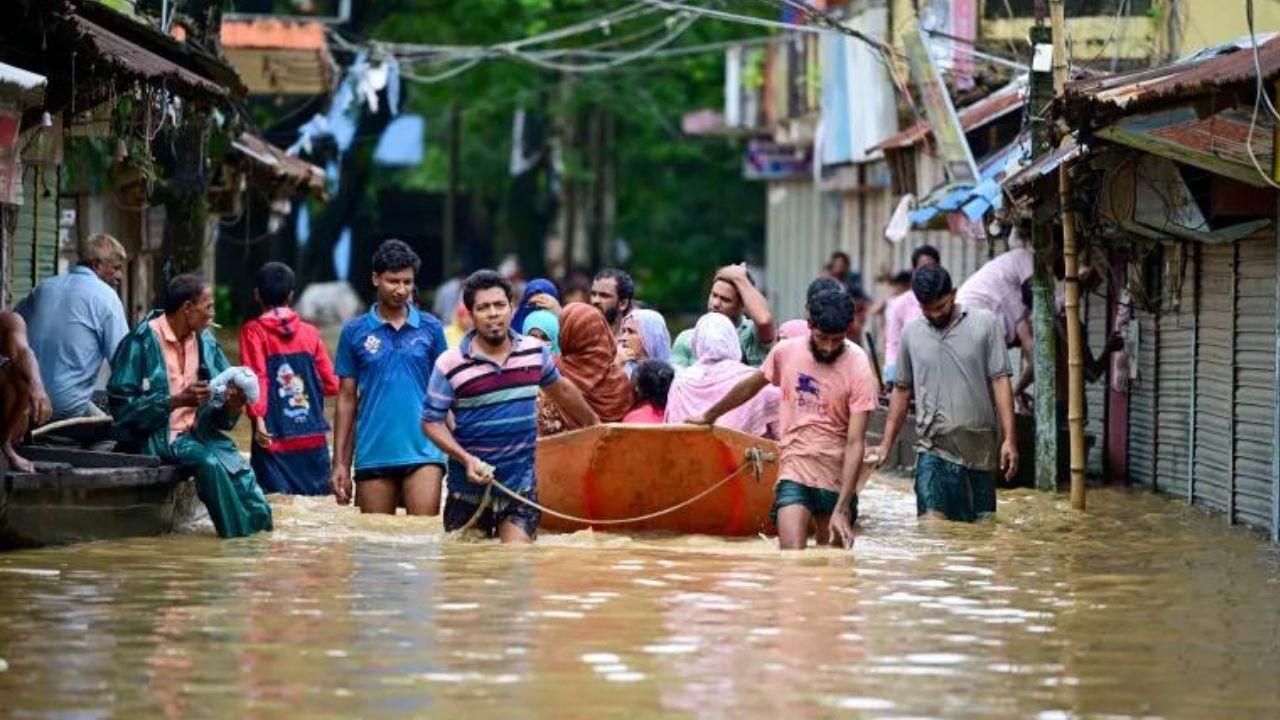
    Nearly 300,000 Bangladeshis were taking refuge in emergency shelters Saturday from floods that inundated vast areas of the low-lying South Asian country, disaster officials said.

    The floods were triggered by heavy monsoon rains and have killed at least 42 people in Bangladesh and India since the start of the week, many in landslides.

    “My house is completely inundated,” Lufton Nahar, 60, told AFP from a relief shelter in Feni, one of the worst-hit districts near the border with India’s Tripura state.

    “Water is flowing above our roof. My brother brought us here by boat. If he hadn’t, we would have died.”

    The nation of 170 million people is crisscrossed by hundreds of rivers and has seen frequent floods in recent decades.

    Monsoon rains cause widespread destruction every year, but climate change is shifting weather patterns and increasing the number of extreme weather events.

    Highways and rail lines were damaged between the capital Dhaka and the main port city of Chittagong, making access to badly flooded districts difficult and disrupting business activity.

    The flooding also comes just weeks after a student-led revolution toppled its government.

    Among the worst affected areas is Cox’s Bazar, a district home to around a million Rohingya refugees from neighbouring Myanmar.

    Tripura state disaster agency official Sarat Kumad Das told AFP that 24 people had been killed on the Indian side of the border since Monday.

    Another 18 had been killed in Bangladesh, according to disaster management ministry secretary Md Kamrul Hasan.

    “285,000 people are living in emergency shelters,” he said, adding that 4.5 million people in total had been affected.

    Recovering from unrest

    When the floods hit, Bangladesh was recovering from weeks of civil unrest that culminated in the August 5 toppling of autocratic ex-leader Sheikh Hasina.

    With an interim government led by Nobel Peace Prize laureate Muhammad Yunus still finding its feet, ordinary Bangladeshis have been crowdfunding relief efforts.

    They have been organised by the same students who led the protests that sparked the ouster of Hasina, who remains in India after fleeing Dhaka.

    Crowds visited Dhaka University on Friday to offer cash donations as students loaded rice sacks and crates of bottled water onto vehicles for areas affected by the deluge.

    Much of Bangladesh is made up of deltas where the great Himalayan rivers, the Ganges and the Brahmaputra, wind towards the sea after coursing through India.

    Several tributaries of the two transnational rivers were still overflowing.

    However, forecasts showed rain was likely to ease in the coming days.

  • Harris pledges to get Gaza ceasefire deal ‘done’ while promising support for Israel’s ‘right to defend itself’

    Harris pledges to get Gaza ceasefire deal ‘done’ while promising support for Israel’s ‘right to defend itself’

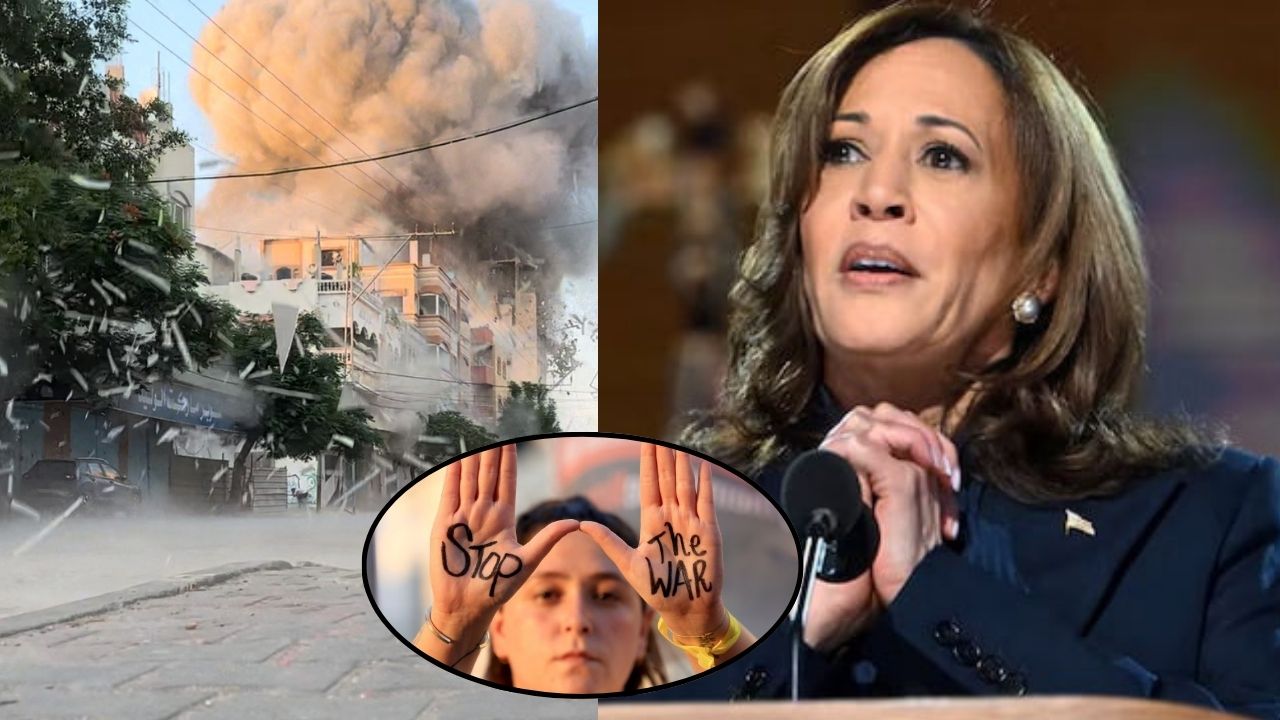
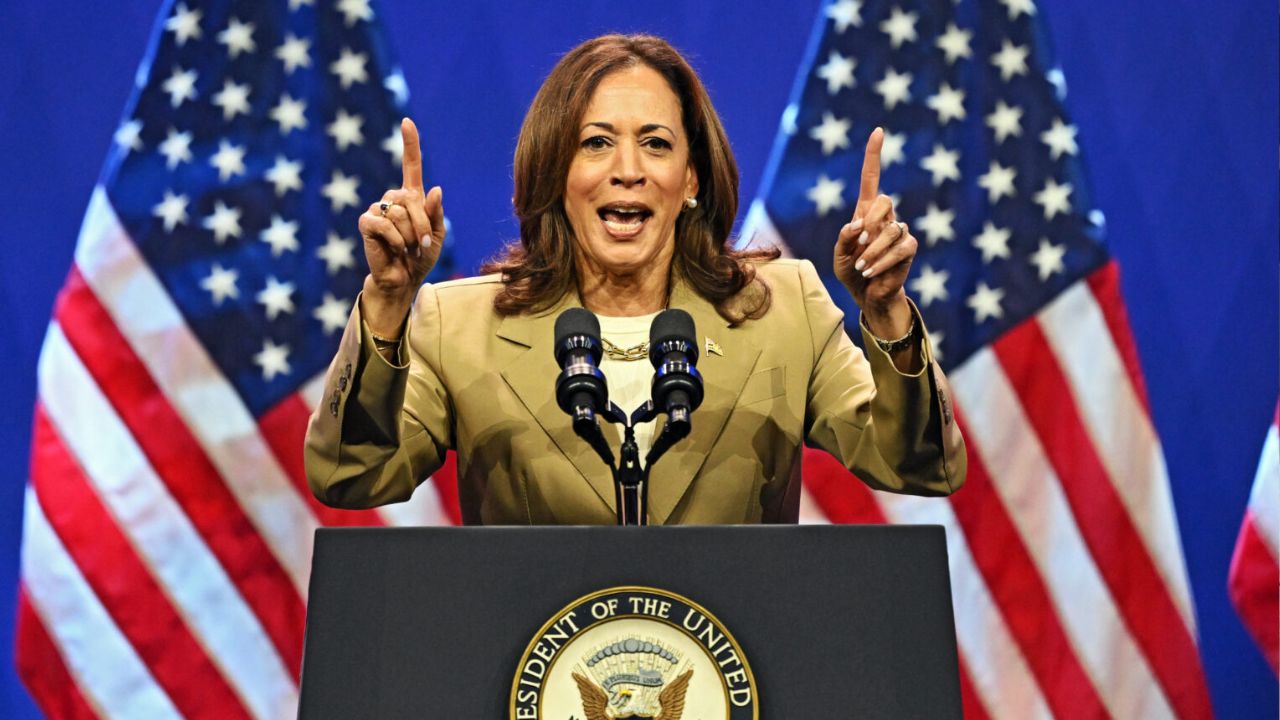
    Kamala Harris pledged Thursday to get a Gaza ceasefire and said as US president, she would stand with Ukraine and not “cosy up” to dictators like her Republican opponent, Donald Trump.

    “Now is the time to get a hostage deal and a ceasefire deal done,” the vice president told supporters at the Democratic National Convention as she accepted the party’s presidential nomination.

    Harris said that she and President Joe Biden “are working to end this war such that Israel is secure, the hostages are released, the suffering in Gaza ends and the Palestinian people can realize their right to dignity, security, freedom and self-determination.”

    US support for its ally Israel in the conflict against Hamas in Gaza has become one of the most divisive issues in the Democratic Party, and at times has threatened to overshadow the party’s attempt to unite against Trump.

    Harris said Hamas had caused “unspeakable” violence in its surprise attack on Israel on October 7, triggering the Israeli offensive. At the same time, she said the devastation in Gaza was “heartbreaking.”

    “I will always stand up for Israel’s right to defend itself, and I will always ensure that Israel has the ability to defend itself,” she said.

    Attacking Trump for his frequent denigration of NATO and Ukraine, she said, “As president, I will stand strong with Ukraine and our NATO allies.”

    And she called out Trump’s public praise for Russian President Vladimir Putin and North Korea’s Kim Jong Un, saying, “I will not cosy up to tyrants and dictators.”

    Tyrants are “rooting for Trump because, you know, they know he is easy to manipulate with flattery and favours. They know Trump won’t hold autocrats accountable because he wants to be an autocrat himself.”

  • Harris vows ‘new way forward’ for America as she accepts nomination

    Harris vows ‘new way forward’ for America as she accepts nomination

    Kamala Harris accepted the Democratic presidential nomination in Chicago on Thursday before a rapturous crowd, pledging a “new way forward” and warning that Donald Trump will take America backwards if he wins November’s blockbuster election.

    The 59-year-old sought to strike a presidential tone as she delivered a message of unity and patriotism for Americans after one of the most extraordinary turnarounds in US political history.

    “With this election, our nation has a precious, fleeting opportunity to move past the bitterness, cynicism, and divisive battles of the past — a chance to chart a new way forward,” Harris said to huge cheers from tens of thousands of pumped-up supporters.

    “And I want you to know: I promise to be a president for all Americans.”

    The convention became a giant party to celebrate Harris’s astonishing ascent from something of a political afterthought to Democratic standard bearer upon President Joe Biden’s surprise decision to end his reelection bid.

    A sea of waving Stars and Stripes flags and chants of “USA” filled the arena as jubilant Democrats anointed Harris.

    She was later joined on stage by her running mate Tim Walz and their families, as they held their arms aloft while 100,000 red, white and blue balloons tumbled from the ceiling.

    Country act The Chicks sang a version of “The Star-Spangled Banner” while pop star Pink also performed as the Democrats rolled out a list of celebrity backers.

    ‘President who unites us’

    But it was Harris’s time to shine on the biggest night of her political life, after becoming the first Black woman to be nominated by a major US party.

    She reached out to voters across America’s bitter political divide, promising to bring economic opportunity and protect their personal freedoms on key issues like abortion.

    “I will be a president who unites us around our highest aspirations,” she vowed.

    Harris then launched a broadside at 78-year-old Trump, whose campaign has been upended by having to face a woman two decades younger, rather than the increasingly frail Biden, 81.

    “We know what a second Trump term would look like,” she said, saying he wanted to “pull our country back to the past.”

    She laid out her personal story as a child of a single working mother, and her career as a prosecutor, saying she has the background and experience to serve the country in contrast to Trump who she said only works for himself and “his billionaire friends.”

    Turning to foreign policy, she accused Trump of trying to “cozy up” to foreign autocrats like Russian President Vladimir Putin.

    Harris pledged instead to “stand strong” with Ukraine as it fights Russia’s invasion and support NATO allies — again all in stark contrast to Trump’s isolationist stance.

    On the hugely divisive issue of Israel’s war in Gaza, Harris went further than the rhetoric of her boss Biden by calling the scale of suffering in the Palestinian enclave “heartbreaking”.

    She vowed to get a ceasefire deal between Israel and Hamas, and cheers erupted when she vowed “self-determination” for the Palestinian people.

    Pro-Palestinian protesters have demonstrated throughout the Democratic convention, with several thousands rallying outside it again on Thursday.

    ‘Ready on day one’

    The Democrats have been riding a wave of energy and enthusiasm since Harris stepped up. She has wiped out former president Trump’s lead in the polls, drawn enormous crowds and raised record funds.

    The torch having well and truly been passed, Biden gave a farewell speech on the first day of the convention and said he had called Harris to wish her luck.

    “I am proud to watch my partner Kamala Harris accept our nomination for president. She will be an outstanding president because she is fighting for our future,” Biden, who is on holiday in California, said on X.

    Barack Obama, who along with his wife Michelle delivered rousing support for Harris at the convention on Tuesday, said Harris had “showed the world what I have known to be true.

    “She is ready on day one to be President and represents the best of America. Let’s get to work.”

    Yet Democrats will also be trying to temper their hopes.

    Harris told reporters after her speech that the Democrats were the “underdogs” in the election, with a nail-biting sprint to November against a combative opponent.

    As he struggles to recalibrate his own campaign, Trump is increasingly resorting to personal insults, racially charged attacks, and dark rhetoric.

    He gave a play-by-play commentary on Harris’s speech on his Truth social platform, accusing her of making the United States a “failing nation” while part of the Biden administration.

    “She’s done nothing for three and a half years but talk, and that’s what she’s doing tonight, she’s complaining about everything but doing nothing!” he wrote.

  • Nine believed dead after plane crashes in Thai jungle

    Nine believed dead after plane crashes in Thai jungle

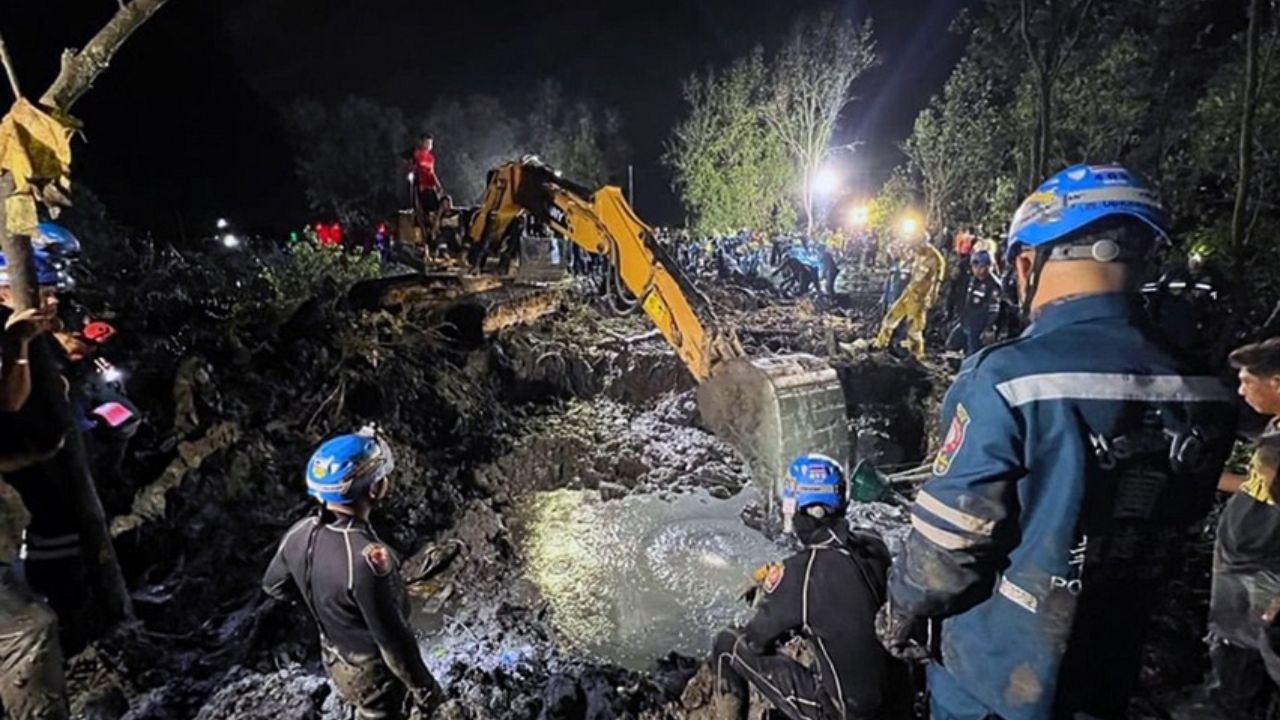
    BANGKOK: Rescuers scoured the Thai jungle on Friday (Aug 23) for nine missing people after a turboprop plane crashed southeast of the capital, Bangkok, though authorities expected no survivors.

    The aircraft went down in the jungle of Chacheongsao province on Thursday, and all on board were believed dead, Thai officials said.

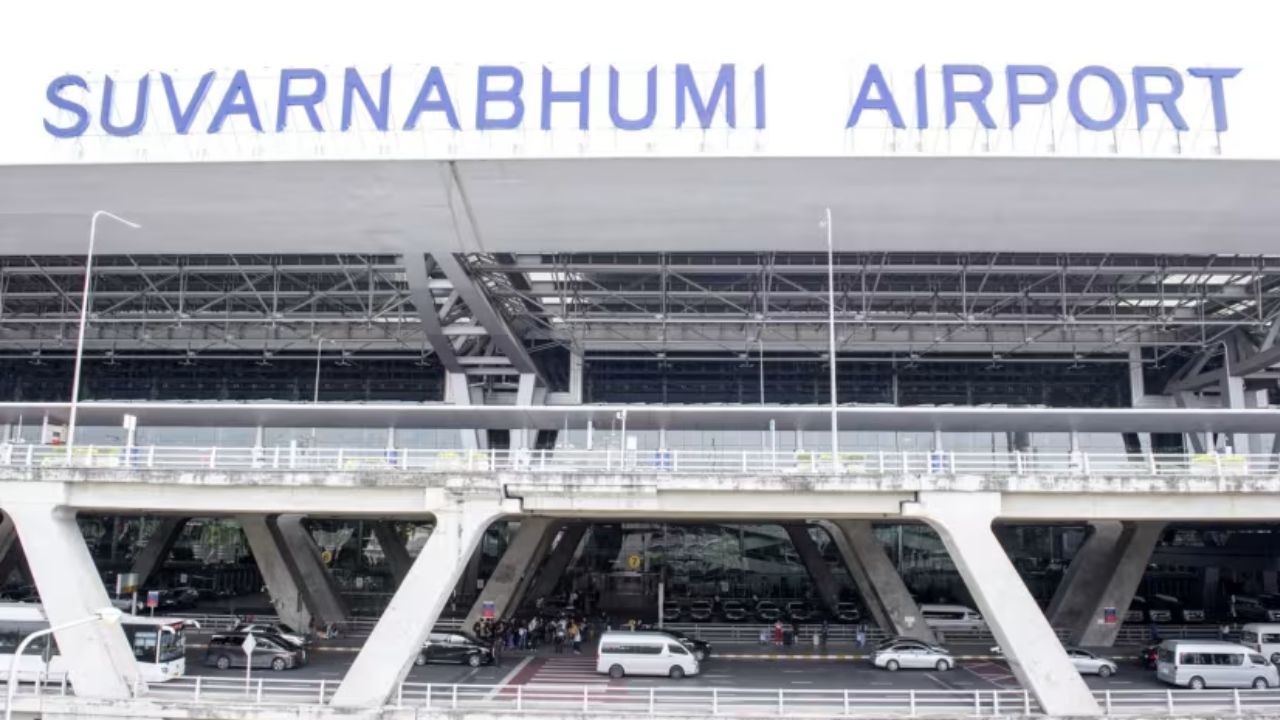
    Nine people – including two pilots and seven passengers – were travelling from Bangkok’s Suvarnabhumi airport to Trat province, an area on the Gulf of Thailand known for its beaches, when the plane went down.

    “It happened at around 3:10 pm (4:10 pm, Singapore time). We are trying to find those missing, but we believe that they are all dead,” Chacheongsao governor Chonlatee Yangtrong told reporters at the scene on Thursday.

    According to local media, the passengers comprised four Thais and five Chinese, including two children aged 12 and 13.

    More than 300 military personnel and volunteers have been deployed in the search, and authorities have launched an investigation to identify the cause of the crash.

    They have found some body parts, as well as pieces of the aircraft, authorities said.

    But heavy rainfall is hampering the search.

    “We are not planning to stop until we find them, although there are some waterlogged areas,” Chonlatee said.

  • Six-year-old boy found alive in Vietnam forest after four days

    Six-year-old boy found alive in Vietnam forest after four days

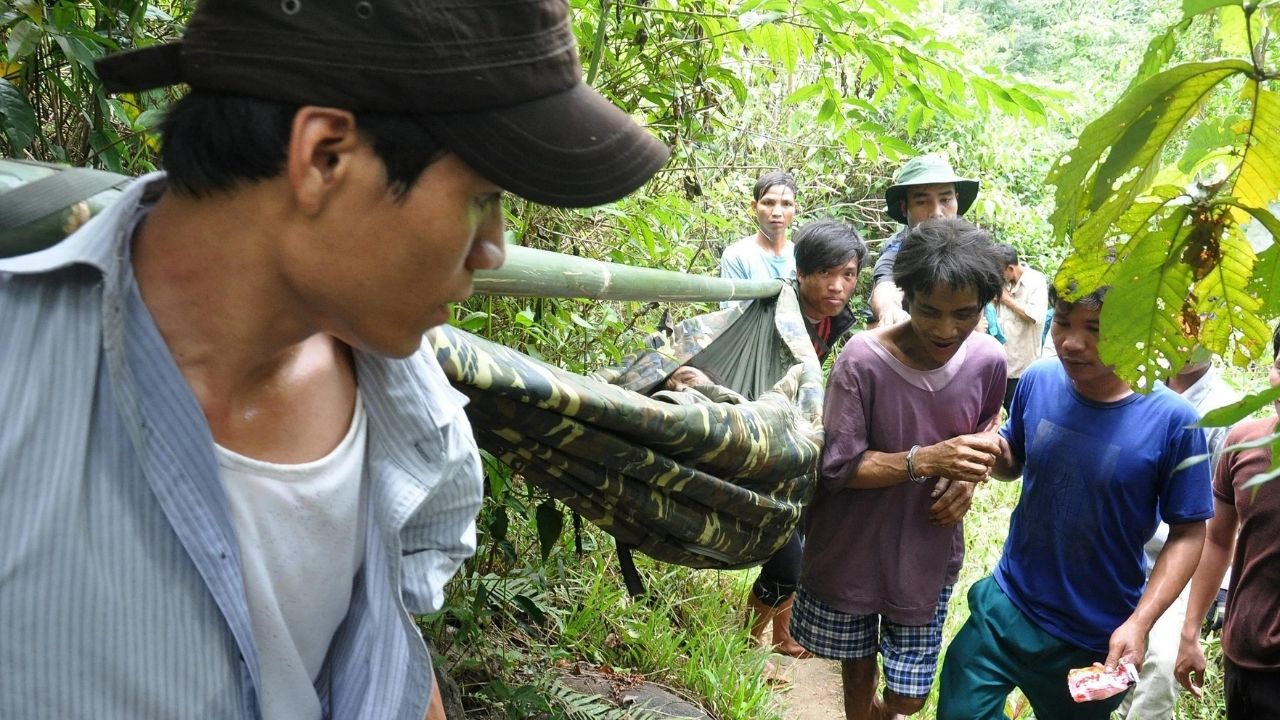
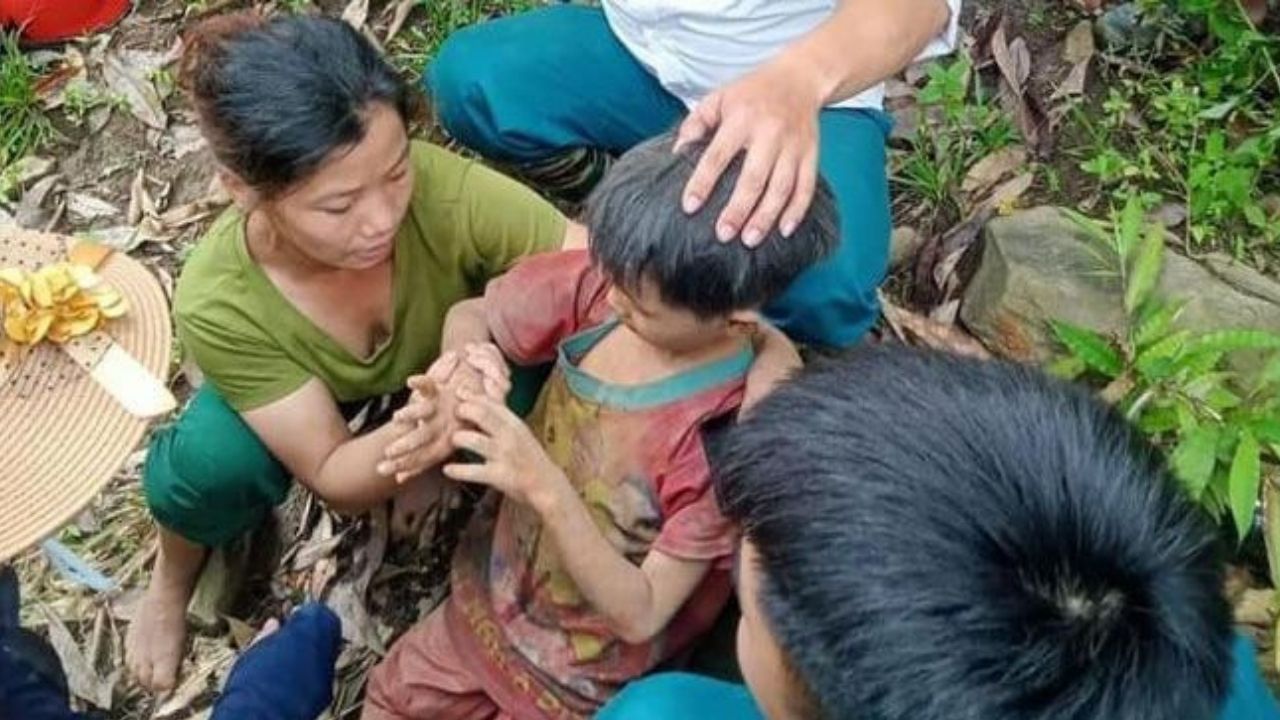
    A six-year-old boy missing for four days was found alive in a forest in a mountainous part of northern Vietnam, police said Thursday.

    The child was reported missing on Saturday after he failed to return home with his siblings from a celebration at a relative’s house in Yen Bai province.

    Police in Lam Giang commune launched a search for the boy and “even dried up a pond as they were afraid he had fallen,” an officer, who declined to give his name, told AFP.

    Over the past four days, more than 200 people joined a search for the boy, according to state media.

    He was finally found on Wednesday, the police official said.

    “We were told that the boy was tired. They gave him things to eat and checked his health. He is ok now,” the police official told AFP.

    State media reported that a man had heard crying and discovered the exhausted boy covered in mud, sitting in a cassava bush in the forest.

    Lam’s mother, Ly Thi Phai, told the VietnamNet news site of her relief.

    “I was so happy that my child had returned alive,” she said.

    “I cried because he looked thinner and weaker than before he disappeared.”

    According to state media, the boy said he had become lost in the forest and the more he walked, the more disorientated he became.

    To survive, he said he drank water from a stream and picked leaves and wild fruits he recognised.

  • Indian state plans law for Muslim marriages and divorces

    Indian state plans law for Muslim marriages and divorces

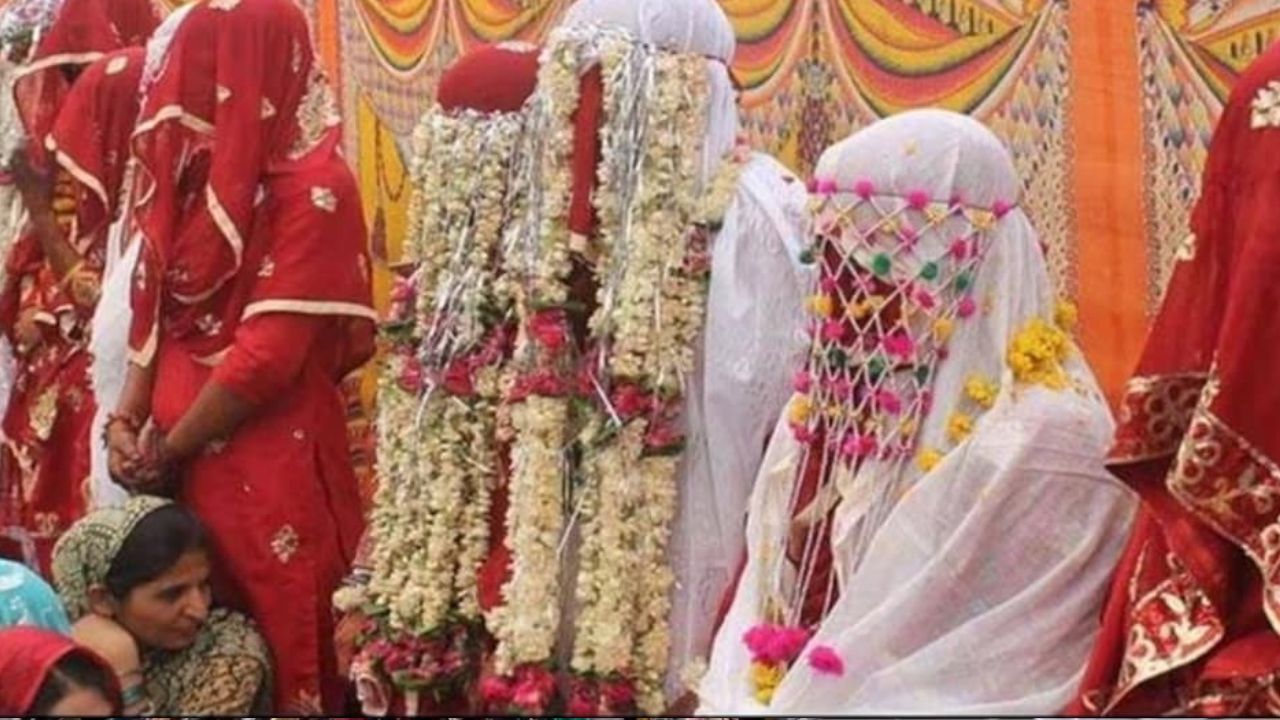
    Indian authorities in Assam state have introduced a bill that would require Muslims to register their marriages and divorces, with the chief minister claiming the measure will help stop child marriage.

    The bill is seen as a state-level step towards the government’s proposed common civil code of law, which Muslim activists bitterly oppose as an attack on their faith.

    India’s 1.4 billion people are subject to a common criminal law. Still, personal matters such as marriage, divorce and inheritance are governed by varying rules based on the traditions of different communities and faiths.

    In Assam, it is already mandatory for other religions to register marriages with civil authorities.

    Assam’s state government, led by Prime Minister Narendra Modi’s Hindu nationalist Bharatiya Janata Party (BJP), said the bill would be tabled during the next state assembly.

    “Our basic intention is to stop child marriages,” Himanta Biswa Sarma, chief minister of the northeastern state, told reporters Wednesday.

    Sarma said the Assam Compulsory Registration of Muslim Marriages and Divorces Bill would not restrict religious rituals, but only ensure marriages and divorces were registered.

    The bill will “provide safeguards and benefits… especially to women and prevent the menace of child marriages,” he said.

    Modi said this month he wanted to press ahead with a Uniform Civil Code (UCC) to standardise laws for personal matters across faiths and religious communities.

    Many communities, particularly Muslims, fear a UCC would encroach on their religious laws.

    Modi maintains it would serve as an equaliser.

    “Those laws that divide the country on the basis of religion, that become reason for inequality, should have no place in a modern society,” Modi said during an Independence Day address on August 15.

    “That is why I say: the times demand that there is a secular civil code in the country.”

    Modi won a third successive term in office in June but was forced into a coalition government for the first time in a decade.

    The BJP’s Hindu nationalist rhetoric has left India’s Muslim population of more than 220 million increasingly anxious about their future.

  • British tech tycoon ‘beat the odds’ till yacht tragedy

    British tech tycoon ‘beat the odds’ till yacht tragedy

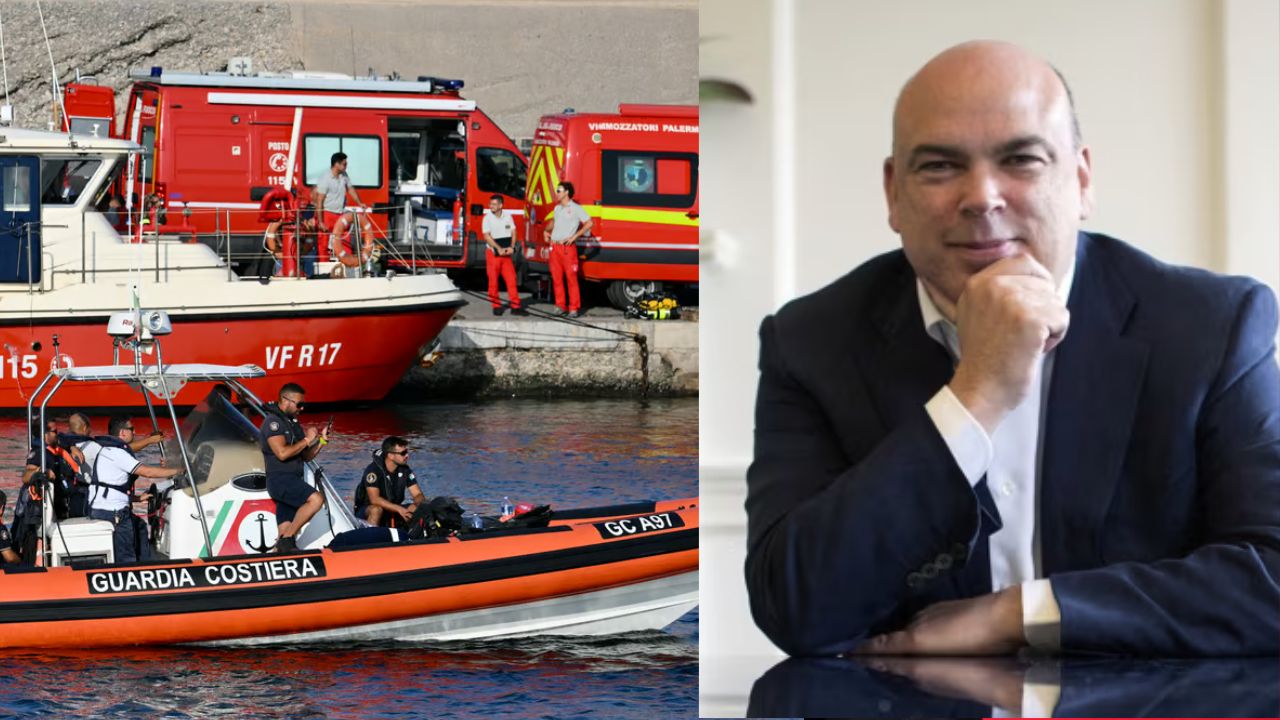
    Once dubbed Britain’s “Bill Gates”, tech entrepreneur Mike Lynch, whose body has been recovered from his sunken superyacht off Sicily, had only recently been cleared of fraud charges in the US.

    The 59-year-old businessman was acquitted in June by a San Francisco court after a decade-long legal battle with US firm Hewlett-Packard, but the allegations tarnished his image as a UK tech success story.

    Since returning home, Lynch — an advisor to two British prime ministers — had criticised the government for allowing his extradition to the US in the first place.

    “I am looking forward to returning to the UK and getting back to what I love most: my family and innovating in my field,” he said following his acquittal.

    But in a tragic twist, he would perish on the Mediterranean celebrating his victory on a cruise with his family and the friends who had helped him through the ordeal.

    ‘Second life’

    Born to working-class Irish parents in Essex, east of London, in 1965, the academically bright Lynch won a scholarship to a private school.

    He went on to study natural sciences at Cambridge University, where he got a doctorate.

    Lynch had described the fraud trial in the United States as a life-altering moment for him in an interview with the Times newspaper last month.

    “It’s bizarre, but now you have a second life. The question is, what do you want to do with it?” he said.

    Lynch and his family were aboard his luxury yacht Bayesian near Palermo with friends and colleagues when it was struck by a sudden storm in the early hours of Monday.

    His wife, Angela Bacares, was among the 15 people rescued, but his daughter Hannah, 18, is still missing.

    Italian rescuers have now recovered five bodies, and her fate remains unconfirmed.

    Rise and fall

    Lynch and his wife, who also had an older daughter aged 21, had a combined fortune of £500 million ($648 million) according to the latest Sunday Times “Rich List”.

    He owed much of that wealth to his software firm Autonomy, which he founded in 1996 in Cambridge and turned into a leading British tech company.

    Autonomy’s search software was informed by Bayesian learning frameworks, inspiring the name of the ill-fated yacht.

    Lynch sold Autonomy to HP for $11 billion in 2011 in a mega-deal which raised eyebrows at the time.

    Just one year later, HP reported a write-down of $8.8 billion — including more than $5 billion it attributed to alleged inflated data from Autonomy — plunging Lynch into the fraud case he spent over a decade fighting.

    Scapegoat?

    US prosecutors accused him of taking part in a massive scheme as Autonomy’s chief executive to deceive HP by pumping the value of the company.

    Lynch was extradited last year and spent a year under house arrest before being cleared.

    He could have faced two decades in jail, an ordeal the entrepreneur said he would not have survived due to various medical conditions.

    Lynch — who made around $815 million from the Autonomy sale — always denied the fraud charges, accusing HP of making him a scapegoat for its own failings.

    A dog lover, he owned two dachshunds and four sheepdogs, and had homes in both London and Suffolk where he had a farm.

    He was honoured by Queen Elizabeth II in 2006 with an Order of the British Empire (OBE) for his services to enterprise and appointed to the board of the BBC the same year.

    ‘Beating the odds’

    After the Autonomy sale, he founded venture capital firm Invoke Capital, which was an early investor in cyber security firm Darktrace.

    However, despite the US acquittal this year, the legal saga was not over for Lynch.

    In 2022, London’s High Court ruled in a civil fraud case that HP had been duped and had overpaid for Autonomy.

    The court has yet to rule on the billions of dollars in damages claimed by the US group.

    David Yelland, a reputation management advisor who described Lynch as a client and friend, said in an X post it was “devastating” to think he had lost his life just as he had began to rebuild it.

    “His entire life is one of beating the odds in the most extraordinary of situations,” Yelland added.

  • ‘Abuse every day’: Indian female medics speak out after brutal murder

    ‘Abuse every day’: Indian female medics speak out after brutal murder

    Saving lives was the childhood dream for 28-year-old Indian doctor Radhika, but after the brutal rape and murder of a colleague her own safety has increasingly become a top concern.

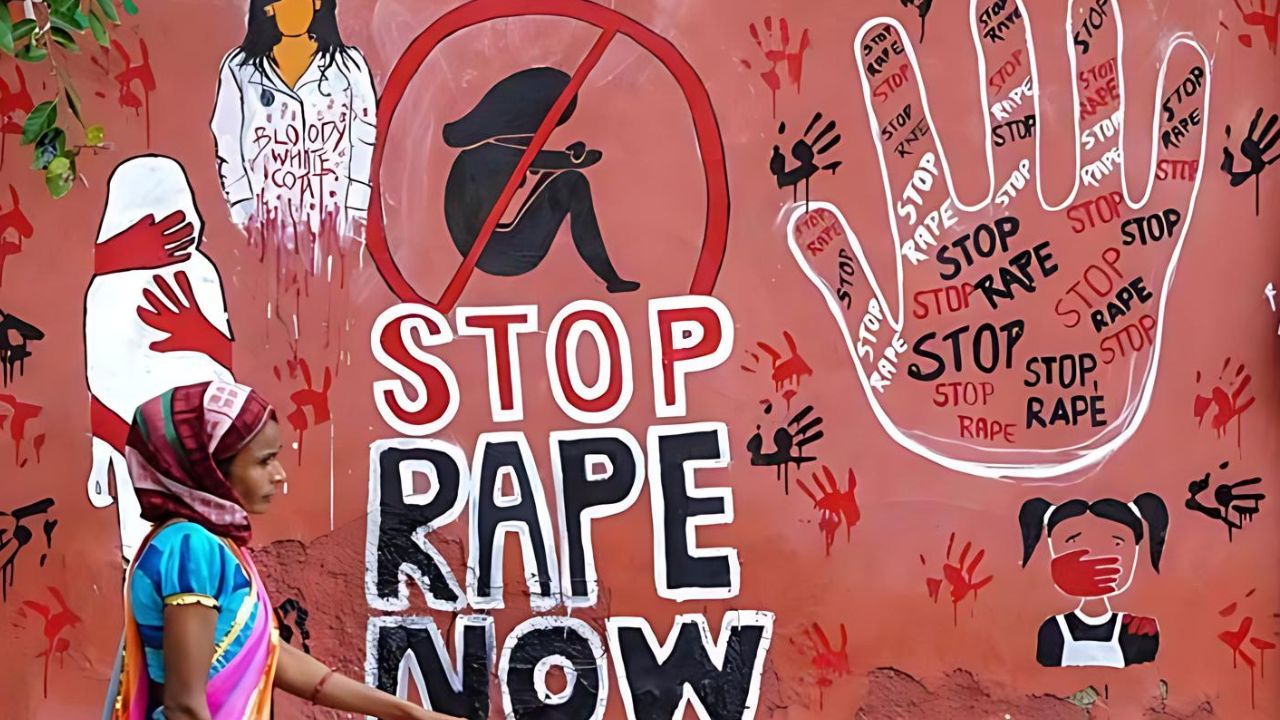
    Earlier this month, at the government-run hospital where Radhika works in the eastern city of Kolkata, the battered and bloodied body of a 31-year-old woman doctor was found, sparking outrage.

    One man has been detained, but the attack has focused anger on the lack of measures for female doctors to work without fear, and triggered protests and medical strikes.

    “I was on night duty just two days before this incident,” Radhika said at Kolkata’s R.G. Kar Medical College and Hospital.

    “What she did is what any of us do -– resting whenever, wherever we can”.

    The murdered doctor — who has not been formally named but is being called “Abhaya”, or “fearless” by protesters — was found in the teaching hospital’s seminar hall, suggesting she had gone there for a break during a long shift.

    Radhika, whose name has been changed for fear of repercussions at her work, said conditions such as long working hours — with barely any time to eat or rest — were not unusual.

    “This could have been any of us, and this still can be any of us,” she added.

    – Attacks all too common –

    Tens of thousands of ordinary Indians have joined protests, channelling anger not only at the chronic issue of violence against women, but also at the failure to provide secure working conditions for them.

    According to the philanthropic organisation Dasra, women make up nearly 30 percent of doctors in India and 80 percent of nursing staff.

    Attacks on female medics are all too common.

    India’s Supreme Court on Tuesday ordered a national task force to examine how to bolster security for healthcare workers, saying the brutality of the killing had “shocked the conscience of the nation”.

    “The lack of institutional safety norms at medical establishments, against both violence and sexual violence against medical professionals, is a matter of serious concern,” the court order read.

    It highlighted a lack of CCTV cameras and a failure to screen visitors to hospitals for weapons.

    Medical superintendent Indira Kabade, who works at KC General Hospital in the southern city of Bengaluru, said she worries her staff can get home safely.

    “We never know if anyone is following them from the hospital,” said Kabade, adding she and many female colleagues want “airport-like security”, including police posted inside the campus.

    “Despite us working non-stop to save lives, there is a need to rethink safety at workplace,” Kabade said.

    The gruesome nature of the doctor’s killing has invoked comparisons with the horrific 2012 gang rape and murder of a young woman on a Delhi bus.

    Nearly 90 rapes a day were reported in 2022 in the country of 1.4 billion people.

    – Foul toilets –

    Exhausted doctors sleep where they can, snatching rest on a chair or the floor.

    “They are just completely tired and their bodies cannot push anymore,” Radhika said.

    There are restrooms for doctors — but men and women have to share, and some have no lock.

    She described one moment of terror when two men barged into the room as she rested.

    “I was really scared,” she said.

    Foul sanitation — including often one toilet for male and female medics — illustrate a failure by the authorities to provide basic infrastructure.

    The situation was particularly worrying when the women were menstruating, Radhika said.

    In the Himalayan territory of Kashmir, doctor Rubeena Bhat said some medics would rather use washrooms in houses neighbouring the hospital.

    “It’s that bad,” she said.

    – ‘Abuse every day’ –

    One female doctor in Thiruvananthapuram, a city in the southern state of Kerala, said she and her colleagues faced abuse every day, from verbal insults to physical molestation.

    “There is no end to it,” she said.

    Female doctors have been encouraged to participate in self-defence classes organised by the medical association.

    “Doctors are called gods or angels by some people,” the Kerala-based doctor said.

    “So we think we are immune to crimes. And when such a crime happens at a place which we consider the safest place, we are all afraid”.

    But while questions remain over her safety, Radhika is certain of her future.

    “I will fight and continue to be in the healthcare service”, she said.