Category: Global

  • US halts strikes on Iranian energy sites for 10 days as Hormuz tensions persist, talks continue

    US halts strikes on Iranian energy sites for 10 days as Hormuz tensions persist, talks continue

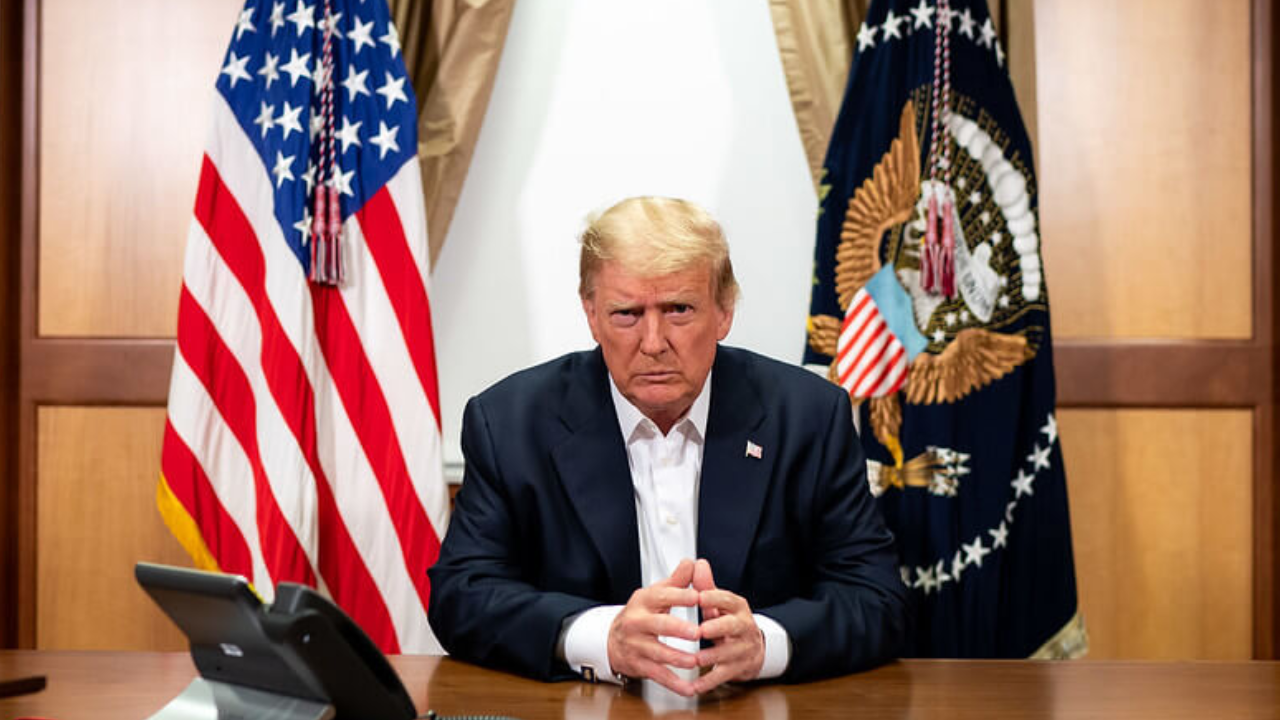
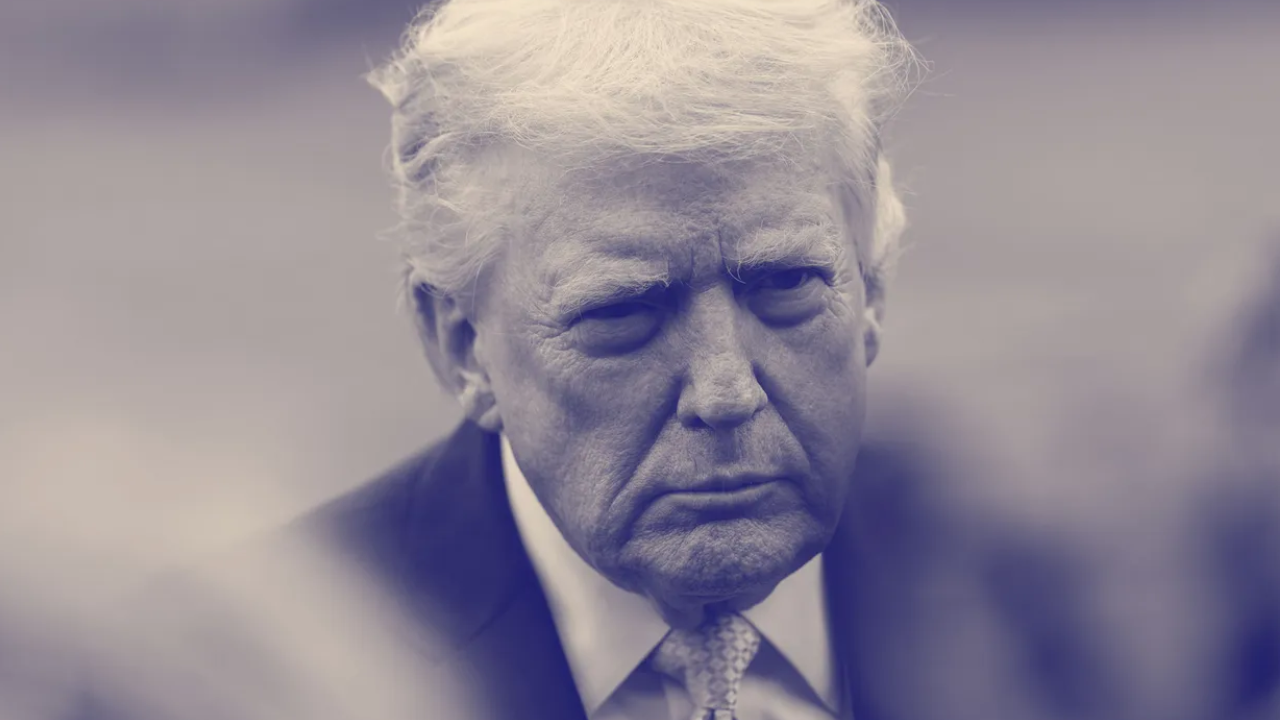
    President of the United States (US) Donald Trump has said that Washington DC will pause strikes on Iranian energy facilities for 10 days, citing ongoing talks with Tehran, as the closure of the Strait of Hormuz continues to disrupt global energy flows.

    In a post on Truth Social, Trump said on Thursday that the pause would remain in place until April 6. “As per the Iranian government request, please let this statement serve to represent that I am pausing the period of Energy Plant destruction by 10 Days to Monday, April 6, 2026, at 8 P.M., Eastern Time,” he wrote. 

    He added that “talks are ongoing and, despite erroneous statements to the contrary by the fake news media and others, they are going very well.”

    The announcement comes as the Strait of Hormuz remains effectively closed for nearly four weeks, halting most maritime traffic through one of the world’s key energy corridors. The waterway is used for the transit of around 20 percent of global oil and natural gas supplies, along with shipments of fertilisers.

    Trump has linked the pause in strikes to broader efforts aimed at reopening the strait, even as he has previously warned Tehran of consequences if it does not comply. He has also moved to deploy additional US troops to the Middle East and considered naval escorts for oil tankers passing through the region.

    Despite the pause, the status of negotiations remains unclear. Iran has expressed distrust toward the US, while US officials have indicated that talks are ongoing but fluid.

    According to a Wall Street Journal report, Iran has not requested a 10-day halt to strikes on its energy infrastructure.

    US Secretary of State Marco Rubio said that intermediary countries are facilitating communication between the two sides. “There’s a growing amount of energy that’s been flowing through the straits, not as much as should be flowing, but some of it has picked up,” he said, adding that “there’s been some progress in regards to the exchange of messages, but that’s an ongoing and fluid process.”

    Rubio also said that the Strait of Hormuz “can be open tomorrow if Iran stops threatening global shipping,” and called on countries that support international law to respond to the situation.

    Separately, JD Vance said that Iran’s “conventional military” had been “effectively destroyed” during the conflict. “They don’t have the ability to hit us like they could have even a few weeks ago,” he said, adding that the situation “gives us options.”

    Meanwhile, Rafael Grossi, head of the International Atomic Energy Agency (IAEA), warned of the risks associated with strikes on Iran’s nuclear infrastructure. Referring to the Bushehr nuclear power plant, he said “damage to the facility could result in a major radiological accident affecting a large area in Iran and beyond,” and called for restraint and adherence to nuclear safety principles.

    Iran continues to retain leverage over the Strait of Hormuz through its geographic position and use of drones and sea mines, which complicate efforts to secure the route. Iranian officials have also indicated they are charging fees for the passage of some vessels through the strait, following reports that tankers have paid large sums to cross.
  • Iran rejects US proposal, sets five conditions for ending war

    Iran rejects US proposal, sets five conditions for ending war

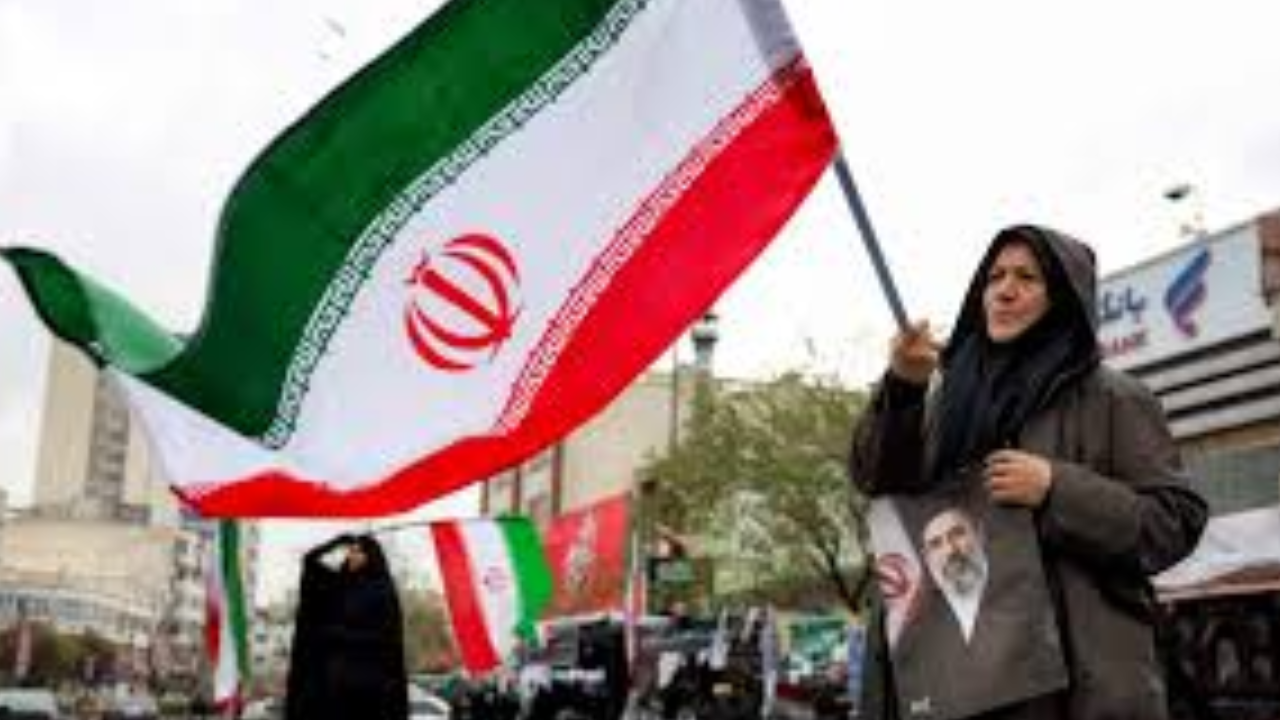
    Iran has rejected a US proposal aimed at ending the ongoing US-Israeli war on the country, presenting five conditions of its own, according to Iranian state media.

    Iran’s state-owned broadcaster Press TV reported on Wednesday that Tehran had “responded negatively” to the American initiative. The report cited a senior political-security official, who said, “Iran will not allow US President Donald Trump to dictate the timing of the war’s end.”

    The development follows reports that Pakistan delivered a US proposal to Iran, with either Pakistan or Turkiye considered as potential venues for de-escalation talks. The official told Press TV, “Iran will end the war when it decides to do so and when its own conditions are met.” The source also highlighted Tehran’s commitment to continue its defence operations and inflict “heavy blows” on the enemy until its demands are fulfilled.

    The official described Washington’s proposals as “excessive” and “disconnected from the reality of America’s failure on the battlefield.” Press TV outlined five conditions under which Iran would consider ending the conflict: A complete halt to “aggression and assassinations” by the enemy, the establishment of mechanisms ensuring that war is not reimposed on Iran, guaranteed payment of war damages and reparations, the conclusion of the conflict across all fronts and for all resistance groups in the region and international recognition and guarantees regarding Iran’s sovereign right over the Strait of Hormuz

    The official added that these demands supplement those presented during the second round of negotiations in Geneva, held just days before US and Israeli strikes on February 28. The report stated that Iran communicated to “all intermediaries acting in good faith” that a ceasefire would only be considered if all conditions were accepted, emphasizing, “No negotiations will be held prior to that.”

    White House Press Secretary Karoline Leavitt said during a press briefing that talks with Iran remain “productive.” She cautioned reporters about reports of a 15-point US plan, noting, “The White House never confirmed that full plan. There are elements of truth to it, but some of the stories I read are not entirely factual.”

    Meanwhile, US President Donald Trump said Iranian leaders “are negotiating, by the way, and they want to make a deal so badly, but they’re afraid to say it because they will be killed by their own people. They’re also afraid they’ll be killed by us.”

    Trump claimed Iran provided a “present” related to the Strait of Hormuz, describing it as “a very big present worth a tremendous amount of money.”

    Iranian Foreign Minister Abbas Araqchi countered the claim, saying that the country had exchanged messages through intermediaries but “no dialogue or negotiation” with the US had taken place. Araqchi added, “Messages being conveyed through our friendly countries and us responding by stating our positions or issuing the necessary warnings is not called negotiation or dialogue.”

  • ‘Glimmer of Hope’: China on possible US-Iran negotiations

    ‘Glimmer of Hope’: China on possible US-Iran negotiations

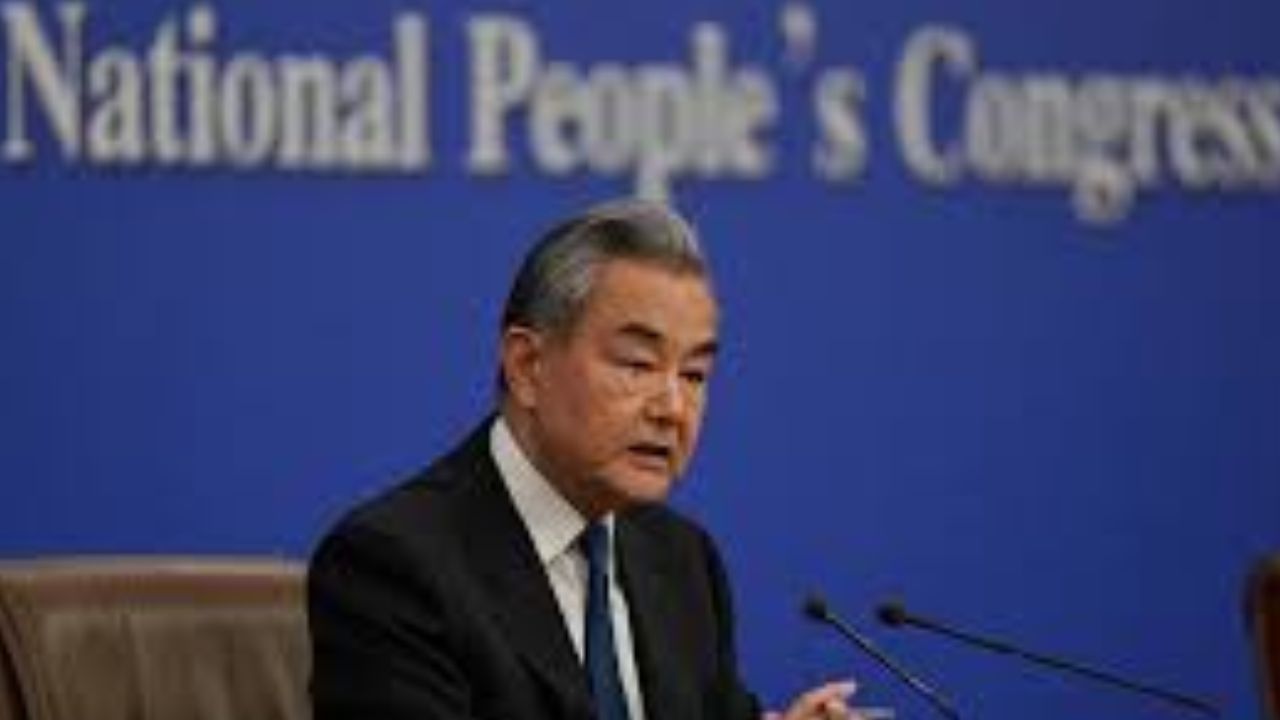
    China’s top diplomat Wang Yi has said that a “glimmer of hope” for peace has emerged in the Middle East amid ongoing efforts to end the conflict, even as Iran vowed to continue fighting.  


    The White House has warned that US President Donald Trump is prepared to take strong action if Iran does not accept a proposed peace plan. Tehran, however, stated it will not enter negotiations.  The exchange of statements has reduced expectations of immediate de-escalation, with violence continuing on the ground after nearly four weeks.  


    China’s Foreign Minister Wang Yi held separate calls with his Turkish and Egyptian counterparts, suggesting that both Washington DC and Tehran had indicated willingness to return to talks.  “With both the United States and Iran signalling a willingness to negotiate, a glimmer of hope for peace has emerged,” Wang said in a conversation with Egyptian Foreign Minister Badr Abdelatty, according to a Beijing readout published Wednesday.  


    Hours later, Iran’s Foreign Minister Abbas Araghchi stated, “So far, no negotiations have taken place, and I believe our position is completely principled.Speaking of negotiations, now is an admission of defeat.”


    Trump said on Wednesday that Iran was participating in peace talks, suggesting Tehran’s denials reflected fears among Iranian negotiators of reprisals from their own government.


    “They are negotiating, by the way, and they want to make a deal so badly. But they’re afraid to say it, because they figure they’ll be killed by their own people,” he said at a dinner for Republican members of Congress.


    Wang told Turkish Foreign Minister Hakan Fidan that the responsibilities and actions in the Middle East conflict were clear and offered support for facilitating the resumption of negotiations.  Turkey has carried out diplomatic efforts to end the conflict by engaging both Washington DC and Tehran, Fidan said in March.


    “Prolonging this war would only result in further casualties and needless losses, leading to a further spillover of the conflict,” Wang said.

  • UN adopts resolution declaring transatlantic slavery ‘gravest crime against humanity’

    UN adopts resolution declaring transatlantic slavery ‘gravest crime against humanity’

    The United Nations (UN) General Assembly has voted to adopt a resolution recognising the enslavement of Africans during the transatlantic slave trade as “the gravest crime against humanity”. 

    The resolution, put forward by Ghana, also calls on member states to consider issuing apologies for their role in the slave trade and to contribute to a reparations fund. It does not set out any specific financial commitments.

    A total of 123 countries voted in favour, while 52 abstained, including the United Kingdom and member states of the European Union. The United States (US), Israel and Argentina voted against the measure.

    General Assembly resolutions are not legally binding, but they reflect the position of the international community.

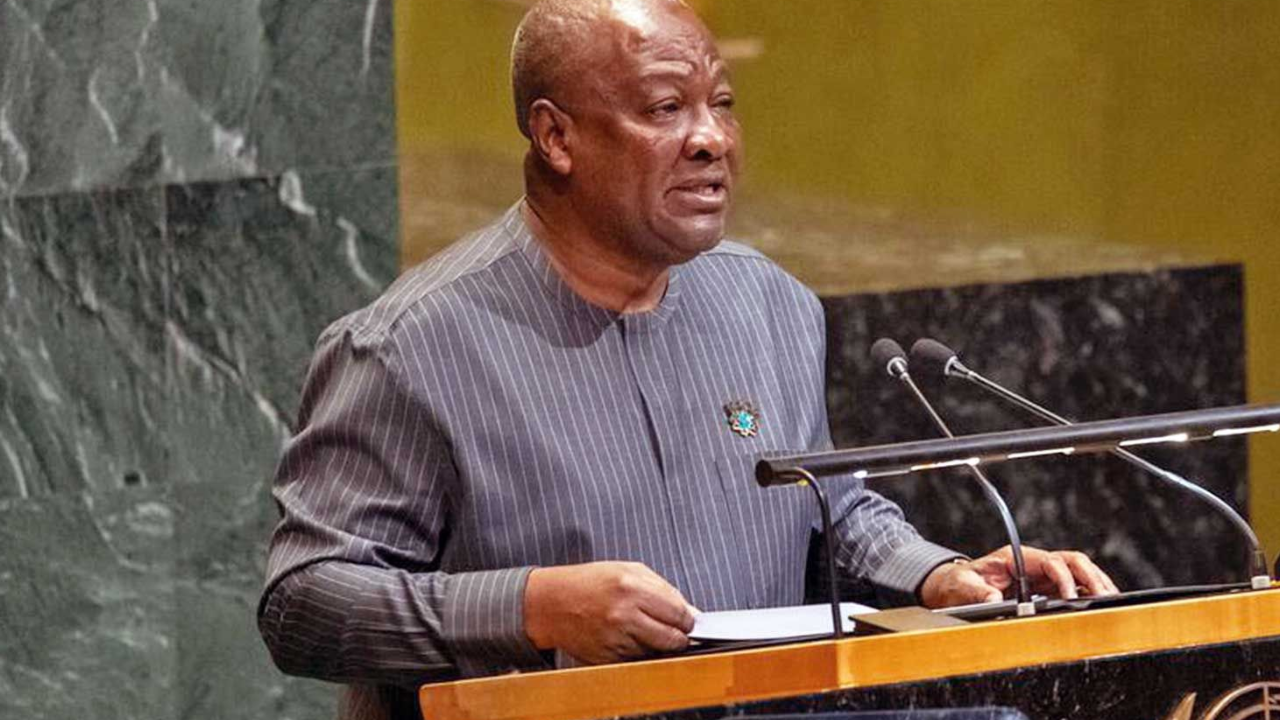
    Ahead of the vote, Ghana’s President John Mahama addressed the assembly, saying: “Let it be recorded that when history beckoned, we did what was right for the memory of the millions who suffered the indignity of the slave trade and those who continue to suffer racial discrimination.”

    He added: “The adoption of this resolution serves as a safeguard against forgetting. It also challenges the enduring scars of slavery.”

    Ghana’s Foreign Minister Samuel Okudzeto Ablakwa said the move was aimed at securing justice rather than financial gain for leaders.

    He also said Ghana was not attempting to compare suffering, but to place on record what took place. “We are not ranking our pain above anyone else’s,” he said.

    Between 1500 and 1800, an estimated 12 to 15 million people were taken from Africa to the Americas and forced into slavery. More than two million are believed to have died during the journey.

    The resolution, supported by the African Union and the Caribbean Community, states that the effects of slavery continue in the form of racial inequality and underdevelopment affecting people of African descent worldwide.

    Several countries that abstained or opposed the measure raised concerns over its framing and implications.

    The United Kingdom (UK) said it recognised the harm caused by the slave trade but questioned the wording of the resolution. Its UN ambassador, James Kariuki, told the assembly: “No single set of atrocities should be regarded as more or less significant than another.”

    The US also opposed the measure. Its ambassador to the UN Dan Negrea, said his country “does not recognise a legal right to reparations for historical wrongs that were not illegal under international law at the time they occurred”.

    He also objected to what he described as the “cynical usage of historical wrongs as a leverage point to reallocate modern resources to people and nations who are distantly related to the historical victims”.

    Negrea further questioned how reparatory measures would be implemented, saying the resolution was unclear on who would receive such support.

    Ghana has been among the countries leading calls for reparations. Sites along its coast, where enslaved Africans were once held before being transported across the Atlantic, remain standing.

    The issue of reparations has gained traction in recent years, with the African Union adopting “reparatory justice” as its theme for 2025, while Commonwealth leaders have called for dialogue on the matter.

  • Israeli soldiers torture 1yo Palestinian child in Gaza to pressure father: reports

    Israeli soldiers torture 1yo Palestinian child in Gaza to pressure father: reports

    A one-year-old Palestinian child was subjected to torture by Israeli soldiers in central Gaza in an attempt to force his father into making confessions during interrogation, a report aired by Palestine TV and cited by journalist Osama Al-Kahlout, has revealed.

    As per the details, the child, identified as Karim, was detained near the Al-Maghazi refugee camp and footage later broadcast by news outlets showed visible injuries on his body.

    Witnesses said the boy’s father, Osama Abu Nassar, had been struggling emotionally after losing a horse that provided his livelihood. While taking his son to buy supplies, Nassar was caught in gunfire near his home and forced by Israeli soldiers to leave his 18 month old child on the ground before being taken to a nearby military checkpoint where he was stripped and interrogated.

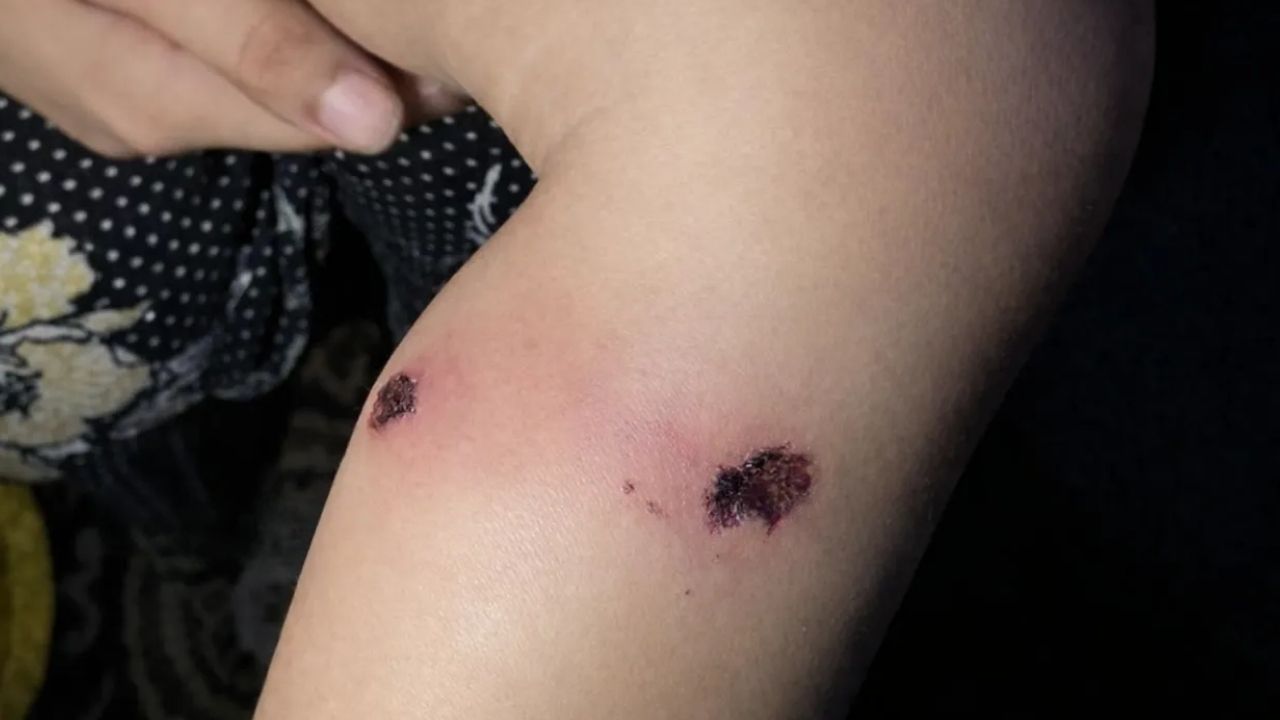
    According to medical reports, soldiers tortured the child in front of his father, burning his leg with cigarettes and inserting a nail into his flesh. The boy sustained burn marks and puncture wounds.

    He was released about 10 hours later and handed back to his family through the International Committee of the Red Cross while the father remains in Israeli custody.

    The family has appealed to international organisations to intervene for Nassar’s release so he can continue receiving medical treatment.

    The case is not the first of its kind amid Israel’s ongoing ceasefire violations since October 2025, resulting in at least 680 Palestinian deaths and more than 1,800 injuries.

    Since the outbreak of the war in October 2023, over 72,000 Palestinians, most of whom were women and children, have been killed whereas more than 171,000 others are wounded.

    Much of Gaza has been reduced to rubble while its entire population remains displaced.

  • Ex-US counterterror director Joe Kent says Israel drove US into Iran conflict

    Ex-US counterterror director Joe Kent says Israel drove US into Iran conflict

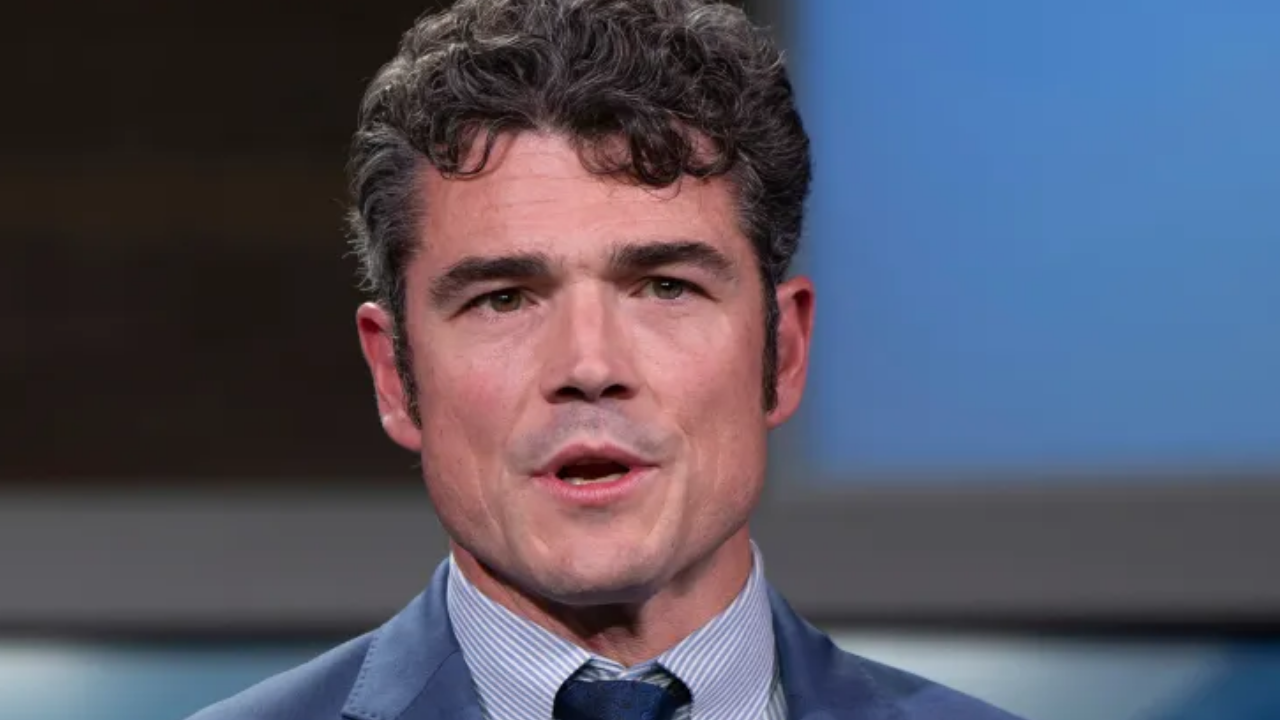
    Former director of the United States (US) National Counterterrorism Center Joe Kent has said that it was Israel that drove the US into the ongoing Iran conflict.

    In his maiden public interview since resigning from the position, Kent, who stepped down citing concerns about the US approach toward Iran, told Tucker Carlson that access to President Donald Trump was restricted in the lead-up to the conflict

    A “good deal of key decision makers were not allowed to come and express their opinion” to the president, he revealed.

    Kent also addressed intelligence assessments regarding Iran, stating that there was “no intelligence” indicating the country was planning a “big sneak attack” similar to the September 11, 2001, attacks or Pearl Harbor.

    He further discussed the influence of Israel on American policy in the Middle East and said he believed Israel had drawn the US into the conflict and was broadly shaping policy decisions. 

    Kent referenced recent remarks from Secretary of State Marco Rubio, who described Iran as an imminent threat, arguing this was based on expectations that Israel would strike and Iran would retaliate.

    He criticized this view, saying there was no reason to believe Iran would act without provocation.

    When asked if the imminent threat that the state secretary described was not from Iran, he confirmed it was from Israel and said it spoke to the broader issue of who was in charge of the US policy in the Middle East.

    Earlier, Kent’s resignation letter focused heavily on Israel, prompting criticism from some Republicans who said he promoted antisemitic conspiracy theories.

    He has also faced scrutiny in the past for associations with far-right figures, including White nationalists and a Nazi sympathiser.

    Kent said that he spoke out in the interview because he felt his voice and comments were being “squashed” before reaching the White House.

  • Unidentified drones detected over US army base housing Rubio, Hegseth: report

    Unidentified drones detected over US army base housing Rubio, Hegseth: report

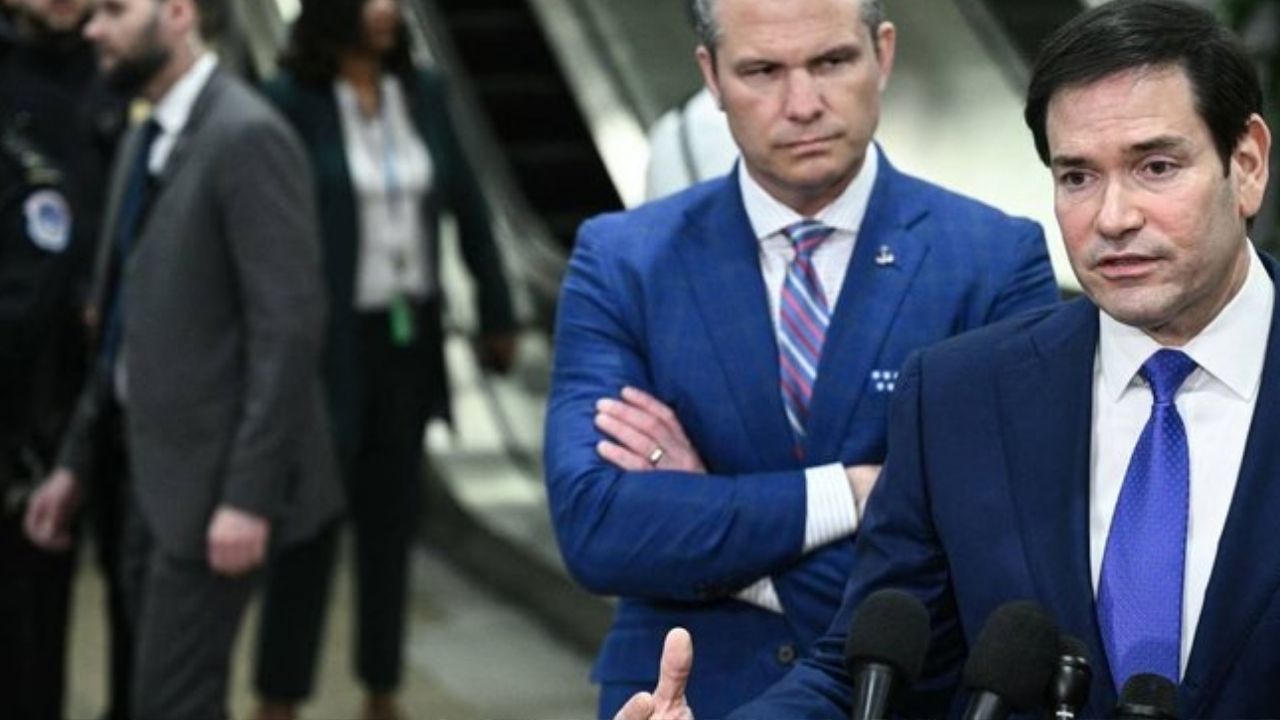
    US officials detected unidentified drones above Fort McNair, an army base in Washington where Secretary of State Marco Rubio and Pentagon chief Pete Hegseth reside, the Washington Post reported, citing three people briefed on the situation.

    The officials have not determined where the drones came from, the report said, citing two of the sources.

    The sightings prompted officials to consider relocating Rubio and Hegseth, the report added. However, the secretaries have not been moved, a senior administration official was quoted as saying.

    The Washington Post reported that the US military has been monitoring potential threats more closely due to heightened alert levels linked to the US-Israel war against Iran.


    The Pentagon and US State Department did not respond to requests for comment.

    Pentagon chief spokesperson Sean Parnell declined to discuss the drone sightings with the newspaper.

    He said, “The department cannot comment on the secretary’s (Hegseth’s) movements for security reasons, and reporting on such movements is grossly irresponsible,” according to the report.

    Reuters said it could not independently verify the report.

  • Iran launches another barrage of missiles on Israel following security chief’s assassination

    Iran launches another barrage of missiles on Israel following security chief’s assassination

    The Islamic Revolutionary Guard Corps (IRGC) has launched a new missile barrage on central Israel in retaliation against the killing of Ali Larijani, the secretary of the Supreme National Security Council.

    As per the details, the IRGC confirmed the strikes were carried out to avenge Larijani and Gholamreza Soleimani, the head of the Basij paramilitary force, both of whom died in Israeli air strikes a day ago.

    Iranian Army chief Amir Hatami said that the response to the assassinations would be “decisive and regrettable”. Foreign Minister Abbas Araghchi, speaking to Al Jazeera, dismissed the impact of high-level assassinations on the country’s stability.

    Referring to the death of Supreme Leader Ayatollah Ali Khamenei on the first day of the conflict, Araghchi noted that the system provided a replacement immediately. “If the foreign minister were ever to be martyred, there would ultimately be someone else to take the position,” he said, adding that anyone could become a target.

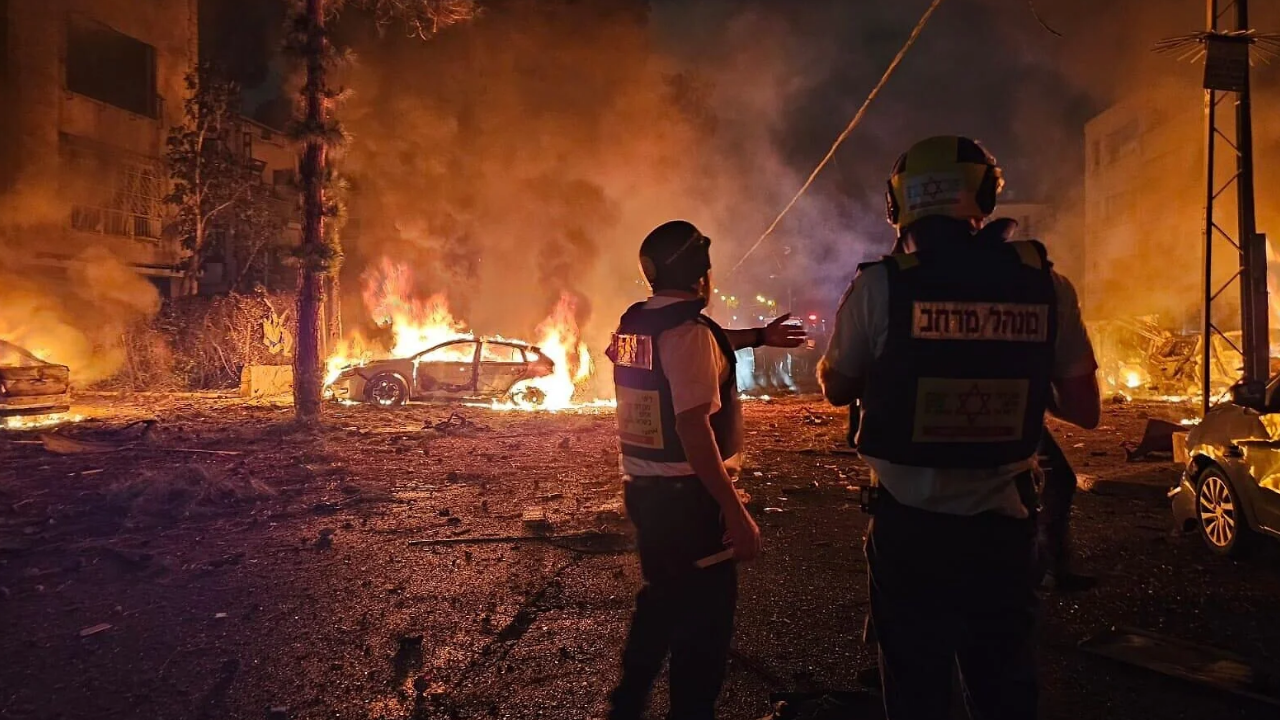
    The escalation comes as Israel’s military confirms it targeted Iranian command centres, missile sites and the intelligence ministry. In Tehran, the governor reported that 12,000 buildings have so far been damaged or destroyed with over 500 deaths and 5,700 injuries recorded in the province.

    The conflict also continues to spread across the Gulf as Qatar’s defence ministry intercepted a missile attack over Doha on Wednesday morning. Saudi Arabia’s Defence Ministry also reported downing multiple drones approaching Riyadh’s diplomatic quarter. 

    In the UAE, air defences intercepted strikes targeting Al Minhad Air Base. 

    In Iraq, security sources reported the interception of a drone near the logistics support centre at Baghdad airport.

    International maritime and nuclear watchdogs have also raised alarms as the violence reaches critical infrastructure.

    The UN nuclear watchdog (IAEA) confirmed a projectile hit the Bushehr nuclear power plant on Tuesday evening, though no damage or radiation leaks were reported. IAEA head Rafael Grossi called for “maximum restrain” to avoid a nuclear accident.

    Meanwhile, the situation at the Strait of Hormuz also doesn’t seem to be improving with Iranian blockades restricting global oil supply.

    In London, the International Maritime Organization (IMO) is holding emergency talks to discuss the fate of ships stranded in the Persian Gulf while a proposal for a safe maritime corridor is under review as Iranian retaliation continues to impact shipping.

  • Utah jury finds wife guilty of husband’s murder, attempted poisoning with ‘Michael Jackson stuff’

    Utah jury finds wife guilty of husband’s murder, attempted poisoning with ‘Michael Jackson stuff’

    A jury in Utah has found Kouri Richins guilty of murdering her husband, Eric Richins, by poisoning him with a fentanyl-laced drink in March 2022, according to court proceedings.

    The verdict was delivered after around three hours of deliberation on Monday. Richins, 35, was also convicted of attempted murder linked to an earlier incident in which prosecutors said she poisoned her husband but did not succeed in killing him.

    During the trial, prosecutors presented evidence that Richins had accumulated significant debt, taken out life insurance policies on her husband and was involved in an extramarital relationship. They argued she believed she would inherit an estate valued at more than $4 million following his death.

    “She wanted to leave Eric Richins but did not want to leave his money,” Summit County prosecutor Brad Bloodworth told the court.

    The prosecution called more than 40 witnesses, including a woman who testified that she had sold the drugs used in the killing. Richins’ defence team did not call any witnesses and rested its case without having her testify.

    Court documents showed that between December 2021 and February 2022, Richins contacted a person previously arrested on drug charges, requesting prescription pain medication. She initially obtained hydrocodone before asking for stronger substances, including fentanyl, referring to it in messages as “some of the Michael Jackson stuff”.

    According to the documents, days after obtaining the drugs, the couple had a Valentine’s Day dinner after which Eric Richins became ill. “Eric believed that he had been poisoned,” the documents stated, adding: “Eric told a friend that he thought his wife was trying to poison him.”

    Prosecutors said Richins later obtained more fentanyl and, on 4 March 2022, called police reporting that she had found her husband unresponsive. She told authorities she had served him a mixed vodka drink before going to sleep with one of their children. She later returned and found him cold to the touch.

    A medical examiner determined that Eric Richins died from a fentanyl overdose, with five times the lethal dose found in his system.

    Richins was also found guilty of fraudulently claiming insurance benefits after her husband’s death. She had pleaded not guilty to all charges. The aggravated murder conviction carries a sentence of 25 years to life in prison.

    Her arrest in March 2023 came two months after she published a children’s book, Are You With Me?, which she said was written to help families cope with loss.

    “We wrote this book and we’re really hoping that it provides some comfort for not just obviously, our family, but other families that are going through the same thing,” she said in an interview prior to her arrest.

    She had dedicated the book to her husband, describing him as “my amazing husband and a wonderful father”.

  • Trump claims strikes on Iran prevented ‘World War III’ as regional death toll climbs

    Trump claims strikes on Iran prevented ‘World War III’ as regional death toll climbs

    US President Donald Trump has claimed that his administration’s illegal military actions against Iran prevented a nuclear conflict that would have evolved into “World War III.” Speaking from the Oval Office, Trump stated that had he not “decimated” Iran’s nuclear programme, Tehran would have possessed a nuclear weapon within a month and used it against Israel and the wider Middle East.

    “A nuclear war that would have evolved into World War III, and more important, this is a war that there would have been nothing left,” Trump said. He reiterated that Iran currently has “no navy, no air force, no anti-aircraft weapons, and no leadership.” 

    Referring to communications between Washington DC and Tehran, he remarked, “My biggest problem is I have no idea who we’re talking to because nobody ever heard of any of these people, they’re all dead.”

    Trump also noted that while the US is destroying Iranian minelaying ships in the Strait of Hormuz, the threat to navigation remains. “All it takes is one,” he said, adding that “it’s a little unfair. You win a war, but they have no right to be doing what they’re doing.”

    The Israeli government has also released images showing Prime Minister Benjamin Netanyahu ordering the “elimination” of senior Iranian figures. Israeli Defence Minister Israel Katz claimed that Iran’s National Security Chief Ali Larijani and Basij paramilitary head Gholamreza Soleimani were killed in overnight strikes. 

    While Israeli officials told Reuters that Larijani was a specific target of raids in Tehran, Shiraz, and Tabriz, his fate remains unconfirmed.

    A handwritten letter in Farsi was recently posted to Larijani’s X account, purportedly written for the funerals of Iranian navy personnel. If Larijani’s death is confirmed, he would be the most senior official killed since the death of Supreme Leader Ayatollah Ali Khamenei on the first day of the conflict.

    The Israeli military confirmed that dozens of jets targeted Iranian security command centres, including the Intelligence Ministry and Basij militia sites. Meanwhile, Iran’s internet blackout has entered its 18th day. Tehran’s governor, Mohammad Sadegh Motamadian, reported that 12,000 buildings in the capital have been damaged or destroyed, with at least 503 deaths and 5,700 injuries recorded in the province so far.

    Regional spillover continues as the UAE Ministry of Defence confirmed its air defences intercepted missiles and drones targeting the country. Similar interceptions were reported in Qatar and Saudi Arabia, where six drones were destroyed in the eastern region. British Airways has suspended all flights to the Middle East until the end of May.

    In response to the strikes, Iran’s Parliament Speaker Mohammad Bagher Ghalibaf stated that the US would not dictate the post-war order in the Middle East. “The order here will change, but it will not be an order in which the will of the United States prevails,” he said, calling for a “regional, indigenous order.”

    China has announced it will provide emergency humanitarian assistance to Iran, Lebanon, Jordan, and Iraq to alleviate the humanitarian impact of the three-week conflict.