Category: Global

  • Nationwide blackout hits Cuba; Trump says he can ‘take’ country

    Nationwide blackout hits Cuba; Trump says he can ‘take’ country

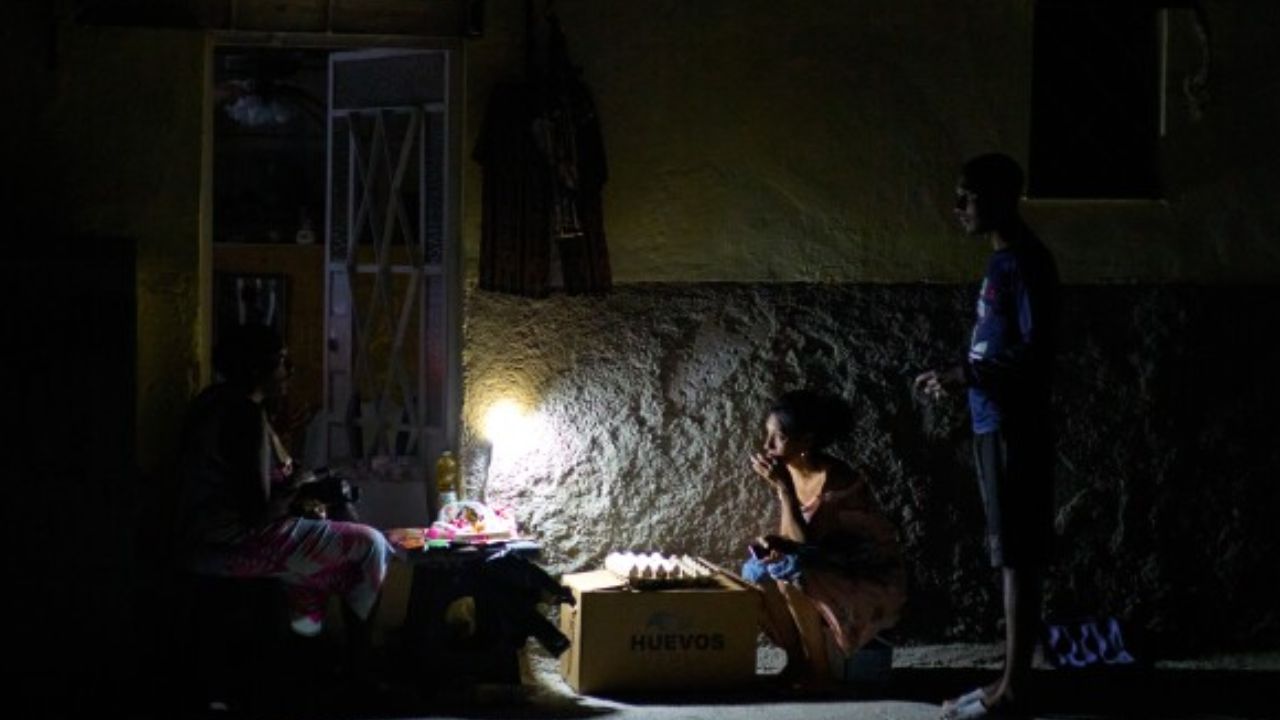
    Cuba was hit by a nationwide blackout on Monday after its national power grid collapsed, leaving millions without electricity, as US continued its blockade of fuel. 

    The state-owned grid operator stated that no faults were detected in the units operating at the time of the collapse and that efforts were underway to restore power across the country.


    The outage comes amid an ongoing energy crisis linked to fuel shortages. Cuban authorities have said the country has not received oil shipments for three months, affecting electricity generation and leading to repeated power cuts.

    Officials have attributed the shortages to US restrictions on fuel supplies. 


    Fuel prices have also risen on the unofficial market, with reports indicating petrol costs reaching up to $9 per litre meaning it costs more than $300 to fill up a car’s gas tank which is more than most Cubans earn in a year.


    The blackout coincided with remarks by US President Donald Trump, who said he could “take” Cuba as Washington DC and Havana hold talks on their bilateral relationship.

    “I do believe I’ll be … having the honor of taking Cuba. That’s a big honor. Taking Cuba in some form,” Trump told reporters.

    “I mean, whether I free it, take it. Think I can do anything I want with it. You want to know the truth,” he added at the Oval Office.

    According to a report by The New York Times, US officials have indicated that removing Cuban President Miguel Diaz-Canel from office is a key objective in the talks, citing people familiar with the matter. The report said US negotiators have conveyed this position to Cuban counterparts.

    Cuba has maintained that it will not accept external interference in its internal affairs and has treated such proposals as a condition that could halt any agreement.

    Diaz-Canel said last week that any talks with the United States (US) should be based on “the principles of equality and respect for the political systems of both countries, sovereignty and self-determination.”


    Trump has also increased pressure on Cuba by halting Venezuelan oil shipments and warning of tariffs on countries supplying oil to the island.

  • Tehran claims US, Israel copied Shahed-136 drones to attack friendly neighbours

    Tehran claims US, Israel copied Shahed-136 drones to attack friendly neighbours

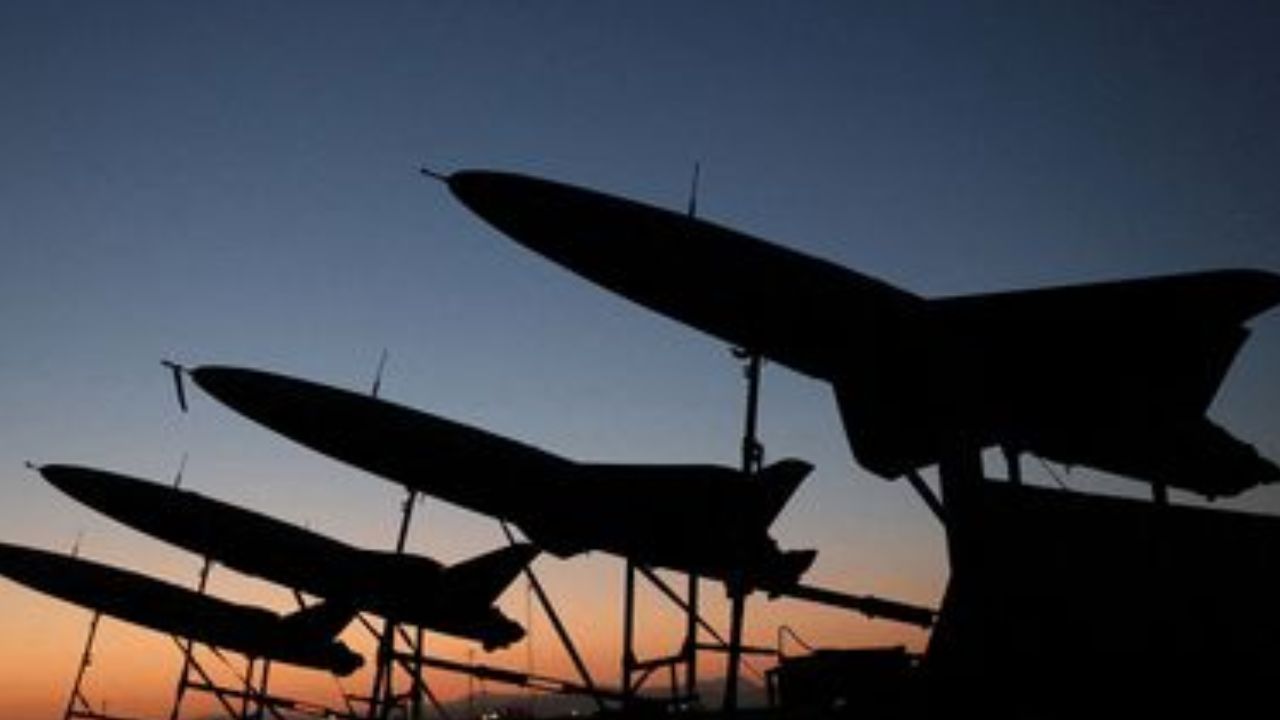
    Iran has accused the United States (US) and Israel of using a modified drone design to frame Tehran for regional attacks, escalating tensions in the Middle East. Ebrahim Zolfaghari, spokesperson for Iran’s Khatam al-Anbiya Central Headquarters, has claimed that US and Israel had copied the Shahed-136 drone and repurposed it as a “Lucas” drone.

    He described the operation as a “diabolical plot,” asserting that it was intended to falsely attribute drone attacks across the region to Iran.

    Iran’s Foreign Minister Abbas Araghchi has expressed gratitude to Pakistan for extending “strong solidarity and support” amid the ongoing US-Israeli military actions. In a post written in Urdu, Araghchi said on X: “On this blessed, divine, and spiritual day and hour, I extend my heartfelt gratitude to the government and people of Pakistan for their full-throated expression of solidarity and support with the people and government of the Islamic Republic of Iran in the face of the aggression by America and the Zionist regime.”


    Zolfaghari also warned that logistics and service centres supporting the USS Gerald Ford aircraft carrier in the Red Sea were considered potential targets. “Aircraft carrier Gerald Ford in the Red Sea is a threat to Iran. Accordingly, the logistics and service centres for USS Ford strike group are considered to be targets,” he said in a video shared by Fars news agency.

    Israeli Minister of Culture and Sports Miki Zohar said that Israel should prepare for an intensification of hostilities. “We know that in the coming days there could be an escalation. All of the State of Israel, all of us, need to be more prepared in the coming days. It is very likely that the war will take several more long weeks,” he told Israel’s Radio 103FM.

    Iran’s internet has remained largely offline for 17 days, NetBlocks reported, while US-led strikes and Iranian counterattacks have continued. Mohammad Esmaeil Tavakoli, head of Tehran province’s Emergency Medical Services, said that at least 503 people have died in the province since the conflict began, with 5,700 injured.

    Recent attacks have also affected the UAE. A missile strike killed one Palestinian civilian on the outskirts of Abu Dhabi, authorities said. “Authorities in the Emirate of Abu Dhabi responded to an incident in the Al Bahia area involving a missile strike on a civilian vehicle, which resulted in the death of one Palestinian national,” the Abu Dhabi Media Office said in a post on X. A separate drone strike in Fujairah triggered a fire at an industrial zone, which civil defence teams were attempting to control, with no injuries reported.

    Dubai International Airport partially resumed flights after a fire near its fuel tanks, city authorities said. “Authorities are currently responding to a fire resulting from a drone-related incident in the vicinity of Dubai International Airport,” the Dubai Media Office posted. Emirates Airlines said it would operate a limited schedule following the incident.

    Economic and commercial activity in the UAE has been affected by regional tensions. Citibank said most of its branches and offices in the country will remain closed until further notice due to security concerns. The Mall of the Emirates branch in central Dubai is the only exception, operating on reduced hours, the bank said in a message to customers.


    The Israeli military has begun what it described as “limited and targeted ground operations” against Hezbollah positions in southern Lebanon. “In recent days, IDF troops from the 91st division have begun limited and targeted ground operations against key Hezbollah strongholds in southern Lebanon, aimed at enhancing the forward defence area,” the Israeli army said in a statement.


    Oil prices hovered near $100 per barrel, and stock markets showed mixed movements as the conflict entered its third week. Iranian Foreign Minister Abbas Araghchi described Israeli strikes on Tehran fuel depots as “ecocide,” citing potential long-term risks to public health and environmental contamination.

    Donald Trump has said that Iran is using artificial intelligence as a tool for disinformation. “Iran has long been known as a Master of Media Manipulation and Public Relations. They are militarily ineffective and weak, but are really good at ‘feeding’ the very appreciative Fake News Media false information,” Trump said on Truth Social. He added that reports of destroyed US aircraft and burning buildings were “FAKE NEWS, generated by AI.”

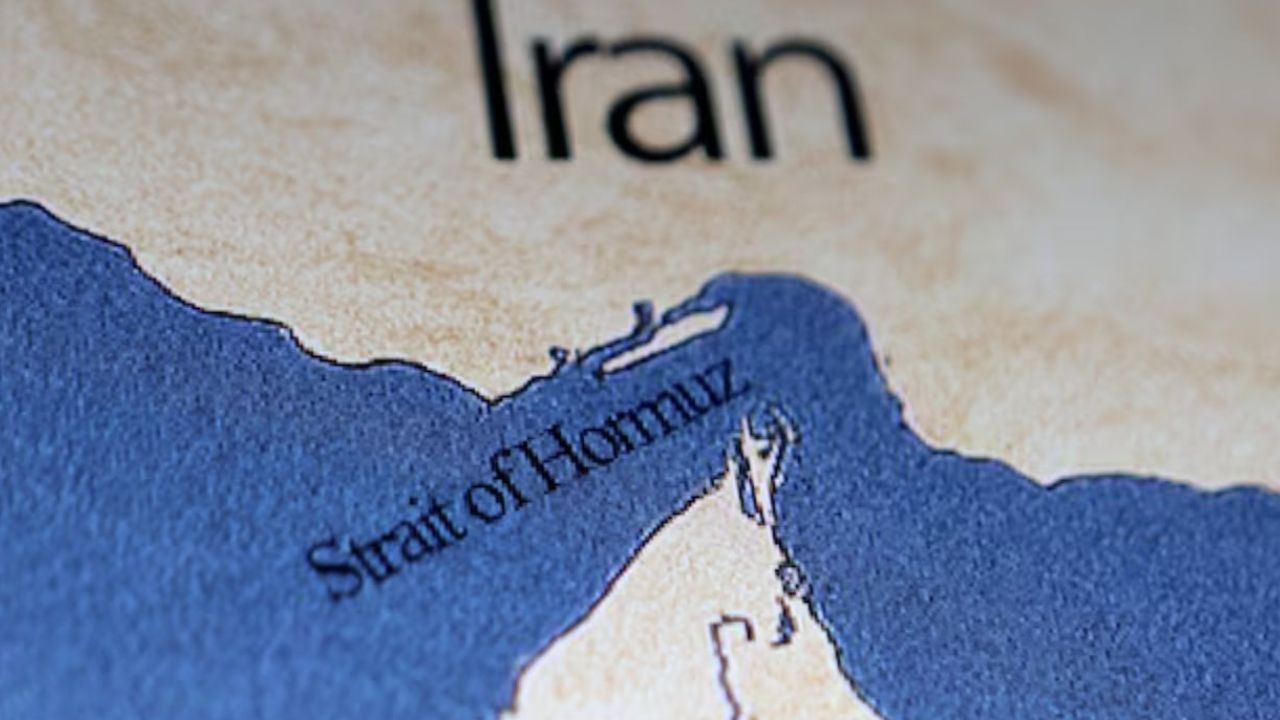
    Regional powers have largely avoided direct involvement. Turkey’s President Tayyip Erdogan said the country would not be drawn into the conflict, while Japan and Australia declined US requests to send naval forces to the Strait of Hormuz. Trump warned that NATO could face a “very bad” future if allies fail to assist in reopening the strategic waterway.

    Iran’s judiciary chief, Gholam Hossein Mohseni Ejei, called for rapid verdicts against those linked to the US and Israel. “We must not delay or show leniency in executing final verdicts against those who, during wartime and unrest, committed crimes and were affiliated with the aggressor enemy,” he said, according to Tasnim news agency.

    US forces have also conducted airstrikes near Iran’s Chabahar Free Trade Zone, with reports of “intense explosions” from the area. 
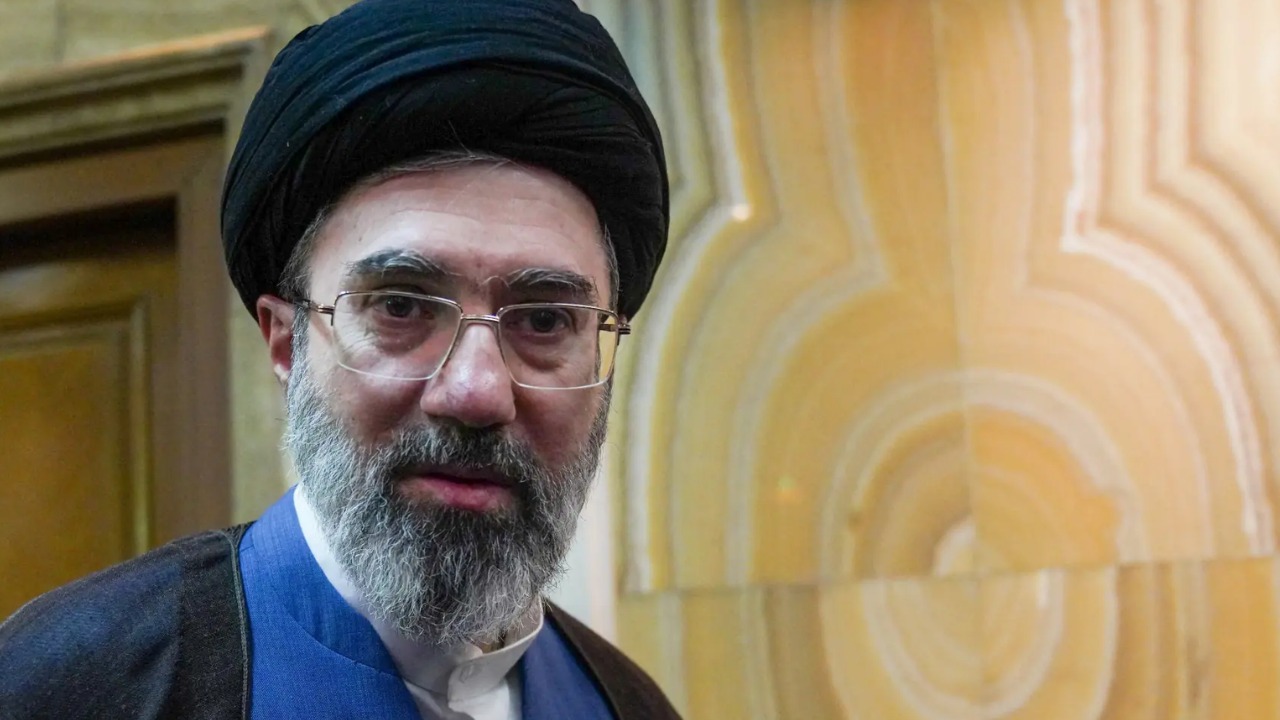
    Earlier, reports indicated that the US State Department had announced a $10 million reward for information on Iran’s new Supreme Leader Mojtaba Khamenei and nine other top officials. 

    US Defence Secretary Pete Hegseth claimed Khamenei was wounded and “likely disfigured,” questioning his ability to govern. The conflict had already claimed at least 2,000 lives across the region, with casualties reported in Iran, Lebanon, Iraq, Israel, and other countries. Trump stated that Iran had been “totally defeated” but remained in talks, while Iran’s IRGC continued attacks, and the US prepared to escort tankers through the Strait of Hormuz.

    The humanitarian impact continues to rise across the region. AFP and Al Jazeera reports indicate that at least 2,000 people have died since February 28, including 1,332 in Iran, 687 in Lebanon, 30 in Iraq, 12 in Israel, and 13 US service members, six of whom were killed in a recent aircraft crash in Iraq. Other fatalities were recorded in the UAE, Kuwait, Syria, Oman, Saudi Arabia, and Bahrain.
  • ‘Saudi crown prince urged Trump to keep hitting Iranians hard,’ New York Times quotes White House officials as saying

    ‘Saudi crown prince urged Trump to keep hitting Iranians hard,’ New York Times quotes White House officials as saying

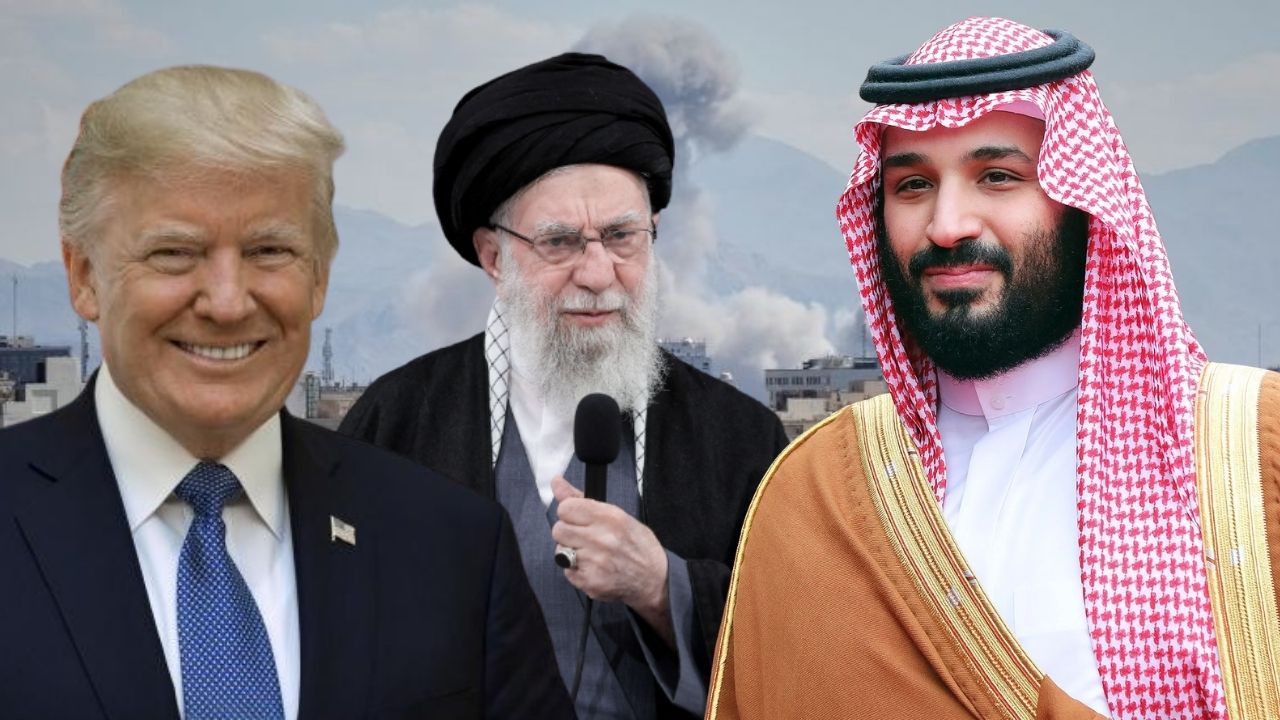
    Saudi Crown Prince Mohammed bin Salman has been advising United States (US) President Donald Trump to “keep hitting Iranians hard”, a New York Times report has quoted White House officials as saying.

    The report, published Sunday, said that Trump has been speaking to Israeli Prime Minister (PM) Benjamin Netanyahu “almost every day” and is also regularly having conversations with Arab leaders, particularly Mohammed bin Salman.

    “According to several officials, the advice Mr Trump is getting from the prince is to keep hitting the Iranians hard — essentially repeating the advice that King Abdullah of Saudi Arabia, who died in 2015, repeatedly gave to Washington: ‘Cut off the head of the snake’,” the report read.

    While the Kingdom has not yet reacted to the claim, it comes just days after Riyadh reacted to reports that President Trump had ordered sweeping attacks on Iran after weeks of lobbying by two key allies in the Middle East — Israel and Saudi Arabia.

    It was reported by The Washington Post that strikes on Iran had come despite US intelligence assessments maintaining Tehran was unlikely to pose a direct threat to the US mainland within the next decade.

    Citing four people familiar with the matter, the report claimed that Netanyahu continued his longstanding push for US strikes against Iran, while Crown Prince Mohammed bin Salman made multiple private calls to Trump over the past month advocating military action, despite publicly supporting diplomacy.

    “The Kingdom of Saudi Arabia has been consistent in supporting diplomatic efforts to reach a credible deal with Iran,” Fahad Nazer, the spokesperson for the Embassy of Saudi Arabia in Washington DC, had said while reacting to the claim in a statement on X.

    He had added that at no point in all of the Kingdom’s communication with the Trump administration had they lobbied the president to adopt a different policy.

    Saudi political researcher and foreign affairs expert Salman Al-Ansari had also said that the report by The Washington Post was “categorically false”.

    “Some Western journalists have been asking me about this as if it were factual, so here is my response: This Washington Post report is categorically false. Riyadh did not lobby Trump to declare war on Iran in any way,” he had written on X.

    Ansari had gone on to state that Saudi Arabia, on the contrary, had been working to prevent escalation.

    “Reporting like this appears designed to divert attention from those who actually advocated for conflict, as scrutiny of their role intensifies. The goal seems twofold: to drag Saudi Arabia into the war politically and to redistribute blame as public opinion turns against those who pushed for it,” he added.

  • US offers $10 million reward for info on Mojtaba Khamenei as regional death toll hits 2,000

    US offers $10 million reward for info on Mojtaba Khamenei as regional death toll hits 2,000

    The United States (US) State Department has announced a $10 million reward for information leading to Iran’s new Supreme Leader Mojtaba Khamenei besides nine other top officials, including Interior Minister Eskandar Momeni and Minister of Intelligence and Security Esmail Khatib.

    US Defence Secretary Pete Hegseth claimed that Mojtaba Khamenei is wounded and “likely disfigured” following nearly two weeks of US and Israeli strikes.

    He questioned the leader’s ability to govern, noting that recent communications have been restricted to written statements.

    “Iran has plenty of cameras and plenty of voice recorders. Why a written statement? I think you know why. His father—dead. He’s scared, he’s injured, he’s on the run and he lacks legitimacy,” Hegseth said during a briefing.

    Meanwhile, the humanitarian cost of the escalation continues to rise as at least 2,000 people have been killed across the Middle East since the conflict began on February 28.

    Casualties include at least 1,332 in Iran, 687 in Lebanon and 30 in Iraq. Twelve people have died in Israel, while the US military has confirmed 13 service members killed, including six in a recent aircraft crash in Iraq.

    Further fatalities were reported in the UAE (6), Kuwait (6), Syria (4), Oman (2), Saudi Arabia (2) and Bahrain (2). One French soldier was also killed in a drone attack in Iraq’s Kurdistan region, leading President Emmanuel Macron to thank the Iraqi premier for taking measures to protect French forces.

    Political rhetoric has intensified alongside the strikes, with President Donald Trump stating that Iran has been “totally defeated” and wants a deal he will not accept. Despite this, the IRGC launched its 44th wave of attacks.

    Amid threats to global shipping, Trump also announced that the US will begin escorting tankers through the Strait of Hormuz “very soon.”

    The economic and cultural impact of the war is becoming more visible as Iranian Foreign Minister Abbas Araghchi stated the US is now “begging” the world to buy Russian crude due to a global energy crunch. 

    Regional powers are attempting to remain clear of the direct fighting as Turkish President Tayyip Erdogan stated that Turkiye would not be dragged into the war, even as a third Iranian ballistic missile fired toward the country was intercepted.

    In a shift in regional dynamics, Hamas has urged Iran to avoid targeting neighbouring countries while affirming Tehran’s right to defend itself against the US and Israel.

  • ‘He was rattled’: American treasury secretary’s exit mid-interview raises eyebrows

    ‘He was rattled’: American treasury secretary’s exit mid-interview raises eyebrows

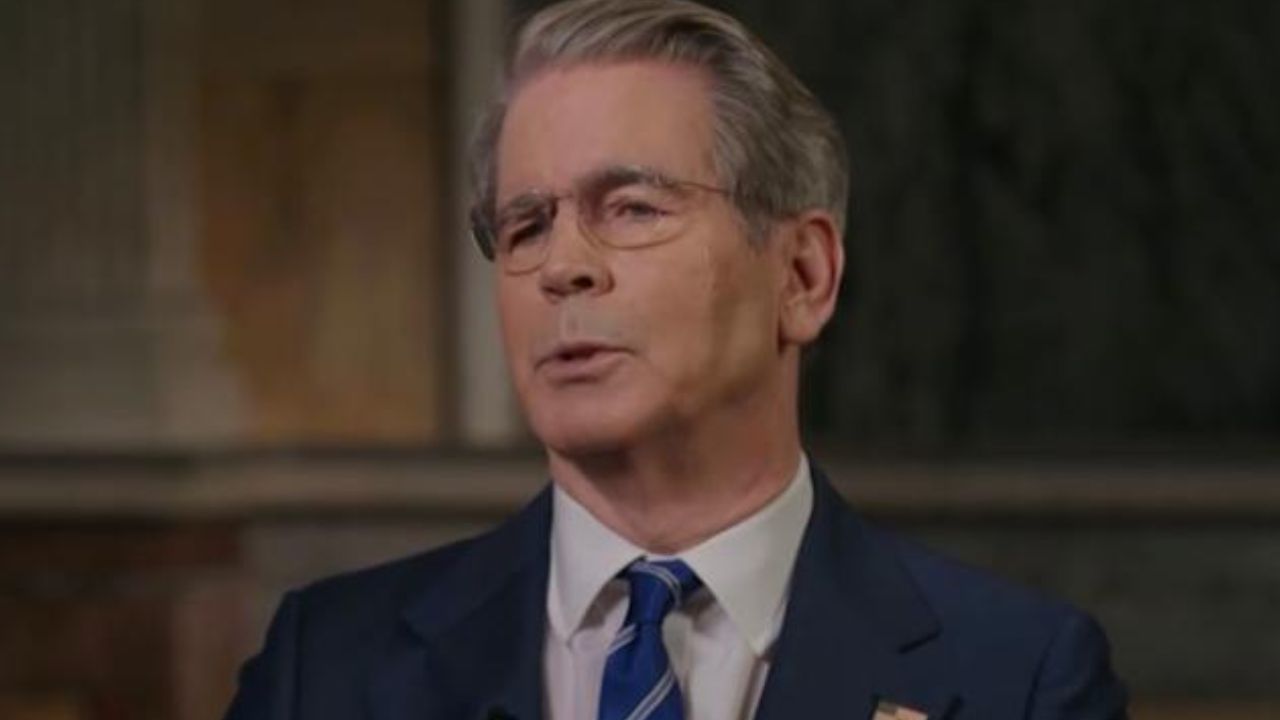
    The Treasury Secretary of the United States was abruptly pulled from a live Sky News interview after President Donald Trump summoned him to the Situation Room.

    Scott Bessent appeared unsettled when he returned, prompting critics to highlight his shaken demeanor. The interruption came while he was speaking with The Master Investor host Wilfred Frost.


    “Sorry, the President wants you right away,” an off-camera aide told Bessent. He removed his microphone, turned to the aide, and left the set. Bessent departed just before 10:30 a.m. on Thursday and returned shortly after noon, according to Sky News.

    When Bessent sat back down, Frost pointed out the unusual moment, saying it was the first time an interviewee had to leave to visit the Situation Room. “How was the President? Was he stressed?” the host asked.

    “Uh, no, the President is in great spirits,” Bessent replied.

    He added, “The Iranian mission is proceeding well ahead of schedule. And I have to tell you, Will, that I’ve a teenager who’s considering, uh, military service. And I could give this team my highest compliment. From President Trump to the head of the Joint Chiefs to the Secretary of War, I would say that I would trust my child’s life in their hands.”

    Online reactions to Bessent’s return were harsh. Some noted that his body language and voice suggested distress. One user said, “Doesn’t take an ‘expert’ to notice he was rattled. Disturbing.” Another remarked, “See how he says everything is fine while shaking his head no.”

    Critics highlighted the unusual tone of his remarks. “That wasn’t a normal call. Bessent’s voice cracked, he stuttered, and he over explained like a man trying to convince himself everything is fine,” a post read. 

    Another comment added, “You could hear his voice shaking. He was trying to sell the war but wasn’t believing the words out of his own mouth.”


    Reactions also noted the surreal nature of his return. “Maybe he was summoned to change Donald’s diaper, it would explain his behaviour afterwards,” one user quipped. Another compared his demeanor to everyday embarrassment, writing, “That man came back looking like he just saw the group chat after leaving his phone unlocked at dinner.”

    Some focused on Bessent’s attempt to frame the situation positively. “Dude came back on camera to convince Americans to support teens deployment to the war,” a reaction read.

  • Zohran Mamdani establishes new office of LGBTQIA+ affairs, appoints trans woman as director

    Zohran Mamdani establishes new office of LGBTQIA+ affairs, appoints trans woman as director

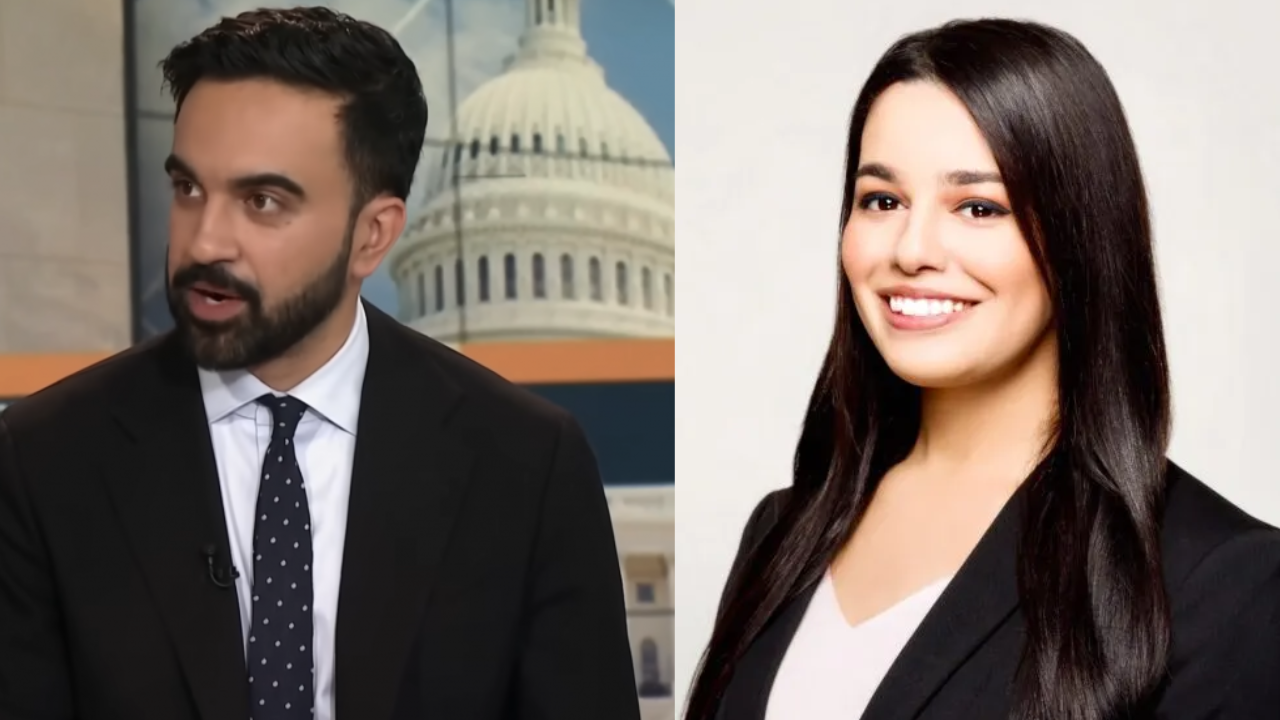
    New York City Mayor Zohran Mamdani is set to sign an executive order establishing the city’s first Mayor’s Office of LGBTQIA+ Affairs at the Brooklyn Community Pride Center in Crown Heights. 

    The move coincides with the appointment of attorney Taylor Brown as the office’s inaugural director, making her the first transgender person to lead a New York City office or agency.

    In a statement shared with Out and The Advocate, Mamdani said that the city “will refuse to deny healthcare, safety, or dignity to anyone on the basis of their identity. With Taylor Brown as Director of the new Office of LGBTQIA+ Affairs, the city’s queer community will not only be celebrated, but protected at every turn.”

    Brown also released a statement, noting her commitment to the role. “New York has given me everything, life-saving health care, education, a home, a career, my chosen family, and a life of purpose. I will work every day to ensure that the doors of New York City remain open to all and to continue New York City’s legacy as a beacon of opportunity and hope for those who have been ignored, discriminated against, and intentionally excluded,” she said.

    She added, “Thank you to Mayor Mamdani, Deputy Mayor Su, and Commissioner Attah-Mensah, whom I look forward to working alongside, for this extraordinary opportunity to serve the people of New York.”

    Brown’s career has focused on advancing constitutional and statutory protections for transgender individuals, with an emphasis on healthcare access, prisoner rights, education, and employment. Before this appointment, she worked as an assistant attorney general in the Civil Rights Bureau of the New York State Attorney General’s Office.

    The Mayor’s Office of LGBTQIA+ Affairs is intended to coordinate municipal resources and initiatives for LGBTQIA+ residents. The office will oversee equality guidelines, ensure other city agencies do not engage in discrimination based on gender, gender identity, or sexual orientation, and develop resources to uphold sanctuary protections for LGBTQIA+ individuals.

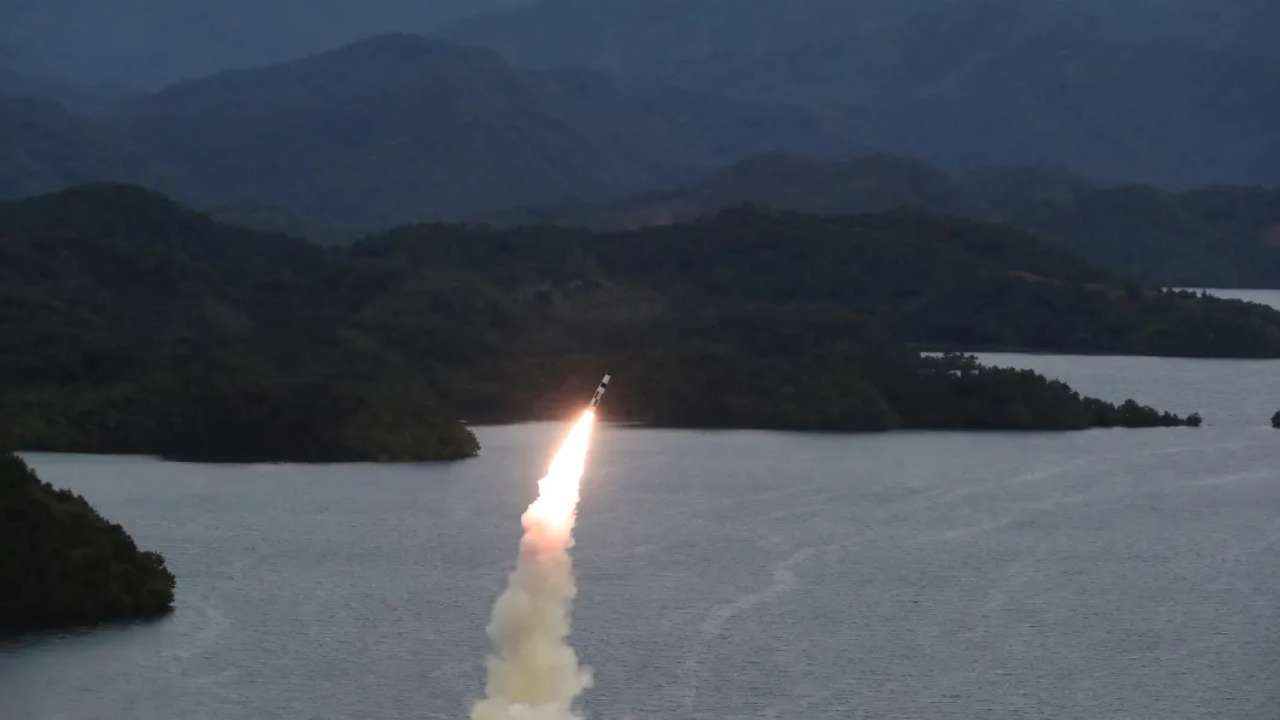
  • North Korea launches around 10 ballistic missiles toward Sea of Japan

    North Korea launches around 10 ballistic missiles toward Sea of Japan

    North Korea has fired approximately 10 unidentified ballistic missiles toward the Sea of Japan on Saturday, Seoul’s Joint Chiefs of Staff (JCS) has said, days after Pyongyang warned of “terrible consequences” over South Korea-US military exercises.

    Seoul’s military reported that the missiles were launched from the Sunan area in North Korea toward the East Sea. The JCS confirmed the launch in an official statement. 

    Japan’s defence ministry also verified the launch, posting on its official X account that “what is possibly a ballistic missile was launched from North Korea.”

    The missile launches follow North Korea’s rejection of recent diplomatic efforts by Seoul, describing them as a “clumsy, deceptive farce.”

    South Korean Prime Minister Kim Min-seok said earlier that US President Donald Trump believes a meeting with North Korea’s leader Kim Jong Un would be “good.” 

    Washington DC has maintained efforts for decades to dismantle North Korea’s nuclear programme, but summits, sanctions, and diplomatic pressure have had limited impact.

    The Trump administration has sought to revive high-level talks with Pyongyang, aiming for a possible summit with Kim Jong Un later this year, potentially during Trump’s April visit to Beijing. 

    During an Asia trip in October, Trump had said he was “100 percent” open to meeting Kim Jong Un, a remark that received no response from North Korea. Pyongyang recently suggested that the two countries could “get along” if the United States accepted its nuclear status.

    Last month, Kim Jong Un stated that North Korea had “absolutely no business dealing with South Korea, its most hostile entity, and will permanently exclude South Korea from the category of compatriots.”

    Seoul and Washington began their springtime military drills, “Freedom Shield,” on Monday, involving about 18,000 South Korean troops. The exercises will continue until March 19. North Korea has long criticised such drills, calling them rehearsals for invasion.

    Earlier this week, Kim Yo Jong, a senior official and sister of Kim Jong Un, warned that the joint drills “may cause unimaginably terrible consequences.” She added that they are taking place “at a critical time when global security structure is collapsing rapidly and wars break out in different parts of the world,” and said the situation was caused by “the reckless acts of the outrageous international rogues.”

    Pyongyang also condemned the US-Israeli attack on Iran, calling it an “illegal act of aggression” and citing it as evidence of the “rogue” nature of the United States.

  • F1 races in Bahrain, Saudi Arabia likely to be cancelled over Middle East conflict

    F1 races in Bahrain, Saudi Arabia likely to be cancelled over Middle East conflict

    Formula One races scheduled to be held in Bahrain and Saudi Arabia in April are set to be cancelled due to the ongoing conflict in the Middle East.

    An announcement on the cancellation of the two Grands Prix is expected over the weekend, with sources telling an international media outlet that a decision is anticipated by Monday at the latest. March 20 is the deadline for freight that must be transported to Bahrain for logistical purposes.

    Sky Sports, which holds Formula One broadcasting rights in Britain where most of the 11 teams are based, reported that the races are expected to be called off by Sunday night.

    The development comes as attacks involving the United States and Israel against Iran continue, while Iranian drones and missiles have struck several capitals in the region, including Manama in Bahrain. Most Formula One team personnel were scheduled to stay in hotels in the city during the race weekend.

    Formula One is currently in China for the second round of the season after the opening race in Australia last weekend.

    Reports quoted sources that Bahrain nor the Saudi Arabian race is expected to be replaced or rescheduled. If confirmed, April would remain without a race on the calendar and the championship would be reduced to 22 rounds.

    The Bahrain Grand Prix had been scheduled for April 12, while the Saudi Arabian race in Jeddah was set for April 19.

    The next race on the calendar is the Japanese Grand Prix on March 29, followed by the Miami Grand Prix on May 3.

    Audi team principal Jonathan Wheatley said teams would follow the guidance of the sport’s governing bodies. “I think we follow the guidance of the FIA and Formula One, as we always do. They’ve always led us in the right direction,” Wheatley told reporters after practice at the Shanghai circuit.

    “Nobody’s going to compromise on anything that would put teams into an uncomfortable situation,” he added.

    There has been no immediate comment from Formula One, which is owned by Liberty Media, or from the sport’s governing body, the International Automobile Federation (FIA).

    Meanwhile, the World Endurance Championship (WEC) has already postponed its season opener that was scheduled to take place in Qatar from March 26 to 28. The first race of the season is now set to be held at Italy’s Imola circuit on April 19.

    The Qatar round at the Lusail circuit outside Doha has been rescheduled for October 24 and will take place before the season finale in Bahrain on November 7.

  • Strait of Hormuz disruptions cost Gulf states $15bn in energy revenue

    Strait of Hormuz disruptions cost Gulf states $15bn in energy revenue

    Gulf oil producers have lost an estimated $15.1 billion in revenue since the start of US and Israeli strikes on Iran, as the near-shutdown of the Strait of Hormuz has trapped millions of barrels of crude, refined products, and liquefied natural gas.


    Data from commodities analytics firm Kpler shows the Strait typically carries around $1.2 billion worth of energy shipments daily, based on 2025 average prices and volumes. 


    Since the escalation of hostilities on February 28, traffic through the critical shipping route has largely halted, with Iranian attacks on vessels and soaring insurance premiums compounding the disruption.

    Florian Gruenberger of Kpler described the current flow as “negligible” compared with prewar levels, with crude oil representing 71 percent of the value of stranded shipments.

    Saudi Arabia, the region’s largest exporter, has lost the most, with Wood Mackenzie (research company) estimating $4.5 billion in missed revenue, though the kingdom plans to boost exports from the Red Sea in the coming days.

    Iraq, which depends on oil for 90 percent of government revenue, is among the most exposed, while Kuwait and Qatar can rely on sovereign wealth funds to offset short-term losses, according to Wood Mackenzie’s Peter Martin.

    At least $10.7 billion worth of crude, refined products, and LNG cargoes remain stranded inside the Strait of Hormuz. Some of these shipments had already been sold under prewar contracts, meaning revenue may still materialize depending on payment schedules, which typically occur 15 to 30 days after loading.

    Saudi Arabia holds additional oil in overseas storage and could continue supplying customers while benefiting from higher prices that may partly offset lost exports, analysts said. While Saudi Aramco has said it could reroute about 70 percent of crude from its eastern oilfields to the Red Sea via its east-west pipeline, experts warn the system has never operated at that capacity.

    Wood Mackenzie estimates that Gulf oil producers — including Saudi Arabia, Iraq, the UAE, Kuwait, and Bahrain — have collectively deferred $13.3 billion in sales and tax revenue. 


    QatarEnergy, Qatar’s state-owned energy company, has lost an estimated $571 million in revenue since halting production on March 2, excluding potential losses from delayed expansions or new plants.

  • Israel reports nearly 3,000 injured as Trump claims Iran is ‘about to surrender’

    Israel reports nearly 3,000 injured as Trump claims Iran is ‘about to surrender’

    The Israeli Health Ministry has confirmed that at least 2,975 people have been injured in Israel since the start of the joint United States (US)-Israeli military operations against Iran and Tehran’s counter-offensive.

    The figures came as President Donald Trump told G7 leaders in a virtual meeting that Iran is “about to surrender”. Despite Trump’s claim – reported by Axios – the Islamic Revolutionary Guards Corps (IRGC) announced its 44th wave of attacks, launching a “multitude of missiles” at northern Israeli cities including Haifa, Hadera and Kiryat Shmona.

    The strikes also targeted US bases and the US Fifth Fleet. In northern Israel, emergency services treated two individuals for shrapnel injuries following the latest alerts.

    In Iraq, US Central Command (CENTCOM) confirmed the deaths of four crew members after a KC-135 refueling aircraft went down in western Iraq on March 12. While the Islamic Resistance in Iraq claimed responsibility for downing the plane, CENTCOM stated the loss was “not due to hostile fire” and is currently under investigation.

    Meanwhile, instability continues to spread to neighbouring states as an explosion occurred near the Incirlik military base in Turkiye. Social media footage showed a projectile in the night sky while the US embassy in Baghdad warned American citizens of a significant risk of kidnapping, citing threats from Iran-aligned militia groups.

    On the diplomatic and economic front, global markets remain volatile. Brent crude is trading near $100 a barrel, and the US dollar reached a three-month high as investors seek safe-haven assets. Australia has begun releasing petrol and diesel from emergency reserves to counter supply chain disruptions caused by the war.

    The conflict has also seen heavy depletion of American military resources. Reports indicate the Trump administration has used “years” of critical munitions, including long-range Tomahawk missiles, since the start of the conflict.

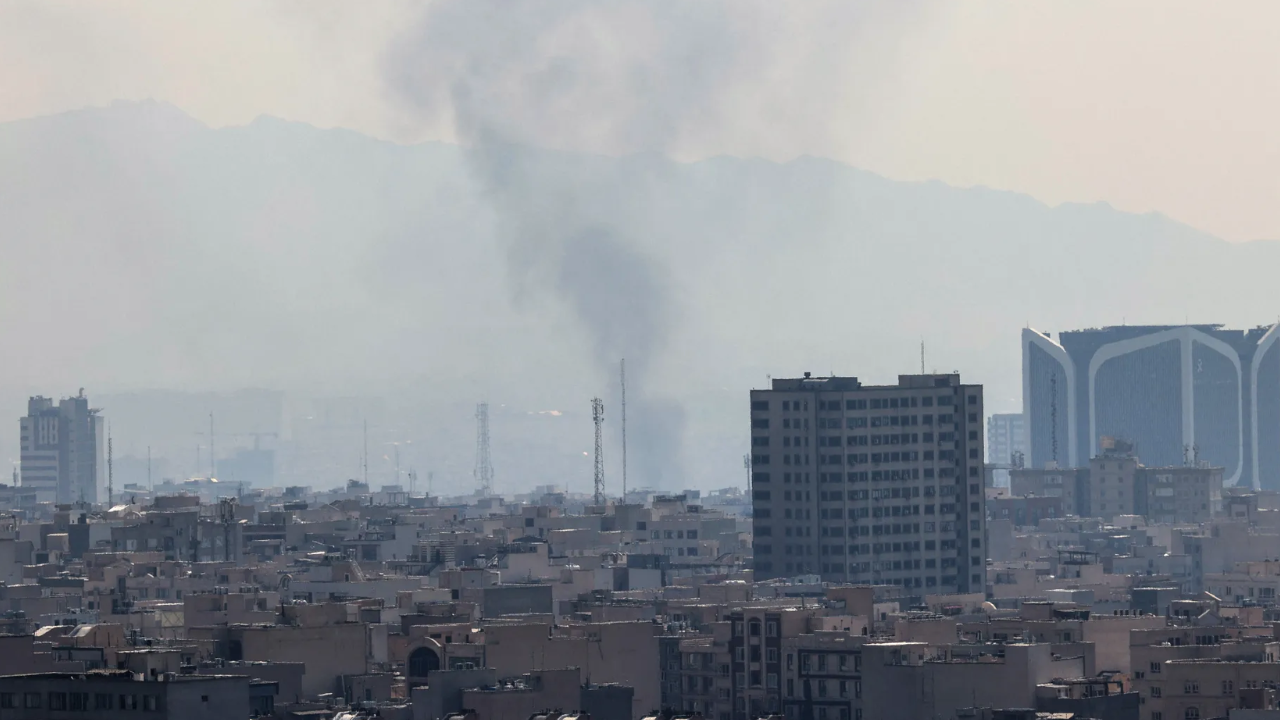
    In Tehran, massive explosions were reported near pro-government demonstration sites. Iran’s internet remains almost entirely offline, entering its 14th day of a blackout. The IRGC has warned that any internal protests will be met with a response “stronger” than the crackdown seen in January.

    Further strikes were reported across the region, with Saudi Arabia intercepting drones in its eastern and Al-Kharj provinces. Kuwait’s interior ministry confirmed its air defense systems dealt with a “missile threat” while two drones crashed near a major oil field in southern Iraq.