Category: Global

  • US, China in tit-for-tat port fee battle amid rising trade tensions

    US, China in tit-for-tat port fee battle amid rising trade tensions

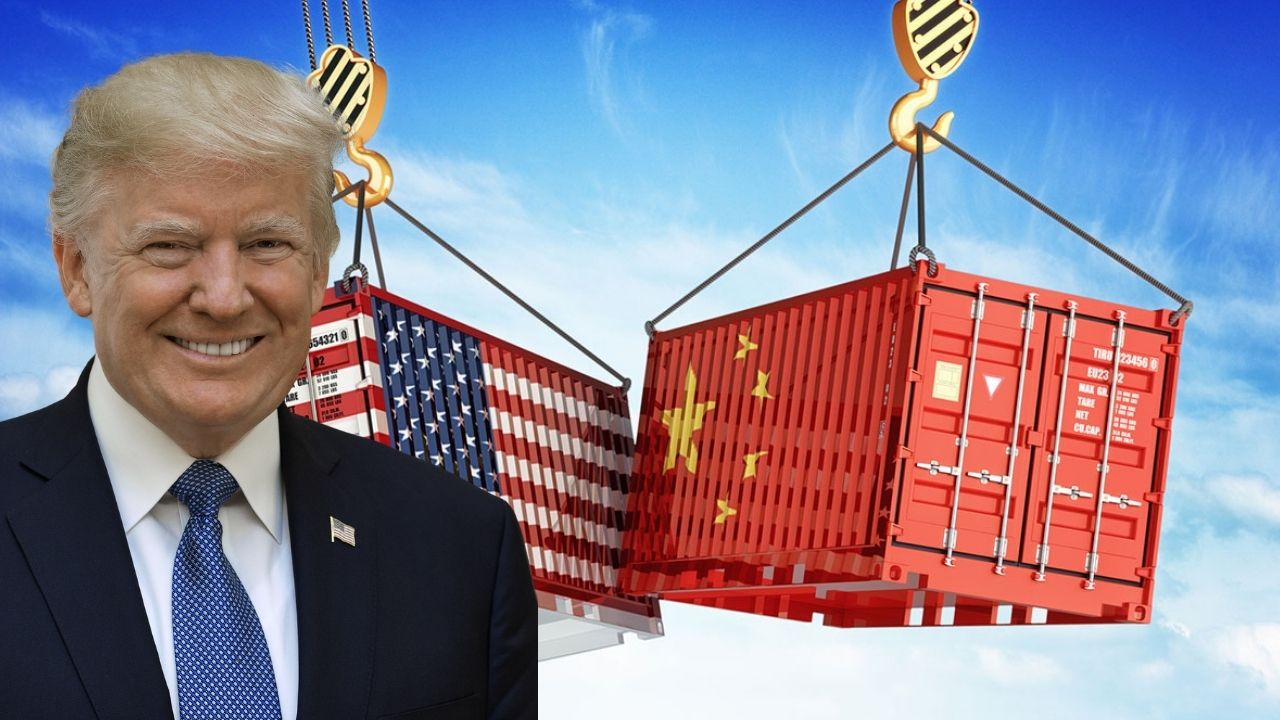
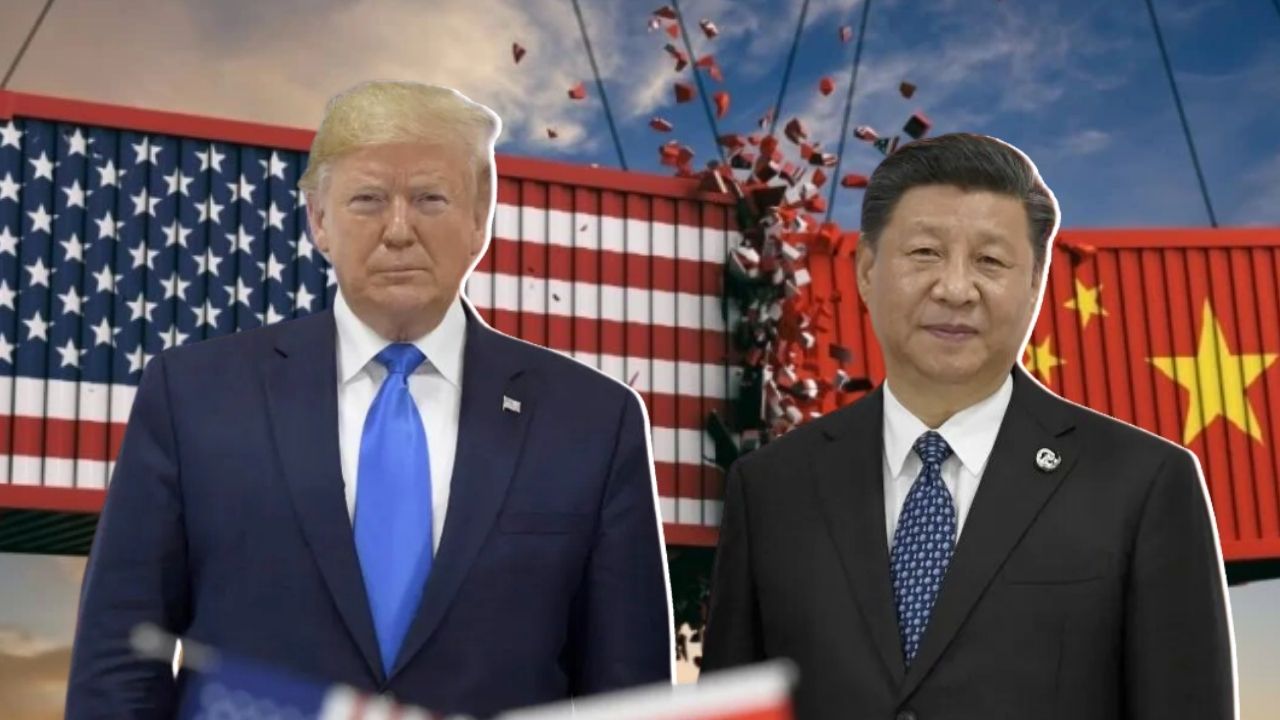
    The United States of America and China have began imposing additional port fees on shipping companies on Tuesday, escalating trade tensions between the world’s two largest economies, Reuters has reported. 

    The new fees targets vessels that transport goods ranging from crude oil to holiday toys, turning maritime trade into a new front in the ongoing economic rivalry.

    According to Chinese state broadcaster CCTV, Beijing has started collecting special charges on U.S.-owned, operated, built, or flagged vessels. However, ships built in China will not face these levies. Exemptions also cover empty vessels entering Chinese shipyards for repair. The new Chinese fees will apply either at the first port of entry on a voyage or for the first five voyages within a year, following an annual billing cycle that starts on April 17.

    Earlier this year, U.S. President Donald Trump’s administration announced similar port fees on China-linked vessels to reduce China’s dominance in global shipping and strengthen American shipbuilding. The U.S. decision followed an investigation during former President Joe Biden’s term that accused China of using unfair trade practices to control the maritime and logistics sectors.

    China responded by introducing its own port fees on U.S.-linked ships, effective the same day as the American charges. Analysts expect Chinese shipping giant COSCO to be the most affected, likely bearing nearly half of an estimated $3.2 billion in related costs by 2026.

    Beijing also imposed sanctions on five U.S.-linked subsidiaries of South Korean shipbuilder Hanwha Ocean, accusing them of assisting a U.S. investigation into Chinese trade practices. Additionally, China launched an internal probe into how the U.S. measures have impacted its shipping and shipbuilding industries.

    “This tit-for-tat symmetry locks both economies into a spiral of maritime taxation that risks distorting global freight flows,” Athens-based Xclusiv Shipbrokers Inc said in a research note cited by Reuters.

    A Shanghai-based trade consultant said the new charges may not heavily disrupt the industry and that any increased costs would likely be passed on through higher prices. “What are we going to do? Stop shipping? Trade is already disrupted, but companies are finding a way,” the consultant said.

    The U.S. later announced a temporary exemption for long-term charterers of China-operated vessels carrying U.S. ethane and LPG, delaying the fees until December 10. Still, ship-tracking firm Vortexa said 45 large gas carriers—about 11% of the global fleet—remain subject to China’s new port fees.

    Clarksons Research estimated that the measures could affect oil tankers covering 15% of global capacity, while Jefferies analyst Omar Nokta said 13% of crude tankers and 11% of container ships worldwide could be impacted.

    In a separate move, President Trump threatened to impose 100% tariffs on Chinese goods and new export controls on critical software by November 1 in retaliation for China’s restrictions on mineral exports. U.S. officials also warned that countries supporting a United Nations plan to cut shipping emissions could face sanctions or port restrictions.

    Xclusiv noted that these moves show how global shipping has shifted from a neutral part of trade to a tool of political power.

    Meanwhile, shares of Shanghai-listed COSCO rose more than 2 percent on Tuesday. The company said its board had approved a plan to repurchase up to 1.5 billion yuan ($210 million) of its shares within three months to protect shareholder interests. COSCO did not respond to Reuters’ request for comment on the new fees.
  • Journalist Saleh Aljafarawi shot dead in Gaza City clashes

    Journalist Saleh Aljafarawi shot dead in Gaza City clashes

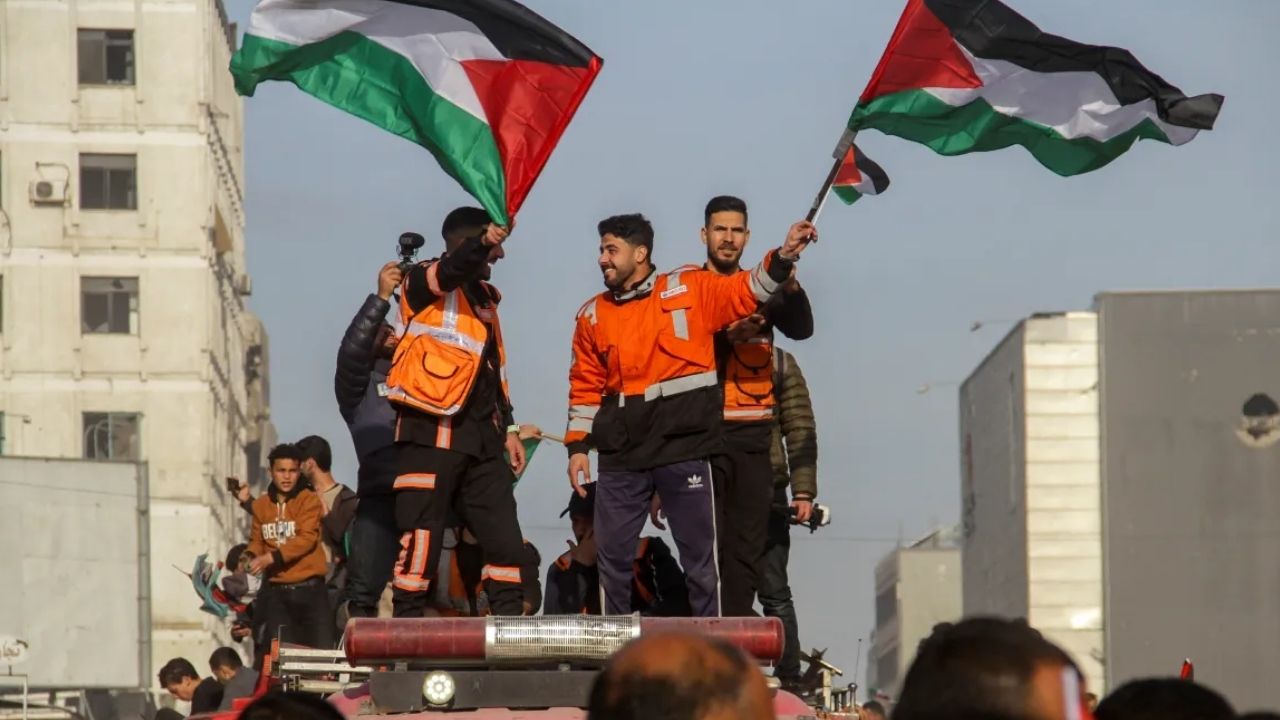
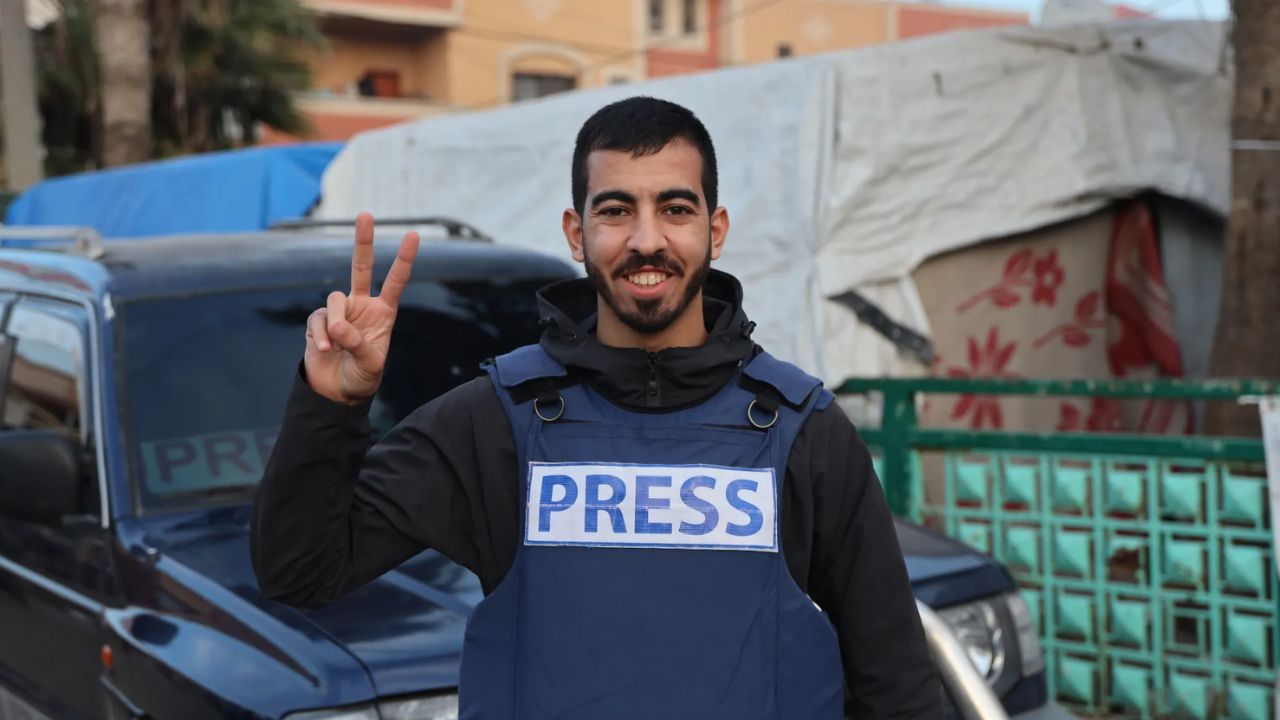
    Palestinian journalist Saleh Aljafarawi has been killed during armed confrontations in Gaza – only days after ceasefire was led to under United States (US) President Donald Trump’s new peace plan.

    As per the details, the 28-year-old reporter, who was known for his coverage of the war, was shot dead by members of an “armed militia” while covering in the Sabra area.

    Al Jazeera’s Sanad agency verified that the footage showed Aljafarawi’s body on the back of a truck while still wearing a “press” flak jacket. He had been missing since Sunday morning.

    Although officials have not yet formally verified it, local sources said that Hamas’ security forces and Doghmush clan were involved in fighting in Sabra.

    A senior official from Gaza’s Ministry of Interior told Al Jazeera that the clashes were with “an armed militia affiliated with the [Israeli] occupation”. Security forces, the official said, had surrounded the militia, and claimed its members killed displaced residents.

    Officials have repeatedly warned that Gaza’s security situation is unpredictable and unstable despite the ceasefire remaining in effect.

    Aljafarawi had earlier told Al Jazeera what it was like to be displaced. “All the scenes and situations I went through during these 467 days will not be erased from my memory. All the situations we faced, we will never be able to forget them,” he said in January.

    The journalist had also revealed that he received several threats from Israel because of his reporting. “Honestly, I lived in fear for every second, especially after hearing what the Israeli occupation was saying about me. I was living life second to second, not knowing what the next second would bring.”

    His death adds to the devastating damage to Gaza’s media community. Since after the genocide began in October 2023, more than 270 journalists and media workers lost their lives, making it the deadliest genocide for journalists in modern history.

    Meanwhile, world leaders, including President Trump, are expected to gather in the Egyptian resort city of Sharm el-Sheikh for a Gaza summit co-hosted by Egypt’s President Abdel Fattah el-Sisi.

    According to Egypt’s presidential office, the meeting aims “to end the war in the Gaza Strip, enhance efforts to achieve peace and stability in the Middle East and usher in a new era of regional security and stability”.

    Egyptian Ministry of Foreign Affairs stated on Sunday that a “document ending the war in the Gaza Strip” is expected to be signed during what it described as a “historic” summit.

    Neither Israel nor Hamas will be represented at the talks.

  • ‘Dear Indian tourists, don’t pack buffet food in your purse’: Swiss Hotel’s embarrassing notice

    ‘Dear Indian tourists, don’t pack buffet food in your purse’: Swiss Hotel’s embarrassing notice

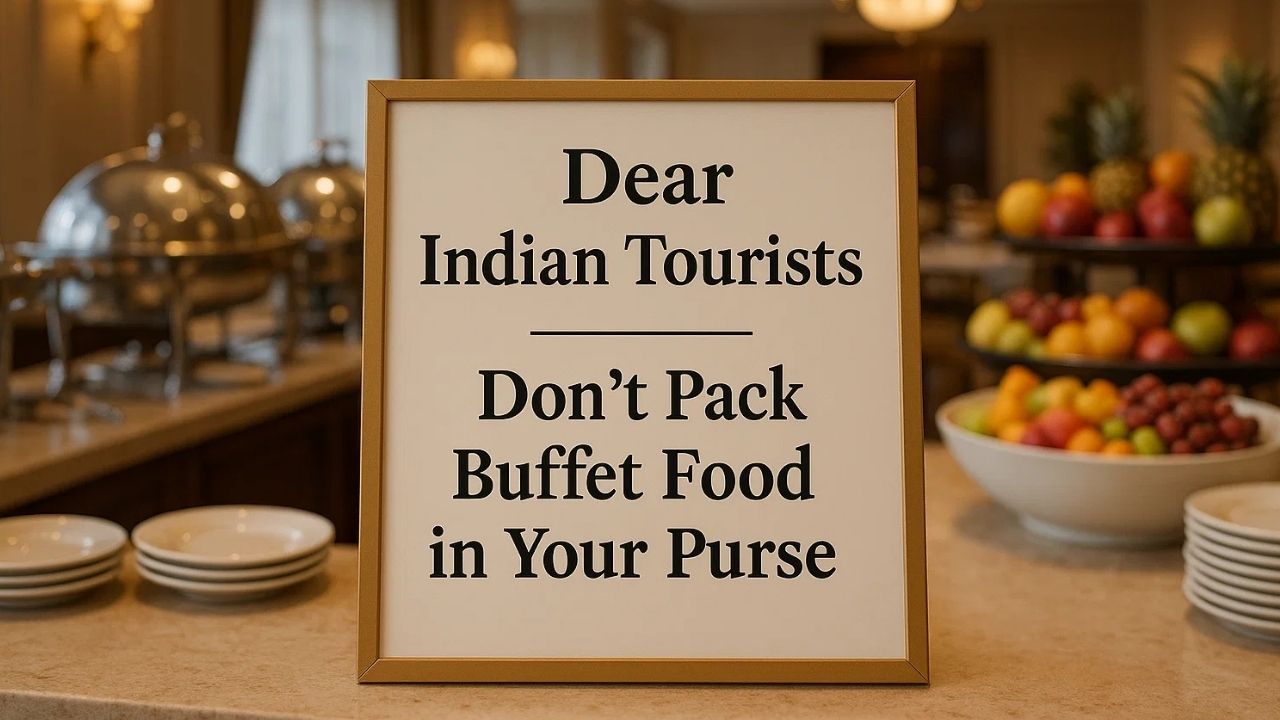
    A man from India has gone viral after sharing his experience of staying at a hotel in Switzerland where a notice specifically addressed “Indian tourists,” asking them not to pack buffet food into their purses.

    Dr Arshiet Dhamnaskar, a neurosurgeon, said the message left him feeling “hurt,” not because of what it said, but how it was written.

    On X, responding to a post that read, “Hotel breakfast buffet is where people reveal their true selves,” Dr Dhamnaskar recalled his stay in Switzerland.

    “A few years ago, I was in Switzerland with my family. Behind the hotel room door, there was a long message which could be summarised to, ‘Don’t pack buffet items into your purses. If you want, we can give you separately packed food items,’” he wrote.

    He added that while the message itself seemed fair, it was the singling out of Indian tourists that upset him.

    “Which seems an okay message, that yeah, it is ‘unlimited’, but not really ‘unlimited’ that you hoard it all into your bag and get free food for life and stuff,” he wrote. “The one real thing that hurt me was, well, the message could have been addressed to anyone and everyone, but it, specifically, started with, ‘Dear Indian tourists.’”

    His post quickly went viral, but some users questioned its authenticity, calling it fake.

    In response, Dr Dhamnaskar said he could not find a photo of the notice in his own gallery but later came across a similar post shared earlier online.

    He shared a 2019 post by industrialist Harsh Goenka about the Arc-en-Ciel Hotel in Gstaad, Switzerland, which displayed a notice that began with “Dear guests from India.”

    The hotel’s message included instructions such as not taking buffet food, ordering a lunch bag for a fee, using only hotel cutlery, not sharing dishes with more than two people, and maintaining silence in corridors.

    Goenka had written, “Reading this notice, I felt angry, humiliated and wanted to protest. But a realisation dawned that we, as tourists, are loud, rude, and not culturally sensitive. With India becoming an international power, our tourists are our best global ambassadors. Let’s work on changing our image!”

  • Trump’s 100 percent China tariff hits crypto, global finance

    Trump’s 100 percent China tariff hits crypto, global finance

    President Donald Trump reignited the U.S.-China trade war by imposing 100 percent tariffs on all Chinese exports and tightening controls on key U.S. software. 

    The announcement sent global markets and cryptocurrencies into a sharp decline.

    Bitcoin tumbled more than 8 percent on Friday, October 11, falling to $104,782 as global markets reacted to renewed U.S.-China trade tensions after President Donald Trump imposed sweeping new tariffs and export restrictions, according to media reports.

    Beijing has tightened its export controls on rare earth minerals, materials that are essential to technology, defense, and electric vehicle manufacturing. In response, Trump said, “I thought it was very, very bad. For every element they monopolize, we have two. But we have to respond.” He also announced additional port fees on U.S. ships that will begin on October 14, 2025.

    Markets immediately turned volatile. Bitcoin slumped 8.4 percent, Ethereum lost 5.8 percent to trade at $3,637, and the S&P 500 dropped more than 2 percent, recording its biggest one-day fall since April. The Nasdaq sank 3.56 percent to close at 22,204.43. Semiconductor stocks also plunged, with the PHLX Semiconductor Index down 6.3 percent, while gold and U.S. Treasuries rose as investors sought safe havens.

    Cryptocurrencies and tech stocks faced the hardest hits. Nvidia, Tesla, Amazon, and AMD all lost over two percent in after-hours trading. Qualcomm dropped 7.3 percent amid reports of a new antitrust investigation in China. U.S.-listed Chinese tech giants, including Alibaba, JD.com, and PDD Holdings, fell between 5.3 percent and 8.5 percent. 

    The sell-off erased hundreds of billions of dollars in market capitalization and reignited fears that the new tariffs and export controls could disrupt global supply chains, especially in the technology and semiconductor sectors.

    Bitcoin’s sharp decline left investors anxious as the world’s largest cryptocurrency now trades nearly 20 percent below its September highs. Analysts told Reuters that the pullback reflects a shift toward a broader “risk-off” sentiment in global markets as investors brace for prolonged geopolitical and economic uncertainty.

    Attention now turns to the White House, Beijing, and the upcoming U.S. corporate earnings season, which begins Tuesday, October 14, with major banks set to report.

  • Furious Indians berate Afghan Taliban for excluding women from press conference

    Furious Indians berate Afghan Taliban for excluding women from press conference

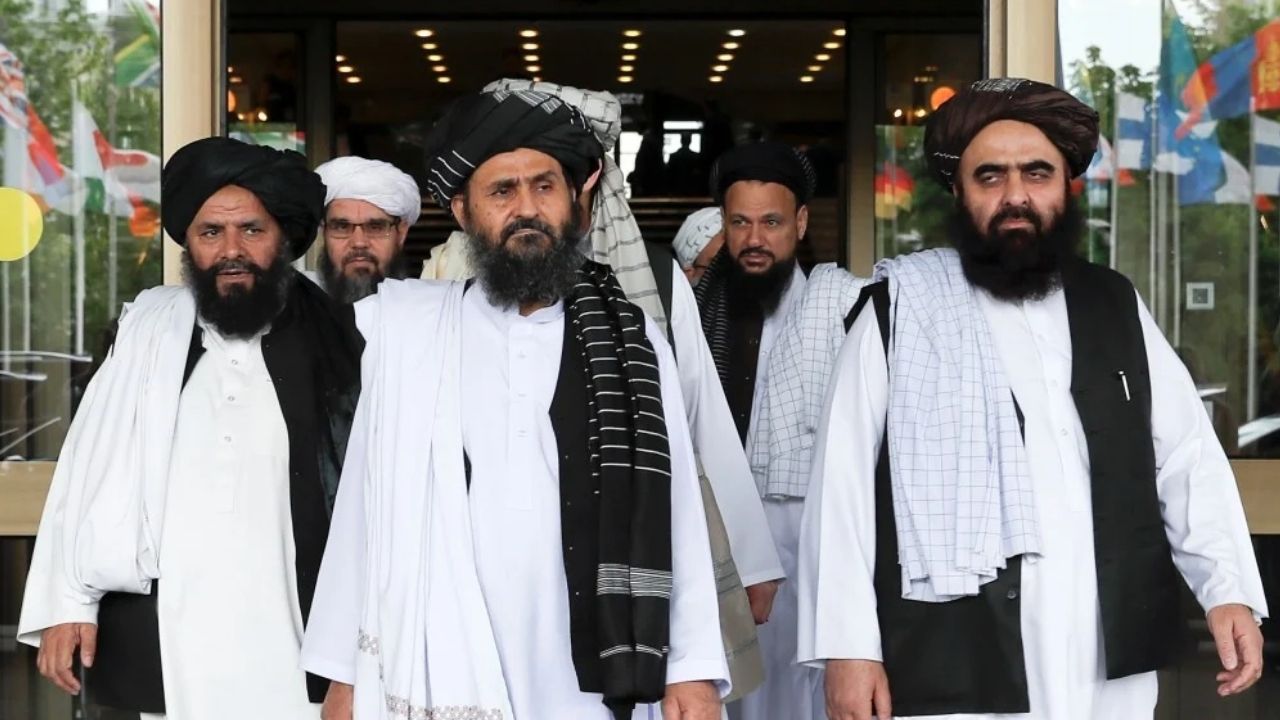
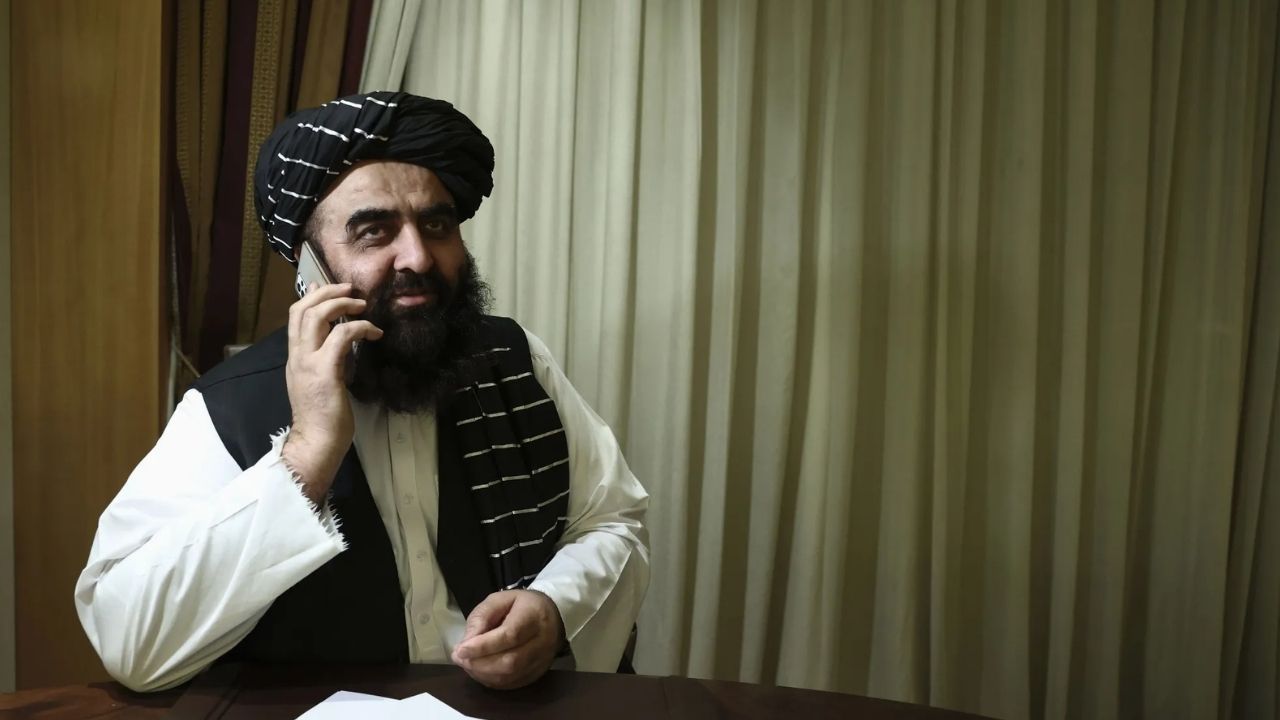
    Afghanistan Foreign Minister Amir Khan Muttaqi was on a four-day long visit to India earlier in the week, seeking to discuss bilateral trade, security issues and humanitarian aid with his counterpart. 

    The trip, being projected as a major milestone by both the Afghan and Indian governments, turned sour when no female journalists were allowed to a press conference that Muttaqi addressed. 

    While the government denied that it had barred women from the presser, condemnation flew in fast and furious from politicians, activists and journalists. Most of the criticism directed derision at the Taliban’s bans on women’s participation in public life. 

    Rahul Gandhi, head of the Indian National Congress (INC), addressed Prime Minister Narendra Modi in a tweet that minced no words. 

    His sister, Priyanka Vohra, also addressed Modi while calling the act an “insult” to the women of the country. 

    A former executive editor of a major media group called her male colleagues “spineless” for not walking out on the Afghan minister. 

    One account called the Taliban “deeply misogynistic”. 


    Another journalist continued in the same vein, heaping derision upon the Indian government and the Taliban.

     One X user termed the move “pukeworthy”. 


    Veteran journalist Suhasini Haidar pointed out that no women were present at the official meeting between the two foreign ministers. 

  • 19-year-old Indian student commits suicide after ‘harassment’ by volleyball coach

    19-year-old Indian student commits suicide after ‘harassment’ by volleyball coach

    A 19-year-old college student took her own life in Hyderabad, Telangana, after alleged harassment by her volleyball coach, Indian media reported.

    The incident took place in the Lalaguda area where the student, identified as Maulika, ended her life. She was a second-year college student and a member of her college volleyball team.

    Maulika’s father told police that the team’s coach, Ambaji, had been harassing his daughter for a long time and was pressuring her to enter into an inappropriate relationship.

    He said that when his daughter refused, the coach began mentally torturing her and humiliating her in front of others.

    According to her father, the constant harassment caused Maulika severe emotional distress, and she had become withdrawn in recent days.

    Unable to bear the pressure, she took her life. Police have registered a case and launched a search for the absconding coach.

    This is not the first such case in India. Female athletes from kabaddi and other national teams have previously filed similar complaints against their coaches.

  • Afghan foreign minister arrives in India on official visit

    Afghan foreign minister arrives in India on official visit

    Afghanistan’s Foreign Minister Amir Khan Muttaqi has arrived in New Delhi for an official visit aimed at strengthening bilateral ties and discussing regional issues.

    “We look forward to engaging discussions with him on bilateral relations and regional issues,” Indian Ministry of External Affairs (MEA) spokesperson Randhir Jaiswal said in a post on X.

    Muttaqi, who is scheduled to remain in India until October 16, is expected to meet External Affairs Minister S Jaishankar and National Security Advisor Ajit Doval.

    The visit had been planned a few weeks ago but was delayed as Muttaqi initially did not receive a travel exemption from the United Nations Security Council (UNSC). Last week, MEA spokesperson Randhir Jaiswal confirmed that the UNSC Committee had granted the exemption, enabling Muttaqi’s travel to India.

    The meeting comes at a time when new alliances seem to be forming in the region, largely pushing India into isolation since after New Delhi’s crushing defeat against Islamabad in May’s military clashes.

    Muttaqi is also expected to speak with Indian business representatives, visit the ancient monument to love, the Taj Mahal, and a historic Islamic seminary, media said.

    He arrives in New Delhi after talks in Moscow with diplomats from Afghanistan’s neighbours, who appeared to unite against United States (US) President Donald Trump’s stated aim of taking over the Bagram military base near Kabul, the capital.

    Russia is the only country to have yet recognised the Taliban administration, whose members are under UN sanctions including a travel ban and asset freeze, including Muttaqi.

    Historically, India and Afghanistan have had friendly ties but New Delhi does not recognise the Taliban and shut its embassy in Kabul after the US withdrawal from the war-shattered country in 2021.

    New Delhi opened a small mission a year later to ease the way for trade, medical support and humanitarian aid, while its senior officials have held two-way talks with Taliban leaders.

  • Israel, Hamas agree on first phase of Trump’s Gaza ceasefire plan

    Israel, Hamas agree on first phase of Trump’s Gaza ceasefire plan

    US President Donald Trump has announced that Israel and Hamas have agreed on the first phase of a peace framework aimed at achieving a Gaza ceasefire and the release of Israeli captives and Palestinian prisoners, Al Jazeera reported.

    The announcement follows Trump’s 20-point plan to end the war on Gaza, which he unveiled last week. Israel, Hamas, and most of the international community have broadly welcomed the proposal. More than 67,000 people have been killed in Israel’s war on Gaza, which many global rights groups and a United Nations commission have described as genocidal.

    Trump revealed the development late on Wednesday, saying Israel and Hamas had agreed to the first step of his Gaza ceasefire plan. In a post on Truth Social at 23:17 GMT, he wrote that all captives would be released “very soon” and that Israel will pull its troops back to an agreed line as part of the deal.

    Earlier in the day, Trump told reporters he was ready to travel to the Middle East as soon as this weekend to help advance the peace process. His announcement came after Secretary of State Marco Rubio handed him a note during a White House event, prompting Trump to tell reporters: “I was just given a note by the Secretary of State saying that we’re very close to a deal in the Middle East, and they’re going to need me pretty quickly.”

    Concluding the event, Trump added, “I have to go now to try and solve some problems in the Middle East.” According to reports, the note urged him to sign off on a Truth Social post to be the first to announce the agreement.

    In his post, Trump stated that both Israel and Hamas had signed off on the first phase of the peace plan. He said all captives would be released soon, Israeli troops would withdraw to an agreed line, and that this would mark the first step toward “a strong and durable peace.” He also thanked Qatar, Egypt, and Turkiye for their mediation efforts.

    The deal marks the most significant diplomatic breakthrough Trump has achieved in the Gaza genocide after eight months of negotiation attempts. Ending the war has been one of his key foreign policy priorities during his re-election campaign.

    However, important details remain unresolved. Al Jazeera’s senior political analyst Marwan Bishara said there were still “some serious disagreements” between Israel and Hamas, including the timing and extent of an Israeli withdrawal, Gaza’s post-war governance, and the future of Hamas.

    “You could say that the initial phase of the initial phase is working out,” Bishara said, noting that both sides appeared to have agreed on parameters for a captive-prisoner exchange. He added, “According to the [Trump] plan, after Hamas hands over the captives, then the war should be over. But Israel says no, the war will be over only after Hamas disarms.”

    Trump told Fox News that captives could be released as early as Monday, including the bodies of those who have died. A Hamas source said the surviving captives would be freed within 72 hours of Israel’s approval of the deal, while Israeli officials suggested the process could begin on Saturday. Trump also said he believed Iran would be part of “the whole peace situation.”

    Israeli Prime Minister Benjamin Netanyahu welcomed the deal, calling it “a great day for Israel.” He said, “I offer my heartfelt thanks to President Trump and his team for their dedication to this sacred mission of freeing our hostages. With God’s help, together we will continue to achieve all our goals and enhance peace with our neighbours.”

    Hamas also confirmed the agreement, saying it included “an end to the war on Gaza, the occupation’s withdrawal from it, the entry of aid and a prisoner exchange.” The group thanked Qatar, Egypt, Turkiye, and Trump for their mediation and urged all parties to ensure Israel fully implements the deal.

    Hamas stated, “We salute our great people in the Gaza Strip, Jerusalem and the West Bank, who have demonstrated unparalleled pride, heroism, and honour.” The group reaffirmed its commitment to “achieve freedom, independence, and self-determination.”

    Netanyahu said he will present the agreement to his cabinet on Thursday for approval. Once passed, Israeli forces will begin pulling back, and 72 hours later, Hamas is expected to start releasing captives.

    Trump is expected to travel to Egypt in the coming days and has been invited by Netanyahu to address Israel’s parliament. He told Axios he is “likely” to make the trip.

    The next stage of Trump’s plan includes the formation of an international body, the Board of Peace, to oversee Gaza’s post-war administration. Trump will chair the board alongside other world leaders, including former British Prime Minister Tony Blair.

  • Triple trouble for India as Pakistan set to receive AIM-120 missiles from US; China to sell 20 new jets to Bangladesh

    Triple trouble for India as Pakistan set to receive AIM-120 missiles from US; China to sell 20 new jets to Bangladesh

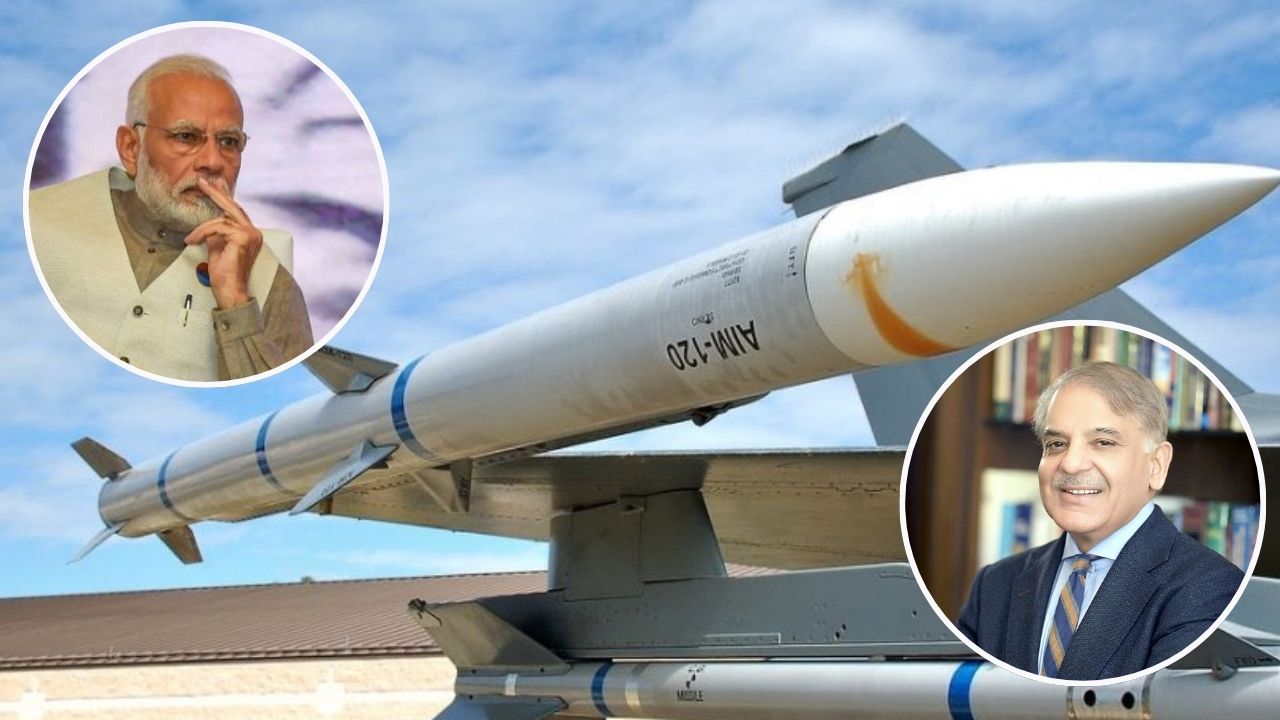
    As India struggles to grapple with isolation and the loss of regional stature after the crushing defeat against Pakistan in May’s military clashes, Islamabad is set to receive AIM-120 missiles from a United States (US) based defence firm while Bangladesh is planning to buy 20 new jets from China.

    According to reports, Raytheon will supply Pakistan with advanced medium-range air-to-air missiles (AMRAAM) following a contract modification that added the country to the list of buyers, whereas Bangladesh is preparing to purchase 20 Chinese-made J-10C fighter jets by 2027 to modernise its air force and strengthen national defence.

    The developments, experts say, could spell trouble for India and challenge its approach towards regional relations as the trilateral convergence by Pakistan, China and Bangladesh could have serious implications for New Delhi’s security while disrupting regional balance of power.

    As per the details of the defence deals, the US-made missiles are equipped on F-16 Falcons operated by the Pakistan Air Force (PAF).

    The same missiles were also reportedly used in February 2019 when the PAF conducted Operation Swift Retort and shot down two Indian Air Force (IAF) jets that had intruded into Pakistani airspace over Kashmir.

    While the development comes amid improving ties between Pakistan and the US, Bangladesh’s deal with China, valued at approximately $2.20 billion, is also turning heads. The deal will cover training, maintenance and other related expenses and add to the Bangladesh Air Force’s current strength of 212 aircraft, including 44 fighter jets — 36 of which are Chinese-made F-7s.

    It merits a mention that the deals come months after it was reported that senior officials from Pakistan, Bangladesh and China have vowed to enhance trilateral cooperation in various sectors such as trade, investment, health, education and maritime affairs among others.

    Pakistan and Bangladesh are both part of China’s ambitious Belt and Road Initiative (BRI) which aims to connect Asia, Africa and Europe. China envisions the BRI to be a global network of roads, railways, ports, energy pipelines and trade corridors that strengthens Beijing’s trade ties with other regions for the benefit of its economy. 

    Pakistan and China are historic allies while strained ties between Islamabad and Dhaka have started to improve since the ouster of former Bangladesh PM Sheikh Hasina last year.

  • Contaminated cough syrup kills 14 children in India

    Contaminated cough syrup kills 14 children in India

    At least 14 children have died in different states of India after being administered contaminated cough syrup.

    According to Indian media, the deaths occurred in Madhya Pradesh, Rajasthan and Tamil Nadu with Madhya Pradesh alone reporting 11 fatalities. 

    Following the incidents, several states have banned the sale of the cough syrup and health authorities have found dangerous levels of toxic chemicals in the same during testing.

    Police have filed a criminal case against the pharmaceutical company responsible for manufacturing the medicine and arrested a doctor linked to the case.

    The company faces charges of drug adulteration and violating the Drugs and Cosmetics Act, reports said.