Category: Global

  • US stops visa approvals for nearly all Palestinian passport holders

    US stops visa approvals for nearly all Palestinian passport holders

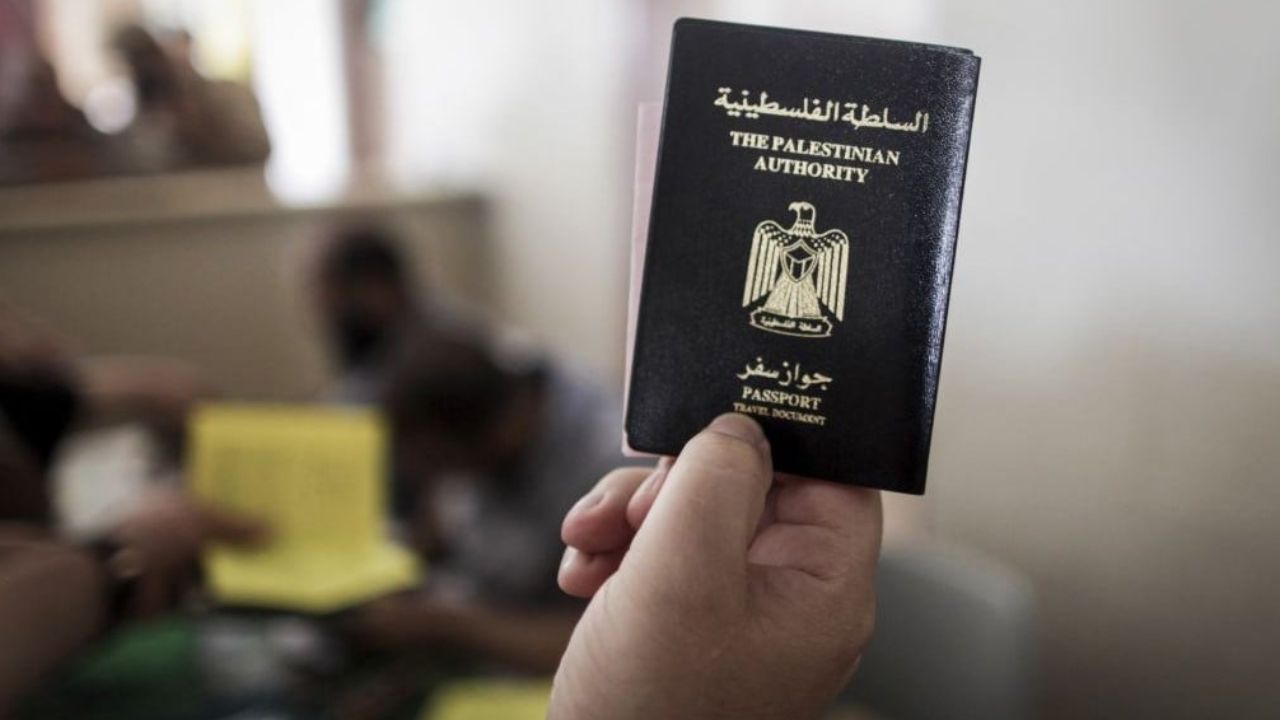
    The United States (US) has stopped approving visas for almost all individuals holding Palestinian passports, The New York Times reported.

    According to reports, the new restrictions go beyond the measures announced by President Donald Trump’s administration, which only applied to residents of Gaza.

    The decision will prevent Palestinian citizens from traveling to the US for medical treatment, higher education or business purposes.

    Two weeks ago, the State Department announced that all visitor visas for people from Gaza would remain suspended until a “full and comprehensive” review was completed.

    While Palestinian advocacy groups have strongly criticised the move, the US also recently declared that it would not allow Palestinian Authority President Mahmoud Abbas to travel to New York for next month’s United Nations General Assembly (UNGA) meeting where several American allies are expected to recognise Palestine as a state.

    Reports added that a State Department official revealed that visas for Abbas and nearly 80 other Palestinian leaders would be canceled or rejected. The list includes representatives from the Palestinian Authority and the Palestine Liberation Organization (PLO).

  • School shooting in Minneapolis leaves 2 children dead, 17 injured

    School shooting in Minneapolis leaves 2 children dead, 17 injured

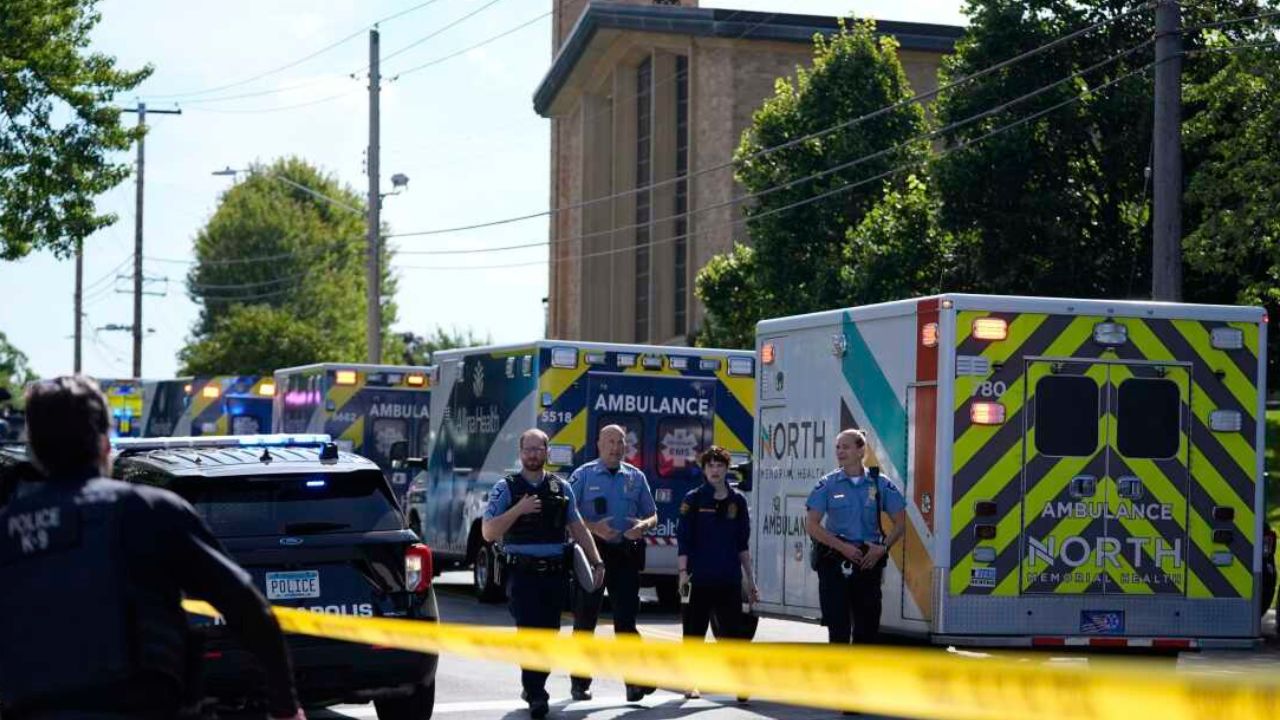
    Investigators were seeking to find out why a heavily-armed shooter opened fire on school children at a church service in Minneapolis on Wednesday, killing two pupils and wounding 17 people in the latest violent tragedy to jolt the United States.

    City police chief Brian O’Hara said that the attacker sprayed bullets through the windows of the Annunciation Church as dozens of young students were at a Mass marking their first week back at school.

    The church sits next to an affiliated Catholic school in Minneapolis, the largest city in the Midwestern state of Minnesota, where hundreds attended vigils for the victims on Wednesday evening.

    “Two young children, ages eight and 10, were killed where they sat in the pews,” O’Hara said. Fourteen wounded children were expected to survive, while three elderly parishioners were also shot, he added.

    The shooter fired a rifle, shotgun and pistol before dying by suicide in the parking lot. The attacker had recently purchased the weapons legally, police said.

    One 10-year-old said he had survived the shooting thanks to a friend who covered him with his body.

    “I just ran under the pew, and then I covered my head,” he told broadcaster CBS. “My friend Victor saved me though, because he laid on top of me, but he got hit.”

    A joint statement from the school’s principal and pastor said that within seconds of the start of shooting, “our heroic staff moved students under the pews.”

    According to AP news, on a YouTube channel titled Robin W, the alleged shooter released at least two videos before the channel was taken down by site administrators Wednesday.

    In one, the alleged shooter shows a cache of weapons and ammunition, some with such phrases as “kill Donald Trump” and “Where is your God?” written on them.

    A second video shows the alleged shooter pointing to two outside windows in what appears to be a drawing of the church, and then stabbing it with a long knife. It was unclear when that video was uploaded to the channel.

     ‘Domestic terrorism’ probe

    The mass shooting is the latest in a long line of deadly school attacks in the US, where attempts to restrict easy access to firearms face political deadlock.

    FBI Director Kash Patel said the agency was investigating the shooting as “an act of domestic terrorism and hate crime targeting Catholics.”

    Patel identified the shooter as “Robin Westman, a male born as Robert Westman.”

    Westman, 23, legally changed name in 2020 and identified as female, court papers show.

    In a post on X, Homeland Security Secretary Kristi Noem said the shooter was “claiming to be transgender” and called the attack “unthinkable.”

    Minneapolis Mayor Jacob Frey warned against using the attack to lash out at transgender people, and addressed the issue of gun ownership in the US.

    “Anybody who is using this… as an opportunity to villainize our trans community, or any other community out there, has lost their sense of common humanity,” Frey told reporters.

    “We’ve got more guns in this country than we have people… we can’t just say that this shouldn’t happen again and then allow it to happen again and again.”

    Vigil for victims

    More than 600 people attended a vigil mourning the victims at a nearby school on Wednesday evening, the Minnesota Star Tribune reported.

    One attendee, Louise Fowler, told the newspaper she knew the suspect’s mother when she worked at the church.

    “The family worked hard with this child who had a lot of problems,” she said of Robin Westman, who was reportedly a former student at the school.

    Videos posted online by the shooter showed a multi-page manifesto, and names and drawings of firearms.

    O’Hara, the police chief, said the manifesto appeared to show Westman “at the scene and included some disturbing writings and content has since been taken down.”

    “We don’t have a motive at this time,” O’Hara said, adding that investigators were carrying out three search warrants at residential addresses.

    The attack drew condemnation and expressions of grief from many including President Donald Trump, who directed US flags at the White House be lowered to half-staff.

    Pope Leo XIV — the first American to head the Catholic Church — said he was “profoundly saddened” by the tragedy.

    Minneapolis Archbishop Bernard Hebda pointed out that the attack came just a day after another school shooting near the city, adding in a statement: “We need an end to gun violence.”

    This year, there have been at least 287 mass shootings — defined as a shooting involving at least four victims, dead or wounded — across the country, according to the Gun Violence Archive.

  • Trump says Pak-India ceasefire declared ‘five hours’ after he threatened Modi with tariffs

    Trump says Pak-India ceasefire declared ‘five hours’ after he threatened Modi with tariffs

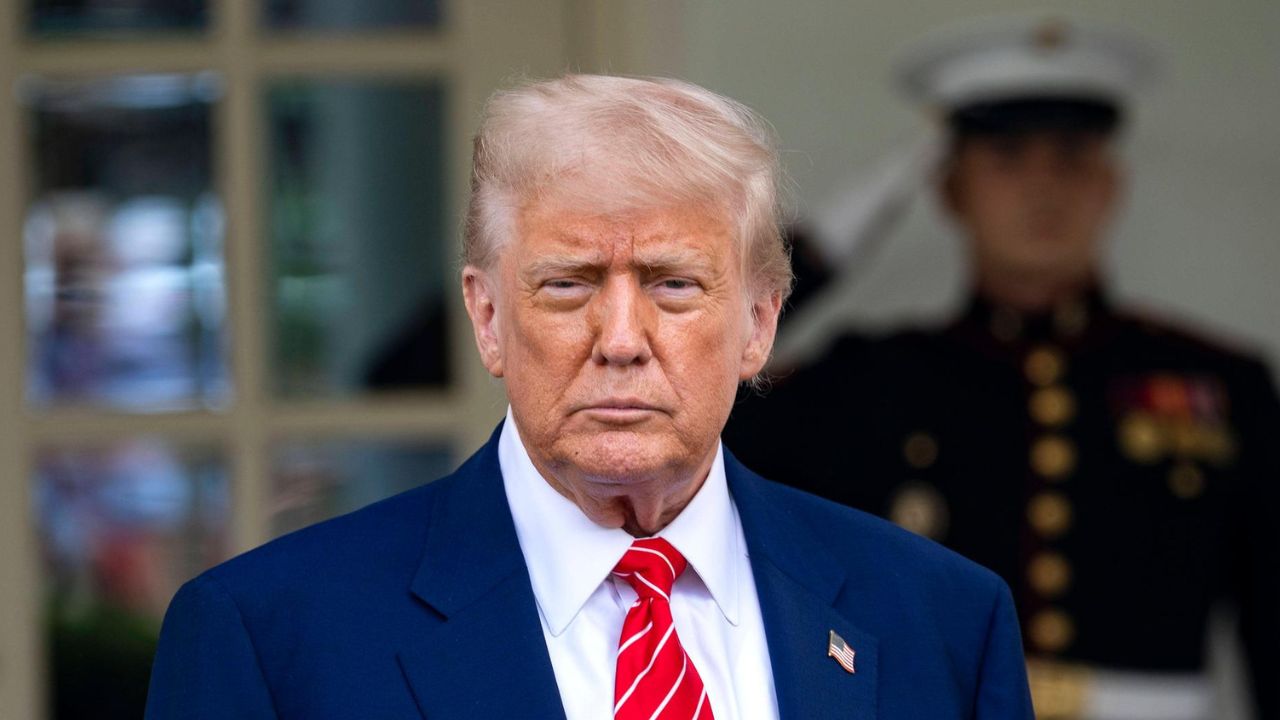
    US President Donald Trump on Tuesday claimed that the conflict between Pakistan and India in May ended “within five hours” after he threatened to scrap a trade deal during talks with Indian Prime Minister Narendra Modi and Pakistani officials.

    Speaking at a cabinet meeting, flanked by his Secretary of State Marco Rubio, President Trump recalled, “I said, ‘What’s going on with you and Pakistan’. The hatred was tremendous. This has been going on for a hell of a long time, like, sometimes with different names for hundreds of years.”

    “I said, ‘I don’t want to make a trade deal with you’…I said, ‘call me back tomorrow.’ But we’re not going to do any deals with you, or we’re going to put tariffs on you that are so high, your head’s going to spin,” Trump added.

    “Within about five hours, it was done…Now maybe it starts again. I don’t know. I don’t think so, but I’ll stop it if it does. We can’t let these things happen.”

    He reiterated that during the conflict between two nuclear-armed neighbours, “seven jets” were shot down. “I said that’s not good. That’s a lot of jets. Planes worth one hundred and fifty million dollars were shot down. Lot of…seven, maybe even more than that. They did not even report the real number,” he added.

    President Trump’s latest statement appears to be in line with Pakistani claims of shooting down six Indian jets on the night of May 6-7, inflicting massive damage to the Indian Air Force (IAF). India has never explicitly revealed the number of lost jets, including Rafales, despite several media reports validating that Pakistan did successfully shoot down multiple jets. 

    During a press conference on May 11, Indian Air Marshal AK Bharti, without disclosing the number of downed Rafales, admitted that “losses are part of combat,” implying irreparable damage to their air force.

    Since the conflict between Islamabad and New Delhi, he has repeatedly claimed that he brokered a ceasefire on May 10, a claim acknowledged by Islamabad but denied by New Delhi.

  • China says ‘shocked’ by Israel strike on Gaza hospital

    China says ‘shocked’ by Israel strike on Gaza hospital

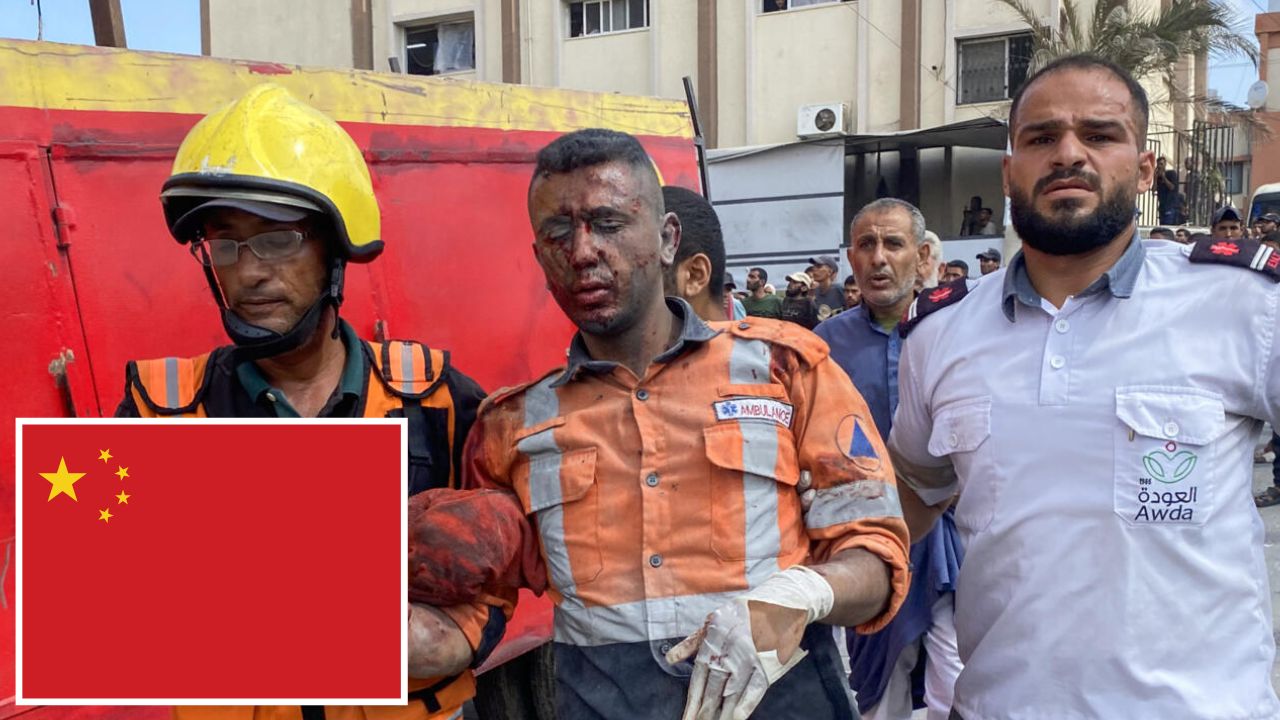
    China said on Tuesday it was “shocked” by an Israeli strike on a Gaza hospital in which five journalists were among at least 20 people killed.

    “We are shocked and condemn the fact that medical personnel and journalists have once again unfortunately lost their lives in the conflict,” foreign ministry spokesman Guo Jiakun said when asked about the strikes.

    “We express our condolences to the victims and our sympathies to their families.”

    Reuters, the Associated Press and Al Jazeera all issued statements mourning their slain contributors, while the Israeli military said it would investigate the incident.

    The ongoing war in Gaza has been one of the deadliest for journalists, with around 200 media workers killed over the course of the nearly two-year Israeli assault, according to media watchdogs.

    “China is highly concerned about the current situation in the Gaza Strip,” Guo said, adding China condemns “all actions that harm civilians… including acts of violence against journalists”.

    “Israel should immediately stop its military operations in Gaza, achieve a comprehensive and lasting ceasefire as soon as possible, fully restore the entry of humanitarian supplies, prevent a larger-scale humanitarian crisis, and work to ease tensions as quickly as possible.”

  • Australia expels Iran ambassador over antisemitic attacks

    Australia expels Iran ambassador over antisemitic attacks

    Australia expelled Iran’s ambassador on Tuesday, accusing the country of being behind antisemitic arson attacks in Sydney and Melbourne.

    It marks the first time Australia has expelled an ambassador since World War II.

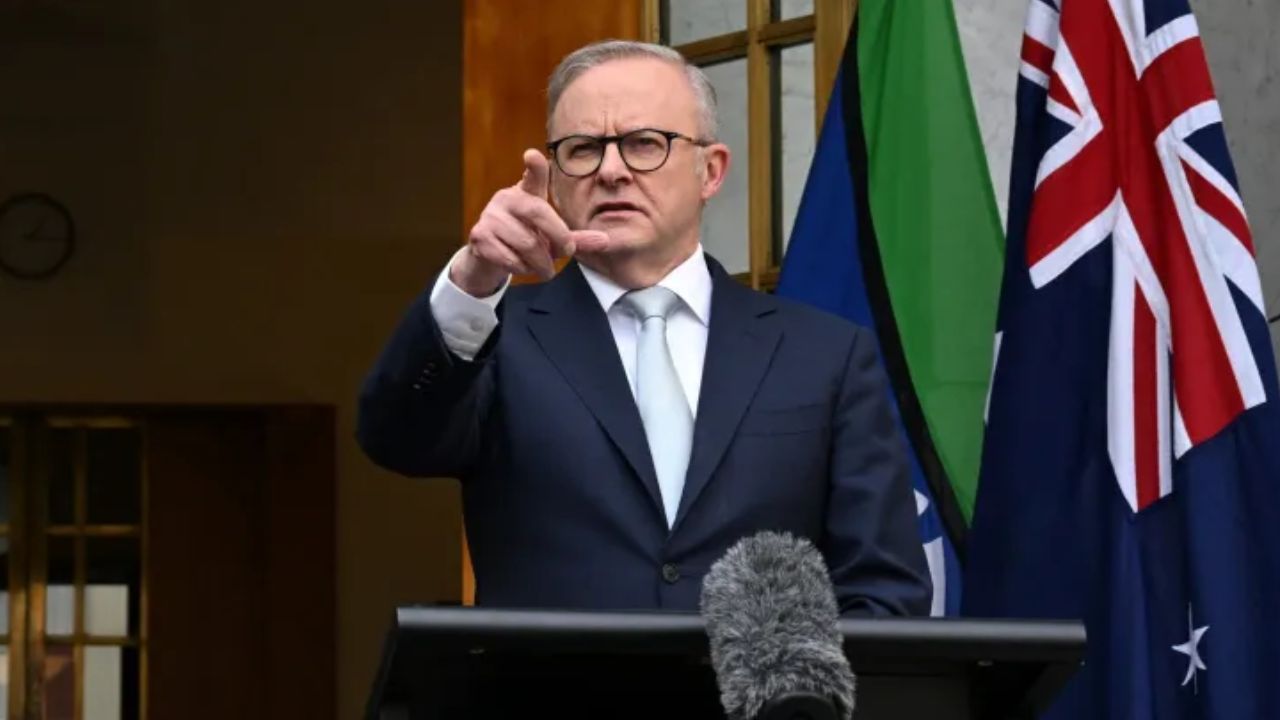
    Intelligence services reached the “deeply disturbing conclusion” that Iran directed at least two antisemitic attacks, Prime Minister Anthony Albanese said.

    Tehran was behind the torching of a kosher cafe in Sydney’s Bondi suburb in October 2024, the prime minister told a news conference.

    It also directed a major arson attack on the Adass Israel Synagogue in Melbourne in December 2024, he said, citing the intelligence findings.

    No injuries were reported in the two attacks.

    “These were extraordinary and dangerous acts of aggression orchestrated by a foreign nation on Australian soil,” Albanese said.

    “They were attempts to undermine social cohesion and sow discord in our community.”

    Iran’s foreign ministry spokesman denied the accusations and vowed “reciprocal reaction” to any unjustified diplomatic measures by Australia.

    Australia declared Iranian ambassador Ahmad Sadeghi “persona non grata” and ordered him and three other officials to leave the country within seven days.

    – ‘Web of proxies’ –

    Australia also withdrew its own ambassador to Iran and suspended operations at its embassy in Tehran, which opened in 1968.

    The Australian diplomats were all “safe in a third country”, the prime minister said.

    Australia will also legislate to list Iran’s Islamic Revolutionary Guard Corps as a terrorist organisation, Albanese said.

    Foreign Minister Penny Wong said it was the first time in the post-war period that Australia had expelled an ambassador.

    Canberra will maintain diplomatic lines with Iran to advance the interests of Australians, Wong said.

    Though Australians have been advised not to travel through Iran since 2020, Wong said Canberra’s ability to provide consular assistance was now “extremely limited”.

    “I do know that many Australians have family connections in Iran, but I urge any Australian who might be considering travelling to Iran, please do not do so,” she said.

    “Our message is, if you are an Australian in Iran, leave now if it is safe to do so.”

    Australian spy chief Michael Burgess said a “painstaking” intelligence service investigation had uncovered links between the antisemitic attacks and Iran’s Revolutionary Guard.

    The probe found that the Guard directed at least two and “likely” more attacks on Jewish interests in Australia, said Burgess, director-general of the Australian Security Intelligence Organisation.

    – ‘Fanned the flames’ –

    The Revolutionary Guard, the ideological arm of Iran’s military, used a complex web of proxies to hide its involvement in the attacks, he said.

    Iran’s embassy in Australia and its diplomats were not involved, however, the spy chief said.

    The Australian intelligence service was still investigating possible Iranian involvement in a number of other attacks, Burgess said.

    The Jewish community may find some solace in the investigation breakthrough, said Daniel Aghion, president of the Executive Council of Australian Jewry.

    “Yet there will be great anxiety that we have been targeted in such a callous and calculated way, by a ruthless and violent foreign force, because of who we are,” he said.

    Last year’s fire at the cafe in Bondi gutted the outlet, although police initially said there was nothing to suggest it was a targeted attack.

    The blaze at the Adass Israel Synagogue in Melbourne was one of the most destructive in a string of antisemitic incidents following Hamas’ October 7, 2023, attack on Israel and the ensuing war in Gaza.

    The fire destroyed much of the synagogue, shocked Australians and was tagged by police as a “likely terrorist incident”.

    – ‘Important move’ –

    Any fallout from Australia’s actions against Iran was likely to be constrained by the two countries’ limited ties, said Australian National University counter terrorism expert Levi West.

    “We don’t have any defence arrangements like we do with other Middle East countries or intelligence relationships,” he told AFP.

    Israel’s embassy in Australia welcomed the government’s decision to designate the Islamic Revolutionary Guard Corps as a terrorist organisation.

    “This is a step we have long advocated for,” it said in a statement posted on social media.
  • Israeli strikes in Yemen’s capital kill six

    Israeli strikes in Yemen’s capital kill six

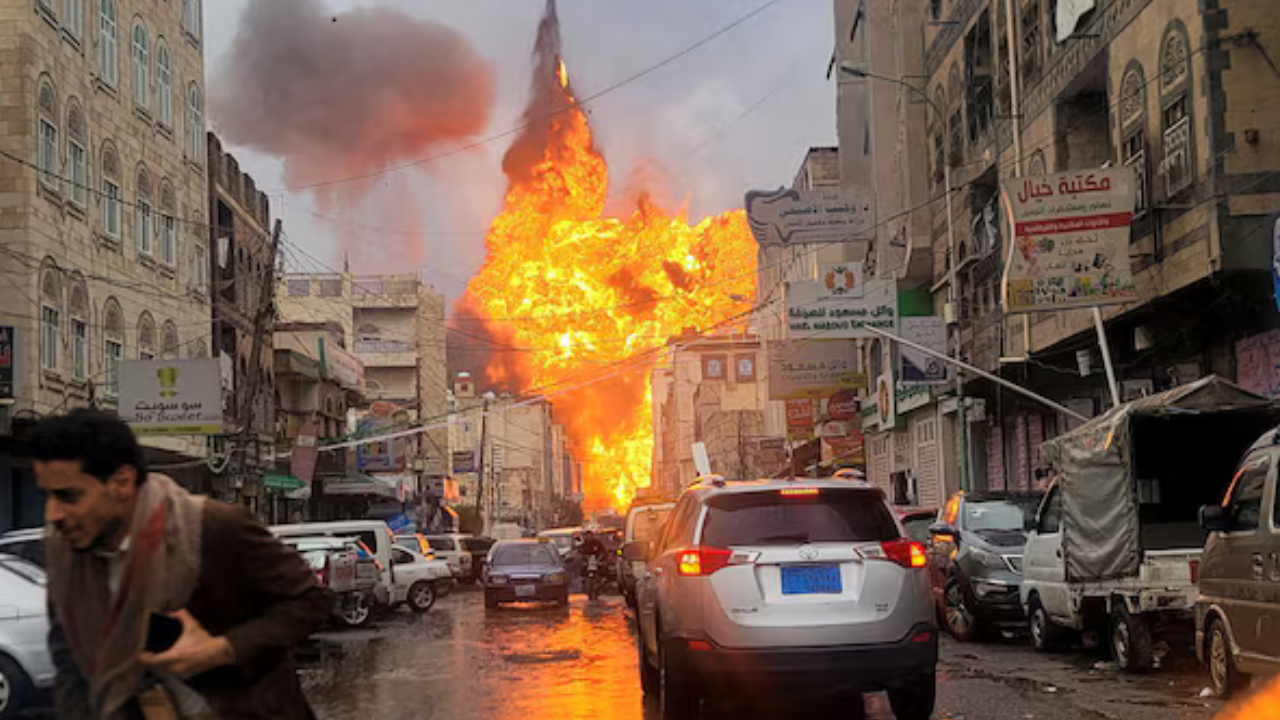
    Israeli strikes in Yemen’s capital Sanaa on Sunday killed at least six people, according to the country’s Houthi rebels, who have repeatedly launched missiles and drones at Israel throughout the Gaza war.

    AFP images showed a large fireball lighting up the skies over the rebel-held capital, leaving behind a column of thick, black smoke.

    The Houthi-run Saba news agency reported six people killed and 86 wounded in the Israeli raid, with more than 20 in critical condition, citing the health ministry.

    A Houthi security source told AFP the strikes had targeted a building in central Sanaa. The group’s Al-Masirah TV reported they had also hit an oil company facility and a power station in Sanaa’s south which was already struck last Sunday.

    The Israeli army said it had hit a military compound where the presidential palace is located, along with two power stations and a fuel depot.

    The strikes were “in response to repeated attacks by the Houthi terrorist regime against the State of Israel and its civilians”, including “in recent days”, it said.

    Late Friday, the Houthis fired a missile that Israeli authorities said had “most likely fragmented in mid-air”.

    Media outlets the Times of Israel and Ynet, citing the Israeli military, reported the missile had carried a cluster warhead, the first of its kind known to have been fired from Yemen.

    – ‘Heart of the capital’ –

    The Israeli defence ministry released a photo on Sunday showing Prime Minister Benjamin Netanyahu, Defence Minister Israel Katz and military chief Eyal Zamir following the strikes in Yemen from a command bunker.

    Netanyahu said the air force had struck “the presidential palace in the heart of the capital Sanaa, the city’s power plant and the fuel tanks that supply it”, according to a statement released by his office.

    “The terrorist Houthi regime is learning the hard way that it will pay — and has paid already — a very high price for its aggression against the State of Israel,” he said, adding “the whole region” was also learning a lesson in Israeli power.

    In a statement from their political bureau, the Houthis vowed to respond, saying they would “not deviate from the fight” against Israel and its ally the United States “until the aggression stops and the (Israeli) blockade on Gaza is lifted”.

    Iran’s foreign ministry on Sunday condemned the Israeli strikes.

    – ‘Compound interest’ –

    Since the October 2023 start of the Israel-Hamas war in the Gaza Strip, the Houthis have repeatedly fired missiles and drones at Israel, claiming to be acting in solidarity with the Palestinians.

    Most of the Houthi attacks have been intercepted, but they have prompted retaliatory Israeli air strikes on rebel targets in Yemen.

    On August 17, Israel said it targeted an energy infrastructure site in Sanaa linked to the Houthis, with Al-Masirah reporting at the time the capital’s Haziz power station was hit.

    The Israeli military said the Haziz facility was also struck on Sunday.

    Katz said earlier this month that the Houthis would “pay with compound interest for every attempt to fire at Israel”.

    Beyond attacks on Israel itself, the Houthis have also targeted ships they say are linked to the country in the Red Sea and Gulf of Aden.

  • Dutch FM resigns after failing to secure support for sanctions against Israel

    Dutch FM resigns after failing to secure support for sanctions against Israel

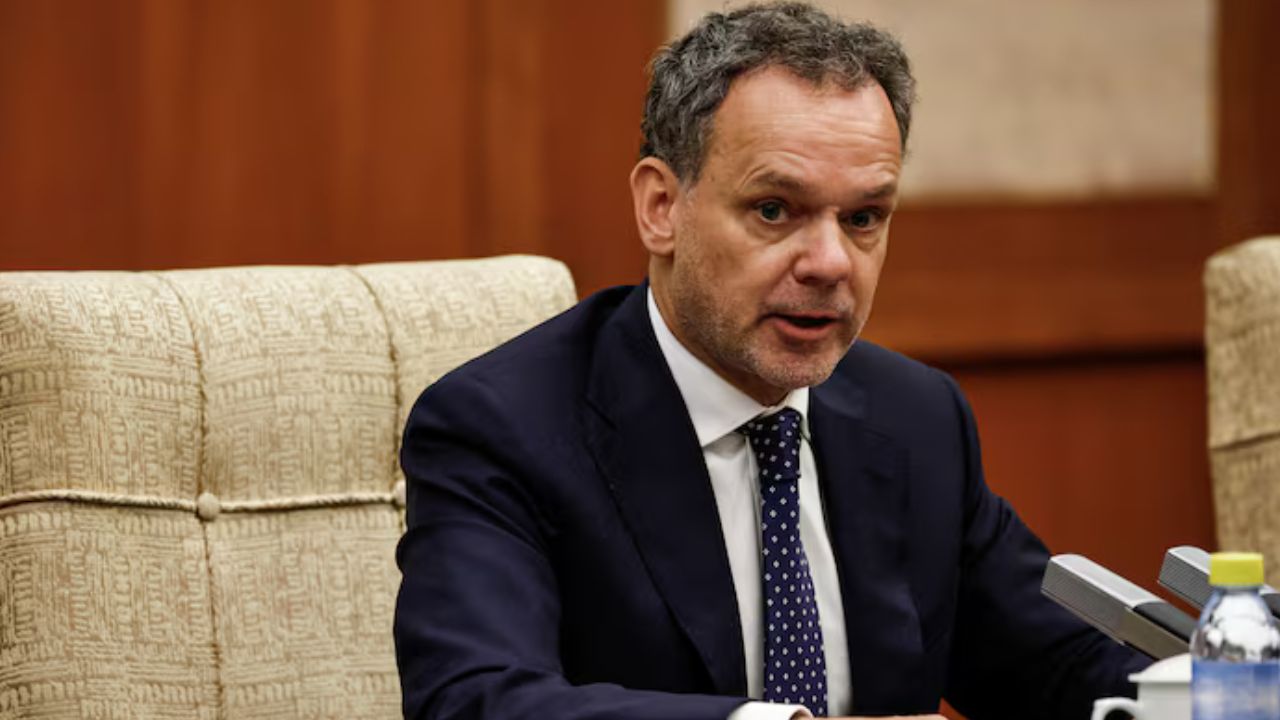
    The Dutch Foreign Minister Caspar Veldkamp on Friday resigned from his caretaker government after failing to secure cabinet support on additional sanctions against Israel over its genocide in Gaza.

    Veldkamp, a member of the centre-right New Social Contract party, told reporters that he could not achieve agreement on “meaningful measures” and had repeatedly faced resistance from colleagues over sanctions already in place.

    “I also see what is happening on the ground in Gaza, the attack on Gaza City, and what is happening in the West Bank, the building decision for the disputed settlement E1, and East Jerusalem,” Veldkamp maintained.

    Last month, he declared far-right Israeli ministers Itamar Ben-Gvir and Bezalel Smotrich unwelcome in the Netherlands, citing their role in inciting settler violence against Palestinians.

    His effort also included revoking three export permits for navy ship components, warning of “deteriorating conditions” in Gaza and the “risk of undesirable end use”.

    Following his resignation, all New Social Contract ministers and state secretaries confirmed their support for Veldkamp and reportedly resigned from the caretaker government in solidarity.

    No successor to Veldkamp has been announced as of yet. The caretaker Dutch government, in place since the collapse of the previous coalition on June 3, is expected to remain until a new coalition is formed after elections in October, which may take months.

    The Netherlands was among 21 countries that signed a joint declaration on Thursday condemning Israel’s approval of a major settlement project in the occupied West Bank, calling it “unacceptable and contrary to international law”.

  • US seeks advanced weapons after Pakistan down Indian Rafale with Chinese missiles

    US seeks advanced weapons after Pakistan down Indian Rafale with Chinese missiles

    A new funding request by the United States (US) Air Force and Navy reveals that they may soon acquire their own advanced weapon, the Lockheed Martin Corp. AIM-260. This comes months after Pakistan shot down Indian fighter jets, including Rafales, using Chinese-made Beyond Visual Range (BVR) missiles, Bloomberg reported on Friday.

    The service branches have sought nearly $1 billion for the 2026 fiscal year, which begins on October 1, to initiate production of the classified system, according to the foreign outlet, citing budget documents and a service statement.

    According to details, the Air Force, which is spearheading the development of the AIM-260 — formally known as the Joint Advanced Tactical Missile — has requested $368 million for its preliminary production run, along with an additional $300 million listed in its annual “Unfunded Priorities List” submitted to congressional defence committees. The Navy, for its part, sought $301 million.

    As per experts, air-launched weapons that can shoot down planes at extreme ranges came into the spotlight in May, when Pakistani jets used Chinese-made PL-15 missiles to down Indian aircraft more than 100 miles away without risking return fire.

    It is worth mentioning here that after the Indian Air Force (IAF) launched missiles into the cities of Pakistan and killed innocent civilians, the Pakistan Air Force (PAF) shot down six Indian aircraft on the night of May 6-7, including French-made 4.5-generation Rafales.

    During a press conference on May 11, Indian Air Marshal AK Bharti, without disclosing the number of shot-down Rafales, admitted that “losses are part of the combat”, implying irreparable damage to their air force.

    In last year’s annual report on Chinese military power, the Pentagon said the Chinese air force had likely declared the PL-17 air-to-air missile operational in 2023, saying the PL-15 follow-on “is believed to be able to strike targets from 400 kilometres (248 miles).” 

    The new US missile “will have increased range over existing air-to-air weapons and will be effective in a variety of threat scenarios,” Bloomberg reported, citing the Air Force. The AIM-260 is designed to fit the internal weapons bays of the F-22 and F-35 fighters, but the Air Force said it would also be integrated with F-16 and F-15 jets.


    Read More: Global militaries to study India-Pakistan fighter jet dogfight


  • Two separate guerilla attacks kill 18 in Colombia

    Two separate guerilla attacks kill 18 in Colombia

    Two separate attacks blamed on dissident guerilla groups killed 18 people and wounded dozens in Colombia on Thursday, one involving a truck bomb while a drone downed a police helicopter in the other, deepening the country’s most serious security crisis in decades.

    The latest deadly attacks, which struck the southwestern city of Cali and a coca farm in the north, pose fresh challenges to Colombia’s fragile peace processes ahead of elections next year.

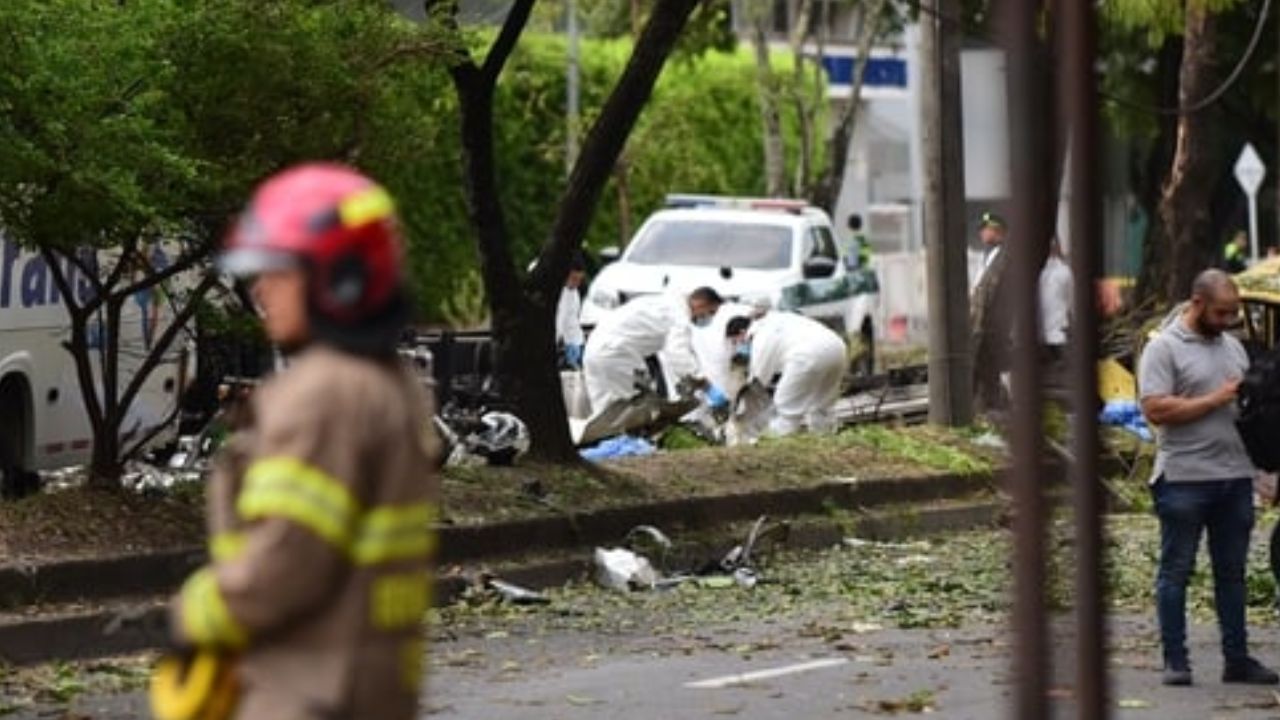
    Around 3 pm local time (2000 GMT), a truck loaded with explosives was detonated on a busy street near a military aviation school in Cali, killing six people and wounding more than 60, officials said.

    “There was a thunderous sound of something exploding near the air base,” 65-year-old eyewitness Hector Fabio Bolanos told AFP.

    “There were so many injured people,” he said.

    Eyewitness Alexis Atizabal, 40, said “there were fatalities among people passing by on the avenue.”

    Images shared on social media showed vehicles on fire, destroyed homes, injured people on the ground and people fleeing in panic amid the sound of alarms and screams.

    Cali mayor Alejandro Eder ordered martial law for the country’s third most populous city. He also announced a temporary ban on large trucks entering the city and called on the public to report information about the incident for a US$10,000 reward.

    Defense Minister Pedro Sanchez blamed the attack on the Central General Staff (EMC) guerrilla group, led by warlord Ivan Mordisco.

    The group broke away from the defunct Revolutionary Armed Forces of Colombia (FARC) after it agreed to lay down arms for a historic peace deal in 2016.

    – 12 police officers killed –

    Earlier Thursday in the northeast of the country, guerrillas from another breakaway FARC group attacked police overseeing the eradication of coca crops, which are used to produce cocaine.

    Armed with rifles and a drone, the fighters shot down the helicopter and killed 12 police officers, wounding three more, Antioquia departmental governor Andres Julian Rendon told a press conference.

    Defense Minister Sanchez initially blamed the attack on the Clan del Golfo, Colombia’s biggest drug cartel.

    But he later said the attack was the work of a faction that split from EMC led by a commander under the alias of Calarca.

    Many of Colombia’s armed groups — once based on leftist or right-wing ideologies — are now de facto drug cartels, funding themselves through the lucrative cocaine trade.

    The two dissident groups blamed for Thursday’s attacks both rejected the peace agreement signed in 2016 with the bulk of FARC after a six-decade-long insurgency. They are also at odds with each other.

    Left-wing guerrillas, right-wing paramilitaries and murderous cartels still control pockets of Colombia, but the country has enjoyed years of relative calm.

    But there has been a recent surge in violence that experts say demonstrates armed groups are regaining strength and the ability to carry out coordinated, complex attacks.

    Former top security officials have voiced concern that the Colombian intelligence services have lost a step and are no longer able to detect and foil plots.

    – ‘Most painful days’ –

    Colombians are fearful of a return to the violence of the 1980s and 1990s, when cartel attacks, guerrilla violence and political assassinations were commonplace.

    The latest attacks heaped pressure on the government of President Gustavo Petro, whose conciliatory approach to armed groups has been blamed for the uptick in violence.

    In response to Thursday’s attacks, Petro said dissident guerrillas loyal to Mordisco, another group known as the “Segunda Marquetalia” and the country’s largest cartel the Clan del Golfo would be declared “terrorist organizations.”

    Petro is constitutionally barred from running again in next year’s elections.

    Earlier this month, Colombia buried 39-year-old conservative presidential candidate Miguel Uribe, who was shot in June while campaigning in the capital Bogota.

    “Our country is going through the darkest, saddest, and most painful days,” his widow Maria Claudia Tarazona told the funeral service.

    Uribe’s own mother, journalist Diana Turbay, was killed in a botched 1991 police operation to free her from cocaine kingpin Pablo Escobar’s Medellin cartel.

  • French influencer tortured to death during 10-day live stream challenge

    French influencer tortured to death during 10-day live stream challenge

    A shocking incident in France has claimed the life of popular social media influencer and former soldier Raphael Graven, who died during a brutal live stream on Kick that lasted for 10 days.

    According to media reports, investigators are probing the horrifying circumstances of his death, which took place at his residence in the town of Conte. Reports revealed that during the live stream, Graven was subjected to physical abuse, deprived of sleep, and forced to endure extreme pain.

    Graven was known online as Jean Pormano or JP, had over one million followers, and was widely recognised for taking part in dangerous and extreme challenges. His live sessions often involved humiliation and abuse, making him notorious on the internet for pushing boundaries to entertain his audience.

    In this fatal session, Graven was coerced into performing difficult and life-threatening challenges for more than a week. According to reports, his broadcast on the platform Kick suddenly stopped when viewers noticed he was no longer moving.

    Footage from the stream showed Graven lying motionless on a mattress. At one point, someone threw a water bottle at him, but he did not respond. It is alleged that two other influencers were behind the abuse, repeatedly assaulting him during the live stream.

    Authorities stated that Graven endured 10 days of continuous torture, including severe beatings and sleep deprivation.

    French officials have launched an investigation into the case. Clara Chappaz, the minister for digital affairs, called the incident “horrific,” while Children’s Commissioner Sarah El Haïry described it as “heartbreaking” and urged online platforms to take strict action against violent content to protect vulnerable audiences, especially children.