Category: Global

  • UEFA slammed for tribute to Palestinian star martyred by Israel while waiting for aid

    UEFA slammed for tribute to Palestinian star martyred by Israel while waiting for aid

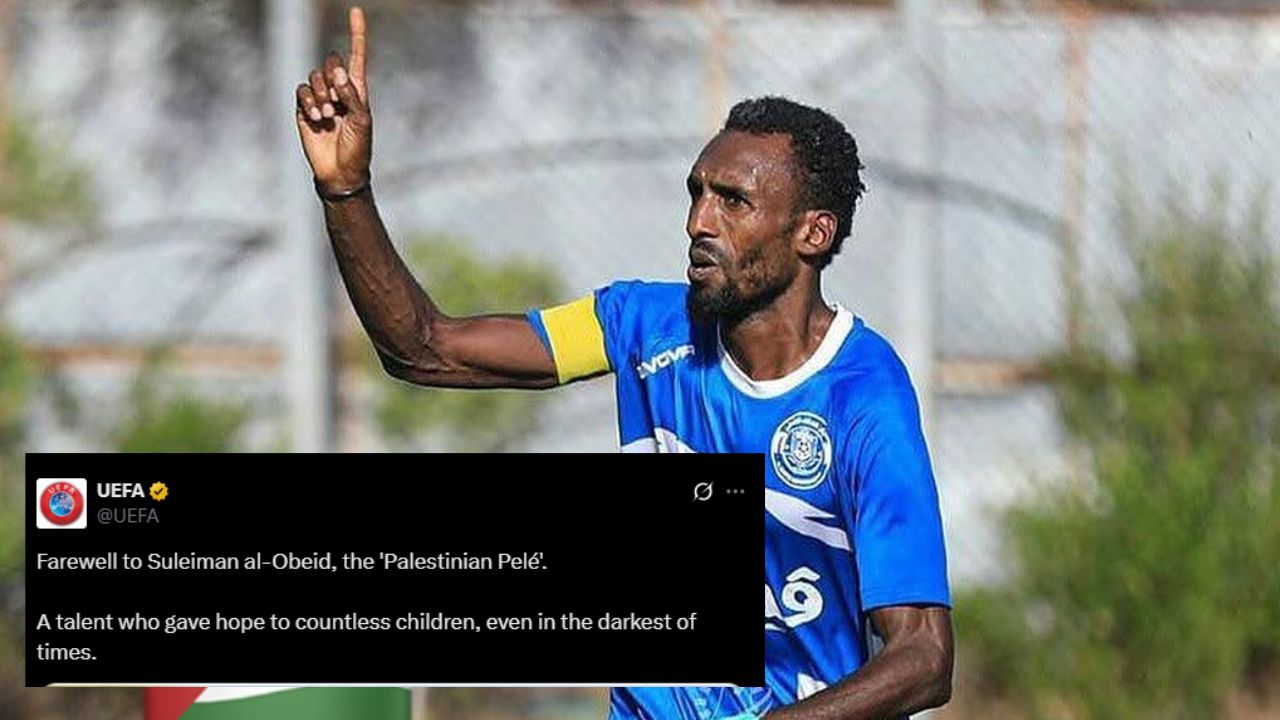
    The Union of European Football Associations (UEFA) is facing widespread criticism after posting a tribute to Palestinian football legend Suleiman al-Obeid without mentioning that he was killed in an Israeli gunfire while waiting for aid.

    On Saturday, UEFA shared a photo of the 41-year-old former national team forward on X, writing, “Farewell to Suleiman al-Obeid, the ‘Palestinian Pelé’. A talent who gave hope to countless children, even in the darkest of times.”

    Social media users were quick to call out the governing body for not mentioning how he was killed and for failing to condemn Israel’s actions. 

    “I think you missed out a few key details there bud,” one user wrote. Another said, “No mention of how he died tho right?” One comment read, “You should condemn the actions of Israel,” while another urged, “Mention everything. The world wants to know the truth!”

    One user wrote: “Imagine that it was Russia who killed him, and mention that Israel was the one who killed him. The media are liars, and so is the union. Human rights are based on religion and interests.” 

    Others demanded UEFA to “ban Israel from all sports” and accused the organisation of “legitimising genocide through inaction.”

    According to the Palestine Football Association, the former national team forward was waiting for aid along with others when the area came under Israeli gunfire.

    The 41-year-old former international, who scored more than 100 goals in his career, was immensely popular among Palestinians. His talent and style of play earned him the nickname “Pele of Palestine.”

    Al-Obeid is survived by his wife and five children.

    Arab media reported that the number of athletes killed in Israeli strikes on Gaza since October 2023 has reached 662. Among them, 321 were affiliated with football, including players, coaches, referees, officials, and club board members.

  • Israeli army will ‘take control’ of Gaza city: Benjamin Netanyahu

    Israeli army will ‘take control’ of Gaza city: Benjamin Netanyahu

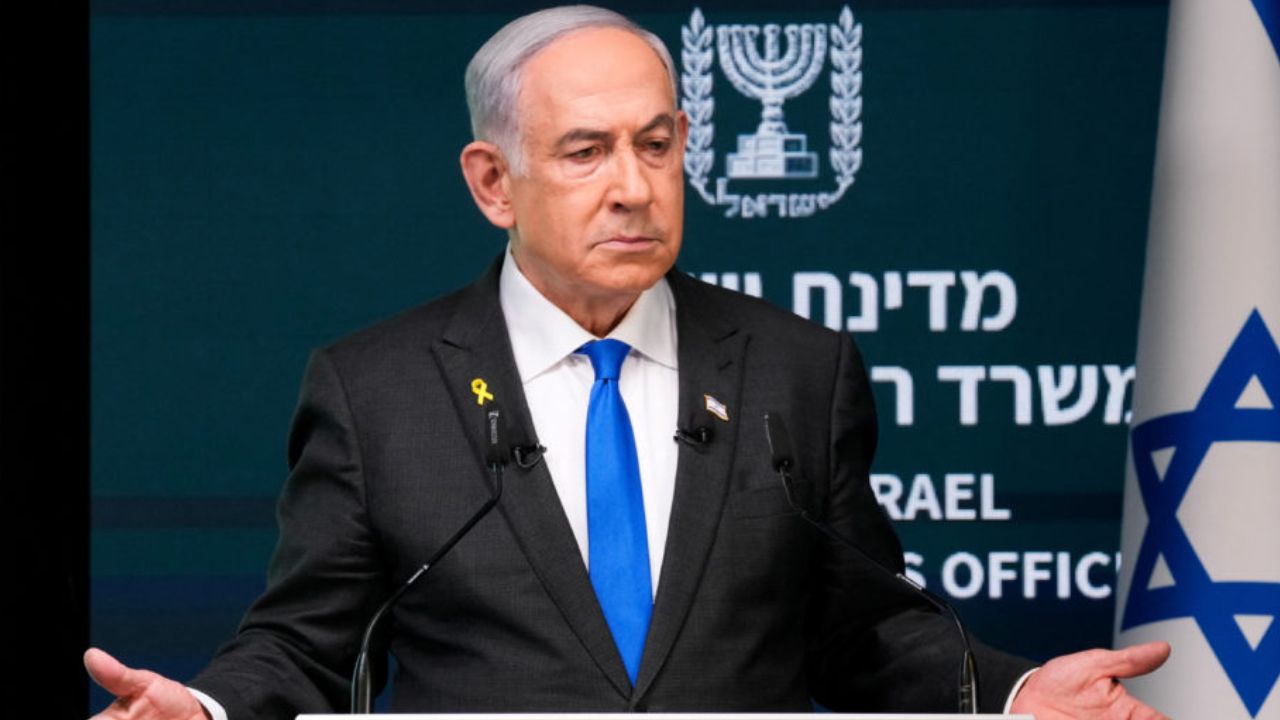
    Israel’s security cabinet has approved a plan proposed by Prime Minister Benjamin Netanyahu for the military to “take control” of Gaza City, his office said in a statement Friday.

    Under the plan to “defeat” Hamas in the Gaza Strip, the Israeli army “will prepare to take control of Gaza City while distributing humanitarian assistance to the civilian population outside combat zones”, it said.

    Nearly two years into the intensified genocide in Gaza, the Israeli prime minister faces mounting pressure at home and abroad for a truce to pull the Palestinian territory’s more than two million people back from the brink of famine and to spare hostages held by Palestinian militants.

    As he convened his security cabinet on Thursday, Netanyahu said Israel planned to take full control of Gaza but did not intend to govern it.

    Ahead of the meeting, Netanyahu told US network Fox News that the government intended to seize complete control of the Gaza Strip, where the military has increased brutality against Palestinians since October 7, 2023 attack on Israel.

    He added that Israel did not want “to keep” the Gaza Strip, which Israel occupied in 1967 but withdrew troops and settlers from in 2005.

    Netanyahu said Israel wanted a “security perimeter” and to hand the Palestinian territory to “Arab forces that will govern it properly without threatening us and giving Gazans a good life.”

    “That’s not possible with Hamas,” he added.

    His office on Friday said a majority of the security cabinet had adopted “five principles for concluding the war: the disarming of Hamas; the return of all hostages — living and dead; the demilitarisation of the Gaza Strip; Israeli security control in the Gaza Strip; the establishment of an alternative civil administration that is neither Hamas nor the Palestinian Authority.

    “A decisive majority of security cabinet ministers believed that the alternative plan that had been submitted to the security cabinet would neither achieve the defeat of Hamas nor the return of the hostages,” it added, without giving further details.

    An expanded Israeli offensive in Gaza could see ground troops operate in densely populated areas where hostages are believed to be held, Israeli media reported.

    The reported plans to expand the genocide have sparked growing concern in Israel about what it means for the remaining hostages.

    As the cabinet meeting kicked off, hundreds rallied near the prime minister’s office in Jerusalem, calling for a deal to free the hostages.

    “The only way to bring the hostages home is to halt the war and end the suffering of the hostages and all those living through this terrible conflict,” said protester Sharon Kangasa-Cohen.

    In Gaza, fears grew over what an expansion of Israeli operations would entail.

    “Ground operations mean more destruction and death,” said Ahmad Salem, 45.

    – ‘More destruction’ –

    Hamas in a statement said that “Netanyahu’s plans to escalate the aggression confirm beyond any doubt his desire to get rid of the captives and sacrifice them in pursuit of his personal interests and extremist ideological agenda.”

    Out of 251 hostages captured during Hamas’s 2023 attack, 49 are still being held in Gaza, including 27 the military says are dead.

    Ahead of Thursday’s meeting, rumours have been rife in the Israeli press about disagreements between the cabinet and Israel’s military chief Eyal Zamir, who is said to oppose plans to fully reoccupy Gaza.

    Defence Minister Israel Katz weighed in on social media Wednesday, saying the military must ultimately respect any policies adopted by the government.

    In a statement released by the military Thursday, Zamir underscored his independence, vowing to “continue to express our position without fear”.

    – ‘Unrealistic costs’ –

    International concern has been growing over the suffering of Palestinians in Gaza, where a UN-backed assessment warned that famine was unfolding.

    The World Health Organization said at least 99 people have died from malnutrition in the Gaza Strip this year, with the figure likely an underestimate.

    Displaced Gazan Mahmoud Wafi said that the prices of available food remained high and erratic.

    “We hope that food will be made available again in normal quantities and at reasonable prices, because we can no longer afford these extremely high and unrealistic costs,” the 38-year-old told AFP.

    In late July, Israel partially eased restrictions on aid entering Gaza, but the United Nations says the amount allowed into the territory remains insufficient.

    Amjad Al-Shawa, head of the Palestinian NGO Network in the Gaza Strip, told AFP that lengthy inspection procedures at entry points meant few trucks could come in — “between 70 to 80 per day — carrying only specific types of goods”.

    The UN estimates that Gaza needs at least 600 trucks of aid per day to meet its residents’ basic needs.

    Israel’s offensive has killed at least 61,258 Palestinians, according to Hamas-run Gaza’s health ministry.

    The 2023 attack on Israel resulted in the deaths of 1,219 people, according to an AFP tally based on official figures.

  • Indian analysts in disbelief as US relations sour over Trump’s 50 percent tariff

    Indian analysts in disbelief as US relations sour over Trump’s 50 percent tariff

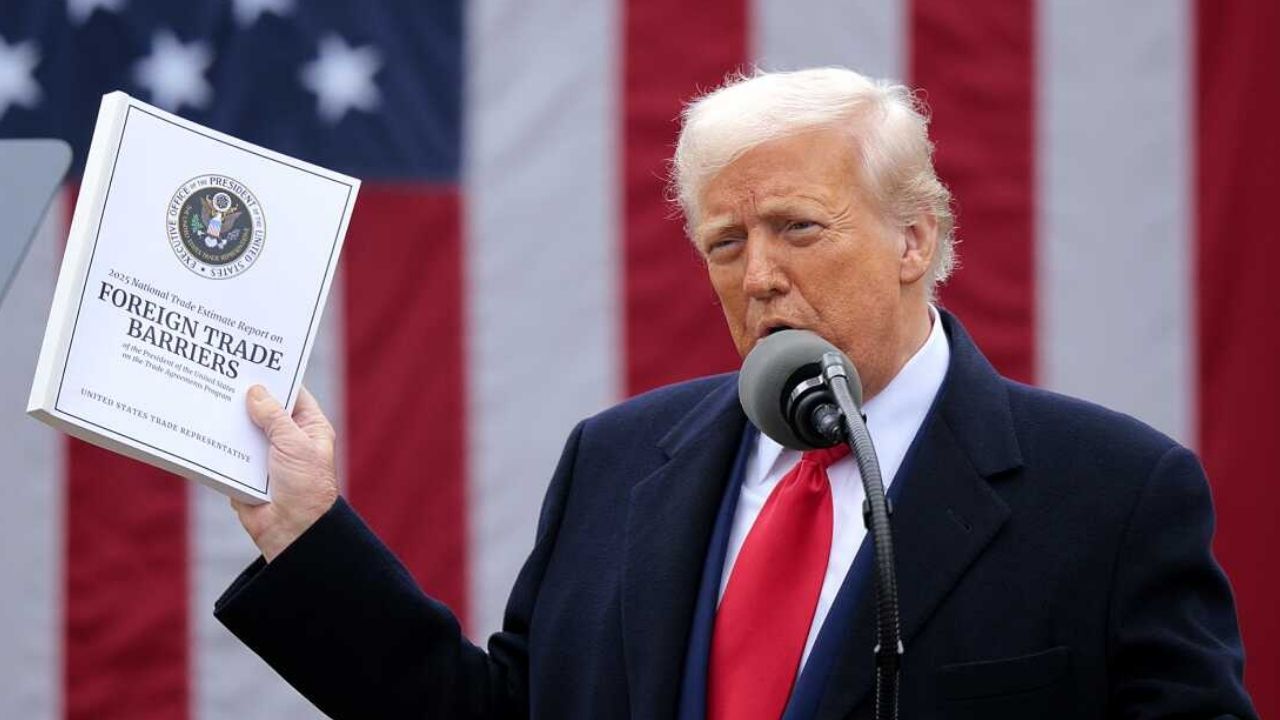
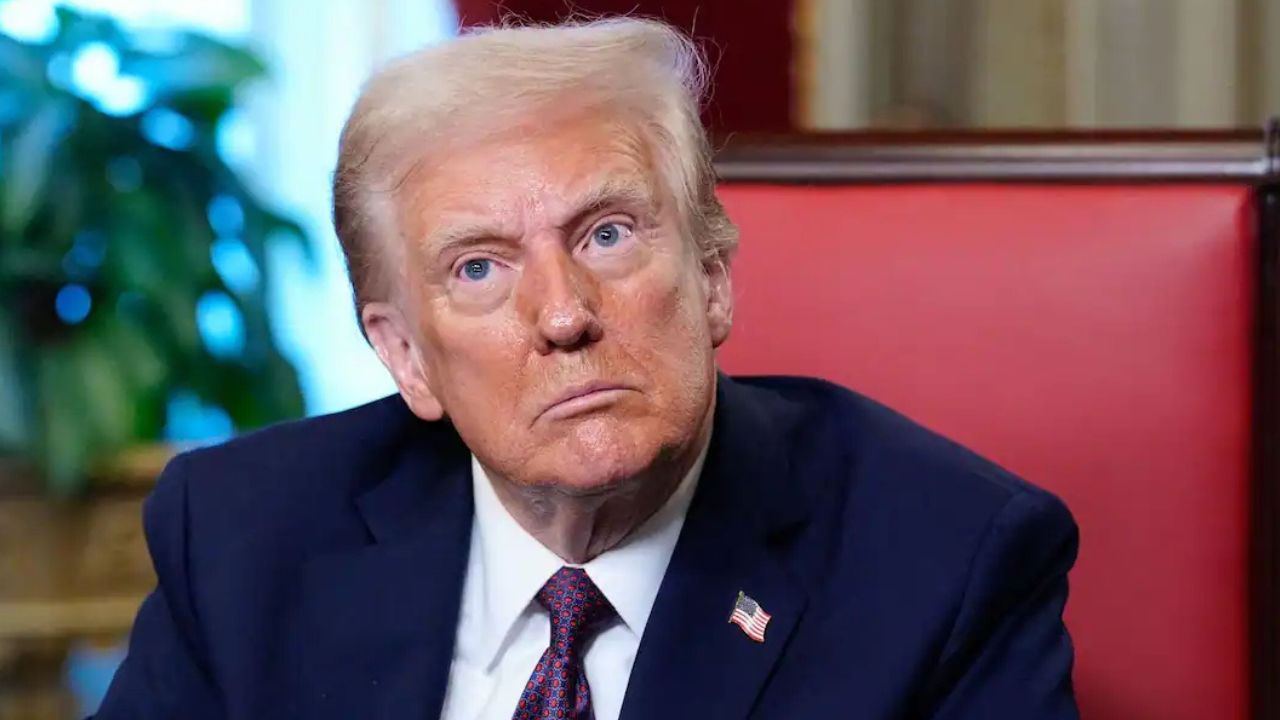
    United States (US) President Donald Trump has imposed an additional 25 percent tariff on India, effectively taking the duty to 50 percent on some exports from the South Asian country.

    As the world looks on, the American president’s apparent annoyance with India has led to disbelief and anger on social media. Many Indian accounts, previously all praise for Trump, have now turned against him, tweeting out their frustration. 

    Sonam Mahajan, a known pro-Bharatiya Janata Party (BJP) troll, tweeted out a series of posts on X (previously Twitter) about Trump, saying was “best not to be his friend at all”, and that he did were “flattery-for-obedience deals”.

    Major (r) Gaurav Arya, another Hindutva mouthpiece, took to his account to say that Trump “doesn’t care about people dying in Ukraine”, going on to accuse him of using tariffs to lobby for the weapons and oil lobbies. 

    Another troll account with a massive following wrote “Its not the oil, its the ego [sic]”. 

    Comedian Atul Khatri took a swing at Bhakt trolls, envisioning how they would use the tariffs to try and spin a win over Pakistan.

    Barkha Dutt called Trump “clueless” and wrote that it was hard to remember when relations between the two countries were “so strained”. 

    Media analyst Aditya Raj Kaul wrote that the American president had “exposed his bias with this unjustified action”. 

    Right-wing BJP government’s biggest fan Smita Prakash wanted Trump to impose equivalent tariffs on China and Turkey. 

    Meanwhile, author Rahul Shivshankar has declared that “MODIDIOLOMACY IS MAKING TRUMP LOOK HYPOCRITICAL AND FOOLISH.” 

  • Massive blow to New Delhi as Trump imposes additional 25% tariff on Indian goods, raising total to 50%

    Massive blow to New Delhi as Trump imposes additional 25% tariff on Indian goods, raising total to 50%

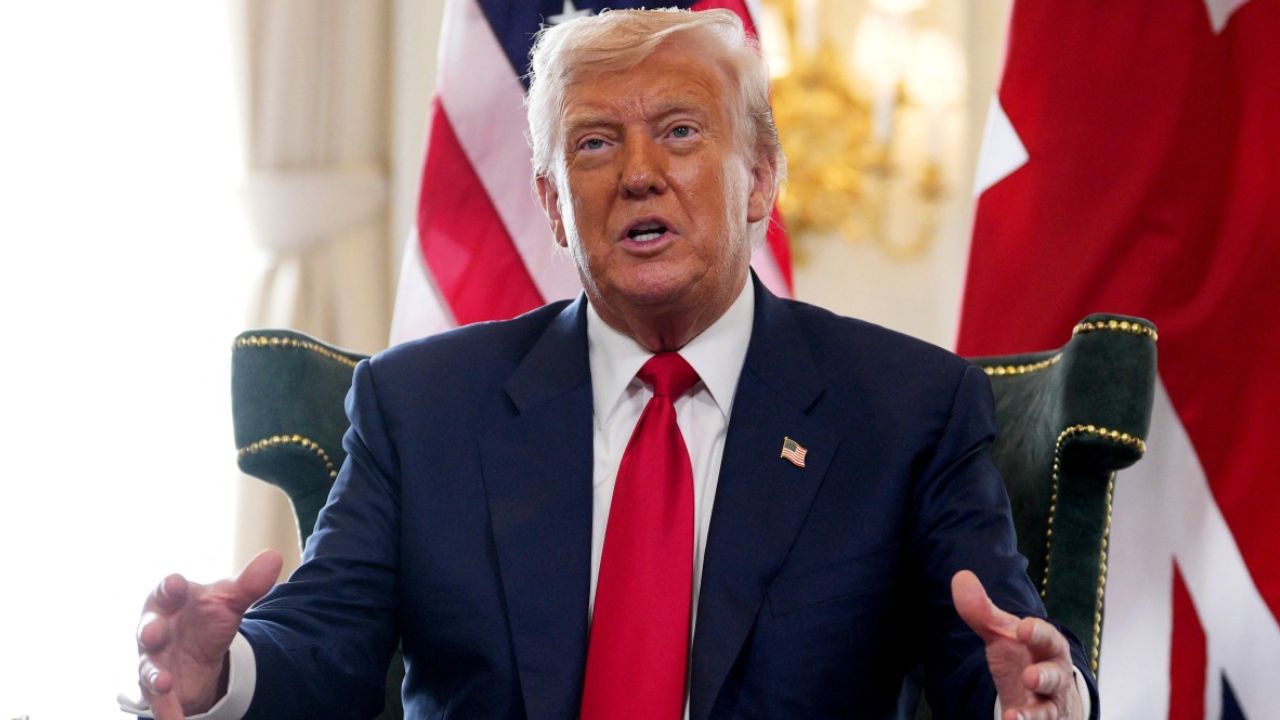
    US President Donald Trump on Wednesday ordered an additional 25 percent tariff on Indian goods over New Delhi’s continued purchase of Russian oil, a key revenue source for Moscow’s war in Ukraine.

    The tariff, set to take effect in three weeks, comes on top of a separate 25 percent duty entering into force on Thursday, according to the text of the executive order released by the White House.

    The order also threatens potential penalties on other countries deemed to be “directly or indirectly importing Russian Federation oil.”

    Exemptions remain for items targeted by separate sector-specific duties such as steel and aluminum, and categories that could be hit like pharmaceuticals.

    Trump has been ramping up pressure on India after signaling fresh sanctions on Moscow if it did not make progress by Friday towards a peace deal with Kyiv, as Russia’s devastating invasion of its pro-western neighbor drags on.

    India’s national security adviser was in Moscow on Wednesday, media in New Delhi reported, coinciding with a visit by US envoy Steve Witkoff.

    India’s foreign ministry earlier said US pressure to stop it buying Russian oil was “unjustified and unreasonable” and that it would protect its interests.

  • Indians blamed as paan spit stains give London streets a desi makeover

    Indians blamed as paan spit stains give London streets a desi makeover

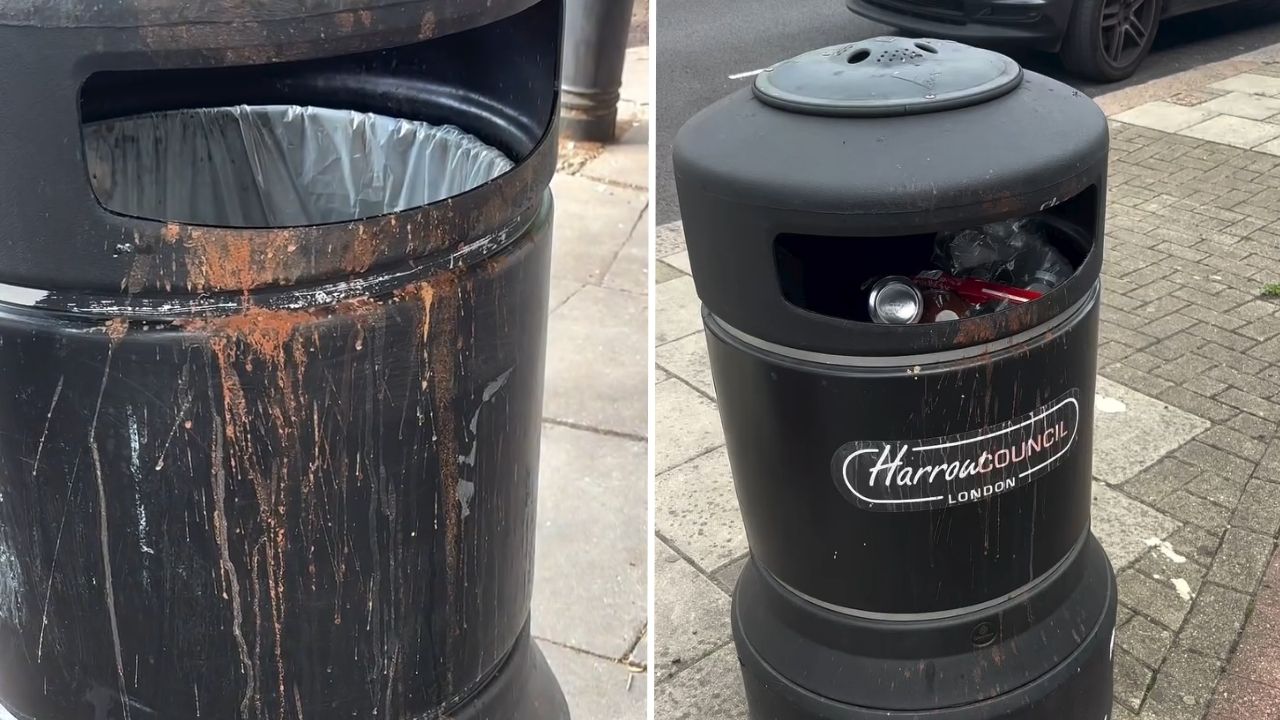
    A viral video from Harrow in London has sparked outrage online after it showed bright red paan spit stains on streets, pavements and outside local shops. And yes, many online users are blaming Indians for giving the city a “surprise desi makeover”.

    Shared by the Instagram account ‘Harrow Online’, the video has already been viewed over 260,000 times. “Paan spitting is becoming a big problem in Harrow – with stains spreading from Rayners Lane to North Harrow. Residents are calling for more action,” read the caption.

    Reports quoted locals as saying that the stains were mostly found outside stores and takeaways that sell paan or gutka – popular chewing tobacco products. While chewing gutka isn’t banned in the United Kingdom (UK), spitting in public certainly isn’t encouraged. That, however, hasn’t stopped the streets from getting a bit of a desi paint job.

    And the internet? It has been having a field day.

    “Start checking teeth while giving Visa ”, wrote one user while another commented, “Vimal supremacy ”. Others chimed in with comments like “Obviously Indians ” and, “THIS IS INDIA MAN SURE ”.

    One even tried to calm the chaos with, “Just Indian things… chill”.

    The video has sparked a wider debate, not just about spitting in public, but also about the cultural habits that travel with people. But for now, Harrow’s streets are wearing red, not for fashion, but thanks to some seriously passionate paan lovers.

    It may be noted that the videos come as South Asian immigrants in general, and Indian immigrants in particular, face an undercurrent of hostility in the UK. A report by Minority Rights Group highlights how online hatred is pushing minorities — including South Asians — toward social marginalisation.

    This manifests in increased vulnerability to religious hate, workplace discrimination and xenophobic street harassment.

    While Britain’s Indian diaspora is often seen as economically successful and culturally integrated, they’re not immune to scapegoating — especially during political debates over immigration. Media portrayals sometimes fuel subtle biases, linking Indians with resource competition or cultural incompatibility.

    The rise of far-right sentiments has also made social spaces more hostile.

  • India slams ‘unjustified’ action by US, EU over its Russian oil purchases

    India slams ‘unjustified’ action by US, EU over its Russian oil purchases

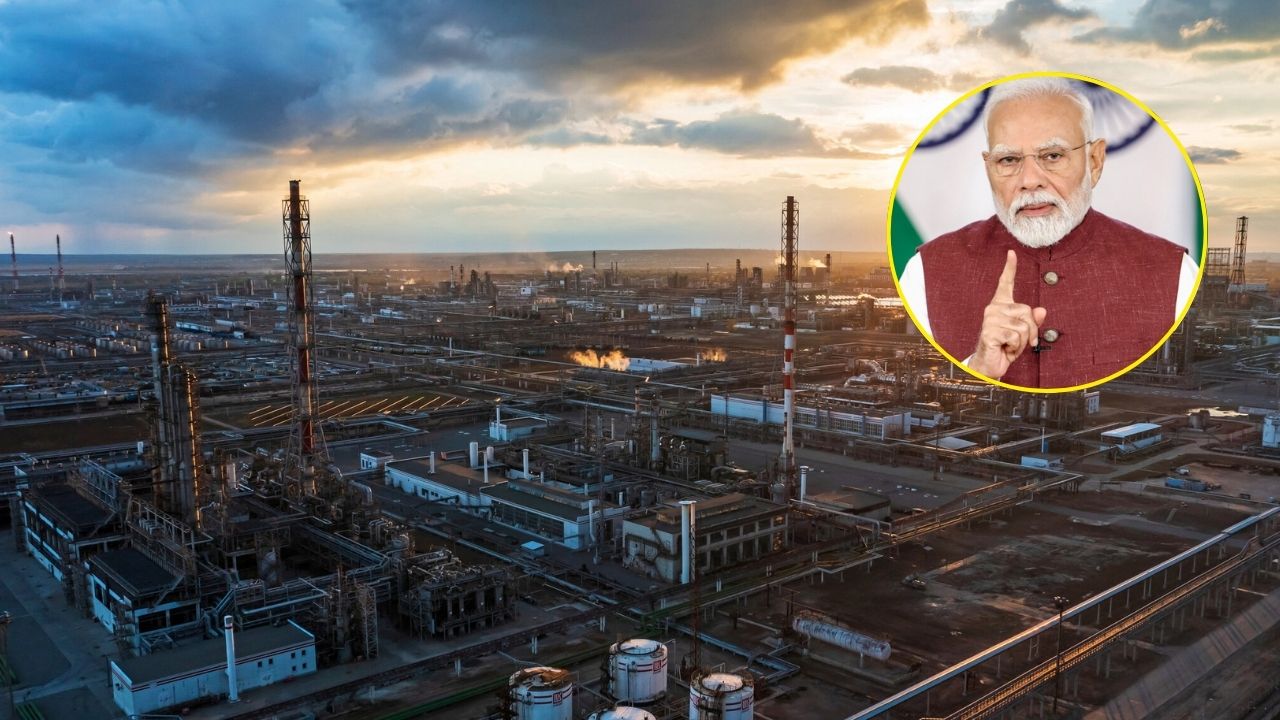
    India’s foreign ministry said Monday that the United States and European Union were “targeting” it due to its buying of Russian oil, adding that the moves were “unjustified” and that it would protect its interests.

    “The targeting of India is unjustified and unreasonable,” India Foreign Ministry spokesman Randhir Jaiswal said in a statement, after US President Donald Trump vowed to raise tariffs on the country over its oil purchases from Russia.

    “Like any major economy, India will take all necessary measures to safeguard its national interests and economic security.”

    It did not provide further details on the measures.

    India became a major buyer of Russian oil, providing a much-needed export market for Moscow after it was cut off from traditional buyers in Europe because of the Ukraine war.

    New Delhi saved itself billions of dollars while bolstering Moscow’s coffers.

    But India on Monday argued it “began importing from Russia because traditional supplies were diverted to Europe after the outbreak of the conflict”.

    It also noted that Washington at that time had “actively encouraged such imports by India for strengthening global energy markets stability.”

    It pointed to what it suggested were double standards of EU and US trade with Moscow.

    “It is revealing that the very nations criticising India are themselves indulging in trade with Russia,” Jaiswal added.

    “Unlike our case, such trade is not even a vital national compulsion.”

    Jaiswal singled out examples of where deals were being done with Moscow.

    “Europe-Russia trade includes not just energy, but also fertilisers, mining products, chemicals, iron and steel and machinery and transport equipment,” the statement added.

    “Where the United States is concerned, it continues to import from Russia uranium hexafluoride for its nuclear industry, palladium for its EV industry, fertilisers as well as chemicals.”

    India, the world’s most populous country, was one of the first major economies to engage the Trump administration in broader trade talks.

    The United States is India’s largest trading partner, with New Delhi shipping goods worth $87.4 billion in 2024.

    India’s protectionist trade policies, however, saw it run up a surplus of nearly $46 billion the same year.

    On Monday, Trump said in a post to his Truth Social platform that India was “buying massive amounts of Russian Oil” and selling it for “big profits.”

    “Because of this, I will be substantially raising the Tariff paid by India to the USA,” he wrote.

    But he did not provide details on what tariff level he had in mind.

    For now, an existing 10 percent US tariff on Indian products is expected to rise to 25 percent come Thursday.

    Last month, the EU and Britain sought to ramp up economic pressure on Russia to halt the war in Ukraine by slashing a price cap meant to choke off revenues from key oil exports.

  • ‘Oldest baby’ born from frozen embryo in US

    ‘Oldest baby’ born from frozen embryo in US

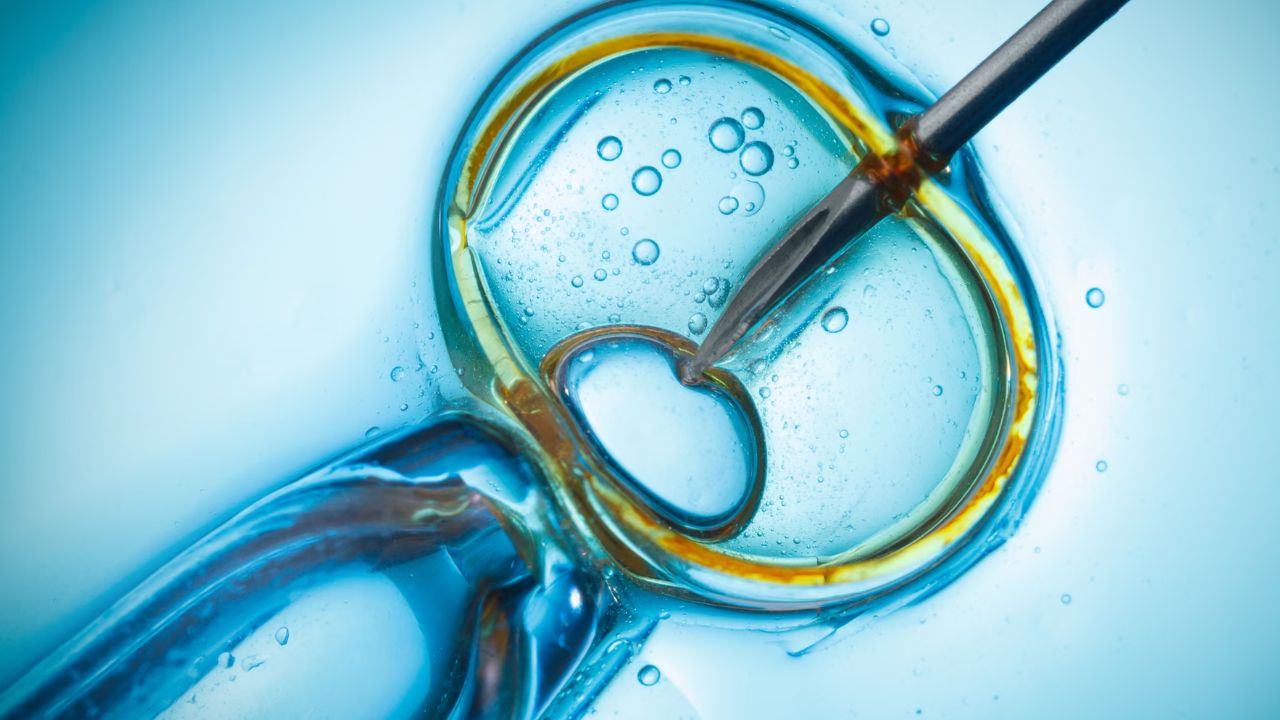
    A baby boy has been born in the US from an embryo frozen three decades ago, making him one of the oldest embryos ever successfully used in a birth.

    Thaddeus Daniel Pierce was born on July 26 in Ohio to Lindsey and Tim Pierce. The couple adopted an embryo that had been cryopreserved since 1994 and originally belonged to Linda Archerd, now 62.

    In the early 1990s, Archerd and her then-husband underwent IVF treatment, which resulted in four embryos.

    One was implanted, leading to the birth of a daughter who is now 30 years old and has a 10-year-old child of her own. The remaining embryos were frozen and stored.

    Archerd was given custody of the embryos during the divorce and later chose embryo “adoption”, a process in which recipients and donors decide who receives the embryos.

    The Pierces’ criteria aligned with Archerd’s preference for the embryo to go to a married, white, Christian couple.

    “We didn’t go into it thinking we would break any records,” Lindsey told MIT Technology Review. “We just wanted to have a baby.”

    Speaking about the experience, she added, “We had a rough birth, but we’re both doing well now. He is so chill. We are in awe that we have this precious baby.”

    Archerd, upon seeing the baby’s photo, said: “The first thing that I noticed when Lindsey sent me his pictures is how much he looks like my daughter when she was a baby. I pulled out my baby book and compared them side by side, and there is no doubt that they are siblings.”

    John Gordon, a Reformed Presbyterian and reproductive endocrinologist, operated the fertility clinic where the embryo transfer took place.

    The clinic believes that all embryos should have a chance at life, which is why it encourages the transfer of long-frozen embryos.

    “We have certain guiding principles, and they’re coming from our faith,” Gordon said. 

    “Every embryo deserves a chance at life and that the only embryo that cannot result in a healthy baby is the embryo not given the opportunity to be transferred into a patient.”

    The Human Fertilization and Embryo Authority (HFEA) reports that the number of IVF births globally is increasing. IVF accounted for 3.1% of births in the UK in 2023, up from 1.3% in 2000.

    IVF now accounts for 11% of births among women aged 40 to 44. Approximately 2% of all births in the US involve the procedure.

  • Karnataka school water poisoned to force out Muslim headmaster

    Karnataka school water poisoned to force out Muslim headmaster

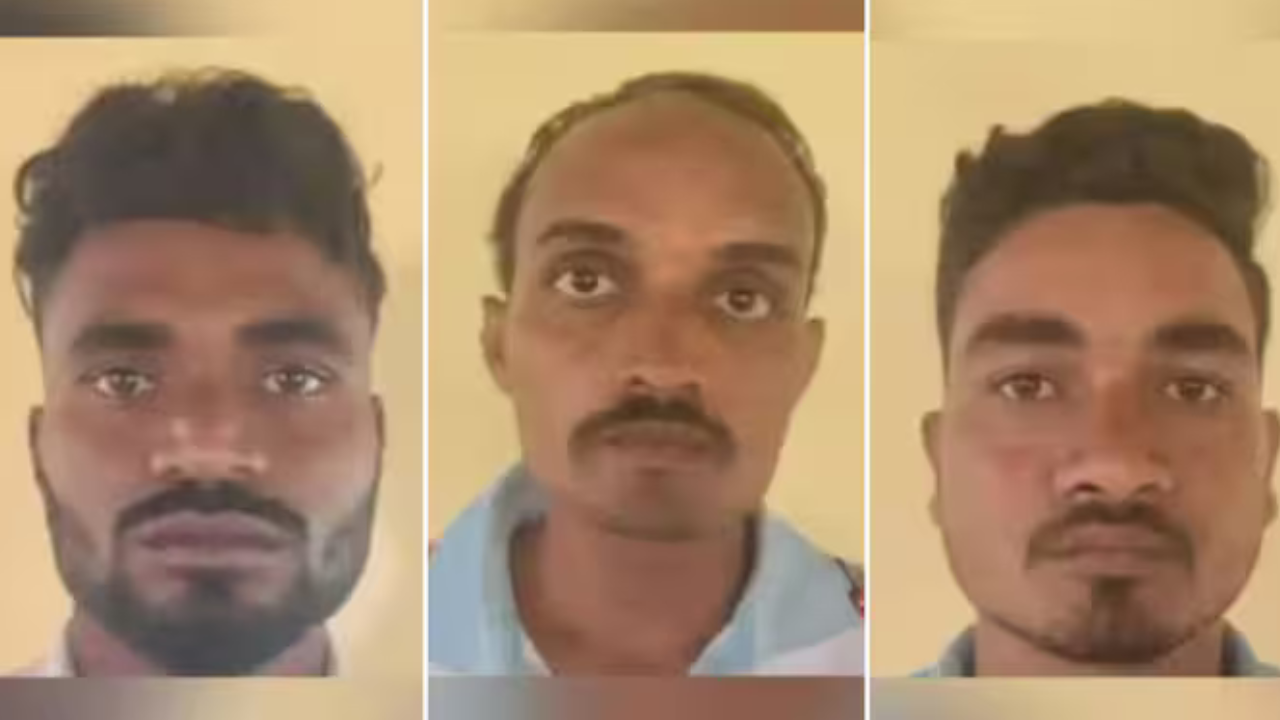
    Authorities in Karnataka, India, have arrested three individuals in connection with the poisoning of a water tank at a government school, which police state was part of a plot to oust the Muslim headmaster from his position.

    The incident took place on July 14 at the Government Lower Primary School located in Hulikatti village in the Belagavi district. 12 students fell ill after drinking the contaminated water, but health officials confirmed that they received treatment and have now recovered. 

    According to local police, the motive behind the act was to create fear and distrust toward headmaster Suleman Gorinaik, who has been serving at the school for 13 years. Investigators believe the scheme was designed to prompt his transfer from the school.

    Police traced the incident to a fifth-grade student who admitted to poisoning the water tank with a toxic substance. The child told investigators that he was given a bottle and instructed to carry out the act by a man identified as Krishna Madar.

    Further investigation revealed that Madar was acting under pressure. Authorities indicated that he was being blackmailed by Sagar Patil and Naganagouda Patil, who allegedly threatened to expose details of his inter-caste relationship. Under this coercion, Madar agreed to participate in the plot. 

    Sagar Patil, affiliated with the right-wing group Sri Ram Sene, has been identified as the main conspirator. During questioning, police allege that Patil admitted to opposing a Muslim person in a leadership role at the school. 

    Karnataka Chief Minister Siddaramaiah commented on the situation via social media, labelling it a significant threat to communal harmony. He emphasised that the poisoning was executed to target the headmaster because of his religious background.

    The incident has sparked public debate in India. Users on X (formerly Twitter) voiced their concerns regarding child safety and escalating communal tensions. One post described the act as “devious and bigoted,” questioning the implications had the poisoning resulted in fatalities. Another user highlighted that failing to universally condemn such actions sets a dangerous precedent.

  • Trump moves nuclear submarines after Russian ex-president’s statement

    Trump moves nuclear submarines after Russian ex-president’s statement

    United States (US) President Donald Trump ordered the deployment of two nuclear submarines Friday in an extraordinary escalation of what had been an online war of words with a Russian official over Ukraine and tariffs.

    Trump and Dmitry Medvedev, the deputy chairman of Russia’s security council, have been sparring on social media for days.

    Trump’s post on his Truth Social platform abruptly took that spat into the very real, and rarely publicised, sphere of nuclear forces.

    “Based on the highly provocative statements,” Trump said he had “ordered two Nuclear Submarines to be positioned in the appropriate regions, just in case these foolish and inflammatory statements are more than just that.”

    “Words are very important, and can often lead to unintended consequences, I hope this will not be one of those instances,” the 79-year-old Republican posted.

    Trump did not say in his post whether he meant nuclear-powered or nuclear-armed submarines. He also did not elaborate on the exact deployment locations, which are kept secret by the US military.

    But in an interview with Newsmax that aired Friday night, Trump said the submarines were “closer to Russia.”

    “We always want to be ready. And so I have sent to the region two nuclear submarines,” he said.

    “I just want to make sure that his words are only words and nothing more than that.”

    Trump’s remarks came hours after Russian President Vladimir Putin said Moscow had started mass producing its hypersonic nuclear-capable Oreshnik missile, and could deploy them to Belarus, a close Russian ally neighbouring Ukraine, by year-end.

    The nuclear sabre-rattling came against the backdrop of a deadline set by Trump for the end of next week for Russia to take steps to ending the Ukraine war or face unspecified new sanctions.

    Despite the pressure from Washington, Russia’s onslaught against its pro-Western neighbor continues to unfold at full bore.

    Russian attacks have killed hundreds of Ukrainian civilians since June. A combined missile and drone attack on the Ukrainian capital Kyiv early Thursday killed 31 people, rescuers said.

    Putin, who has consistently rejected calls for a ceasefire, said Friday that he wants peace but that his demands for ending his nearly three-and-a-half year invasion were “unchanged”.

    Those demands include that Ukraine abandon territory and end ambitions to join NATO.

    Putin, speaking alongside Belarusian President Alexander Lukashenko, said Belarusian and Russian specialists “have chosen a place for future positions” of the Oreshnik missiles.

    “Work is now underway to prepare these positions. So, most likely, we will close this issue by the end of the year,” he added.


    – Insults, nuclear rhetoric –

    The United States and Russia control the vast majority of the world’s nuclear weaponry, and Washington keeps nuclear-armed submarines on permanent patrol as part of its so-called nuclear triad of land, sea and air-launched weapons.

    Trump told Newsmax that Medvedev’s “nuclear” reference prompted him to reposition US nuclear submarines.

    “When you mention the word ‘nuclear’… my eyes light up. And I say, we better be careful, because it’s the ultimate threat,” Trump said in the interview.

    Medvedev had criticised Trump on his Telegram account Thursday and alluded to the “fabled ‘Dead Hand’” — a reference to a highly secret automated system put in place during the Cold War to control the country’s nuclear weapons.

    This came after Trump had lashed out at what he called the “dead economies” of Russia and India.

    Medvedev had also harshly criticized Trump’s threat of new sanctions against Russia over its war in Ukraine.

    Accusing Trump of “playing the ultimatum game,” he posted Monday on X that Trump “should remember” that Russia is a formidable force.

    Trump responded by calling Medvedev “the failed former President of Russia, who thinks he’s still President.”

    Medvedev should “watch his words,” Trump posted at midnight in Washington on Wednesday. “He’s entering very dangerous territory!”

    Medvedev is a vocal proponent of Russia’s war — and generally antagonistic to relations with the West.

    He served as president between 2008-2012, effectively acting as a placeholder for Putin, who was able to circumvent constitutional term limits and remain in de facto power.

    The one-time reformer has rebranded over the years as an avid online troller, touting often extreme versions of official Kremlin nationalist messaging.

    But his influence within the Russian political system remains limited.

    In Kyiv on Friday, residents held a day of mourning for the 31 people, including five children, killed the day before, most of whom were in a nine-storey apartment block torn open by a missile.

    Ukrainian President Volodymyr Zelensky said only Putin could end the war and renewed his call for a meeting between the two leaders.

    “The United States has proposed this. Ukraine has supported it. What is needed is Russia’s readiness,” he wrote on X.
  • Indian economy is dead, here’s why…

    Indian economy is dead, here’s why…

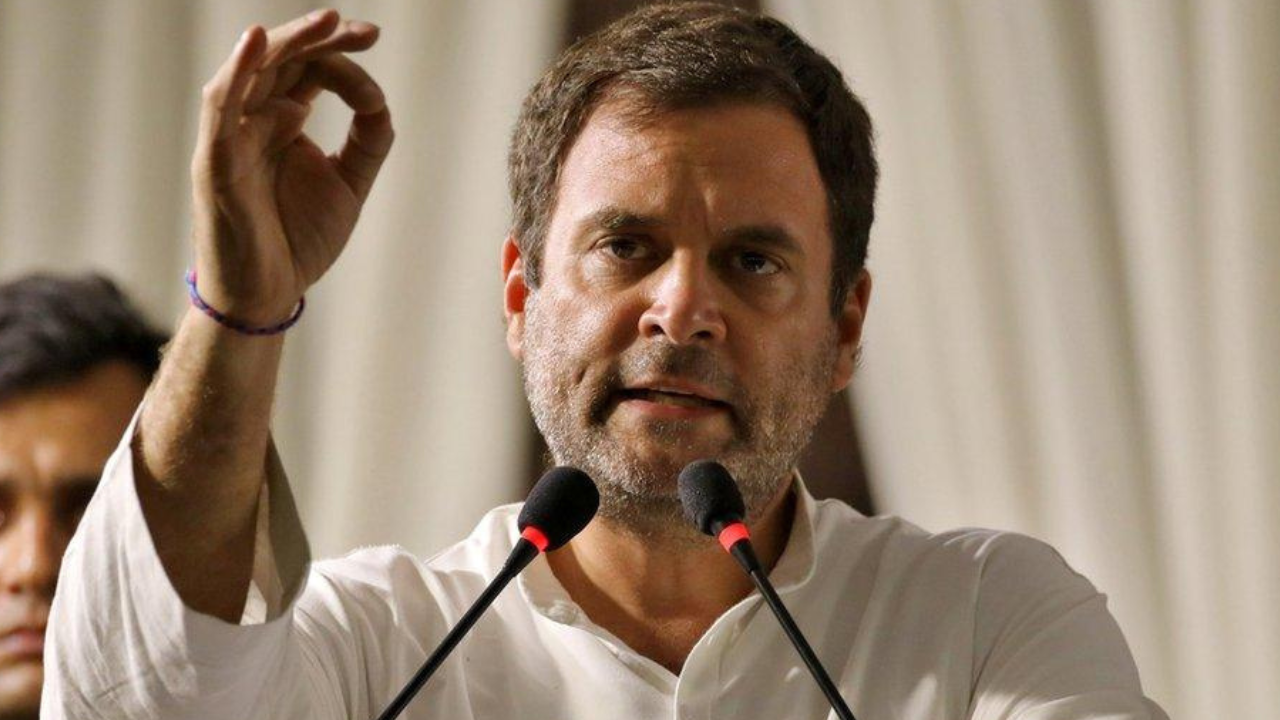
    India’s Leader of the Opposition Rahul Gandhi on Thursday reaffirmed US President Donald Trump’s assertion that the Indian economy is “dead”, sharply criticising the Narendra Modi administration’s approach to economic, defense, and foreign policies.

    While addressing reporters outside parliament, Gandhi stated, “He [Trump] is correct. Everyone understands that the Indian economy is a dead economy, apart from the Prime Minister and the Finance Minister.” He accused the BJP of undermining the nation’s economy “to assist Adani,” referencing businessman Gautam Adani. Gandhi further questioned India’s lack of action on US tariffs. “Trump has now announced that he will impose 25 percent tariffs (along with a penalty for purchasing Russian oil and weapons). Why can’t PM Modi provide a response? What is the true reason? Who holds power” he questioned. 

    Donald Trump imposed a 25 percent tariff on Indian imports, set to take effect from August 1. The US president associated his decision with India’s persistent trade ties with Russia and its defense collaboration. “I don’t mind what India does with Russia. They can suffer together with their dead economies, for all I care,” Trump remarked on Truth Social, signalling a marked departure from the usual cordial relations between the two countries. In response, the Modi administration stated it “will take all steps necessary to secure our national interest.”

    Later, Gandhi elaborated on his criticisms in a post on X (formerly Twitter), stating: “THE INDIAN ECONOMY IS DEAD. Modi killed it.” He outlined five reasons for his statement: the Adani-Modi alliance, demonetization, a problematic GST rollout, the failure of the “Assemble in India” initiative, and the ongoing crisis affecting farmers.

    Though the post did not elaborate on the points, they echo themes Gandhi has previously discussed. He has frequently accused the government of favoring Adani through policy choices. Regarding demonetization and GST, he has held the government responsible for destabilizing small enterprises. Gandhi has criticized Make in India as a failed strategy, claiming it resulted in greater reliance on imports. He has also underscored the effects of policy changes on MSMEs and farmers, citing unemployment and increasing debt levels.

    Meanwhile in Moscow, former Russian President Dmitry Medvedev dismissed Trump’s comments as a “nervous reaction,” asserting that Russia would maintain its current path despite US alerts.