Category: Global

  • Egypt detains over 200 pro-Palestine activists ahead of Gaza march: organiser

    Egypt detains over 200 pro-Palestine activists ahead of Gaza march: organiser

    Egyptian authorities have detained more than 200 pro-Palestinian activists in Cairo ahead of an international march with the stated aim of breaking Israel’s blockade on Gaza, organisers said Thursday.

    As part of the Global March to Gaza, thousands of activists planned to travel to Egypt’s Rafah border crossing with the Palestinian territory on Friday to demand the entry of humanitarian aid.

    On Thursday, the march’s spokesperson Saif Abukeshek told AFP: “Over 200 participants were detained at Cairo airport or questioned at hotels across Cairo.”

    He added that those detained included nationals from the United States, Australia, the Netherlands, France, Spain, Morocco and Algeria.

    Abukeshek said that plainclothes police entered hotels in Cairo on Wednesday with lists of names, questioned activists and in some cases confiscated mobile phones and searched personal belongings.

    “After interrogations, some were arrested and others were released,” he added.

    At Cairo airport, some detainees were held for long hours without explanation, Abukeshek said, adding that others were deported, without specifying exact numbers.

    Twenty French activists who had planned to join the march were held at Cairo airport “for 18 hours”, he said.

    “What happened was completely unexpected,” Abukeshek said.

    Footage shared with AFP showed dozens of people with their luggage crammed inside a holding room at the airport.

    “We’re locked up here in this room with so many people — some 30-40 people,” a German national said in one video.

    “I called the embassy and they told me their people are trying to figure things out,” she said.

    The Greek contingent said in a statement that dozens of Greek nationals were among those held at Cairo airport “despite having all legal travel documents, having broken no law and followed every legal procedure in entering the country”.

    Cairo’s security chief did not respond to an AFP request for comment.

    Pressure

    After 21 months of war, Israel is facing mounting international pressure to allow more aid into Gaza, which the United Nations has dubbed “the hungriest place on Earth”.

    Another convoy dubbed Soumoud, or steadfastness in Arabic, left the Tunisian capital on Monday, hoping to pass through divided Libya and Egypt — which organisers say has yet to provide passage permits — to reach Gaza.

    The Global March to Gaza, which is coordinating with Soumoud, said around 4,000 participants from more than 40 countries would take part in the event, with many having already arrived ahead of the Friday march.

    According to the plan, participants are set to travel by bus to the city of El-Arish in the heavily securitised Sinai Peninsula before walking 50 kilometres (30 miles) towards the border with Gaza.

    They would then camp there before returning to Cairo on June 19.

    Israel has called on Egyptian authorities “to prevent the arrival of jihadist protesters at the Egypt-Israel border”.

    Such actions “would endanger the safety of (Israeli) soldiers and will not be allowed”, Defence Minister Israel Katz said.

    In response, Egypt’s foreign ministry said that while it backs efforts to put “pressure on Israel”, any foreign delegations visiting the border area must receive approval through official channels.

    “We will continue despite what happened because the current numbers in Egypt and those expected to arrive are enough to organise this march,” Abukeshek said.

  • Air India says passengers on crashed plane included 169 Indians, 53 British

    Air India says passengers on crashed plane included 169 Indians, 53 British

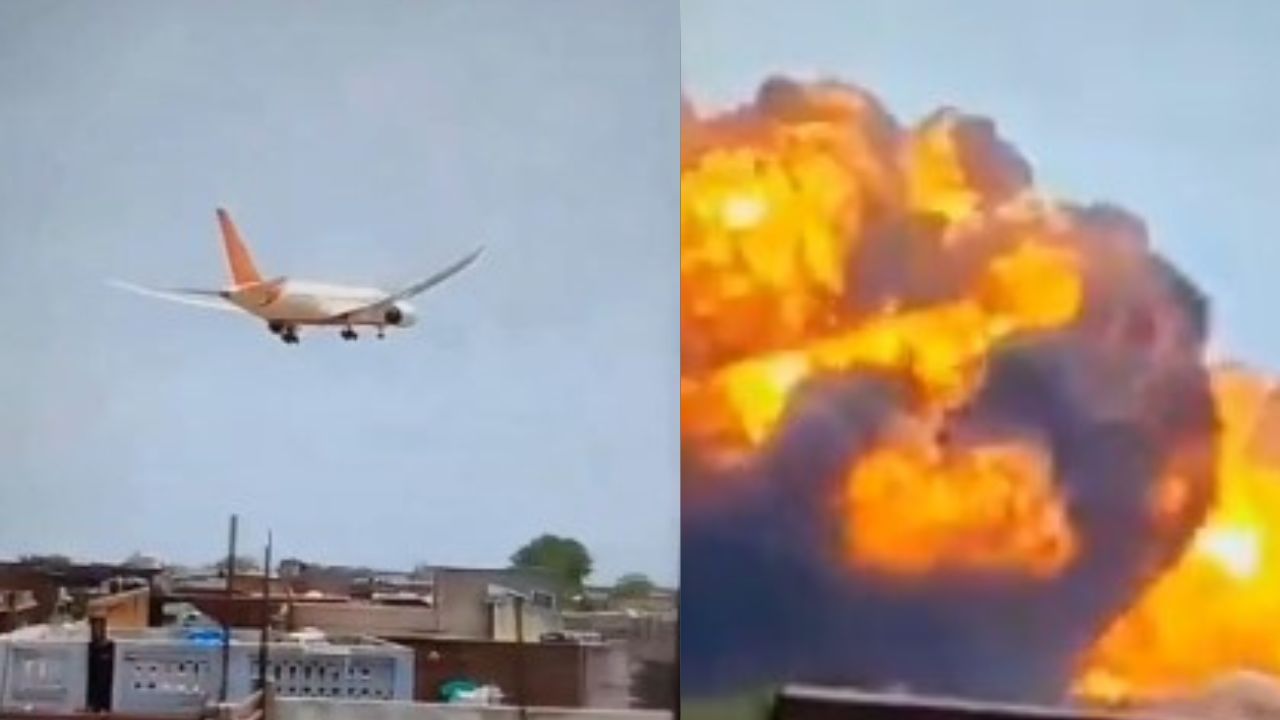
    Air India said that the 242 passengers and crew on board the London-bound passenger plane that crashed on Thursday included 169 Indian passengers, as well as British, Canadian and Portuguese nationals.

    “The flight… was carrying 242 passengers and crew members on board the Boeing 787-8 aircraft”, it said in a statement. Among the 230 passengers, “169 are Indian nationals, 53 are British nationals, one Canadian national and seven Portuguese nationals”, it said.

    “The injured are being taken to the nearest hospitals,” it said, adding that “Air India is giving its full cooperation to the authorities investigating this incident”.

  • US withdraws staff amid fears of Israeli strike on Iran

    US withdraws staff amid fears of Israeli strike on Iran

    President Donald Trump said US personnel were being moved from the potentially “dangerous” Middle East on Wednesday as nuclear talks with Iran faltered and fears grew of a regional conflict.

    Trump also reiterated that he would not allow Iran to have a nuclear weapon, amid mounting speculation that Israel could strike Tehran’s facilities.

    Iran threatened Wednesday to target US military bases in the region if conflict breaks out.

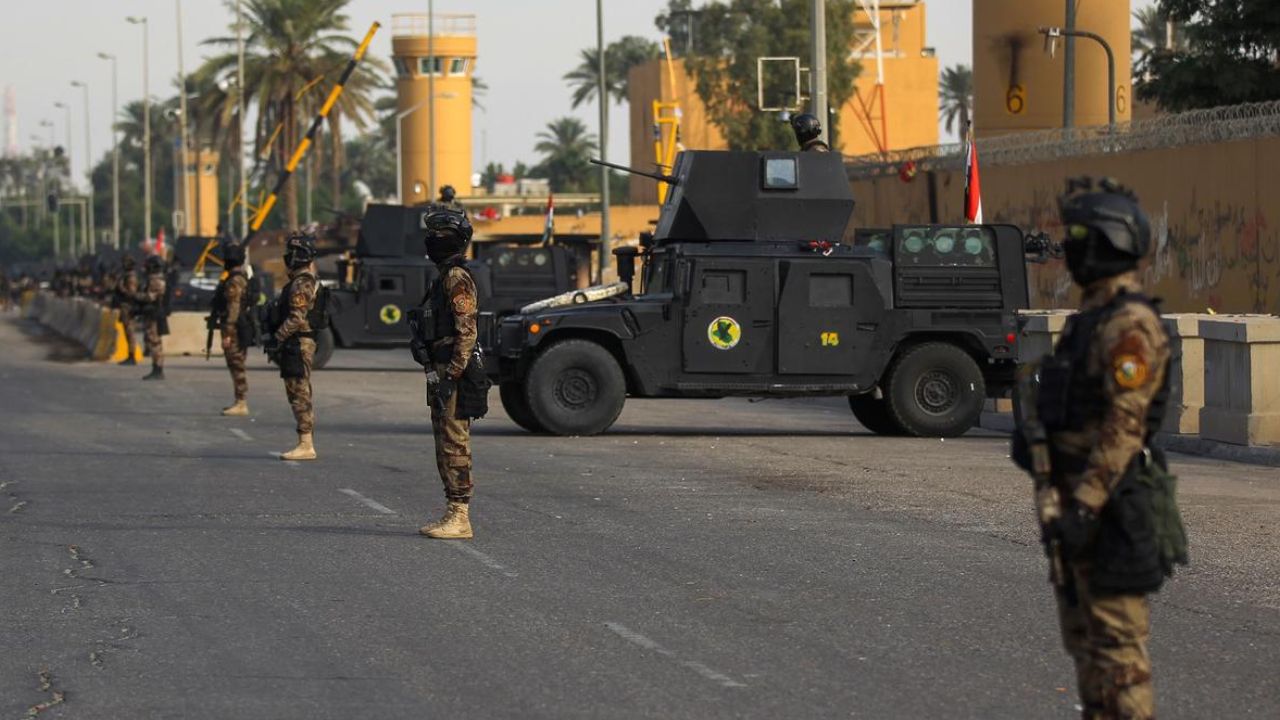
    A US official had earlier said that staff levels at the embassy in Iraq were being reduced over security concerns, while there were reports that personnel were also being moved from Kuwait and Bahrain.

    “Well they are being moved out because it could be a dangerous place,” Trump told reporters in Washington when asked about the reports of personnel being moved.

    “We’ve given notice to move out and we’ll see what happens.”

    Trump then added: “They can’t have a nuclear weapon, very simple. We’re not going to allow that.”

    Tehran and Washington have held five rounds of talks since April to thrash out a new nuclear deal to replace the 2015 accord that Trump abandoned during his first term in 2018.

    The two sides were due to meet again in coming days.

    Trump had until recently expressed optimism about the talks, but said in an interview published Wednesday that he was “less confident” about reaching a nuclear deal.

    Since returning to office in January, Trump has revived his “maximum pressure” campaign on Tehran, backing nuclear diplomacy but warning of military action if it fails.

    The US president says he has pressed Israeli Prime Minister Benjamin Netanyahu to hold off striking Iran’s nuclear facilities to give the talks a chance, but has increasingly signaled that he is losing patience.

    Iran however warned it would respond to any attack.

    “All its bases are within our reach, we have access to them, and without hesitation we will target all of them in the host countries,” Iran’s Defence Minister Aziz Nasirzadeh said in response to US threats of military action if the talks fail.

    ‘Suffer more losses’

    “God willing, things won’t reach that point, and the talks will succeed,” the minister said, adding that the US side “will suffer more losses” if it came to conflict.

    The United States has multiple bases in the Middle East, with the largest located in Qatar.

    In January 2020, Iran fired missiles at bases in Iraq housing American troops in retaliation for the US strike that killed top Iranian general Qassem Soleimani days before at the Baghdad airport.

    Dozens of US soldiers suffered traumatic brain injuries.

    Amid the escalating tensions, the UK Maritime Trade Operations, run by the British navy, also advised ships to transit the Gulf with caution.

    Iran and the United States have recently been locked in a diplomatic standoff over Iran’s uranium enrichment, with Tehran defending it as a “non-negotiable” right and Washington calling it a “red line.”

    Iran currently enriches uranium to 60 percent, far above the 3.67-percent limit set in the 2015 deal and close though still short of the 90 percent needed for a nuclear warhead.

    Western countries have long accused Iran of seeking to acquire atomic weapons, while Tehran insists its nuclear program is for peaceful purposes.

    Last week, Iran’s supreme leader Ayatollah Ali Khamenei said enrichment is “key” to Iran’s nuclear program and that Washington “cannot have a say” on the issue.

    During an interview with the New York Post’s podcast “Pod Force One,” which was recorded on Monday, Trump said he was losing hope a deal could be reached.

    “I don’t know. I did think so, and I’m getting more and more — less confident about it. They seem to be delaying and I think that’s a shame. I am less confident now than I would have been a couple of months ago,” he said.

    Iran has said it will present a counter-proposal to the latest draft from Washington, which it had criticised for failing to offer relief from sanctions — a key demand for Tehran, which has been reeling under their weight for years.

  • The two faces of India: A nation at crossroads

    The two faces of India: A nation at crossroads

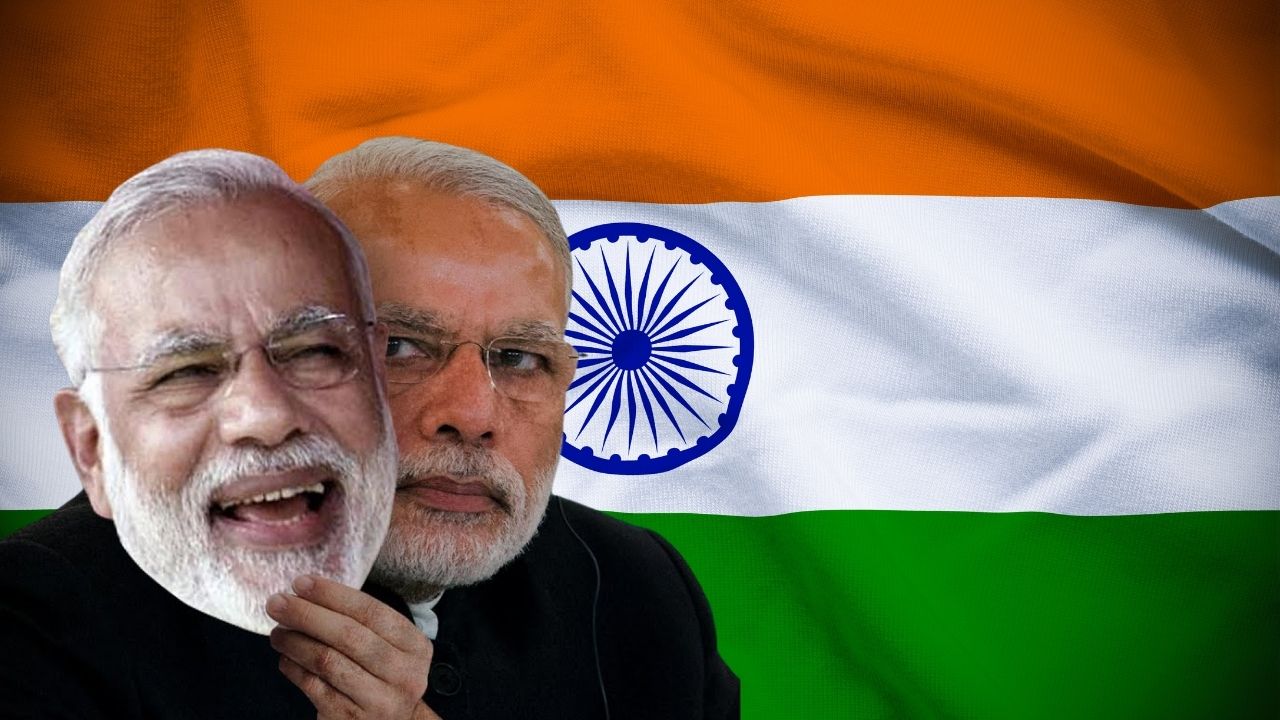
    India, often portrayed as the world’s largest democracy, a land of rich culture and boundless diversity, is a country of contrasts. While its face shines white to the global audience, cloaked in technological achievements, Bollywood glamour, and diplomatic rhetoric, the interior often tells a different story: one stained by division, injustice, and rising intolerance. However, a closer look behind the glossy exterior reveals a darker reality riddled with systemic issues, religious discrimination, media manipulation, social injustice, and the unresolved tragedy of Kashmir. The nation that claims to be a beacon of democratic values is, by many accounts, struggling to uphold the very principles it proclaims.


    The Myth of the World’s Largest Democracy. (A Democracy in Name Only?)

    India asserts itself as the world’s largest democracy, showcasing its vibrant and robust democratic principles.. But democracy is not measured by elections alone; it’s defined by how power is distributed, how minorities are treated, and whether justice is blind to religion and caste. India’s democratic institutions have increasingly been criticised for tilting toward majoritarianism, where the rights of minorities are often trampled in favour of the dominant group.

    Elections may still occur regularly, but press freedom, judicial independence, and civil liberties, essential pillars of a functioning democracy, have faced significant decline. Reports from international watchdogs consistently indicate democratic backsliding in India, due to institutional bias, voter suppression in some regions, and the targeting of opposition figures, which question the fairness of the democratic process.

    Human rights defenders say a shift from democratic ideals to autocratic tendencies has occurred, veiled by the illusion of electoral legitimacy.


    Rising Ethnic and Religious Segregation

    India’s population comprises a diverse mix of ethnicities and religions, including Hindus, Muslims, Christians, Sikhs, Buddhists, Jains, and others. The secular ideal embedded in the Indian Constitution is unequivocally under increasing threat. Ethnic and religious segregation is no longer just social but systemic, with communities often confined to ghettos, educational disparities, and employment discrimination.


    The Cost of Religious Intolerance

    There are numerous accounts, both documented by human rights organisations and witnessed by global observers, where people of non-Hindu faiths face violence, exclusion, and marginalisation. Incidents of lynching, forced conversions, and demolitions of religious sites have raised alarms. Zero tolerance for diversity of faith contradicts the values of pluralism and mutual respect.


    Marginalisation and Poverty

    Socio-economic indicators reveal a worrying trend: a disproportionate percentage of Muslims, Christians, and Sikhs live below the poverty line, compared to their Hindu counterparts. Access to quality education, healthcare, and job opportunities is limited, pushing many into generational poverty. This raises questions about equity in policy implementation and the inclusiveness of economic growth.


    Justice or Prejudice?

    The justice system, in theory, is impartial. But justice often appears elusive for those from minority faiths. From delayed trials to selective application of anti-terror laws, many feel the system is weaponised against them. High-profile cases where mob lynchers walk free or where complaints of harassment by minorities are ignored further erode faith in the rule of law.


    Forced Conversions and Coerced Assimilation

    While the Indian government often decries religious conversions, there are disturbing reports of people being coerced or pressured to abandon their religion under socio-economic duress or threats. The state’s role in encouraging “ghar wapsi” (homecoming) programs, where converts to Hinduism are celebrated, while other religious conversions are criminalised, exposes a double standard.


    Media: Watchdog Turned Lapdog

    India’s mainstream media, once a powerful voice of accountability, has increasingly lost credibility. Many outlets toe the government line, ignore ground realities, or peddle misinformation, especially about neighbouring countries. The media is now often accused of stirring communal hatred, spreading fake news, and deflecting attention from pressing domestic issues.


    A Defiance of International Norms

    India is a signatory to numerous international treaties, including human rights conventions. However, its track record on compliance has raised concerns, especially in areas involving religious freedom, minority rights, and environmental obligations. Ignoring UN resolutions, particularly concerning Jammu and Kashmir, only further isolates India diplomatically.


    The Unresolved Kashmir Conflict

    One of the most striking contradictions exists in Indian Illegally Occupied Jammu and Kashmir (IIOJK), a region whose history is marked by conflict, occupation, and unfulfilled promises. Since 1947, the people of Kashmir have suffered military crackdowns, communication blackouts, and loss of autonomy. Despite a UN resolution calling for a plebiscite, India continues to maintain its presence with force, citing security threats while ignoring calls for self-determination and human rights.

    The revocation of Article 370 in 2019, which stripped the region of its special status, further fueled unrest and accusations of colonisation. Now, India must wake up to resolve the long-lasting issue after the heavy punch as retaliation, on May 10, 2025, and come to the table to settle the Kashmir issue according to the UN resolution.


    Restricted Religious Freedoms

    While India’s majority religion enjoys freedom and state patronage, religious rituals and gatherings of minority faiths are often obstructed. Be it denying permits for processions, heavy policing at minority festivals, or arbitrary arrests under vague charges, the space for non-Hindu religions to practice freely is shrinking.


    A Path Forward?

    India is a country with immense potential; its youth, resources, and cultural wealth are unmatched. But unless it addresses these internal contradictions, it risks eroding its moral authority and global standing. The real strength of a nation lies not in suppressing differences, but in embracing them with dignity and fairness.

    India must make a choice: continue on the path of division and dominance, or return to the foundational principles of its Constitution: secularism, justice, liberty, and equality for all.

    India must reflect deeply on the widening gap between its constitutional promises and lived realities. Only through inclusive governance, equitable development, and genuine commitment to democratic values can the nation cleanse itself of the “filthy spots” that threaten to mar its image, both domestically and globally.

    Only then can the façade be removed, and a truly inclusive nation rise from within.

    Written by: Moazzam M Malik


    The author is a dedicated academic committed to intellectual growth through meaningful discourse.
  • Conor McGregor deletes tweet after Liam Cunningham schools him

    Conor McGregor deletes tweet after Liam Cunningham schools him

    Controversial UFC star Conor McGregor has engaged in a heated exchange with Irish actor Liam Cunningham on social media about the Gaza-bound aid vessel Madleen.

    The Israel Defense Forces boarded the ship that was transporting 12 individuals, including Swedish activist Greta Thunberg, who were trying to enter Gaza and breach a naval blockade to feed the starving population during the night.

    The ship departed from Sicily last Sunday aiming to deliver essential humanitarian assistance to the area.

    The British-flagged vessel was packed full of aid supplies, and many expedition members used social media to share their experiences in an effort to raise awareness of Israel’s genocide in Gaza.


    Game of Thrones actor Liam Cunningham was also involved in the Freedom Flotilla Coalition (FFC), revealing that those aboard were transporting items that Israel were not allowing inside Gaza such as crutches and baby formula.


    The Irish star had shared several tweets in the wake of Israel seizing the aid boat, with one stating: ‘The Freedom flotilla was attacked during the night.  

    The ship was rammed, boarded, and the 12 volunteers kidnapped.’ He described it as “more reprehensible behaviour from the genocidal regime in Tel Aviv.” 


    Conor McGregor, a known supporter of Israel, quickly responded to the actor’s tweet on X, saying: ‘I thought you were on this boat Liamo, what happened?’ ‘You forgot your goggles? You get seasick off the gargle? Bottler,” the athlete taunted.


    The comment was replied to calmly by Cunningham: “Didn’t know you could read and write, Conor. Thought you used your hands to tap out.” 

    Cunningham was referring to McGregor’s UFC loss to Russian former mixed martial artist Khabib Nurmagomedov, in which the Dubliner was forced to tap out.

    Before the match, Connor had continuously taunted Khabib, a devout Muslim.

    During their bout, Khabib dominated Connor effortlessly, handing him a humiliating defeat. 

    McGregor has since deleted his post. The conflict arose when Madleen’s capture attracted attention from across the world, with activists drawing attention to genocide in Gaza. 


    Cunningham’s tweet racked up 12K retweets with the majority of Irish social media users siding with the actor as opposed to the brash wrestler.

  • Video of King Charles hugging British Pakistani tailor draws mixed reactions

    Video of King Charles hugging British Pakistani tailor draws mixed reactions

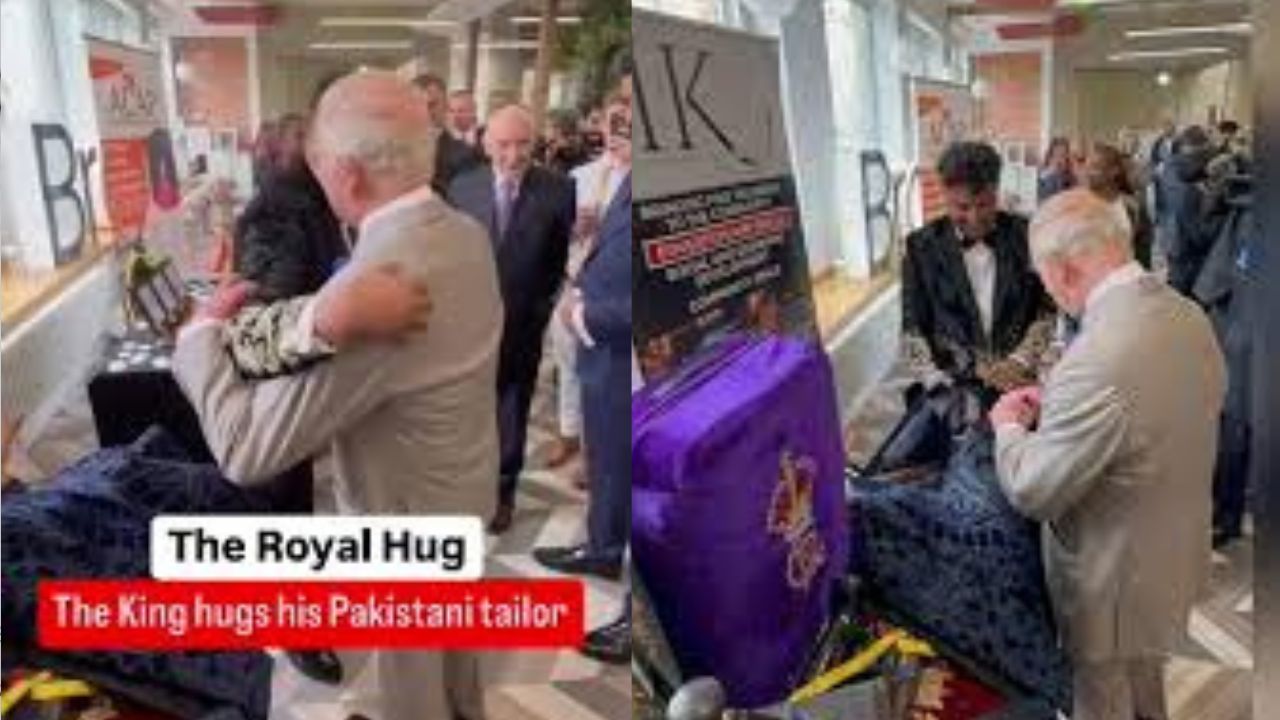
    A recent video posted on Instagram shows King Charles III hugging British Pakistani tailor Imran Khan during a meeting.

    In the video, Khan is seen presenting some of his handmade pieces to the King and mentions that the outfit he is wearing is also entirely handcrafted. During the exchange, King Charles embraces him warmly.

    Khan, who runs the tailoring label @ik.collections, has designed bespoke suits for the King on multiple occasions. In this meeting, King Charles stitched the final thread on a jacket that will be donated to The King’s Trust charity. Khan also gifted a handcrafted blazer to the King for his personal wardrobe.

    While the gesture was widely celebrated as a recognition of British Pakistani craftsmanship, not everyone was convinced. Some social media users questioned the authenticity of the hug, calling it “AI-generated” or “too polished”. Others debated whether it was appropriate for a royal to engage so casually.

    Reactions ranged from proud support to outright scepticism, with one user asking whether such a moment should truly be considered an honour. Another commented, “This looks so fake. Is this AI?”

  • ‘They went too far’: Elon Musk apologises for posts about Trump

    ‘They went too far’: Elon Musk apologises for posts about Trump

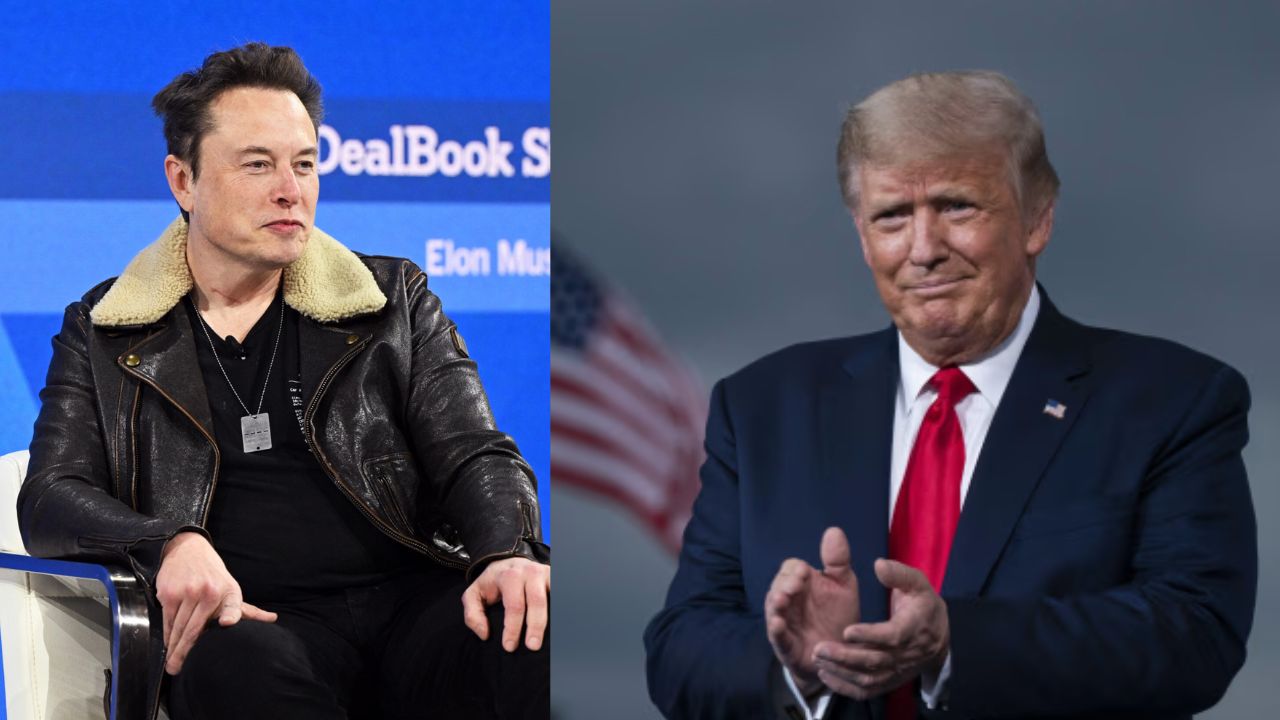
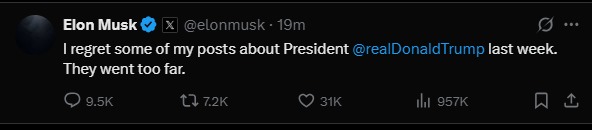
    Billionaire Elon Musk has apologised for his recent tirade against United States (US) President Donald Trump.

    “I apologize for some of my posts last week about President Trump. They went too far,” He said in a post on his X account.

    The post comes a week after a public feud between the two made headlines across the globe.

    It all began when Elon Musk criticized a large government spending bill supported by Donald Trump. Musk called it a “big ugly spending bill” and said, “Shame on those who voted for it.” He also brought up Trump’s old tweets from 2012 and 2013, where Trump had criticized government debt. Musk shared those tweets on his X account and sarcastically wrote, “Wise words” and “I couldn’t agree more,” making it clear he thought Trump was being hypocritical.

    The situation escalated when Musk claimed in a post that Donald Trump was in the Jeffrey Epstein files and said that was the reason the files had not been made public. He ended that post with a message directly to Trump, telling him to “have a nice day.” In another post, when someone called for Trump to be impeached, Musk simply replied, “Yes.”

    These comments quickly gained attention, and Trump responded. During a public event, he said Musk had “gone crazy” and claimed he had asked Musk to leave. Trump also hinted at ending government contracts and subsidies for Musk’s companies, which could affect businesses like SpaceX and Tesla.

    Musk did not stay silent. He replied on X, calling Trump ungrateful and said, “Without me, Trump would have lost the election.” At one point, Musk even mentioned that he might ground SpaceX’s Dragon spacecraft, which works closely with NASA, although he did not follow through with that threat.

    As days passed, the tension seemed to cool. Musk quietly deleted some of his most controversial posts, including the one about Epstein and the one supporting impeachment. Then, about a week after the feud began, he posted an apology on X. He wrote, “I apologize for some of my posts last week about President Trump. They went too far.”

  • Former student kills 10 in Austrian high school shooting

    Former student kills 10 in Austrian high school shooting

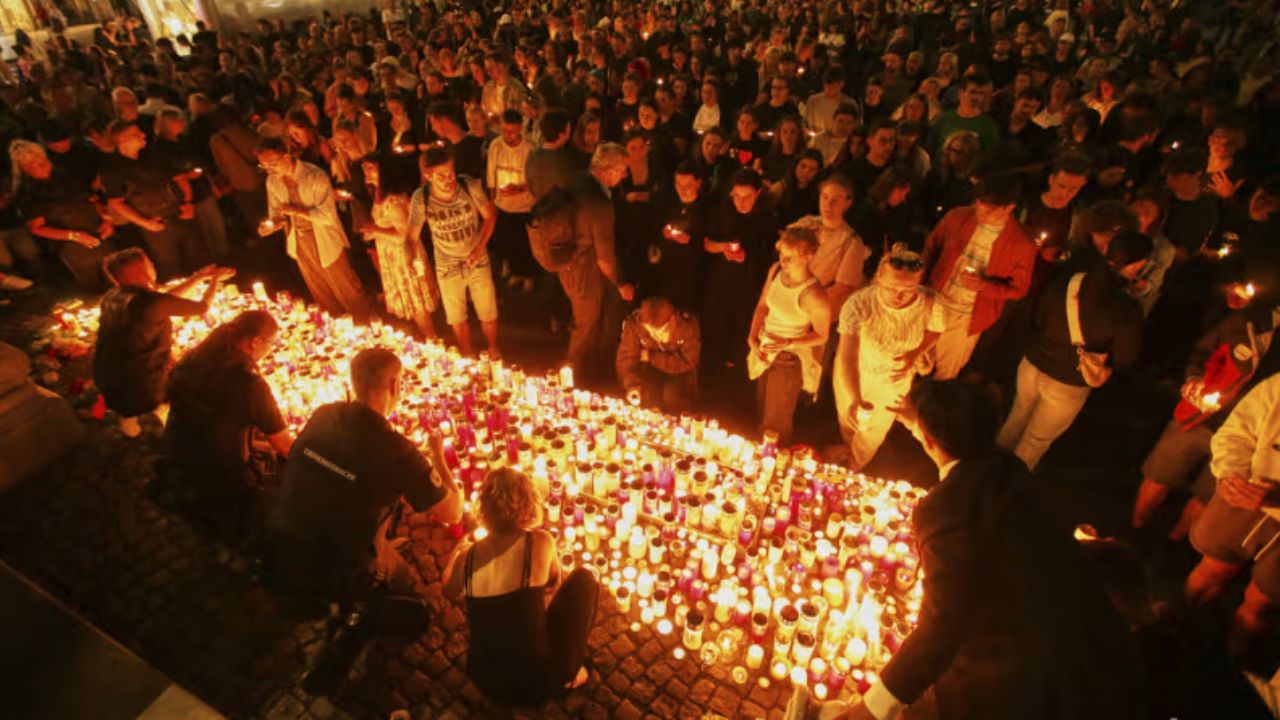
    Austria will observe a national day of mourning and a minute’s silence on Wednesday after a former student shot dead 10 people at a high school in an unprecedented case of gun violence that stunned the Alpine country.

    The 21-year-old shooter acted alone and took his own life in the toilet at Dreierschuetzengasse high school in Graz, police said.

    Investigators found a good-bye letter addressed to the suspect’s parents during a search of his residence, but it included no clues about his motive.

    After arriving in Graz, Chancellor Christian Stocker described the shooting as “a national tragedy”.

    “This is a dark day,” he told reporters Tuesday as he announced three days of national mourning. A minute’s silence will be observed across the country at 10:00 am (0800 GMT) on Wednesday.

    Nine victims were immediately confirmed and a woman died later in hospital from her wounds, an official said. A 17-year-old French student was among the victims, his father told AFP.

    Twelve people suffered serious injuries and police said support was being provided to witnesses and those affected.

    According to police, the alleged perpetrator was an Austrian from the Graz region who used two legally owned weapons.

    He was a former student at the high school, but never finished his studies there, Interior Minister Gerhard Karner told reporters.

    – ‘Shocked’ –

    Bouquets of flowers and candles were placed in front of the school, which has around 400 students aged between 14 and 18, and nearby businesses closed.

    One resident, originally from the United States, whose children attend a nearby elementary school and kindergarten, told AFP she was “shocked” and it was “a lot to take in”.

    “In my home country it happens more often as we know, but that it happens here is unheard of,” she said, declining to give her name.

    “Graz is a safe city,” said Roman Klug, 55, who said he lived close to the school that he said was “known for its openness and diversity”.

    – Rare attack –

    Condolences poured in from across Europe.

    French President Emmanuel Macron said that “France extends its deepest sympathy to the victims’ families, the Austrian people and Chancellor Stocker during this difficult time”.

    German Chancellor Friedrich Merz said “our thoughts are with our Austrian friends and neighbours” following the “horrific” shooting.

    Hungarian Prime Minister Viktor Orban offered his “deepest condolences”.

    European Commission President Ursula von der Leyen said “the news from Graz touches my heart”, while Italian Prime Minister Giorgia Meloni expressed her sympathies to the families of the victims following the “tragic news”.

    Attacks in public are rare in Austria, which is home to almost 9.2 million people and ranks among the 10 safest countries in the world, according to the Global Peace Index.

    While still less common than in the United States, Europe has been shaken by attacks at schools and universities in recent years that were not connected to terrorism.

    In France, a teaching assistant was killed in a knife attack at a school in the eastern town of Nogent on Tuesday.

    In January, an 18-year-old man fatally stabbed a high school student and a teacher at a school in northeastern Slovakia.

    And in December, a 19-year-old man stabbed a seven-year-old student to death and injured several others at a primary school in Zagreb, Croatia.

    In December 2023, an attack by a student at a university in central Prague left 14 people dead and 25 injured.

    A few months earlier, a 13-year-old gunned down nine fellow classmates and a security guard at an elementary school in Belgrade.

  • Pakistani Hindu couple found dead in Mumbai apartment

    Pakistani Hindu couple found dead in Mumbai apartment

    A Pakistani national Hindu couple was found dead in their apartment in Mumbai, India, on Monday. According to Indian media, it’s a murder-suicide case in which the husband is believed to have stabbed his wife with a kitchen knife and then committed suicide. 

    The wife reportedly sustained stab wounds on the neck, back and shoulder.

    The husband has been identified as 45-year-old Sanjay Sachdeva, while the wife is 35-year-old Sapna Das.

    Indian media cited a senior inspector of Kharghar police, Deepak Surve, as stating that last month, Sanjay was accused of assaulting his wife in front of their neighbours, but she chose not to file a complaint against him.

    As per the details available so far, the younger of the couple’s two children found the main door of the apartment locked from the inside when he returned from coaching class on Monday, whereas the other sibling was not at home. When no one responded for a long while, the child continued to knock, and he reached out to the neighbours for help, who entered the apartment through a common balcony. The couple was found “in a pool of blood”.

    The couple reportedly came to India last year, more than six months ago, along with their two children on a long-term visa.

    The couple’s residential apartment was rented by Sapna’s sister Sangeeta Makhija, who is an Indian citizen and was reportedly supporting the family financially. According to a senior police officer, the two were in the process of completing their paperwork and legal requirements needed to return home after the escalation between Pakistan and India last month, in May.

    Makhija reached out to the police for help after last month’s alleged assault, but they stated that they could not take effective action since Sapna declined to file a complaint.

  • Israel detains Greta Thunberg, 11 others as Gaza aid boat seized

    Israel detains Greta Thunberg, 11 others as Gaza aid boat seized

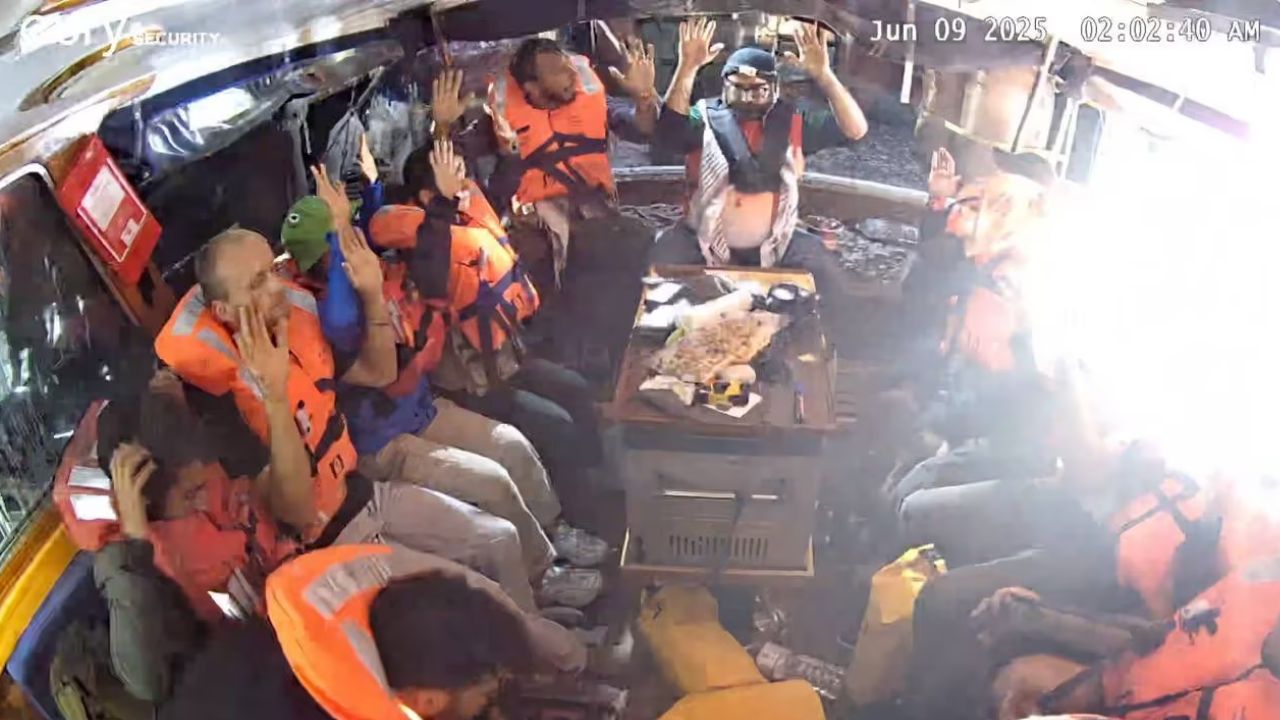
    Israel intercepted a Gaza-bound aid boat on Monday morning, preventing the activists onboard, including Swedish campaigner Greta Thunberg, from reaching the blockaded Palestinian territory. 

    The Madleen, Freedom Flotilla Coalition aid ship, departed from Italy on June 1 aiming to bring awareness to food shortages in Gaza, which the United Nations has called the “hungriest place on Earth”. After 21 months of war, the UN has warned the territory’s entire population is at risk of famine.

    AFP lost contact with the Madleen early Monday morning.

    At around 3:02 am CET (0102 GMT), Israeli forces “forcibly intercepted” the vessel in international waters as it was approaching Gaza, the Freedom Flotilla Coalition said in a statement.

    “If you see this video we have been intercepted and kidnapped in international waters,” Thunberg said in a pre-recorded video shared by the coalition.

    The Palestinian group Hamas condemned the diversion, saying in a statement the boat was being taken to the Israeli port of Ashdod.

    The Israeli government had vowed to prevent the “unauthorised” ship from breaching the naval blockade of Gaza, urging it to turn back.

    On Sunday, Defence Minister Israel Katz said the blockade, in place since years before the Israel-led genocide against Palestinians in Gaza, was needed to prevent Palestinian militants from importing weapons.

    After diverting the boat, Israel’s foreign ministry posted a picture of the activists all in orange life jackets being offered water and sandwiches.

    “All the passengers of the ‘selfie yacht’ are safe and unharmed,” the ministry wrote on social media, adding that it expected the activists to return to their home countries.

    “The tiny amount of aid that was on the yacht and not consumed by the ‘celebrities’ will be transferred to Gaza through real humanitarian channels,” it added.

    Israel is facing mounting international pressure to allow more aid into Gaza to alleviate widespread shortages of food and basic supplies.

    It recently allowed humanitarian deliveries to resume after barring them for more than two months and began working with the newly formed, US-backed Gaza Humanitarian Foundation (GHF).

    But humanitarian agencies have criticised the GHF and the United Nations refuses to work with it, citing concerns over its practices and neutrality.

    Dozens of people have been killed near GHF distribution points since late May, according to Gaza’s civil defence agency.

    It said Israeli attacks killed at least 10 people on Sunday, including five civilians hit by gunfire near an aid distribution centre.

    ‘Risked their lives’ for food

    Civil defence spokesman Mahmud Bassal and witnesses said the civilians had been heading to a site west of Rafah, in southern Gaza, run by the US-backed Gaza Humanitarian Foundation.

    Witness Abdallah Nour al-Din told AFP that “people started gathering in the Al-Alam area of Rafah” in the early morning.

    “After about an hour and a half, hundreds moved toward the site and the army opened fire,” he said.

    The Israeli military said it fired on people who “continued advancing in a way that endangered the soldiers” despite warnings.

    The GHF said in a statement there had been no incidents “at any of our three sites” on Sunday.

    Outside Nasser Hospital, where the emergency workers brought the casualties, AFPTV footage showed mourners crying over blood-stained body bags.

    “I can’t see you like this,” said Lin al-Daghma by her father’s body.

    She spoke of the struggle to access food aid after the two-months Israeli blockade, despite the recent easing.

    At a charity kitchen in Gaza City, displaced Palestinian Umm Ghassan told AFP she had been unable to collect aid from a GHF site “because there were so many people, and there was a lot of shooting. I was afraid to go in, but there were people who risked their lives for their children and families”.