Category: Global

  • Iran fires back at Israel after onslaught targets nuclear facilities

    Iran fires back at Israel after onslaught targets nuclear facilities

    Iran struck Israel early Saturday with barrages of missiles after a massive onslaught targeted the Islamic republic’s nuclear and military facilities, and killed several top generals.

    Air raid sirens and explosions rang out across Israel overnight, with its military calling on residents to take refuge in bomb shelters Saturday morning.

    The Israeli military said dozens of missiles — some intercepted — had been fired in the latest salvos from Iran.

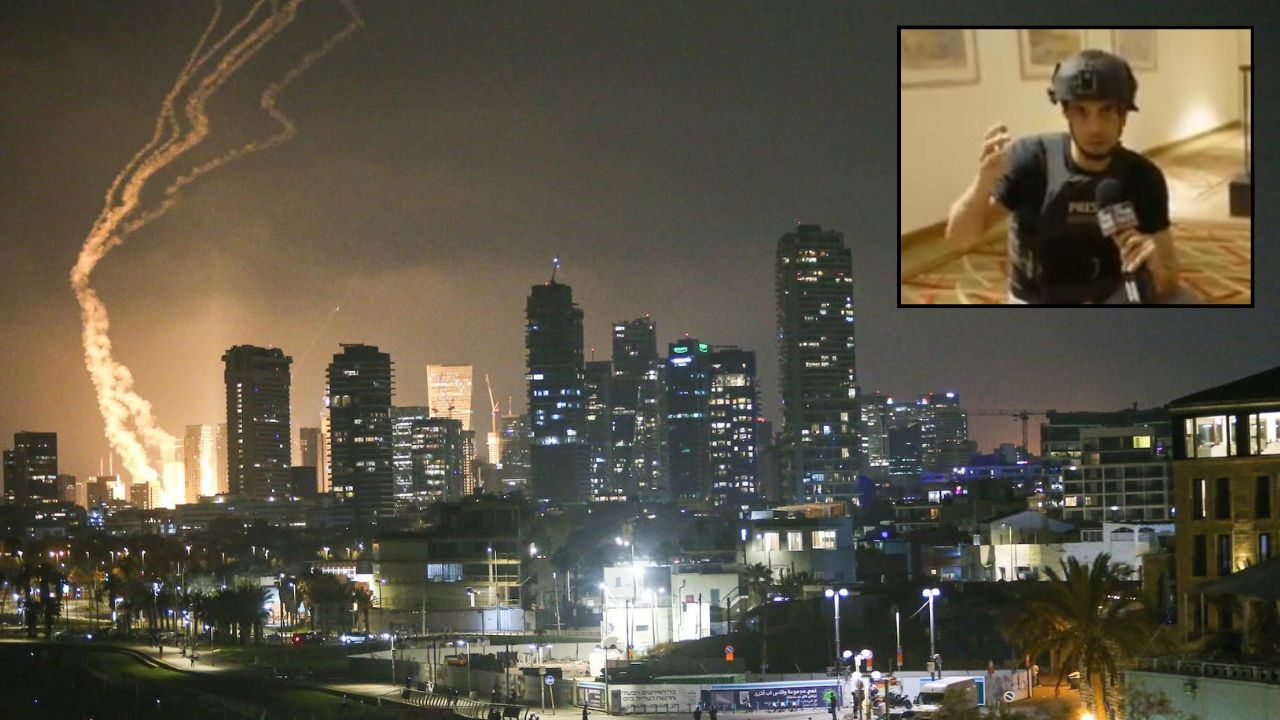
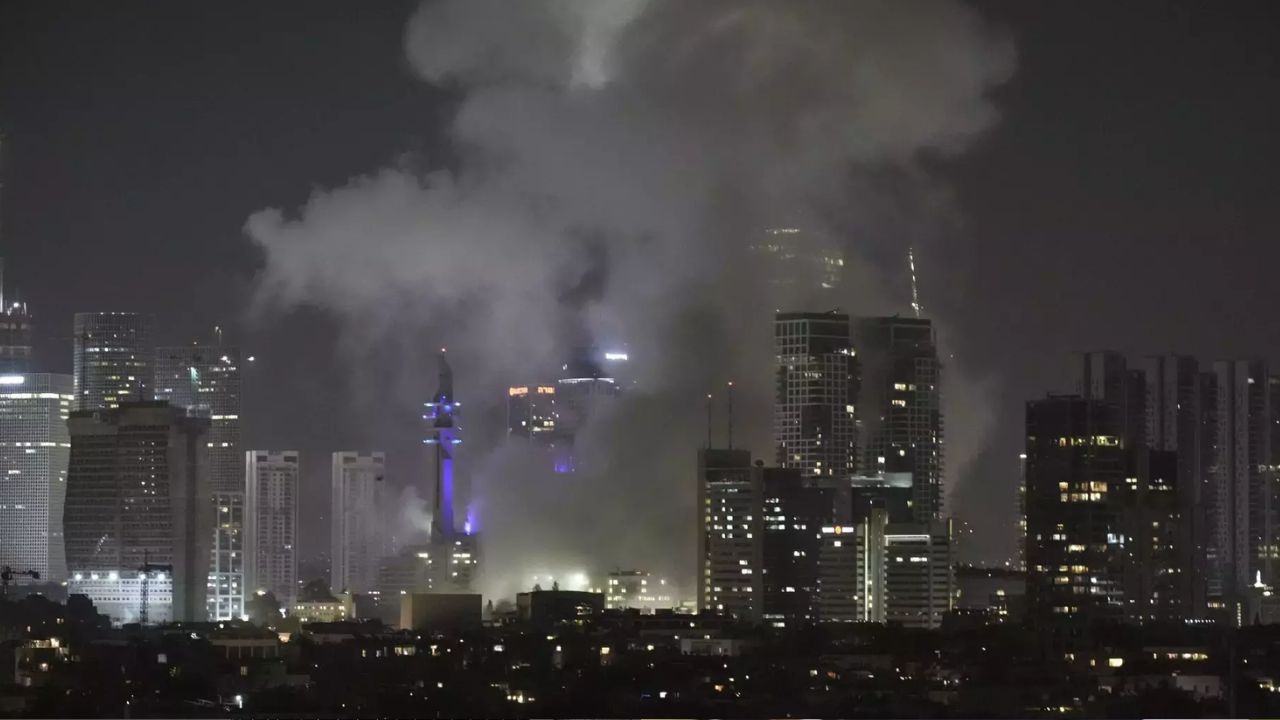
    Smoke was billowing above skyscrapers in downtown Tel Aviv, an AFP journalist reported, as Iran’s Revolutionary Guard said it had attacked dozens of targets in Israel.

    Israel’s firefighting service said its teams were responding to the aftermath of Iranian missile strikes, including working to rescue people trapped in a high-rise building.

    Rescuers said 34 people had been wounded in the Gush Dan area, including a woman who later died of her injuries, according to Israeli media reports.

    Resident Chen Gabizon told AFP he ran to an underground shelter after receiving an alert notification.

    “After a few minutes, we just heard a very big explosion, everything was shaking, smoke, dust, everything was all over the place,” he said.

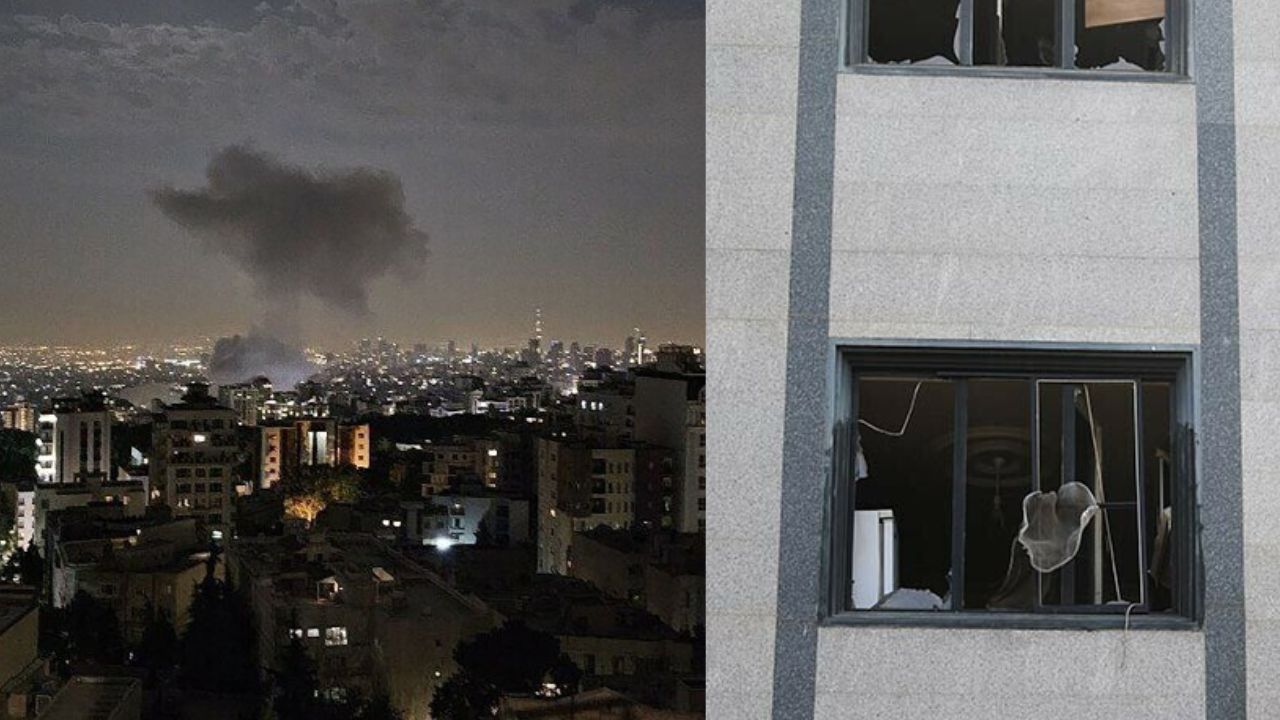
    In Iran’s capital Tehran early Saturday, fire and heavy smoke billowed from Mehrabad airport, an AFP journalist said, as local media reported a blast in the area.

    Iran said earlier it had activated its air-defence system and explosions could be heard across the capital.

    Dozens of people took to the streets of Tehran overnight to cheer their country’s military response, with some waving national flags and chanting anti-Israel slogans.

    Iran’s ambassador to the UN said Friday that 78 people had been killed and 320 wounded in the first wave of strikes by Israel.

    After a day of back-and-forth bombardments, UN chief Antonio Guterres called for the two nations to cease fire.

    “Enough escalation. Time to stop. Peace and diplomacy must prevail,” he wrote on X late Friday.

    – Calls for dialogue –

    US officials said they were helping Israel defend against the missile attacks, even as Washington insisted it had nothing to do with Israel’s strikes on Iran.

    US President Donald Trump agreed on a call with UK Prime Minister Keir Starmer that “dialogue and diplomacy” were needed to calm the crisis, Starmer’s office said.

    Trump also spoke with Israel’s Prime Minister Benjamin Netanyahu Friday, US officials said, without elaborating.

    Iran’s missile salvo came hours after Israel said its widespread air raids had killed several top Iranian generals, including most of the senior leadership of the Revolutionary Guards’ air force.

    It had launched several rounds of strikes that hit about 200 targets including nuclear facilities and air bases.

    Iran’s supreme leader Ayatollah Ali Khamenei vowed to bring Israel “to ruin” during a televised address.

    In Israel, Netanyahu issued a statement calling on the Iranian public to unite against their own government. But he also warned more attacks were coming.

    “In the past 24 hours, we have taken out top military commanders, senior nuclear scientists, the Islamic regime’s most significant enrichment facility and a large portion of its ballistic missile arsenal,” Netanyahu said.

    While stressing that it was not involved in the Israeli attacks, the United States warned Iran not to attack its personnel or interests.

    Tehran nevertheless said Washington would be “responsible for consequences”.

    – Commanders killed –

    The strikes killed Iran’s highest-ranking military officer, armed forces chief of staff Mohammad Bagheri, and the head of the Revolutionary Guards, Hossein Salami, Iranian media reported.

    Khamenei swiftly appointed new commanders to replace those killed.

    “The senior chain of command of the air force of the Islamic Revolutionary Guards Corps had assembled in an underground command centre to prepare for an attack on the State of Israel,” the Israeli military said, adding that its attacks had killed most of them.

    Iran confirmed that the Guards’ aerospace commander had been killed, along with “a group of brave and dedicated fighters”.

    AFP images showed a gaping hole in the side of a Tehran residential building that appeared to have sustained a targeted strike.

    Tasnim news agency said six nuclear scientists were among the dead.

    Oil prices surged while stocks sank on the Israeli strikes.

    – Radiation ‘unchanged’ in Natanz area –

    The conflict raised questions as to whether Sunday’s sixth round of talks planned between the United States and Iran to seek a deal on Iran’s nuclear programme would go ahead in Oman.

    After the first wave of strikes on Friday, Trump urged Iran to “make a deal”, adding that Washington was “hoping to get back to the negotiating table”.

    Iran confirmed that above-ground sections of the Natanz enrichment plant had been destroyed, but the International Atomic Energy Agency (IAEA) said radiation levels outside the site “remained unchanged”.

    “Most of the damage is on the surface level,” said the Atomic Energy Organisation of Iran’s spokesman Behrouz Kamalvandi.

    Iran said there was only limited damage to the Fordo and Isfahan nuclear sites.

    The United States and other Western governments have repeatedly accused Iran of seeking a nuclear weapon, an ambition it has consistently denied.

    Netanyahu said Israeli intelligence had concluded that Iran was approaching the “point of no return” on its nuclear programme.

    Israel had called for global action after the IAEA accused Iran on Thursday of non-compliance with its obligations.

    Iran currently enriches uranium to 60 percent, far above the 3.67-percent limit set by a largely moribund 2015 agreement with major powers, but still short of the 90 percent threshold needed for a nuclear warhead.
  • Trump says US knew in advance about Israeli strikes on Iran

    Trump says US knew in advance about Israeli strikes on Iran

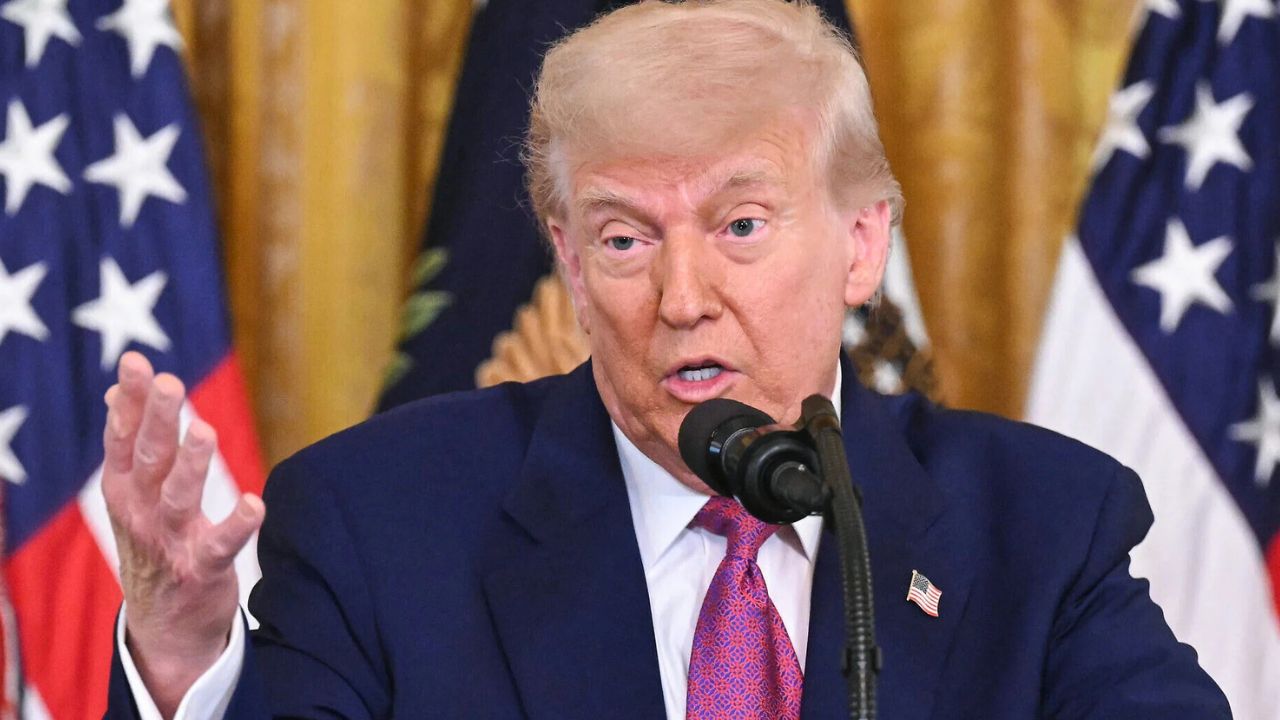
    US President Donald Trump confirmed that his administration had been informed about Israel’s military actions against Iran and claimed that he had attempted to prevent the conflict through diplomatic means.

    In a phone interview with Reuters, Trump remarked, “We were aware of everything, and I made efforts to spare Iran from humiliation and death. I genuinely wanted to see a deal reached.”

    He also mentioned that there is a chance for an agreement, despite the recent tensions. “They can still finalize a deal, but it’s not too late.”

    Trump had been attempting to broker a deal with Iran to cease its uranium enrichment activities. He indicated that Iran was given a 60-day timeframe for negotiations, which has now elapsed. “We knew nearly everything. We knew enough to grant Iran 60 days to reach a deal, and today is day 61, right? So, you know, we knew everything,” he stated.

    The strikes, which Trump characterised in several media interviews as “very successful,” reportedly targeted nuclear sites, missile infrastructure, and high-ranking military officials within Iran. Israel has claimed this marks the beginning of an extensive operation intended to prevent Iran from developing nuclear weapons.

    The president reaffirmed his support for Israel and highlighted the diminished likelihood of a broader conflict. “We have always been very close to Israel. We are their foremost ally by a large margin,” Trump said, adding, “We’ll see what unfolds.”

    When asked if the US would support Israel in the event of retaliation from Iran, Trump confirmed his support but did not elaborate further.

    Subsequently, two American officials confirmed that the US military had aided in intercepting Iranian missiles directed at Israel.

    Despite the military developments, Trump noted that nuclear negotiations with Iran were technically still on the table. A US delegation, headed by special envoy Steve Witkoff, was scheduled to meet with Iranian officials in Oman. However, Trump acknowledged uncertainty regarding whether the talks would proceed.

    “They’re not off the table,” he stated about the negotiations. “We have a meeting with them on Sunday. Now, I’m uncertain if that meeting will actually happen, but we have a meeting with them on Sunday.”

    He also confirmed that he had maintained regular communication with Israeli Prime Minister Benjamin Netanyahu throughout the week and had discussed the situation during a security briefing at Camp David.

  • Netanyahu calls on Iranians to unite against ‘evil and oppressive regime’

    Netanyahu calls on Iranians to unite against ‘evil and oppressive regime’

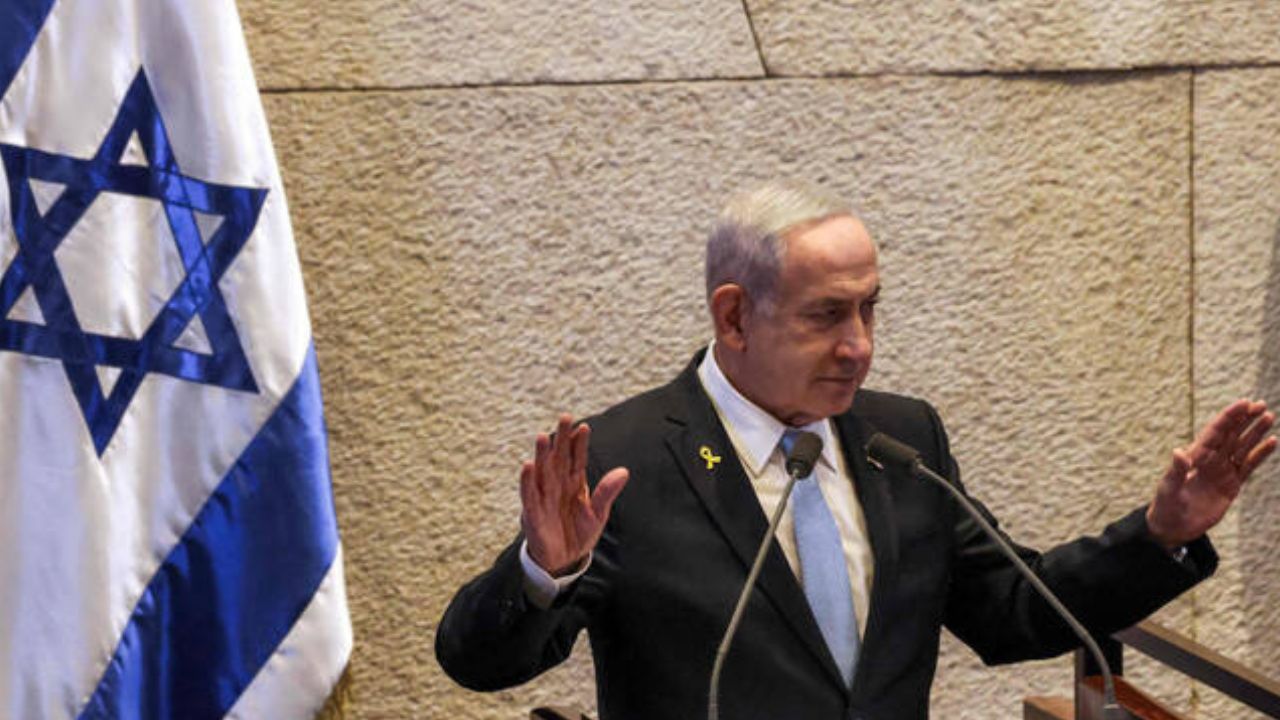
    Israeli Prime Minister Benjamin Netanyahu called on Iranians Friday to unite against what he described as an “evil and oppressive regime,” telling them Israel was engaged in “one of the greatest military operations in history.”

    “The time has come for the Iranian people to unite around its flag and its historic legacy, by standing up for your freedom from the evil and oppressive regime,” Netanyahu said in a video statement after Israel struck over 200 military and nuclear sites in the Islamic republic.

    “We are in the midst of one of the greatest military operations in history, Operation Rising Lion,” he added.

    “As we achieve our objective, we are also clearing the path for you to achieve your freedom,” he said, referring to Israeli strikes that hit targets across Iran, including nuclear sites, killing several top military commanders and nuclear scientists.

    “The regime does not know what hit them, or what will hit them. It has never been weaker,” Netanyahu said in his video published shortly after a salvo of Iranian missiles reached Israel.

    “Our fight is against the murderous Islamic regime that oppresses and impoverishes you,” he said, adding: “This is your opportunity to stand up and let your voices be heard.”

    Netanyahu also promised that “more is on the way,” having said earlier that Israel’s attack on Iran would “continue for as many days as it takes.”

    Iran called the attack “a declaration of war” and threatened to retaliate by opening “the gates of hell” on Israel.

    It first sent about 100 drones toward Israel, many of which were intercepted before reaching the country.

    The drones were followed by dozens of missiles, some of which caused physical damage in Israeli cities, and injured at least seven people, according to first responders.

  • Israel-Iran conflict: what we know

    Israel-Iran conflict: what we know

    Israel struck Iranian nuclear and military facilities with a barrage of missiles on Friday, killing several top officials and prompting a counter-attack by Iran.

    Prime Minister Benjamin Netanyahu said Israel’s attack on its arch-rival would last “as many days” as needed, and cited Israeli intelligence that Tehran was approaching the “point of no return” on its nuclear programme.

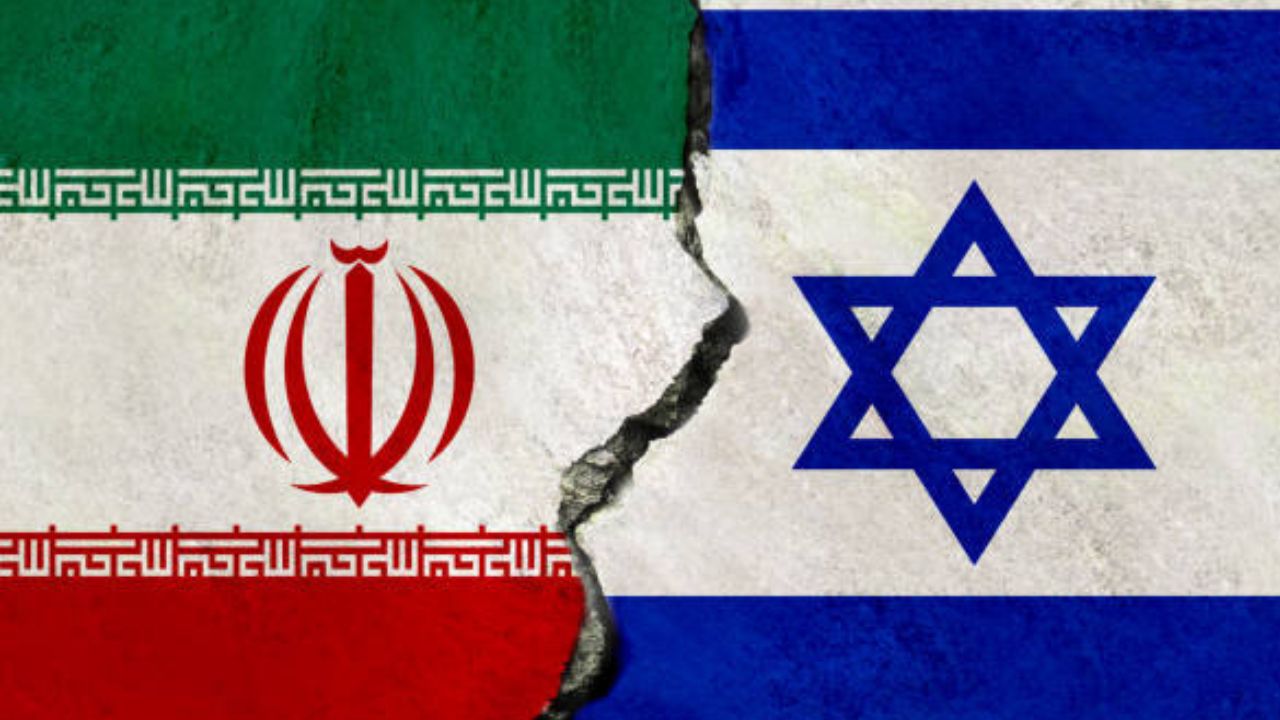
    Iran called the Israeli air assault “a declaration of war” and fired dozens of missiles at Israel later Friday and Saturday.

    International calls for restraint are multiplying, as fears grow the Middle East could be on the threshold of a broader conflict.

    Here is what we know:

    – Nuclear sites hit –

    Israel’s attacks started in the early hours of Friday, a day of rest and prayer in Iran, and continued through the day, on various sites.

    A key target was a vast underground nuclear site in Natanz, which Israel hit several times, according to Iranian state television.

    Radiation levels outside the facility “remained unchanged”, the head of the United Nations’ International Atomic Energy Agency (IAEA), Rafael Grossi, said.

    Iran said there was limited damage to its Fordo and Isfahan nuclear sites.

    – Commanders killed –

    Top brass killed included the head of Iran’s Revolutionary Guards, Hossein Salami, and armed forces chief of staff Mohammad Bagheri, with replacements swiftly named by supreme leader Ali Khamenei.

    The Revolutionary Guards said its aerospace commander Amirali Hajizadeh was also killed. He was in charge of Iran’s ballistic missile forces.

    Iranian media said several nuclear scientists were killed.

    Iran’s ambassador to the UN said 78 people had been killed and 320 wounded in the first wave of strikes by Israel.

    – Ongoing strikes –

    Additional strikes hit sites in Iran’s northwestern East Azerbaijan province, with 18 people killed there, state news agency IRNA said.

    An Israeli military spokesman said “more than 200 targets” were hit, including nuclear facilities and air bases.

    Netanyahu’s national security adviser Tzachi Hanegbi said “there is currently no plan to kill” Khamenei and other political leaders.

    Internet restrictions were imposed across Iran, the country’s communications ministry said, adding they would be lifted “once normalcy returns”.

    – Iran’s response –

    Iran launched dozens of missiles at Israel, the Revolutionary Guards and Israel said, hours after the Israeli military said “most” of the 100 drones fired by Iran were intercepted outside Israeli territory.

    Early Saturday, Iran launched a fresh wave of attacks, according to state media, with the Israeli military sounding air raid sirens and reporting more inbound missiles from Iran.

    Israel said its air force was “operating to intercept and strike where necessary to eliminate the threat”.

    Israeli rescuers said Saturday that they were treating 21 people wounded in a rocket strike that hit the country’s coast.

    Rescuers said earlier that 34 people had been wounded in the Gush Dan area, including a woman who later died of her injuries, according to Israeli media reports.

    – US involvement? –

    Iran’s Foreign Minister Abbas Araghchi called the Israeli attacks “a declaration of war” and urged action from the UN Security Council, which held an emergency meeting on Friday.

    Tehran had previously warned it would hit US military bases in the Middle East if conflict occurred. The United States pulled out non-essential personnel from several sites days ahead of the Israeli attack.

    US President Donald Trump said Israel fully informed him of its raids ahead of time, but insisted Washington was not involved.

    He warned Iran that the “next planned attacks” will be “even more brutal” and said Tehran should cut a deal to roll back its nuclear programme “before there is nothing left”.

    Trump has repeatedly said he will not allow Iran to develop nuclear weapons.

    His secretary of state Marco Rubio warned Iran not to target US interests or personnel in the Middle East.

    – Nuclear programme –

    Tehran has long denied seeking atomic bombs but had been enriching uranium to 60 percent — far above the 3.67-percent limit set by a largely obsolete 2015 agreement with major powers.

    However, Iran’s 60-percent enrichment level is still short of the 90 percent threshold needed for a nuclear warhead.
    The United States and Iran had been holding talks on Tehran’s nuclear programme. The next round, scheduled for Sunday in Oman, now looks to be cancelled.

    – Reactions –

    The attack, and Iran’s response, is fuelling international alarm.

    Many capitals have urged restraint, fearing the consequences if the Israel-Iran conflict widened and drew in the United States, and if Middle East oil production and shipments were impacted.

    The UN’s atomic energy agency planned an emergency meeting for Monday.

    UN chief Antonio Guterres called on Israel and Iran to halt their conflict, saying: “Peace and diplomacy must prevail.”

    Israel, Iran, Iraq, Jordan and Syria closed their airspaces, and several airlines cancelled flights servicing the region.

    Oil prices surged on Friday, trading sharply up to around $75 a barrel before falling back a little.

    Analysts underlined the risk to the 20 percent of the world’s crude oil supplies that are shipped through the narrow Strait of Hormuz in the Gulf.

  • Never seen such an attack against Israeli city:  Fox News correspondent

    Never seen such an attack against Israeli city: Fox News correspondent

    FOX News Chief Foreign Correspondent Trey Yingst has described the intensity of Iran’s retaliatory attack against Israel on Friday night, saying Tel Aviv was under a “massive missile barrage”.

    “I’ve reported here for nearly seven years and never seen such an attack against an Israeli city,” he said while reporting from Tel Aviv, adding, “the amount of self-defence going off there is unprecedented.”

    He said that “apparently”, some of Tel Aviv’s central positions had been targeted. “Israel’s Ministry of Defence, the HaKirya (or Kirya), their version of the Pentagon, is located just a couple of miles from here,” he added.

    In response to Israel’s illegal military offensive Rising Lion that killed several civilians, a top general and nuclear scientists, Iran unleashed a barrage of missiles in Tel Aviv last night, inflicting significant damage.

    On Saturday morning, Tehran launched a fresh wave of attacks against Israel, state media said.

    Citing a senior Iranian military official, General Ahmad Vahidi, Iranian state media IRNA reported that “Operation True Promise 3”, as the retaliatory strikes are dubbed, will continue for as long as necessary.

    The Israeli military said dozens of missiles, some of which were intercepted, had been fired in the latest salvos from Iran.

    Appearing on CNN earlier in the day, Israel’s Ambassador to the United States Yechiel Leiter said that one woman was killed and “some 40 people” were injured by the Iranian strikes.

    “We faced three salvos of ballistic missiles fired from Iran today, about 150 in total,” he said, adding, “We expect that the Iranians, who have a considerable volume of ballistic missiles, somewhere in the neighbourhood of 2,000, will continue to fire them.”

  • Why did Indians get furious at Israeli twitter account?

    Why did Indians get furious at Israeli twitter account?

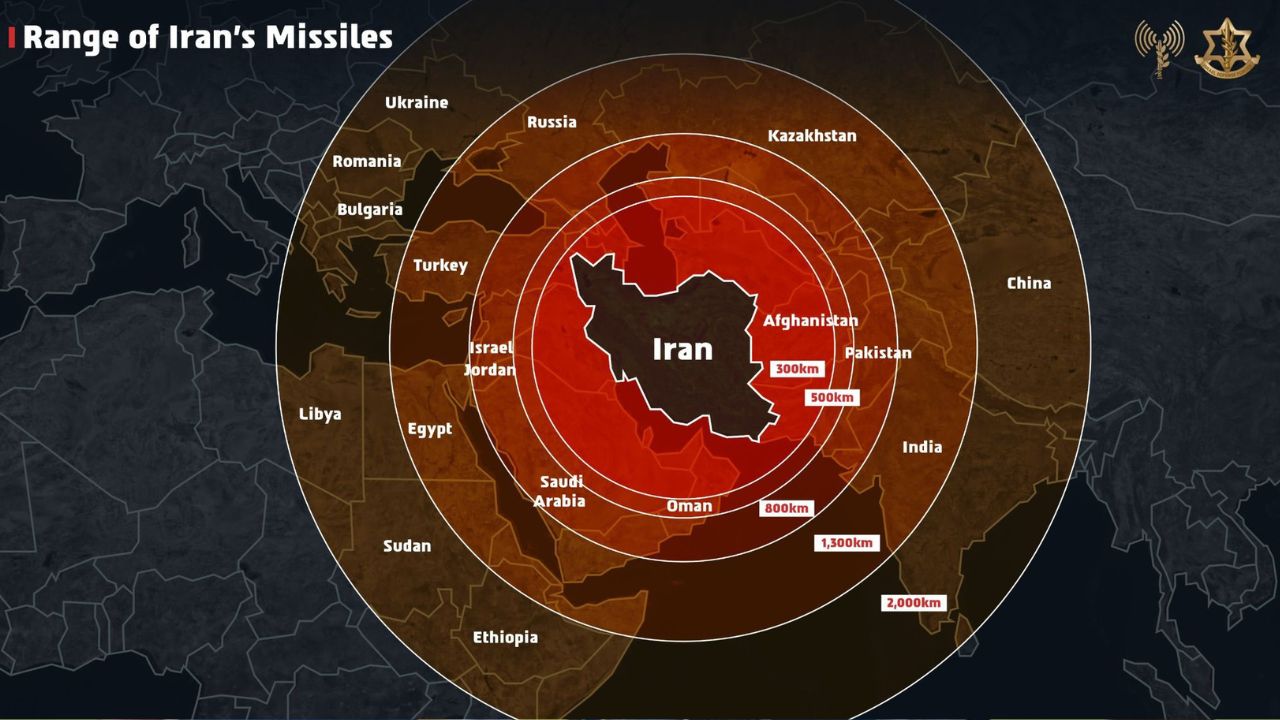
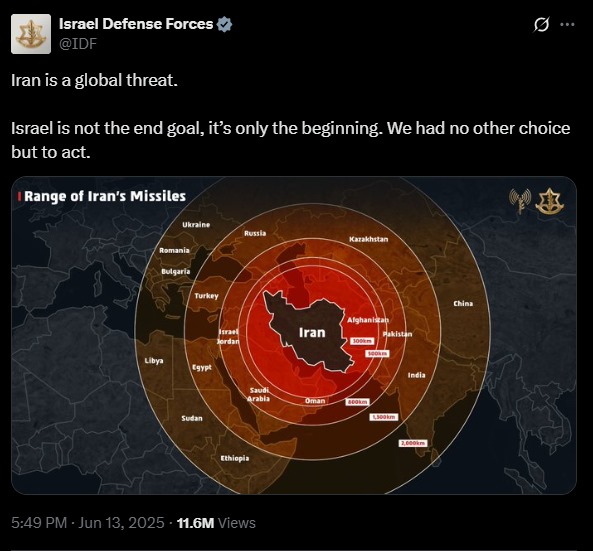
    As the world watched in concern while Israel attacked Iran, social media became littered with posts from accounts from both sides. Controversy broke out after the official account of the Israel Defense Forces (IDF) shared a map that showed the entire Kashmir region, including Indian Illegally Occupied Jammu and Kashmir (IIOJK) as part of Pakistan.

    The map was part of a graphic meant to show the range of Iranian missiles but it quickly went viral for an entirely different reason. 

    Indian users were shocked and angered by the map, calling it a major blunder by a country they often consider a close ally.

    One user commented, “This is outrageous. If you consider us your friends, you need to update our map to its correct version.”

    Another wrote, “Indian map is incorrect… have some shame.”

    Several others demanded action, saying, “Why can’t you delete this incorrect map and repost with the correct one?” and “Wrong map, correct India’s boundaries.”

    A frustrated user asked, “How can you add Pakistan to the Indian map???”

    The backlash was so intense that the IDF had to respond with a clarification. In a follow-up statement, the IDF said, “This post is an illustration of the region. This map fails to depict borders precisely. We apologize for any offence caused by this image.”

    Still, many Indian users were not satisfied and continued to urge the IDF to delete the post and upload a new version with what they called the “correct map of India.”

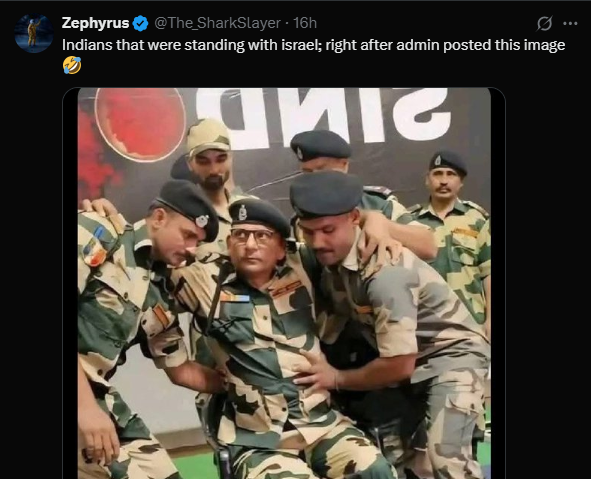
    Pakistani accounts made plenty of fun of what they called an Indian meltdown. 

    Israel launched a large-scale military offensive called “Operation Rising Lion” and carried out illegal airstrikes on nearly 100 targets across Iran, including key nuclear facilities and military bases. 

    According to reports, several top Iranian generals and nuclear scientists were killed. In response, Iran fired over 100 drones and missiles toward Israel, calling the strikes a “declaration of war.” Most of these were intercepted. Iran then launched another round of missile attacks on June 14, injuring at least seven people. Footage going viral on the internet showed Tel Aviv taking the brunt of Iran’s retaliation, as many missiles evaded the Iron Dome and destroyed infrastructure and cars.

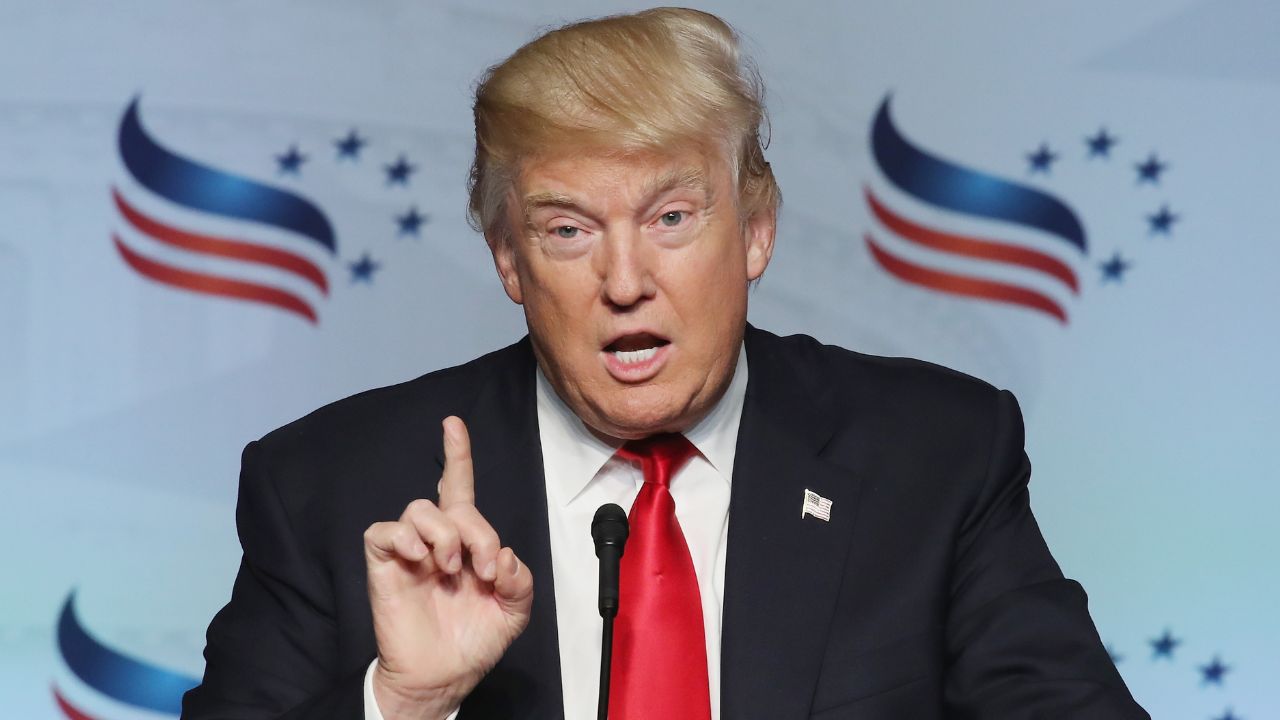
  • Iran ‘must make a deal, before there is nothing left’: Trump

    Iran ‘must make a deal, before there is nothing left’: Trump

    US President Donald Trump urged Iran on Friday to “make a deal”, warning that there will be more “death and destruction” after Israel launched deadly strikes targeting Iranian nuclear facilities.

    “I gave Iran chance after chance to make a deal. I told them, in the strongest of words, to “just do it,” but no matter how hard they tried, no matter how close they got, they just couldn’t get it done,” Trump said on his Truth Social platform.

    He said, “I told them it would be much worse than anything they know, anticipated, or were told, that the United States makes the best and most lethal military equipment anywhere in the World, BY FAR, and that Israel has a lot of it, with much more to come – And they know how to use it.”

    “Certain Iranian hardliner’s spoke bravely, but they didn’t know what was about to happen. They are all DEAD now, and it will only get worse! There has already been great death and destruction, but there is still time to make this slaughter, with the next already planned attacks being even more brutal, come to an end. Iran must make a deal, before there is nothing left, and save what was once known as the Iranian Empire. No more death, no more destruction, JUST DO IT, BEFORE IT IS TOO LATE. God Bless You All,” he said.

  • FACT CHECK: Did Turkish company maintain crashed Air India plane?

    FACT CHECK: Did Turkish company maintain crashed Air India plane?

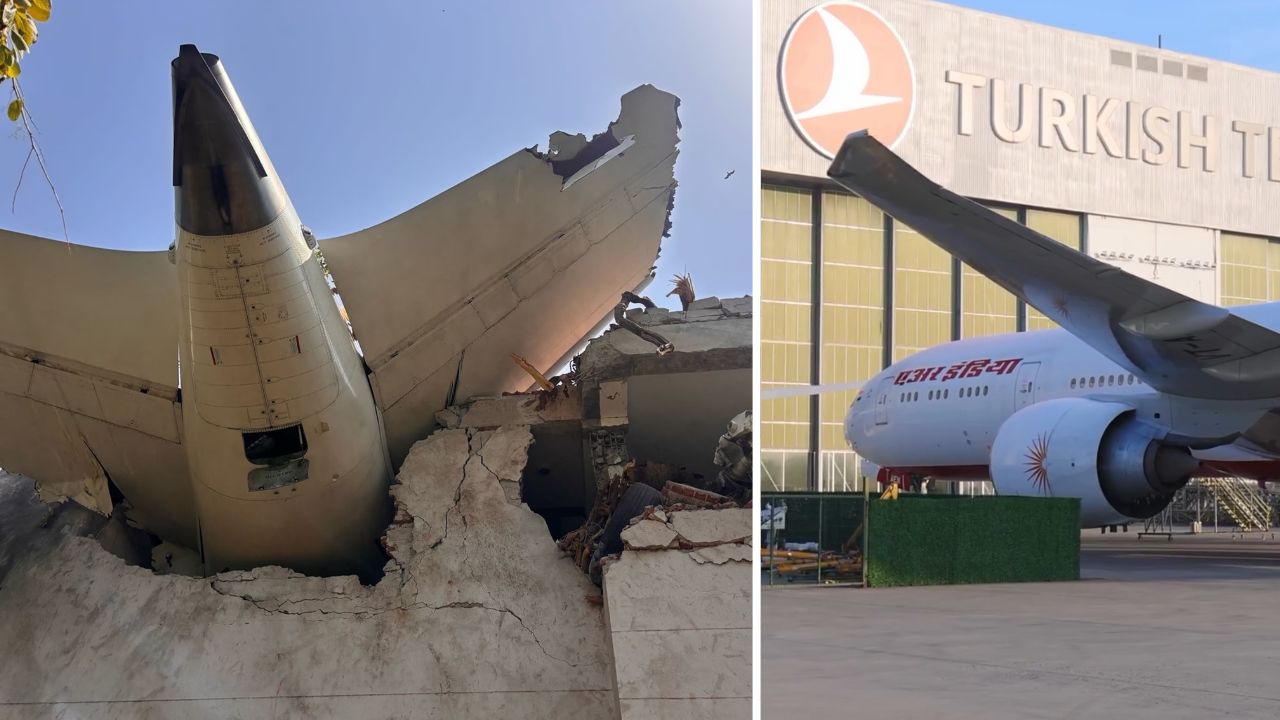
    After an Air India flight crashed on the afternoon of June 12, Indian media quickly claimed that a Turkish company was responsible for maintaining the aircraft that went down in Ahmedabad. As has happened with much of the outlandish claims made by Indian media, this too has been proven to be false. 

    On Thursday, an Air India plane headed to London crashed moments after takeoff from Ahmedabad, resulting in the tragic deaths of 241 passengers on board and dozens more on ground.  Remarkably, one passenger survived the crash.

    Following the accident, Indian social media, including controversial Indian television host Arnab Goswami, began airing the claim that the aircraft had been serviced and maintained under the supervision of Turkish company Turkish Technic.

    However, a report by Anadolu’s Fact-Check has dismissed the claim as baseless.

    After the crash, misleading videos and images also began circulating on social media in India, falsely linking the aircraft to Turkish Technic. Many of these posts claimed that the company had serviced the ill-fated plane.

    According to Anadolu’s Fact-Check, the aircraft involved in the accident was a Boeing 787-8 Dreamliner. In contrast, the images being shared showed Boeing 777 aircraft inside Turkish Technic’s maintenance hangars.

    A post by Turkish Technic on Instagram, dated April 9, confirmed that the company’s maintenance agreement with Air India is limited to Boeing 777 aircraft only, which are serviced in Istanbul.

    Reports also confirmed that the agreement between Air India and Turkish Technic covers only Boeing 777 planes and that there have been no issues reported with the maintenance of those aircraft.

  • UV 12, privacy 0: tourists catch man filming them in India

    UV 12, privacy 0: tourists catch man filming them in India

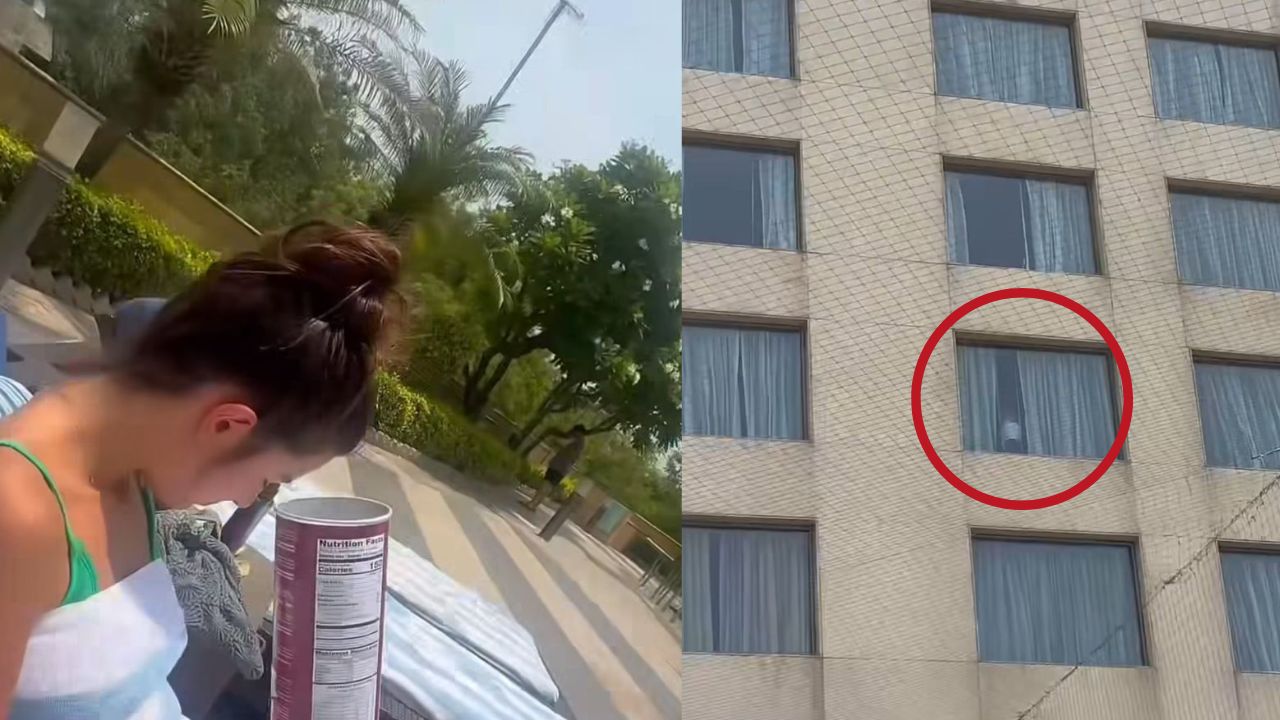
    Two teenagers behind the account Rory and Sage Official have posted a video on Instagram, claiming they were secretly filmed by someone in a nearby building while sunbathing at a hotel pool in India.

    In the video, one of them notices the camera as the two sit on loungers by the pool. “Someone’s filming us,” they point out, as the camera pans across the pool to a building.

    Video text reads, “trying to get a tan when the UV is 12”, adding in the caption: “Well, it looks like we’re going to have to find a new pastime”.

    The creators asserted in the comments and caption that being filmed and gazed at is not very unusual in India. “If you’re a female planning to travel to India, I wouldn’t come without a bodyguard of a man lol” the statement reads.

    Responding to a comment suggesting they should have reported it to the staff, they replied, “Unfortunately, some of the hotel maintenance crew came out to spectate as well. I’m sure if we had told the front desk, it would have been handled. But not really worth our time. Besides, with a UV of 12, we tanned in like 10 minutes.”

    The video has sparked a wide range of reactions. One viewer called it “extremely weird”.

    Another said, “Don’t go to India and think you can wear whatever you want even Indian women are not safe here, so foreign women definitely aren’t.”

    One user commented, “Can’t defend my country anymore,” while another called the situation “creepy,” to which the creators responded, “Yes, it seems very common behaviour in India.”

    The video has received thousands of views and reactions across Instagram, and there is ongoing discussion about tourist safety, gender-based harassment, and India’s image among international travellers.

  • Six nuclear scientists killed in Israel attack on Iran: media

    Six nuclear scientists killed in Israel attack on Iran: media

    At least six nuclear scientists were killed Friday in Israel’s attacks on Iran, media outlets in the Islamic republic reported.

    Tasnim news agency named the six scientists including Mohammad Mehdi Tehranchi, who was the president of the Islamic Azad University of Iran.

    Fereydoun Abbasi, a former head of the Atomic Energy Organization of Iran, was also among the scientists killed, it added.

    Friday’s strikes hit multiple targets across Iran including residential buildings in Tehran as well as key nuclear enrichment facility in Iran’s centre.

    Iran’s Revolutionary Guards chief Hossein Salami and armed forces chief of staff Mohammad Bagheri were killed in the Israeli operation.


    Israel pounded Iran in a series of air raids on Friday, striking 100 targets including Tehran’s nuclear and military sites, and killing the armed forces’ chief of staff, the head of Iran’s Revolutionary Guards and top nuclear scientists.

    Iran’s Supreme Leader Ayatollah Ali Khamenei warned Israel it faced a “bitter and painful” fate over the attack, which also killed a senior Guards commander according to Iranian media.

    Iran had launched 100 drones in response towards Israel whose defences were working to intercept, the Israeli military said.

    US President Donald Trump told Fox News he had advance notice of the Israeli strikes which Israel’s military said involved 200 fighter jets. Trump also stressed that Tehran “cannot have a nuclear bomb”.

    The United States also underlined that it was not involved in the Israeli action, warning Tehran not to attack its personnel or interests.

    But Tehran said the United States would be “responsible for consequences” as Israel’s operation “cannot have been carried out without the coordination and permission of the United States”.

    Israel’s operation struck at the “heart of Iran’s nuclear enrichment programme”, taking aim at the atomic facility in Natanz and nuclear scientists, Prime Minister Benjamin Netanyahu said.

    The operation against Iran will “continue as many days as it takes,” Netanyahu said, adding in a later video statement that the initial strikes were “very successful”.

    Iran’s Revolutionary Guards leader Hossein Salami and armed forces Chief of Staff Mohammad Bagheri were killed in the Israeli operation, said Iranian media.

    Iranian state media said residential buildings in Tehran were hit as well, killing a number of civilians including women and children.

    Air traffic was halted at Tehran’s main international airport Imam Khomeini, while neighbouring Iraq has also closed its airspace and suspended all flights at all airports, state media reported.

    Israel declared a state of emergency, likewise closing its airspace, with Defence Minister Israel Katz anticipating retaliatory action from Tehran.

    “Following the State of Israel’s preemptive strike against Iran, a missile and drone attack against the State of Israel and its civilian population is expected in the immediate future,” Katz said.

    An Israeli military official added that the Israeli army believed that Iran had the ability to strike Israel “any minute”.

    – ‘Might blow’ deal

    Oil prices surged 12 percent while stocks sank on the Israeli strikes, which came after Trump’s warning of a “massive conflict” in the region.

    Trump had also said the United States was drawing down staff in the Middle East, after Iran threatened to target US military bases in the region if conflict breaks out.

    Trump said he believed a “pretty good” deal on Iran’s nuclear programme was “fairly close”, but said that an Israeli attack on its arch foe could wreck the chances of an agreement.

    The US leader did not disclose the details of a conversation on Monday with Netanyahu, but said: “I don’t want them going in, because I think it would blow it.”

    Trump quickly added: “Might help it actually, but it also could blow it.”

    US Secretary of State Marco Rubio warned Iran not respond to Israeli strikes by hitting US bases, saying Washington was not involved.

    “Let me be clear: Iran should not target US interests or personnel,” Rubio said in a statement.

    Prior to Friday’s attack, Iran had threatened to hit US bases in the Middle East if conflict were to erupt.

    “All its bases are within our reach, we have access to them, and without hesitation we will target all of them in the host countries,” Iran’s Defence Minister Aziz Nasirzadeh said this week.

    With the violence raising questions on whether a sixth round of talks planned between the US and Iran will still take place on Sunday in Oman, Trump said however that Washington is still “hoping to get back to the negotiating table”.

    Confirming Natanz among targets, the UN’s nuclear watchdog said it was “closely monitoring” the situation.

    “The agency is in contact with Iranian authorities regarding radiation levels. We are also in contact with our inspectors in the country,” International Atomic Energy Agency head Rafael Grossi said.