Category: Global

  • 2024 was about three P’s: power-struggle, polls, protests

    2024 was about three P’s: power-struggle, polls, protests

    2024 was a year of landmark changes which are going to impact the events unfolding in the coming year as well. In the past year, wars raged on, and genocides continued blatantly, giving the world a clear manifestation of abuse of power. However, 2024 will go down in history for the unprecedented number of deaths, protests and elections that happened this year. 


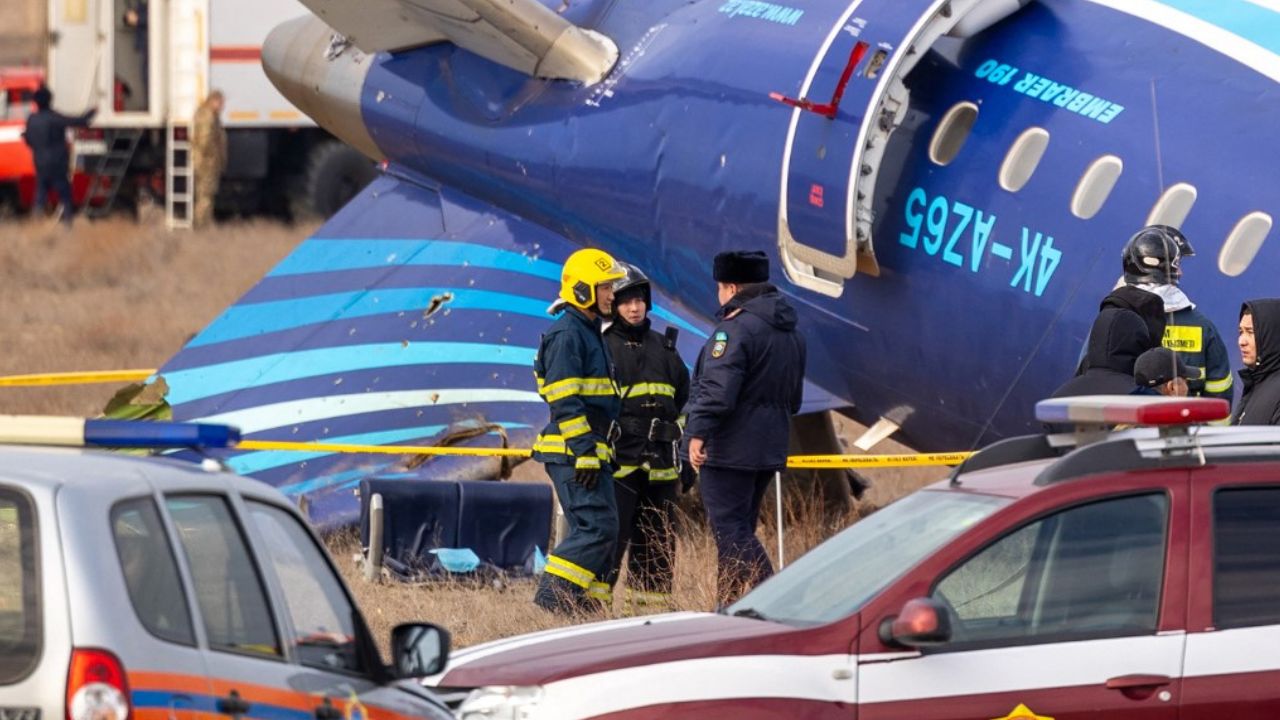
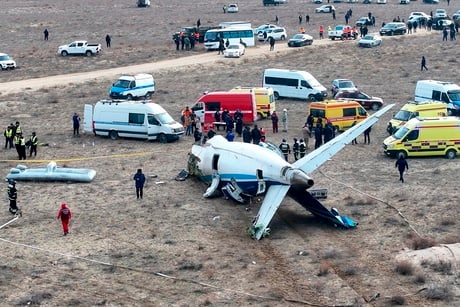
    The year can be summed up in one word only: Unpredictability. Chris Lehmann from The Nation commented, “In 2024, the Pundits Are Wronger Than Ever”. As the year started, political analysts predicted that world leaders would come around to end Israel’s genocide of the Gazans or Russia’s invasion of Ukraine. On the contrary, Ukraine invaded Russia, making the conflict a full-blown war, with people from other parts of the world paying the price. (Case in point: Russia shooting down an Azerbaijan airplane in Kazakhstan region, mistaking it for a Ukranian drone).


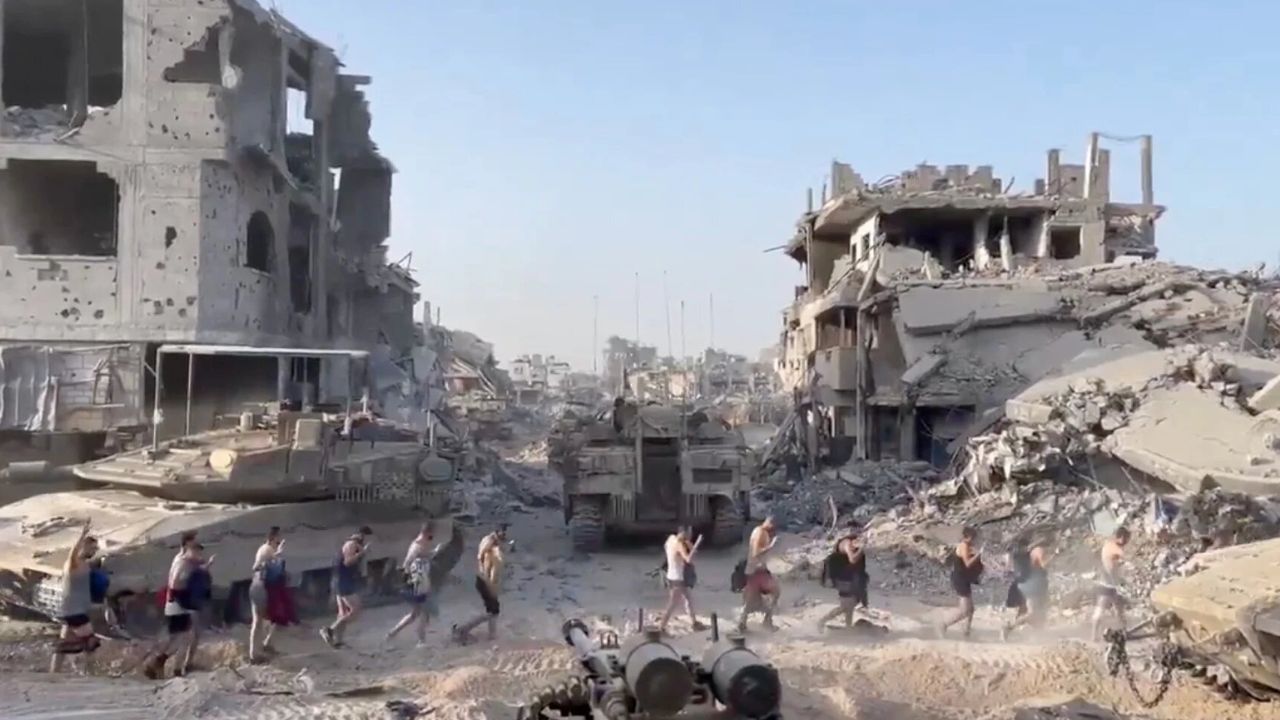
    Secondly, the genocide in Gaza reached new heights of brutality as the number of journalists killed in the besieged strip climbed astoundingly high, whereas the death toll of civilians surpassed 45 thousand in the strip.

    In this year, Iranian President Ebrahim Raisi, one of the staunch supporters of anti-Israel resistant groups, died along with the foreign minister and other dignitaries on board a helicopter on their way back from a dam inauguration in Azerbaijan. It was later confirmed by the Iranian officials that the helicopter crashed because of poor weather conditions and technical issues. At Raisi’s funeral, Hamas leader Ismail Haniyeh was killed by Israel in a targeted attack while he was visiting Iran. This came across as the biggest blow to the movement, and while Israel did not openly acknowledge the assassination, it went on a spree to kill all opponents. Yahya Sinwar was also killed in Gaza a few weeks after taking over as the Chief of Hamas.


    Expanding the scale of its war, Israel tempered pagers used by Hezbollah in Lebanon which exploded and injured thousands of people. This went on to start a full-scale war and claimed more than 3000 lives, including the life of Hezbollah chief Hassan Nasrullah, followed by the death of second in command Naim Qassem. 


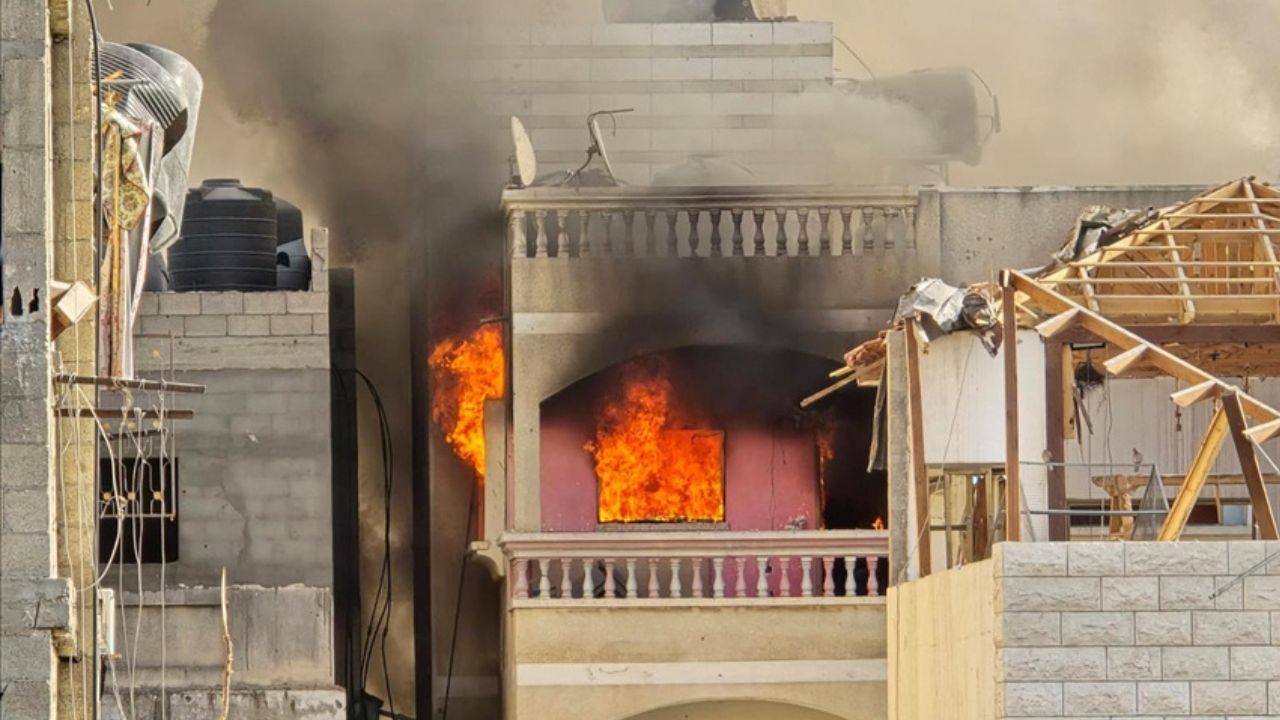
    Even though they made a major attack on the residence of Israeli Benjamin Netanyahu and conducted strikes on Israeli territory, a ceasefire was reached with Israel on November 27, two months after the escalation started. With the ceasefire, Netanyahu aimed to shift his focus to the “annihilation” of Hamas in Gaza. As this article is being written, WHO has announced that the last major health facility in Northern Gaza, Kamal Edwan Hospital, is “out of service“. 


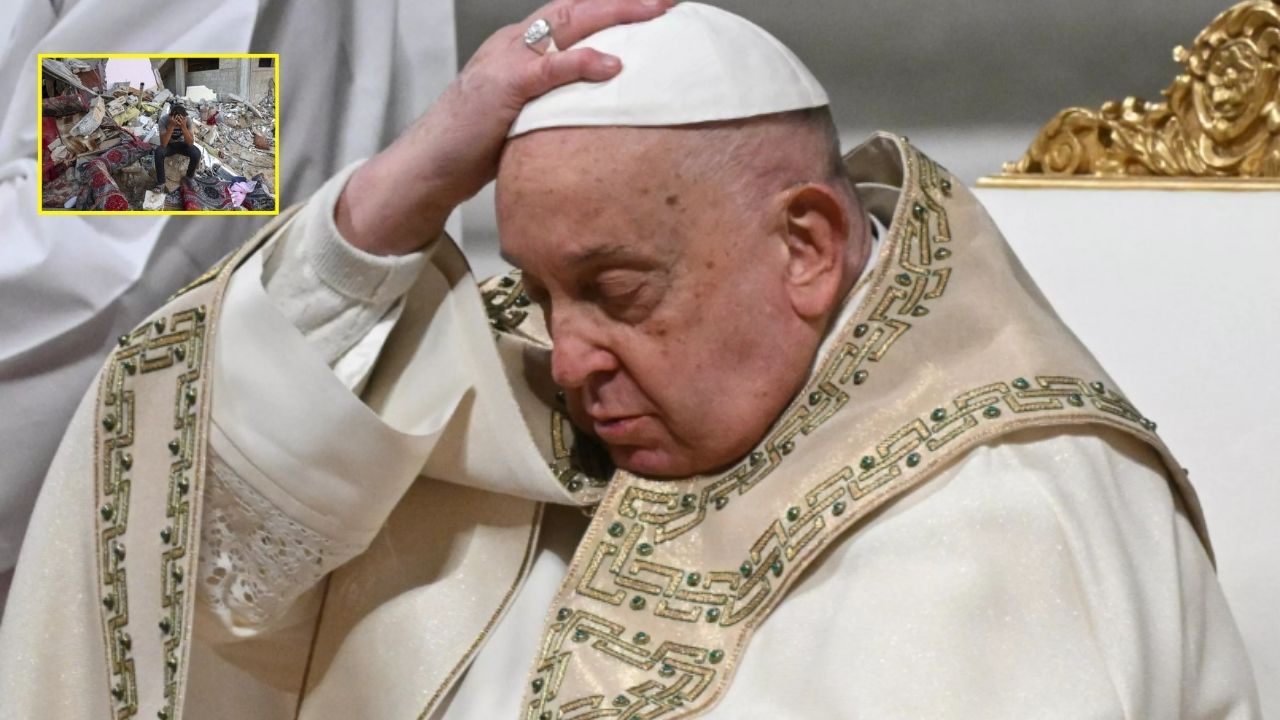
    The rage against the brutalities of Israel is building up as the Pope slammed the Zionist regime in his Christmas address by saying, “This is cruelty. This is not war.” 

    Many countries around the world saw protests against their governments and administrations. People expressed their frustration through polls in some countries, while in others, they showed up for protests.


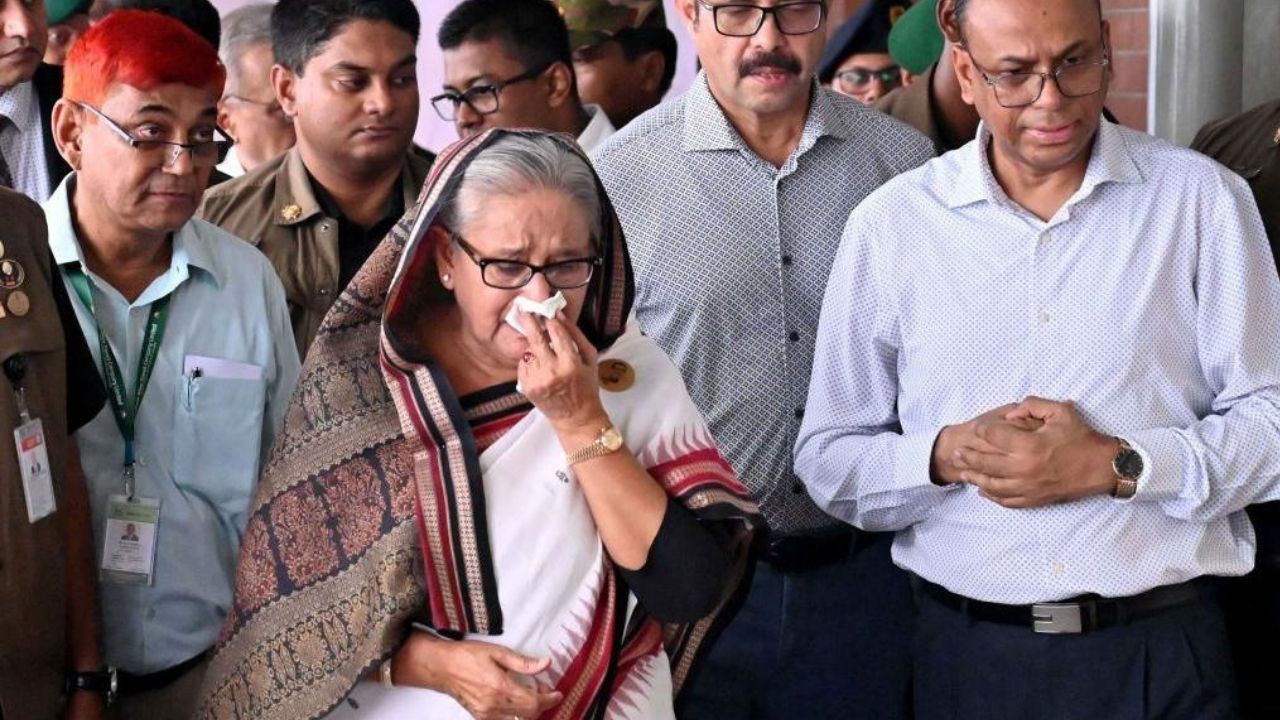
    In Bangladesh, a simmering population of youth came out on the roads against Sheikh Hasina and forced her to flee the country. This Gen-Z revolution shocked the world, costing around 1000 lives.


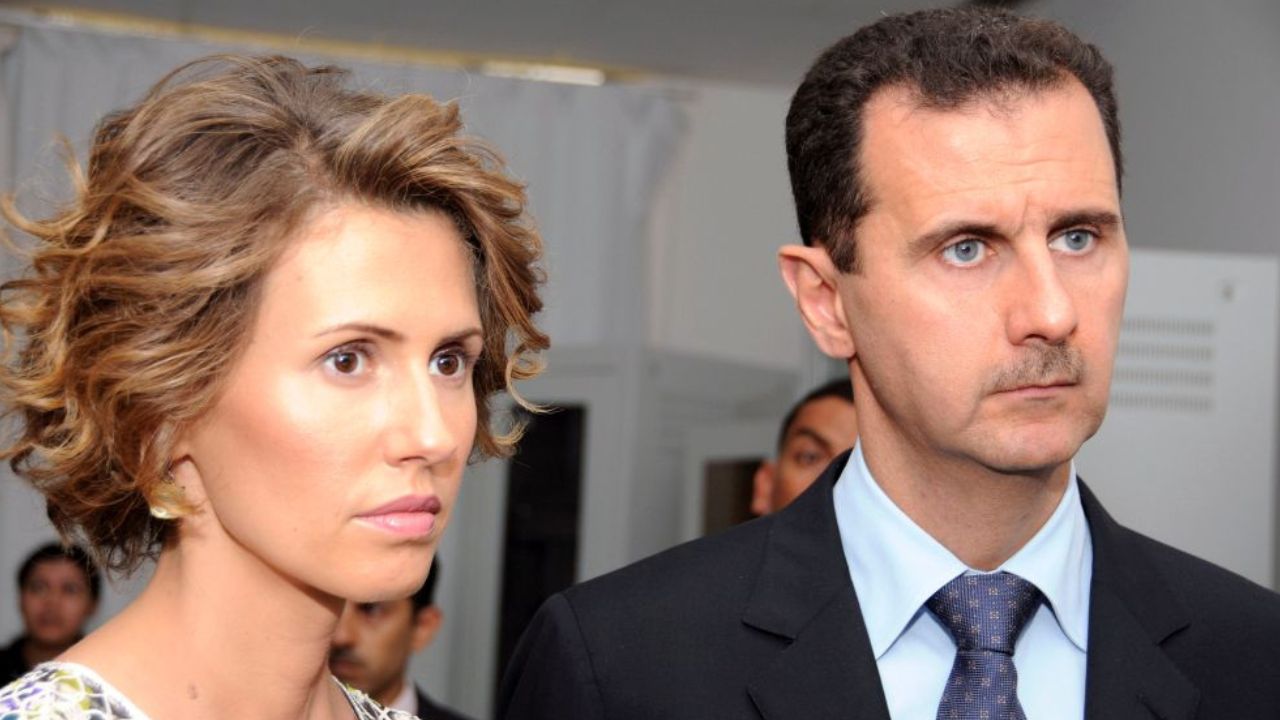
    Similarly, in Syria, the Assad regime was toppled by opposition forces, bringing much-needed relief for those held in captivity for decades yet bringing a new twist to the proxy warfare in the region.


    In other countries, polls changed the game. Tired of Democrats, Americans voted for Donald Trump. The British also said no to lurking confusion and chose the Labour Party to run the country for the next five years. Dissatisfaction prevailed in other parts of Europe. French President Emmanuel Macron announced snap elections, opening the floodgate of extremist narratives and political turmoil.


    Towards the end of the year, failing to gain a vote of confidence, the German government led by Olaf Scholz has also announced to go for the polls. 


    In India, intoxicated by power, Bharatiya Janata Party’s Narendra Modi went in for the elections hoping to sweep it with a total of 400 seats but managed to get only 240. It still managed to form a government with the help of allies, but the public opinion sent out a clear message against the bigotry BJP had always relied on to promote its narrative. The loss at Ayodhya, where Modi inaugurated the controversial Ram Mandir, was a great setback.


    In Japan, the Liberal Democratic Party, which has been clinging to power since World War II, was defeated in the elections, pushing the nation into a rare period of uncertainty. 


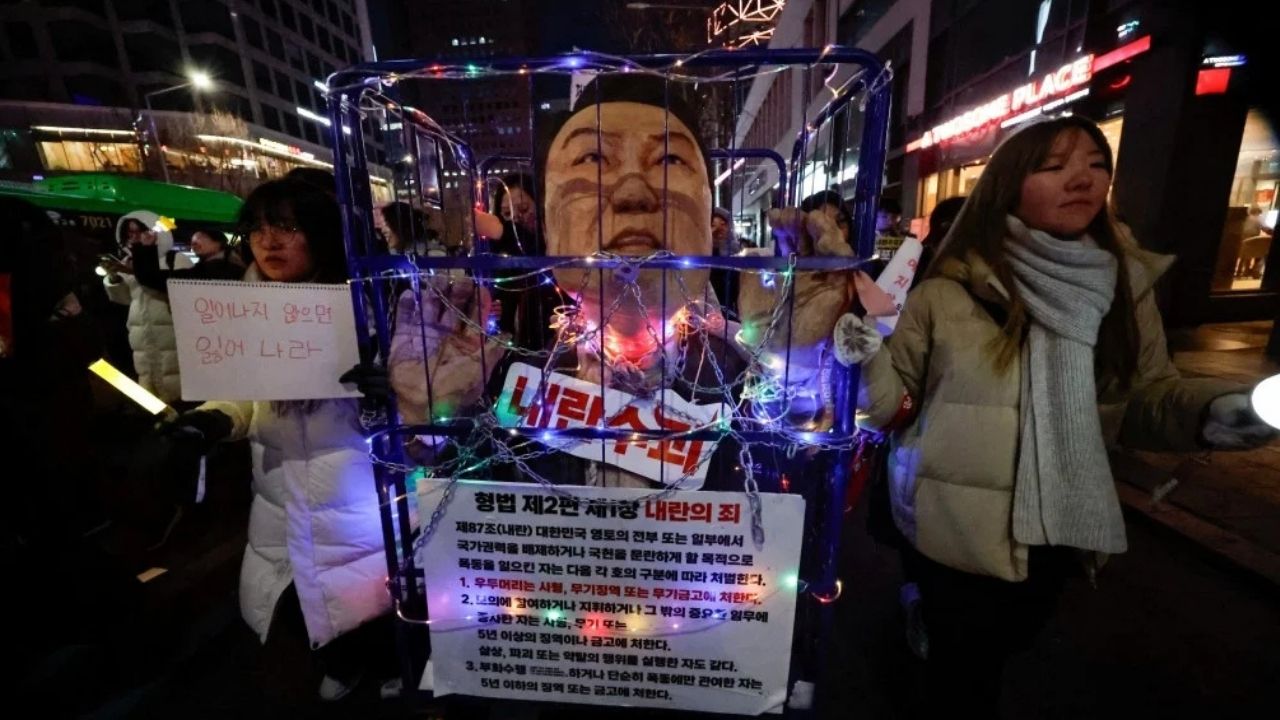
    Another Southeast Asian nation, South Korea, witnessed the world’s shortest Martial Paw, which lasted only six hours. While it signalled deep-rooted aversion to Martial Law in the country, it also unleashed political turmoil in South Korea.


    Elections in Venezuela saw infamous President Nicolás Maduro forcefully holding onto power by claiming victory in the elections while exit polls and independent observers claimed otherwise. Dozens of protestors in the South American country died while thousands were sent to prison.


    The foundation of a turbulent coming year has been laid in the year gone by. With Trump in power, Netanyahu on a mission to be the sole leader of the Middle East, and Putin aiming to bring a new BRICS currency and political turmoil in many Western countries, 2025 will likely be another ride of unpredictable twists.
  • S. Korea court issues arrest warrant for impeached president Yoon

    S. Korea court issues arrest warrant for impeached president Yoon

    A South Korean court has issued an arrest warrant for impeached President Yoon Suk Yeol, investigators said Tuesday, prompting hundreds of supporters to gather at the gates of his private residence.

    Investigators probing Yoon over his December 3 declaration of martial law requested the warrant after he failed to report for questioning a third time.

    By mid-afternoon Tuesday, crowds were outside his home wielding placards and South Korean flags, chanting: “Martial law legal! Impeachment invalid!”

    “The arrest warrant and search warrant… were issued this morning,” the Joint Investigation Headquarters managing the probe into Yoon said in a statement.

    It is unclear whether investigators and police will be able to execute the arrest because the Presidential Security Service (PSS) guarding Yoon have previously refused to comply with search warrants.

    Yoon’s legal team described the arrest order as “illegal and invalid” and have pledged to apply for an injunction to nullify it.

    “I came out here because I was shocked and horrified that they’re trying to arrest the president,” said Song Mi-ja, a pro-Yoon protestor.

    “The martial law was not an insurrection, what they’re trying to do now is one,” she told AFP.

    Police were sent to the area in large numbers and could be seen shouting at protesters to keep in line, but a route in and out of Yoon’s residence remained clear.

    ‘Sufficient probable cause’ 

    Yoon has been stripped of his presidential duties by parliament and faces criminal charges of insurrection, which could result in life imprisonment or even the death penalty.

    “The arrest warrant and search and seizure warrant issued at the request of an agency without investigative authority are illegal and invalid,” his lawyer Yoon Kab-keun said in a statement sent to AFP.

    He said his client was not guilty of insurrection, adding that there was no intention of disrupting “the constitutional order” or to stage “an uprising”.

    But a Corruption Investigation Office official said there was “sufficient probable cause” to suspect Yoon commissioned a crime.

    The warrant will be valid until Monday, the official told reporters, and Yoon will likely be held at the Seoul detention centre.

    “There is a concern that the individual may refuse to comply with summons without justifiable reasons,” they said.

    Investigators also raided the army’s Counterintelligence Command offices on Tuesday and indicted two top commanders on charges they said were linked to insurrection and abuse of authority.

    Lawyer Yun Bok-nam, president of Lawyers for a Democratic Society and who is not involved in the investigation, told AFP he predicted Yoon’s arrest “will proceed smoothly” because the PSS has no legal standing to reject an arrest warrant.

    But local media reported that an imminent arrest or search of the presidential residence was unlikely because investigators would seek to coordinate with the PSS.

    Technically, anyone obstructing the execution of an arrest warrant could be arrested.

    Joint probe

    Yoon is being investigated by prosecutors as well as a joint team comprising police, defence ministry and anti-corruption officials.

    A 10-page prosecutors’ report seen by AFP said he authorised the military to fire weapons if needed to enter parliament during his failed martial law bid.

    The report also said there was evidence that he had been discussing declaring martial law with senior military officials as early as March.

    Yoon’s lawyer had previously dismissed the prosecutors’ report, telling AFP it was “a one-sided account that neither corresponds to objective circumstances nor common sense”.

    The suspended president declared martial law in an unannounced televised address, saying it was aimed at eliminating “anti-state elements” but lawmakers rushed to parliament to vote it down.

    At the same time, heavily armed troops stormed the building, scaling fences, smashing windows and landing by helicopter.

    A constitutional court will rule whether to uphold Yoon’s impeachment.

    The turmoil deepened late last week when Yoon’s replacement, Han Duck-soo, was also impeached by parliament for failing to sign bills for investigations into his predecessor.

    Finance Minister Choi Sang-mok has taken over as the new acting president and found himself thrust immediately into a disaster with the Jeju Air plane crash on Sunday that claimed 179 lives.

    On Tuesday, Choi appointed two new judges to the constitutional court hearing Yoon’s impeachment — meeting a key demand of the opposition.

  • Last major health facility in North Gaza ‘Out Of Service’: WHO

    Last major health facility in North Gaza ‘Out Of Service’: WHO

    An Israeli military operation on Friday targeting innocent Gazans near the Kamal Adwan Hospital has put the last major health facility in northern Gaza out of service, the World Health Organization said.

    “This morning’s raid on Kamal Adwan Hospital has put this last major health facility in north Gaza out of service. Initial reports indicate that some key departments were severely burnt and destroyed during the raid,” the WHO said in a statement on X.

    Israel’s military claimed in a statement that the hospital had become “a key stronghold for terrorist organisations and continues to be used as a hideout for terrorist operatives” since Israeli forces began broader operations in northern Gaza in October.

    The WHO said 60 health workers and 25 patients in critical condition, including those on ventilators, reportedly remain in the hospital.

    The patients in moderate to severe condition were forced to evacuate to the destroyed and non-functional Indonesian Hospital, the UN health agency said, adding that it was “deeply concerned for their safety”.

    “This raid on Kamal Adwan Hospital comes after escalating restrictions on access for WHO and partners and repeated attacks on or near the facility since early October,” the WHO said.

    “Such hostilities and the raids are undoing all our efforts and support to keep the facility minimal functional. The systematic dismantling of the health system in Gaza is a death sentence for tens of thousands of Palestinians in need of health care.

    “This horror must end and health care must be protected.”

    The WHO reiterated its call for a ceasefire.

    Kamal Adwan Hospital is located in Beit Lahia, a city at the centre of an intense Israeli military operation aimed at preventing Hamas from regrouping in northern Gaza, yet videos have emerged where patients and medics alike were made to walk out of the facility with their hands raised above head.

     
  • Probe suggests Azerbaijan plane crashed due to ‘physical external interference’

    Probe suggests Azerbaijan plane crashed due to ‘physical external interference’

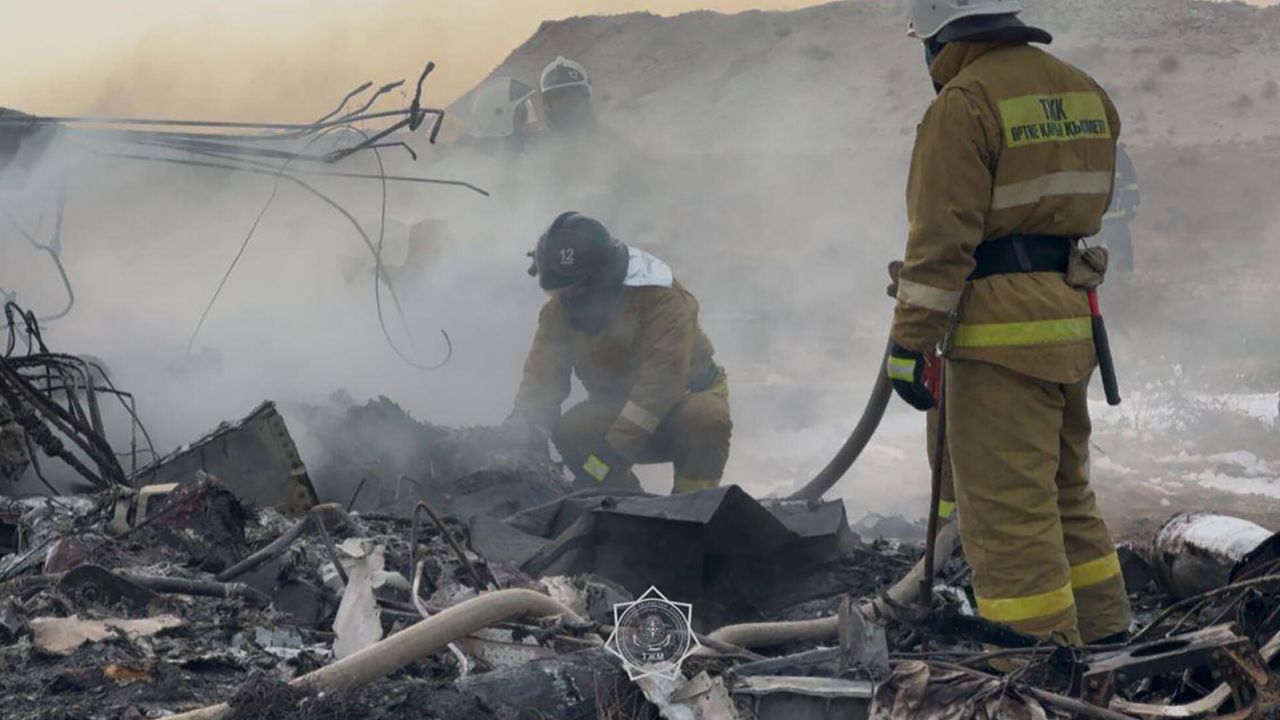
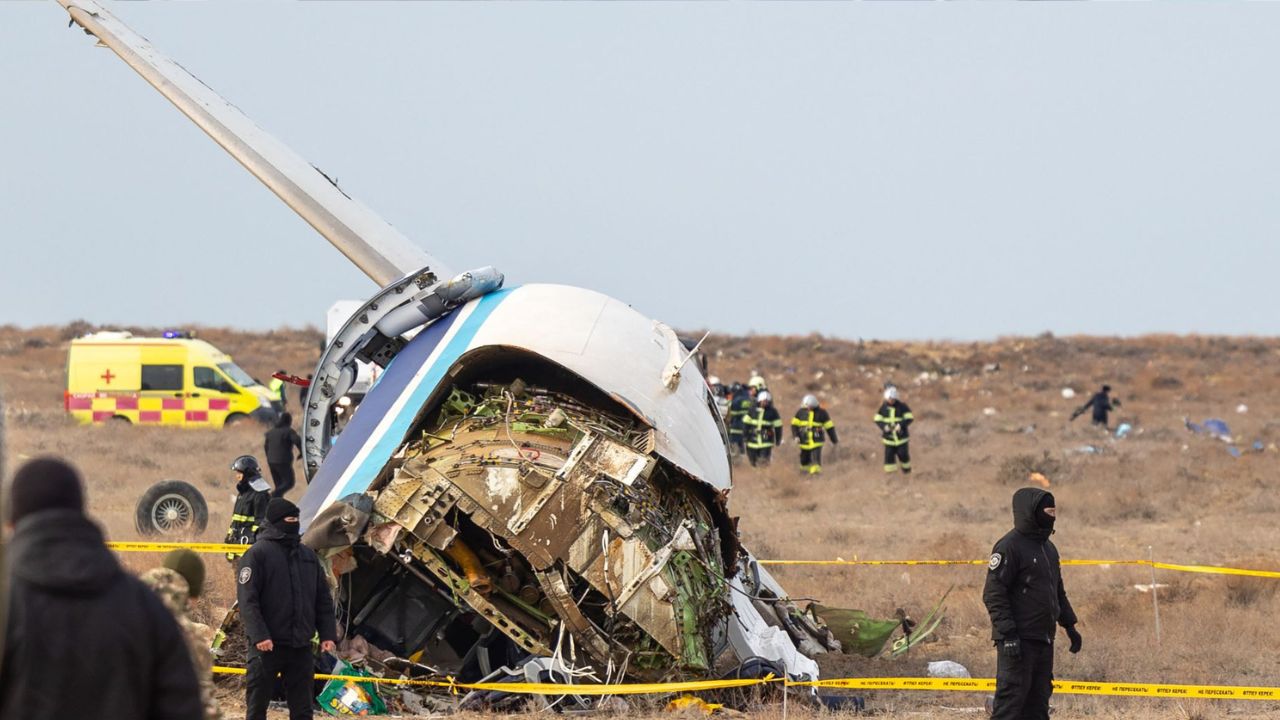
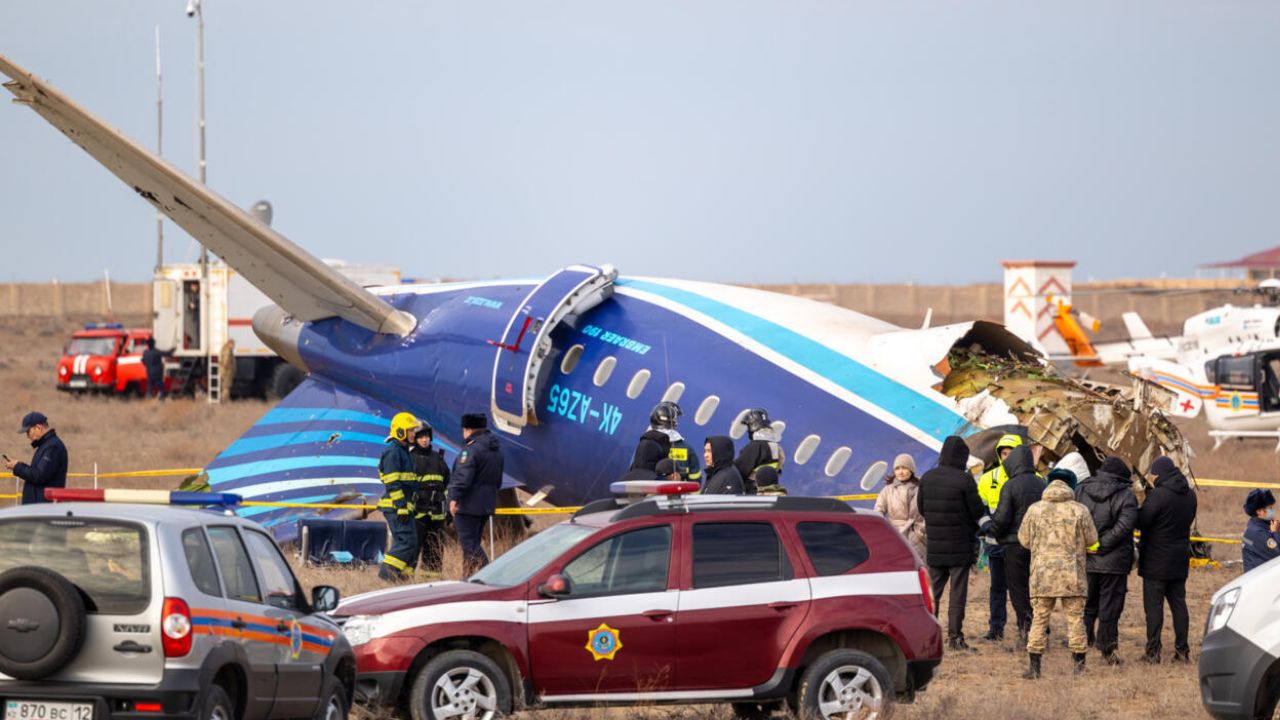
    The Azerbaijan Airlines plane that crashed in Kazakhstan this week suffered physical “external interference”, the airline and Azerbaijan’s transport minister said Friday, citing preliminary results of an investigation, adding to speculation it was hit by a Russian air defence system.

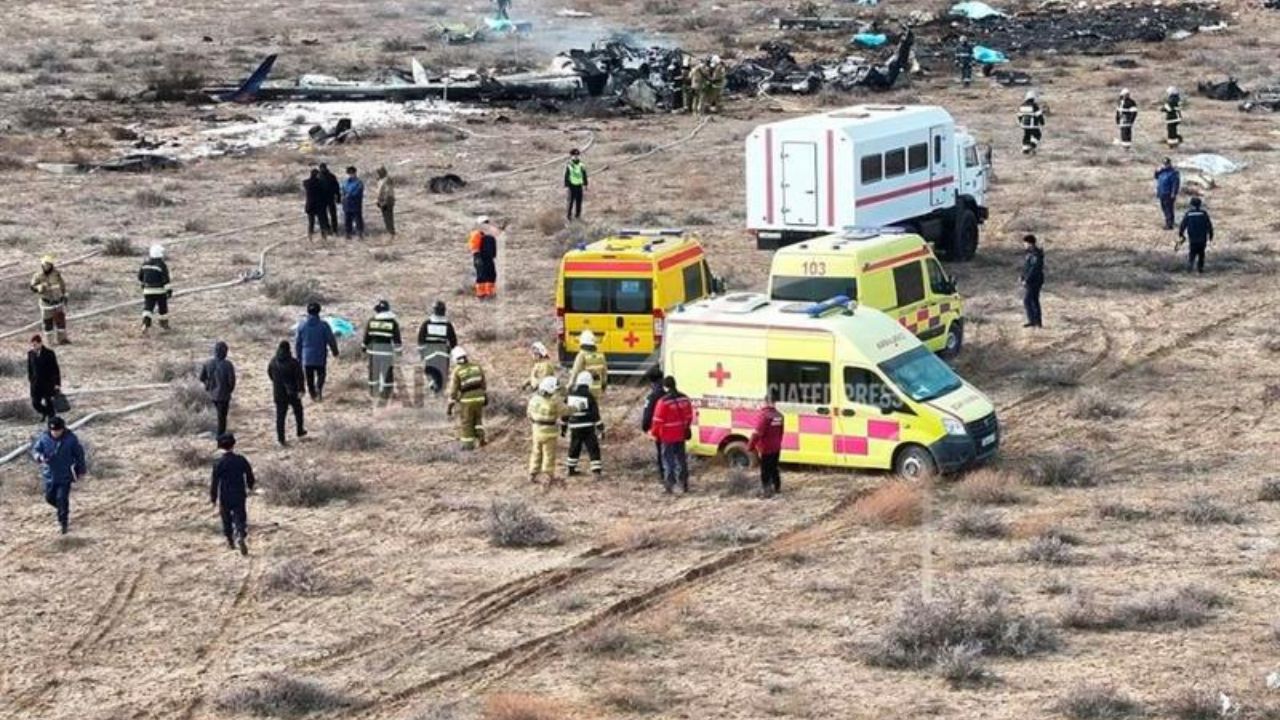
    The jet crashed near the Kazakh city of Aktau on Wednesday, killing 38 of the 67 people on board, after attempting to land at its destination in the Russian city of Grozny and then diverting far off course across the Caspian Sea.

    Russia’s aviation chief said Friday that Grozny was being attacked by Ukrainian drones at the time the plane had tried to land, but the Kremlin has declined to comment on reports the plane was accidentally shot down by Russian air defence missiles.

    Statements from Azerbaijan citing the investigation into the incident suggest Baku believes the plane was hit mid-air.

    “Based on the opinion of experts and on the words of eyewitnesses, it can be concluded that there was external interference,” Azerbaijani’s transport minister, Rashad Nabiyev, told reporters.

    “It is necessary to find out from what kind of weapon,” he added, citing reports from survivors of hearing “three explosions” as the plane was over Grozny.

    Azerbaijan Airlines said it had suspended flights to 10 Russian airports and that preliminary results suggested the crash of Baku-Grozny flight J2-8243 was “due to physical and technical external interference”. 

    The head of Russia’s civil aviation agency, Dmitry Yadrov, said in an earlier statement that “the situation on this day and at these hours in the area of Grozny airport was very complex”.

    “Ukrainian attack drones at this time were making terrorist attacks on civilian infrastructure in the cities of Grozny and Vladikavkaz,” Yadrov said, referring to a nearby city.

    He said the Azeri pilot made “two attempts to land the plane in Grozny that were unsuccessful” in “thick fog”.

    “The pilot was offered other airports. He took the decision to go to Aktau airport,” he added.

    ‘Explosion’ 

    The Kremlin earlier Friday declined to comment on the deadly crash.

    “Until the conclusions of the investigation, we do not consider we have the right to make any comments, and we will not do so,” Kremlin spokesman Dmitry Peskov told reporters.

    Some aviation and military experts have pointed to signs of shrapnel damage on the plane wreckage as evidence it was hit by air defence systems.

    An Azerbaijan pro-government website, Caliber, and several other media have cited unnamed Azerbaijani officials as saying they believed a Russian missile fired from a Pantsir-S1 air defence system caused the crash. 

    Ukrainian President Volodymyr Zelensky has called for a “thorough investigation” and also pointed to Russian involvement.

    “Every loss of life deserves a thorough investigation to establish the truth. We can see how the clear visual evidence at the crash site points to Russia’s responsibility for the tragedy,” he said in a post on social media.

    A Russian survivor, Subkhonkul Rakhimov, told state broadcaster RT that an “explosion” appeared to happen outside the plane as it attempted to land in Grozny in fog, causing shrapnel to penetrate inside.

    “I wouldn’t say it was inside the plane because the skin of the fuselage near where I was sitting flew off,” he said.

    “I grabbed a life jacket and saw there was a hole in it — it was pierced by shrapnel.”

    Apology urged

    Azerbaijan’s President Ilham Aliyev said Friday that he had phoned his Kazakh counterpart Kassym-Jomart Tokayev, with both pledging that the “causes of the crash would be fully examined”, according to a statement from Baku.

    Contacted by AFP, Azerbaijani government officials did not respond to questions about the possible causes of the crash.

    But Rasim Musabekov, an Azerbaijani lawmaker and member of the parliament’s international relations committee, urged Russia to apologise for the incident.

    “They have to accept this, punish those to blame, promise that such a thing will not happen again, express regrets and readiness to pay compensation,” Musabekov told AFP. 

    He suggested the plane was not allowed to land at Grozny or a nearby Russian airport — instead being “sent far away” across the Caspian Sea to Kazakhstan — in an attempt to “cover up a crime.”

  • Russia missile suspected in Azerbaijani plane crash, Moscow warns against ‘hypotheses’

    Russia missile suspected in Azerbaijani plane crash, Moscow warns against ‘hypotheses’

    Azerbaijani and US officials believe a Russian surface-to-air missile caused the deadly crash of an Azerbaijani passenger jet, media reports and a US official said Thursday, as the Kremlin cautioned against “hypotheses” over the disaster.

    The Azerbaijan Airlines jet crashed near the Kazakh city of Aktau, an oil and gas hub, on Wednesday after going off course for undetermined reasons.

    Thirty-eight of the 67 people on board died.

    The Embraer 190 aircraft was supposed to fly northwest from the Azerbaijani capital Baku to the city of Grozny in Chechnya, southern Russia, but instead diverted far off course across the Caspian Sea.

    An investigation is underway, with pro-government Azerbaijani website Caliber citing unnamed officials as saying they believed a Russian missile fired from a Pantsir-S air defence system downed the plane.

    The claim was also reported by The New York Times, broadcaster Euronews and the Turkish news agency Anadolu.

    Some aviation and military experts said the plane might have been accidentally shot by Russian air defence systems because it was flying in an area where Ukrainian drone activity had been reported.

    A former expert at France’s BEA air accident investigation agency said there appeared to be “a lot of shrapnel” damage on the wreckage.

    Speaking on condition of anonymity, he said the damage was “reminiscent” of Malaysia Airlines flight MH17, which was downed with a surface-to-air missile by Russia-backed rebels over eastern Ukraine in 2014.

    Kremlin spokesman Dmitry Peskov told reporters: “It would be wrong to make any hypotheses before the investigation’s conclusions.”

    Shrapnel strikes reported

    Euronews cited Azerbaijani government sources as saying that “shrapnel hit the passengers and cabin crew as it exploded next to the aircraft mid-flight”.

    A US official, speaking on condition of anonymity, also said early indications suggested a Russian anti-aircraft system struck the plane.

    Kazakhstan news agency Kazinform cited a regional prosecutor as saying that two black-box flight recorders had been recovered.

    Azerbaijan Airlines initially said the plane flew through a flock of birds, before withdrawing the statement.

    Kazakh officials said 38 people had been killed and there were 29 survivors, including three children.

    Jalil Aliyev, the father of flight attendant Hokume Aliyeva, told AFP that this was supposed to have been her last flight before starting a job as a lawyer for the airline.

    “Why did her young life have to end so tragically?” the man said in a trembling voice before hanging up the phone.

    Eleven of the injured are in intensive care, the Kazakh health ministry said.

    Day of mourning 

    Azerbaijani President Ilham Aliyev declared Thursday a day of mourning and cancelled a planned visit to Russia for an informal summit of the Commonwealth of Independent States (CIS), a grouping of former Soviet nations.

    “I extend my condolences to the families of those who lost their lives in the crash… and wish a speedy recovery to the injured,” Aliyev said in a social media post Wednesday.

    The Flight Radar website showed the plane deviating from its normal route, crossing the Caspian Sea and then circling over the area where it eventually crashed near Aktau, on the eastern shore of the sea.

    Kazakhstan said the plane was carrying 37 Azerbaijani passengers, six Kazakhs, three Kyrgyz and 16 Russians.

    Bloodied survivors 

    A Kazakh woman told the local branch of Radio Free Europe/Radio Liberty (RFE/RL) she was near where the plane crashed and rushed to the site to help survivors.

    “They were covered in blood. They were crying. They were calling for help,” said the woman, who gave her name as Elmira.

    She said they saved some teenagers.

    “I’ll never forget their look, full of pain and despair,” said Elmira. “A girl pleaded: ‘Save my mother, my mother is back there’.”

    Russian President Vladimir Putin held a phone conversation with Aliyev and “expressed his condolences in connection with the crash”, Peskov told a news conference.

  • Over 10,000 Spain-bound migrants lost at sea in 2024: report

    Over 10,000 Spain-bound migrants lost at sea in 2024: report

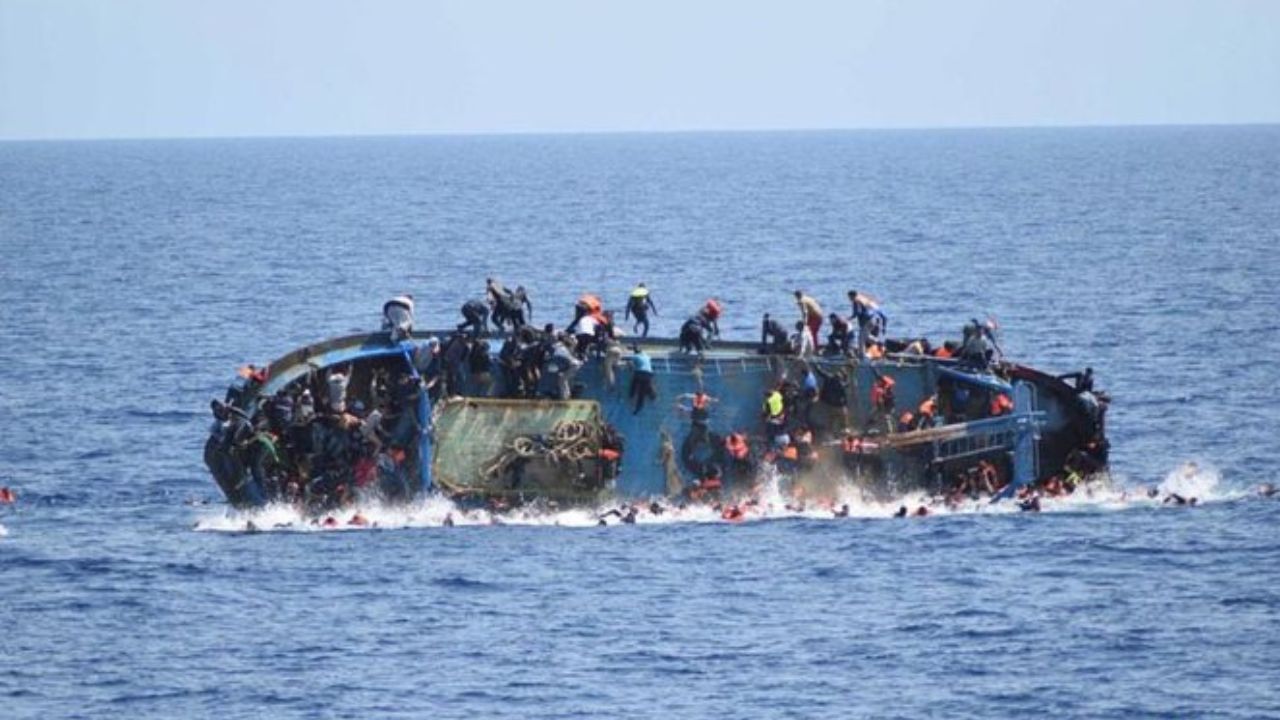
    At least 10,457 migrants died or disappeared while trying to reach Spain by sea in 2024, an NGO said Thursday, more than 50 percent more than last year and the most since it began keeping a tally in 2007.

    The 58-percent increase includes 1,538 children and 421 women, migrants rights group Caminando Fronteras or Walking Borders said in a report which covers the period from January 1 to December 5, 2024.

    It amounts to an average of 30 deaths per day, up from around 18 in 2023.

    The group compiles its data from hotlines set up for migrants on vessels in trouble to call for help, families of migrants who went missing and from official rescue statistics.

    It blamed the use of flimsy boats and increasingly dangerous routes as well as the insufficient capacity of maritime rescue services for the surge in deaths.

    “These figures are evidence of a profound failure of rescue and protection systems. More than 10,400 people dead or missing in a single year is an unacceptable tragedy,” the group’s founder, Helena Maleno, said in a statement.

    The victims were from 28 nations, mostly in Africa, but also from Iraq and Pakistan.

    The vast majority of the fatalities — 9,757 — took place on the Atlantic migration route from Africa to Spain’s Canary Islands, which has received a record number of migrants for the second year in a row.

    Seven migrant boats landed in the archipelago on Wednesday, Christmas Day, Spain’s maritime rescue service said on social media site X.

    At their closest point, the Canaries lie 100 kilometres (62 miles) off the coast of North Africa. The shortest route is between the coastal town of Tarfaya in southern Morocco and the island of Fuerteventura in the Canaries.

    But the Atlantic route to the Canary Islands is particularly dangerous because of strong currents.

    Along with Italy and Greece, Spain is one of the three major European gateways for migrant arrivals.

    According to the interior ministry, 60,216 migrants entered Spain irregularly between January 1 and December 15 — a 14.5 percent increase over the same time last year.

    The majority, over 70 percent, landed in the Canaries.

  • ‘This is cruelty’; Pope Francis slams Israel

    ‘This is cruelty’; Pope Francis slams Israel

    Pope Francis has called out Israel for bombing children on Christmas day, saying, “This is cruelty. This is not war.”

    The head of the Catholic Church took time out from his Christmas address to call for “arms to be silenced” around the world in his Christmas address, appealing for peace in the Middle East, Ukraine and Sudan as he denounced the “extremely grave” humanitarian situation in Gaza.


    He used his traditional “Urbi et Orbi” (“to the city and the world”) message to the world’s 1.4 billion Catholics to call for talks for just peace in Ukraine as the country was pummelled by 170 Russian missiles and drones on Christmas morning.


    “May the sound of arms be silenced in war-torn Ukraine,” the 88-year-old pontiff said, his voice strained and breathless. “May there be the boldness needed to open the door to negotiation and to gestures of dialogue and encounter in order to achieve a just and lasting peace.”


    In front of thousands of the faithful gathered in St. Peter’s Basilica in Rome, the Pope also appealed for a ceasefire in Gaza and for the freeing of the hostages.


    “I think of the Christian communities in Israel and Palestine, particularly in Gaza, where the humanitarian situation is extremely grave. May there be a ceasefire, may the hostages be released and aid be given to the people worn out by hunger and by war,” he stressed.


    Francis extended his call for a silencing of arms to the whole Middle East and to Sudan, which has been ravaged by 20 months of brutal civil war where millions are under the threat of famine.


    “May the Son of the Most High sustain the efforts of the international community to facilitate access to humanitarian aid for the civilian population of Sudan and to initiate new negotiations for a ceasefire,” he said.


    Christians across the world celebrated Christmas on Wednesday, with the mood darkened by wars. 


    With the genocide in Gaza also showing no signs of ending, Pope Francis was expected to call for peace in the Middle East during his traditional “Urbi et Orbi”  speech at midday in Rome, which he did eventually, as he recounted in his address, “Yesterday they didn’t let the Patriarch [of Jerusalem, Cardinal Pizzaballa] enter Gaza as they had promised & yesterday children were bombed. This is cruelty. This is not war.”

  • 28 survivors as Azerbaijani jet crashes in Kazakhstan

    28 survivors as Azerbaijani jet crashes in Kazakhstan

    An Azerbaijan Airlines passenger jet with 67 people on board crashed on Wednesday in western Kazakhstan after veering from its scheduled route, officials said.

    Kazakh authorities said 28 people had survived the crash of the Embraer 190 near the city of Aktau, an oil and gas hub on the eastern shore of the Caspian Sea.

    The plane was flying from the Azerbaijani capital Baku on the western shore of the Caspian to the city of Grozny in Chechnya in southern Russia.

    Azerbaijani President Ilham Aliyev cut short a visit to Russia where he had been due to attend an informal summit of leaders of the Commonwealth of Independent States, a grouping of former Soviet nations, his office said in a statement.

    “A plane doing the Baku-Grozny route crashed near the city of Aktau. It belongs to Azerbaijan Airlines,” the Kazakh transport ministry said on Telegram.

    Azerbaijan Airlines, the country’s flag carrier, said the plane had 62 passengers and five crew on board.

    It said the plane “made an emergency landing” around three kilometres (1.9 miles) from Aktau.

    The Kazakh transport ministry said that of the plane’s passengers 37 were from Azerbaijan, six from Kazakhstan, three from Kyrgyzstan and 16 from Russia.

    The Kazakh emergency situations ministry said its staff put out a fire which broke out when the plane crashed.

    “According to preliminary information, 28 survivors including two children have been hospitalised,” the ministry said.

    It said 150 emergency workers were at the scene.

    The health ministry said a special flight was being sent from the Kazakh capital Astana with specialist doctors to treat the injured.

    Aliyev’s office said “The President ordered the prompt initiation of urgent measures to investigate the causes of the disaster.”

    Local health officials earlier said 14 survivors had been taken to the regional hospital, with five put in intensive care.

    Azerbaijan’s first lady Mehriban Aliyeva, who is also the country’s first Vice President, said she was “Deeply saddened by the news of the tragic loss of lives in the plane crash near Aktau.”

    “I extend my heartfelt condolences to the families and loved ones of the victims. Wishing them strength and patience! I also wish a speedy recovery to the injured,” she said on Instagram.

    “I express my condolences to the relatives of the passengers of the Azerbaijan Airlines jet who died,” Chechen leader Ramzan Kadyrov said on Telegram.

    The plane’s course on Flight Radar showed it crossing the Caspian Sea away from its normal route and then circling over the area where it eventually crashed.

    Kazakhstan said it had opened an investigation into the crash.

  • $5bn corruption case initiated against Bangladesh’s Sheikh Hasina

    $5bn corruption case initiated against Bangladesh’s Sheikh Hasina

    Bangladesh has launched a probe into the alleged $5 billion embezzlement connected to a Russian-backed nuclear power plant by ousted leader Sheikh Hasina and her family, the anti-corruption commission said Monday.

    Along with Hasina, the now-former prime minster who fled to India after being toppled by a revolution in August, those subject to the inquiry include her son, Sajeeb Wazed Joy, and niece, Tulip Siddiq, a British lawmaker and government minister.

    The allegations were raised by a writ seeking an investigation filed in the high court by Hasina’s political opponent, Bobby Hajjaj, chairman of the Nationalist Democratic Movement party.

    “We seek justice through our court”, Hajjaj told AFP on Monday.

    Key allegations are connected to the funding of the $12.65 billion Rooppur nuclear plant, the South Asian country’s first, which is bankrolled by Moscow with a 90 percent loan.

    A statement Monday from the commission said it had launched an inquiry into allegations that Hasina and family members had “embezzled $5 billion” from the Rooppur plant via “various offshore bank accounts in Malaysia”.

    It said its investigations were examining “questionable procurement practices related to the overpriced construction” of the plant.

    “The claims of kickbacks, mismanagement, money laundering, and potential abuse of power raise significant concerns about the integrity of the project and the use of public funds”, the commission said.

    Graft allegations also include theft from a government building scheme for the homeless.

    Hasina, 77, fled by helicopter on August 5 into exile in India, infuriating many Bangladeshis determined that she face trial for alleged “mass murder”.

    It was not possible to contact Hasina for comment.

    Siddiq has “denied any involvement in the claims” accusing her of involvement in embezzlement, according to a statement from the British prime minister’s office.

    Joy, who is understood to be based in the United States, was also unavailable for comment.

  • Bashar al-Assad’s wife files for divorce in Russia

    Bashar al-Assad’s wife files for divorce in Russia

    Runaway Syrian President Bashar al-Assad’s British wife, Asma al-Assad, has reportedly filed for divorce in a Russian court and is seeking permission to return to London for urgent medical treatment, according to a report by Turkish media.


    Turkey’s leading newspaper, Haber Turk, reported that Asma, currently residing in Russia, has been diagnosed with leukaemia- a type of cancer caused by the rapid transmission of white blood cells and needs immediate medical care.


    She has submitted two petitions in a Russian court, one asking for divorce, while the other seeks permission to leave Russia, where the Assad family is currently in asylum, following the toppling of the government.


    Turkish news media quoted sources close to the couple that Asma al-Assad, who formerly worked as an investment banker in London before her marriage to the ousted Syrian leader, is planning to return to the UK for proper medical treatment.


    Asma’s mother, Sahar al-Akhras, an ex-Syrian diplomat with British nationality, is said to have been contacting leading London-based law firms to facilitate her daughter’s safe return to the UK.


    The news came just weeks after the Assad family fled Damascus and sought asylum as opposition forces of Hayat Tahrir al-Sham (HTS) took control of the Syrian capital on December 8, marking the end of his family’s five-decade-long iron-fisted rule.
     
    Asma is going to argue the case on the grounds of not receiving adequate medical attention in Moscow.


    Foreign experts predict that the potential divorce will add another layer of complexity to the challenges facing Bashar al-Assad, posing potential repercussions for the future of the Assad family’s political influence in the Middle East region.


    Notably, the couple had been married for 24 years. Asma was labelled ‘Rose of the Desert’ by Western media.


    The two met during Bashar al-Assad’s residency in the UK and tied the knot in 2000, shortly after he succeeded his father as the president of Syria.