Category: Global

  • Germany: Five killed, over 200 wounded in Christmas market attack

    Germany: Five killed, over 200 wounded in Christmas market attack

    Germany reeled Saturday from the shock of a new deadly attack on a crowded Christmas market where Chancellor Olaf Scholz was to visit the scene of the carnage.

    Police arrested a 50-year-old Saudi doctor at the scene after five people were killed and more than 200 injured when an SUV ploughed through the festive crowd in Magdeburg on Friday night.

    Residents went to the Johanneskirche church, just opposite the market, on Saturday to lay candles in tribute to the victims.

    Police said it was not possible to immediately say whether the attack was inspired by radical religious or political beliefs, or linked to psychological problems. The detained suspect has voiced anti-Islam views on social media.

    The Saudi man, named by German media as Taleb A., was a psychiatric doctor who had lived in Germany since 2006 and held a permanent residence permit.

    Media pointed to his social media posts in which he expressed views critical of Islam, sympathetic to the far right and even warned of the “dangers” of an Islamisation of Germany.

    “The motives remain mysterious,” wrote Der Spiegel weekly about the latest vehicle-ramming attack to target a traditional German festival market.

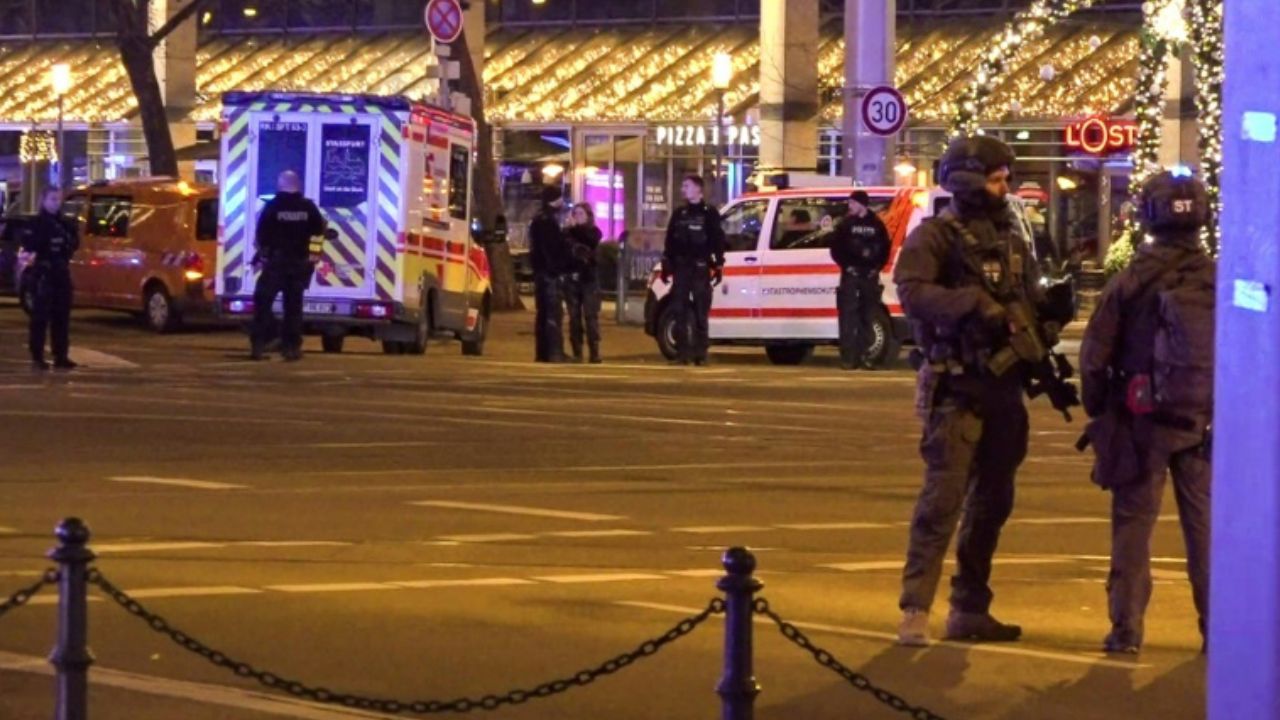
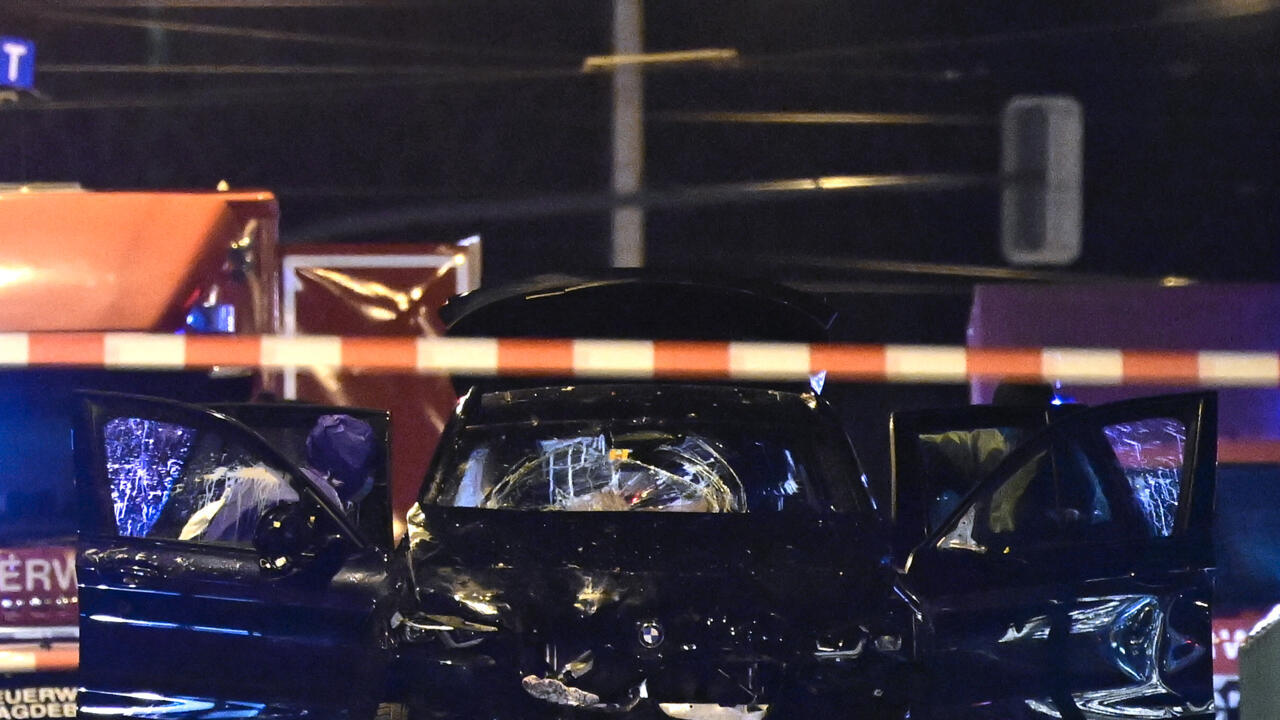
    The black BMW tore through the traditional market in the centre of Magdeburg, southwest of Berlin on Friday night.
    1734778960-I3ZD4SA8OH.jpg

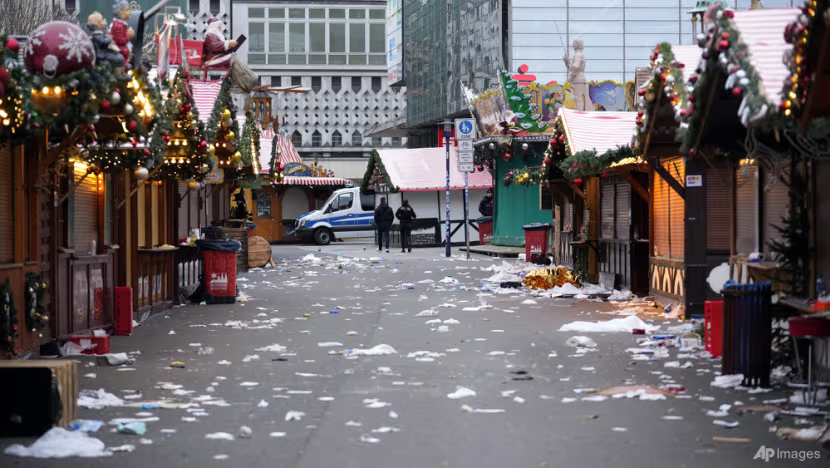
    Police said the vehicle drove “at least 400 metres across the Christmas market” leaving behind destruction, debris and broken glass on the city’s central town hall square.

    The attack came almost eight years to the day after a Tunisian man drove a truck through a Berlin Christmas market, killing 13 people. It was the country’s most deadly Jihadist attack.

    The sorrow and anger sparked by the latest attack, where one of those killed was a child, seemed set to inflame a heated debate on immigration and security as Germany heads for February 23 elections.

    One woman told Die Welt daily: “I don’t know what world we’re living in, where someone would use such a peaceful event to spread terror.”

    The leader of the far-right Alternative for Germany (AfD), Alice Weidel, which has focused on jihadist attacks in its campaign against immigrants, wrote on X: “When will this madness stop?”

    President Frank-Walter Steinmeier wrote that “the anticipation of a peaceful Christmas was suddenly interrupted” but cautioned that “the background to the terrible deed has yet been clarified”.

    “What happened today affects a lot of people. It affects us a lot,” Fael Kelion, a 27-year-old Cameroonian living in the city, told AFP.

    “I think that since (the suspect) is a foreigner, the population will be unhappy, less welcoming,” he said.

    Michael Raarig, 67, an engineer, expressed his sorrow at the site, telling AFP “I am sad, I am shocked. I never would have believed this could happen here in an East German provincial town.”

    He added that he believed the attack “will play into the hands of the AfD” which has had its strongest support in the formerly communist eastern Germany.
    1734778935-RXM65EVLOF.avif

    Scholz and Interior Minister Nancy Faeser will on Saturday visit the market, where well-wishers had already left flowers of condolences.

    Several European governments expressed shock over the attack. The Saudi government highlighted its “solidarity with the German people and the families of the victims”, in a statement on social media platform X, and “affirmed its rejection of violence”.

    Faeser had recently called for vigilance at Christmas markets, although she said that authorities had not received any specific threats.

    Domestic security service the Office for the Protection of the Constitution had warned it considers Christmas markets an “ideologically suitable target for Islamist-motivated people”.

    Germany has in recent tim seen a series of suspected Islamist knife and other violent attacks which have inflamed public opinion.

    Three people were killed and eight wounded in a stabbing spree at a street festival in the western city of Solingen in August.

    Police arrested a Syrian suspect over the attack that was claimed by IS.

    In June, a policeman was killed in a knife attack in Mannheim. An Afghan national was detained.

    The government this year imposed new border controls with European neighbours and pledged to step up deportations of rejected asylum-seekers.

    Germany’s conservative opposition leader Friedrich Merz, who is ahead in pre-election opinion polls, has pledged in his campaign to show “zero tolerance” on crime and “stop illegal migration”.


  • LGBTQ football fans will be safe in 2034 World Cup, says Saudi Arabia

    LGBTQ football fans will be safe in 2034 World Cup, says Saudi Arabia

    Saudi Arabia, host of the 2034 FIFA World Cup, has assured the English Football Association (FA) that LGBTQ fans will be “safe and welcome” at the event.


    The promise was made after the Kingdom’s successful bid to host the prestigious tournament.


    FIFA (International Federation of Association Football) confirmed in an official statement that Saudi Arabia will host the event in 2024.


    However, the bid ignited a debate in Western media about human rights in the Kingdom, which FIFA eventually addressed.


    President Gianni Infantino announced that the organisation will always make sure that it remains committed to include all fans. 


    “We are, of course, aware of critics and fears, and I fully trust our hosts to address all open points from this process and deliver a FIFA World Cup which meets expectations,” Infantino said.


    The Football Association has emphasised its support for Saudi Arabia’s bid while assuring that during the discussions with Saudi football officials last month, everything was talked about.


    In the official statement, the football association explained its decision to back the bid, saying: “We asked [Saudi Arabia] to commit to ensuring all fans would be safe and welcome in Saudi Arabia in 2034 – including LGBTQ+ fans. They assured us that they are fully committed to providing a safe and welcoming environment for all fans.”


    “Football is a global game and is for everyone. Our commitment to diversity and inclusion means being respectful of all, including all religions and cultures,” the FA said.


    Moreover, football’s governing body expressed optimism that hosting events like World Cups on such a scale can drive positive societal changes as the statement read, “We believe hosting World Cups can be a catalyst for positive change, which is best delivered by working collaboratively in partnership with host nations. We will work with FIFA and UEFA to ensure commitments to respect all human rights are delivered.”


    The bid and its success came out as a significant milestone in the kingdom’s expanding influence in global sport. 


    Simultaneously, the world football governing body also confirmed that Morocco, Spain, and Portugal will be joint hosts of the 2030 World Cup, in which three games will also be played in South America.

  • Greece returns stolen ancient coin hoard to Turkey

    Greece returns stolen ancient coin hoard to Turkey

    Greece on Thursday returned a hoard of over 1,000 stolen ancient coins to Turkey in the first repatriation of its kind between the historic rivals and neighbours.

    The move came a few months after Turkey publicly supported Greece in its long quest to reclaim the Parthenon Marbles from the British Museum in London.

    Greek Culture Minister Lina Mendoni said the hoard of 1,055 silver coins had been seized by Greek customs guards on the border with Turkey in 2019.

    “These coins had been illegally imported,” Mendoni said at a ceremony at the Numismatic Museum, which specialises in currency and medal collections, in Athens.

    Greeks are “particularly sensitive” to repatriation issues, she said.

    “All illegally exported antiquities from whichever country should return to their country of origin,” Mendoni added.

    Turkish Culture Minister Mehmet Nuri Ersoy said the operation was the first repatriation from Greece.

    Greek and Turkish experts determined that the coins were part of a stock hidden in Asia Minor between the late 5th and early 4th century BCE, she added.

    While research is ongoing, it is possible the hoard was secreted in modern-day Turkey during the Persian Wars expeditions of Athenian general Cimon, a veteran of the 480 BCE Battle of Salamis, she added.

    Most of the cache were tetradrachms — ancient large silver coins — originally minted in Athens and used broadly in the eastern Mediterranean, said Museum Numismatologist Vassiliki Stefanaki, a coinage expert.

    Stamped with the image of an owl, the Athenian relics were also used locally to pay tribute to the Persian Empire, and Persian governors used them to reward their troops, she said.

    Other coins came from Cyprus, the islands of Aegina and Milos, from Asia Minor cities founded by Greek settlers, the Iron Age kingdom of Lydia, and Phoenicia in modern-day Lebanon, officials said.

    Mendoni on Thursday also thanked Turkey for supporting Greece’s campaign to secure the return of the Parthenon Marbles from London.

    The British Museum has long maintained that the Marbles were removed from the Acropolis in Athens by royal decree granted to Lord Elgin, the British ambassador to the Ottoman Empire.

    But in June, Zeynep Boz, the head of the Turkish Culture Ministry’s anti-smuggling committee, told a UNESCO meeting in Paris that no such document had been found in Ottoman archives.

    Her statement was “decisive” in favour of Greece’s position, Mendoni said Thursday.

    Ersoy through a translator said Turkey wanted “with all its heart” to see the Marbles return to Athens.

    “The Greek people should have them, they belong to them,” he said.

    Boz, who attended Thursday’s ceremony in Athens, told AFP that the timing of Greece’s return of the coins was not related to her report in June.

    The five-year delay was caused by the time required by the Greek justice system to authorise the coins’ repatriation, she said.

  • Pokemon is back with a hit new gaming app

    Pokemon is back with a hit new gaming app

    With over 60 million downloads and an estimated $180 million in revenue since late October, a new Pokemon mobile game app is enjoying worldwide success as the latest incarnation of the hit Nintendo-owned franchise.

    Released on October 30, Pokemon Trading Card Game Pocket is a virtual version of the collectible card game that has captivated schoolyards since the late 1990s.

    Developed by The Pokemon Company, a Nintendo subsidiary, it combines opening “boosters”  — the equivalent of sealed card packs — with collecting creatures and online battles.

    “Pokemon TCG Pocket is showing one of the strongest performances of any mobile game of all-time,” Sam Aune, an analyst at digital market intelligence firm Sensor Tower, told AFP.

    The group estimates it generated around $180 million through the Apple and Google app stores in just six weeks.

    Developed by the Japanese games studio Creatures Inc., Pokemon TCG Pocket ranks second among mobile games measured by their first-month revenue, surpassed only by another Pokemon franchise title, Pokemon Go.

    The global phenomenon of 2016, Pokemon Go generated over $200 million in its first month and drove millions of players outdoors to hunt for virtual creatures which appeared on their mobile phone screens.

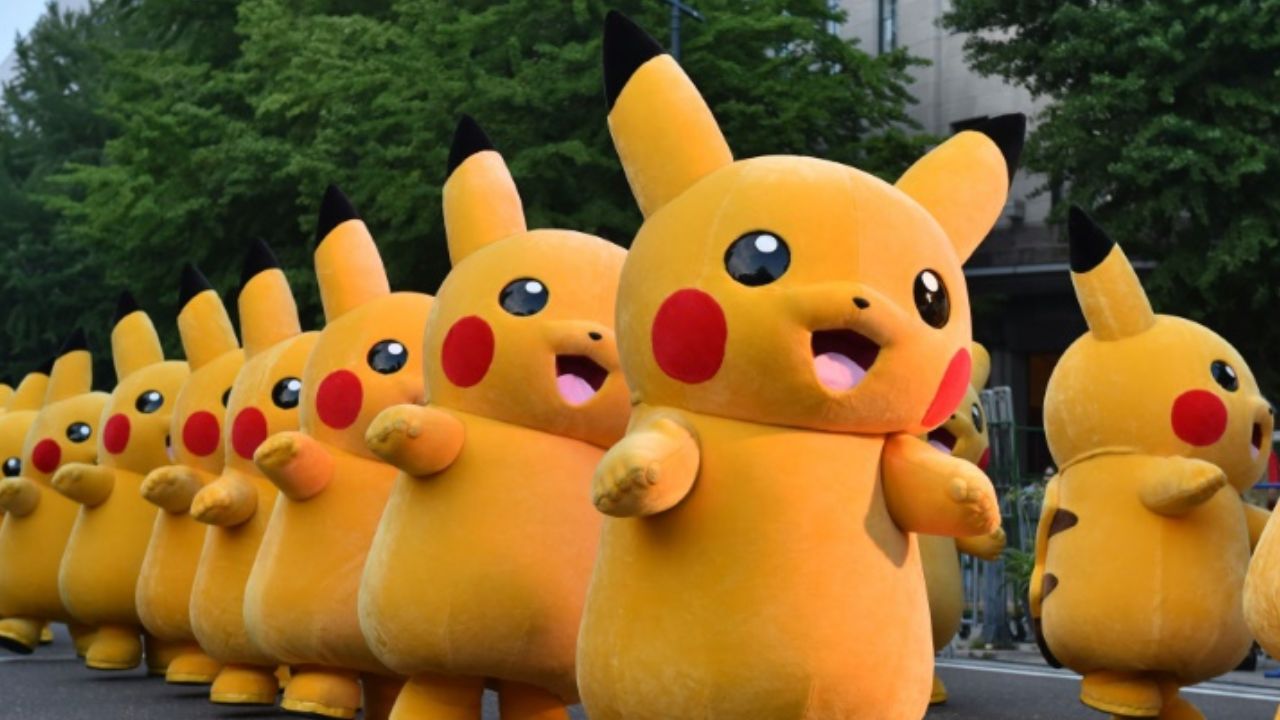
    As well as creating vast online revenues, the new surge in interest in Pikachu and his fellow cast of characters is spilling over into the offline world.

    Sales of physical cards are rising — and the game is back in fashion among school children.

    “It brings players back into the Pokemon brand,” explained Frederique Tutt, a toy market expert at Circana, a market research firm. “And physical cards remain the heart of the brand, something collectors want to own for playing and trading.”

    – ‘Unchanged experience’ –

    Popularised in the 1990s, the concept of collectible trading cards has since been adapted into many video games.

    From “Gwent” in The Witcher III to “Hearthstone” from the Warcraft universe, card games have carved out a special place in the hearts of gamers.

    Pokemon TCG Pocket has “very effectively brought that card pack opening and playing experience to digital,” says Simon Carless, founder of the analyst firm GameDiscoverCo.

    “It’s actually a very unchanged experience compared to the physical card game — which was smart, and that’s why people love it,” he added.

    On social media, players have been sharing videos of themselves unveiling new cards or participating in tournaments, with the hashtag #PokemonTCG amassing over 1.5 million posts on TikTok.

    Other video game adaptations of the Pokemon trading card universe date back decades.

    A Game Boy title was released in Europe in 2000, followed by another for PCs in the early 2010s.

    While Pokemon TCG Pocket is free to download, players are encouraged to spend money in-app to acquire more cards.

    Sacha Bernard, a 33-year-old teacher from the Paris suburb Creteil, said he was drawn in by nostalgia for the characters and the “short and fast” gameplay sessions.

    “Since it launched, I must have spent around 70 euros,” he told AFP. “It’s really the first time a mobile game has made me spend that kind of money.”

  • Human Rights Watch accuses Israel of ‘acts of genocide’

    Human Rights Watch accuses Israel of ‘acts of genocide’

    Human Rights Watch (HRW) on Thursday accused Israel of committing “acts of genocide” in the Gaza Strip for damaging water infrastructure and cutting off supplies to civilians, calling on the international community to impose targeted sanctions.

    In a new report, which focused specifically on water, the New York-based rights group detailed what it said were deliberate efforts by Israeli authorities “of a systematic nature” to deprive Gazans of water, which had “likely caused thousands of deaths… and will likely continue to cause deaths”.

    “Since October 2023, Israeli authorities have deliberately obstructed Palestinians’ access to the adequate amount of water required for survival in the Gaza Strip,” the report said.

    Israel has steadfastly rejected previous similar accusations from rights groups, saying its actions in Gaza are legitimate military operations.

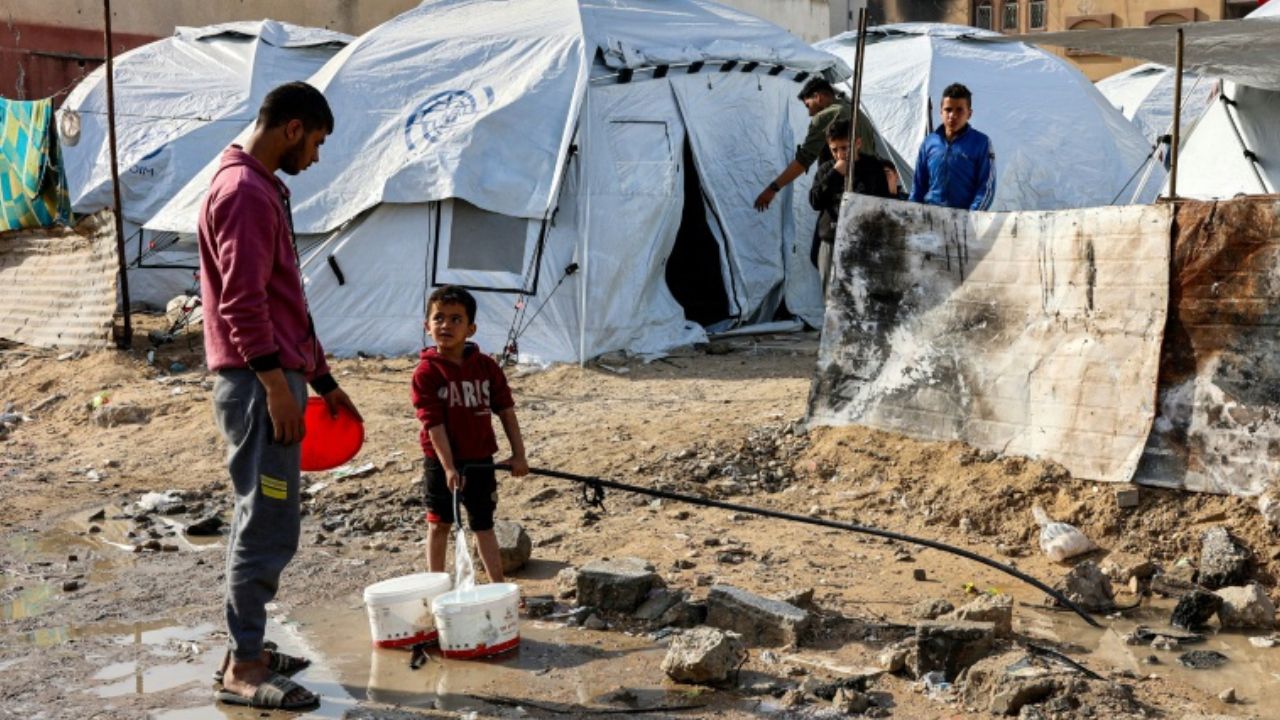
    The HRW report detailed what the group said was the intentional damaging of water and sanitation infrastructure, including solar panels powering treatment plants, a reservoir and a spare parts warehouse, as well as the blocking of fuel for generators.

    Israel also cut electricity supplies, attacked repair workers and blocked the importation of repair materials, it said.

    The report concluded that in doing so, “Israeli authorities intentionally inflicted on the Palestinian population in Gaza ‘conditions of life calculated to bring about its physical destruction in whole or in part.’”

    This, it said, amounted to the war crime of “extermination” and to “acts of genocide”.

    However, HRW stopped short of saying Israel was committing outright “genocide”.

    Under international law, proving genocide requires evidence of specific intent, which experts say is very difficult.

    HRW said only that: “The pattern of conduct set out in this report together with statements suggesting some Israeli officials wished to destroy the Palestinians in Gaza may indicate such intent.”

    Speaking at a briefing on the report, Lama Faqih, director of HRW’s Middle East and North Africa division, said that in the absence of “a clear articulated plan” to commit genocide, the International Court of Justice (ICJ) might find that the evidence meets the “very strict threshold” of reasonable inference of genocidal intent.

    HRW pointed to a statement by then-defence minister Yoav Gallant in October 2023, when he declared a “complete siege” and said: “No electricity, no food, no water, no gas — it’s all closed.”

    Israel is facing a case brought by South Africa at the ICJ last December, arguing that the war in Gaza breached the 1948 United Nations Genocide Convention, an accusation Israel has strongly denied.

    On December 5, Amnesty International accused Israel of committing genocide in the Gaza Strip, drawing a furious reaction from the government.

    Israel denies intentional destruction of the population in Gaza, saying that it facilitates aid to the besieged territory.


    The HRW report, drawn up over nearly a year, is based on interviews with dozens of Gazans, staff at water and sanitation facilities, medics and aid workers, as well as satellite imagery, photographs, videos and data analysis.

    It said Israeli authorities did not reply to requests for information.

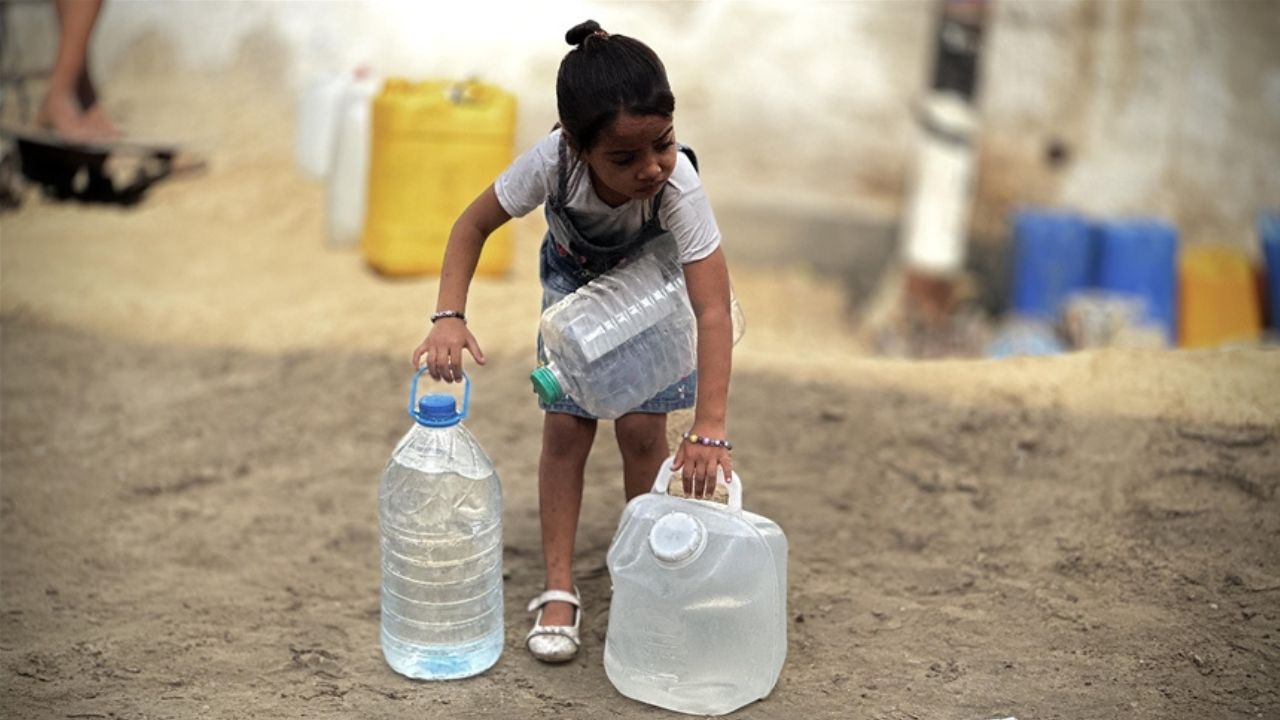
    The lack of water left Gazans vulnerable to water-borne diseases and complications, such as infected wounds and the inability to heal due to dehydration, HRW said.

    Medical facilities were also struggling to maintain basic hygiene practices.

    Deaths from such cases “are likely vastly underreported”, the report said.

    Doctors and nurses told HRW “that many of their patients have died from preventable diseases and infections, and healable wounds, due to dehydration and the unavailability of water”.

    One emergency room nurse cited in the report said they were forced to decide “not to resuscitate children who were severely malnourished and dehydrated”.

    The rights group called on Israel to take numerous actions, including to “immediately ensure” sufficient water, fuel and electricity in Gaza.

    It also said the international community must “take all measures within their power to prevent genocide by Israeli authorities in Gaza”.

    That included “discontinuing any military assistance and arms sales or transfers, imposing targeted sanctions, and reviewing bilateral deals and diplomatic relations”.

    The genocide in Gaza was sparked by Hamas’s October 7, 2023 attack on Israel that resulted in the deaths of 1,208 people in Israel, which has, in turn, killed at least 45,097 people in Gaza, a majority of them civilians, according to figures from the Gaza’s territory’s health ministry that the United Nations considers reliable.

  • French court convicts ex-President, orders him to wear electronic tag

    French court convicts ex-President, orders him to wear electronic tag

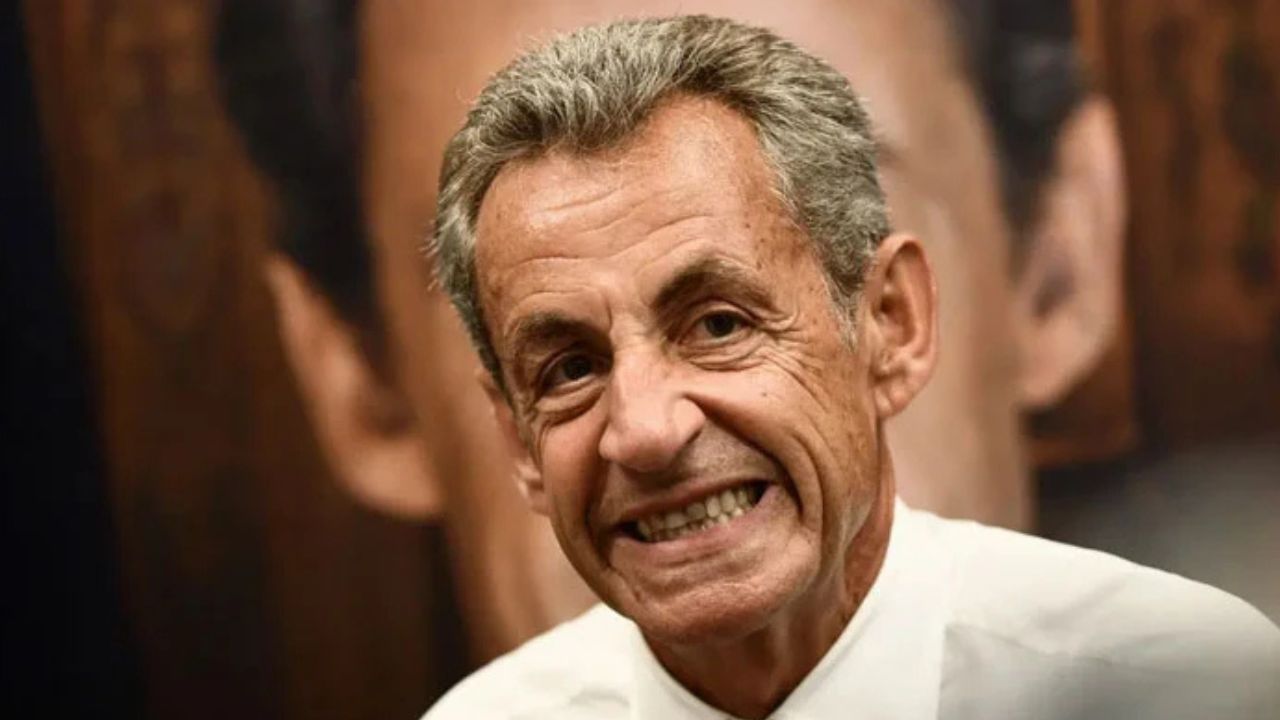
    France’s highest appeals court ordered former president Nicolas Sarkozy to wear an electronic tag for a year Wednesday — a first for a former head of state — after confirming his convictions for corruption and influence peddling.

    It also barred him from public office for three years.

    The verdict means he could face 12 months under house arrest, depending on what a judge later decides.

    Sarkozy, 69, who had been found guilty of illegal attempts to secure favours from a judge, will “evidently” respect the sentence, his lawyer Patrice Spinosi told AFP.

    But he will take the case to the European Court of Human Rights within weeks, Spinosi added.

    That will not, however, hold up Wednesday’s sanction, Sarkozy having exhausted all the legal avenues in France.

    Spinosi said it was a “sad day” when “a former president is required to take action before European judges to have condemned a state over whose destiny he once presided.”

    He said his client was “calm and determined”.

    But Sarkozy himself said he was “not ready to accept the profound injustice that is being done to me”.

    His appeal to the European court in Strasbourg “could, alas, lead to a condemnation of France”, he said. This could have been avoided, he added, “if I had benefitted from a level-headed legal analysis”.

    ‘Corruption pact’ 

    In 2021, a lower court found that Sarkozy and his former lawyer, Thierry Herzog, had formed a “corruption pact” with judge Gilbert Azibert to obtain and share information about an investigating judge, in a case uncovered by wiretapping.

    The deal was done in return for the promise of a plum retirement job for the judge.

    The trial came after investigators looking into a separate case of alleged illegal campaign financing wiretapped Sarkozy’s two official phone lines, and discovered that he also had a third, unofficial one.

    It had been taken out in 2014 under the name “Paul Bismuth”, and only used for him to communicate with Herzog. The contents of these phone calls led to the 2021 corruption verdict.

    Before Sarkozy, the only French leader to be convicted in a criminal trial was his predecessor Jacques Chirac, who received a two-year suspended sentence in 2011 for corruption over a fake jobs scandal. But Sarkozy is France’s first post-war president to have been sentenced to serve time.

    The court sentenced him to a three-year jail term, two of which were suspended with one to be served in home detention with an electronic tag allowing his movements to be monitored.

    That verdict had already been upheld once, by an appeals court, last year.

    Other cases pending 

    The former president is to be summoned before a judge who will determine the details of his house arrest.

    Sarkozy has always insisted he was innocent.

    The right-winger was president for one term between 2007 and 2012, failing to win re-election. He has been embroiled in legal troubles ever since leaving office.

    The “Bismuth” case comes on top of separate cases about campaign overspending, and the alleged financing by Libya of Sarkozy’s victorious 2007 election campaign.

    Financial crimes prosecutors accuse Sarkozy and 12 others of seeking millions of euros from the regime of then Libyan leader Moamer Kadhafi.

    That case is to go to trial in January.

    Despite his legal problems, Sarkozy continues to enjoy considerable influence and popularity on the right of French politics and has the ear of President Emmanuel Macron, with whom he is known to meet on occasion.

    Sources have told AFP that Sarkozy held talks at the Elysee earlier this month in a bid to persuade Macron not to appoint veteran centrist Francois Bayrou as prime minister. The former president is widely known to despise him.

    After a long hesitation, Macron went ahead and named Bayrou.

  • Five Pakistanis dead, 35 missing in Greek boat capsizing

    Five Pakistanis dead, 35 missing in Greek boat capsizing

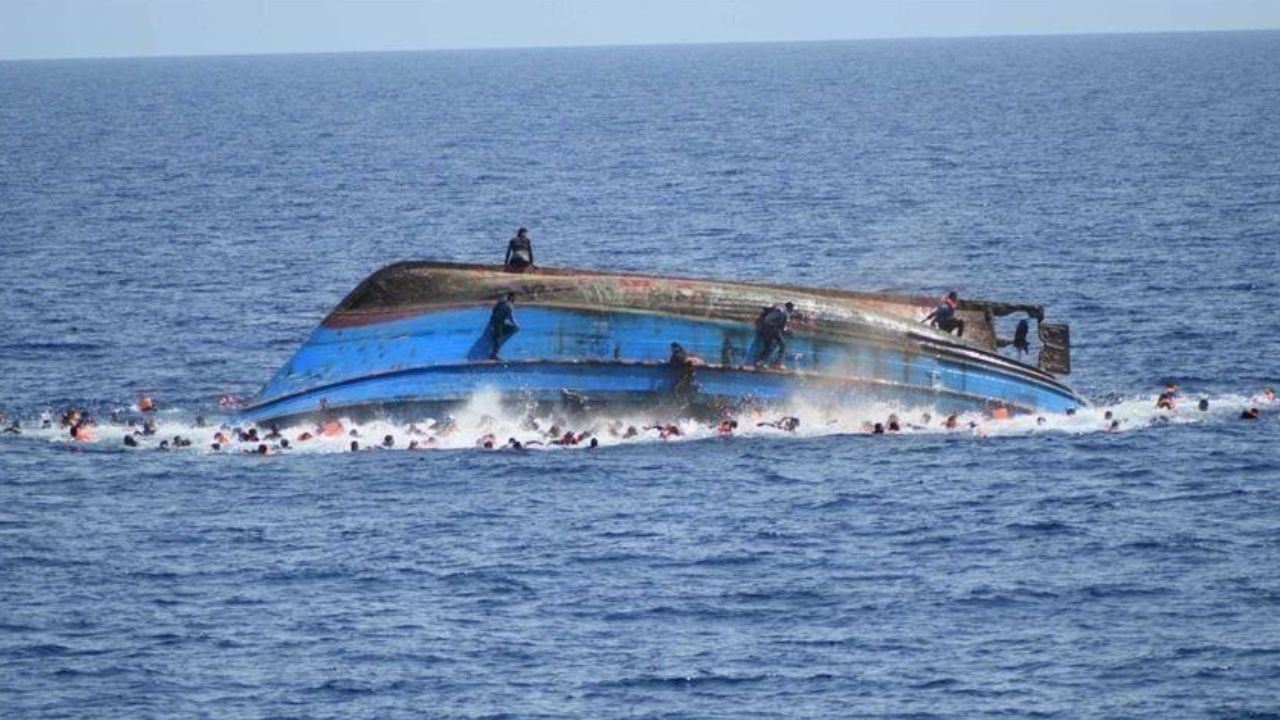
    The death toll from the boat capsize incident in Greece has surged to 40 as rescue efforts by authorities to find survivors ended without any success on Wednesday.


    Officially, Pakistan’s government has confirmed the death of five people belonging to the Sialkot, Gujrat, Mandi Bahauddin, and Narowal districts. 


    Among the five confirmed victims, two belonged to Pasrur, a tehsil of Sialkot, while one each hailed from Gujrat, Narowal, and Mandi Bahauddin. The fifth victim was identified as Muhammad Shabeer of Gakharkey village of Narowal.


    Additionally, locals in Heelan village of Mandi Bahauddin also claimed that five youngsters from their village were also among the missing. The family of another victim named Awais of Uddu Fateh village of Pasrur told the media that he was also missing.
    However, as the search by Greek authorities ended on Wednesday, 35 missing citizens are also presumed dead now, taking the tally to 40.

    An earlier report suggests that 47 Pakistanis were among the rescued passengers. 


    FIA investigation


    Following the incident, the Federal Investigation Agency (FIA) has registered six cases against suspects allegedly involved in illegal transportation of victims from Punjab to Libya with promises to send them off on boats to Greece, helping them enter Europe.


    FIA officials have also ‘sealed’ the FIRs to reportedly conceal the identity of local facilitators.


    Dawn quotes sources saying that three cases were registered with the Gujrat and Gujranwala circles of the FIA, adding that four suspects have been arrested in connection with the boat accident on Wednesday. 


    Reports suggest that at least four different teams — two each in Gujrat and Gujranwala — have been constituted to trace and arrest the human traffickers and their local facilitators in the region.


    PM chairs meeting


    Prime Minister Shehbaz Sharif on Wednesday in a meeting directed strict action against human trafficking and sought a quick report on the incidents of human trafficking during the last year involving Pakistani citizens. 


    “The recurrence of such incidents is due to the sluggish action against the people involved,” the PM said. 


    In an effort to thwart illegal transportation, the premier instructed the immediate implementation of the Integrated Border Management System (IBMS) to monitor international travellers. 


    The authorities also informed the PM that 174 people involved in human trafficking had been produced before courts, with four of them convicted only.


    During the meeting, the Prime Minister recalled that 262 Pakistani nationals had lost their lives in a similar incident in the same area last year.


    However, in a report released by Pakistan’s National Commission for Human Rights, Pakistan it was stated,: “In the year 2023 alone over 6,000 Pakistanis undertook illegal journeys to reach European shores” — though some other estimates put the number significantly higher. 


    In 2023, more than 350 Pakistanis lost their lives when an overcrowded boat carrying hundreds of illegal migrants sank en route to Greece from Libya.

  • Dutch authorities fine Netflix 4.75 million euros over personal data use

    Dutch authorities fine Netflix 4.75 million euros over personal data use

    Dutch authorities fined video streaming giant Netflix 4.75 million euros ($4.98 million) Wednesday over its handling of subscribers’ personal data, which it said was unclear or incomplete in several respects.

    Netflix said it had appealed against the fine, noting it had cooperated with the data protection authorities and already changed its policies.

    “Between 2018 and 2020, Netflix did not provide customers with enough information about what the company does with their personal data,” said the Dutch Data Protection Authority (AP) in a statement.

    “And the information that Netflix did provide was unclear in some areas,” the AP added.

    The authorities also noted that Netflix had since updated its privacy statement and improved its information to subscribers over the use of data.

    “A company like that, with a turnover of billions and millions of customers worldwide, has to explain properly to its customers how it handles their personal data,” said AP chairman Aleid Wolfsen.

    “That must be crystal clear. Especially if the customer asks about this. And that was not in order.”

    The data protection watchdog said Netflix was unclear or provided insufficient information in several areas.

    It said Netflix was not clear over why it was collecting personal data, which is shared with other parties, how long the data is kept, and how the data is kept secure when transmitted outside Europe.

    “Since this investigation began over five years ago, we have cooperated with the Dutch Data Protection Authority and proactively evolved our privacy information to provide even greater clarity to our members,” a Netflix spokesperson said in a statement to AFP.

    “We have objected to this decision.”

     
  • 15-year-old girl killed two in latest US school shooting

    15-year-old girl killed two in latest US school shooting

    A 15-year-old female student was identified by police as the assailant who opened fire Monday at a school in the US state of Wisconsin, where a fellow student and teacher were killed and the suspected shooter was found dead.

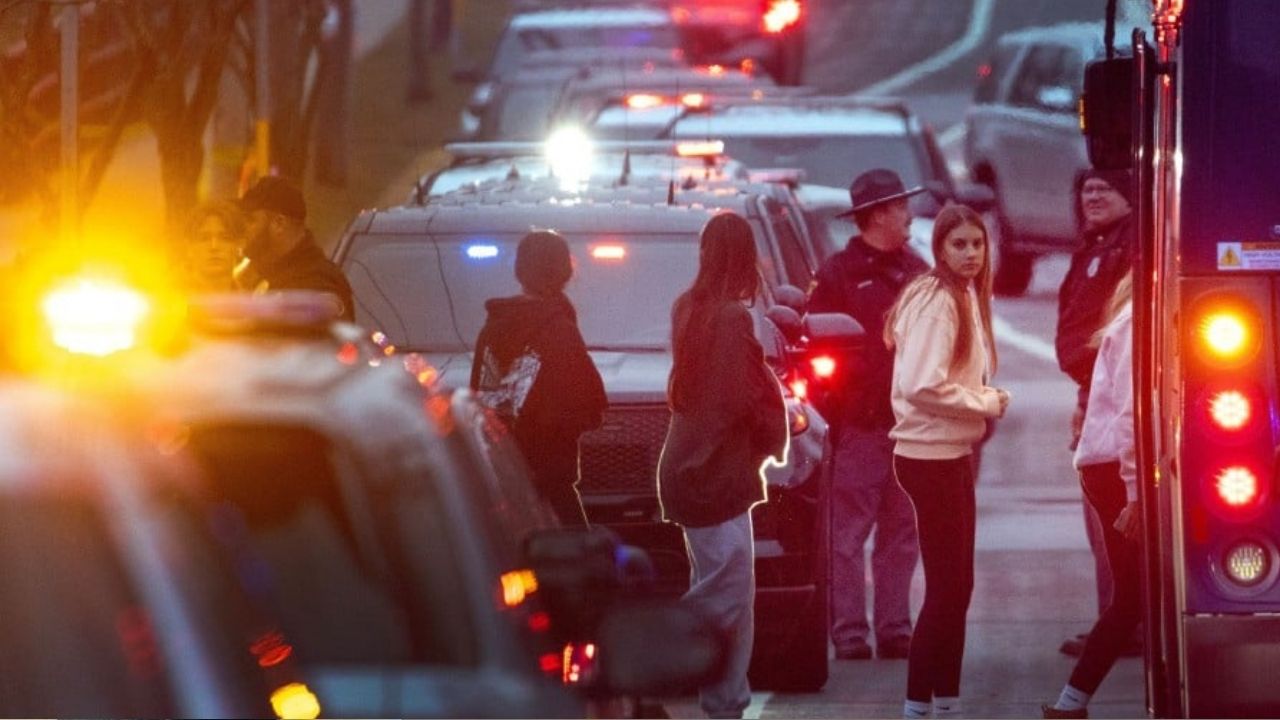
    Shon Barnes, police chief in the state capital Madison, told a press briefing that three people had died and seven others were wounded at the Abundant Life Christian School, a private Christian school with about 400 students.

    “The shooter has now been identified as (a) 15-year-old,” Barnes told reporters, identifying the minor by name.


    “She was a student at the school, and evidence suggests she died from a self-inflicted gunshot wound,” he added.

    Barnes said a second-grade student called emergency services to report the shooting shortly before 11:00 am local time (1700 GMT).

    Of the six wounded victims who were hospitalized, two students remain in critical condition with life-threatening injuries, two people are in stable condition, and two have been discharged from hospital, the police chief said.

    A handgun was recovered at the scene, Barnes said, adding that the suspect’s family was cooperating with the police investigation.


    “We are still working to determine a motive,” he said.

    One witness interviewed by local media said they had heard two gunshots during the attack.

    “We heard them and then some people started crying and then we just waited until the police came and then they escorted us out to the church,” said the child, who was not identified.

    Monday’s violence is the latest in a long line of school shootings in the United States, where guns outnumber people and attempts to restrict access to firearms face perennial political deadlock.

    Underlining the commonplace nature of mass shootings, the police chief said some medical personnel responding to Abundant Life came directly from training for such an event.

    “I think we can all agree that enough is enough,” Barnes told reporters.

    “We have to come together to do everything we can to support our students, to prevent press conferences like these from happening again and again and again.”

    US President Joe Biden condemned the shooting as “shocking and unconscionable” and said the tragedy underscored yet again the need for tighter gun laws.

    “It is unacceptable that we are unable to protect our children from this scourge of gun violence. We cannot continue to accept it as normal,” he said in a statement.

    “We need Congress to act. Now.”


    Horror of school shootings 

    Female US school shooters are exceedingly rare, but women and schoolgirls have been identified as assailants over the years.

    “Most school shooters are male and in their teens or early 20s. However, over the last 50 years, at least four planned school shootings have involved female attackers,” David Riedman, founder of the K-12 School Shooting Database, wrote last year.

    The shooting happened in the final week of classes before students head to the Christmas holidays, said Barbara Wiers, the school’s director of elementary and school relations.

    “This has obviously rocked our school community,” she told a media briefing, saying it was not yet decided if students would return before the year-end break.

    This year, there have been at least 487 mass shootings — defined as a shooting involving at least four victims, dead or wounded — across the United States, according to the Gun Violence Archive.

    At least 16,012 people have been killed in firearms violence in the United States this year, not including suicides, GVA reported Monday.

    In September a 14-year-old boy killed four people, including two students, at a high school in the state of Georgia, before being taken into custody.

    Nineteen students and two teachers were shot dead in May 2022 when an 18-year-old gunman stormed their Uvalde, Texas elementary school and opened fire.

  • German chancellor sent packing after losing confidence vote

    German chancellor sent packing after losing confidence vote

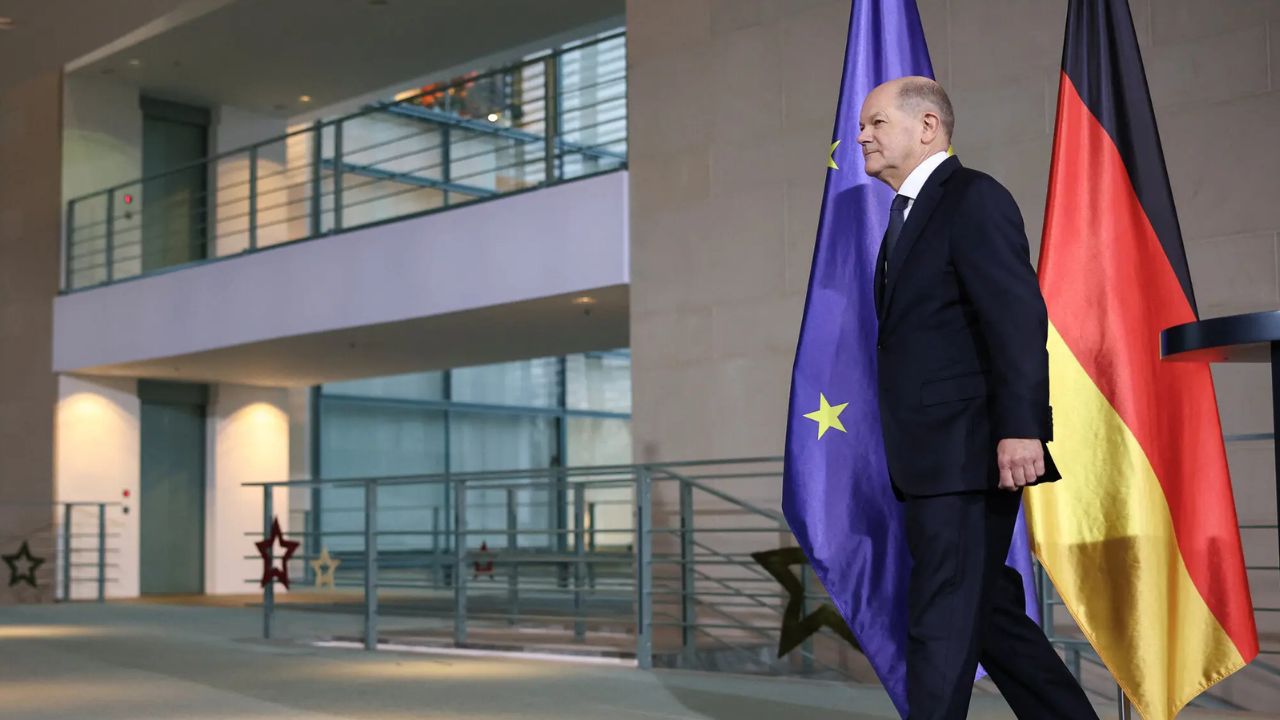
    German Chancellor Olaf Scholz lost a confidence vote on Monday, spelling the effective end of his troubled government and putting Europe’s biggest economy on the path to elections on February 23.

    Scholz had called the vote, expecting to lose it, weeks after his coalition collapsed. Later Monday he asked President Frank-Walter Steinmeier to dissolve the legislature soon and ask voters to head back to the ballot box.

    Although the centre-left chancellor continues in a caretaker role and with a minority in parliament, the political turmoil threatens months of paralysis until a new coalition government is formed.

    Embattled Scholz, 66, lags badly in the polls behind conservative opposition leader Friedrich Merz who heads the Christian Democratic Union (CDU) of ex-chancellor Angela Merkel.

    After more than three years at the helm, Scholz was plunged into crisis when his unruly three-party coalition collapsed on November 6, the day Donald Trump won re-election to the White House.

    The political turbulence has hit Germany as it struggles to revive a stuttering economy hammered by high energy prices and tough competition from China.

    Berlin also faces major geopolitical challenges as it confronts Russia over the Ukraine war and as Trump’s looming return heightens uncertainty over NATO and trade ties.

    – ‘Deplorable state’ –

    Those threats were at the centre of a heated debate between Scholz, Merz and other party leaders ahead of the vote in the lower house, in which 207 MPs expressed confidence in Scholz against 394 who did not, with 116 abstentions.

    After Scholz outlined his plans for massive spending on security, business and social welfare, Merz demanded to know why he had not taken those steps in the past, asking: “Were you on another planet?”

    Scholz argued that his government had boosted spending on the armed forces which previous CDU-led governments had left “in a deplorable state”.

    “It is high time to invest powerfully and decisively in Germany,” Scholz said, warning about Russia’s war in Ukraine that “a highly armed nuclear power is waging war in Europe just two hours’ flight from here”.

    But Merz fired back that Scholz had left the country in “one of the biggest economic crises of the post-war era”.

    “You had your chance, but you did not use it … You, Mr. Scholz, do not deserve confidence”, charged Merz.

    Merz, a former corporate lawyer who has never held a government leadership post, lambasted the motley alliance of the chancellor’s Social Democrats (SPD), the left-leaning Greens and the liberal Free Democrats (FDP).

    Coalition bickering over fiscal and economic woes came to a head when Scholz fired his rebellious FDP finance minister Christian Lindner on November 6.

    Scholz on Monday again lashed out at Lindner for the “weeks-long sabotage” that finally imploded the alliance and damaged “the reputation of democracy” itself.

    The departure of Lindner’s FDP left Scholz running a minority government with the Greens that has been limping along, unable to pass major bills or a new budget.

    Berlin’s troubles come as Germany’s main EU partner France is also mired in a government crisis.

    – ‘Plagued by doubt’ –

    German politics in the post-war era was long staid, stable and dominated by the two big-tent parties, the CDU-CSU alliance and the SPD, with the small FDP often playing kingmaker.

    The Greens emerged in the 1980s, but the political landscape has been further fragmented by the rise of the far-right Alternative for Germany (AfD), a shock for a country whose dark World War II history had long made right-wing extremist parties taboo.

    The AfD has grown in the past decade from a eurosceptic fringe party into a major political force when it protested against Merkel’s open-door policy to migrants, and now has around 18 percent voter support.

    While other parties have committed to a “firewall” of non-cooperation with the AfD, some have borrowed from its anti-immigration rhetoric.

    After the fall of Syrian president Bashar al-Assad, some CDU lawmakers were quick to demand that the around one million Syrian refugees in Germany return to their home country.

    Political scientist Claire Demesmay of Sciences Po Paris said Germany was now in a sweeping process of reorientation which is “feeding fears within society that are reflected on the political level”.

    “We can see a political discourse that is more tense than a few years ago. We have a Germany plagued by doubt.”