Category: Health

  • VIDEOS: Pakistanis, Indians start robbing banks of hand sanitisers

    From wearing masks to cleaning hands with soap and water or sanitiser every hour, people are trying every possible way to protect themselves from falling sick amid the coronavirus outbreak.

    With this leading to a shortage of sanitisers not just in Pakistan but also across the globe, videos showing rather desperate attempts by people to stay healthy in time of COVID-19, have started doing rounds over the internet.

    One such video was recently shared by journalist Naila Inayat, who wrote, “When you think no one is watching you.”

    The 32-second clip is a CCTV footage from March 27 of an ATM. The video shows a man taking out money from the machine. As soon as he puts the money in his pocket, he spots the bottle of hand sanitiser. Instead of pumping it in his hands, he puts the entire bottle inside his jacket and walks out of the vestibule.

    WATCH VIDEO:

    It, however, wasn’t the only video of its sort.

    Here’s another video shared by a user on Facebook last week.

    Meanwhile, similar videos have gone viral from across the border too.

    Have something to add to this story? Let The Current know in the comments.

  • Two Punjab doctors treating coronavirus patients get infected

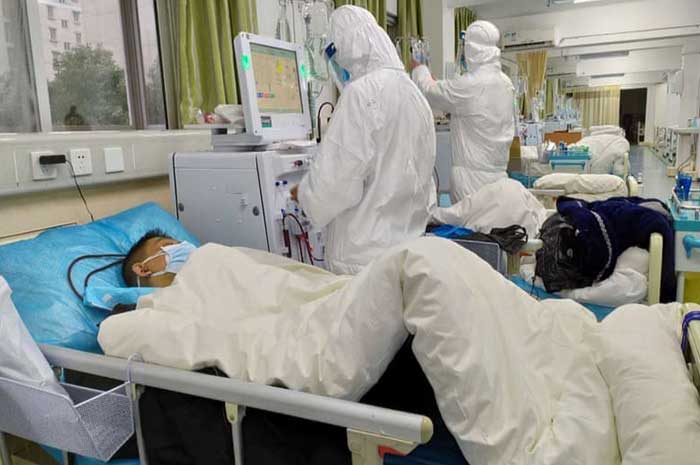
    Two more Pakistani doctors have been confirmed to have contracted the novel coronavirus while treating patients, Geo reported.

    Punjab’s Primary and Secondary Health Care Department said on Friday that two doctors involved in the fight against coronavirus had tested positive for the disease.

    The spokesperson for the department stated that the doctors had been performing their duties at a quarantine centre in Dera Ghazi Khan when they started showing symptoms associated with COVID-19.

    Both doctors have since been confined to an isolation ward and are out of danger, added the statement.

    Earlier, a doctor had lost his life in Gilgit-Baltistan while performing his duties at one of the quarantine centres in the region.

    Meanwhile, the number of confirmed COVID-19 cases in Pakistan rose to 1,257 on Friday after more people tested positive in Sindh, Khyber Pakhtunkhwa (KP) and Islamabad.

    The country also recorded its ninth death due to the virus while at least 24,000 deaths have been recorded globally, more than 15,500 of which are in Europe since the virus first emerged in December.

    More than 532,000 declared virus cases have been registered in 199 countries and territories of which at least 268,191 are in Europe, the worst-hit continent.

    The countries with the most deaths include Italy with 8,165 deaths out of 80,539 declared infections, Spain with 4,089 deaths out of 56,188 cases, mainland China with 3,287 deaths out of 81,285 cases, Iran with 2,234 deaths out of 29,406 cases, and France with 1,696 fatalities out of 29,155 cases.

  • CM Balochistan wants you to clap your hands

    CM Balochistan wants you to clap your hands

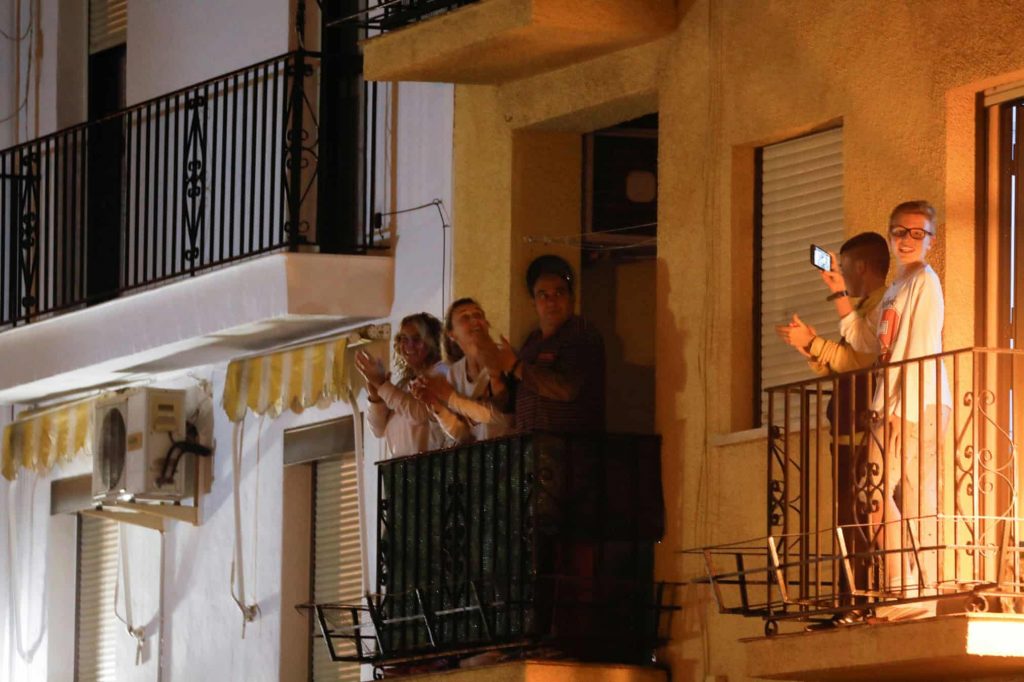
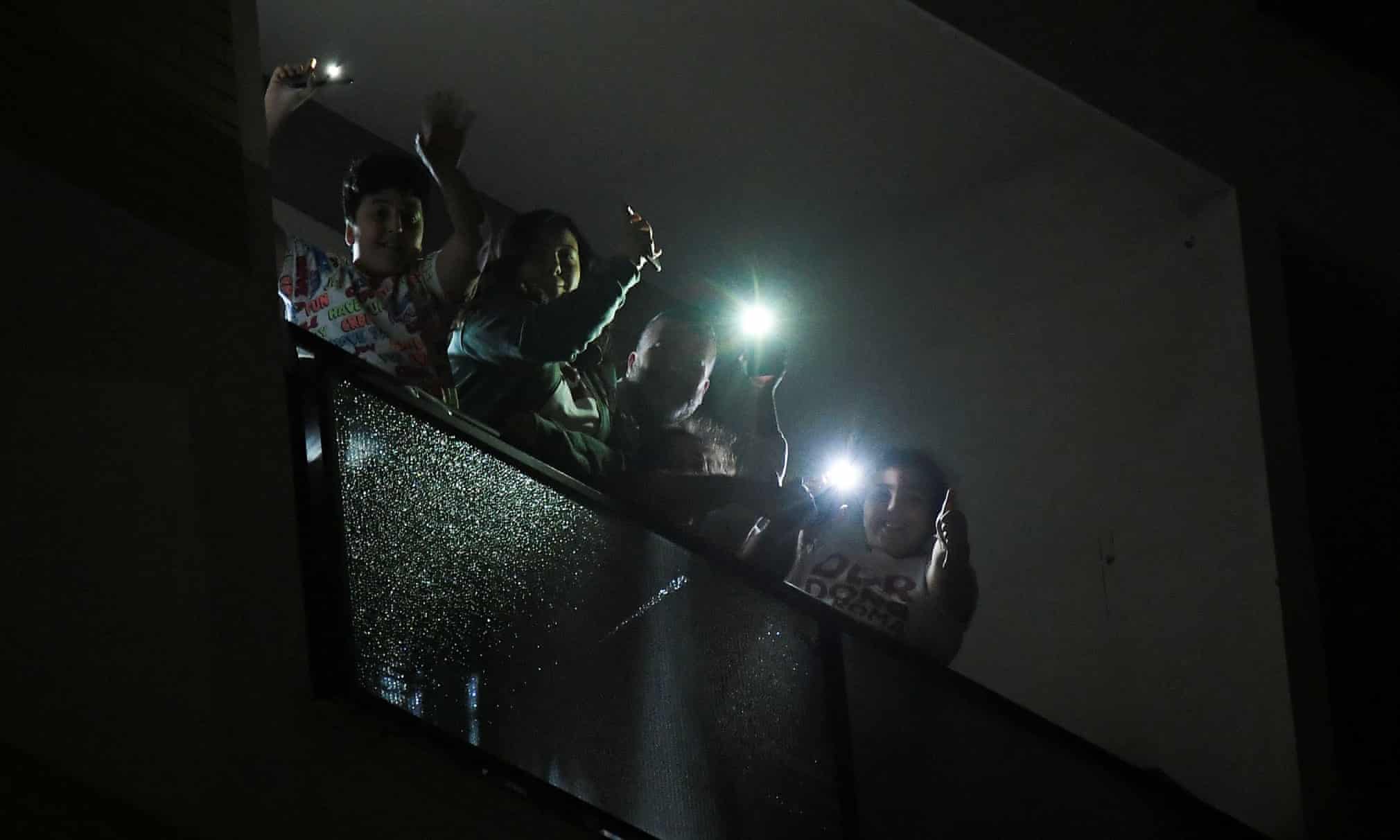
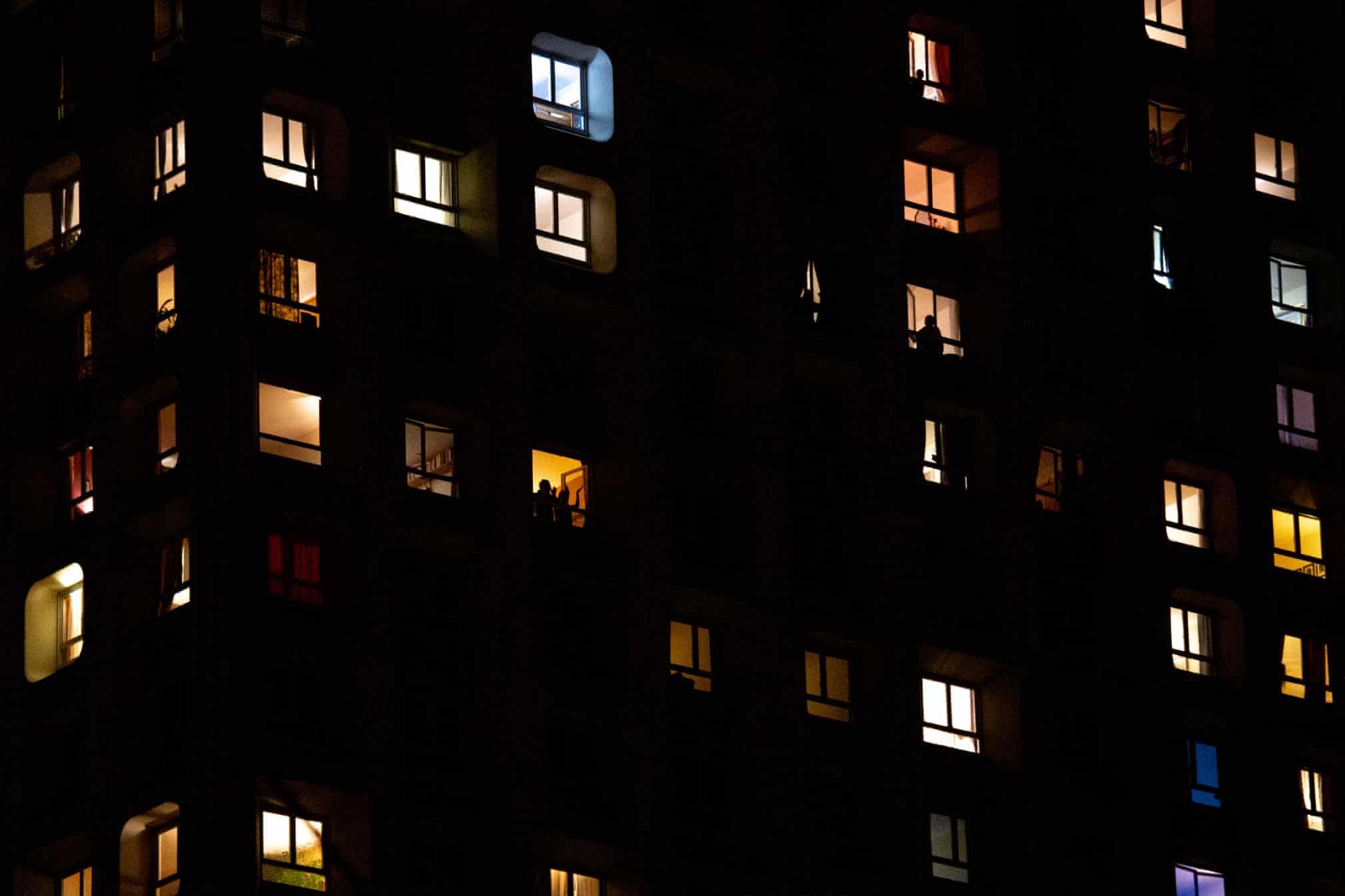
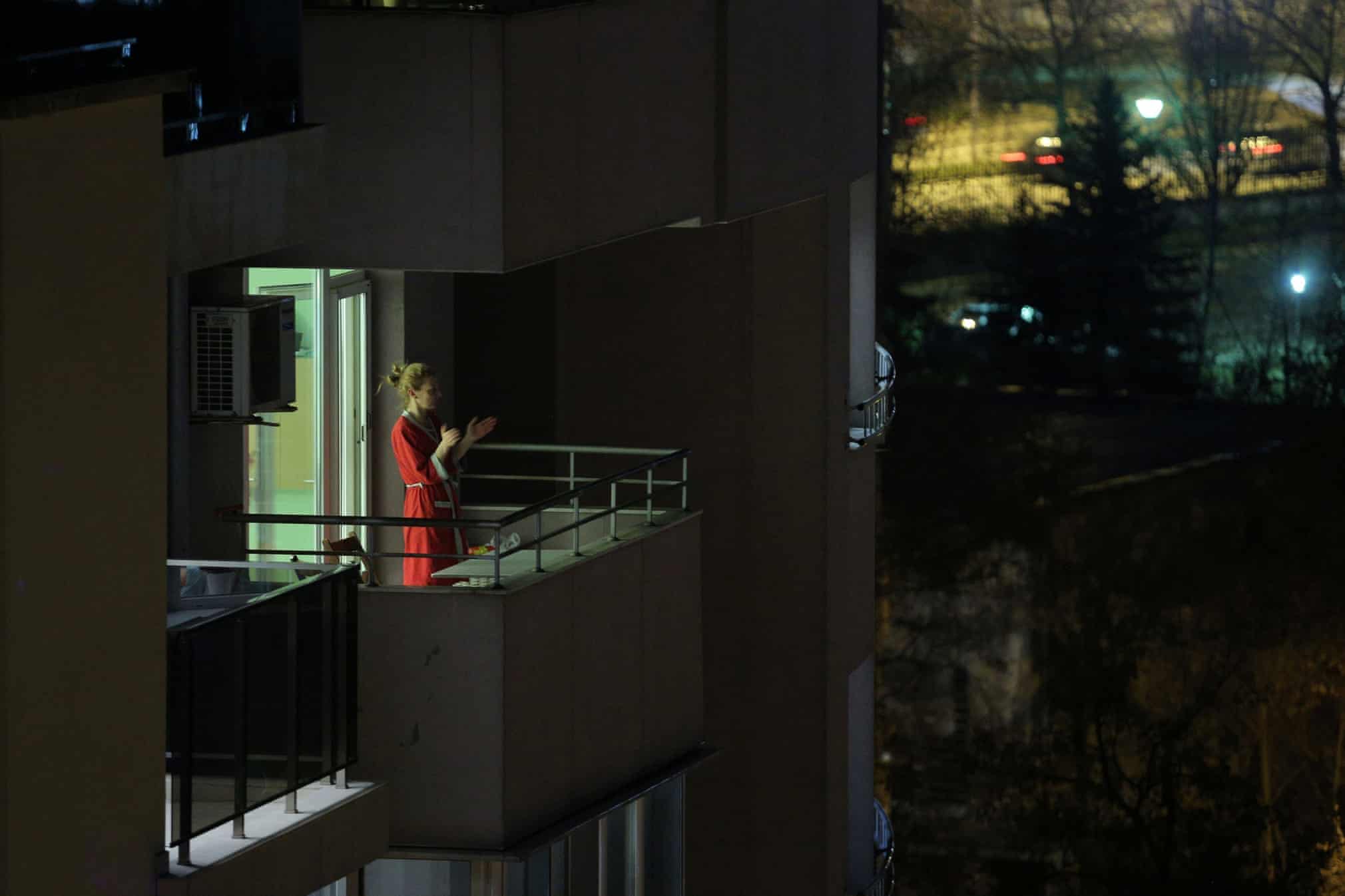
    Chief Minister of Balochistan, Jam Kamal wants people to support their doctors and medical staff by coming out on their balconies, roofs, and windows, clapping their hands and flashing their mobile lights to appreciate the doctors working to help people during the coronavirus pandemic.

    The CM is not wrong. Different countries have been using this technique to give moral support to their medical workers.

    People clap from their windows in support of medical staff in Paris, France
    Photograph: Omar Havana/Getty Images
    A woman applauds doctors and nurses fighting coronavirus as part of a nationwide initiative to show unity and support in Sofia, Bulgaria
    Photograph: Dimitar Kyosemarliev/Reuters
    Family members applaud from their balconies during a call on social media to thank Spanish medical staff in Ronda, Spain
    Photograph: Jon Nazca/Reuters
    A man plays the violin from a balcony to raise morale in Berlin, Germany
    Photograph: Paweł Kopczyński/Reuters
    People hold up their smartphones on a balcony as part of nationwide flash mob to light up Rome, Italy
    Photograph: Alberto Lingria/Reuters
  • President to meet with religious scholars for discussion on congregational prayers

    President to meet with religious scholars for discussion on congregational prayers

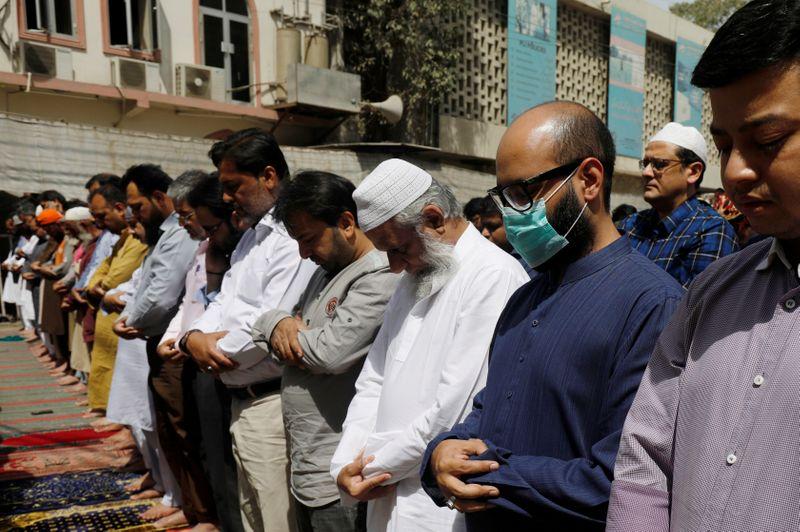
    Friday prayers and mosques have not been closed in any province other than Sindh. President Arif Alvi is meeting with different religious scholars to discuss what can be done to limit religious gatherings at this time. He has also tweeted on the subject, urging the Ulema to take urgent action to help stop the spread of the virus like other countries.

    Arif Alvi had previously tweeted that he was not attending Jummah prayers to protect himself and everyone else from the spread of coronavirus by practicing social distancing.

    The meeting has been organised by the Council of Islamic Ideology (CII) and the the ministry of religious affairs. It will be attended by scholars from across the country via video link.

  • Infected Italian priest dies after giving respirator to younger coronavirus patient

    Infected Italian priest dies after giving respirator to younger coronavirus patient

    An Italian priest infected with coronavirus gave up a respirator his parishioners bought for him to a younger patient — and then died from the deadly bug, according to reports.

    Reverend Giuseppe Berardelli, 72, refused to take the respirator while in a hospital after finding out the other patient — who was a complete stranger — also needed it, BBC reported.

    The main priest in the town of Casnigo died last week in Lovere hospital, the broadcaster said, citing hospital officials.

    He was one of at least 60 priests who died in Italy this month as the European nation was the epicenter of the deadly pandemic.

    “He is a ‘Martyr of Charity,’” New York Jesuit priest James Martin said on Twitter, adding the biblical phrase, “Greater love has no person…”

    Martin — an author who edits the Jesuit Journal America — said Berardelli was a “saint like St. Maximilian Kolbe, who in Auschwitz volunteered to take the place of a condemned man with a family, and was killed.”

  • Cleaner hands, bluer skies: what has coronavirus done for us?

    Deaths, economic meltdown and a planet on lockdown: the coronavirus pandemic has brought us waves of bad news, but squint and you might just see a few bright spots, AFP reported.

    From better hygiene that has reduced other infectious diseases to people reaching out as they self-isolate, here are some slivers of silver linings during a bleak moment.

    WASH YOUR HANDS!

    The message from health professionals has been clear from the start of the outbreak: wash your hands.

    Everyone from celebrities to politicians has had a go at demonstrating correct technique — including singing “Happy Birthday” twice through to make sure you scrub long enough, and hand sanitiser has flown off the shelves.

    All that extra hygiene appears to be paying off, at least in some countries, including Japan, where the number of flu cases appears to be sharply down.

    Japan recorded 7.21 million cases by early March — usually around the peak of the flu season that runs until May.

    That was far below figures for previous years, including the 21.04 million infections seen during the 2017/18 season.

    “We estimate that one of the reasons behind it is that people are now much more aware of the need to wash hands… given the spread of the new coronavirus,” Japanese health ministry official Daisha Inoue told AFP.

    CARBON CURBS

    Factory shutdowns, travel bans and a squeeze on demand spell economic disaster, but it isn’t all bad news for the environment.

    In the four weeks to March 1, China’s CO2 emissions fell 200 million tonnes, or 25 percent, compared to the same period last year, according to the Centre for Research on Energy and Clean Air.

    That’s a decline equivalent to annual CO2 emissions from Argentina, Egypt or Vietnam.

    The slowdown in China also saw coal consumption at power plants there down 36 percent, and the use of oil at refineries drop by nearly as much.

    Air travel is also grinding to a virtual halt, achieving at least a short-term drop-off in emissions from a highly polluting industry.

    And there have been other environmental benefits, including crystal-clear waters in Venice canals usually choked with tourist-laden boats.

    Unfortunately, experts say the cleaner air may be short-lived.

    Once the health crisis is over, experts expect countries will double down to try to make up for lost time, with climate change concerns likely to be sidelined in a race to recover economic growth.

    SAVE THE PANGOLIANS

    The source of the coronavirus remains in question, but early tracking focused on a market in China’s Wuhan where a variety of live wildlife was on sale for consumption.

    A number of animals, including bats and the highly endangered pangolin, have been identified as possible culprits for the virus.

    As a result, China in February declared an immediate and “comprehensive” ban on the trade and consumption of wild animals that was welcomed by environmentalists.

    Beijing implemented similar measures following the SARS outbreak in the early 2000s, but the trade and consumption of wild animals, including bats and snakes, made a comeback.

    This time the ban is permanent, raising hopes that it could end the local trade in wildlife.

    “I do think the government has seen the toll it takes on national economy and society is much bigger than the benefit that wild-eating business brings,” said Jeff He, China director at the International Fund for Animal Welfare.

    Reports linking the virus to the pangolin have also scared off would-be consumers of the scaly mammals elsewhere, with bushmeat vendors in Gabon reporting a plunge in sales.

    APART, TOGETHER

    One of the most difficult aspects of the stringent lockdowns imposed to slow the spread of the virus has been loneliness, with families and friends forced to endure weeks or even months apart.

    But some people have found the measures are creating a sense of community spirit and prompting them to make more of an effort to check in with family and reconnect with friends.

    In Colombia, where a nearly three-week period of self-isolation is now in place, 43-year-old Andrea Uribe has organised everything from group exercise classes to family talent shows using video messaging programs including Zoom.

    “I have called my parents more often, I have talked to friends that I usually don’t talk to… I have organised Zoom meetings with friends in multiple countries,” Uribe, who works in development, told AFP.

    “It is wonderful to be forced to be there for one another. It has made me more creative. It just shows that we need to be present in people’s lives.”
  • Coronavirus: The KP government has a message for you

    Health Minister of Khyber Pakhtunkhwa, Taimur Khan Jhagra, has tweeted a video made by the provincial government explaining why people need to stay at home and what measures the KP government is taking to control the spread of the virus in the province.

    RELATED: ALL CORONAVIRUS UPDATES

    Watch the video here

    There are currently 1090 confirmed cases in the country, 413 in Sindh, 323 in Punjab, 121 in KP, 131 in Balochistan, 20 in Islamabad, 82 in Gilgit Baltistan. Eight people have died.

  • Coronavirus: Four Chinese nationals test positive at Lahore’s Services Hospital

    Coronavirus: Four Chinese nationals test positive at Lahore’s Services Hospital

    Four individuals have tested positive out of the 19 Chinese nationals who were tested for the coronavirus at Lahore’s Services Hospital late on Sunday.

    According to Dunya News, the Chinese nationals were working on various projects of the China-Pakistan Economic Corridor (CPEC). The patients were shifted to an isolation ward of the hospital.

    According to hospital administration, the Chinese nationals will be kept in the isolation ward for a period of 14 days to stop the spread of the virus.

    Meanwhile, the number of confirmed cases of COVID-19 in the country rose to 892 after Punjab and Sindh reported new cases in the province on Tuesday.

    According to Punjab Chief Minister (CM) Usman Buzdar, there are 176 confirmed cases of the virus in Dera Ghazi Khan, 51 in Lahore, five in Gujrat, six in Gujranwala, three in Jhelum, two each in Rawalpindi and Multan and one case each in Faisalabad, Mandi Bahauddin, Rahim Yar Khan and Sargodha.

    Sindh remains the worst affected province by the coronavirus in the country so far, with a total of 399 coronavirus cases. In Karachi alone, the numbers of cases of the virus are 130, with the majority said to be cases of “local transmission”.

    According to Khyber Pakhtunkhwa (KP) Health Department, the number of cases in the province stands at 38 after four new patients were reported earlier this week, while the number of reported cases in Gilgit-Baltistan (GM) is 80.

    Balochistan has reported 108 cases, while one case has been reported from Azad Jammu and Kashmir (AJK). In Islamabad, 15 patients have been confirmed to have contracted the virus, Geo reported.

    The country has also reported six deaths from the virus.

  • SBP to provide disinfected cash during coronavirus pandemic

    SBP to provide disinfected cash during coronavirus pandemic

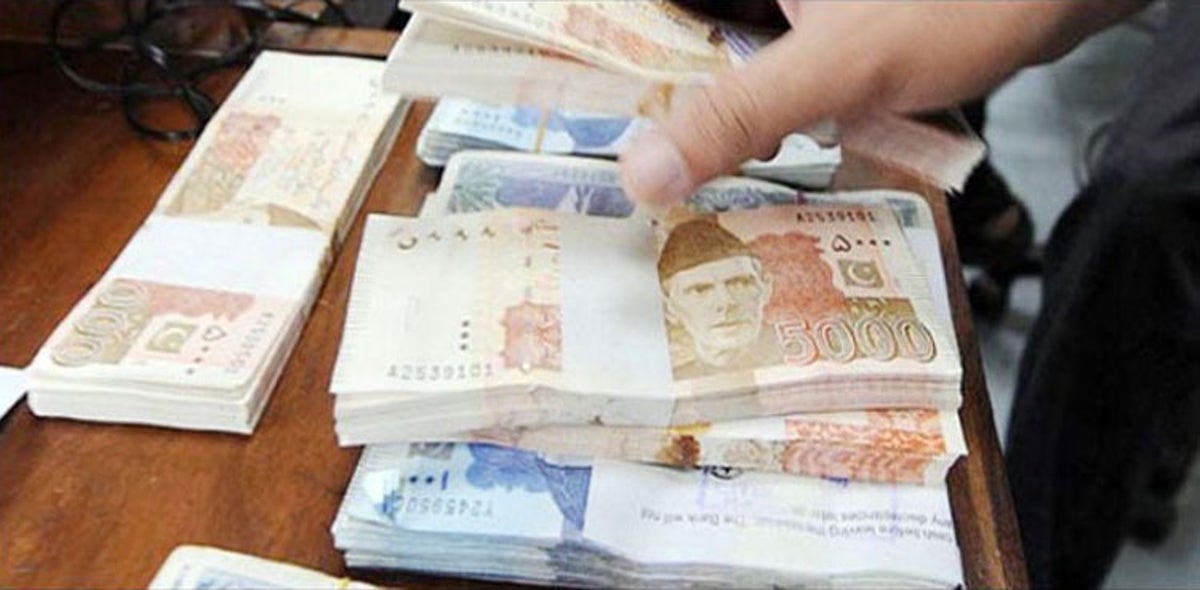
    The State Bank of Pakistan (SBP) on Monday announced that banks will provide fit, authenticated and disinfected cash during the coronavirus pandemic.

    While there is no conclusive scientific study that links the spread of the current strain of coronavirus to contaminated currency notes, the World Health Organisation (WHO) has advised taking measures to maintain proper hygiene post-handling of notes.

    SBP tweeted a series of tweets:

    “Banks will provide fit, authenticated and disinfected cash. SBP will ensure to clean, disinfect, seal and quarantine all cash being collected from hospitals and clinics and to block circulation of such cash in the market.

    ”Banks will ensure continuous availability of ATMs 24/7. Also call centers and helplines will be operative 24/7.

    ”Large scale closure of branches may cause rush and congestion in the operative branches, which may be counterproductive to efforts to contain the spread of the disease. Banks may close branches where the staff is infected and for which requisite human resource is not available.”

  • ‘China manipulated number of COVID-19 infections for president’s visit’

    ‘China manipulated number of COVID-19 infections for president’s visit’

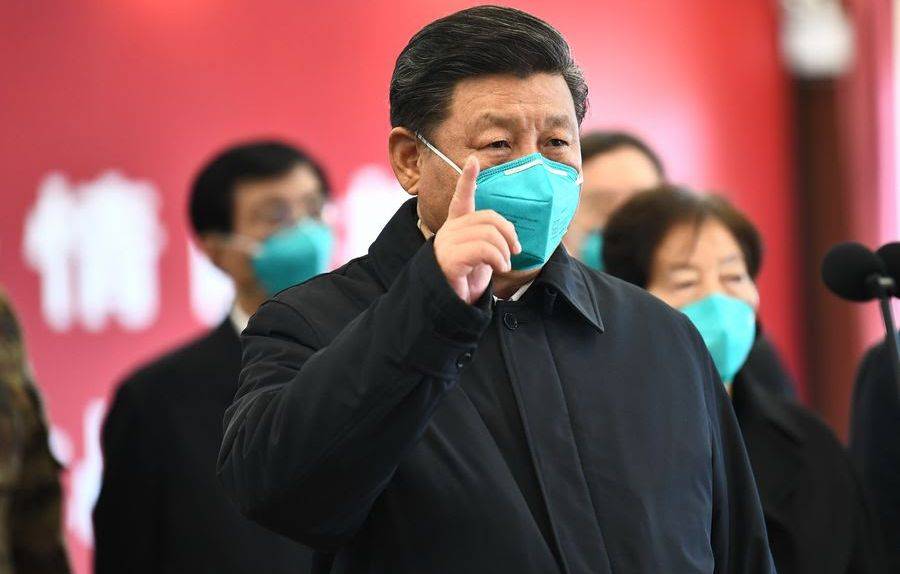
    The number of novel coronavirus patients in Wuhan, the epicenter of China’s virus outbreak, was manipulated in time for President Xi Jinping’s visit last week, a local doctor was quoted as saying by Tokyo-based Kyodo News.

    According to the Japanese media outlet, a number of symptomatic patients were abruptly released from quarantine early while a portion of testing was suspended.

    China’s health authorities had last Thursday reported no new cases of coronavirus in Wuhan, marking the first time for the city to have no instances of local transmission since the viral epidemic began late last year.

    But the doctor, who works at a quarantine facility, said the government tally “cannot be trusted.”

    The number of patients currently undergoing treatment is deliberately being reduced in an effort to show the Xi government’s success in combatting the epidemic, he said.

    The doctor, whose responsibilities include determining whether a patient is discharged from a hospital, expressed strong concerns that if the truth remains hidden from the public, another outbreak could occur.

    Guidelines from the National Health Commission stipulate that patients must test negative for the virus twice and be cleared for pneumonia via a computerised tomography — imaging through X-rays or ultrasound — scan before being discharged.

    But according to the doctor, from around the time of Xi’s visit, even though his patients still exhibited signs of pneumonia, the patients were released from quarantine at the discretion of a “specialist” from the epidemic prevention and control authority.

    From then on, the criteria for discharging patients became loose, and “a mass release of infected patients began,” he said.

    Also, patient interviews with those exhibiting symptoms such as fever were simplified, and blood tests to detect antibodies produced during infection were discontinued. As a result, “suspected patients were released back into society,” he said.

    Xi, on March 10, made his first visit to the central Chinese city of Wuhan since the outbreak began, emphasizing the government’s achievements in its epidemic prevention and control efforts.

    According to the National Health Commission, nearly 58,000 people have been discharged from hospitals in Hubei Province, where Wuhan is the capital. Beginning in mid-March, the number of new infections in Wuhan has stayed below a dozen patients a day.