Category: Health

  • Smokers 14 times more likely to contract coronavirus

    Smokers are 14 times more vulnerable to contraction of coronavirus as compared with those who do not smoke, Al-Jazeera reported. 

    It quoted the president of Turkish Green Crescent, Professor Mucahit Ozturk, as urging smokers to quit for protecting themselves from the contagion. 

    “Using tobacco and tobacco products increases the risk of catching the coronavirus, therefore, avoiding all addictive substances plays an important role in protecting ourselves against the virus,” Ozturk said.

    Prof Ozturk emphasised that smoking weakened the immune system and had a dire impact on coronavirus treatment as well.  

    “A weak immune system poses a threat to your health since it delays the treatment process and makes treatment difficult during the epidemic, even if you occasionally use addictive substances,” he said.

    “Smoking can cause damage to the lungs and block the cough reflex so viruses and bacteria could stick to the airways and lungs, which could lead to serious infections.”

    Earlier, the World Health Organization (WHO) also said smokers are likely to be more vulnerable to the virus as fingers are in contact with the lips, which increases the possibility of hand-to-mouth transmission. 

    European Centre for Disease Control and Prevention cited a research by Chinese doctors as per which “acute smokers are at a higher risk of dying than the elderly”.  

    Smokers should quit because “the human body is programmed to recover from the moment you stop smoking,” Ozturk said.

  • Surge in number of dead on arrival, near-death patients at Karachi hospitals amid COVID-19

    As the country, especially Punjab and Sindh, remains in the grip of the coronavirus pandemic, it has emerged that the number of deaths at Karachi hospitals has recorded a significant increase with a large number of patients being brought in dead or in a near-death condition.

    According to The News, over 300 such patients were brought to both public and private sector hospitals within the past two weeks. All of them were either declared dead on arrival (DOA), or showed COVID-19 symptoms.

    The report in the English daily quoted a doctor on emergency duty at Jinnah Postgraduate Medical Centre (JPMC) as saying that a 35-year-old woman was brought in dead. An X-ray revealed that she was suffering from some respiratory disease as a large patch could be seen on her lungs.

    He said the report was sent to a senior pulmonologist treating coronavirus patients, who said that it was most likely a case of COVID-19.

    Doctors also told the media outlet that only a few such cases could be examined in this regard as a majority of deceased patients could not undergo any tests or an autopsy.

    A critical care specialist at JPMC said that the number of patients, who either died on arrival or within a few hours, rose every day for the past few weeks. The patients were mostly 45 to 60 years old.

    Within the past 15 days, 109 patients have been brought in dead and 90 others were brought in a very critical condition and died mysteriously in a very short time at JPMC.

    While private hospitals are reluctant to share any details in this regard, they have confirmed that the number of pneumonia-like symptoms in patients has been climbing. Indus Hospital sources also admitted that the number of patients in critical condition had soared sharply.

    Sindh Health Department officials, on the other hand, refused to comment on the report.

  • Coronavirus: Pakistan reports 1,378 recoveries as fatalities fall down to 7pc

    As the number of coronavirus deaths in Pakistan hit 100 on Tuesday, the country also reported what was its 1,378th recovery — maintaining recoveries’ triumph over fatalities like also seen even in the worst-hit parts of the world, including the United States (US), Italy and Spain among other countries.

    As per the details, Pakistan jumped from 1,026 recoveries on Sunday to 1,378 two days later while the total number of infections stood at 5,782 by the time this report was filed.

    On April 12, the country had reported that a bit over a thousand patients had recovered from the novel coronavirus — COVID-19.

    According to reports, the development had put the number of fatalities in Pakistan at a mere 8 per cent against 92 per cent recoveries out of the total number of closed cases.

    At the same time, the US had reported 40 per cent fatalities while those in Italy and Spain stood at 37 per cent and 21 per cent, respectively.

    The death to recovery ratio on Tuesday, however, improved further not only in Pakistan but also in the worst-hit US.

    According to the details of closed cases by Worldometers, Pakistan now has 93 per cent recovered patients while the US has 61 per cent with a slight improvement against Sunday’s 60 per cent.

    In additional good news, the two hardest-hit European countries have maintained their number of recoveries as even two days later, the percentage of recoveries in Italy and Spain still stands at 63 and 79, respectively — with no surge in the percentage of fatalities among closed cases.

    While the improvements still aren’t good enough, they come following a sudden spike in coronavirus infections and fatalities across the globe, which has led to countries being forced to make efforts aimed at dealing with the global pandemic.

  • This is when experts are saying the coronavirus pandemic might end

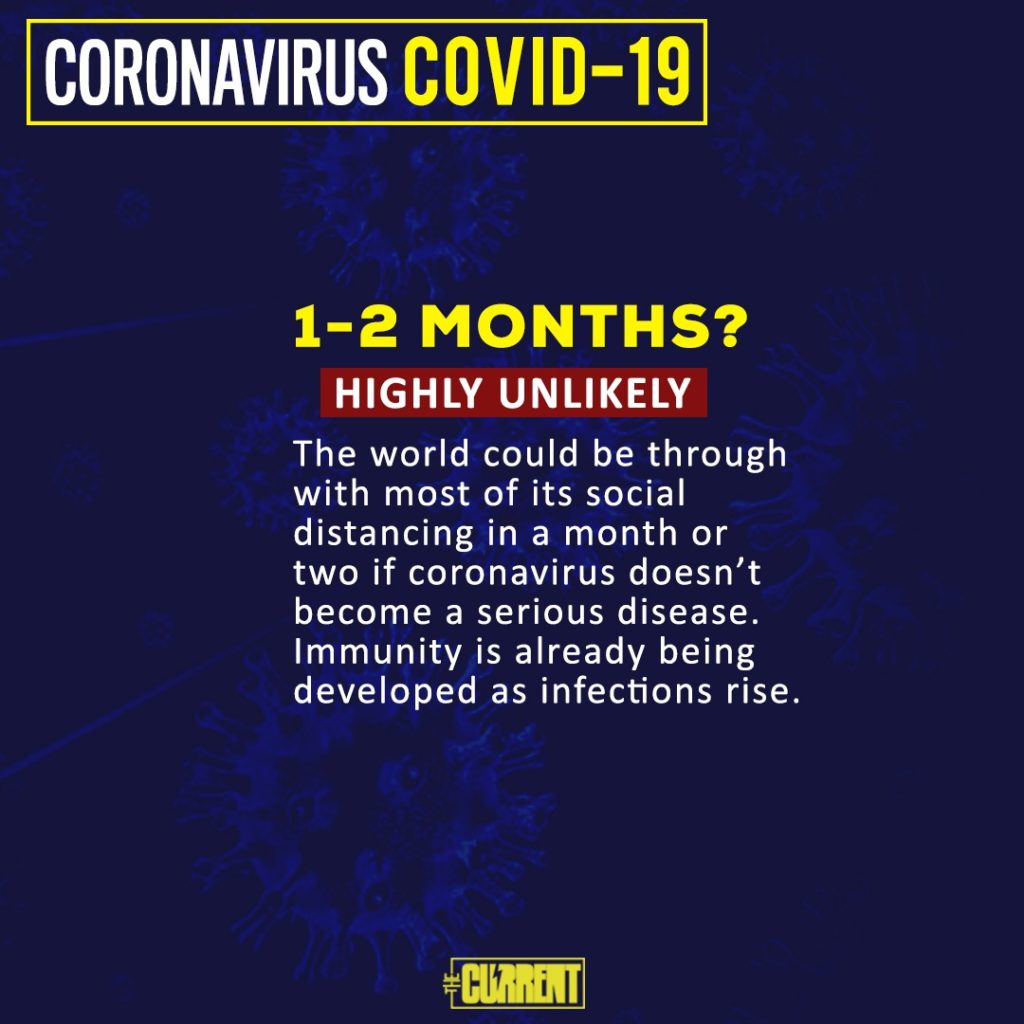
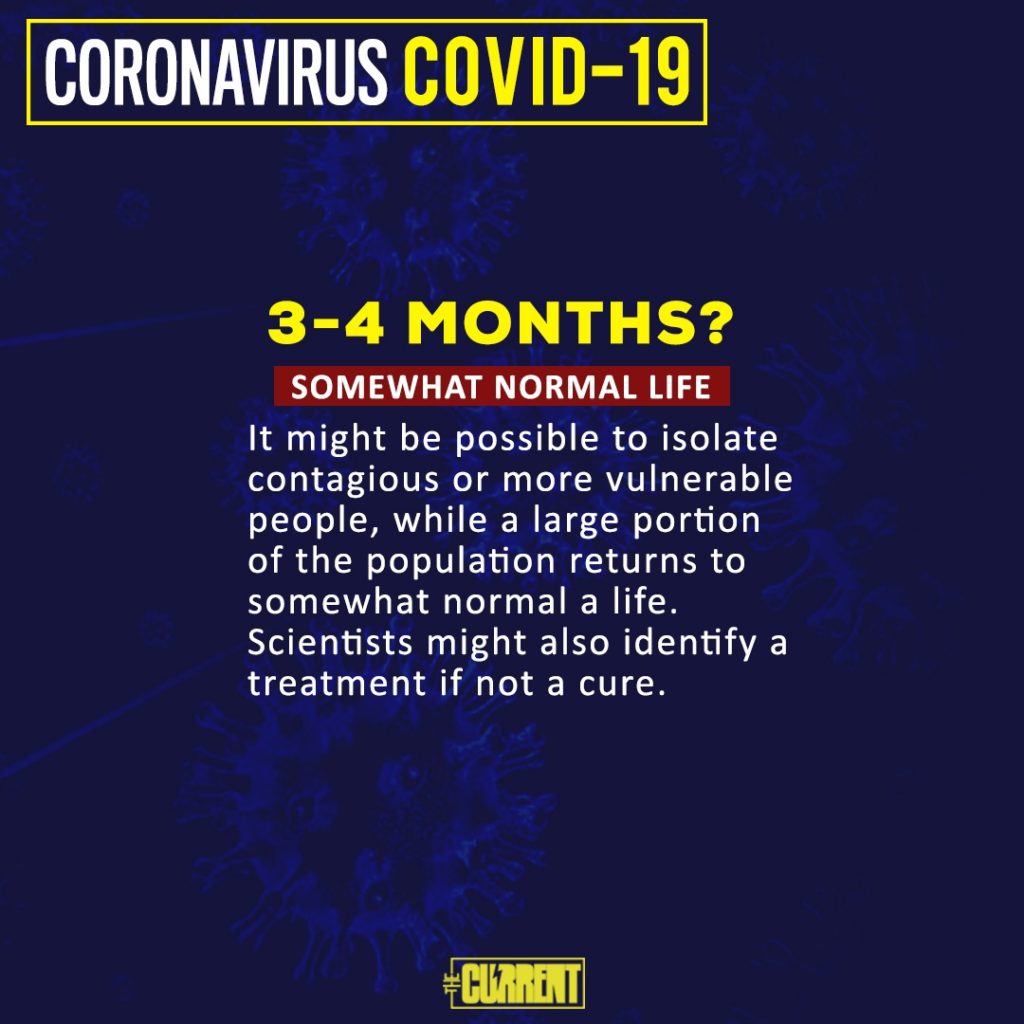
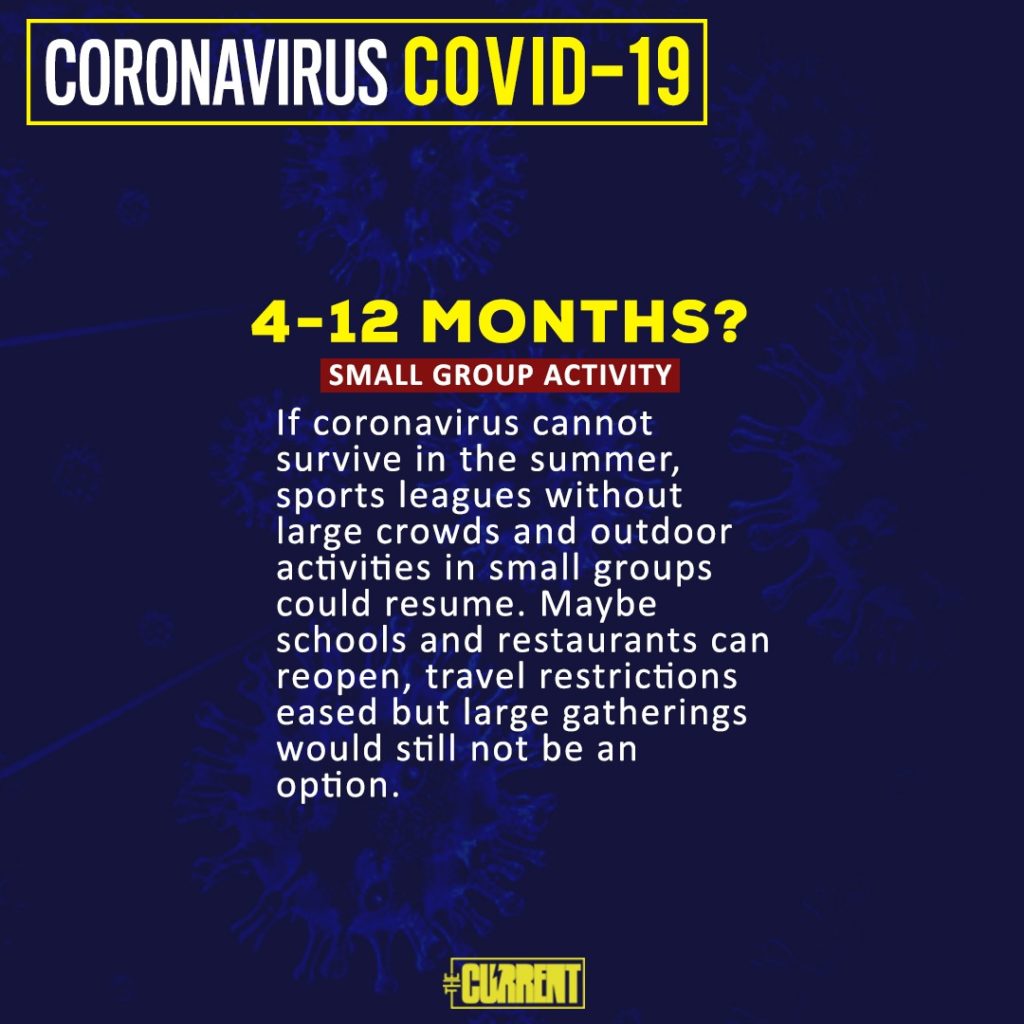
    This is when experts are saying the coronavirus pandemic might end

    Experts in the United States, in an article published in The Atlantic, are putting a tentative timeline to how long the coronavirus pandemic will last. According to them, the following are the scenarios we might be facing in the coming months.

  • Young doctors boycott treatment of coronavirus patients to protest police brutality

    Young doctors boycott treatment of coronavirus patients to protest police brutality

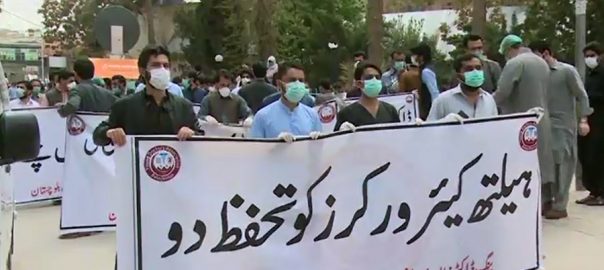
    Young doctors in Quetta have announced boycotting all services, including the treatment of coronavirus patients, after their colleagues were assaulted and arrested by police for protesting against the lack of medical equipment being provided to them.

    Young Doctors’ Association (YDA) President Dr Yasir Khan announced the boycott after police resorted to baton charging and arresting several doctors for staging a sit-in in the red zone near the Balochistan chief minister’s official residence.

    The young doctors were protesting against the lack of safety kits for doctors and paramedical staff treating COVID-19 patients at Quetta’s Sheikh Zayed Hospital.

    The action from police reportedly came following the failure of negotiations between the protesters and the government to end the sit-in.

    Addressing a press conference after the police action, YDA office bearers announced a province-wide suspension of duties and demanded that the government released the arrested doctors immediately.

    They had on Sunday announced to continue protesting against the lack of safety kits for medical staffers after at least 11 doctors had tested positive for the deadly pandemic in Balochistan.

    At least 44 doctors on Saturday were suspended for allegedly refusing to perform duties at Pakistan-Iran border town of Taftan amid a health emergency in the wake of the COVID-19 outbreak.

  • VIDEO: Pakistan opens up first coronavirus drive-thru screening, testing facility

    VIDEO: Pakistan opens up first coronavirus drive-thru screening, testing facility

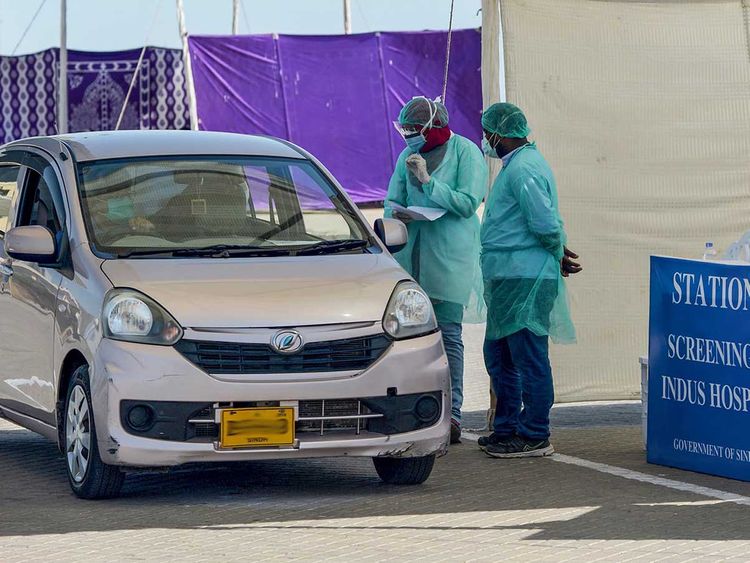
    The Sindh government has opened up Pakistan’s first drive-through coronavirus screening and testing facility in Karachi, as part of its attempts to stem the spread of the pandemic in the province, where the toll is rising, AFP reported.

    Established in the Jahangir Kothari Parade area of Clifton, the testing centre will enable suspected patients to get themselves tested without having to wait in long hospital queues.

    The doctors, paramedical staff and other personnel deployed at the facility have been provided with all the necessary protective equipment and gear to safeguard against the virus, a press release said.

    According to the Sindh government, people who visit the testing station will be registered and given a number, but for the test to be conducted, they should possess a travel history or certain symptoms of the virus.

  • Nestlé Pakistan pledges Rs 100 million to support vulnerable communities during COVID-19 pandemic

    To meet the nutritional needs of both affectees and frontline workers during these times, Nestlé Pakistan has committed 100 million rupees in the national response to the COVID-19 pandemic. As part of the pledge, Nestlé Pakistan will give product and cash donations, which will include 4 million servings of milk, iron-fortified dairy products, baby cereals, water and juices.

    Sharing details, CEO Nestlé Pakistan Samer Chedid said, “We will be mobilizing relief to medical facilities (quarantine centres) and food-delivery organisations serving vulnerable families, worth 100 million rupees, in the form of product and cash donations, through national and provincial disaster management authorities and local governments.”

    “We have also joined hands with reputable NGOs in response to their COVID 19 emergency appeals to support deserving people across Pakistan. We have invited all our employees to step forward and donate one day’s salary for supporting people going through hard times. The donation intimations by employees will be matched by Nestlé Pakistan,” Chedid said.

    Chedid also emphasized on the additional safety measures Nestlé was undertaking internally. “We are making sure that we keep our employees healthy and safe, and that they follow the most stringent safety protocols at all our manufacturing and warehouse facilities, as advised by the World Health Organisation.”

    Nestlé Pakistan is also working to ensure that their food and beverage products are available for consumers across Pakistan, in line with the strategic roadmap laid out by Prime Minister Imran Khan and respective provincial leaderships.

  • ‘Punjab hospitals cured 18 patients with anti-malaria drug, azithromycin,’ says expert

    Chief executive officer (CEO) of the Mayo Hospital and Corona Experts Advisory Group (CEAG) co-chairperson, Professor Dr Asad Aslam, has said that 18 patients of the new coronavirus — COVID-19 — were successfully treated with anti-malaria drug hydroxychloroquine and antibiotic azithromycin during the past five days.

    According to reports, Dr Aslam on Thursday said that eight patients at Mayo Hospital, four at Pakistan Kidney and Liver Institute (PKLI) and five at other hospitals of the province were administered the drugs during the past five days.

    “The patients were administered two tablets of hydroxychloroquine in the morning and two in the evening on the first day whereas, on the remaining four days, they were given one tablet in the morning and one in the evening. Simultaneously, they were given one tablet of azithromycin in the morning and one in the evening for five days.”

    He, however, urged people to avoid self-medication and said these medicines should only be used upon a doctor’s prescription because they could have serious side-effects, including hepatotoxicity (drug-induced liver damage), bone marrow suppression and risk of sudden death, especially when used with azithromycin and many other medications that can affect heart rhythm.

    Meanwhile, the Medical Microbiology and Infectious Diseases Society of Pakistan (MMIDSP) strongly advised against the inappropriate use and hoarding of hydroxychloroquine and chloroquine.

    According to Dawn, they said there was a lack of undisputed scientific evidence and the risk of adverse events. “Hydroxychloroquine and chloroquine should only be used as a therapeutic or prophylactic agent for COVID-19, under the supervision of an expert,” read a press release.

    It further said that the anti-malaria drugs were also used to treat immune system disorders.

    “Both these drugs have a new and emerging role in treatment of COVID-19 pneumonia (off-label) and a presumed role in prevention against the infection.”

    Experts associated with MMIDSP include infectious diseases physicians, clinical microbiologists and nurses who are trained in infection prevention and control.

  • ‘They made it harder to breathe’: Coronavirus patient from Lahore shares horrifying experience

    ‘They made it harder to breathe’: Coronavirus patient from Lahore shares horrifying experience

    With the country struggling to contain the outbreak of the new coronavirus, horrifying experiences of both suspected and confirmed patients of the COVID-19 have started pouring in as people narrate their ordeals amid the global health crisis.

    In this regard, I reached out to a “recovered” coronavirus patient, who remained admitted to Lahore’s Mayo Hospital for three long weeks.

    Not only did I ask them what it was like to stay away from their family at such a critical time, fearing never getting to see them again, but also about their experience at a rather infamous government facility.

    “Nothing you have heard is untrue. The deplorable condition of the hospital, the initial inattention of the government and slackness of the hospital staff… all these things made headlines because they were true,” said the patient, who asked not to be named.

    They said they had travelled from Abbottabad to Islamabad in the last week of February and later to Lahore following a two-week stay in the federal capital. “I fell sick two days after arriving in Lahore, my hometown. At first, I ignored the symptoms… a mild fever, after all, is quite common when you’ve been travelling back and forth.”

    “But then I started developing other symptoms. I couldn’t stop coughing and [my] fever just didn’t go away,” the patient said, adding that they had already isolated themself as a precautionary measure after returning from Islamabad where the virus was rumoured to be spreading.

    They said they got themself tested from a government facility but the results turned out to be negative and a second test from a different facility proved that they actually had contracted the virus.

    “One suspected patient, two different facilities, two different tests, two different results in two days. Doesn’t make sense, does it?”

    It merits a mention here that the patient hasn’t been the only one to receive two different test results from two different facilities in Lahore. Last month, the wife of a political bigwig had reportedly tested positive at a private facility and later negative at a government facility. Fashion designer Maria B’s cook had also tested negative for coronavirus on March 26, a few days after testing positive at a private laboratory and being admitted to a Lahore hospital.

    According to reports, the federal government is also sceptical of Punjab’s coronavirus testing data. “So far, 13,380 people have been tested for [COVID-19] in Punjab,” Chief Minister (CM) Usman Buzdar tweeted on March 28.

    While according to statistics of the provincial government, the figure jumped to 14,890 on March 30 in Punjab, it doesn’t tally with the data maintained by the National Institute of Health (NIH) that coordinates with all provinces to update it on a daily basis. According to NIH data, only 13,321 tests had been conducted in Punjab till March 28.

    “Mayo [Hospital] was not an option for me, owing to the poor condition it is known to be in for the past several decades. But I had to go there because a doctor in the family advised me to seek treatment at Mayo,” the patient said.

    They added that they had no other option but to listen to their “doctor-friend” since the government had been keeping people in the dark. “I had no idea where else to go or what else to do.”

    The patient then started narrating their experiences from the hospital and shared what their family had to go through due to the Punjab government’s policy of “criminalising patients”.

    “Not only was I admitted after a group of men in hazmat suits picked me up from my residence, but my house was also guarded by police as other family members were home-quarantined.”

    Although Punjab government officials say that such policing is required to arrest the pandemic, many believe such dealings have led to creating panic among citizens.

    “At the hospital, nobody came to check my temperature within the first 24 hours. Hygienic conditions were pathetic at the hospital, there were bloodstains on the floor and walls, clean drinking water was not available and the bedsheets we were being forced to lie on were pitiful.”

    They said given how disgusting the washroom was, going there was like a punishment and it felt like they would get sicker if they stayed at that hospital any more.

    “While things did start getting better with the number of cases in Punjab increasing and media bringing patients’ ordeal to the notice of authorities concerned, there still was a long way to go. Those around me at the hospital and no escape from my dreadful reality made it harder to breathe with infected lungs,” they said.

    “Every passing second added to my anticipation to recover and get back home, or just lose my battle against coronavirus instead of being forced to live in that depressing environment.”

    Internet, they added, “is always a sweet relief”, but the ages-old structure of the hospital with limited access made it nearly impossible to get any signals.

    “I thought things would get better for me and nothing could be as hard as the first week, but it only got worse when people I had seen being brought in, started to get very sick. One of them, a really old patient, even passed due to the staffers’ [alleged] negligence.”

    The patient in question was a 73-year-old, who was seen tied helplessly to his bed in a video on social media. In the hospital’s isolation ward, the patient could be heard asking for medical staff to tend to him, but his hands and feet were tied to the bed.

    The patient was allegedly not given medication, oxygen or adequate attention by the staff, following which he reportedly passed away. Subsequently, Punjab CM Buzdar ordered an investigation into his death.

    “But you cannot put the blame entirely on doctors and other staff members. They too are humans who are being forced to work under extremely poor conditions. Until my second-last day at the hospital, which was last Friday, I had not seen all staffers in the coronavirus ward with proper protective equipment.”

    To a question, the patient said they were extremely grateful to the doctors performing their duties on the frontline in the war on the pandemic, “and to Allah for finally making the provincial government authorities take the matter seriously”.

    “I don’t know how I survived both the infection and my stay at Mayo Hospital. But what matters is that I did,” the patient said while also urging people to stay at home “if not for themselves, for their loved ones who might not be able to survive such an ordeal”.

    At least 2,079 people had contracted the illness by the time this report was filed on Wednesday. The number of infections in Punjab stood at 748 with Sindh trailing behind at 676 cases, 253 infections in Khyber Pakhtunkhwa (KP), 184 in Gilgit-Baltistan (GB), 158 in Balochistan, 54 in Islamabad and six in Azad Jammu & Kashmir (AJK).

    The number of fatalities stood at 27 while 82 recoveries had been reported.

  • No need to wear masks, says World Health Organization

    No need to wear masks, says World Health Organization

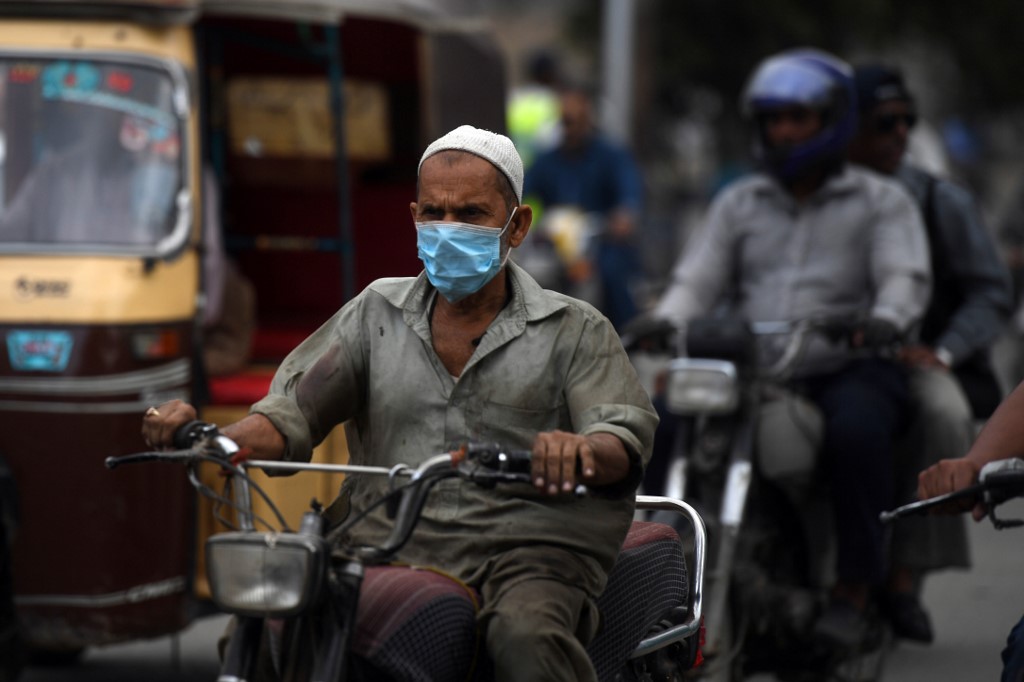
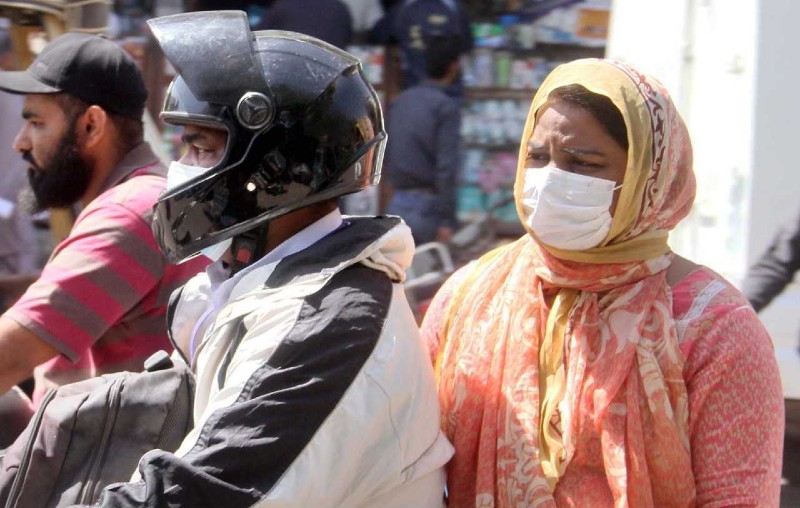
    The World Health Organisation (WHO) has reiterated its advice to people to not wear face masks if they were either not infected by the coronavirus or not caring for a patient of the new coronavirus — COVID-19, CNN reported.

    In a media briefing, WHO Emergencies Program Executive Director Dr Mike Ryan said there was “no specific evidence to suggest that the wearing of masks by the mass population has any potential benefit”.

    “In fact, there’s some evidence to suggest the opposite in the misuse of wearing a mask properly or fitting it properly,” he added. “There also is the issue that we have a massive global shortage.”

    Dr Ryan, a former trauma surgeon who has worked very closely with patients during Ebola outbreaks, stressed that people most at risk were those working at the frontline.

    “Frontline health workers […] are exposed to the virus every second of every day. The thought of them not having masks is horrific,” he added.

    Dr Maria Van Kerkhove — an infectious disease expert and the WHO top official’s colleague — echoed Dr Ryan’s comments, saying it was crucial to “prioritize the use of masks for those who need it most”.

    “In the community, we do not recommend the use of wearing masks unless you yourself are sick and as a measure to prevent onward spread from you if you are ill,” Dr Van Kerkhove noted, adding that masks were only suggested for those who were sick and in self-quarantine or those living with coronavirus-positive patients and caring for them.