Category: National

  • Baal statue in Karachi’s Mehran Town prompts police inquiry

    Baal statue in Karachi’s Mehran Town prompts police inquiry

    Police have launched an inquiry after a thermocol statue surfaced in Karachi’s Mehran Town ahead of Yaum-e-Quds.

    Authorities said the statue was commissioned by Allama Shabar Zaidi and was intended to be set ablaze during a Yaum-e-Quds protest.

    Police stated that a sculptor, identified as Imran, submitted a written statement explaining the purpose of the installation.

    Officials noted that the structure appeared to resemble Baal, an ancient deity, which prompted discussion among residents about the symbolism behind the statue.

    Police said they are reviewing the matter and have not taken any legal action so far.

  • Taliban retreat as Pakistan hits multiple positions along Afghan border

    Taliban retreat as Pakistan hits multiple positions along Afghan border

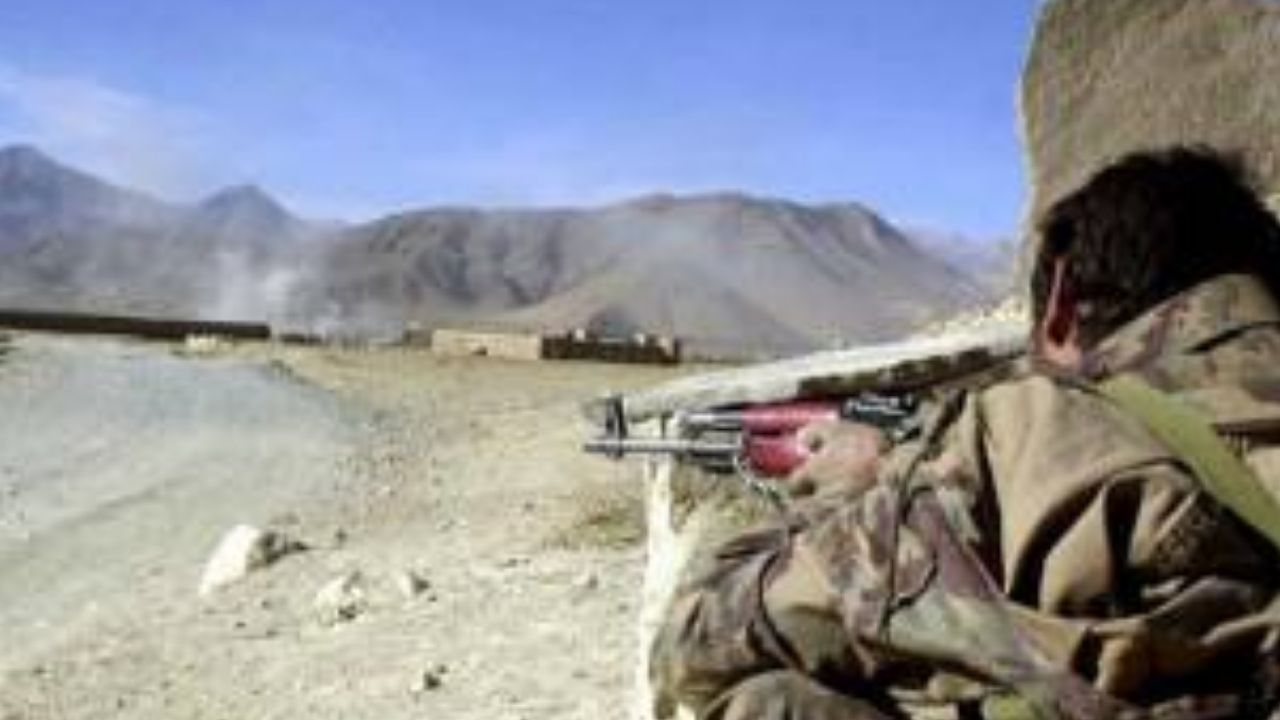
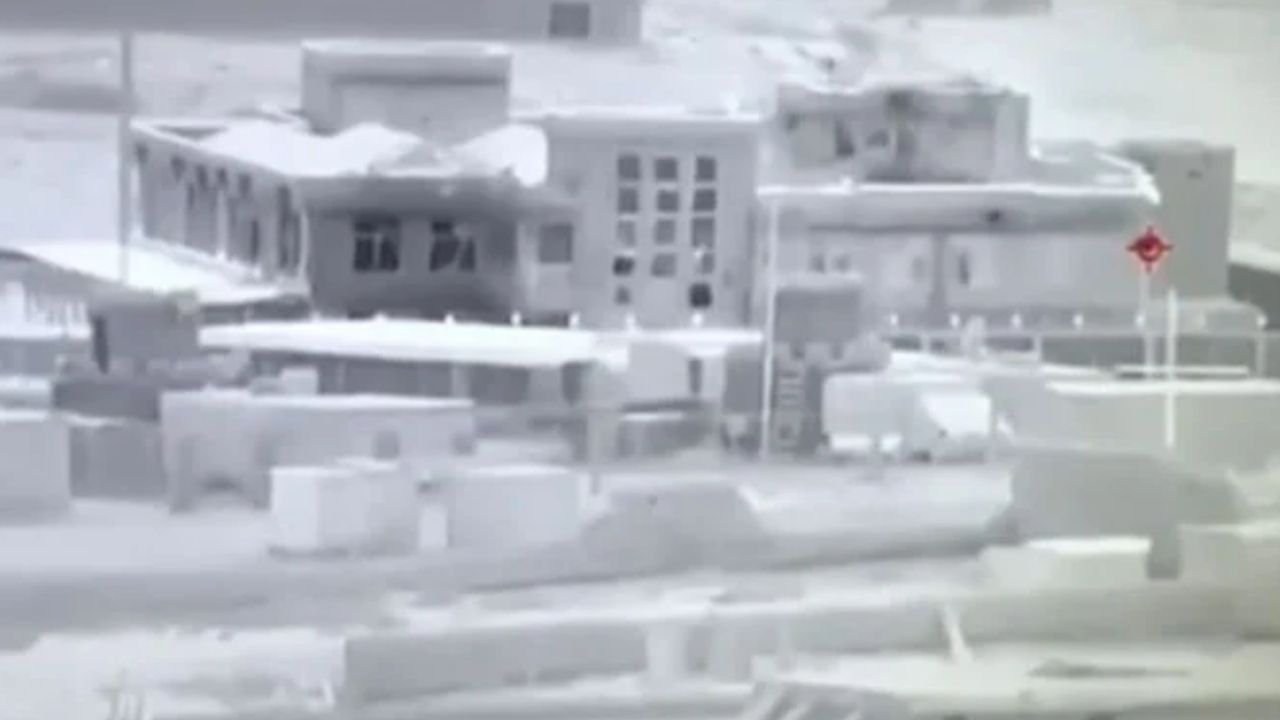
    Pakistani armed forces on Wednesday targeted Afghan Taliban positions along the North Waziristan border near Shawwal subdivision, reports quoted security sources as saying.

    The operation is ongoing and will continue until objectives are achieved, they said as state-run Radio Pakistan also reported retaliatory strikes against Afghan Taliban and Fitna al-Khawarij posts in the Zhob sector.

    Reports quoted officials as saying that the action forced the militants to retreat, abandoning their positions and weapons. Russian-made 73 mm HGL-9 heavy grenade launchers among other weaponry were recovered from Taliban-held positions.

    Meanwhile, tensions persisted in Khyber Pakhtunkhwa’s (KP) Mohmand district where four mortar shells were fired from the Afghan side.

    One shell landed inside a Frontier Corps camp in Faqirabad, Khwezai tehsil, and three shells struck near a civilian settlement in Mamad Kor. No casualties were reported.

    Separately, official sources dismissed reports that a three-member Pakistani delegation was holding talks with the Afghan Taliban in Kabul, saying that such claims were being spread by Afghan propaganda accounts on social media.

    The updates come as Pakistan intensifies cross-border strikes under Operation Ghazab lil-Haq, which authorities say targets militant networks operating from Afghan territory. 

    Islamabad had repeatedly urged the Taliban administration in Kabul to act against said groups, including the Tehreek-i-Taliban Pakistan (TTP), earlier, saying they use safe havens across the border to launch attacks on Pakistani security forces and civilians.

    The same had, however, not been addressed by the Taliban regime.

  • Senate forms subcommittee to examine ‘misuse’ of PECA cases

    Senate forms subcommittee to examine ‘misuse’ of PECA cases

    The Senate’s Standing Committee on Information and Broadcasting has decided to form a subcommittee to review the registration of cases under the Prevention of Electronic Crimes Act (PECA) after members raised concerns about its alleged misuse.

    The meeting was the first session of the committee since September 2025. It took place after the resignation of Ali Zafar along with senators from Pakistan Tehreek-e-Insaf (PTI) from standing committees.

    Members unanimously nominated Sarmad Ali to preside over the meeting.

    During the session, Syed Waqar Mehdi raised the issue of first information reports (FIRs) being registered under PECA by local police authorities. He said the committee had earlier been informed that the police did not have a role in initiating cases under the law.

    “Some six months ago, officials of the interior ministry had informed this committee that the police had no role in lodging cases or inquiries falling under PECA,” Senator Mehdi said.

    He added that complaints had been received from journalists and members of the public regarding the registration of cases under the law.

    According to the committee, cases under PECA fall under the jurisdiction of the National Cyber Crime Investigation Agency (NCCIA). However, members noted that police authorities were still registering cases against journalists and the public.

    The committee was informed that most such cases had been reported from Punjab, followed by Sindh. Following the discussion, the committee decided to call the Inspectors General (IG) of Police, Advocate Generals and Prosecutor Generals from all provinces to discuss the issue.

    Members then agreed to form a subcommittee to examine the matter in detail. The subcommittee will be headed by Senator Sarmad Ali. Its members include Senator Waqar Mehdi, Jan Muhammad Buledi and Pervaiz Rashid.

    Speaking to a private media outlet, Senator Mehdi said the first meeting of the subcommittee would be held after Eid ul-Fitr. He said officials from the Ministry of Information and Broadcasting, Ministry of Law and Justice and Ministry of Interior would be invited to attend the meeting.

    “The target is to discourage the misuse of PECA, especially against the media which could be used to silence freedom of expression,” Senator Mehdi said.

  • CM Maryam orders expansion of Crime Control Department, cites historic drop in crime

    CM Maryam orders expansion of Crime Control Department, cites historic drop in crime

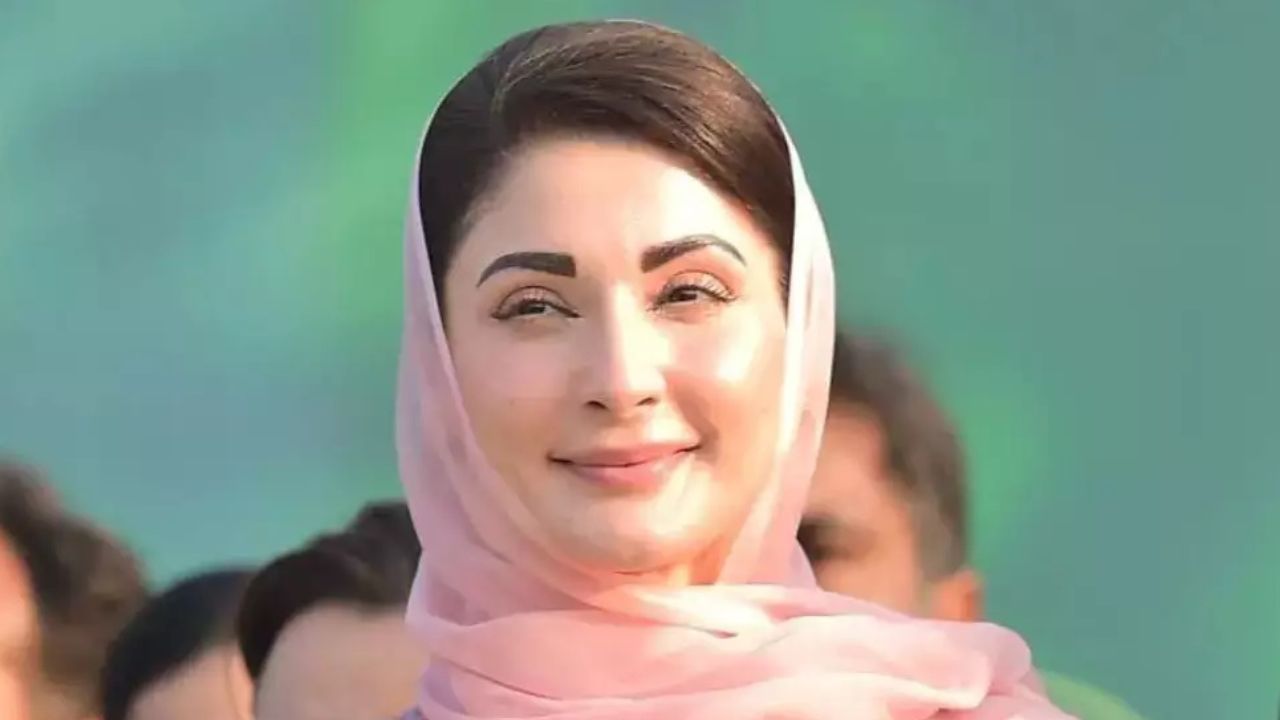
    Punjab Chief Minister (CM) Maryam Nawaz has approved a major expansion of the Crime Control Department (CCD), aiming to transform it into a premier investigative agency.

    A handout issued on Tuesday said the decision was taken in view of the department’s performance in curbing crime and positive public response to its operations. Officials said the CCD would be developed on the lines of the world’s five leading crime control agencies.

    The CM directed that the department be equipped with modern forensic facilities, advanced investigative skills, artificial intelligence-based software, intelligence surveillance systems, and state-of-the-art machinery. CCD offices, police stations, and residential facilities are to be established in every division, district, and tehsil across Punjab.

    The CM also approved the creation of a fully-equipped CCD headquarters and a modern research centre dedicated to developing new strategies for crime control. She assigned the department the task of taking strict action against perpetrators of acid attacks on women and approved a province-wide campaign against illegal weapons after Eid ul Fitr.


    Commenting on the improvements, the Chief Minister said that Punjab was becoming safer every day and that the strategic crackdown on crime was yielding historic results. 

    She added that, comparing January and February 2025 to the same period in 2026, the province had achieved a massive reduction across major crimes. Dacoity had dropped by 77 percent, kidnapping for ransom by 54 percent, robbery by 39 percent, murder by 31 percent, and vehicle theft by 17 percent.

    She stated that the downward trend was consistent across all types of crime and added, “We will not rest until every citizen feels secure. Well done, CCD and Punjab Police.”

    According to a report released earlier by the Human Rights Commission of Pakistan (HRCP), at least 670 CCD-led encounters took place across Punjab over eight months in 2025, resulting in the deaths of 924 suspects while only two police officials were killed. The commission noted that the scale and consistency of the operations suggested an “institutionalised practice” rather than isolated incidents.

    The HRCP highlighted gaps in legal oversight, including the lack of magisterial inquiries under the Code of Criminal Procedure (CrPC) and limited Federal Investigation Agency (FIA) investigations into custodial deaths, which are mandated under the Torture and Custodial Death (Prevention and Punishment) Act 2022. In some cases, relatives of the deceased reported being pressured by police to bury bodies immediately.

    The commission raised concerns over the use of lethal force, saying CCD operations appeared inconsistent with UN standards that require force to be necessary, proportionate, and subject to accountability. HRCP also noted that press releases and FIRs from the department followed a near-identical narrative, portraying those killed as “hardened criminals.”

  • Karachi doctor injects poison to end own life after fight with wife

    Karachi doctor injects poison to end own life after fight with wife

    A doctor has died in Karachi’s North Nazimabad area after reportedly injecting himself with a poisonous substance following a dispute with his wife.

    According to police, the incident took place at a residence in Block C of North Nazimabad where the man administered the injection to himself. He was later shifted to hospital in critical condition.

    Police identified the deceased as 36-year-old Aziz, son of Moez. Station House Officer (SHO) North Nazimabad Shahid Baloch confirmed that Aziz worked as an anaesthetist and had been serving at several private hospitals in the city.

    According to the family’s account shared with police, Aziz had an argument with his wife earlier in the morning. After the dispute, his wife left the room.

    When she returned after some time, Aziz informed her that he had injected himself with an anaesthetic substance and that he had two to three minutes left to live. 

    His wife then contacted the Madadgar 15 police helpline to seek assistance. Police reached the house and shifted Aziz to Abbasi Shaheed Hospital in a semi-conscious state in a police mobile.

    Hospital officials said he later died during treatment.

    SHO Shahid Baloch said the deceased was the father of two sons. Police said legal formalities were completed after the death and the body was handed over to the family.

  • Army destroys Taliban posts in Arandu, Kurram; attacks reported in Mohmand

    Army destroys Taliban posts in Arandu, Kurram; attacks reported in Mohmand

    The Pakistan Army carried out an operation in the Arandu and Kurram sectors, destroying “important posts and centres” of the Afghan Taliban, reports quoted security sources.

    Media reports have said that the Taliban and Fitna al Khawarij were forced to leave their positions. The armed forces targeted only military installations and hideouts.

    In Mohmand, suspected militants carried out a late-night grenade and gun attack on a police post near Atta Bazaar in the Khwezai area. Police sources said that attackers hurled a hand grenade and opened fire on the Muharrar post late Sunday night.

    Police personnel returned fire, after which the attackers fled under cover of darkness. Security in the district has been increased, and all police posts are on high alert.

    Earlier in Mohmand, mortar shells were reportedly fired from across the border in Afghanistan. Police officials said two shells landed at a distance from a Frontier Corps post and the Atam Kalay police checkpost. The incident was reported to Baizai police station around 3:10am on Monday. No casualties or injuries were reported.


    Pakistan has intensified cross-border strikes under Operation Ghazab lil-Haq, which authorities say targets militant networks operating from Afghan territory. 


    Islamabad has repeatedly urged the Taliban administration in Kabul to act against groups such as the Tehreek-i-Taliban Pakistan, saying Taliban use safe havens across the border to launch attacks on Pakistani security forces and civilians.

  • Pakistan’s arms imports jump 66 percent as China supplies bulk of weapons

    Pakistan’s arms imports jump 66 percent as China supplies bulk of weapons

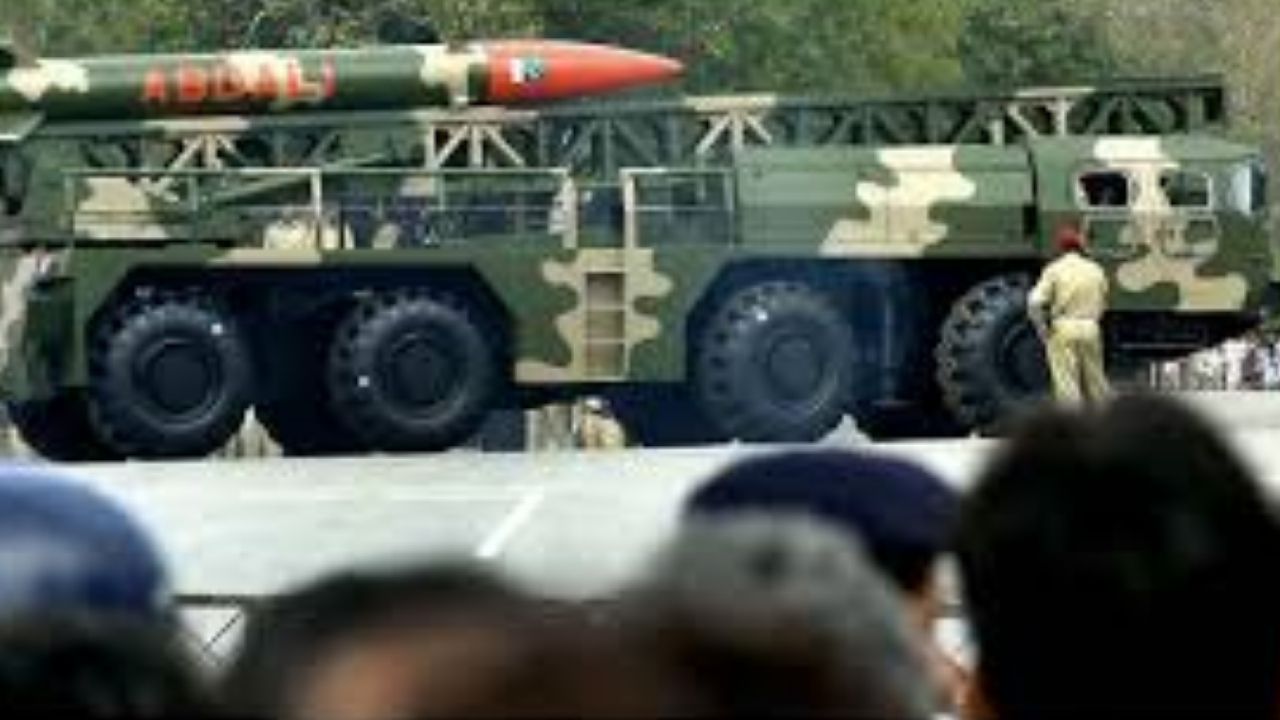
    Pakistan’s arms imports rose by 66 percent between 2021 and 2025 compared with 2016–20, with China supplying 80 percent of its weapons, according to a new report by the Stockholm International Peace Research Institute (SIPRI). The report noted that China’s share as Pakistan’s main arms provider increased from 73 percent in the previous five-year period.

    In South Asia, India continued to import large quantities of weapons, driven by concerns over China and ongoing tensions with Pakistan, a major recipient of Chinese arms. SIPRI senior researcher Siemon Wezeman said the imported weapons were used in a 2025 clash between the two nuclear-armed neighbours.

    While Pakistan’s imports jumped, India remained the world’s second-largest arms importer, despite a four percent drop. The report highlighted India’s diversification of suppliers, increasingly turning to Western countries. Russia’s share in India’s imports fell to 40 percent in 2021–25, down from 51 percent in 2016–20 and nearly half its 70 percent share in 2011–15.

    Across Asia and Oceania, states accounted for 31 percent of global arms imports, although the region saw a 20 percent drop compared with 2016–20. Declines were driven by reduced imports from China (-72 percent), South Korea (-54 percent), and Australia (-39 percent). Still, four countries in the region—India, Pakistan, Japan, and Australia ranked among the top 10 global importers.

    “While tensions and conflicts in Asia and Oceania and the Middle East continue to drive large-scale arms imports, the sharp increase in arms flows to European states pushed global arms transfers up almost 10 percent,” said Mathew George, director of the SIPRI Arms Transfers Programme.

    Globally, major arms transfers rose by 9.2 percent between 2016–20 and 2021–25, largely due to higher shipments to Europe and the Middle East. Arms imports by Middle Eastern countries fell by 13 percent but the region still hosted three of the top 10 importers: Saudi Arabia (6.8 percent of global imports), Qatar (6.4 percent), and Kuwait (2.8 percent). The United States (US) supplied over half of the region’s weapons.

    Israel ranked as the 14th largest arms importer, with its imports up 12 percent. The US supplied 68 percent of Israeli arms, followed by Germany at 31percent. SIPRI noted that Israel continued to receive major weapons, including combat aircraft and guided bombs, throughout the Gaza conflict.

    Europe emerged as the largest regional recipient of arms, accounting for 33 percent of global imports. The report attributed a 210 percent increase between the two five-year periods to the war in Ukraine and concerns over Russia. Ukraine alone received 9.7 percent of all major arms transfers in 2021–25.

    The US remained the top global arms supplier, increasing exports by 27percent. Its share of international arms transfers grew to 42percent in 2021–25, up from 36 percent in 2016–20. For the first time in two decades, Europe received more US arms (38 percent) than the Middle East (33 percent). Saudi Arabia remained the largest single recipient, accounting for 12 percent of US exports.


    France held its position as the world’s second-largest supplier, increasing exports by 21 percent to 63 countries. Its largest clients were India (24 percent), Egypt (11 percent), and Greece (10 percent).


    In contrast, Russia’s exports fell by 64 percent, cutting its global share from 21 percent to 6.8 percent between the two periods. 

    Russia supplied arms to 30 countries, with nearly three-quarters going to India (48 percent), China (13 percent), and Belarus (13 percent). Germany overtook China as the fourth-largest exporter, accounting for 5.7 percent of global exports, while Italy’s shipments grew by 157percent, making it the sixth-largest supplier.

  • ‘Assaulted and threatened’: Released Aurat March participants demand probe into police action

    ‘Assaulted and threatened’: Released Aurat March participants demand probe into police action

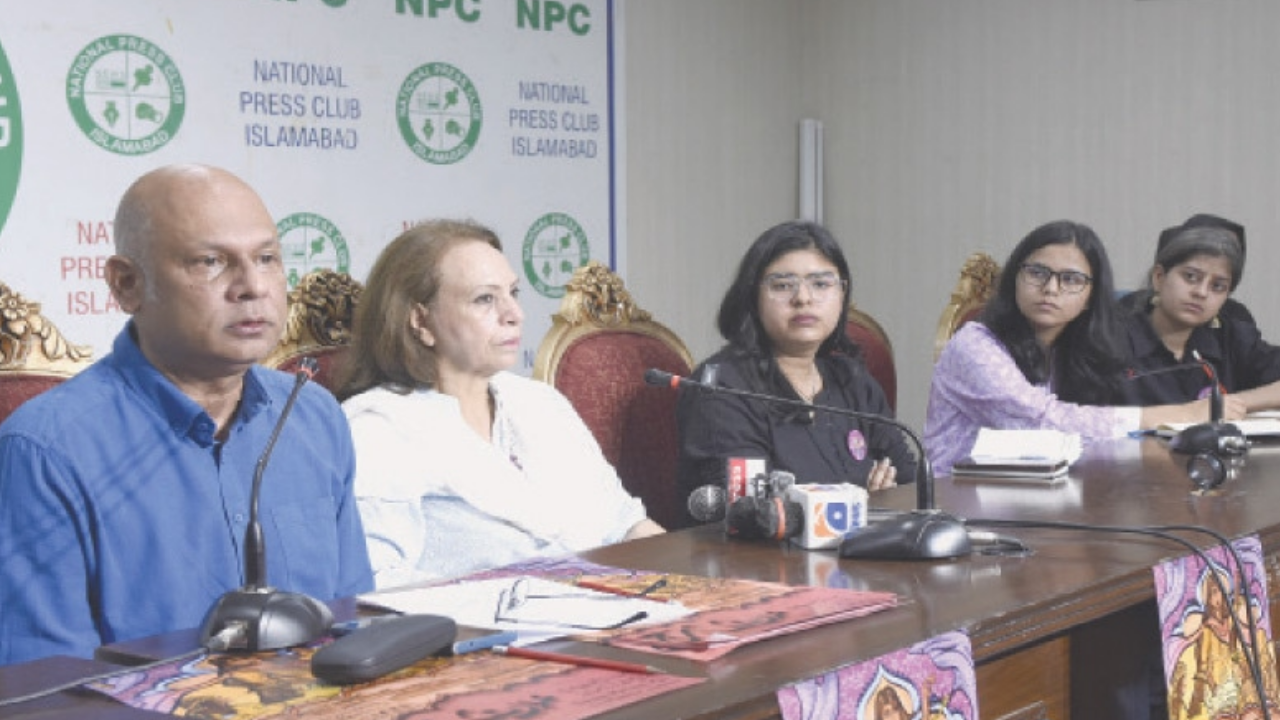
    Over 40 participants of the Aurat March in Islamabad have been released after arrest, and have called for an investigation seeking action against those responsible.

    Addressing a press conference in the federal capital, the leadership of the march, flanked by civil society members and rights activists, criticised the authorities for “manhandling and threatening them”, and forcing them to sign unreasonable affidavits.

    Dr Farzana Bari, speaking at the National Press Club, said the Aurat March is held annually. “We were aware that Section 144 was imposed in the federal capital, but civil society does not accept any law which is in violation of basic rights. You cannot take away our right to protest. Similar demonstrations were held across the globe, but we were stopped due to a suicide bomber threat.”

    Haris Khaliq, secretary general of the Human Rights Commission of Pakistan (HRCP), described the Aurat March as a movement.

    “We don’t believe in the violating the law, but with laws such as the Prevention of Electronic Crimes Act among others, societies cannot run. We have seen a similar situation in Lahore, but civil society has been standing firmly against it,” he said, adding that participants were manhandled and beaten before being taken into custody.

    Relatives and friends who went to inquire about them were also detained, Khaliq alleged.

    Lawyer Kashmala, who went to the police station to meet the detainees, said she was locked in a small cell with around 80 people. 

    One arrested leader asked why they had not been informed in advance about the supposed threat.

    She described being kept in a lockup without access to relatives, alongside women aged 14 to 73. “Some faced health issues due to overcrowding, which included children.”

    Another participant said that more than 70 men and women were detained, including two pregnant women.

    Meanwhile, Minister of State for Interior Talal Chaudhry defended the arrests in the National Assembly, saying a deliberate attempt had been made to create a law-and-order situation.

    He noted that a No Objection Certificate (NOC) had not been issued and called the assembly “illegal”. Similar marches in Karachi and Lahore had been canceled, he maintained.

  • UN Security Council: Pakistan obliterates India over support for terror groups in Afghanistan

    UN Security Council: Pakistan obliterates India over support for terror groups in Afghanistan

    Pakistan and India exchanged sharp remarks at the United Nations Security Council (UNSC) during a debate on Afghanistan, with both sides raising concerns over cross-border attacks and terrorism.

    India’s Permanent Representative Parvathaneni Harish said that his country “reiterates UNSG’s deep concern at civilian casualties caused by cross-border violence and strongly condemns airstrikes which are flagrant violations of international law, UN Charter and state sovereignty.” 

    He also expressed “grave concern on ‘trade and transit terrorism’” and said “these vulnerabilities of Land-Locked Developing Countries should not be weaponised”.

    Naseer Ahmad Faiq, Chargé d’affaires ad interim of Afghanistan’s Permanent Mission to the UN, addressed the council. He highlighted civilian casualties in the Pakistan-Afghanistan conflict and emphasised the need to counter terrorism, but did not mention Al Qaeda, Tehreek-i-Taliban Pakistan (TTP), or other militant groups.

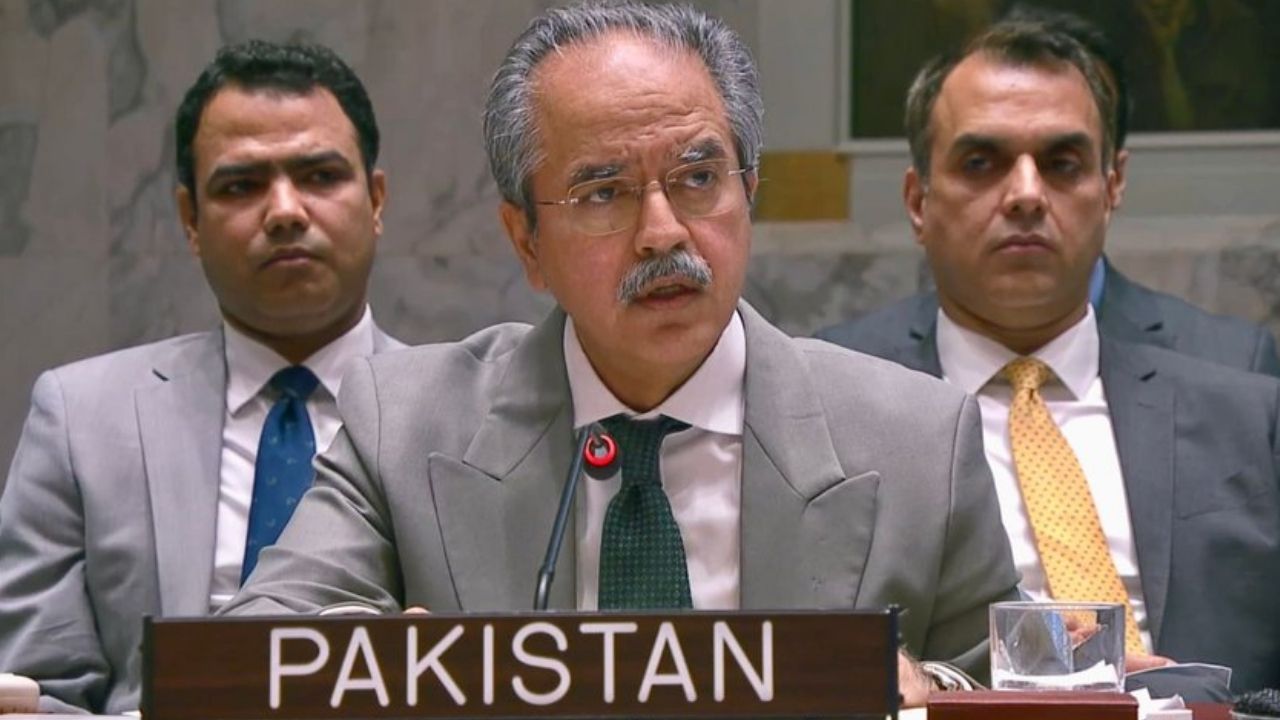
    Responding to the statements, Pakistan’s Permanent Representative Asim Iftikhar Ahmad said he felt compelled to take the floor after hearing remarks from India and Afghanistan.

    Ahmad said that given “India’s animosity towards Pakistan and the sole objective of its Afghan policy being to destabilise Pakistan, including by actively supporting and sponsoring terrorist groups, operating from Afghan soil, such as TTP and BLA,” India’s remarks were expected.

    He noted that the Indian representative spoke about civilian casualties and border clashes but “had not a word about the terrorist threat emanating from Afghanistan, which has targeted Pakistan and which many Council members have highlighted in their statements.” 

    “But there is a reason for that. It is India’s complicity in all of this,” Ahmad said, adding that Pakistan had provided “irrefutable evidence of India’s collusion with terrorist groups that are engaged in orchestrating violent attacks against Pakistan”.

    He said, “One can sense India’s pain in seeing its heavy investment in the Afghan terrorist franchise going to waste as a result of Pakistan’s precise and effective action against terrorist camps and support bases inside Afghanistan.”

    Ahmad described India as “a serial violator of international law”, accusing it of illegally occupying territory, violating the UN Charter and UNSC resolutions, carrying out state terrorism in India-occupied Kashmir, marginalising minorities, and using disinformation as state policy.

    On Faiq, Ahmad said, “The so-called representative of Afghanistan, who in fact does not represent anyone but himself, must not abuse this forum to pursue his personal agenda.” 


    He added that Faiq, “sequestered in New York”, was “completely cut off from ground realities” and had “chosen to selectively comment on some aspects of the situation, particularly with reference to Pakistan”. “Therefore, the value and credibility of his remarks are in serious doubt,” he said.


    Ahmad emphasised that Pakistan’s legitimate counter-terrorism operations are not directed against the brotherly people of Afghanistan, and are only meant to neutralise the persistent threat of terrorism emanating from Afghan soil. He added that these actions were in full conformity with the right to self-defence and international humanitarian law.

    He said Faiq “had nothing to say about cross-border terrorism from Afghanistan that is so heavily impacting Pakistan in terms of casualties among civilians, among our armed forces, law enforcement agencies and infrastructure”.

    Ahmad further said that while India had “always played the role of a spoiler in Afghanistan,” Pakistan had “engaged responsibly in promoting peace, stability and prosperity in Afghanistan”.


    He added that these objectives could only be achieved if the Taliban authorities fulfilled their commitments on counter-terrorism, inclusive governance, and the rights of Afghan women and girls.


     Ahmad urged India to “cease and desist from its policy of stoking terrorism inside Pakistan from Afghan soil, now together with their newfound friends in the Taliban regime”, adding that Pakistan would not allow “their sabotage and subversion from Afghan soil to nourish and harm Pakistan”.

  • Winds from Iran could worsen air in Pakistan, PMD warns

    Winds from Iran could worsen air in Pakistan, PMD warns

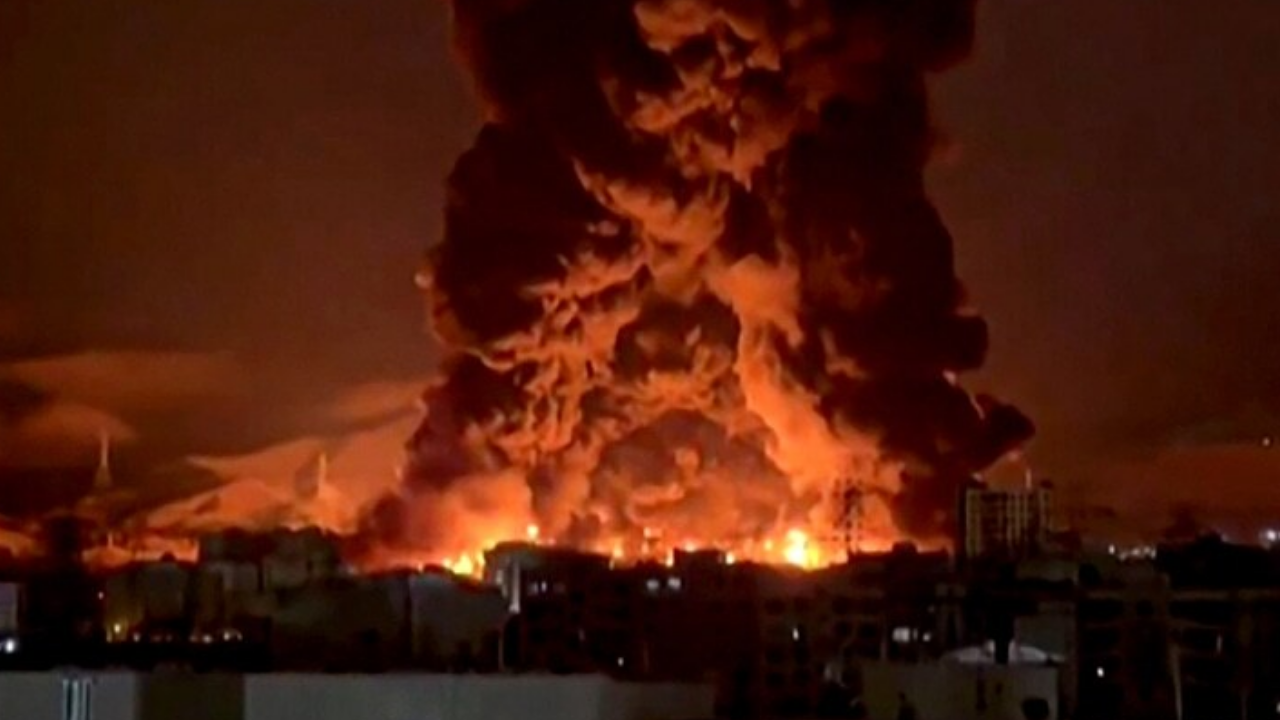
    The Pakistan Meteorological Department (PMD) on Monday warned that air quality in western parts of the country could deteriorate due to pollutants potentially carried by winds from Iran following recent United States (US) and Israeli strikes on the country’s oil sites.

    “Due to the recent situation in Iran, the winds may carry pollutants and deteriorate air quality in the western parts of the country,” PMD said in a press release.

    Iran, Pakistan’s western neighbour, has been involved in a conflict with the US and Israel since the illegal February 28 operations that resulted in the assassination of its supreme leader, Ayatollah Ali Khamenei. 

    The attacks escalated further on March 7, when major airstrikes targeted Tehran’s refineries and fuel depots, covering parts of the city in black smoke and oily rain.

    The Iranian Red Crescent Society warned residents that exposure to “significant quantities of toxic hydrocarbons, sulfur and nitrogen oxides” could cause chemical burns and lung injuries.

    Additional strikes reportedly hit five oil facilities in and around Tehran, according to an official from the National Iranian Oil Products Distribution Company.

    The PMD also forecast rain and thunderstorms in Pakistan’s upper regions under the influence of a westerly wave approaching Monday evening, and expected to continue until March 12. 

    The department said partly cloudy to cloudy conditions with “moderate rain-wind-thunderstorm (few heavy falls at times)” were likely in Khyber Pakhtunkhwa districts including Dir, Kohistan, Chitral, Swat, Shangla, Battagram, Buner, Malakand, Mansehra, Abbottabad and Haripur.

    Similar weather was expected in Gilgit-Baltistan (GB) and Azad Jammu and Kashmir (AJK) from Monday evening through March 12. Light rain with wind or thunderstorms was also forecast for March 10 and 11 in Khyber, Mohmand, Peshawar, Swabi, Mardan, Charsadda, Nowshera, Bajaur, Bannu, Waziristan, Orakzai, Kurram, Kohat, Hangu and Mianwali.

    In Islamabad, the Potohar region, Murree, Galliyat, and surrounding areas, rain-wind/thunderstorm was expected from Monday night to March 11, with isolated hailstorms possible in the upper parts of the country.

    PMD indicated that daytime temperatures in upper regions could drop by three to four degrees Celsius. 

    It also cautioned that landslides might occur in vulnerable areas of upper KP, GB and AJK, and advised tourists to avoid non-essential travel and farmers to manage crops according to the prevailing weather conditions.