Category: National

  • Pakistan will go to war if India attempts to build dams, canals: Bilawal Bhutto

    Pakistan will go to war if India attempts to build dams, canals: Bilawal Bhutto

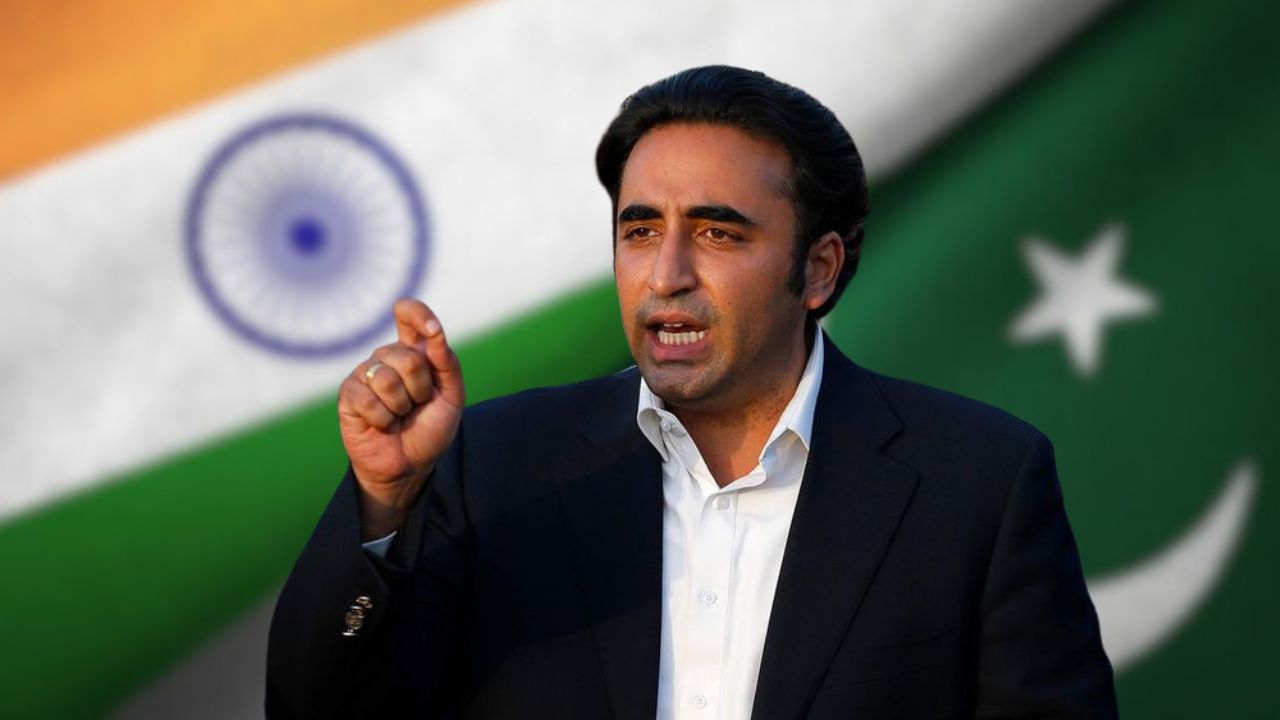
    Chairman of Pakistan Peoples Party (PPP) Bilawal Bhutto Zardari said on Monday that Pakistan will go to war if India does not abide by the Indus Water Treaty (IWT), which New Delhi put in “abeyance” following the April 22 attack in Pahalgam in held Kashmir.

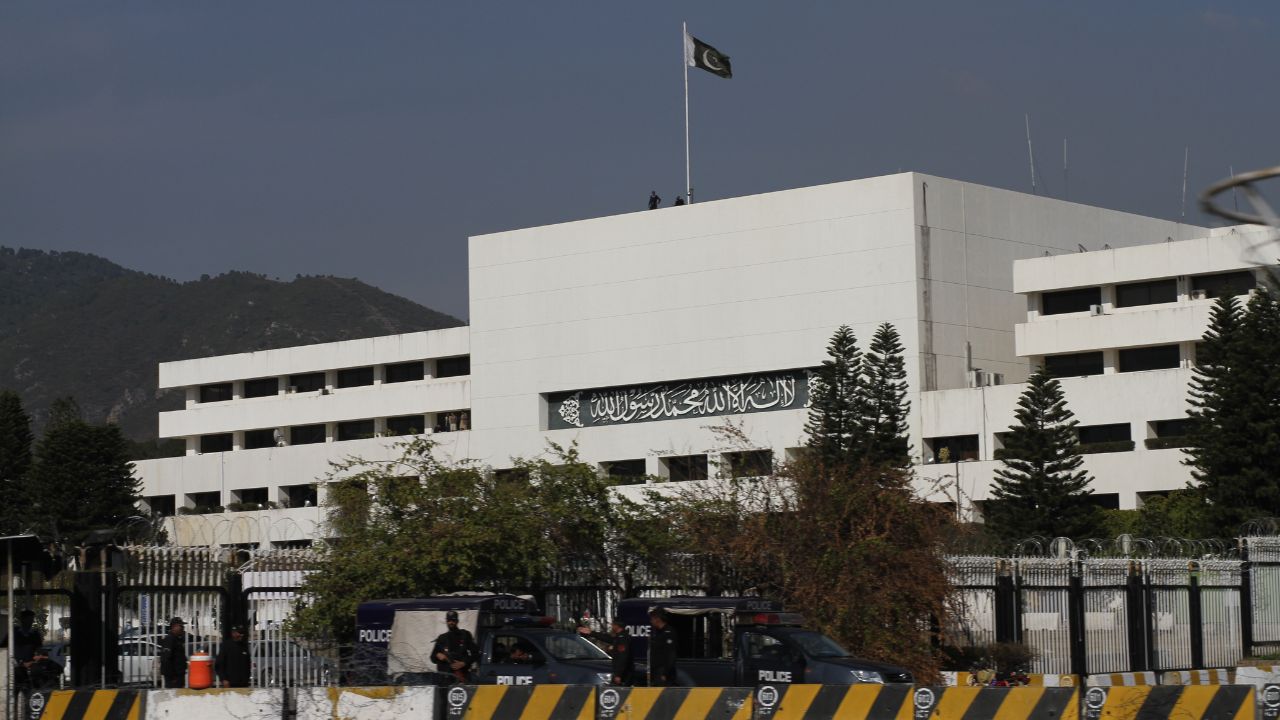
    “If India does not abide by the Indus Water Treaty and attempts to build canals and dams [on Pakistan’s share of water], then Pakistan will go to war,” he said, speaking at the National Assembly session, adding, “We will secure the waters of all six rivers for our nation.”

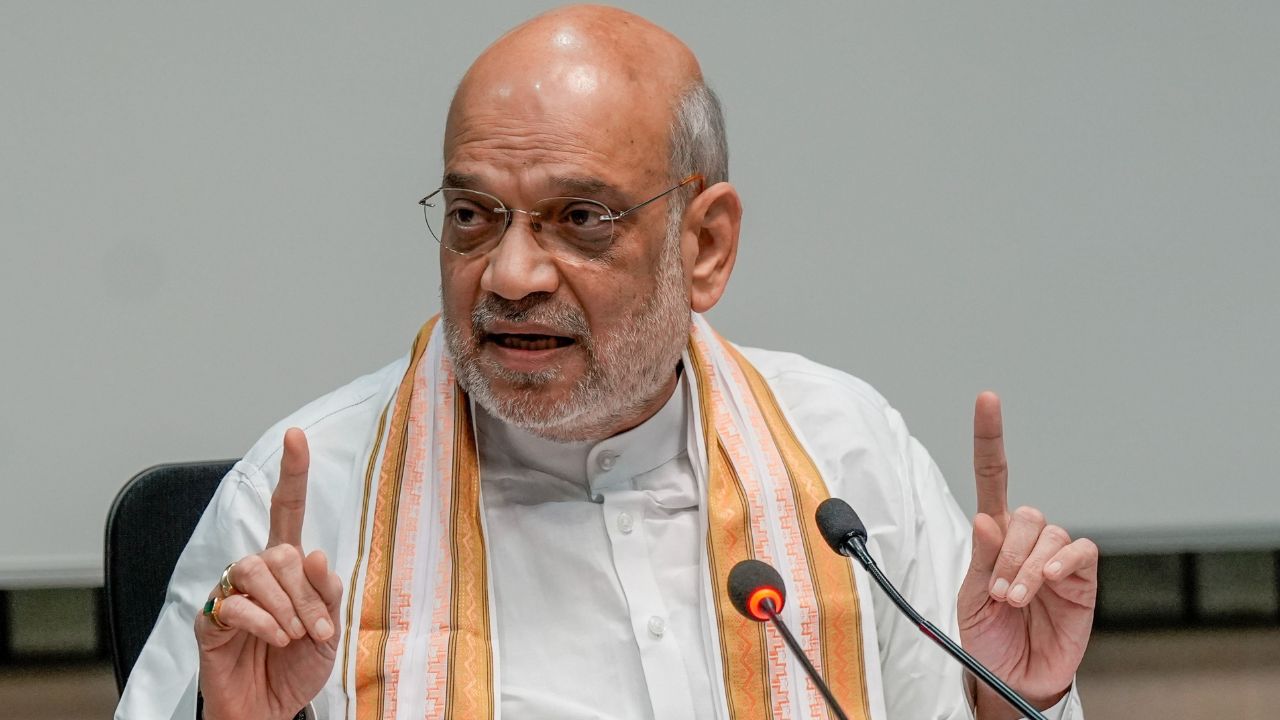
    Bhutto’s warning came days after Indian Union Home Minister Amit Shah said that New Delhi will never restore the IWT with Islamabad, and the water flowing to Pakistan will be diverted for internal use.

    In an interview with the Times of India on Saturday, the Indian home minister said, “No, it [IWT] will never be restored,” adding, “We will take water that was flowing to Pakistan to Rajasthan by constructing a canal. Pakistan will be starved of water that it has been getting unjustifiably.”


    According to the treaty, three eastern rivers, Sutlej, Beas and Ravi, were awarded to India, while Pakistan received the three Western rivers, Indus, Chenab and Jhelum, which account for the majority (almost 80 percent) of the shared basin’s water.


    Bhutto, citing the global silence on Israeli aggression against neighbouring Iran, warned that “if we don’t speak out for Iranians, there will be no one left when they come for us.”

    “First, they came for the Palestinians, but the world did not speak out because they weren’t Palestinian. Then they came for the Lebanese, but we did not speak out because we were not Lebanese. And then they came for the Yemenis, but we did not speak out because we’re not from Yemen,” Bilawal highlighted. 

    “Now, they’ve come for Iran. If we do not speak out, there will be no one left when they come for us. The Israeli regime’s aggression across the region must be stopped,” he added.

    Chairman PPP’s key remarks followed Israel’s illegitimate attacks on Iran on June 13. Israel said that it wanted to remove any chance of Tehran developing nuclear weapons. Israel itself is widely assumed to have nuclear weapons, which it neither confirms nor denies.

    Iran claims its nuclear programme is for peaceful purposes only. Iranian officials have repeatedly said they do not plan to develop nuclear weapons but will pursue their right to nuclear energy and research.

    The tension further intensified after the US carried out attacks in Iran’s three nuclear sites, including Fordow, Natanz, and Isfahan, directly entering into the conflict. The illegitimate attack has Iran vowing revenge.

  • India will never restore Indus Waters Treaty with Pakistan: Amit Shah

    India will never restore Indus Waters Treaty with Pakistan: Amit Shah

    Indian Union Home Minister Amit Shah on Saturday said that New Delhi will never restore the Indus Waters Treaty (IWT) with Islamabad, and the water flowing to Pakistan will be diverted for internal use.

    Following the April 22 Pahalgam incident in Indian Illegally Occupied Jammu and Kashmir (IIOJK), New Delhi unilaterally suspended the long-standing IWT, which, through wars, near-conflict, and complete diplomatic breakdowns, had endured. 

    According to the treaty, three eastern rivers, Sutlej, Beas and Ravi, were awarded to India, while Pakistan received the three Western rivers, Indus, Chenab and Jhelum, which account for the majority (almost 80 per cent) of the shared basin’s water.

    According to the agreement, India retains the right to use the western rivers for non-consumptive purposes like hydropower, and for limited irrigation, but is barred to store or divert their flows in ways that harm downstream access.

    In an interview with the Times of India, the Indian home minister said, “No, it [IWT] will never be restored,” adding, “We will take water that was flowing to Pakistan to Rajasthan by constructing a canal. Pakistan will be starved of water that it has been getting unjustifiably.”

    Islamabad has already clarified its stance regarding the India action of illegally putting IWT in abeyance, saying that any act of diverting or blocking the share of Pakistan’s water will be considered “an act of war,” as well as clarifying in the past that the treaty has no provision for one side to unilaterally pull back.

    Weeks after the suspension of IWT, Defence Minister Khawaja Asif warned New Delhi that it would strike if India attempts to construct any structure to block the flow of water into Pakistan in violation of the treaty.

     
    “If they attempt to construct such a type of structure, we will strike it and destroy it,” the defence minister said while speaking on a private news outlet in response to a question of whether Pakistan will strike first if India attempts to divert or stop the flow of water from western rivers.


    Additionally, Asif said that stopping water will be an act of aggression against Pakistan. “Aggression is not only carried out through artillery shells or gunfire. It has many types and phases. [Stopping the water] is also a phase of aggression. Such actions can lead nations to die from hunger and thirst,” he explained.

    Meanwhile, Pakistan is reportedly exploring a legal challenge to India’s decision to hold the treaty in abeyance under international law.

  • Punjab’s Budget: A Shift Towards Public Welfare

    Punjab’s Budget: A Shift Towards Public Welfare

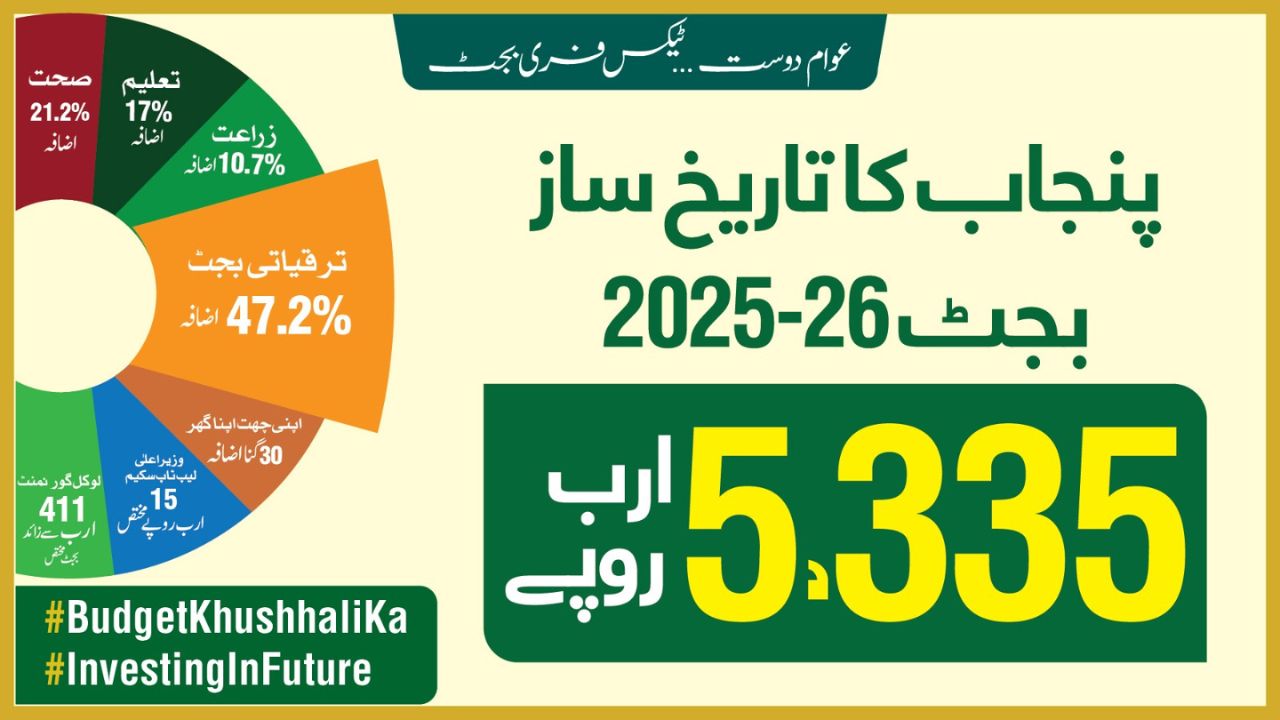
    Under the leadership of Chief Minister Maryam Nawaz, Punjab’s budget for the fiscal year 2025-26 has taken a significant turn, prioritizing the welfare of its citizens. Historically, budgets were seen as mere formalities, but this one stands out due to its tangible priorities and substantial allocations across crucial sectors.

    Increased Allocations: A Focus on Development

    The budget showcases a remarkable increase in funding for various sectors:

    • Education: A 127% increase in funding, with the development budget more than doubling, highlights the government’s commitment to improving educational infrastructure and resources.

    • Health: With a 41% increase in allocation, the government aims to enhance healthcare services, including the introduction of free medicines in public hospitals and the launch of a Universal Health Insurance Program.

    • Local Government: A 130% increase in funding empowers local governments to address specific needs and improve public services.

    • Transport: A staggering 359% increase in allocation underscores the government’s focus on infrastructure development, with over 700 km of roads under construction.

    Action on the Ground: Visible Progress

    The budget is not just about numbers; it’s about real action on the ground. The government has initiated nearly 100 public welfare projects, all funded through provincial resources. Some notable projects include:

    • Nawaz Sharif Cancer Hospital: Rapidly progressing in Lahore, this flagship project aims to provide quality cancer treatment to citizens.

    • Universal Health Insurance Program: With a budget of Rs. 25 billion, this program ensures affordable and quality medical care for all citizens.

    • Sports Complexes: New schemes worth Rs. 7.6 billion aim to build modern sports complexes, providing healthy outlets for youth and promoting sports development.

    Youth Engagement and Economic Growth

    The government has also prioritized youth engagement and economic growth:

    • Easy Business Program: Disbursing Rs. 70 billion in interest-free loans, this program has led to the establishment of over 5,000 new businesses, promoting entrepreneurship and job creation.

    •  
    • Small and Medium Enterprises: The government aims to promote SMEs, agriculture, and uplift underdeveloped regions, especially South Punjab.

    Challenges and Opportunities

    While the opposition’s role is crucial in a democracy, constructive criticism and viable suggestions are essential. The government’s focus remains steadfast on Punjab’s residents, with development projects being executed across the province without discrimination.

    A New Era of Development

    Maryam Nawaz’s leadership has brought about a visible shift in public perception, with people expressing satisfaction with the government’s direction. Her ability to initiate people-centric projects has delivered real benefits to citizens, making Punjab a leader in development and prosperity.

    Conclusion

    Punjab’s budget for 2025-26 marks a significant shift towards public welfare, with increased allocations and tangible priorities. The government’s focus on development, youth engagement, and economic growth has brought about visible progress, setting a new era of development and prosperity for the province.

    Written by: Ashfaq Ahmed

    Disclaimer: The views expressed are those of the author.
     
     
  • Indian TV host accuses Trump of accepting ‘crypto bribe’ from Pakistan

    Indian TV host accuses Trump of accepting ‘crypto bribe’ from Pakistan

    Controversial Indian TV host Arnab Goswami has accused United States (US) President Donald Trump of taking a ‘crypto bribe’ from Pakistan after Trump said that he “loves Pakistan”.

    “Trump should be investigated along with his family, whether any of them are beneficiaries of any crypto deal with Pakistan,” Goswami said in a clip that went viral on social media.

    Speaking to reporters on Wednesday on the White House lawn, ahead of a luncheon with Field Marshal Chief of Army Staff (COAS) Asim Munir in Washington, DC, US President Donald Trump said, “I love Pakistan”.

    Referring to last month’s military standoff between Pakistan and India, the US President lauded Field Marshal Munir’s efforts towards protecting the country and de-escalation.

    “I stopped a war between Pakistan and India. This man [Field Marshal Asim Munir] was extremely influential in stopping it from the Pakistan side,” he stated.

    Following the meeting, Trump said that he was “honoured” to meet Field Marshal Munir for talks held at the White House’s Cabinet room.

    Commenting on Trump’s appreciative statement about Pakistan and its leadership, Goswami said, “Trump is for Pakistan. Trump is beginning to sound like a member of the Pakistan armed forces. The number of times he says, ‘I love Pakistan’ is embarrassing himself (sic).”

    ‘Pakistan knows Iran very well, better than most’: Trump following meeting with COAS Munir

  • Pakistan’s decision to recommend Trump for Nobel leaves internet divided

    Pakistan’s decision to recommend Trump for Nobel leaves internet divided

    The Government of Pakistan has decided to formally recommend United States (US) President Donald J. Trump for the 2026 Nobel Peace Prize for “his decisive diplomatic intervention and pivotal leadership during the recent India-Pakistan crisis,” a move that has sparked mixed reactions on social media.


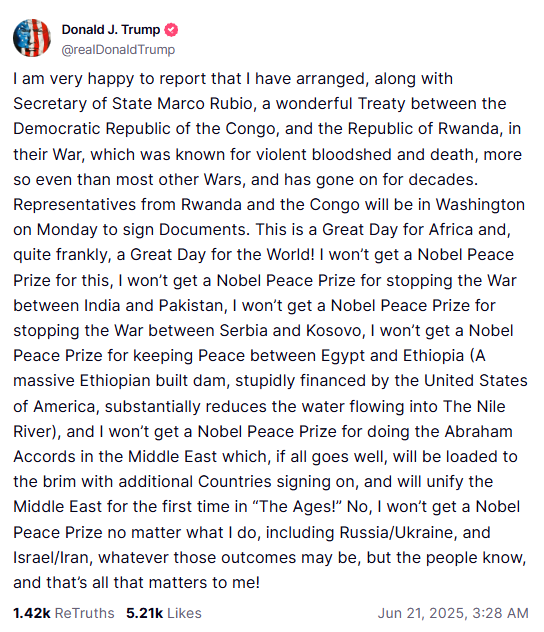
    The recommendation comes hours after the US president, in a post on Truth Social on Friday, announced that he has arranged, along with Secretary of State Marco Rubio, a wonderful treaty between the Democratic Republic of the Congo and the Republic of Rwanda in their war, “which was known for violent bloodshed and deaths”.

    “I won’t get a Nobel Peace Prize for this. I won’t get a Nobel Peace Prize for stopping the war between India and Pakistan. I won’t get a Nobel Peace Prize for stopping the war between Serbia and Kosovo. I won’t get a Nobel Peace Prize for keeping peace between Egypt and Ethiopia, and I won’t get a Nobel Peace Prize for doing the Abraham Accords in the Middle East… I won’t get a Nobel Peace Prize, no matter what I do,” reads Trump’s post.

    In a post on X (formerly Twitter) earlier Saturday, the government of Pakistan said, “The international community bore witness to unprovoked and unlawful Indian aggression, which constituted a grave violation of Pakistan’s sovereignty and territorial integrity, resulting in the tragic loss of innocent lives, including women, children, and the elderly.” 

    The post further read, “In exercising its fundamental right to self-defence, Pakistan launched Operation Bunyanum Marsoos, a measured, resolute, and precise military response, carefully executed to re-establish deterrence and defend its territorial integrity while consciously avoiding civilian harm.”

    The post noted that at a moment of heightened regional turbulence, the US president demonstrated “great strategic foresight and stellar statesmanship” through robust diplomatic engagement with both Islamabad and New Delhi.

    Additionally, it said that President Trump de-escalated a rapidly deteriorating situation, ultimately securing a ceasefire, “averting a broader conflict between the two nuclear states that would have had catastrophic consequences for millions of people in the region and beyond”.

    “This intervention stands as a testament to his role as a genuine peacemaker and his commitment to conflict resolution through dialogue,” the post read.

    The Government of Pakistan acknowledges and greatly admires President Trump’s “sincere offers to help resolve the longstanding dispute of Jammu and Kashmir between India and Pakistan”, an issue that lies at the heart of regional instability. 

    “Durable peace in South Asia would remain elusive until the implementation of United Nations Security Council resolutions concerning Jammu and Kashmir,” it emphasised.

    The post concluded by saying that President Trump’s leadership during the 2025 Pakistan-India crisis manifestly showcases the continuation of his legacy of pragmatic diplomacy and effective peace-building.

    “Pakistan remains hopeful that his earnest efforts will continue to contribute towards regional and global stability, particularly in the context of ongoing crises in the Middle East, including the humanitarian tragedy unfolding in Gaza and the deteriorating escalation involving Iran,” read the post.

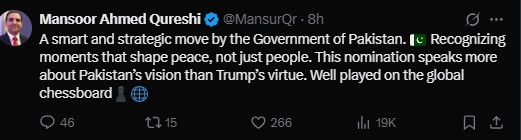
    The recommendation for Trump’s Nobel Peace Prize sparked mixed reactions on social media platforms, with some praising the government for making a smart move amid rising tensions in the Middle East, following Israel’s illegal attacks on Iran, while others are not pleased with the decision.

    “A smart and strategic move by the Government of Pakistan. Recognizing moments that shape peace, not just people. This nomination speaks more about Pakistan’s vision than Trump’s virtue. Well played on the global chessboard,” a user wrote on X.


    “President Trump is the greatest peacemaker in the history of mankind,” another user said. One of the users opined, “Finally, a President that actually deserves it.”

    A user said, “Trump the peacemaker! Peace through strength! Very good of Pakistan to step up and do this. And very well deserved by Trump!”

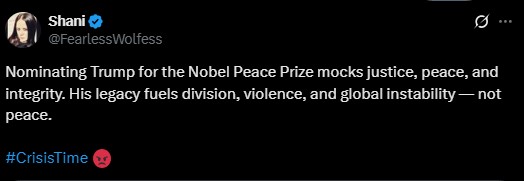
    Others expressed displeasure with the government’s decision. One person opined, “Nominating Trump for the Nobel Peace Prize mocks justice, peace, and integrity. His legacy fuels division, violence, and global instability — not peace.”

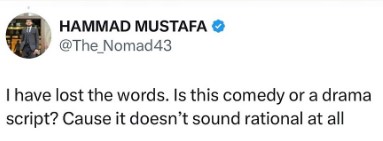
    Another user called the government decision “irrational”. The user wrote, “I have lost the words. Is this the comedy or a drama script? Cause it does not sound rational at all.”

    “That’s it. I’m off to watch the family guy. It’s more realistic (sic),” said one of the users.

  • Justice delayed, not denied: IBA lecturer wins gender discrimination case after 2.5 years

    Justice delayed, not denied: IBA lecturer wins gender discrimination case after 2.5 years

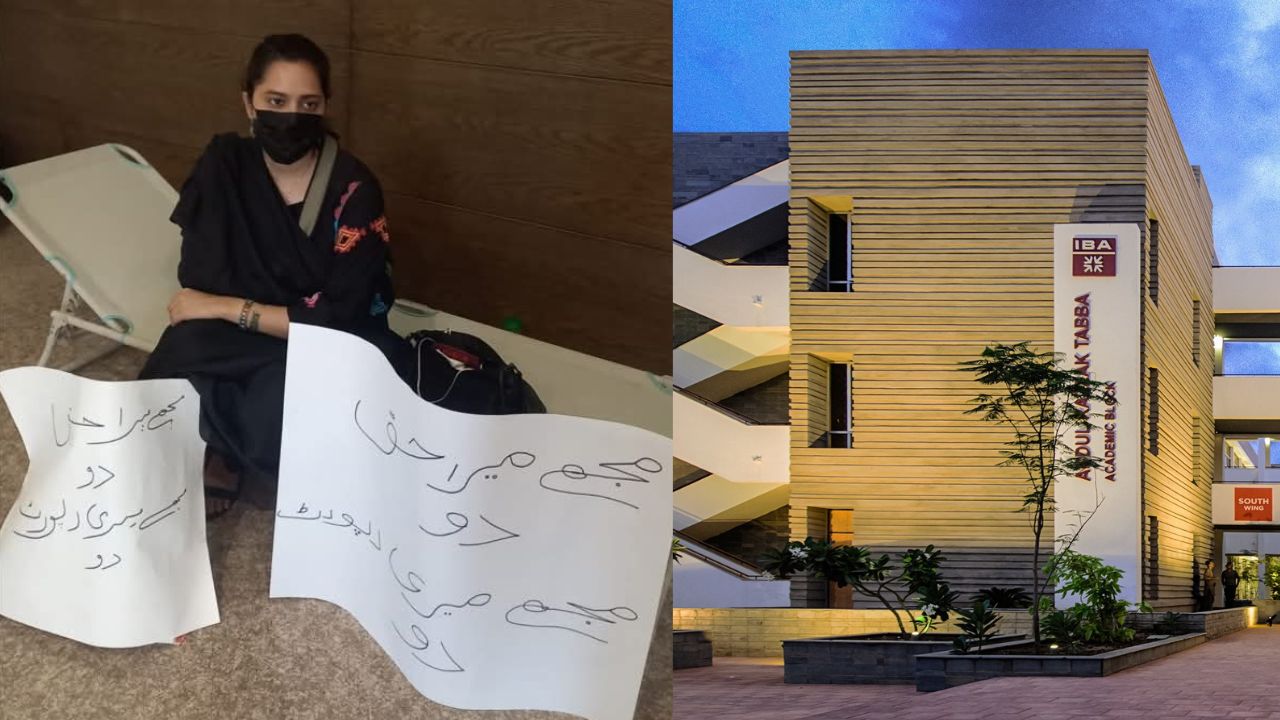
    After 2.5 years of legal battle, humanities expert Zahra Sabri has won the gender discrimination case against Karachi’s Institute of Business Administration (IBA) for evicting the only two single female residents of the varsity’s Visiting Faculty Residence (VFR).


    As per the details, Ombudsman Sindh on Jun 13 upheld the verdict of the institute’s Anti-Harassment Committee (AHC), mandating compensation, a formal apology and policy reforms over discrimination faced by the two women, including Zahra who, at the time, worked as a South Asian History and Literatures lecturer at IBA.


    According to Zahra, in December 2022, she and her colleague were asked to vacate their accommodation on short notice of three days.


    “No male or married faculty members were asked to evict,” she had stated in her complaint against the orders issued by Registrar Dr Mohammad Asad llyas and ratified by IBA’s Executive Director (ED) Dr Syed Akbar Zaidi.


    She had also highlighted “unprofessional remarks” by the registrar who told Zahra and her colleague to “find a husband so that they also be allowed to stay at the VFR”.


    While Zahra’s appeal against the move had led to an AHC ruling mandating compensation, apology and reforms, justice was denied following the Jan 2023 internal complaint under Pakistan’s Protection Against Harassment of Women at the Workplace Act of 2010 as IBA ED Dr Zaidi, who had been designated as the ‘competent authority’ under said act, dismissed the AHC’s rulings despite being legally obligated to implement the recommendations without alteration.


    After being denied timely legal access to her AHC report, Zahra took her case to the Ombudsman Sindh. She also communally and individually wrote and reached out to a number of board members, formally bringing to their notice the on-campus violation of the law.


    “They received my complaint, reviewed it, and their responses were not supportive or helpful towards me in any way at all,” Zahra tells The Current.


    However, last week, the Ombudsman overturned the IBA ED’s refusal to implement the verdict as the assigned competent authority. According to the Ombudsman Sindh, Dr Zaidi, in capacity of competent authority, was obligated to implement the AHC’s recommendations within one week, with “no power to modify, alter, set-aside or refuse”, which he failed to implement, violating the rules under the Act. 


    According to the ruling, he also compromised his neutrality as competent authority after he appeared as a witness in the inquiry proceedings in support of the other respondent and accused, Registrar Dr Ilyas. 


    The Ombudsman further ruled that the IBA Board of Governors and its Human Resources (HR) committee had no legal standing to override the inquiry findings, as under the 2010 Act, only the Ombudsman has appellate authority over such decisions.

    Overruling the IBA ED’s refusal from August 2023, the ombudsperson ordered varsity to appoint a new competent authority within a week to ensure the AHC’s findings were acted upon.


    The order called for the implementation of AHC’s recommendations within a week, including the payment of Rs300,000 to Zahra for harassment, a written apology from IBA for gender-based discrimination, and the creation and consistent enforcement of clear, non-discriminatory housing policies.


    In case of non-compliance, IBA can face contempt proceedings under Section 10(1)(vi) of the 2010 Act.

    Meanwhile, the Sindh High Court (SHC) has issued notices to respondents on a petition filed by the IBA, challenging an order of the provincial ombudsman for protection against harassment of women at workplaces. The SHC has also directed that the compensation amount and apology letter not be handed over to the former lecturer until the petition is decided.


    ‘WEIGHT OF THE WAIT’

    According to the Forum of Pakistan Ombudsman, it takes an average of 55 to 70 days to reach a decision in a case, but in practice, it can take longer — from months to even years.


    It also states that no adverse action can be taken against the complainant or witnesses under Section 4(3)(d) of the Protection Against Harassment of Women at the Workplace Act, 2010.

    Moreover, the employer is not allowed to create a hostile environment or pressurise the complainant, and the inquiry committee must ensure this, as outlined in Section 4(3)(e) of the same Act.


    Zahra Sabri had joined IBA in Jun 2021, but her time on campus was made difficult. “I feel that the main challenge and burden of this [legal] process has been the waiting. I would call it the ‘weight of the wait,’” she says, adding that organisations often manage to create a very hostile work environment for harassment complainants in various subtle and unsubtle ways.

    “It can be quite difficult for a harassment victim to have a normal and peaceful work life, as she awaits the judgment for her case,” Zahra tells The Current.


    ‘ZAHRA VS IBA’


    In July 2023, Zahra resigned in protest against the administration’s failure to support her in her legal battle. She recalls that at the time, “like all women,” she had two choices: to continue working with a “smile and bear it” or formally file a complaint against people in power, and risk retaliatory actions from senior management — even if it came at the expense of her successful career.


    A male colleague publicly advised Zahra to “keep shining with charming smiles”, ignore “little things in professional life”, and focus on her “bright career path”.  Others told her not to “make a noise”, lecturing her on being “patient”. 


    Amidst the pressure and knowing the strenuous procedure of a legal battle that was expected to affect professionally and financially, Zahra asked herself: “Would I have any right anymore to talk to students in my History/Literature classes about the importance of standing for women’s rights, when I had not even stood up for my own?”


    “My choosing to stand up for the principle of women’s rights and gender equity somehow, and totally unnecessarily, made me the target of institutional retaliation,” she says. 


    Despite the situation becoming a “heavy burden”, Zahra refused to give up on her teaching and extracurricular educational activities on campus.


    “I didn’t wish for any incident of harassment or discrimination by any male colleague to make me scale myself back as an educationist or professional in any way within the organisation.” 


    ‘MORE THAN OP-EDS’


    “Today, if we enjoy certain rights in academic workplaces, it is because certain people took time away from their academic commitments to take a stand for something right and just,” Zahra says.


    She believes academia is more than just writing op-eds, books and research papers, or posting on social media about human rights. “If you don’t have what it takes to show support or action against workplace harassment and discrimination in your own work environment, then all your commentary and writings are totally worthless, not to mention hypocritical.” 


    According to the recently issued World Economic Forum’s (WEF) Global Gender Gap Report 2025, Pakistan ranks lowest among 148 countries with 56.7 percent gender parity. This is reportedly the highest since 2006.


    “Clearly, Pakistan is a very difficult place for women to be in the workplace. It’s all the more important and urgent for our academics to be action-oriented, not just talk-oriented. It’s very, very hard, but this is what we need,” Zahra acknowledges.


    The way forward, according to her, is not necessarily a deep structural reform but a more “effective implementation and oversight in the current system and structure”.


    She believes that educational institutions like IBA play a crucial role in Pakistan’s public-sector institutions, having the “ability to cater to the needs of an immensely talented and promising middle-class demographic of students”.


    “I believe that the university’s administrators should be putting their financial and intellectual resources to more effective and respectful use.”
  • Grade-18 officer dismissed after 12 years of absence from duty

    Grade-18 officer dismissed after 12 years of absence from duty

    The federal government has dismissed a Grade-18 officer from the Office Management Group for being absent from duty for over 12 years.

    According to a notification issued by the Establishment Division, the officer was removed from service following disciplinary proceedings under the Civil Servants (Performance and Discipline) Rules, 2020.

    Officials said the officer had been absent from May 10, 2013, to June 8, 2023, and again from September 26, 2023, to June 17, 2025. His entire period of absence has now been converted into Ex-Pakistan Leave Without Pay, as per the amended Leave Rules, 1980.

    The officer was previously dismissed from service on October 7, 2019. However, the Federal Service Tribunal reinstated him on November 8, 2022, citing technical reasons and instructed the Establishment Division to conduct a fresh inquiry.

    He was reinstated on September 26, 2023, but failed to report back to work. Despite being given several chances, he did not return to duty. A fresh show-cause notice was served on June 4, 2025, and after completing the disciplinary process, the officer was finally dismissed on June 18, 2025.

    The notification states that the officer has the right to file an appeal with the Appellate Authority within 30 days under the Civil Servants (Appeal) Rules, 1977.

  • Fact Check: Viral video claiming Israeli guest fled studio during Iran missile attack is AI-generated

    Fact Check: Viral video claiming Israeli guest fled studio during Iran missile attack is AI-generated

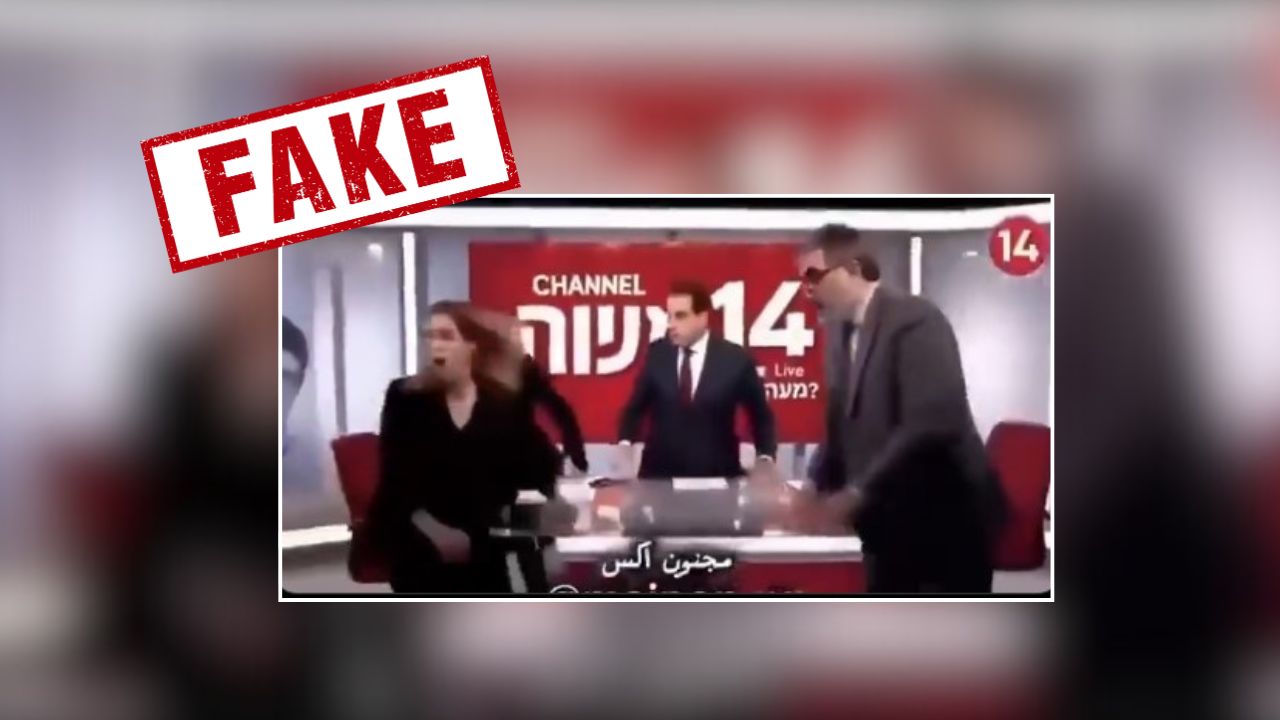
    A video circulating on social media supposedly shows guests on an Israeli talk show fleeing the studio as sirens went off during an alleged Iranian missile attack.

    Several leading Urdu news outlets reported the incident as real. Social media users also shared the video widely.

    However, is the video real?

    The video was initially shared on مجنون إكس account X on Wednesday, June 18, with a caption that read: “There was a discussion on Israeli TV about teaching Iran the worst lesson, when sirens went off due to Iranian missiles and the four left the program and ran away (sic).”

    Investigation

    The Current investigated the video widely shared on social media, particularly on X (formerly Twitter).

    A close review of the nine-second video reveals that it was generated using Artificial Intelligence (AI), and is therefore fake.

    The Current noticed a number of unusual elements and inconsistencies in the video. For instance, two female guests react even before the sirens actually go off.

    A closer examination also shows that one guest’s lip movements do not match the audio, a common sign of AI-generated content. The way the guests run also appears unnatural and unrealistic.

    Conclusion: The video is fake and was created using AI tools.

    Fact Check: Viral video of Donald Trump saying ‘Pakistan will destroy Israel if Iran attacked again’ is FAKE

  • FO confirms no communication from Iran on refugees or military help

    FO confirms no communication from Iran on refugees or military help

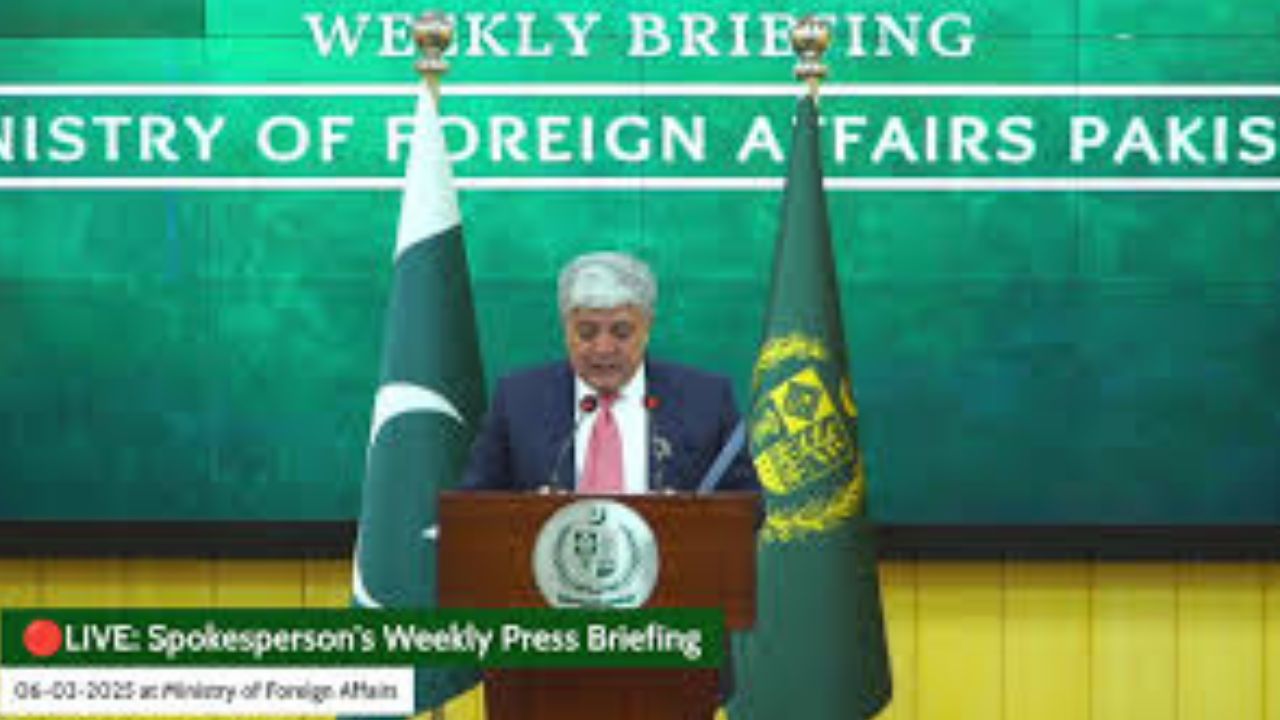
    Pakistan has confirmed that it has not received any requests from Iran for military assistance or help in relocating refugees. Foreign Office (FO) spokesperson Shafqat Ali Khan clarified this during a media briefing in Islamabad on Thursday.

    Responding to questions concerning the ongoing Iran-Israel conflict, he said no request for military or humanitarian support had been made by Iran, and Pakistan is not involved in any discussions regarding participation in the conflict.

    Khan updated that Pakistan has facilitated the return of almost 3,000 Pakistanis from Iran through initiatives organised by Pakistan’s diplomatic missions in Tehran, Mashhad, and Zahedan, adding that those seeking to return are being assisted.

    The FO spokesperson said they are carefully monitoring developments along Iran’s borders. He stated that the potential for instability remains high and that Pakistan endorses efforts aimed at de-escalation through dialogue and restraint.

    On Pakistan’s stance concerning the wider Iran-Israel conflict, Khan reiterated that the government views such military actions as breaches of international norms. He affirmed that Pakistan has consistently condemned assaults against Iran and upholds the country’s right to defend its sovereignty under international law.

    Khan also addressed rumours about Pakistan being approached for involvement in the ongoing tensions, similar to its previous role in Afghanistan. He stated that no such discussions have taken place and dismissed reports linking Pakistan to military cooperation in this conflict. The spokesperson emphasised that Pakistan maintains its current stance and has not been invited to join any alliance or regional arrangement.

    The Foreign Office also commented on the situation in Indian Illegally Occupied Jammu & Kashmir (IIOJK). In response to recent developments in Ladakh, the spokesperson noted that these actions violate relevant UN Security Council resolutions. He urged India to reconsider its policies and engage in dialogue to resolve all longstanding disputes.

    Throughout the briefing, the FO reiterated that Pakistan adheres to a policy of restraint, diplomacy, and non-intervention in ongoing conflicts.

  • Rain expected in Lahore as pre-monsoon season begins across the country

    Rain expected in Lahore as pre-monsoon season begins across the country

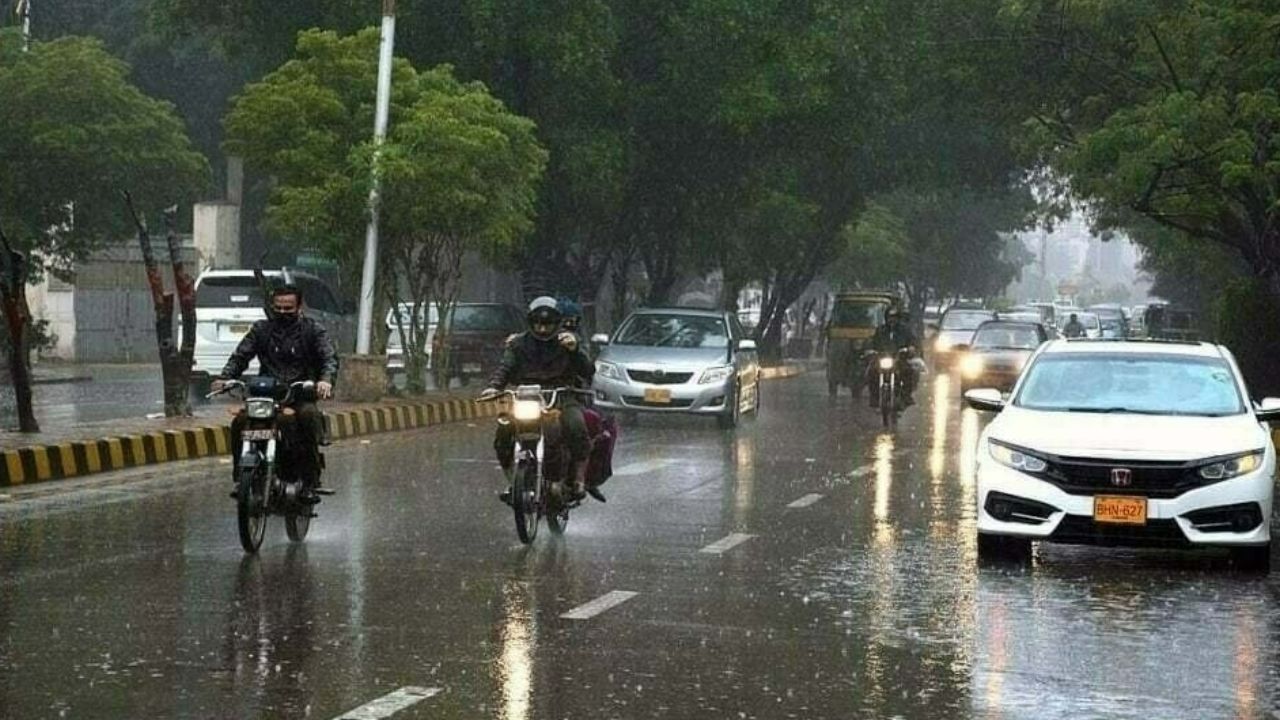
    The pre-monsoon season has officially started in Pakistan, with rainfall expected in various regions over the next three days.

    Several areas in Sindh, Punjab, and Khyber Pakhtunkhwa had been experiencing intense heat, but the start of the pre-monsoon spells is likely to bring much-needed relief.

    According to the Meteorological Department, rain is expected to continue in parts of Balochistan, Punjab, Khyber Pakhtunkhwa, Gilgit-Baltistan, and Kashmir.

    In Punjab, rain is expected in Rawalpindi, Murree, Galyat, Attock, Chakwal, Gujrat, Jhelum, and Gujranwala. Showers are also likely in Lahore, Faisalabad, Sialkot, Narowal, Sargodha, Jhang, and Mianwali. Southern Punjab districts, including Multan, Dera Ghazi Khan, Bahawalpur, and Bahawalnagar, are also forecast to receive rainfall between June 21 and 23.

    In Sindh, showers are expected at several locations starting tomorrow.

    Meanwhile, in Karachi, the weather is expected to remain humid and partly cloudy over the next 24 hours. The maximum temperature is likely to range between 34 and 36 degrees Celsius, with humidity levels around 69 percent.

    Light drizzle was also reported in various areas of Karachi on Friday morning.