Category: Opinion

  • Are we allergic to joy?

    Are we allergic to joy?

    There is a poignant moment in the documentary ‘The Romantics’ where filmmaker Aditya Chopra reflects back on the 26/11 Mumbai attacks that shook the entire country. At the time, his production company had been gearing up for the release of his upcoming romantic comedy film ‘Rab Ne Banadi Jodi’. Many of his colleagues had urged him to push forward the dates to prevent an uproar. Chopra said in the documentary that he knew that more than ever, that was the time people needed a reminder of joy and happiness in their lives, so he decided to stick with the original date. When the film released in cinemas across India, it became a hit.


    Currently in the state ‘Bannistan’ is in, with our economy struggling, inflation rising and more women finding it difficult to access public spaces without the fear of sexual assault or harassment, we have now developed an allergy to joy. Anything that prompts laughter or makes people happy. Solution: ban it. We ban our films, we call for festivals to be stopped because of fears like “western sazish” or “anti-Islamic” and then we wonder why our upcoming generation has no creative skills or any motivation to find work.


    Art is not just a prop to promote state policies, but a way to encourage members of society to find joy and reflect on the way they are living their life. We need art because it encourages us to express our inner selves and also because it is a powerful way to spread messages on social issues to the masses. Perhaps this is why art terrifies our public officials so much, and why it is censored more than any other industry in this country. We label the art we don’t like as ‘immoral’ because it is the only medium that can reflect the tabooed topics we are so afraid to speak about. Consider dramas in the past like “Dil Na Umeed to Nahi” which got several notices from PEMRA because it discussed the issue of child sex trafficking, and the difficulties survivors face in rehabilitating themselves. Another notice was sent to ban hugs or caressing, because God forbid any marriage is seen as being happy or affectionate. But we refuse to think about the numerous domestic violence and abuse scenes we watch on our screens every day.


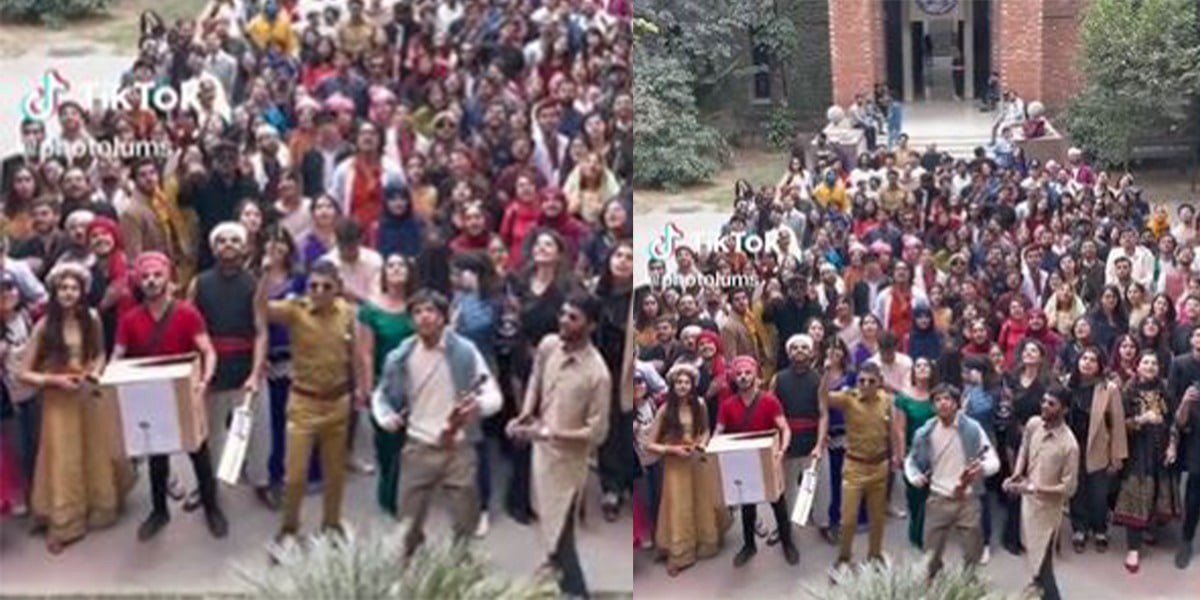
    A few days ago, a video began trending online featuring Bollywood day at LUMS, where students showed up dressed as their favorite characters from movies and dramas. But in response, social media users began criticizing the university for promoting vulgarity, and called the participants “kanjarkhana”

    Slur words are labels that we put on people who do not conform to the idea that it is shameful to seek celebration and joy in our lives, and words like these can be traced to our colonial roots. The British had demoralized the kunjar community in the sub-continent, a nomadic community of folk entertainers. As Jasir Shahbaz writes for Samaa, under the British rule, the kanjar community had been socially outcasted and under the Criminal Tribes Act, 1871, they were listed as “addicted to the systematic commission of non-bailable offences.”


    These terms are thriving under the ongoing reign of Bannistan: shame anyone who works in entertainment as a ‘kanjari’. We criticize female actors for performing on screens, deem women who seek their independence or protest for equal rights as loose and immoral, when in reality anything that challenges our misogynist and regressive mindset is improving our lives.


    In defense of the students who celebrated the end of their University days and any other woman out there trying to live her life, kanjari is an empowering term because it means we’re celebrating life. In times of repression and censorship, celebrating art can be the greatest form of living because it allows us to represent ourselves on screen. And gives space to every individual in society, regardless of caste or background. So instead of shaming these children for celebrating Bollywood day or just protesting in the streets, hold back your thoughts and just go about your own day if you’re not interested in what they have to say. Because now more than ever, we need joy in our lives. We need a reason to keep moving and find solace in the countless stories we see in films or read.
  • The collective effervescence of Shah Rukh Khan

    The collective effervescence of Shah Rukh Khan

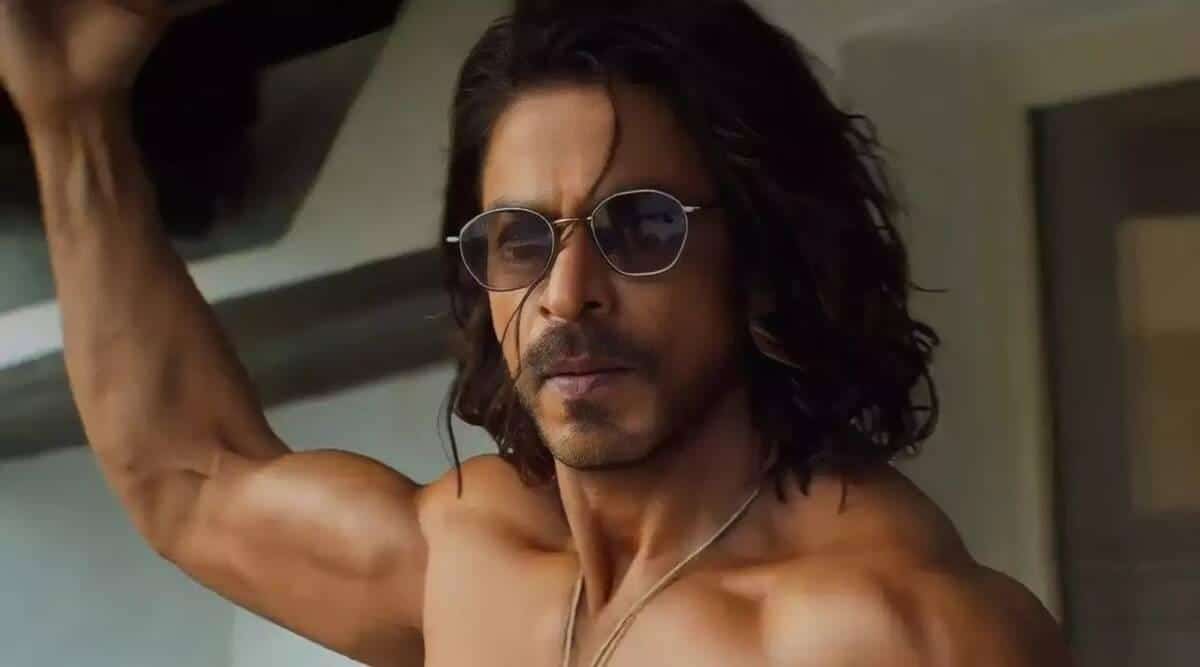
    ‘Pathaan’ is a frustrating film because it does not want to make things too difficult but it also does not want to take the easy way out. It does not mind being silly but it certainly will not become stupid. Perhaps to resolve these contradictory impulses, it chooses to be a fan-service film, something that requires a certain amount of blind faith on part of the audience but also a deep and nuanced knowledge of the world the star who helms it inhabits.

    ‘Pathaan’ is first and foremost a ritual. According to sociologist Émile Durkheim, when a community or society comes together and simultaneously communicates the same thought and participates in the same action, it represents a collective effervescence. That is, the group members experience a loss of individuality and a unity with gods, where the god and the society are the same and the clan itself transfigures into a symbol, the totem pole around which they gather with strong emotion.

    So what can the film offer to non-fan viewers like this author, who have the background knowledge but not the blind faith?

    If you are not part of this collective effervescence, you might be tempted to perceive the scene, the totem, the group as separate entities but it is simply impossible to extricate one from the others. The only way to understand ‘Pathaan’ is to view the film, the star, the fandom and the world it emerges from as one composite whole even if you are outside of that experience.

    Khan is a pathaan (son of a Khudai Khidmatgar no less) and, through this film, he insists that he must be seen as no more than an orphan of Indian cinema. Left as he was as a baby in a movie theatre, pathaan has no history and no identity beyond the service of Indian society. That he found a family outside Indian borders – in the film, this is represented by an Afghan village – holds for him deep emotional resonance, but ‘Pathaan’ and Shah Rukh Khan are, first and foremost, lost at and found by Indian cinema. And the Indian in him has a lot to get off his chest – or, do I mean his abs? – and will, unfortunately, exclude his non-Indian fans at least for the purposes of this film.

    This is not the first time a Shah Rukh film and the man became indistinguishable from one another. In ‘My Name is Khan’ (MNIK), Shah Rukh urged an increasingly Islamophobic world to not see all Muslims as terrorists. Moving on from what now seems like innocent times when the deeply problematic discourse of “good Muslims and bad Muslims” retained some currency, India now finds itself at a stage where proving one’s patriotism through a trial by fire (for example, in ‘Chakde India’) will bear no results. The Khan of ‘Pathaan’ is the older, weary and (literally and figuratively) broken version of the man in MNIK and Chakde. He has given up trying to prove his patriotism – if you are not yet convinced, you are unlikely to ever be. If you happen to be one of those blessed with blind faith, this film will not only help you reiterate your beliefs, it will also give you renewed energy to go out into the world filled with hate, despair and anger.

    John Abraham, who plays the antagonist Jim in the film, mentioned in a post-release press conference that Shah Rukh Khan is not a man but an emotion. This film, which is also the star, the nation and its audience all at once, is similarly an emotion. This is why it does not make the treatment of very complex issues difficult or easy. The issues are presented as Indians experience them.

    For me, it was still jarring to sit through the throwaway lines on Pakistan when criticism of the Indian state remains muted and one can well imagine the frustration that led Fatima Bhutto to write that Bollywood, as a whole, appears to be ‘obsessed with Pakistan’. Indian films have been steadily churning out plots where Pakistanis are represented as not only “nasty” but also gullible and even moronic. But, for Indians, who have been subjected to phallic slogans like “ghar mein guss ke maareinge” (we will invade your homes to kill you) in the recent past, the film comes as almost a relief. ‘Pathaan’ is at least not a chest-thumping agent of chaos – whether it is in India or Afghanistan, on-screen he is only trying to protect people. Whether he should have participated in the American invasion of Afghanistan at all is not a question the movie is interested in – just as it shies away from actually taking a political position on the abrogation of Article 370 that forms the impetus of the conflict presented in the film.

    It is in this almost desperate attempt to avoid taking overt stands on polarising debates that the film becomes reluctantly nuanced. While some lazy lines suffice to illustrate that only a handful of Pakistan’s military establishment have, to quote the ISI agent Rubai (played by Deepika Padukone), gone berserk, the blame for the imminent threat lies with the soulless and even callous Indian bureaucracy and a particular version of nationalism that pervades public discourse today. Jim is a narcissist for whom love for the nation used to be an extension of love for self and, now that his love has soured, he cannot but mock the selfless love that ‘Pathaan’ holds on to despite being betrayed and hurt. Most of their conversations centre on this differing attitudes towards nationalism, offering Khan ample opportunity to respond to the real-life attacks the Indian state and its narcissistic nationalists have subjected him to in recent years. The camera lingers on his dark brooding face as he expresses, in turn, his quiet disappointment with state’s priorities (while listening to Jim’s backstory), the shock of betrayal (as Rubai leaves him behind) and abject resignation (when he finally decides to go rogue). The emotions spill over the frame and become a testament to the life of India’s most famous and openly religious Muslim man under the tyranny of Hindu nationalism.

    While Bhutto’s criticism is well-taken, movies like ‘Pathaan’ – and ‘Raazi’, which she also mentions – emerge from a specific political struggle within India and must be seen as a challenge to the rampant hate rather than carriers of the same hateful messaging. Pakistan in ‘Pathaan’ serves as an empty signifier that it has been in films like ‘Uri’ where the larger plots are aimed at othering the Indian Muslims through an invocation of an external threat. But, in a crucial difference, ‘Pathaan’ brings attention back from the neighbouring country to the internal struggle in India that was provoking such excessive obsession in the first place. It is as if the filmmakers are telling us that it is impossible to speak on Indian nationalisms without underlining the disproportionate space Pakistan occupies in public imagination.

    While Jim is explicit about his motivations, Rubai’s backstory leaves a lot unsaid. Rubai’s father was a journalist somewhere in West Asia who “asked too many questions” and, as a child, she was forced to witness his waterboarding by agents of an undemocratic regime. As memories of the father’s torture merge with her own waterboarding at the hands of Indian agents she had actually helped, the signifier of Pakistan is emptied out and her story becomes one of Indian journalists who, in recent times, had “asked too many questions” with national interest at their heart and paid the price for the same.

    It may still be too unrealistic to ask Pakistanis not to be offended by ‘Pathaan’ since it is probably no consolation that the film does not address them at all. The totem of Shah Rukh holds great emotional resonance across South Asia and the world and, while the film tells us that he cherishes ‘his family’ outside India, ‘Pathaan’ is targeted at the Indian society – as a collective – that loves him and, yet, as the film sees it, has betrayed him.

  • Are actors responsible for educating their audiences?

    Once again, the Pakistani entertainment industry is stirring up reminders of why people should stop viewing their content because even they don’t want to own up to the material they work on.

    Actor Danish Taimoor appeared on a celebrity talk show yesterday where he was questioned about his choice of dramas for the past few years, and the criticism his characters are subjected to. Taimoor firmly responded to the rumors by saying that he was an actor, not a teacher. ‘It’s not my job to educate an audience,” he said.


    These kind of statements are usually used to reject society’s expectations. It is not a person’s responsibility to dress the way society wants or to keep imposing restrictions on themselves that hinders their creativity, just so that society remains happy. But when it comes to filmmakers, the line is rather crooked.


    Sorry Mr Taimoor, but when you chose to become an actor and get involved in dramas, you inadvertently become an educator. Films are a platform that educates our audience on issues, and as a person with a public position, the onus does fall on you to be mindful that the kind of message your dramas are sending not harmful.


    Perhaps we should widen the screen to remember what was the kind of content that Taimoor was being questioned on. His past few dramas like Kaisi Teri Khudgarzi and Ishq Hai had attracted widespread criticism for featuring abusive, toxic male leads who were projected as romantic heroes regardless of the way they stalked, coerced and pressurized the female characters to marry him. One of the most memorable examples was a scene in Ishq Hai, where Taimoor’s character holds a gun to his head and starts counting down from 10, threatening the girl that he would shoot himself unless she agrees to marry him.

    Can we allow our actors and other members of the entertainment industry to dissuade their responsibility while depicting such triggering scenes that show a woman being kidnapped, threatened and pressurized in to marriage? Especially in a country like Pakistan where the rape conviction rate is less than 5%, and a recent report that was presented to the National Assembly of Pakistan showed that between 2019 to 2021, more than 3,987 women were killed because of domestic violence? More women in Pakistan are turned away from their families, and the courts in order to bring their abusers to justice because they’re told by public officials, including our own entertainment bretheren, that their wounds don’t matter. Because our screen writers and actors have pushed the narrative through their work that belittles and demoralizes women who aren’t passive or submissive.


    But Taimoor isn’t the first person to respond to criticism with this statement, as so have other members of the acting fraternity as a complete justification to their choice of dramas. When Fahad Mustafa was questioned about his choice to produce Dunk, a drama that revolved around fake sexual harassment allegations, he had responded with the same remark. “I don’t run a school, I am an actor so it’s not my job to educate audiences.” Even another roundabout way to defend the choice of drama was from Yasra Rizvi who had outshone with her brilliant performance in the web series ‘Churails’ but then was one of the main performers in ‘Dunk’. Defending her decisions on her Instagram page, the actor stressed that “Actors who play rapists and murderers are not ACTUALLY rapists and murderers and they are not condoning or justifying such actions in real life by playing said characters.”


    Any sane person watching Akshay Kumar play a broke man in Hera Pheri knows that he actually doesn’t live in a crammed room with three other people, but is playing a character. Your audiences aren’t dumb and they aren’t here to just be entertained, but they are absorbing the message you are sending through playing that characters on screen. Because the reason why the entertainment industry is being held responsible for the kind of material they are churning out is because theirs’ is a powerful medium through which we educate our audiences. Films have the power to reach out across countries and to the masses who are sitting at home and watching it on screens. Actors are not merely just entertainers who get to perform in front of an audience, but they are powerful individuals with platforms that have the power to change and influence ideals that no politician or public official can do so. When our entertainment industry consistently put drama after drama where women are being beaten, and churning out regressive messages, they don’t get to wonder in shock that why is the there a never ending rape pandemic in Pakistan, and how more women are posing a threat to their lives if a video of them dancing on Tik Tok goes viral. It’s because our dramas and filmmakers need to realize that they have a social responsibility to be mindful of the message they are sending out to their audiences.


    Especially for celebrities like Mansha Pasha who had said in defense of Rizvi, that “Actor’s aren’t echo chambers”, then there won’t really be any point of the entire profession. Activism is not a toy you can pick and drop when it pleases your image. Despite public appearances at marches and protests for women’s rights, it is ultimately your films and dramas that define what kind of social issues you are advocating for. So regardless of how you may protest how much of a feminist you are, it is the women from backgrounds less privileged than yours who suffer more because of your stance. The reason why the rise of the right wing government BJP is able to cement their stance and consolidate their anti-Muslim stance was through peddling their narrative with the power of films and influential celebrities.


    Actor Sania Saeed reflected on why more drama creators need to remember that their content isn’t just providing entertainment, but it is also projecting out messages that the audience will follow. In an interview with Something Haute, she spoke about why art has an essential political role in society:


    “Television shows want dense topics they feel can be understood by audiences quickly and will also be easily made and accepted by the people. I feel that this has become a business formula now to write television series, and we have started pressurizing our artists and writers to adjust to this….I do believe that art has a role beyond entertainment which is to help expand our mindsets.”


    The responsibility to educate the masses isn’t something that an actor gets to avoid, but it is attached with every form of entertainment they are sending out to their audience. So to Danish Taimoor, Fahad Mustafa, and other members of the acting industry, it is your responsibility to ensure that your films are not peddling dangerous narratives that hinder the efforts being made by women, transgenders and other minorities to regain their humanity within Pakistan.

  • Why are humiliation nikkah’s a relevant part of Pakistani dramas?

    Why are humiliation nikkah’s a relevant part of Pakistani dramas?

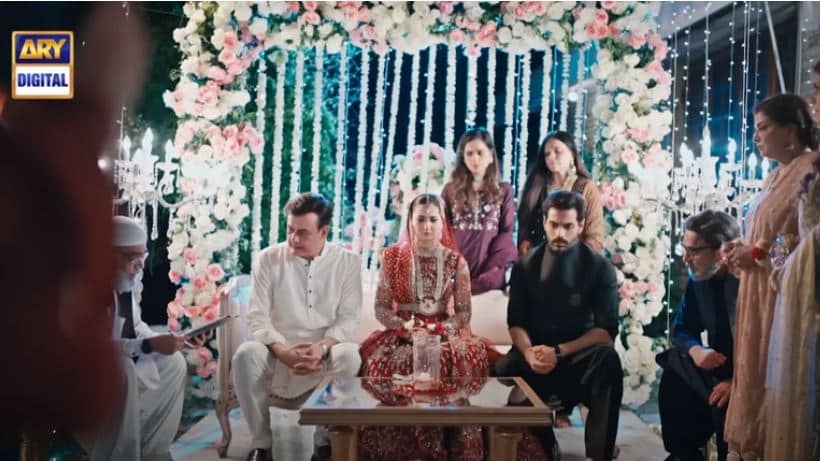
    The year is 2023. The Pakistani entertainment industry is as terrified of a woman who exercises her own free will and independence, as it was in 1973. After encouraging the bitch and bechari trope, the gold digger, the women fighting over a man trope, here comes another interesting plot device to keep viewers entertained: humiliation nikkahs.

    What is this term and why do we bring this up? Humiliation nikkahs is a trope that are apparently suppose to make the enmity to lovers story even more spicier, simply by pressurizing the girl to marry the man for the sake of keeping her izzat intact. Bring up an excuse like the man the woman was suppose to marry bailed, and what could be more precious for a woman than diamonds, jewelry or a worthwhile lifestyle? Her honor! Because dear children, if a woman has no honor, punish her by marrying her off instantly to a stranger, popping out a ready made husband good to go!

    Recently, the drama Mujhe Pyar Hua Tha has been gaining a lot of attention on social media because of Wahaj Ali’s brilliant performance, but his smolder and Nice Boy™️ vibes isn’t enough to divert us from the regressive story line. A love affair is stopped because women do not appreciate caring and nice boys apparently. From the start, the drama keeps us invested in the love story between  two cousins (not enough coffee on this planet to get in to how messed up this is). The male lead, Saad (excellent name choice, five points for the writer) is the good boy next door. He’s the one who has always listened to your problems, is only a call away when you need to go out, but not the one you want to fall in love with. . He’s Devdas without the dimples or the long hair strand in front of the face, but the slouch who moans about no one liking him.

    Then there’s the girl, Meerab, who is vain, self-centered, and consistently ignoring Nice Boy’s™️ kindness. She also taunts him for not doing enough when in the first episode, she chastises Saad for not owning a nice enough car and making her late to her cousin’s wedding. Meerab falls in love with a rich man Areeb, for which she is repeatedly condemned by her family, because she begs them not to force her to marry Saad, the man she had literally grown up next to. She and her mother are painted as villains in the drama because of their aspirations to marry above their station.

    But what possible flaw could Saad have, aside from the fact that he is literally her blood relative? He’s the Nice Boy™️! Could it be perhaps that she doesn’t owe to him that she gives up her independence simply because he loves her? Or perhaps she has different desires than what Saad is offering her, and would like to have a wealthy and luxurious lifestyle? But by the end of the day, Meerub is a selfish, manipulating bitch for wanting more than just a mere home, and Saad is the Sad Boy who got played with because for once, a woman reminded him that she doesn’t owe him anything.

    And then we come to the part that has inspired this rant: the shotgun wedding that is apparently the genius twist used to put two enemies together. Apparently the writer thought they were one-upping the great minds of writers like Agatha Christie or Emily Henry, who couldn’t write a better love triangle than forcing a woman to quickly marry her cousin because log baatien kar rahay hain? One would have to question why do television shows still presume that a woman’s honor and respect is completely destroyed when they are raped or assualted,  but there is never a question about the man’s sense of respect. Especially in a country where more women are beaten or murdered by family relatives because they made videos on Tik Tok or even rejected a man’s proposal, this kind of message actively perpetuates the ever present misogyny women in Pakistan still deal with.

    ‘Log Kya Kahengee’ is a mantra women have been sacrificing their dreams and existence to, and it’s shameful that to this day, drama creators cannot recognize how damaging their depictions can be for women trying to survive in Pakistan.

    The humiliation nikkah isn’t brand new, but a beloved trope. Popular dramas like Chupke Chupke abruptly put the opposing lovers together without any proper chemistry because it was another great idea hatched by respectable elders. Dear children, marriage is the magic wand that magically evaporates any anonymity or prejudice two people who never have interacted before in their lives might have, and then suddenly they’re the new Majnu Laila in town. Chupke Chupke executed this trope in a brilliant manner. Faaz and Meenu, the opposites in the Hum Tv Ramzan drama, had never interacted before, and were also STUDENT and TEACHER before this happened. Meenu tragically happened to have been engaged to a con-man, who was quickly caught by the brilliance of family members who were pushing her to get married in the first place. In a stroke of brilliance, they quickly decide that Meenu must marry her cousin, and teacher, Faaz Ibrahim, to save her respect. Before Faaz can even interject with some logic, Meenu’s brother quickly shushes him by reminding him ‘Meenu ki izzat ka sawal hai.’

    Because worse than marrying the wrong man or even being abused and humiliated in a toxic relationship, is getting bailed on your wedding day.

    What’s more worrying to witness is how the humiliation nikkah trope is supposed to be a way writers are trying to convince the audience that a toxic male lead, who repeatedly stalks, harasses and crosses boundaries with a woman, is actually truly in love with her. Taking an example of the ever green Ishq Hai where Danish Taimoor”s character is driven to madness when he realizes that the woman he loves (played by Minal Khan) is getting married to someone else. So he kidnaps her, drives her to an isolated home, where he holds a gun to his head and threatens this woman that she must marry him, or he will kill himself.

    Swoon, right? Shah Rukh Khan should take notes. He only gently reminded his female lead that he wouldn’t force her to run away with him, because he loved her too much, and would never want her to live a life of shame and cut off from her loved ones.

    But what’s going to change by shouting our frustrations in the air this way because by the end of the day, this is the same entertainment industry willing to demonize Aurat March as a Western agenda movement, designed to break apart the family system.

    The family system, that is maintained because women have kept quiet for centuries about being abused, mistreated, cut off from their family members, forced to clean and cook for the entire household, will suddenly collapse overnight because one girl made the choice to marry according to her own free will.

    We sincerely hope that Pakistani drama creators would maybe stop chasing their own tales and spinning out the same regressive storylines, and maybe for once, listen to the women living in Pakistan, who deserve much better than consistently being denied their humanity and self worth.

  • The misogynist backlash to Reham Khan speaks volumes about double standards regarding wide age-gap marriages

    The misogynist backlash to Reham Khan speaks volumes about double standards regarding wide age-gap marriages

    Celebrity public news is an unnecessary but amusing part of our lives. We abhor it but we love the small distraction it provides us from our daily lives. We hear headlines about a celebrity getting married, getting engaged, or promoting some diet tea product and move on. But there are a few times when a celebrity begins trending not because of an announcement but also because of a disturbing rise of misogynist backlash that pales in comparison to how a male public figure would be dealt with. And we cannot ignore this trend and go about our day, because it reflects on how publicly, women are made to face the same kind of scrutiny and slut-shaming that men aren’t subjected to at all.

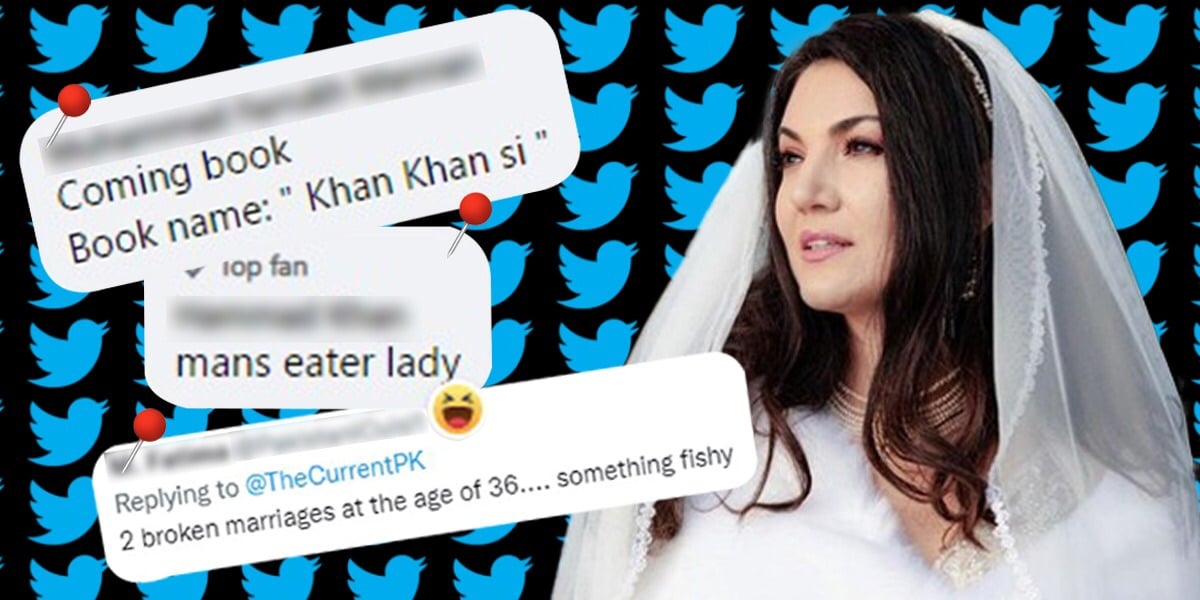
    This morning, Reham Khan announced her marriage to 36-year-old Mirza Bilal Baig. Minutes later, the ex-television host was trending across platforms. There was a wave of posts congratulating the journalist and filmmaker and sending her warm wishes for her future. The feel-good factor was quickly overshadowed by a tsunami of trolls sending hateful comments trolling Khan for the 13 year age-gap in her marriage, calling her all sorts of slurs, assumptions that she is power-hungry and selfish for wanting to marry a younger man when she is in her forties.

    Some of the comments, like this Bashir here, seems to assume Reham is a man-eater for marrying someone younger than her. Would he say the same for male politicians marrying and discarding their young wives as soon as they get bored?

    Or like this man jumping in the bandwagon to accuse Reham of being a gold digger, marrying famous men to write explosive books about them. Sir jee, women don’t exist in boxes to depend on men in order to make their own fame. Reham Khan had a career before she married Imran Khan. She didn’t need him to make her place in the public sphere. No woman should be reduced to her personal connections, her hard work counting for naught.

    If the men were not enough , a lot of women can’t find it in them to support another woman comfortably living her own life and doing whatever she wants. Like this one calling her ‘graceless’ and unwilling to settle down. Why should you put an age limit to settling down and getting married? Women don’t die after their forties. They cannot suddenly stop living life and exploring what they like. As far as Reham’s multiple marriages go, Islam has granted both men and women equal permission to marry or divorce, so she has not committed any crime.

    As a popular feminist slogan goes: ‘Sexism is a social disease’. It reduces women down to mere objects, forces them to deal with the endless unsolicited comments from not only men in their lives, but outside their homes consistently. It demands them to keep moulding themselves according to what other people think of them, and never seek their own independence or choices. When the truth is: women don’t need to keep justifying their choices to others.

    We saw this previously with Churails actress Yasra Rizvi, when she faced an endless amount of hateful comments calling her ‘gold digger’ and ‘power hungry’ when she married a man ten years younger than her. Last year after rumors spread of a split between the two, Rizvi uploaded a post of the couple reminding everyone that they chose to remain blissful about their union, despite what haters think.

    Hopefully, with Reham Khan and other public figures finally putting the notion of settling in your 20s in its grave, our audiences, especially mard hazarat, can come to respect women as multi-facated beings who don’t need to get married at the age of 25 and give up on life. It’s necessary for women to realise that they don’t owe an explanation about their decisions to random men, and it doesn’t make them a failure if they choose to marry later in their lives.

  • Why are women still being pushed back from their right of public transport?

    Why are women still being pushed back from their right of public transport?

    We’ve heard sleazy men behind anonymous accounts push back against this. We’ve seen boomers roll their eyes every time they see this happen. Now, recently, we’ve had to listen to the unsolicited opinion of Behroze Sabzwari on this issue. Can you guess what causes these men to go into frenzied anger? It’s the ability of a woman to choose independence by taking public transport.

    It is amusing how this country won’t revolt in a political or economic crisis, however, our mard hazarat will unleash hell when a Pakistani woman is walking down the street without a dupatta or even riding a bike. The consistent way women have to fight away unsolicited opinions that drag her in to a box, unable to express her individuality and bound away from walking outside is a by-product of centuries of male entitlement and patriarchal oppression that consider women as inferior beings.

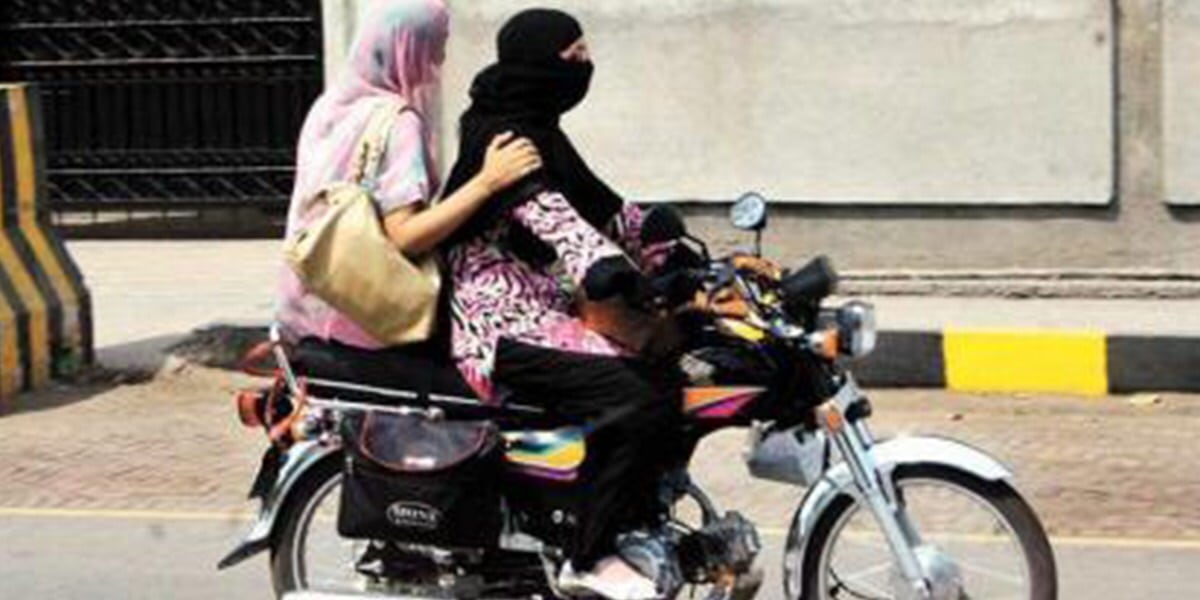
    A few days ago, women had to witness a mansplaining Behroze Sabzwari expressing anger that women shouldn’t wear tight-fitted clothes while riding bikes. “The clothes are not only see through but usually are very tight, women should be fully covered,” said the television veteran who owes his career mostly to women’s writing. It’s shocking that not only does Mr Sabzwari encourage drivers to spend more time oogling women while driving, but also does not take into account how dupattas or abayas can get caught in wheels, potentially causing a dangerous accident.

    Founder of Soul Sisters Pakistan, Kanwal Ahmed, has now jumped in to take back the narrative from men and allow women to express their own choices whether that includes driving motorbikes wearing abayas or refusing to sit sideways. The film maker has posted on Twitter that she wishes for women to stop feeding in to misogynist policing that is making them neglect proper safety while riding bikes on roads, and shared how today she had seen a woman suffer because her dupatta had gotten entangled in the tire of her bike.

    Women soon began to flood the comments with instances of how they had to counter sexism and shame when choosing to ride motorbikes .

    This user shared how even in situations of life and death, a man’s honor is considered more important than a woman’s safety because of how little regard is given to the way women are sitting on motorbikes.

    https://twitter.com/m1shkat/status/1605306717927272448?s=20&t=Mls-QjW0ZTGLmpJl5VZl3Q

    We need to stop validating male honor and giving it preference to the point that women have to risk the chance of an accident rather than riding motorbikes safely. Women should not be forced into molding themselves according to what men think, and it’s about time the anonymous Bashir’s of the internet back off, let women reclaim the streets wearing whatever they want and ride any vehicle of their choice.

  • Ken Rosenthal lays bare Manfred’s thin skin

    Ken Rosenthal lays bare Manfred’s thin skin

    Calling a spade a spade is one of the cardinal virtues of journalism and is what all journalists are meant to do. The broader challenge, however, is when it comes to having the gall to speak up against those in the upper echelons of power and it is then when impartial journalism can congeal into a baptism of fire. When 59-year-old Ken Rosenthal, one of baseball’s highly regarded and acclaimed baseball journalists, dared to dip his toes in that fire, he had to pay a heavy price in the form of abrupt termination of his 12-year association with the MLB Network.


    It may not have been the start Ken Rosenthal would have wanted for the new year. Way back in 2020, when all industries and organisations moiled to stay afloat amidst the deadly coronavirus pandemic, Ken Rosenthal penned dismissive columns in The Athletic in which he launched scathing attacks on Major League Baseball’s commissioner Rob Manfred and brought his mishandling of the situation into focus.


    “He (Manfred) and the owners, supposed stewards of the game, are turning the national pastime into a national punch line, effectively threatening to take their ball and go home while the country struggles with medical, economic and societal concerns,” Rosenthal wrote in his column.


    Questioning Manfred’s abilities to do his job properly, Rosenthal further wrote: “Manfred and the owners keep sinking lower. Unless making dead-on-arrival proposals, tone-deaf public remarks and other assorted blunders is your idea of negotiating savvy.”

    Unable to digest the vitriol hurled at him, Manfred flexed his muscles and Ken was taken off the air. On January 4, 2022, Andrew Marchand, senior sports writer for the New York Post, broke the unfortunate news that the MLB Network had let go of Ken Rosenthal. Manfred’s decision invited severe backlash from journalists and deservedly so. The Athletic’s senior MLB writer Britt Ghiroli tweeted that Ken cares about the truth and doing things the right way even if it’s uncomfortable.

    Former American professional baseball player and television sports commentator Ken Singleton, an Orioles Hall of Famer, called the decision terribly shortsighted and stated that it reduces the credibility of the whole product. MLB has long grumbled about how it strives to offer quality journalism to its viewers.


    However, if it thinks that a bit of criticism is a fireable offence, it would be foolish to hope that impartial journalism can thrive in the baseball industry. As a matter of fact, Major League Baseball has historically been dictatorial and authoritarian. Prior to firing Rosenthal, MLB surprisingly ended much-loved Intentional Talk’s co-host Chris Rose’s contract at the end of 2020. Rewind to September 1964, New York Yankees terminated Mel Allen’s contract before the start of the World Series for reasons unbeknownst to all save Yankees themselves.


    Luckily for baseball fans, Ken Rosenthal, a seasoned journalist and author of “Best of the Best: 35 Major League Superstars” and “Dean Smith: A Tribute”, hasn’t been completely consigned to the scrapheaps and would still be plying his trade for multiple widely-followed platforms like Fox Sports and The Athletic. Still, whichever way you look at it, it cannot be disregarded that the dictatorial firing of Ken from the MLB Network epitomises thin-skinned MLB’s hubris syndrome and their attempts to divest the sport of impartial journalism, which sets an extremely wrong precedent for up-and-coming journalists that they should not dare to speak up against those in power.

  • عورت ہو انسان نہیں

    عورت ہو انسان نہیں

    میری والدہ کی زندگی میں دو  چیزیں ہیں جو پچھلے 16سال سے  نہیں بدلیں ۔ ایک ان کا  ٹی وی چینل جو کہ ہمیشہ ہم ٹی وی رہا ہے اور ایک میں بذاتِ خود جس کو نا چاہتے ہوئے بھی ان کو دیکھنا پڑ رہا ہے اور چونکہ میں نے اپنی والدہ کے آخری دم تک ساتھ نبھانے کا وعدہ کر رکھا  ہے تو میری زندگی میں بھی ہم ٹی وی اٹل حقیقت کی طرح موجود ہے ۔ وہ جیسے کہتے ہیں کمبل مجھے نہیں چھوڑتا ،ایسے ہی ہم ٹی وی مجھے نہیں چھوڑتا ۔

    میں باقی چینلز کے بارے میں نہیں جانتی لیکن ہم ٹی وی پر پچھلے 16 سال سے  میں نے صرف ایک ہی چیز دیکھی ہے ۔ مظلوم عورت، سسکتی، بلکتی عورت۔  مجبور عورت ، مار کھاتی عورت اور مار کھانے کے بعد آخر میں اسی شخص سے محبت کرنے والی عورت ۔ میری والدہ کے کمرے سے میں نے سوائے ان کی ہنسی کے ،کبھی کسی قسم کی ہنسی نہیں سنی ۔ کیونکہ ہم ٹی وی پر  کوئی نہیں ہنس رہا ہوتا ۔ مرد  چلا رہا ہوتا ہے اور عورت  رو رہی ہوتی ہے ۔ 100 قسطوں میں سے 98 قسطوں میں عورت روتی رہتی ہے اور 100ویں قسط میں اچانک عورت کو مرد سے پیار ہو جاتا ہے اور ایسے ہو جاتی ہے پیار کی جیت۔

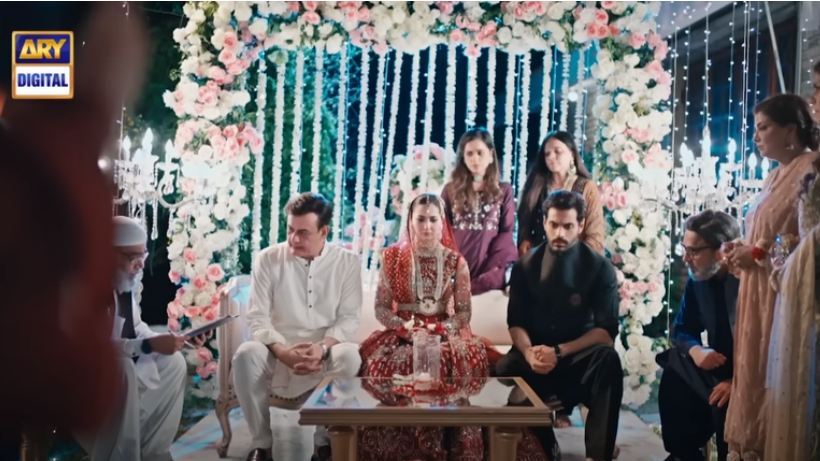
    اس سب کے بعد میری والدہ کو  بھی ہنستے ہوئے ڈرامے سمجھ ہی نہیں آتے ۔ وہ کسی ہنسی مذاق والے  پروگرام پر یہی کہتی ہیں “اے کی اے؟” (یہ کیا ہے؟) میں ان کو الزام نہیں دونگی کیونکہ روتی، بلکتی  اور تڑپتی عورت کو  دیکھنے کی ان کو عادت ہو چکی ہے۔اب ہنستی ہوئی عورت یا سجی سنوری عورت کچھ عجوبہ سا لگتی ہے ۔ کچھ یہی حال میری والدہ کا ہوا جب انہوں نے نیا ڈرامہ “دوبارہ ” دیکھنا شروع کیا ۔ اس ڈرامے میں حدیقہ کیانی جو کہ مہرو کا  کردار ادا کر رہی ہیں کی چھوٹی عمر میں شادی ہو  جاتی ہے ۔ ساری عمر خاوند کے مطابق زندگی گزاری ۔ہر طرح کا شوق ختم کر دیا ۔ بچے بھی ہو  گئے ۔ اور  جب خاوند کی وفات ہوئی تو  مہرو نے ایک آزادی کو محسوس کیا ۔ مہرو کو لگا کہ وہ اپنی زندگی کے 20 سال واپس جی سکے گی ۔ اس نے شوخ چنچل کپڑے پہننے شروع کیئے ۔ اس نے بچوں کے ساتھ فٹبال کھیلا ۔ اس نے پارک میں واک شروع کی۔ اور مہرو نے اپنے ہی بیٹے کی شادی پر خوب چمکیلے کپڑے بنوائے ۔ مہرو نے واقعی 20 سال بعد اپنے آپ کو پانے کی کوشش شروع کر دی ۔ لیکن ہر رشتہ دار نے ،دوست نے اور حتی کہ اپنے ہی بیٹے نے  مہرو کو ہر قدم پر یاد کروایا کہ “تم بیوہ ہو مہرو۔ تمہیں یہ چیزیں نہیں جچتی۔تم بس خاوند کی یاد میں زندگی گزارو “۔ خاوند نہیں رہا ، تو تم بھی ختم ہو جاؤ ۔ وہ مہرو، جس کا بچپن چھینا ، جس کے 20 سال صرف بیوی بن کر گزرے ، نا کہ عورت ، اب جب اس مہرو کو سانس لینے کا  موقعہ ملا ، اس کے سانس کو خاوند کے سانس کے ساتھ بند کرنے کو کہا گیا ۔ اسے یاد کروایا گیا  کہ تم بیوہ ہو۔ بیوہ۔بیوہ، بیوہ۔

    میری والدہ کو مہرو کے بچپن میں شادی سے ہمدردی ہوئی  لیکن ان کے لیے یہ بات شدید ناگوار ہے کہ ایک “بیوہ عورت” اتنا سجے کیوں ؟ ایک بیوہ عورت اپنے خاوند کی یاد میں گھٹ کے مر کیوں نہیں رہی؟ میں یہ دہرانا چاہوں گی کہ میں اپنی والدہ کی سوچ پر حیران نہیں ہوں ۔ وہ اس جنریشن سے ہیں جب عورت صرف بیوی اور ماں ہوتی تھی،اور کچھ بھی نہیں ہوتی تھی ۔ اور ماں یا بیوی خود مختار کیسے ہو سکتی ہے؟

    یہ تو خیر قصہ ایک بیوہ عورت کا ہے ۔ جب میں یہ کالم لکھنے کی ناکام کوشش کر رہی تھی تو اسی وقت مریم نواز کی کچھ تصویریں سوشل میڈیا پر شیئر کی گئی۔ وہ بھی ان کے بیٹے کی شادی کی تقریب میں سے تھیں ۔ مریم نواز اپنے اکلوتے بیٹے کی شادی پر  بہت ہی جوش و خروش سے تیار ہوئیں ۔ میں یاد کرواتی جاؤں کہ  نہ وہ بیوہ ہیں اور نہ ہی کوئی اور مسئلہ ۔ وہ اپنے خاوند کے ساتھ ویسے ہی ہیں جیسے میں ہم ٹی وی کے ساتھ ہوں۔لیکن مریم نواز کی سجاوٹ سے جو صفِ ماتم بچھا ، وہ دیکھنے سے تعلق رکھتا ہے ۔ کسی نے انہیں یاد کروایا کہ وہ 170  سال کی ہیں ، انہیں شرم آنی چاہیئے۔ کسی نے ان کو یاد کروایا کہ وہ نانی ہیں ، جیسے نانی ہونا کوئی گالی ہو۔ کسی نے ان کو یاد کروایا کہ وہ چور ہیں ۔ پھر کسی نے یہ بھی کہا کہ سرجری سے ایسی ہوئی ہیں ۔ مجھے یقین ہے کہ ان کی سجاوٹ کو اگر پتا چلے کہ اس سجاوٹ کے بارے میں کیا کہا جا رہا ہے تو یہ سجاوٹ بھی ملک چھوڑ کے چلی جائے ۔

    ان دونوں قصوں کو دیکھ کر میرے ذہن میں بس ایک ہی بات آئی ۔ ” تم عورت ہو ، تم مرکیوں نہیں  جاتی ؟” وہ معاشرہ جہاں 60 سال کے رنڈوے کو بھی کنواری لڑکی چاہیئے، وہاں ایک بیوہ عورت کے ناچنے پر اتنا واویلا؟ وہ معاشرہ جہاں مرد دوسری شادی سب کچھ چھوڑ کر کر لے ، وہاں ایک عورت کے اپنے بارے میں سوچنے پر اتنا واویلا ؟ وہ معاشرہ جہاں” چاند سی بہو لاؤنگی ” ہر کسی کا ارادہ ہے ، اسی  چاند کی روشنی پر اتنا واویلا؟

    عورت ہو عورت بن کر رہو کہنے والوں سے کوئی تو کہے ، انسان ہے، انسان بن کےرہنے دو !

  • Asif Ali rises to the occasion

    Asif Ali rises to the occasion

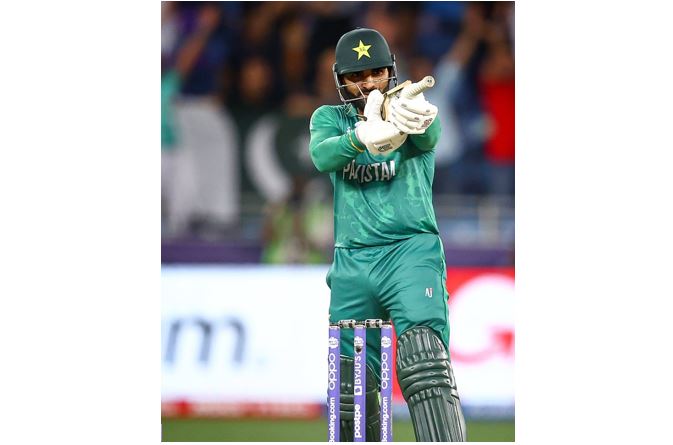
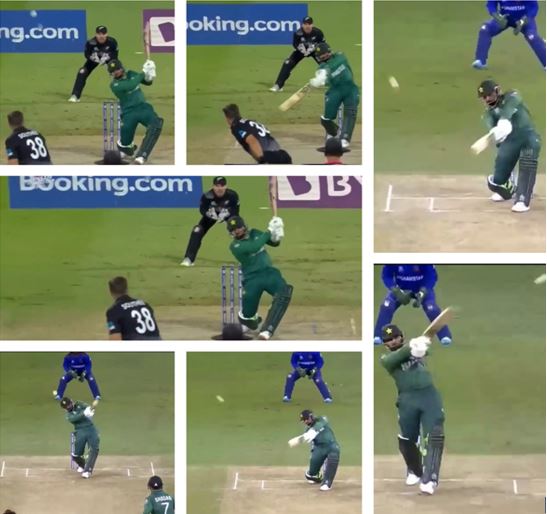
    When, on the last ball of the 18th over, Asif Ali refused to take a single, rather than adding a run to Pakistan’s score with the required run rate almost touching the 12-run mark, it was obvious that he was confident enough in his abilities to take his team over the line. Or so it seemed. Two nights before, his quickfire cameo had helped Pakistan cruise to victory in a grudge match against New Zealand. Against Afghanistan, he picked up from where he had left off against New Zealand and pulled it off with aplomb to ensure that Pakistan’s record in this tournament remains unsullied.

    Heretofore, Asif’s selection in the World Cup squad drew a massive outcry. Many were of the view that he lacked the tools to translate his domestic exploits to the international stage and gratuitously touted him as a tulla, laparoo and fraudiya even though he had shown glimpses of his hard-hitting prowess multiple times for his PSL side. An average of 16 and strike rate below 125 – Asif’s sorry set of batting stats in T20Is prior to the tournament – are without a doubt dismal and not remotely redolent of someone who can thrive at the highest level. Steadfastly determined to prove that he is not a flash in the pan, Asif navigated the choppy waters and chose the biggest stage to rehabilitate himself.

    In both the matches, Asif strode out to the middle in unnerving and high-pressure situations. When he walked out to bat against New Zealand in the 15th over, Pakistan was teetering at 87 for 5 in pursuit of 135 and the required run-rate had shot past nine an over. After kicking off his World Cup campaign with a four-off Trent Boult over the third man region, he took a liking to Tim Southee and whacked him for back-to-back sixes before pulling Trent Boult for a maximum and scoring a brace off him to clinch Pakistan’s second win in the tournament.

    Against Afghanistan, when he came to bat, his side was 122 for 4 and the required run rate had crept up to more than eight with 26 runs required from the last three overs. Asif, however, only needed seven balls to get the job done. After opening his account with a single off Naveen-ul-Haq, he mercilessly dispatched seamer Karim Janat for four majestic maximums in an over to maintain Pakistan’s perfect record in the tournament. Fittingly, it was his bat from which the winning runs flowed in both the games.

    To put into context how good Asif’s six-hitting has been and how hard sixes are to come by in this tournament, take a look at this stat: Asif took 19 deliveries for these seven sixes. On the other hand, Indian batsmen took 250 balls for seven sixes, New Zealand batsmen took 240 balls for seven sixes while West Indian batsmen took 147 balls to hit seven sixes.

    More crucially, none of the seven sixes Asif struck against Afghanistan or New Zealand were mishits or mis-timed slogs. His pyrotechnics featured meaty blows over long-off, midwicket, extra cover and wide long-on — an indicator of his expansive hitting arc.

    Although Pakistan has got world number one and world number 4 T20I batters at the top of the order, they need someone who can put the finishing touches and up the ante down the order. At the biggest stage, Asif has advertised his credentials, repaid the faith of those who had faith in him, and made a telling statement that Pakistan have found the right man in him to do that job.

  • Pak vs Ind: Are you ready?

    Everyone is sitting in the same room, some very close to the TV as if they can control things by sitting close to the screen. Some outside the lounge to avoid the visuals, responding only to the audio cues. Some trying to change fate by doing tasbeeh. And some holding a chappal permanently pose an imminent danger to either the TV screen or to the people around them. Because if things went south, the chappal will go north. And who even has the mental presence to timely register the oncoming chappal? I mean who even cares whatever the world is coming to when Pakistan is playing against India in a World Cup match?

    This is how this grand event has been witnessed in my family. This is how it has always been. I am sure this is how it is for every cricket-obsessed home in Pakistan and perhaps even across the border. The historical fact that Pakistan continues its tradition of losing to India in grand cricket events gets completely lost on us whenever we have to face India. Even the people who have given up on cricket and believe it is a personality trait to say “I don’t watch cricket anymore” metamorphose overnight and become senior cricket analysts on match day. They are kind of annoying but we, the cricket enthusiasts, let them be part of our world as it is Pakistan playing against India.

    From jingoist expressions to “what a ridiculously talented Indian team is”, the emotions vary among people but the focus remains the same: win against India. Thrash them. Humiliate them. None of these events happen in the World Cup but the sentiments remain the same. Every match against India becomes an opportunity for the Pakistani team to rise from the ashes. I mean, they aren’t even in ashes though but you get what I am saying, right? It is an opportunity for the revival of faith in this country for at least one week. The entire country goes into a trance. You go to a local grocery store, tandoor or even a random corner of the street, all you would hear is, “Fer, tayaari ay?” (Are you ready?). I have been a regular witness of analysis at tandoor shops where they don’t have a TV and solely rely on radio commentary on their phones. You can easily get away with stealing things at shops with TV because the shopkeeper will be lost on the screen. Their positivity is contagious. Their josh and daleri are difficult to find anywhere else. It gives you hope even when Pakistan has to score 70 runs off 2 balls to win the match. It’s insane, I know.

    In an attempt to keep my josh under control, I remind myself of Pakistan’s defeat against India in the quarter-final match of the 1996 World Cup. The Bangalore Defeat, I call it. I can still recall the pain of that defeat. I remember locking myself in the bathroom and crying uncontrollably. I felt for the first time that this is it. No more cricket for me. That loss still haunts me whenever the Pakistan vs India discussion begins. I often find myself recalling this truly tragic loss even during conversations that have nothing to do with cricket. For instance, I had amazing seafood in Karachi and I was like, “Glad I had it as Lahore doesn’t offer much taste,” followed by my internal scream, “Haan but we didn’t win against India in 96. Who is gonna fill that void?”. Do you understand the gravity of this loss yet?

    And now that we are set to play our first match against India in the T20 World Cup 2021 edition, that same loss has taken over my life and I am looking forward to the 190th attempt to fill that void by winning against India. The odds are against us, the world is against us, and even we are against ourselves as we keep playing the dinosaurs in our team but nothing could be against our josh for this game. We are gonna give it our best. We will forget what the petrol rate is for 12 hours. We will forget how we love Rohit Sharma or Kohli. We will forget how Shah Rukh Khan is the best thing to come out of India. And of course, we will forget that the notification for DG ISI hasn’t been released. We will remember just one thing. Cricket.

    Hope in Babar Azam, pride in Shaheen Afridi, love for Rizwan, and faith in Haris Rauf to not bowl the death overs. Over to you, Team Pakistan. You might not have done it before but you can do it now!

    As for Kohli, I love Anushka more.