Category: Opinion

  • ! نور اکیلی تھی

    کچھ دن پہلے میں نے “تھپڑ” کے  نام سے ایک فلم دیکھی ۔ کہانی ایک ہنستے بستے جوڑے کی تھی جہاں مرد گھر چلا رہا تھا ، اور عورت  جس کا نام امرتا تھا، اس کا گھر سنبھال رہی تھی ۔ امرتا کو ایک مثالی بہو کے طور پر دکھایا گیا اور وہ خوش بھی دکھ رہی تھی ۔ لیکن ان کی یہ مثالی بہو اس وقت مثالی نہیں رہتی جب اسے ایک گھر کے فنکشن میں اس کا خاوند غصے میں آ کر چہرے پر تھپڑ مار دیتا ہے ۔ اورغصہ بھی اس کو کسی اور پر ہوتا ہے ۔ وہ تھپڑ اتنا اچانک تھا کہ میرا دل سہم گیا۔ میں نے سکرین پر غور کرنا شروع کر دیا اس امید پر کہ کوئی تو آگے آ کر امرتا کا ہاتھ تھامے گا ، اس کو حوصلہ دے گا اس کے لیے آواز اُٹھائے گا ۔ لیکن وہ اکیلی کھڑی رہی ۔ اس بھرے مجمعے  میں امرتا کے اپنے والدین بھی آگے نہیں آئے ۔ وہ اس تھپڑ کی ذلت لے کر اکیلی کھڑی رہی ۔ اس ایک لمحے میں اس کے اپنے بھی اپنے نہیں رہے تھے  ۔عورت ہوتے ہوئے اس سین میں عورت کے اکیلے پن نے مجھے اپنی والدہ کا ایک واقعہ یاد دلا دیا ۔ وہ اس وقت اکیلی تھی جب ان کے چہرے پر ان  کے خاوند نے تب تک تھپڑ مارے جب تک ان کے چہرے سے خون نہیں نکل آیا ۔ انہیں بھی بچانے کوئی نہیں آیا ۔ وہ خود ہی اپنے زخموں کو سہلانے لگیں ۔ اور اگلے دن شوہر کے کہنے پر لپسٹک لگا کر لوگوں کے سامنے آئیں جیسے کچھ ہوا ہی نہیں ۔ گال پر نیل، سوجا ہوا چہرا،پوری کہانی سنا رہا تھا ۔ لیکن نا ان سے کسی نے پوچھا کہ کیا ہوا تم ٹھیک تو ہو اور نہ انہوں نے بتایا ۔  اس بھری محفل میں ، میری ماں اکیلی تھی ۔ جسے جانتے بوجھتے نہ کوئی دیکھ پایا ، نہ کچھ کہہ پایا ۔

    اس اکیلے پن کا احساس  کچھ اور گہرا ہوا جب کچھ دن پہلے اسلام آباد میں نور کو بے رحمی سے قتل کر دیا گیا ۔ نور اس گھر کی دیواروں میں ، اس شخص کے رحم و کرم پر ، وہاں موجود نوکروں کی چہل پہل میں ، اکیلی تھی ۔ وہ جانتے تھے کہ کچھ غلط ہے ، لیکن وہ غلط کے ساتھ تھے ، اور نور اکیلی تھی ۔ ان آخری لمحات میں جب نور کی چیخیں سنی ان سنی کر دی گئیں ، نور اس خوف کے ساتھ اکیلی تھی ۔ وہ انسان جس پر نور نے یقین کیا ، ان آخری لمحات میں نور اس یقین سے محروم تھی ۔ نور اکیلی تھی ۔ اور جب نور نہ رہی ،تو اس کا ماضی اور حال اس  دنیا کے سامنے اکیلا تھا ۔ نور کی زندگی پر جو بھی سوال اُٹھا ، نور اس سوال کے سامنے اکیلی تھی ۔ “نور وہاں کیوں گئی؟ نور وہاں کیا کررہی  تھی؟ کچھ کیا ہوگا جو یہ ہوا ہے ؟ نور کی اس لڑکے سے دوستی تھی ؟ نور نے شادی کیوں نہیں کی ؟ نور کے ماں باپ نے اسے جانے کیوں دیا؟ ۔” سوال ہزار ہوئے ،اور سب نور سے ہوئے  ۔ ان سوالوں کے سامنے ، ہر الزام کے سامنے ، نور اکیلی تھی ۔

    اگر آپ اس جرم سے متعلق معلومات غور سے دیکھیں ، تو زیادہ تر اخباروں میں مجرم کے نام کا ذکر ہی نہیں ۔ظاہر جعفر جس نے نور کو اس بے رحمی سے قتل کیا ، اس کا نام یا تو ہے ہی نہیں یا پھر سرسری سے ذکر کے ساتھ  “بزنس مین کا بیٹا ” آیا ہے ۔ اس پورے کیس کی تحریروں میں بھی نور اکیلی تھی ۔ ظاہر کا ذکر بہت کم ملا ۔ جب بھی ملی ، نور ہی ملی ۔

    “تھپڑ” فلم میں امرتا کے اپنوں نے ہی اس کو تھپڑ پڑنے کے بعد کہا “باہر آؤ لوگ کیا سوچیں گے “۔ میری والدہ کے نیلوں سے بھرے پر چہرے پر کہا گیا کہ لپسٹک لگا کر باہر آؤ ، لوگ کیا کہیں گے ۔ لیکن نور ۔۔۔۔ نور تو چلی گئی ، اور لوگوں نے بہت کچھ سوچ بھی لیا ، کہہ بھی دیا ۔ اس سب کہنے سننے میں ، نور اکیلی تھی ۔

     اگر کوئی نہیں تھا ، تو وہ ظاہر جعفر تھا ۔ اگر کوئی سوال نہیں اُٹھا ، تو ظاہر پر نہیں اُٹھا ۔ ظاہر سے کسی نے نہیں پوچھا کہ اس نے یہ سب کیوں کیا ۔ کسی نے نہیں پوچھا کے ظاہر نے نور کو گھر میں بند کیوں کیا تھا ۔ ظاہر سے کسی نے نہیں پوچھا کہ وہ لڑکی کے ساتھ کیا کر رہا تھا ۔ اگر پوچھا سب نے تو بس اک سوال  ۔۔۔۔۔۔ کیا نور ظاہر کیساتھ اکیلی تھی؟ 

    ایک عورت ہوتے ہوئے میں نے کبھی اتنا اکیلا محسوس نہیں کیا جتنا اب کیا ہے۔ امرتا کا تھپڑ کے بعد اکیلا کھڑا رہنا، میری ماں کا مار کھانے کے بعد سب کا خاموشی سے سامنا کرنا، اور نور کا آخری لمحوں میں اتنا بےبس ہونا، مجھے بلکل اکیلا کر گیا ہے۔ میرا یہ یقین پختہ ہوگیا ہے کہ میرے ساتھ کچھ بھی ہوا، میری زندگی میں کوئی بھی مشکل آئی تو میں اکیلی کھڑی ہونگی۔ اور میں جو کچھ بھی کہوں گی، ہر بات کا حرف آخر یہ سماج متعین کرے گا۔ اور میں اکیلی ہونگی!

    میری بہنوں، سہیلیوں، مائیں اور دنیا بھر کی عورتوں! یہ تمہاری آزادی اور حق کی جنگ ہے اور اسے تم نے اکیلے ہی لڑنا ہے!
  • افغانستان پر گھبرا جائیے

    افغانستان پر گھبرا جائیے

    اخبار کسی بھی گھر میں ایک کٹرعقیدے کی طرح ہوتا ہے کسی دن اگر معمول سے ہٹ کر باقاعدگی سے آنے والے اخبار کی جگہ ہاکر کوئی دوسرا اخبار پھینک جائے تو تمام دن طبیعت مکدر رہتی ہے۔ ہمارے گھر میں بھی اردو اخبار کے ساتھ کچھ ایسا ہی معاملہ تھا اور اس زمانے میں دو ہی اخبار بڑے سمجھے جاتے تھے۔ ہمسایہ ملک افغانستان اور وہاں بے امنی کی اماوس  کی رات سے پہلا تعارف اخبارات سے ہی ہوا۔ ایک مرتبہ ہاکر غلطی سے دوسرا اخبار پھینک گیا جس کی پیشانی پر ‘افغان باقی کہسار باقی الحکم للہ الملک للہ’ تحریر تھا اور ساتھ میں سعودی اسامہ بن لادن کی انگلی اٹھائے تصویر تھی بعد میں پتا چلا کہ نہ اسامہ افغانی تھا اور جو انگلی اٹھائی ہوئی تھی وہ دراصل دنیا بالخصوص سادہ لوح مسلمانوں کو نچانے کے لئے تھی۔ اگرچہ وزیراعظم صاحب تو اس دہشتگرد کے لئے اب بھی ہمدردی کا جذبہ رکھتے ہیں اورکچھ وزرا بھی اس حوالے سے اپنے نیک خیالات کا اظہار کر چکے ہیں کہنے کا مقصد یہ ہے کہ شاید ریاست آگے جانے کے بجائے الٹے قدم چلنا شروع ہو گئی ہے۔ غضب ہے کہ 2021 میں بھی ہم ایسی الجھن کا شکار ہیں۔ خیر بات ہو رہی تھی افغانستان کی اسی پر واپس چلتے ہیں۔ 

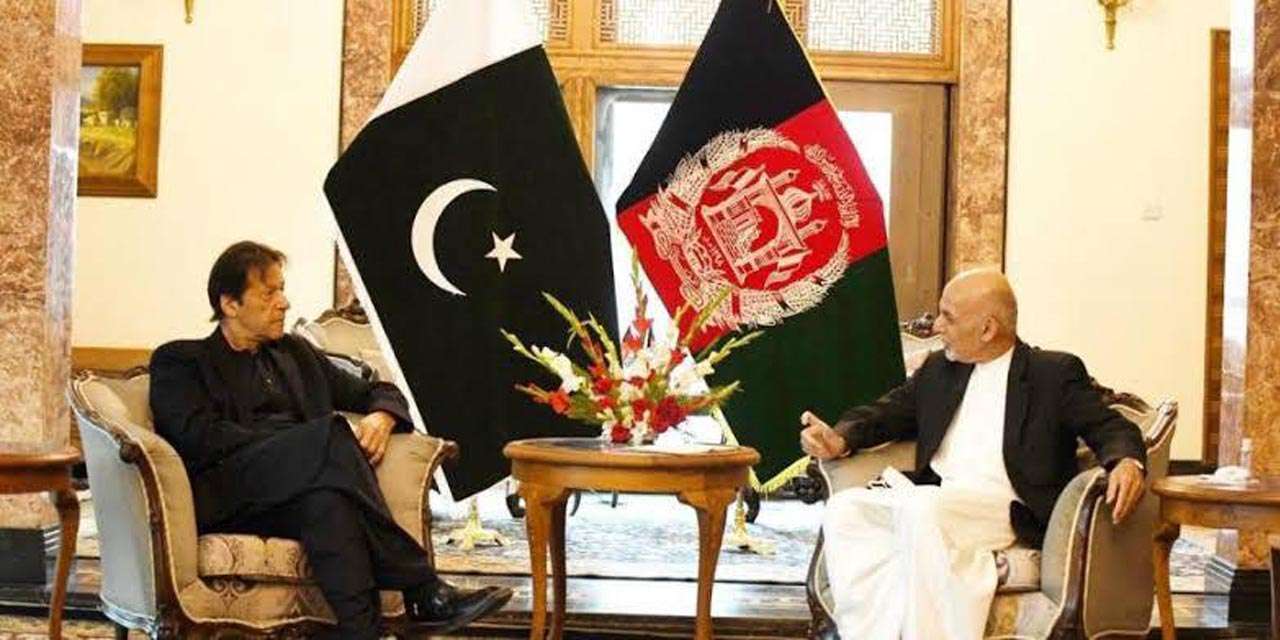
    یہ بتانے کی شاید ضرورت نہیں کہ کس طرح ہاتھوں سے لگائے کانٹے ہمیں پلکوں سے چننے پڑے تھے اور کیسے ہم دو تین دہائیوں تک افغانستان کے اندر اپنے ایڈوینچر کا مزہ چکھتے رہے۔ اب پھر ہم دیکھ رہے ہیں کہ افغانستان کے اندر حالات نئی کروٹ لے رہے ہیں پاکستان میں بھی اس حوالے سے بے چینی ہے اور عوام کے اندر وہی پرانی کنفیوژن۔ طالبان اچھے ہیں یا نہیں، پاکستان کا مفاد کس میں ہے وغیرہ وغیرہ۔ افسوس سے کہنا پڑ رہا ہے کہ پورا ملک ہی افغان امور کا ماہر بن چکا ہے چینلز پر بھی ادھ پکے ادھ کچے تجزیوں کے ساتھ ہر کسی نے اپنی اپنی دکان سجائی ہوئی ہے جنہوں نے کبھی کوئٹہ تک کا سفر نہیں کیا وہ اسپن بولدک پر ہونے طالبان قبضے پر خیال کے گھوڑے دوڑا رہے ہیں۔ پاکستان نے اپنی ریستی پالیسی کا بھی کھلم کھلا اظہار کر دیا ہوا ہے وہ یہ کہ پاکستان افغانستان کے اندر کسی بھی گروپ کا حمایتی یا مددگار نہیں ہے لیکن شاید دنیا اس پر یقین کرنے کو تیار نہیں۔ یہاں بھی ہماری پالیسی کچھ کنفیوژن کا شکار نظر آ رہی ہے ہم افغان طالبان کو مذاکرات کی میز پر لانے میں اپنے کردار کی اہمیت بھی جتاتے ہیں اور ساتھ ہی یہ بھی کہتے ہیں کہ افغان طالبان پر ہمارا کوئی کنٹرول نہیں اور اب جب طالبان کو افغانستان میں اپنی فتح واضح نظر آ رہی ہے تو وہ کیوں مذاکرات کی میز پر آئیں گے۔ پچھلے دنوں افغانستان پر اسلام آباد میں ایک کانفرنس بھی ہونے والی تھی جو چند وجوہات کی بنا پر عید کے بعد منعقد کی جائے گی اس میں میں افغانستان کے گروپس اور حکومت کس تو بلایا گیا مگر طاللبان کے نمایندے کو نہیں اس سے یہ سوال تو بنتا ہی ہے کظکیا طالبان کا موقف پاکستان نے میز پر رکھنا تھا؟

    افغانستان پر ہماری پالیسی ایسا لگ رہا ہے کہ بہت سے مفروضوں پر قائم ہے جو کہ بذات خود ایک خطرناک بات ہے کیوں کہ یہ طالبان 90 کی دہائی والے طالبان نہیں ہیں اور پاکستان میں بھی پلوں کے نیچے سے کافی پانی بہہ چکا ہے۔ وقت کا تقاضا یہی ہے کہ پاکستان کی ریاست اپنے تشخص کو واضح کرے اپنے اہداف کا تعین کرے اور ان اہداف سے پیدا ہونے والے ممکنہ مسائل کی پیش بندی کرے کیونکہ طالبان کی جانب سے یہ کہہ تو دیا گیا ہے کہ وہ اپنی سرزمین کسی بھی ملک کے خلاف استعمال ہونے کی اجازت نہیں دیں گے لیکن کیا افغانستان میں طالبان کی حکومت قائم ہونے پر یہاں پاکستان میں مذہبی شدت پسندوں پر اسکا کوئی اثر نہیں پڑے گا؟ کیا ہمارے پشتون علاقوں میں جنم لیے جانے والے نئے زمینی حقائق کو بھی مد نظر رکھا گیا ہے؟ سوالات کی ایک لمبی فہرست ہے اور ان میں سے کئی کو تو پوچھنے سے پہلے بھی ہزار دفعہ سوچنا پڑے۔  لیکن آخر میں ایک بات تو کہی جا ہی سکتی ہے کہ ہماری حکومت جو کبھی اس ملک میں قائم سیاسی نظام پر ہی سوال اٹھاتی رہتی ہے یا اسے کبھی ترکی تو کبھی چین کا ماڈل اچھا لگنے لگتا ہے مزید برآں ریاست مدینہ کو سیاسی دکان چمکانے کے لئے استعمال کرنے والوں کے ذہنی ہیجان اور فکری خلجان کے دور میں افغانستان کی بدلتی صورتحال پر واقعی گھبرانے کی ضرورت ہے۔

  • King of Hearts

    King of Hearts

    Bollywood actor Dilip Kumar, who died last week, was many things to many people. He was a Bollywood legend, a screen hero, a public figure who spoke out for minority communities, a good and thoughtful human being, a great thespian. But while many fans will look at the entirety of his work during a career spanning over a half-century, my most cherished memories of it are from his early films – particularly Andaz.

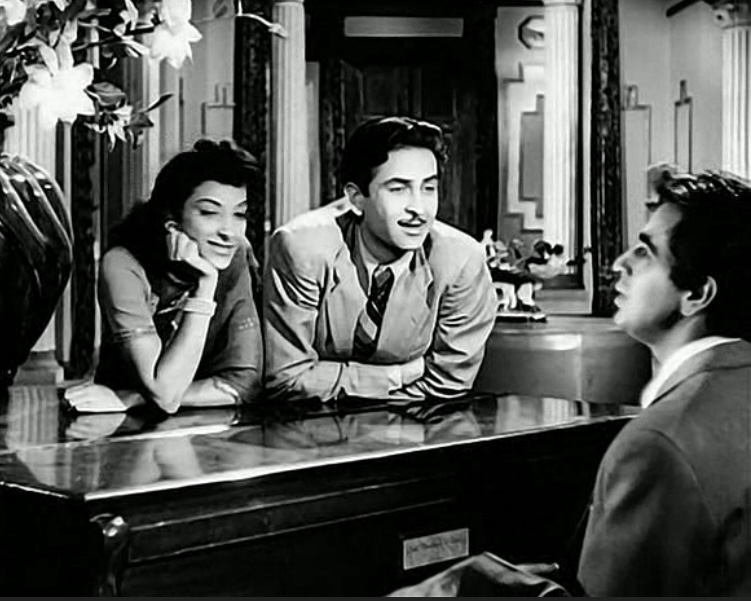
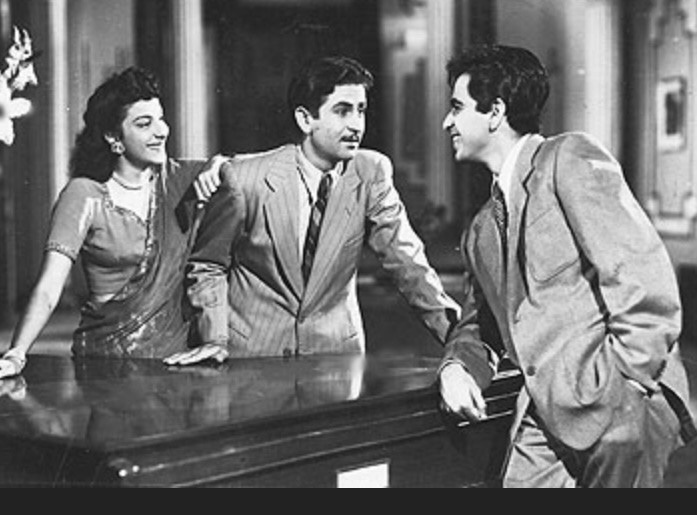
    My favourite image of Dilip Kumar will always remain of him seated at the piano singing in Mehboob Khan’s 1949 film Andaz. As he mouthed the songs (sung by the maestro Mukesh), his soulful eyes would surely have had many swooning: first as he ‘sang’ the optimistic ‘Hum aaj kahin dil kho baithay’ after he has fallen in love with the girl he thinks reciprocates his feelings and then, later, the tragic ‘Tootay naa dil toote na’ when he is heartbroken after the realisation that she regards him merely as a friend and is engaged to somebody else.

    Andaz was an interesting film in that, despite a highly melodramatic and preachy ending, it addressed important post-colonial questions of identity and tradition in a newly independent nation. The love triangle – played by Dilip Kumar, Nargis and Raj Kapoor – comes about largely because of Dilip (Dilip Kumar) misconstruing Neena’s (Nargis) friendly behaviour as romantic love. The film seems to regard this as a result of modernity and westernised behaviour and the social message is spelt out clearly in the pedantic monologue delivered by Rajan (Raj Kapoor) at the end of the film. But despite this rather oppressive message and the film’s completely tragic ending, I remember Andaz fondly both for its songs and for being the vehicle to unite three such fabulous actors on the screen (this was the only film Dilip Kumar and Raj Kapoor did together).

    Andaz also fuelled my interest in searching out more of Dilip Kumar’s films from this early period and so I landed on his Daagh (Amiya Chakravarty’s 1952 film) in which again the beautiful songs (sung by Talat Mahmood) did much to complement the tragic nuances of Dilip Kumar’s expressions. Another old film I sought out eagerly was Jugnu as it starred Dilip Kumar opposite our own Nur Jehan. Well, that was certainly disappointing: Jugnu was made in 1947, so I had assumed both young actors would look amazing on-screen and would make a great romantic screen couple. However, in Shaukat Hussain Rizvi’s film, there is absolutely no screen chemistry between the pair and while Dilip Kumar does look quite beautiful, Nur Jehan looks almost old enough to be his mother. Even the youthful two long braids hairstyle and a lineup of very plain (and oppressed looking) female extras as her ‘sahelis’ does nothing to make her look stunning.

    In K Asif’s epic Mughal e Azam, Dilip Kumar played Shahzada Salim, the prince whose love for the courtesan Anarkali is thwarted by his father, the Mughal emperor Akbar. Here Dilip Kumar appeared puffier and played a far less endearing personality than in previous tragedies: his Prince Salim was a slimy sort of a character and fairly dislikeable. The on-screen chemistry with Madhu Bhala may have been sizzling and the film’s songs and cinematography memorable but this on-screen Dilip was not one I wanted to remember.

    So, I have to say I never really followed Dilip Kumar’s later films as I preferred to stay stuck with the image of him singing ‘Tootay naa dil’ and ‘Ai mere dil kahin aur chaletc, but I did follow news of him. His connection to my city, Karachi, was that he was a cousin or kinsman of the well-known orthopaedic surgeon Dr Rahim. His connection to Pakistan was that Peshawar was his ancestral city and he was much loved by many on this side of the border. But when he was awarded the Nishan-e-Imtiaz by Pakistan in 1998, a furious backlash followed in an outcry, which was led by the RSS (Rashtriya Swayamsevak Sangh) and the BJP (Bharatiya Janata Party). The actor seems to have handled this with great dignity but he stated quite clearly in subsequent interviews that he believed he was being targeted because of being a Muslim and a member of a minority community. And it was possibly this episode that led him to a stint in politics as a Congress party member of the legislative assembly. To his credit, he refused to succumb to the pressure generated by right-wing hysteria and he refused to return the award.

    They are all gone now, those stylish leading men from the early post-partition era of Bollywood cinema. We remember Dev Anand and Raj Kapoor and Kishore Kumar and so many of their contemporaries in many different and completely personal ways. I choose to remember Dilip Kumar always through those black and white images of him in Andaz: so young and beautiful and moving with such easy grace, mesmerising us with his nuanced and sensitive facial expressions.

    Toote naa dil tootay naa

    Saath humara chootay naa

    Thank you for the memories, Dilip Kumar aka Yusuf sahib

  • What went wrong for Lahore Qalandars?

    What went wrong for Lahore Qalandars?

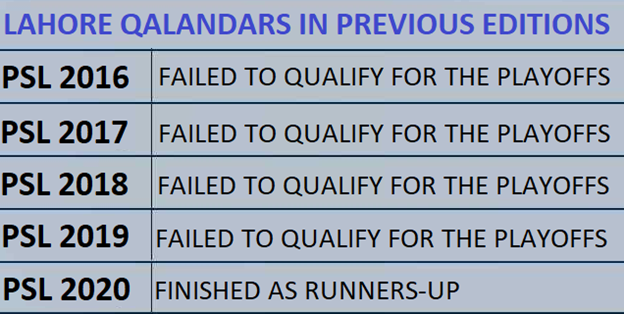
    Positioned at top of the points table after five wins in six matches, Lahore Qalandars seemed strong frontrunners to clinch the elusive PSL trophy. At one stage, it even appeared that the sixth time might finally be the charm for them. Even Aqib Javed, Qalandars’ head coach, went a step further and billed Qalandars as the favourites to win the tournament in an interview with Cricket Pakistan.

    Much to the chagrin of their fans, Qalandars squandered the impressive start and it all went downhill for them from there onwards. In the next four matches, they suffered four losses, which saw them getting stormed out of the playoffs for the fifth time in six editions.

    This column attempts to shed light on and assess what went wrong for Qalandars this time around

    1. Misfiring top order

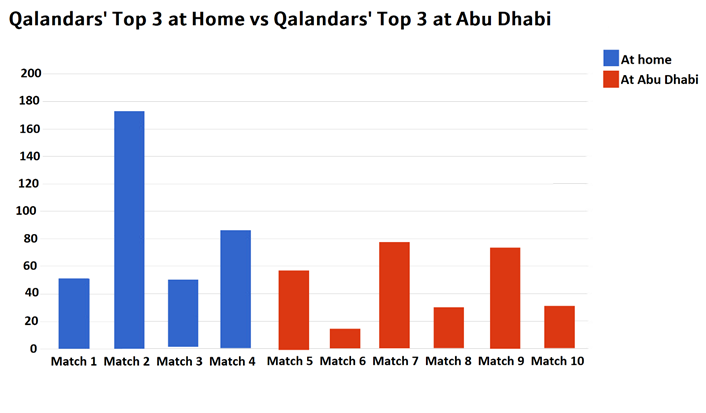
    Irrespective of whether a team is batting first or second, the top order holds the onus to provide a solid foundation. While Qalandars’ top 3 batsmen fared decently during the home games, they could not get going in the Abu Dhabi leg of the tournament. Before the tournament had to be moved from Pakistan to Abu Dhabi, Qalandars had played four games where their top 3 batsmen scored a total of 356 runs averaging 89 runs per game. In the Abu Dhabi leg of the tournament, Qalandars’ top 3 could muster a meager 289 across six innings averaging just over 48 runs per game.

    2. Decisions at the toss

    It cannot be denied that toss plays a crucial role in the outcome of a match. In the Pakistan leg of the tournament, Qalandars registered three wins in four games with all of the wins coming when Qalandars opted to bowl first after winning the toss. In the match against Multan Sultans where they batted first, they ended up losing by seven wickets, which indicates that chasing is not their strong suit. However, with the change in conditions from Pakistan to Abu Dhabi, Qalandars’ batsmen found even chasing par scores an uphill task. In the three consecutive losses against Islamabad United, Quetta Gladiators, and Karachi Kings, Lahore Qalandars batted second. Inexplicably, in their last league game against Multan Sultans where a win would have ensured Qalandars a spot in the playoffs, skipper Sohail Akhtar opted to chase again. The move backfired again as Qalandars were bundled out for 89 in reply to Sultan’s 169.

    3. Shoddy death bowling

    While Shaheen and Faulkner regularly provided good starts with the new ball, Qalandar’s death bowling was not up to the mark in the Abu Dhabi leg of the tournament. In overs 16-20 in losses against Islamabad, Quetta, Karachi, and Multan, Qalandars conceded 36 (9 runs per over), 38 (9.5 runs per over), 44 (11 runs per over), and 38 (9.5 runs per over) respectively. While it is their batting that is the main headache, Qalandars need to make sure that their bowlers continue their good impact from the powerplay and middle overs into the death overs heading into the next edition. Every cloud goes the saying, has a silver lining. Similarly, despite not being able to advance into the playoffs, Qalandars can take some positives particularly from the individual performances of the quartet of Rashid Khan, Tim David, James Faulkner, and Shaheen Afridi who gave a good account of themselves. Not being able to make it into the playoffs for five times in six editions despite having eminent T20 players in the ranks cries out for sweeping changes on multiple fronts and Qalandars need to ensure that they make these sweeping changes in their system before the seventh edition kicks off if they want the seventh time to be a charm for them.

  • Sympathising with the rapist

    Sympathising with the rapist

    My first introduction to the concept of victim blaming came about through an American TV show. Watching it on Star Network in the late 90s, I saw an episode where a lawyer struts about court carrying a slinky black dress a rape victim had been wearing when she was assaulted, blaming her choice of attire for being attacked. He wins the case. By the end of the episode, the victim had committed suicide, the assaulter was honing in on another girl and the lawyer was in deep remorse.

    If only real life was as neatly wrapped up as fiction is.

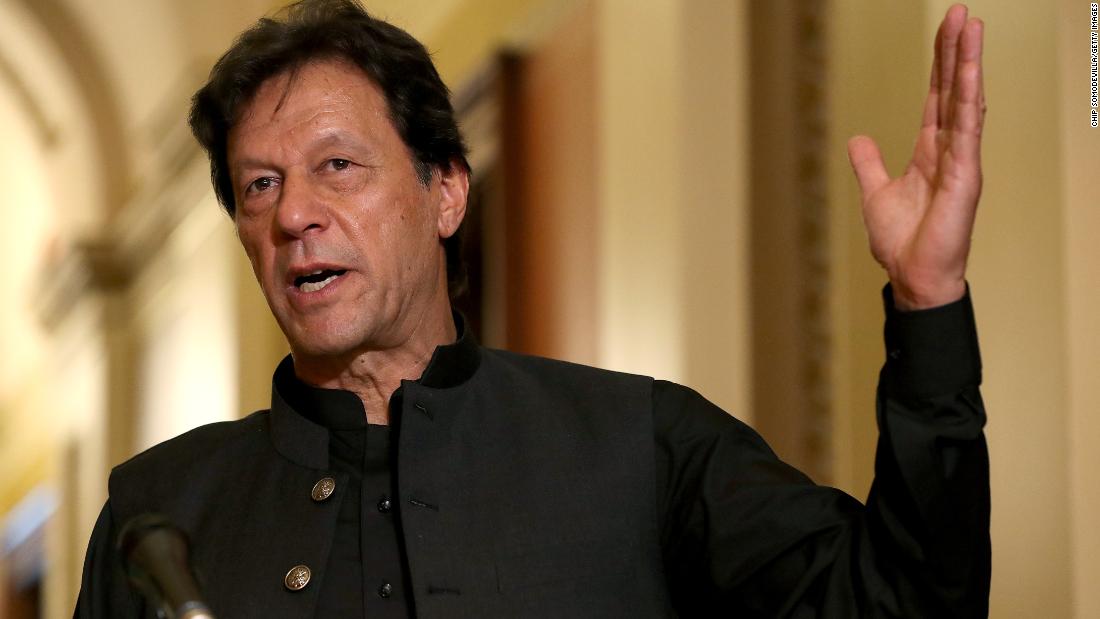
    Remorse is a feeling alien to Prime Minister Imran Khan. He is the ultimate alpha male, the kind that hunkers down on his beliefs, however much to the contrary the evidence may be. For such men, defending their statements becomes a matter of pride. Any admission that they were wrong or are better informed now would be a blow to their self-respect. Steadfastness to the wrong ideas is problematic even for a layman. For the prime minister of a country where sexual assault is almost endemic, it is disastrous.

    This stubbornness to continue to talk about what women wear stems from a deeper problem.

    Victim blaming is the easy way out for a national leader. He or she blames the victim for not being careful enough, or for not wearing the right clothes or flaunting their wealth, thus placing the onus of in ensuring a crime free society on the people. It absolves the ruler form the messier business of actually preventing crime. In Pakistan, that would have entailed wrangling in the mud with uncaring law enforcing agencies such as the police, the mine-trapped reckoning with the judiciary on inability to convict rapists, the stressful task of finding more funds for medical kits and trained personnel in public hospitals and the bureaucratic nightmare of somehow ensuring that all victims get legal representation. This is just too much work.

    Much more difficult than selling the utopian fantasy of a just and fair society where the consequences of your actions carry retribution from your fellow citizens.

    A less discussed aspect of Imran Khan’s statement is that in talking about women’s attire, he perhaps unintentionally but most assuredly displays empathy for the perpetrators. In effect, we are asked to examine the rapist’s feelings. We are required to take a deeper look at how he is not a “robot”. We are expected to understand how he was overwhelmed by his desires. We are called upon to reflect upon the society in which he lives. We must think of what compels that man to attack. The rapist almost becomes a victim himself, a casualty of the fierce desires that overtook him.

    There is no other way of putting this: we are being asked to be sympathetic to the rapist’s predicament.

    The whole saga of rape then becomes the simple matter of attributing blame to a man’s characteristics. External matters such as ensuring justice and punishment, well within the prime minister’s powers, simply fall to the wayside. The government is not responsible if a man could not control himself. But Bollywood and Hollywood surely are.

    Too often, assault turns into an inquisition about the victim. What they were wearing, what time they had ventured out, what they were doing on that particular day and how they had lived their life till then. From the most developed countries to the least , the conversation about a high-profile rape or assault centres around a victim’s personal life. The personal choices that led them to this point, if you may.

    We saw this when former CCPO Lahore, Umer Sheikh, blamed the victim of the motorway rape for not checking the fuel in her car and for selecting a deserted highway to drive home. After much uproar, Umer Sheikh apologised for his comments. Imran Khan has yet to do so. Anyone waiting for “I am sorry” from the prime minister will wait in vain.

    Alpha males do not apologise.

  • تنخواہ مانگ کر شرمندہ نہ کریں

    تنخواہ مانگ کر شرمندہ نہ کریں

    دوررِ حاظر میں نوکری کے بغیر گزارہ نہیں ۔سار ا دن انسٹا گرام پہ برگر اور پیزے دیکھ دیکھ کر یا تو بھوک لگی رہتی ہے یا پھر خوبصورت کپڑے دیکھ کر عجیب احساسِ محرومی سا رہتا ہے کہ آخر یہ میرے پاس کیوں نہیں ۔  اس سے پہلے کہ آپ غصہ میں آئیں ، میں واضح کرنا چاہتی ہوں کہ مجھے نوکری صرف انہی چیزوں کے لیے چاہئے ۔ لیکن جو نوکری دینے والے ہیں ، وہ آ پ سے کیا چاہتے ہیں ، آپ کو اندازہ بھی نہیں ہو پاتا ۔ آپ کے  گھر کی چائے کی پتی کے علاوہ ، انہیں آپ سے ہر چیز چاہئے ۔ اور اس کا مجھے شدت سے احساس ہوا  جب میں نے نوکری ڈھونڈنی شروع کی ۔

     سال 2020 میں میرے پاس نوکری نہ رہی تو میں نے سوچا کہ کچھ عرصہ آرام کروں ۔ میں پچھلے 12 سال سے لگاتار کام کر رہی ہوں تو سوچا کہ چلو تھوڑی عیاشی کر لیتے ہیں ۔ شروع کے دو مہینے تو فلمیں اور ٹی وی دیکھ کر گزار دیئے ۔  نیندیں بھی پوری کر لیں ۔ پھر وہ وقت جلد ہی آ گیا جب میں نے دیواروں کو گھورنا شروع کر دیا اور اتنا گھورا کہ دیواروں نے بھی کہہ دیا 

    ” سوری بہن ہمارا بوائے فرینڈ ہے ۔ ہم پر لائن نہ مارو” ۔ ان دیواروں اور برگر پیزوں سے مجبور ہوکر نوکری دوبارہ ڈھونڈنی پڑ ی ۔ اور یقین مانیں ایک دو ہفتوں میں ہی دوبارہ کام کرنے کا ارادہ ترک کر دیا ۔

    چونکہ میں نے زیادہ عرصہ کام سوشل میڈیا مارکیٹنگ میں کیا ہے تو میں نے اسی حوالے سے نوکریاں دیکھنی شروع کیں ۔ نوکری کی تفصیل دیکھی جس میں صرف انہوں نے یہ نہیں لکھا ہوا تھا کہ “آپ کو دنیا دوبارہ بنانی آنی چاہیئے “۔ نوکری میں ذمہ داریاں شامل کرتے ہوئے کمپنیز شاید بھول جاتی ہیں کہ وہ انسان کو نوکری دے رہے ہیں ، سپر مین کو نہیں ۔ نوکری کی تفصیل کچھ ایسے شروع ہوتی ہے۔

    “آپ کو سوشل میڈیا کے اکاؤنٹس چلانے آنے چاہیئے ، آپ کو پلان تیار کرنا  آنا چاہیئے ، آپ کو ہر ٹرینڈ کا پتا ہونا چاہئے ” اور اس کے بعد شروع ہوتا ہے وہ حصہ جس کا آپ نے سوچا بھی نہیں ہوتا  ” آپ کو ڈیزائننگ آنی چاہئے ، آپ کو فوٹو شاپ آنا چاہئے ، آپ کو کوڈنگ آنی چاہئے ، آپ کو ایک ہی ٹائم پر دس اکاونٹ چلانے آنے چاہئیں، آپ کو ایک ہی وقت پر ایک ہاتھ سے انگریزی اور ایک ہاتھ سے اردو لکھنی آنی چاہئے ۔ آپ کے پاس اتنی قابلیت ہونی چاہئے کہ آپ ایک ٹانگ پر کھڑے ہو کرٹویٹر پر  لوگوں کو جواب  دے سکیں ، آپ کے پاس اتنی قابلیت ہونی چاہئے کہ آپ  ایک دونی دو  دو  دونی  چار کو ایک سکینڈ میں 100 بار کہہ سکیں، آپ کو بیڈ شیٹ ٹھیک کرنی آنی چاہئے، آپ کو مردوں کی قمیضیں استری کرنی آنی چاہئے ، آپ کو انڈے کی زردی الگ کرنی آنی چاہئے ، آپ کو آلو گوشت کا شوربہ گاڑھا  کرنا آنا چاہئے، آپ کو اگر صوفے پر بیٹھنا آتا ہے تو آپ کو صوفے کے نیچے بیٹھنا بھی آنا چاہئے کیوں کہ کبھی بھی ضرورت پڑ سکتی ہے ۔ اس کے ساتھ ہی اگر آپ اپنا گردہ پھیپھڑےکی جگہ کر  سکیں تو  کیا ہی بات ہو جائے۔ ” اس کے ساتھ ہی ایک چھوٹے سے جملے میں لکھا  ہوتا ہے کہ “آپ کے پاس  20سال کا تجربہ ہونا چاہئے “، یہ جانتے ہوئے بھی کہ سوشل میڈیا کو ابھی 20 سال ہوئے بھی نہیں ۔ اس سب کے بعد ایک جملے میں یہ بھی لکھا ہوتا ہے کہ “باہر سے پڑھے ہوئے انسان کو ترجیح دی جائے گی۔ وہ لوگ جو ایک دن میں 48 گھنٹے کام کر سکیں ، صرف وہ اس نوکری کے لیے سی وی بھیجیں” ۔

    اس کے بعد اگر تو آپ کو ترجیح دی جاتی ہے اور انٹرویوپر بلایا جاتا ہے  تو سارے کاموں کی تنخواہ پوچھیں تو  50  ہزار سے اوپر کوئی نہیں  جائے گا ۔ اور اگر آپ 70 ہزار کی بات کریں تو وہ ساتھ ہی وہ آپ کے کام میں ایک اور ذمہ داری کا اضافہ کر دیں گے اور وہ ذمہ داری ان کے کپڑے دھونے کی بھی ہو سکتی ہے کیونکہ  وہ آپ سے کچھ بھی مانگ سکتے ہیں ۔اور وہ اس امید سے مانگتے ہیں کہ آپ آگے سے نہ کچھ مانگیں ، نہ کہیں۔ بلکہ اگر آپ نے یہ کہا کہ “پیار کیویں کراں ، تنخواہ بڑی تھوڑی اے “، تو وہ الٹا آپ کو کہیں گے

     ” آپ کے نخرے بہت ہیں “۔

    میرا ان کمپنیز سے سوال ہے کہ آخر آپ کس بات کا غصہ نکالنا چاہتے ہیں ملازم پر؟  ایک  انسان حالات کا شکار ہو کر نوکری کے لیے مارا مارا  پھر رہا ہے اور آپ اس کو نوکری کے نام پر موت کے سفر کا پمفلٹ کیوں تھما  دیتے ہیں ؟ کیا آپ ایک سکینڈ کے لیے بھی نہیں سوچتے کہ اگلا انسان ہے ، اس نے سونا ہے ، کھانا ہے ، پینا ہے ، زندگی کی باقی چیزوں کو دیکھنا ہے ۔  لوگوں کی مجبوریوں سے مت کھیلیں تاکہ آپ زندگی کے کارخانے چلا سکیں ۔ ایک بار نوکری کی ذمہ داریاں لکھتے ہوئے سوچ لیں کہ انسان چاہئے یا روبوٹ ۔

  • Demystifying Budget 2021-22

    Demystifying Budget 2021-22

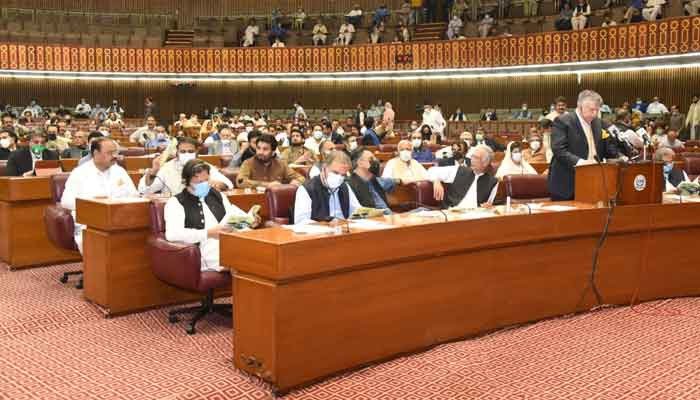
    This year’s budget held special significance for the Pakistan Tehreek-e-Insaf (PTI) government, as many viewed it as the last opportunity for the incumbent government to show its mettle. The last two to three years were marred by the economic slowdown, the Covid-19 pandemic, and high inflation. If this were to continue, it could take a toll on PTI’s vote bank in the next election and therefore a course correction was in order. But no one expected that such course correction would come in so swiftly. Hafeez Shaikh was let go, apparently on his insistence on electricity tariff increase, and Shaukat Tarin was sworn in as the new finance minister.

    Soon after, this year’s growth estimates took everyone by surprise. Pakistani economy turned out to be much more resilient to the pandemic, but it is hard to ignore the role played by the Covid stimulus package, smart lockdowns and rapid vaccinations. Pakistan is once again back on the growth trajectory.

    While it was critical to sustain this rapid recovery, we were also facing tough IMF conditionalities, which if fully implemented, could very well slow down the economy once again. While no one would disagree on the need for fiscal discipline proposed by IMF, many would question its timing, scale, and modus operandi. 


    More than anyone else, it’s the politicians who clearly did not have time for a long economic cycle to run its course. They knew that they were fast running out of time and would have to go back to their voters in 2023.

    But to give credit where it’s due, the government held its end of the bargain and has come up with an excellent budget, perhaps the best that’s possible within the given constraints. It is interesting to see that so far no one has criticised the direction of the budget, and even the worst of the critique has been about the government’s ability to pull it off.   

    So what’s so great about this budget?

    First and foremost, the budget has introduced a number of proposals to support industry, businesses and investors. In particular, the budget has brought good news for construction, automobile, information technology and a number of other sectors. The budget includes reduction or exemption of duties on raw materials and inputs for various sectors such as electronics, pharmaceutical, textiles, footwear, paints, etc. Export of services for the IT sector have been zero-rated, while zero-rating has also been proposed for local supplies or import of raw materials, components, parts and plant and machinery for registered exporters authorised under Export Facilitation Scheme, 2021.

    The construction sector amnesty scheme has been extended by another six months, which will have a positive impact on cement and all construction-related industries. A number of incentives have been granted on electric vehicles including exemption of sales tax on CKD kits, while sales tax on small domestically assembled cars has been reduced. A number of generous incentives have also been introduced for the planned special technology zones. Lastly, the capital gains tax (CGT) has also been reduced on sale of securities that is likely to further support a rapid stock market recovery. 

    The budget has also introduced a number of incentives for the SMEs, which brings the spotlight on the long-ignored segment. A separate scheme of taxation is proposed for SMEs, giving them flexibility to be taxed either on their profitability or turnover. The threshold for levy of minimum tax (individuals/AOPs) has been enhanced, while the threshold for annual turnover to qualify as cottage industryhas been increased from Rs3 million to Rs10 million. The budget also includes proposals like common bonded warehousing, introducing a one-page tax return for SMEs, etc. that will have a positive impact on the small and medium-sized businesses. 

    One the taxation side, the budget 2021-22 promises to bring a major cultural transformation. After many years, we are again heading back to self-assessments, which will bode well for the businesses and will prevent harassment by tax officials. The budget also includes deletion of 12 withholding taxesincluding that on banking transactions and air travel. Electronic processing and issuance of refunds is also promised to facilitate businesses, whereas the arbitrary powers of the tax officials have been curtailed in many cases. 

    On the development side, the budget has increased the size of public sector development programme (PSDP) by a massive 38% increasing it to Rs900 billion. The national PSDP target is also set at Rs2.1 trillion (about 61 per cent higher than the last year). Such magnitude of increased spending is likely to help stimulate growth.

    Then comes the Ehsaas programme, for which the government has made a generous allocation of Rs260 billion. The government is also planning to give interest-free loans, provide free technical trainings and other initiatives for 4-6 million families at the bottom of the pyramid. The government has also allocated $1.1 billion for Covid-19 vaccination and set an ambitious target of vaccinating 100 million people by June 2022. In addition, the subsidies for power sector have been increased, aiming to minimize the need for tariff increases during the year. 

    All in all, these measures are likely to boost business confidence significantly and will stimulate growth, hopefully beyond the set target of 4.8 per cent. 

    However, there are a few things that need to be kept in mind. First is the ambitious revenue target of Rs5.8 trillion next year, which amounts to 24 per cent increase over this year. Soon after introducing the budget, the government had to retrack its proposal on taxing the cellular calls and internet usage, whichwould take away about Rs100 billion from the estimated revenues and would have to be compensated from elsewhere. In addition, the government foresees about Rs242 billion coming in from administrative measures. Although there is a plan to achieve this target through bringing e-commerce retailers within the tax net, installing POS machines at retailers and providing incentives to general public to demand sales tax receipts, this would need a strong management push throughout the year. Similarly, the public should also expect increase in petroleum prices to meet the Rs610 billion targetfor Petroleum Development Levy. Unless the global oil prices start receding, this would be passed on to the public. 

    The negotiations with IMF is another area which needs some attention. With this ambitious budget, the IMF program is likely to be affected. This in turn may impede our ability access funding from other sources. Therefore, an amicable settlement with IMF, if not immediately then in a few months, is critical. 

    Lastly and most importantly, comes the question of whether this growth is sustainable. While we’ll only get to know thisin due time, there are some good measures in place to support the industry targeting import substitution. Any consequent dip in imports, in the medium term, continued healthy remittance inflow on the back of FATF-action plan, and a realistic exchange rate will definitely help in averting a future balance of payment crisis. 

    For now, it seems that Pakistan is finally out of the woods and the next 2-3 years are going to witness some decent growth.

  • Osaka deserves support, not backlash

    Osaka deserves support, not backlash

    “It is a part of your job.” “You are being paid millions of dollars each year.” “You are a privileged brat who is exploiting and trivialising mental health.”

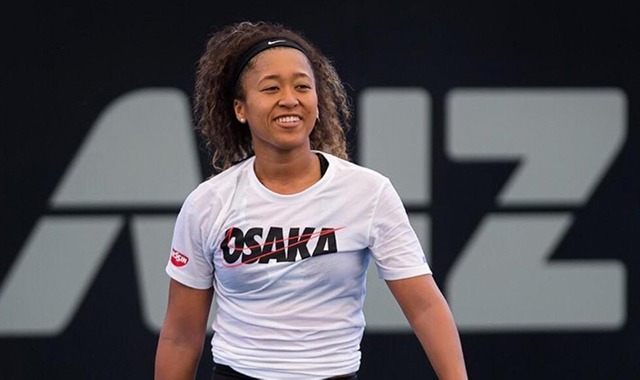
    These are some of the profoundly hysterical responses by a slew of callous simpletons that tennis star Naomi Osaka had to endure after her decision to not attend the press conferences because of mental health struggles.


    In an ideal world, board officials should have addressed Osaka’s concerns, done what they could do to help her in her bouts against anxiety, and applaud her for mustering up the courage to prioritise her mental health. Instead, she was pilloried, fined 15 grand, and threatened with suspension following which she announced to withdraw from the French Open.

    It is worth a mention that Naomi didn’t refuse to take questions on the court following her victory in the first-round match, which means that she was setting a boundary on how much time she can give to the media to protect her mental health. Attending press conferences or answering media questions might be an athlete’s obligation but they can be taxing. This is not to suggest cutting journalists’ access to players at all but the point at issue is whether press conferences are banal or do they offer anything relevant to the game.

    In his column for The Guardian, Jonathan Liew writes, “The modern press conference is no longer a meaningful exchange but really a lowest‑common‑denominator transaction: a cynical and often predatory game in which the object is to mine as much content from the subject as possible.” 

    In addition to this, other journalists who have attended numerous press conferences were also of the view that these conferences are superfluous.

    Lindsay Andler, The Athletic’s reporter for New York Yankees, tweeted; “We don’t *want* press conferences. We want to talk to people in person, like human beings. The reality TV-ification of press availability is an annoyance to me.”


    Pakistan’s Ahmer Naqvi also took to Twitter to post a thread about the banality of press conferences and how majority of the cricket press conferences he has attended have been useless.

    “Other than incredibly lazy questions, the only alternative is cynical types looking to pounce on anything that can be spun to be controversial,” Ahmer tweeted. “There are a handful of journos who want to ask interesting things, but the players are so scared of being quoted out of context that they will (understandably) give a generic answer that covers all bases.”


    If any athlete or even Naomi in this case would have excused themselves from any obligation because of a physical injury like a wrist or leg injury, there would have been no furore. This triggers a pertinent question: why is then Osaka getting so muck flak over mental health struggles? All of the criticism of Naomi Osaka stems mainly from the pernicious misconception that athletes are immune to mental breakdowns. As a consequence, many athletes are reluctant to come forward and speak about mental health issues because of the stigma attached to mental problems. 

    English presenter Charlie Webster is doing an incredible job to lay this misconception to rest by inviting current and retired athletes to her podcast, ‘My Sporting Mind’, where they talk about their mental wellbeing journey.

    Governing bodies often wax lyrical about how they care for the athletes and their mental health but this Naomi episode is a damning indictment of their utter disregard for the mental health of players. Also, a tip of the hat to Naomi for not cowing down to the pressure by board officials and showing that mental health and self-care comes ahead of everything else.

  • گولی لگے تاکہ باہر جائیں

    گولی لگے تاکہ باہر جائیں

    باہر جانے کا کس  کو شوق نہیں ،  گھر  سے باہر نہیں ملک سے باہر جانے کا ۔ ہم میں سے بیشتر لوگ باہر سیر و تفریح کرنے جاتے ہیں تا کہ زندگی کے تھکا دینے والے سلسلے سے کچھ دیر تو چھٹکارا ملے ۔ کچھ لوگ باہر جا کے صرف لوگوں کو بتانا چاہتے ہیں کہ وہ برج خلیفہ کی سوئی کو ہاتھ لگا کر آئے ہیں  اور مونا لیزا کی تصویر میں کوئی خاص بات نہیں  ، اس سے بہتر تصویر ہم خود بنا لیں ۔ اور کچھ لوگوں کی ویسے ہی بس ہو گئی ہے ملک میں تو وہ اپنی زندگی کا سب کچھ بیچ کر  ملک ہمیشہ کے لیے چھوڑ جاتے ہیں ، یہ سوچتے ہوئے کہ اس  ملک میں ملی ہوئی عزت سے بہتر باہر کی بے عزتی ہے  ، افسوس تو نہیں ہوتا نہ کہ اپنے بے عزتی کر رہے ہیں !

    دوسرے ملکوں میں بات یہیں ختم ہوجاتی ہے کہ باہر گئے اور واپس آ گئے ۔ لیکن پاکستان میں باہر جانے کو ایک خاص ہی مقام حاصل ہے ۔ ملک سے باہر جانے کو سیاسی نظر سے دیکھیں تو شاعر حضرات جو اپنی انقلابی شاعری کے لیے مشہور تھے ، انہیں بھی ملک چھوڑنا پڑا ۔ ایک ان سے ملک چھڑوایا اور پھر ان کو غدار کا سرٹیفکیٹ بھی دے دیا ۔اور جب وہ واپس نہیں آئے تو سب نے کہا ” تھا ہی غدار ، باہر صحیح عیاشی کرتا رہا ہے، اس کے تو مزے ہوگئے” جن سیاست دانوں سے سب کی نہ بنی ان کو بھی ڈیل میں باہر کا ملک دے دیا  کہ چلیں آپ اب تھوڑا آرام  کر لیں، ملک کا بیڑا غرق اب ہم کریں گے۔ ہمیں بھی تو موقع دیں نا۔  سیاسی طور پر اس دن حد ہی ہو گئی جب پاکستان کے ایک وزیرِ اعظم کو کہا گیا کہ لوگ تنگ آ کر ملک چھوڑ رہے ہیں ، تو انہوں نے جواب میں کہا ” ہاں تو چلے جائیں ، ان کو روک بھی کون رہا ہے ” خود بتائیں اس سے زیادہ خیال رکھنے واالی حکومت آپ کو کہیں اور مل سکتی ہے ؟  نہ آپ کو کوئی روک رہا ہے، نہ کوئی ٹوک رہا ہے، جہاں مرضی جائیں۔

    لیکن یہ باہر جانا کچھ عجیب شکل اختیار کر چکا ہے ۔ اب لوگ کہتے ہیں

     “اس نے اپنے آپ کو خود مار پڑوائی  تاکہ وہ ملک سے باہر جا سکے ” یہ الزام جن لوگوں پر لگ رہا ہے ان میں صحافی ، انسانی حقوق کے علمبردار،اور ظلم کے خلاف آواز اٹھانے والا ہر شخص شامل ہے ۔ وہ ظلم کے خلاف آواز اٹھاتے ہیں ، ظالم ان کی آواز بند کرتے ہیں۔ کبھی ان کو ذہنی اذیت  دے کر تو کبھی جسمانی ۔ کچھ سہہ جاتے ہیں اور کچھ کو واقعی ملک چھوڑنا پڑ جاتا ہے۔  جو ملک چھوڑ جاتے ہیں ، ان کے بارے میں کہا جاتا ہے “خود مار پڑوائی تھی اپنے آپ کو تاکہ گوروں سے ہمدردی حاصل کر کے ملک چھوڑ سکیں” ۔

     15 سال کی ملالہ کو  جب گولی لگی  اور انہیں باہر لے جایا گیا  تو پاکستان میں سوال  ہی کچھ اور تھے ۔ “ملالہ کو جہاں  گولی لگی وہاں سوراخ کیو ں نہیں ہے؟  سر میں گولی لگنے سے کون بچ سکتا ہے ؟ کہیں خود گولی  تو نہیں لگوائی؟ اور آخر میں پھر وہی بات کہی گئی “باہر جانے کا بہانہ تھا ، گولی لگی ہی نہیں”

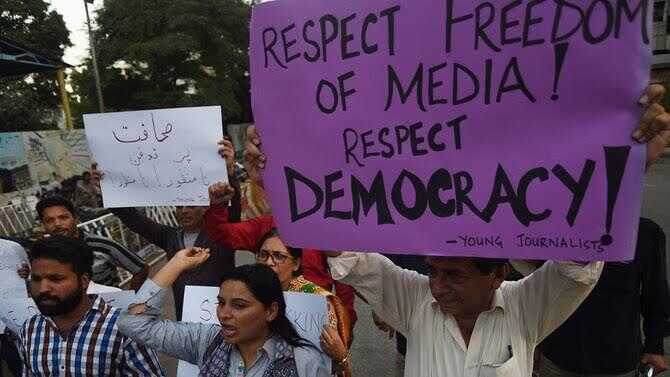
    اب کوئی سچ بولنے والا صحافی ہو یا ظلم کے خلاف آواز اٹھانے والا انسان ، اس کو کوئی گھر میں گھس کر مارے ، یا گھر کے باہر سے اٹھا کر غائب کر دے ، اس کا اخبار بند کروا دے ، اس کے گھر والوں کو کوئی دھمکیاں دے جائے ، ہر چیز پر ہماری محب ِوطن قوم کا ایک ہی نعرہ ہوتا ہے “خود کروایا ہے تاکہ ملک سے باہر جا سکے ” ۔ بات صرف یہاں نہیں رکتی، کوئی صحافی زخمی ہو تو محبِ وطن لوگ پوچھتے ہیں  “یہ زیادہ زخمی کیوں نہیں ہے؟ ایسے کون زخمی ہوتا ہے ؟ خود کروایا ہوگا”  کسی کا خون زیادہ نہ نظر آئے تو تب بھی یہی کہا جاتا ہے “یہ کیسا تشدد ہے جس میں خون کا دریا نہیں بہا؟ لگتا  ہے خود کروایا ہے تاکہ ملک سے باہر جا سکے ” کسی صحافی کو کچھ گھنٹوں کے لیے غائب کرنے کے بعد جب واپس کیا جاتا ہے تو تب بھی یہی کہا جاتا ہے “خود اٹھوایا ہوگا ورنہ زندہ کیسے واپس چھوڑ گئے ؟ ضرور ملک سے باہر جانا ہے” ارے ہمارے محبِ وطن لوگ تو کسی عورت کی عصمت دری ہو اور اس کو باہر کے ملک میں  پناہ مل جائے تو اس کو بھی یہی کہتے ہیں” خود کروایا ہوگا اپنا ریپ تا کہ ملک چھوڑ سکے”

    پہلے ہم کہتے تھے جو کروا رہا ہے بھارت کروا رہا ہے ، اب ہم کہتے ہیں جو کروا رہے ہیں خود کروا رہے ہیں ۔ میرا سوال یہ ہے کہ آخر کتنے صحافی اس ملک سے باہر گئے ؟ میرا ان محبِ وطن لوگوں سے سوال ہے کہ جب کوئی صحافی یا ظلم کے خلاف آواز اٹھانے والا انسان مرے تو کیا تب ہی  آپ کو ان حادثوں پر یقین ہوگا ؟ کیا اس کی لاش کے ٹکڑے ملیں گے تو تب ہی آپ ظالم کے خلاف آواز اٹھائیں گے ؟  اے محبِ وطن انسان ! ملک سے محبت کے لیے کیا موت ضروری ہے ؟

  • Did the BBC kill Diana?

    Did the BBC kill Diana?

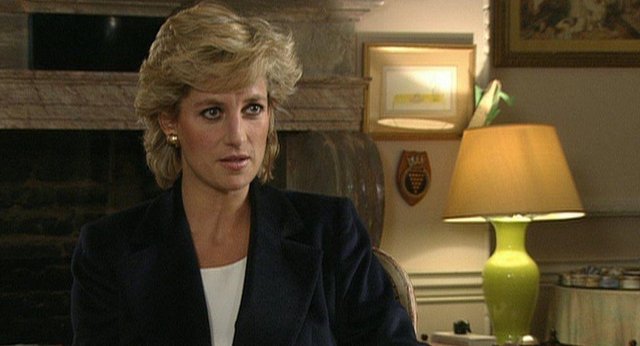
    It has now been established that the huge 1995 TV scoop that was the BBC interview with Princess Diana was actually obtained under false pretences. In that interview, which was watched all around the world, Diana shocked the world with her damning statements about her estranged husband and the royal family as well as her own admission of adultery.

    What has now emerged, following an independent inquiry report by former Supreme Court judge Lord Dyson, is that BBC Panorama’s reporter, Martin Bashir, secured the interview through lies and manipulation. Bashir got a BBC graphic designer to create false bank documents which appeared to show that certain people on both Princess Diana’s and her brother’s staff were being paid to spy on her. Bashir shared these (fake) documents with Diana’s brother Lord Spencer. Spencer told the Dyson Inquiry that in retrospect he realised that Bashir had in fact been ‘grooming’ him, getting him to believe these lies so that he would share them with his sister – which he did. But it was not just Bashir’s deceitful and unethical behaviour that has been criticised in this report: perhaps even more damning is the way the BBC dealt with allegations about the fake documents and basically did nothing, except penalise the whistleblower, i.e. the graphic designer who had approached senior managers with misgivings about what he had been commissioned to do.

    These revelations have considerably damaged the credibility and the reputation of the BBC; its detractors have been busy BBC bashing ever since the report’s findings were made public. The events in question – the interview and the BBC internal inquiry – took place a quarter of a century ago, yet they are now being discussed as if they were major catalysts of change and the triggers that unleashed the events that resulted in the tragic death of the Princess in a car crash in 1997.

    This narrative is reinforced by the statements released by both of Princess Diana’s sons, who were aged just 15 and 13 at the time of their mother’s death. Prince Harry’s statement was not surprising since now that he has left the fold of the family firm and lives in the US, he shares his views and opinions freely via social media and TV but Prince William’s statement certainly was. Prince William made his statement on camera and expressed his “sadness” at knowing that BBC failings over the Panorama interview “contributed significantly to her fear, paranoia and isolation that I remember from those final years with her”. He also said that “the interview was a major contribution to making my parents’ relationship worse”.

    These claims are somewhat exaggerated. Charles and Diana separated in 1992 , the book ‘Diana: Her True Story’ in which she had told her story (in great secrecy) to Andrew Morton was published in 1992 and in 1994, the year before Princess Diana did the Panorama interview, Prince Charles had already done a similar ‘my side of the story’ TV interview with Jonathan Dimbleby in which he admitted to adultery adding that he had only strayed when his marriage “had irrevocably broken down”. Given this chronology, it is hardly as if it was the Panorama interview that destroyed their marriage. What it did do, however, is result in a downgrade of the Princess’s status and hence her security ­– once the interview aired, the Queen instructed the couple that if things were so bad, they needed to get a divorce. (The Queen didn’t issue a statement but presumably she thought that this endless washing of dirty linen in public needed to stop).

    The Wales’s marriage was already on a course set for irreconcilable differences, so their son’s indictment of the interview in this regard seems unfounded. No matter how reprehensible and unethical Bashir’s tactics were in securing this scoop, he cannot be held solely responsible for Diana’s paranoia and isolation – he cannot be a whipping boy for the misery or insecurity of the Princess.

    But as disturbing as the forgery and lying of the reporter is, even more disturbing is the behaviour of those BBC professionals who should have taken action. Even though Princess Diana put it in writing that she had consented to give the interview “without any undue pressure” and that Bashir “did not show me any documents, nor give me any information that I was not previously aware of”, BBC editors and managers knew that all was not okay as they had been alerted to the matter and their resulting inquiry was completely inadequate. In fact, it was like nearly all BBC inquiries are: the matter is ‘dealt with’ so that at the end of the day culprits are not penalised; in fact they are usually rewarded. That inquiry was from 1990s but here is an example from 2015: a young BBC journalist, Ahmen Khwaja, tweeted that the Queen had died. Word spread like wildfire internationally, the tweet was picked up by news outlets all over the world (after all it was coming from a BBC staffer). It turns out that Khwaja had seen the news on screens prepped for a routine royal obituary rehearsal and tweeted it without bothering to check or confirm it. Although the BBC Trust decided that the death tweet was a “serious breach of guidelines”, the staffer responsible was moved to a better position working in TV news. Serious breach? The mind boggles.

    Today, the BBC is in the dock and its journalism is being discredited – the Beeb’s detractors are having a field day. But even though there were failings in this particular case and the management of the BBC has a lot to answer for in the way it has betrayed its hardworking journalists over the decades, it must be said that the BBC was not responsible either for the death of Princess Diana or for the woes of the royal family. And for those worried about the state of journalism in general: please reflect on the implications of Prince William saying that he thought that “this Panorama programme should never be aired again”.

    Sounds a lot like censorship to me. Rather disturbing.