Category: Tech

  • Elon Musk’s idea to redesign ‘X’ will get rid of many features

    Elon Musk’s idea to redesign ‘X’ will get rid of many features

    Micro-blogging website X (formerly Twitter) will likely completely overhaul its design, especially the timeline, which will remove retweet and comment buttons.

    According to technology website Mashable, a technology researcher from X has disclosed that the timeline design is being changed, and Elon Musk has also confirmed this.

    Under the new change, X users will be able to comment or reply by swiping left and right on any image, and they will also be able to retweet the post.

    It’s unclear how the video will be swiped left or right if it needs to be retweeted or commented on, but X’s timeline will likely be designed so that each post will be swipeable.

    It is not yet clear how long the change will take, but it is likely to be introduced within the next six months.

    However, X has undergone a number of changes over the past two years. Previously, its name and URL address were Twitter, which was also changed, while many features, including blue ticks, were bundled with a monthly fee.

    X encrypted the likes button or option last month in June, and no third party can see the likes of others.

  • YouTube tests new feature to support small creators

    YouTube tests new feature to support small creators

    YouTube has started testing a new feature to encourage content creators with fewer subscribers.

    This feature is called Hype, and it is being tested in some countries; in the second phase, this feature will be expanded to more countries.

    YouTube partner content creators will benefit more from the feature, and the feature will be available only to content creators who have a maximum of 500,000 subscribers.

    Under the feature, users will be able to use the “Hype” section in their uploaded video, after which their video will be automatically promoted by YouTube’s algorithm for a week.

    Under the feature, whichever user’s video gets more “Hype” in a week will be paid more money under different categories.

    The feature will not be available to all YouTube channel owners immediately, but it is likely to be rolled out to everyone in the future.

  • Apple reportedly testing Samsung-made camera sensor for iPhone 16

    Apple reportedly testing Samsung-made camera sensor for iPhone 16

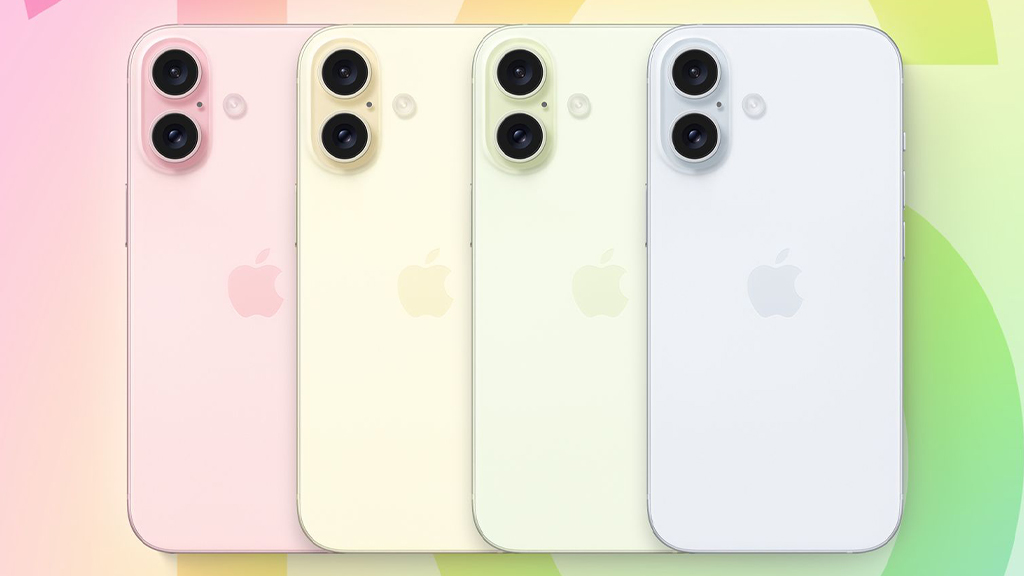
    Apple is reportedly testing advanced CMOS image sensors (CIS) from Samsung, which could feature in the iPhone 16 later this year. According to The Elec, Apple is conducting a final quality assessment of these sensors, provided by Samsung System LSI, the logic business unit of Samsung.

    Traditionally, Apple has relied exclusively on Sony for its CIS needs. However, recent developments suggest a strategic shift away from the Japanese supplier due to concerns about reliability and the desire to integrate new technologies into its camera systems.

    This change in direction comes after Apple encountered issues with Sony last year. In response, Apple asked Samsung to develop new image sensors in 2023 when Sony failed to deliver in a timely manner, complicating the launch schedule for the iPhone 15.

    If Samsung successfully passes the current quality tests, it will mark the first time the company supplies CIS for an iPhone. The new sensors from Samsung boast a more advanced three-wafer stack design, compared to the two-stack design used in current and previous iPhone models. These three wafers separately house the photodiode, transistors, and analog digital converter logics, which allows for higher pixel density, reduced noise, and smaller pixel sizes.

    In a CIS, the photodiode converts light into electrical signals, while four transistors are responsible for transferring, amplifying, reading, and erasing these signals. The separation of these components into three wafers enhances the sensor’s performance.

    Additionally, the new technology uses wafer-to-wafer hybrid bonding, which directly attaches the wafers through a copper pad, eliminating the need for signal-transferring bumps. This results in a smaller CIS with faster data transfer speeds.

    The iPhone 16 lineup is expected to be announced in the autumn, featuring new camera capabilities, including a dedicated “Capture” button and a 48-megapixel Ultra Wide camera.

  • Japanese scientists make smiling robot with ‘living’ skin

    Japanese scientists make smiling robot with ‘living’ skin

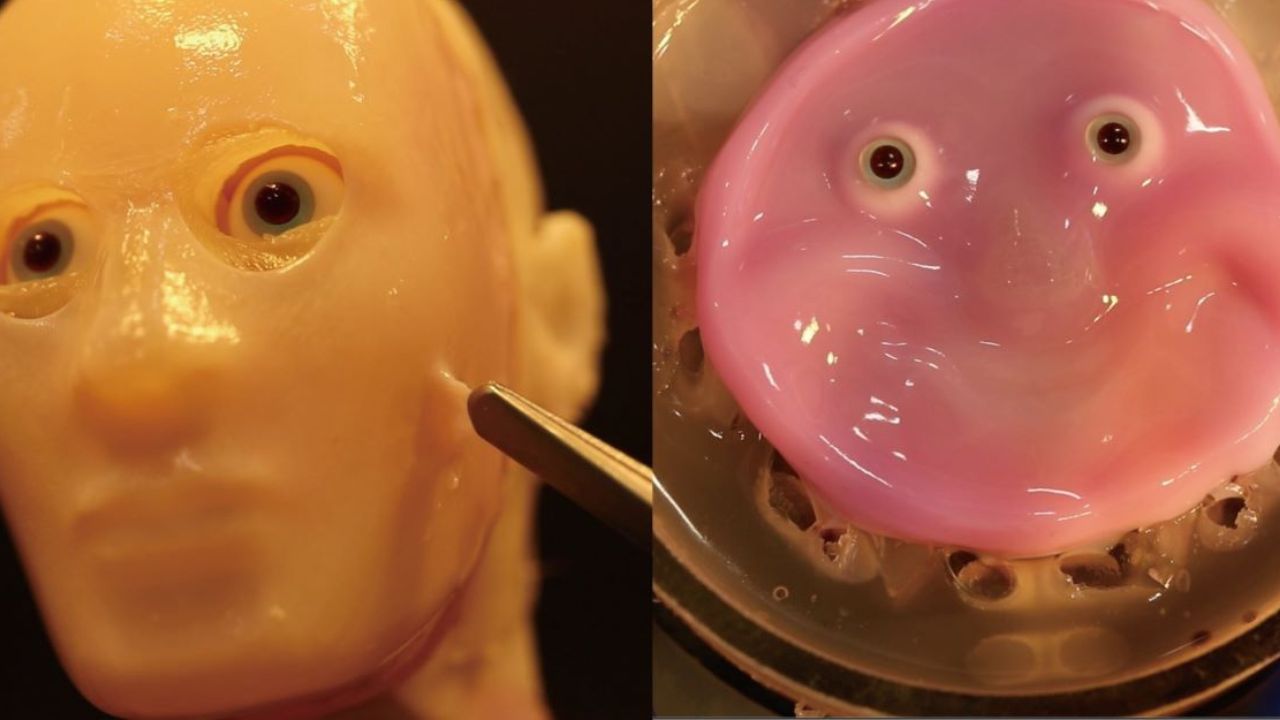
    Japanese scientists make smiling robot with ‘living’ skin have used human cells to develop an equivalent to living skin that can be attached to robotic surfaces to flash a realistic — if creepy — smile.

    The University of Tokyo researchers published their findings this week along with a video of the gooey-looking pink material being stretched into an unsettling grin.

    They used a “skin-forming cell-laden gel” to create a “robot covered with living skin”, their study in the journal Cell Reports Physical Science said.

    The biohybrid robot specialists hope the technology will one day play a role in the invention of androids with human-like appearances and abilities.

    “We also hope this will help shed better light on wrinkle formations and the physiology of facial expressions,” and help to develop transplant materials and cosmetics, the team led by Professor Shoji Takeuchi said.

    The new material could signal a departure from traditional humanoid robots covered with genuine-looking skin often made of silicone rubber, which cannot sweat or heal itself.

    The scientists’ goal is “to endow robots with the self-healing capabilities inherent in biological skin”, but they are not there yet. In previous studies, they grafted collagen onto a cut on lab-grown skin covering a robotic finger to demonstrate how it could be repaired.

    But they said conducting similar repair tests on their smiling robotic skin “is a future challenge”.

    To create what they described as a “natural smile” that moves fluidly, they gelatinised the skin-like tissue and fixed it inside the robot’s holes, a method inspired by real human skin ligaments.

  • TikTok removes 93.5 percent of controversial videos at Pakistani government request

    TikTok removes 93.5 percent of controversial videos at Pakistani government request

    Short video platform TikTok removed 93.5 per cent of controversial videos at the request of the government of Pakistan.

    According to TikTok’s recent transparency report, the social media platform is actively working with the Pakistani government, and specifically the Pakistan Telecommunication Authority (PTA), to address concerns about content removal.

    In the second half of 2023, TikTok received 303 requests from the Pakistani government, resulting in the removal of 93.5 per cent of the reported content, while 270 accounts for violating community guidelines and 59 for violating local laws.

    TikTok’s latest Community Guidelines Enforcement Report shows that the platform promptly removes content that violates its guidelines with a global rate of 99.5 per cent.

  • Abh ChatGPT hua Apple ka? Apple is now integrating the famous AI app

    Abh ChatGPT hua Apple ka? Apple is now integrating the famous AI app

    With growing demand for artificial intelligence, Apple has made its voice assistant Siri and operating system compatible with artificial intelligence (AI) so that it too, can get ahead in the artificial intelligence race. Apple is integrating OpenAI’s artificial intelligence platform ChatGPT feature with Siri in iPhones.

    Apple announced a makeover of Siri along with several other new features at its annual developers show Worldwide Developers Conference (WWDC) at the company’s headquarters in California on Monday. Apple has named this AI system ‘Apple Intelligence’ and it aims to give users a way to easily navigate Apple devices.

    It has partnered with OpenAi, the Developer of ChatGPT, under which its iPhone and Mac operating systems will have access to ChatGPT.

    ChatGPT can also be used to augment the capabilities of other tools, including tasks such as text and content generation. Its experimental or test version will be available by fall.

    Opening the WWDC, Apple Chief Executive Tim Cook said, “The move will take my company’s products to ‘new heights.”

    When Apple’s rival companies started adopting artificial intelligence technology, Apple was also forced to adopt this technology.

    In January, Microsoft won the title of the world’s most valuable company, and in early June, Nvidia takes over Apple again.

    Elon Musk warns Apple

    Elon Musk, the owner of car maker Tesla and social media platform X, has threatened to ban iPhones from his companies, citing ‘data security’. He wrote on X “Apple has no clue what’s actually going on once they hand your data over to OpenAi. They’re selling you down the river.”

  • iOS 18 launches with Dark Mode for app icons and revamped Control Centre

    iOS 18 launches with Dark Mode for app icons and revamped Control Centre

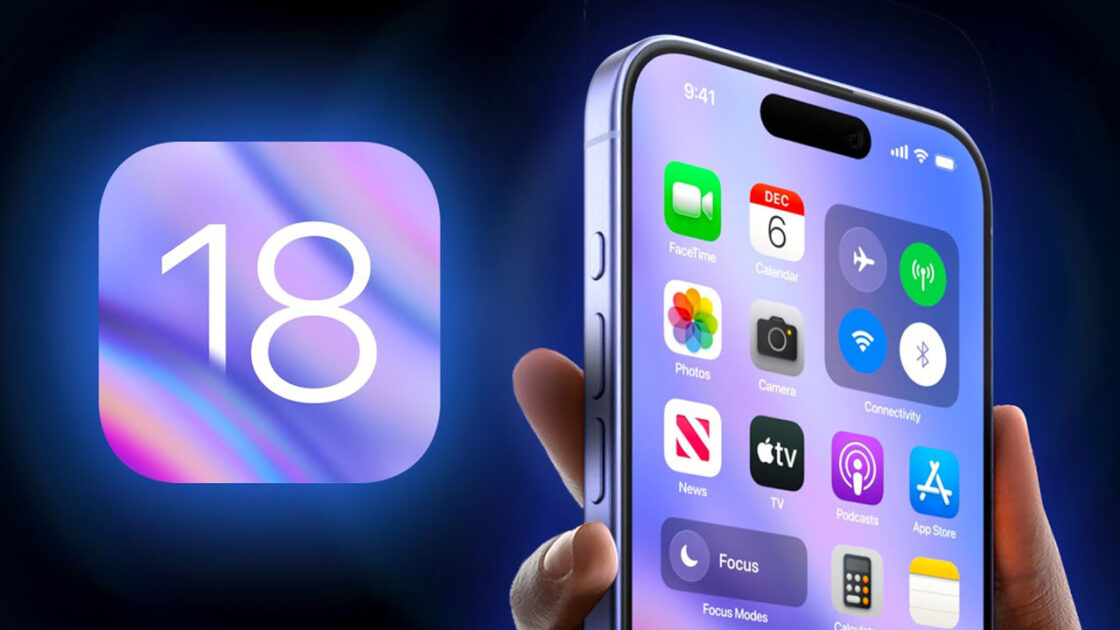
    Apple has officially unveiled iOS 18, the latest significant update for the iPhone operating system, packed with new customisation options, a revamped Photos app, and much more.

    One of the standout features of iOS 18 is the enhanced customisation tools for the Home Screen. Users can now apply Dark Mode to app icons and tint them with colours for a personalised appearance. Additionally, apps can be positioned freely anywhere on the Home Screen.

    The Control Center has been completely redesigned and offers extensive customisation options through a new gallery. Developers can now integrate tools for their apps directly into the Control Center. Users can continuously swipe to navigate between different Control Center screens. Customisation options are also available for Lock Screen controls.

    In the Messages app, tapbacks have been revamped, allowing users to react with any emoji. Messages can now be scheduled for later delivery, and text formatting options include bold, italics, underline, and strikethrough.

    New text effects provide automatic suggestions to highlight words and phrases. Additionally, users can now send and receive messages via satellite connectivity.

    The Mail app introduces automatic sorting of emails into categories to help prioritise messages. The Maps app now features topographical maps with detailed trail networks and hiking routes. In Wallet, the new Tap to Cash feature enables users to send money by simply holding iPhones together.

    The Photos app has undergone a comprehensive redesign in iOS 18. The new unified view features a photo grid at the top that displays the entire library, with collections organised by theme below. Users can filter photos by Months and Years views, and a filter button allows for the hiding of screenshots and other sorting options.

    Below the grid, users can browse Collections by topics such as Time, People, Memories, and Trips. The Recent Days section shows photos from the past few days, with automatic filtering of items like receipts.

    The People and Pets section now groups photos of individuals and allows for reordering or pinning of collections. Swiping right from the grid reveals a new carousel with Featured Photos and other favourite collections, which automatically refreshes to display new images.

    iOS 18 introduces app locking with authentication, hiding information from Search and Siri. It also offers a new method for connecting accessories more seamlessly.

    RCS messaging support has been added, along with larger Home Screen icons and calendar integration in Reminders. Game Mode makes its debut on the iPhone, minimising background activity to maintain high frame rates and providing more responsive connections to AirPods and wireless game controllers.

    The first developer beta of iOS 18 is available today, with a public beta set for release in July and a general public release in the autumn.


  • iPhone users may be able to lock Messages, Photos in iOS 18

    iPhone users may be able to lock Messages, Photos in iOS 18

    The upcoming iOS 18 is anticipated to introduce a new security feature that allows users to lock individual apps, according to several sources familiar with the development.

    This feature is set to provide users with the ability to lock native iPhone apps such as Mail, Messages, Notes, Phone, Photos, Safari, and Settings, among others, thereby offering an additional layer of privacy and security.

    To unlock a locked app, users will need to authenticate via Face ID, and it is expected that Touch ID or an iPhone’s passcode will also be compatible with this feature.

    It remains unconfirmed whether this functionality will extend to third-party apps from the App Store.

    Currently, Apple permits certain content to be secured behind Face ID, Touch ID, or a passcode, such as notes in the Notes app and photos in the “Recently Deleted” and “Hidden” albums within the Photos app.

    The upcoming iOS 18 feature will expand this capability, allowing for entire apps to be locked, even when the iPhone itself is unlocked.

    iPhone users have previously resorted to using Screen Time or Shortcuts to lock apps, but these methods will become obsolete with the new iOS 18 functionality.

    Apple is set to unveil iOS 18 during its WWDC keynote on Monday. The initial iOS 18 beta is expected to be available to Apple Developer Program members immediately following the keynote, with a public release anticipated in September.

  • After iCUBE-Q, another Pakistani Satellite to be launched into space

    After iCUBE-Q, another Pakistani Satellite to be launched into space

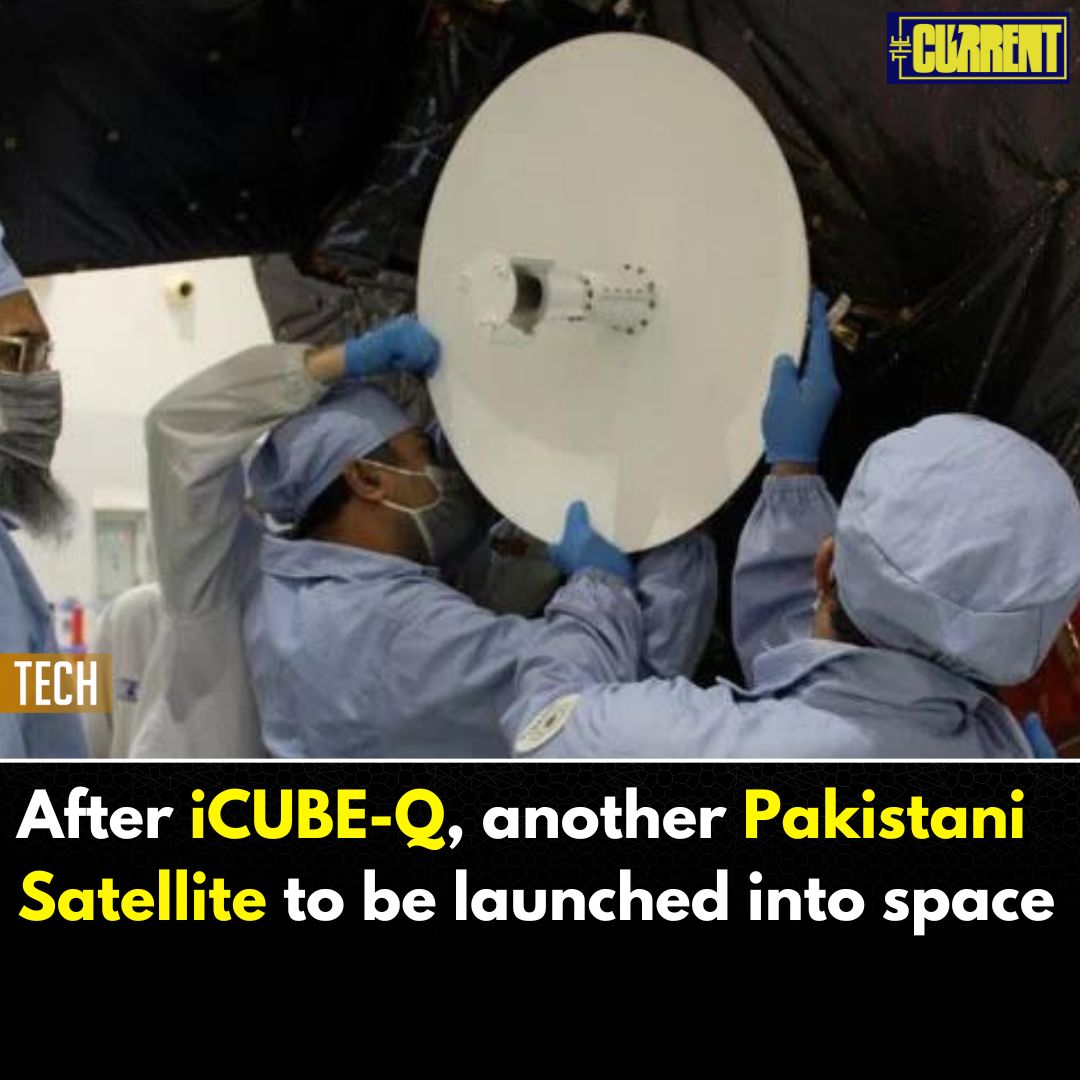
    After the successful launch of iCUBE Qamar, Pakistan’s newest Communication Satellite, MM1, is to be launched into space today (May 30).


    The satellite which is officially names as PAKSAT MM1will be launched from Xichang Satellite Launch Center (XSLC), China.


    The satellite will help bring in Pakistan into the digital era as it will provide internet to remote areas, according to SUPARCO officials.


    “Our team is very excited for the upcoming launch of PakSat MM1 on May 30,” Project Director PakSat MM1 said.


    The launch ceremony will be shown live for media from the Islamabad and Karachi establishments of SUPARCO.


    The satellite is expected to contribute to the establishment of a sophisticated communication network and help meet the growing demands of the telecom sector and its advanced capabilities will address the increasing demand for high-speed internet and seamless connectivity.


    “It will prove to be a stepping stone in the transformation of the country into Digital Pakistan. It will provide various communication services like broadband internet, TV broadcasting, Mobile bank –hauling and VSAT connectivity.”


    Project Manager MM-1 Usman Iftikhar said that the primary objective behind the PAKSAT MM-1 satellite is to strengthen Pakistan’s communication infrastructure and pave the way for broadening the horizons for connectivity.


    This satellite is a communication satellite that will be sent in a Geostationary Orbit.


    Earlier, Pakistan’s historic lunar mission (iCUBE-Q) was launched on May 3 on board China’s Chang’E6 from Hainan, China.


    The satellite iCube-Qamar mission marked Pakistan’s first lunar exploration effort.

  • Apple plans OLED displays for MacBook Pro models in 2026

    Apple plans OLED displays for MacBook Pro models in 2026

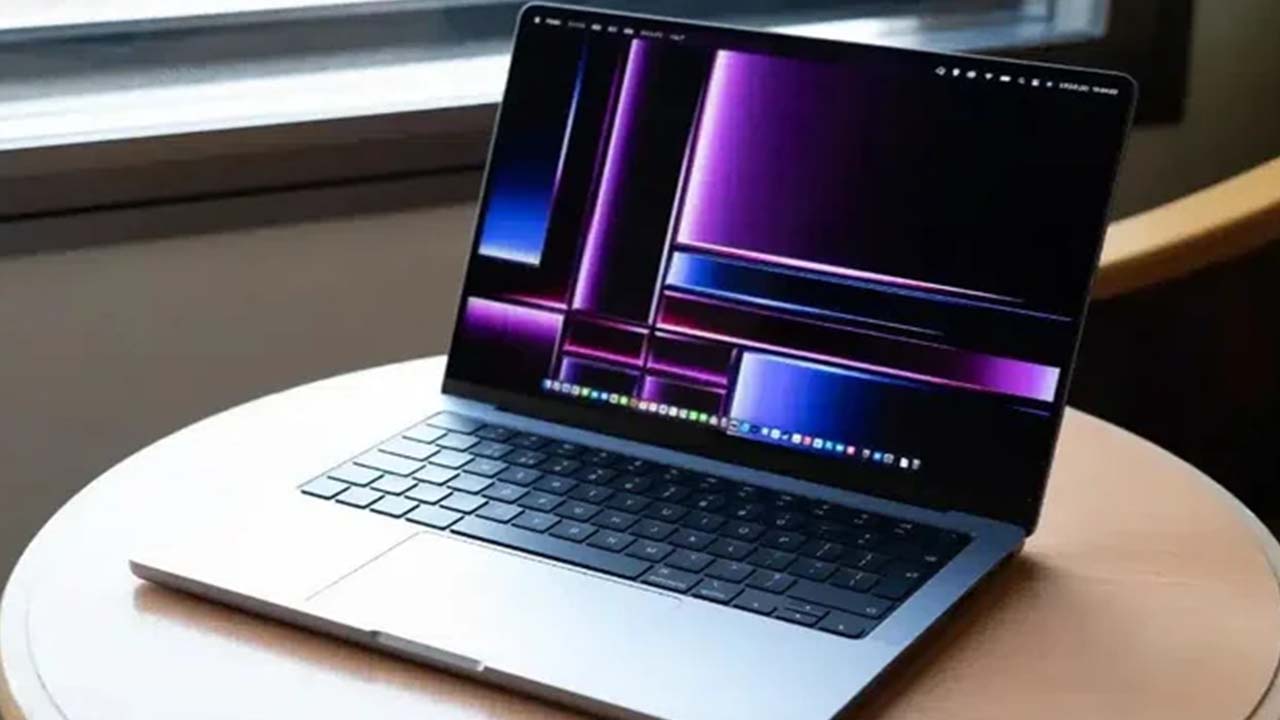
    Apple is expected to introduce new MacBook Pro models featuring OLED displays in 2026, according to market research firm Omdia. This anticipated shift is predicted to significantly increase the demand for OLED technology in the notebook market, potentially reaching over 60 million units by 2031.

    OLED, or organic light-emitting diode, panels offer several advantages over traditional display technologies. Each pixel in an OLED screen can be individually controlled, allowing for more precise colour reproduction and deeper blacks. OLED displays also boast superior contrast, faster response times, better viewing angles, and greater design flexibility.

    In addition to the MacBook Pro, Apple plans to implement OLED displays in its iPad Pro lineup starting in 2024. This move is expected to triple the demand for OLED tablets compared to the previous year. Apple’s strategy includes extending OLED technology to other iPad models, such as the iPad mini and iPad Air. This transition is likely to influence competitors and could drive the demand for OLED tablets to exceed 30 million units by 2029.

    Recent reports indicate that Samsung has begun developing an 8-inch OLED display panel for the iPad mini, with predictions that Apple will update both the iPad mini and iPad Air with OLED technology by 2026. Additionally, last year, Samsung was rumoured to be investing $3.14 billion into its Asan, South Korea, facility to produce OLED panels for forthcoming 14-inch and 16-inch MacBook Pro models.

    Apple’s adoption of OLED displays across its product lines marks a significant evolution in display technology, promising enhanced user experiences through improved visual quality and device performance.