Category: Tech

  • Samsung starts mass production of advanced 3nm chips

    Samsung starts mass production of advanced 3nm chips

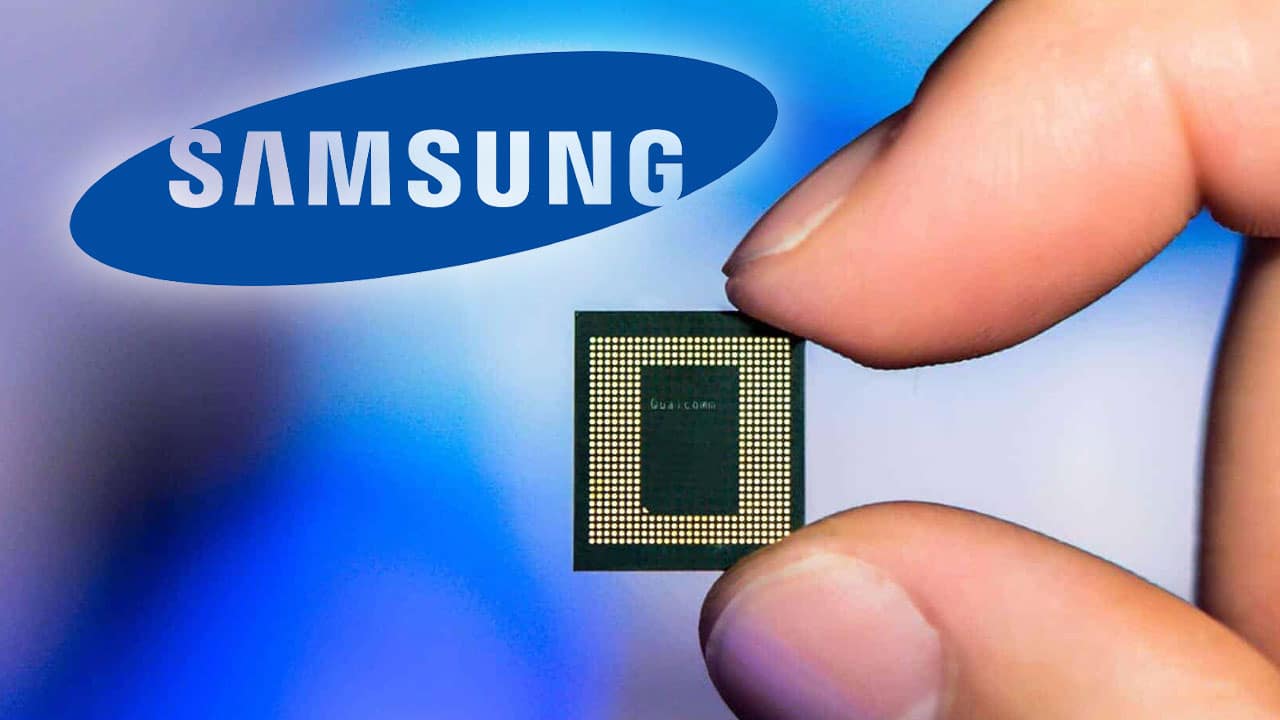
    Samsung Electronics, which is vying with Taiwan’s TSMC for market dominance, declared on Thursday that it had begun mass producing advanced 3-nanometer microchips.

    Before being employed in devices like mobile phones, the new chips will be used in high-performance computer applications. They will be smaller, more powerful, and efficient.

    The first-generation 3nm technology, according to Samsung, “can reduce power consumption by up to 45 per cent, boost performance by 23 per cent, and reduce the area by 16 per cent” when compared to the 5nm process.

    The South Korean company stated last month that it would “push ahead the mass production of chips based on the 3-nanometer technology” with a five-year plan to invest 450 trillion won (US$356 billion).

    Only two businesses, Samsung and Taiwan’s TSMC produce the great majority of the most sophisticated microchips in the world, and both are currently operating at maximum capacity to address a global shortage.

    Although it dominates the memory chip market, Samsung has been unable to keep up with TSMC in the advanced foundry sector.

    According to TrendForce, TSMC holds a majority of the worldwide foundry business with clients like Apple and Qualcomm, while Samsung is in second place with a market share of about 16 per cent.

    As per the company’s 2021 annual report, TSMC intends to start 3-nanometer technology volume production in the second half of this year and 2-nanometer technology development last year.


  • Cellular companies raise call and data bundle prices

    Cellular companies raise call and data bundle prices

    Telecommunications companies in Pakistan, such as Jazz, Telenor, and Ufone, have raised the prices of various call and data package offers.

    According to Propakistani, Jazz has notified its customers of the price increase, and the company has revised the subscription fees for the YouTube and social packages for one week from Rs115 to Rs120, while the price of the WhatsApp package has increased from Rs21 to Rs23 for one week.

    Jazz prepaid monthly premium, which includes 25GB of monthly data and 250 all-network minutes, remains unchanged at Rs650.

    Due to rising inflation, Ufone has also raised its prices. UPower is now priced at Rs120, up from Rs100 previously. The price of SuperCard Plus increased from Rs649 to Rs699 on June 29, 2022. The price of Super Card Gold has also risen by more than Rs100, from Rs999 to Rs1,099.

    Read more: Number of 3G, 4G users in Pakistan increases to 113.89 million

    Telenor package prices have also increased. On June 22, 2022, the price of EasyCard increased from 500 to Rs550; on June 29, 2022, the price of EasyCard increased from Rs650 to Rs700; and the monthly social pack plus increased to Rs100.

    Telecom companies claim that a price increase is required to maintain service quality as inflation rises.

  • Vintage camera auctioned for PKR 3.1 billion

    Vintage camera auctioned for PKR 3.1 billion

    Leica’s inventor Oskar Barnack’s camera was up for bids and was anticipated to bring in a nice little PKR 753 million ($3 million). The Leica 0-Series Model 105 owned by Barnack has now sold for PKR 3.1 billion ($15 million), that is five times the original bid making it the priciest camera ever sold.

    According to RobbReport, the camera owned by Oskar Barnack was put up for auction and was predicted to fetch $3 million.

    The company released the 0-Series to test the market two years prior to the release of the Leica A. Only about 22 were ever produced, and today there are fewer than 12 left, according to the Leitz Auction.

    Oskar Barnack, the man who created Leica, owned camera number 105; his name is inscribed on the Galilean viewfinder. (This is the kind of viewfinder found in older cameras.)

    This camera was reportedly used by Barnack until 1930, when he gave it to his son Conrad and switched to the Leica I Model C, which has interchangeable lenses. The 0-Series Model 105 was still in Barnack’s family up until 1960, when it was acquired by an American collector.

    With the anticipation that the camera would bring in around three million euros, bidding started at one million euros. A little over $15 million, or 14.4 million euros, was the final selling price. It surpasses the old best set by the auction house, which realised $2.5 million from the sale of a Leica 0-Series no. 122 in 2018.

    In addition to the heavily altered camera (which Barnack used for photographic research), the wealthy buyer will also get the original leather lens cap, an aluminium cap personalised with Barnack’s initials, and correspondence related to the Model 105.

    There were plenty of other intriguing pieces of Leica equipment and memorabilia up for auction, though none have been quite as remarkable as the Model 105.

    A black-paint Leica MP brought in $100,000, while one of Barnack’s original prints created in 1914 on an Ur-Leica sold for $9,400. Leica MP Unique Gold, another object about which we had previously written, sold for just over $75,000 at auction.

  • Google is officially killing Hangouts in November

    Google is officially killing Hangouts in November

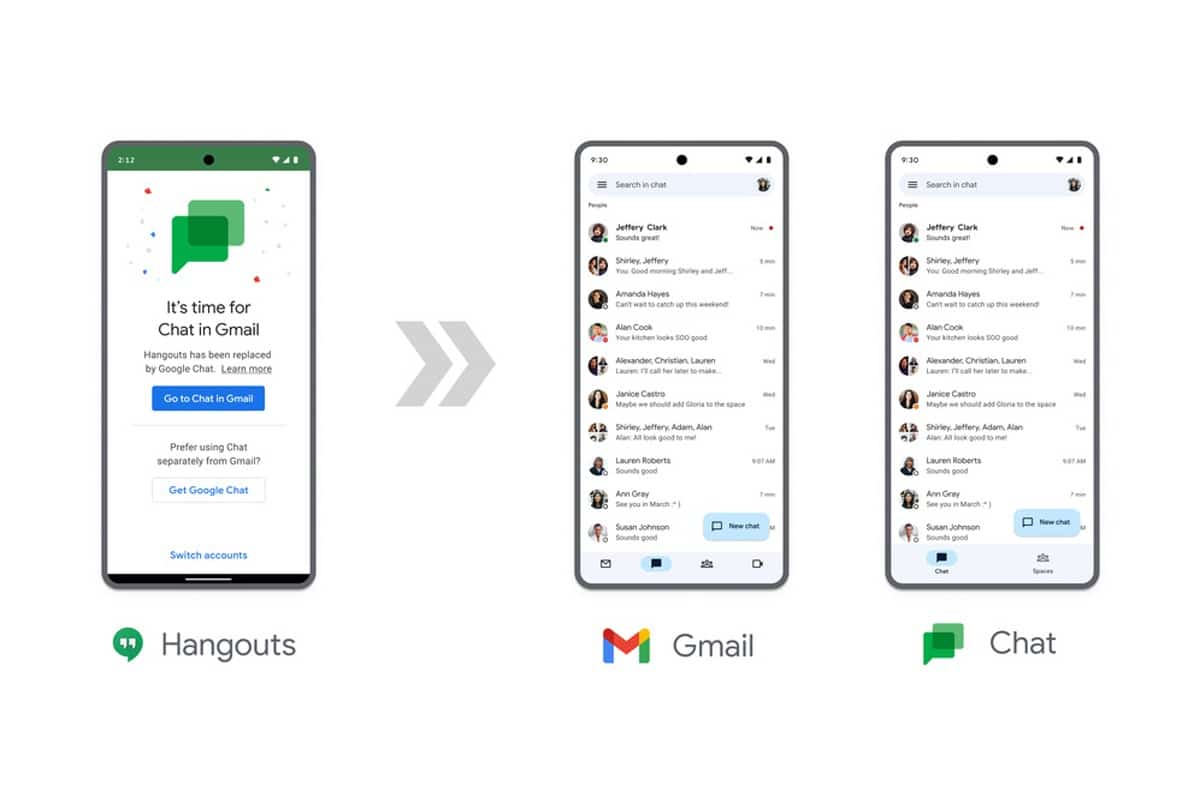
    Google has announced that it will suspend Google Hangouts in November this year, moving all existing users to Google Chat.

    Hangouts will be available on its desktop site until November, and Google says it will alert users at least a month before it starts pointing the Hangouts site to Chat.

    The tech giant will allow users to obtain a copy of your Hangouts data with the help of its Takeout service before its suspension.

    Moving to Google Chat opens up new and adequate ways to connect and collaborate. For example, users can edit Docs, Slides, or Sheets with side-by-side editing, making it more comfortable to cooperate while continuing the conversation.

    The ability to make direct calls, create in-line threads in Spaces and the ability for users to share and view multiple images and videos are among the new features that Google is currently rolling out.

  • Crypto heist: Hackers steal $100 million from Harmony blockchain bridge

    Crypto heist: Hackers steal $100 million from Harmony blockchain bridge

    A blockchain bridge titled Harmony, which helps in transferring cryptocurrency tokens between each other, recently disclosed that $100 million in digital currency was stolen on Thursday morning from its Horizon bridge.

    Harmony revealed that its Horizon Ethereum Bridge was a victim of a “malicious attack” in a blog post outlining the incident.

    Harmony said that its separate bridge used for bitcoin wasn’t affected by the hack and that its funds and assets are safe. They have notified other exchanges and stopped its bridge “Horizon” to prevent further transactions as the company investigates the heist. 

    In order to track down the hacker and recover the stolen money, the platform has started working with local law enforcement and forensic experts.

    The hack and ransacking of Horizon weren’t the first this year. In March, cybercriminals stole about $620 million worth of cryptocurrency from a network used to process in-game transactions for Axie Infinity, one of the world’s most popular NFT video games.

  • LG Electronics is stepping into EV charging business

    LG Electronics is stepping into EV charging business

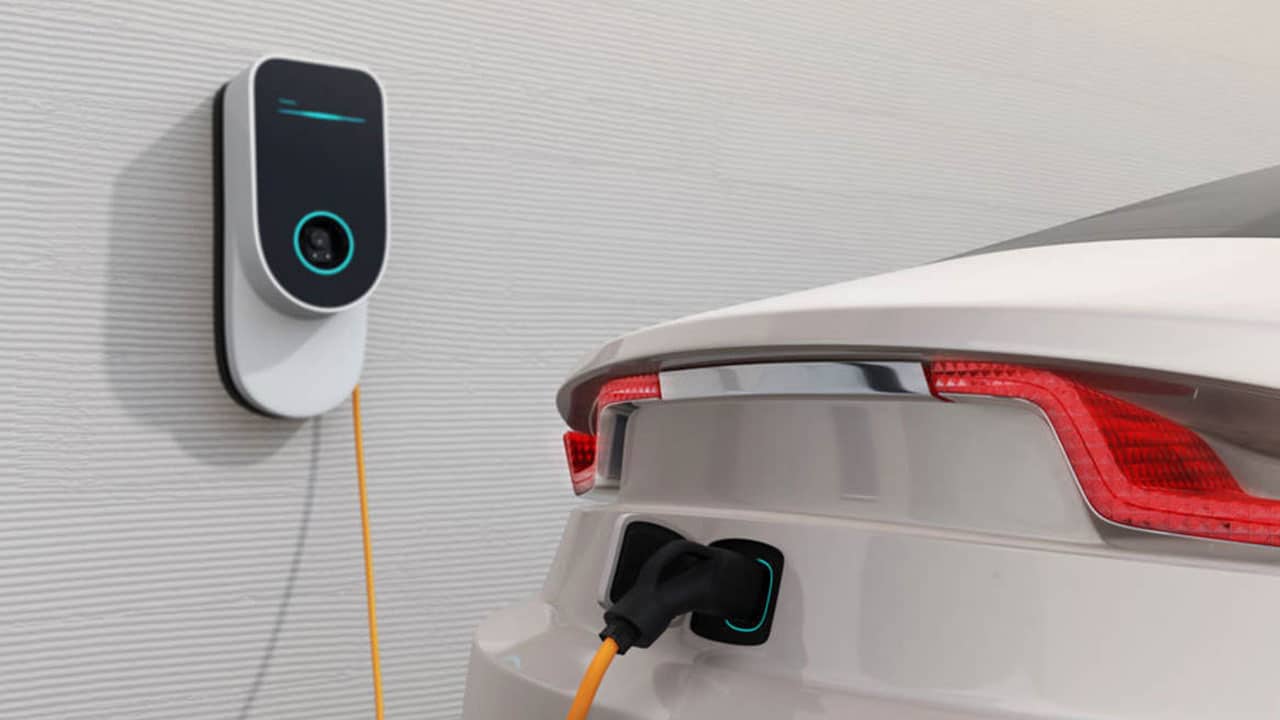
    As the worldwide competition to produce everything linked to EVs intensifies, LG Electronics has acquired AppleMango, a South Korean developer of electric car battery chargers.

    The acquisition, which was done in partnership with GS Energy, a producer of EV charging stations, and GS Neotek, a provider of IT services, will enable LG to take advantage of upcoming commercial prospects.

    According to Paik Ki-mun, senior vice president of LG Electronics, “the EV charging market is likely to increase significantly due to the surging demand for more environmentally friendly automobiles.”

    “We will provide specialised, integrated vehicle charging solutions for a variety of customers, boosting the competitiveness of our existing and assuring our preparation for future prospects,” the statement reads.

    In AppleMango, which will now be a subsidiary of LG Electronics, LG Electronics purchased a 60 per cent share, while GS Energy and GS Neotek acquired 34 and 6 per cent, respectively.

    The deal’s financial details were kept between the firms. The projected cost of the transaction is $7.8 million, according to rumours.

    In order to concentrate on its growing markets, such as electric cars, the internet of things (IoT), and B2B solutions, LG Electronics shut down its loss-making mobile business about a year ago.

    To make EV charging in South Korea a pleasant and simple experience for drivers, LG Electronics is prepared to take advantage of its experience in developing user-friendly interfaces.

    The company added that by entering the EV charging market, LG can increase the synergy between its work on EV batteries, energy storage systems, energy management solutions, and chargers.

    By the end of this year, the tech giant intends to establish an EV charger production line at LG Digital Park in South Korea with the goal of offering specialised EV charging options for private houses, retail establishments, lodging facilities, and public organisations.

    The acquired company brings to the acquisition a wide range of EV charging solution technologies, from slow chargers to rapid chargers for household and commercial use.

    LG did not specify whether it planned to continue selling AppleMango’s chargers.

  • Italian spyware hacks Apple and Android smartphones

    Italian spyware hacks Apple and Android smartphones

    A report released on Thursday by Alphabet Inc.’s Google revealed that a hacking tool created in Italy was used to spy on Apple Inc. and Android smartphone users in Kazakhstan and Italy.

    The report claimed that RCS lab, a Milan-based company whose website lists European law enforcement agencies as clients, created tools to spy on the private messages and contacts of the targeted devices.

    Regulators in Europe and America have been considering possible revisions to the laws governing the sale and import of spyware.

    “These vendors are enabling the proliferation of dangerous hacking tools and arming governments that would not be able to develop these capabilities in-house,” Google said.

    According to Billy Leonard, a senior researcher at Google, the hackers occasionally collaborated with the target’s ISP, which suggests that they had connections to the government.

    Requests for comment from the governments of Italy and Kazakhstan were not immediately returned. According to a spokesperson for Apple, the company has cancelled all known accounts and certificates linked to this hacking campaign.

    According to RCS lab, its goods and services are compliant with European regulations and support criminal investigations.

    Government spyware has become a growing global industry in recent years. More and more businesses are being accused of supporting governments that, in some cases, use these tools to repress civil and human rights.

    When it was discovered that numerous governments were using the Pegasus spyware from Israeli surveillance firm NSO to spy on journalists, activists, and dissidents, there was a widespread outcry against the industry.

  • Elon Musk gets board approval for $44 billion Twitter deal

    Elon Musk gets board approval for $44 billion Twitter deal

    Twitter’s board of directors unanimously recommended Tuesday that shareholders support Elon Musk’s $44 billion acquisition of the company, according to a US Securities and Exchange Commission filing.

    Elon Musk, CEO of Tesla and SpaceX, agreed to buy Twitter in April. Still, the business mogul has faced numerous roadblocks in his pursuit of Twitter, but he is now one step closer to closing the deal.

    Twitter board stated in an investor statement included in the SEC filing that it “decided that the merger agreement is advisable and that the merger and the other transactions contemplated by the merger agreement are fair to, prudent, and in the best interests of Twitter and its stockholders.”

    The letter did not specify a date for the vote, but Bloomberg reported that it could happen in late July or early August.

    Though the company’s share price has fallen significantly from the $54.20 per share that Musk initially proposed, he signalled his intention to proceed with the transaction in a meeting with Twitter employees last week when he allegedly stated his desire for 1 billion subscribers. Twitter has declined to comment further.

    Given that the group had previously authorised the acquisition, the board’s suggestion came as no surprise, but it is the latest stage in a lengthy process fraught with twists, turns, and uncertainty.

    Musk previously threatened to withdraw from the agreement if Twitter could not provide proof that less than 5 per cent of its accounts were bots. Later, he accused Twitter of “actively fighting and blocking” his request for bot data, but the company appears to have decided to release the data.

    The business mogul told Bloomberg on Tuesday at the Qatar Economic Forum that the bot issue and shareholder approval are two of three issues that must be resolved before the sale can be completed. According to Musk, the third source of concern is whether the debt portion of the transaction will be completed.

    Musk stated that he is willing to revise the terms of the agreement, stating that a cheaper price is not “out of the question.”

    Twitter, on the other hand, has clarified that it does not plan to restructure the current agreement. In April, Twitter co-founder and former CEO Jack Dorsey expressed his support for the deal, saying Musk is the “singular solution” he believes in.

  • Here’s how to build your new laptop without going to a shop

    Here’s how to build your new laptop without going to a shop

    As online purchasing and selling have evolved, you can now choose and order a laptop from a number of Pakistani websites without going to the market in person.

    Some of the most popular websites for online shopping include Daraz, laptopmart.pk, myshop.pk, mrlaptop.pk, telemart.pk and OLX.

    There is a distinct and significantly more effective website that delivers much more than just selling factory goods. The laptop shopping website paklap.pk offers a variety of brands from which you can choose one of your preferred models. Whatever brand or model you’re looking for, Paklap has it, from boxy Lenovo Thinkpads to sleek Apple MacBooks.

    The platform’s most intriguing feature is that it even lets you select your preferred RAM, HDD storage, and SSD storage and provides a precise cost estimate for the laptop after your chosen upgrades. In addition to laptops, the website lists a wide range of computer accessories and numerous gadgets for online shoppers at affordable prices.

    Building your new laptop and obtaining an exact price quote while you’re still in bed seems like a brilliant idea, particularly for those who lack the time to go to the market, haggle, and inquire about the cost of each upgrade.

    Despite the minimal effort, you should still confirm or check the market prices of each item you intend to purchase.

  • PTA temporarily unblocks non-compliant smartphones

    PTA temporarily unblocks non-compliant smartphones

    A number of Pakistani users have regained cellular connectivity on smartphones that are not PTA compliant. This led many customers and sellers to believe that the PTA had unblocked all non-PTA-approved phones.

    Unfortunately, all of the reports claiming that the PTA has unblocked non-tax compliant phones are false as the majority of imported phones with unpaid taxes, are still blocked by the Pakistan Telecommunication Authority (PTA) and cannot work with any cellular networks in the country.

    They can, however, continue to use Wi-Fi connections like before. Some people with unapproved phones had their phones unblocked at random in recent weeks, allowing them to reconnect to cellular networks.

    The telecommunications authority has made clear that it has unblocked an undefined number of non-approved phones solely to motivate people to pay taxes and have their phones properly unblocked.

    According to PTA spokesperson Khurram Ali Mehran, this was just a persuasive drill to get people to authenticate their phones and pay taxes, no matter how expensive they are.

    He stated that the PTA chose to unblock the phones at random and that they will all be blocked again within two months.