Category: Tech

  • Facebook employees stage walkout after ‘Mark Zuckerberg refuses to take action against Trump’s posts’

    Facebook employees stage walkout after ‘Mark Zuckerberg refuses to take action against Trump’s posts’

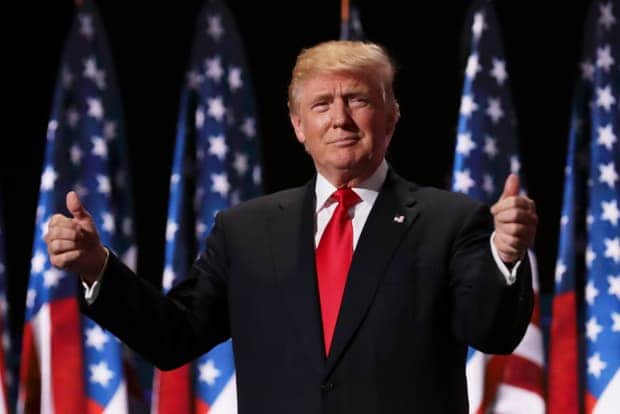
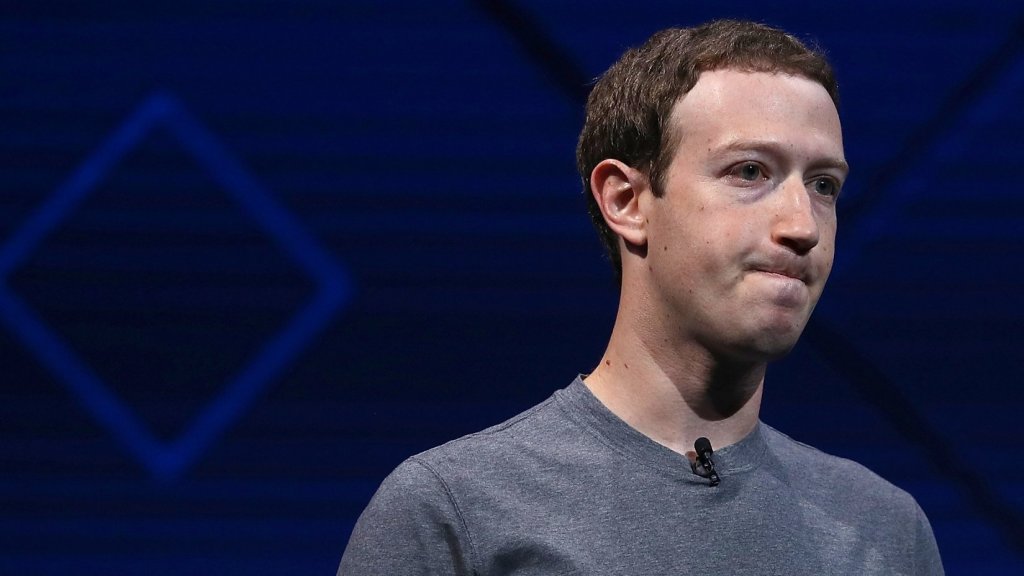
    Facebook employees have walked away from their work-from-home desks and taken to Twitter to accuse Chief Executive Officer (CEO) Mark Zuckerberg of not taking a stand against United States (US) President Donald Trump’s hateful posts on social media.

    As per the details, Reuters observed dozens of tweets against Mark in what was a rare case of the social media giant’s staff publicly standing against its CEO. 

    Thousands of people, including seven engineers of teams that maintain the react code library critical for Facebook’s apps, were among those who tweeted.

    Mark is wrong and I will endeavour in the loudest possible way to change his mind,” said Ryan Freitas, director of product design for Facebook’s newsfeed. He added that he mobilised more than 50 like-minded people to lobby for internal change.

    https://twitter.com/ryanchris/status/1267252760182788096?s=20

    Katie Zhu, a product manager at Instagram, tweeted a screenshot showing she had entered “#BLACKLIVESMATTER” to describe her request for time off as part of the walkout.

    https://www.instagram.com/p/CAwHG02JH8P/?utm_source=ig_web_copy_link

    Facebook Inc will allow its employees to take part in the protest and will not draw down their vacation days, said spokesperson Andy Stone. 

    Talkspace CEO Oren Frank tweeted he would “not support a platform that incites violence, racism, and lies”. The online therapy company also announced that it had ended partnership discussions with Facebook. 

    https://twitter.com/orenfrank/status/1267504648275005440?s=20

    It is worth mentioning here that Facebook CEO landed in hot water when he told Fox News that private social media platforms “shouldn’t be the arbiter of truth of everything that people say online”.

    President Trump retweeted the interview that had come after Twitter flagged his tweet about mail-in ballots as misleading.

    https://twitter.com/TwitterSafety/status/1265838823663075341

    It wasn’t later that Twitter responded to another Trump tweet pertaining to countrywide riots, for glorifying violence. Twitter covered up the tweet with a message warning it “violated Twitter rules about glorifying violence”.

    The viewers had to click on the message to see the underlying tweet.

    Trump posted the same message on Facebook, but Mark decided to let it stand unchallenged. “I have been struggling with how to respond to the president’s tweets and post all day,” he wrote in a post Friday. 

    “Personally, I have a visceral negative reaction to this kind of divisive and inflammatory rhetoric,” he said, adding that the company’s position, however, was that it should enable as much expression as possible unless it would cause an imminent risk of specific harms or dangers spelt out in clear policies.

    “I don’t know what to do, but I know doing nothing is not acceptable,” Jason Stirman, a member of Facebook’s research and development team, wrote on Twitter in response to Mark.

    Should Facebook also move towards policing Trump’s posts? Let The Current know in the comments.
  • Pakistan deploys militant-tracking technology to trace coronavirus patients

    Pakistan deploys militant-tracking technology to trace coronavirus patients

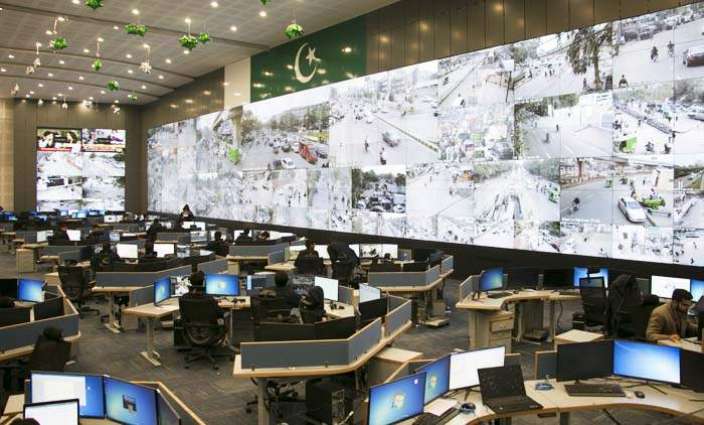
    Pakistani intelligence service is deploying surveillance technology to track suspected and confirmed patients of coronavirus, which is usually used to locate high-value militants.

    The development came after Prime Minister (PM) Imran Khan announced seeking assistance from the Inter-Services Intelligence (ISI) for tackling the virus.

    Details of the project have not yet been made public but two officials told AFP that the spy agency was using geo-fencing and phone-monitoring systems for monitoring.

    Geo-fencing, a strategic tracking system alerts authorities when a suspect leaves a specific geographic area. This tool is also helping officials to monitor neighbourhoods during the lockdown.

    Authorities are also tapping phone calls of COVID-19 patients to check, whether their contacts are talking about having symptoms.

    Speaking on conditions of anonymity, a senior security official said that the trace-and-track system helped authorities track the mobile phones of coronavirus patients as well as anyone they get in touch with before or after their disappearance.

    “The government has been successful in tracing even those who tested positive but went into hiding,” added the official.

    “It was originally used against terrorism, but now they can be used effectively to trace-and-track corona patients,” they maintained.

    Rights groups, on the other hand, are concerned that institutions with such power can abuse their sweeping surveillance to curb political dissidents.

    Countries across the world have employed track-and-trace methods to control the virus spread, raising privacy concerns.

    More than 61,000 people in Pakistan have tested positive and more than 1,200 patients have died.

  • Twitter labels Trump’s tweets as ‘potentially misleading’ for the first time

    Twitter labels Trump’s tweets as ‘potentially misleading’ for the first time

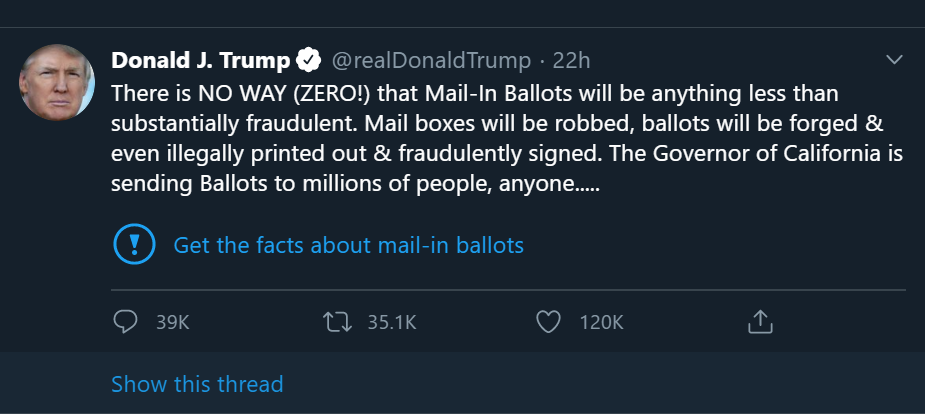
    In a first, Twitter has labelled two tweets by United States (US) President Donald Trump making false statements about mail-in voting as “potentially misleading“.

    The two tweets, which were labelled as misleading after Twitter fact-checked Trump’s claims for the first time, had claimed that “mail-in ballots will be anything less than substantially fraudulent” and would result in “a rigged election”.

    The tweets were primarily about California’s effort to expand mail-in voting due to the novel coronavirus pandemic. On Sunday, the Republican National Committee sued California Governor Gavin Newsom over the state’s moves to expand mail-in voting.

    Twitter’s spokesperson said that the tweets “contain potentially misleading information about voting processes and have been labelled to provide additional context around mail-in ballots”.

    The label attached to tweets of President Trump says “get the facts about mail-in ballots,” that link leads to a collection of tweets and news articles debunking the president’s statement.

    On the fact check page, Twitter writes “Trump falsely claimed that mail-in ballots would lead to a rigged election”. On the contrary, fact-checkers say there is no evidence that mail-in ballots are linked to voter fraud”.

    The move by Twitter comes in line with the new policy introduced earlier this month to curb the spread of “misleading content related to the pandemic”, said a Twitter spokesperson.

    Brad Parscale, Trump campaign manager, responded to Twitter’s decision in a statement. “Partnering with biased fake news media ‘fact-checkers’ is only a smokescreen Twitter is using to try to lend their obvious political tactics some false credibility.”

    Trump responded on Twitter, saying the company is “now interfering in the 2020 Presidential Election” and that the company is “completely stifling free speech”.

    Have something to add to the story? Let The Current know in the comments below.

  • Significant drop in freelance work amid COVID-19, but rates remain stable

    Significant drop in freelance work amid COVID-19, but rates remain stable

    The global coronavirus pandemic has not only affected regular jobs but changed the landscape of freelance work as most Pakistani freelancers observe a decrease in demand amid COVID-19.

    Freelancers form more than 100 countries, including Pakistan, have shared insights with a digital payment platform called Payoneer, saying that freelance work has dropped drastically.

    The results of the survey show that businesses and companies have cut freelancing costs and halted new projects and contracts.

    Payoneer’s report titled ‘Freelancing during COVID-19’, showed 64 per cent of Pakistani freelancers, 33 per cent of whom are graphic designers, said that the demand for work had dropped significantly.

    15 per cent of freelancers said that the demand remained usual, while 18 per cent reported that demand for their services had increased.

    Regarding the strength of team , 24 per cent Pakistani freelancers said they would maintain the same team or grow it while 9 per cent said they would cut down on team members.

    In Pakistan, 82 per cent of freelancers said the demand will increase after COVID-19. However, they predict a more competitive landscape.

    According to the survey, freelancers who work with international clients based in North America and Europe saw the highest slowdown in demand. Those with clients in Asia and Australia, saw less of a decrease in demand for freelance projects.

    Globally, the report pointed out, freelancing rates, however, remained stable despite the slowdown.

  • Microsoft Solitaire turns 30, still has 35 million monthly players

    Microsoft Solitaire turns 30, still has 35 million monthly players

    Microsoft’s card game Solitaire is celebrating its 30th anniversary today.

    The card game, which was initially known as Windows Solitaire, is still one of the most played games in the world. According to reports, more than 35 million people around the world play it monthly.

    Microsoft Solitaire was originally included as part of Windows 3.0 back in 1990, designed specifically to teach users how to use a mouse. Grabbing virtual cards and dropping them in place taught the basics of drag-and-drop in Windows, which we still use today in many parts of the operating system.

    Solitaire was included in the world video game Hall of Fame in 2019 due to its huge popularity. It has also been translated into 65 languages.

    The new app of Microsoft Solitaire has five new game modes in it, daily challenges, competitive events, Xbox Live integration, and also gives the option to select the difficulty level.

    The game is now available for Windows, IOS, Android and web users.

  • Facebook, Amazon chiefs’ wealth rose 15pc amid coronavirus pandemic

    Facebook, Amazon chiefs’ wealth rose 15pc amid coronavirus pandemic

    Amid the coronavirus pandemic, wealth of the chief executive officers (CEOs) of Amazon and Facebook increased by 15 per cent.

    According to reports, wealth of Jeff Bezos and Mark Zuckerberg witnessed the increase within the past two months.

    More than 600 billionaires in the United States (US) became even richer as tech stocks rose during virus lockdowns.
    Between March 18 and May 19, their total net worth went up by $434 billion while coronavirus continued to cause unemployment around the world.

    Bezos’s wealth grew over 30 per cent to $174.6 billion while Zuckerberg’s fortune increased by more than 45 per cent to $80b billion.

    As per a study conducted by Americans for Tax Fairness and the Institution for Policy Studies’ Programme for Inequality, Amazon and Facebook stocks have surged following new programmes that pushed their businesses ahead at a time when many consumers are stuck at home.

    Reportedly, job losses in the US have surpassed 36.8 million since business shutdowns began in the middle of March to stop the spread of the deadly new disease.

    Data also shows that housing sale and manufacturing businesses also collapsed during the said time period.

    Coronavirus has killed at least 94,700 people in the US where more than 1.5 million infections have so far been confirmed.

  • Lahore police launch app to verify domestic workers

    Lahore police launch app to verify domestic workers

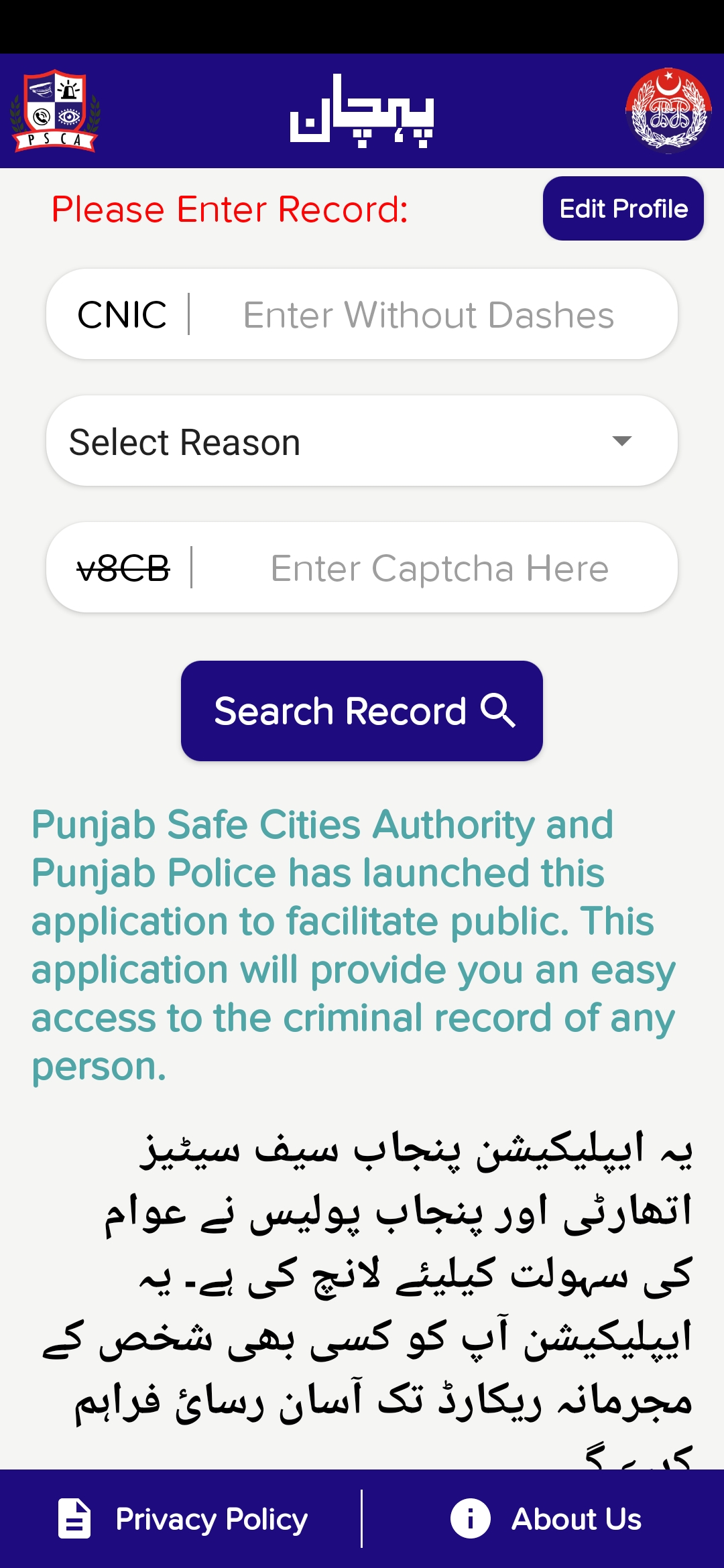
    The Lahore police have introduced the ‘Pehchaan App’ so that the public can access FIR and criminal records before hiring a domestic worker.  

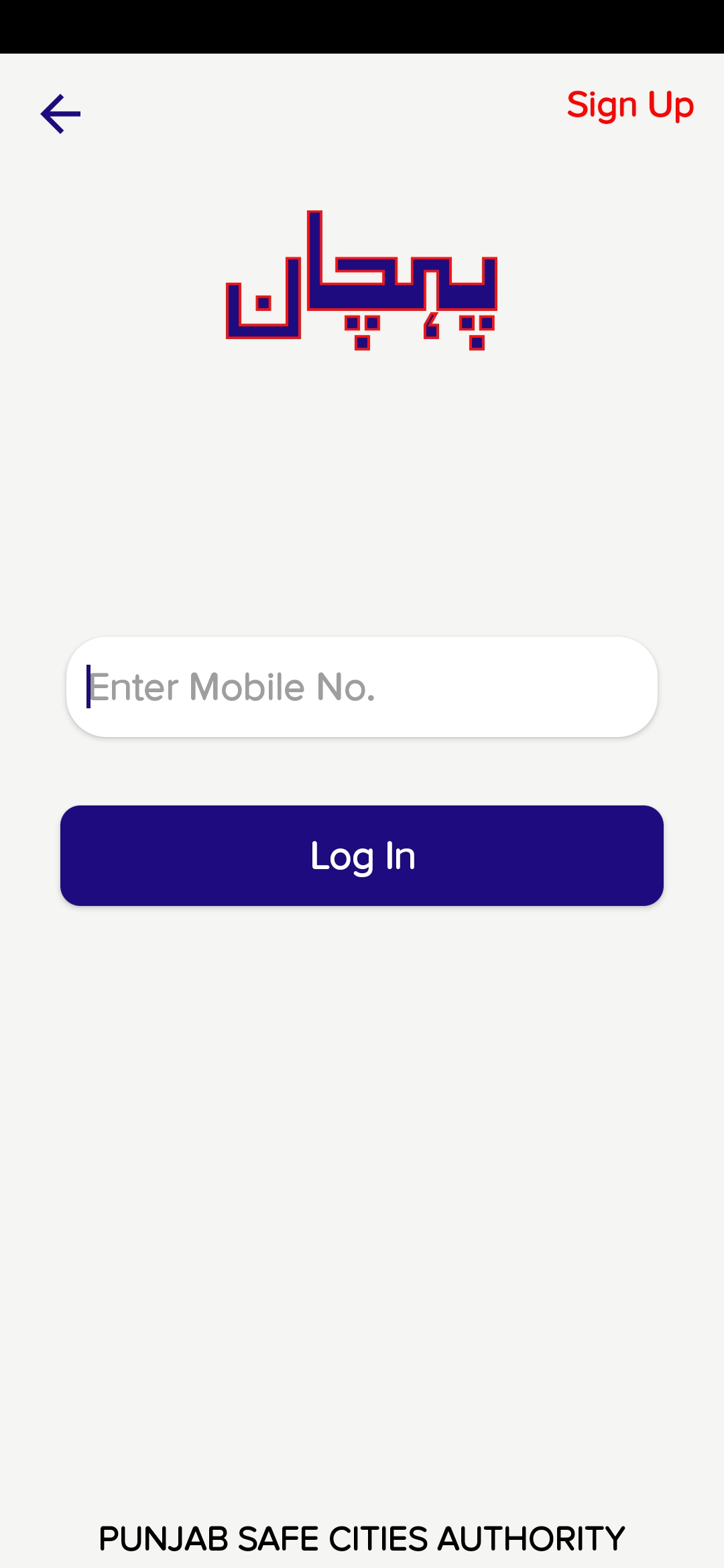
    The Pehchaan App is easily available on the App Store and anyone can download it. Users have to register with CNIC number before accessing records.  

    An inaugural ceremony was held at the Capital City Police Officer (CCPO) Lahore Zulfiqar Hameed’s office. The smartphone application is developed with the help of Punjab Safe Cities Authorities (PSCA) by CCPO Hameed.

    DIG Investigation Dr Inam Waheed and SSP Investigation Zeeshan Asghar also attended the ceremony.

    In the initial phase, the App is being introduced in Lahore as a pilot project.  

  • 16-year-old dies playing PUBG

    16-year-old dies playing PUBG

    A 16-year-old boy from Indian state of Tamil Nadu has died of a cardiac arrest while playing popular online multiplayer game Player Unknown’s Battleground (PUBG).

    The deceased, Sathish Kumar, was a second year textile designing student at a polytechnic college.

    Reportedly, the cause of cardiac arrest was intensive involvement in the game for six long hours, after which he collapsed. He started shouting hysterically before collapsing and was taken to a local hospital where he was declared dead.

    There is a common belief that the game causes undue stress and tension that has led to the death of Kumar and a few others. There is a lack of evidence in this regard but video games like these have been known to cause aggression and depression.

    Multiple deaths of PUBG players have been reported previously and playing such games for too long is not recommended.

    While no such incidents have been reported in Pakistan, the death comes days after the Lahore High Court (LHC) directed Pakistan Telecommunication Authority (PTA) to decide whether PUBG should be banned in the country.

    The court was hearing a petition filed by a citizen, Faizan Maqsood, against the online game, seeking its removal from the Google Play Store. The petition said that the game had a negative impact on children and their personalities leading to violent tendencies. The petition stated that the game also had a negative impact on decision making skills of children.

    If PTA does go forward with the ban, Pakistan would not be the first country to take such action as some other countries have already banned the popular online game. Jordan is one of the countries which banned PUBG over its “negative effects”.

  • Singaporean court hands out death sentence through video-link

    Singaporean court hands out death sentence through video-link

    A Singaporean court has handed via video-link the death sentence to a Malaysian man, Punithan Genasan, who was found guilty of being involved in drug trafficking.

    He facilitated the trafficking of 28.5 kilograms of heroin back in 2011, which has a zero-tolerance policy for illegal drug use. He was then extradited in 2016, later he was found guilty and sentenced to death via a Zoom call by high court officials.  

    Singapore’s Supreme Court said in a statement that in line with measures to minimise the further spread of the COVID-19, courts have been conducting hearings, including hearings on criminal matters remotely.

    Therefore, for the safety of all involved in legal proceedings, trials are being conducted virtually. Genasan’s lawyer did not object to the sentence being handed out via video conference.

    Since much of the western world was placed on coronavirus lockdown in late February through March, Zoom’s usage has skyrocketed. This has led to questions about what business the software is and isn’t fit to handle.

    Companies like Google and SpaceX have banned employees from using Zoom out of security concerns. School districts in New York, as well as teachers throughout Singapore, have also been barred from using the software.

  • Iranian hackers attack 3 major Pakistani telecom companies

    Iranian hackers attack 3 major Pakistani telecom companies

    A group of Iranian hackers has targeted three telecom firms in Pakistan and breached data servers, revealed a cyber security company, Symantec.

    While the report does not reveal the names of the companies that were targeted, it discloses that the group uses virtual “tunnels” to stay connected to the victims’ machines without a trace.

    Using virtual tunnel technique, they can also access other machines on the same network to extract valuable information.

    Jon DiMaggio, senior cyber threat analyst at Symantec explained, Iranian “Greenbug” is capable to breach telecom network repeatedly. “As we would close one door, they would attempt to come back from another.”

    Besides, this is not the first time a hacker group has been involved in cyberattacks against telecom companies. According to Symantec, 18 different groups linked to various governments around the globe targeted telecom firms in 2019.

    Telecom companies will always get these cyberattacks because they have valuable information in their databases, says Symantec. Big telecom companies like AT&T and Verizon have heavily invested in protection against cyberattacks, however, not all companies have the same resources.

    The reports recommended firms to keep their systems up to date with the latest security tools and features. There are tools that can automatically eliminate vulnerabilities from the databases of companies.