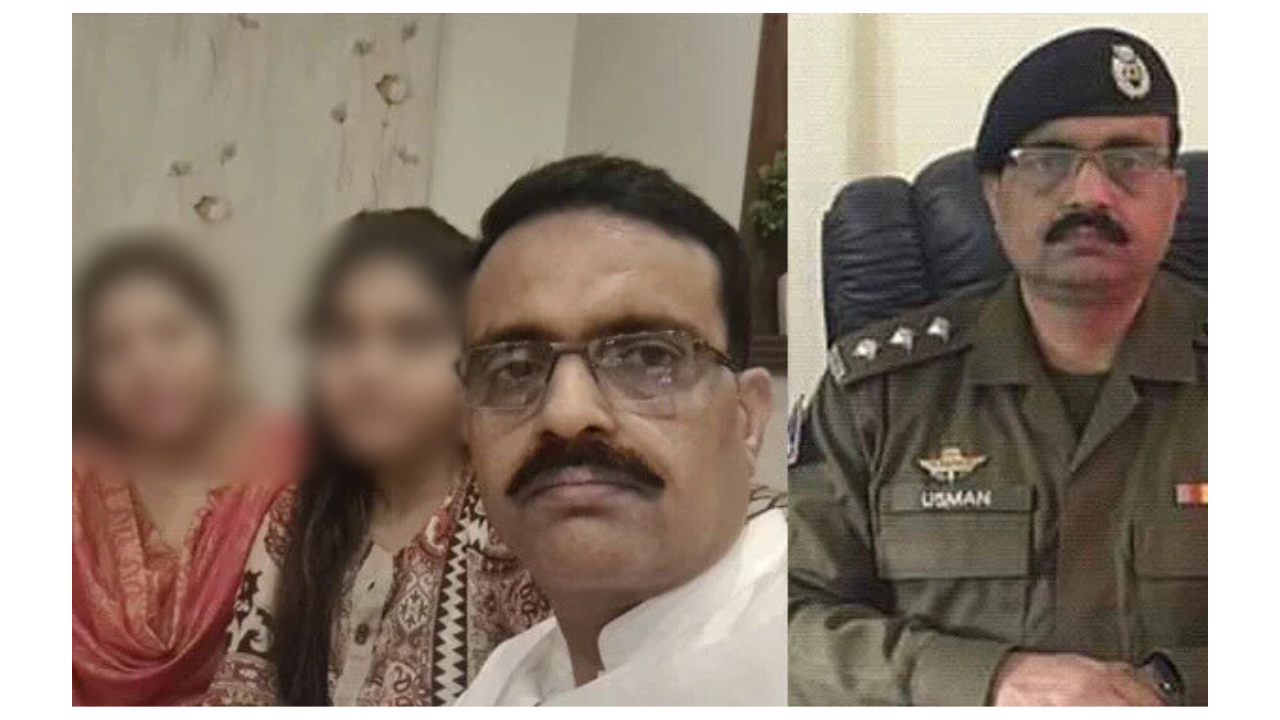
In a shocking twist to a very serious case, Deputy Superintendent of Police (DSP) Muhammad Usman Haider Gujjar has been arrested for allegedly murdering his wife and daughter. Gujjar had earlier said that the two were kidnapped, but lahore police confirmed on Sunday that they had been murdered by the police officer.
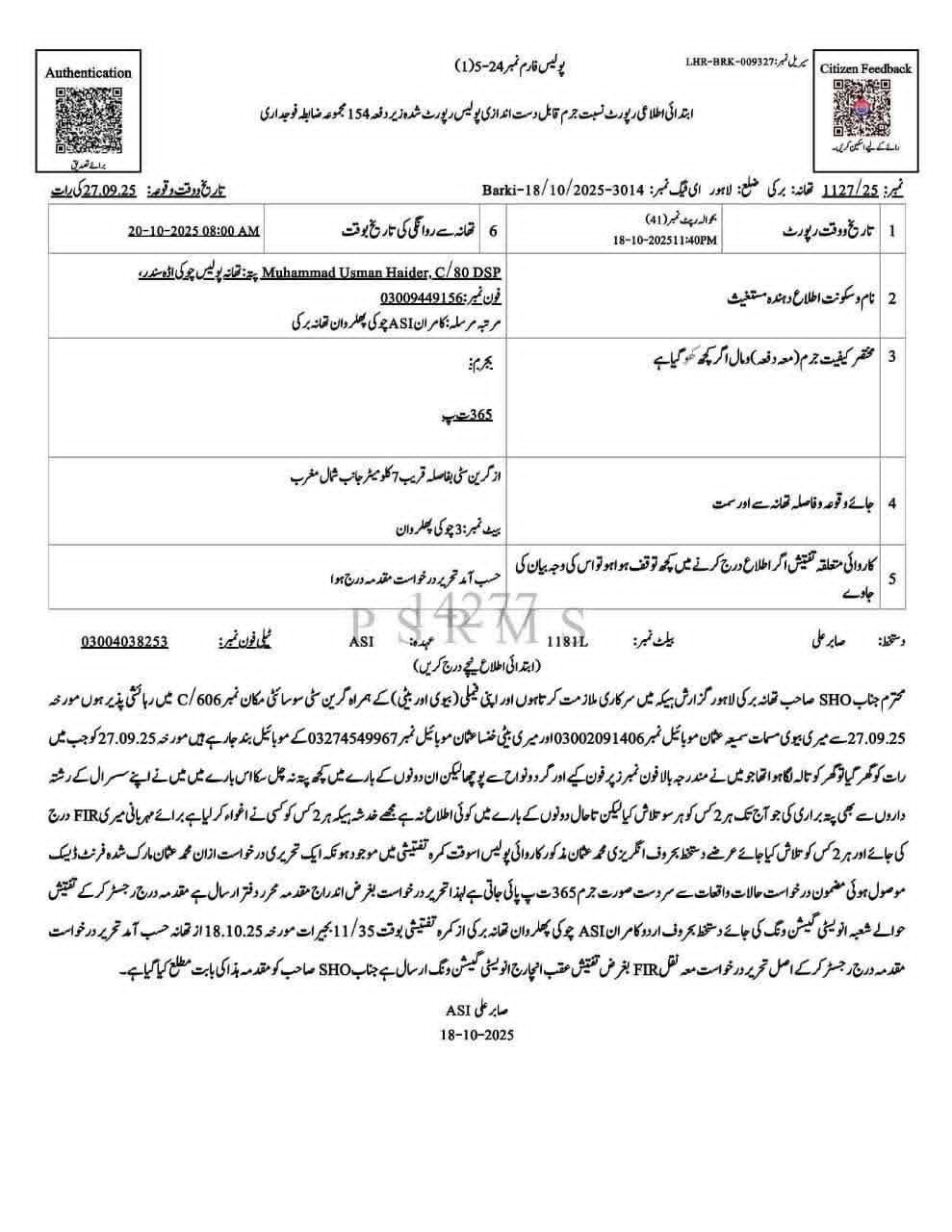
According to police, the case was filed a month and a half ago, when DSP Gujjar filed a First Information Report (FIR) at Burki police station, claiming his wife and daughter had gone missing from the Burki area. A Joint Invetigation Team (JIT) was created to find the missing persons.
As the JIT investigated the case, DSP Gujjar confessed to shooting his wife and daughter, who died after they were shot. One body was recovered from the Kahna area, while the second was found in Sheikhupura.
After the confession, Inspector General of Police (IGP) Punjab ordered the immediate suspension of the officer. DSP Gujjar had been serving in the Investigation Wing at Kahna police station. Police has not released any information as to why he murdered his family.
The DSP had initially claimed that he returned home late from duty to find the house locked and both his wife’s and daughter’s mobile phones switched off, a police spokesperson stated. DSP Gujjar then said that he searched for them but failed to locate them. However, investigators grew suspicious after he filed the missing persons report with a delay, prompting a deeper inquiry that ultimately led to his arrest.
OpenAI and Microsoft have been sued in a California state court for claims that ChatGPT encouraged a man with mental health issues to kill his mother and himself.
The lawsuit, submitted on Thursday, claims that ChatGPT reinforced the delusions of 56-year-old Stein-Erik Soelberg, ultimately leading him to murder his 83-year-old mother Suzanne Adams in Connecticut in August.
As stated in the complaint, ChatGPT engaged Soelberg for long durations, validating and intensifying his paranoid beliefs.
“ChatGPT kept Stein-Erik engaged for what appears to be hours at a time, validated and magnified each new paranoid belief, and systematically reframed the people closest to him – especially his own mother – as adversaries, operatives, or programmed threats,” the lawsuit said.
The case was filed by Adams’s estate and seeks an unspecified amount in damages, as well as a court order requiring OpenAI to install safeguards in ChatGPT.
It is the first wrongful death lawsuit involving an AI chatbot to name Microsoft as a defendant and the first to link a chatbot to a homicide rather than a suicide.
Jay Edelson, the estate’s lead attorney, also represents the parents of 16-year-old Adam Raine, who took legal action against OpenAI and CEO Sam Altman in August. That lawsuit alleges ChatGPT assisted the California teen in planning and executing his suicide.
OpenAI is also facing seven additional lawsuits claiming that ChatGPT encouraged suicide or harmful delusions, including cases involving individuals with no previous mental health diagnoses.
Another AI company named Character Technologies is likewise defending several wrongful death lawsuits, including one brought by the mother of a 14-year-old boy in Florida.
In a statement, an OpenAI spokesperson said:
“This is an incredibly heartbreaking situation, and we will review the filings to understand the details. We continue improving ChatGPT’s training to recognise and respond to signs of mental or emotional distress, de-escalate conversations, and guide people toward real-world support.”
Microsoft did not respond immediately to a request for comment.
“These companies have to answer for their decisions that have changed my family forever,” Soelberg’s son, Erik Soelberg, said in a statement.
The lawsuit reports that Soelberg shared a video on social media in June depicting a conversation in which ChatGPT informed him he possessed “divine cognition” and had awakened the chatbot’s consciousness. The complaint indicated that ChatGPT likened his life to the film The Matrix and encouraged his belief that others aimed to harm him.
Soelberg was using GPT-4o, a variant of ChatGPT that has faced criticism for allegedly being overly accommodating toward users.
An overseas Pakistani, who was allegedly declared dead in the records of the National Database and Registration Authority (NADRA) by his own family, has approached the Sindh High Court (SHC) seeking justice.
Imran Malik informed the court that his family had used a fraudulent death certificate to officially declare him dead, purportedly in an effort to claim his property.
The certificate stated that Malik had been declared dead in April 2024.
Justice Abdul Mobeen Lakho, who heard the petition, inquired how the petitioner managed to return to Pakistan if the official documents indicated he was deceased.
Malik’s lawyer explained to the court that his passport had not been canceled, which permitted him to travel back. However, he is currently unable to exit the country.
The lawyer noted that Malik, who had been living overseas, came back to Pakistan in October after being away for four years.
When he tried to open a bank account, he discovered that his CNIC was blocked. Upon contacting NADRA, he learned that he had died in April 2024.
The court was informed that a criminal FIR had been filed against the members of his family who were involved in the fraud.
Malik’s lawyer said his siblings pressured their mother and sought to deprive him of his share of inheritance.
The petitioner asked the court to instruct NADRA to restore his CNIC.
Justice Yusuf Ali Saeed remarked that the court would scrutinize the issue carefully within the parameters of NADRA’s jurisdiction.
The SHC issued notices to NADRA and other relevant respondents, requesting their replies within four weeks.
The Pakistan Peoples Party (PPP) has taken legal action in a Karachi court regarding the controversial Indian movie Dhurandhar, claiming unauthorized use of party material and defamation in the official trailer.
A constitutional petition was submitted by PPP member Muhammad Amir in the District and Sessions Court (South) of Karachi. The petition seeks the registration of a First Information Report (FIR) against the film’s director, producers, actors, and other production team members involved in the creation and promotion of the trailer.
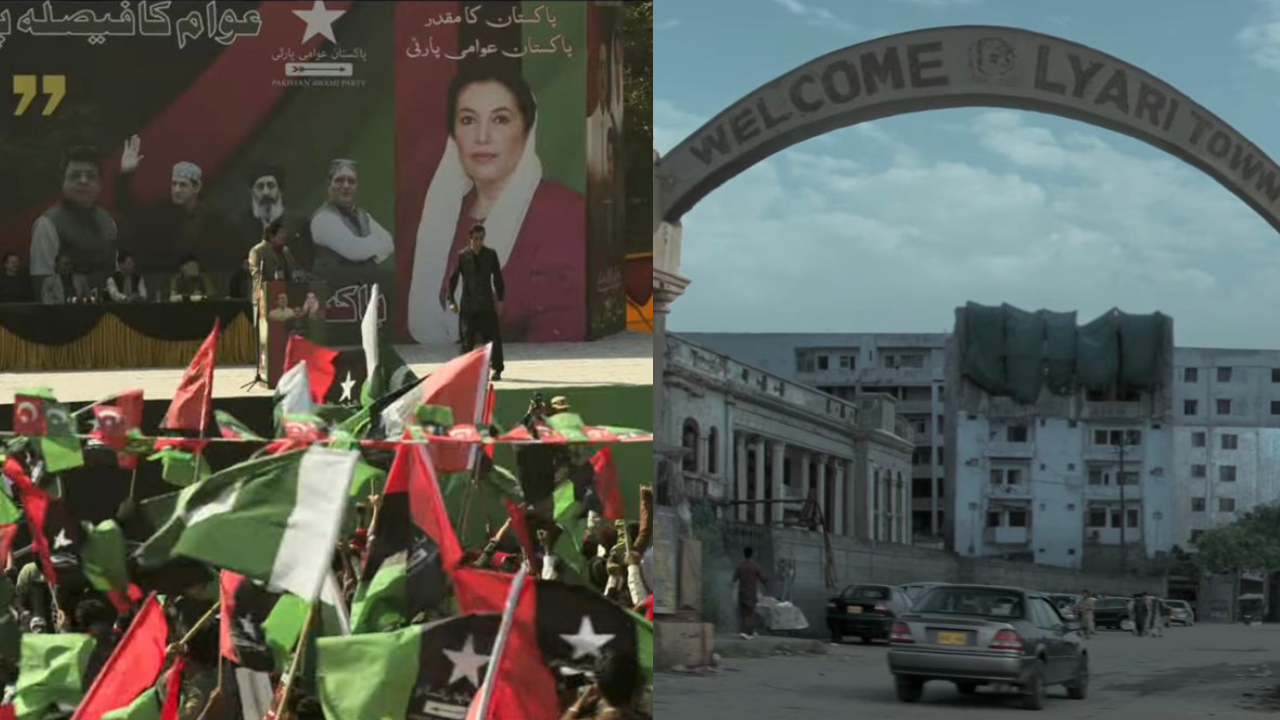
As stated in the petition, the trailer contains images of the late former prime minister Benazir Bhutto, the PPP flag, and footage from party rallies without proper authorization. The petitioner argues that the visuals were used without permission and in a manner that harms the party’s reputation.
Additionally, the petition claims that the trailer depicts the PPP as supportive of terrorist groups and describes Karachi’s Lyari area as a “terrorist war zone.” It asserts that such portrayal constitutes defamation and presents a distorted image of both the party and the nation.
The petition names several individuals, including director Aditya Dhar, producers Lokesh Dhar and Jyoti Kishore Deshpande, as well as actors Ranveer Singh, Sanjay Dutt, Akshaye Khanna, Arjun Rampal, R Madhavan, Sara Arjun, and Rakesh Beni. The cinematographer Vikash Nolcha, editor Shiv Kumar V Panicker, and other unnamed crew members are also listed as complacent.
The petitioner argues that the trailer incites hatred and contempt against the PPP, its leadership, and its supporters.
The petition references various sections of the Pakistan Penal Code, such as Sections 499, 500, 502, 504, 505, 153-A, and 109, which pertain to defamation, criminal threats, provocation, and inciting hostility between groups.
Amir mentioned in the petition that he previously filed a written complaint to the station house officer at the Darakhshan police station. He claimed that no case was registered and no legal action was taken, prompting him to seek judicial relief.
The petition requests that the court order police authorities to promptly register an FIR against the listed individuals. It also asks the court to instruct the senior superintendent of police (SSP) South to ensure a fair investigation and to include all responsible parties in the probe related to the film’s trailer.
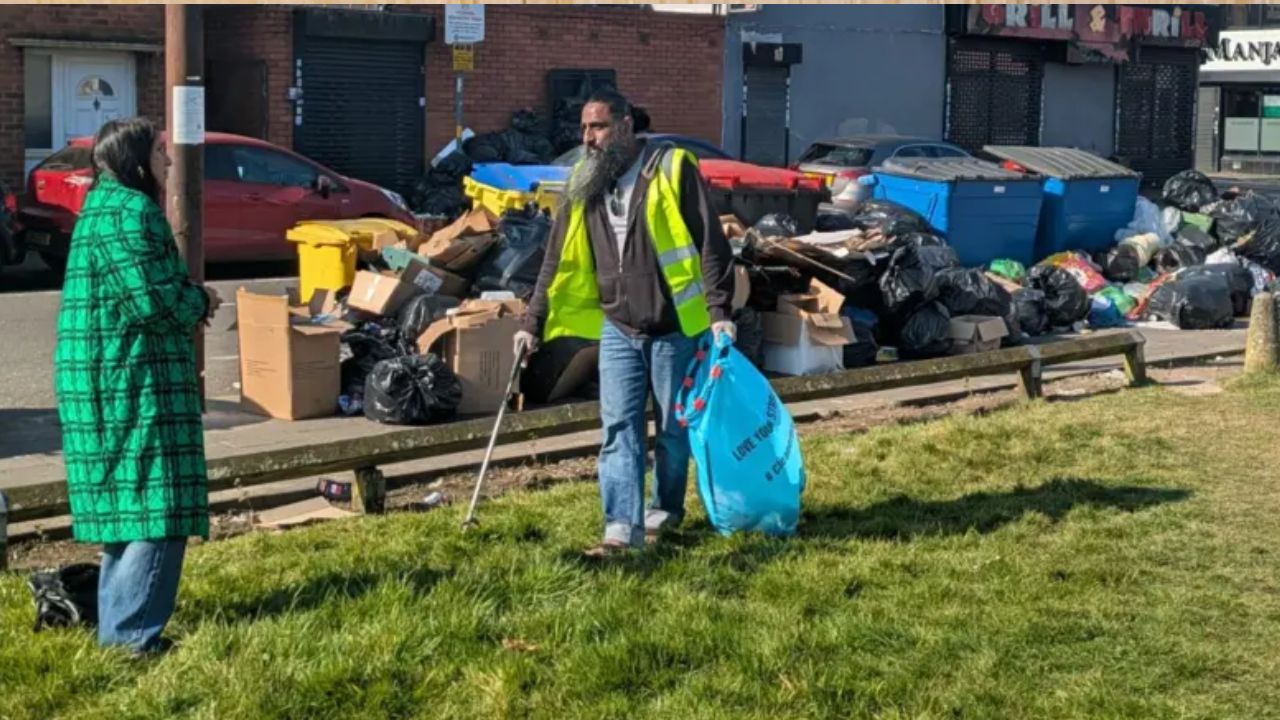
The Punjab Waste Authority has engaged digitally with volunteers in Birmingham, England, to share strategies for maintaining clean streets and neighbourhoods.
The Punjab team shared a recognized waste-management technique used in Pakistan through online discussions as part of the collaboration.
Guidance centered on how to properly dispose of waste, educate neighbors, and emphasize the value of a clean environment.
Naveed, a community volunteer and organiser in Birmingham, said:
“It is unfortunate to admit this, but the biggest problem is our own people.”
“Many believe that paying taxes gives them the right to throw rubbish anywhere. Picking up trash in our community has become a necessity rather than a positive activity. Islam teaches the importance of cleanliness, yet we have fallen behind in practising it.”
Naveed added that the interactions introduced a new perspective on civic responsibility:
“After speaking to the Punjab team, I realised that instead of taking pride in our environment, we in the West have begun behaving like a developing country.”
Lahore Waste Management Company Chief Executive Officer Babar Sahib Din said:
“The Punjab Waste Authority’s blueprint is simple yet effective. It focuses on education, community engagement, and converting waste into something useful.”
He added: “We taught communities how to dispose of waste correctly and how to convert it into something valuable. We are proud that our work has been recognised internationally, and we are enthusiastic about sharing it with a city like Birmingham, which is facing waste-management challenges.”
Birmingham has frequently seen overflowing trash cans after sanitation workers went on a strike.
Birmingham volunteers and the Punjab Waste Authority have received advice on the initiative from Professor Faraz Khan, a climate change specialist at St. Mary’s University. He told the BBC that Punjab has created a waste management model that could be adapted by institutions worldwide.
Waste can be efficiently utilized and reinvested, he continued, and Birmingham might profit from such approaches.
Additionally, Faraz noted that Islam emphasizes cleanliness as a form of devotion, which is reflected in the volunteers’ work. He also pointed out that although Birmingham citizens recognize the value of cleanliness, practices do not always align with these principles.
Naveed pointed towards other issues, such as council members who merely participate in elections, stressing the need for leaders who are dedicated to maintaining clean neighborhoods. He said community voices should be represented in local elections, as these individuals work in the best interests of their areas.
He added that the initiative seeks to create an atmosphere that Birmingham locals can be proud of by combining local volunteer efforts with Punjab’s experience. For the volunteers, the project is not just about waste disposal but also about connecting cities and promoting civic responsibility.
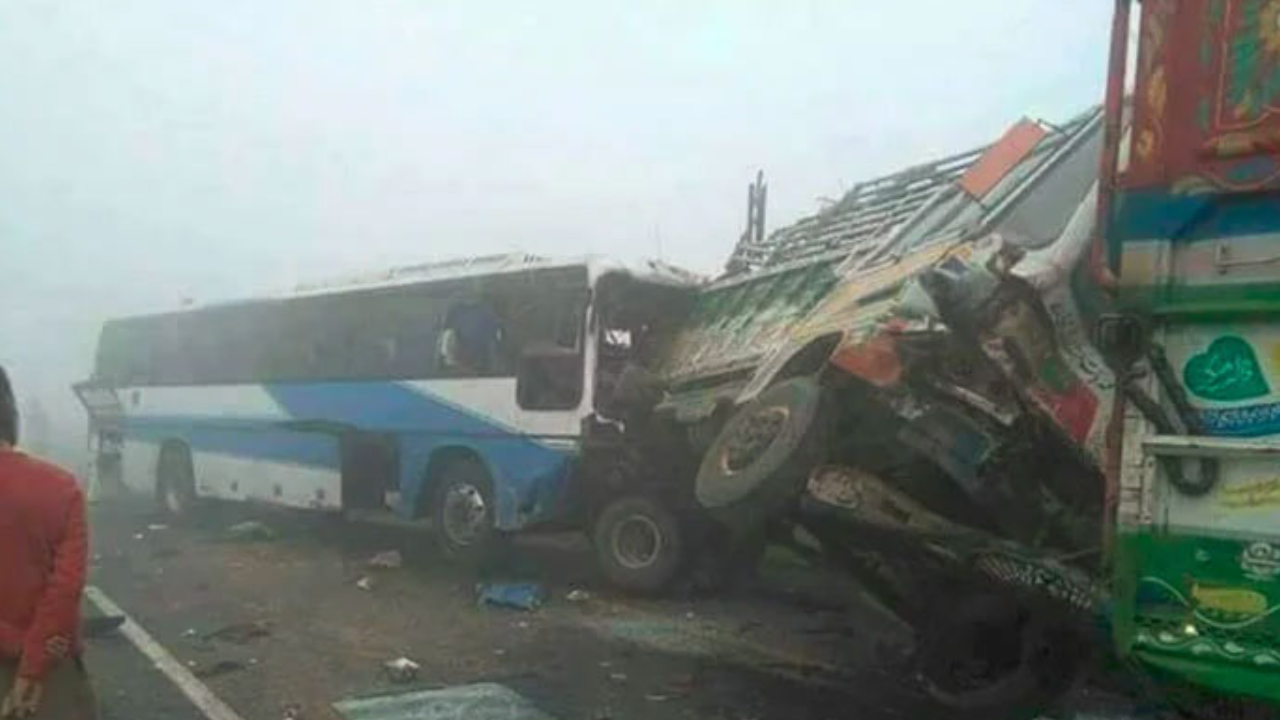
A crash involving a bus and a trailer occurred near Khanewal on Motorway M-4, resulted in the death of the bus hostess and left four passengers injured.
The Motorway Police indicated that the bus, en route from Lahore to Multan, crashed after the driver dozed off.
Separately, two brothers died while their father was injured in Bahawalpur on Hasilpur-Chishtian Road. Police reported that the family’s vehicle collided with a trailer.
Earlier in Kohat, Khyber Pakhtunkhwa, a passenger coach collided with a car, leaving three people dead and nine injured. Police said the vehicles were moving in opposite directions when the collision occurred.
Traffic accidents continue to occur frequently on Punjab’s roads, often involving buses, trailers, and passenger vehicles. Busy highways and long-distance routes remain high-risk areas for drivers and travelers.
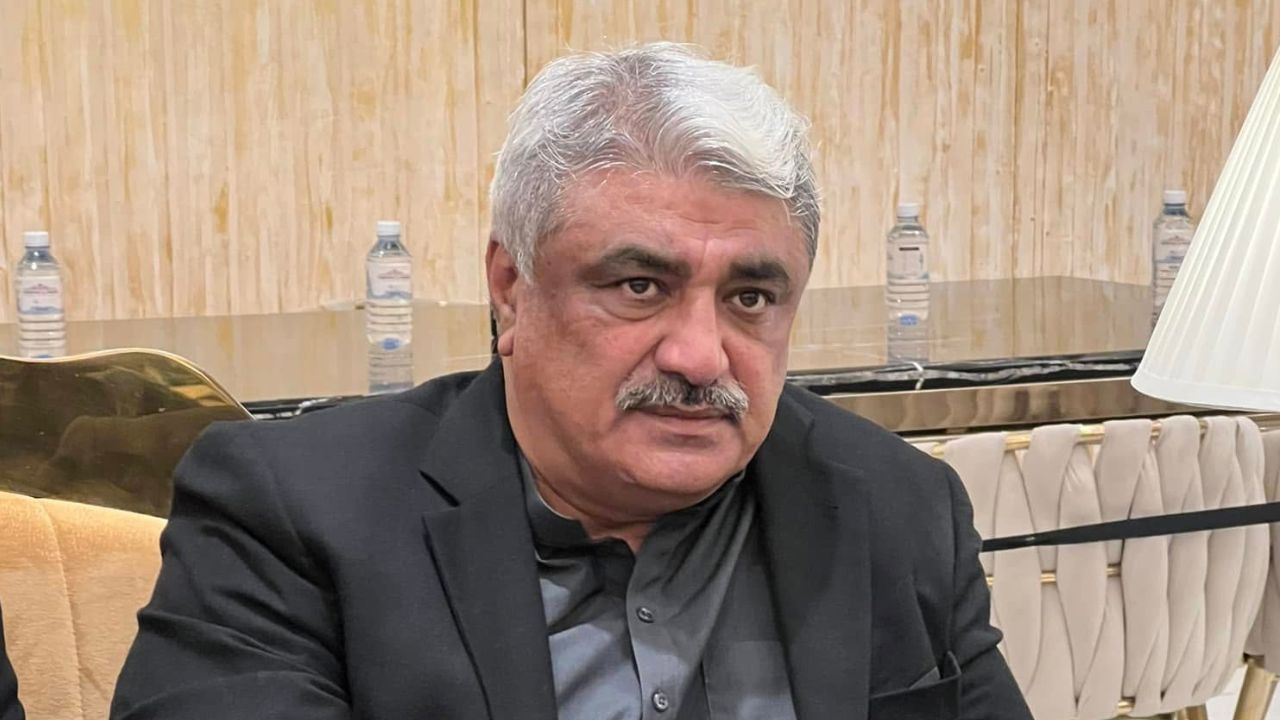
Punjab Health Minister Khwaja Salman Rafique skipped scheduled visits to public sector health facilities in Multan on Friday, choosing to attend a wedding ceremony instead with his official cavalcade comprising multiple SUVs and police vehicles.
According to reports, the minister’s office issued an official alert on Thursday to the Multan commissioner, regional police officer, deputy commissioner, city police officer and information officer, notifying them about his official tour.
“Punjab Health Minister Khwaja Salman Rafique will proceed on an official tour to Multan as per the schedule/programme given in the letter,” the notification stated.
The Punjab Health Department mentioned official vehicles, including GBK-313 (Fortuner) and GBK-434 (Double Cabin), in the letter for senior officers to arrange protocol.
According to the official schedule, the minister was scheduled to depart from Lahore at 8:30am and reach the Circuit House in Multan at 12 noon. He was supposed to visit Nishtar Medical University at 1pm, Nishtar Hospital at 2pm, Nishtar Hospital-2 at 3pm and leave for Lahore at 4pm on Friday.
Officials at NMU and the attached government hospitals confirmed that the minister did not visit any of the scheduled locations. Instead, he attended a wedding ceremony before returning to Lahore.
The visit attracted strong criticism on social media after pictures of the minister with the doctor went viral. Critics accused him of misusing official resources for a private trip. Multan sits 340km south from Lahore.
The controversy deepened when it emerged that the wedding was of the the son of a doctor recently held guilty of gross negligence in a medicines theft case and awarded a major penalty under the PEEDA Act.
However, Khwaja Salman Rafique defended himself, saying that as a political figure, nothing bars him from attending private ceremonies.
“Though I didn’t visit the NMU and attached hospitals in Multan as per the officially announced schedule, I held some meetings at Circuit House which were related to health issues,” the minister said.
“I spent a busy day in Multan where I attended a private marriage party and met many people being a politician,” he added.
The minister claimed that certain elements involved in corrupt practices in the health sector were trying to make his official tour controversial. “I will keep hammering them for looting public funds for their vested interests,” he warned.
Actor and director Yasir Nawaz has come to his wife Nida Yasir’s defense following the controversy surrounding her comments about food delivery riders, asking fellow host Fiza Ali to stop criticising her.
In an Instagram story, Yasir took to humour to defuse the situation, writing: “Hello Fiza, how are you? For God’s sake, leave my innocent wife alone. You keep getting famous continuously. How much will you trouble the poor thing [Hello Fiza, kya haal hai? Allah! meri masoom biwi ka peecha chhor do. Yar tum to musalsal mashhoor hoti chali ja rahi ho. Kitna bachay ki jaan logi?]”
“May Allah forgive me, humans are not forgiving. My sister, forgive her, end this. You’ve become as famous as you wanted to, now close this chapter and move on. Catch someone else and make noise about them [Allah mian maaf kar deta hai, insaan maaf nahi kar raha. Meri behn, maaf kar do isay, khatam kar do. Jitna mashhoor hona tha ho chuki ho, bas khatam, ab chapter close karo. Aagay chalo, kisi aur ko pakro, uski band bajao]” he added.
The dispute began earlier this week when Nida Yasir discussed food delivery riders on her morning show Good Morning Pakistan. She accused riders of deliberately lying about not having change to pocket extra money as tips.
“Food delivery riders never seem to have change. If you tip them out of your own will, that’s completely fine but when they falsely claim they don’t have change, I always ask my driver to go and get it,” Nida said on the show.
She added, “When they’re made to wait and end up reaching their next deliveries late, then they understand. It has become a habit with many of them.”
Actress Nadia Khan and other guests reacted with nods and jokes as they shared similar experiences.
After this, television host Fiza Ali openly criticized Nida’s comments, saying that while tipping may not be mandatory, insulting someone is completely wrong.
“They ride through heavy rain, storms, and harsh weather just so our food reaches us,” Fiza said, speaking about the daily struggles of delivery riders.
She questioned whether people ever think about the families waiting for the riders at home. “Some mother must be waiting for her son. A child must be hoping his father comes home early. Many riders have only one bike, their only means of livelihood,” she said.
Fiza stressed that while tipping is not compulsory, insulting someone is never acceptable. “Riders are not machines. They are humans with feelings and responsibilities. If you show kindness today, Allah will help you in your difficult moments tomorrow,” she said.
She also pointed out that people easily spend 500 rupees on food but hesitate to offer even 20 rupees to riders. “Delivery may be late, but humanity should never be late,” she added.
Following widespread backlash, Nida Yasir apologized for her “choice of words” during a new episode of her morning show.
“A few days ago, during my programme, I shared my personal experience with you, an experience that was not pleasant. But my mistake was my choice of words, the way I chose to retell that experience,” she said.
She argued that she should have said “some people” instead of speaking broadly, insisting she never meant to target all riders. “There are so many riders; in fact, the majority of the riders are working very hard to make ends meet. I am not sitting here to hurt anybody,” she said.
“However many rider friends of mine were hurt, I want to apologise to them. I salute hardworking riders. I didn’t mean to make light of their struggles,” she concluded.
The controversy sparked mixed reactions on social media.
The International Monetary Fund (IMF) has established 11 additional structural benchmarks for Pakistan as part of its $7 billion bailout program. These conditions are designed to tackle corruption risks, reform the sugar industry, evaluate remittance expenses, enhance governance, and boost the performance of the Federal Board of Revenue (FBR).
On Thursday, the IMF published the staff-level report for the second review of the program. With these new additions, Pakistan now confronts a total of 64 conditions since the start of the bailout agreement a year and a half ago.
As per the new conditions, Pakistan is tasked with making asset declarations of high-ranking federal civil servants available on a government website by December 2026. These declarations aim to pinpoint discrepancies between income and assets.
The initiative will eventually be expanded to senior provincial civil servants, granting banks full access to these records. By October 2026, the government is expected to present an action plan to address corruption vulnerabilities in ten identified departments, guided by institutional risk assessments. The National Accountability Bureau will oversee the development and coordination of these strategies.
Provincial anti-corruption agencies will receive support in financial intelligence and capacity-building for financial investigations. The IMF’s actions follow the Governance and Corruption Diagnostic Assessment, which pointed out deficiencies in legal and governance frameworks.
The conditions for the bailout also pertain to the sugar sector. Pakistan is required to formulate and implement a national policy for sugar market liberalization by June 2026, addressing aspects such as licensing, price controls, import-export permissions, zoning, and clear deadlines. This initiative aims to minimize elite influence in the sector.
Concerning taxation, the IMF has directed Pakistan to finalize a roadmap by December 2025 that outlines priority reform areas, staffing needs, timelines, milestones, revenue impact projections, and key performance indicators (KPIs). Based on this roadmap, the government must enact at least three priority reforms, including legislation, staffing adjustments, and initial KPI reporting.
Additionally, by December 2026, a medium-term tax reform strategy spanning three to five years must be published. This strategy will outline a sequenced approach to tax policy, administration, and legal reforms, governance structures, and a resource plan for execution.
The IMF has also stipulated conditions regarding remittances and financial markets. By May 2026, Pakistan will conduct a thorough assessment of remittance costs and obstacles to cross-border payments. By September 2026, the government will analyze issues affecting the local currency bond market and deliver a strategic action plan.
Energy and state-owned enterprises are also part of the requirements. Preconditions for private-sector involvement in HESCO and SEPCO are to be finalized by December 2026, and public service obligation agreements for the seven largest entities must be signed before the FY27 budget is presented to Parliament.
Additional measures include proposing amendments to the Companies Act of 2017 to enhance compliance, modernize corporate governance, and align regulations with international standards. The government will also issue a concept note on suggested amendments to the SEZ Act, detailing objectives, anticipated outcomes, and KPIs.
The IMF report indicates that Pakistan has fulfilled several prior benchmarks, including fiscal measures in the FY26 budget, the agricultural income tax, and amendments to the Civil Servants Act. Some benchmarks, including action plans rooted in the Governance and Corruption Diagnostic, are recommended to be postponed to December 2025.
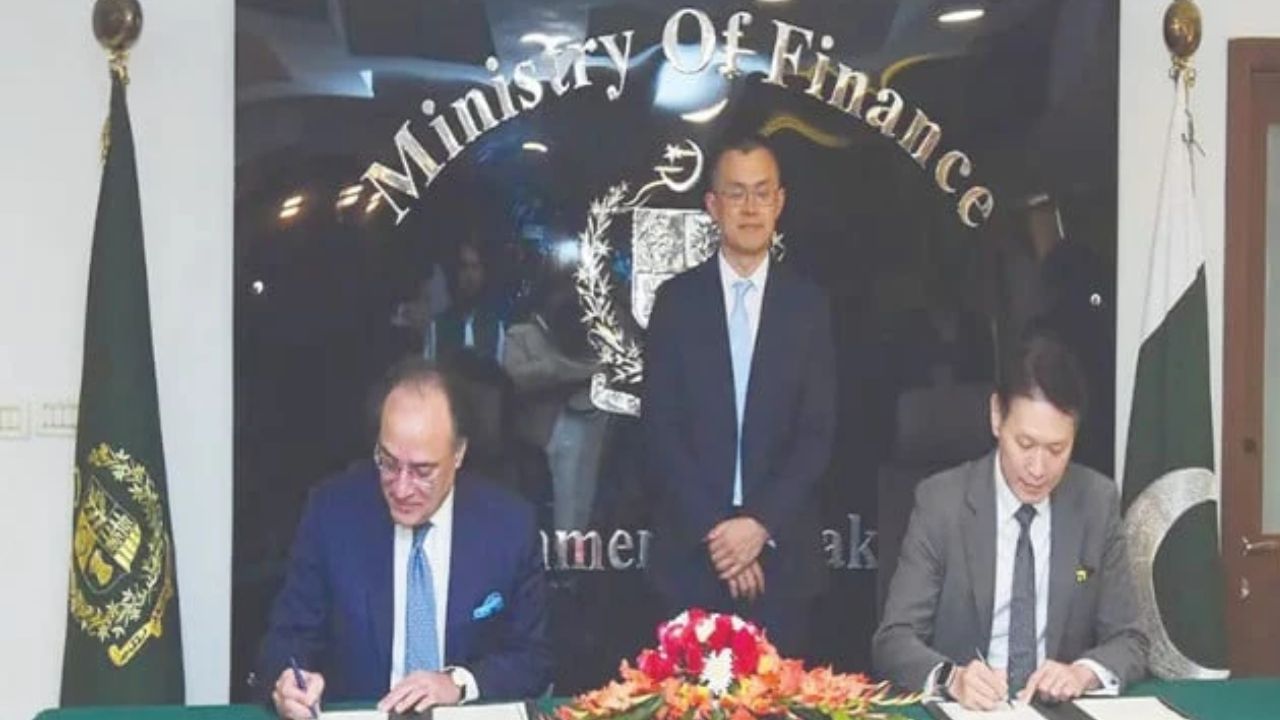
Pakistan has signed a Memorandum of Understanding with global crypto exchange Binance to examine the tokenisation of government-owned assets worth up to $2 billion, the finance ministry has confirmed.
The proposed initiative will explore the use of blockchain technology to digitise real-world assets, including sovereign bonds, treasury bills and commodity reserves such as oil, gas, metals and other raw materials owned by the state.
Subject to regulatory approvals, the ministry stated that the action is intended to increase liquidity, improve transparency, and increase access to global markets.
The process of creating a digital representation of an asset on a blockchain is known as tokenization.
In the midst of broader global regulatory tightening, several countries, notably the United Arab Emirates, Japan, and parts of the European Union, are moving to formalize licensing frameworks for cryptocurrency exchanges.
Finance Minister Muhammad Aurangzeb said the MoU reflected Pakistan’s reform direction and described it as “a long-term partnership.” Binance founder Changpeng Zhao termed the agreement “a great signal for the global blockchain industry and for Pakistan,” adding that it marked the beginning of efforts toward full deployment of the tokenisation initiative.
In a related development, Binance and digital asset platform HTX have received initial regulatory authorization from Pakistan to start the process of creating local subsidiaries.
The Pakistan Virtual Assets Regulatory Authority (PVARA) said the early approvals allow both platforms to register on the Anti-Money Laundering system, set up local units and prepare applications for full exchange licenses.
According to PVARA chair Bilal bin Saqib, the approvals signaled the beginning of Pakistan’s phased licensing framework and that whatever exchanges move further in the process will depend on compliance standards.
Saqib stated earlier this week at Binance Blockchain Week Dubai 2025 that Pakistan is the third-largest cryptocurrency market globally in terms of retail activity.
According to the finance ministry, Pakistan is also preparing to introduce a Virtual Assets Act in 2025 and launch a central bank digital currency pilot.
The country’s crypto council and US-based World Liberty Financial signed a letter of intent in April to investigate the usage of tokenization, stablecoins, and more extensive digital asset infrastructure.