Blog

  • Boeing 787 Dreamliner Crash: What Really Happened?

    Boeing 787 Dreamliner Crash: What Really Happened?

    The aviation world was shaken by the Boeing 787 Dreamliner crash that occurred in May 2025. Known for its fuel efficiency and cutting-edge design, the Dreamliner has long been considered a technological marvel. However, the recent incident involving Air India Flight AI-171 has raised critical questions about the aircraft’s reliability and safety features.

    This tragic crash, which took 274 lives shortly after takeoff in Ahmedabad, has sparked global concern. The U.S. and Indian aviation authorities are now investigating the factors behind this shocking event, and a deeper look into Boeing 787 Dreamliner safety issues is well underway.


    What Happened: Boeing 787 Crashes After Takeoff

    On a clear May morning, Air India Flight AI-171, a Boeing 787, took off from Ahmedabad airport bound for London. Moments after takeoff, the aircraft lost altitude rapidly and crashed just miles from the airport, leaving no survivors. Eyewitnesses reported seeing smoke from one of the engines before the aircraft went down.

    Although early reports were unclear, experts quickly began looking into potential causes ranging from engine failure to pilot error. However, a more alarming theory has since emerged, one that could have wider implications for the entire fleet of Dreamliners operating around the world.


    Dreamliner Crash Update: Could Software Be to Blame?

    One of the most significant developments in this investigation came from Mary Schiavo, a respected U.S. aviation attorney and former Inspector General of the U.S. Department of Transportation. In an interview with The Sunday Guardian, Schiavo suggested that a software malfunction in the Boeing 787 Dreamliner could be a leading cause of the Boeing 787 Dreamliner crash.

    She pointed out a documented history of software-related engine malfunctions in previous Dreamliner incidents. Specifically, a computer-triggered engine thrust rollback, where the system automatically reduces engine power, might have been activated shortly after takeoff, contributing to the disaster.

    This possibility raises troubling parallels with earlier cases. It appears that similar engine issues have affected other Dreamliner flights, though none have ended in such catastrophic results.


    Boeing 787 Dreamliner Safety Issues: A Growing Concern

    Since its debut in 2011, the Boeing 787 has experienced several mechanical and software issues. While Boeing has implemented multiple updates, concerns over system reliability persist. Pilots have previously reported auto-throttle glitches, sensor errors, and engine anomalies that seem to point toward ongoing Boeing 787 Dreamliner safety issues.

    The recent crash only adds fuel to the debate. If Schiavo’s claims about software malfunction are proven correct, Boeing could face enormous scrutiny, not just from regulators, but from airlines and passengers alike.


    How Many Boeing 787 Dreamliner Have Crashed?

    Despite this recent tragedy, the Boeing 787 Dreamliner has had a relatively safe operational history. Before the Boeing 787 crashes after takeoff in Ahmedabad, only a few serious incidents were recorded, and none had resulted in mass casualties.

    Here’s a quick breakdown:

    • Air India Flight AI-171 (2025): 274 fatalities, currently under investigation.

    • Ethiopian Airlines Incident (2013): Aircraft caught fire at Heathrow, no fatalities.

    • Japan Airlines Fuel Leak (2013): Emergency landing, no injuries.

    So far, how many Boeing 787 Dreamliner have crashed fatally? As of now, only one, the Air India crash. However, this single incident could change the perception of the Dreamliner if further investigations confirm a systemic flaw.


    A Wake-Up Call for Aviation Regulators

    The U.S. Federal Aviation Administration (FAA) and India’s Directorate General of Civil Aviation (DGCA) have both launched parallel investigations. Boeing, meanwhile, is cooperating with officials and has promised full transparency.

    Aviation safety groups are now urging the grounding of certain Dreamliner variants until software inspections are complete. Airlines worldwide are conducting internal audits of their Dreamliner fleets, trying to prevent a repeat of what happened in Ahmedabad.

    While Boeing maintains that the aircraft model remains safe to fly, the Dreamliner crash update has brought intense scrutiny to their engineering processes and quality control measures.


    Boeing’s Response and Industry Impact

    In a public statement, Boeing expressed condolences and reaffirmed its commitment to aviation safety. The company has initiated an internal investigation into software logic systems tied to engine performance.

    This incident could significantly impact Boeing’s future. Aircraft orders might slow, airlines could demand new safety features, and regulators may enforce tighter certifications on software-controlled engine systems.

    If proven responsible, Boeing may need to re-certify the Dreamliner under revised aviation protocols. A worldwide inspection could follow, delaying flights and disrupting international routes for months.


    What This Means for Passengers

    For passengers in the U.S. and globally, the crash has understandably raised fears about flying aboard a Dreamliner. Though statistically, flying remains the safest mode of transport, events like this shake public confidence.

    Travelers are advised to stay informed. Airlines are legally required to maintain and update aircraft according to FAA regulations. Booking platforms now also allow travelers to view the aircraft model before booking, an option some flyers may wish to use more carefully going forward.


    The Road Ahead: Rethinking Modern Aviation

    The Boeing 787 Dreamliner crash is more than a tragic headline, it’s a wake-up call. In an era of increasing automation and AI-based control systems, software integrity is becoming just as crucial as mechanical strength.

    While the full cause is yet to be officially confirmed, the combination of expert analysis, regulatory inquiry, and real-world evidence is painting a concerning picture. If history has taught anything, it’s that major advancements in aviation often come on the heels of terrible losses.

    A transparent investigation, public accountability, and software overhauls could be what’s needed to restore trust in Boeing’s crown jewel, the Dreamliner. For more details on the aircraft’s maintenance history, see this fact-checked report on the Turkish company’s involvement.
  • Small Saving Schemes Interest Rate July–Sept 2025 Update

    Small Saving Schemes Interest Rate July–Sept 2025 Update

    Understanding the Small saving schemes interest rate can be the difference between passive saving and smart wealth-building. For U.S.-based readers with family, assets, or financial interest in India, these schemes are more than just interest-bearing accounts, they are time-tested tools for securing long-term returns. As of July 2025, India’s Ministry of Finance has maintained the existing rates for popular small savings schemes, setting a consistent tone for the second quarter of the financial year.


    What Are Small Savings Schemes?

    Small savings schemes are government-backed deposit plans in India that offer fixed interest rates and low-risk returns. They’re ideal for long-term savers, especially those looking to diversify portfolios beyond volatile equities. The interest is revised quarterly, ensuring these tools stay competitive with market trends. For Non-Resident Indians (NRIs) and U.S. residents with Indian ties, these instruments offer a stable investment channel.


    Small Savings Scheme Interest Rate 2025: Key Highlights

    The latest update from the Department of Economic Affairs confirms that the Small savings scheme interest rate 2025 remains unchanged for the July–September quarter. Here’s a detailed breakdown:

    Scheme Name

    Interest Rate (Jul–Sep 2025)

    Public Provident Fund (PPF)

    7.1%

    Sukanya Samriddhi Yojana (SSY)

    8.2%

    Senior Citizen Savings Scheme (SCSS)

    8.2%

    National Savings Certificate (NSC)

    7.7%

    Kisan Vikas Patra (KVP)

    7.5% (Matures in 115 months)

    Post Office Savings Account

    4.0%

    Post Office Monthly Income Scheme (MIS)

    7.4%

    Post Office 3-Year Time Deposit

    7.1%

    Post Office 5-Year Recurring Deposit

    6.7%

    The announcement aligns with the Small Savings Scheme interest rate Affairscloud reports, confirming a steady course by the Indian government to provide stability for savers amid global economic uncertainties.


    Why the Rates Remain Unchanged: Economic Stability Over Surprises

    The decision to keep the Small saving schemes interest rates unchanged for July reflects the Indian government’s conservative yet calculated financial approach. While inflation and bond yields have shown fluctuations, maintaining the same rates helps build confidence among investors, especially senior citizens and middle-income families who rely on these schemes for predictable returns.

    From a macroeconomic standpoint, stability in these rates helps balance liquidity in the economy without encouraging excessive consumption or high-risk speculation. It also reassures both local and global investors that the government values consistent, inflation-beating instruments.


    Breaking Down the Popular Schemes


    Public Provident Fund (PPF):

    Offering 7.1%, this 15-year plan remains a favorite. It’s exempt-exempt-exempt (EEE) for tax purposes, meaning contributions, interest earned, and maturity amount are all tax-free.


    Sukanya Samriddhi Yojana (SSY):

    With 8.2%, this plan supports girl child education and marriage expenses. The high return rate makes it one of the most rewarding options currently available.


    Senior Citizen Savings Scheme (SCSS):

    Matching SSY at 8.2%, SCSS continues to be a top choice for retirees looking for assured income. It’s backed by a sovereign guarantee, making it extremely safe.


    National Savings Certificate (NSC):

    At 7.7%, NSC provides a 5-year lock-in and is eligible for tax deduction under Section 80C, ideal for conservative savers.


    Post Office Time & Recurring Deposits:

    Although slightly lower in return, these schemes attract small investors who prefer short-term commitments with government backing.


    Smart Takeaways for U.S.-Based Investors

    1. Currency Exchange Benefits:
      With the rupee often trading at favorable rates against the U.S. dollar, investing in rupee-based assets like small savings schemes can yield higher real returns for U.S. residents.

    2. Diversification Strategy:
      These schemes add a layer of fixed-income security to otherwise equity-heavy U.S. portfolios.

    3. Family Financial Planning:
      Many U.S.-based individuals manage savings for aging parents or children in India. Understanding Small saving schemes interest rate changes ensures well-informed decisions and better planning.

    4. Risk-Adjusted Returns:
      Even though the rates are unchanged, they beat current inflation levels in India, delivering solid real returns with virtually no credit risk.


    Why It Matters in 2025

    2025 is shaping up to be a year of cautious optimism. With global interest rates still balancing between control and correction, the Indian government’s decision to keep rates steady is a nod to predictability and long-term vision.

    For investors comparing returns across countries, India’s small savings rates continue to offer better yield-to-risk ratios than many U.S. savings instruments. When adjusted for exchange rate movement and inflation, these instruments can still generate real income advantages.


    How to Monitor These Rates Moving Forward

    Staying informed is essential. Platforms like Small Savings Scheme interest rate Affairscloud provide timely updates, analysis, and predictions. For the July 2025 quarter, their projections aligned with official government decisions, underscoring their reliability.

    Bookmarking trusted sources and subscribing to notifications from India’s Finance Ministry can also help U.S.-based investors stay ahead of changes.


    Final Thought: Small Steps, Big Security

    The consistency in the Small saving schemes interest rate is more than just a fiscal number, it’s a vote of confidence for millions of savers. Whether for a child’s education, retirement corpus, or tax-saving strategy, these instruments offer a roadmap toward financial stability. And in 2025, that stability is gold.

    For U.S. residents navigating global investments, understanding these schemes isn’t just helpful, it’s essential. As India continues to grow economically, these small savings options remain grounded in purpose and performance.

    Explore more about safe investments, currency hedging strategies, and global fixed-income tools to optimize your financial planning across borders. For more details on recent profit changes, see how National Savings profits have increased.

  • Thunderbolts (2025): Marvel’s Darkest Team Finally Hits the Big Screen

    Thunderbolts (2025): Marvel’s Darkest Team Finally Hits the Big Screen

    The Marvel Cinematic Universe (MCU) is set to become darker, deeper, and more emotional in 2025 with the release of Thunderbolts. This upcoming Marvel movie will not focus on perfect heroes like Iron Man or Captain America. Instead, it will highlight broken characters, ex-villains, and people who live in the gray area between right and wrong.

    Fans in the U.S. have been waiting for something fresh, and Thunderbolts promises to deliver just that.


    What Is Thunderbolts?

    It is an upcoming American superhero film made by Marvel Studios. It’s based on the Marvel Comics team known as the Thunderbolts. The movie is scheduled to release on May 2, 2025.

    In the comics, the Thunderbolts were a team of villains posing as heroes. Over time, many of them started to change. Some became true heroes. Others didn’t. This mix of personalities creates drama, action, and powerful storytelling.

    The movie will explore similar ideas, focusing on people who try to do good, even if they’ve done bad things in the past.


    Why Is This Movie Important?

    After the end of the Avengers story in Avengers: Endgame, the MCU needed something new. Many of the big heroes are gone. Iron Man is dead. Captain America is retired. The world is different now.

    This movie is Marvel’s answer to that change. It brings together characters we already know but puts them in a new kind of story. It is a movie that’s darker, more emotional, and full of personal struggle.

    Instead of saving the world because it’s the right thing to do, this team may do it because they have no choice or because they want redemption.


    Who Are the Members of the Thunderbolts?

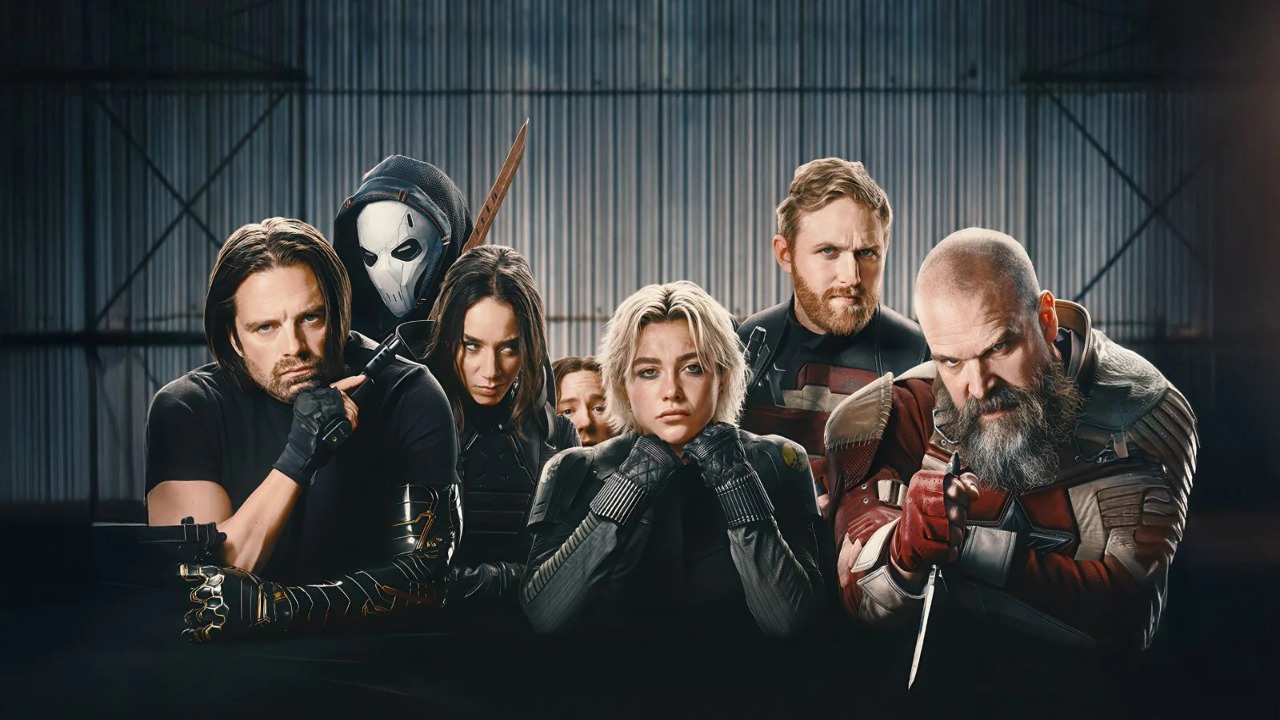
    Here’s a breakdown of the confirmed characters in the Thunderbolts team:


    1. Yelena Belova (Florence Pugh)

    She is the younger sister of Natasha Romanoff (Black Widow). She’s trained as an assassin but has a good heart. Yelena is strong, clever, and funny. She is expected to lead the Thunderbolts team.


    2. Bucky Barnes / The Winter Soldier (Sebastian Stan)

    Once a best friend to Captain America, Bucky became a brainwashed killer. Now, he’s trying to heal and help others. He brings wisdom, pain, and skill to the team.


    3. John Walker / U.S. Agent (Wyatt Russell)

    John was once chosen to be the new Captain America, but he lost control. Now he works for the U.S. government as a U.S. Agent. He’s loyal but aggressive. He struggles with anger and failure.


    4. Red Guardian (David Harbour)

    He is the Russian version of Captain America and a father figure to Yelena. He’s strong and has a sense of humor. He adds muscle and comic relief to the team.


    5. Ghost (Hannah John-Kamen)

    A ghost can become invisible and walk through solid objects, such as walls. She has health problems caused by her powers. She wants to live an everyday life, but her past makes that challenging.


    6. Taskmaster (Olga Kurylenko)

    Taskmaster can copy anyone’s fighting moves. She was controlled in the past and forced to fight. Now, she may finally have a chance to choose her path.


    7. Valentina Allegra de Fontaine (Julia Louis-Dreyfus)

    Val is the one who brings the team together. She works behind the scenes and has her agenda. She’s powerful, mysterious, and possibly dangerous.


    What Makes the Movie Different?

    Most Marvel teams, like the Avengers or the Guardians of the Galaxy, have clear heroes. They fight for good. But the Thunderbolts are different. These are individuals who sometimes make the wrong choices. They argue. They fight. They don’t always trust each other.

    This makes the movie feel more real. These characters are human. They make mistakes. But that’s also what makes them interesting.


    Key Themes in The Movie

    The movie will explore deeper themes than most Marvel films. Here are a few important ones:


    Redemption

    Many Thunderbolts have done bad things. Can they change? Can they be forgiven? The movie will explore these complex questions.


    Trust

    The team is comprised of individuals who don’t fully trust each other. Will they become a real team—or fall apart?


    Control

    Almost every character has been controlled or used by others. Now, they are trying to take back their lives.


    Moral Choices

    There’s no black and white in this movie. Every character must choose between what’s right and what’s easy.


    How Does Thunderbolts Fit in the MCU?

    The movie is connected to many past Marvel stories. You’ll see ties to:

    • Black Widow

    • The Falcon and the Winter Soldier

    • Hawkeye

    • Ant-Man and the Wasp

    • Captain America: Brave New World

    The events in the movie could affect future Marvel movies. It might even introduce a new threat or open the door to a larger conflict, like the Secret Wars or Dark Avengers.


    Will There Be a Main Villain?

    Yes, but Marvel hasn’t shared who it is yet. Some fans think it might be a returning villain, such as the Leader (from The Incredible Hulk), or a new character connected to Valentina’s plans. Whoever it is, they will likely test the team’s loyalty, strength, and ability to work together.


    Is This Marvel’s Version of Suicide Squad?

    Many fans compare Thunderbolts to DC’s Suicide Squad. Both are about anti-heroes forced to work together. But this movie is different in a few key ways:

    • The characters already have a history in the MCU.

    • The tone is more serious and emotional.

    • The team is built on personal choices, not just government control.

    Marvel is not copying DC. It’s using its rich characters to tell a darker, more personal story.


    What Can Fans Expect?

    Expect something new. The action will be raw and honest. The fights will feel personal. The story will focus more on emotions than on big explosions. You will see a side of Marvel you haven’t seen before, where the heroes aren’t perfect and the stakes are more human.


    Final Thoughts

    Marvel’s Thunderbolts could become one of the most powerful stories in the MCU. It’s not just another superhero film; it’s a film about broken people searching for purpose. It’s about pain, choice, and maybe even hope. If you’re tired of shiny suits and perfect heroes, this is the film you’ve been waiting for.

    Find out the possible reason behind Shefali Jariwala’s unexpected death.

  • Sand, stars, and stardom: Hania Aamir and Diljit Dosanjh shine on Gadani beach

    Sand, stars, and stardom: Hania Aamir and Diljit Dosanjh shine on Gadani beach

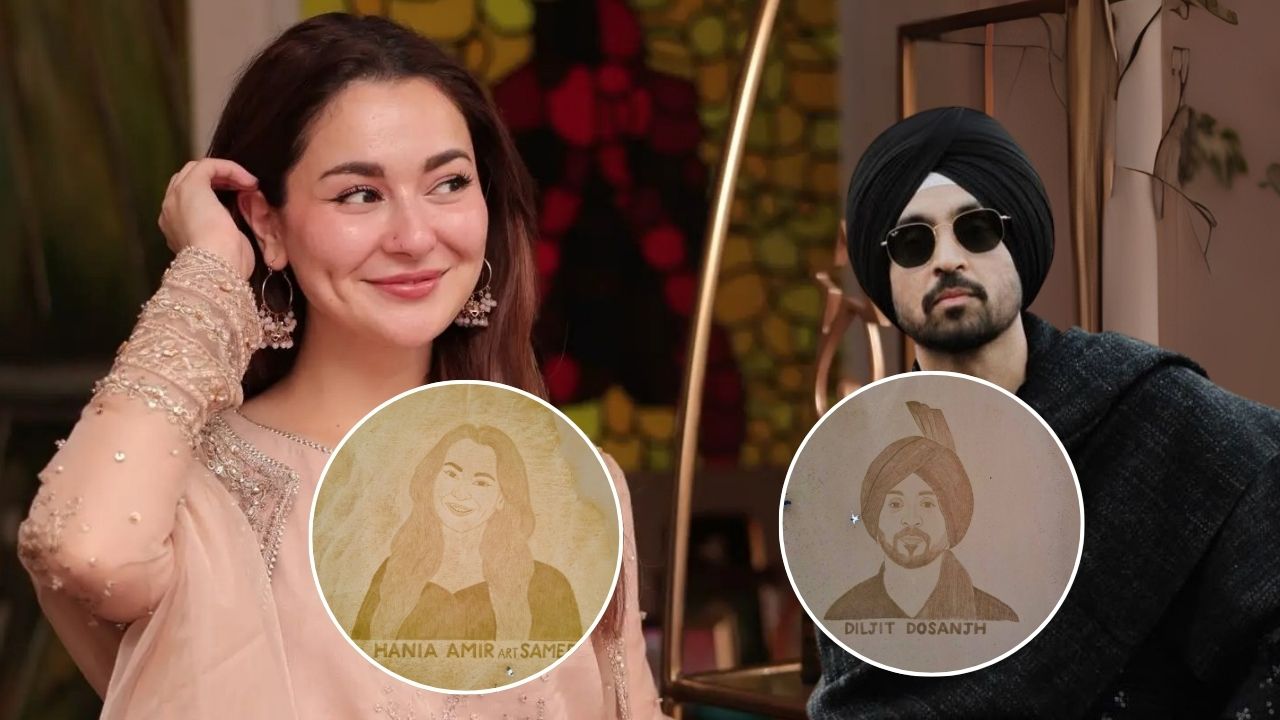
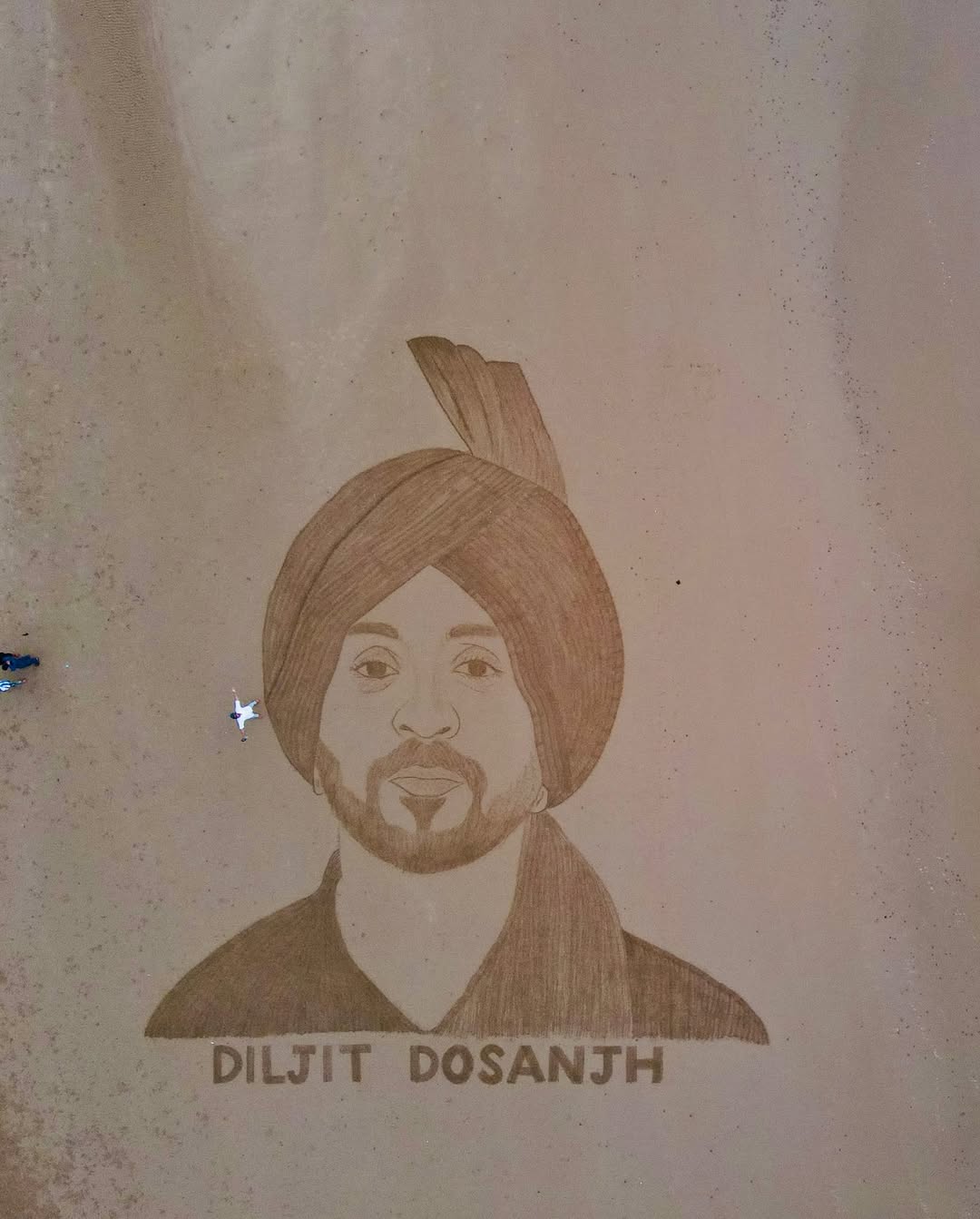
    A talented Pakistani artist has found a breathtaking way to honour actress Hania Aamir by turning an entire beach into his canvas.

    Sameer Shaukat, a creative artist known for his sand art, shared jaw-dropping photos on Instagram of what he calls the “world’s largest sand art portrait” made for Hania Aamir. The portrait, crafted on the beach of Gadani in Balochistan, features the actress’s face sculpted entirely out of mud and sand.

    Tagging Hania in his post, he wrote, “This is the world’s largest sand art portrait made for you on the beach of Gadani in Balochistan and I think you have never seen it before.”

    The artwork has quickly gone viral, earning admiration from social media users who are tagging Hania in the comments to see how she’ll respond. Many praised Sameer’s creativity and the effort behind the massive tribute.

    But he didn’t stop there.


    In another post, Sameer revealed an even more ambitious creation: a joint sand portrait of Hania Aamir and Punjabi singer Diljit Dosanjh, captioned, “World’s biggest sand art portraits of @haniaheheofficial and @diljitdosanjh were made & gifted by me @sameershoukat11 and my team.”

    Fans have flooded the comments with love and praise, sending hearts to both the artist and the stars.

  • British Royal Train: A Farewell to a Rolling Symbol of Royal Tradition

    British Royal Train: A Farewell to a Rolling Symbol of Royal Tradition

    The British Royal Train has long been one of the most iconic, secretive, and fascinating symbols of the British monarchy. More than just a mode of transportation, it was a reflection of the monarchy’s history, dignity, and enduring tradition. Since its first journey in 1840 with Queen Victoria, the train has played a quiet yet powerful role in connecting the royal family to the people of the United Kingdom.

    Now, in 2025, the British Train is on its final track. King Charles III has decided to retire the train as part of his broader efforts to modernize the monarchy and bring it in line with contemporary expectations. This decision marks the end of an era, but it also paves the way for a more sustainable and cost-effective future for the royal household.

    Let’s take a closer look at the rich history, usage, and upcoming retirement of the British Royal Train and what this change means for the future of the monarchy.


    What Is the British Royal Train?

    The British Royal Train is a private train reserved for senior members of the British royal family. It has been used for official engagements, royal tours, and state visits across Britain. Unlike public trains, the Train is designed to offer complete privacy, enhanced security, and a dignified mode of travel for the monarch and their entourage.

    It is not owned by the British government or a private railway company but rather maintained and operated by DB Cargo UK. This rail freight company handles its technical operations. On the outside, it may be a standard train. But inside, it offers a quiet, functional elegance that reflects the lifestyle of royalty, modest but regal.


    A Royal Tradition That Dates Back to 1840

    The journey of the Royal Train began with Queen Victoria. In 1840, she became the first British monarch to travel by train, riding from Slough to London. Initially hesitant about this new form of transportation, Queen Victoria soon came to embrace it and even had her custom-built rail carriage. From that moment on, the royal family became deeply connected with Britain’s growing railway system.

    Over time, the Train evolved. By the early 20th century, it had become an essential part of royal life. It provided the family with a way to move across the country discreetly and efficiently while staying connected to their subjects. During both wartime and peacetime, it carried monarchs, consorts, and heirs through the shifting landscapes of British history.

    The current Royal Train, with its carriages built primarily in the 1980s, has been used by Queen Elizabeth II, Prince Philip, Prince Charles (now King Charles), and other royals for decades. Though it doesn’t boast flashy interiors, its practical layout includes a royal bedroom, a fully equipped bathroom, a private study, a dining area, and compartments for staff and security.


    The Royal Train in Modern Times

    Even in the 21st century, the Royal Train has continued to serve a purpose. Queen Elizabeth II was especially fond of using it, often preferring its quiet efficiency over other forms of travel. For long-distance domestic journeys, it remained a preferred option due to its privacy and punctuality. Notably, the train was also used during the nationwide Platinum Jubilee celebrations and for official state tours within the UK.

    However, the costs of maintaining the train have increasingly drawn public attention. Unlike regular transportation, the Train is used infrequently, but its upkeep remains expensive. In the 2024–25 royal accounts, travel costs alone were £4.7 million, with some individual trips costing over £17,000 each. While many Brits view the train as a cherished national symbol, others have questioned whether it remains financially viable in today’s climate.


    Why Is the Royal Train Being Retired?

    King Charles III, known for his environmental awareness and practical leadership, has decided to retire the Royal Train. The move aligns with his broader mission to modernize the royal household and reduce unnecessary expenditures. As public scrutiny of royal spending grows, Charles aims to demonstrate that the monarchy is responsive and responsible in its use of taxpayer funds.

    According to James Chalmers, the Keeper of the Privy Purse, the decision to say goodbye to the Train was not taken lightly. He described the train as a beloved piece of national history, but emphasized the need to move forward. Chalmers noted that just as other parts of the royal household have evolved, the time had come to modernize travel arrangements as well.

    There are also practical reasons behind the retirement. The train’s rolling stock, last updated in the 1980s, would require major modernization to meet today’s railway standards. Moreover, the royal family now uses more fuel-efficient helicopters for domestic travel, which are often faster and less expensive to operate.


    What Will Happen to the Train Now?

    Although the Train will no longer operate, its legacy will endure. The royal household is currently searching for a permanent home for the train’s historic components. Parts of the train will likely be preserved in museums or heritage railway exhibits, allowing the public to appreciate this unique aspect of royal history.

    Some of the train’s carriages are considered historically significant and could become major attractions. They offer a rare glimpse into the working life of the royal family behind closed doors.


    A Symbolic Step Toward a Modern Monarchy

    The retirement of the British Royal Train is just one part of a broader transformation under King Charles. His reign has already seen various efforts to cut costs, improve transparency, and enhance environmental responsibility.

    The sovereign grant, which funds the royal family’s official duties, remains fixed at £86.3 million annually. However, it will increase to £132 million from 2025 to 2027, partly due to record profits from offshore wind farms owned by the Crown Estate. A significant portion of this money will be allocated toward completing the £369 million refurbishment of Buckingham Palace.

    Meanwhile, efforts are underway to make royal transportation more sustainable. One of the royal Bentleys now runs on biofuels, and the switch to electric vehicles is being considered. These changes signal a clear shift: the monarchy is becoming more environmentally conscious and financially disciplined.


    Prince William and the Duchy of Cornwall’s Reforms

    As King Charles leads the way, his son Prince William is also embracing change. The Duchy of Cornwall, which provides Prince William with a private income of nearly £23 million annually, has begun waiving or reducing rents for charities and grassroots organizations. These actions follow media investigations that raised concerns about high-value rental agreements with government bodies, including the NHS and the military.

    Prince William’s team has acknowledged past scrutiny and pledged to operate the duchy with a more modern and socially conscious mindset. By focusing on communities, education, and environmental causes, he hopes to build trust and prove that the royals are adapting to modern values.


    The End of the Line, but Not the End of the Story

    As the British Train prepares for retirement, it leaves behind more than just tracks—it leaves behind memories, traditions, and a powerful story of continuity. For generations, it served as a symbol of quiet authority and seamless travel, linking the monarchy to the people in a uniquely British way.

    Its retirement marks the closing of a historic chapter. But this isn’t about erasing the past. As King Charles said through his financial adviser, “We change not because we disrespect our past but precisely because we do respect it.”

    In an era when public institutions are under increasing pressure to be transparent and efficient, the British monarchy is responding. The farewell to the Royal Train is a powerful gesture. It is a nod to tradition, but also a step into the future.

    Even tech moguls are rethinking tradition—Elon Musk recently called hashtags an ‘esthetic nightmare’ and removed them from ads.

  • Sandy Gall (1927–2025): The Man Who Brought the World’s Truths to TV

    Sandy Gall (1927–2025): The Man Who Brought the World’s Truths to TV

    The world of journalism is mourning the loss of one of its most respected voices. Sandy Gall, the legendary Scottish journalist and long-time ITV News presenter, died yesterday, June 29, 2025, at the age of 97. With a career that lasted over 50 years, he was more than just a face on television. He was a storyteller, a truth-seeker, and a witness to some of the world’s most difficult moments.

    From war zones in Afghanistan to the calm of nightly news broadcasts, Sandy Gall brought courage, honesty, and humanity to his reporting. He became a trusted figure in British media and a powerful voice for those suffering in silence around the world.


    A Life Rooted in Curiosity and Courage

    Born as Henderson Alexander Gall on October 1, 1927, in Penang, then part of British Malaya (modern-day Malaysia), Sandy Gall had an international upbringing. His father worked as a doctor, and the family later moved to Scotland.

    Gall was educated at Trinity College, Glenalmond, and later at Trinity College, Oxford. However, it was journalism, not medicine or law, that drew him. Early in his career, he worked as a reporter for Reuters, where he established a reputation for himself.

    In 1963, he joined Independent Television News (ITN), which would become his professional home for the next several decades.


    The ITV Years: Becoming a Trusted Face

    Sandy Gall quickly became a familiar and trusted face in British households. He anchored ITV’s major bulletins and broke important global stories. But it wasn’t just his calm voice or sharp reporting that earned him respect. It was his willingness to go beyond the studio.

    He was not content just reading headlines. He went to the frontlines. He believed that real journalism occurs where real people are affected, in the streets, on the fields, and at the borders of war-torn nations.


    War Reporting and Global Impact

    Some of Gall’s most important work was done during his time covering international conflicts, particularly the Soviet invasion of Afghanistan in the 1980s.

    At a time when few Western journalists dared to travel to Afghanistan, Gall made the journey multiple times. He embedded himself with Mujahideen fighters and documented the impact of war on Afghan civilians. His reports brought international attention to the humanitarian crisis and earned him the admiration of many around the globe.

    He also covered the Vietnam War, Middle East conflicts, and political crises in Africa and Asia. His bravery and fairness stood out in an industry often criticized for bias and sensationalism.

    In recognition of his reporting and humanitarian work, Gall received several honors, including being named a Commander of the Order of the British Empire (CBE) and a Companion of the Order of St Michael and St George (CMG).


    Author and Advocate

    Sandy Gall was also a talented author. He wrote several books, many of which focused on Afghanistan and global conflict. His works include:

    • Afghanistan: Agony of a Nation

    • The Bushmen of Southern Africa

    • Afghanistan: Travels with the Mujahideen

    These books revealed another side of Gall, not just as a reporter, but as a thoughtful individual who genuinely cared about the people he wrote about. His writing reflected his empathy, curiosity, and commitment to sharing stories that were often overlooked and underappreciated.

    Later in life, he also became an advocate for Afghan disability rights, co-founding the charity Sandy Gall’s Afghanistan Appeal, which supported clinics and services for amputees and war victims in the region.


    Final Years and Peaceful Passing

    Sandy Gall gradually stepped away from broadcasting in the late 1990s, but he never truly retired. He continued to write, speak, and contribute to public discussions on foreign policy and media.

    On June 29, 2025, Gall passed away peacefully at the age of 97. His family confirmed the news, saying he died surrounded by loved ones. Colleagues, journalists, and public figures have shared heartfelt tributes, calling him “a giant of journalism” and “a voice the world trusted.”


    Why Sandy Gall’s Work Still Matters

    In a world filled with fast headlines and social media noise, Gall’s work reminds us of what journalism should be: honest, human, and fearless. He believed in shining a light on hidden stories, especially those involving suffering, injustice, and war.

    He wasn’t interested in being a celebrity. He was interested in telling the truth, even when it was hard to hear. His legacy lives on in every journalist who dares to step into danger, every newsroom that values facts over clicks, and every reader who wants to understand the world more deeply.


    Reactions Around the World

    After his death, messages poured in from across the UK and beyond. Major news outlets ran special tributes. Former ITN colleagues praised his mentorship and professionalism. Afghan activists thanked him for giving their people a voice during times of war.

    British Prime Minister and other senior figures described him as “a man of principle,” while younger journalists called him “an example to follow.”


    Personal Integrity in an Industry Under Fire

    Today, journalism often faces criticism about bias, speed, and accuracy. Sandy Gall’s life stands as a reminder that journalism can still be a force for good. He reported with facts, compassion, and context. He listened more than he spoke. He explained, rather than exaggerated. These values are rare, and that’s why they must be remembered.


    Final Thoughts

    Sandy Gall (1927–2025) was more than a news presenter. He was a witness to history, a messenger of truth, and a voice for the voiceless. He saw war, peace, hope, and despair, and he brought all of it to us through a screen with honesty and care.

    His death may have ended a chapter, but his legacy will guide journalists for decades to come. In a world that needs clear voices and honest storytelling, the life of Sandy Gall demonstrates the power of journalism to make a genuine difference.

    While the media mourns Sandy Gall’s passing, bold voices in cinema continue to spark headlines. Read what Naseeruddin Shah just said about Sardaar Ji 3.

  • Robin Wright: From Soap Star to Hollywood Icon

    Robin Wright: From Soap Star to Hollywood Icon

    Robin Wright is a name many people in the United States recognize. She is not just an actress. She is also a producer and director. With her powerful screen presence and deep characters, Robin Wright has built a strong career over the past four decades. From soap operas to political dramas, she has proven her range and talent.

    In this article, we’ll take a closer look at Wright’s life, career, achievements, and impact on the film industry. We will also explore how she became one of Hollywood’s most respected women in the film industry.


    Early Life and Career Beginnings

    Robin Gayle Wright was born on April 8, 1966, in Dallas, Texas. She later moved to San Diego, California, with her family. As a teenager, she worked as a model. But her heart was in acting.

    Her first significant role came when she was just 18. She played Kelly Capwell on the daytime soap opera Santa Barbara. This role lasted from 1984 to 1988. It was her big break. Audiences loved her. She was nominated for several Daytime Emmy Awards. This was the beginning of something big.


    Breakthrough Role in The Princess Bride

    In 1987, Robin Wright landed the role of Buttercup in the cult classic The Princess Bride. The film wasn’t a massive hit at the time, but over the years, it became a fan favorite. Wright’s performance as the gentle, brave princess stood out. Her beauty and grace made her unforgettable.

    This role introduced her to movie audiences outside of TV. It also opened the door to more serious film roles.


    Building a Film Career

    After The Princess Bride, Robin Wright continued to pick strong and meaningful roles. She didn’t just go for big blockbusters. Instead, she chose characters that allowed her to grow as an actress.

    Some of her standout films include:

    • Forrest Gump (1994) – She played Jenny Curran, the troubled love interest of Tom Hanks’ character. Her performance was emotional and deep. She earned a Golden Globe nomination.

    • Message in a Bottle (1999) – A romantic drama in which she starred alongside Kevin Costner.

    • Unbreakable (2000) – A superhero thriller where she acted opposite Bruce Willis.

    • The Pledge (2001) – A crime drama directed by Sean Penn, her then-husband.

    Wright was becoming known for her subtle, realistic acting. She didn’t overact. She made her characters feel real.


    Robin Wright in House of Cards

    In 2013, Wright reached a new career high with the Netflix series House of Cards. She played Claire Underwood, the ambitious and icy wife of politician Frank Underwood, played by Kevin Spacey.

    Wright’s performance was widely praised. Claire was complex, both cold and caring, strong and vulnerable. Viewers loved her layered portrayal. She won a Golden Globe Award and was nominated for eight Primetime Emmy Awards.

    When Spacey was removed from the show in 2017, Wright took over as the lead in the final season. This was a decisive moment, showing her ability to carry a major series on her own.


    Director and Producer

    Robin Wright didn’t stop at acting. She also moved behind the camera. On House of Cards, she directed several episodes. Her directing style was sharp and emotional.

    In 2021, she made her feature film directorial debut with Land. The movie tells the story of a woman who retreats into the wilderness to heal from loss. Wright also played the lead role. Land was well received and proved her skill as a director.

    She is also a producer and has played a role in shaping the stories she tells.


    Personal Life

    Wright’s personal life has been a subject of public scrutiny. She was married to actor Sean Penn, and the couple had two children. Though they eventually divorced, Wright remained focused on her career and her kids.

    She later married French fashion executive Clément Giraudet in 2018, but they divorced in 2022. Despite ups and downs, Wright has kept her challenges private and handled them with strength.


    Style and Influence

    Robin Wright is admired not only for her talent but also for her elegance and style. She often wears simple, clean looks that reflect her grounded personality.

    In Hollywood, she stands out for being low-key. She doesn’t chase fame. Instead, she focuses on intense storytelling and meaningful work.

    Young actors, especially women, look up to her for her strength, independence, and resilience.


    Awards and Achievements

    Robin Wright has earned many honors over the years. Some of her most notable achievements include:

    • Golden Globe Award for House of Cards (2014)

    • Eight Primetime Emmy Award nominations

    • Several nominations for the Screen Actors Guild Awards

    • Recognition as one of the most powerful women in TV

    These awards reflect her consistency, talent, and long-term impact on the entertainment world.


    Legacy and Future Projects

    Robin Wright continues to act, direct, and produce. She is one of the few actresses who have stayed relevant across decades. Her choice of roles, both in front of and behind the camera, shows her deep love for storytelling.

    Her legacy lies in her ability to portray strong female characters who are intelligent, emotional, and relatable. She has redefined what it means to be a woman in the entertainment industry.

    As of 2025, fans eagerly anticipate more projects from her. Whether it’s directing, acting, or producing, Wright shows no signs of slowing down.


    Final Thoughts

    Robin Wright is more than just a Hollywood actress. She is a storyteller, a leader, and a role model. From her early days in Santa Barbara to her roles in House of Cards and as a director of films like Land, she has consistently demonstrated her dedication to the craft.

    Her journey has been full of challenges, but she turned each one into an opportunity. For people in the U.S. who love real, grounded performers, Wright stands out as a true artist.

    Robin Wright’s graceful yet commanding presence in Hollywood reminds us how personal moments can become public headlines, just as Kashif Khan’s viral statement about his daughter Rabeeca’s wedding did.

  • Fapelli: The Smart Business Tool Changing How Companies Work

    Fapelli: The Smart Business Tool Changing How Companies Work

    In today’s competitive business world, companies are continually seeking ways to enhance their operations. Efficiency, speed, and adaptability are no longer optional. They are necessary for survival and growth. One platform that is quickly gaining attention for solving these problems is Fapelli. It is a modern, user-friendly, and intelligent business solution designed to streamline everyday operations.

    Unlike many traditional platforms that require technical knowledge and a complex setup, Fapelli stands out as simple yet powerful. It was designed to help businesses manage their daily tasks more effectively, make informed decisions, and boost productivity without added stress. In short, Fapelli helps companies work smarter, not harder.

    Let’s dive deeper into how Fapelli works, what makes it unique, and why businesses across different industries are adopting it as their go-to digital solution.


    The Idea Behind Fapelli

    Fapelli was developed by business experts and technology specialists who understand the needs of companies. They identified a common problem: businesses were using multiple separate tools to handle tasks such as communication, project management, data tracking, and reporting. This made work harder, not easier.

    The solution? Create a single platform that combines all these features into a clean, user-friendly system. That’s precisely what Fapelli does. It brings everything together in one place, allowing teams to save time, reduce confusion, and work more effectively together.

    Fapelli is designed for all types of companies, including small startups, mid-sized teams, and large organizations. It can adapt to different industries and business goals. Whether you’re managing a team of five or five hundred, Fapelli offers the flexibility to meet your needs.


    Why Fapelli Matters in Today’s World

    Technology plays a massive role in how we live and work today. From online shopping to virtual meetings, the way we do business is changing fast. People expect quick responses, smooth services, and real-time updates. Companies must keep up or risk falling behind.

    This is where Fapelli comes in. It helps businesses stay relevant and efficient in the digital age. It streamlines daily operations, including tracking progress, sharing files, setting goals, and reviewing team performance. The platform also supports remote work, enabling employees to collaborate easily, regardless of their location.

    With tools such as real-time dashboards and secure cloud storage, Fapelli provides everything modern businesses need to thrive. It turns complex processes into simple, manageable steps, making it easier to focus on growth and innovation.


    How Fapelli Improves Business Operations

    One of the most significant advantages of Fapelli is that it helps businesses shift from working harder to working smarter. The platform reduces the need for repetitive tasks by using automation and innovative features. For example, teams don’t have to send reminder emails or track updates manually—Fapelli handles that automatically.

    Fapelli also improves communication across departments. Instead of switching between emails, chat apps, and project management tools, teams can stay connected within a single system. This reduces delays and avoids miscommunication, which is a common problem in large and remote teams.

    Another significant benefit is decision-making. Fapelli gives businesses access to live data and performance insights. You don’t have to wait for monthly reports or guess what’s working. The data is updated in real-time, allowing you to make informed decisions more quickly. Whether it’s sales trends, customer feedback, or project performance, Fapelli helps you stay informed and take action.

    Moreover, Fapelli’s design places a strong emphasis on data security. With growing concerns about online threats and data leaks, protecting business information is a top priority. Fapelli utilizes advanced security measures to safeguard sensitive information without compromising accessibility. So, you can work confidently, knowing your data is protected.


    Real Stories: Fapelli in Action

    The best way to understand Fapelli’s value is by examining how real companies have utilized it. A logistics company used Fapelli to streamline its shipping process. Before Fapelli, they often faced delivery delays and miscommunication between drivers and managers. After switching to the platform, delivery times improved by over 30%, and customer complaints dropped significantly.

    A tech startup utilized Fapelli to manage its expanding list of tasks and projects. Team members were scattered across various locations, and communication was becoming a significant issue. After adopting Fapelli, they saw a 40% boost in productivity within a few months. Everyone could see project updates, chat instantly, and assign tasks with clarity.

    Even a large retail company benefited from using Fapelli during a busy shopping season. They utilized the platform’s analytics tools to prepare for customer demand and optimize inventory management. As a result, sales went up, and they avoided running out of stock on high-demand items.

    These stories demonstrate that Fapelli can deliver real, measurable results across various industries.


    Who Can Benefit from Using Fapelli?

    Fapelli is not limited to one type of business. Its features are helpful for many industries. In the healthcare sector, for example, it can help manage patient records, schedule appointments, and coordinate staff. In retail, it can track sales trends, manage product inventory, and improve customer service.

    Financial firms can use Fapelli to automate billing, monitor budgets, and collaborate on client accounts. In education, schools and institutions can organize classes, communicate with staff, and manage student progress.

    The flexibility of Fapelli makes it suitable for any organization seeking to enhance its operational efficiency.


    Looking Ahead: The Future of Fapelli

    Fapelli is still growing, and its future looks bright. As businesses continue to go digital, the need for simple and innovative tools will only increase. Fapelli is designed to evolve in response to these changes.

    In the future, we may see even more advanced features added, such as AI-powered recommendations, voice-enabled commands, and deeper integration with other popular apps. The platform may also expand into new markets, such as healthcare technology, e-commerce automation, and educational management systems.

    Companies that adopt Fapelli early are likely to enjoy long-term benefits. They’ll be better equipped to handle change, respond to market shifts, and stay ahead of the competition.


    How to Start Using Fapelli

    Getting started with Fapelli is easy. First, identify the areas of your business where you need support, whether it’s task management, data tracking, or team communication. You can try a demo or request a trial to see how it works in real life.

    Once you’ve seen the value, work on a plan to introduce Fapelli to your team. Clearly explain its benefits and offer training sessions to ensure everyone understands how to use it effectively. Since the platform is beginner-friendly, most employees will find it easy to learn and use.

    After implementation, monitor your progress. Track productivity, customer satisfaction, and workflow speed. Utilize the insights from Fapelli to implement small changes that yield significant results. Over time, you’ll notice how much smoother and brighter your business runs.


    Final Thoughts

    Fapelli is more than just another digital tool. It’s a complete solution designed for modern business needs. It helps companies become more organized, data-driven, and future-ready. With simple features, secure systems, and real-time insights, Fapelli turns everyday challenges into opportunities for success.

    Whether you run a small company or a large team, Fapelli can help you grow, adapt, and thrive in today’s digital landscape. Its real-world results and user-friendly approach make it a wise choice for businesses looking to upgrade their performance.

    In a move to enhance digital connectivity, Fapelli’s rise aligns with national tech milestones like PTA’s celebration of 200 million telecom users. Read more about PTA’s free data offer here.

  • Earthquake jolts Lahore, parts of Punjab

    Earthquake jolts Lahore, parts of Punjab

    An earthquake hit several parts of Punjab on Tuesday, with tremors felt in the provincial capital Lahore and surrounding areas.

    According to reports, the quake was also felt in Kasur, Okara, Sheikhupura, Muridke and Kamoke.

    Details to follow…

  • Mehwish Hayat, Yo Yo Honey Singh may face UK ban for THIS  song

    Mehwish Hayat, Yo Yo Honey Singh may face UK ban for THIS  song

    Pakistani star Mehwish Hayat and Indian singer Yo Yo Honey Singh could face a ban from entering the UK.

    British Parliament member Manuela Perteghella has formally called for action against the two, urging the UK Home Office to investigate the video for its “disturbing glorification of violence,” Deadline reported.

    Jatt Mehkma’s music video was filmed in the UK and released in November. It has already gained nearly 40 million views on YouTube. The four-minute clip ends with four minor boys joining Hayat’s character in opening fire on a group of men using replica automatic weapons and shotguns.

    According to reports, the video was shot at Eastnor Castle in Herefordshire and in Birmingham’s city centre, with help from a UK-based production company.

    The Home Office is reportedly considering exclusion orders barring Hayat and Singh from re-entering the country. “There are serious concerns about the use of imitation firearms and exposing minors to violent themes,” reports quoted a source familiar with the matter said.

    Mehwish Hayat, known for roles in Ms. Marvel and Pakistani films like Load Wedding and Actor in Law, denied that any official action is being taken. “These claims are entirely speculative and misleading,” she said, urging media platforms to verify facts before sharing such news.

    Yo Yo Honey Singh, a major figure in India’s hip-hop scene, has yet to respond publicly.

    The UK Home Office and West Midlands Police have declined to comment, and no legal steps have been announced yet. Following the controversy, the BBC Asian Network has reportedly dropped Jatt Mehkma from future playlists.