Blog

  • Two children die from food poisoning after eating fast food

    Two children die from food poisoning after eating fast food

    Two young daughters of kabaddi player Naveed Pahlwan died on Monday in Gujranwala’s Eminabad area after consuming fast food from a market. Three other children and their parents remain in critical condition.

    A leading English newspaper quoted Pahlwan as saying that the family had ordered food during a birthday celebration.

    “The family, including me, my wife, and five children, was taken to the hospital after feeling sick,” he said, adding that two of the children, an eight-year-old and a four-year-old, passed away, while two others are in critical condition.

    The Punjab Food Authority (PFA) sealed the suspected food outlets after the incident, according to an official notification issued on Monday.

    “On the directions of Punjab Food Authority Director General Muhammad Asim Javaid, food safety teams conducted a crackdown in Eminabad following the alleged death of two minor girls due to toxic food,” the statement read.

    The operation was carried out after the family identified the food vendors. “During the raid, two food outlets were sealed and various food samples, including cake, cream, red chilli powder, cooking oil, and chicken, were collected and sent to the laboratory for analysis,” it added.

    The PFA spokesperson said further action would be taken once laboratory results were available. “[The] initial medical findings revealed the children had been unwell for several days and were already under treatment. Meanwhile, [the] case is also under police investigation,” the statement added, quoting the spokesperson.

    PFA DG Javaid stated that any food outlets found responsible for compromising public health would face strict action under food safety laws.

    In April, approximately 1,500 people were affected by food poisoning in a similar incident in Dhoong village, Gujar Khan, though the cause remained unknown.

  • American woman lands in Pakistan to marry man she met on Facebook

    American woman lands in Pakistan to marry man she met on Facebook

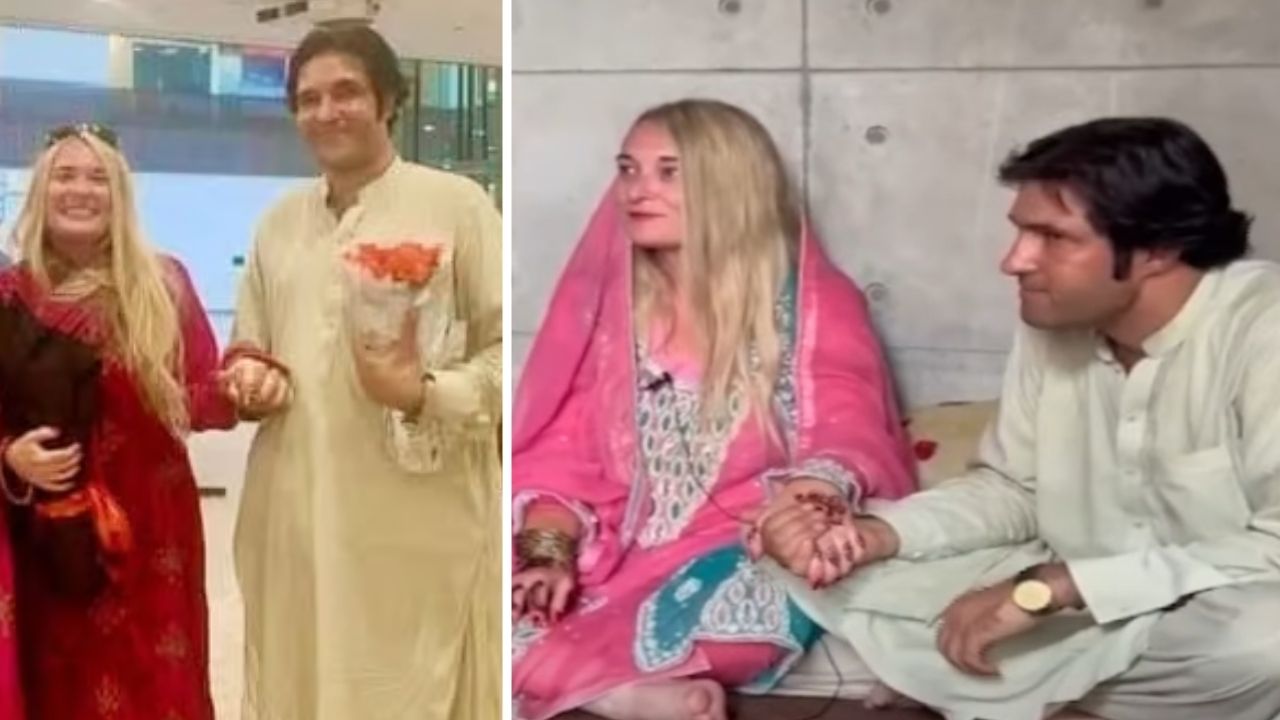
    An American woman has travelled to Pakistan to marry a resident of Upper Dir in Khyber Pakhtunkhwa, after the couple met online through social media.

    Sajid Zeb Khan received Mindy at Islamabad International Airport and brought her to his hometown. Mindy, a flight attendant based in Chicago, was warmly welcomed by the local community.

    Speaking to the media, Sajid shared that he and Mindy first connected on Facebook two years ago, and their friendship gradually turned into love.

    “We met through Facebook and after some time she proposed to me,” Sajid said, adding that both families were informed about their decision.

    Sajid also informed the police that they do not require any security arrangements, as they plan to marry soon. He confirmed that their nikah will take place on Tuesday (today), following Islamic traditions and local customs.

    In a video message recorded from Sajid’s home, Mindy expressed her happiness, saying: “My name is Mindy and I’m from America. I’m here in Pakistan for the first time. It’s a very beautiful, peaceful country. I come for Sajid Khan and we plan to marry soon.”

    Earlier, a 27-year-old American woman, Kerinsha Madison Grace from South Carolina, arrived in Jhang to marry her online friend-turned-fiancé, Naeemul Hassan, after two years of social media friendship. Kerinsha embraced Islam at Jamia Arabia Darul Huda, changed her name to Kaniz Ayesha, and married the 29-year-old at an advocate’s office in the presence of witnesses.

    Kerinsha was previously married in the US and has three children but divorced her husband before beginning her relationship with Hassan.

    Similar cross-cultural unions have made headlines before. In October 2024, Onijah Andrew Robinson, another American woman, travelled to Karachi to marry a 19-year-old Pakistani man, Nidal Ahmed Memon, whom she had met online. However, the marriage did not take place due to family pressure, and Onijah eventually returned to the US after spending several months in Pakistan.

    In March 2022, a French woman came to Pakpattan, Punjab, with her mother to marry Ali Raza after connecting with him online. She embraced Islam, changed her name to Zoya, and tied the knot in a simple ceremony.

    Back in 2018, an American woman named Mary Kathleen also made headlines when she flew to Haripur to marry Adeel Awan. After nearly a year of conversations through Facebook, she accepted Islam, adopted the name Maryam, and married Adeel in the presence of his family.

  • Pat Cummins’ iconic baggy green cap goes missing

    Pat Cummins’ iconic baggy green cap goes missing

    Australia’s Test captain Pat Cummins has lost his iconic “baggy green” cap during the ongoing tour of the West Indies.

    According to reports, the cap was misplaced in Bridgetown just 24 hours before the start of the first Test of the series.

    Ahead of the series opener, Cummins was seen wearing a new baggy green during a trophy photoshoot with his Caribbean counterpart, Roston Chase. However, when the match began, he was spotted with his old cap, which he had received back in 2011.

    Cummins later confirmed that the new cap he wore the day before had gone missing and, as of the latest updates, it has not been found.

    This is not the first time an Australian player has lost a baggy green. Last year, former opener David Warner’s Baggy Green went missing before the New Year’s Test. A nationwide search was launched, but the cap was eventually found in his own luggage.

    Australia and the West Indies will face each other in the second Test, starting Thursday in St George’s.

  • Aubreigh Wyatt Story: What Happened and Why It Still Matters

    Aubreigh Wyatt Story: What Happened and Why It Still Matters

    The name Aubreigh Wyatt is no longer just a name, it has become a symbol of a mother’s heartbreak, a teenager’s silent suffering, and a growing call for justice on social media. Known through the hashtag #LLAW (Live Like Aubreigh Wyatt), this tragic story started in Ocean Springs, Mississippi, and has since gained attention worldwide, including in the United States where mental health awareness is increasingly urgent.


    Who Was Aubreigh Wyatt?

    The heart of this story begins with a 13-year-old eighth-grader named Aubreigh Wyatt, who died by suicide on September 4, 2023. She was described by friends and family as joyful and kind. But behind her smile, Aubreigh faced a storm of alleged bullying, the effects of which have sparked national outrage and reflection.


    Aubreigh Wyatt Age and Background

    At just 13 years old, Aubreigh Wyatt’s age stands as a chilling reminder of how young children can be affected by mental health struggles and peer mistreatment. Middle school, a place meant for learning and growing, became an environment she couldn’t survive in.


    What Happened to Aubreigh Wyatt?

    So, what happened to Aubreigh Wyatt that made her name echo across the internet? Her mother, Heather Wyatt, revealed on social media that persistent bullying was a major factor. According to Heather, at least four girls from Aubreigh’s school participated in harassing her daughter emotionally. Messages allegedly exchanged between Aubreigh and her mom outlined the abuse she endured.

    These details were later shared online, drawing thousands into the conversation and giving rise to viral movements demanding accountability.


    Heather Wyatt’s TikTok Fight for Justice

    In the days following Aubreigh’s death, Heather Wyatt took to TikTok to share her daughter’s story. Her videos showed raw grief, but they also revealed an unwavering push to expose what she called an unjust system. Using the hashtag #LLAW, Heather encouraged others to be kind, speak up, and hold bullies accountable.

    Her online campaign gained massive traction. Images, quotes, and clips of Aubreigh were shared on TikTok, Instagram, and YouTube. The movement reached far beyond Mississippi, touching viewers in the U.S., Canada, and across Europe.


    Legal Controversy: Defamation Lawsuit and Social Media Shutdown

    In July 2024, the story took another turn. The parents of the four girls accused of bullying Aubreigh filed a defamation lawsuit against Heather Wyatt. They claimed that their daughters were being threatened and harassed online because of Heather’s posts.

    As reported by The Washington Post and Newsweek, the judge ordered Heather to shut down all her social media accounts, sparking outrage. Critics argued that this silenced a grieving mother and violated her freedom of speech. On the other hand, supporters of the court decision claimed the digital backlash against the accused teens was overwhelming and damaging.

    This legal twist highlights the blurred lines between justice and online judgment. It forces society to ask: Where should the line be drawn when grief meets public outrage?


    The Aubreigh Wyatt Grave: A Place of Reflection

    Visitors have since come to Aubreigh Wyatt’s grave, not only to pay respects but to reflect on a wider crisis, youth mental health in America. Her final resting place in Ocean Springs has become a space of mourning and healing. Many bring letters, flowers, and bracelets marked with #LLAW.


    Role of Aubreigh Wyatt’s Dad

    Less discussed but equally important is Aubreigh Wyatt’s Dad, who has kept a lower public profile than Heather. According to family sources, he has supported Heather and Aubreigh’s siblings while processing his own grief. His quiet resilience reminds us that fathers grieve too, even if the spotlight doesn’t always reach them.


    The Bigger Picture: Bullying, Accountability, and Social Media’s Power

    The Aubreigh Wyatt case reveals how one family’s tragedy has sparked an international conversation about bullying, mental health, and online responsibility. In the United States, suicide remains the second leading cause of death for teenagers. Yet many schools still lack comprehensive anti-bullying programs or mental health support staff.

    Social media platforms, while powerful tools for advocacy, also pose dangers. The viral nature of Heather’s posts fueled awareness, but they also triggered a storm of backlash and legal troubles. This paradox isn’t new, but it’s now more visible than ever.


    A Call to Action: Learning from Aubreigh’s Story

    The Aubreigh Wyatt story isn’t just about one girl. It’s about every child who feels isolated, every parent who fears the worst, and every teacher or classmate who wonders what they could’ve done differently.

    It’s a call to start conversations early, to check in with children frequently, and to create safe spaces both online and offline. Schools must treat bullying with seriousness, and social media users must learn to balance outrage with compassion.


    Why This Story Resonates in the U.S.

    For people in the United States, Aubreigh’s case touches on familiar concerns, school safety, parental rights, and First Amendment freedoms. Her story also mirrors the struggles of many American parents who find themselves in a broken system where justice feels out of reach.

    The legal battle, emotional toll, and viral campaigns bring to light how these personal tragedies become public issues. Whether in Mississippi or Minnesota, the need for reform is clear.


    Final Thoughts: Live Like Aubreigh Wyatt

    The message left behind isn’t one of defeat. It’s one of hope, kindness, and action. The slogan Live Like Aubreigh Wyatt continues to spread not because it’s catchy, but because it speaks to something deeper, a desire for a better, more compassionate world for children.

    Her memory is now more than a headline. It’s a reminder that stories like hers must be told, not just remembered.

    To learn more details about her life and the events leading up to her tragic death, here’s what to know about Aubreigh Wyatt’s suicide.

  • Korea Population: Insights into North and South Trends

    Korea Population: Insights into North and South Trends

    The Korea Population story is far more dynamic than most realize. From record-low birth rates to religious diversity and geopolitical contrasts between North and South, Korea’s population landscape holds lessons for economists, sociologists, and global citizens alike, especially in the United States, where demographic issues are increasingly on the agenda.

    This article offers an easy-to-understand breakdown of the current trends, historical shifts, and hidden patterns that define the population of the Korean Peninsula.


    Understanding the Korea Population Landscape

    The Korea Population is split into two distinct demographic regions: North Korea and South Korea. While they share cultural roots, their population dynamics have evolved very differently due to divergent political, economic, and social systems.

    As of 2025:

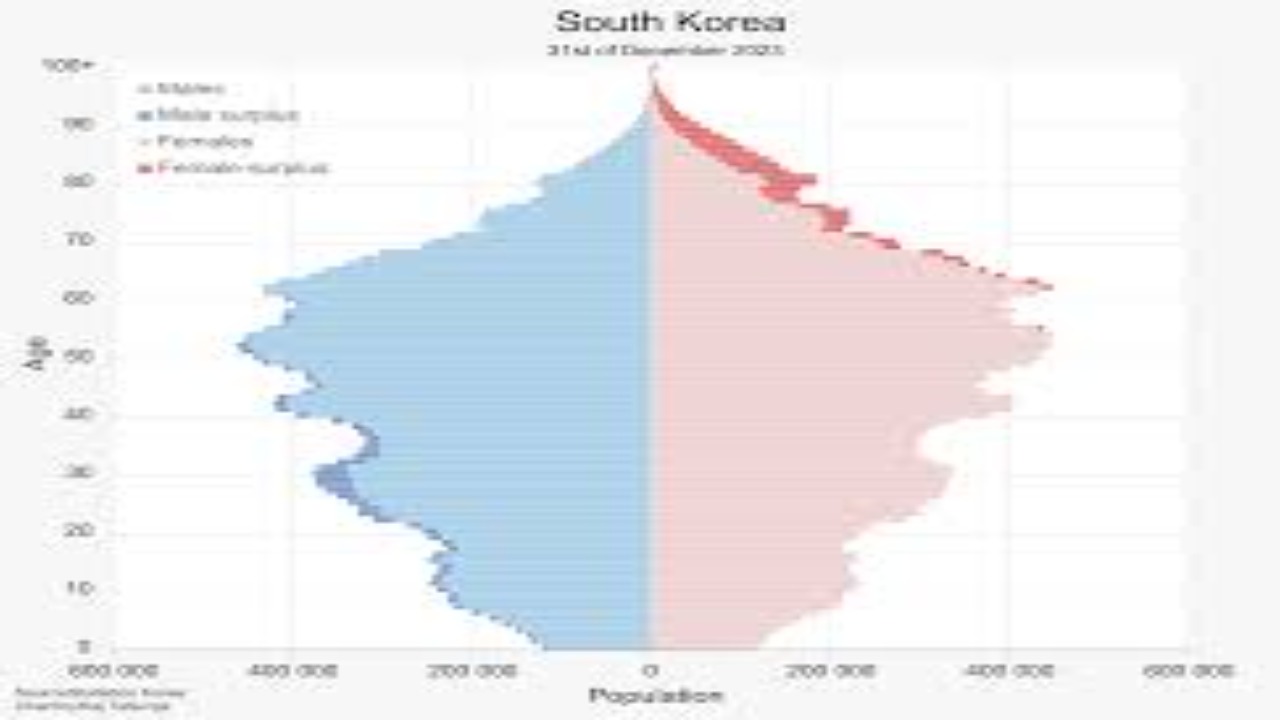
    • South Korea’s population is around 51.2 million

    • North Korea’s population is approximately 26 million

    This stark difference is more than a numbers game, it reflects deeper realities tied to birth rates, migration, life expectancy, and societal structure.


    North Korea Population: Stability Amid Isolation

    The North Korea population remains relatively stable due to strict government control, limited migration, and slower urbanization. Life expectancy hovers around 72 years, and while official data is limited, estimates suggest a gradual population increase of about 0.4% per year.

    • Urbanization is low: about 60% live in urban areas

    • Access to healthcare and food fluctuates, impacting infant mortality rates

    • Migration is tightly controlled, keeping the population largely static

    North Korea’s demographic challenges include an aging workforce and ongoing food insecurity, both of which limit long-term population growth.


    South Korea’s Birthrate Sees Historic Surge

    One of the most surprising stories in recent months is the sudden rise in South Korea’s birthrate, a country long known for its declining fertility.

    According to Statistics Korea, 20,717 babies were born in April 2025, marking an 8.7% increase from the same month last year. This is the fastest growth in over three decades and the strongest showing since April 1991.

    Why the Sudden Baby Boom?

    Several factors may be driving this unexpected rise:

    • Increased marriages: April recorded 18,921 new marriages, a 4.9% increase

    • More women in their 30s: Women aged 30–34, a key childbearing group, grew significantly from 1.51 million in 2020 to 1.65 million in 2025

    • Policy incentives: South Korea has introduced tax breaks, childcare subsidies, and housing benefits for young families

    • Echo boomers: Individuals born during the 1991–1995 mini-baby boom are now of parenting age

    While these developments are promising, experts caution that the overall fertility rate remains at just 0.75, far below the replacement level of 2.1. The United Nations even warns there’s only a 0.1% chance that South Korea will naturally return to replacement-level fertility in the next 30 years.


    South Korea Population by Religion: A Changing Faith Landscape

    A vital part of understanding the Korea Population is looking at the South Korea population by religion. Unlike North Korea, where religious activity is tightly regulated and largely underground, South Korea has a vibrant and diverse religious culture.

    As of the latest census:

    • Christianity: 27.6% (Protestant and Catholic combined)

    • Buddhism: 15.5%

    • Unaffiliated: Nearly 56%

    • Other religions (including Islam and folk beliefs): About 1%

    The high percentage of religiously unaffiliated citizens highlights a shift in cultural values, especially among younger generations who lean toward secularism and personal spirituality over organized religion.

    This trend mirrors similar patterns in the United States, where the “nones” (people with no religious affiliation) have become the fastest-growing demographic in recent years.


    Korea Population vs. Global Urban Trends

    In a global context, Korea’s population trajectory tells a cautionary tale. Urbanization, rising costs, and career-first mentalities are contributing to late marriages and fewer children. Yet unlike countries such as India or Nigeria, where population booms are common, Korea faces the opposite dilemma: too few young people to sustain future growth.

    The U.S. can draw important lessons here:

    • Population management requires more than numbers, it demands policies that support families, child care, and mental health

    • Religious shifts often mirror larger cultural changes, particularly in urban settings

    • Fertility rates are not just biological, they’re economic, emotional, and cultural


    Tying It Together with a Global Perspective

    The Korea Population issue isn’t isolated to the Korean Peninsula. It represents a growing concern across the developed world, where aging populations and declining birth rates could reshape economies, healthcare systems, and social dynamics.

    The recent baby boom in South Korea offers hope but also underscores the difficulty of reversing long-standing demographic trends. As policymakers continue to innovate with incentives and support structures, other countries, including the United States, will be watching closely.


    Related Insights: Kolkata Metro & Urban Shifts

    As urban centers continue to evolve globally, infrastructure projects like the Kolkata Metro in India offer valuable case studies. Urban transit systems are often key indicators of population density, urban planning efficiency, and quality of life.

    Just as Seoul’s metro system plays a vital role in supporting South Korea’s urban population, the expansion of Kolkata Metro is helping shape population flows and employment patterns in one of India’s largest cities. These parallels offer useful comparisons for understanding how city planning and transportation intersect with population dynamics.


    Final Thoughts

    The Korea Population reflects a mix of ancient traditions and modern challenges. While North Korea remains demographically steady under tight control, South Korea is entering uncharted territory. The recent rise in birth rates provides a glimmer of hope, but the long-term outlook remains uncertain.

    Understanding Korea’s demographic landscape helps unpack broader global issues, from aging populations to secularism, and from urban planning to social policy. With such a rich and complex population story, Korea remains a key player in the global demographic conversation.

    Explore more on how North Korea is enhancing tourism with a world-class resort featuring pools and slides.

  • Ring of Fire: The World’s Most Powerful Natural Force

    Ring of Fire: The World’s Most Powerful Natural Force

    The Ring of Fire isn’t just a catchy phrase or a dramatic name from geology textbooks. It’s one of the most dynamic and dangerous natural zones on Earth. Stretching around the Pacific Ocean in a horseshoe shape, this volatile area is known for its frequent earthquakes, explosive volcanic eruptions, and shifting tectonic plates. While it impacts countries across the Pacific, its ripple effects can be felt as far away as Kolkata Metro projects and other densely populated urban centers.

    In this easy-to-read guide, you’ll discover why the Ring of Fire is so important, what Ring of Fire rules nature seems to follow, and why countries inside this zone constantly prepare for the next big event.


    What Is the Ring of Fire?

    The Ring of Fire refers to a 40,000-kilometer (25,000-mile) arc of intense geological activity. It wraps around the Pacific Ocean, from South America’s southern tip, moving up through North America, across the Bering Strait, and down through Japan to New Zealand.

    While it’s not a literal ring, the term “Ring” comes from how it loops around the Pacific. The real power lies in what’s happening underground. Tectonic plates grind, collide, and dive beneath one another here, sparking natural disasters like clockwork.

    Ring of Fire Countries: Who Lives in the Danger Zone?

    The Ring of Fire countries span both developed and developing nations. Each faces a unique set of risks and challenges tied to their position in the zone. Here are some of the most affected:

    • United States (especially California, Oregon, Washington, and Alaska)

    • Canada (western provinces)

    • Mexico

    • Chile

    • Japan

    • Indonesia

    • Philippines

    • New Zealand

    • Russia (far eastern regions)

    These countries have built extensive monitoring systems and emergency plans to deal with the unpredictability of their geological neighbors.


    Why So Many Volcanoes and Earthquakes Happen Here

    What makes this region so active? The secret lies in subduction zones. Here, oceanic tectonic plates dive beneath continental plates. As one plate sinks, it melts and forms magma. That magma rises to the surface, eventually erupting as a volcano.

    This movement also builds pressure between plates. When the pressure becomes too great, the Earth cracks, causing an earthquake.

    These are the silent Ring of Fire rules of geology: pressure, subduction, eruption, and repeat.


    Ring of Fire Map: A Visual of Destruction and Beauty

    The Ring of Fire map shows more than just locations. It’s a visual guide to understanding Earth’s most dangerous seismic hot spots. You’ll see clusters of active volcanoes, earthquake zones, and plate boundaries.

    • The Mariana Trench – the deepest oceanic trench lies here

    • Mount Saint Helens, Mount Fuji, and Mount Tambora – all iconic volcanic landmarks

    • Earthquake-prone zones near Tokyo, Los Angeles, and Santiago

    Many educational and scientific platforms provide detailed, interactive versions of the Ring of Fire map that let users explore seismic history in real-time.


    How the Ring of Fire Connects to the Kolkata Metro

    While Kolkata Metro is far from the Pacific, lessons from the Ring of Fire resonate globally. Urban infrastructure in quake-free areas still faces risks from extreme weather events and interconnected global phenomena.

    Advanced seismic safety protocols used in Ring of Fire countries can guide developing metro systems like those in Kolkata. Earthquake-resistant designs, smart monitoring systems, and underground emergency exits all draw inspiration from what Ring of Fire cities have had to learn the hard way.


    Recent News: ‘Ring of Fire’ Weather Pattern Threatens Michigan

    The term Ring of Fire doesn’t only apply to seismic events anymore. Meteorologists now use the term to describe severe storm systems that circle a heat dome. Recently, this pattern brought damaging storms to Michigan, stirring memories of past geological chaos.

    Storms developed along the outer edge of the heat dome, hitting the Midwest with intense rain, hail, and wind. While not tectonic, this meteorological Ring of Fire shows how extreme patterns can mirror the unpredictability seen around the Pacific.

    It also raises questions: could weather systems become as dangerous as tectonic ones? The line between climate and geology is blurring, and more eyes are on global patterns than ever before.


    The Power and Promise of Geothermal Energy

    One of the lesser-known gifts of the Ring of Fire is geothermal energy. The same heat that fuels volcanic eruptions can also be tapped to generate clean electricity. Countries like Iceland, Japan, and the Philippines use underground heat to power homes and factories.

    With growing concerns about climate change and fossil fuel dependency, geothermal energy from Ring of Fire zones may become a central part of global energy solutions.


    Understanding Ring of Fire Rules for the Future

    So what can be learned from the Ring of Fire rules that govern this zone? Scientists and urban planners have identified some consistent behaviors:

    1. Preparedness saves lives. Earthquake drills, tsunami warnings, and early detection systems can prevent catastrophe.

    2. Nature follows patterns. Monitoring plate movements offers clues about when and where eruptions or quakes may happen.

    3. Technology is essential. Drones, satellites, and AI help track and forecast disasters faster than ever.

    Understanding these principles allows cities both inside and outside the Ring of Fire, like Kolkata Metro, to build resilient infrastructure for tomorrow.


    Final Thoughts: Living With the Ring of Fire

    The Ring of Fire is a place where the Earth breathes, groans, and shifts beneath our feet. From dramatic volcanic eruptions to devastating quakes, it shapes the lives of millions.

    Its rules may be written in the language of geology, but their impact reaches into human safety, energy, city planning, and climate forecasting. From Ring of Fire countries to the most distant metro systems like in Kolkata, the lessons are universal.

    With modern science, global cooperation, and smarter cities, it’s possible not just to survive this fiery loop, but to thrive alongside it.

    The devastating impact of the Ring of Fire continues to unfold, as seen in the recent earthquake that destroyed over 1,000 homes in Papua New Guinea.

  • Michael Shannon: Life, Movies, and Hollywood Legacy

    Michael Shannon: Life, Movies, and Hollywood Legacy

    Michael Shannon is one of Hollywood’s most compelling and versatile actors. Known for his intense performances and often brooding screen presence, Shannon has created a niche that blends indie credibility with mainstream impact. Whether appearing in dark psychological dramas or blockbuster superhero films, his ability to fully immerse into character makes him unforgettable.

    Beyond the screen, Shannon leads a fascinating personal life, one that includes music, family, and an artistically designed home in Brooklyn. This article goes beyond surface-level information to explore what truly makes Michael Shannon stand out, from his movie roles to TV shows with Michael Shannon, his creative side projects, and even his rumored connection to Game of Thrones.


    Early Life and Rise to Stardom

    Born on August 7, 1974, in Lexington, Kentucky, Michael Shannon began his acting career on stage before transitioning to film. His breakout role came with the 2008 drama Revolutionary Road, where he played a mentally unstable neighbor. His performance earned him an Academy Award nomination for Best Supporting Actor, setting the tone for what would become a consistent pattern, powerful supporting roles that often steal the spotlight.


    Michael Shannon Movies That Define His Career

    From thrillers to sci-fi and superhero films, Michael Shannon movies showcase his range like few other actors. Some standout performances include:

    • Nocturnal Animals (2016) – His second Oscar-nominated role as a terminally ill detective hunting a killer.

    • Take Shelter (2011) – A haunting portrayal of a man plagued by apocalyptic visions.

    • The Shape of Water (2017) – A Cold War-era thriller where he plays a ruthless government agent.

    • Man of Steel (2013) – As General Zod, Shannon added depth and gravitas to one of Superman’s most iconic villains.

    Each film reflects Shannon’s ability to embody characters who walk a fine line between vulnerability and menace.


    TV Shows with Michael Shannon: Under-the-Radar Masterpieces

    While most fans know him from the big screen, TV shows with Michael Shannon offer equally compelling performances. One of his best-known TV roles came in Boardwalk Empire, where he played federal agent Nelson Van Alden, a complex character navigating crime, religion, and identity during the Prohibition era.

    He also starred in HBO’s The Little Drummer Girl and the acclaimed drama Nine Perfect Strangers, where his presence once again proved magnetic. His transition to television was seamless, showing that his skills translate just as well in long-form storytelling.


    Michael Shannon in Game of Thrones? The Rumor Explained

    One popular question on fan forums has been about Michael Shannon Game of Thrones rumors. While it might be surprising, Michael Shannon never appeared in Game of Thrones. Still, the buzz is understandable, his intense acting style would have fit perfectly in the series. Fans often imagine him as a Stark general or a rogue Targaryen. Though purely speculation, it highlights how his persona resonates across genres and audiences.


    Music, Family, and Personal Passions

    Outside of acting, Michael Shannon explores music through his indie rock band Corporal, which he formed with friends in 2002. Unlike many actor-led vanity projects, Shannon’s music is deeply personal. Songs like “Glory” and “Obama” reflect political engagement and emotional depth. The band released its debut album in 2010, showing another layer of Shannon’s creativity.

    In his personal life, Shannon married actress Kate Arrington in 2017. The couple shares two daughters, Sylvia and Marion. They’ve made their home in Red Hook, Brooklyn, inside a converted church that blends antique design and modern comfort.


    Michael Shannon’s Unique Brooklyn Home: A Spiritual Retreat

    Shannon’s Red Hook home was recently featured in Architectural Digest. The duplex is located in a converted church, reflecting the actor’s love for history and art. Designer Colleen Newell transformed the space into a tranquil sanctuary, filled with soft lighting, vintage rugs from Shannon’s family, and soothing color palettes.

    The space is not just a home, it’s a reflection of Shannon’s layered personality: thoughtful, spiritual, and rooted in authenticity. It’s where he spends time with his daughters and retreats from the intensity of Hollywood life.


    Michael Shannon Net Worth and Career Legacy

    With a career spanning over two decades, Michael Shannon net worth is estimated to be around $8 million. His earnings come from a mix of high-profile film roles, television appearances, and theater performances. But unlike many Hollywood stars, Shannon has remained committed to projects with emotional and artistic substance rather than chasing purely commercial success.

    His net worth, while modest by celebrity standards, reflects a career driven by purpose and passion rather than box office numbers alone.


    Why Michael Shannon Matters in Hollywood Today

    In an industry often dominated by flashy performances and celebrity status, Michael Shannon brings something rare: authenticity. He chooses complex characters, embraces creative risks, and brings raw emotion to every role. Whether through Michael Shannon movies, TV shows with Michael Shannon, or his lesser-known music career, he remains an artist in the truest sense.

    Even in a world where fame often overshadows craft, Shannon’s consistent excellence and low-key demeanor make him a favorite among fans and directors alike.


    Conclusion: The Enduring Appeal of Michael Shannon

    From Oscar-nominated roles to underground music projects and a beautifully unique home in Brooklyn, Michael Shannon continues to surprise and inspire. He is not just another Hollywood actor, he’s a storyteller, a father, a musician, and a man who values depth over glamour.

    Whether you’re discovering him for the first time or revisiting his work, now is the perfect time to explore the world of Michael Shannon. For fans of intense drama, indie cinema, or simply outstanding acting, he remains an essential figure worth watching.

    For more on celebrated actors and their hidden stories, explore content related to artistic Hollywood homes, indie rock side projects, or upcoming Oscar-worthy performances. You never know where the next Shannon-like surprise might come from.

    To explore more about iconic figures shaping cultural legacies, check out Michael Eavis: The Man Behind Glastonbury’s Magic and Legacy.

  • No Pakistani university among top 350 as QS issues 2026 rankings

    No Pakistani university among top 350 as QS issues 2026 rankings

    The global university ranking organisation QS has issued the list for 2026, in which no Pakistani universities could make it to the top 350 universities in the world.

    According to the QS ranking, two federal universities, Quaid-e-Azam University and the National University of Sciences and Technology (NUST), have secured rankings of 354 and 371, respectively.

    While the country’s largest university, the University of Karachi, has managed to make it to the top 1,001 universities, no other university from Sindh has been able to make it to the top 1,500 universities.

    Meanwhile, other notable Pakistani universities in the rankings include Punjab University (542), Lahore University of Management Sciences (555), and the University of Agriculture, Faisalabad (654).

    COMSATS University Islamabad is at 664, Pakistan Institute of Engineering and Applied Sciences 721, UET Lahore 801, University of Peshawar 901, Lahore University 951, Aga Khan University and University of Karachi at 1001, while Islamia University of Bahawalpur is ranked at 1,401.

    The Massachusetts Institute of Technology (US) ranked first, Imperial College London (UK) ranked second, Stanford University (US) ranked third, University of Oxford (UK) ranked fourth, Harvard University (US) ranked fifth, Cambridge University (UK) ranked sixth, ETH Zurich (SZ) ranked seventh, National University of Singapore (SZ) ranked eighth, UCL London (UK) ranked ninth, and the California Institute of Technology (US) ranked tenth around the world.

    Meanwhile, in the 2025 South Asian rankings, the University of Karachi ranked 58th, while Aga Khan University ranked 62nd, IBA Karachi 70, Iqra University 110, IBA Sukkur 120, NED University 131st, Dow University of Health Sciences 140, Mehran Engineering University Jamshoro 168, Ziauddin University 240, Sindh University Jamshoro 263rd, and the University of Balochistan ranked 278.

  • ‘No one can stop me’; You won’t believe what Naseeruddin Shah said about Sardaar Ji 3

    ‘No one can stop me’; You won’t believe what Naseeruddin Shah said about Sardaar Ji 3

    Veteran actor Naseeruddin Shah is known for never mincing his words and saying what he believes in without caring about anyone’s opinion. 

    The thespian has come out in strong support of Punjabi superstar Diljit Dosanjh, who is facing backlash in an increasingly extremist India for sharing the screen with Pakistani actress Hania Aamir in the latest film Sardaar Ji 3.

    In a recent Facebook post, Naseeruddin urged people to understand that Diljit was not responsible for the film’s casting and praised him for not letting politics cloud his choices. He also criticised those who try to create hate between India and Pakistan.

    “I STAND FIRMLY WITH DILJIT. The dirty tricks deptt of Jumla Party has been awaiting a chance to attack him. They think they’ve got it at last. He was not responsible for the casting of the film; the director was. But no one knows who he is, whereas Diljit is known the world over, and he agreed to the cast because his mind is not poisoned,” Shah wrote. 

    He then did what few other brave people in India can do, address the ban on Pakistani artists. “What these goons want is to put an end to personal interaction between the people of India and Pakistan. I have close relatives and some dear friends there, and no one can stop me from meeting them or sending them love whenever I feel like it.”

    He concluded by saying, “And my response to those who will say ‘Go to Pakistan’ is ‘GO TO KAILASA’”. 

    Meanwhile, Sardaar Ji 3 is enjoying huge box office success. The Indian Punjabi film has outperformed major releases in Pakistan and is setting new records at cinemas across the country, including Lahore, where it is showing on over 30 screens.

    Produced by Gambhir Singh Sidhu, Manmord Sidhu and Diljit Dosanjh, the film was released on June 27. Despite opposition in India, Sardaar Ji 3 made history in Pakistan by becoming the highest first-day earner for any Indian film released here. The movie collected an impressive PKR 3.5 crore on its opening day, breaking the previous record held by Salman Khan’s 2016 hit Sultan.

    Globally, the film’s earnings have crossed PKR 36.6 crores.

    Filled with comedy, fantasy and horror, Sardaar Ji 3 shows Diljit Dosanjh as a ghost hunter chasing spirits inside a haunted mansion in the UK. The film’s cast includes Hania Aamir, Neeru Bajwa, Gulshan Grover, Jasmin Bajwa, and Pakistani actors Nasir Chinyoti, Saleem Albela and Daniyal Khawar.

    With packed cinemas and positive reviews, the film’s winning run is expected to continue in the coming days.

  • Investigation reveals possible reason behind sudden death of Shefali Jariwala

    Investigation reveals possible reason behind sudden death of Shefali Jariwala

    Police investigations have revealed the possible cause of death of Indian actress Shefali Jariwala.

    Popularly known as the ‘Kaanta Laga girl,’ Shefali passed away suddenly last week at the age of 42.

    According to Indian media, Shefali was taken to a hospital from her Mumbai residence on June 27, where doctors declared her dead on arrival. Hospital staff confirmed that she had already passed away before reaching the hospital. While initial reports suggested a heart attack as the cause of death, officials are still investigating the exact reason.

    Shefali’s long-time personal doctor told Indian media that she had not faced any serious health conditions in recent years. Instead, she had been getting anti-ageing treatments for nearly five to six years.

    “Shefali never had any heart-related issue and she never took any medicine for heart treatment. She was taking treatments and medicines to stay fit and look younger,” her doctor revealed.

    Police investigations so far suggest that Shefali regularly took anti-ageing injections on an empty stomach. On the day she died, Shefali reportedly injected herself around noon, which caused her to feel chills and lose consciousness.

    She was rushed to the hospital but could not survive. Police have now seized all the medicines found at her house as they look deeper into what exactly caused her sudden death.