Tag: Afghanistan

  • Afghan IS branch top suspect in Moscow attack

    Afghan IS branch top suspect in Moscow attack

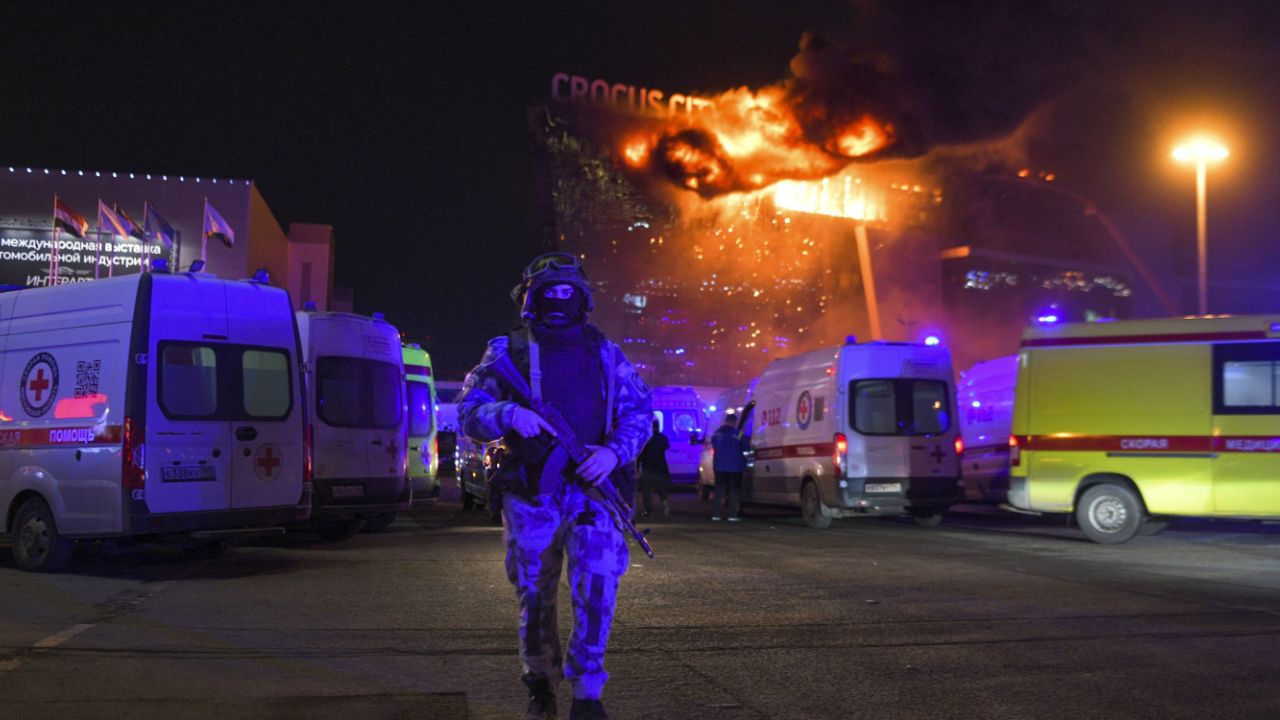
    The Islamic State group (IS) has claimed responsibility for Friday’s attack on a Moscow concert hall that killed more than 100 people – terrorism experts say its Afghan branch is likely responsible.

    Since the fundamentalist Taliban took over Kabul, the ISKP – the Afghan branch of IS – has managed to poach members from its rival movement and has repeatedly shown off its will and capability to strike outside Afghanistan’s borders.

    An August 2021 blast claimed by the group killed 100 civilians and 13 American soldiers at Kabul airport – just as the United States was withdrawing from the Afghan capital and the Taliban laid their hands on power.

    It was the deadliest-ever attack by IS against the US.

    Washington offered a $10 million reward for information on ISKP’s leader Sanaullah Ghafari, also known as Shahab al-Muhajir.

    Born in 1994, he is “responsible for approving all ISIS-K operations throughout Afghanistan and arranging funding to conduct operations,” according to the US State Department, which uses an alternative acronym for the ISKP.

    The US foreign ministry placed Ghafari on its foreign terrorist blacklist in November 2021.

    Afghanistan’s IS branch was built by the group’s envoys arriving from Iraq and Syria – unlike almost everywhere else in the world, where pre-existing outfits pledged to its cause, said Hans-Jakob Schindler, director of the Counter Extremism Project (CEP) research outfit and a former UN terrorism expert.

    “They have very close connections to the centre, much more than the other affiliates,” Schindler told AFP, adding that this gives them access to ample funding.

    Lucas Webber, co-founder of specialist website Militant Wire, highlighted that the “ISKP has emerged as the most internationally minded IS branch… producing propaganda in more languages than any other branch since the height of the caliphate in Iraq and Syria.”

    It has been mounting an “ambitious and aggressive campaign to bolster its external operations capabilities and strike its various enemies abroad,” he added.

    Both Western and Russian security services have long been monitoring ISKP.

    On Tuesday, German authorities arrested two Afghan suspected jihadists, believed to have been planning an attack on the Swedish parliament.

    Public burnings of the Koran have increased the terrorist threat against Stockholm.

    One of the two men is alleged to have travelled from Germany to join ISKP.

    Germany had previously dismantled a Russian-Tajik network in 2020, with more groups targeted in 2022 and 2023.

    Russian authorities said on March 7 they had killed suspected ISKP members in an operation in the Kaluga region southwest of Moscow.

    Officials said the people had been planning an attack on a synagogue in the capital.

    Kazakhstan said two of its citizens were killed in the operation.

    Russia has become a priority target for ISKP, which condemns its invasion of Ukraine and its military interventions across Africa and in Syria, Webber said.

    A 2022 suicide bombing targeted Russia’s embassy in Afghanistan.

    ISKP “is working to extend its reach throughout Central Asia and Russia,” Webber added, putting together “a Russian language media wing to build support and incite violence inside the country”.

    Schindler said that with Moscow’s attention on the invasion of Ukraine, Russia is a more tempting target.

    Friday’s attack – relatively cheap and straightforward to put together – was “a big symbol”, he added.

    “Its hard to overestimate how important today’s attack in Moscow is for the Islamic State and what it tells about its evolution,” Tore Hamming of the International Centre for the Study of Radicalization posted on X, formerly Twitter, on Friday.

    “IS had worked since 2019 to reestablish an institutional unit in charge of external operations,” Hamming added, “first in Turkey and later in Afghanistan with Central Asians as key actors.”

    “Based on a recent high number of foiled plots and today’s attack, it appears they are succeeding,” Hamming said.

    ISKP now has “Afghanistan and Central Asia as a hub to target Russia/Asia and Turkey as a gateway to Europe,” he added.
  • We don’t want armed conflict with Afghanistan, says Khawaja Asif

    We don’t want armed conflict with Afghanistan, says Khawaja Asif

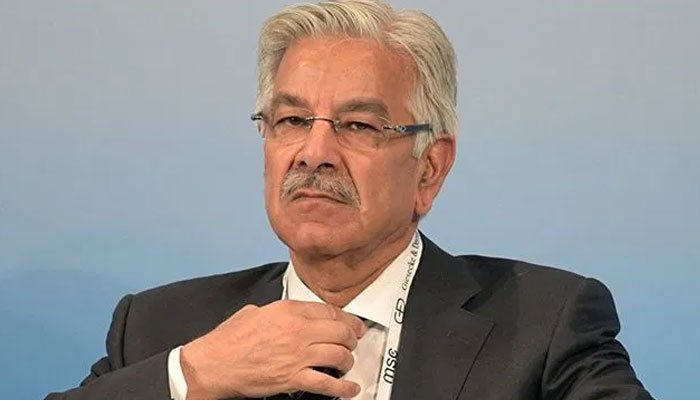
    Defence Minister Khawaja Asif has said that Pakistan does not want armed conflict with neighbouring Afghanistan, stressing that using force was the last option.

    The defence minister, in an interview with Voice of America on Wednesday, stated that Pakistan might block the trade corridor it gave to Afghanistan for trading with India. He added that Pakistan had the right to stop helping Kabul if it didn’t control terrorists against Pakistan who were active in Afghanistan.

    “If Afghanistan treats us like an enemy, then why should we give them a trade corridor?” Asif said.

    He passed the remarks after Pakistan launched intelligence-based anti-terrorist operations in the border regions in response to several terrorist attacks in Pakistan.

    However, Zabiullah Mujahid, the spokesman for the Taliban administration, said in a statement that “The Islamic Emirate of Afghanistan does not allow anyone to compromise security by using Afghan territory.”

  • Afghan schools restart, with girls barred for third year running

    Afghan schools restart, with girls barred for third year running

    Kabul, Afghanistan – Schools in Afghanistan opened for the new academic year on Wednesday, with girls lamenting being banned from joining secondary-level classes for a third year in a row.

    Taliban authorities barred girls from secondary school in March 2022, after surging back to power in 2021 and imposing an austere vision of Islam with curbs the United Nations labels “gender apartheid”.

    On Wednesday morning, uniformed boys carried black and white Taliban flags as they lined the entrance of Kabul’s Amani school, where local officials arrived for the ceremonial start of the school year.

    But 18-year-old Kabul resident Zuhal Shirzad had to stay home when the school bell rang.

    “Every year when my brother went to school, I felt very disappointed,” she told AFP.

    “I was happy for him and sad for myself,” she said.

    “This winter, my brother was studying and preparing for the university entrance exam,” she added.

    “I looked at him desperately and said that if I had been allowed to go to school, I would also be preparing for the university entrance exam now.”

    Afghanistan is the only country where girls’ education has been banned after elementary school.

    “None of the girls like me can continue our education and studies, and it is excruciating that boys can continue,” said 18-year-old Asma Alkozai, from the western city of Herat.

    “When there are barriers to education in society, such societies can never progress,” she told AFP.

    Online classes have sprung up in response to restrictions but a dearth of computers and internet, as well as the isolation of learning via screen, makes them a poor substitute for in-person learning, students and teachers say.

    Education ‘essential’

    The education ministry announced the new school year on Tuesday, a day before the start of the Afghan calendar’s new year, in a media invitation that expressly forbade women journalists from covering the ceremony at the Amani school.

    At the ceremony, Taliban government Deputy Prime Minister Abdul Salam Hanafi praised education, saying, “A nation without education will always be dependent on others”, local media reported.

    Universities also recently started the new academic year, but women have been blocked from attending since December 2022.

    Under the Taliban authorities, women have been excluded from many spheres of public life. Beauty salons have been shuttered and women have been barred from parks, funfairs and gyms.

    Women’s rights remain a key obstacle to international recognition of the Taliban government, which has not yet been recognised by any country.

    The United Nations mission in Afghanistan (UNAMA) called on the authorities to “end this unjustifiable and damaging ban”.

    “Education for all is essential for peace & prosperity,” the agency said in a post on social media platform X.

    ‘Half of society’

    Taliban authorities have insisted since girls were barred from secondary school that they are working on establishing a system that aligns with their interpretation of Islamic law.

    Thirteen-year-old Mudasir in eastern Khost province said girls and women should be given their rights to education “in the Islamic framework”.

    “They can go to school wearing Islamic hijab (covering),” he told AFP.

    “They must be given their rights, because if a sister is educated, she can be the reason for the whole family to be educated.”

    Faiz Ahmad Nohmani, who started secondary school at a private institution in Herat on Wednesday, was excited to start the new academic year but said he was “very sorry” that girls were not also returning.

    “Today, when I came to school, I wanted our sisters to come as well because they are half of society,” the 15-year-old told AFP. “They should study like us.”

    Ali Ahmad Mohammadi, an 18-year-old student in his final year of secondary school, also in Herat, said he’s aware of the chance he has to study.

    “Literacy helps us progress, it saves society,” said the teenager, who hopes to go on to university.  “An illiterate society will always face stagnation.”

    qb-sw/ssy

    © Agence France-Presse

  • Deportation of Afghan card holders will begin from April 15

    Deportation of Afghan card holders will begin from April 15

    The federal interior ministry has directed the Punjab government to initiate the second phase of an operation aimed at deporting Afghan citizen card holders starting from April 15.

    During a video conference chaired by Federal Interior Secretary Aftab Durrani, in the presence of Punjab Home Secretary Noorul Amin and other senior officials, it was decided that the federal government would provide Punjab with lists of Afghan Citizen Card Holders. These lists will then be shared with law enforcement agencies, including the police.

    Initially, card holders will be encouraged to voluntarily return to Afghanistan. Subsequently, those who do not comply will be apprehended and deported. Sources emphasised that the availability of data on Afghan citizen card holders within the federal government will streamline the process, eliminating previous challenges associated with tracing illegal foreigners.

    Following the completion of the second phase of deportations, plans for the third phase, targeting Afghan POR (Proof of Residence) card holders, were also discussed. According to sources, over 400,000 illegal Afghan nationals have already been deported.

  • Kabul Says Eight Killed In Pakistani Air Strikes On Eastern Afghanistan

    Kabul Says Eight Killed In Pakistani Air Strikes On Eastern Afghanistan

    Eight people, all women and children, were killed on Monday in “reckless” air strikes by the Pakistani military in the border regions of Afghanistan, the Taliban government’s spokesman said.

    Border tensions between Pakistan and Afghanistan have risen since the Taliban government seized power in 2021, with Islamabad claiming militant groups are carrying out regular attacks from the neighbouring country.

    At “around 3:00 am (2230 GMT Sunday), Pakistani aircraft bombarded civilian homes” in Khost and Paktika provinces near the border with Pakistan, spokesman Zabihullah Mujahid said in a statement.

    The Taliban government “strongly condemns these attacks and calls this reckless action a violation of and an attack on Afghanistan’s sovereignty”, he added.

    The strikes come after seven Pakistani troops were killed in an attack inside Pakistan territory on Saturday, for which the country’s President Asif Ali Zardari vowed retaliation.

    “Pakistan has decided that whoever will enter our borders, homes or country and commit terror, we will respond to them strongly, regardless of who it is or from which country,” he said while attending the funeral prayers of the soldiers, which included a lieutenant colonel.

    Areas along the border have long been a stronghold for militant groups such as Pakistan’s home-grown Taliban group Tehreek-e-Taliban Pakistan (TTP), which operates across the porous frontier with Afghanistan.

    Analysts say militants in the former tribal areas have become emboldened since the Taliban’s return to power, with TTP waging a growing campaign against security officials.

    The Taliban deny harbouring Pakistani militants.

    In 2022, Taliban authorities said Pakistani military helicopters carried out strikes along the Afghan side of the border killing at least 47 people.

    The TTP issued an official statement denying that Monday’s strikes targeted the group, saying their members operate from within Pakistan.

    However, a TTP source who spoke to AFP on condition of anonymity because he was not authorised to speak to media said the strikes in Paktika and Khost left at least nine people dead.

    “A house has been attacked where two women and seven children have been killed and a child has been wounded” in the Barmal district in Paktika.

    “A bombardment in the Pasa Mela area of Khost also has casualties.”

  • At least 60 Afghans killed by weeks of intense snow, rain

    At least 60 Afghans killed by weeks of intense snow, rain

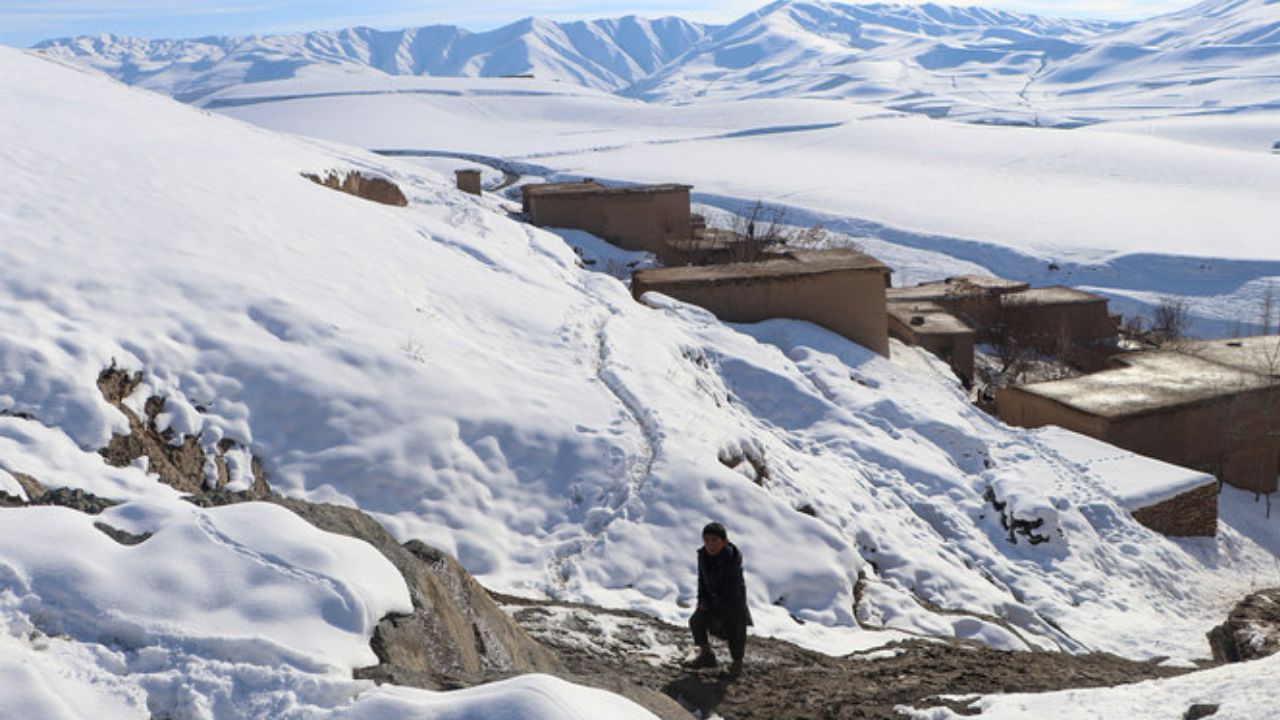
    At least 60 people have been killed by heavy rain and snow in Afghanistan over the past three weeks, the government’s disaster ministry said Wednesday.

    Afghanistan has been parched by an unusually dry winter, but the end of the season is normally a time when deadly bad weather — particularly floods — batter communities.

    “Because of the snow and rains unfortunately sixty compatriots have been martyred and 23 people injured” since February 20, ministry spokesman Janan Sayeq said in a video statement.

    About 1,645 houses have been totally or partially ruined and nearly 178,000 livestock killed, he added.

    Since the collapse of the US-backed government and the return of the Taliban, foreign aid to Afghanistan has shrunk dramatically, undermining the already impoverished nation’s ability to respond to disasters.

    Western Herat province — still reeling from a succession of devastating earthquakes in October — has been hit by flash floods after heavy rain since Monday evening.

    Five members of the same family were killed Tuesday when the roof of their home collapsed in the provincial capital of Herat city, disaster management official Abdul Zaher Noorzai told reporters.

    Provisional data showed about 250 houses had been destroyed and vast tracts of farmland flooded, he added, saying aid should begin arriving on Thursday.

    Like many other houses in the area, the one that caved-in on the five relatives had been damaged in a series of earthquakes five months ago, local imam Naqibullah told AFP.

    The trio of quakes — starting on October 7 — killed nearly 1,500 and left some 30,000 homes totally or partially destroyed, according to the United Nations.

  • Two People To Be Publicly Executed In Eastern Afghanistan

    Two People To Be Publicly Executed In Eastern Afghanistan

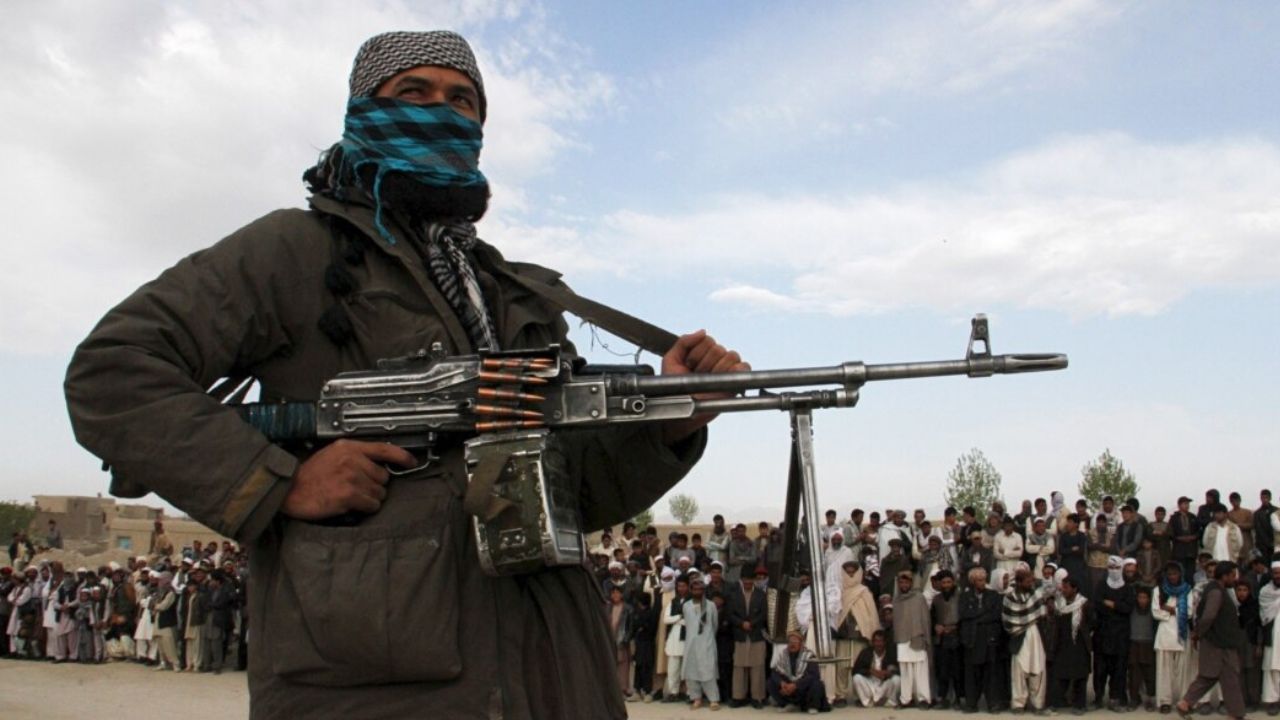
    Two people were due to be publicly executed in a football stadium in eastern Afghanistan on Thursday, provincial officials said, in the third and fourth death penalties carried out since the Taliban returned to power.

    The Ghazni province information and culture department said in a public notice that the execution was a qisas punishment — equating to “an eye-for-an-eye” — but did not initially provide details on the prisoners or their crimes.

    Although public executions were common during the Taliban’s first rule from 1996 to 2001, they have only carried out two others since surging back to power in August 2021. Both were for the crime of murder.

    There have been regular public floggings for other crimes, however, including theft, adultery and alcohol consumption.

    Taliban Supreme Leader Hibatullah Akhundzada last year ordered judges to fully implement all aspects of sharia — including qisas punishment.

    The last execution was carried out in June 2023, when a convicted murderer was shot dead in the grounds of a mosque in Laghman province in front of some 2,000 people.

  • How many Afghans have left Pakistan so far?

    How many Afghans have left Pakistan so far?

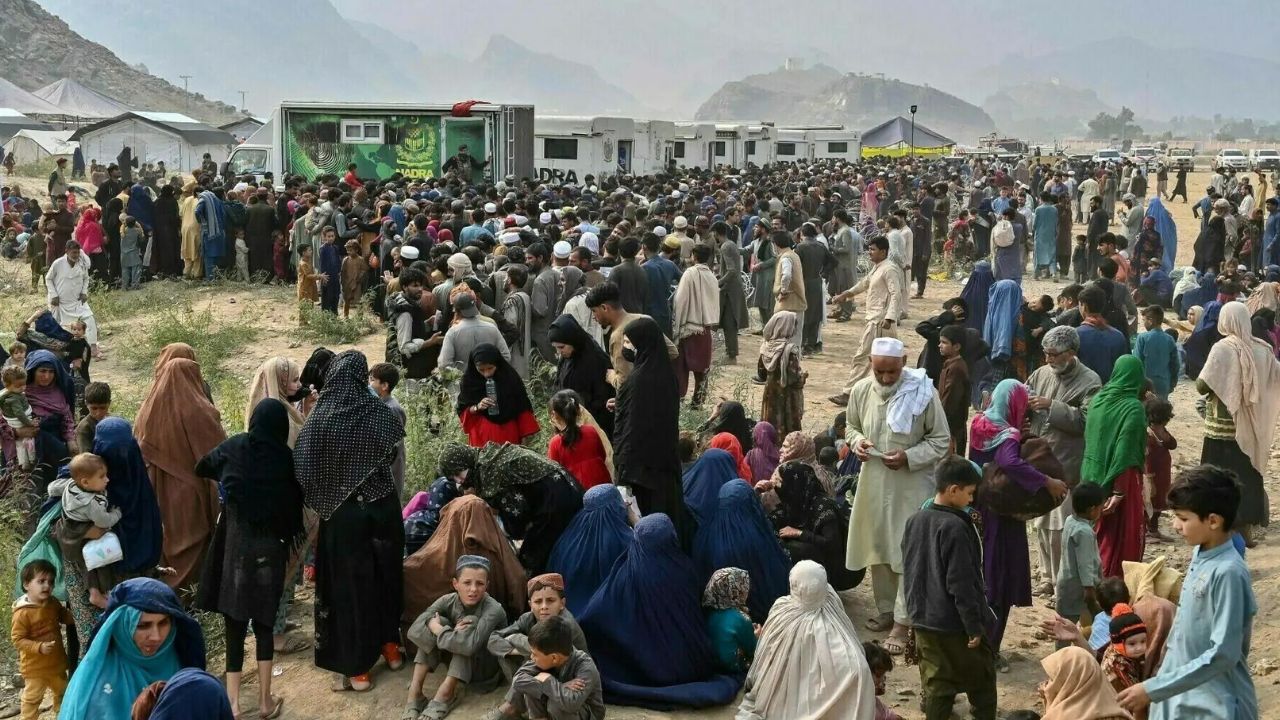
    The repatriation of Afghans living across Pakistan continues.

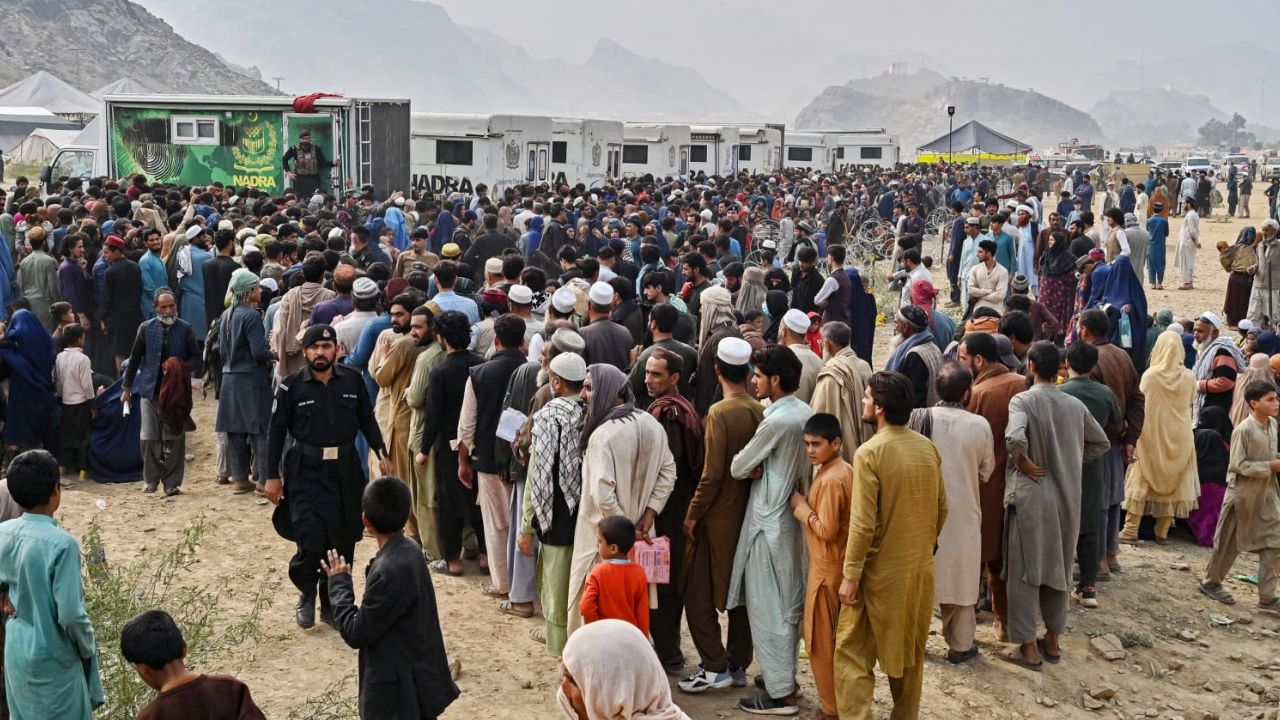
    According to official data, from February 15 to February 19, another 3,396 Afghans left Pakistan, including 1,245 men, 1,025 women, and 1,914 children. 210 families have reportedly been repatriated in 124 vehicles to Afghanistan.

    A large number of illegal Afghans have been returning to Afghanistan from Pakistan fearing arrest, even before the announcement by the government of Pakistan.

    According to official data released on February 19, a total of more than 493,000 Afghans have returned to their country as of yet.

  • Decades-old Mass Grave Unearthed In Afghanistan

    Decades-old Mass Grave Unearthed In Afghanistan

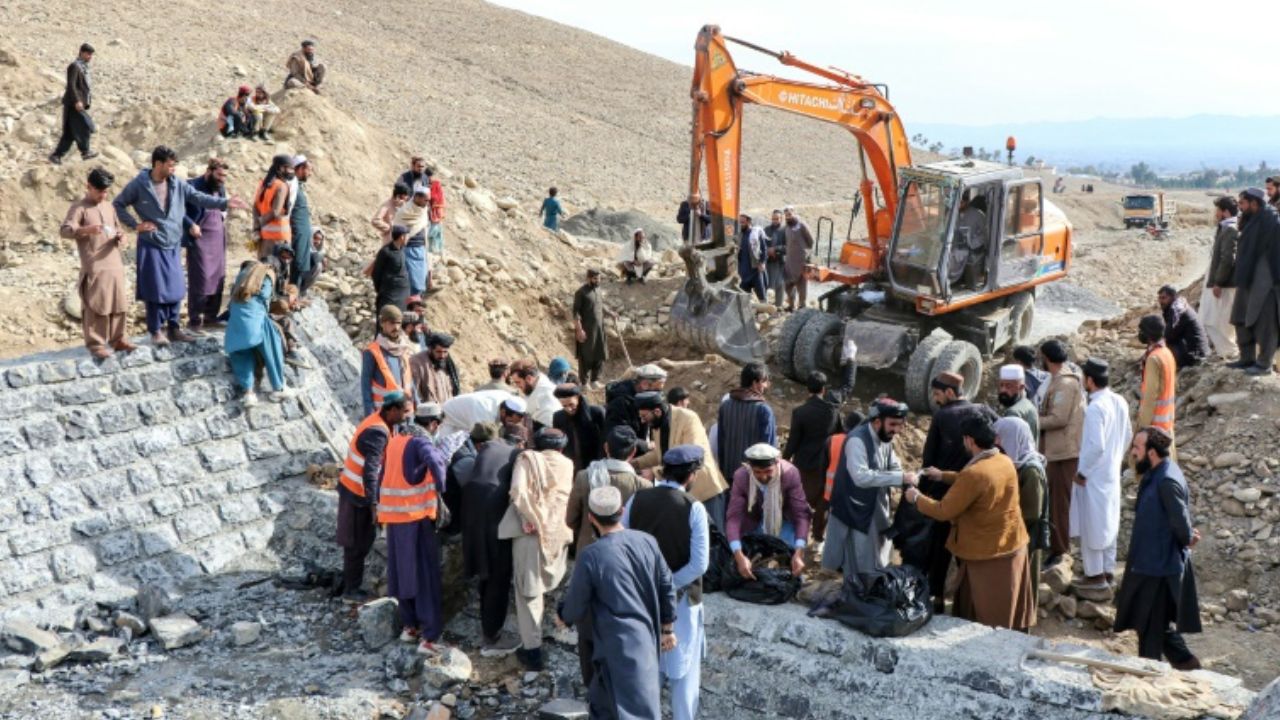
    A mass grave containing around 100 bodies believed to date from Afghanistan’s Soviet-backed government era has been discovered in the country’s eastern Khost province, local officials said on Monday.

    The grave was found Saturday during construction of a small dam in the Sarbani area of central Khost, mayor Bismillah Bilal said.

    “According to the initial information, these people were buried here after being killed in 1358” in the Afghan calendar, corresponding to April 1979 to March 1980, he told AFP.

    “At least 100 bodies were discovered” in the grave, Bilal added, noting that some remains bore women’s clothing and that all appeared to be civilians.

    Local residents said the remains belonged to victims of the violence that followed the 1978 Soviet-backed communist coup in Afghanistan.

    “In 1358, these people were brought here in a merciless, barbaric way by the cruel communist authorities without trial,” said Salam Sharifi, whose father disappeared under the communist government, his remains never found.

    “They were martyred and we are their descendants. This is a cruelty that history will never forget,” Sharifi told AFP.

    A committee has been appointed to relocate the remains, with residents helping municipality workers to remove the bodies from the site, piling the dry bones into bags that lined the excavated grave on Monday.

    “No one knows who these martyrs are,” said resident Mandair Mangal. “They were all buried in the earth and we are taking out the bones and sorting them.”

    After decades of conflict — including the Soviet invasion from 1979, the following civil war and the US-led occupation — many mass graves have been found across Afghanistan.

    In 2009, another mass grave of victims of the Soviet-backed government era was discovered, containing at least 20 bodies.

    More recently, in September 2022, a mass grave containing the remains of 12 people was found in Spin Boldak, a site of fierce fighting between former Afghan government forces and Taliban fighters during their two-decade insurgency before they seized power in 2021.

  • Pakistani passport once again least powerful

    Pakistani passport once again least powerful

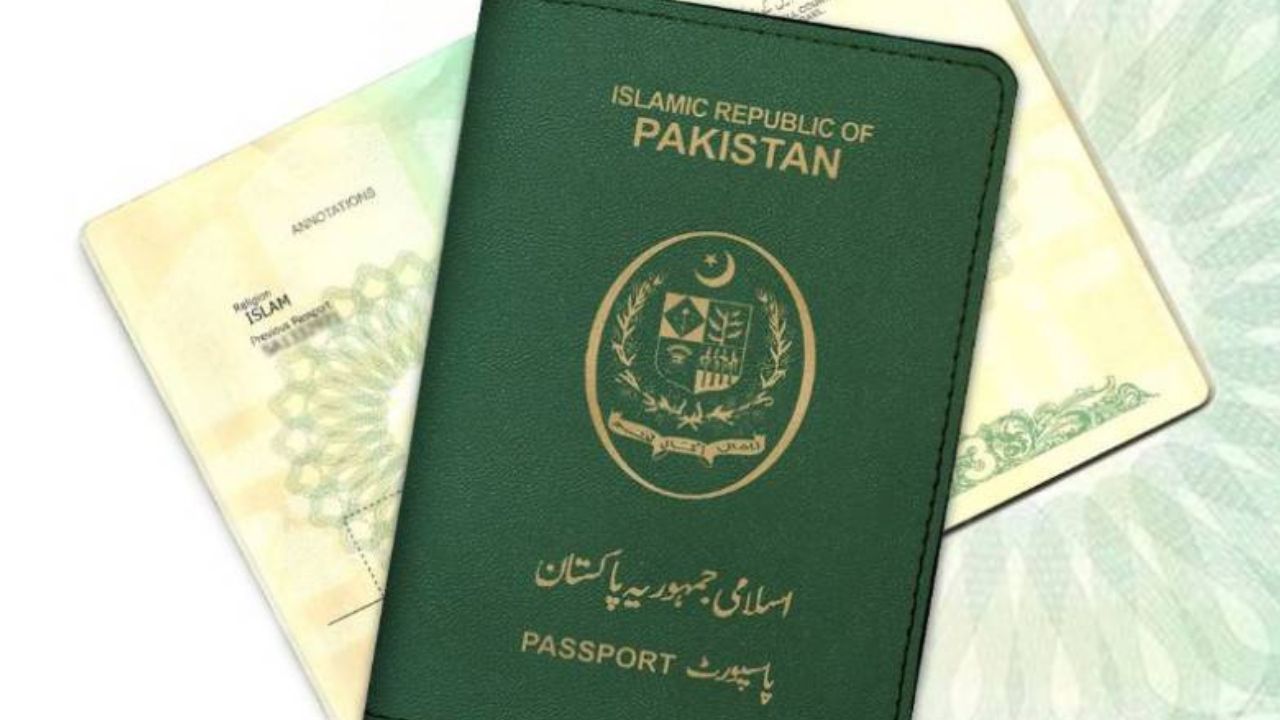
    Henley & Partners‘ Passport Index has published a list portraying the world’s travel access hierarchy.


    Top on the list of countries that encourage travelling are France, Germany, Italy, Japan, Singapore, and Spain, whose citizens can visit an astounding 194 destinations without requiring arduous visa procedures. This group of countries offer passport-to-plane experience, setting the bar high for unmatched worldwide mobility.


    With access to 193 locations, Finland, South Korea, and Sweden share second place. Many visa-free or visa-on-arrival options are available to their well-travelled inhabitants, providing access to a variety of cultures and environments.


    Austria, Denmark, Ireland, and the Netherlands take third place with access to 192 destinations. These nations serve as entry points to a wide range of travel opportunities.


    The long list goes on, honouring countries that place a high priority on global connection. Among the notable entries are the United States, Canada, Greece, Switzerland, and New Zealand, all of which provide their inhabitants with an abundance of travel options.


    On the other hand, the Passport Index identifies states with more limited travel options. Afghanistan, Syria, Iraq, and Pakistan are among the least accessible, offering their passport holders entry to just 34 countries that require no visa or one upon arrival.


    The London-based company, which offers residency and citizenship consultancy services, teamed together with the International Air Transport Association to create a unique ranking that takes into account passport holders’ access to countries without a visa or with one upon arrival.