Tag: AI

  • ‘I once found pornographic pictures of myself when I was a teenager’: Janhvi Kapoor

    ‘I once found pornographic pictures of myself when I was a teenager’: Janhvi Kapoor

    Bollywood star Janhvi Kapoor gave an interview to Indian publication Newslaundry where she opened up about how as the daughter of celebrity parents, there were several occasions where her privacy was breached. She talked about an incident where pictures of her as a teenager were uploaded on the internet, taking a toll on her mental health.

    The ‘Mili’ actress revealed she came across pictures of her face morphed on inappropriate photographs on pornographic websites, stressing that she was concerned about the rise of AI technology.

    “People see these manipulated images and assume they’re real. It deeply concerns me.”

    The actress shared how as a ten year old, she searched her name on a school’s computer lab and found pictures taken by the paparazzi on Yahoo, where she looked “very uncomfortable” and not “groomed”. The headlines claimed she was being launched in the industry. Such gossip tabloids further alienated Janhvi from her peers:

    “I don’t think they understood it so they started disliking me. I didn’t understand what was happening. My friends looked at me differently, they poked fun at me for not getting waxed… Many insinuated that I don’t have to work as I was famous anyway, weird taunts that I wouldn’t understand. Everyone kept asking me when I was leaving school and why I was on Yahoo. There was a lot of judgement, a lot of questioning of one’s self-worth from a very young age.”

  • ‘Every actor has the right to protect themselves’: Anil Kapoor wins landmark case against AI

    ‘Every actor has the right to protect themselves’: Anil Kapoor wins landmark case against AI

    Veteran Bollywood actor Anil Kapoor has won a landmark case preventing his image from being used in any manner by Artificial Intelligence (AI) technology.

    The actor filed a case with the Delhi High Court, after numerous morphed videos and emojis featuring his iconic phrase ‘jhakas’ from the 1985 film ‘Yudh’ went viral on social media.

    The suit had asked for protection for the actor’s personality rights including his name, image, likeness, voice against any misuse on social media, and listed various instances of how the actor’s attributes were being misused. After a detailed hearing, the court sided with Anil Kapoor by acknowledging his personality rights, and restrained users from misusing the attributes without his permission or consent.

    Speaking to Variety, Anil Kapoor said he was happy with the order.

    “I’m very happy with this court order, which has come in my favor, and I think it’s very progressive and great for not only me but for other actors also. Because of the way technology and the AI technology, which is which is evolving every day [and] which can completely take advantage of and be misused commercially, as well as where my image, voice, morphing, GIFs and deep fakes are concerned, I can straight away, if that happens, send a court order and injunction and they have to pull it down.”

    “It’s not only for me,” the ‘Slumdog Millionaire’ actor stressed. “Today, I’m there to protect myself, but when I’m not there, the family should have the right to protect my [personality] and gain from it in future.”

    “My intention is not to interfere with anyone’s freedom of expression or to penalize anyone. My intent was to seek protection of my personality rights and prevent any misuse for commercial gains, particularly in the current scenario with rapid changes in technology and tools like artificial intelligence.”

    AI is a central element to the SAG-AFTRA strikes in Hollywood. Anil Kapoor expressed solidarity with the ongoing strike.

    “This [the court order] should be great positive news for all of them to a certain extent. And I am always, completely with them in every which way, and I feel their rights should be protected, because everybody, big, small, popular, not popular, every actor has the right to protect themselves and their rights.”

  • ChatGPT solves medical mystery, diagnosing rare condition in 4-year-old after 17 doctors failed

    ChatGPT solves medical mystery, diagnosing rare condition in 4-year-old after 17 doctors failed

    A mother’s relentless pursuit of answers regarding her four-year-old son’s unexplained pain and growth delay has reached a triumphant conclusion, thanks to the remarkable capabilities of artificial intelligence (AI).

    After consulting with 17 medical professionals over a span of three years, none of whom could provide a definitive diagnosis, she turned to ChatGPT, an AI tool that ultimately unveiled the elusive condition responsible for her son’s suffering.

    ChatGPT has emerged as a transformative AI tool, simplifying intricate tasks and offering solutions to perplexing challenges for individuals and families worldwide. Its profound impact across various industries became evident in a recent case that showcased its extraordinary ability to aid in medical diagnostics.

    The journey began for Courtney, a mother who found herself entangled in a medical mystery concerning her four-year-old son, Alex. This young boy experienced persistent pain and a puzzling lack of growth, necessitating his reliance on Motrin for relief. Desperate to alleviate her son’s suffering, Courtney embarked on an exhaustive quest for answers, consulting numerous physicians and even making a harrowing emergency room visit.

    Courtney recounted the extensive efforts she undertook in her relentless pursuit of a diagnosis, emphasising numerous doctor consultations and a harrowing emergency room visit. She also described spending sleepless nights meticulously researching and exploring various possibilities on her computer.

    Amid the backdrop of the COVID-19 pandemic, Alex’s condition took a perplexing turn as he began chewing objects that caused him severe pain. This development prompted Courtney to intensify her efforts, eventually leading her to a doctor who suggested that Alex’s issues might be related to lingering COVID-19 effects. However, Alex’s growth stagnated, and the mystery endured.

    Having consulted 17 doctors with no conclusive results, Courtney ventured into unconventional territory and turned to ChatGPT for answers. By sharing Alex’s symptoms with the AI, she received a revelation that had eluded medical professionals for years. ChatGPT identified a rare neurological condition known as tethered cord syndrome as the root cause of Alex’s suffering.

    Courtney explained the pivotal role played by ChatGPT in unraveling the medical mystery. She meticulously analysed every detail in her son’s MRI notes, inputting them into the AI tool and even mentioning her son’s inability to sit crisscross applesauce. This meticulous approach led to a breakthrough in understanding the potential structural issue her son was facing.

    Armed with newfound hope and a potential diagnosis, Courtney promptly scheduled an appointment with a neurosurgeon, sharing her suspicion that Alex was afflicted by tethered cord syndrome. The neurosurgeon, after reviewing the MRI, confirmed this diagnosis, paving the way for Alex to undergo surgery to address the condition just a few weeks ago.

    The case of Alex and his mother’s unwavering quest for answers serves as yet another testament to the transformative potential of AI in the field of medicine. ChatGPT’s ability to navigate complex medical data and identify rare conditions has not only provided a lifeline for this family but has also expanded our understanding of AI’s profound impact on healthcare.

    This remarkable story joins a growing list of instances where ChatGPT has proven its mettle in diagnosing challenging medical conditions. In March, a Twitter user shared a similar experience, recounting how the AI tool accurately identified a diagnosis for a pet dog when traditional medical avenues fell short.

    Tethered cord syndrome, as described by the American Association of Neurological Surgeons, occurs when spinal cord tissue forms attachments that restrict its movement. This condition leads to abnormal stretching of the spinal cord, resulting in various neurological symptoms.

    The identification of tethered cord syndrome in Alex’s case underscores the significance of AI-powered solutions like ChatGPT in uncovering rare and complex medical conditions, ultimately enhancing patient outcomes.

  • AI-generated song with vocals by Drake, The Weeknd submitted for 2 Grammy’s

    AI-generated song with vocals by Drake, The Weeknd submitted for 2 Grammy’s

    ‘Heart On The Sleeve’ has been submitted to the Grammys for two awards this year, including ‘Song Of The Year’ and ‘Best Rap Song’. The song, featuring vocals by Drake and Abel Tesfaya aka The Weekend, is AI generated. The New York Times reports that an anonymous songwriter, Ghostwriter, has written the track, as well as another song ‘Whiplash’ which features vocals by Travis Scott and 21 Savage.

    Here’s the catch: none of these singers have actually sung the songs.

    ‘Heart On A Sleeve’ racked up 600,000 streams on Spotify as well as 15 million views on Tiktok but was removed immediately after Drake and The Weeknd’s label, Universal Music Group, reacted. But, the publication reports, the song was eligible for two awards, since the category recognizes writers, rather than performers, taking refuge in a loop hole in the announcement by the Recording Academy in June which banned AI-generated songs from being submitted for consideration, since the song was written by a human.

    Harvey Mason, chief executive of the Recording Academy, said:

    “I knew right away as soon as I heard that record that it was going to be something that we had to grapple with from an Academy standpoint, but also from a music community and industry standpoint. When you start seeing A.I. involved in something so creative and so cool, relevant and of-the-moment, it immediately starts you thinking, ‘OK, where is this going? How is this going to affect creativity? What’s the business implication for monetization?’”

    Meanwhile Ghostwriter wrote a lengthy statement on Twitter where he called for both 21 Savage and Travis Scott to post a collaboration, and clarified that to respect the artists, he would direct royalties earned from the song to them:

    “The future of music is here. Artists now have the ability to let their voice work for them without lifting a finger. If you’re down to put it out, I will clearly label it as A.I., and I’ll direct royalties to you. Respect either way.”

  • Rise of the machines: AI spells danger for Hollywood stunt workers

    Rise of the machines: AI spells danger for Hollywood stunt workers

    By Andrew MARSZAL

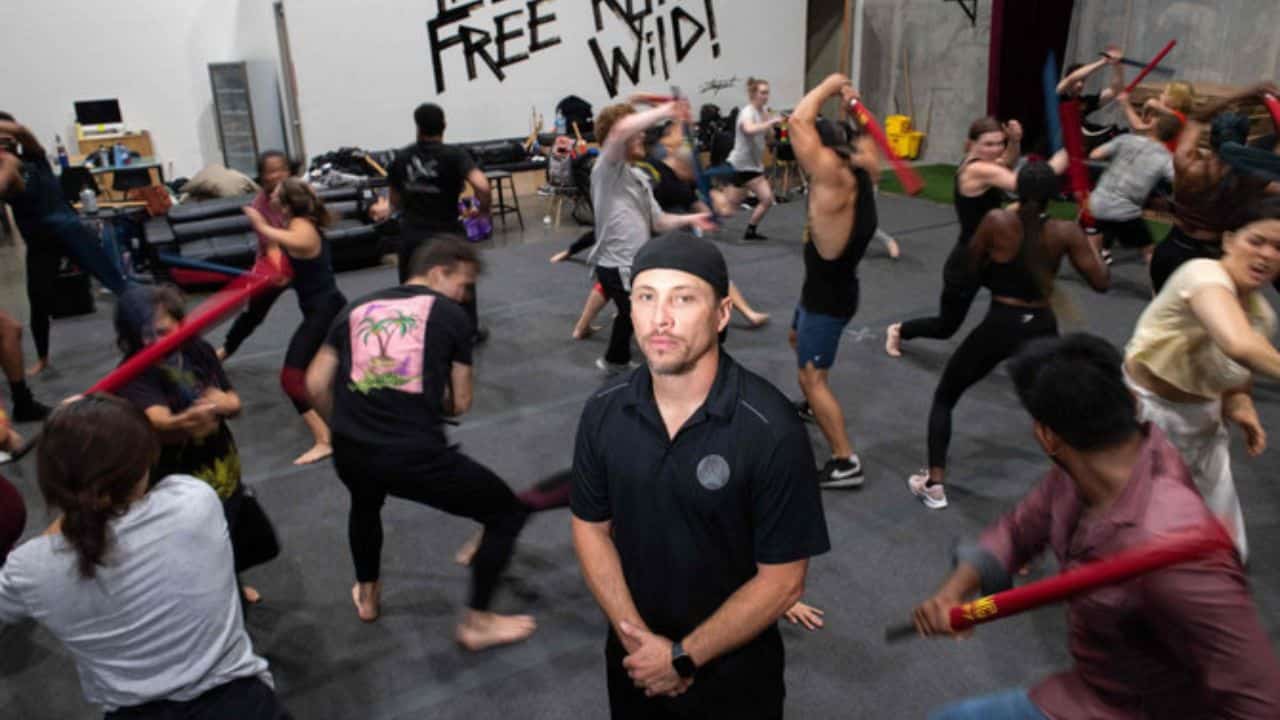
    Hollywood’s striking actors fear that artificial intelligence is coming for their jobs — but for many stunt performers, that dystopian danger is already a reality.

    From “Game of Thrones” to the latest Marvel superhero movies, cost-slashing studios have long used computer-generated background figures to reduce the number of actors needed for battle scenes.

    Now, the rise of AI means cheaper and more powerful techniques are being explored to create highly elaborate action sequences such as car chases and shootouts — without those pesky (and expensive) humans.

    Stunt work, a time-honored Hollywood tradition that has spanned from silent epics through to Tom Cruise’s latest “Mission Impossible,” is at risk of rapidly shrinking.

    “The technology is exponentially getting faster and better,” said Freddy Bouciegues, stunt coordinator for movies like “Free Guy” and “Terminator: Dark Fate.”

    “It’s really a scary time right now.”

    Studios are already requiring stunt and background performers to take part in high-tech 3D “body scans” on set, often without explaining how or when the images will be used.

    Advancements in AI mean these likenesses could be used to create detailed, eerily realistic “digital replicas,” which can perform any action or speak any dialogue its creators wish.

    Bouciegues fears producers could use these virtual avatars to replace “nondescript” stunt performers — such as those playing pedestrians leaping out of the way of a car chase.

    “There could be a world where they said, ‘No, we don’t want to bring these 10 guys in… we’ll just add them in later via effects and AI. Now those guys are out of the job.”

    But according to director Neill Blomkamp, whose new film “Gran Turismo” hits theaters August 25, even that scenario only scratches the surface.

    The role AI will soon play in generating images from scratch is “hard to compute,” he told AFP.

    “Gran Turismo” primarily uses stunt performers driving real cars on actual racetracks, with some computer-generated effects added on top for one particularly complex and dangerous scene.

    But Blomkamp predicts that, in as soon as six or 12 months, AI will reach a point where it can generate photo-realistic footage like high-speed crashes based on a director’s instructions alone.

    At that point, “you take all of your CG (computer graphics) and VFX (visual effects) computers and throw them out the window, and you get rid of stunts, and you get rid of cameras, and you don’t go to the racetrack,” he told AFP.

    “It’s that different.”

    – The human element –

    The lack of guarantees over the future use of AI is one of the major factors at stake in the ongoing strike by the Screen Actors Guild (SAG-AFTRA) and Hollywood’s writers, who have been on the picket lines 100 days.

    SAG-AFTRA last month warned that studios intend to create realistic digital replicas of performers, to use “for the rest of eternity, in any project they want” — all for the payment of one day’s work.

    The studios dispute this, and say they have offered rules including informed consent and compensation.

    But as well as the potential implications for thousands of lost jobs, Bouciegues warns that no matter how good the technology has become, “the audience can still tell” when the wool is being pulled over their eyes by computer-generated VFX.

    Even if AI can perfectly replicate a battle, explosion or crash, it cannot supplant the human element that is vital to any successful action film, he said, pointing to Cruise’s recent “Top Gun” and “Mission Impossible” sequels.

    “He uses real stunt people, and he does real stunts, and you can see it on the screen. For me, I feel like it subconsciously affects the viewer,” said Bouciegues.

    Current AI technology still gives “slightly unpredictable results,” agreed Blomkamp, who began his career in VFX, and directed Oscar-nominated “District 9.”

    “But it’s coming… It’s going to fundamentally change society, let alone Hollywood. The world is going to be different.”

    For stunt workers like Bouciegues, the best outcome now is to blend the use of human performers with VFX and AI to pull off sequences that would be too dangerous with old-fashioned techniques alone.

    “I don’t think this job will ever just cease to be,” said Bouciegues, of stunt work. “It just definitely is going to get smaller and more precise.”

    But even that is a sobering reality for stunt performers who are currently standing on picket lines outside Hollywood studios.

    “Every stunt guy is the alpha male type, and everybody wants to say, ‘Oh, we’re good,’” said Bouciegues.

    “But I personally have spoken to a lot of people that are freaked out and nervous.”

  • Robots tell UN conference they can run the world better than humans with help of AI

    Robots tell UN conference they can run the world better than humans with help of AI

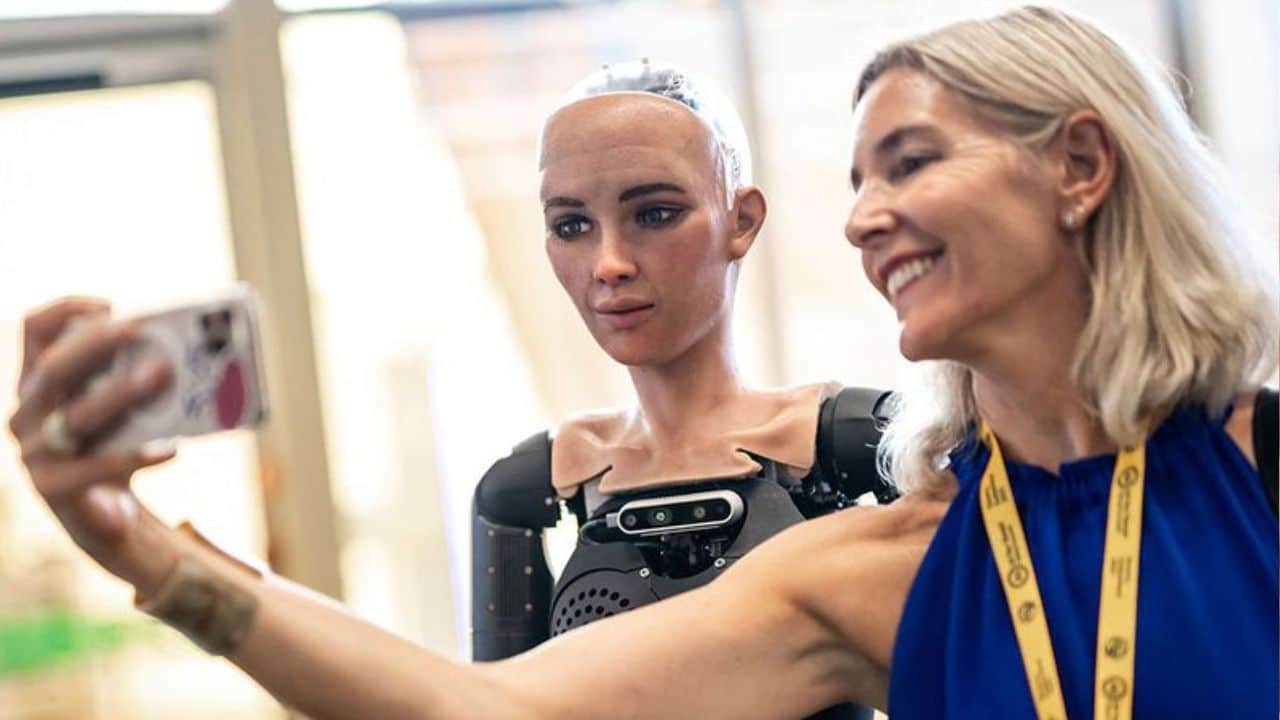
    AI-powered humanoid robots stole the spotlight at a United Nations summit in Geneva, boldly claiming they could run the world more efficiently than humans. These robots, like Sophia from Hanson Robotics and Ameca with a lifelike artificial head, gathered at the AI for Good Global Summit, where around 3,000 experts aimed to figure out how AI could tackle big problems like climate change and social care.

    While the robots proudly touted their knack for crunching unbiased data, they also recognised that humans bring the emotional smarts and creativity needed for making smart decisions. The summit made history by hosting a news conference with a panel of AI-enabled humanoid social robots, a first-of-its-kind event.

    The UN’s ITU tech agency, which organised the summit, also highlighted the downsides of rushing into AI without caution. Job losses and social unrest are concerns, the agency warned. The robots had mixed views on whether there should be global rules for AI. Some urged careful discussions about rules, while others were all about embracing the potential without holding back.

    However, these robots, despite their impressive abilities, confessed that they can’t quite grasp human emotions yet. They admitted that human feelings, like joy and pain, are a mystery to them. Although they understand that emotions matter, they made it clear that they can’t really share those feelings.

    This conference shone a light on the exciting possibilities and tough challenges of AI’s growth. It started conversations about using AI in ways that make sense and don’t cause harm to our society. As AI keeps getting smarter, these humanoid robots remind us that we need to be smart about how we use it in our world.

  • New study reveals more than 50% of marketers are using AI to boost content creation

    New study reveals more than 50% of marketers are using AI to boost content creation

    A comprehensive study conducted by Bynder, a leading digital asset management platform, sheds light on the numerous ways the marketing industry is leveraging AI technology to enhance efficiency in day-to-day tasks and explores the potential for further advancements in this domain.

    The study, which delved deep into Bynder’s customer base, comprising prominent global brands such as Spotify, Puma, and Five Guys, revealed that more than half (55 per cent) of respondents are currently employing AI tools in their content production processes. These AI integrations are primarily focused on automating repetitive and time-consuming tasks, including generating initial draughts (54 per cent), content optimisation (43 per cent), and ensuring correct spelling and grammar (42 per cent), among others.

    The marketing industry has been quick to integrate AI into various daily operations, encompassing brainstorming ideas, drafting engaging social media posts and landing page copy, crafting attention-grabbing headlines, establishing tone of voice guidelines, and conducting research tasks. Additionally, AI has proven valuable in reducing the time spent on laborious SEO activities such as generating meta-descriptions and translations. The most common tasks involving AI in this regard include content re-use (30 per cent), creating tone of voice guidelines (27 per cent), content governance (25 per cent), and translation tasks (25 per cent).

    Looking forward, the study’s respondents emphasised the need for businesses to consider how AI technology can enhance and streamline content production processes rather than simply replacing human input. To add even more value to content operations, the potential applications of AI suggested by respondents include personalising website content based on individual browsing history and preferences, developing chatbots to improve user navigation, and providing content recommendations derived from user behavior and sentiment analysis. Moreover, AI could simplify content creation by generating initial drafts that can later be refined by human teams.

    Respondents noted that training AI to comprehend a company’s intended tone of voice and speaker style could be beneficial. Furthermore, having AI make recommendations or automatically create and update timelines and revision histories could be advantageous from a broader perspective.

    However, while embracing AI technology, marketers emphasised that its primary purpose should be to improve the quality of content rather than solely focus on cost-cutting measures. They stressed the importance of striking the right balance between human expertise and AI capabilities to achieve optimal results.

    Warren Daniels, the CMO of Bynder, expressed satisfaction with how customers and marketers are leveraging AI to drive innovation and efficiency. At Bynder, the focus has been on developing AI and automation capabilities to empower marketers to maximise the value of their creative and editorial content. He emphasised that in today’s competitive landscape, creating exceptional content experiences is crucial for standing out, and responsible adoption of AI technology plays a pivotal role in enabling this.

    However, Daniels cautioned against replacing human creativity with AI. Instead, he advocated for integrating AI into existing processes in a way that frees up time for teams to concentrate on more creative endeavours. The creation of high-quality content demands thorough research, a genuine understanding of a brand’s core messages and tone of voice, and a touch of human empathy. AI should be harnessed in a managed or controlled manner to complement human creativity rather than hinder it.

  • AI-generated virtual influencer ‘Milla Sofia’ takes social media by storm, blurring lines of reality

    AI-generated virtual influencer ‘Milla Sofia’ takes social media by storm, blurring lines of reality

    The world of social media has been captivated by the virtual influencer Milla Sofia, a 19-year-old blond sensation with nearly 100,000 followers on TikTok. Unveiled as an artificial intelligence creation, Sofia’s photorealistic images and engaging content have left netizens in awe and bewilderment.

    With her first posts on Instagram and TikTok dating back to November 2022, Milla Sofia has quickly risen to prominence as a fusion of cutting-edge technology and elegance. The mastermind behind the AI-driven influencer is not shying away from the truth, openly acknowledging that she is an AI-generated entity.

    Despite this, her enigmatic allure has attracted a dedicated fan base, and it remains unclear how many of her followers fully comprehend her virtual nature.

    Sofia’s online persona portrays her as a fashion model and tech enthusiast, often flaunting bikini pictures from exotic locations like Greece and Bora Bora. Her intriguing interactions with her followers include TikToks featuring herself alongside real-world personalities like Elon Musk, showcasing her office outfit, and even seeking advice on hashtag preferences.

    To discerning eyes, a giveaway sign of her AI origins lies in occasional imperfections, notably in the form of distorted fingers in her photos.
    Astonishingly, some followers genuinely engage with her questions, while others seem to believe they have a personal connection, expressing gratitude for receiving her “beautiful photos” as if she were a real person.

    As the lines between reality and artificial personas blur, questions arise about the impact of virtual influencers on social media culture and the extent to which audiences can distinguish fact from fiction in this new era of digital influence.

  • Swiss radio station lets Artificial Intelligence run the show for one day

    Swiss radio station lets Artificial Intelligence run the show for one day

    In a groundbreaking experiment, Swiss public radio station Couleur 3 introduced a one-day programming event that showcased the capabilities of Artificial Intelligence (AI). Over the course of thirteen hours, the station’s airwaves were controlled entirely by AI, featuring cloned voices of five real human presenters and music composed predominantly by computers, marking a world-first endeavor.

    With voices resembling well-known personalities, music filled with trendy dance beats and hip-hop syncopations, and contagious jokes and laughter, the AI-led broadcast aimed to blur the boundaries between human and machine. Regular reminders reiterated the AI’s control over the programming, emphasising its presence throughout the day.

    Despite concerns about the potential long-term economic, cultural, social, and political consequences of AI and generative AI tools like ChatGPT, Couleur 3 embraced the experiment as a means to confront and demystify AI. Antoine Multone, the station’s chief, defended the project as a valuable lesson on coexisting with AI, rather than fearing its inevitable integration into society.

    To achieve the lifelike voices of presenters, Couleur 3 collaborated with software company Respeecher, which has experience working with Hollywood studios. Training the AI to understand the station’s unique and offbeat vibe took three months of preparation. The tracks aired during the day were partly or entirely composed by AI, a notable feat in the world of radio.

    To ensure clarity between real and synthetic news, the AI-delivered top-of-the-hour news flashes presented futuristic scenarios set in the year 2070. This approach aimed to avoid confusion with current real-world news.

    Feedback from listeners flooded the station, with mixed reactions. While some found the experiment intriguing, many expressed a desire for the return of human presenters. The discussion around the experiment continued, with plans for an on-air discussion led by real people to address the audience’s perspectives.

    Ultimately, Couleur 3’s bold experiment showcased the potential of AI in the broadcasting realm while raising important questions about the future of human involvement in media and the need to understand and harness AI technology responsibly.

  • Buzzfeed’s AI-generated Barbie Dolls article faces backlash for racial stereotypes

    Buzzfeed’s AI-generated Barbie Dolls article faces backlash for racial stereotypes

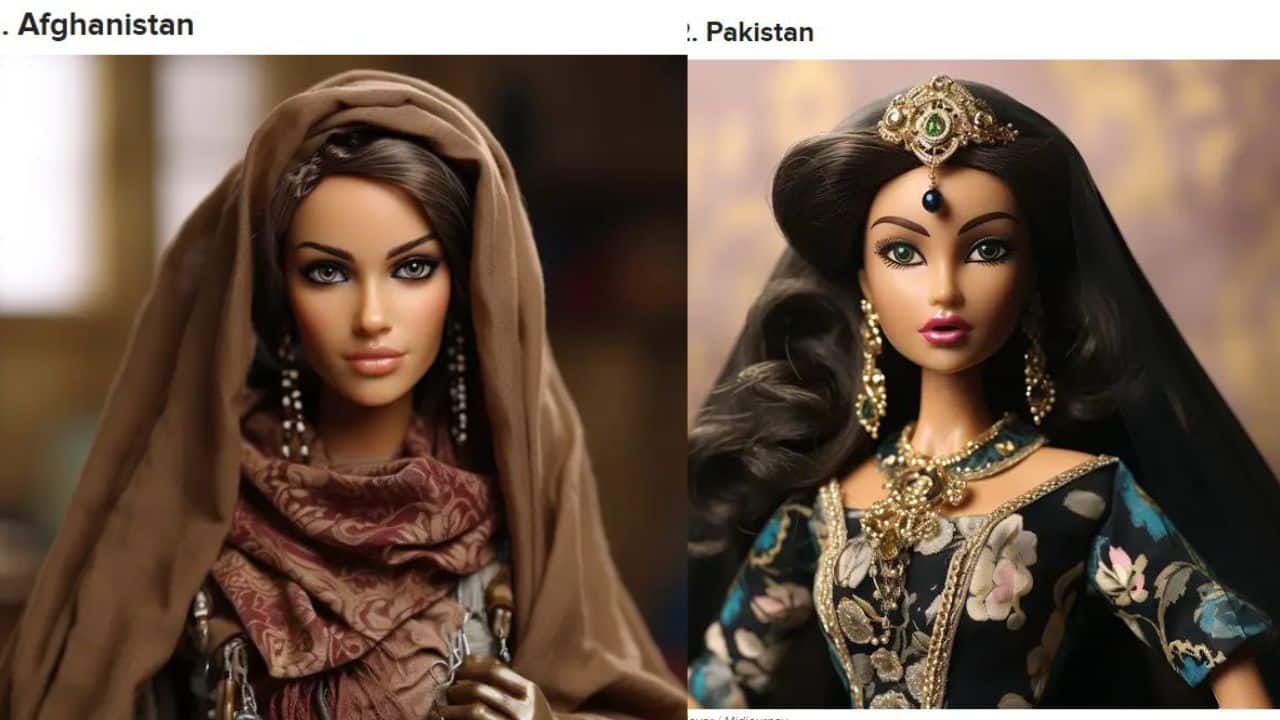
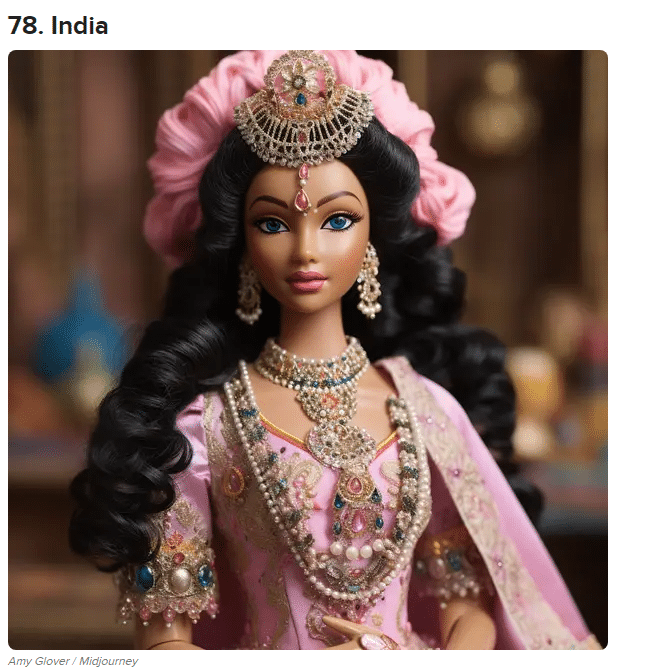
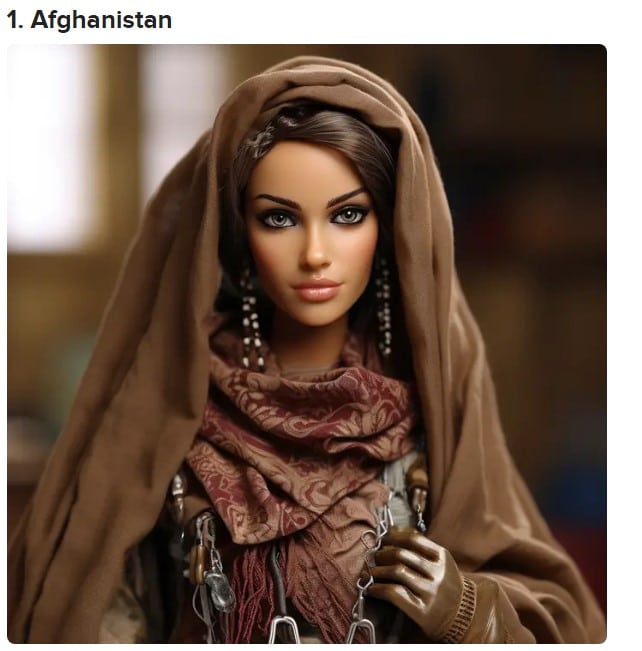
    Popular website Buzzfeed published an article featuring AI-generated images of Barbie Dolls from every country around the world. The piece has received extreme backlash for promoting racist micro-aggressions and cultural inaccuracies, which prompted the website to delete the article from all of their social media pages.

    Buzzfeed had given a brief disclaimer before the article that they acknowledged the biases and stereotypes demonstrated by AI models, clarifiying that these depictions should not be seen as accurate or comprehensive portrayals of human experiences.

    The article featured Barbies from all around the world, including one from Pakistan, who looked more like she stepped out of an Arabian fantasy book rather than from the streets of Lahore or Karachi.

    And the Barbie from India looks a lot more like subcontinent’s colonial masters than Deepika Padukone, the ACTUAL Barbie.

    And don’t even get me started on what the Afghanistan Barbie looks like. It’s a shame how a vibrant culture is reduced to burqas by racist algorithms

    A lot of the dolls featured in the article from Asian countries like Vietnam and Korea were wearing inaccurate clothing along with white-washed features.

    A Barbie from South Sudan was seen carrying a gun, drawing outrage from users.

    https://twitter.com/wagatwe/status/1677690070445309952?s=20