Tag: Donald Trump

  • Trump releases French president’s chat screenshots online as Greenland row escalates

    Trump releases French president’s chat screenshots online as Greenland row escalates

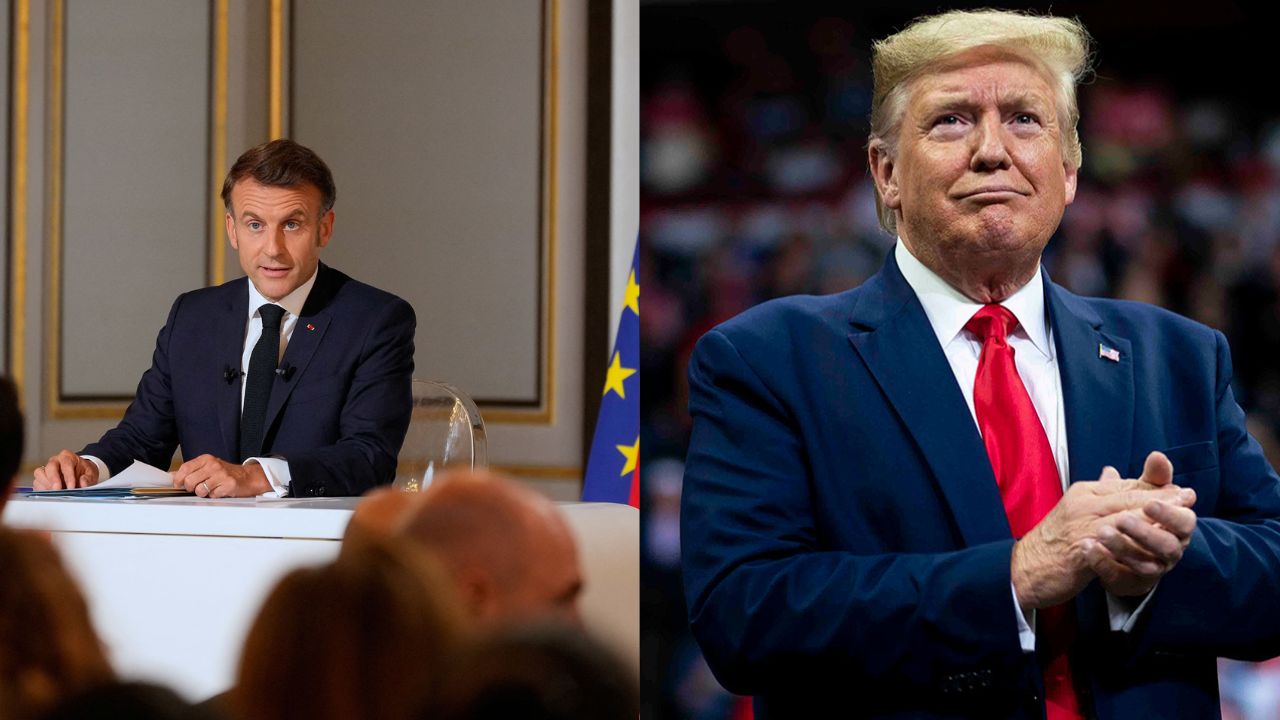
    French President Emmanuel Macron told US President Donald Trump that he could arrange a meeting in Paris after the World Economic Forum (WEF) in Davos on Thursday afternoon, screenshots of messages sent by Macron to Trump have revealed.


    The screenshots, released by Trump on his Truth Social account, also showed Macron inviting Trump to dinner in Paris later the same day. However, any reply from Trump was not visible in the shared screenshots, and the White House has not responded to foreign media’s request for a comment as of yet.


    “My friend, We are totally in line on Syria. We can do great things on Iran. I do not understand what you are doing on Greenland. Let us try to build great things: 1) i can set up a g7 meeting after Davos in Paris on thursday afternoon. I can invite the ukrainians, the danish, the syrians and the russians in the margins 2) let us have a dinner together in Paris together on thursday before you go back to the us. Emmanuel [sic],” read the messages in the screenshot.


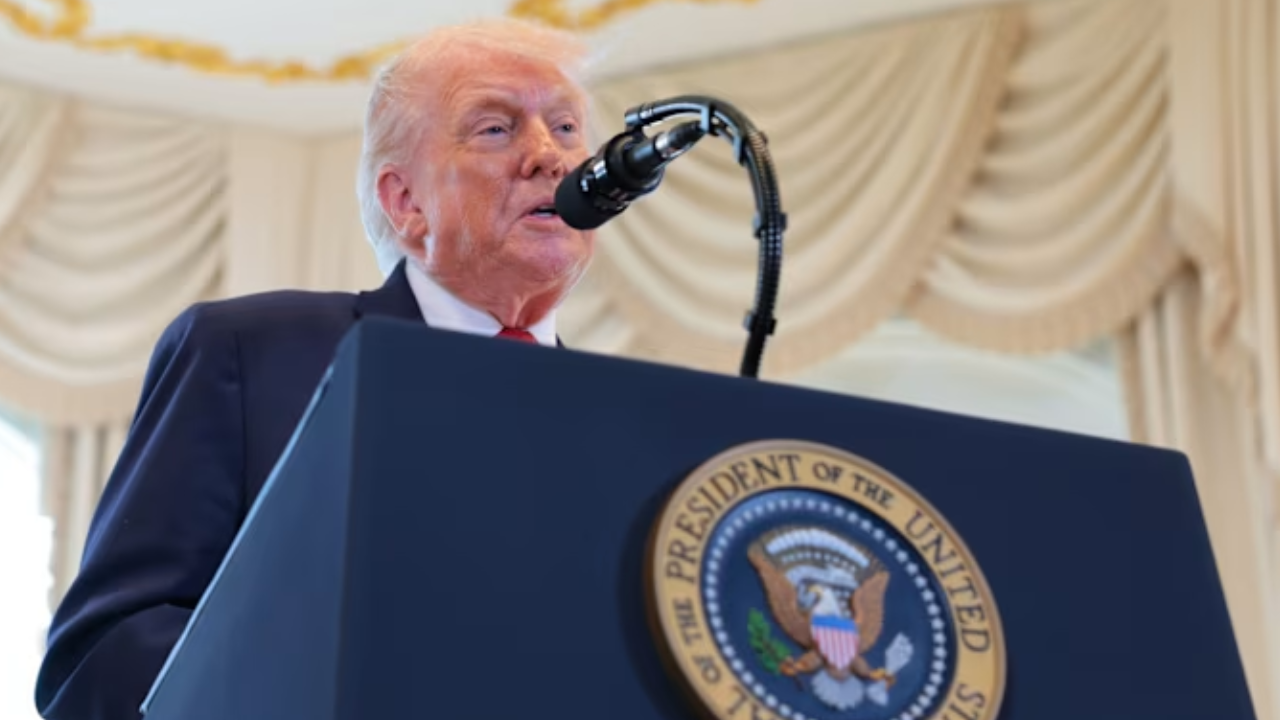
    The screenshot was released amid escalating tensions after Trump linked his efforts to take control of Greenland to his failure to secure a Nobel Peace Prize, stating that he no longer thought “purely of peace” as the dispute over the territory threatened to revive a trade conflict with Europe.


    In a text message sent on Sunday to Norwegian Prime Minister (PM) Jonas Gahr Støre, Trump said that because Norway had not awarded him the Nobel Peace Prize despite his claim of having stopped eight wars, he no longer felt obliged to think solely about peace, though it would remain a priority, and would instead focus on what he believed was best for the US. 


    Norway’s government released the messages on Monday. Støre had initially contacted Trump along with Finnish President Alexander Stubb, urging de-escalation, prompting Trump’s response within half an hour.


    In his message, Trump reiterated his claim that Denmark was incapable of defending Greenland against threats from Russia or China, questioning Denmark’s right to ownership and stating that global security required the US to have “complete and total control” of the island.


    Earlier, in an interview with NBC News, Trump declined to say whether he would use force to take Greenland but repeated his warning that European countries could face tariffs if an agreement was not reached.


    The standoff risks further straining the NATO alliance, which has already been under pressure due to the war in Ukraine and Trump’s stance that allies must increase defence spending to receive US protection.


    The threats have unsettled European industries and shaken financial markets, with investors concerned about a repeat of the volatility seen during the 2025 trade war, which eased only after tariff agreements were reached in the middle of the year.

  • White House calls $1 billion board of peace fee ‘misleading’ as Trump seeks wider global role

    White House calls $1 billion board of peace fee ‘misleading’ as Trump seeks wider global role

    The White House has said that reports that countries must contribute $1 billion to join US President Donald Trump’s Board of Peace are “misleading”. 

    “This simply offers permanent membership to partner countries who demonstrate deep commitment to peace, security, and prosperity,” the White House said on X.

    Trump initially unveiled the Board as part of phase two of a ceasefire agreement between Israel and Hamas, aimed at ending Israel’s genocide in Gaza. The body was envisioned to oversee “governance capacity-building, regional relations, reconstruction, investment attraction, large-scale funding, and capital mobilisation” in the enclave.

    However, letters written by Trump and posted on social media by two leaders invited to join the board, Argentinian President Javier Milei and Paraguay’s leader Santiago Pena suggested broader ambitions. 

    According to the letters, Trump said the board would seek to “solidify peace in the Middle East” and “embark on a bold new approach to resolving global conflict.”

    A draft charter sent to about 60 countries, seen by Reuters, also outlined an expanded role for the board. The Financial Times reported that the charter described it as “an international organisation that seeks to promote stability, restore dependable and lawful governance, and secure enduring peace in areas affected or threatened by conflict.”

    “Durable peace requires pragmatic judgment, common sense solutions, and the courage to depart from approaches and institutions that have too often failed,” the charter added, without directly referencing Gaza.

    Two diplomatic sources told an international news agency that the invitations included a charter that outlined the board’s wider mandate. One diplomat described it as “a ‘Trump United Nations’ that ignores the fundamentals of the UN charter.

    A senior US official told an international wire service that an expanded role for the board remains “aspirational” and added that it was not intended to replace the UN.

    For now, the Trump administration has said the board will initially focus on Gaza. On Friday, Trump announced Tony Blair, former UK prime minister, would serve as a founding executive member alongside Trump’s son-in-law Jared Kushner, US Secretary of State Marco Rubio, and US Middle East envoy Steve Witkoff. Other founding members include Marc Rowan, CEO of Apollo Global Management; World Bank Group President Ajay Banga; and Robert Gabriel, US deputy national security adviser.

    Many of these figures were also named to a separate “Gaza executive board,” which will oversee a technocratic committee of Palestinians, the National Committee for the Administration of Gaza (NCAG), expected to handle day-to-day governance in Gaza.

    The 11-member executive board includes Blair, Kushner, Witkoff, Turkish Foreign Minister Hakan Fidan, Qatari diplomat Ali Al Thawadi, UN Middle East peace coordinator Sigrid Kaag, UAE Minister of State for International Cooperation Reem Al-Hashimy, and Israeli-Cypriot billionaire Yakir Gabay.

    Beyond Argentina and Paraguay, Turkiye and Egypt have confirmed their leaders, Recep Tayyip Erdogan and Abdel Fattah el-Sisi  were invited to join the wider board of peace. 

    The initial announcement sparked outrage in the Middle East for excluding Palestinians from the “Board of Peace”.

    Israeli Prime Minister Benjamin Netanyahu opposed the Gaza executive board, saying its composition “was not coordinated with Israel and runs contrary to its policy,” though his office did not specify what exactly it opposed.

  • ‘It will be done!’: Trump reiterates need to acquire Greenland amid ‘Russian threat’

    ‘It will be done!’: Trump reiterates need to acquire Greenland amid ‘Russian threat’

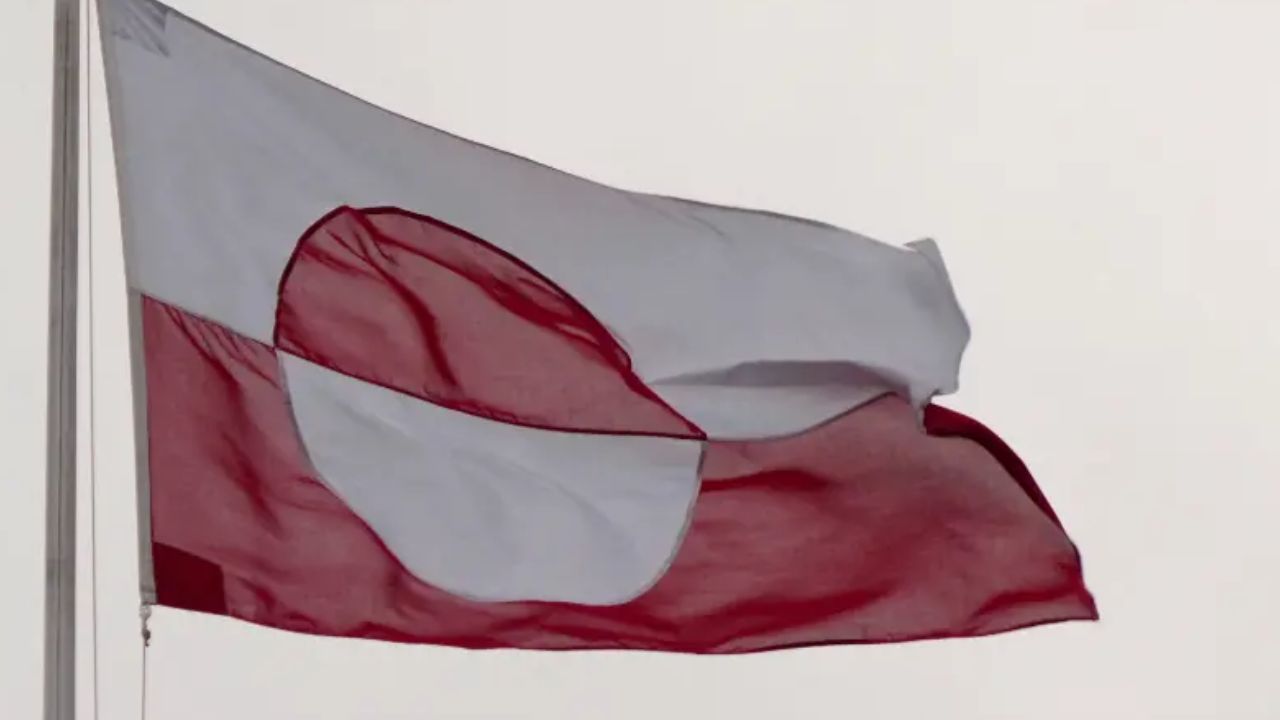
    United States (US) President Donald Trump on Monday reiterated his plans to annex Greenland, accusing Denmark of failing to address what he described as a “Russian threat”.


    Greenland, though sparsely populated, is strategically significant due to its location between North America and the Arctic, offering early-warning capabilities for missile defence and monitoring of regional shipping routes.


    “NATO has been telling Denmark, for 20 years, that ‘you have to get the Russian threat away from Greenland.’ Unfortunately, Denmark has been unable to do anything about it,” Trump wrote in a post on his social media platform, Truth Social.


    “Now it is time, and it will be done!!!” he added.


    The White House and Denmark’s foreign affairs ministry did not immediately respond to requests for comment, but Trump’s post came amid escalating tensions with European allies following his insistence that the US should acquire Greenland, an autonomous territory of Denmark. 


    He has repeatedly said he will settle for nothing less than ownership of the island, a position firmly rejected by both Danish and Greenlandic leaders, who say the territory is not for sale and does not want to become part of the US.


    Trump’s latest comments follow strong pushback from Denmark Prime Minister (PM) Mette Frederiksen, who said Europe would not be pressured into concessions through trade threats.


    He was referring to Trump’s threat of fresh wave of tariffs on European allies unless he is allowed to purchase Greenland amid growing presence of China and Russia, making Greenland critical to US security interests.


    European officials counter the claim by noting that the island is already covered under NATO’s collective security pact.


    “Europe will not be blackmailed,” Frederiksen wrote on Facebook, adding that Denmark was willing to cooperate but not seeking conflict.


    “It is all the more important that we stand firm on the fundamental values that created the European community.”


    Earlier, Trump warned he would impose new tariffs on eight US allies – Denmark, Finland, France, Germany the Netherlands, Norway, Sweden and the United Kingdom (UK) starting February if they oppose his proposed takeover of Greenland.


    In a joint statement issued on Sunday, the eight European countries said Trump’s tariff threats risked triggering a “dangerous downward spiral” in transatlantic relations.


    They expressed “full solidarity with the Kingdom of Denmark and the people of Greenland” and warned that using trade measures against allies undermined NATO unity.


    The countries said they remained committed to strengthening Arctic security as NATO members and stressed their willingness to engage in dialogue based on respect for sovereignty and territorial integrity.


    President Trump has said the proposed tariffs could begin at 10% and later rise to 25%, remaining in place until a deal is reached. He warned that opposing countries were creating a “very dangerous situation for the safety, security and survival of our planet”.


    Trump has also previously suggested the US could obtain Greenland “the easy way or the hard way” and has not ruled out the use of force remarks that have drawn widespread criticism across Europe.


    European leaders continue to stress that respect for sovereignty remains central to international law.

  • ‘F**k you’: Trump responds to heckler at Ford plant, shows him the middlefinger

    ‘F**k you’: Trump responds to heckler at Ford plant, shows him the middlefinger

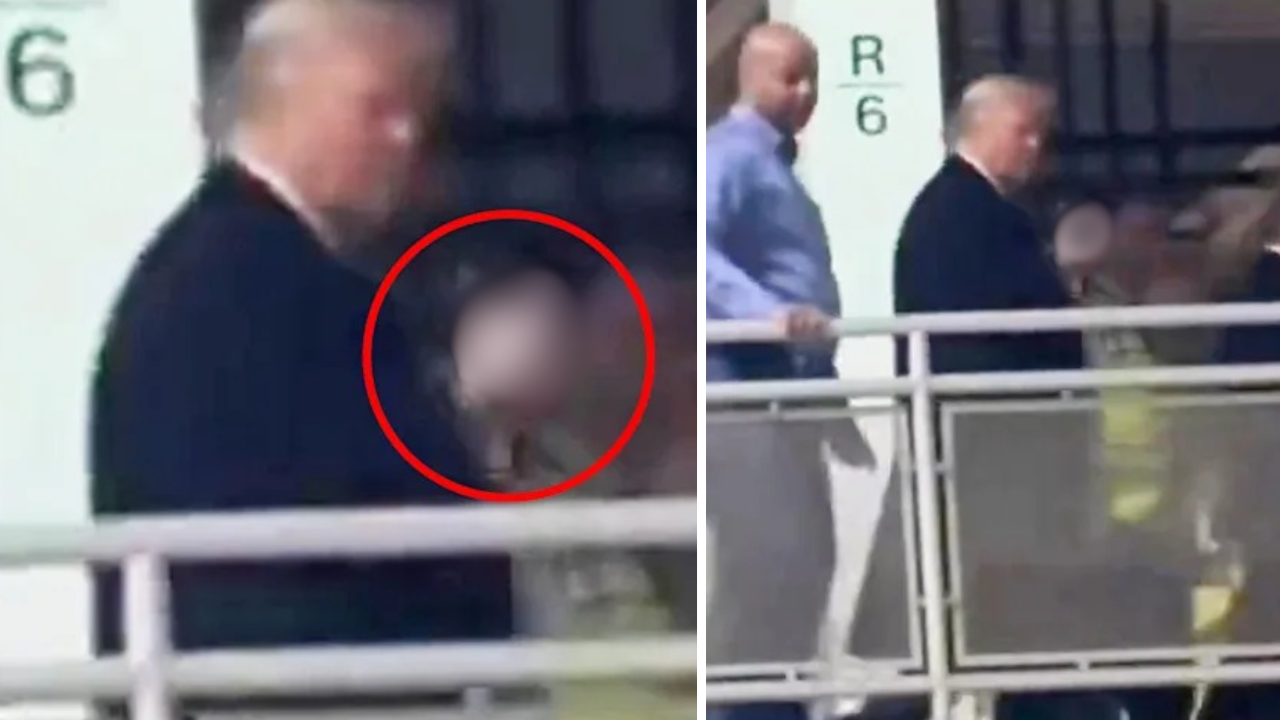
    President Donald Trump responded with the middle finger to a heckler during a tour of the Ford F-150 assembly plant in Dearborn, Michigan, on Tuesday. Video of the exchange, first obtained by TMZ, shows Trump pointing, mouthing “f— you,” and making a hand gesture as he walked off the elevated walkway where he was standing.

    The incident occurred after a worker on the factory floor shouted what appeared to be “pedophile protector,” a likely reference to the administration’s handling of files on the late alleged sex offender Jeffrey Epstein. The White House confirmed the video’s authenticity and defended the President’s reaction.

    “A lunatic was wildly screaming expletives in a complete fit of rage, and the President gave an appropriate and unambiguous response,” White House Communications Director Steven Cheung told an international media outlet.

    The Justice Department is facing scrutiny for failing to release the full set of unclassified Epstein files by the December 19, 2025 deadline set by a law signed by Trump. As of early January, only about one percent of the documents have been published. 

    Officials have said additional time is needed to ensure victims’ identities are protected.

    Trump’s connections to Epstein date back to the 1980s. In a 2002 interview with New York magazine, Trump said Epstein was a “terrific guy” and noted he had known him for 15 years at that point. He also said, “it is even said that he likes beautiful women as much as I do, and many of them are on the younger side.” 

    Trump and Epstein were documented together at parties, events, and meetings in subsequent years. Trump has not been formally accused of any wrongdoing in his dealings with Epstein or knowledge of Epstein’s alleged crimes.

    The autoworker who interacted with Trump was later suspended from his job pending an investigation, according to reports.

  • Greenland rejects US control, chooses to stay with Denmark

    Greenland rejects US control, chooses to stay with Denmark

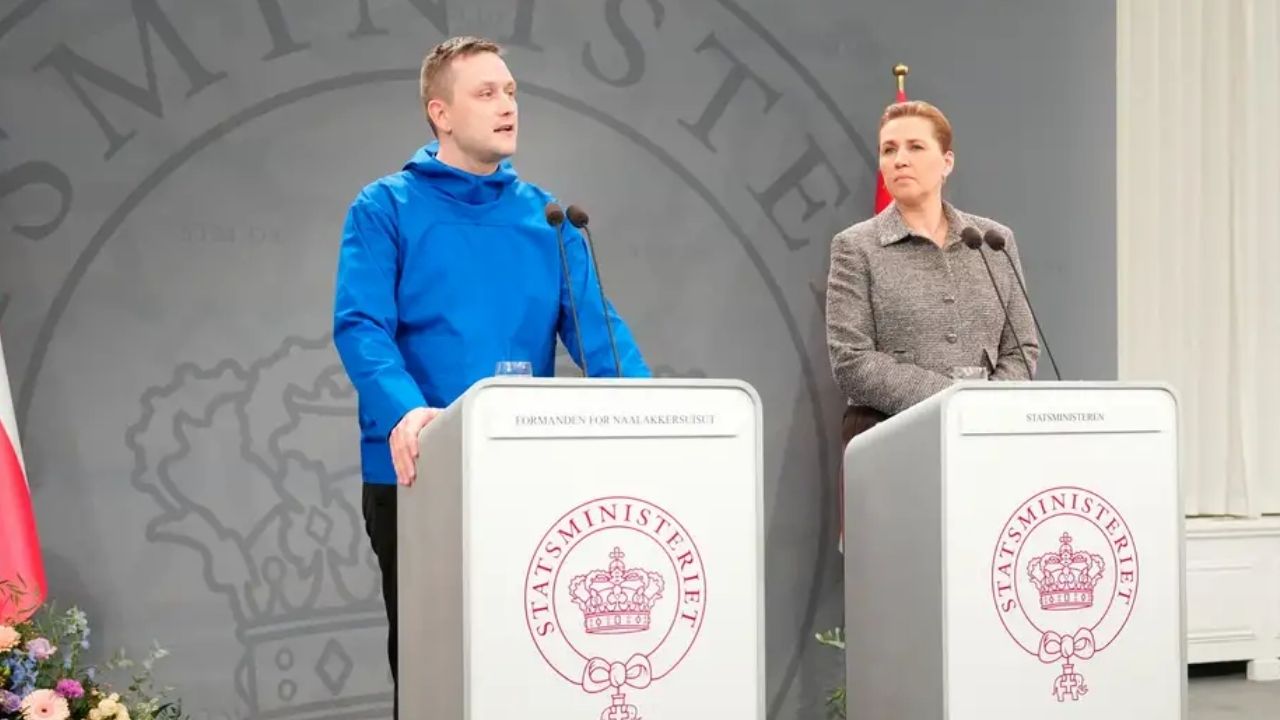
    Greenland has chosen to remain aligned with Denmark rather than the United States of America, Prime Minister (PM) Jens-Frederik Nielsen said on Tuesday.


    “We are now facing a geopolitical crisis, and if we have to choose between the United States and Denmark here and now, we choose Denmark,” Nielsen said, emphasizing that Greenland does not want to come under the control of the United States. 

    “One thing must be clear to everyone – Greenland does not want to be owned by the United States. Greenland does not want to be governed by the United States. Greenland does not want to be part of the United States,” he stressed. 

    Nielsen passed the comments at a joint news conference with Danish Prime Minister Mette Frederiksen in Copenhagen.


    Frederiksen described what she called “unacceptable pressure” from Denmark’s closest ally, the United States, over Greenland, and cautioned that “there are many indications that the most challenging part is ahead of us.”


    At the same time, she emphasized Copenhagen’s interest in continuing cooperation with Washington DC on Arctic security.


    “Of course, we want to strengthen cooperation on security in the Arctic with the United States, with NATO, with Europe and with the Arctic states in NATO,” she said.

    The remarks follow comments by US President Donald Trump, who has promoted the idea of buying or annexing Greenland for years and in recent weeks said the United States would take it “one way or the other.” 

    Trump has also argued that Greenland is needed “for national security” and claimed the island is “surrounded” by Russian and Chinese ships. He has not ruled out using military force to take over the island.


    The United States already operates a military base in Greenland, the Pituffik Space Base, which is one of several US installations that existed on the island during the Cold War.


    Denmark and Greenland’s foreign ministers are scheduled to meet with US Vice President JD Vance and Secretary of State Marco Rubio on Wednesday.

  • 100,000 US visas revoked under Trump administration

    100,000 US visas revoked under Trump administration

    The United States (US) State Department has announced that more than 100,000 visas have been revoked since President Donald Trump returned to office last year.


    According to a post on X on Monday, the revocations – a result of Trump administration’s hardline approach to immigration – include 8,000 student visas and 2,500 visas for specialised workers.


    The department noted that most withdrawals were due to “encounters with US law enforcement for criminal activity”, though it did not clarify whether these encounters led to formal charges.


    The scale of the revocations reflects the broad immigration crackdown initiated by Trump upon returning to the White House. The administration has reported overseeing more than 2.5 million voluntary departures and deportations, which it described last month as a “record-breaking achievement”.


    Some of the deportations, however, involved immigrants who held valid visas, raising questions about due process and human rights.


    The administration has also implemented stricter visa approval policies, including expanded screening and tighter social media vetting.


    “We will continue to deport these thugs to keep America safe,” the State Department said in its post on X.


    Tommy Pigott, deputy spokesperson for the State Department, said the four leading reasons for visa revocations were overstays, driving under the influence, assault and theft.


    He added that the number of revocations represented a 150 percent increase as compared to 2024.


    The department has also launched a Continuous Vetting Center, which, Pigott said, is intended to ensure that all foreign nationals on American soil comply with laws, and that the visas of those posing a threat to American citizens, are swiftly revoked.


    The State Department has instructed diplomats to scrutinise visa applicants who may be considered hostile to the US or have a history of political activism.


    Trump, who was sworn in for a second term on January 20, 2025, had campaigned in 2024 on a promise to oversee the “largest deportation programme of criminals in the history of America”.


    In October, the State Department also announced it had revoked visas from six foreign nationals who allegedly “celebrated” the assassination of activist Charlie Kirk online.


    “The United States has no obligation to host foreigners who wish death on Americans,” the department stated in a social media post.


    However, it sparked concern over potential violations of the First Amendment right to free speech.

  • Trump imposes 25 percent tariff on countries doing business with Iran

    Trump imposes 25 percent tariff on countries doing business with Iran

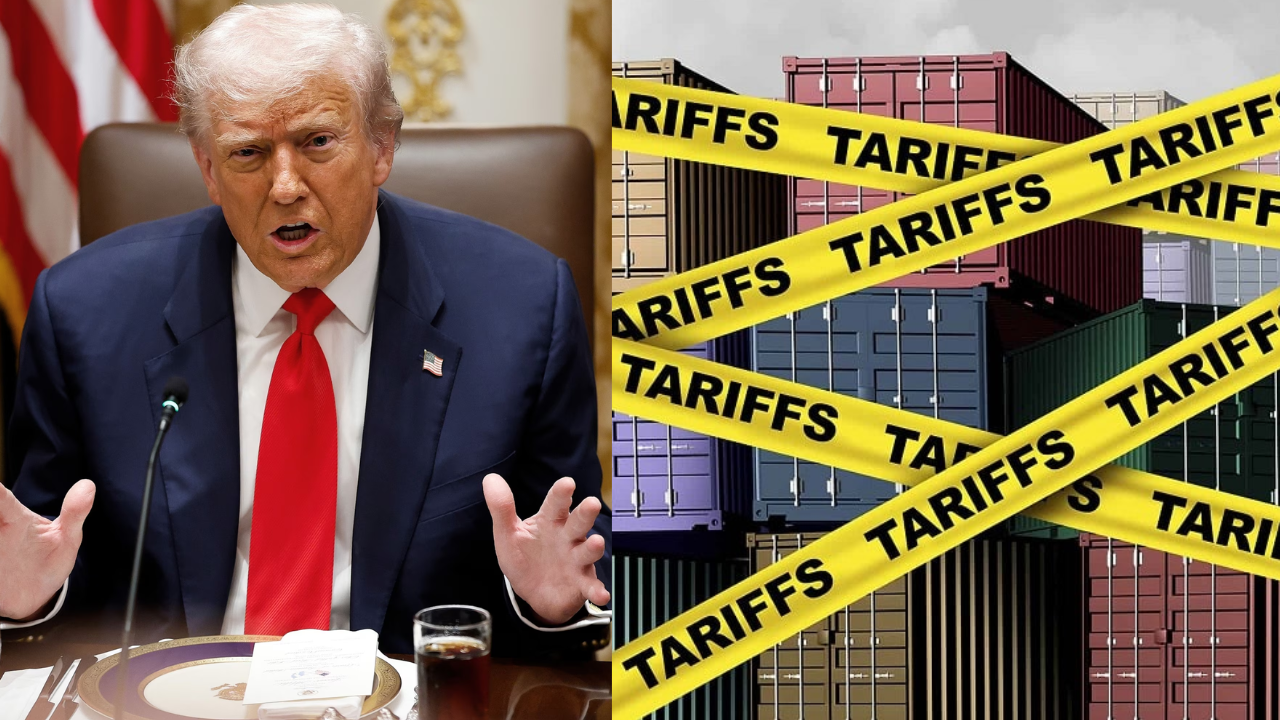
    US President Donald Trump has announced that countries conducting business with Iran will face a 25 percent tariff on their trade with the United States. The tariffs, he said, would be applied “effective immediately” on “any Country doing business with the Islamic Republic of Iran.”

    The announcement came a day after Trump said he was considering military operations in Iran. He warned that the Islamic republic was starting to cross his threshold for intervention amid nationwide protests. 

    Activist groups estimate that hundreds of people have been killed and thousands detained since late December. Reports of casualties have been difficult to verify due to internet restrictions imposed by Iranian authorities.

    Trump has said his administration is exploring a range of options, including military measures. Sources familiar with national security planning confirmed that air power will be involved, but strategists are also thinking about ways to interfere with Iranian communications and command systems.

    Trump added that the military “is looking at it, and we’re looking at some very strong options,” while claiming that Iranian leaders have called him to negotiate.

    Iranian officials have expressed a willingness to engage in talks with the US, though the government also remains prepared for military confrontation.

    Data from Trade Data Monitor shows that more than 100 countries had trade ties with Iran in the first half of 2025. While many commercial connections have been limited by existing US sanctions, the new tariffs could affect a range of nations. 

    Among Iran’s largest trading partners are China, Turkey, Pakistan, India, Iraq, and the United Arab Emirates. The White House has not released further details about the scope or enforcement of the tariffs.

    The announcement adds pressure on Iran, which is facing significant economic challenges. The Iranian currency has declined sharply, inflation has increased, and food prices have risen. Food accounts for roughly one-third of Iran’s imports, and restrictions resulting from the tariffs could worsen shortages and costs.

    Trump emphasized the finality of his decision on the tariffs, stating, “This order is final and conclusive.” The move could affect major economies trading with Iran and adds another layer of pressure on the country as the government continues to respond to widespread unrest.

  • Trump claims Iran is seeking negotiations amid protests

    Trump claims Iran is seeking negotiations amid protests

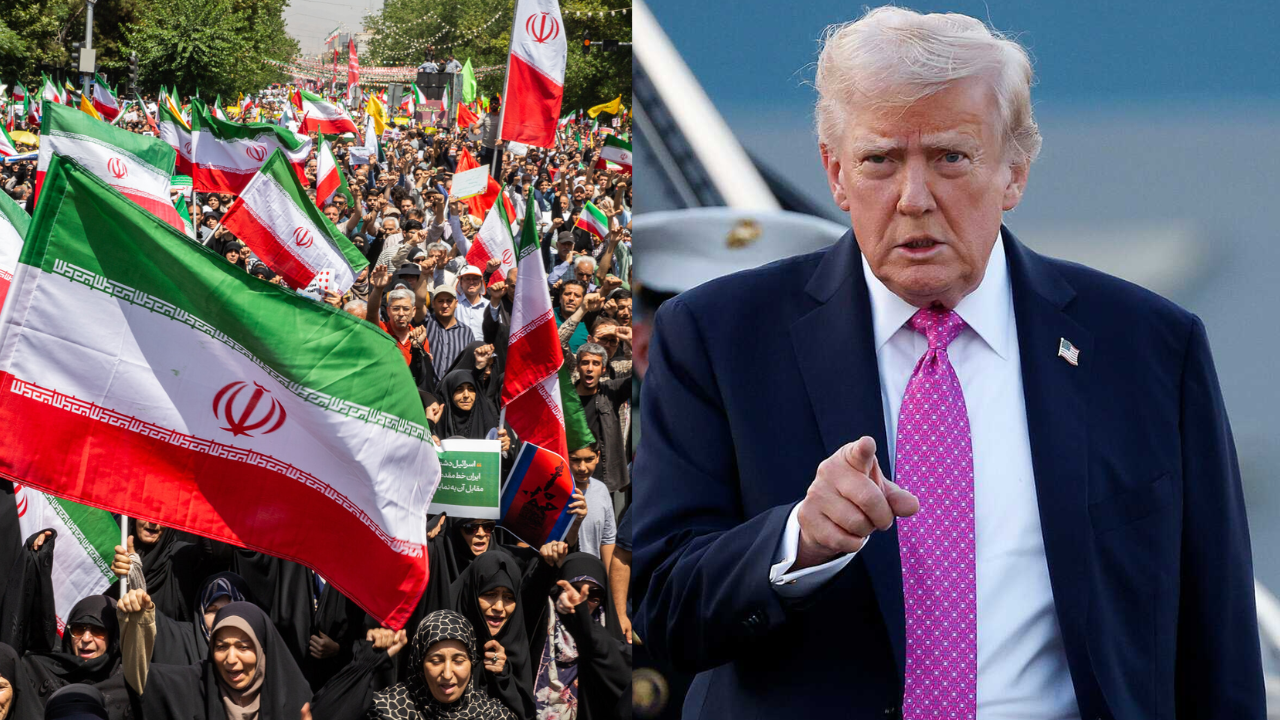
    US President Donald Trump on Sunday claimed that Iran’s leadership had reached out to seek negotiations, as mass anti-government protests continue across the country and tensions with Washington remain high.

    “The leaders of Iran called,” Trump said. He added that “a meeting is being set up” and claimed that Iranian officials “want to negotiate.” Trump, however, warned that “we may have to act before a meeting.”

    His remarks came as Iran faces its largest wave of protests since 2022. Trump has repeatedly said the United States could get involved if Iranian authorities use force against protesters.

    Iranian officials have not released an official casualty count linked to the protests. Figures reported by rights groups could not be independently verified.

    The protests began on December 28 over rising prices before expanding into broader opposition to the authorities. Iran has been governed by the Islamic Republic since the 1979 revolution.

    In Tehran, daily life has been disrupted. Meat prices have risen sharply since the protests began, while many shops have remained closed. Businesses that open shut by late afternoon as security forces deploy in large numbers across the city.

    Fewer protest videos circulated on social media on Sunday, one video shared widely online showed protesters gathering in Tehran’s Pounak district and chanting slogans in support of the ousted monarchy.

    The unrest has emerged as a challenge to Supreme Leader Ayatollah Ali Khamenei, 86, following Israel’s 12-day war against Iran in June, which was backed by the United States.


    State television aired footage of burning buildings, including a mosque, along with funeral processions for members of the security forces. After several days of protests, state outlets also broadcast images showing traffic moving normally in Tehran.

    Tehran Governor Mohammad-Sadegh Motamedian said in televised comments that “the number of protests is decreasing.” The government declared three days of national mourning for those it described as “martyrs,” including members of the security forces. President Masoud Pezeshkian urged Iranians to take part in a “national resistance march” on Monday.

    Reacting to Trump’s statements, parliament speaker Mohammad Bagher Ghalibaf warned that Iran would respond to any intervention, calling US military forces and shipping “legitimate targets” in comments aired on state television.

  • Trump posts altered image stating he is ‘Acting President of Venezuela’

    Trump posts altered image stating he is ‘Acting President of Venezuela’

    A digitally altered image shared by President Donald Trump, in which he is referred to as the “Acting President of Venezuela,” has sparked controversy as the United States faces mounting criticism over its illegal actions in the South American country. 


    The post surfaced days after U.S. forces captured Venezuelan President Nicolás Maduro and his wife, Cilia Flores, following a military operation that has plunged Venezuela into political uncertainty.


    The image was posted on Trump’s Truth Social account and appears to mimic an official Wikipedia page, using his presidential portrait alongside the designation “Acting President of Venezuela.” The altered post also lists JD Vance as the country’s vice president, reinforcing the impression of U.S. political control over Venezuela’s leadership. 


    In the early hours of January 3, U.S. forces carried out an illegal military operation across Venezuela, including in the capital, where Maduro and Flores were staying before being taken into custody. 


    The Trump administration has described the operation as part of a broader campaign against drug trafficking and what it terms “narco-terrorism,” though Trump himself has suggested the move was also intended to force regime change.


    Since Maduro’s capture, the U.S. has asserted influence over Venezuela’s political trajectory and its oil sector, with Trump openly expressing interest in overseeing the country’s petroleum industry.


    Following Maduro’s removal, Vice President Delcy Rodríguez was sworn in as interim president on January 5. While the Trump administration has publicly backed Rodríguez, it has also warned that Venezuela will not hold elections in the near term, stating that the U.S. will effectively oversee the country’s transition until conditions are deemed stable.

  • ‘Iranian regime’s collapse’: Everything you need to know about countrywide protests

    ‘Iranian regime’s collapse’: Everything you need to know about countrywide protests

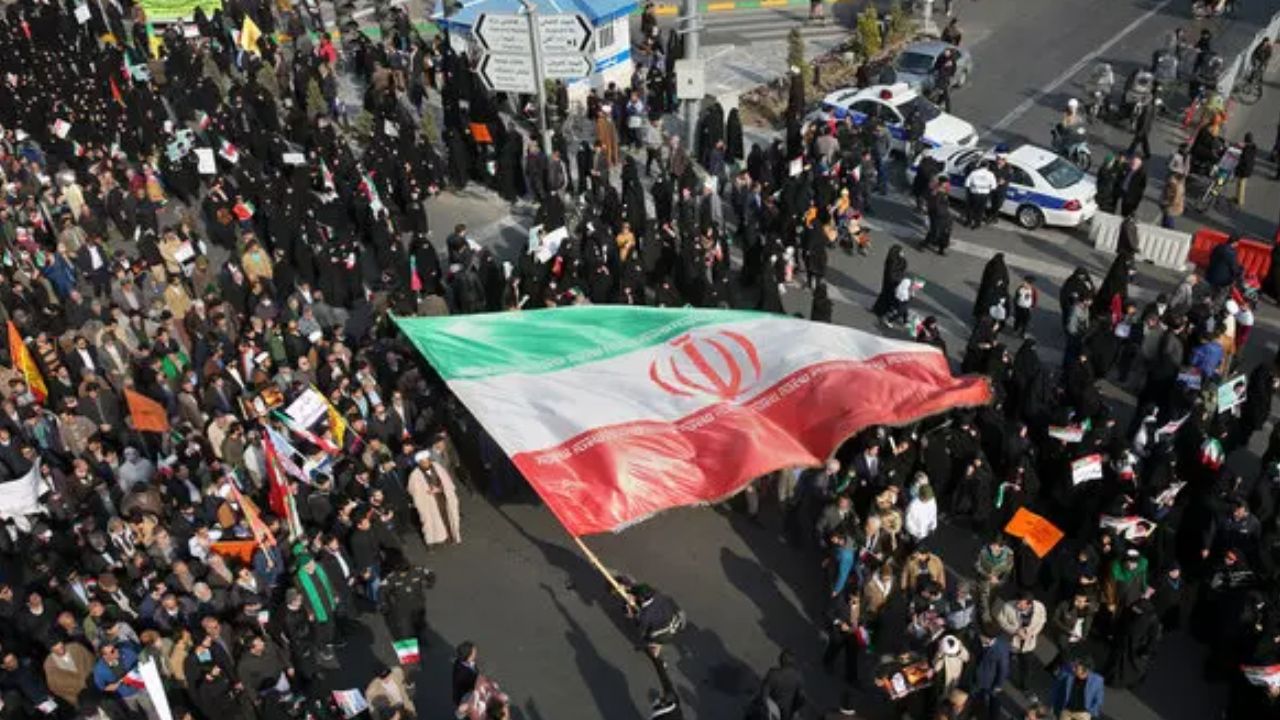
    Iran has entered one of its most volatile periods in years as protests driven by economic hardship have spread across dozens of cities, drawing international attention, state crackdowns and a communication blackout. 

    What began as anger over inflation and a collapsing currency has escalated into nationwide demonstrations openly challenging the Islamic Republic’s authority.

    As the world speculates that the movement could lead to the “falling of Tehran”, here is what you need to know about it.

    PROTESTS BEGIN

    The latest wave of unrest ignited late last month after shopkeepers in Tehran’s Grand Bazaar closed their businesses in protest against the government’s economic policies and the sharp fall of the rial. 

    The central bank’s decision to end a programme that allowed some importers to access cheaper US dollars caused overnight spikes in the prices of basic goods such as cooking oil and chicken, while some products disappeared from the market entirely.

    Millions of Iranians are now grappling with rampant inflation, unaffordable medicine and a currency that has plunged to historic lows. As sanctions tightened and Iran struggled after the 12-day war, its currency collapsed in December and protests began soon after.

    PROTESTS SPREAD NATIONWIDE

    Demonstrations have now reached more than 100 cities across Iran, from Ilam near the Iraqi border to Mashhad in the northeast, according to an international media outlet. 

    Cities including Tehran, Qom, Isfahan, Shiraz, Bandar Abbas, Borujerd, Arsanjan, Gilan-e Gharb, Fardis, Ilam, Shermin, Mashhad, Bojnurd, Lorestan, Golestan and Aligudarz have all reported unrest. 


    Protesters have blocked roads, set fires and marched through neighbourhoods chanting slogans against the ruling system.

    In Tehran, witnesses described neighborhoods erupting into chants late Thursday night, including “Death to the dictator!” and “Death to the Islamic Republic!” Others praised the former monarchy, shouting, “This is the last battle! Pahlavi will return!” Thousands were seen on the streets before communications were cut.


    Footage verified by an international media outlet showed demonstrators lighting fires in the capital, blocking highways and clashing with security forces. In Shiraz, video showed security vehicles driving through a protest barrier that read, “We revolt due to hunger.”


    As protests intensified, Iran was plunged into a nationwide internet and telephone blackout on Thursday evening. Authorities cut access shortly after demonstrations began, limiting the flow of information both domestically and internationally.


    The blackout also appeared to take Iran’s state-run and semi-official news agencies offline. State television acknowledged the protests hours later, claiming that violence had caused casualties and that public and private property, including buses, metro stations, motorcycles and cars, had been set on fire.

    CASUALTIES

    The true human toll remains unclear. Iranian authorities have not released comprehensive casualty figures, while rights groups report conflicting numbers.


    US-based Human Rights Activists News Agency said at least 42 people were killed and more than 2,270 detained. Norway-based Iran Human Rights reported at least 45 deaths, including children, while Iranian media have confirmed fewer fatalities, including members of the security forces.


    Rights organisations have accused security forces of using live ammunition, tear gas and mass arrests to suppress demonstrations.


    ROLE OF PRINCE REZA PAHLVI


    The protests have also tested the influence of exiled Crown Prince Reza Pahlavi, who called on Iranians to take to the streets at 8 pm on Thursday and Friday. His appeal appeared to resonate, with chants supporting the former monarchy heard in several cities.


    As the latest protests unfolded, Pahlavi posted encouragement on X, urging Iranians to “take to the streets and, as a united front, shout demands”.


    Pahlavi had said he would offer further plans depending on the response to his call. His support of and from Israel has drawn criticism in the past – particularly after the 12-day war Israel waged on Iran in June. 


    Demonstrators have shouted in support of the shah in some demonstrations, but it isn’t clear whether that’s support for Pahlavi himself or a desire to return to a time before the 1979 Islamic Revolution.

    TEHRAN’S REACTION

    Iranian Supreme Leader Ayatollah Ali Khamenei promised not to “yield to the enemy” following US President Trump’s comments, which acquired added significance after the US military raid that abducted Venezuelan President Nicolas Maduro, a longtime ally of Tehran, over the weekend.

    Khamenei acknowledged economic grievances but blamed “external forces” for inciting riots.

    Iran’s top judicial and military officials issued stark warnings. Chief Justice Gholam-Hossein Mohseni-Ejei said there would be no leniency for those accused of inciting unrest, claiming they were “operating in line with the enemies of the Islamic Republic of Iran”.

    Mohseni-Ejei was referring to comments by President Trump, who threatened last week that if Tehran “violently kills peaceful protesters, which is their custom, the United States of America will come to their rescue”.

    Army chief Major-General Amir Hatami warned that Iran would “cut off the hand of any aggressor” and said the armed forces were more prepared than before the recent war with Israel.

    Despite this rhetoric, President Masoud Pezeshkian has publicly urged restraint. His office said security forces were ordered not to take action against peaceful demonstrators and to distinguish between protesters and armed rioters.

    German officials condemned Iran’s use of “excessive force” while Israeli Prime Minister Benjamin Netanyahu expressed solidarity with protesters, saying the Iranian people may be “taking their fate into their own hands”.