Tag: export

  • OGDCL confirms gas discovery near Ghotki, Sindh

    OGDCL confirms gas discovery near Ghotki, Sindh

    On Wednesday, the Oil and Gas Development Company Limited (OGDCL) announced the finding of gas from an exploration well near Ghotki, Sindh.

    “The joint venture (JV) of Guddu Block comprising Oil & Gas Development Company Limited as an operator (70 per cent), SPUD Energy PTY Limited (SEPL) (13.5 per cent), IPR Transoil Corporation (IPRTOC) (11.5 per cent), and Government Holdings (Private) Limited (GHPL) (5 percent) has discovered Gas from an exploratory well namely Umair South East # 01, which is located in District Ghotki, Sindh,” the company stated in a notice.

    The Umair South East # 01 well, according to OGDCL, was spudded on May 9, 2022, as an exploration well to investigate the hydrocarbon potential of the Pirkoh Formation and Habib Rahi Limestone (HRL) to a projected depth of 785m.

    “Based on the interpretation of wireline logs, successful Drill Stem Test-1 in HRL tested 1.063 million standard cubic feet per day (mmscfd) gas through choke size 32/64” at 210 pounds per square inch (PSi) Well Head Flowing Pressure (WHFP)”.

    The finding of Umair South East-1 is the outcome of Guddu Joint Venture Partners’ aggressive exploration approach, according to the Pakistani oil and gas business.

    “It has opened a new route and will favourably contribute to alleviating energy demand and supply gaps from indigenous resources, while also adding to OGDCL’s and the country’s hydrocarbon reserves base,” it said.

    The discovery comes at a fortunate time for Pakistan, which has recently experienced huge power outages and a gas scarcity.

    Mari Petroleum Company Limited (MPCL) discovered gas/condensate earlier this month in the Bannu West-1 ST-1 Exploration Well, which was drilled in the Bannu West Block in North Waziristan, Khyber Pakhtunkhwa.

  • Pakistan pushed into darkness due to Europe’s decision to cut off Russian fuel

    Pakistan pushed into darkness due to Europe’s decision to cut off Russian fuel

    The European attempt to abandon Russian oil is intended to punish Moscow for its invasion of Ukraine. It’s also wreaking havoc thousands of miles away, throwing Pakistan into darkness, destabilising one regime, and jeopardising the country’s new leadership’s stability.

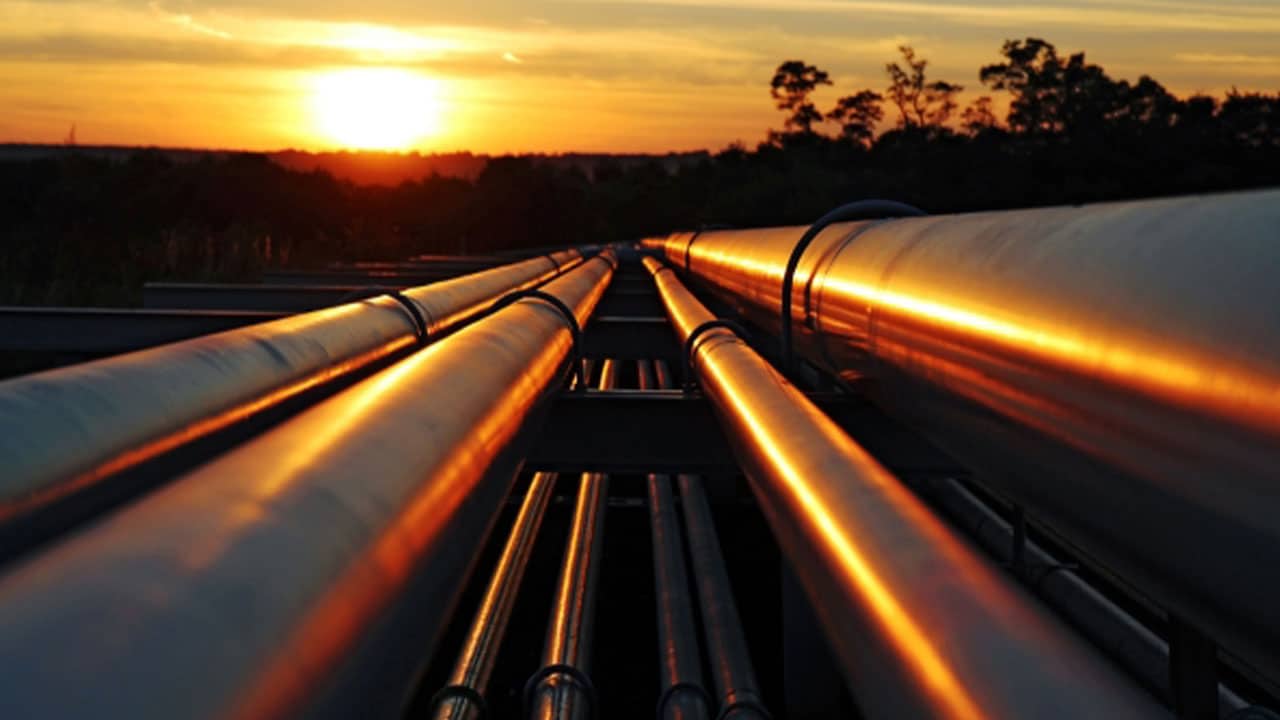
    According to Bloomberg, Pakistan invested heavily in liquefied natural gas and inked long-term contracts with Italian and Qatari suppliers. Some of those suppliers have now defaulted, although continuing to sell into the more lucrative European market, putting Pakistan in the very situation it hoped to avoid.

    The country took particular precautions a decade ago to protect itself from the sorts of price increases that are currently shaking the market.

    Last month, the government spent about $100 million on a single LNG shipment from the spot market to avert outages during the Eid holiday, a record for the cash-strapped country.

    The country’s LNG costs could reach $5 billion in the fiscal year ending in July, more than double what they were a year ago. Even still, the government is powerless to protect its citizens: the IMF is in talks to bail out the country on the condition that it reduces fuel and energy subsidies.

    Outages lasting more than 12 hours

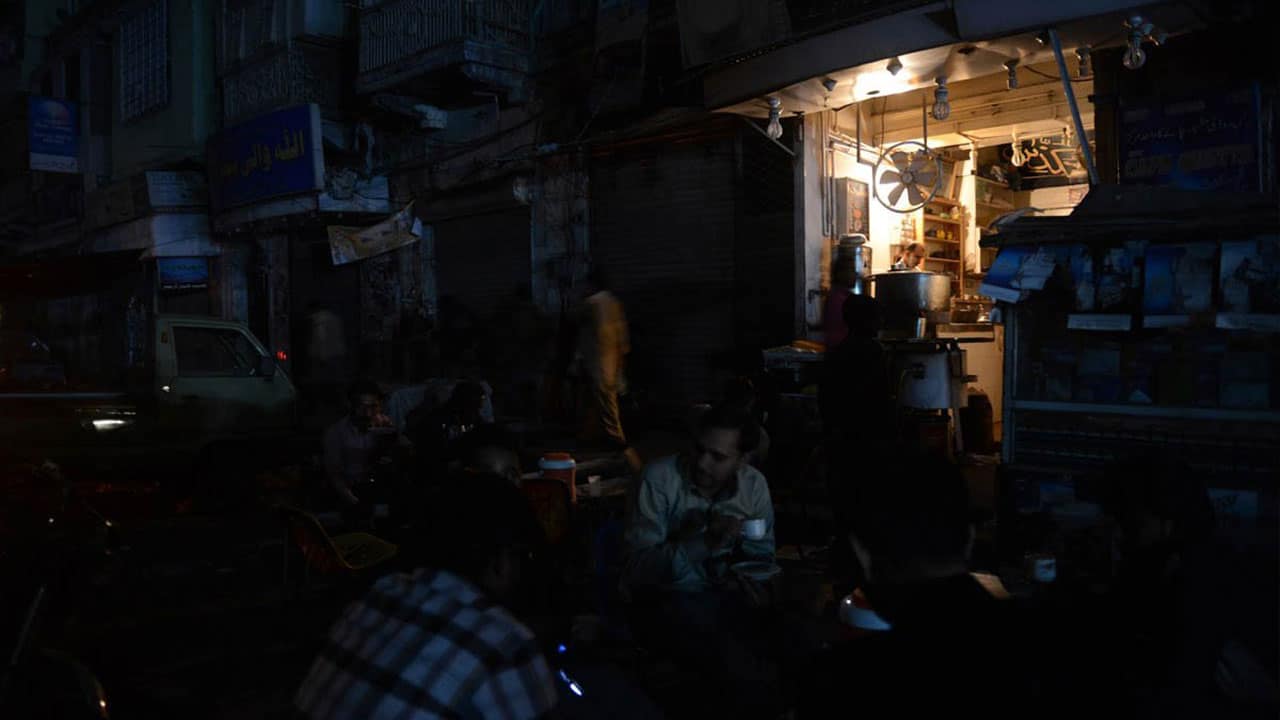
    Parts of Pakistan are currently suffering scheduled blackouts lasting more than 12 hours, reducing the ability of air conditioning to provide respite during the current heat wave. The former prime minister continues to gather enormous audiences to demonstrations and marches, exacerbating voters’ discontent with 13.8 per cent inflation. The hosts of prime-time talk shows frequently discuss how Pakistan will obtain the petroleum it requires and how much it would have to spend.

    The administration introduced a fresh set of energy-saving measures last week. Civil servants were relieved of their normal Saturday shifts, and the security budget was slashed by half.

    Prime Minister (PM) Shehbaz Sharif remarked in an April tweet before of the Eid holiday, “I am acutely aware of the sufferings people are facing”. That same week, he ordered his government to resume purchasing costly overseas natural gas shipments.

    He also warned earlier this month that they don’t have the money to keep importing gas from other countries.

    Rerouted supply to power plants

    There will be more than just outages as a result of the supply shortage. The government has rerouted existing natural gas supply to power plants, causing fertiliser manufacturers to be shortchanged. This approach could jeopardise the next harvest, resulting in even higher food prices the following year. Backup generators are being used by cellphone towers to keep service going during the blackouts, but they, too, are running out of fuel.

    There’s not much hope in the future. LNG prices have risen by over 1,000 per cent in the previous two years, first due to post-pandemic demand and subsequently due to Russia’s invasion of Ukraine. Russia is Europe’s largest natural gas supplier, and the possibility of supply disruptions pushed spot rates to an all-time high in March.

    Increasing LNG demand in Europe

    Meanwhile, Europe is increasing its need for LNG. Europe’s LNG imports have increased by 50 per cent so far this year compared to the same period last year, and show no signs of slowing down. As they cut ties with President Vladimir Putin’s regime over the crisis in Ukraine, European Union policymakers created a plan to considerably increase LNG deliveries as an alternative to Russian gas.

    Floating import terminals are being built at a breakneck pace in countries like Germany and the Netherlands, with the first ones set to open in the next six months.

    “Europe is draining LNG from the rest of the globe,” according to Steve Hill, executive vice president of Shell Plc, the world’s largest LNG trader. “However, this means that less LNG will be sent to developing markets”.

    Pakistan was formerly thought to be the LNG industry’s bright future. Demand for the fuel had peaked in developed markets by the mid-2010s. However, technological developments had reduced the costs and time it took to build import terminals, and new gas sources had reduced the cost of the fuel itself.

    Poor nations could finally contemplate the gasoline at the new, lower prices. Suppliers flocked to these new markets, and when Pakistan published a request for long-term LNG supply, over a dozen businesses competed for the contract.

    Pakistan chose Italy’s Gunvor Group Ltd to sell LNG to the country for the next decade in 2017. The terms were favourable at the time, and the prices were lower than those of a comparable arrangement struck with Qatar the previous year.

    Delay in supplies

    However, due to the rise in European gas prices, the two suppliers have postponed more than a dozen shipments slated for delivery between October 2021 and June 2022.

    According to Bruce Robertson, an expert at the Institute for Energy Economics and Financial Analysis, such defaults are nearly unheard of in the LNG market. Bloomberg spoke with traders and industry insiders who couldn’t recall the last time so many cargoes were rejected without being linked to a big outage at an export terminal.

    Eni and Gunvor stated they had to cancel because they were experiencing their own supply problems and didn’t have enough LNG to export to Pakistan. When exporters confront such difficulties, they typically replace deliveries by purchasing a consignment on the spot market, but Eni and Gunvor have not done so.

    Vendors are generally averse to cancelling orders. It harms the company connection and is often extremely costly. In established markets, fines for “failure to deliver” might be as high as 100 per cent.

    “It’s quite rare for LNG suppliers to renege on long-term contracts beyond force majeure occurrences,” says Valery Chow, an analyst at Wood Mackenzie Ltd.

    Pakistan’s contracts stipulated a lower cancellation penalty of 30 per cent, most probably in exchange for cheaper overall costs. The European spot market prices are currently high enough to more than compensate for the penalties.

    Pakistan’s $12 million LNG supply contract

    As per sources, an LNG supply to Pakistan for delivery in May under a long-term contract would cost $12 per million British thermal units. In comparison, spot cargoes to Europe for May delivery were trading for more than $30. Eni and Gunvor have kept their promises to customers in the region.

    As a result, Pakistan is back to square one, in a weaker negotiation position than before. After a dispute with Pakistan’s army over a variety of problems, including his management of energy supply and the greater economy, Prime Minister Imran Khan was deposed in April.

    Shehbaz Sharif, the new prime minister, has directed the state-owned importer to obtain the petroleum at any cost in order to end the debilitating blackouts. It’s also attempting to reach new long-term LNG purchase agreements, albeit the conditions will almost probably be harsher than six years ago.

    High risk of default

    The cost is having its own cascading repercussions. The government is now “at high risk of default,” according to a paper published last month by the Institute for Energy Economics and Financial Analysis. Moody’s Investors Service reduced Pakistan’s outlook from stable to negative, citing financial worries including a potential IMF bailout delay.

    Pakistan’s dependency on LNG, as well as its suppliers’ tendency to default, has exacerbated the country’s energy dilemma. Pakistan isn’t alone in this regard. Emerging economies all around the world are trying to meet their residents’ requirements while staying within their budget restrictions.

    It has also prompted them to purchase electricity from Russia, reducing the impact of Europe’s attempts to isolate them.

    Pakistan seeks LNG supply contract with Russian companies

    According to reports, Pakistan is also looking at long-term LNG supply agreements with Russian companies. India has already increased its purchases from Russia, and this trend is likely to continue. The government has directed power plants to purchase fuel from overseas in response to the scorching summer heat.

    Other cash-strapped importers, such as Bangladesh and Myanmar, are likely to suffer as a result of Pakistan’s problems. Bangladesh’s state-owned utility recently purchased the country’s most expensive LNG shipments on the spot market to keep the grids functioning and industry stocked, while Myanmar has stopped importing LNG for the past year owing to price increases.

    Other nations, such as India and Ghana, may be prompted to reconsider long-held plans to increase their reliance on super-chilled fuel as a result of Europe’s major change. Instead, governments would increase their reliance on polluting coal or oil, thwarting efforts to meet ambitious emission reduction objectives this decade.
  • IMF remains concerned over Pakistan’s budget 2022-23

    IMF remains concerned over Pakistan’s budget 2022-23

    The International Monetary Fund (IMF) has expressed concern regarding Pakistan’s newly announced budget, according to Finance Minister Miftah Ismail, however the government is convinced it can implement adjustments to appease the lender.

    According to Miftah Ismail, Pakistan is expecting to sign a staff-level agreement with the IMF this month.

    The government officially launched a Rs9.5 trillion ($47.12 billion) budget for 2022-23 on Friday, striving to persuade the IMF to resume the crucial bailout payments.

    “The IMF still has some concerns regarding our budget,” Ismail said in an interview at his Islamabad office. If any alterations are mandated to bring them on board, we will consider them, he added.

    He stated that the IMF was displeased regarding fuel subsidies, a growing current account shortfall, and the need to enhance direct taxes.

    Fuel subsidies have been lowered in the last two weeks, and the remaining assistance is presumed to be phased out in the days ahead. Proposed budget estimates also aim to reduce the current account deficit, but direct tax revenues remain a concern.

    Ismail stated that Pakistan would try to alleviate the issues before the budget is approved by parliament. The fiscal year in Pakistan runs from July 1 to June 30. “If there are any changes that need to be made to bring them on board, we shall do so,” he said.

    Read more: Here are the latest income tax rates and slabs for salaried class

    Pakistan is halfway through a $6 billion, 39-month IMF programme that has been stalled due to the lender’s concerns about the status of some of its goals, including fiscal consolidation. It requires funds direly owing to the country’s shrinking foreign exchange reserves, which have reached $9.2 billion and are only sufficient for fewer than 45 days of imports.

  • PANAH suggests tobacco taxes be raised even higher

    PANAH suggests tobacco taxes be raised even higher

    Pakistan National Heart Association (PANAH) has proposed that the government increase tariffs on unnecessary and harmful tobacco products. Increased tobacco-related levies will lessen diseases and healthcare expenses while also helping to generate tax revenue.

    Sanaullah Ghumman, PANAH’s General Secretary, announced this at a news conference held by the Pakistan National Heart Association on Wednesday at a local hotel.

    Smoking, according to Sanaullah Ghumman, is not healthy for human health in any aspect, and it is the first step toward addiction. Health experts and civil society groups have also urged the Prime Minister to increase tobacco goods taxes.

    A significant number of health experts and civil society representatives attended the event. Tobacco kills 8 million people worldwide each year, according to a global study, and more than 1.5 million individuals in Pakistan lose their lives each year owing to smoking.

    On World Food Safety Day, PANAH proposed that tariffs on sugary drinks be increased as well, as these beverages are harmful to children and cause a variety of health problems.

    Sanaullah Ghumman spoke at the event, urging a 30 per cent rise in tobacco product taxes to protect minors from tobacco usage.

    “This will be a win-win situation for us,” he continued, “since it will lower the health burden while also dramatically increasing revenue”. PANAH, he claimed, had been educating the public about a variety of dangerous diseases, including heart disease and its causes, for 39 years.

  • ‘Beloved brother’ Shehbaz in Turkey, trade to be expanded from $1bn to $5bn

    ‘Beloved brother’ Shehbaz in Turkey, trade to be expanded from $1bn to $5bn

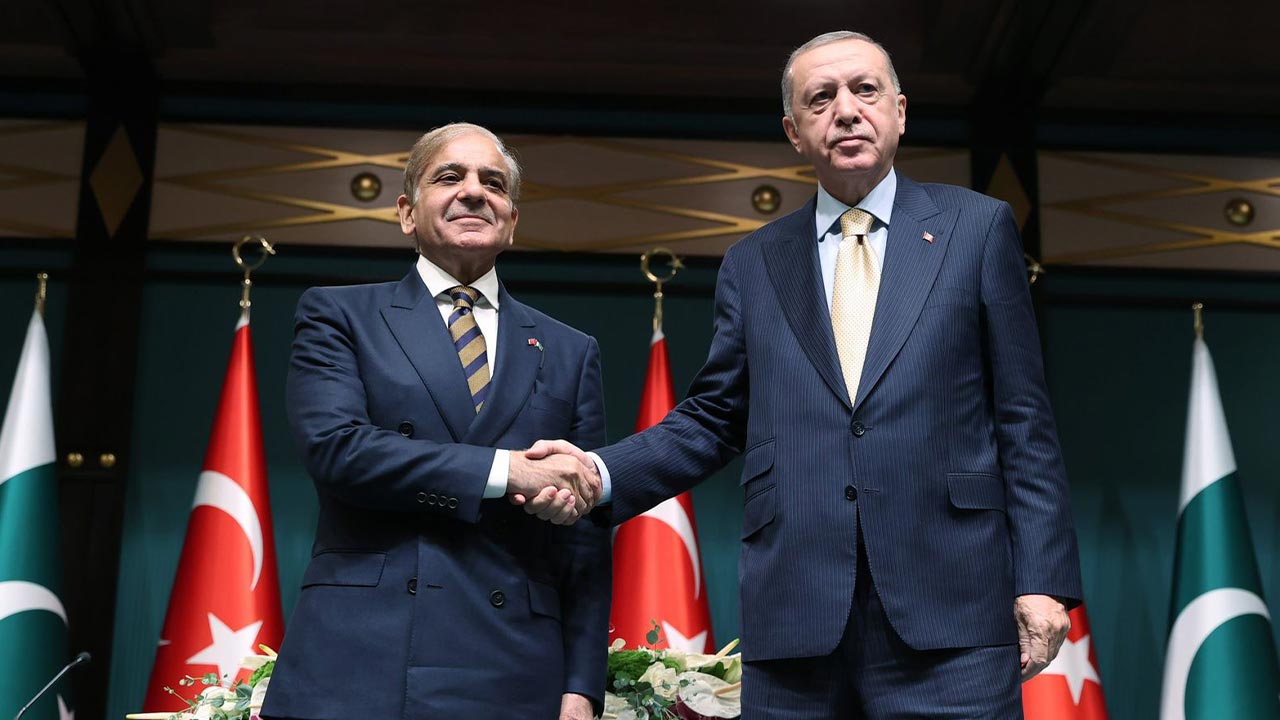
    Prime Minister (PM) Shehbaz Sharif’s formal visit to Turkey, according to Turkish Foreign Minister Mevlut Cavusoglu, will bring bilateral ties a “new dimension”.

    After a meeting in Ankara, he made the remarks, “On the 75th anniversary of our diplomatic ties, we hosted my beloved brother Shehbaz Sharif, Prime Minister of the Islamic Republic of Pakistan. We are prepared to further develop Türkiye-Pakistan relations in light of the two nations’ shared history, friendship, and potential,” Cavusoglu stated on Twitter.

    PM Shehbaz arrived in Istanbul on Tuesday for a three-day official visit, his first since becoming the PM of Pakistan in April.

    According to a Foreign Ministry statement, the premier stressed the significance of growing bilateral trade volume to $5 billion over the next three years.

    “The Prime Minister noted that the bilateral relations were exceptionally warm as the people of the two countries shared special bonds that dated back centuries,” the ministry said in a statement.

    He also emphasised the two countries’ shared interests on a number of regional and international issues, according to the report.

    He said Islamabad aimed to strengthen bilateral trade and cultural ties with Ankara in his address to the Turkey-Pakistan Business Council on Tuesday evening.

  • Germany to strengthen trade and investment ties with Pakistan

    Germany to strengthen trade and investment ties with Pakistan

    In a recent meeting with Federal Minister of Commerce and Investment Syed Naveed Qamar, German Minister of State for Foreign Affairs Dr Tobias Lindner expressed his hope that Germany and Pakistan would further strengthen and expand bilateral relations, particularly in trade and investment.

    Both countries discussed multiple aspects of bilateral ties, along a great emphasis on improving trade and financial collaboration to sustain economic growth in a post-Covid pandemic world. The duo agreed to exchange business envoys to look into the prospect of B2B cooperation in renewable power, farming, food security, autos, and technical assistance.

    The Commerce Minister praised Germany for its constant support for Pakistan’s GSP Plus scheme. He emphasized the importance of GSP Plus in widening bilateral trade and offering Pakistan a level playing field in the European segment.

    He also clarified that the scheme has served as a precursor for essential progressive social changes, particularly those relating to women’s empowerment. The German Minister convinced his nation’s continued and forthcoming assistance for the GSP Plus Scheme.

  • The recent ban on imports might barely make a dent

    The recent ban on imports might barely make a dent

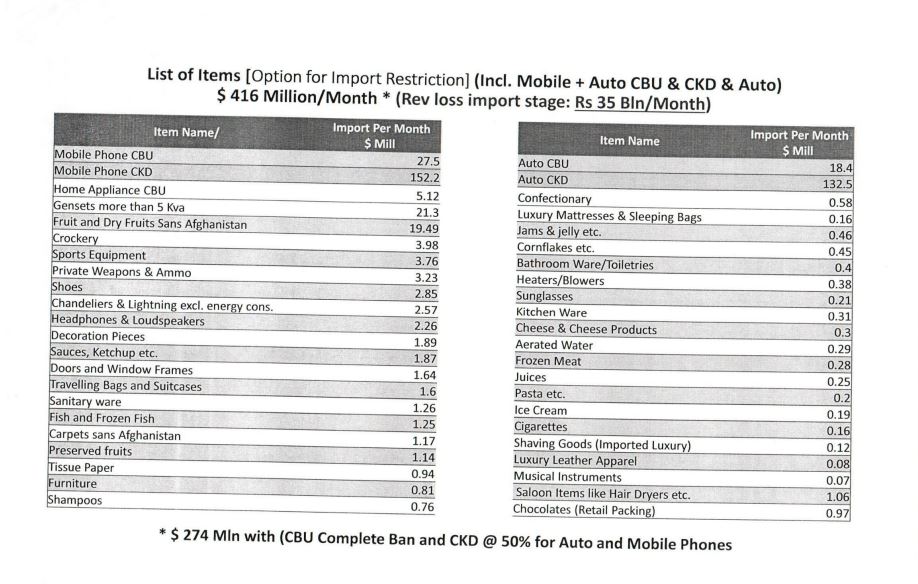
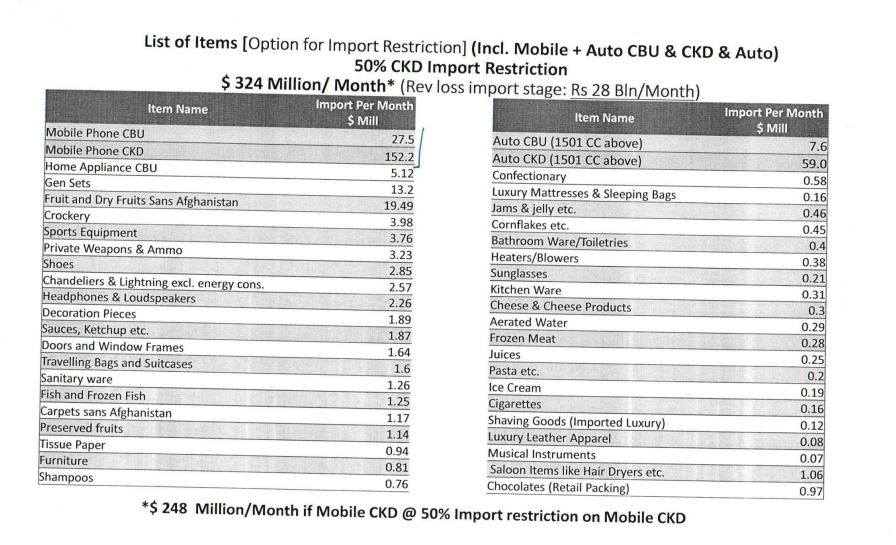
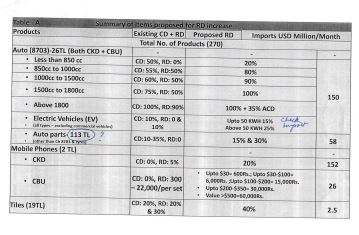
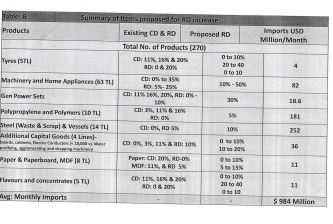
    On Thursday, May 19th, 2022, the federal cabinet issued a list of 41 items which will be banned from being imported for two months. This is in an attempt to address the current account deficit. The list of products is banned from being imported into the country, which means that essentially any shops or restaurants which rely on using these products will be forced to find local alternatives.

    These products will be banned regardless of what branding or packaging they use and only on the basis of whether the specific product is imported or not. Even products which are imported from abroad but packaged locally, will now be banned.

    Economists, university professors and business journalists took to Twitter to analyze and assess the merits and demerits of this decision. The discussion around luxury products and the fact that a lot of products which are labelled as “luxury items” are actually essential. Sanitary imports, valued at $16.4m are wrongly categorized as non-essential and although local alternatives also exist but it is definitions like these which disallow such decisions to be founded in research and expertise.

    The valuation of these imports which was published by the Pakistan Bureau of Statistics, was being quoted to ridicule the decision by many. What’s interesting to note is that most brands which appear to be entirely local, import a major chunk of their supply and will now be forced to smuggle goods instead.

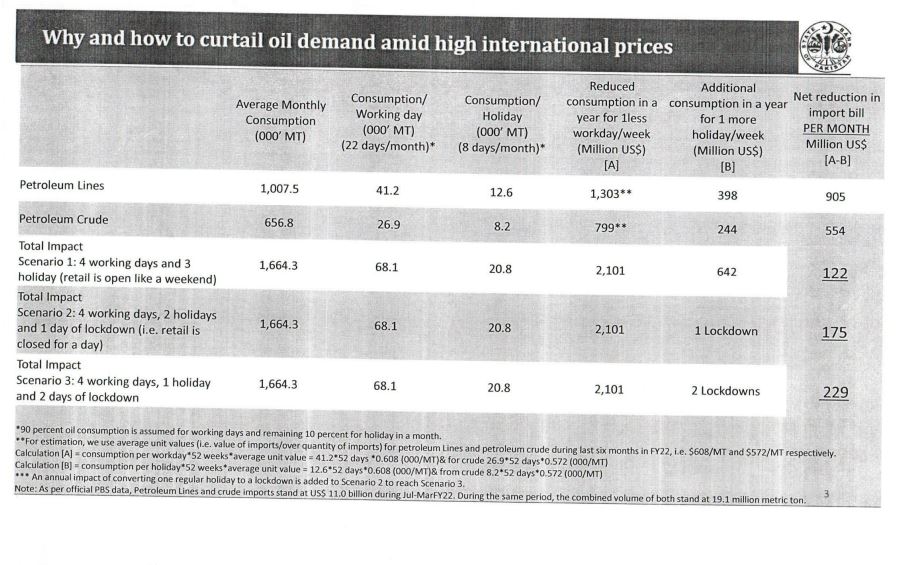
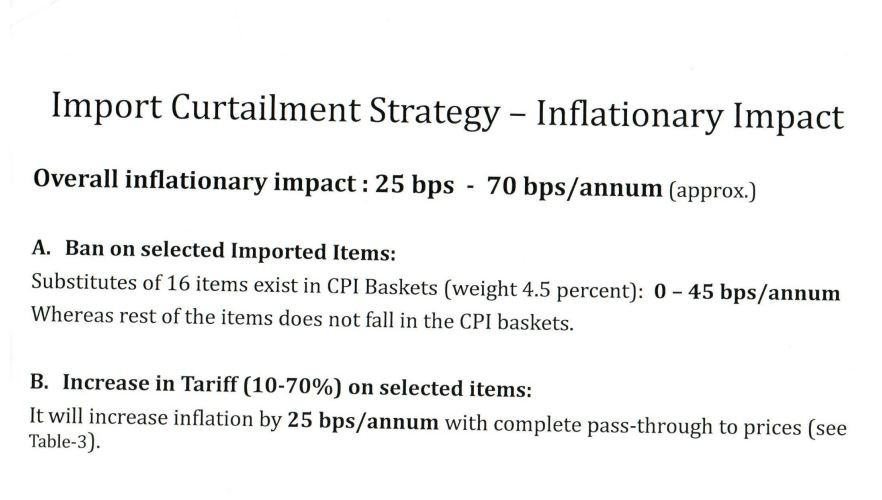
    Only from the data shared by PBS it becomes clear that for the fiscal year 2022, June to March, the total value of petroleum imports was $11 billion, while the total value of banning all these non-essential “luxury” items is a total $984 million, which forms only about 8.9% of the total value of petroleum imports.

    In conversation with Profit Magazine’s Ariba Shahid, she clarified that this would still prove to be a largely fruitless move since the most significant chunk of the import bill is still being used up to run the energy sector without any thought being given to the humongous fuel subsidies . “For a very long time the State Bank of Pakistan has been talking about how if we remove the oil component from it, the current account deficit is improving, which is true and basically means that people are not spending money to buy other items and most of the import bill is petrol and soy bean oil.”

    Economists Ammar Khan and Atif R Mian also took to Twitter to analyze this decision of “patchwork economics”. Commenting on this unsustainable gap in Pakistan’s balance of payment, on April 15th, 2022 during a discussion on Pakistan’s economy at Princeton University, he explains that for Pakistan to grow it is a necessary condition for Pakistan to deal with this problem and digs deeper into the structure of the economy. He particularly takes apart urban land reforms, the necessity to levy a capital gains tax on speculative real estate transactions and analyzes how Pakistan is not even economically stable enough to grow at the rate of India and Bangladesh and it is primarily due to the elite capture of the economy that disallows the economy to attempt to fix its loopholes.

    Echoing similar sentiments, Ariba Shahid explained that due to a weaker economy, the import bill is not as significantly high due to a reduced demand pull because of a lowered purchasign power and hence banning these products will be insignificant and might barely make a dent in the current account deficit. “The need of the hour is to reverse the fuel subsidy,” says Shahid, “This decision will swell up the grey market economy and smuggling will increase.”

  • Pakistan manufactured 9.72 million mobile phones in four months: Report

    Pakistan manufactured 9.72 million mobile phones in four months: Report

    Pakistan Telecommunication Authority (PTA) revealed that domestic plants produced 9.72 million mobile devices in the first four months of 2022, contrasted to 0.86 million acquired internationally.

    In April 2022, local manufacturing plants developed 2.56 million mobile devices, compared to 0.25 million imported from other countries.

    According to Brecorder, 5.69 million 2G smartphones and 4.03 million 3G and 4G phones are among the 9.72 million mobile handsets developed or assembled locally. 53 per cent of mobile devices on the Pakistan network are 3G and 4G smartphones, while 47 per cent are 2G.

    Despite the growth in local mobile phone production, Pakistan acquired $1.810 billion worth of cellphones in the first ten months of 2021-22, contrasted to $1.684 billion in the same period the previous year, a 7.43 per cent increase, as per the Pakistan Bureau of Statistics (PBS).

    Total telecommunications imports into the country climbed by 14.05 per cent during the review period (July-April) 2021-22, rising from $2.116 billion in July-April 2020-21 to $2.413 billion in the same period last year.

    According to PTA data, the local manufacturing tendency indicates a favourable response to the PTA’s Mobile Device Manufacturing (MDM) Authorization regulatory system.

  • Pakistan faces Rs615 billion annual deficit due to tobacco consumption

    Pakistan faces Rs615 billion annual deficit due to tobacco consumption

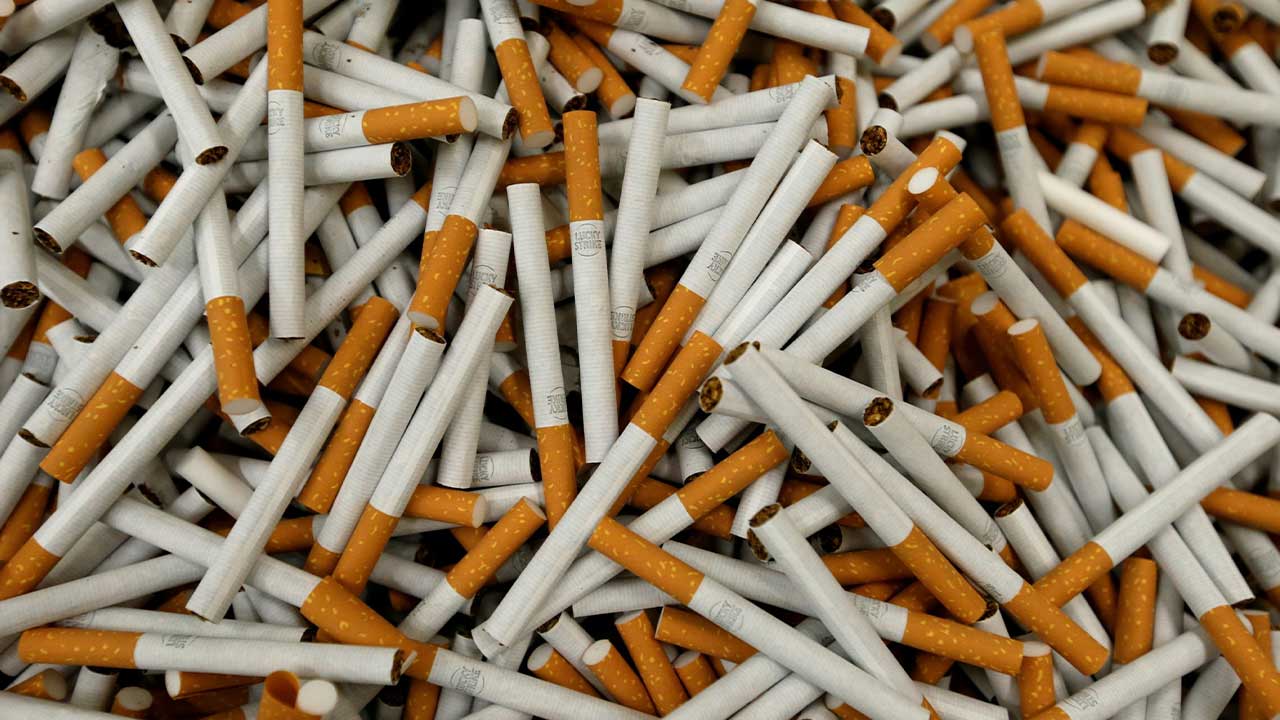
    Pakistan has a substantial Rs615 billion annual deficit owing to diseases caused by smoking and overall tobacco usage, with only Rs120 billion earning in tax revenue from the product.

    The government is expected to improve revenue by raising the tax on cigarettes by 30 per cent according to The Nation.

    This was voiced by speakers at a major symposium held in Islamabad on May 18. The Pakistan National Heart Association (PANAH) held a seminar on the theme ‘Harms of Tobacco Products and the Importance of Tax Policy,’ which was presided over by Patron General (R) Ashraf Khan and hosted by General Secretary Sana Ullah Ghumman.

    As per the speakers at the event, tobacco usage is a major cause of serious heart, lung, and cancer diseases in the country. A fact sheet on the health and economic costs of cigarette usage was released by the Social Policy and Development Centre (SPDC).

    According to the survey, tobacco is used by 31 million persons over the age of 15. More than 260,000 people are predicted to start smoking in the country if tobacco taxes are not raised in the budget for 2022-23.

    Engineer Iqbal Zafar Jhagra, the former governor of KP and a senior PML-N leader, was the special guest at the event. Nisar Cheema, a member of the National Assembly, was also present.

    Read more: Tobacco companies in Pakistan may bump cigarette prices

    PANAH Patron General (R) Ashraf Khan congratulated the attendees and informed them of the organization’s goals and objectives.

    Smoking was declared the primary cause of deaths from non-communicable diseases (NCDs) such as heart, cancer, respiratory, and chronic diseases, according to participants, with an estimated 163,360 persons dying in 2017.

  • Pakistan’s textile exports surge by 30 per cent

    Pakistan’s textile exports surge by 30 per cent

    Pakistan Bureau of Statistics (PBS) reported that Pakistan’s textile group exports in July-April 2021-2022 reached a new high of $15.981 billion, up from $12.688 billion in the same period last year, a 25.96 per cent rise.

    Exports of the textile group climbed by 7.01 per cent month over month to $1.739 billion in April 2022, compared to $1.625 billion in March 2022. Textile group exports increased by 30.50 per cent year over year in April 2022, compared to $1.332 billion in April 2021.

    Cotton yarn exports increased by 22.11 per cent from July to April 2021-22 to $1.006 billion, compared to $823.952 million in the same period the previous year, and declined by 4.95 per cent in April 2022 to $97.655 million, compared to $102.736 million in the same month the previous year.

    The country’s overall exports from July to April 2021-22 were $26.247 billion, up from $20.905 billion in the same time last year, a 25.55 per cent rise. Pakistan’s exports in the last month (April 2022) were $2.897 billion, up 4.32 per cent from $2.777 billion in March 2022 and up 30.61 per cent from $2.218 billion in April 2021.

    Major export goods

    Knitwear: Rs90,096 million

    Readymade garments: Rs64,669 million

    Bed wear: Rs51,398 million

    Cotton cloth: Rs38,763 million

    Towels: Rs19,974 million

    Cotton yarn: Rs18,016 million

    Made-up articles: Rs15,277 million (excluding towels and bedwear)