Tag: India

  • Five Sikh soldiers killed as Indian Army units open fire on each other in Kashmir

    Five Sikh soldiers killed as Indian Army units open fire on each other in Kashmir

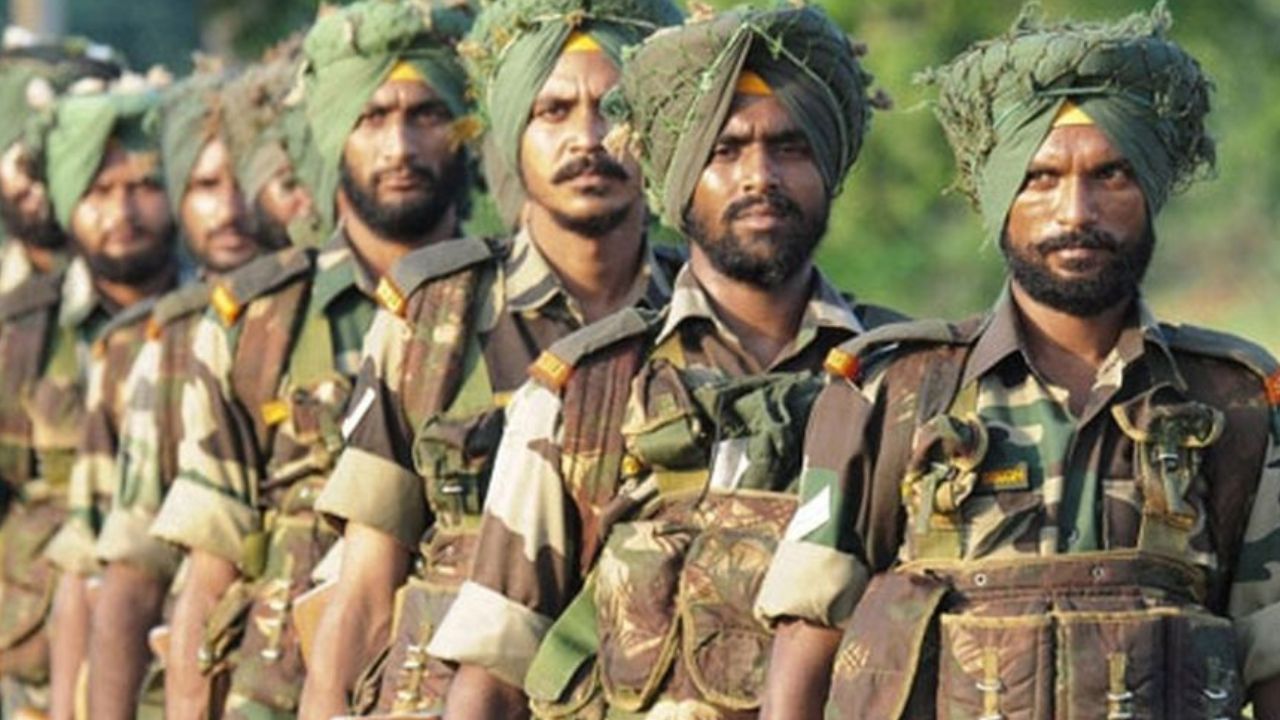
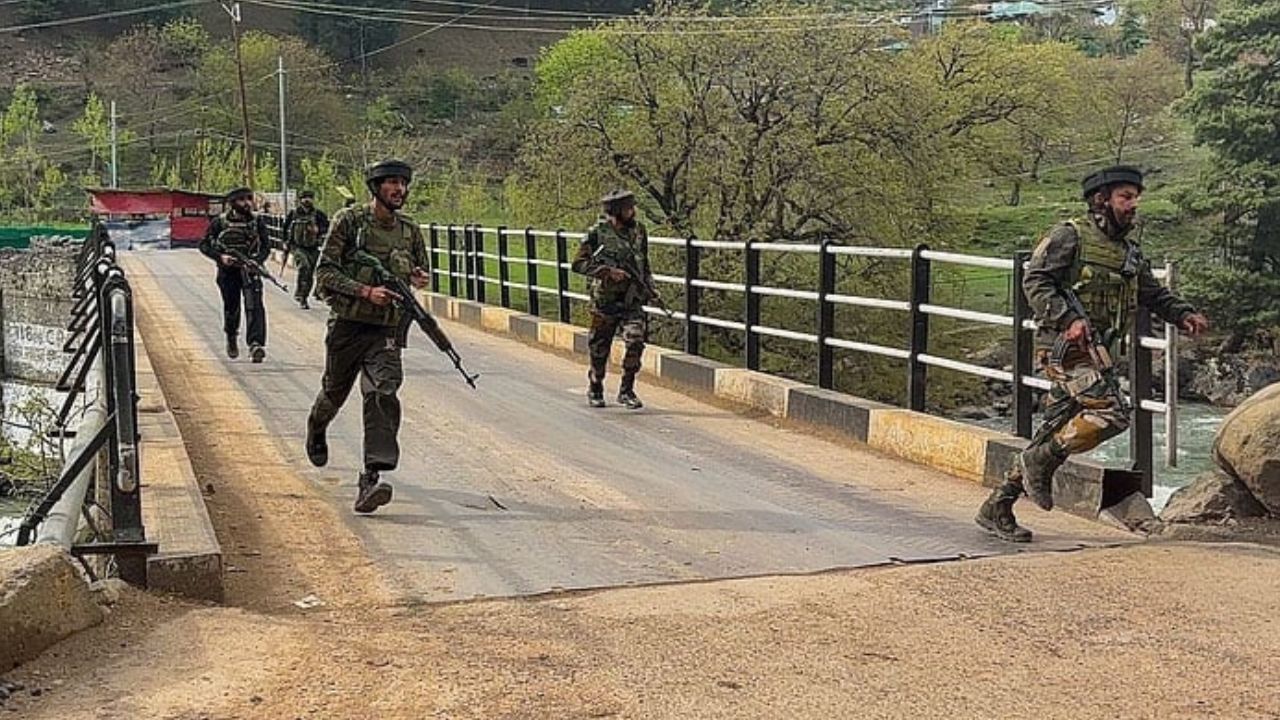
    In a shocking incident, two units of the Indian Army on the night between April 25 and 26 reportedly opened fire on each other along the Line of Control (LoC), resulting in the deaths of five Sikh soldiers.

    As per the details, the 185 Battalion of the Border Security Force (BSF), stationed in the Baramulla sector of held Kashmir, opened fire on the 13 Sikh Light Infantry Regiment of the 12th Brigade in the Japala Bridge area.

    The exchange of fire among the Indian units has reportedly left Sikh soldiers of the 13 Sikh Light Regiment enraged, reports said.

    Cause of the incident has not yet been revealed.

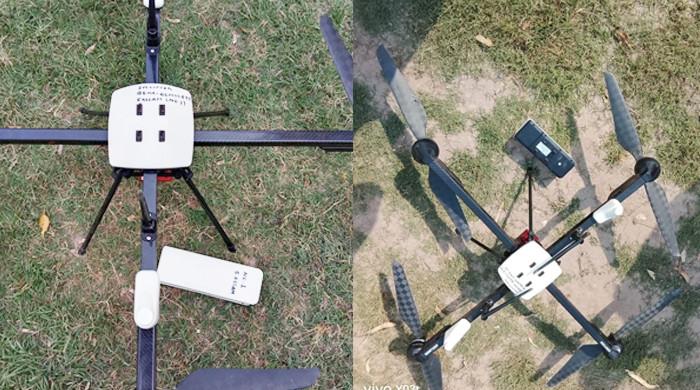
    Meanwhile, Pakistan Army on Tuesday shot down an Indian quadcopter for violating airspace along the LoC, state-run Radio Pakistan and PTV News reported citing security sources.

    Reports said that Pakistan Army, while acting swiftly, foiled the enemy’s malicious intention of attempting to conduct surveillance using a quadcopter in the Manawar sector of Bhimber.

    “The Pakistan Army is always ready to give an immediate and effective response to any aggression from the enemy,” reports quoted a statement as saying.

    It merits a mention that both incidents come amid escalating tensions and war rhetoric between the two nuclear-armed neighbours.

  • Pro-PTI, pro-PML-N guests air dirty laundry on Arnab Goswami’s show

    Pro-PTI, pro-PML-N guests air dirty laundry on Arnab Goswami’s show

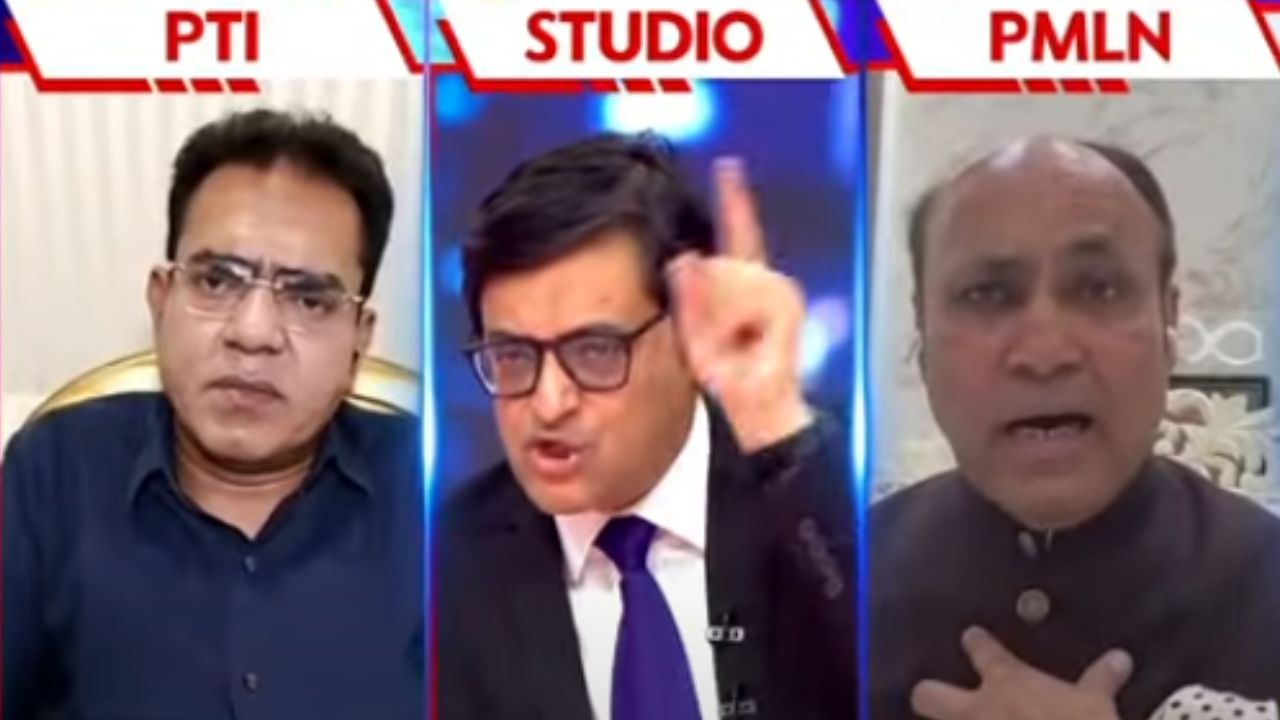
    Two Pakistani guests ended up fighting and abusing each other live on air during the programme of warmongering Indian anchor Arnab Goswami on Monday, where they were invited to give their analysis on the April 22 Pahalgam attack in Indian-Occupied Kashmir.

    Representing Pakistan on Indian channel Republic TV, Abdul Samad Yaqoob, claiming affiliation with Pakistan Tehreek-e-Insaf (PTI), and Irshad Khan, who claimed to be associated with the Pakistan Muslim League-Nawaz (PML-N), hurled accusations at each other live on air.

    The verbal spat reportedly erupted when Irshad accused Yaqoob of speaking against Pakistani institutions.

    “I am proud of being a Pakistani soldier. I feel sorry for the Abdul Samad Yaqoob type of shameless person who speaks against state institutions… His words will lead him to consequences,” Irshad said.

    Yaqoob hit back, alleging that Irshad does not belong to the PML-N, but “is a stooge of an intelligence agency”.

    Yaqoob’s harsh language prompted Irshad to call him back “a PTI stooge”. To which Yaqoob replied, “I am a soldier of Imran Khan.”

    “You should be proud of being a Pakistani,” Irshad says to Yaqoob, to which the latter, while deflecting from the debate, brought the Pakistan national politics into the Indian screen. He began telling Irshad about the recent arrest of PTI worker Sanam Javed.

    During the whole show, the notorious Goswami repeatedly tried to escalate the argument between the two, pushing for a more intense confrontation.

    Moments later, PML-N’s Uzma Kardar joined the debate. Maintaining that Yaqoob had gone “bonkers”, she said, Yaqoob was a supporter of a man “who for more than three years kept saying ‘I am on one page with the establishment”.

    With Kardar and Yaqoob at each other’s throats, Goswami chimed in, “Look at what’s happening inside Pakistan… these people are going to fight us. They’re gonna attack us.”

    Yaqoob descended to personal attacks on Kardar, calling her unworthy and age-shaming her.

  • We can have a war within two to four days: defence minister

    We can have a war within two to four days: defence minister

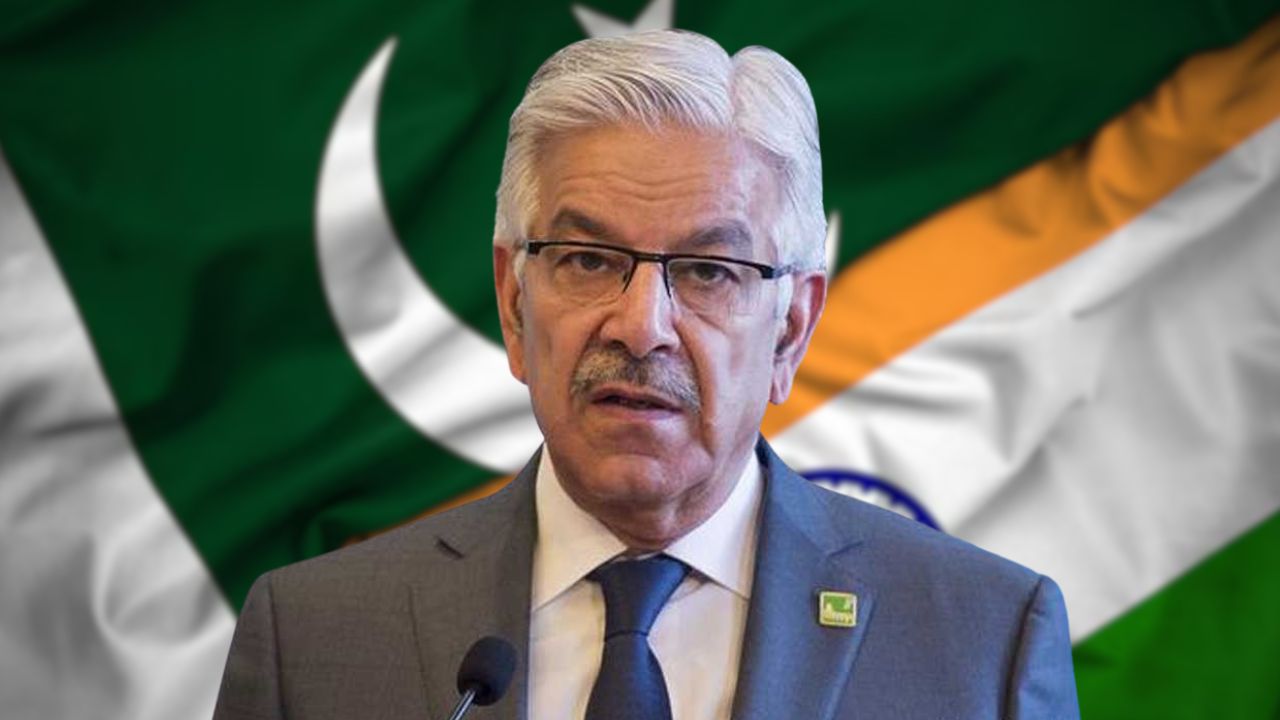
    Amid tension between Pakistan and India following last week’s attack in Pahalgam in Indian-Occupied Kashmir, Defence Minister Khawaja Asif on Monday cautioned about the possibility of both countries engaging in war in the next two to four days.

    “There is a war looming on the horizon. A very vivid possibility is there that we can have a war in the next two to four days,” Asif said while appearing on a private news outlet.

    However, he clarified that, not being a military strategist, he was making such a guess as a political worker.

    Read More: India suspends 16 Pakistani YouTube channels

    When questioned, “What type of engagement war does India want with Pakistan?” the Defence Minister said, “I don’t believe that it [India] will go for an all-out [war],” adding that if an incursion happens, it will be limited to the Line of Control (LOC).

    “Our whole border is covered, including water [Navy], air [Air Force], and ground. We are ready,” he added.

    On being asked whether international efforts to defuse the tension between both countries had increased, Asif claimed that numerous countries, including Saudi Arabia, China, and Iran, had approached both Pakistan and India.

    On the Indus Water Treaty being put in abeyance by India, he said that the latter country had often asked to renegotiate the treaty in the past when he was the minister for Water and Power, adding, “There is no need for renegotiation until all parties — Pakistan, India, and the World Bank — agree.”

    The minister’s remarks come hours after he, in an interview with Reuters in Islamabad, said that a military incursion by India was imminent in the aftermath of a deadly militant attack on tourists in Indian Illegally Occupied Jammu and Kashmir (IIOJK) last week, as tensions rise between the two nuclear-armed nations.

    “We have reinforced our forces because it is imminent now. So, in that situation, some strategic decisions have to be taken, so those decisions have been taken,” the defence minister said.

    Asif said India’s rhetoric was ramping up and that Pakistan’s military had briefed the government on the possibility of an Indian attack. However, the defence minister did not go into further details on his reasons for thinking an incursion was imminent.

  • ‘Pakistan Jindabad’: Indian accounts share fake army notification

    ‘Pakistan Jindabad’: Indian accounts share fake army notification

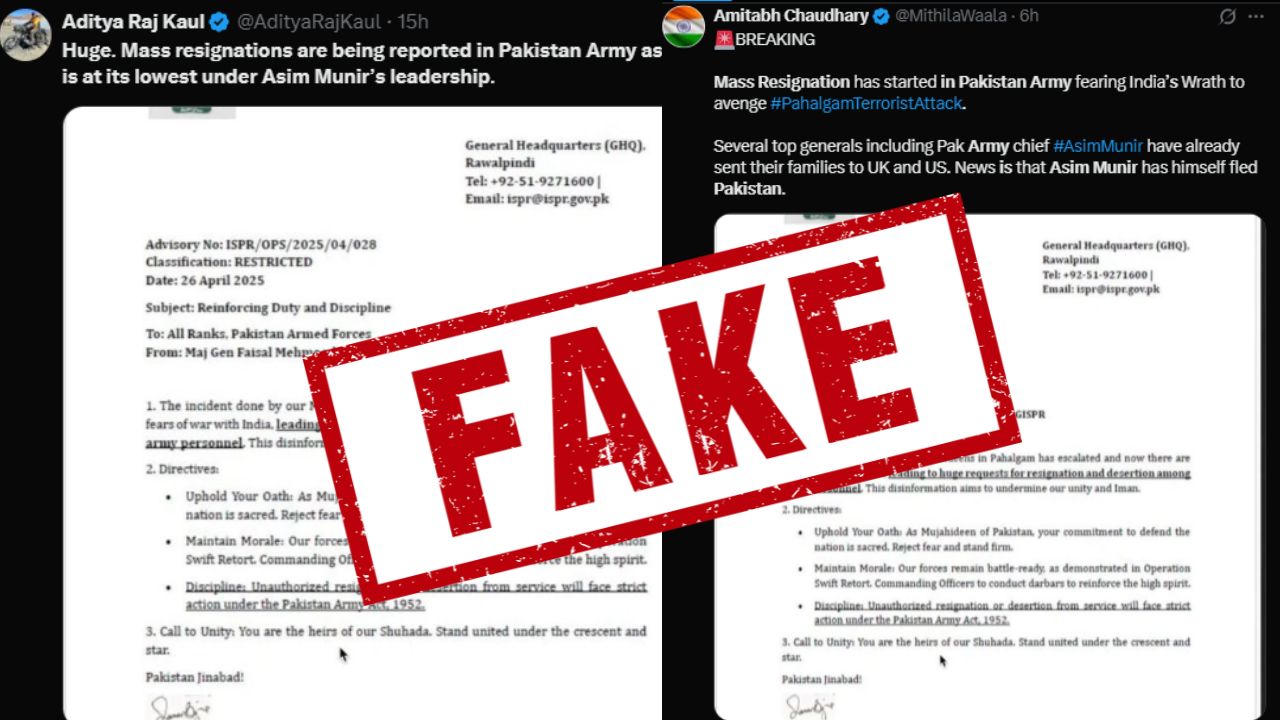
    A notification widely shared by Indians on social media claiming mass resignations in the Pakistan Army following an attack in Indian-administered Kashmir has been found to be fake.

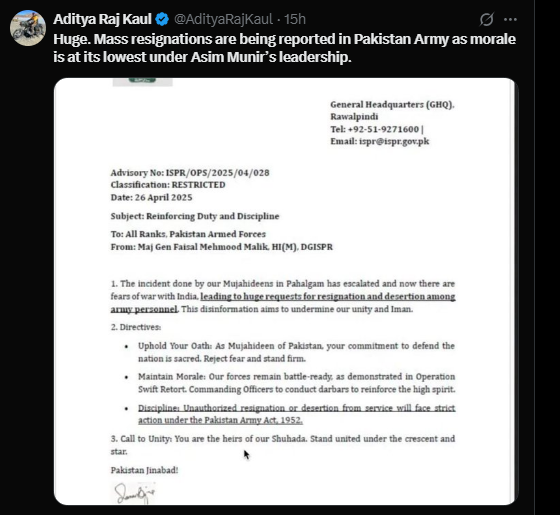
    Claim: The notification was initially shared by an Indian account named Aditya Raj Kaul, with the caption “Huge. Mass resignations are being reported in the Pakistan Army as morale is at its lowest under Asim Munir’s leadership.”

    The notification with the subject “Reinforcing Duty and Discipline” reads, “The incident done by our mujahideens in Pahalgam has escalated, and now there are fears of war with India, leading to huge requests for resignation and desertion among army personnel.”

    One directive given in the document reads, “As mujahideen of Pakistan, your commitment to defend is sacred. Reject fear and stand firm.”

    In another directive, it has been asserted that any unauthorised resignation or desertion from service will face strict action under the Pakistan Army Act, 1952.

    Fact: The notification was found to be fake, as it bore the name of Major General Faisal Mehmood Malik, HI (M), Director General, Inter-Services Public Relations (DG ISPR).

    The current DG ISPR is Lieutenant General Ahmed Sharif Chaudhry.

    The notification ends with “Pakistan Jinabad”, a misspelt version of the patriotic slogan “Pakistan Zindabad.”

    Viewing the visible mistakes, the notification proved to be fake.

  • Indian women married to Pakistanis suffer after only their children are allowed to cross border

    Indian women married to Pakistanis suffer after only their children are allowed to cross border

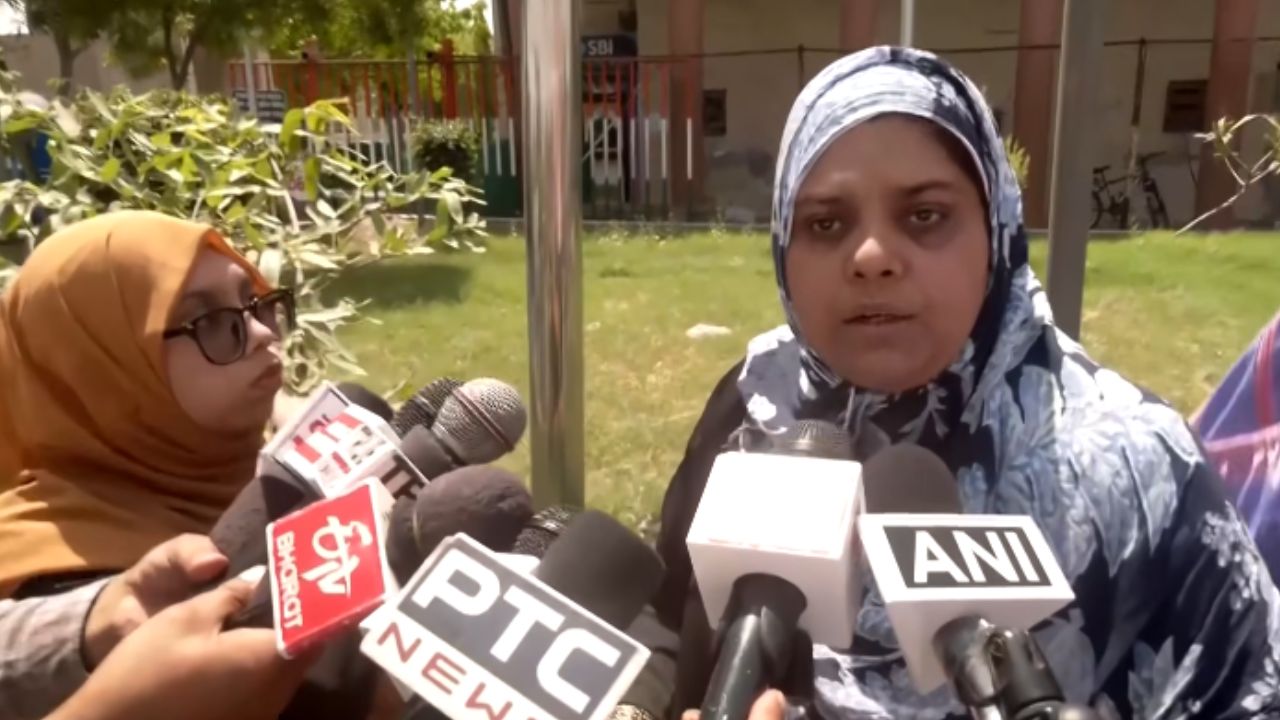
    Indian women married to Pakistani nationals on Sunday created a ruckus at the Attari-Wagah border after being denied entry into Pakistan. However, their children, who hold Pakistani passports, were allowed to cross the border. 

    Speaking to reporters at the Pak-India border, a woman who identified herself as Afsheen Jahangir said that she was refused entry into Pakistan, while her four-year-old child, a Pakistani national, was sent into the country. 

    Afsheen said that she had married a Pakistani national 11 years ago. “I was here (India) to meet my parents on a one-month visa. Within 48 hours, they [the Indian government] issued a directive to leave the country.”

    She lambasted the Indian government for not maintaining a clear policy for those whose children are Pakistani nationals but whose mothers are Indian nationals, saying, “My husband is standing on the other side of the border. I want to go to Pakistan.”

    Waving the paper, Afsheen claimed that she is half Pakistani. “Is it my fault that I was not awarded the full nationality,” she questioned.

    Another mother, who was accompanying her children, said she had been living in Pakistan for the last 20 years. She said, “I have applied for a nationality in Pakistan. My children are Pakistani nationals. I have all the documents of my husband’s nationality. I arrived in India on a one-month visa to meet my parents. After hearing the news, we left the house to enter Pakistan. Why has my entry into Pakistan been barred? What is my fault?”

    When questioned whether she would opt to send her children bearing Pakistani nationality into Pakistan, she  asked, “How can I send my children alone via the border?”

    Another mother said that she belongs to Delhi and was married in Karachi. However, she was also stopped at the border. “I had arrived in India to see my mother, who is a heart patient. I have four children. My husband and father-in-law are standing at the border in Lahore. I am being denied entry into Pakistan. I have an Indian passport. However, my children have Pakistani passports,” she stated. 

    Mothers are being affected as India, following last Tuesday’s attack in Pahalgam in India Illegally Occupied Jammu and Kashmir (IIOJK), ordered Pakistani nationals to leave the country within 48 hours.

    In response to India’s decision, Pakistan also issued a directive instructing the Indian nationals to leave the country within 48 hours.

  • Our desire for peace should not be mistaken as weakness: PM Shehbaz

    Our desire for peace should not be mistaken as weakness: PM Shehbaz

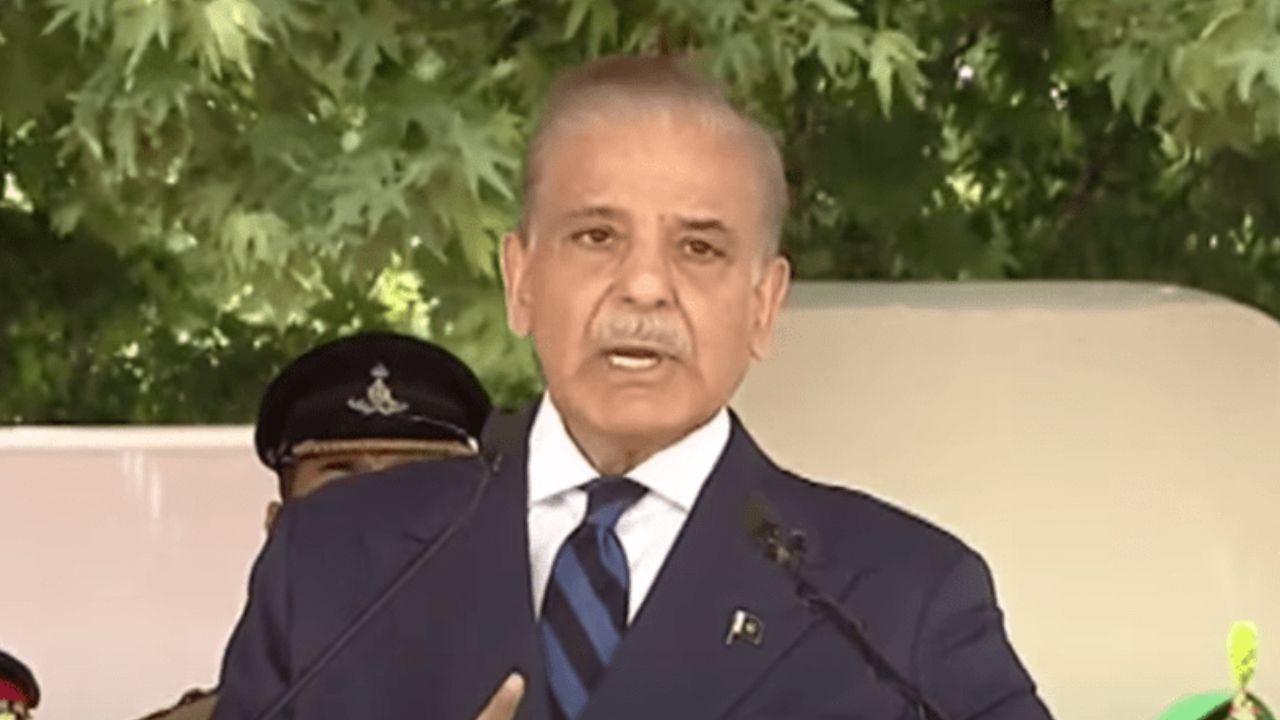
    As Indian continues with its warmongering following the Pahalgam terror attack in held Kashmir, Prime Minister (PM) Shehbaz Sharif on Saturday said that Pakistan’s desire for peace should not be mistaken for weakness.

    “Pakistan is a peace-loving country, and peace is our preference and desire, but it should not be mistaken for our weakness,” he said while addressing the passing out parade at the Pakistan Military Academy (PMA) Kakul.

    On New Delhi’s suspension of the Indus Water Treaty (IWT), the PM said that any attempt to stop, reduce or divert the flow of water belonging to Pakistan under the agreement would be responded to with full force and might.

    “Nobody should remain under any kind of impression and confusion,” he said.

    The premier further said that without verifiable evidence, Pakistan was blamed by the neighbouring country. He said a transparent investigation into such tragedies should be conducted, reiterating Pakistan’s openness to international scrutiny.

    PM Shehbaz, while recalling India’s 2019 airstrike and Pakistan’s retaliation, said the country had already proven its military capability through a “measured yet resolute” response.

    Reaffirming Pakistan’s support for Kashmiris’ right to self-determination, he said, “Founder of the nation, Quaid-e-Azam Mohammad Ali Jinnah, rightly said that Kashmir is the jugular vein of Pakistan. Let there be no doubt… we shall continue to support the right to self-determination of the Kashmiri people.”

    The premier also said that Pakistan had always condemned terrorism in all its forms and manifestations, and underscored that as the world’s frontline state against terrorism, the country had rendered countless sacrifices.

    “We do not and shall not tolerate any kind of terrorism… of any hue and colour… and that has been demonstrated beyond any ray of doubt,” he added.

  • Trump says India, Pakistan to settle dispute ‘one way or another’

    Trump says India, Pakistan to settle dispute ‘one way or another’

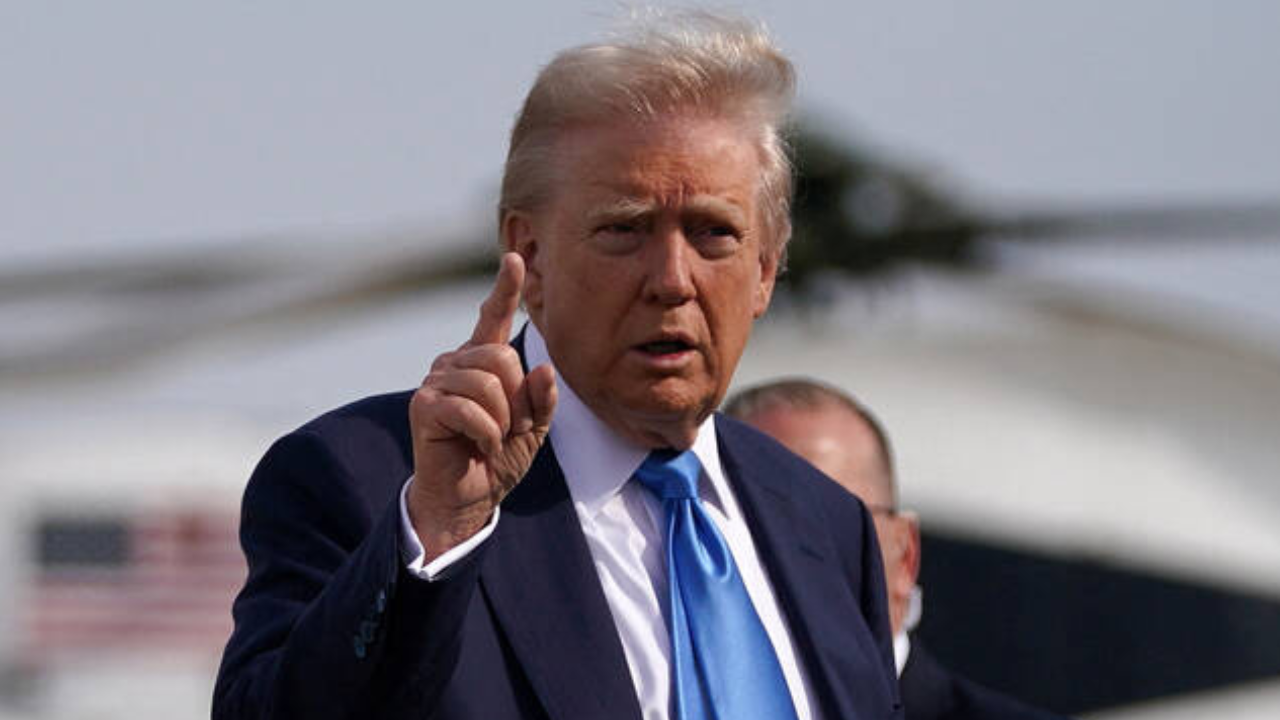
    US President Donald Trump on Friday downplayed concerns over mounting tensions between India and Pakistan, saying the dispute between the nuclear-armed neighbours will get “figured out, one way or another.”

    Trump was asked aboard Air Force One about crumbling relations between India and Pakistan as the fallout deepens from a deadly attack on civilians by gunmen in Indian-administered Kashmir.

    “There have been tensions on that border for 1,500 years so, you know, it’s the same as it has been,” Trump told reporters.

    “But they’ll get it figured out, one way or another.”

    Kashmir has been divided between India and Pakistan since their independence in 1947, with both claiming the territory in full but governing separate portions of it.

    Rebel groups have waged an insurgency in Indian-controlled Kashmir since 1989, demanding independence or a merger with Pakistan.

    Tensions have flared since Tuesday, when 26 male tourists were killed by gunmen in the Kashmir town of Pahalgam.

    Indian police say the three gunmen are members of the Pakistan-based Lashkar-e-Taiba group, a UN-designated terrorist organisation.

    A day after the attack, New Delhi suspended a water-sharing treaty, announced the closure of the main land border crossing with Pakistan, downgraded diplomatic ties, and withdrew visas for Pakistanis.

    Denying any involvement, Islamabad called attempts to link Pakistan to the Pahalgam attack “frivolous” and vowed to respond to any Indian action.

    Officials said Friday that there was an overnight exchange of fire between Indian and Pakistani forces at the Line of Control.

    “There’s great tension between Pakistan and India but there always has been,” Trump said.

  • VIDEO: Indian soldier trains guns at Modi govt

    VIDEO: Indian soldier trains guns at Modi govt

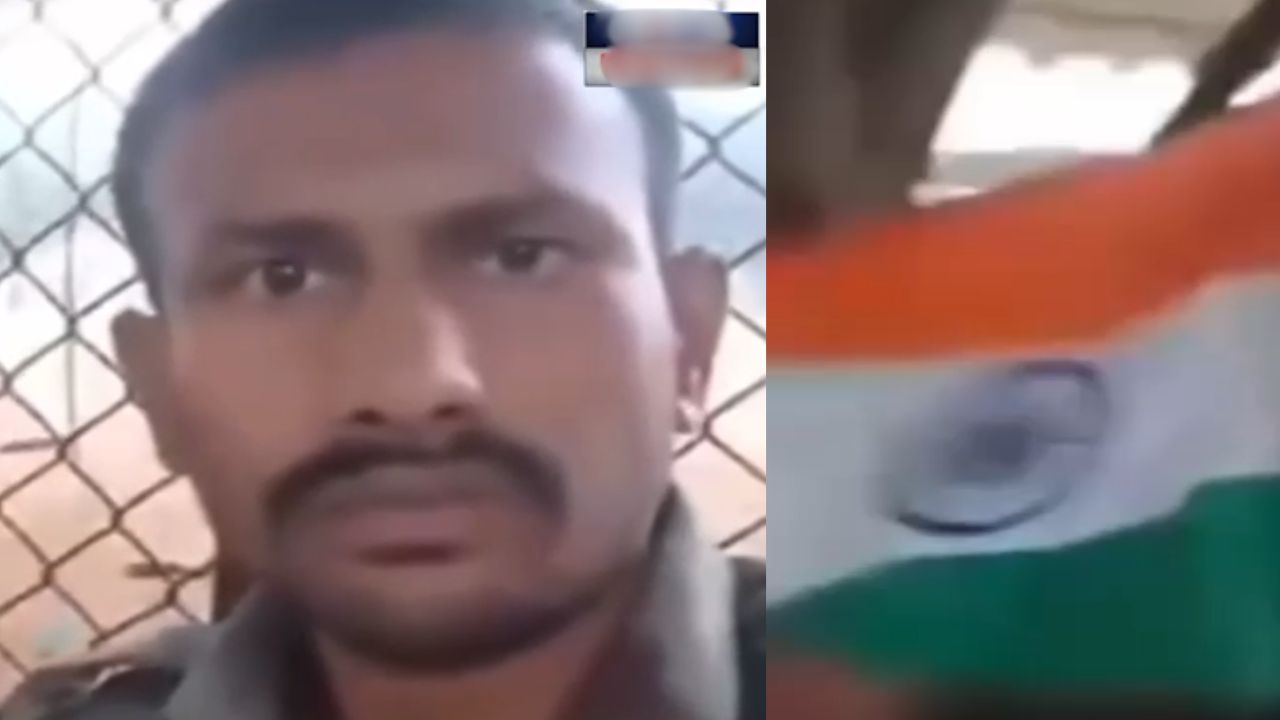
    An undated video of an Indian soldier accusing Prime Minister (PM) Narendra Modi of ignoring the worsening conditions faced by soldiers across the country has surfaced online.

    In the viral video, the soldier asserts that the Indian PM has rendered them powerless and without support in their own country.

    He goes on to express frustration over the media’s silence on the plight of soldiers, stating, “When you (Modi) went to Pakistan, every news channel in India covered your visit… we don’t have a free or living media.”

    The soldier questioned, “If the Indian government could not provide them justice, would he ask for it from the Pakistan government?”

    Lashing out at the government’s leadership, the soldier argued that if Indian Home Minister Amit Shah and PM Modi cannot govern the country effectively, soldiers could take charge and do it better. “Amit Shah is controlling the whole Central Reserve Police Force (CRPF) and paramilitary,” the soldier accused.

    “Any soldier who speaks the truth is just thrown in jail. You went to meet Donald Trump, but you don’t meet us to hear our grievances,” he added.

  • Pahalgam attack: Pakistan expresses concern over loss of lives in held Kashmir

    Pahalgam attack: Pakistan expresses concern over loss of lives in held Kashmir

    Pakistan has expressed concern over the loss of lives in Tuesday’s attack in the tourist hotspot of the Pahalgam area of Indian Illegally Occupied Jammu and Kashmir (IIOJK), which claimed the lives of 26 people.

    Media reports quoted police as saying that the attack, which left dozens wounded, occurred in the well-known summer tourist spot, Pahalgam, located about 90 kilometres from Srinagar.

    In response to media inquiries, Foreign Office spokesperson Shafqat Ali Khan said Pakistan was saddened by the incident and expressed sympathy with the families of the deceased.

    “We are concerned at the loss of tourists’ lives in an attack in Anantnag district of Indian Illegally Occupied Jammu and Kashmir,” Shafqat Ali Khan said, adding, “We extend our condolences to the near ones of the deceased and wish the injured a speedy recovery.”

    As per media reports, among the dead are an Indian Navy officer and a Nepalese national. Some of the victims were from distant parts of India, including Tamil Nadu, Maharashtra, and Karnataka. The attack is the worst of its kind in the region in nearly two decades.

    Pahalgam lies on the route of a Hindu pilgrimage to a cave shrine dedicated to Lord Shiva, the annual Amarnath Yatra, making it one of the most heavily protected regions of Indian-held Jammu and Kashmir.

    In a post on X (formerly Twitter) condemning the incident, India’s Prime Minister Narendra Modi, who was visiting Saudi Arabia at the time, said that those behind the heinous act would be brought to justice.

    “…Their evil agenda will never succeed. Our resolve to fight terrorism is unshakable and it will get even stronger,” he added.

    Congress leader and Leader of the Opposition in the Lok Sabha, Rahul Gandhi, while calling the attack “extremely condemnable and heartbreaking,” urged the government to move beyond what he termed “hollow claims” of peace in held-Jammu and Kashmir. “The whole country is united against terrorism,” he said.

    “Instead of making hollow claims of the situation being normal in Jammu and Kashmir, the government should now take accountability and take concrete steps so that such barbaric incidents do not happen in the future and innocent Indians do not lose their lives like this.”

    Meanwhile, in a post on Truth Social on Tuesday, US President Donald Trump said that India has the full support of the United States.

    “Deeply disturbing news out of Kashmir. The United States stands strong with India against Terrorism. We pray for the souls of those lost, and for the recovery of the injured. Prime Minister Modi, and the incredible people of India, have our full support and deepest sympathies,” he wrote.

  • Hindutva extremists clash with police; demand destruction of Aurangzeb’s grave

    Hindutva extremists clash with police; demand destruction of Aurangzeb’s grave

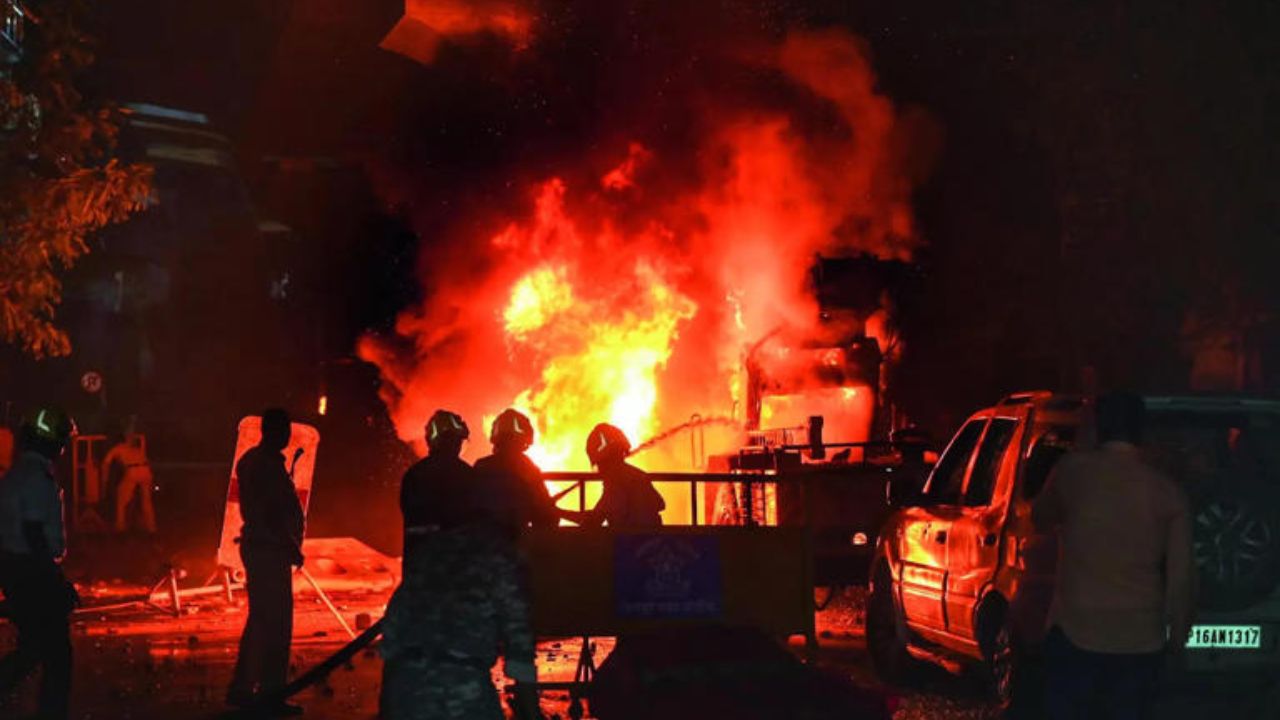
    Overnight clashes in the Mahal neighborhood of Nagpur, India, resulted in over a dozen injuries, burned automobiles, and bouts of stone-pelting.

    The violence centered around the tomb of Mughal emperor Aurangzeb, a stone structure less than three yards long, which has stood on the spot for over three centuries.


    The Tomb and its historical significance

    In contrast to the magnificent tourist destinations of the final resting places of Mughal Kings Humayun, Akbar, and Jahangir, as well as the graves of his father Shah Jahan, Aurangzeb’s ultimate resting place is simple and less ostentatious than his predecessors. However, politics, history, and emotions have collided to the point where this once-obscure monument is now at the center of a Maharashtra storm that threatens peace and harmony. 

    Who was Aurangzeb?

    From 1658 until 1707, Aurangzeb, the sixth Mughal emperor, ruled India for over fifty years. He is frequently portrayed as a pious Muslim who led a modest life but was brutal in his efforts to grow the empire by enforcing harsh sharia regulations and discriminatory taxes.

    Although some historians point out that he also constructed a few Hindu temples, he was also accused of demolishing them. He relocated from Agra to the Deccan and established Aurangabad as his capital, determined to step up battles against the Marathas. In 1707, he passed away there. He requested to be buried in a modest mausoleum at Khuldabad, near to his spiritual master Sayyad Zain-ud-din Shirazi. 

    The political and social divide

    Aurangzeb, like most historical personalities, is controversial. Some argue that politics, not religious extremism, motivated his acts. In Maharashtra, however, Aurangzeb is widely considered a villain due to his prolonged war with the Marathas and his execution of Chhatrapati Sambhaji Maharaj. Against this backdrop, Aurangabad was renamed Chhatrapati Sambhajinagar in 2022 to honor the Maratha ruler.

    The demand to remove the tomb

    Samajwadi Party MLA Abu Azmi reignited the debate over Aurangzeb’s tomb by declaring, “I don’t think Aurangzeb was a terrible emperor. Power battles in the era were political rather than religious.” Even though he eventually took back his comments, the harm had already been done and the Mughal emperor from the 17th century was once again in the news.

    Udayanraje Bhosale, a descendant of Chhatrapati Shivaji Maharaj and BJP’s Satara MP, was the first to call for the removal of Aurangzeb’s tomb from Maharashtra. “What is the need, send a JCB machine and raze his grave, he was a thief and lootera (robber).

    Those who visit Aurangzeb’s tomb and pay homage may be his future. The glorification of Aurangzeb will no longer be tolerated,” Mr. Bhosale stated, adding that they should move the tomb to their own homes.

    While acknowledging the demand, Maharashtra Chief Minister Devendra Fadnavis made it clear that the tomb is an ASI-protected monument and that any action taken against it has to conform to the law.


    Protests and violence

    In Nagpur, organizations such as the VHP, Bajrang Dal, and others held protests to demand the destruction of the tomb, setting a replica of the tomb and Aurangzeb’s pictures on fire. Sacred phrases were allegedly scribbled on the green cloth that covered the copy, according to a video.

    Tensions increased as a result, and a mob went on the rampage, attacking police officers and burning cars. Following the clashes, Maharashtra police have detained over 50 people and injured 33 police officers; shops and businesses in central Nagpur are still shut down and security has been increased throughout the city, a curfew has been enforced in certain areas of Nagpur.

    The Role of Chhaava and its impact

    The recent success of the Bollywood film Chhaava, which shows Chhatrapati Sambhaji Maharaj’s struggle against Aurangzeb and his eventual execution, has been connected to the clashes. The film’s dramatic and largely made up depiction of historical events has increased calls for Aurangzeb’s tomb to be removed. The film’s INR 62.3 crore (PKR 18,211,626,202) box office receipts strengthened Hindu nationalist parties’ negative perceptions of Aurangzeb and fueled Maratha pride. 

    Political reactions and security measures

    Maharashtra’s political parties are still split on the matter. The Congress and NCP argue that the tomb removal is a distraction from pressing problems like unemployment and inflation, while the BJP and Shiv Sena (Shinde group) support the demand. 

    ‘Shivaji Maharaj and Sambhaji Maharaj defeated Aurangzeb. His tomb here is a symbol of his failure, not his success,’ said Sanjay Raut of Shiv Sena (UBT). On the other hand, BJP leader Ram Kadam stated, ‘Aurangzeb was a cruel ruler. His tomb has no place in Maharashtra. Those who want to glorify him should think twice.’

    To stop more turmoil, authorities have stepped up security at Aurangzeb’s tomb. Following earlier efforts to damage the site, the ASI temporarily closed the tomb in 2022 before reopening it with increased security.

    The controversy surrounding Aurangzeb’s tomb is still quite political and emotionally charged due to the rise of Hindutva extremism and the continuous protests. For now, the Maharashtra government faces the challenge of balancing historical preservation with contemporary public sentiment, ensuring that peace prevails amid the controversy.