Tag: Israel

  • Israeli drones strike Gaza aid ship near Malta, 30 humanitarians issue SOS

    Israeli drones strike Gaza aid ship near Malta, 30 humanitarians issue SOS

    A humanitarian flotilla, a fleet of ships carrying 30 human rights activists delivering supplies to Gaza, was struck by Israeli military drones in the early hours of Friday, just outside Maltese territorial waters.

    The incident occurred at approximately 00:23 local time, when two drone strikes hit the vessel, damaging its hull and generator. The strikes caused the ship to start taking on water, placing the lives of those aboard in immediate danger. The crew sent out an urgent SOS distress call as the situation deteriorated.

    The vessel, part of the Freedom Flotilla Coalition, was operating in international waters about 14 nautical miles from Malta when it was attacked. Despite issuing multiple distress signals, only Cyprus responded by sending rescue boats. 

    The Freedom Flotilla Coalition denounced the attack on social media, describing it as a “war crime” and an “act of piracy”, and called for swift action from the Maltese government and the international community.

    The flotilla was heading to deliver aid to Gaza, where Palestinians are currently subjected to genocide, ongoing Israeli airstrikes, and a blockade. Organisers indicated that the mission was conducted under a media blackout to reduce the risk of Israeli disruption. Those on board maintained that the ship was clearly identified as a humanitarian vessel and was unarmed, intended solely to deliver vital aid to Gaza’s civilian population.

    This attack comes at a time when Israel is also facing severe wildfires affecting several areas, including near Jerusalem. These wildfires have prompted evacuations, emergency alerts, and a state of distress across the nation. Despite the domestic crisis, Israel’s military actions in Gaza, now extending to international waters, have continued unabated.

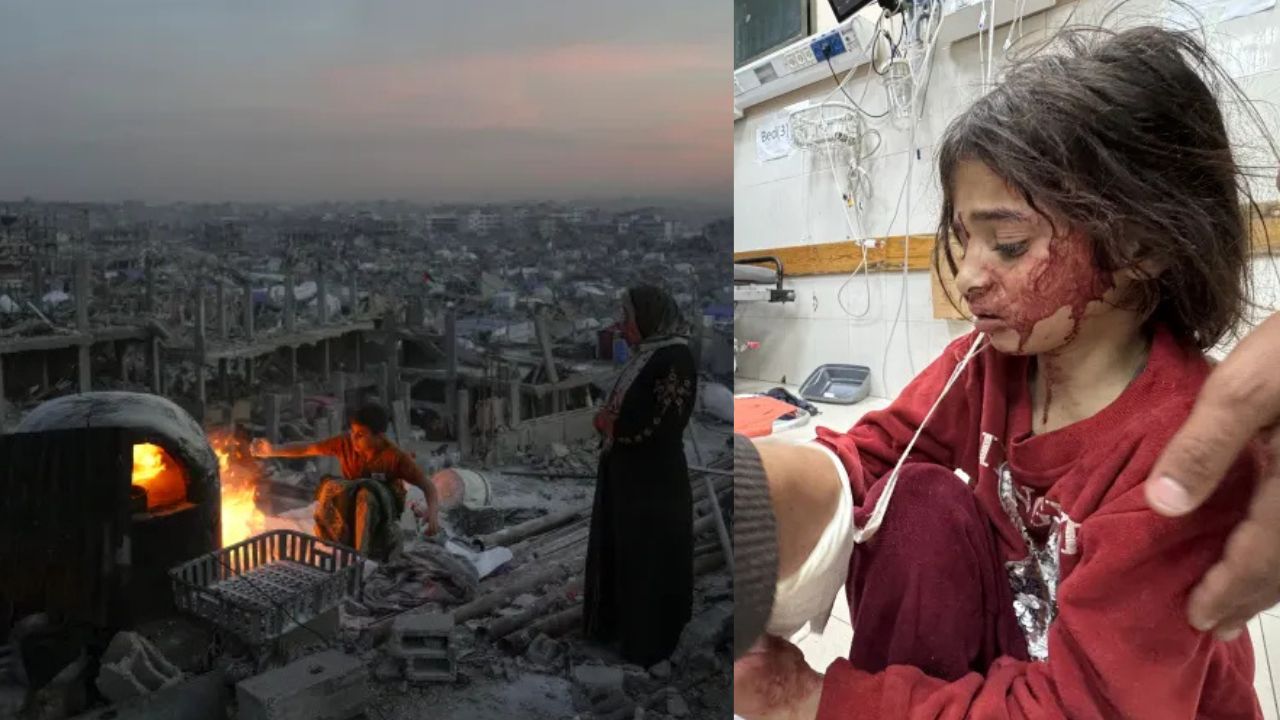
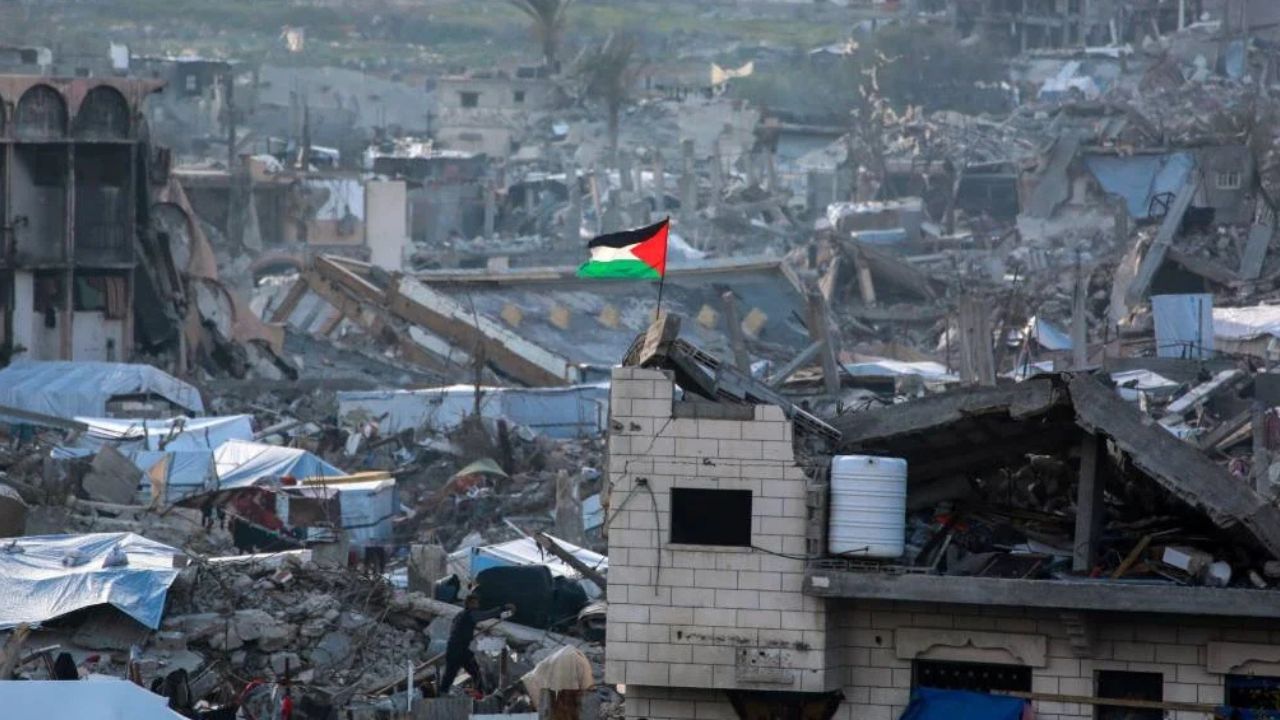
    In Gaza, the humanitarian crisis is worsening rapidly. Since the onset of the genocide following the October 2023 attacks, Israeli airstrikes and the blockade have caused widespread destruction, leaving more than 52,000 Palestinians dead, at least 118,000 injured and millions displaced.

    The region is facing critical shortages of food, medicine, and essential supplies. Human rights organisations and various governments have denounced these actions as genocidal, calling for international accountability over ongoing human rights violations.

    The Freedom Flotilla Coalition, active since 2010, has persistently challenged the naval blockade on Gaza by sending humanitarian aid via sea. This recent strike on the Freedom Flotilla, just outside Maltese waters, marks a serious escalation, not only in Gaza but also internationally, as Israel’s military activities continue to draw condemnation from the global community.

    The situation remains urgent, and pressure is mounting worldwide for immediate measures to ensure the safety of humanitarian workers and the delivery of aid to Gaza. As of now, the ship is still taking on water, with Cyprus the only nation to respond to the SOS call.

  • Maldives ban Israelis to protest genocide in Gaza

    Maldives ban Israelis to protest genocide in Gaza

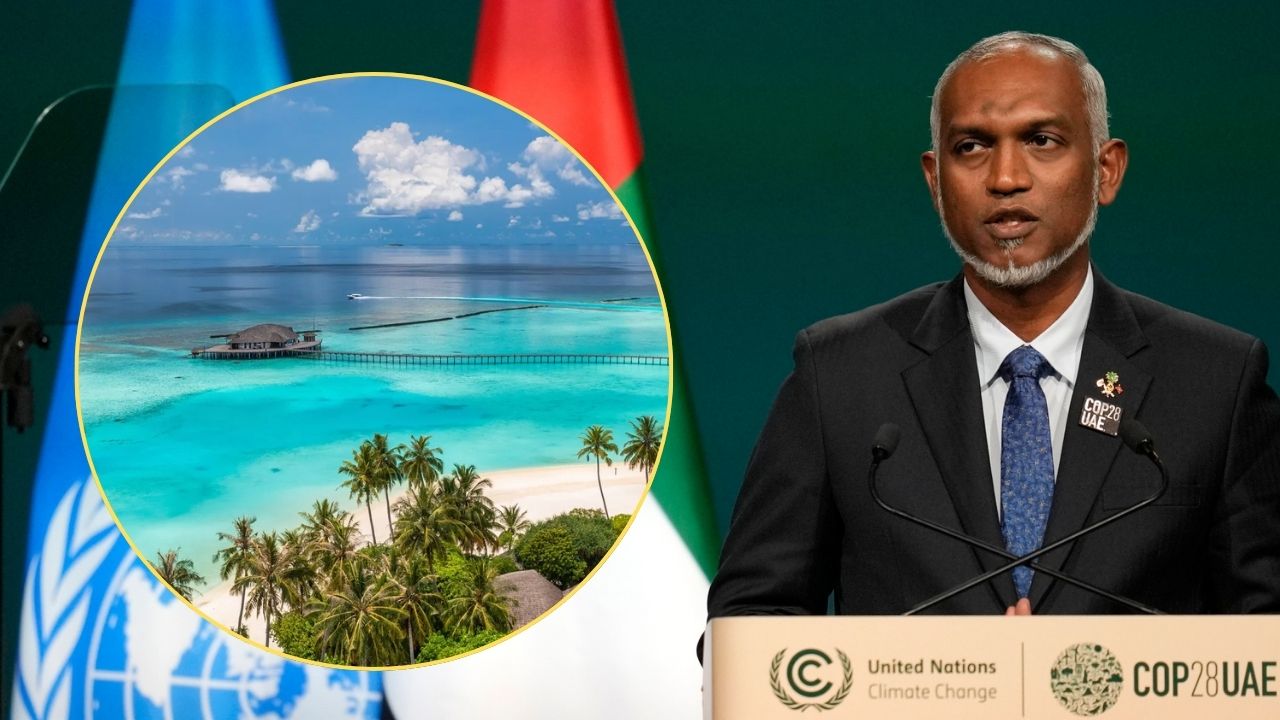
    The Maldives announced Tuesday it was banning the entry of Israelis from the luxury tourist archipelago in “resolute solidarity” with the Palestinian people.

    President Mohamed Muizzu ratified the legislation shortly after it was approved by parliament on Tuesday.

    “The ratification reflects the government’s firm stance in response to the continuing atrocities and ongoing acts of genocide committed by Israel against the Palestinian people,” his office said in a statement.

    “The Maldives reaffirms its resolute solidarity with the Palestinian cause.”

    The ban will be implemented with immediate effect, a spokesman for Muizzu’s office told AFP.

    The Maldives, a small Islamic republic of 1,192 strategically located coral islets, is known for its secluded white sandy beaches, shallow turquoise lagoons and Robinson Crusoe-style getaways.

    Official data showed that only 59 Israeli tourists visited the archipelago in February, among 214,000 other foreign arrivals.

    The Maldives had lifted a previous ban on Israeli tourists in the early 1990s and briefly moved to restore relations in 2010.

    Opposition parties and government allies in the Maldives have been pressuring Muizzu to ban Israelis as a statement of opposition to the genocide being committed in Gaza by Israel against Palestinians.

    Israel’s Ministry of Foreign Affairs urged its citizens last year to avoid travelling to the Maldives.

    The genocide against Palestinians worsened after Palestinian militant group Hamas’s October 2023 attack on Israel, which resulted in the deaths of 1,218 people, mostly civilians, according to an AFP tally based on official Israeli figures.

    Gaza’s health ministry said on Sunday that at least 1,613 Palestinians had been killed since March 18, when a ceasefire collapsed, taking the overall death toll since the war began to 50,983.

  • Bangladesh reintroduces ‘except Israel’ phrase on passports

    Bangladesh reintroduces ‘except Israel’ phrase on passports

    Bangladesh has restored an “except Israel” inscription on passports, local media reported Sunday, effectively barring its citizens from travelling to that country.

    Israel is a flashpoint issue in Muslim-majority Bangladesh, which does not recognise it.

    The phrase “valid for all countries except Israel,” which was printed on Bangladeshi passports for decades, was removed during the later years of ousted prime minister Sheikh Hasina’s tenure.

    Nilima Afroze, a deputy secretary at the home ministry, told Bangladesh Sangbad Sangstha (BSS) news agency on Sunday that authorities had “issued a directive last week” to restore the inscription.

    “The director general of the department of immigration and passport was asked to take necessary measures to implement this change,” local newspaper The Daily Star quoted Afroze as saying Sunday.

    In 2021, the words “except Israel” were removed from passports, although the then government under Hasina clarified that the country’s stance on Israel had not changed.

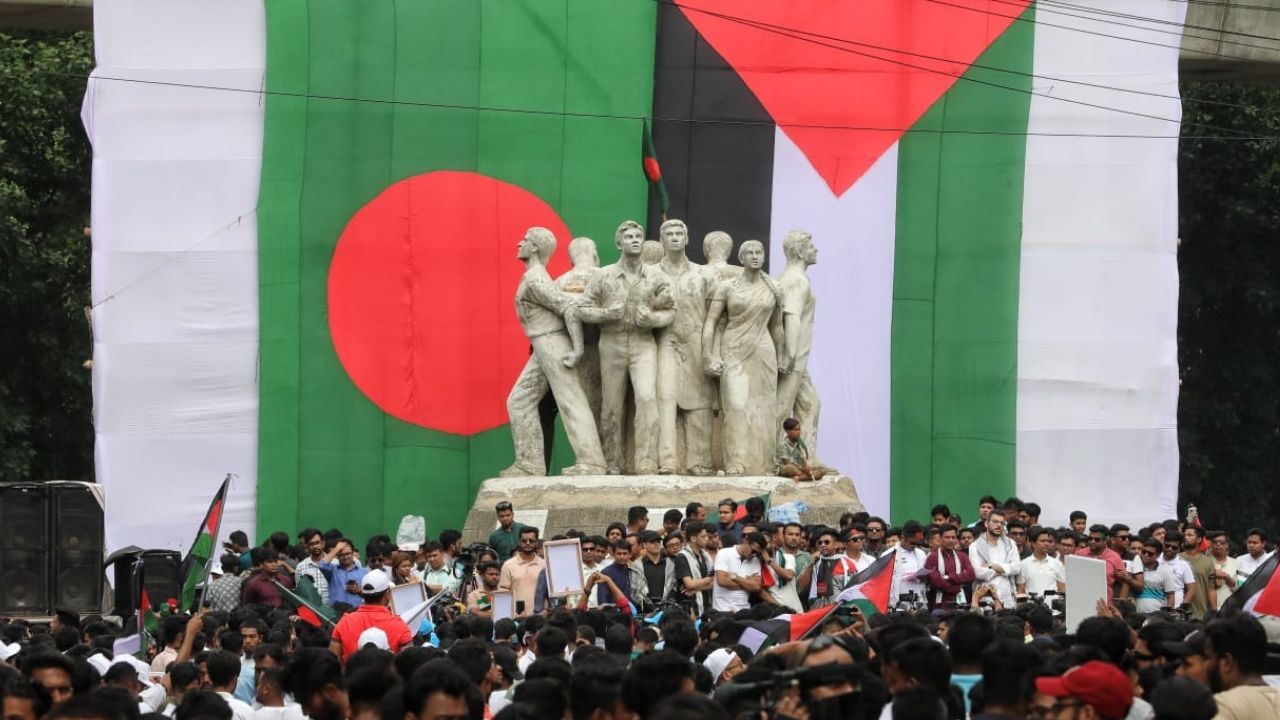
    The country’s support for an independent Palestinian state was visible on Saturday when around 100,000 people gathered in Dhaka in solidarity with Gaza.

    Israel has been committing genocide against Palestinians in Gaza after Hamas’s October 2023 attack on Israel, which resulted in the deaths of 1,218 people, according to an AFP tally based on Israeli official figures.

    A fragile ceasefire between the warring parties fell apart last month and Gaza’s health ministry said Sunday that at least 1,574 Palestinians had been killed since then, taking the overall death toll since the war began to 50,944.

  • Foreign Office denies knowledge of Pakistani delegation’s ‘visit to Israel’

    Foreign Office denies knowledge of Pakistani delegation’s ‘visit to Israel’

    The Ministry of Foreign Affairs clarified on Thursday that it had no prior “information or knowledge” about the reported visit of a 10-member Pakistani delegation comprising journalists and researchers to Israel last week.

    An Israeli news outlet, Israel Hayom, on Wednesday reported that the ten Pakistani journalists and researchers, including two women, had arrived in Israel last week.

    It was further reported that the delegation members’ passports were not stamped in order to protect them. The publication of their visit was delayed until they returned home.

    “Throughout their week-long stay, they [Pakistani delegation] learned about Israeli and Jewish history while following the standard educational itinerary: Kibbutz Kfar Aza, Sderot… Yad Vashem, the Knesset, the Western Wall, and the Temple Mount; plus various Tel Aviv locations, including Hostage Square,” Israel Hayom had reported.

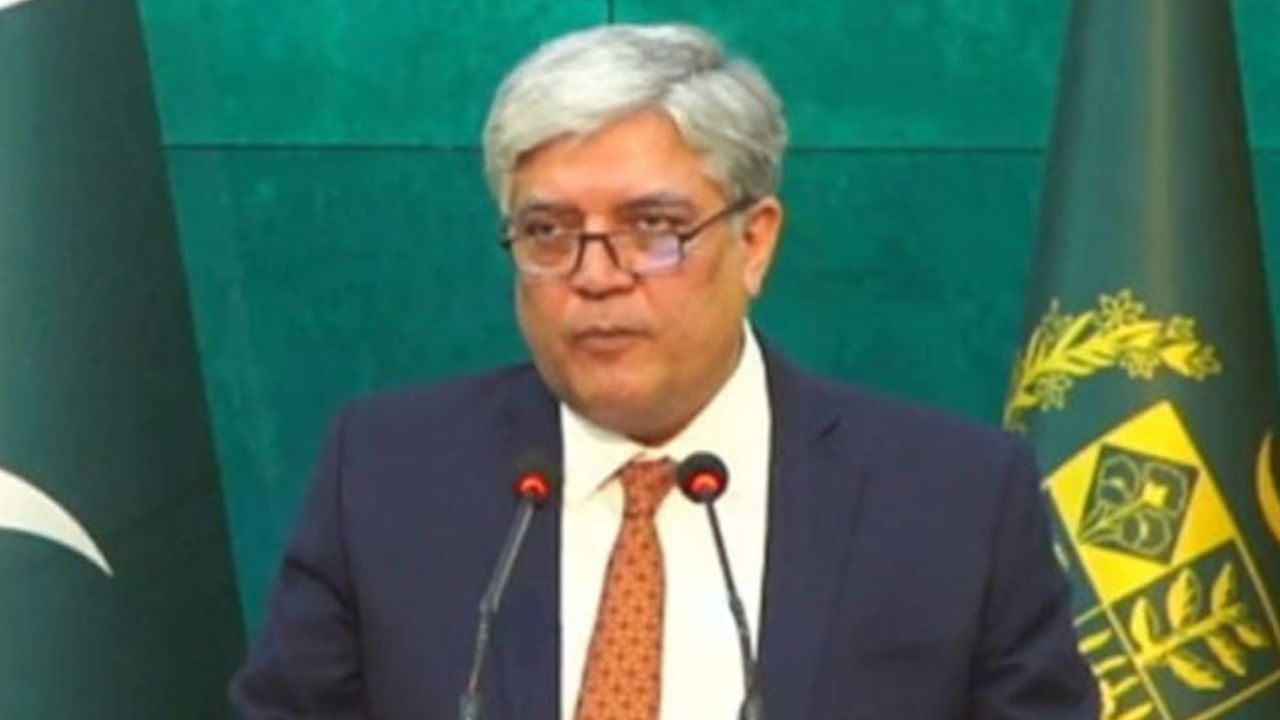
    During his weekly media briefing in Islamabad, Foreign Office Spokesperson Shafqat Ali Khan said, “We learned about the visit through the same media reports you are referring to. Aside from one individual who posted on Twitter, we do not have any details about who visited.”

    Citing a lack of information and knowledge about the visit, Shafqat Ali Khan refused to comment on the nationality or passport details of the individuals involved.

    Emphasising Pakistan’s unwavering stance on Israel, the FO spokesperson said, “There is no question of a change in Pakistan’s position on the question of recognition of Israel or on the question of Palestine or the Arab-Israel problems. It remains unwavering, very clear, and very firm.”

    It merits mention that Pakistan does not recognise the state of Israel. Passports issued to Pakistani citizens explicitly prohibit travel to Israel. Islamabad has consistently advocated for an independent Palestinian state based on “internationally accepted guidelines” and pre-1967 borders, with Al-Quds Al-Sharif as its capital.

    Meanwhile, condemning Israel’s brutal attacks on the people of the West Bank and Gaza, the FO spokesperson said, “Israel’s airstrikes and raids are a flagrant breach of the ceasefire agreement, international humanitarian law, the UN Charter, and undermine global trust in international law.”

    He emphasised that Pakistan has called for an immediate end to hostilities in the West Bank and Gaza, stressing the need to protect civilians and ensure unrestricted access to humanitarian aid.

    “We urge the international community to intensify efforts to halt Israel’s genocidal campaign against the innocent people of Palestine,” he added.

    Pakistan remains committed to the two-state solution, grounded in the principles of the United Nations (UN) Charter, UN Security Council resolutions, and rulings of the International Court of Justice.

  • Israel expands Gaza ground operation as missiles intercepted

    Israel expands Gaza ground operation as missiles intercepted

    Israel’s military on Thursday expanded ground operations across Gaza, after it reported missiles intercepted from Yemen and Hamas militants said they fired rockets towards Tel Aviv.

    The rocket fire from Hamas was its first military response to the growing civilian death toll from Israel’s resumption of aerial bombardment and ground operations in Gaza this week.

    The offensive has drawn widespread condemnation and shattered a relative calm in the genocide-ravaged Palestinian territory where a ceasefire began on January 19. Talks on extending the truce reached an impasse, and Israel resumed intensive bombing of Gaza on Tuesday.

    Early Friday, the head of Shin Bet — Israel’s domestic intelligence agency — was sacked, days after Prime Minister Benjamin Netanyahu said he no longer trusts him, and fallout from a report on the October 7, 2023 Hamas attack.

    Netanyahu on Sunday cited an “ongoing lack of trust” as the reason for moving to dismiss Ronen Bar, who joined the agency in 1993.

    Late Thursday the military said troops had begun “conducting ground activity” in the Shabura area of Rafah, Gaza’s southernmost city near the Egyptian border.

    “As part of the activity, the troops dismantled… terrorist infrastructure,” the military said in a statement, adding that “troops are continuing ground activity in northern and central Gaza.”


    Israeli protesters and police scuffle in front of the prime minister’s residence in Jerusalem during a demonstration calling for an end to the genocide in Gaza and to bring home all hostages held there by militants
     Photo: Menahem Kahana

    Israel earlier said it had closed off the territory’s main north-south route as part of expanding ground operations that resumed on Wednesday.

    Gaza’s civil defence agency said 504 people had been killed since Tuesday, including more than 190 under the age of 18.

    The toll is among the highest since the genocide started more than 17 months ago.

    The armed wing of Hamas, the Ezzedine al-Qassam Brigades, said it fired rockets at Israel’s commercial centre in response to “massacres” of Gaza civilians.

    The Israeli army said it intercepted a missile launched from Yemen, claimed by Iran-backed Huthi rebels who say they act in support of the Palestinians, for the second time within a day.


    A boy in Gaza City’s Yarmuk area eats at a camp sheltering displaced Palestinians in a landfill
     Photo: Omar AL-QATTAA

    US President Donald Trump “fully supports” Israel’s renewed Gaza operations, White House Press Secretary Karoline Leavitt told reporters when asked if he was trying to get a Gaza ceasefire back on track.

    Israel’s military said an air strike had “in recent days” killed Rashid Jahjouh, the head of Hamas’s internal security agency.


    In Beit Lahia, northern Gaza, Alaa Abu Nasr said 17 members of his family were killed in an air strike.

    “They are targeting civilians, not fighters,” he said among the rubble.

    Military spokesman Avichay Adraee said on X that Israeli troops “have begun a targeted ground operation in the central and southern Gaza Strip in order to expand the security zone between the northern and southern parts”.

    Palestinians ride vehicles with their belongings as they flee from the northern Gaza Strip toward the south Photo: Eyad BABA

    Movement along Salaheddin Road between northern and southern Gaza is prohibited “for your safety”, he said.

    Palestinians were seen fleeing south along a section of Salaheddin Road still open, near central Gaza’s Nuseirat refugee camp, atop donkey-drawn carts piled high with belongings.


    In Gaza’s south, the army warned people to evacuate Bani Suheila before a strike on militants “firing rockets from populated areas”.

    Government spokesman David Mencer said Israel controlled central and southern Gaza and was “expanding the security zone” and creating a buffer between the north and south.

    An official from Gaza’s interior ministry said the Israeli army had closed what it calls Netzarim Junction, just south of Gaza City on Salaheddin Road.

     
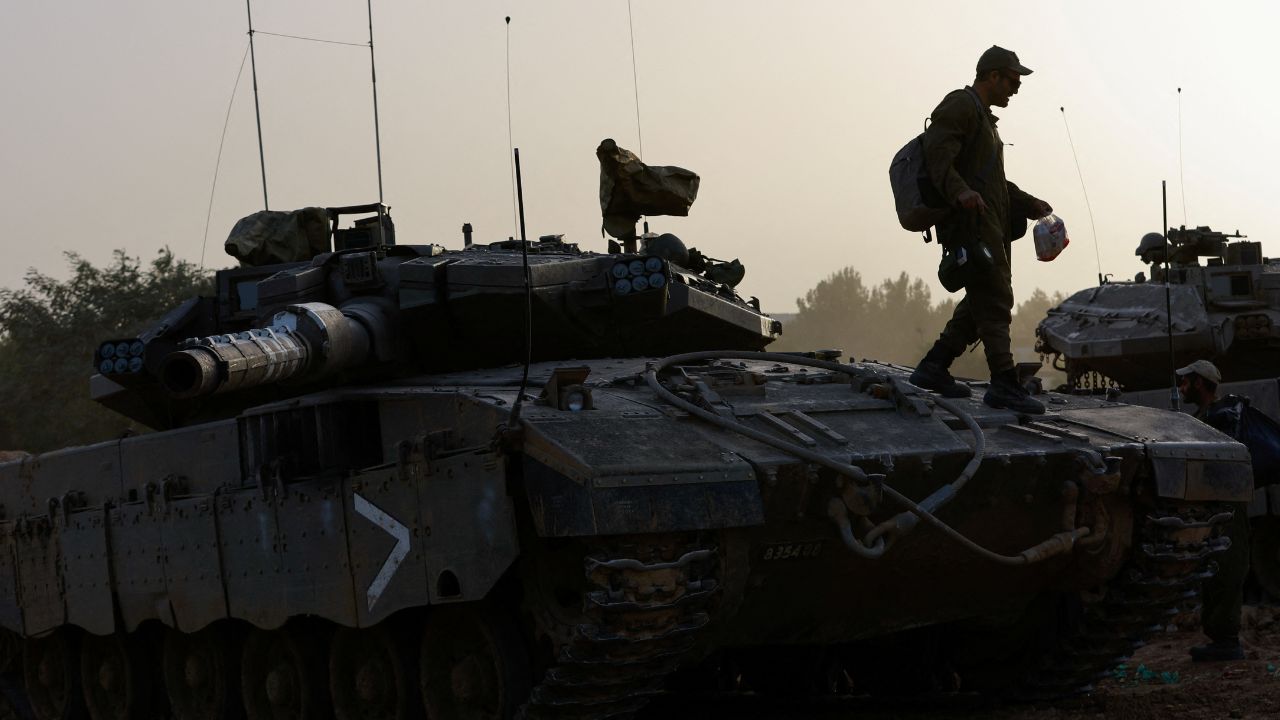
    Israeli troops gather near the Gaza border Photo: GIL COHEN-MAGEN

    The official said Israeli tanks had deployed at the junction after the withdrawal of American private security contractors stationed there since the pullback of Israeli forces in February, under the ceasefire.

    The first stage of the ceasefire, under which Israeli hostages held by Hamas were exchanged for Palestinian prisoners, expired early this month.

    Israel rejected negotiations for a second stage, demanding the return of all remaining hostages under an extended first stage. Hamas insisted on engaging in talks for phase two.


    Under the agreed truce deal, as outlined by then-US president Joe Biden, negotiations towards phase two were to begin during the initial six-week phase.

    Mkhaimar Abusada, an associate professor at Al-Azhar University in Gaza, said that if Netanyahu “was really interested in releasing all Israeli hostages, he could have gone with a second phase of the ceasefire. But he has never made any commitment to an end to the war”.

    A picture taken from Israel’s southern border with the Gaza Strip shows destroyed buildings in northern Gaza Photo: Jack GUEZ

    Speaking before the UN Security Council, former hostage Eli Sharabi called on the world to “bring them all home”, referring to the dozens still held by Gaza militants.

    He said he was “chained, starved, beaten and humiliated” during his Hamas captivity.

    Resumption of fighting in Gaza has coincided with a reignited protest movement by Israelis who see Netanyahu’s policies as a threat to democracy.

    On Thursday President Isaac Herzog, whose role is largely ceremonial, spoke of “controversial initiatives that create deep rifts within our nation.”

    He also called it “unthinkable to resume fighting while still pursuing the sacred mission of bringing our hostages home.”

    Hamas appealed to Arab and Islamic nations “to take urgent action” in the United Nations Security Council and other forums to halt the renewed fighting.


    Iran’s supreme leader Ayatollah Ali Khamenei called Israel’s latest strikes on Gaza a “catastrophic crime” and said the United States “shares responsibility”.

    Israeli retaliatory attacks and genocide after Hamas’s October attack on Israel has resulted in 1,218 deaths, mostly civilians, according to Israeli figures.

    The overall death toll in Gaza since the start of the genocide is 49,617, according to the territory’s health ministry.

  • 210 killed as Israel launches airstrikes in Gaza, ends ceasefire

    210 killed as Israel launches airstrikes in Gaza, ends ceasefire

    Israel violated and ended the ceasefire agreement, carrying out deadly airstrikes across Gaza early Tuesday, killing at least 210 people, including women and children, according to the Palestinian Ministry of Health in the enclave.

    As per media reports, the strikes targeted multiple areas across the enclave, from north to south, with several hospitals reporting deaths and injuries.

    White House press secretary Karoline Leavitt said Israel notified the Trump administration ahead of its “extensive strikes” in Gaza.

    In an interview with Fox News, Leavitt said, “The Trump administration and the White House were consulted by the Israelis on their attacks in Gaza tonight – and as President Trump has made it clear, Hamas, the Houthis, all those who seek to terrorize not just Israel but also the United States of America, will see a price to pay. All hell will break loose.”

    “All of the terrorists in the Middle East… Iranian-backed terror proxies and Iran themselves should take President Trump seriously when he says he’s not afraid to stand for law-abiding people,” she added.

    Meanwhile, a Hamas leader said that Israel’s new airstrikes on Gaza are a “death sentence” for the remaining Israeli hostages held in the enclave.

    Hamas leader and member of the group’s political bureau Ezzat al-Rishq claimed, “Netanyahu’s decision to return to war is a decision to sacrifice the prisoners of the occupation and a death sentence against them.”

    On October 7, 2023, following Hamas’s attack on Israel, Israel began its retaliatory attacks in the Gaza Strip and a genocide against the Palestinians. As of Tuesday, more than 48,500 people in Gaza have been killed, with more than 112,000 wounded.

    The Israeli military has continued to operate inside Gaza since the start of the ceasefire on 19 January; however, Tuesday’s airstrikes are the clearest sign that efforts to extend the truce have collapsed.

    The ceasefire was meant to have three phases. The first phase began in January, during which multiple hostages were released, and it expired on 1 March — but Hamas and Israel have been unable to agree on how to move into the second phase. The weeks since have been filled with thorny negotiations.

    Hamas wanted to enter phase two — which would have seen Israeli troops fully withdraw from Gaza and the release of all living hostages held by Hamas. Israel, instead, pushed for an extension of phase one without committing to ending the war or withdrawing troops.

  • Kashmiris reject dates imported from Israel

    Kashmiris reject dates imported from Israel

    Dry fruit stores in the center of Srinagar are bustling as consumers seek out a variety of dates, with many specifically inquiring about the quality of the fruit, an international media outlet’s report has stated. 

    Madinah dates, which are known for their unique variety, are especially popular because of their flavor and texture.

    Some sellers have started to source their dates more meticulously as Ramazan draws near, particularly when it comes to dates that are imported from Israel. 

    Due to the widespread boycott of Israeli goods brought on by the ongoing genocide in Gaza and occupation of Lebanon, retailers have been compelled to reconsider their supply chains and make sure their products reflect local opinions.

    Dates are now widely available in Srinagar, with some dry fruit stores carrying up to 15 distinct types. Due to their unique flavor and quality, Saudi Arabian dates are one of the most common choices for customers looking for variety. As customers get more selective, there is a steady rise in demand for these dates.

    Some retailers have decided to support the Palestinian cause by refusing to sell Israeli dates this year in response to the growing concern around their origins. Those who wish to show solidarity with Palestine in these trying times regard this choice as a modest but significant gesture.

    Israel grows dates in occupied territories, especially Medjools.  Israel exported more than 57,000 metric tons of dried and fresh dates in 2023, valued at over $272.7 million USD.

    But the current state of affairs has raised origin awareness and increased consumer caution.
    Numerous Islamic organizations have provided online resources that explain the history of dates available to customers so they may make educated decisions.

    Transparency and public education on the origin of these items are the primary objectives of these efforts. Since some people are intentionally avoiding Israeli dates, several dealers stress the significance of honesty, making sure that customers are completely informed of where their dates originate from.


    This growing awareness has led to more cautious and informed decisions by consumers across the region.

  • Israel halts Gaza electricity supply ahead of new truce talks

    Israel halts Gaza electricity supply ahead of new truce talks

    Israel ordered an immediate halt to Gaza’s electricity supply Sunday in an effort to pressure Hamas into releasing hostages, even as it prepared for fresh talks on the future of its truce with the Hamas.


    Israel’s decision comes a week after it blocked all aid supplies to the territory, a move reminiscent of the initial days of the genocide when Israel announced a “siege” on Gaza.

    Hamas described the electricity cut as “blackmail,” a term it had also used after Israel blocked the aid.

    The truce’s initial phase ended on March 1 and both sides have refrained from returning to all-out genocide, despite sporadic violence including an air strike Sunday that Israel said targeted miltants.

    Hamas has repeatedly called for an immediate start to negotiations on the ceasefire’s second phase, aiming to end the genocide permanently.

    Israel says it prefers extending phase one until mid-April, and halted aid to Gaza over the impasse.

    On Sunday it ordered a cut in the electricity supply.

    “I have just signed the order to stop supplying electricity immediately to the Gaza Strip,” Energy Minister Eli Cohen said in a video statement.

    “We will use all the tools at our disposal to bring back the hostages and ensure that Hamas is no longer in Gaza the day after” the war, he said.

    Izzat al-Rishq, a member of Hamas’s political bureau, described Israel’s move as “a desperate attempt to pressure our people and their resistance through cheap and unacceptable blackmail tactics”.

    Just days after the genocide, led by Israel, erupted on October 7, 2023 after Hamas’s attack, Israel cut electricity to Gaza, only restoring it in mid-2024.

    The sole power line between Israel and Gaza supplies the main desalination plant, and Gazans mainly rely now on solar panels and fuel-powered generators to produce electricity.

    Hundreds of thousands of Palestinians in Gaza live in tents, with night-time temperatures now forecast around 12 degrees Celsius (54 Fahrenheit).

    Situation ‘dire’

    Hamas representatives met Egyptian mediators over the weekend, emphasising the urgent need to resume aid deliveries “without restrictions or conditions”, a Hamas statement said.

    “We call on mediators in Egypt and Qatar, as well as the guarantors in the US administration, to ensure that the (Israeli) occupation complies with the agreement… and proceeds with the second phase according to the agreed-upon terms,” spokesman Hazem Qassem told AFP.

    Hamas’s key demands for the second phase include a hostage-prisoner exchange, Israel’s complete withdrawal from Gaza, a permanent ceasefire, border crossings reopening and lifting the blockade, he said.

    Former United States president Joe Biden had also outlined a second phase involving the release of remaining living hostages, the withdrawal of all Israeli forces left in Gaza, and establishment of a permanent ceasefire.

    After meeting mediators, another Hamas spokesman, Abdel Latif al-Qanoua, said indicators were so far “positive”.

    Israeli Prime Minister Benjamin Netanyahu’s office said it would send delegates to Doha on Monday.

    The truce largely halted more than 15 months of fighting in Gaza, where virtually the entire population was displaced by Israel’s relentless military campaign in response to the October 7 attack.

    The six-week first phase led to the exchange of 25 living Israeli hostages and eight bodies for the release of about 1,800 Palestinian prisoners held in Israel.

    It also allowed in much-needed food, shelter and medical assistance.

    After Israel cut off the aid flow, UN rights experts accused the government of “weaponising starvation”.

    At a UN distribution of flour in Jabalia, northern Gaza, Abu Mahmoud Salman, 56, said that with the territory now closed off from fresh supplies, there are “fears of renewed famine in Gaza, where the situation remains dire”.

    Fears for hostages

    Last week, US President Donald Trump threatened further destruction of Gaza if all remaining hostages were not released, issuing what he called a “last warning” to Hamas leaders.

    He also said Gazans who “hold Hostages… are DEAD!”

    The threats came after his administration confirmed it had unprecedented direct talks with Hamas, which Washington had previously refused contact with since designating it a terrorist organisation in 1997.

    The official who held the talks with Hamas, US hostage envoy Adam Boehler, told CNN on Sunday that a deal could be reached “within weeks” to “get all of the prisoners out, not just the Americans”.

    Of the 251 hostages taken by Hamas during the October 7 attack, 58 remain in Gaza, including five Americans of which four have been confirmed dead.

    Trump has floated a widely condemned plan to expel Palestinians from Gaza, prompting Arab leaders to offer an alternative that would see reconstruction financed through a trust fund, with the Ramallah-based Palestinian Authority returning to govern the Hamas-ruled territory.

    On Sunday Israel’s far-right Finance Minister Bezalel Smotrich said that proposal was “taking shape”.

    Hamas’s 2023 attack resulted in the deaths of 1,218 people on the Israeli side, most of them civilians, while Israel’s retaliatory genocide has killed at least 48,458 people in Gaza, also mostly civilians, according to data from both sides.

  • Israel blocks aid to devastated Gaza as truce’s first phase ends

    Israel blocks aid to devastated Gaza as truce’s first phase ends

    Israel on Sunday blocked aid flowing into Gaza, where a six-week truce enabled the entry of vital food, shelter and medical assistance, prompting the UN to call for an immediate restoration of humanitarian assistance.

    The Israeli decision came as talks on a truce extension appeared to hit an impasse, after the ceasefire’s 42-day first phase drew to a close.

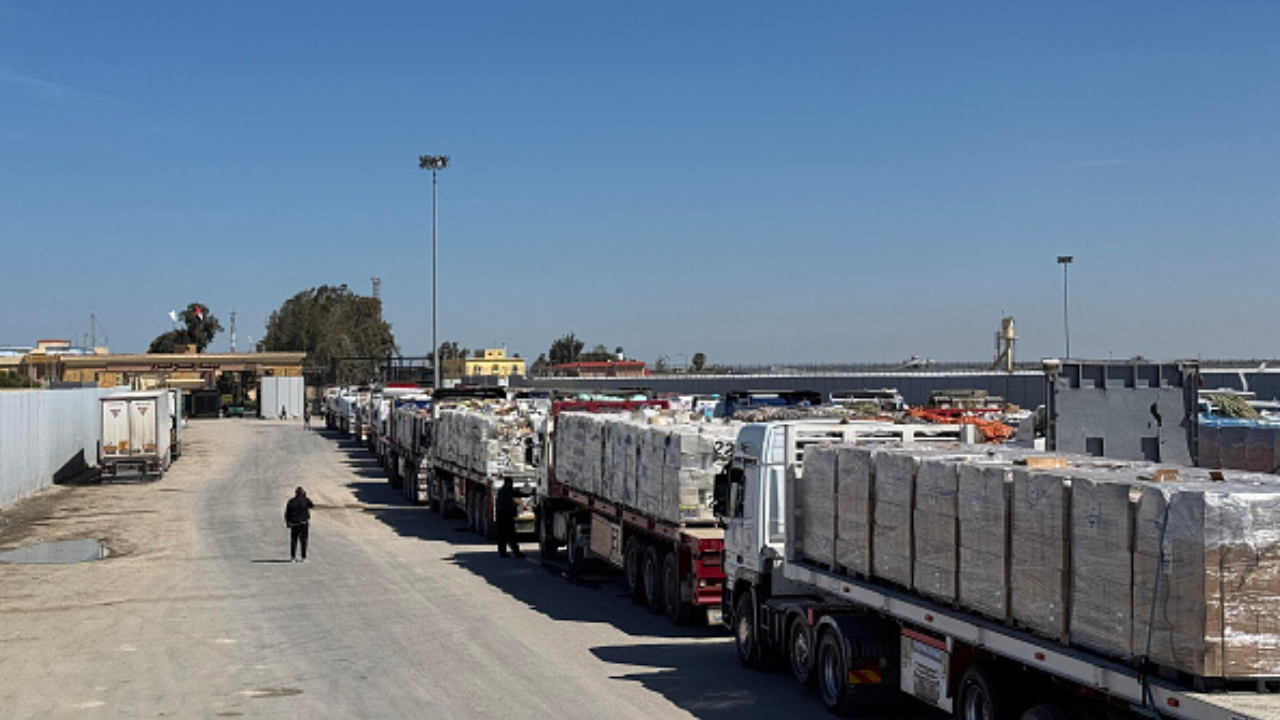
    Truce mediators Egypt and Qatar accused Israel of blatantly violating the ceasefire deal by halting the aid, a move which according to AFP images left trucks loaded with goods lined up on the Egyptian side of the Rafah crossing to Gaza.

    Early on Sunday Israel had announced a truce extension until mid-April that it said United States Middle East envoy Steve Witkoff had proposed.

    But Hamas has rejected an extension, instead favouring a transition to the truce deal’s second phase that could bring a permanent end to the genocide in Gaza.

    On Sunday, Netanyahu admitted to rejecting a ceasefire proposal from Hamas, warning that hostilities would resume if the Palestinian group did not agree to the US-backed alternative.

    With uncertainty looming over the truce, both Israel and Palestinian sources reported Israeli military strikes in the Hamas-run Gaza Strip, whose health ministry reported at least four people killed.

    Hamas said the “decision to suspend humanitarian aid is cheap blackmail, a war crime and a blatant coup against the (ceasefire) agreement”.

    The Egyptian foreign ministry accused Israel of using starvation as “a weapon against the Palestinian people”, comments echoed by Qatar which said it “strongly condemns” Israel’s decision.

    Saudi Arabia, which has rejected any talk of normalising its ties with Israel without a Palestinian state, condemned the aid block as “a tool of blackmail and collective punishment”.

    Jordan said Israel’s action “threatens to reignite” fighting in Gaza.

    UN chief Antonio Guterres called for “humanitarian aid to flow back into Gaza immediately”.

    The European Union condemned what it called Hamas’s refusal to accept the extension of the first phase, and added that Israel’s subsequent aid block “risked humanitarian consequences”.

    Brussels called for “a rapid resumption of negotiations on the second phase of the ceasefire”.


    Panic

    Gazans expressed concern over prices they said immediately surged.

    “Prices are rising and people are panicking about food supplies,” Belal al-Helou, 56, said in Gaza City.

    More than 15 months of Israeli-led genocide in Gaza destroyed or damaged most buildings, displaced almost the entire population and triggered widespread hunger, according to the UN.

    Israeli Foreign Minister Gideon Saar, asked by reporters about the risk of starvation, dismissed such warnings as “a lie”.

    Israeli Prime Minister Benjamin Netanyahu’s office said he had “decided that, from this morning, all entry of goods and supplies into the Gaza Strip will be suspended”.

    It said there would be “consequences” for Hamas if it did not accept the temporary truce extension.

    But on a sandy street in Gaza City, Mays Abu Amer, 21, expressed hope the ceasefire can continue “forever”.

    According to Israel, the truce extension would see half of the hostages still in Gaza freed on the day the deal came into effect, with the rest to be released at the end if an agreement was reached on a permanent ceasefire.

    Of the 251 captives taken during Hamas’s October 2023 attack, 58 remain in Gaza including 34 the Israeli military has confirmed are dead.

  • Next phase of Israel-Hamas ceasefire: Talks to resume in Cairo

    Next phase of Israel-Hamas ceasefire: Talks to resume in Cairo

    Talks resume in Cairo Friday on a second phase of an Israel-Hamas ceasefire that mediators hope will bring a lasting end to the genocide in Gaza, a day after Israel’s military acknowledged its “complete failure” to prevent the 2023 Hamas attack that resulted in intensified attacks by Israel.

    Mediator Egypt said Thursday that Israeli, Qatari and US delegations were already in Cairo for “intensive” talks on the next stage of the ceasefire, after a first phase only reached following months of gruelling negotiations.

    “The relevant parties have begun intensive talks to discuss the next phases of the truce agreement, amid ongoing efforts to ensure the implementation of the previously agreed understandings,” said Egypt’s State Information Service.

    The ceasefire, whose first phase is set to expire on Saturday, has largely halted the fighting that began when Hamas militants broke through Gaza’s security barrier on October 7, 2023, in an attack that resulted in the deaths of 1,218 people in Israel, mostly civilians, according to an AFP tally of official figures.

    Israel’s retaliation has killed more than 48,000 people in Gaza, according to the health ministry in the Hamas-run territory, figures the UN has deemed reliable.

    Prime Minister Benjamin Netanyahu sent negotiators to Cairo on Thursday, after Hamas handed over the remains of four hostages in exchange for hundreds of Palestinian prisoners under the truce.

    ‘Too many civilians died’

    An internal Israeli army probe into the October 7 attack, released on Thursday, acknowledged the military’s “complete failure” to prevent it, according to a military official who briefed reporters about the report’s contents on condition of anonymity.

    “Too many civilians died that day asking themselves in their hearts or out loud, where was the IDF?” the official said, referring to the military.

    A senior military official said at the same briefing that the military acknowledges it was “overconfident” and had misconceptions about Hamas’s military capabilities before the attack.

    Following the scathing probe’s release, Israel’s military chief General Herzi Halevi said: “The responsibility is mine.”

    Halevi had already resigned last month citing the October 7 “failure”.

    During their attack, militants seized dozens of hostages, whose return was a key objective of the war.

    Netanyahu vowed to destroy Hamas and to bring home all the hostages, but has faced criticism and protests at home over his handling of the war and the hostage crisis.

    ‘Murdered’

    A hostage-prisoner swap early Thursday was the final one under the initial stage of the truce that took effect on January 19.

    Over the past several weeks, Hamas freed in stages 25 living Israeli and dual-national hostages and returned the bodies of eight others.

    It also released five Thai hostages outside the deal’s terms.

    Israel, in return, was expected to free around 1,900 Palestinian prisoners.

    Israel’s Prison Service said that “643 terrorists were transferred from several prisons across the country” and released on Thursday under the terms of the truce after Hamas returned the bodies of four hostages.

    Hours after the handover on Thursday, an Israeli campaign group confirmed “with profound sorrow” the identities of the four bodies.

    Ohad Yahalomi, Tsachi Idan, Itzik Elgarat and Shlomo Mansour “have been laid to eternal rest in Israel”, said the Hostages and Missing Families Forum.

    Israel Berman, a businessman and former member of the Nahal Oz kibbutz community where Idan was abducted, said that “until the very last moment, we were hoping that Tsachi would return to us alive”.

    ‘We were in hell’

    Among those freed in exchange was the longest-serving Palestinian prisoner in an Israeli jail, Nael Barghouti, who spent more than four decades behind bars.

    He was first arrested in 1978 and sentenced to life imprisonment for the murder of an Israeli officer and attacks on Israeli sites.

    “We were in hell and we came out of hell. Today is my real day of birth,” said one prisoner, Yahya Shraideh.

    AFP images showed some freed prisoners awaiting treatment or being assessed at the European Hospital in Khan Yunis, southern Gaza, after their release.

    Several freed Palestinian prisoners were hospitalised following earlier swaps, and the emaciated state of some released Israeli hostages sparked outrage in Israel and beyond.

    After the swap, Hamas called on Israel to return to delayed talks on the truce’s next phase.

    “We have cut off the path before the enemy’s false justifications, and it has no choice but to start negotiations for the second phase,” Hamas said.