Tag: Israel

  • Arab leaders meet to counter Trump’s Gaza plan

    Arab leaders meet to counter Trump’s Gaza plan

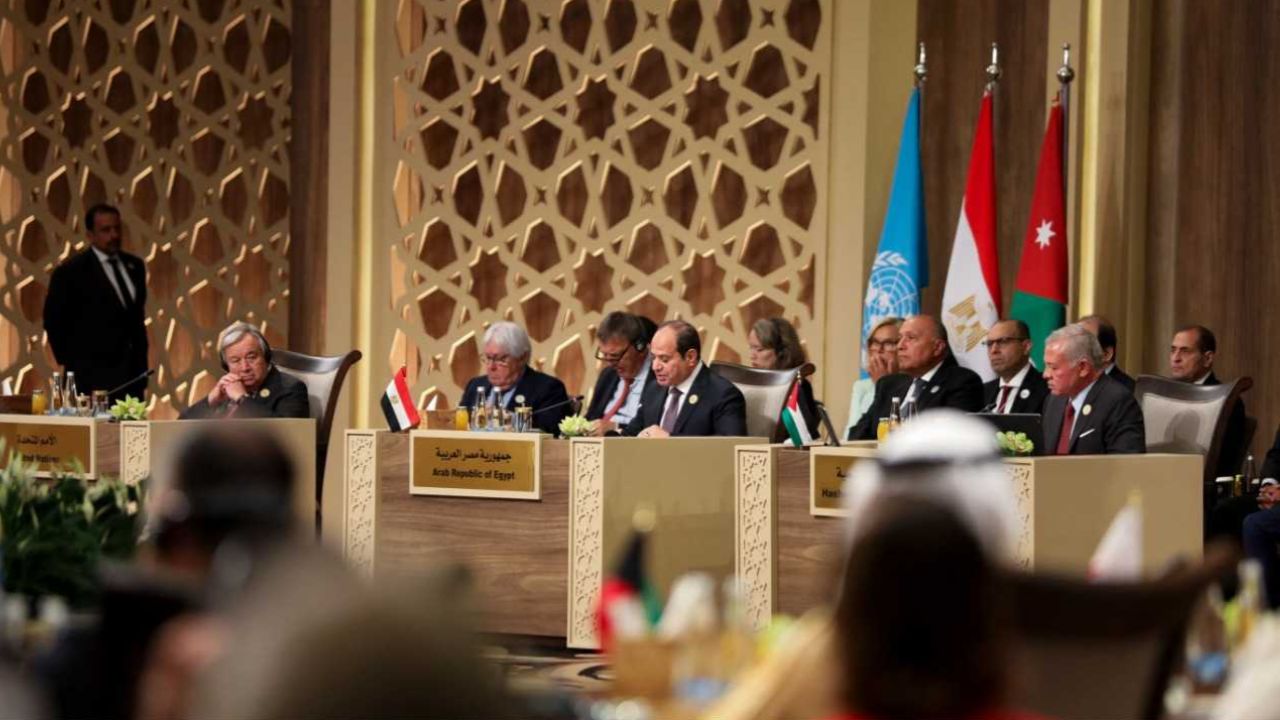
    Arab leaders will gather in Saudi Arabia on Friday to counter President Donald Trump’s plan for US control of Gaza and the expulsion of its inhabitants, diplomatic and government sources said.

    The plan stirred rare unity among Arab states which roundly rejected the idea, but they could still disagree over who will govern the Palestinian territory and who will pay for reconstruction.

    Umer Karim, an expert on Saudi foreign policy, told AFP the summit would be the “most consequential” in decades in relation to the wider Arab world and the Palestinian issue.

    Trump provoked international outrage when he announced that the United States would “take over the Gaza Strip”, moving 2.4 million Gazans living there to neighbouring Egypt and Jordan.

    A source close to the Saudi government told AFP Arab leaders would discuss “a reconstruction plan counter to Trump’s plan for Gaza”.

    Meeting with Trump in Washington on February 11, Jordan’s King Abdullah II said Egypt would present a plan for a way forward.

    The Saudi source said the talks would discuss “a version of the Egyptian plan” the king mentioned.

    Friday’s summit was originally planned for Saudi Arabia, Egypt, the United Arab Emirates, Qatar and Jordan.

    However, it has been expanded to include the six Gulf Cooperation Council (GCC) countries and the Palestinian Authority.

    For Palestinians, any attempt to force them from Gaza would have echoes of what the Arab world calls the “Nakba” or catastrophe, when hundreds of thousands of Palestinians fled in the fighting that accompanied Israel’s creation in 1948.

    Reconstruction

    Reconstruction will be a critical issue at the summit after Trump highlighted this as the key reason for moving its inhabitants out while Gaza’s infrastructure is rebuilt.

    Egypt has not yet announced its counter-initiative, but Egyptian former diplomat Mohamed Hegazy described a plan “in three technical phases over a period of three to five years”.

    The first would be a six-month “early recovery phase”, said the member of the Egyptian Council for Foreign Affairs, a think tank with strong ties to decision-making circles in Cairo.

    “Heavy machinery will be brought in to remove debris, while designated safe zones will be identified within Gaza to temporarily relocate residents,” Hegazy said.

    The second phase will require an international conference to provide details of reconstruction and would focus on rebuilding utility infrastructure, he said.

    “The final phase will oversee the urban planning of Gaza, the construction of housing units, and the provision of educational and healthcare services.”

    A UN estimate on Tuesday put the cost of rebuilding at more than $53 billion, including more than $20 billion over the first three years.

    The last phase would include “launching a political track to implement the two-state solution and so that there is… an incentive for a sustainable truce”.

    Umer Karim believes that adopting this plan would require “a degree of Arab unity not seen before in decades”.

    Finance

    One Arab diplomat familiar with the Gulf told AFP: “In the end, the biggest challenge facing the Egyptian plan is how to finance it.

    “Some countries like Kuwait will inject funds, perhaps for humanitarian reasons, but other Gulf states will set specific conditions before any financial transfer.”

    Karim said the “Saudis and Emiratis won’t spend any money if (the) Qataris and Egyptians don’t guarantee something on Hamas”.

    Egypt’s plan seeks to address the complex issue of post-war oversight for Gaza, which Hamas has controlled since 2007, with “a Palestinian administration that is not aligned with any faction”.

    It will comprise “experts” and will not be “factionally affiliated and is politically and legally subordinate to the Palestinian Authority”, Hegazy said.

    The Cairo initiative also envisions a Palestinian Authority-affiliated police force supplemented with security forces from Egypt, Arab states and other countries.

    Differences remain, however.

    Hegazy said that Hamas “will retreat from the political scene in the coming period”, while the Saudi source said Riyadh envisions a Gaza Strip controlled by the Palestinian Authority.

    Qatar, a key mediator in the war, believes the Palestinians themselves must decide Gaza’s future.

    “I think all regional actors understand that any alternative plan they propose cannot include Hamas in any form as presence of Hamas will make it unpalatable for the US administration and Israel,” Karim said.

    “So overall some things within the Strip have to fundamentally change in order for this plan to at least have a chance.”
  • Israeli companies display weapons at UAE defence fair

    Israeli companies display weapons at UAE defence fair

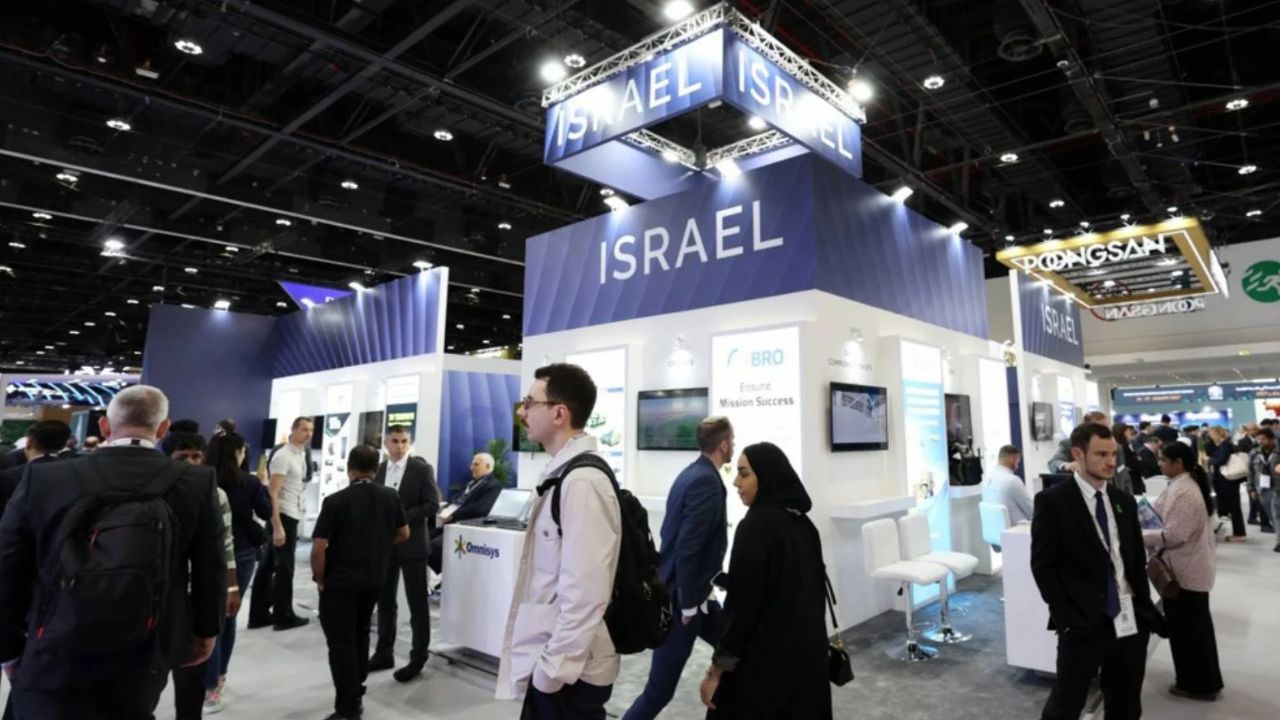
    Israeli arms manufacturers on Monday showcased their weapons and other products at a defence fair in the United Arab Emirates, amid a fragile ceasefire in a 15-month war that has devastated the Gaza Strip.

    An Israeli pavilion stands among industry giants at the International Defence Exhibition (IDEX) and the Naval Defence and Maritime Security Exhibition (NAVDEX), held in the Gulf country’s capital Abu Dhabi until Friday.

    “We are very pleased to be here,” said Boaz Levy, the president and CEO of IAI, ranked among the 100 largest arms companies in the world in 2023, according to the Stockholm International Peace Research Institute (SIPRI).

    Last year, as civilian casualties mounted in Gaza, the French government banned Israeli companies from setting up stands or exhibiting hardware at the Euronaval defence trade fair. The decision was later thrown out by a Paris court.

    According to SIPRI, the three Israeli manufacturers in the ranking, prominently featured at the Abu Dhabi show, recorded a record turnover of $13.6 billion in 2023, driven by Israel’s offensive on Gaza.

    But for Levy, this has not stopped them from collaborating with allies in the region.

    “Of course, some of our products are there (in Gaza), but we are a company that deals with technology and giving the end user the capabilities… required in the field, and that’s what we are doing on a day-to-day basis,” he said.

    The UAE normalised ties with Israel in 2020 under the Abraham Accords brokered by the United States during the first Donald Trump administration.

    Since then, Israeli arm manufacturer EMTAN has attended every defence fair in Abu Dhabi.

    “We work a lot with the Abraham” countries, said sales manager Ron Pollak, whose firm makes small arms, rifles, pistols and submachine guns.

    “We really, really enjoy the hospitality and the friendship that we encounter here in the UAE.”

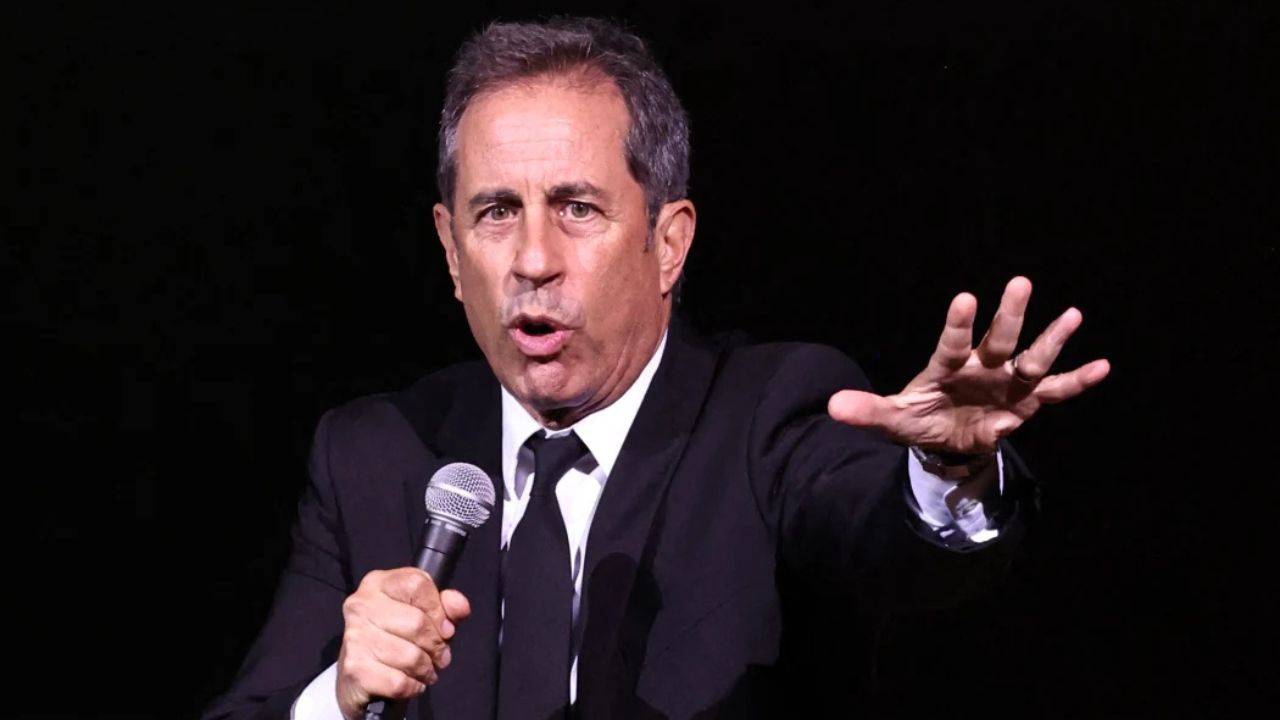
  • ‘I don’t care about Palestine,’ Jerry Seinfeld tells activist

    ‘I don’t care about Palestine,’ Jerry Seinfeld tells activist

    The 70-year-old comedian was approached by social media personality Subway DJ outside Saturday Night Live’s 50th-anniversary celebration at Radio City Music Hall.

    In the video, Subway DJ asked Seinfeld for a selfie, to which the comedian agreed. As they posed, the activist suddenly said, “Free Palestine,” while flashing a peace sign. Seinfeld, caught off guard, paused briefly before responding, “I don’t care about Palestine,” and walking away.


    The clip quickly went viral, sparking intense online debate. Critics called Seinfeld’s response dismissive and insensitive. One user wrote, “We don’t care about Seinfeld”, while others mocked the comedian’s past scandals.

    Another added, “What do you expect from a Zionist.”

    One noted Palestine is much older than 16 years old so it makes sense why Seinfeld doesn’t care for it. 


    Others defended the comedian, arguing that the activist’s approach was disrespectful.

    “It’s disingenuous to try to get a celeb on camera to say something political. Pathetic” one said.


    Seinfeld has been a vocal supporter of Israel, especially after October 7. He traveled to Tel Aviv to meet with families of hostages and has stated, “I will always stand with Israel and the Jewish people.” 

    In 2024, many students of the esteemed Duke University left their graduation ceremony on Sunday, some of them shouting “Free Palestine” when guest speaker, comedian Jerry Seinfeld, started giving a speech.

    Seinfeld is a known Zionist who has shown support for Israel during the Gaza genocide and according to media reports, sent money to the violent counter-agitators who attacked pro-Palestine student protestors at UCLA. A video on social media shows students in graduation robes and hats leaving the ceremony. Some were holding Palestinian flags. The ceremony was held in the university’s football stadium in North Carolina. Reuters confirmed the date and place of the video.


    One person wore a keffiyeh, a scarf often used to show support for Palestinians. Some others cheered “Jerry! Jerry!” when Seinfeld got an honorary degree. Seinfeld gave his speech without big interruptions.


    Many of you are probably thinking, ‘I can’t believe they asked him to come.’ But it’s too late,” he said, promising to “defend” the idea of privilege. “I believe you should use your privilege. I grew up as a Jewish kid from New York. That’s a privilege if you want to be a comedian,” he added.


    “We know that people feel strongly in our community, and just like we’ve done all year, we support everyone’s right at Duke to share their opinions peacefully. But we also want graduates and their families to enjoy their special day,” said Duke spokesperson Frank Tramble in a statement.

    Seinfeld has been to Israel and openly supported it since October 7, when Israel started the genocide in Gaza. This action led to more than 35,000 deaths including 15,000 children, as reported by health officials.

    The White House mentioned on Tuesday that President Joe Biden is okay with peaceful protests during college graduation ceremonies where he and other officials will speak. The walkout at Duke University’s graduation is the latest example of protests happening on US campuses. Students are asking universities to stop investing in companies that profit from war and to give amnesty to students and staff who have faced consequences for protesting.

  • Israel security cabinet to discuss new phase of Gaza truce

    Israel security cabinet to discuss new phase of Gaza truce

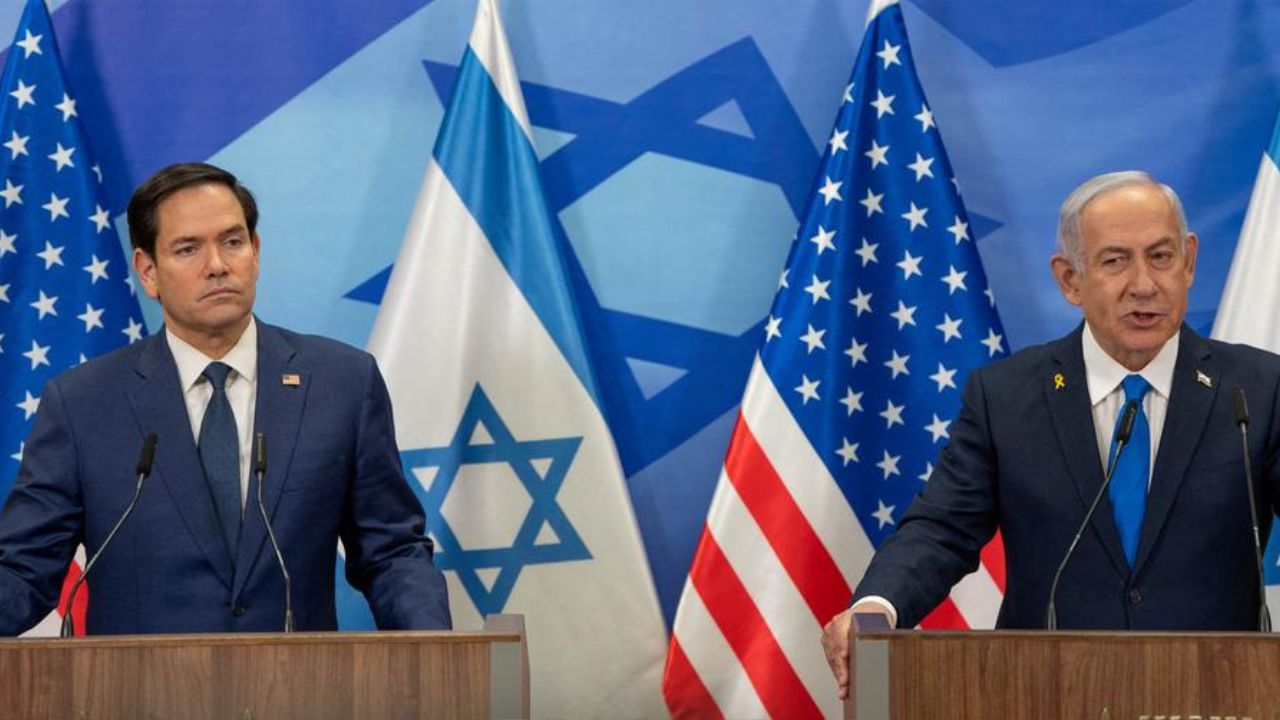
    Israel’s security cabinet was set to discuss on Monday the next phase of the ceasefire with Hamas, as top US diplomat Marco Rubio began a visit to Saudi Arabia where he will push Donald Trump’s proposal for a US takeover of Gaza.

    Rubio travelled to Riyadh from Israel, where he kicked off his first Middle East trip as Trump’s secretary of state.

    “Hamas cannot continue as a military or a government force… they must be eliminated,” Rubio said in Israel of the Palestinian Islamist group whose October 7, 2023 attack triggered a 15-month genocide that has devastated Gaza.

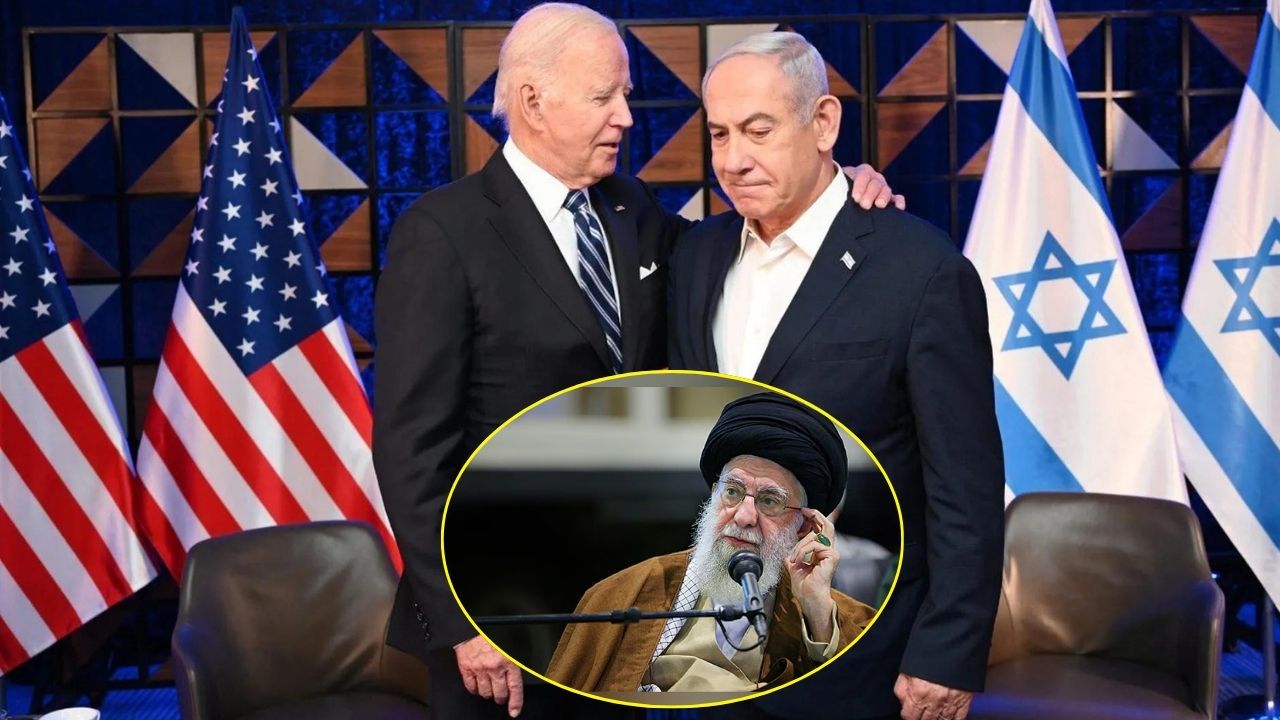
    Standing beside him, Netanyahu said the two allies had “a common strategy”, and that “the gates of hell will be opened” if all hostages held by militants in Gaza are not freed.

    The comments came a day after Hamas freed three Israeli hostages in exchange for 369 Palestinian prisoners — the sixth such swap under the ceasefire deal, which the United States helped mediate along with Qatar and Egypt.

    Israel and Hamas have accused each other of violating the ceasefire, which has been further strained by Trump’s widely condemned proposal to take control of rubble-strewn Gaza and move its more than two million residents out of the territory.

    “We discussed Trump’s bold vision for Gaza’s future and will work to ensure that vision becomes a reality,” Netanyahu said.

    The scheme that Trump outlined earlier this month as Netanyahu visited Washington lacked details, but he said it would entail moving Gazans to Jordan or Egypt.

    ‘The only plan’

    The United States, Israel’s top ally and weapons supplier, says it is open to alternative proposals from Arab governments, but Rubio has said for now, “the only plan is the Trump plan”.

    However, Saudi Arabia and other Arab states have rejected his proposal, and instead favour the creation of a Palestinian state alongside Israel.

    Egyptian President Abdel Fattah al-Sisi on Sunday said a Palestinian state would be “the only guarantee” of lasting Middle East peace.

    After Saudi Arabia, Rubio will also travel to the United Arab Emirates.

    The United States has been pushing for a potentially historic deal in which Saudi Arabia would recognise Israel, but Trump’s Gaza plan is complicating that effort.

    Hamas and Israel are implementing the first, 42-day phase of the ceasefire, which came close to collapse last week.

    “At any moment the fighting could resume. We hope that the calm will continue and that Egypt will pressure Israel to prevent them from restarting the war and displacing people,” said Nasser al-Astal, 62, a retired teacher in southern Gaza’s Khan Yunis.

    Since the truce took effect on January 19, a total of 19 Israeli hostages have been released in exchange for more than 1,000 Palestinian prisoners.

    Out of 251 people seized in Hamas’s October 7, 2023 attack on Israel, which sparked the war, 70 remain in Gaza, including 35 the Israeli military says are dead.

    In a statement, Rubio condemned Hamas’s hostage-taking as “sick depravity” and called for the immediate release of all remaining captives, living and dead, particularly five Israeli-American dual nationals.

    Negotiations on a second phase of the truce, aimed at securing a more lasting end to the war, could begin this week in Doha, a Hamas official and another source familiar with the talks have said.

    Netanyahu’s office said he would convene a meeting of his security cabinet on Monday to discuss phase two.

    It said the prime minister was also dispatching negotiators to Cairo on Monday to discuss the “continued implementation” of phase one.

    The team would “receive further directives for negotiations on Phase II” after the cabinet meeting, the office said.

    ‘Finish the job’

    The Gaza war has rippled across the Middle East, triggering violence in Yemen and Lebanon, where Iran backs militant groups.

    Israel fought a related war with Hamas’s Lebanese ally Hezbollah, severely weakening it before a ceasefire took effect on November 27.

    Israeli troops were meant to withdraw over a 60-day period but this was later extended to February 18.

    Hezbollah chief Naim Qassem said Sunday “Israel must fully withdraw” on the Tuesday deadline.

    “It is the responsibility of the Lebanese state” to exert every effort “to make Israel withdraw”, he said in a televised address.

    There have also been limited direct strikes by Iran and Israel against each other.

    Rubio called Iran the “single greatest source of instability in the region”.

    Netanyahu said that with the support of the Trump administration, “I have no doubt that we can and will finish the job” against Iran.

    Iran on Monday condemned Netanyahu’s remarks, calling them “a gross violation of international law and the United Nations Charter”.

    Hamas’s October 7 attack on Israel resulted in the deaths of 1,211 people, mostly civilians, according to an AFP tally of Israeli official figures.

    Israel’s retaliatory campaign has killed at least 48,271 people in Gaza, the majority of them civilians, according to figures from the health ministry in the Hamas-run territory that the United Nations considers reliable.

  • Hamas hands over another three Israeli hostages to Red Cross in Gaza

    Hamas hands over another three Israeli hostages to Red Cross in Gaza

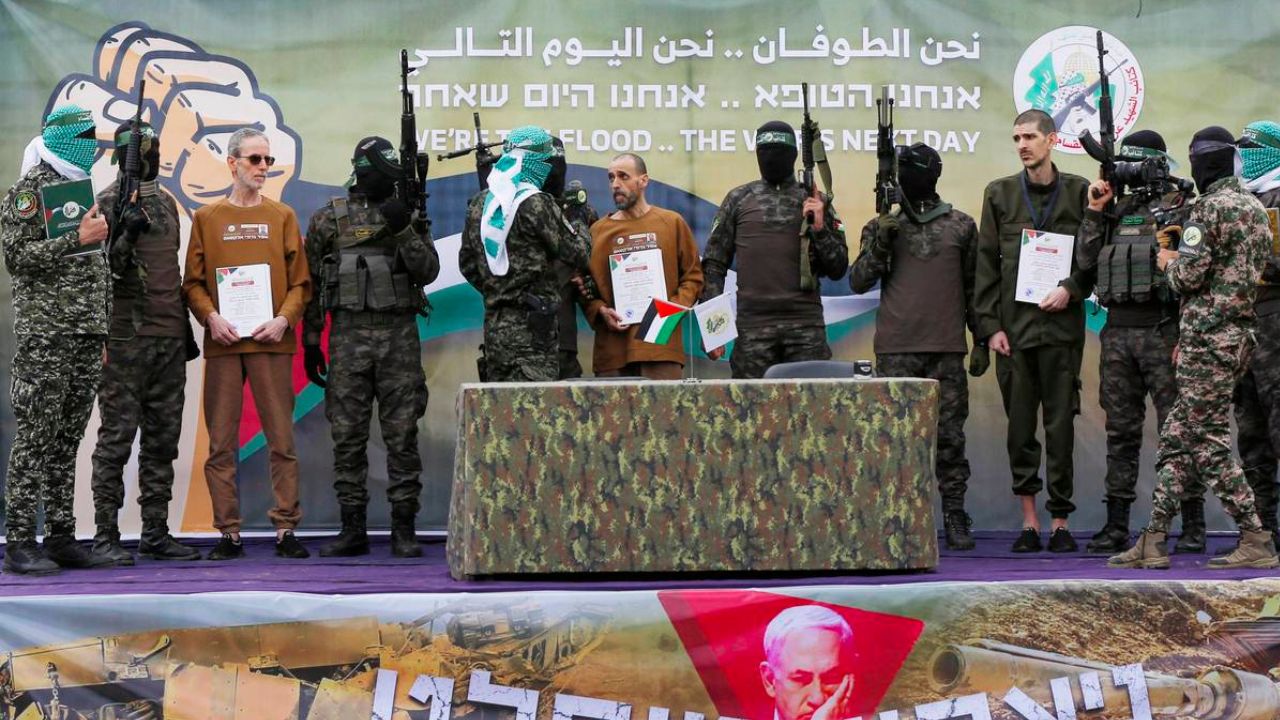
    Gaza handed three Israeli hostages over to the Red Cross on Saturday in an exchange that is also set to see the release of 369 Palestinians from Israeli custody, the latest such swap under an ongoing truce deal.

    An AFP journalist saw masked Hamas parade the hostages onto a stage in Gaza’s southern city of Khan Yunis, where they were told to address the crowd before their handover to the Red Cross.

    Clutching gift bags given by their captors and a certificate to mark the end of their captivity, the three men, flanked by fighters, called for the completion of further hostage exchanges under the ceasefire deal.

    The release, the sixth since the truce took effect on January 19, came after fears last week that the deal between Israel and Hamas was near collapse. But on Friday both sides signalled that Saturday’s swap would go ahead.

    Dozens of Hamas fighters lined up around the stage bearing the logo of the group’s armed wing, the Ezzedine Al-Qassam Brigades, as Palestinian nationalist music played.

    Sources from Hamas and Islamic Jihad said the groups had deployed about 200 militants for the handover ceremony.

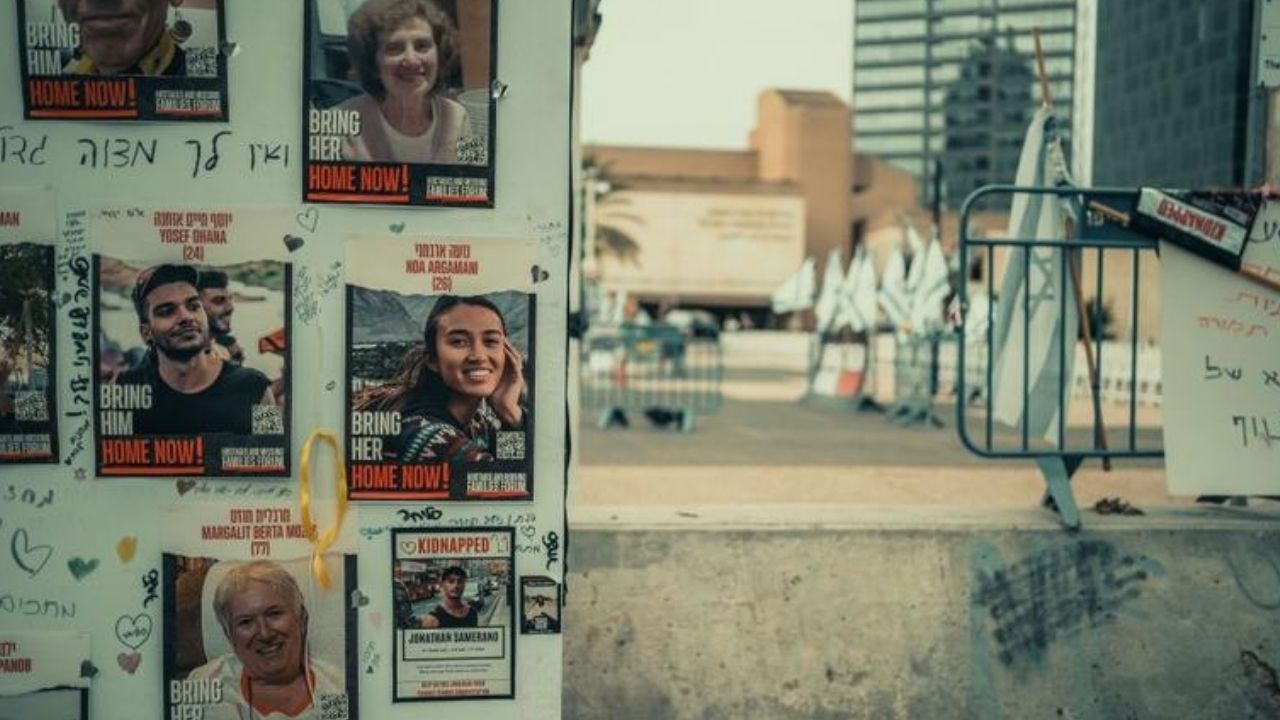
    A crowd also gathered in Tel Aviv’s “Hostages Square” to watch the exchange, with many carrying Israeli flags and posters in support of the captives.

    The office of Israeli Prime Minister Benjamin Netanyahu had named the hostages as Israeli-American Sagui Dekel-Chen, Israeli-Russian Sasha Trupanov and Israeli-Argentinian Yair Horn.

    They had been held in Gaza since Hamas’s October 7, 2023 attacks.

    The Palestinian Prisoners’ Club advocacy group said Israel was to release 369 inmates in exchange, with 24 of them expected to be deported.

    Almost all of the rest are “prisoners from the Gaza Strip who were arrested after October 7”, the group said.

    After the deal had appeared to be on the brink of collapse, a Hamas official on Friday said the group expected talks on a second phase of the ceasefire to begin early next week.

    United States Secretary of State Marco Rubio, whose country is Israel’s top backer and one of the truce mediators, is due to arrive in Israel late Saturday ahead of expected talks with Netanyahu on the Gaza truce.

    Last week’s release sparked anger in Israel and beyond after the freed hostages were paraded onstage, with their emaciated state sparking concern over conditions in captivity.

    Israeli-American hostage Keith Siegel, released in a previous exchange, said he was “starved and… tortured, both physically and emotionally” during his captivity.

    There were also fears for Palestinians in Israeli custody after some prisoners required medical treatment following their release in the last swap.

    Riyadh summit

    The ceasefire has been under massive strain since US President Donald Trump proposed a takeover of the Gaza Strip under which the territory’s population of more than two million people would be moved to Egypt or Jordan.

    For Palestinians, any forced displacement evokes memories of the “Nakba”, or catastrophe — the mass displacement of their ancestors during Israel’s creation in 1948.

    The stage set up for the release on Saturday bore an illustrated poster appearing to depict the final moments of Hamas’s leader Yahya Sinwar, who was killed by Israeli forces in October. It showed the Al-Aqsa Mosque visible through a hole in the wall of a destroyed building along with the slogan: “No displacement except to Jerusalem”.

    Arab countries have come together to reject Trump’s plan, and Saudi Arabia will host the leaders of Egypt, Jordan, Qatar and the United Arab Emirates on Thursday for a summit on the issue.

    After the Riyadh summit, the Arab League will convene in Cairo on February 27 to discuss the same issue.

    A joint statement from the heads of Christian churches in Jerusalem on Saturday also spoke out against any forced displacement, saying Gazans “who have lived for generations in the land of their ancestors, must not be forced into exile, stripped of… their right to remain in the land that forms the essence of their identity”.

    Trump had warned this week that “hell” would break loose if Hamas failed to release “all” remaining hostages by noon on Saturday.

    Israel later insisted Hamas release “three living hostages” on Saturday or “the ceasefire will end”.

    Second phase

    Under the terms of the 42-day first phase of the ceasefire agreement brokered by Qatar, Egypt and the United States, negotiations for a second phase were due to start on February 3.

    Netanyahu had sent negotiators to Doha days later, but the delegation was not mandated to discuss phase two, which is meant to lay out steps towards ending the genocide.

    Hamas official Taher al-Nunu told AFP on Friday that “we expect the second phase of the ceasefire negotiations to begin early next week”.

    Another source familiar with the talks told AFP that “mediators informed Hamas that they hope to start the second phase of negotiations next week in Doha”.

    The October 7, 2023 attack on Israel resulted in the deaths of 1,211 people, mostly civilians, according to an AFP tally of Israeli official figures.

    Militants also took 251 hostages, of whom 73 remain in Gaza, including 35 the Israeli military says are dead.

    In retaliation, Israel’s genocide against Palestians has killed at least 48,239 people in Gaza, the majority of them civilians, according to figures from the health ministry in the Hamas-run territory that the United Nations considers reliable.

  • Pakistan agreed to host 15 Palestinian prisoners released by Israel, says Hamas spokesperson

    Pakistan agreed to host 15 Palestinian prisoners released by Israel, says Hamas spokesperson

    Hamas spokesperson Dr. Khalid Al-Qadoumi said on Monday that Pakistan has agreed to host 15 Palestinian prisoners who were recently released from Israeli custody under a recent ceasefire agreement.

    “Initially, the number will be 15, but the timeline for their arrival in Pakistan has not yet been determined,” the Hamas spokesperson said while speaking to Independent Urdu in a telephonic conversation.

    However, Pakistan’s Foreign Ministry has yet to respond to Hamas’ claim.

    The ceasefire, which ended 15 months of war, began on January 15 and includes the gradual withdrawal of Israeli forces from central Gaza and the return of displaced Palestinians to northern Gaza.

    According to the deal, Hamas agreed to release 33 Israeli hostages, including women, children, and men over 50, while Israel committed to releasing 30 Palestinian detainees for every civilian hostage and 50 for every Israeli female soldier released by Hamas.

    During the telephonic interview, the Hamas spokesperson expressed gratitude to the leadership and people of Pakistan, stating, “This once again proves that Pakistan is a big brother and its soul is connected to Jerusalem… Pakistan and its people have always fulfilled the promises they made.”

    Qadoumi asserted that the Palestinians intending to travel to Pakistan will transit through Egypt and Turkey, though they have not yet left Egypt.

    “Several Islamic countries, including Egypt, Turkey, Indonesia, Malaysia, and Algeria, have expressed willingness to host a group of Palestinian prisoners released under the Tufan al-Ahrar agreement. Discussions with these countries are currently ongoing,” he further claimed.

    The Palestinian news agency Quds Press had earlier reported that Pakistan was among four countries agreeing to host prisoners released under the Gaza ceasefire.

    The news agency, while citing a “senior Hamas official,” on Monday reported, “The [Hamas] movement is currently negotiating with several countries to secure approval for hosting the remaining released prisoners.”

    As per the media report, Hamas was in talks with Algeria and Indonesia regarding the acceptance of prisoners, while Tunisia has declined to do so.

    Since the onset of Israel’s military offensive on Gaza in October 2023, Pakistan has supplied humanitarian aid and launched a public donation fund to support the war-affected population in Gaza.

    The conflict has led to the devastating loss of life, with more than 47,000 Palestinians reportedly killed and widespread destruction in Gaza, which has been under Israeli occupation since 1967.

  • Hamas frees two Israeli hostages as next ceasefire swap begins

    Hamas frees two Israeli hostages as next ceasefire swap begins

    Hamas on Saturday released two out of three Israeli hostages in the fourth exchange of the ceasefire deal, ahead of the expected release of 183 Palestinian prisoners held in Israeli jails.

    Ofer Kalderon and Yarden Bibas were paraded on a stage before being released to the Red Cross in Khan Yunis in southern Gaza, AFP journalists reported, while Keith Siegel is set to be freed in a similar ceremony at Gaza City’s port in the north.

    Israel’s military later confirmed that Bibas and Kalderon were back on Israeli territory.

    After holding them hostage for more than 15 months, Gaza began releasing captives on January 19, as the first phase of a ceasefire with Israel took effect.


    Hamas have so far handed over 18 hostages to the International Committee of the Red Cross in exchange for hundreds of Palestinian prisoners, many of them women and minors.

    Later Saturday, Israel will free 183 prisoners, the Palestinian Prisoners’ Club advocacy group said.

    “The updated number of prisoners to be released tomorrow is 183,” the Club’s spokeswoman Amani Sarahneh said Friday, after previously announcing that 90 prisoners would be freed.

    During their October 7, 2023 attack on Israel, after which Israel began genocide in Gaza, American-Israeli Siegel from the Kfar Aza kibbutz community, and Bibas and French-Israeli Kalderon from kibbutz Nir Oz were taken hostage by Hamas.

    They took a total of 251 people hostage that day. Of those, 76 remain in Gaza, including at least 34 the military says are dead.

    Those seized include Bibas’s wife and two children, whom Hamas has declared dead, although Israeli officials have not confirmed that.

    The two Bibas boys — Kfir, the youngest hostage whose second birthday was earlier this month, and his older brother Ariel whose fifth birthday was in August — have become symbols of the hostages’ ordeal.

    The children were taken along with their mother, Shiri. Hamas says an Israeli air strike in November 2023 killed all three.

    “Our Yarden is supposed to return tomorrow and we are so excited but Shiri and the children still haven’t returned,” the Bibas family said on Instagram Friday.

    “We have such mixed emotions and we are facing extremely complex days.”

    “Hamas, where are the Bibas babies?” Israel’s foreign ministry posted on X.

    “483 days have passed. Where are they?”


    Crowds mostly absent

    Ahead of both exchanges in Khan Yunis Gaza and Gaza City, scores of masked Hamas fighters stood sentry, apparently to control onlookers.

    In contrast to Thursday’s frenzied exchange which drew Israeli condemnation, large crowds were mostly absent.

    Green Hamas and Palestinian flags flew at the Gaza port in a strong breeze.

    Ranks of heavily armed Hamas fighters held portraits of the group’s slain leaders, including military chief Mohammed Deif, accused by Israel of being a mastermind of the October 7 attack and whose death was confirmed on Thursday.

    The arrangements for hostage handovers in Gaza have sometimes been chaotic, particularly Thursday’s release in Khan Yunis.

    Israel briefly delayed its prisoner release on Thursday in protest, and the ICRC urged all parties to improve security.


    When Saturday’s hostage release is completed, Gaza’s key Rafah border crossing with Egypt is expected to reopen, a Hamas official and a source with knowledge of discussions told AFP.

    “The mediators informed Hamas of Israel’s approval to open Rafah crossing tomorrow, Saturday, after the completion of the fourth batch of prisoner exchange,” the Hamas official said.

    Rafah was a vital entry point for aid into Gaza before the Israeli military seized the Palestinian side of the crossing in May.

    The EU’s top diplomat Kaja Kallas said on Friday the bloc has deployed a monitoring mission at the crossing “to support Palestinian border personnel and allow the transfer of individuals out of Gaza, including those who need medical care”.

    ‘Where’s Dad?’

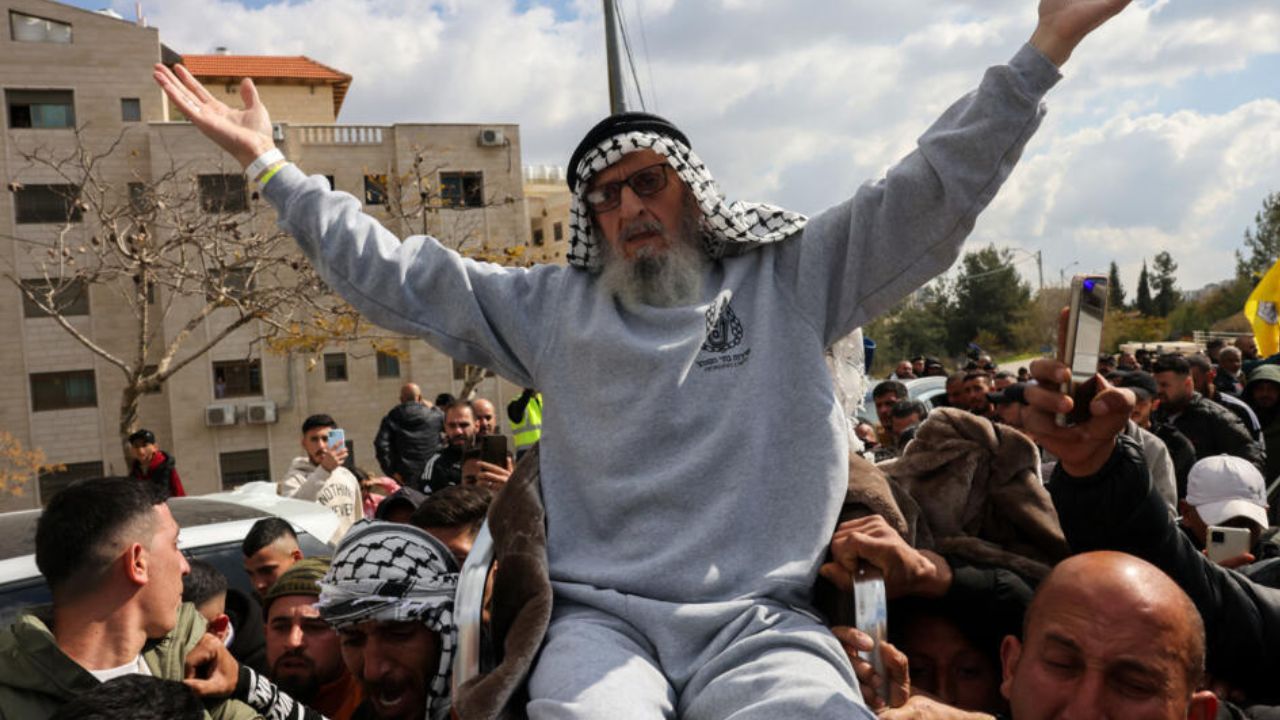
    On Thursday, Israeli authorities released 110 inmates from Ofer prison, including high-profile former commander Zakaria Zubeidi, 49, who received a hero’s welcome in the West Bank city of Ramallah.

    On Friday, he called for “all our Palestinian people” to be freed from Israeli jails.

    “The situation of the prisoners is very difficult and we hope for their urgent release,” Zubeidi told AFP.

    Also freed was Hussein Nasser, who received little attention from the crowd but was at the centre of his daughter’s world.

    “Where’s Dad?” Raghda Nasser, 21, asked tearfully as she moved through the crowd, an AFP correspondent reported.

    Her mother was pregnant with her when he was jailed 22 years ago.

    “I just visited him behind the glass in Israeli prisons. I cannot express my feelings,” Raghda said.

    The fragile ceasefire’s 42-day first phase hinges on the release of a total of 33 hostages in exchange for around 1,900 people, mostly Palestinians, in Israeli jails.

    Negotiations for a second phase of the deal are set to start on Monday, according to a timeline provided by an Israeli official.

    This phase is expected to cover the release of the remaining captives and to include discussions on a more permanent end to the war.

  • One year of genocide: Films that tell Gaza’s story of struggle and hope

    One year of genocide: Films that tell Gaza’s story of struggle and hope

    Today marks a year since the genocide in Gaza began.  There is no better way to show the power of storytelling than through films and documentaries. 

    These powerful stories not only show the pain and loss that Palestinians are subjected to by Israel but also highlight the strength and hope of the people of Gaza as they continue to fight for justice and peace.

    Documentaries like ‘Gaza Fights for Freedom’ show us a look at life in Gaza during protests, showing the courage of those standing up for their rights. It also tells us about resilience in their stand on the Great March of Return protest.  It was released in 2019 and directed by Abby Martin.
     

    Hernan Zin’s documentary ‘Born in Gaza’ follows the lives of children in Gaza during and after Israel’s 2014 assault, showing the devasting effect of genocide on young children.

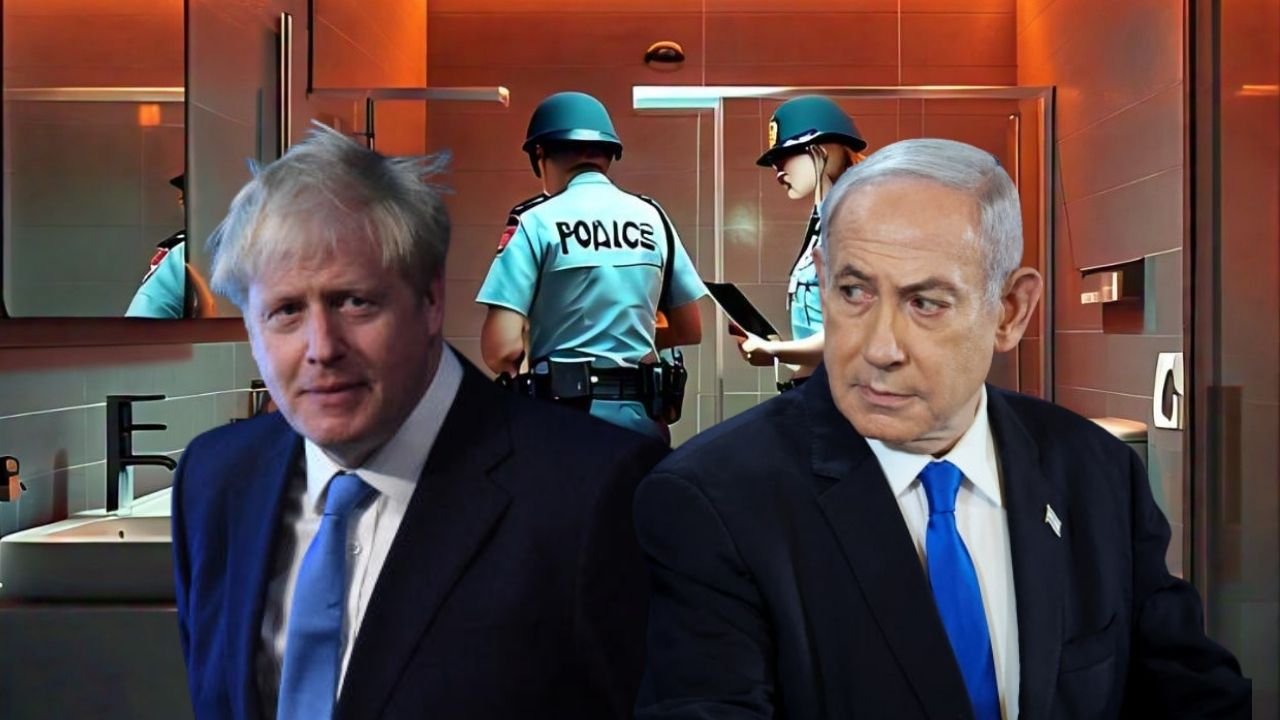
  • ‘Bugging device found in bathroom after Netanyahu meeting,’ reveals Boris Johnson

    ‘Bugging device found in bathroom after Netanyahu meeting,’ reveals Boris Johnson

    Former Prime Minister (PM) of Britain Boris Johnson has disclosed that after meeting with Israel Prime Minister Benjamin Netanyahu, a bugging device was found in his bathroom of the foreign office.

    Boris Johnson wrote in his memoir, “Unleashed”, that in 2017, when he was Britain’s Foreign Secretary, Israel’s PM went to the bathroom after meeting with him; when he came out, the security discovered the listening device which Netanyahu had used during their meeting, The Telegraph reported.

    Johnson further wrote, “Thither Bibi repaired for a while, and it may or may not be a coincidence, but I am told that later when they were doing a regular sweep for bugs, they found a listening device in the thunderbox.”

    The former Tory MP said Mr Netanyahu had excused himself during talks at his old office to use the washroom, described as “a secret annex… a bit like the gents in a posh London club.”

    It should be mentioned here that in 2019 the United States (US) accused Israel of placing cellphone surveillance devices near the White House and other key locations in Washington, DC.

  • US, Israel warn of response to Iranian missile attack

    US, Israel warn of response to Iranian missile attack

    The United States said it was discussing a joint response after Iran fired a barrage of missiles at Israel, warning Tehran of “severe consequences”.

    Israel vowed it would make Iran “pay” after the attack late Tuesday, with most of the missiles intercepted, and pledged to immediately strike “the Middle East powerfully”.

    Tehran, in turn, threatened to strike infrastructure across Israel if its territory was attacked.

    President Joe Biden said the United States was “fully supportive” of Israel after the missile attack, adding that he would discuss a response with Israeli Prime Minister Benjamin Netanyahu.

    Asked by reporters what the response towards Iran would be, Biden replied: “That’s in active discussion right now.”

    Missiles shot down

    Sirens sounded across Israel after Iran unleashed the missiles, most of which were intercepted by Israeli air defences or by allied air forces.

    Iranian state media reported 200 missiles were fired at Israel, including hypersonic weapons for the first time, which the Revolutionary Guards said had targeted “three military bases” around Tel Aviv and others elsewhere.

    Iran’s Foreign Minister Abbas Araghchi posted on social media platform X that Tehran’s “action is concluded unless the Israeli regime decides to invite further retaliation”.

    The Revolutionary Guards earlier said the attack was in response to Israel’s killing of Hezbollah leader Hassan Nasrallah last week, as well as the death of Hamas leader Ismail Haniyeh in a Tehran bombing widely blamed on Israel.

    Israeli medics reported two people lightly injured by shrapnel. In the occupied West Bank, a Palestinian was killed in Jericho “when pieces of a rocket fell from the sky and hit him”, the city’s governor, Hussein Hamayel, told AFP.

    It was Iran’s second direct attack on Israel after a missile and drone attack in April in response to a deadly Israeli air strike on the Iranian consulate in Damascus.

    ‘Severe consequences’

    US Defense Secretary Lloyd Austin slammed an “outrageous act of aggression” by Iran, while Biden’s National Security Advisor Jake Sullivan told reporters there would be “severe consequences”.

    Netanyahu said, “Iran made a big mistake tonight and will pay for it.”

    Iran reacted by threatening to fire “with bigger intensity” if its territory is attacked, with Major General Mohammad Bagheri warning Tehran would target “all infrastructure” in Israel.

    Following the missile barrage, Israeli military spokesman Rear Admiral Daniel Hagari vowed the air force “will continue to strike (tonight) in the Middle East powerfully”.

    The military subsequently announced it was bombarding Hezbollah targets in Beirut, with a Lebanese security source telling AFP that Israel had hit the city’s southern suburbs at least five times overnight.

    UN chief Antonio Guterres led international calls to stem the “broadening conflict in the Middle East”, saying in a statement: “This must stop. We absolutely need a ceasefire.”

    While Iran-backed groups across the region had already been drawn into the Gaza genocide, sparked after October 7, Tehran had largely refrained from direct attacks on its regional enemy.

    Iranian President Masoud Pezeshkian said his country had exercised its “legitimate rights” and dealt “a decisive response… to the Zionist regime’s aggression”.

    Israel, Iraq and Jordan — which lie between Iran and Israel — closed their airspace, as did Lebanon before reopening.

    US boosts forces

    The escalation came after the Israeli military said early Tuesday that troops had started “targeted ground raids” in south Lebanon, across Israel’s northern border.

    The move came despite growing calls for de-escalation after a week of air strikes that killed hundreds in Lebanon.

    Lebanon’s health ministry said later that the latest Israeli strikes had killed a further 55 people on Tuesday.

    Lebanon’s disaster management agency said 1,873 people had been killed since Israel and Hezbollah began trading cross-border fire after the Gaza genocide started a year ago.

    Iran has said Nasrallah’s killing would bring about Israel’s “destruction”, though its foreign ministry said Monday that Tehran would not deploy any troops to confront Israel.

    The Pentagon said Washington was boosting its forces in the Middle East by a “few thousand” troops.

    Deadly strikes on Gaza

    In Lebanon, the UN peacekeeping mission said the Israeli offensive did not amount to a “ground incursion”, and Hezbollah denied that any troops had crossed the border.

    There was no way to immediately verify the claims, which came as Israel struck south Beirut, Damascus and Gaza.

    Israel says it seeks to dismantle Hezbollah’s military capabilities and restore security to northern Israel, where tens of thousands have been displaced by nearly a year of cross-border fire.

    Hezbollah, which suffered heavy losses in a spate of attacks last month, said it targeted Israeli military bases on Tuesday.

    In Gaza, the civil defence agency said Israeli bombings killed 19 people on Tuesday.

    The Israeli military said troops opened fire Tuesday on “dozens” of Palestinians in central Gaza they saw as an “immediate threat”. At least some were hit, it added.

    While the death toll in Israel stands at 1205, more than 41,638 people in Gaza have been killed so far since last year.

    ‘Lost my home’

    Hezbollah began low-intensity strikes on Israeli troops a day after October 7, which triggered Israel’s devastating assault on Gaza.

    The escalating violence in Lebanon has killed more than 1,000 people since September 17, Health Minister Firass Abiad said.

    Lebanese Prime Minister Najib Mikati said there could be as many as one million people displaced from their homes in the country, with authorities registering almost 240,000 crossings into Syria since September 23.

    In central Beirut, Youssef Amir, displaced from southern Lebanon, said: “I have lost my home and relatives in this war, but all of that is a sacrifice for Lebanon, for Hezbollah”.

    Beirut resident Elie Jabour, 27, told AFP that despite opposing Hezbollah “politically… I support them defending the border”.