Tag: pakistan economy

  • SBP-held forex reserves surge by $18.6 million to $9.42 billion

    SBP-held forex reserves surge by $18.6 million to $9.42 billion

    The latest figures from the State Bank of Pakistan (SBP) reveal a slight increase in the country’s foreign exchange reserves. During the week ending July 12, 2024, SBP’s reserves grew by $18.6 million, marking a 0.20 per cent rise to reach $9.42 billion.

    In parallel, Pakistan’s overall foreign reserves, including both SBP and commercial banks, increased by $58.8 million, or 0.40 per cent, totaling $14.7 billion.

    Commercial banks in Pakistan also saw a rise in their reserves, which grew by $40.2 million, or 0.77 per cent, reaching $5.28 billion.

    Since the start of the fiscal year, SBP’s reserves have grown by $34.2 million, reflecting a 0.36 per cent increase. Notably, in the current calendar year alone, reserves have surged by $1.2 billion, representing a notable 14.63 per cent rise.

    These developments signify positive momentum in Pakistan’s foreign exchange reserves, contributing to a more stable economic outlook for the nation.

  • IMF predicts modest 3.5% growth for Pakistan amid global economic uncertainty

    IMF predicts modest 3.5% growth for Pakistan amid global economic uncertainty

    The International Monetary Fund (IMF) has forecasted a 3.5 per cent growth rate for Pakistan’s economy in the fiscal year 2024-25 (FY25), slightly below the government’s target of 3.6 per cent.

    This comes after Pakistan’s economy grew by 2.4 per cent in the fiscal year 2023-24, missing the government’s target of 3.5 per cent.

    Pakistan’s economic challenges are compounded by chronic mismanagement, the aftermath of the COVID-19 pandemic, the war in Ukraine, inflationary pressures from supply chain disruptions, and severe flooding in 2022.

    The IMF’s World Economic Outlook (WEO) update warns of modest global growth over the next two years, influenced by cooling activity in the US, stabilization in Europe, and stronger consumption and exports from China, but significant risks remain.

    Globally, the IMF has maintained its 2024 growth forecast at 3.2 per cent and slightly increased its 2025 forecast to 3.3 per cent. IMF Managing Director Kristalina Georgieva has expressed concern over these tepid growth rates. The US growth forecast for 2024 has been revised down to 2.6 per cent, reflecting slower consumption, while the 2025 forecast remains at 1.9 per cent due to a cooling labor market and moderated spending.

    The IMF has raised China’s 2024 growth forecast to 5.0 per cent, reflecting a rebound in private consumption and strong exports, but recent data showing lower-than-expected GDP growth poses a downside risk.

    The IMF also highlighted persistent risks to inflation due to high services prices and wage growth in labor-intensive sectors, alongside potential trade and geopolitical tensions that could exacerbate price pressures. Additionally, the IMF warned of the impact of economic policy shifts from upcoming elections, which could lead to increased protectionism and fiscal irresponsibility.

    The IMF advised policymakers to restore price stability, gradually ease monetary policy, rebuild fiscal buffers, and implement policies to promote trade and productivity growth.

  • PM Shehbaz urges FBR to modernise tax system without burdening honest taxpayers

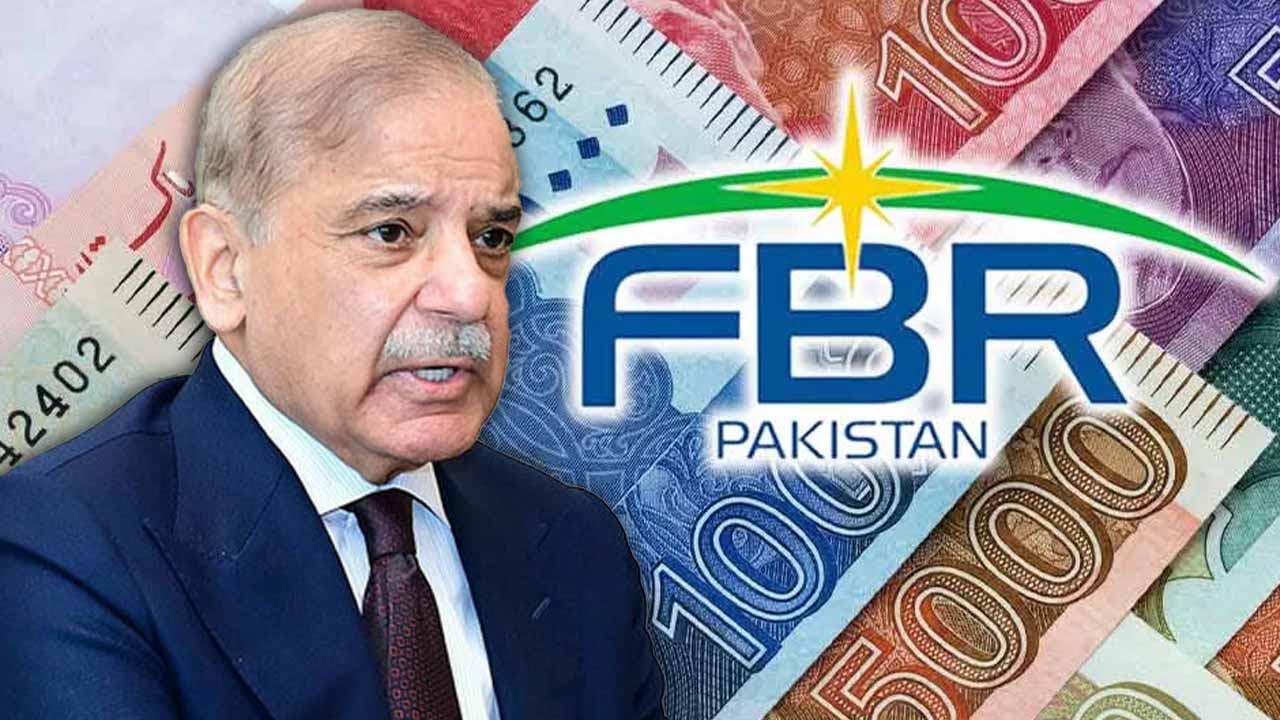
    PM Shehbaz urges FBR to modernise tax system without burdening honest taxpayers

    Prime Minister Muhammad Shehbaz Sharif has directed the Federal Board of Revenue (FBR) to implement a strategy using the latest technology to expand the tax base without imposing additional burdens on honest taxpayers.

    During his visit to the FBR Headquarters, the Prime Minister underscored the government’s commitment to steering Pakistan towards economic progress and stability.

    Prime Minister Sharif highlighted the necessity of collective and individual efforts, sincerity, and sacrifices to prioritise national interests over personal gains.

    He described the recent staff-level agreement with the International Monetary Fund (IMF) as a positive development for the country’s economy and expressed optimism that the IMF board would endorse it.

    He urged the FBR to work diligently to ensure this IMF programme is the last one needed, paving the way for a prosperous future.

    Sharif emphasised the importance of taxing those who evade payments to alleviate the repeated financial strain on honest taxpayers, including government employees. He advocated for leveraging modern technologies, such as artificial intelligence, to digitise FBR operations, which he viewed as crucial for broadening revenue sources without unfairly burdening compliant taxpayers.

    The Prime Minister criticised the reliance on foreign debts, stressing that sustainable nation-building requires self-reliance and effective tax collection. He insisted that current FBR reforms be conducted objectively and transparently, prioritising national interests. Sharif also instructed FBR Chairman Malik Amjad Zubair Tiwana to bring any departmental issues to light promptly.

    Acknowledging FBR’s success in collecting 30% more revenue compared to the previous year, Sharif insisted that tax enforcement should focus on achieving set targets without causing undue difficulties for compliant businesses and industrialists.

    He recalled the introduction of agricultural tax in Punjab 27 years ago, which was subsequently adopted by other provinces, highlighting the need to address general sales tax collection issues.

    Upon his arrival at FBR Headquarters, Sharif was welcomed by key government officials, including Finance Minister Muhammad Aurangzeb and Minister of State for Finance Ali Pervaiz Malik. The Prime Minister paid homage to the FBR’s fallen heroes by laying a wreath and offering Fateha. He reiterated that the automation and digitisation of FBR are government priorities and authorised the immediate release of Rs2 billion to enhance the Web-Based One Customs System (WeBOC).

    The meeting, attended by several ministers and senior officials, included a briefing on ongoing FBR reforms and the progress of the digitisation strategy.

    The Prime Minister was informed of the completion of the first phase of the FBR Tajir Dost Mobile application, which simplifies tax return processes. Additionally, the use of advanced technology has identified approximately 4.9 million potential taxpayers.

    Sharif instructed the FBR to expand the tax net to include these identified individuals and to address the legitimate demands of flour mill owners through direct engagement.

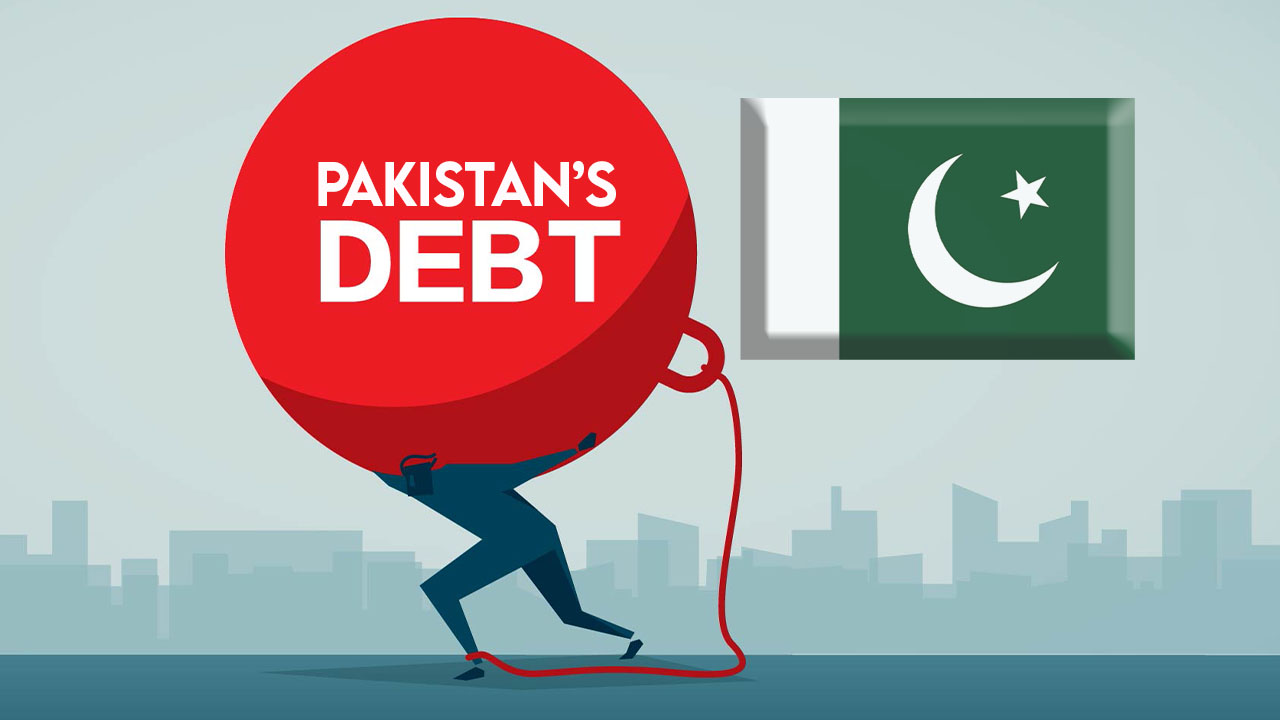
  • Pakistan’s central govt debt hits record Rs67.82 trillion in May 2024

    Pakistan’s central govt debt hits record Rs67.82 trillion in May 2024

    In May 2024, the central government’s total debt reached a record high of Rs67.82 trillion, marking a 15.01 per cent increase compared to Rs58.96 trillion a year earlier, according to data released by the State Bank of Pakistan (SBP).

    Sequentially, the central government debt also rose by 2.62 per cent from April 2024, when it stood at Rs66.08 trillion.

    This significant year-on-year rise in debt is mainly attributed to increased borrowing from both domestic and foreign sources, aimed at managing the fiscal deficit.

    According to details provided by the SBP, the majority of the debt was domestic, amounting to Rs46.21 trillion. This includes Rs36.6 trillion in long-term debt, Rs9.52 trillion in short-term debt, and an additional Rs86.79 billion raised through Naya Pakistan Certificates.

    Comparing year-on-year figures, the domestic debt showed a substantial increase of 24.7 per cent, with sequential growth of 3.88 per cent.

    By the end of May 2024, the government’s long-term debt had risen by 24.14 per cent year-on-year to Rs36.6 trillion, up from Rs29.48 trillion recorded a year earlier, with a month-on-month increase of 3.91 per cent.

    Similarly, short-term debt saw a notable increase of 28.09 per cent year-on-year, reaching Rs9.52 trillion in the review period.

  • Weekly inflation rises 1.28% as essential food items, fuel costs surge

    Weekly inflation rises 1.28% as essential food items, fuel costs surge

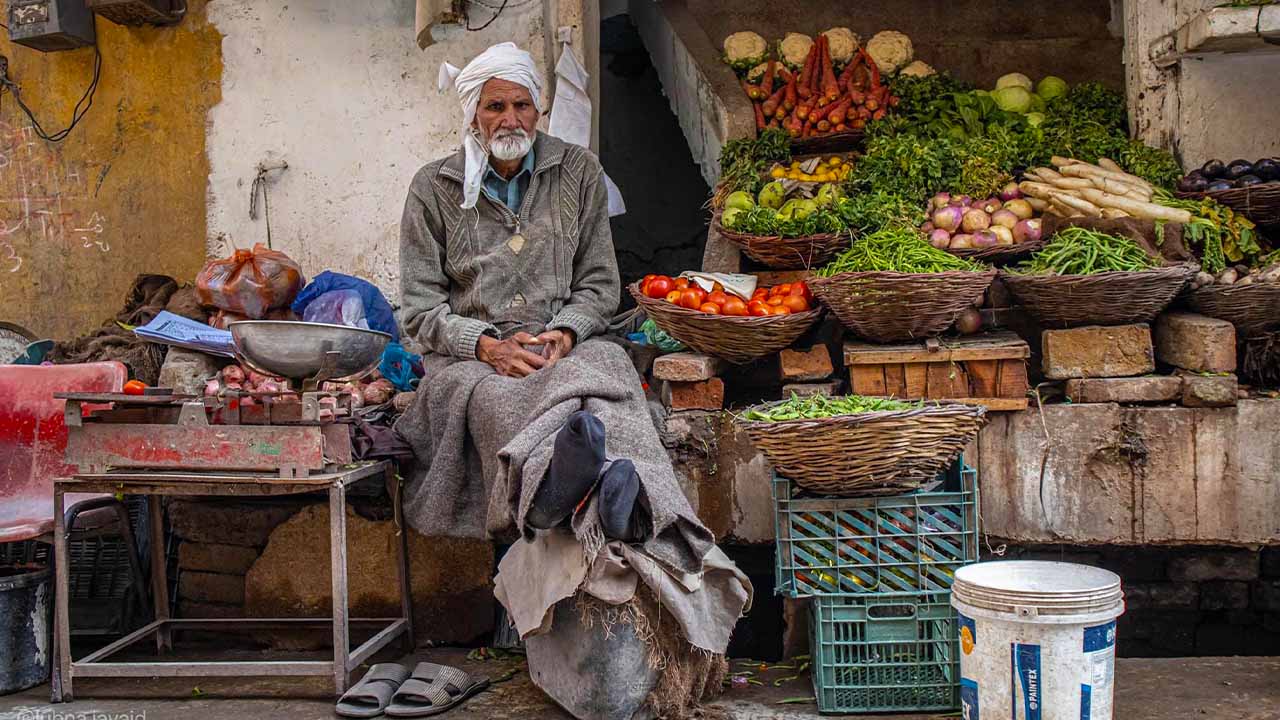
    In a challenging economic climate, food prices in Pakistan have surged, forcing consumers to purchase essential items at elevated costs.

    According to the Weekly Sensitive Price Indicator (SPI) released by the Pakistan Bureau of Statistics (PBS), the SPI for the Combined Group increased by 1.28 per cent week-on-week (WoW) for the week ending July 4, 2024.

     Additionally, the SPI saw a substantial year-on-year (YoY) rise of 23.59 per cent compared to the same period last year.

    The PBS data revealed that the Combined Index stood at 318.61, up from 314.57 a week earlier, and significantly higher than the 257.79 recorded a year ago. Out of 51 monitored items, prices of 29 (56.86 per cent) increased, 5 (9.80 per cent) decreased, and 17 (33.34 per cent) remained stable during the week.

    Significant weekly price increases were observed in tomatoes (70.77 per cent), wheat flour (10.57 per cent), powdered milk (8.90 per cent), diesel (3.58 per cent), and petrol (2.88 per cent). Conversely, notable price hikes on a yearly basis were recorded for onions (9.05 per cent), wheat (1.79 per cent), potatoes (1.04 per cent), eggs (0.79 per cent), and bananas (0.60 per cent).

    The SPI percentage change by income groups showed that the SPI rose across all income quantiles, ranging from 1.23 per cent to 1.44 per cent weekly. The lowest income group experienced a weekly rise of 1.43 per cent, while the highest income group saw a 1.23 per cent increase.

    Yearly SPI analysis across different income segments indicated increases ranging between 16.97 per cent and 26.49 per cent. The SPI for the lowest income group rose by 16.97 per cent, while the highest income group recorded a 21.39 per cent increase.

    Additionally, the average price of Sona urea was reported at Rs4,746 per 50 kg bag, which is 0.13 per cent higher than the previous week and 51.52 per cent higher compared to last year.

    Meanwhile, the average cement price reached Rs1,409 per 50 kg bag, marking a significant 10.48 per cent increase from the previous week and a 23.16 per cent rise from last year’s prices.

    The persistent rise in food and essential item prices continues to burden Pakistani consumers, exacerbating the financial strain on households across the country.

  • Economic stability in Pakistan has revived trust of international bodies: Finance Minister

    Economic stability in Pakistan has revived trust of international bodies: Finance Minister

    Finance Minister Muhammad Aurangzeb has stated that Pakistan’s economic stability has restored the trust of international institutions.

    Speaking at a press conference in Islamabad, Aurangzeb highlighted the significant improvement in the country’s economy, attributing this success to the government’s prudent economic policies.

    He emphasised that these policies would lead to sustainable economic stability.

    Aurangzeb reaffirmed the government’s commitment to digitising the Federal Board of Revenue (FBR) to enhance transparency and eliminate corruption. He stressed the importance of minimising human intervention to make the FBR system free from malpractices.

    The minister noted that efforts are underway to bring retailers into the tax net, with 42,000 retailers already registered. He pledged to raise the tax-to-GDP ratio to 13 per cent within the next three years through pragmatic reforms across various sectors of the economy.

    Aurangzeb’s remarks came shortly after the government passed the Federal Budget 2024-25 in the National Assembly, ahead of critical discussions with the International Monetary Fund (IMF).

    The budget, which included specific amendments, further increased taxes without offering relief to taxpayers.

  • Pakistan faces ‘one of the deadliest debt traps in the world,’ warns Ex-SBP governor

    Pakistan faces ‘one of the deadliest debt traps in the world,’ warns Ex-SBP governor

    Dr Murtaza Syed, former Governor of the State Bank of Pakistan, has raised significant concerns about Pakistan’s alarming debt situation, describing it as one of the most severe debt traps globally.

    In a series of tweets, he highlighted the country’s excessive borrowing and criticized the misuse of funds on non-productive expenses, leading to a situation where servicing the debt takes precedence over crucial developmental and climate-related investments.

    According to Dr Syed, Pakistan currently spends more on servicing its debt than any other country globally, a burden that is expected to persist for years. This high debt servicing obligation has necessitated heavy taxation and severely limited resources for essential social expenditures, such as education and health.

    He pointed out that Pakistan’s spending on interest payments vastly exceeds allocations for education and health, indicating a prioritization that hampers human capital development and public health.

    Citing data from the UNCTAD, Dr Syed highlighted that Pakistan’s government spends a disproportionate amount of its revenue on interest payments, second only to Sri Lanka. This financial strain not only constrains immediate social spending but also impedes long-term economic growth by limiting investments in infrastructure and other critical sectors.

    Despite fluctuations in global interest rates, Dr Syed emphasized that Pakistan’s debt burden remains among the highest globally, indicating a systemic issue rather than a temporary financial challenge.

    He cautioned that even with potential increases in government revenue, a significant portion would still be consumed by interest payments, further squeezing resources available for developmental initiatives.

    In conclusion, Dr Syed proposed a strategic restructuring of Pakistan’s debt to alleviate the fiscal pressure and redirect funds towards sustainable development and climate resilience.

    This, he argued, would require a balanced approach, avoiding over-reliance on taxation and instead focusing on optimizing debt management strategies to foster economic stability and social progress in Pakistan.

  • SBP’s forex reserves decrease by $239 million in a week due to debt repayments

    SBP’s forex reserves decrease by $239 million in a week due to debt repayments

    Foreign exchange reserves held by the State Bank of Pakistan (SBP) fell by $239 million, reaching $8.896 billion as of June 21, according to data released by the central bank on Thursday.

    The total liquid foreign reserves held by Pakistan stood at $14.207 billion, with net foreign reserves held by commercial banks at $5.311 billion. The central bank attributed the decline to external debt repayments.

    “During the week ended on June 21, 2024, SBP reserves decreased by $239 million to $8.896 billion due to external debt repayments,” the SBP stated.

    This comes after a $31 million increase in the central bank’s reserves the previous week. In May, the SBP’s reserves had surged by $1.114 billion, surpassing $9 billion for the first time in nearly two years.

    This increase was primarily due to the disbursement of the last $1.1 billion tranche from the International Monetary Fund (IMF) under its $3 billion Stand-By Arrangement.

    The fluctuating reserves highlight the ongoing financial challenges faced by Pakistan, particularly in managing its external debt obligations and maintaining a stable economic outlook.

  • Govt made significant efforts to protect salaried class from taxes: Finance Minister

    Govt made significant efforts to protect salaried class from taxes: Finance Minister

    Federal Minister for Finance and Revenue Muhammad Aurangzeb has stated that the government will review measures to protect the salaried class following the increased tax burden introduced in the Budget 2024-25.

    Aurangzeb said that the government tried to “ring-fence the salaried class as much as it could.” He acknowledged the impact of the new tax measures on this group, highlighting his six years of experience in understanding the nuances of tax brackets, super tax, and capital value tax (CVT).

    “We made significant efforts to protect them,” Aurangzeb said, emphasising that individuals earning less than Rs600,000 annually remain exempt from income tax.

    He added that the highest tax bracket of 35 per cent was also shielded from additional taxes to prevent talent from leaving the country.

    Aurangzeb mentioned ongoing reviews to assess potential relief for the tax slabs, aiming to balance the need to increase tax revenue from Rs9.4 trillion to Rs12.9 trillion with the burden on the salaried class.

    “We will generate Rs1.5 trillion through additional revenue measures by removing exemptions and imposing more taxes,” he noted, revealing that the overall impact of these measures on the salaried class is approximately Rs70 billion out of the Rs1.5-1.6 trillion in new taxes.

    The Finance Minister’s comments come after the government’s decision to increase tax liability for individuals earning more than Rs50,000 monthly in the Budget 2024-25.

    The Finance Bill 2024 indicates that the highest impact will be on those earning Rs6 million annually (Rs500,000 monthly), with a tax liability increase of Rs22,500. Interestingly, those earning Rs12 million annually (Rs1 million monthly) will face the same increase.

    On Friday, lawmakers, including those from allied political parties, criticised the government for imposing additional taxes on the salaried class while providing subsidies and exemptions to the real estate and agriculture sectors.

    During the budget debate in the National Assembly, they argued that the heavy taxation on the salaried class is irrational and could exacerbate brain drain. They called for substantial revisions to the federal budget to offer more relief to the masses and extend the tax net to previously exempt sectors.

    The salaried class in Pakistan has seen a significant increase in tax burden over recent years as the government targets what many consider “soft targets” in its efforts to boost the tax-to-GDP ratio.

    The government has faced criticism for focusing on formal sectors and not adequately addressing the informal economy.

  • Finance Minister unveils economic plan to slash expenditures and boost revenues

    Finance Minister unveils economic plan to slash expenditures and boost revenues

    Federal Finance Minister Senator Muhammad Aurangzeb reiterated the government’s dedication to reducing expenditures and boosting revenues in a bid to fortify Pakistan’s economy sustainably.

    The announcement came during a press conference in his hometown, Kamalia, as reported by the state-run APP.

    Aurangzeb highlighted that the federal government plans to shut down parallel ministries or departments that have been devolved to provinces. This strategic move is anticipated to significantly cut down on expenditures and enhance operational efficiency.

    As an example, the minister noted that the Prime Minister has already announced the closure of the Pakistan Public Works Department, a decision expected to alleviate the financial burden on the government.

    Furthermore, the government is set on privatising state-owned enterprises (SOEs), which have been a considerable strain on the national exchequer. Aurangzeb cited Pakistan International Airlines (PIA) as a prime example, mentioning its liabilities amounting to billions of rupees now transferred to the government. The privatisation of these SOEs is projected to reduce financial burdens and enhance efficiency.

    In a related development, the minister revealed that the government is working on outsourcing airport management, starting with Karachi airport, which is expected to be handed over to the private sector by July or August this year, followed by Lahore airport.

    On the revenue side, Aurangzeb stressed the need to elevate the tax-to-GDP ratio from the current 9.5 per cent to 13 per cent over the next three years, underscoring the essential role of taxes in national administration.

    To achieve this, the government has introduced various revenue measures, including broadening the tax base to include non-taxable sectors, phasing out tax exemptions worth Rs3.9 trillion, and revising policies in sectors like health and agriculture.

    The minister announced that 32,000 retailers had already been registered for taxation starting from July 2024. He emphasised the government’s commitment to incorporating other sectors into the tax net, enhancing compliance, plugging systemic leakages, and implementing end-to-end digitisation to reduce human intervention, increase transparency, and curb corruption. Automation of sales tax collection is a top priority, Aurangzeb noted.

    Addressing the agricultural sector, Aurangzeb affirmed the government’s commitment by allocating Rs41 billion in the federal Public Sector Development Program (PSDP) to promote agriculture. Initiatives include the solarisation of tube wells, provision of loans to small farmers, and the development of warehouses to support small-scale farmers.

    Subsidies on fertilisers, seeds, and other agricultural inputs will continue, with efforts to involve banks, including Islamic banks, in providing loans to farmers.

    In the IT sector, the government aims to support freelancers and double exports from $3.5 billion to $7 billion. Aurangzeb mentioned a substantial budget allocation to facilitate the IT sector. He also assured that the Prime Minister’s recent visit to China focused on technology transfer, industrial development, and enhancing exports, rather than seeking aid.

    This comprehensive strategy, combining expenditure reduction and revenue enhancement, reflects the government’s robust commitment to placing the country’s economy on a sustainable growth trajectory.