Saudi Arabia is gearing up to inaugurate its maiden alcohol store in the capital city of Riyadh, exclusively catering to non-Muslim diplomats, according to a reliable source and an official document disclosed on Wednesday.
Prospective customers will be required to register through a designated mobile app, obtain a clearance code from the foreign ministry, and adhere to monthly purchase quotas, as outlined in the document.
This development marks a significant milestone in Saudi Arabia’s initiatives, spearheaded by Crown Prince Mohammed bin Salman, to transform the ultra-conservative Muslim nation into a hub for tourism and business. Notably, the consumption of alcohol is strictly forbidden in Islam.
Situated in Riyadh’s Diplomatic Quarter, a locale housing embassies and diplomats, the new store will be “strictly restricted” to non-Muslims, according to the document.
It remains unclear whether other non-Muslim expatriates will be granted access to the establishment, given that the majority of expatriates in Saudi Arabia are Muslim workers from Asia and Egypt.
Insiders familiar with the plans have indicated that the store is anticipated to open its doors in the coming weeks.
Saudi Arabia has long maintained stringent laws against alcohol consumption, with penalties ranging from lashes, fines, and imprisonment to deportation.
As part of ongoing reforms, the practice of whipping has largely been replaced by jail sentences. Until now, alcohol has only been available through diplomatic mail or on the black market.
According to Reuters, the Saudi government has not responded to requests for comments on the matter.
Recent reports from state-controlled media suggest that the government is imposing new restrictions on alcohol imports within diplomatic consignments. This move is expected to bolster demand for the forthcoming alcohol store.
The new regulations aim to control imports and prevent the improper exchange of special goods and alcoholic beverages received by non-Muslim embassies in Saudi Arabia, as reported by the Arab News daily on Sunday.
In recent years, Saudi Arabia, traditionally closed off to the world, has relaxed strict social codes. These changes include ending the segregation of men and women in public places, lifting the requirement for women to wear all-covering black robes (abayas), and allowing women to drive.
These transformations, part of Vision 2030, align with the broader goal of developing local industries, logistics hubs, and generating hundreds of thousands of jobs for Saudi nationals.
100 days back, on October 7, 2023, Hamas took Israel by surprise in a move that came as a consequence of more than seventy years of occupation, killings, destruction, and displacement of the Palestinians.
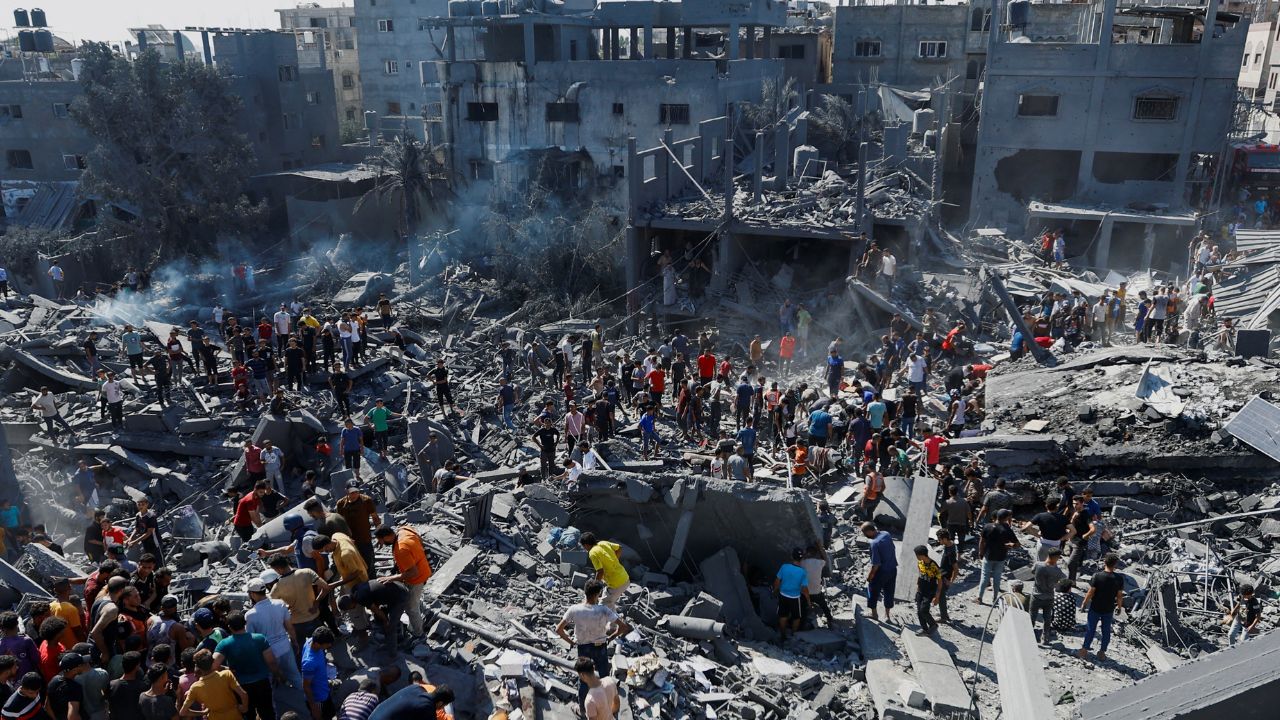
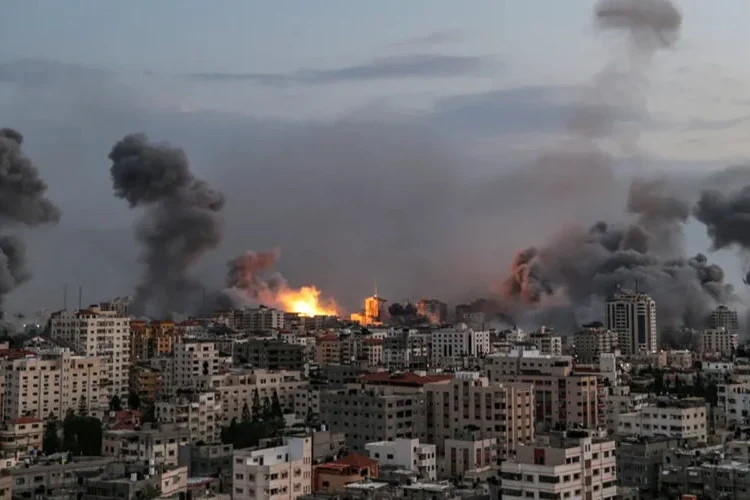
Israel took this instance of response as an excuse to go all out in attempts to exterminate Gazans from their land: On October 8, Israeli prime minister Benjamin Netanyahu declared war against Hamas and butchered, internally displaced, detained, and tortured thousands of Palestinians in Gaza as well as the Occupied West Bank.
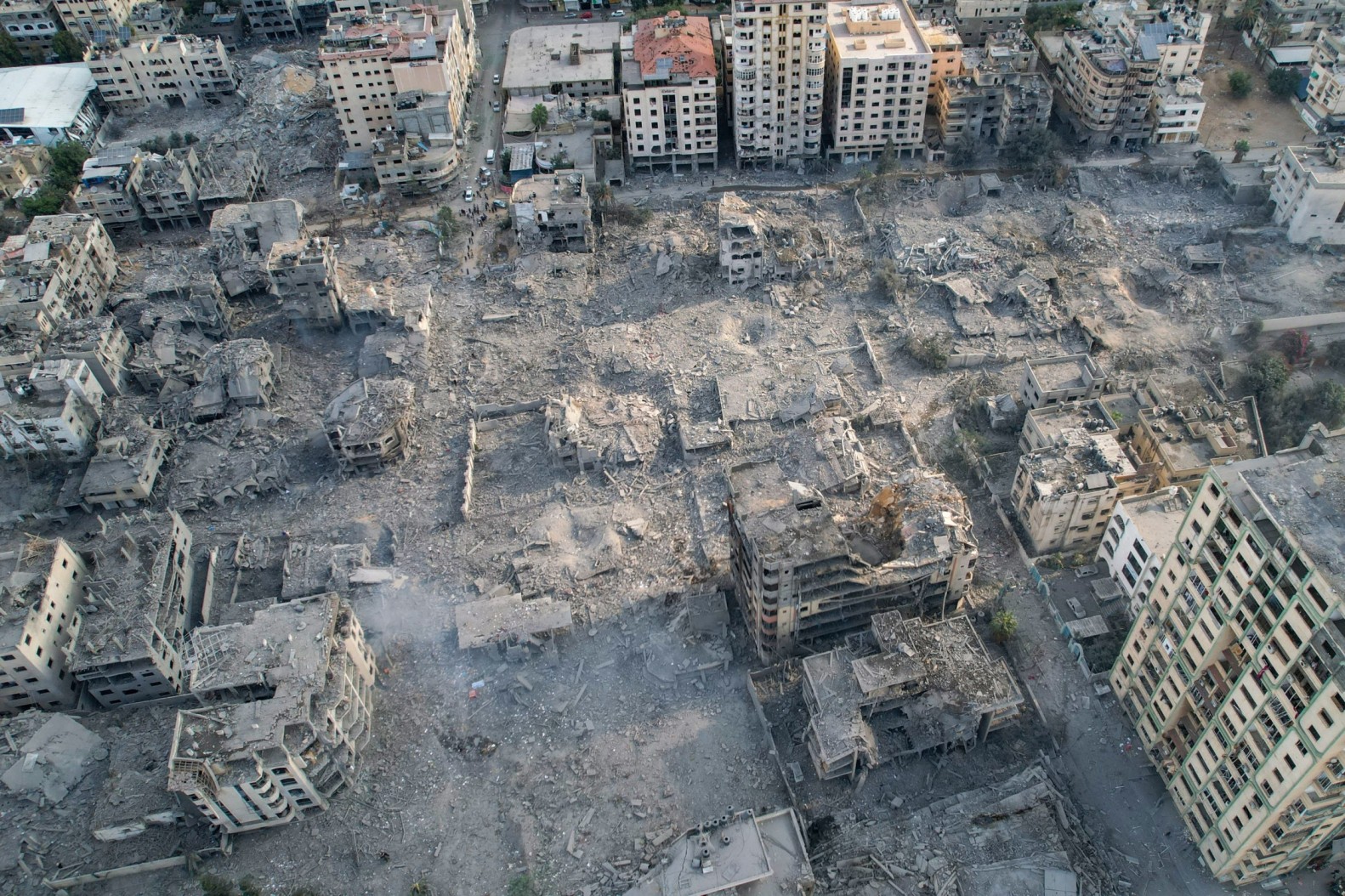
Since October 7 alone, more than 23,600 people have been killed and more than 58,000 wounded in Israeli attacks on Gaza.
Widespread use of and access to social media across the world has exposed Israeli atrocities against the Palestinians more than ever. A number of Palestinians have been reporting from the targeted strip, giving the world insights to the heights of atrocities touched by the Israeli military.
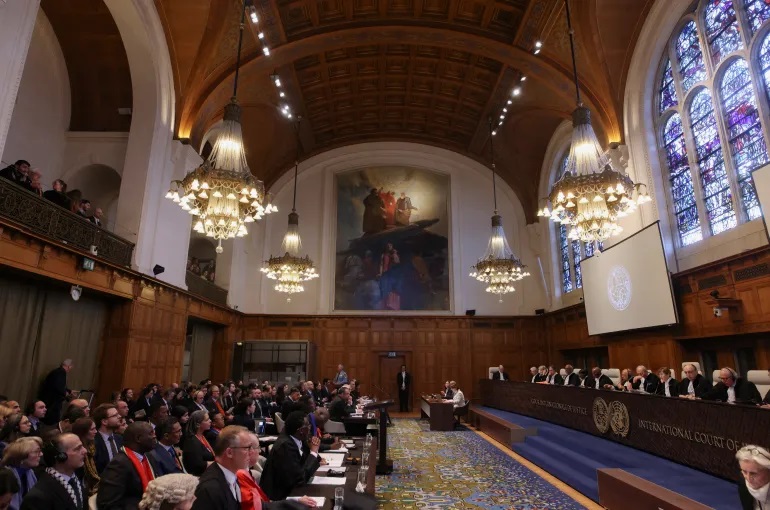
As the Irish lawyer Blinne Ní Ghrálaigh, representing South Africa in the International Court of Justice (ICJ) in The Hague on January 11 deemed it as “The first genocide in history where its victims are broadcasting their own destruction in real time in the desperate, so far vain hope that the world might do something.”
Nonetheless, the international community has collectively failed to ensure a ceasefire amidst all the loss and blatant violation of human rights..
While the breaches and enormities by Israel are innumerable and immeasurable to say the least, here are some of the most important moments and developments to have taken place the past 100 days.
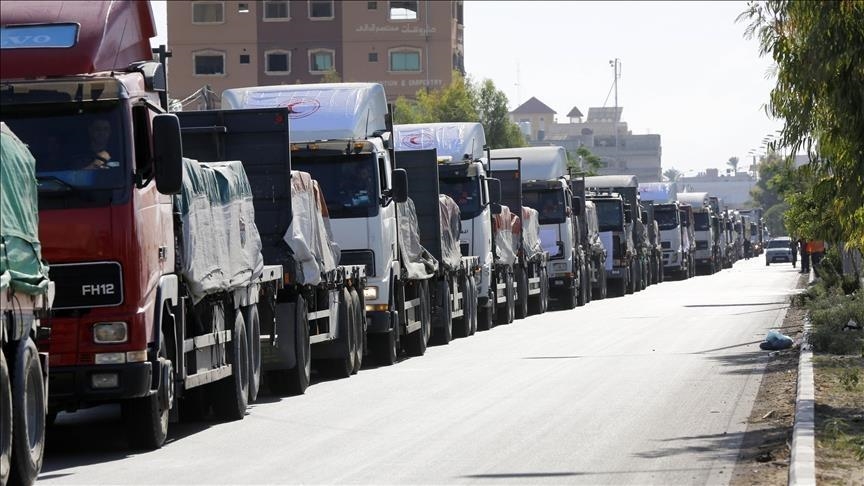
Israel had declared a “complete siege” on Gaza on October 9 2023, hindering the supply of electricity, food, water and fuel into the strip. While a few aid trucks were permitted on 21 October 2023, the aid has been inadequate, and starkly lower than the quantity sent before October 2023.
Additionally, fuel imports are “well below the minimum requirements for essential humanitarian operations”.
The UN Secretary-General has asserted that the level of destruction in Gaza is now so catastrophic that “[t]he conditions for the effective delivery of humanitarian aid no longer exist . . . But even if sufficient supplies were permitted into Gaza, intense bombardment and hostilities, Israeli restrictions on movement, fuel shortages, and interrupted communications, make it impossible for UN agencies and their partners to reach most of the people in need.”
No Facilities
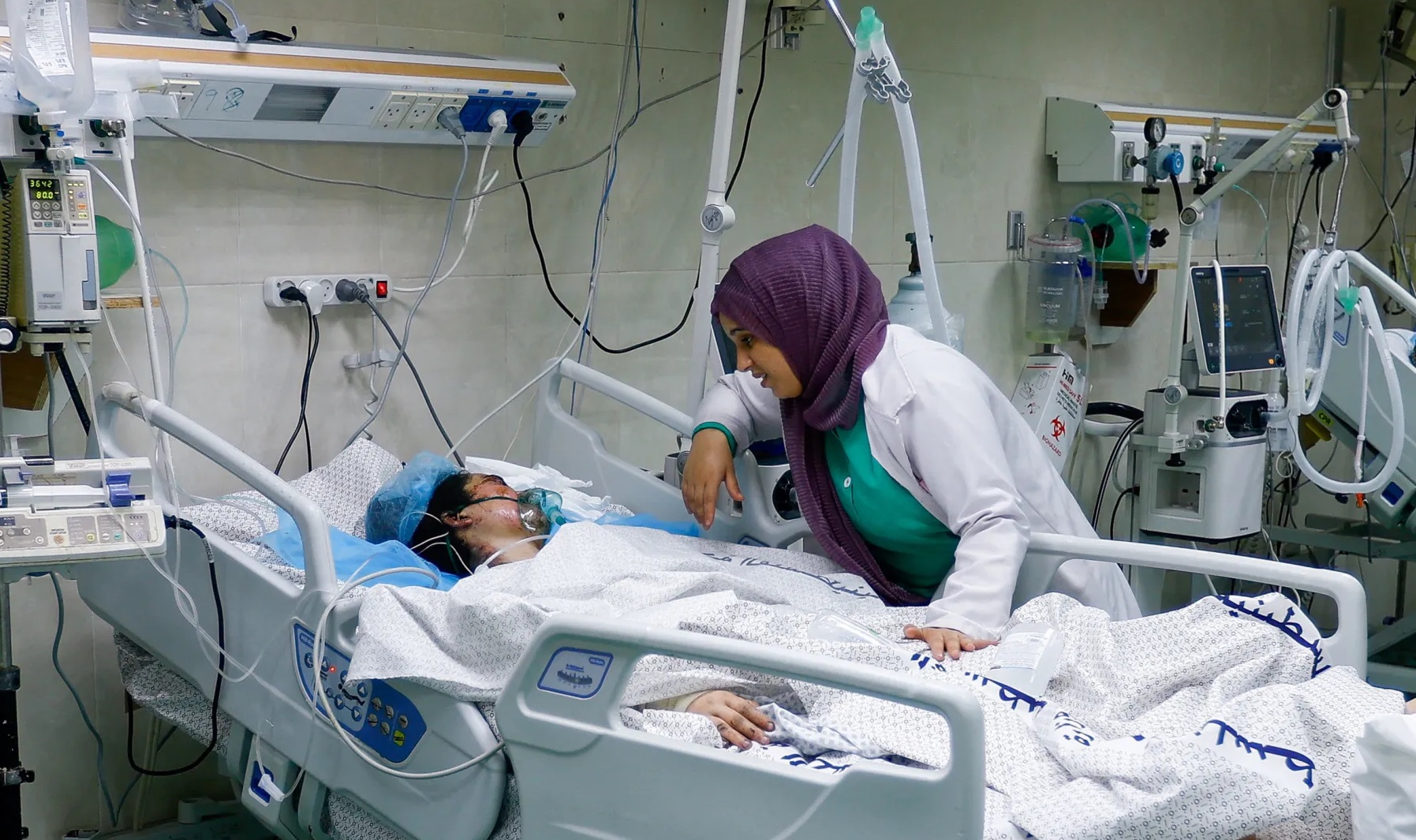
The majority of Gazan hospitals are out of order due to the Israeli air raids and the blockade. According to WHO, 15 out of Gaza’s 36 hospitals are partially functional; nine in the south and six in the north.
Additionally, there is lack of electricity, desalination facilities, and bakeries to shut down and contributed to telecommunications blackouts.
Looming Fears of Famine and Diseases
Credit: Reuters
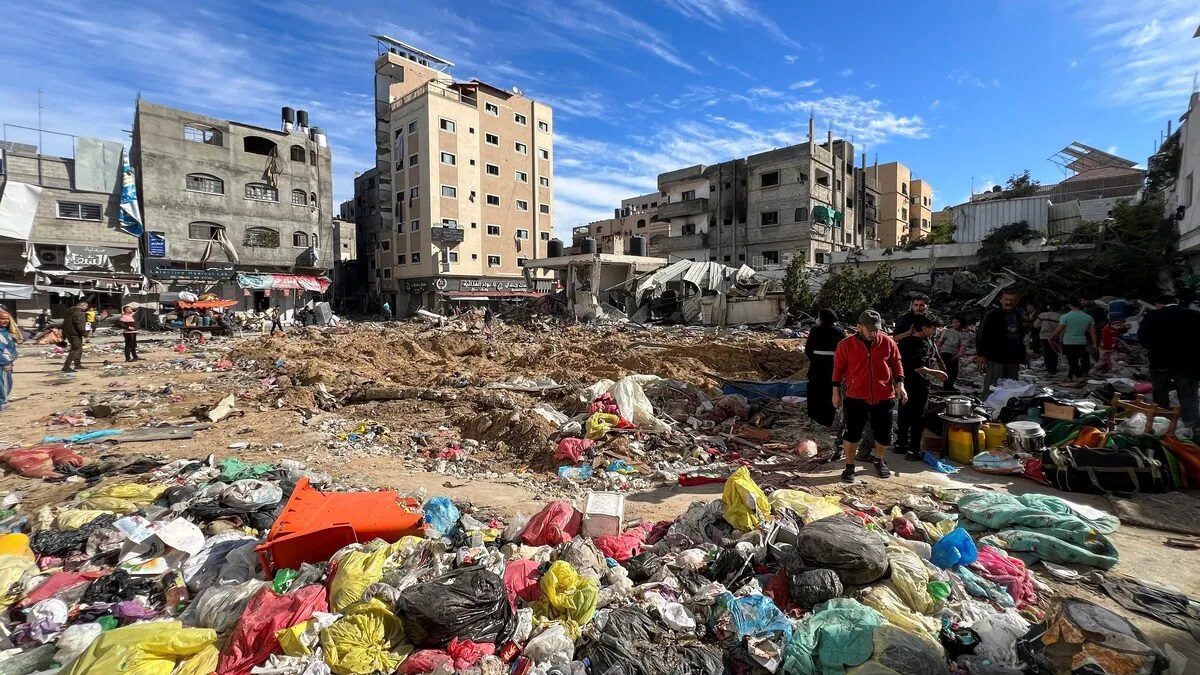
Due to lack of health facilities and access to water and sanitation, WHO has warned that Gaza is now heading towards proliferation of disease. As of January 1, nearly 200,000 respiratory infections and tens of thousands of cases of scabies, lice, skin rashes, and jaundice were reported whereas the number of diarrhoea cases among children under five has increased 20-fold since October 7.
Additionally, the World Health Organization has warned that “[a]n unprecedented 93% of the population in Gaza is facing crisis levels of hunger, with insufficient food and high levels of malnutrition” and that “[a]t least 1 in 4 households are facing ‘catastrophic conditions’:
“Israeli forces are deliberately blocking the delivery of water, food and fuel, while wilfully impeding humanitarian assistance, apparently razing agricultural areas, and depriving the civilian population of objects indispensable to their survival,” Human Rights Watch has stated.
Internally Displaced
Among the total population of 2.3 million, 1.9 million Palestinians — approximately 85 per cent of the total population — have been internally displaced. People living in Northern Gaza were initially forced to flee their homes on short notice for “safety” to the south, but they were bombed again in the so-called safe south, and were once again forced to flee to
further south or the south west, and have been to live in makeshift tents with no water, sanitation or other facilities.
This situation has thus been declared as the Second Nakba as it resembles the ethnic cleansing of Palestinians by the Israelis in 1948.
Women of Gaza
Credit: Al Jazeera
The United Nations has estimated 50,000 pregnant women presently living in Gaza, with more than 180 births taking place every day despite the lack of health facilities.
Similarly, women have also resorted to norethisterone tablets (that are usually prescribed in times of severe menstrual bleeding, endometriosis, and painful periods) as they are internally displaced, living in poor conditions among a large number of people with no privacy, and having no access to water or menstrual hygiene products like sanitary napkins and/or tampons.
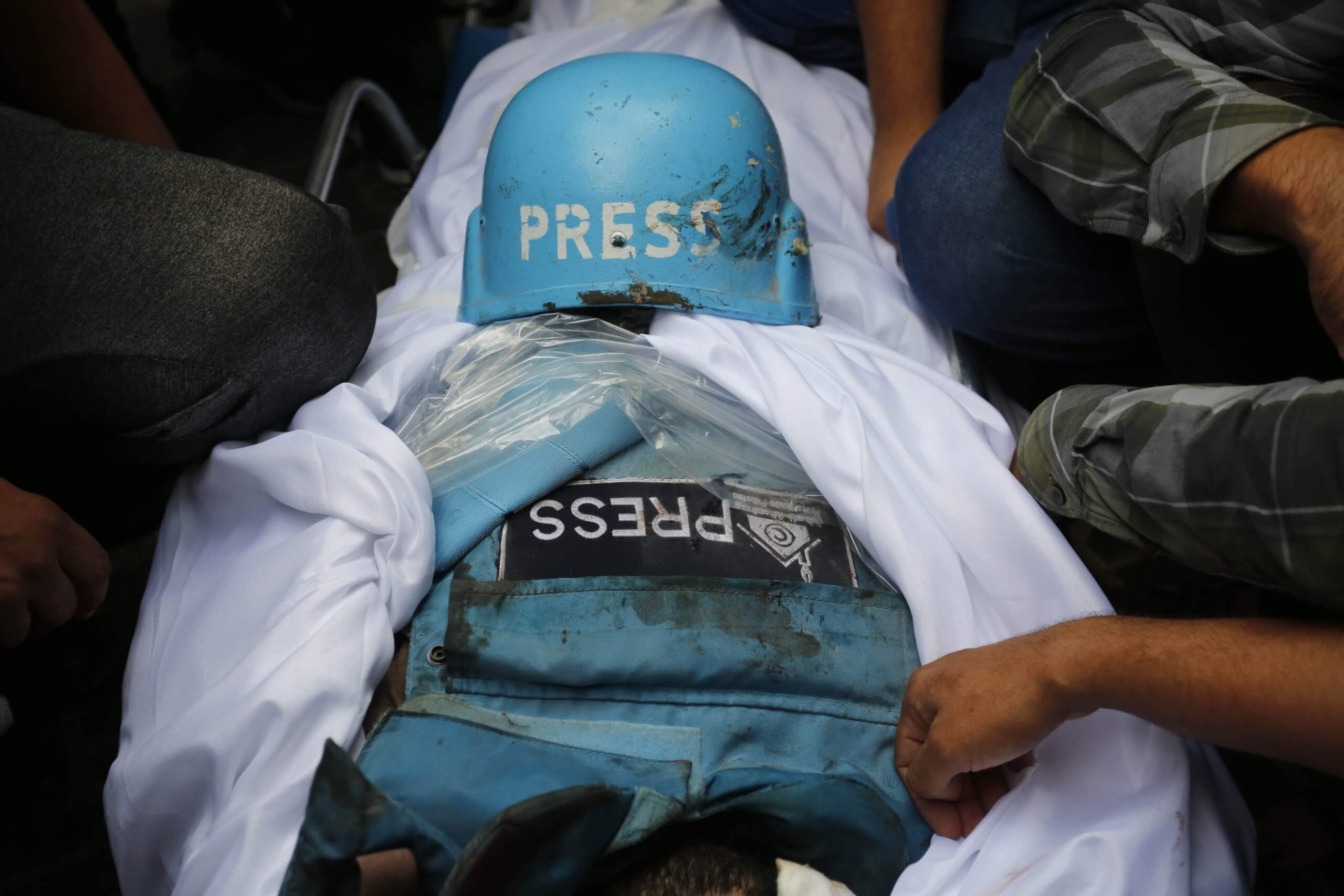
November was deemed as the deadliest month for journalists when at least 50 were killed. According to the Committee to Protect Journalists (CJP), as of January 11, 79 journalists and media workers have been killed among whom are 72 Palestinian, 4 Israeli, and 3 Lebanese whereas three journalists are reported missing and 21 arrested.
Additionally, multiple assaults, threats, cyberattacks, censorship, and killings of family members have also been recorded.
Moreover, literary figures like Heba Abu Nada and Dr Refaat Alareer, who were vocal against Israel, have also been killed in targeted attacks.
Hostages
Hamas took Israeli hostages on October 7 in order to prompt Israel to return Palestinian hostages who have been in Israeli captivity since years.
While Israel has portrayed Hamas as barbaric, Israeli hostages released have had different stories to tell. Danielle Aloni and her daughter Emilia were held hostage by Hamas for 49 days and on their release on November 24, Aloni wrote a “thank you” letter to Hamas saying, “I thank you from the bottom of my heart for your extraordinary humanity shown towards my daughter, Emilia.”
Similarly, in an interview, Hin and Ajam, another mother-daughter duo, told that they were kept together and that the militants were respectful to them, taking every precaution to make them comfortable.
On the contrary, Palestinians have returned from Israeli captivity physically and mentally tortured while some have reportedly died in detention.
Back in December, Israeli troops even “mistakenly” killed three Israeli hostages in the course of combat with Hamas in the Gaza Strip on Friday.
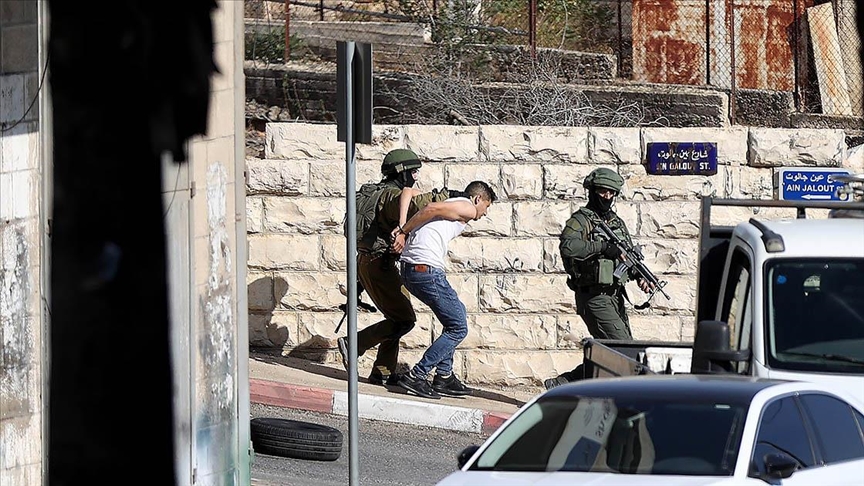
As of January 11, the arrests of Palestinians in the Occupied West Bank reached up to 5,810 since October 7.
According to figures released in December, at least 8,800 Palestinians, including 80 women, were held at Israeli prisons.
These arrests are reportedly “marked by abuse, severe beatings, and threats against detainees and their families, in addition to widespread acts of sabotage and destruction of citizens’ homes”. Many are even targeted and shot by the Israeli soldiers.
Additionally, in November 2023, it was reported that around 390,000 Palesinians jobs were lost — 182,000 in Gaza and 208,000 in the occupied West Bank.
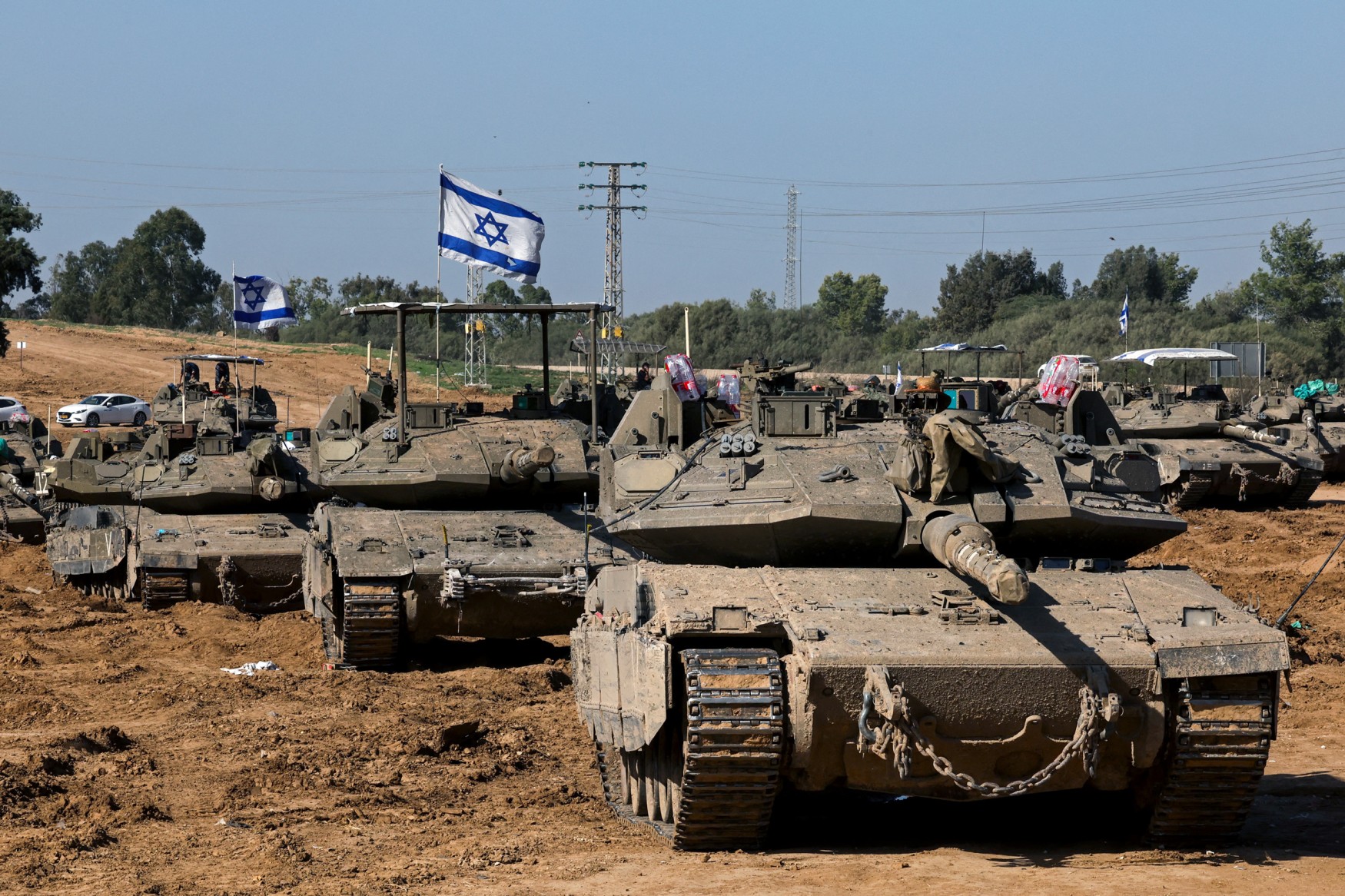
In December, the US State Department approved the emergency sale to Israel of nearly 14,000 rounds of tank ammunition — a sale of 13,981 high-explosive 120mm tank cartridges and related equipment worth $106.5 million.
The State Department said the secretary of state had determined that “an emergency exists that requires the immediate sale to the Government of Israel” of the weaponry, thereby waiving the normal requirement of Congressional review.
Israel vs Middle East
Since the war began, Hezbollah, a close ally of the Palestinian group Hamas, and Israel have been engaged in intense fighting.
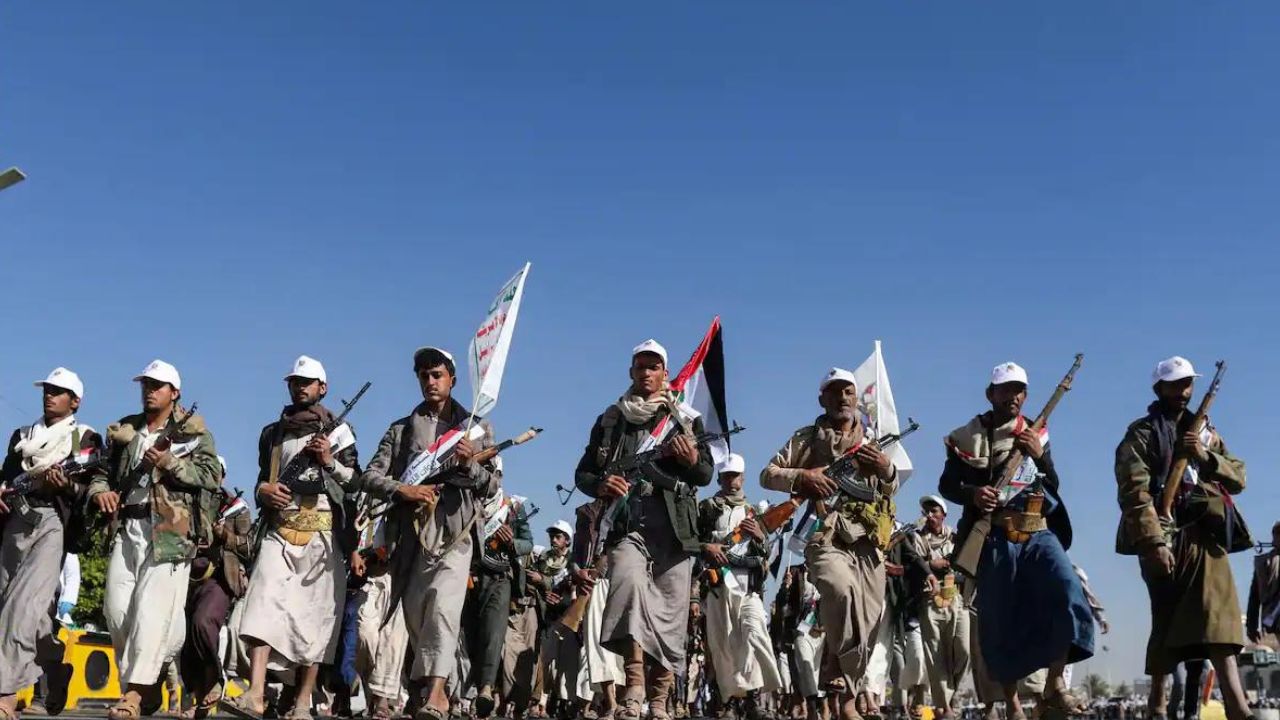
In December, The United States announced a 10-nation coalition to end Houthi attacks on ships transiting the Red Sea, with Britain, France, Bahrain and Italy among countries joining the “multinational security initiative.”
The U.S. and British Air Force, in fact, have launched airstrikes against Yemen in retaliation which the American president Joe Biden called it a success, adding that he will “not hesitate to direct further measures to protect our people and the free flow of international commerce as necessary.”
On the other hand, Israel and Hezbollah have been exchanging fires across the Lebanese border, the West Bank since 7 October.
On Day 60 since October 7, United Nations Secretary-General António Guterres, in a rare move, invoked Article 99 of the UN Charter “to bring to the attention of the Security Council a matter, which in my opinion, may aggravate existing threats to the maintenance of international peace and security.” He also reiterated his call in the letter he sent to the rotating president of the Council for a “humanitarian ceasefire” and urged the Council to “avert a humanitarian catastrophe.”
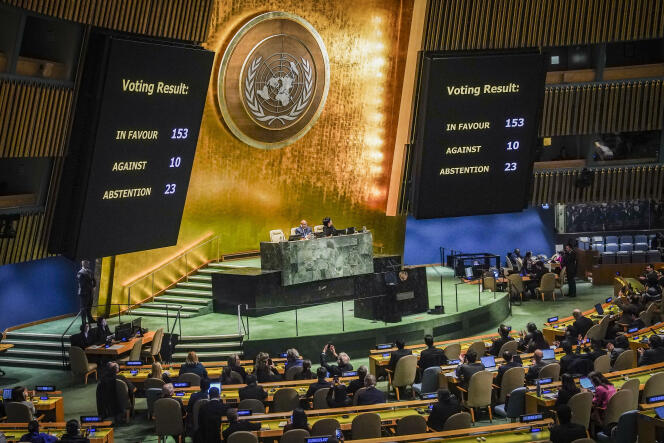
Nonetheless, like any other UN action, it was merely a political move with no legal implications — same as the UN Resolutions calling for a ceasefire in Gaza the past few months since October 7. With more than 100 countries voting in support of the ceasefire, the resolution ended in vain since the US and a couple of its allies chose to vote against it.
On the other hand, while powerful Muslim countries have sided with Palestine, their support has, however, been shallow. For instance, in November, the Saudi Minister of Investment, Khalid bin Abdulaziz al-Falih, remarked that the Kingdom was still willing to consider normalising relations with Israel, depending on a peaceful solution to the Palestinian issue. And when asked if Saudi Arabia would use economic devices like oil to push for a ceasefire in the Gaza Strip, he reportedly laughed and replied: “This is not on the table today. Saudi Arabia is trying to achieve peace through talks that seek peace.”
South Africa vs Israel
Credit: Al Jazeera
South Africa filed a case in the International Court of Justice (ICJ) in The Hague, Netherlands, asking the court to look into the genocide being committed by Israel against Palestinians.
The imposition of charges did not only pertain to the crimes perpetrated during the last few months since October 7 that have killed more than 23,000 people till now, but also the 75-year long apartheid, 56-year hostile occupation, and 16-year blockade on Gaza.
Israel was accused of committing genocidal acts during their military operations which included mass killings of Palestinians, bodily and mental harm, forced displacement and food blockade, destruction of the healthcare system, and preventing Palestinian births.
It is, however, pertinent to note, that while this case can take years, an “interim measure” intended to halt Israel’s attack in Gaza can be taken “within weeks”. If the interim measure is implemented, Israel will be legally obligated to put an end to its offences. And while the “court’s rulings are final”, it has no authority to impose them, nonetheless.
On the other hand, if the court does not implement an interim measure, “it could still decide it has jurisdiction and proceed with the case”.
Post-war Gaza Plans
Israel’s defence minister publicly presented proposals for the post-war administration of Gaza i.e. after it has dismantled Hamas’s “military and governing capabilities” and secured the return of hostages.
According to the minister, after the objectives are achieved — for which the proposal sets no timeline — Palestinian “civil committees” will begin assuming control of the territory’s governance.
“Hamas will not govern Gaza, (and) Israel will not govern Gaza’s civilians,” the plan said, while offering little concrete detail.
“Palestinian bodies will be in charge, with the condition that there will be no hostile actions or threats against the State of Israel.”
Heavy US and British air strikes pounded targets in Yemen early on Friday after weeks of attacks on Red Sea shipping by Houthi forces acting in solidarity with Gaza.
Yemen’s Houthi, however, have vowed to continue targeting Israel-linked ships in the Red Sea despite overnight air strikes by the US and Britain, their spokesman said on Friday.
“We affirm that there is absolutely no justification for this aggression against Yemen, as there was no threat to international navigation in the Red and Arabian Seas, and the targeting was and will continue to affect Israeli ships or those heading to the ports of occupied Palestine,” Mohammed Abdulsalam posted on X, formerly Twitter.
The Houthis have carried out a growing number of attacks Israel-linked shipping in the key international trade route since the intensified attacks on Gaza since October 7.
Friday’s strikes targeted an airbase, airports and a military camp, the Houthi rebels’ Al-Masirah TV station said.
“Our country was subjected to a massive aggressive attack by American and British ships, submarines and warplanes,” Huthi Deputy Foreign Minister Hussein Al-Ezzi said, according to official media.
“America and Britain will have to prepare to pay a heavy price and bear all the dire consequences of this blatant aggression,” he said.
A joint statement by the United States, Britain, Australia, Bahrain, Canada, Denmark, Germany, the Netherlands, New Zealand and South Korea said the “aim remains to de-escalate tensions and restore stability in the Red Sea”.
“But let our message be clear: we will not hesitate to defend lives and protect the free flow of commerce in one of the world’s most critical waterways in the face of continued threats,” it said.
The Huthis said there was “no justification” for the air strikes and warned that attacks on Israel-linked shipping would continue.
Yemen’s neighbour Saudi Arabia, which is trying to end its involvement in a nine-year war with the Houthis, urged against escalation.
“The Kingdom of Saudi Arabia is following with great concern the military operations,” a foreign ministry statement said, calling for “self-restraint and avoiding escalation”.
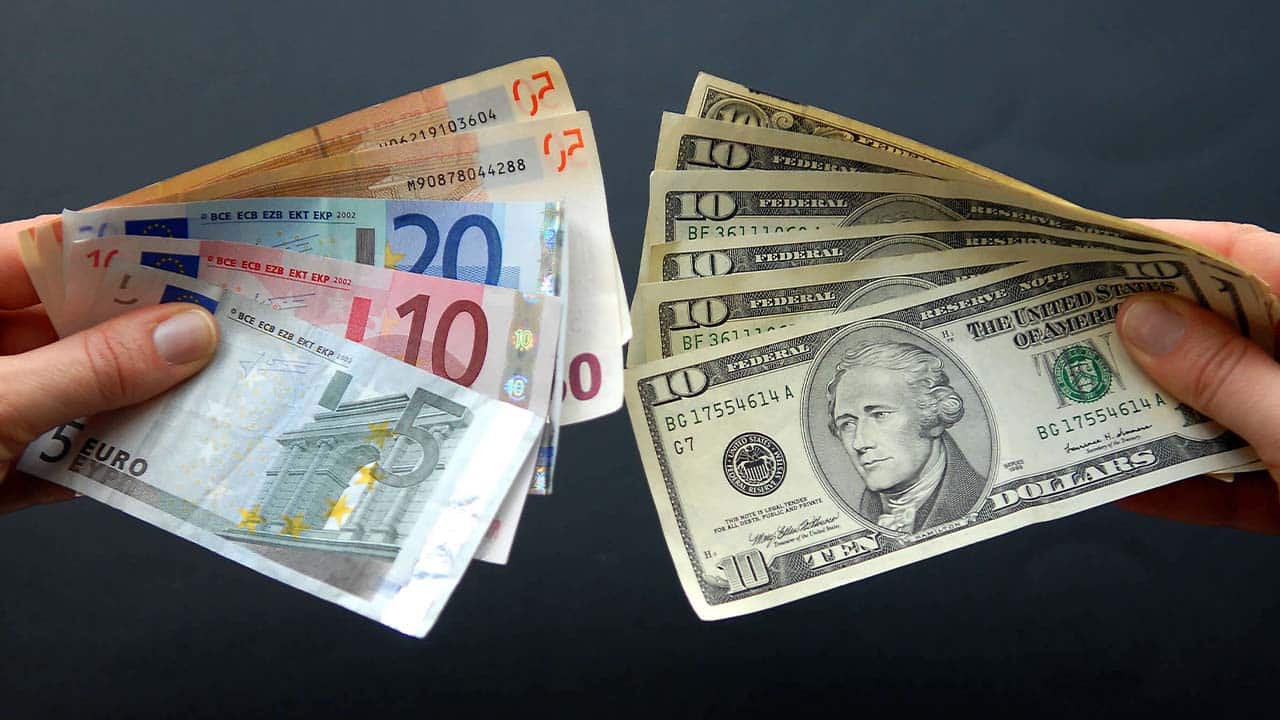
The State Bank of Pakistan (SBP) revealed that the inflow of overseas workers’ remittances reached $2.4 billion in December 2023, marking a notable 5.4 per cent increase from the previous month’s $2.25 billion, according to data released on Wednesday.
On a yearly basis, December’s remittances exhibited a robust growth of 13.4 per cent, totaling $2.1 billion compared to the same period in the previous year.
These remittances continue to play a pivotal role in sustaining Pakistan’s external account, fostering economic activity, and supporting the disposable incomes of remittance-dependent households.
Despite the December upswing, the cumulative workers’ remittances for July-December FY24 recorded a decline of 6.8 per cent Year-on-Year (YoY), amounting to $13.43 billion.
This decrease amounted to $982.8 million compared to the $14.42 billion reported in the corresponding period of FY23.
Saudi Arabia
Overseas Pakistanis in Saudi Arabia led the remittance surge in December, contributing $577.6 million. This figure marked a 6 per cent increase from the previous month and over 9 per cent higher than the same month in the previous year.
United Arab Emirates (UAE)
Remittances from the UAE witnessed a marginal monthly increase of nearly 2 per cent, rising from $411.8 million in November to $419.2 million in December. Year-on-year, these remittances surged by almost 27 per cent.
United Kingdom (UK)
December saw an uptick in remittances from the United Kingdom, totaling $368 million—a 7.5 per cent increase compared to November 2023.
European Union (EU)
Remittances from the European Union demonstrated substantial growth, rising by 19 per cent YoY and 6 per cent on a monthly basis, reaching $284.9 million in December 2023.
United States (US)
Overseas Pakistanis in the United States sent $263.9 million in December 2023, reflecting an 8.5 per cent YoY increase.
This breakdown underscores the significance of remittances from various regions, contributing to Pakistan’s economic resilience amid global challenges.
The upward trajectory in December bodes well for the nation’s economic prospects as it navigates through the fiscal year.
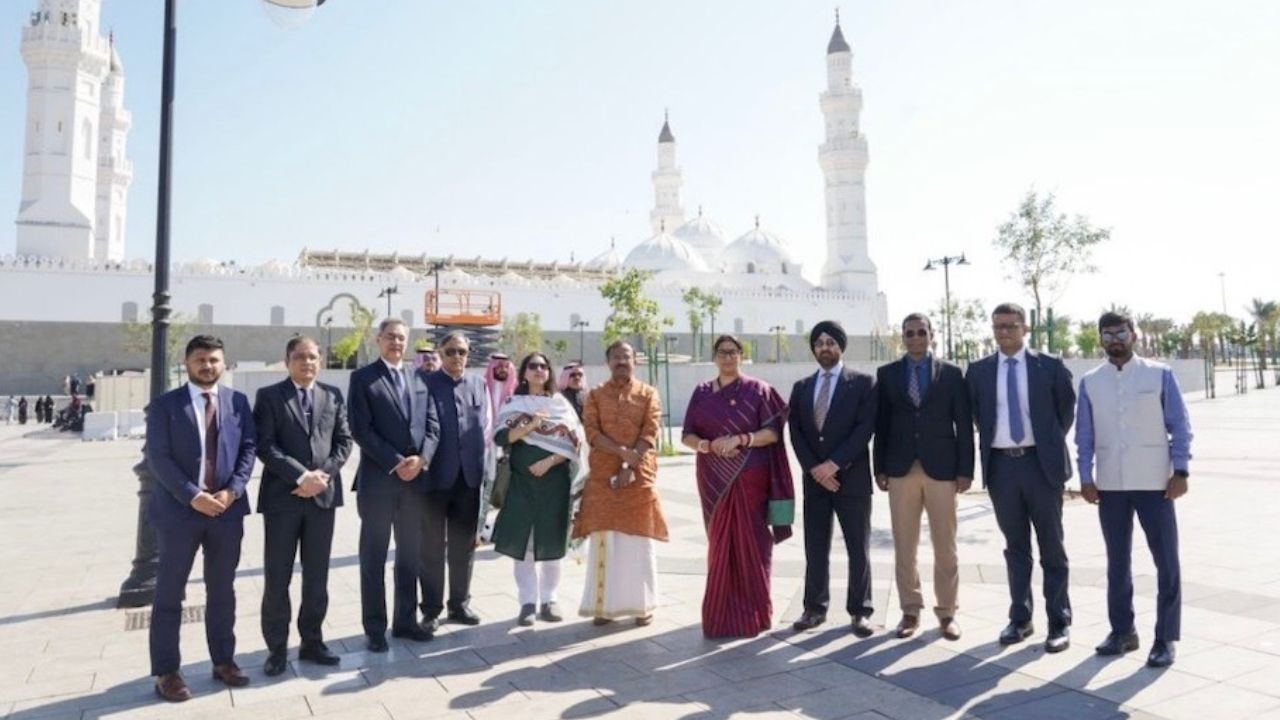
Indian Union Minister for Minority Affairs Smriti Irani, accompanied by Minister of State for External Affairs V Muraleedharan, visited Madinah city on Monday.
Undertook a historic journey to Madinah today, one of Islam’s holiest cities included a visit to the periphery of the revered Prophet’s Mosque, Al Masjid Al Nabwi, the mountain of Uhud, and periphery of the Quba Mosque – the first Mosque of Islam. The significance of the visit to… pic.twitter.com/WgbUJeJTLv
Irani, who also holds the portfolio of Minister of Women and Child Development, along with the delegation, met up with Indian volunteers catering to Indian Hajj pilgrims and also spoke to Indian Umrah pilgrims.
“Undertook a historic journey to Madinah today, one of Islam’s holiest cities included a visit to the periphery of the revered Prophet’s Mosque, Al Masjid Al Nabwi, the mountain of Uhud, and periphery of the Quba Mosque – the first Mosque of Islam,” she posted on X (formerly Twitter).
“The significance of the visit to these sites courtesy Saudi officials, intertwined with early Islamic history, underscores the depth of our cultural and spiritual engagement,” she added.
According to an official statement, the aim of the visit was to get a first hand look into the arrangements essential to ensure an easy Hajj in 2024 for Indian pilgrims.
“The Government of India is deeply committed to assist in providing facilities and services to Indian Muslims who undertake the Hajj pilgrimage, thereby providing them with a comfortable and fulfilling experience,” it further stated.
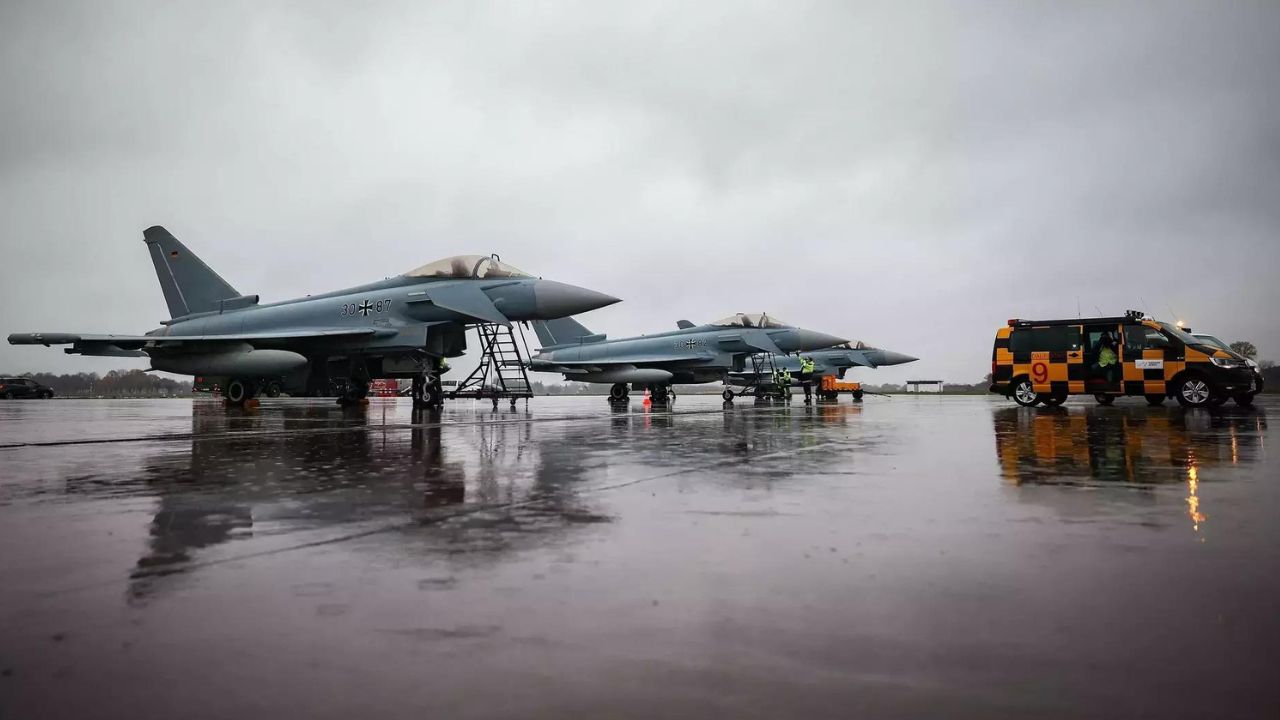
Chancellor Olaf Scholz’s government on Monday defended plans to lift Germany’s longstanding veto on sales of Eurofighter jets to Saudi Arabia, saying Riyadh has adopted a “constructive approach” in the Israel-Hamas war.
Germany, Britain, Italy and Spain jointly build the jet and each can veto deals.
Berlin has blocked one deal, sought by London, since 2018.
But German Foreign Minister Annalena Baerbock, on a visit to Israel on Sunday, signalled that Berlin was ready to lift its blockade.
“We do not see ourselves, as the German federal government, opposing British considerations on other Eurofighter (sales),” Baerbock told journalists, as she underlined the Saudi role in the Middle East security crisis since the eruption of the Israel-Hamas war on October 7.
Scholz “shares this assessment,” his spokesman Steffen Hebestreit said on Monday at a press conference, noting that “it is an open secret that Saudi Arabia’s airforce has used Eurofighters to shoot down rockets launched by the Huthis on the way to Israel”.
Germany has blocked arms sales to Riyadh since the 2018 murder of dissident journalist Jamal Khashoggi in the Saudi consulate in Istanbul.
That includes blocking a deal for 48 Eurofighter jets signed by Saudi Crown Prince Mohammed bin Salman in London.
Baerbock noted that Saudi Arabia and Israel had “not renounced their policy of normalisation” since the war broke out.
“The fact that Saudi Arabia is now intercepting missiles fired by the Huthis at Israel underlines this, and we are grateful for that,” she added.
“The fact that the Saudi air force also uses Eurofighters in this context is an open secret,” the minister continued.
“Saudi Arabia is a key contributor to Israel’s security, even these days, and is helping to stem the risk of a regional conflagration.”
Germany’s previous position against deliveries to the kingdom had put itself at odds with key partners, with Airbus chief Guillaume Faury saying in November that it was “damaging to Germany’s reputation as an exporting nation”.
“This raises the question of confidence and the credibility of Germany as a country participating in international programmes,” he added.
Berlin’s U-turn, however, risks opening up a new political row domestically, with Baerbock’s Greens already uneasy about the move.
Co-chair of the Greens, Ricarda Lang, on Monday insisted that “with a view on the human rights situation, including Saudi Arabia’s domestic constitution, I think as before that it is wrong to deliver Eurofighters” to the kingdom.
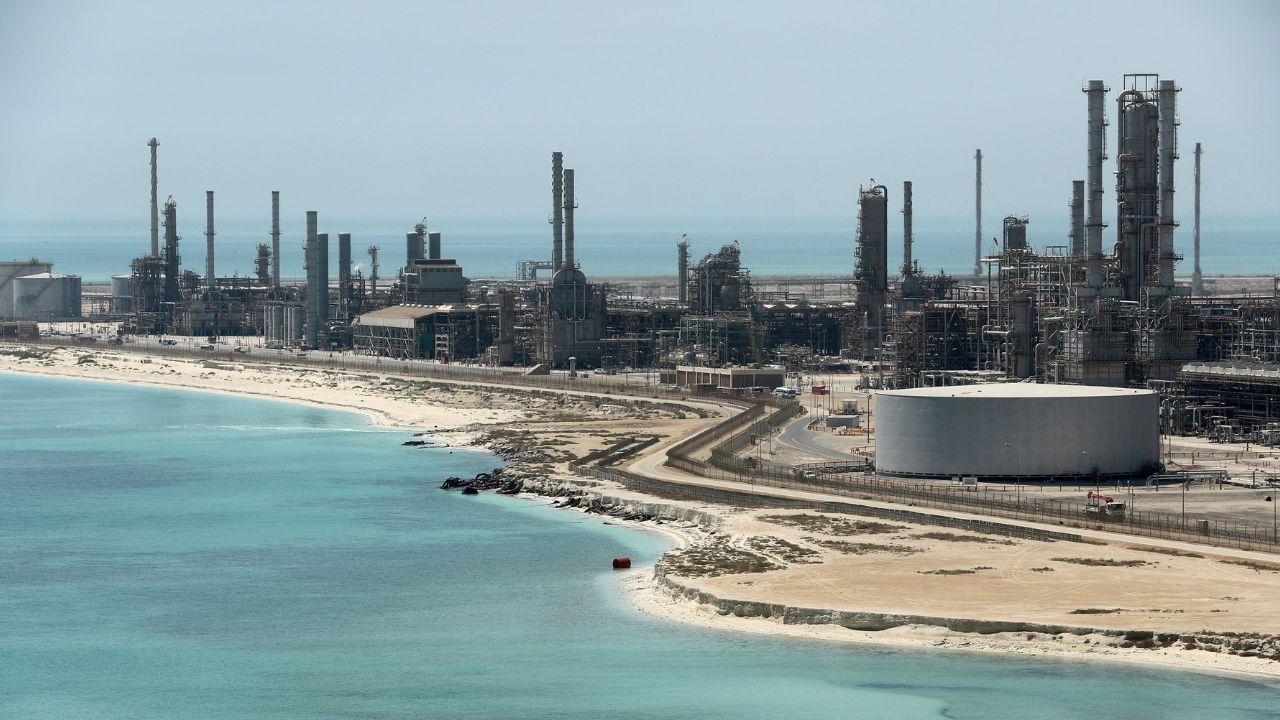
AFP – DUBAI: Saudi Arabia’s energy minister has slammed the door shut on agreeing to phase out fossil fuels at the UN’s COP28 climate talks, setting the stage for difficult negotiations in Dubai.
A tentative “phasedown/out” was included in a first draft of an agreement on climate action that delegates are haggling over during talks that are scheduled to finish on Dec 12.
But Energy Minister Prince Abdulaziz bin Salman, a half-brother of de facto ruler Crown Prince Mohammed bin Salman, told Bloomberg that Saudi Arabia, the world’s biggest oil exporter, would not agree.
“Absolutely not,” he said in an interview in Riyadh.
“And I assure you not a single person – I’m talking about governments – believes in that.”
About 200 countries must come to a consensus decision at the meeting in Dubai, held at the end of the hottest year on record.
In an interview with AFP last week, United Nations Secretary-General Antonio Guterres called for a total phaseout of fossil fuels, warning “complete disaster” awaits mankind on its current trajectory.
But Prince Abdulaziz said: “I would like to put that challenge for all of those who… comes out publicly saying we have to (phase out), I’ll give you their name and number, call them and ask them how they are gonna do that.
“If they believe that this is the highest moral ground issue, fantastic. Let them do that themselves. And we will see how much they can deliver.”
‘Small change’
Separately, the Saudi royal also derided Western donations to a new climate loss and damage fund as “small change” and trumpeted Riyadh’s pledges to developing countries.
The fund for vulnerable nations – a major win at the start of COP28 – has attracted about US$655 million (S$876.22 million) so far from donors including the European Union and the United States, a sum criticised as insufficient by campaigners.
“Unlike the small change offered for loss and damage from our partners in developed countries, the Kingdom through its South-South cooperation announced in the Saudi Africa Summit in Riyadh last month the allocation of up to US$50 billion,” he said in a video message to Monday’s Saudi Green Initiative forum, held on the sidelines of COP28.
“This will help build resilient infrastructure and strengthen climate resilience and adaptation in the African continent directly through Saudi stakeholders,” added the prince, without giving further details.
Such private funds have been criticised by campaigners for lacking transparency and because the pledges are non-binding and include loans and investments.
Saudi Arabia has revamped its energy sources, invested in renewables and improved energy-efficiency as it tries to decarbonise its economy by 2030, Prince Abdulaziz added.
But that target does not include emissions from the 8.9 million barrels of oil a day exported by Saudi Arabia.
Africa and its energy mix is an area of focus for both Saudi and the UAE, which in September pledged US$4.5 billion for clean-energy investments in the continent.
“You cannot go to undeveloped countries or developing countries and ask them to do the same measures of the transition,” Yasir Al-Rumayyan, chairman of Saudi state oil giant Aramco, told the forum.
“Especially people who don’t have access to the energy.”
He said he heard an African minister say “in order for us to have growth, we have to carbonise first then to decarbonise.”
Pakistan’s Commerce and Industries Minister, Dr Gohar Ejaz, led an official delegation to Saudi Arabia. The delegation included secretaries from the Ministry of Commerce, the Board of Investment (BOI), and officials from the Attorney General’s Office.
They engaged in discussions with the GCC Chief Negotiator to finalise the investment-related aspects of the Gulf Cooperation Council (GCC) Free Trade Agreement (FTA). Technical teams delved into details such as investment protection and facilitation.
Dr Ejaz expressed optimism about strengthening economic ties and highlighted the significance of the investment chapter.
The GCC FTA is anticipated to enhance trade, investment, and job opportunities between Pakistan and the GCC.
Both parties are considering a joint business forum to further promote economic collaboration, and Dr Ejaz expressed gratitude for the warm hospitality extended by the GCC.
According to data released on Thursday, the State Bank of Pakistan (SBP) witnessed a weekly increase of $77 million in its foreign exchange reserves, reaching $7.26 billion as of November 24.
The total liquid foreign reserves for the country amounted to $12.39 billion, with commercial banks holding net foreign reserves at $5.13 billion.
During the week ending on November 24, 2023, SBP’s reserves increased by $77 million, reaching $7,257.0 million. Contrastingly, the previous week saw a decrease of $217 million in Pakistan’s central bank reserves.
In July of this year, the central bank’s reserves received a boost as Pakistan obtained the initial tranche of approximately $1.2 billion from the International Monetary Fund (IMF) following the approval of a new $3-billion Stand-By Arrangement (SBA).
This boost was complemented by inflows from Saudi Arabia and the UAE.
However, the SBP reserves faced pressure due to debt repayments, a surge in import payments after the easing of restrictions, and a lack of fresh inflows.
In a significant development, the IMF announced last week that its staff and Pakistani authorities had reached an agreement on the first review of the SBA.
The staff-level agreement is pending approval by the IMF Executive Board.
The IMF team reached a staff-level agreement (SLA) with the Pakistani authorities on the first review of their stabilization program supported by the IMF’s $3 billion (SDR2,250 million) SBA.
Upon approval, approximately $700 million (SDR 528 million) will become available, bringing total disbursements under the program to almost $1.9 billion.
Following the SLA with the IMF, Caretaker Finance Minister Dr Shamshad Akhtar expressed confidence that external financing would not be an issue, anticipating inflows in December 2023 to contribute to an increase in foreign exchange reserves.
Saudi Arabia has granted approval to Pakistan’s request, ensuring equal quotas for all private Hajj tour operators during the upcoming pilgrimage scheduled to take place between June 26 and July 1, 2024.
Saudi Arabia has reinstated Pakistan’s pre-coronavirus Hajj quota, allowing 179,210 pilgrims, and has lifted the previous age limit of 65 years for pilgrimage.
Anticipating the participation of approximately 90,000 Pakistani pilgrims under the government scheme, an equal number will opt for private tour operators to fulfil this religious obligation.
The revised scheme for private Hajj operators entails the formation of 180 groups, each comprising 500 people.
Each private Hajj operator is now permitted to facilitate 100 pilgrims, resulting in diverse groups of pilgrims utilising services from five different operators.
In a separate announcement, applications for Hajj 2024 under the government scheme are open from November 27 to December 12, 2023. Notably, there are no age restrictions for Hujjaj (pilgrims), and all applicants must possess a valid CNIC and a Machine-Readable Passport valid until December 16, 2024. Additionally, possessing a mandatory bank account is a prerequisite for all applicants.
Pakistan is currently in talks with airlines to lower airfares for Hajj flights. Simultaneously, negotiations are ongoing with a mobile company to digitize Hajj 2024 through a dedicated cellphone app, showcasing efforts to enhance accessibility and streamline the pilgrimage experience.