Tag: Saudi Arabia

  • ‘Crashing Eid’ is the hilarious Arabic Netflix comedy that is the talk of the town

    ‘Crashing Eid’ is the hilarious Arabic Netflix comedy that is the talk of the town

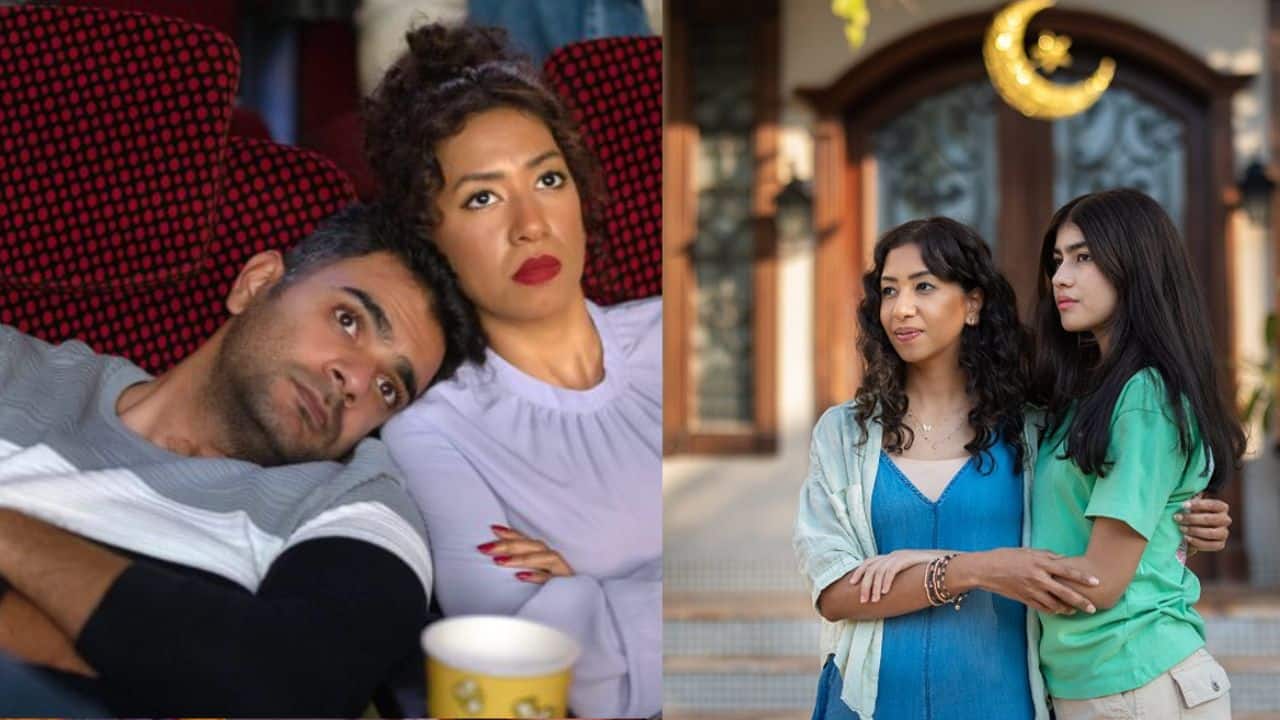
    ‘Crashing Eid’ is currently dominating Netflix Pakistan and seriously, this is the comedy series we have all been waiting for. Created by Saudi filmmaker Nora Aboushousha, the family drama tackles Saudi norms with comedy and ends with the enduring message that love conquers all.

    The drama follows the hilarious and fiercely independent Razzan, a single mother who lives in Britain with her daughter Lamar. She proposes to her British-Pakistani boyfriend Sameer, under the assumption her family back home in Saudi Arabia would approve of their marriage. However, sheer hilarity breaks out when her parents refuse to recognise their engagement, and the couple tackle racial divisions, prejudice and cultural norms to get married.

    Since this series hit Netflix, it is already getting rave reviews from Pakistani users, who praised the series for not holding back on tackling the racism Pakistanis face in Arabic countries.

    “The comedy series “Crashing Eid” is a good window into Arabs’ racist tendencies, bigotry, and toxic masculinity. As someone who visited a Gulf country earlier in the year, this comedy series portrays only but the tip of the iceberg,” one user wrote.

    Speaking to Arab News, Aboushousha spoke about how she came up with the concept of the series.

    “We started off with a concept of someone who is different from their family, and that grew into this story of a single mother who returns from abroad. We started wondering, what will inspire the clash with the rest of the family? And immediately we realized, ‘oh, she should come back ready to be married to someone from outside the culture!’ Everything fell into place from there.”
  • Three Arab countries refuse to cut off economic ties with Israel

    Three Arab countries refuse to cut off economic ties with Israel

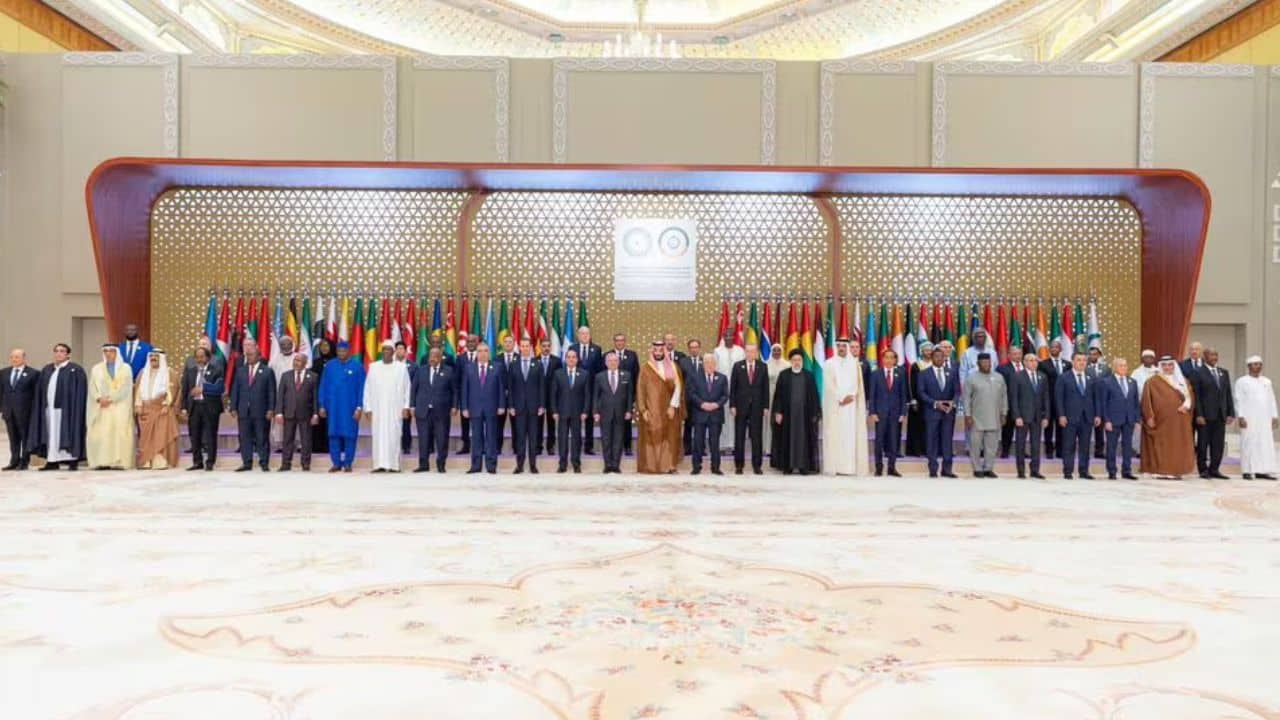
    Saudi Arabia hosted an Arab-Islamic summit on Saturday, calling to end Israeli attacks on Gaza and rejecting the justification of Israel’s actions against Palestinians as self-defence.

    The summit also asserted that Israel end the siege of Gaza and allow humanitarian aid into the enclave, ceasing arms exports to Israel.

    It further insisted that the United Nations Security Council adopt “a decisive and binding resolution” to halt Israel’s “aggression” and demanded that the International Criminal Court probe “war crimes and crimes against humanity that Israel is committing” in the Palestinian territories.

    Crown Prince Mohammed bin Salman stated that Saudi Arabia “confirms that it holds the occupation (Israeli) authorities responsible for the crimes committed against the Palestinian people.”

    “We are certain that the only way to guarantee security, peace and stability in the region is to end the occupation, siege and the settlements,” he added.

    A number of countries, including Algeria and Lebanon, suggested that the attacks on Gaza be responded by disruption of oil supply to Israel and its allies in addition to cutting off economic and diplomatic ties that some Arab League nations have with Israel.

    However, at least three countries rejected the proposal, according to the diplomats who spoke on condition of anonymity, reports Dawn.

    These countries included the United Arab Emirates and Bahrain, both of whom normalised ties with Israel in 2020.

    Syrian President Bashar al-Assad remarked that without any stern measures against Israel, the summit would not be effective.


    “If we do not have real tools for pressure, then any step we take or speech we give will have no meaning,” said Assad, who rejoined the Arab fold this year after a long conflict over civil war in his country.

  • Saudi Arabia will not use oil as a weapon to achieve ceasefire in Gaza

    Saudi Arabia will not use oil as a weapon to achieve ceasefire in Gaza

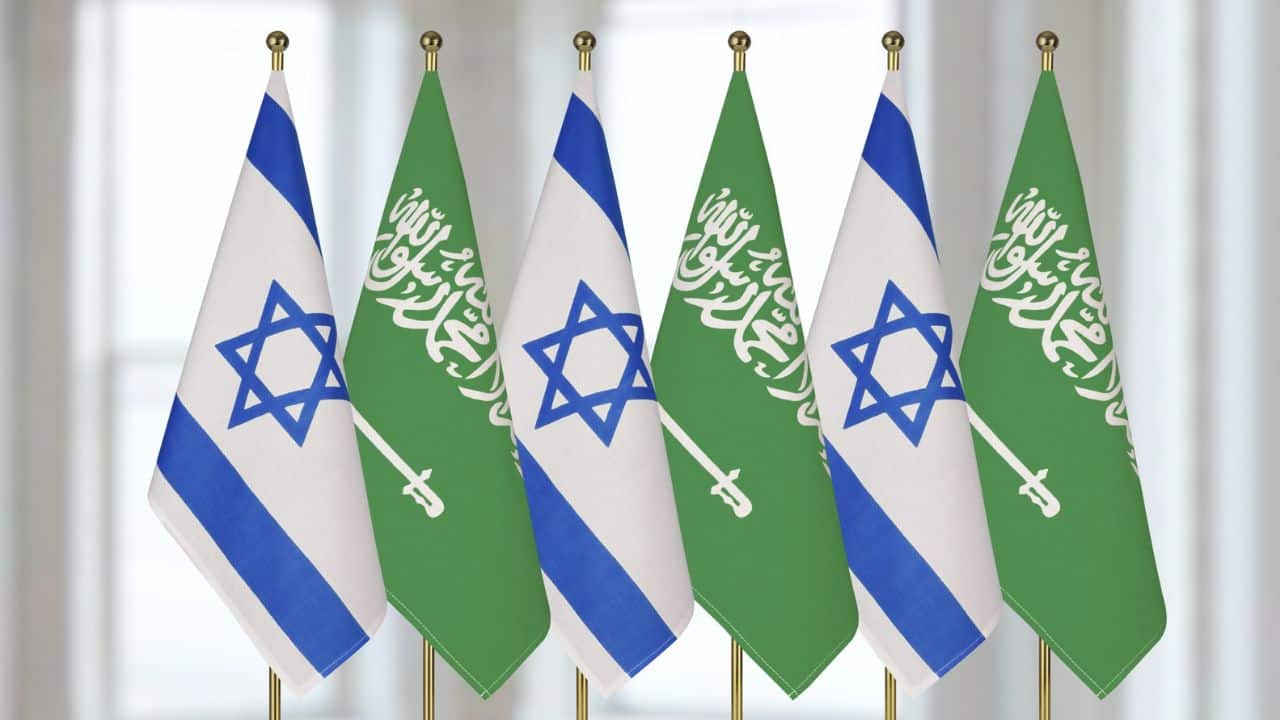
    Right before the October 7 attacks by Hamas on Israel followed by Israel’s declaration of war against the Palestinians resulting in a death toll of 10,5000+, Saudi Arabia and Israel were steering towards the establishment of ties despite their conflict of views over the Palestine issue.

    Saudi Crown Prince Mohammad bin Salman (MbS) reportedly asked the US for “security guarantees and access to civilian nuclear technology and advanced weapons in exchange for a deal.”

    Moreover, Saudi diplomats asserted that Israel must concur with the establishment of a Palestinian state as defined in the 2002 Saudi Peace Initiative. And while this particular demand was rejected by Israeli Prime Minister Benjamin Netanyahu and Jewish ministers in his government, a deal was almost at hand between the two countries.

    However, after October 7, people in support of Palestine across the world, particularly the Muslim world, have demanded from Saudi Arabia to take a stand against the atrocities committed by Israel on Palestinian soil — to use their power to put an end to the attacks.

    However, their concerns seem to have fallen on deaf ears.

    The Saudi Minister of Investment, Khalid bin Abdulaziz al-Falih, has remarked that the Kingdom is still willing to consider normalising relations with Israel, depending on a peaceful solution to the Palestinian issue.

    During a discussion session at the Bloomberg New Economy Forum held in Singapore, Falih responded to a question in regard to normalisation of ties between the two countries: “This matter was on the table, and it is still on the table, and it is clear that the recent withdrawal (from the talks) explains why Saudi Arabia is so determined to make a solution to the Palestinian conflict part of broader normalisation in [West Asia].”

    When asked if Saudi Arabia would use economic devices like oil to push for a ceasefire in the Gaza Strip, he reportedly laughed and replied: “This is not on the table today. Saudi Arabia is trying to achieve peace through talks that seek peace.”

    Falih also offered details of the three summits that Saudi Arabia is expected to host in the coming days which will be attended by Arab, African and Islamic countries, an effort to promote a “peaceful solution to the Israeli-Palestinian conflict”.

    In 1973, Saudi Arabia imposed an oil embargo on the United States and other countries for their support of Israel in the Yom Kippur War against Egypt and Syria.

  • Saudi opens ‘Riyadh Season’ with Shakira performance amidst harsh criticism for concerts during Palestinian genocide

    Saudi Arabia opened its exclusive entertainment event ‘Riyadh Season’ with a performance by Colombian-Lebanese artist Shakira. This was the fourth edition of the festival, with many celebrities including Portuguese football player Christiano Ronaldo, rappers Eminem and Kanye West.

    Pictures and videos of the event circulated on social media, causing an uproar. Questions were raised as to Saudia’s celebration of a festival when the Palestinians are being bombed in Gaza with more than 9000 killed in Israeli airstrikes.

    Many also expressed outrage after a man named Farkhan was removed from Tyson Fury vs Francis Ngannou event for waving the Palestinian flag.

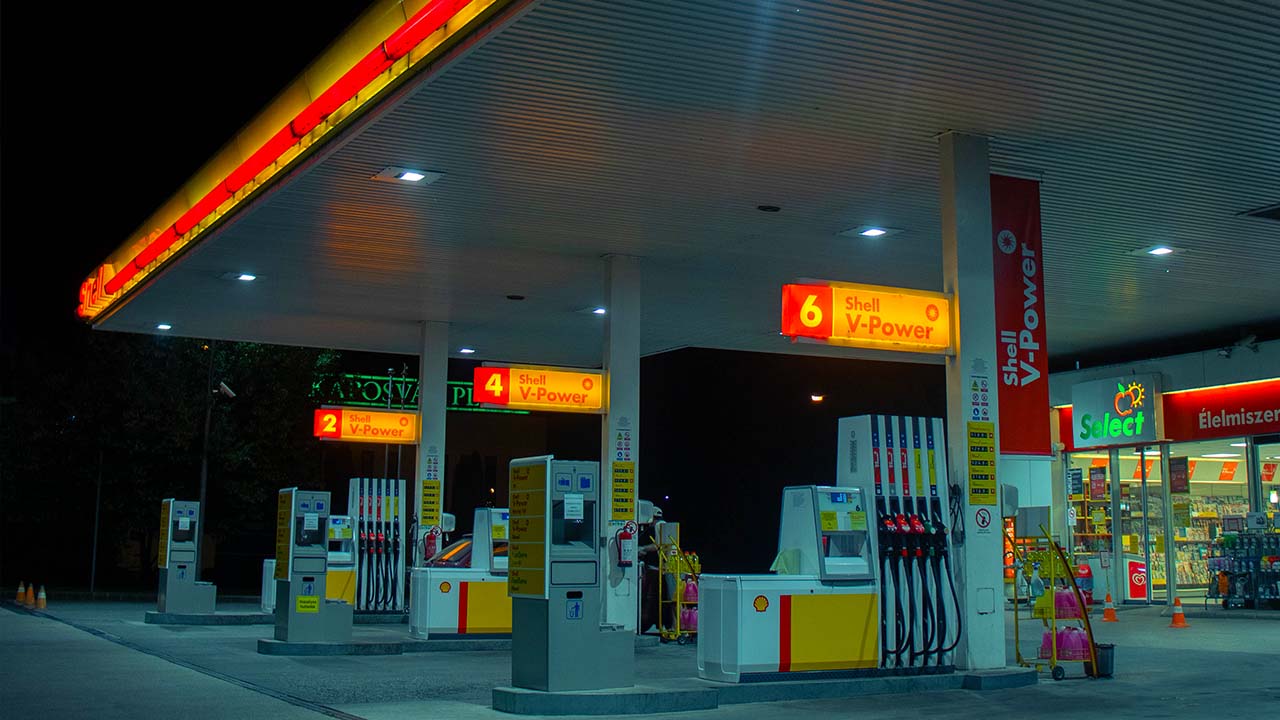
  • Shell Pakistan’s domestic operations set for sale to Saudi company 

    Shell Pakistan’s domestic operations set for sale to Saudi company 

    On Wednesday, Shell Pakistan (SHEL.PSX) announced that its parent company’s subsidiary, Shell Petroleum Company, has entered into an agreement with Wafi Energy for the sale of its domestic operations. 

    The international branch of Shell (SHEL.L), known as Shell Petroleum Company, anticipates the completion of this sale by the fourth quarter of 2024, pending regulatory approvals. 

    Back in June, Shell Petroleum Company declared its intention to divest its 77 per cent ownership stake in Pakistan.  

    This decision follows a series of global operational updates by Shell and significant losses incurred by Shell Pakistan (SPL) in 2022.  

    These losses were primarily attributed to fluctuating exchange rates, the devaluation of the Pakistani rupee, delayed receivables, and the backdrop of a financial crisis and economic slowdown in the country. 

    According to Reuters, Wafi Energy, an entirely owned affiliate of Asyad Holding Group, a fuel retailer based in Saudi Arabia, is the acquiring party. 

    Shell Pakistan’s operations encompass more than 600 mobility sites, 10 fuel terminals, a lubricant oil blending plant, and a 26 per cent ownership interest in Pak-Arab Pipeline Company Limited. 

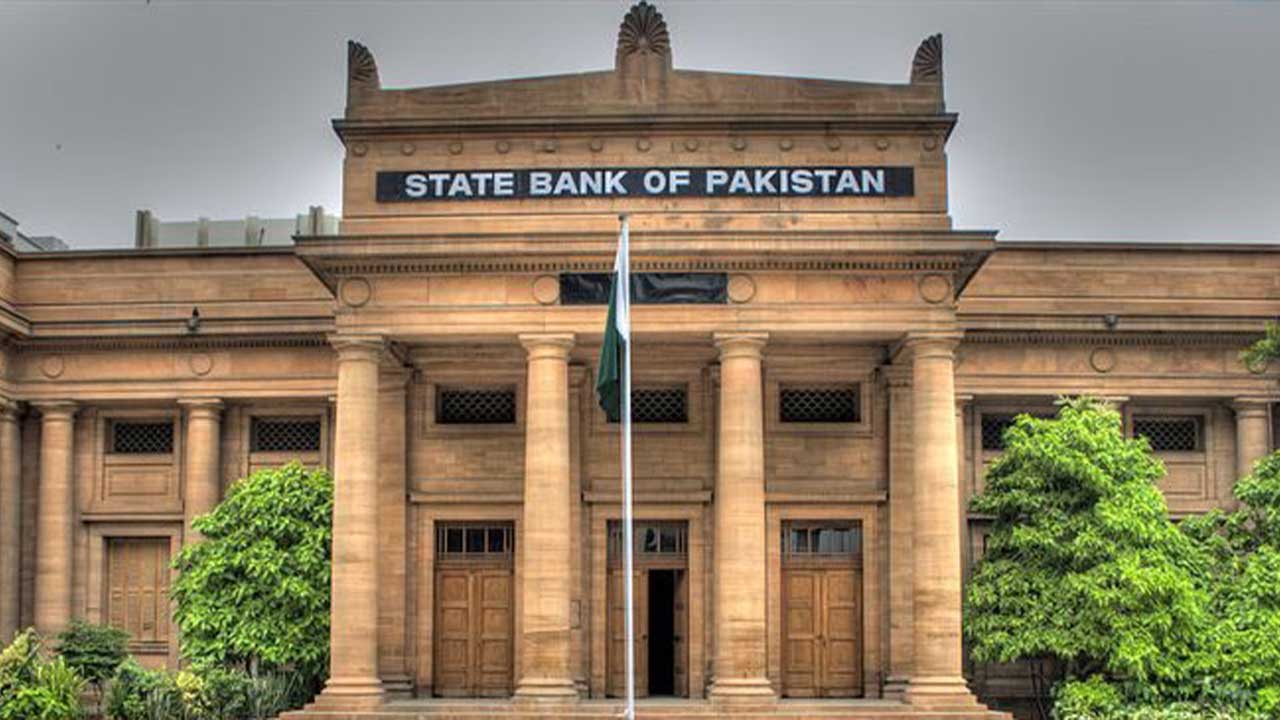
  • State Bank of Pakistan’s forex reserves dip by $220 million in weekly report 

    State Bank of Pakistan’s forex reserves dip by $220 million in weekly report 

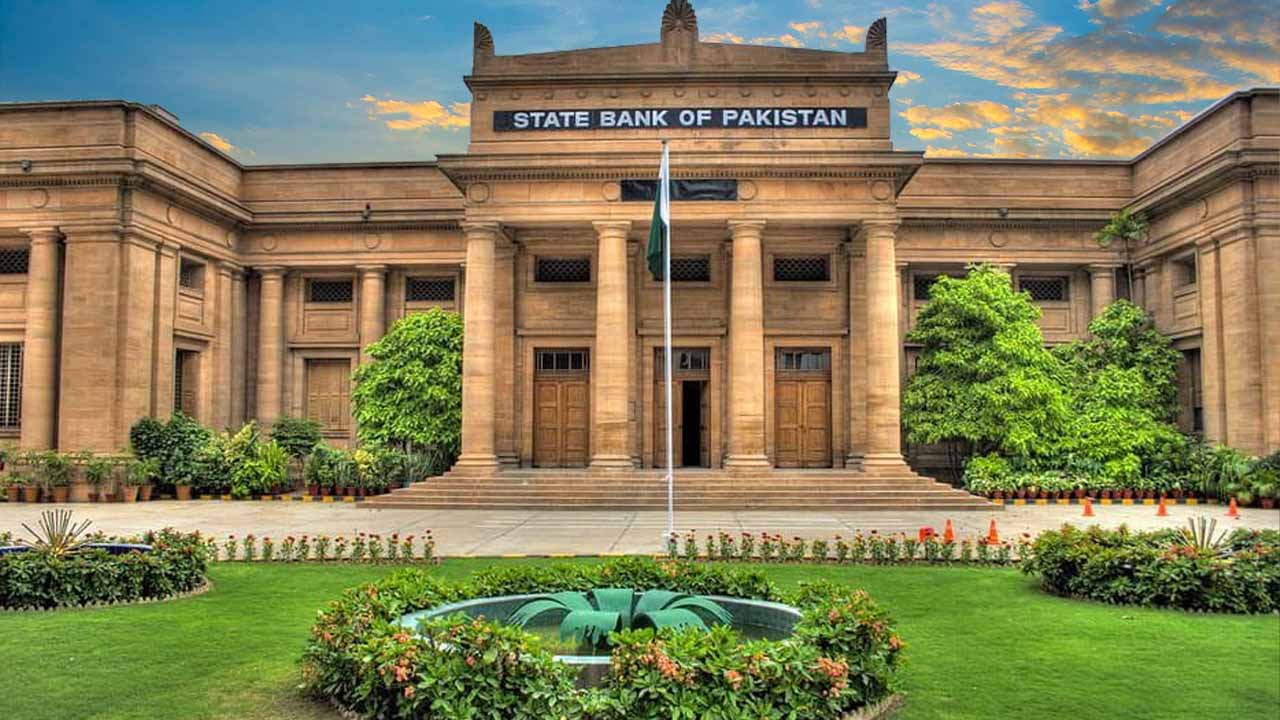
    The State Bank of Pakistan (SBP) witnessed a notable decline in its foreign exchange reserves, with a weekly reduction of $220 million, bringing the total to $7.5 billion as of October 20th, according to the data released on Thursday. 

    The overall liquid foreign reserves of the country now stand at $12.6 billion, while the commercial banks hold net foreign reserves of $5.1 billion.  

    The decrease in SBP’s reserves was attributed to debt repayments during the week that ended on October 20, 2023, leading to a decrease of $220 million and bringing the total to $7,494.2 million. 

    Last week saw a modest increase of $67 million in Pakistan’s central bank reserves. Notably, Pakistan’s central bank received a significant boost to its reserves in July of this year.  

    This boost was a result of the initial installment of approximately $1.2 billion from the International Monetary Fund (IMF), following the approval of a new $3-billion stand-by arrangement by the IMF. Additionally, Pakistan received inflows from Saudi Arabia and the UAE. 

    Nevertheless, the central bank’s reserves have come under pressure due to a combination of factors, including ongoing debt repayments, increased import payments after the easing of restrictions, and a lack of substantial new inflows. 

  • Pakistan’s forex reserves surge by $67 million to reach $7.7 billion

    Pakistan’s forex reserves surge by $67 million to reach $7.7 billion

    The State Bank of Pakistan (SBP) reported a notable weekly surge in foreign exchange reserves, with an increase of $67 million, reaching $7.7 billion as of October 13, as per the latest data release on Thursday.

    In total, the nation’s readily available foreign reserves amounted to $12.9 billion, with commercial banks holding $5.2 billion in net foreign reserves. The central bank did not provide a specific explanation for this increase.

    During the week concluding on October 13, 2023, the SBP’s reserves climbed by $67 million, reaching a total of $7,714.0 million, according to the SBP’s statement. This follows a previous week’s increase of $31 million.

    Notably, in July of this year, the central bank’s reserves received a significant boost when Pakistan received an initial disbursement of approximately $1.2 billion from the International Monetary Fund (IMF), following the approval of a new $3-billion stand-by arrangement. Additionally, inflows from Saudi Arabia and the UAE contributed to this increase.

    Nevertheless, the central bank’s reserves have faced pressure due to ongoing debt repayments, increased import expenditures following the easing of restrictions, and a lack of fresh inflows.

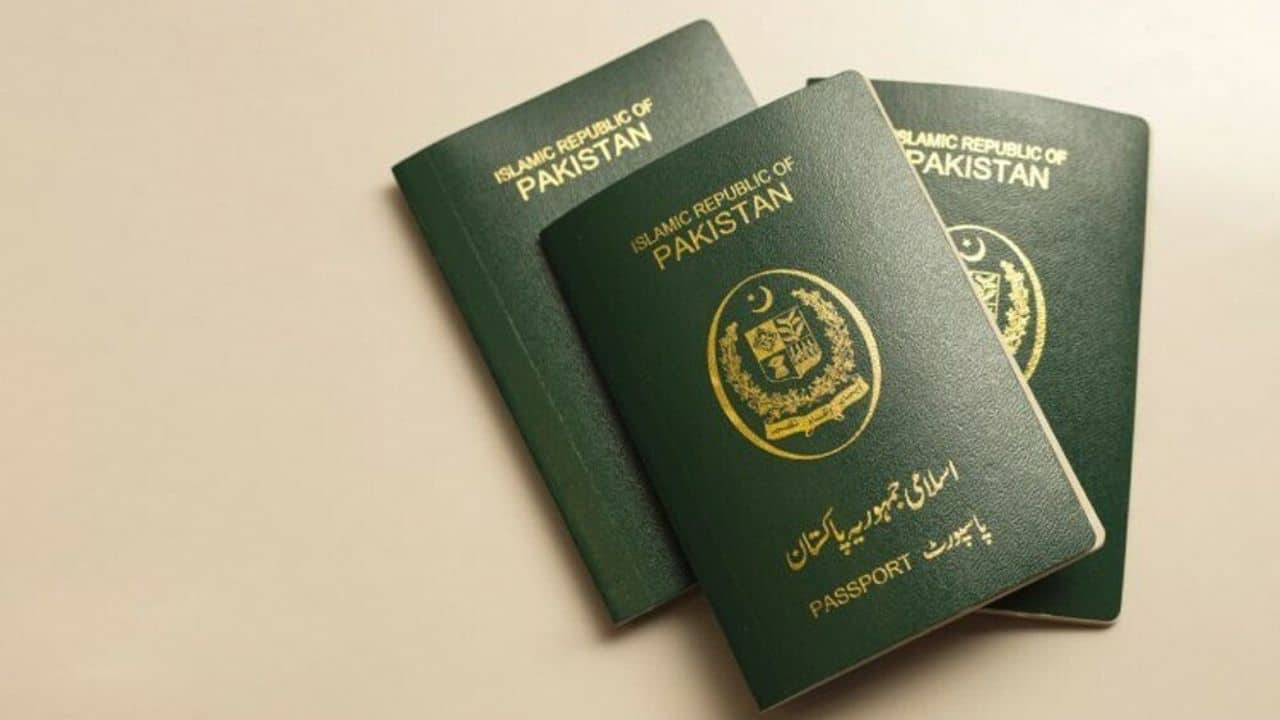
  • 12,000 fake passports recovered from Afghans in Saudi Arabia

    12,000 fake passports recovered from Afghans in Saudi Arabia

    The staggering number of 12,000 Pakistani passports have been found in the possession of Afghan nationals in Saudi Arabia, media reports have confirmed.

    The discovery comes as law enforcement agencies initiate a crackdown against people and groups involved in the issuance of fake citizen documents to illegal immigrants.

    According to reports by Geo News, the Pakistani embassy in Riyadh was informed of the passports by Saudi authorities.

    An investigation into the matter has been initiated by Director General Immigration and Passports Directorate Mustafa Kazi and the Federal Investigation Agency.

    The prime suspect, Umar Javed, has been arrested in Lahore for making fake passports.

    Earlier, a former officer and a serving grade-15 officer of the Passport Directorate were arrested and probed in regards to the issuance of fake documents.

    As reported by Azaz Syed on Geo news, an interior ministry official has asserted that a detailed investigation is underway and NADRA data is also being counterchecked.

  • Nawaz Sharif performs Umrah with son Hussain Nawaz

    Nawaz Sharif performs Umrah with son Hussain Nawaz

    Former prime minister and Pakistan Muslim League-Nawaz (PML-N) head, Nawaz Sharif, who was in London since the last three years in self-imposed exile, performed Umrah in Saudi Arabia on Thursday.

    The PML-N supremo travelled from London to Saudi Arabia with his son Hussain Nawaz and close friends, to perform Umrah together.

    Nawaz Sharif will go to Dubai from the Kingdom, where he will stay for three days. After that, the former president will fly to Pakistan on October 21 to address a gathering at Minar-e-Pakistan. He will also explain his agenda to the people of Pakistan for the upcoming general elections.

    Sharif was accompanied on the Saudi visit by his close friend Mian Nasir Janjua, aide Waqar Ahmed, Karim Yousaf, and a few others.

    According to a report filed by Geo News, the flight carrying Nawaz home will be named ‘Umeed-e-Pakistan’. It can carry approximately 150 passengers.

  • Pakistan’s foreign exchange reserves increase by $31 million, reaching $7.64 billion

    Pakistan’s foreign exchange reserves increase by $31 million, reaching $7.64 billion

    The State Bank of Pakistan (SBP) reported an increase of $31 million in its foreign exchange reserves on a weekly basis, reaching a total of $7.64 billion as of October 6, according to data released on Thursday.

    The overall liquid foreign reserves of the country amounted to $13.03 billion, with commercial banks holding net foreign reserves of $5.39 billion.

    The central bank did not provide a specific explanation for the increase in reserves.

    In its report, the SBP stated, “During the week ending on October 6, 2023, the SBP’s reserves rose by $31 million, reaching $7,646.7 million.”

    Notably, the previous week witnessed a decrease of $21 million in Pakistan’s central bank reserves.

    In July of this year, the SBP’s reserves received a significant boost when Pakistan received the first tranche of approximately $1.2 billion from the International Monetary Fund (IMF) after the approval of a new $3-billion stand-by arrangement. Additionally, inflows from Saudi Arabia and the UAE contributed to the growth of reserves.

    However, it’s worth mentioning that the central bank’s reserves have been under pressure due to ongoing debt repayments, an increase in import expenditures following the relaxation of restrictions, and a lack of fresh inflows.