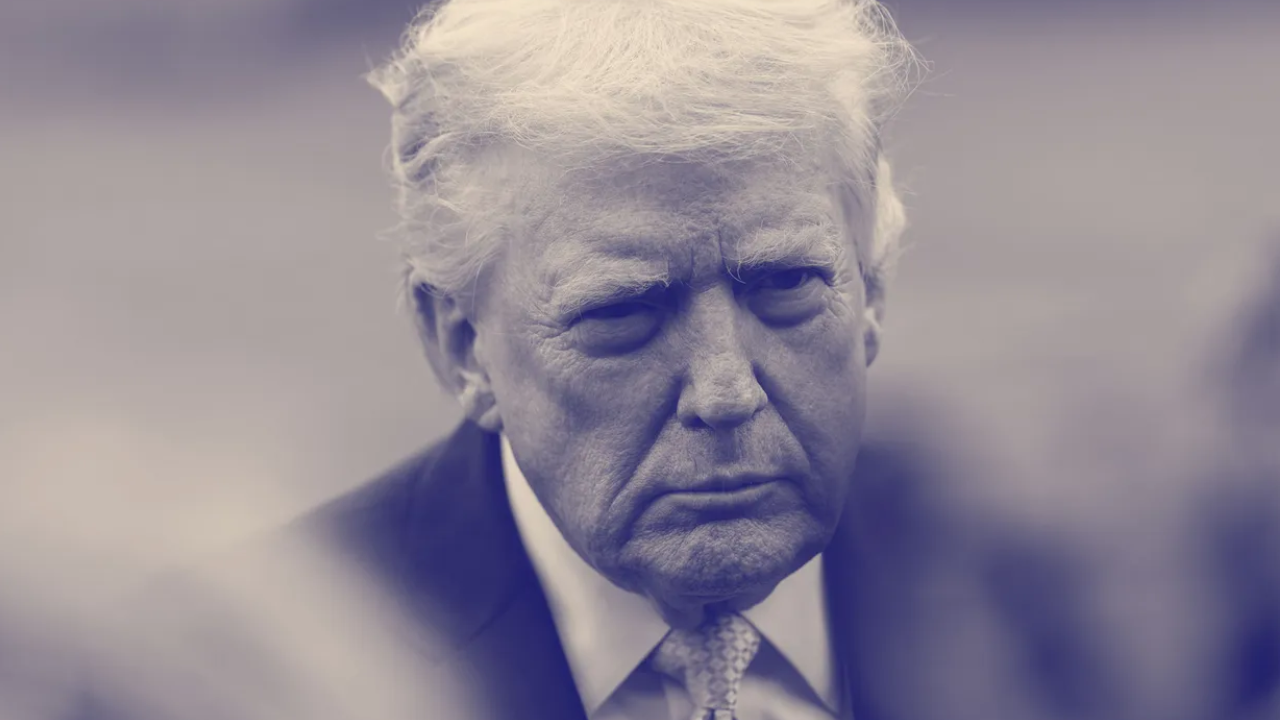
President of the United States (US) Donald Trump has said that Washington DC will pause strikes on Iranian energy facilities for 10 days, citing ongoing talks with Tehran, as the closure of the Strait of Hormuz continues to disrupt global energy flows.
In a post on Truth Social, Trump said on Thursday that the pause would remain in place until April 6. “As per the Iranian government request, please let this statement serve to represent that I am pausing the period of Energy Plant destruction by 10 Days to Monday, April 6, 2026, at 8 P.M., Eastern Time,” he wrote.
He added that “talks are ongoing and, despite erroneous statements to the contrary by the fake news media and others, they are going very well.”
The announcement comes as the Strait of Hormuz remains effectively closed for nearly four weeks, halting most maritime traffic through one of the world’s key energy corridors. The waterway is used for the transit of around 20 percent of global oil and natural gas supplies, along with shipments of fertilisers.
Trump has linked the pause in strikes to broader efforts aimed at reopening the strait, even as he has previously warned Tehran of consequences if it does not comply. He has also moved to deploy additional US troops to the Middle East and considered naval escorts for oil tankers passing through the region.
Despite the pause, the status of negotiations remains unclear. Iran has expressed distrust toward the US, while US officials have indicated that talks are ongoing but fluid.
According to a Wall Street Journal report, Iran has not requested a 10-day halt to strikes on its energy infrastructure.
US Secretary of State Marco Rubio said that intermediary countries are facilitating communication between the two sides. “There’s a growing amount of energy that’s been flowing through the straits, not as much as should be flowing, but some of it has picked up,” he said, adding that “there’s been some progress in regards to the exchange of messages, but that’s an ongoing and fluid process.”
Rubio also said that the Strait of Hormuz “can be open tomorrow if Iran stops threatening global shipping,” and called on countries that support international law to respond to the situation.
Separately, JD Vance said that Iran’s “conventional military” had been “effectively destroyed” during the conflict. “They don’t have the ability to hit us like they could have even a few weeks ago,” he said, adding that the situation “gives us options.”
Meanwhile, Rafael Grossi, head of the International Atomic Energy Agency (IAEA), warned of the risks associated with strikes on Iran’s nuclear infrastructure. Referring to the Bushehr nuclear power plant, he said “damage to the facility could result in a major radiological accident affecting a large area in Iran and beyond,” and called for restraint and adherence to nuclear safety principles.
Iran continues to retain leverage over the Strait of Hormuz through its geographic position and use of drones and sea mines, which complicate efforts to secure the route. Iranian officials have also indicated they are charging fees for the passage of some vessels through the strait, following reports that tankers have paid large sums to cross.