Author: AFP

  • Pro-Palestinian demonstrators protest outside the Met Gala

    Pro-Palestinian demonstrators protest outside the Met Gala

     Protesters in New York converged near the Met Gala on Monday in a rally against the ongoing war in Gaza, leading to several arrests, police said.

    Among the rallying points were the gates of Columbia University, which has been the center of spreading demonstrations, before protesters marched through Manhattan to American fashion’s biggest night — or at least as close as police would let them.

    The Met Gala, which attracts celebrities, fashion designers and mass media attention, is a yearly mammoth fundraiser for the Metropolitan Museum of Art’s Costume Institute.

    It was unclear how many arrests were made as stars walked the carpet and posed for photos, but AFP journalists confirmed several arrests while the New York Daily News reported the number was about a dozen, out of hundreds that gathered near the soiree.

    Organizers on X, formerly Twitter, posted a flier for an event dubbed as the “Citywide Day of Rage for Gaza.”

    Monday’s protest appeared unconnected to the demonstrations that have rocked Columbia’s campus, culminating in the university calling the police to clear out student protesters.

    Despite growing concern from a number of young voters and some members of Joe Biden’s Democratic Party over the growing civilian death toll, the president has continued to support Israel in its war in Gaza.

    Under domestic pressure from the left and the right in an election year, Biden has tried to walk a thin line, pushing for a ceasefire deal and warning Israel not to invade the Gazan city of Rafah — though he has not stopped US arms from flowing to the country or conditioned future aid.

    Vowing to destroy Hamas, Israel launched an offensive that has killed at least 34,735 people in Gaza, mostly women and children, according to the Hamas-run territory’s health ministry.

  • Iran sentences man to death for posts during 2022 protests

    Iran sentences man to death for posts during 2022 protests

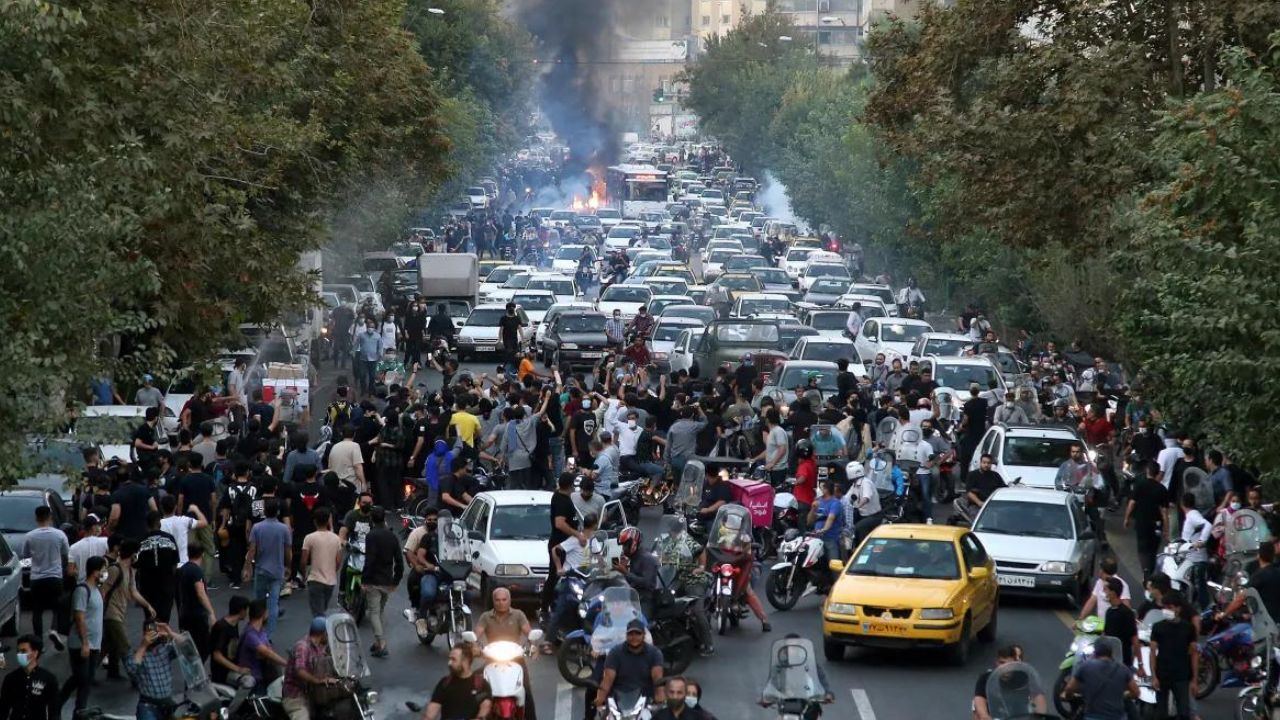
    An Iranian court has sentenced a man to death over content he posted online during 2022 protests over the death in custody of an Iranian-Kurdish woman, the judiciary said Tuesday.

    Iran was gripped by months-long protests over the death of Mahsa Amini, 22, after she was arrested for an alleged breach of the strict dress code for women.

    The judiciary’s Mizan Online website said Mahmoud Mehrabi was found guilty of posting content that included guidance on how “to use homemade weapons and called for the destruction of public property”.

    He was convicted of “inciting people to commit killings and insulting religious sanctities”, it added.

    Lawyer Babak Farsani said Mehrabi was found guilty of the capital offence of “corruption on earth”. He can appeal against the sentence before the Supreme Court.

    The months-long protests sparked by Amini’s death saw hundreds of people killed in street clashes, including dozens of security personnel.

    Thousands were arrested as authorities moved to quell what they branded foreign-instigated “riots”.

    Last month, an Iranian court sentenced popular rapper Toomaj Salehi to death for supporting the demonstrations.

    Nine men have been executed in protest-related cases involving killings and other violence against security forces.

    Amnesty International says Iran executed 853 people in 2023, the highest total since 2015.

  • India election chiefs warn political parties against AI deepfakes

    India election chiefs warn political parties against AI deepfakes

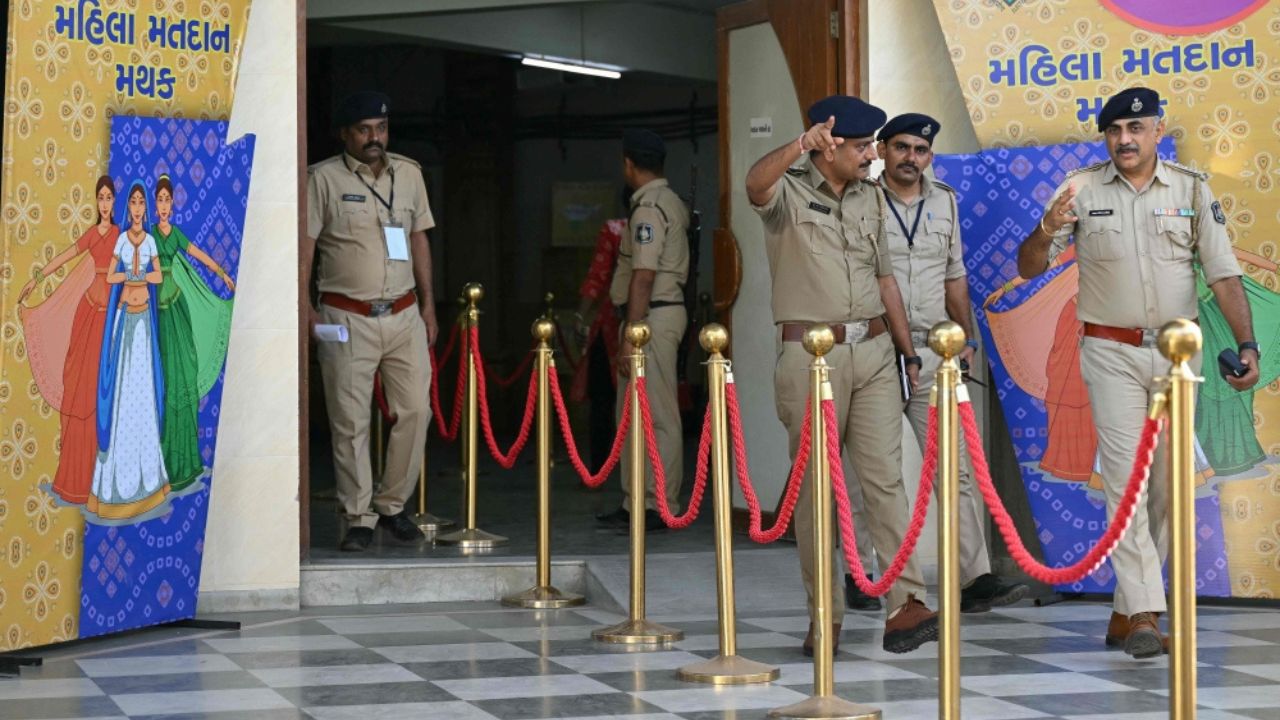
    India’s election authorities on Monday warned political parties against using artificial intelligence to create deepfake videos and spread misinformation during the country’s ongoing general election.

    Millions of voters will head to polling stations on Tuesday in the third of seven voting phases in the world’s most populous country.

    A rash of deepfake and doctored videos and misinformation have circulated on social media in recent weeks.

    The Election Commission of India (ECI) warned against “misuse of AI-based tools to create deepfakes that distort information or propagate misinformation”.

    Political parties “have been specifically directed to refrain from publishing and circulating deep fake audios/videos, disseminate any misinformation or information which is patently false, untrue or misleading in nature”, the ECI said in a statement.

    It did not mention any organisation by name, but said parties would be ordered to remove any fake content within three hours of being notified of such.

    The warning came days after the arrest of the social media chief of the country’s main opposition party over accusations he doctored a video that was widely shared.

    The Congress party’s Arun Reddy was detained on Friday in connection with edited footage that falsely shows India’s powerful interior minister Amit Shah vowing in a campaign speech to end affirmative action policies for millions of poor and low-caste Indians.

    Shah’s original campaign speech shows him promising to end affirmative action measures for Muslims established in the southern state of Telangana.

    Prime Minister Narendra Modi, his ruling Bharatiya Janata Party and the opposition Congress party have accused each other of spreading misinformation and outright falsehoods since voting began last month.

    In recent weeks, both Modi and Shah have stepped up campaign rhetoric over India’s principal religious divide between majority Hindus and the 200 million-strong Muslim minority in an effort to rally voters.

    At a recent campaign rally Modi referred to Muslims as “infiltrators” and “those who have more children”, prompting condemnation and an official complaint to election authorities by Congress.

    The prime minister has not been sanctioned for his remarks despite election rules prohibiting campaigning on “communal feelings” such as religion, prompting frustration from the opposition camp.

    In its statement Monday the Commission also asked political parties to refrain from “posting derogatory content towards women”, using children in their campaigns, or depicting harm to animals.

  • ‘Everybody is vulnerable’: Fake US school audio stokes AI alarm

    ‘Everybody is vulnerable’: Fake US school audio stokes AI alarm

    A fabricated audio clip of a US high school principal prompted a torrent of outrage, leaving him battling allegations of racism and anti-Semitism in a case that has sparked new alarm about AI manipulation.

    Police charged a disgruntled staff member at the Maryland school with manufacturing the recording that surfaced in January — purportedly of principal Eric Eiswert ranting against Jews and “ungrateful Black kids” — using artificial intelligence.

    The clip, which left administrators of Pikesville High School fielding a flood of angry calls and threats, underscores the ease with which widely available AI and editing tools can be misused to impersonate celebrities and everyday citizens alike.

    In a year of major elections globally, including in the United States, the episode also demonstrates the perils of realistic deepfakes as the law plays catch-up.

    “You need one image to put a person into a video, you need 30 seconds of audio to clone somebody’s voice,” Hany Farid, a digital forensics expert at the University of California, Berkeley, told AFP.

    “There’s almost nothing you can do unless you hide under a rock.

    “The threat vector has gone from the Joe Bidens and the Taylor Swifts of the world to high school principals, 15-year-olds, reporters, lawyers, bosses, grandmothers. Everybody is now vulnerable.”

    After the official probe, the school’s athletic director, Dazhon Darien, 31, was arrested late last month over the clip.

    Charging documents say staffers at Pikesville High School felt unsafe after the audio emerged. Teachers worried the campus was bugged with recording devices while abusive messages lit up Eiswert’s social media.

    The “world would be a better place if you were on the other side of the dirt,” one X user wrote to Eiswert.

    Eiswert, who did not respond to AFP’s request for comment, was placed on leave by the school and needed security at his home.

    ‘Damage’

    When the recording hit social media in January, boosted by a popular Instagram account whose posts drew thousands of comments, the crisis thrust the school into the national spotlight.

    The audio was amplified by activist DeRay McKesson, who demanded Eiswert’s firing to his nearly one million followers on X. When the charges surfaced, he conceded he had been fooled.

    “I continue to be concerned about the damage these actions have caused,” said Billy Burke, executive director of the union representing Eiswert, referring to the recording.

    The manipulation comes as multiple US schools have struggled to contain AI-enabled deepfake pornography, leading to harassment of students amid a lack of federal legislation.

    Scott Shellenberger, the Baltimore County state’s attorney, said in a press conference the Pikesville incident highlights the need to “bring the law up to date with the technology.”

    His office is prosecuting Darien on four charges, including disturbing school activities.

    ‘A million principals’

    Investigators tied the audio to the athletic director in part by connecting him to the email address that initially distributed it.

    Police say the alleged smear-job came in retaliation for a probe Eiswert opened in December into whether Darien authorized an illegitimate payment to a coach who was also his roommate.

    Darien made searches for AI tools via the school’s network before the audio came out, and he had been using “large language models,” according to the charging documents.

    A University of Colorado professor who analyzed the audio for police concluded it “contained traces of AI-generated content with human editing after the fact.”

    Investigators also consulted Farid, writing that the California expert found it was “manipulated, and multiple recordings were spliced together using unknown software.”

    AI-generated content — and particularly audio, which experts say is particularly difficult to spot — sparked national alarm in January when a fake robocall posing as Biden urged New Hampshire residents not to vote in the state’s primary.

    “It impacts everything from entire economies, to democracies, to the high school principal,” Farid said of the technology’s misuse.

    Eiswert’s case has been a wake-up call in Pikesville, revealing how disinformation can roil even “a very tight-knit community,” said Parker Bratton, the school’s golf coach.

    “There’s one president. There’s a million principals. People are like: ‘What does this mean for me? What are the potential consequences for me when someone just decides they want to end my career?’”

    “We’re never going to be able to escape this story.”

  • 70% of environment journalists report attacks, threats, pressure: UN

    70% of environment journalists report attacks, threats, pressure: UN

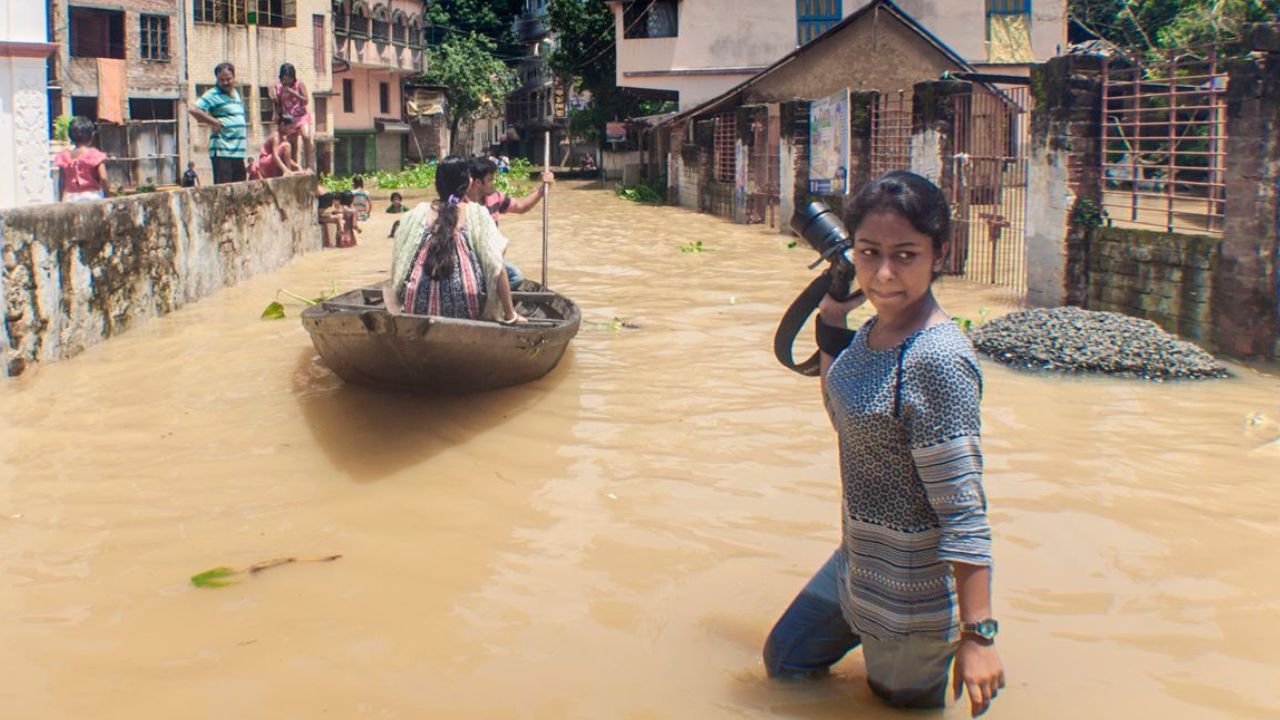
    Seventy percent of environmental journalists from 129 countries, polled in March, reported experiencing attacks, threats or pressure related to their job, UNESCO said Thursday.

    Of those, two in five subsequently experienced physical violence, it said in a report released on World Press Freedom Day. More than 900 reporters were questioned for the poll.

    The UN Educational, Scientific and Cultural Organization warned of an increase in violence against and intimidation of journalists reporting on the environment and climate.

    “Without reliable scientific information about the ongoing environmental crisis, we can never hope to overcome it,” UNESCO director general Audrey Azoulay said in a statement.

    “And yet the journalists we rely on to investigate this subject and ensure information is accessible face unacceptably high risks all over the world, and climate-related disinformation is running rampant on social media.”

    UNESCO said at least 749 journalists and news media outlets reporting on environmental issues were “targeted with murder, physical violence, detention and arrest, online harassment or legal attacks” between 2009 and 2023.

    More than 300 of those attacks occurred between 2019 and 2023 –- a 42 percent increase on the preceding five-year period.

    “The problem is global, with attacks taking place in 89 countries in all regions of the world,” the agency added.

    At least 44 environmental journalists have been killed for their work in the past 15 years, with convictions in only five cases, said the report.

    On top of hundreds of reported physical attacks, “a third of journalists surveyed said they had been censored,” it added.

    “Almost half (45 percent) said they self-censored when covering the environment due to fear of being attacked, having their sources exposed, or due to an awareness that their stories conflicted with the interests of concerned stakeholders.”

    At a press freedom conference in Chile this week, UNESCO will announce the launch of a grants program to provide legal and technical support to over 500 environmental journalists facing persecution, said the statement.

  • Japan town begins blocking Mt Fuji view from ‘bad-mannered’ tourists

    Japan town begins blocking Mt Fuji view from ‘bad-mannered’ tourists

    Fujikawaguchiko (Japan) (AFP) – Work has begun in a small Japanese town to erect a barrier blocking views of the country’s most famous sight, Mount Fuji, after locals complained of bad behaviour by photo-hungry tourists.

    Fujikawaguchiko town began building panels of mesh netting at a spot where unending flows of mostly foreign tourists visit daily to take photos of the majestic mountain sitting behind a Lawson convenience store.

    Photos taken from a narrow stretch of pavement across a busy road from the Lawson store — which are ubiquitous in Japan — are widely shared online.

    Local officials and residents say while the town welcomes visitors, they need to stop tourists from continuously crossing the street, ignoring red lights, littering, trespassing, illegally parking and smoking outside of designated areas.

    “It became not uncommon for people to yell at us when we asked them to move their cars, and for them to throw their lit cigarettes (on the ground),” a dentist’s office located across the street from the Lawson shop said in a statement.

    By the middle of this month, the town plans to complete the barrier, which will stand 2.5 metres (8 feet) high and stretch more than 20 metres long to block the view of the mountain, with hopes that it will discourage tourists from loitering there.

    The town’s move has prompted national and international headlines, as Japan experiences growing problems of overtourism, particularly at popular sites like the narrow private alleys of Kyoto, and even trails on Mount Fuji itself, where tourists love to photograph themselves and post on social media.

    The Fujikawaguchiko town hall has been inundated with telephone calls from Japanese people, many of them non-local residents, who have criticised the move to block the view.

    “It is not that we do not want people to see Mount Fuji. The issue is that there are so many people who are not able to observe basic rules,” a town official told AFP.

    ‘Basic manners’

    Having the net barrier is unfortunate but perhaps necessary, area residents say.

    “We welcome foreigners for the revitalisation of the community, but there are so many violations of basic manners, like crossing the road, dumping garbage and trespassing into people’s properties,” a 60-year-old resident told AFP.

    “After all, they are here for Mount Fuji, so having that barrier is very unfortunate,” said the woman, who identified herself as Watanabe.

    “There might have been other ways to deal with it, but for now I feel it cannot be helped,” she said.

    Some tourists expressed understanding and voiced hopes that the town would create a designated photo spot.

    But others speculated that the barrier may only make matters worse.

    “Stop people? I don’t think so because when there is a will there is a way. People will just be on the left side of it or right side of it,” said 29-year-old Australian tourist Trinity Robinson.

    “There definitely will be a way to still get the shot. It will just be more dangerous, really.”

    As a possible solution, a 37-year-old local man, who gave his name as Ama, called on visitors to check out other scenic locations in the area.

    “Mount Fuji from here (near the Lawson shop) is fantastic. But there are so many other places around here where you can visit and see beautiful views,” he said.

  • England Women’s cricket coach using AI to pick team

    England Women’s cricket coach using AI to pick team

    England Women’s cricket coach Jon Lewis revealed Friday he is using artificial intelligence to aid team selection, saying the technology helped his side square last season’s Ashes.

    Lewis first became familiar with the work of London-based PSi when he took charge of the UP Warriorz franchise in India’s Women’s Premier League.

    Now the 48-year-old former England paceman uses the company to assist with his decisions about squad composition, team balance and in-game match-ups between players.

    The system plots projected outcomes depending on the composition of each side.

    “I can send multiple different line-ups to the PSi in London and they run, I think, about 250,000 simulations per team that I send, with all different permutations that could happen through the game,” he said.

    “We are able to run simulated teams versus the simulated opposition to give us an idea about how those teams may match up against each other.

    “I came across it during my time at UP Warriorz and it’s something I looked at and thought it could add some value to the England Women’s cricket team.”

    Lewis said he still favoured a “people-first approach” but he added: “What data can do is give you a really objective view of what could happen and what has happened previously. I think it will help with borderline decisions in terms of selection and match-ups.”

    Lewis, who has spoken to England’s rugby union coach Steve Borthwick about his own use of the PSi model, said the system had proved its worth as his side drew last season’s multi-format Women’s Ashes series against arch-rivals Australia.

    “There was one selection particularly last year, one period of the Ashes that we targeted as a team,” said Lewis, speaking at the announcement of England’s squad for T20 and ODI series at home to Pakistan later this month.

    “There were a couple of selections where AI really helped because both players I was thinking about picking were both in really good form and were both really selectable and it did help with those selections.

    “We saw a real strength in Australia and we matched up our strength to that. That worked really, really well and it helped us win the T20 series in particular, which got us back in the Ashes.”

    AI is becoming an increasing feature of top-level sport, with International Olympic Committee president Thomas Bach saying last month it could help identify talented athletes “in every corner of the world”.

    He said AI could also provide more athletes with access to personalised training methods.

  • Paul Auster’s wife deplores reporting on US writer’s death

    Paul Auster’s wife deplores reporting on US writer’s death

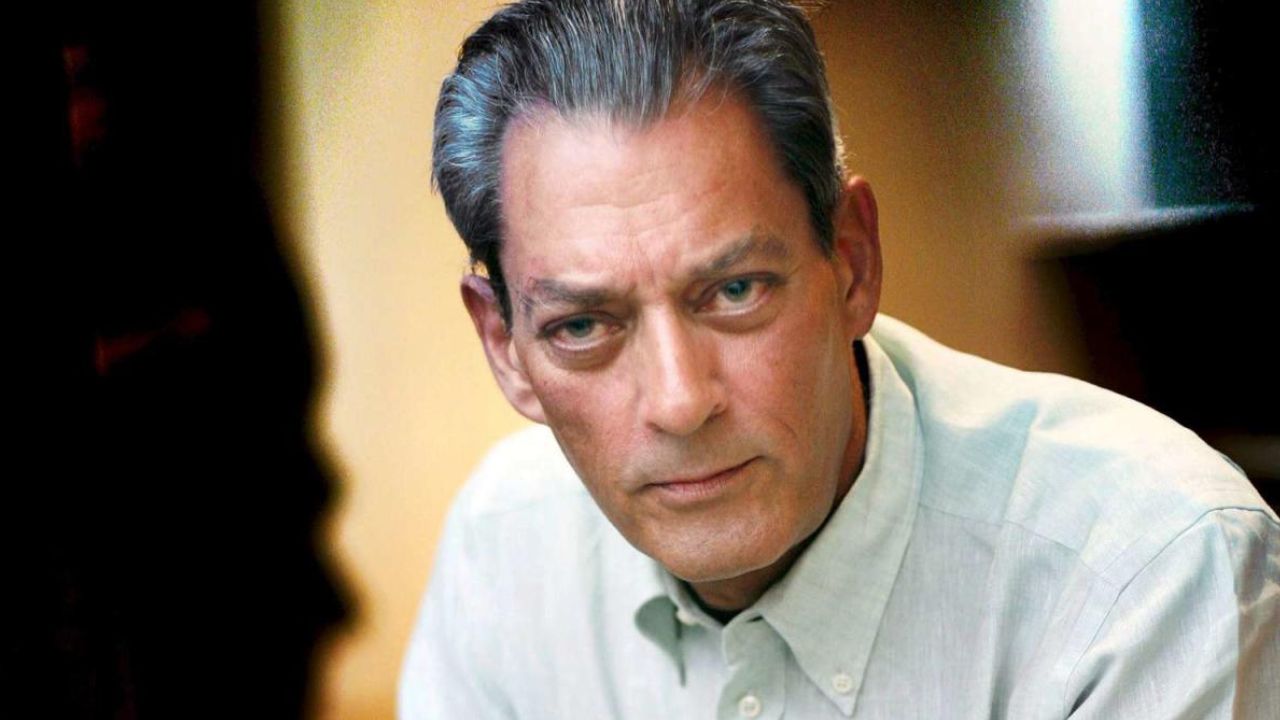
    New York (AFP) – The wife of US writer Paul Auster, who died due to lung cancer complications, said Thursday that her family was “robbed” of “dignity” after a friend quickly confirmed his death to media outlets.

    The New York Times, citing a friend of the couple, published a story of Auster’s passing hours after his death on Tuesday, with other outlets following suit with similar reports.

    “I was naive, but I had imagined that I would be the person to announce the death of my husband,” Siri Hustvedt, an esteemed novelist, wrote on Instagram.

    “He died with us, his family, around him on April 30, 2024 at 6:58 PM,” Hustvedt said.

    “Sometime later, I discovered that even before his body had been taken from our house, the news of his death was circulating on media and obituaries had been posted,” she added.

    Hustvedt revealed in March 2023 that Auster, whose works included “The New York Trilogy,” had been diagnosed with lung cancer.

    The New York Times — the first news outlet to announce Auster’s death — cited family friend and American journalist Jacki Lyden as its source, though Hustvedt did not refer to her or the newspaper directly.

    Hustvedt wrote on Instagram: “Not one of us was able to call or email the people dear to us before the shouting online began. We were robbed of that dignity.

    “I do not know the full story about how this happened, but I know this: It is wrong.”

    Hustvedt added: “Paul never left Cancerland. It turned out to be, in Kierkegaard’s words, the sickness unto death,” referencing the 19th-century Danish philosopher.

    He made his name with noirish, existentialist novels about lonely writers, outsiders and down-and-outers that were a huge hit in Europe particularly.

    The author gained cult status in the 1980s and 1990s with his “New York Trilogy” of metaphysical mysteries and his hip film “Smoke,” about the lost souls who frequent a Brooklyn tobacco shop.

  • Rains, mudslides kill 29 in southern Brazil’s ‘worst disaster’

    Rains, mudslides kill 29 in southern Brazil’s ‘worst disaster’

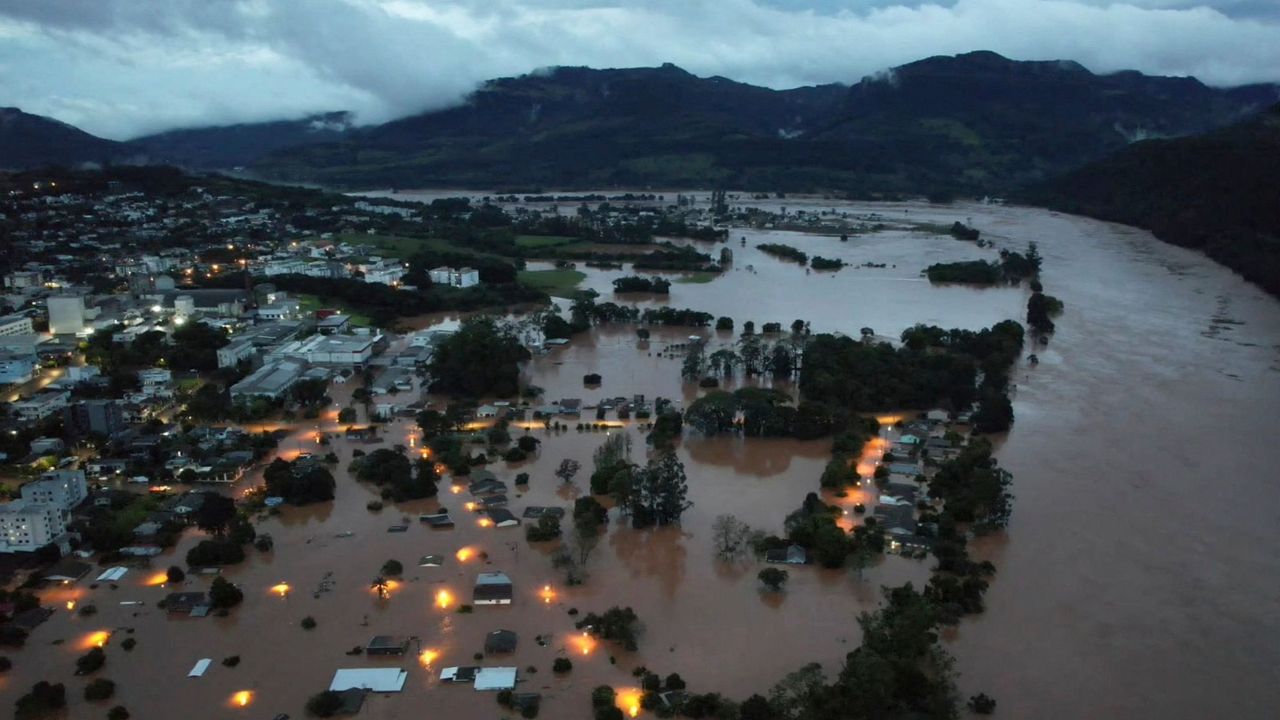
    Brazilian President Luiz Inacio Lula da Silva on Thursday visited the country’s south where floods and mudslides caused by torrential rains have killed 29 people, with the toll expected to rise.

    Authorities in Rio Grande do Sul have declared a state of emergency as rescuers continue to search for dozens of people reported missing among the ruins of collapsed homes, bridges and roads.

    Storm damage has affected nearly 150 municipalities in the state, also injuring 36 people and displacing more than 10,000.

    Governor Eduardo Leite said Rio Grande do Sul was dealing with “the worst disaster in (its) history.”

    “With the deepest pain in my heart, I know it will be even more,” the governor said of the death toll.

    Lula, who has blamed the torrent on climate change, arrived in the town of Santa Maria in the morning with a delegation of ministers and held a working meeting with Leite and other officials to coordinate rescue efforts, the government said.

    The president promised “there will be no lack of human or material resources” to “minimize the suffering this extreme event… is causing in the state.”

    The federal government, he added, “will be 100 percent at the disposition” of state officials.

    Central authorities has already made available 12 aircraft, 45 vehicles and 12 boats as well as 626 soldiers to help clear roads, distribute food, water and mattresses, and set up shelters, a press statement said.

    As the rains continued, forecasts warned the state’s main Guaiba River, which has already overflowed its banks in some areas, would reach an extraordinary level of three meters (9.8 feet) by Thursday and four meters the next day.

    Entire communities in Rio Grande do Sul state have been completely cut off as persistent rains have destroyed bridges and blocked roads, and left towns without even telephone or internet services.

    Rescuers and soldiers have been scrambling to free families trapped in their homes, many stuck on rooftops to escape rising waters.

    “I’ve never seen anything like this… it’s all under water,” said Raul Metzel, a 52-year-old machine operator in the municipality of Capela de Santana.

    A dam collapsed in the town of Cotipora, raising the level of water in the Taquari river.

    “I came here to help people, to get them out of the flooding because it is very dangerous. The current is very strong,” said fisherman Guilverto Luiz, who was helping rescue efforts in Sao Sebastiaio do Cai, about 70 km from Porto Alegre, the state capital.

    Authorities have urged people to avoid areas along state highways due to a risk of mudslides, and those who live near rivers or on hillsides to evacuate.

    Hundreds of thousands of people have been left without access to electricity and drinking water, while classes have been suspended state-wide.

    On Wednesday, the state’s deputy governor, Gabriel Souza, said damages have been estimated at $20 million.

    Mayor Sandra Backes of Sinimbu said the situation in her town was “a nightmare.”

    “Sinimbu is like a war zone, completely destroyed… All the stores, businesses, supermarkets — everything is devastated,” she said in a video posted on Instagram.

    Elsewhere, in Santa Cruz do Sul, lifeguards used boats to transport residents, many of them children, to safety.

    The region’s rivers had already been swollen from previous storms.

    Last September at least 31 people died as a cyclone hit the state.

    South America’s largest country has suffered a string of recent extreme weather events, which experts say are made more likely by climate change.

    The floods came amid a cold front battering the south and southeast, following a wave of extreme heat.

  • Heatwave swells Asia’s appetite for air-conditioning

    Heatwave swells Asia’s appetite for air-conditioning

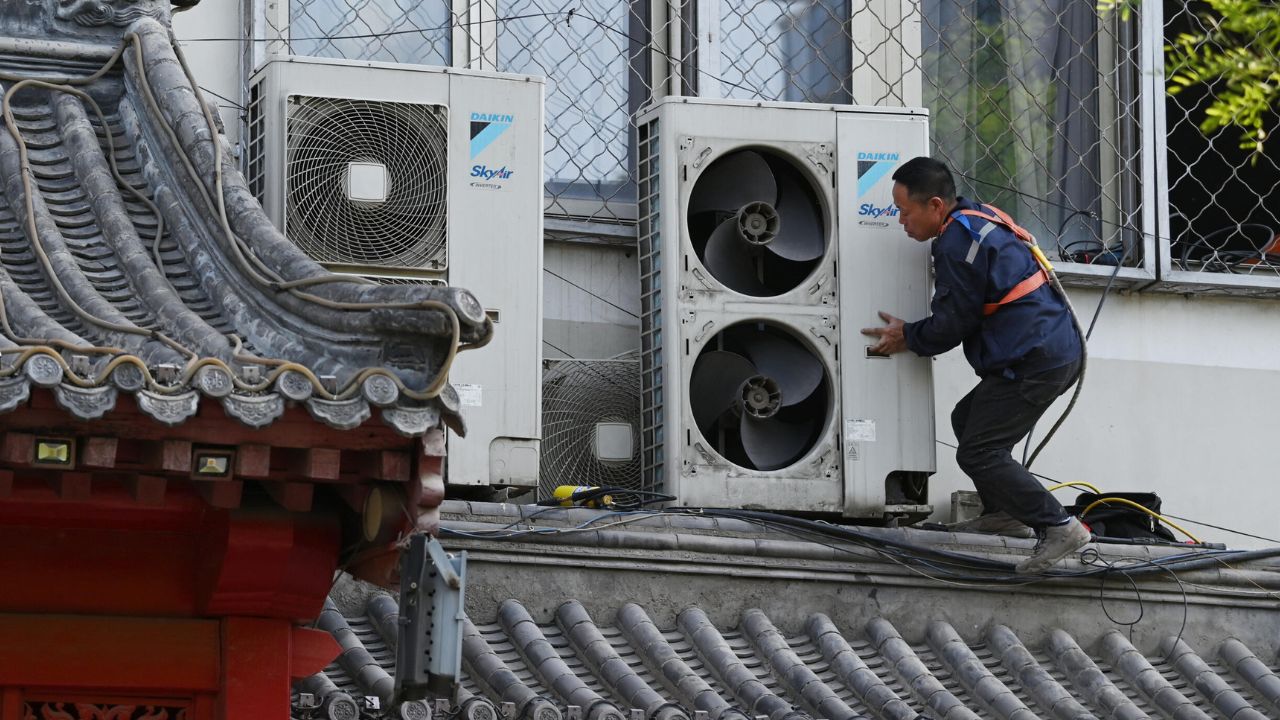
    Hong Kong (AFP) – A record-breaking heatwave is broiling parts of Asia, helping drive surging demand for cooling options, including air-conditioning.

    AC exhaust units are a common feature of urban landscapes in many parts of Asia, clinging like limpets to towering apartment blocks in Hong Kong or tucked in a cross formation between the windows of a building in Cambodia.

    They offer relief from temperatures that have toppled records in recent weeks, with many countries in the region hitting 40 degrees Celsius (104 Fahrenheit) or higher.

    Scientists have long warned that human-induced climate change will produce more frequent, longer and more intense heatwaves.

    Only 15 percent of homes in Southeast Asia have air-conditioning, according to a 2019 report by the International Energy Agency (IEA).

    But that figure obscures vast variations: ranging from around 80 percent installation in Singapore and Malaysia, to less than 10 percent in Indonesia and Vietnam, the IEA said.

    Forecasts suggest that higher temperatures and better wages could see the number of air-conditioning units in Southeast Asia jump from 40 million in 2017 to 300 million by 2040.

    That would stretch local electricity capacity, which is already struggling under current conditions.

    Myanmar is producing only about half the electricity it needs each day, with the junta blaming weak hydropower because of scant rains, low natural gas yields and attacks by its opponents on infrastructure.

    Thailand has seen record power demand in recent weeks, as people retreat indoors to cooled homes or businesses.

    Air-conditioning is already responsible for the emission of approximately one billion metric tons of carbon dioxide per year, according to the IEA, out of a total of 37 billion emitted worldwide.

    Still, cooling options like air-conditioning are a key way to protect human health, especially for those who are most vulnerable to the effects of extreme heat: children, the elderly and those with certain disabilities.

    With demand surging, dozens of countries last year signed up to the United Nations’ Global Cooling Pledge, a commitment to improve the efficiency of air conditioners and reduce emissions from all forms of cooling.

    Some countries have been trying to reduce the impact of cooling for years.

    Since 2005, Japan has encouraged office workers to ditch ties and jackets so air conditioners can be kept at 28 degrees Celsius.

    The annual “Cool Biz” programme took on new significance during power shortages in 2011 following the shutdown of nuclear plants after the Fukushima disaster.