Author: AFP

  • Singapore makes Israeli embassy delete ‘insensitive’ Palestinian post

    Singapore makes Israeli embassy delete ‘insensitive’ Palestinian post

    Singapore made the Israeli embassy in the city-state take down an “insensitive” social media post about the Palestinians over the weekend after warning it could inflame tensions, the interior minister said Monday.

    The Israeli genocide in Gaza and deepening humanitarian crisis in the besieged strip since October 7 have divided opinion across the world.

    The post reportedly said Israel was mentioned 43 times in the Koran but Palestine — the name Palestinians give to what they hope will become their independent, sovereign state — was not, according to local media.

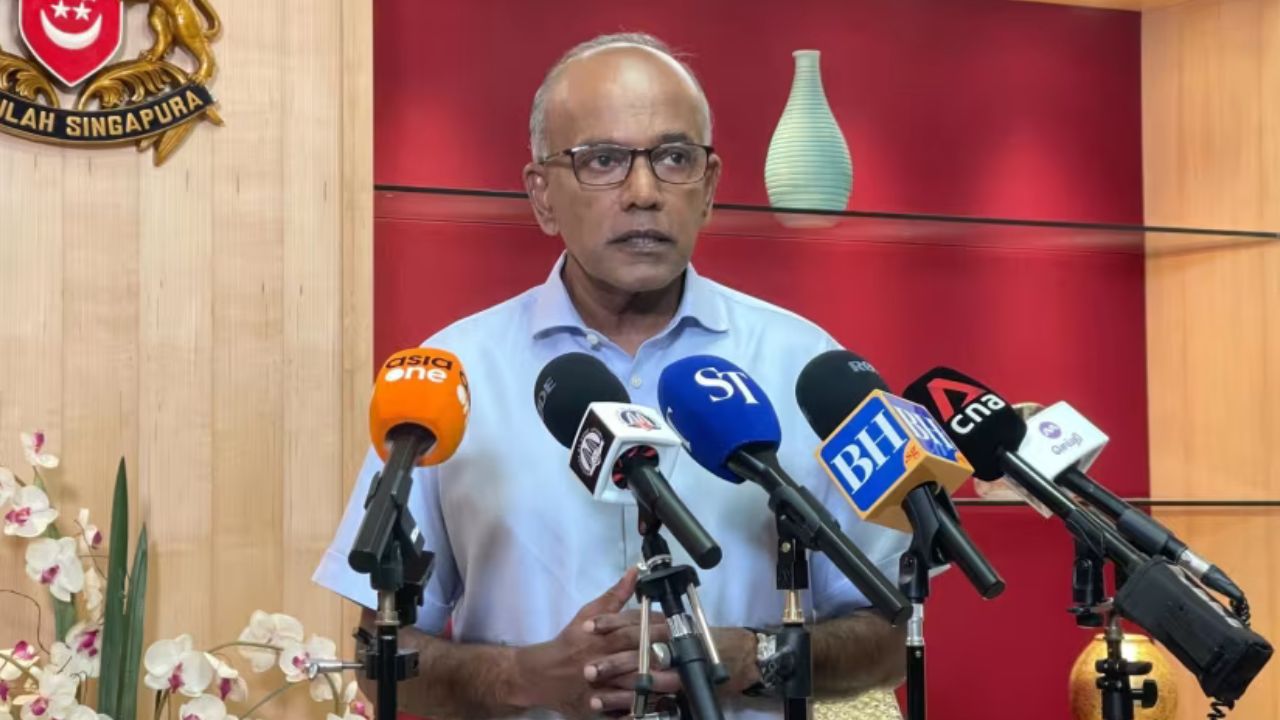
    Minister for Home Affairs K. Shanmugam said he asked Singapore’s foreign ministry to tell the Israeli embassy to remove the post made on Sunday after learning about it, which the mission immediately did.

    “That post on the Israeli embassy social media page is completely unacceptable. I was very upset when I was told about it,” Shanmugam told reporters, according to a transcript.

    “It is insensitive and inappropriate. It carries the risk of undermining our safety, security and harmony in Singapore.”

    Shanmugam said the post had been taken down.

    “Posts like these can… inflame tensions, and can put the Jewish community here at risk. The anger from the post can potentially spill over into the physical realm,” he added.

    The Israeli embassy was not immediately available for comment.

    Singapore has condemned the Hamas attacks on Israel but has also said that Israel’s military response “has now gone too far”.

    The health ministry in the Gaza Strip on Sunday put the total death toll in the territory at 32,226, most of them women and children.

  • McDonald’s stores shut in Sri Lanka over poor hygiene case

    McDonald’s stores shut in Sri Lanka over poor hygiene case

    McDonald’s stores across Sri Lanka shut Sunday after the US fast-food giant launched a legal battle with its local franchise holder over allegations of poor hygiene, court officials said.

    The Commercial High Court of Colombo ordered the closures until April 4, after the parent company accused the local franchise holder of failing to meet international hygiene standards.

    “The closure was ordered pending an investigation,” a court official said.

    He said lawyers for McDonald’s told the court that they had terminated a franchise agreement with local company Abans last week. The hearing is to resume in early April.

    There was no immediate comment either from McDonald’s or Abans, who has held the franchise with 12 outlets since the US firm’s entry into Sri Lanka in 1998.

    Notices were seen outside McDonald’s outlets on Sunday saying they were “closed” and there was no indication if or when they may reopen.

    When a technology hitch disrupted ordering at stores across much of east Asia last week, Sri Lanka’s McDonald’s stores were unaffected.

  • Four Pashto films to dazzle cinemas on Eid-ul-Fitr, revive regional film industry

    Four Pashto films to dazzle cinemas on Eid-ul-Fitr, revive regional film industry

    The screening of four Pashto films on the occasion of Eid-ul-Fitr is all set to dazzle the cinemas with hopes to revive the ailing regional film industry through providing a spice of entertainment and a blend of emotions to the cinegoers.

    “The much anticipated movies with quality production, dialogues, casts, locations and soulful music will mesmerise the audience, multiplying their joy of the festive occasion”, renowned film director and film star Arbaaz Khan said. The film directors and producers have pinned hopes on the production quality, dialogues delivery, casts, locations and strength of music of the films.

    The movies to be screened included Yaar Dushman, which is directed by Arbaaz while the film cast comprises of the actor himself, Ajab Gull, Jahangir Jaani, Asif Khan and Jameel Babar. Talking to APP, Arbaaz said that Pashto films had high-profit potential. He hoped that the release of new movies will help revive the film industry on this Eid-ul-Fitr.

    He further said that Pashto film producers and artists remained resilient and kept cinema houses functional even in the most difficult times to provide entertainment to people.

    Another movie which was ready for release on Eid-ul-Fitr was Bandiwan, directed by Shahid Usman, for which the cast includes Arbaaz, Shahid Khan and Jahangir Jani. Pekhawar Zama De is another Pashto offering whose release coincides with Eid-ul-Fitr, directed by Shanzeb Khan and starring Arbaaz, Asghar Cheema and Mehek Noor. Charta Khaney Charta Faqeeray, helmed by Arshad Khan, is the fourth Pashto film that is slated for an Eid release, sporting Shahid Khan and Jahangir Jaani among its cast.

  • Kate Middleton conspiracies linger after cancer revelation

    Kate Middleton conspiracies linger after cancer revelation

    Washington (AFP) – The revelation that Britain’s Catherine, Princess of Wales, has cancer prompted a swift backlash over a torrent of lurid social media speculation around her health, including by those positing she was secretly dead. But the somber news has not stopped the seemingly endless churn of conspiracy theories.

    Kate Middleton, 42, received an outpouring of global sympathy after her video message on Friday revealed she was undergoing preventative chemotherapy, seeking to put an end to a maelstrom of unfounded claims circulated amid her monthslong absence from public life.

    The manipulation of a royal photograph the palace released to the media, as well as the British monarchy’s culture of secrecy, had fueled much of the online speculation.

    But the proliferation of evidence-free theories on social media –- including posts peppered with skull emojis claiming the princess was dead or in an induced coma — illustrates the new normal of information chaos in an age of artificial intelligence and misinformation that has warped public understanding of reality.

    The speculation took a serious turn last week when the British police were asked to probe a reported attempt to access her confidential medical records.

    “Kate has effectively been bullied into this statement,” writer Helen Lewis wrote in US magazine the Atlantic.

    “The alternative — a wildfire of gossip and conspiracy theories — was worse.”

    Britain’s Daily Mail tabloid also lashed out, asking: “How do all those vile online trolls feel now?”

    If social media posts are to be believed, they are not too sorry.

    ‘Cruel grifters’

    Many on X, formerly Twitter, and TikTok claimed Kate’s video message was an AI-enabled deepfake.

    Some users posted slowed down versions of the video to support the baseless claim that it was digitally manipulated, asking why nothing in the background — a leaf or blade of grass — moved.

    Others scrutinized her facial movements and speculated why a dimple, as seen in previous images, wasn’t visible.

    “Sorry House of Windsor, Kate Middleton (and) legacy media — I’m still not buying what you’re selling,” said one post on X.

    “Actually not sorry – you’ve all read ‘The Little Boy That Cried Wolf’ right?”

    And then there was misinformation about cancer itself, with posts falsely claiming that the disease was not fatal while comparing chemotherapy with “poison.”

    And how could anti-vaccine campaigners be left behind?

    Many of them jumped on the conspiracy bandwagon, baselessly linking Kate’s diagnosis to “turbo cancer,” a myth linked to Covid-19 vaccines that has been repeatedly debunked.

    “There is no evidence to support the ‘turbo cancer’ lie,” said Timothy Caulfield, a misinformation expert from the University of Alberta in Canada.

    Conspiracy theorists “are cruel grifters marketing fear (and) misinformation,” he added.

    ‘Seed of doubt’

    The proliferation of wild theories highlights how facts are increasingly under scrutiny on a misinformation-filled internet landscape, an issue exacerbated by public distrust of institutions and traditional media.

    The same distrust, researchers say, has tainted online conversations about serious issues, including elections, climate and health care.

    “People don’t trust what they are seeing and reading,” Karen Douglas, a professor of social psychology at the University of Kent, told AFP.

    “Once a seed of doubt has been sown, and people lose trust, conspiracy theories are able to gain traction.”

    The rumor mill surrounding Kate spiraled since she retreated from public life after attending a Christmas Day church service and undergoing abdominal surgery in January.

    Conspiracy theories exploded after the princess admitted to editing a Mother’s Day family portrait, a move that prompted news agencies including AFP to withdraw it.

    Conspiracy theorists went down a new rabbit hole when a subsequent video emerged showing Kate strolling in a market with her husband, baselessly asserting that she had been replaced by a body double.

    “When it comes to an institution as old and opaque as the royal family, public distrust creates an appetite for a lot of sleuthing,” Dannagal Young, from the University of Delaware, told AFP.

    Social media hashtags about the princess gained such virality that many users began using them to promote unrelated posts about topics that receive far less traction, including human rights abuses in India and the Middle East.

    What made the frenzy worse, researchers say, was a culture of royal secrecy and the seemingly botched PR strategy of the palace.

    “To be honest, the palace could have nipped the situation in the bud much earlier,” Douglas said.
  • 1,000 homes destroyed after earthquake in Papua New Guinea: Governor

    1,000 homes destroyed after earthquake in Papua New Guinea: Governor

    At least five people were killed and an estimated 1,000 homes destroyed when a magnitude 6.9 earthquake rocked flood-stricken northern Papua New Guinea, officials said Monday as disaster crews poured into the region.

    “So far, around 1,000 homes have been lost,” said East Sepik Governor Allan Bird, adding that emergency crews were “still assessing the impact” from a tremor that “damaged most parts of the province”.

    Dozens of villages nestled on the banks of the country’s Sepik River were already dealing with major flooding when the quake struck early Sunday morning.

    Provincial police commander Christopher Tamari told AFP that authorities had recorded five deaths but the number of fatalities “could be more”.

    Photos taken in the aftermath of the quake showed damaged wooden houses collapsing into the surrounding knee-high floodwaters.

    Earthquakes are common in Papua New Guinea, which sits on top of the seismic “Ring of Fire” — an arc of intense tectonic activity that stretches through Southeast Asia and across the Pacific basin.

    Although they seldom cause widespread damage in the sparsely populated jungle highlands, they can trigger destructive landslides.

    Many of the island nation’s nine million citizens live outside major towns and cities, where the difficult terrain and lack of sealed roads can seriously hamstring search-and-rescue efforts.

  • Magnitude 6.9 quake hits Papua New Guinea: USGS

    Magnitude 6.9 quake hits Papua New Guinea: USGS

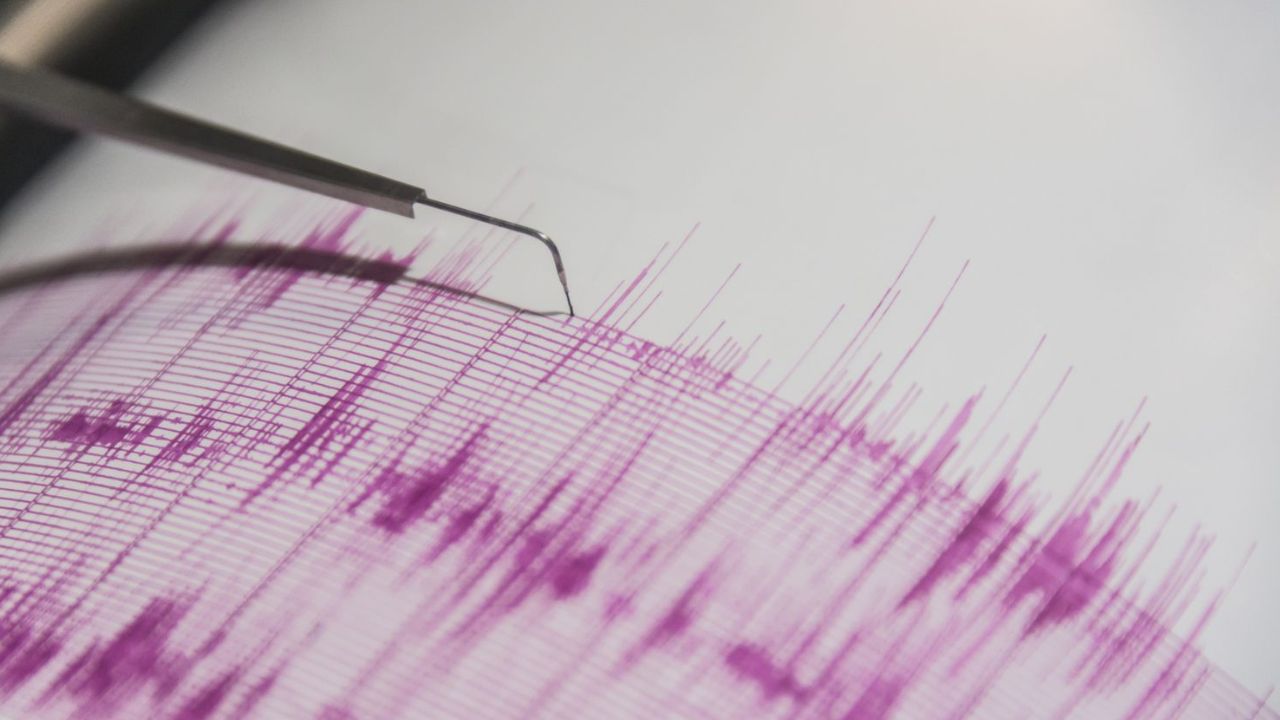
    A magnitude 6.9 earthquake hit northern Papua New Guinea on Sunday morning, the United States Geological Survey said.

    The Pacific Tsunami Warning Centre said there was “no tsunami threat” from the inland quake, which struck at 6:22 am local time (2022 GMT Saturday) at a depth of approximately 35 kilometres (21 miles).

    The “notable quake” hit some 88 kilometres (54 miles) southwest of Wewak, the USGS said, a town of 25,000 people that serves as the capital of Papua New Guinea’s East Sepik province.

    There were no immediate reports of damage or injuries. The tremor was downgraded from an preliminary magnitude of 7.0.

    Earthquakes are common in Papua New Guinea, which sits on top of the seismic “Ring of Fire” — an arc of intense tectonic activity that stretches through Southeast Asia and across the Pacific basin.

    Although they seldom cause widespread damage in the sparsely populated jungle highlands, they can trigger destructive landslides.

    At least seven people were killed in April last year when a 7.0-magnitude quake hit a jungle-clad area in the country’s interior.

    Many of the island nation’s nine million citizens live outside major towns and cities, where the difficult terrain and lack of sealed roads can seriously hamstring search-and-rescue efforts.

  • ‘Good Boy!’ Dogs do understand us, says new study

    ‘Good Boy!’ Dogs do understand us, says new study

    Whether dogs truly understand the words we say – as opposed to things like tone and context clues – is a question that has long perplexed owners, and so far science hasn’t been able to deliver clear answers.

    But a new brain wave study published Friday in Current Biology suggests that hearing the names of their favorite toys actually activates dogs’ memories of those objects.

    “It definitely shows us that it’s not human-unique to have this type of referential understanding,” first author Lilla Magyari of the Eotvos Lorand University in Hungary, told AFP, explaining that researchers have been skeptical up to this point.

    With a couple of famous exceptions, dogs have fared poorly on lab tests requiring them to fetch objects after hearing their names, and many experts have argued it isn’t so much what we say but rather how and when we say things that pique our pooches’ interest.

    Yelling “Go get the stick!” and having a dog successfully bring the object back doesn’t conclusively prove they know what the word “stick” means, for example.

    Even scientists who concede that dogs do pay attention to our speech have said that, rather than really understanding what words stand for, they are reacting to particular sounds with a learned behavior.

    In the new paper, Magyari and colleagues applied a non-invasive brain imaging technique to 18 dogs brought to their lab in Budapest.

    The test involved taping electrodes to the dogs’ heads to monitor their brain activity. Their owners said words for toys they were most familiar with — for example “Kun-kun, look, the ball!” — and then showed them either the matching object or a mismatched object.

    After analyzing the EEG recordings, the team found different brain patterns when dogs were shown matching versus mismatched objects.

    This experimental setup has been used for decades in humans, including babies, and is accepted as evidence of “semantic processing,” or understanding of meaning.

    The test also had the benefit of not requiring the dogs to fetch something in order to prove their knowledge.

    “We found the effect in 14 dogs,” co-first author Marianna Boros told AFP, proving the ability is not confined to “a few exceptional dogs.” Even the four that “failed” may have simply been tested on the wrong words, she added.

    Holly Root-Gutteridge, a dog behavior scientist at the University of Lincoln in England, told AFP that the ability to fetch specific toys by name had previously been deemed a “genius” quality.

    Famous border collies Chaser and Rico could find and retrieve specific toys from large piles but were deemed outliers, she said.

    But the new study “shows that a whole range of dogs are learning the names of the objects in terms of brain response even if they don’t demonstrate it behaviorally,” said Root-Gutteridge, adding it was “another knock for humanity’s special and distinct qualities.”

    The paper “provides further evidence that dogs might understand human vocalizations much better than we usually give them credit for,” added Federico Rossano, a cognitive scientist at UC San Diego.

    But not all experts were equally enthusiastic. Clive Wynne, a canine behaviorist at Arizona State University, told AFP he was “split” on the findings.

    “I think the paper falls down when it wants to make the big picture claim that they have demonstrated what they call ‘semantic understanding,’” he said, though he praised the “ingenious” experimental setup as a new way to test the full extent of dogs’ “functional vocabulary.”

    For example, Wynne said, he needs to spell out the word “w-a-l-k” when he’s in front of his dog — lest his pet get excited for an outing there and then — but he doesn’t need to take the same precautions in front of his wife, whose understanding of the word goes beyond simple association.

    “Would Pavlov be surprised by these results?” asked Wynne, referencing the famous Russian scientist who showed dogs could be conditioned to salivate when they heard a bell signaling meal time. “I do not think he would be.”

  • Afghan IS branch top suspect in Moscow attack

    Afghan IS branch top suspect in Moscow attack

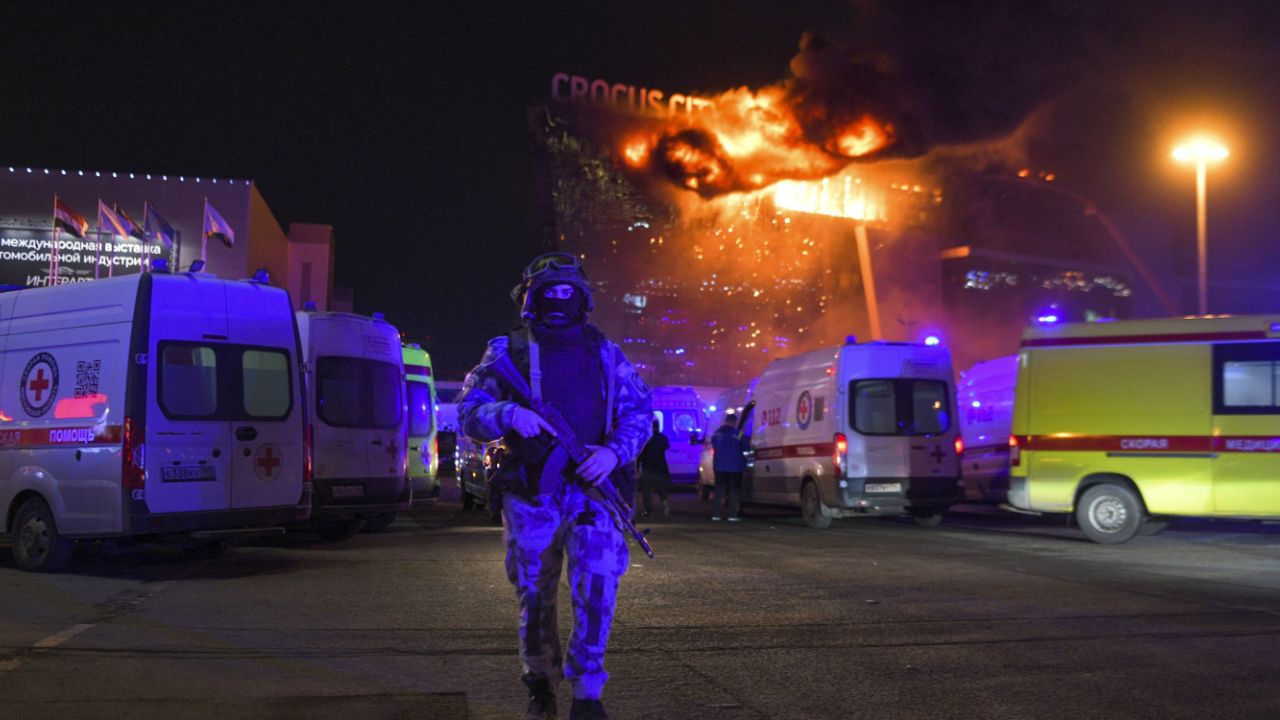
    The Islamic State group (IS) has claimed responsibility for Friday’s attack on a Moscow concert hall that killed more than 100 people – terrorism experts say its Afghan branch is likely responsible.

    Since the fundamentalist Taliban took over Kabul, the ISKP – the Afghan branch of IS – has managed to poach members from its rival movement and has repeatedly shown off its will and capability to strike outside Afghanistan’s borders.

    An August 2021 blast claimed by the group killed 100 civilians and 13 American soldiers at Kabul airport – just as the United States was withdrawing from the Afghan capital and the Taliban laid their hands on power.

    It was the deadliest-ever attack by IS against the US.

    Washington offered a $10 million reward for information on ISKP’s leader Sanaullah Ghafari, also known as Shahab al-Muhajir.

    Born in 1994, he is “responsible for approving all ISIS-K operations throughout Afghanistan and arranging funding to conduct operations,” according to the US State Department, which uses an alternative acronym for the ISKP.

    The US foreign ministry placed Ghafari on its foreign terrorist blacklist in November 2021.

    Afghanistan’s IS branch was built by the group’s envoys arriving from Iraq and Syria – unlike almost everywhere else in the world, where pre-existing outfits pledged to its cause, said Hans-Jakob Schindler, director of the Counter Extremism Project (CEP) research outfit and a former UN terrorism expert.

    “They have very close connections to the centre, much more than the other affiliates,” Schindler told AFP, adding that this gives them access to ample funding.

    Lucas Webber, co-founder of specialist website Militant Wire, highlighted that the “ISKP has emerged as the most internationally minded IS branch… producing propaganda in more languages than any other branch since the height of the caliphate in Iraq and Syria.”

    It has been mounting an “ambitious and aggressive campaign to bolster its external operations capabilities and strike its various enemies abroad,” he added.

    Both Western and Russian security services have long been monitoring ISKP.

    On Tuesday, German authorities arrested two Afghan suspected jihadists, believed to have been planning an attack on the Swedish parliament.

    Public burnings of the Koran have increased the terrorist threat against Stockholm.

    One of the two men is alleged to have travelled from Germany to join ISKP.

    Germany had previously dismantled a Russian-Tajik network in 2020, with more groups targeted in 2022 and 2023.

    Russian authorities said on March 7 they had killed suspected ISKP members in an operation in the Kaluga region southwest of Moscow.

    Officials said the people had been planning an attack on a synagogue in the capital.

    Kazakhstan said two of its citizens were killed in the operation.

    Russia has become a priority target for ISKP, which condemns its invasion of Ukraine and its military interventions across Africa and in Syria, Webber said.

    A 2022 suicide bombing targeted Russia’s embassy in Afghanistan.

    ISKP “is working to extend its reach throughout Central Asia and Russia,” Webber added, putting together “a Russian language media wing to build support and incite violence inside the country”.

    Schindler said that with Moscow’s attention on the invasion of Ukraine, Russia is a more tempting target.

    Friday’s attack – relatively cheap and straightforward to put together – was “a big symbol”, he added.

    “Its hard to overestimate how important today’s attack in Moscow is for the Islamic State and what it tells about its evolution,” Tore Hamming of the International Centre for the Study of Radicalization posted on X, formerly Twitter, on Friday.

    “IS had worked since 2019 to reestablish an institutional unit in charge of external operations,” Hamming added, “first in Turkey and later in Afghanistan with Central Asians as key actors.”

    “Based on a recent high number of foiled plots and today’s attack, it appears they are succeeding,” Hamming said.

    ISKP now has “Afghanistan and Central Asia as a hub to target Russia/Asia and Turkey as a gateway to Europe,” he added.

  • Gaza cancer patients fear Israel move to force them back ‘to hell’

    Gaza cancer patients fear Israel move to force them back ‘to hell’

    JERUSALEM: In a small hotel near the Augusta Victoria Hospital in Israeli-annexed East Jerusalem, where she received radiation therapy for breast cancer, Palestinian Rim Abu Obeida waits anxiously.

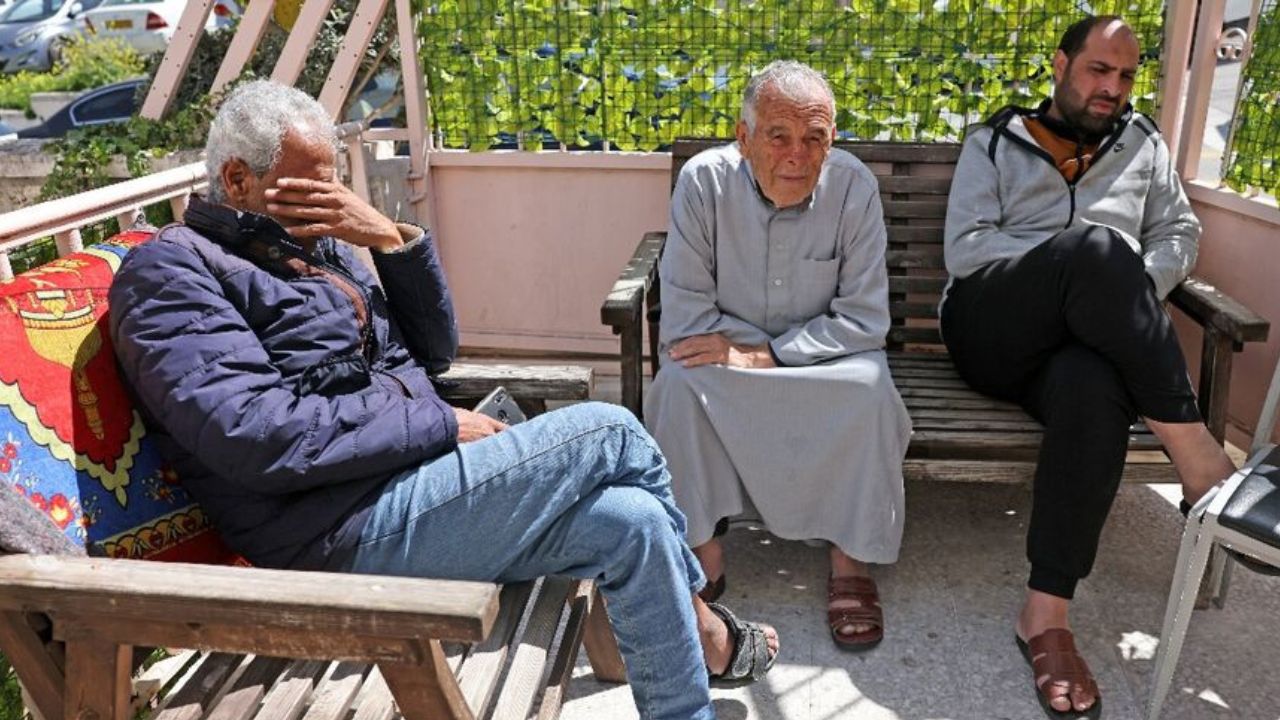
    She is among a group of Palestinian patients living in limbo while a top Israeli court weighs whether they can be sent back to war-torn Gaza now that their treatment is completed.

    Like dozens of Gazans before Israel began its intensive military operations after October 7, she was granted permission to leave the territory for care because hospitals in the Gaza Strip did not have the necessary equipment.

    “This week, we were suddenly told we had to return to Gaza. This is sending us to hell, to death!” Abu Obeida said.

    If she is forced to leave, she will not have much to return to — her house in southern Gaza’s Khan Younis has been destroyed in Israeli’s offensive.

    The roughly 20 patients from Gaza, most of them battling cancer, have been receiving treatment in Tel Aviv and East Jerusalem for the past six months.

    COGAT, the Israeli Defense Ministry body that governs civilian affairs in the occupied Palestinian territories, said this week that because the patients “don’t need any continued medical treatment, they are being returned to the Gaza Strip.”

    But at the last minute, the Israeli Supreme Court, responding to a petition by the NGO Physicians for Human Rights, suspended COGAT’s order.

    The court is expected to rule on the case, though the timeline is unclear. The government has until April 21 to file its arguments.

    In the next room, along with Abu Obeida, Manal Abu Shaaban was busy stashing food into her bags.

    “I have rice, sugar, everything they are deprived of there. I hope they won’t stop me from bringing them in,” she said.
    Abu Shaaban, a breast cancer patient like Abu Obeida, said she was not opposed to returning.

    Still, she knew the security situation meant she would be unable to reach her home in Gaza City, in the besieged territory’s north.

    “I want to go back. But to my home, in my house! Not in Rafah, in the south, where they want us to go, I don’t know anyone there,” she said.

    Large swaths of the north have been flattened by Israeli bombardment, and a UN-backed assessment said the area faces famine by May unless substantially more aid reaches it.

    Meanwhile, in Gaza’s south, up to 1.5 million displaced Palestinians are crammed into Rafah and live under the threat of a full-scale Israeli ground offensive.

    Asked about the fate of the patients who face being returned to Gaza, Augusta Victoria Hospital director Fadi Mizyed paused for a few seconds.

    “I don’t know. They will go back in a war zone, they will be at risk, they will be living in catastrophic conditions,” he said.

    “The situation in Gaza is beyond description, with no guaranteed healthcare services that can do what is needed for any cancer patients.”

    “We said we don’t think it’s the right thing to do but at the end of the day it’s not our call,” he added.

  • Businesses suspected of criminal activities involved in donating for ruling BJP in India

    Businesses suspected of criminal activities involved in donating for ruling BJP in India

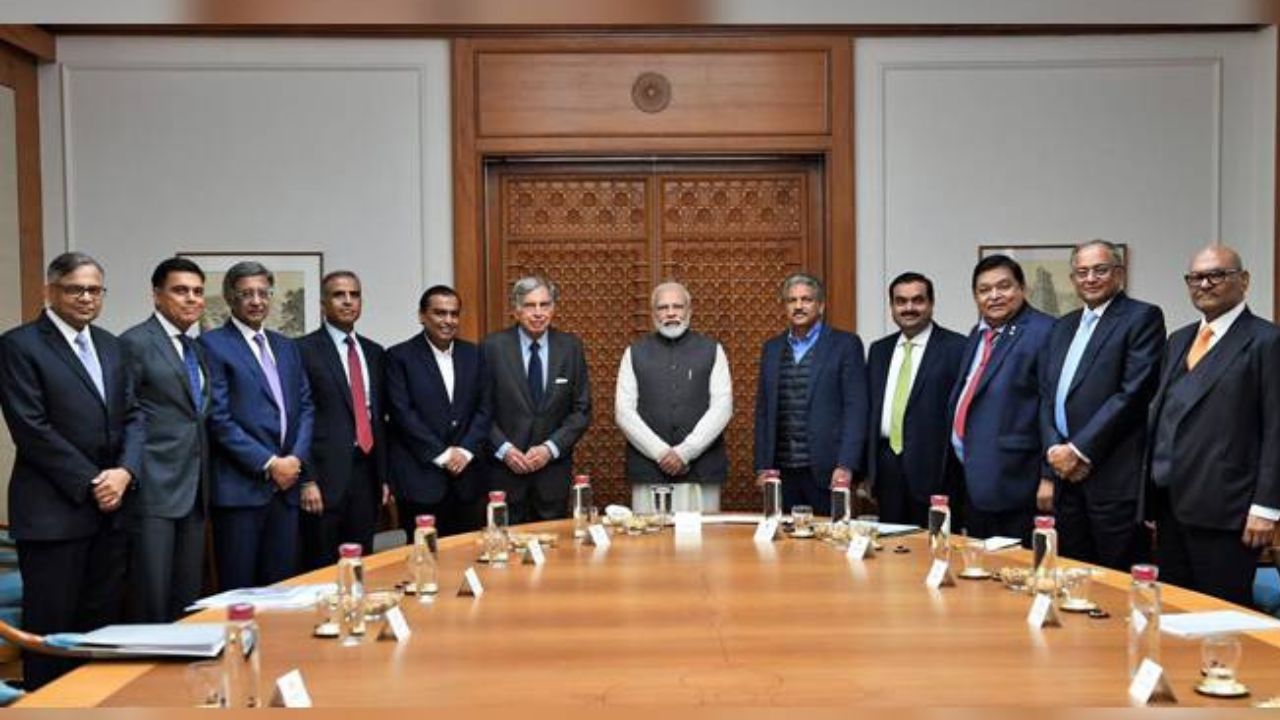
    Last week, India’s election commission published a list detailing buyers of electoral bonds, a contentious funding scheme that has helped Prime Minister Narendra Modi’s party build an immense campaign war chest dwarfing rivals.

    Electoral bonds account for more than half of all political donations and were anonymous until India’s top court ruled them illegal weeks before the start of national elections next month.

    An AFP review of the list found that of the $1.5 billion donated through the scheme, at least $94 million was donated by 17 companies after they faced — either directly or through their subsidiaries — investigations for tax evasion, fraud or other corporate malfeasance.

    “The electoral bond scheme was sinful in conception, faulty in design and intended to prevent transparency,” lawmaker Abhishek Singhvi of the opposition Congress party told AFP.

    “Each of these vices stand exposed… by the huge disclosures tumbling out of the closets.”

    ‘Knocked at their doors’

    Opposition party lawmakers claim the electoral bonds list shows that firms were donating to Modi’s ruling Bharatiya Janata Party (BJP) in the hopes of influencing the outcome of criminal probes.

    The BJP was far and away the single biggest beneficiary of the scheme, receiving $730 million or around 47 percent of total bonds cashed since April 2019.

    Its main competitor Congress received around $171 million over the same period.

    Among the companies named as donors are Hero MotoCorp, the country’s biggest motorbike maker by sales. It donated $2.4 million to the BJP seven months after confirming its finances were being investigated by the tax department.

    Glenmark Pharmaceuticals, a top drug firm, bought $1.17 million worth of electoral bonds for the BJP eight months after Indian media reported an investigation for alleged tax evasion.

    Indian miner Vedanta, whose parent company was once listed on the London Stock Exchange, donated more than $40 million spread across half a dozen parties over the past five years.

    Local media reported in 2022 that the country’s main financial crime agency began investigating the company in 2018 for allegedly paying bribes to facilitate Indian visas for Chinese technicians.

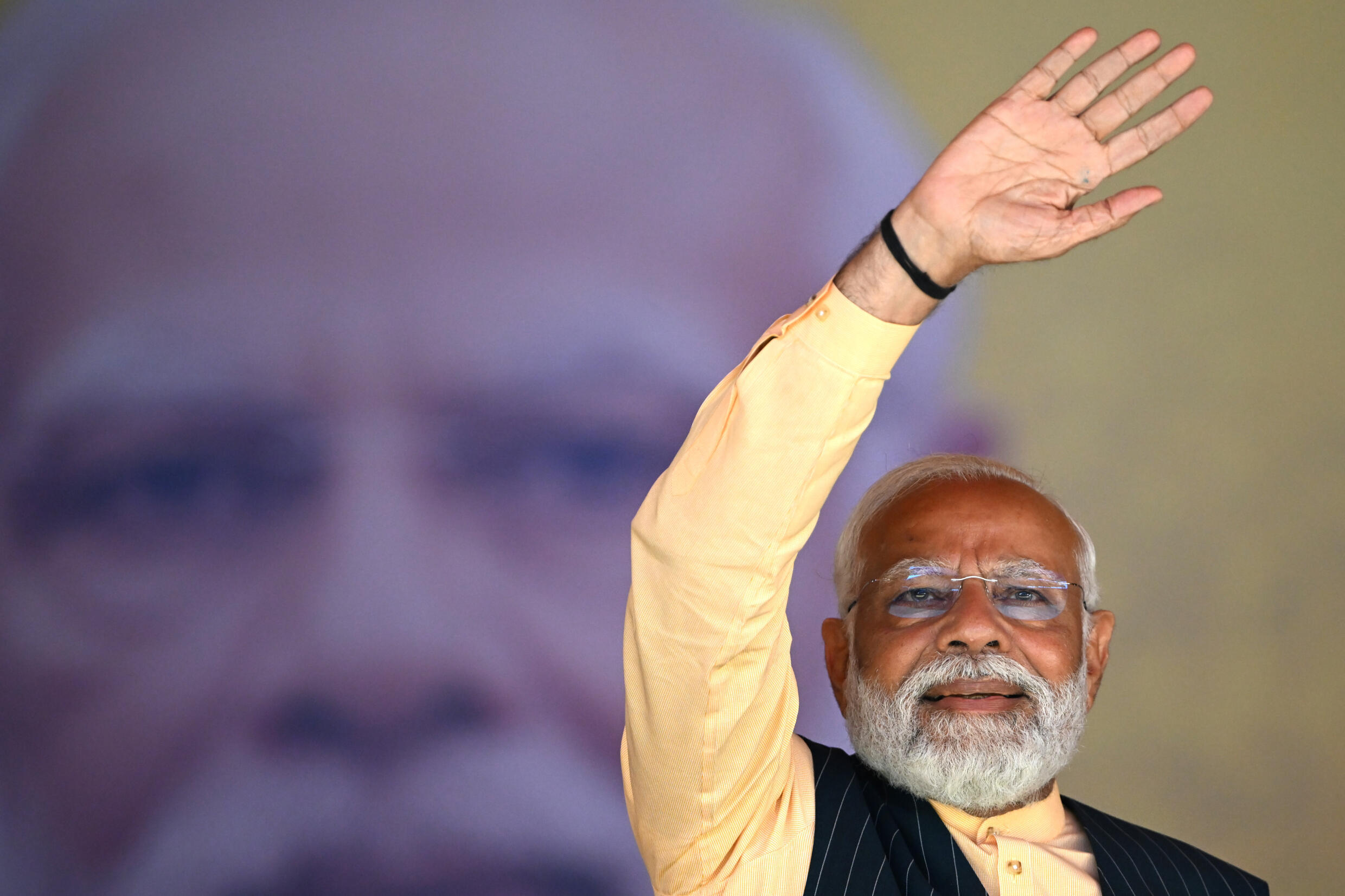
    The contentious electoral bond funding scheme has helped Prime Minister Narendra Modi's party build an immense campaign war chest dwarfing rivals
    The contentious electoral bond funding scheme has helped Prime Minister Narendra Modi’s party build an immense campaign war chest dwarfing rivals © DIBYANGSHU SARKAR / AFP/File

    Hero, Glenmark and Vedanta did not respond to requests for comment.

    No definitive proof of such a quid pro quo has surfaced. Authorities have also not publicly announced whether investigations against donor companies have been closed or withdrawn.

    Nirmala Sitharaman, Modi’s finance minister, said last week that any allegation of a link between criminal investigations and political donations was based on “huge assumptions”.

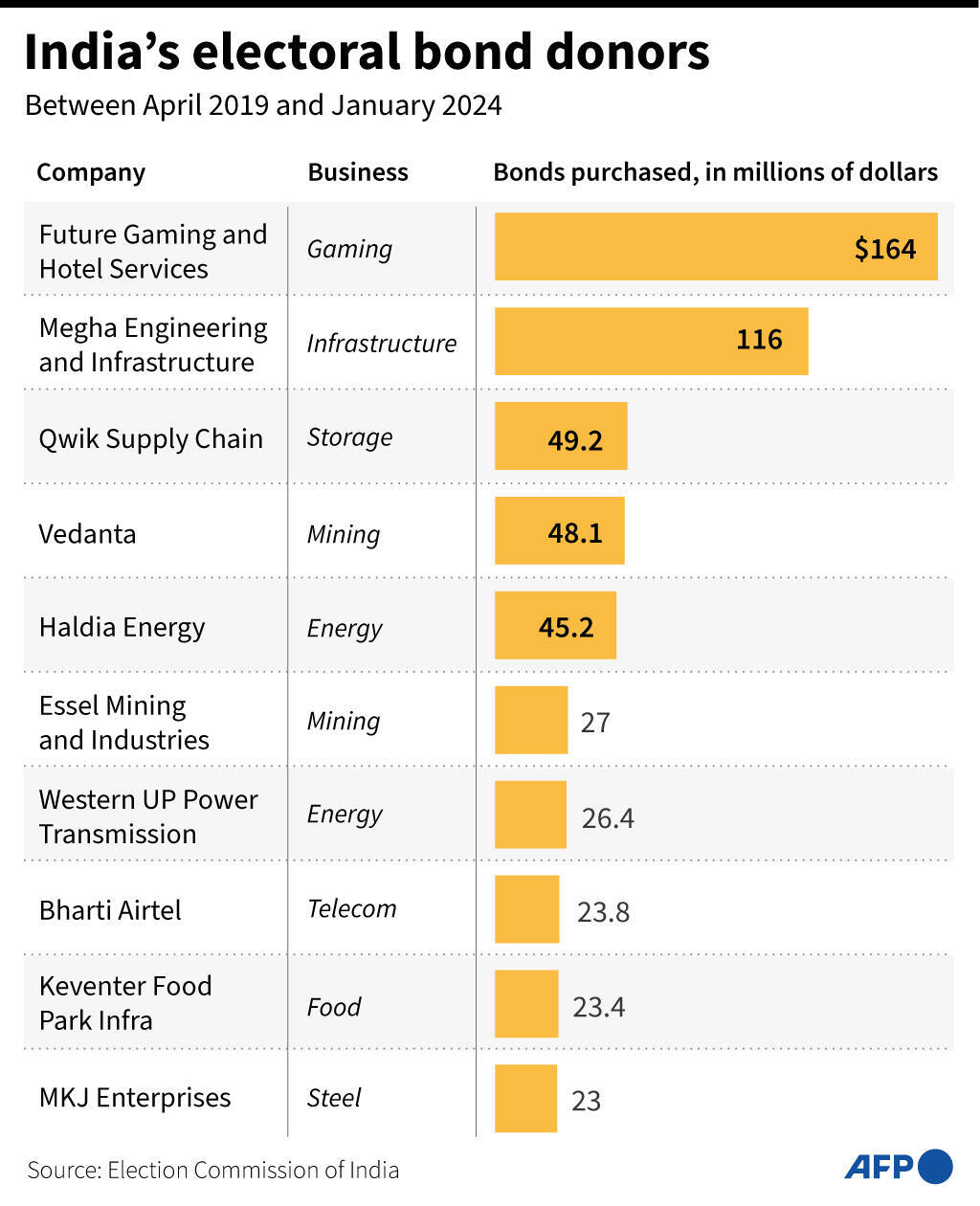
    India's electoral bond donors
    India’s electoral bond donors © Nicholas SHEARMAN / AFP

    “What if the companies gave the money, and after that, we still went and knocked at their doors?” she told a panel hosted by television channel India Today.

    The BJP was not the only party to receive electoral bonds from companies facing legal investigation.

    Among the several parties funded by lottery company Future Gaming — the biggest single donor under the scheme with a spend of $164 million — were the government and opposition of southern Tamil Nadu state.

    Future Gaming has since 2011 been the subject of several investigations on suspicion of unpaid income tax, money laundering and fraud, according to media reports.

    ‘Black money’

    Ties between corporate India and the country’s political class have previously blown up into public scandal — including to the benefit of Modi, who was swept to office a decade ago on a wave of public discontent over corruption.

    Modi made hay from a number of corporate bribery accusations directed against his opponents, including allegations that ministers and bureaucrats had taken money from telecom companies in return for favourable licensing deals.

    His government introduced electoral bonds in 2017, pledging the scheme would clear up the illicit “black money” donated to parties in return for political favours.

    But the new scheme did not close off other avenues of funding, including anonymous cash donations or tax-deductible electoral trusts in which multiple companies can pool money together for parties without public scrutiny.

    Indian media also identified several other irregularities with the electoral bond scheme, reporting that several companies donated amounts far in excess of their annual profit or revenue.

    Others were loss-making or had been freshly incorporated, suggesting they had been used as front companies to make donations on behalf of an unidentified third party.

    Milan Vaishnav, of the Carnegie Endowment for International Peace, said the donation list vindicated the election commission’s objections to the scheme when it was first unveiled.

    “This is precisely what the EC had warned, (that) the creation of this opaque instrument could allow for shell companies, foreign firms, and unknown third parties to give to parties without detection or outside scrutiny.”

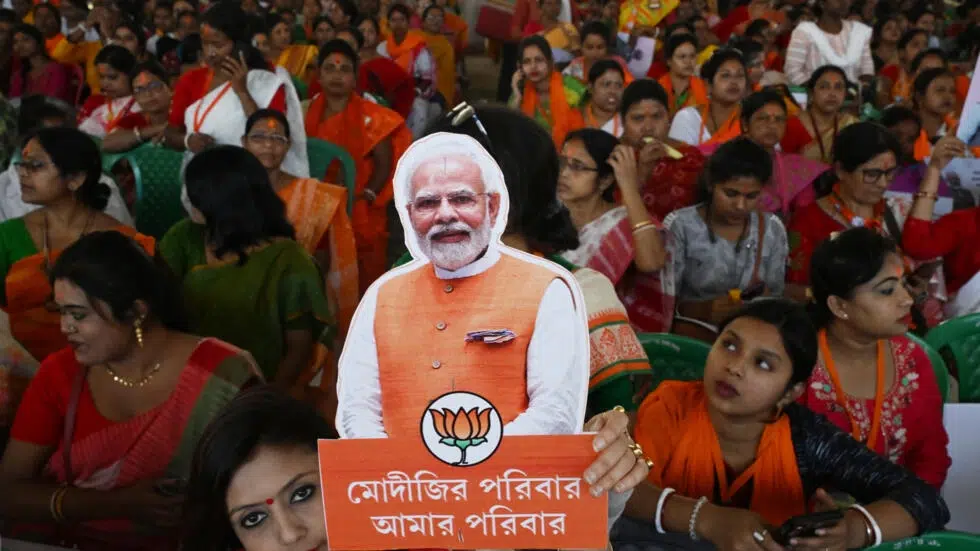
    India’s ruling Bhartiya Janata Party (BJP) was far and away the single biggest beneficiary of the electoral bond scheme © DIBYANGSHU SARKAR / AFP/File