Author: Ibraheem Sohail

  • Pakistan, US to discuss reciprocal tariffs

    Pakistan, US to discuss reciprocal tariffs

    Finance Minister Muhammad Aurangzeb has revealed that the US might remove the reciprocal tariffs it levied on Pakistan. According to reports, both countries have signalled the intent to strengthen bilateral economic relations via constructive negotiations on the issue of tariffs.

    Addressing an audience at an event on Tuesday, the finance minister shared details of his constructive meeting with US Commerce Secretary Howard Lutnick. According to the minister, both countries are headed in the right direction with respect to tariff negotiations.

    He highlighted the federal government’s efforts to reach an agreement with the US, revealing how officials have “carried out tariff reforms to move towards [a] competitive economy.” As per reports, the minister intends to secure a trade deal with the US as soon as possible.

    Reports suggest that the finance minister and US commerce secretary went over matters pertaining to investment, trade and potential avenues to boost bilateral economic ties. Details from the finance minister’s address suggest that additional  Pak-US technical discussions are to follow in the upcoming days.  

    It merits a mention that a Pakistani trade delegation’s visit to the US had to be postponed following rising tensions in the Middle East, namely the exchange of Iran-Israel’s missile strikes.

    If a trade deal is not finalised, Pakistan’s exports to the US could be slapped with a 29 percent tariff, making Pakistani goods on US shelves uncompetitive. This could jeopardise the annual $3 billion that Pakistan rakes in from exports to the US.

    A recent study conducted by the Pakistan Institute of Development Economics (PIDE) has outlined how Donald Trump’s tariffs could result in massive layoffs in the textile, leather, rice, surgical and sporting goods sectors.

    The study was conducted by senior research economists at PIDE, including Dr Usman Qadir, Dr Muhammad Zeshan and Dr Shujaat Farooq. These researchers extensively considered the possible effects of the 29 percent reciprocal tariff rate on Pakistani goods entering the US.

    These tariff rates could prove devastating for Pakistani exporters as exports could shrink by up to 25 percent. To put the loss into perspective, Pakistan could experience a foreign exchange inflow reduction of approximately $1.4 billion.

    Even if the tariff is reduced, the trade deficit may still widen as long as the tariff remains above zero. This is because the imposition of a tariff will serve to make Pakistani goods more expensive in the US market.
  • Punjab, Balochistan to unveil provincial budgets for incoming fiscal year

    Punjab, Balochistan to unveil provincial budgets for incoming fiscal year

    Punjab’s Finance Minister Mujtaba Shujaur Rehman is set to present the province’s budget for fiscal year (FY) 2025-26. According to reports, the budget was approved during a cabinet meeting chaired by Chief Minister (CM) Maryam Nawaz and will be presented before the Punjab Assembly on June 16.

    This follows the recent release of Sindh and Khyber Pakhtunkhwa’s provincial budgets

    Punjab’s Finance Minister has revealed that the budget will showcase the vision of CM Punjab and will be easy on the general public. Reports indicate that the new budget will not introduce new taxes as the provincial government intends to boost tax collection levels by increasing compliance with existing taxes.

    Punjab’s strategy to boost collections by boosting compliance is in line with the federal government’s framework. Recent reports suggest that the Federal Board of Revenue’s (FBR) Chairman, Rashid Mahmood Langrial, announced crackdowns on non-compliant businesses to increase revenue inflows. Punjab could witness a similar boost in revenues in the upcoming fiscal year if it increases compliance as well.

    The finance minister has indicated that the provincial government will leverage its assets to boost revenues. Notable expenditures include funding for social, health, and education initiatives. Moreover, reports suggest that the provincial government is set to aid businesses by disbursing monetary and technical assistance to small and medium-sized enterprises.

    Details from reports suggest that Punjab’s outlay for FY 2025-26 will sit at Rs5.3 trillion. 23.39 per cent of the budget will be set aside for the  Annual Development Programme (ADP), while approximately 76.6 percent of the budget will cover non-development expenditures.

    Reports reveal that the development budget will fund a staggering 3,132 schemes, with 1,663 initiatives being new. Punjab will reportedly acquire Rs124.3 billion from foreign sources to fund development initiatives.

    In other similar developments, Balochistan is expected to announce its budget on June 17. Reports indicate that Balochistan could announce a hike in salaries and other monetary benefits for government employees. This belief holds weight as protests have reportedly broken out recently over the issue of the poor pay public officials receive.

    According to reports, Balochistan’s outlay for FY 2025-26 will cross Rs1 trillion, which pales in comparison to Punjab’s and Sindh’s budget of Rs5.3 trillion and Rs3.45 trillion, respectively.

    However, unlike Sindh, Balochistan’s budget will likely feature a surplus. Reports have outlined Balochistan’s commitment to maintaining fiscal discipline, as a surplus for FY 2025-26 will mark the second consecutive surplus for the province.

  • Petrol prices jacked up by whopping Rs7.95 per litre

    Petrol prices jacked up by whopping Rs7.95 per litre

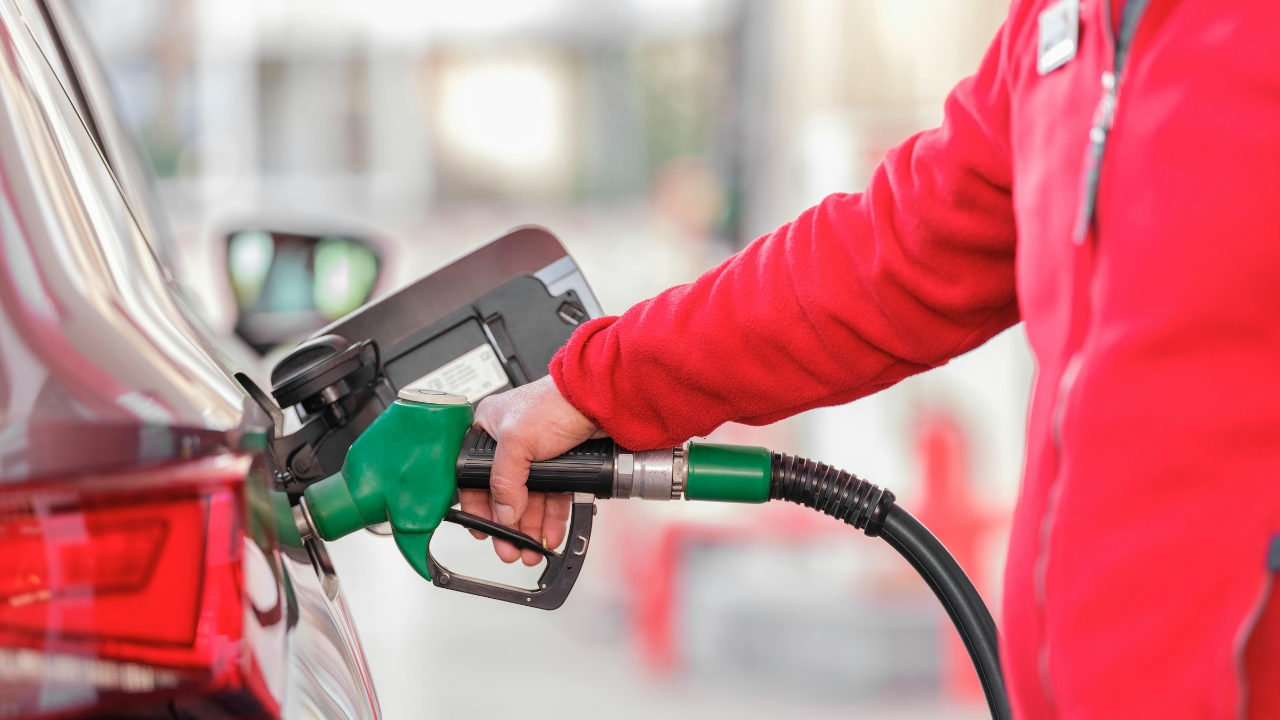
    Prices for petroleum products have been raised for the next two weeks by up to Rs7.95 per litre. Islamabad has attributed the spike in prices to rising oil prices in the international market.

    According to reports, escalating tensions between Iran and Israel have led to a jump in oil prices. Data from the New York Mercantile Exchange (NYMEX) suggests that Brent Crude Oil Futures have shot up by 8.26 percent in the last five days. Analysts fear a second wave of attacks from Israel, which could result in the destruction of Iran’s oil facilities, resulting in subdued production levels.

    Reports indicate that Iran pumps out 3.3 million barrels per day, exporting over 60 percent of its total production. Moreover, the war could spread to the Strait of Hormuz, which witnesses the transport of 20 percent of the world’s oil supply, including exports from non-belligerent countries such as Kuwait, Iraq, and the United Arab Emirates (UAE).

    The aforementioned developments pushed the ex-depot price of petrol by Rs4.8 per litre in the domestic market. Moreover, high-speed diesel (HSD) prices witnessed a more liberal increase, rising by a liberal Rs7.95 per litre. 

    The ex-depot price of petrol will sit at Rs258.43 for the upcoming fortnight after the increase. Similarly, HSD prices have shot up too, coming to settle at Rs262.59 per litre.

    Aside from the base price of the fuel itself, Islamabad charges approximately Rs78 per litre petroleum development levy (PDL) on high octane and petrol. However, the PDL on HSD sits at a slightly lower Rs77.01 per litre.

    The federal government extracts an additional Rs16 per litre from the sale of petroleum products by levying customs duty on petrol and HSD. Put together, the PDL and customs duty raise the federal government’s revenues to Rs94 per litre from petrol and HSD sales. 

    A rise in HSD rates could adversely impact the transport sector, given its reliance on the fuel. The increase in prices is also likely to stifle economic activity across multiple sectors.

    For instance, the transportation sector has diesel as a primary input and thus requires vast quantities of the commodity. With a rise in HSD prices, these businesses could witness a rise in operational costs and, ultimately, a drop in profit margins.

    As per analysts, bus fares tend to be sticky when diesel rates drop after an increase. As such, future drops in the price of diesel might not result in a proportional decrease in fares.

  • Sindh announces Rs3.45 trillion budget, salary hikes

    Sindh announces Rs3.45 trillion budget, salary hikes

    Sindh Chief Minister (CM) Murad Ali Shah unveiled a Rs3.451 trillion provincial budget for 2025–26 on Friday amid loud opposition protests. According to data from reports, this marks a 12.9 percent jump from fiscal year (FY) 2024-25’s Rs3.056 trillion budget. 

    Sindh’s CM outlined that the province intended to run a budget deficit in FY 2025-26. Reports reveal that outlays exceed receipts, causing the projected deficit to stand at a whopping Rs38 billion.

    As per CM Sindh, government employees in grades Basic scale-1 (BS) to BS-16 will receive a liberal 12 percent raise in salaries. However, officers in BS-17 to BS-22 are set to get a slightly lower, yet respectable, 10 percent hike in salaries. 

    Details from the provincial budget suggest that retirees will see an 8 percent spike in their pensions. In addition, CM Sindh confirmed that from the start of the upcoming fiscal year, Sindh Assembly members’ salaries will be aligned with those of lawmakers in other provinces.

    According to CM Sindh, certain taxes and levies would be reduced under the newly introduced Finance Bill. The aforementioned duties include professional tax, cotton fees, entertainment duty, drainage cess, and local cess, which will all be abolished. For reference, the term ‘cess’ refers to a type of tax imposed by the government for a specific purpose and remains in effect until sufficient funds are collected for that purpose.

    As per data from reports, approximately 75 percent of the revenue will come from federal transfers. Sindh anticipates total receipts of Rs3.41 trillion in FY 2025-26, which translates into a rise of 11.6 percent compared to the outgoing fiscal year. 

    Reports reveal that transfers from the federal divisible pool alone are projected at Rs1.927 trillion, indicating a rise of 10.2 percent from FY 2024-25. Additional federal funds are expected to push receipts from Islamabad up to Rs2.095 trillion. These additional funds are to be expected in the form of transfers and compensatory grants for the abolished Octroi and Zila Tax (OZT).

    Current revenue expenditure is expected to reportedly reach Rs2.149 trillion. This marks a 12.4 percent increase on a Year-on-year basis. The education sector has received an allocation of Rs523.7 billion, compared to Rs458.2 billion last year. This accounts for 25.3 percent of the total current revenue expenditure.

    All tiers of the education sector have witnessed a boost in their budget. As per reports, Rs156.2 billion will be allocated to primary education, which is a stark increase from FY 2024-25’s outlay of Rs136.2 billion.

  • Petrol prices expected to rise

    Petrol prices expected to rise

    Prices for petroleum products are expected to rise for the next two weeks by approximately Re1 to Rs5 per litre. Reports cite a spike in international oil prices as the primary factor behind the projected increase in domestic petroleum products’ prices.

    Escalating tensions between Iran and Israel have led to an eight percent jump in the price of oil. Analysts fear that Israel could target Iran’s oil facilities, resulting in subdued production levels.

    Reports indicate that Iran pumps out 3.3 million barrels per day, exporting over 60 percent of its total production. Moreover, the war could spread to the Strait of Hormuz, which witnesses the transport of 20 percent of the world’s oil supply, including exports from non-belligerent countries such as Kuwait, Iraq, and the United Arab Emirates (UAE).

    The aforementioned developments are expected to push the ex-depot price of petrol by Re1 per litre in the domestic market. Moreover, high-speed diesel (HSD) prices may witness a more liberal rise, with analysts predicting an increase of Rs5 per litre. 

    The ex-depot price of petrol is projected to rise to Rs253.63 after the increase. Similarly, HSD prices are expected to rise too, coming to settle at Rs259.64 per litre.

    It merits a mention that these are estimates, and the true magnitude of changes in fuel prices will only be revealed once the relevant authorities make a decision.

    Aside from the base price of the fuel itself, Islamabad charges approximately Rs78 per litre petroleum development levy (PDL) on high octane and petrol. However, the PDL on HSD sits at a slightly lower Rs77.01 per litre.

    The federal government extracts an additional Rs16 per litre from the sale of petroleum products by levying customs duty on petrol and HSD. Put together, the PDL and customs duty raise the federal government’s revenues to Rs94 per litre from petrol and HSD sales. 

    A rise in HSD rates could detrimentally impact the transport sector, given the sector’s reliance upon HSD. The rise in HSD prices is likely to stifle economic activity across various sectors. 

    For instance, the transportation sector has diesel as a primary input and thus requires vast quantities of the commodity. With a rise in HSD prices, these businesses could witness a rise in operational costs and, ultimately, a drop in profit margins.

    As per analysts, bus fares tend to be sticky when diesel rates drop after an increase. As such, future drops in the price of diesel might not result in a proportional decrease in fares.

  • Stock market nosedives amid rising Iran-Israel tensions

    Stock market nosedives amid rising Iran-Israel tensions

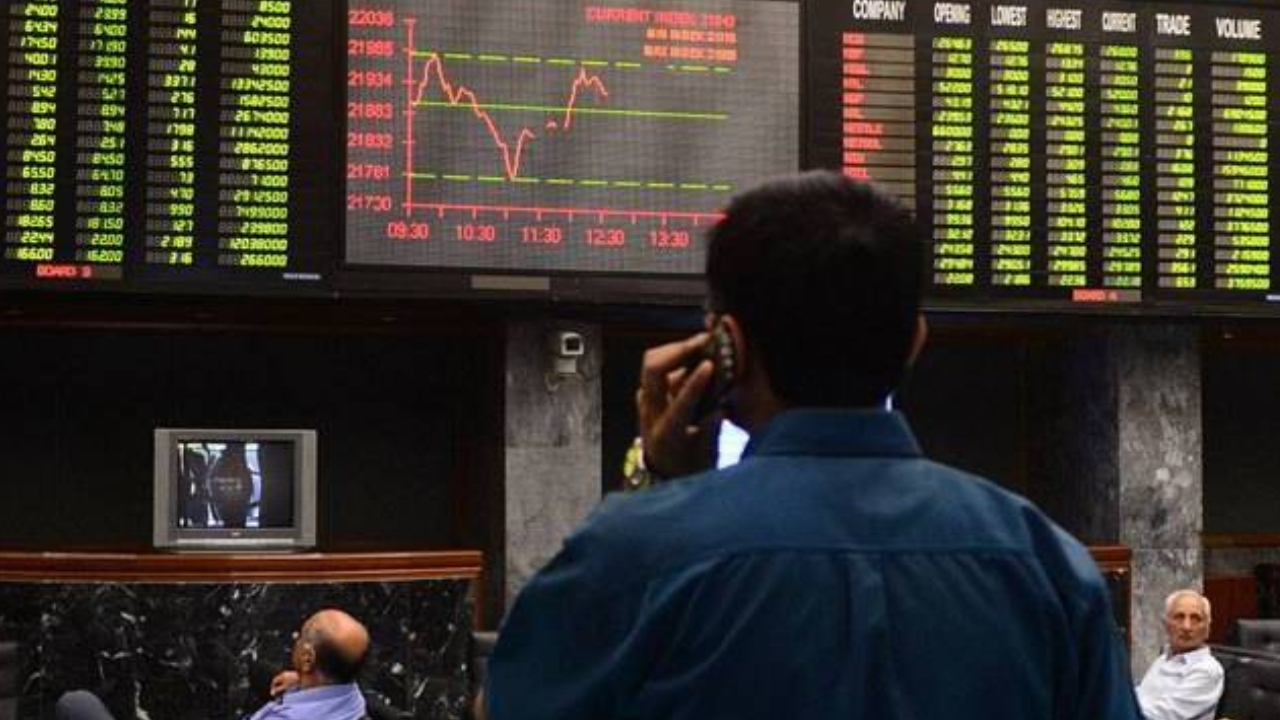
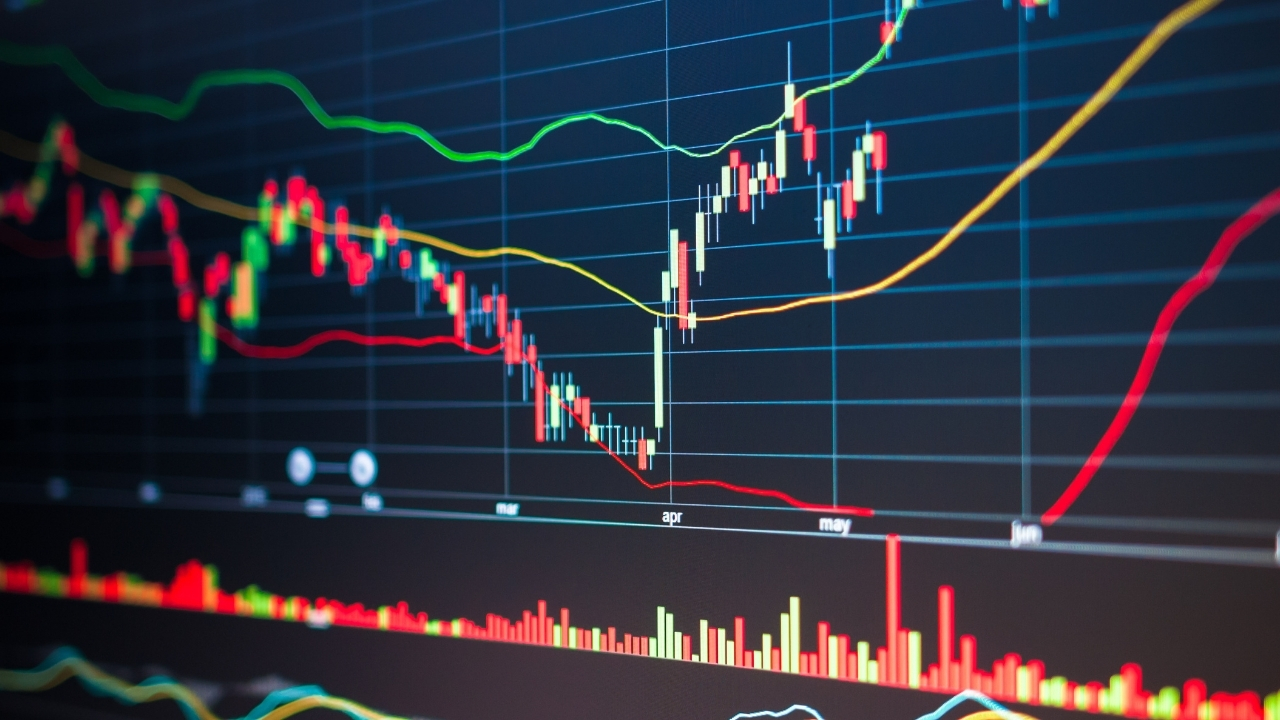
    With Israel launching strikes against Iran’s military and nuclear sites, the Pakistan Stock Exchange (PSX) on Friday witnessed a massive 1,949.56-point drop, causing the benchmark index of the exchange, KSE-100 index, to fall below the 122,500-point support level.

    As per the details, the fall in the KSE-100 index comes mere days after the release of the latest federal budget that had caused the index to reach an all-time high. However, the spike was short-lived as Iran-Israel tensions led to a staggering eight percent increase in the price of oil, causing capital markets across the region to take a hit, including the PSX.

    These developments caused the index to open in the red in the early hours of the day, followed by a recovery. However, the downward momentum persisted after the recovery until closing hours. 

    The KSE-100 index reached an intraday low of 121,604.59 points at 9:19 AM. Investors poured their money into the index, causing a recovery and allowing the index to reach an intraday high of 123,058.06 points at approximately 9:28 AM.

    Trading remained suspended from 12 to 2:30 PM as per the PSX’s trading hour schedule.  A major sell off was recorded when trading resumed after the break, causing the index to fall to just 121,631 points at 3:34 PM. However, the market closed slightly higher at 122,143.56 points.

    For reference, the KSE-100 closed at 124,093.12 points on Thursday, after which the index shrank by 1.57 percent during trading hours on Friday, leading to a 1,949.56-point drop.

    Of the 17 indexes listed on the exchange, 16 remained in the red with the All-Share Index (ALLSHR) shrinking by 1.36 percent, which translates into a 1,051.08-point drop in the index. Unlike the KSE-100, which tracks the performance of the 100 largest and most liquid companies, the ALLSHR index records the performance of all publicly listed companies on the PSX.

    A number of companies witnessed a drop in share prices with Shaheen Insurance Company Limited (SHNI) and Trust Securities & Brokerage Limited (TSBL) losing big, shrinking by 12.04 percent (SHNI) and 10.03 percent (TSBL), respectively.


    However, not every publicly listed stock witnessed a decline in their position as many companies witnessed a sharp rise in share prices. Of these companies in the green, the one that fared the best during intra-day trading was Pervez Ahmed Consultancy Services Ltd. (PASL), which posted a 51.81 percent improvement in its position.

    While current developments have caused investor confidence to plummet, recent reports have suggested that the KSE-100 index could cross 165,000 points by December 2025 owing to a drop in interest rates and an improved state of the wider economy. These factors are responsible for creating a business-friendly environment, lending weight to analysts’ claims.

  • Automobile sales record significant spike amid lower inflation, interest rates

    Automobile sales record significant spike amid lower inflation, interest rates

    Automobile sales in May 2025 recorded meteoric Year-on-year (YoY) and Month-on-month growth rates of 35 percent and 39 percent, respectively. According to reports, a staggering 14,762 units of automobiles were sold nationwide.

    These automobiles include cars, vans, pickups and sport utility vehicles. Adding May’s figures to the tally indicates that consumers have purchased a whopping 126,226 units during fiscal year (FY) 2024-25, excluding June 2025.

    Automobile sales in the first 11 months of FY 2024-25 have logged a 39 percent increase when compared to the same period of the previous year. Data from the Pakistan Automotive Manufacturers Association (PAMA) suggests that automobile sales in the corresponding period during the previous fiscal year sat at a conservative 90,545 units.

    The YoY growth can be attributed to lower inflation and interest rates, which have made purchasing cars more affordable. Inflation rates have fallen to single digits while interest rates have declined to a reasonable 12 percent.

    While analysts have outlined how a fall in interest rates could increase car sales volumes in the coming months, the federal government has been considering a hike in sales tax on vehicles with engine capacities of up to 850cc, a move which could potentially offset the boost in affordability from lower rates. 

    The increase in MoM sales can be linked to the base rate effect as automobile sales in April 2025 remained subdued. As per reports, the primary reason behind lower sales in April lies in strikes carried out in Sindh over canal issues. Reports reveal that the strikes resulted in road closures, causing a fall in sales volume and a delay in the delivery of automobiles.

    Leading the pack, Pak Suzuki Motor Company Ltd (PSMCL) managed to clear a respectable 5,519 units in May. Indus Motor Company (IMC) trailed close behind, selling 4,828 units during the same month.

    Sales figures for May spell a resounding achievement for IMC as YoY sales volumes witnessed a staggering 136 percent growth. IMC’s MoM sales grew by 48 percent, allowing the company to reportedly hit their highest monthly sales in approximately three years.

    Reports reveal that bus and truck sales remained robust too, recording a whopping 147 percent increase on a YoY basis. However, not all automobile types witnessed a growth in their sales volumes as tractor sales fell by 29 percent on a YoY basis.

    As per reports, the slump in tractor sales can be associated with “weak farm economics”. Analysts are likely to closely track car sales for June 2025 to compare the growth in absolute sales volumes for FY 2024–25 with previous years.

  • FBR targets tax evasion in tobacco, poultry sectors

    FBR targets tax evasion in tobacco, poultry sectors

    In a bid to expand compliance with taxation laws, the Federal Board of Revenue’s (FBR) Chairman, Rashid Mahmood Langrial, vowed to launch a crackdown against non-compliant businesses. Appearing on Television, he outlined the FBR’s intent to look into existing loopholes the tobacco sector exploits, digitise the monitoring process, and commented on the new passive income tax framework.

    Outlining the board’s achievements with the sugar industry, the chairman assured that the tobacco sector will soon fall into the tax net as well. According to details from reports, Islamabad’s crackdown against businesses in the sugar industry allowed for a staggering 39 percent boost in tax collection levels. It merits a mention that this increase in collections came about without a hike in tax rates.

    The chairman highlighted that, similar to the sugar industry, other sectors would be at the receiving end of similar crackdowns to ensure compliance. Illicit tobacco and cigarette companies operating in the domestic market have resulted in the federal government losing out on Rs300 to Rs500 billion in unrealised revenues.

    He outlined the federal government’s strategy of bringing businesses into the fold of compliance as opposed to raising tax rates, as higher taxes can cause the informal sector to grow stronger. The chairman revealed that the FBR has witnessed a large spike in compliance rates with tax laws in the sugar industry.

    Moreover, he underlined accountability measures that had been put in place to reduce instances of corruption and tax evasion. The Intelligence Bureau (IB) has played an instrumental role in rooting out corrupt officials from the FBR’s staff, allowing for the tax watchdog to operate with greater efficiency.

    Aside from the sugar and tobacco sectors, the chairman mentioned that producers in the poultry industry were engaging in large-scale tax evasion schemes. These schemes came to light after the FBR probed into the matter, and the schemes are reportedly cheating the national exchequer out of “millions of rupees”.

    In other developments, the chairman also commented on the imposition of a new 15 percent tax on passive income, explaining how it could boost investment levels in the economy. Taxing funds parked in banks to yield interest revenues could cause individuals to pull their money out and invest in businesses or the capital market.

    This could result in a greater level of business activity, which the FBR is expected to keep track of to bring in greater revenues.

  • Teachers, academics express concern over insufficient higher education budget

    Teachers, academics express concern over insufficient higher education budget

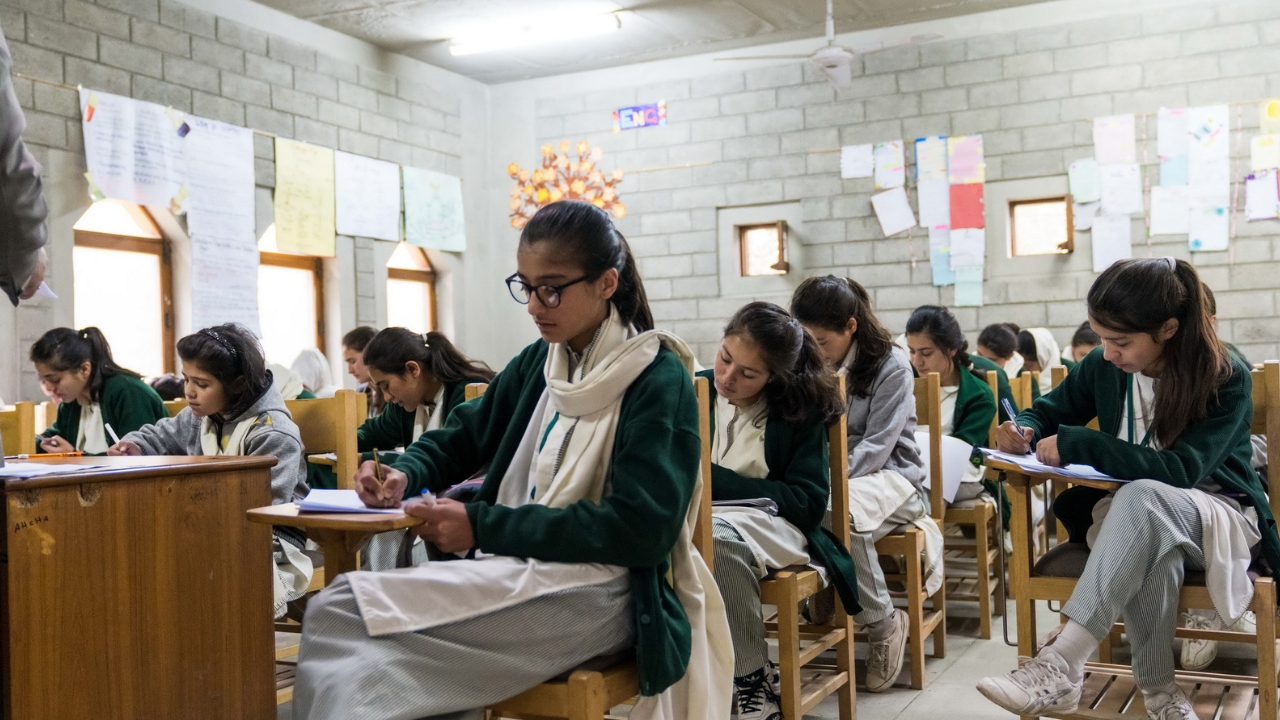
    Stakeholders in the education sector have raised concerns over the outlay for the Higher Education Commission (HEC) in the recently announced federal budget for fiscal year (FY) 2025-26. According to reports, teachers have outlined how Rs66.4 billion is not enough to cover the monetary requirements of institutions in the higher education space.

    The HEC had requested a budget of Rs84.6 billion; however, the government was unable to meet this demand. This has resulted in a gap of approximately 21.5 percent between the initially requested amount and the actual allocation. It merits a mention that the allocated amount for the HEC is to cover all “non-development” expenses, including the salaries and pensions for staff. 

    Reports reveal that the government has actually slashed development budgets, causing the outlay for development initiatives in the educational sector to fall to just Rs39.4 billion for FY 2025-26. This is a sharp drop in comparison to the development outlay for FY 2024-25, which stood at a respectable Rs65 billion. 

    Reports indicate that the low amount earmarked for the HEC comes at a time when top-tier higher educational institutes such as Quaid-i-Azam University (QAU) are facing difficulties in covering financial liabilities. These liabilities include the salaries and pensions of staff.

    According to reports, the financial situation of universities is especially grave in Balochistan and Khyber Pakhtunkhwa.  The Information Secretary of the Federation of Pakistan Universities Academic Staff Association (FAPUASA) has reportedly highlighted that universities could face immense difficulties if budgets are not increased. 

    A joint statement released by the President, Vice President and General Secretary of FAPUASA witnessed all members collectively rejecting the federal budget for the current fiscal year. Reports reveal that the members of FAPUASA have also highlighted their concerns regarding the freezing of the HEC recurring grant. 

    The joint statement underlined the lack of additional funds for the upkeep of universities since 2018, citing the rampant increases in utility bills, inflation rates and operational expenses as reasons for a larger budget. Moreover, the statement highlighted the need for funds as enrollment levels across educational institutions over the past seven years have increased.

    The statement called upon Islamabad to review the federal budget and consider increasing the allocation to the HEC in the Finance Bill. However, it is unclear whether the government will boost the HEC’s budget as lawmakers are yet to comment on the developments.

  • Stock market hits record high after budget-driven rally

    Stock market hits record high after budget-driven rally

    The Pakistan Stock Exchange (PSX) witnessed a massive 2300-point rally, allowing the benchmark index of the exchange, KSE-100 index, to cross 124,500 points, setting a new all-time high. According to reports, shares climbed rapidly on Wednesday as investors were pleased by the Federal Budget that was announced on Tuesday.

    Even prior to the release of the budget, investor confidence remained high as the KSE-100 gained 400 points during intraday trading on Tuesday. Reports suggest that the lack of new taxes in the budget on the stock market allowed bullish sentiments to take over the market.

    Moreover, the government has reportedly decided to tax dividends from equities and debt at a rate of 15 percent and 25 percent, respectively. Coupling this with the tax rate on proceeds from debt rising from 15 percent to 20 percent has reduced the incentive for people to park their funds in banks. Analysts have highlighted that these developments are going to help the capital market.

    These developments caused the index to open in the green in the early hours of the day, with the upwards momentum continuing until closing hours. The KSE-100 index reached an intraday high of 124,588.17 points. The index peaked at approximately 3:30 PM, after which the market closed at a lower, yet respectable, 124,352.68 points.

    For reference, the KSE-100 closed at 122,024.44 points on Tuesday, after which the index recorded a growth of 1.91 percent during trading hours on Wednesday, leading to a 2,328.24 point rise. The market displayed a slowdown around 9:48 AM as the KSE-100 hit its intraday trading low of 123,237.99 points.

    All 17 indexes listed on the exchange remained in the green with the All-share index (ALLSHR) growing by 1.53 percent, which translates into a 1,167.03 point rise in the index. Unlike the KSE-100, which tracks the performance of the 100 largest and most liquid companies, the ALLSHR index records the performance of all publicly listed companies on the PSX.

    A number of companies witnessed a rise in share prices, with Pervez Ahmed Consultancy Services Ltd. (PASL) and Dewan Farooque Spinning Mills Limited (DFSM) winning big, to the tune of growth rates that sat at 32.45 percent (PASL) and 27.17 percent (DFSM). 

    However, not every publicly listed stock witnessed an improvement, as many companies witnessed sharp declines. Of these declining companies, the one that fared the worst during intra-day trading wasPak Leather Crafts Limited (PAKL), which posted a 10.00 percent decline in its position.

    Recent reports have suggested that the KSE-100 index could cross 165,000 points by December 2025, owing to a drop in interest rates and an improved state of the wider economy. These factors are responsible for creating a business-friendly environment, lending weight to analysts’ claims.