Author: Ibraheem Sohail

  • PSX hits record high after ADB greenlights $800 million package for Pakistan

    PSX hits record high after ADB greenlights $800 million package for Pakistan

    The Pakistan Stock Exchange (PSX) rallied, with the benchmark KSE-100 index surpassing its previous record high and setting a new one. Reports reveal that the bullish trend can be attributed to the Asian Development Bank (ADB) approving a financial package for Pakistan.

    ADB cleared a $800 million policy-based loan and guarantee package to help Pakistan improve its public finances and push long-overdue economic reforms. According to reports, the approval came under the second phase of the “Improved Resource Mobilisation and Utilisation Reform Programme”, which focuses on rectifying how the federal government collects and spends money.

    Reports reveal that Pakistan is set to receive a $300 million policy-based loan, which will be utilised to support reform efforts. Moreover, the ADB is offering a $500 million policy-based guarantee, which is the first of its kind by the Manila-based lender. 

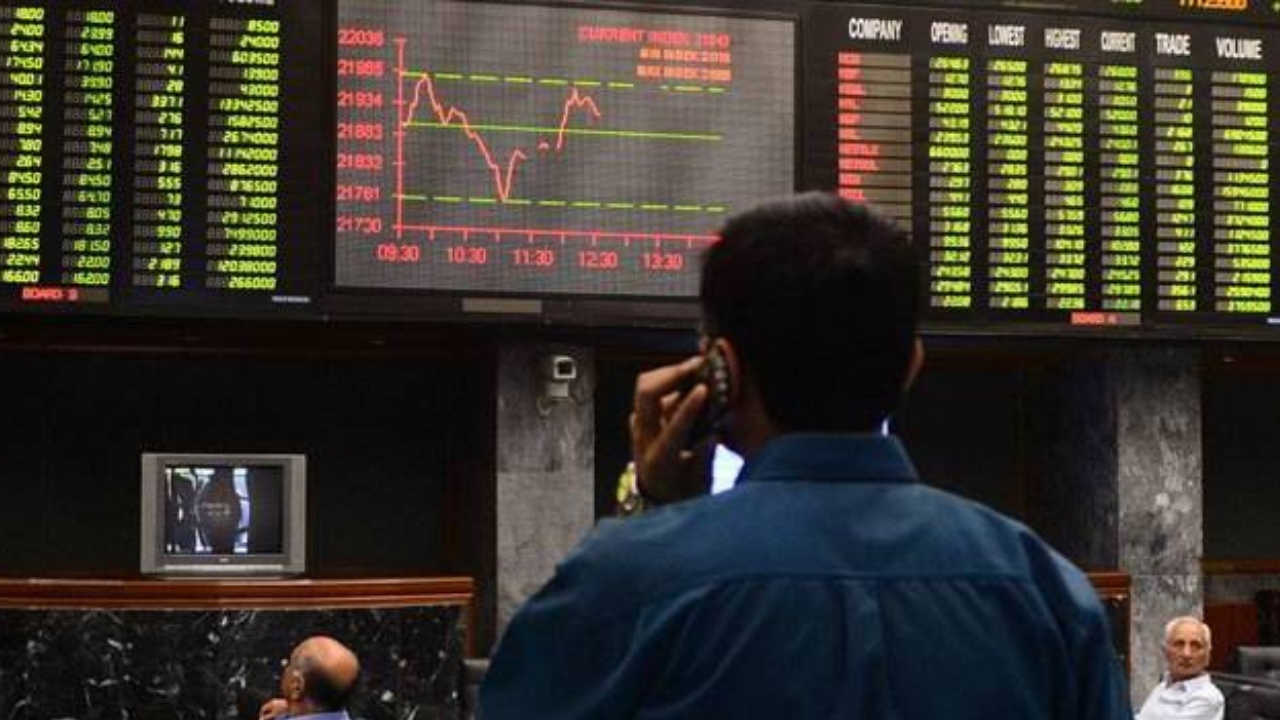
    These developments led to a surge in investor confidence, causing the KSE-100 index to cross 121,500 points during intraday trading. Bullish sentiments allowed the index to open in the green in the early hours of the day, with the upwards momentum continuing until closing hours.

    The KSE-100 index reached an intraday high of 121,882.47 points. The index peaked at 3:01 PM, after which the market closed at a lower, yet respectable, 121,798.86 points.

    For reference, the KSE-100 closed at 120,450.87 points on Tuesday, after which the index recorded a growth of 1.12 percent during trading hours on Wednesday, leading to a 1,347.99 point rise. The market displayed a slowdown around 9:34 AM as the KSE-100 hit its intraday trading low of 120,896.13 points.

    All 17 indexes listed on the exchange remained in the green with the All-share index (ALLSHR) growing by 1.07 percent, which translates into a 801.91 point rise in the index. Unlike the KSE-100, which tracks the performance of the 100 largest and most liquid companies, the ALLSHR index records the performance of all publicly listed companies on the PSX.

    A number of companies witnessed a rise in share prices, with Invest Capital Investment Bank Limited (ICIBL) and First Credit and Investment Bank Limited (FCIBL) winning big, to the tune of growth rates that sat at 42.55 percent (ICIBL) and 13.68 percent (FCIBL). 

    However, not every publicly listed stock witnessed an improvement as many companies witnessed sharp declines. Of these declining companies, the one that fared the worst during intra-day trading was ICC Industries Limited (ICCI), which posted a 10.00 percent decline in its position.

    Recent reports have suggested that the KSE-100 index could cross 165,000 points by December 2025, owing to a drop in interest rates and an improved state of the wider economy. These factors are responsible for creating a business-friendly environment, lending weight to analysts’ claims.
  • Govt approves Rs1 trillion budget, key sectors face steep funding cuts

    Govt approves Rs1 trillion budget, key sectors face steep funding cuts

    Islamabad has approved a Rs1 trillion federal development budget for fiscal year (FY) 2025-26, alongside setting a 4.2 percent growth target. However, Planning Minister Ahsan Iqbal has reportedly highlighted how the budget may fall short, causing economic growth to falter.

    The Planning Minister chaired the Annual Plan Coordination Committee (APCC) meeting, after which he outlined how the government will be left with a measly Rs880 billion after setting aside funds for the development of certain projects. According to reports, the aforementioned projects include the Diamer Basha Dam, Karachi-Quetta expressway, Karakoram Highway and Hyderabad-Sukkur Motorway.

    Despite Pakistan’s fiscal position, the APCC cleared a record Rs4.1 trillion national development outlay, with the provinces paying Rs2.8 trillion of the total amount. Data from reports suggests that Punjab leads spending with a staggering Rs1.19 trillion allocation.

    Sindh trails close behind, allocating a whopping Rs887 billion for their development budget. Khyber Pakhtunkhwa has increased its development budget by 63 percent causing their budget to swell to Rs440 billion. Balochistan ranks last, having the smallest provincial development budget amounting to just Rs280 billion.

    However, the distribution of federal Public Sector Development Programme (PSDP) funds has stirred political tension. This is because Sindh secured Rs86 billion, causing a cabinet member to allege that Sindh was able to secure funds primarily because of its alliance with the ruling coalition. In stark contrast, Khyber Pakhtunkhwa received only Rs3 billion, drawing criticism from Finance Advisor Muzzammil Aslam.

    The Planning Minister responded that Rs70 billion has separately been earmarked for Khyber Pakhtunkhwa’s merged districts and that Islamabad is stepping back from projects that fall under provincial scope.

    While road infrastructure like the Karachi-Quetta expressway and Karakoram Highway remains a top priority, other key sectors may reportedly take a hit owing to financial constraints. As per reports, funding for the water sector has been slashed by 45 percent, despite ongoing concerns about India’s water threats. 

    The Diamer Basha Dam, which the Planning Minister says should ideally finish in three to four years, might now take two decades at this pace because of funding issues. The power sector’s budget has reportedly been slashed by 41 percent, and the Higher Education Commission’s funding has been cut by nearly 33 percent.

  • ADB approves $800m package to back Pakistan’s fiscal reforms

    ADB approves $800m package to back Pakistan’s fiscal reforms

    The Asian Development Bank (ADB) has cleared an $800 million policy based loan and guarantee package to help Pakistan improve its public finances and push long-overdue economic reforms. According to reports, the approval came under the second phase of the “Improved Resource Mobilisation and Utilisation Reform Programme” which focuses on rectifying how the federal government collects and spends money.

    Reports reveal that Pakistan is set to receive a $300 million policy-based loan, which will be utilized to support reform efforts. Moreover, the ADB is offering a $500 million policy-based guarantee which is the first of its kind by the Manilla based lender. 

    Reports suggest that this guarantee could allow Pakistan to raise upwards of $1 billion in additional financing from commercial banks. This is because the ADB’s guarantee helps commercial banks limit their risk exposure as the ADB will be liable to pay the banks in case Pakistan defaults on its loan agreements.  

    Emma Fan, ADB’s country director for Pakistan, said the country has made headway in stabilizing its economy. As per reports, she outlined how the country has improved macroeconomic conditions and how the ADB’s program will support Islamabad enact reforms that could “strengthen public finances and lay the foundation for sustainable growth”.

    The program targets tax reform at its core, reportedly pushing for clearer tax policy, stronger enforcement, and better compliance. Details from reports suggest that the program will also focus on improving how the government manages its cash, tracks spending, and allocates funds. 

    Measures suggested by the ADB to improve tax policy and compliance include digitalization, making it easier for businesses to invest and to foster an environment conducive to private sector growth.

    Reports suggest that following the ADB roadmap could allow for a reduction in the budget deficit and debt burden. This could allow the government to spend on education, healthcare, and development projects.

    The program includes technical support and coordination with other development partners to help Pakistan stay on track. According to the ADB, the focus is on building long term fiscal resilience which could help break Pakistan’s historic trend of persistently needing emergency bailouts.

    Taking to social media, the finance minister’s advisor confirmed the approval and pointed to the behind-the-scenes effort that made it happen. “Diplomacy led by the Economic Affairs Division and the Ministry of Finance secured majority support at the ADB Board” he said in a post on X (formerly twitter).

  • Profit taking grips PSX after early rally

    Profit taking grips PSX after early rally

    Following optimism regarding the upcoming federal budget, the Pakistan Stock Exchange (PSX) continued its upward trend to cross 120,000 points during intraday trading. However, despite investor confidence surging in the early hours of the day, the market closed in the red on Monday.

    The KSE-100, the benchmark index of the PSX, reached an intraday high of 120,590.77 points. The index peaked at 9:56 AM after which significant profit taking took hold of the market, causing the market to close at a lower, yet respectable, 118,877.80 points.


    For reference, the KSE-100 closed at 119,691.09 points on Friday, after which the index recorded a shrinking of 0.68 percent during trading hours on Monday, leading to an 813.29 point rise. The market displayed a slowdown around 3:25 PM as the KSE-100 hit its intraday trading low of 118,672.84 points, closing the day lower than when trading hours started.

    Of the 17 indexes listed on the exchange, 14 remained in the red with the All-share index (ALLSHR) shrinking by 0.4 percent, which translates into a 302.57 point loss for the index. Unlike the KSE-100, which tracks the performance of the 100 largest and most liquid companies, the ALLSHR index records the performance of all publicly listed companies on the PSX.

    A vast array of companies witnessed a rise in share prices with Invest Capital Investment Bank Limited (ICIBL) and TPL Trakker Limited (TPLT) winning big, to the tune of growth rates that sat at 57.14 percent (ICIBL) and 15.97 percent (TPLT). 

    However, not every publicly listed stock witnessed an improvement as many companies witnessed sharp declines. Of these declining companies, the one that fared the worst during intra-day trading was Idrees Textile Mills Limited (IDRT), which posted a 10.01 percent decline in its position.

    Recent reports have suggested that the KSE-100 index could cross 165,000 points by December 2025, owing to a drop in interest rates and an improved state of the wider economy. These factors are responsible for creating a business-friendly environment, lending weight to analysts’ claims.
  • Here’s how much tax you’ll have to pay on bank withdrawals under ‘new policy’

    Here’s how much tax you’ll have to pay on bank withdrawals under ‘new policy’

    The Federal Board of Revenue (FBR) has reportedly suggested that the withholding tax on withdrawals from banks be raised from 0.6 percent to 1.2 percent for non-filers. This move intends to boost the federal government’s revenues for the upcoming fiscal year (FY) 2025-26.

    A reputable news platform was informed by sources that the FBR intends to utilise the hike in taxes to “penalise” non-filers. Aside from the aforementioned disadvantage, the government has non-filers in their crosshairs on other fronts too, as Islamabad will reportedly scrap the non-filers category altogether, curtailing their financial freedoms.

    Reports suggest that non-filers may not be allowed to make financial transactions of any kind. While the government expects its move to broaden the tax net by penalising non-filers, analysts have outlined how this could lead to the rise of unrecorded transactions.

    This may cause a significant setback to the federal government, which is implementing reforms to transition the economy towards a cashless system. According to reports, in meetings held last week as part of pre-budget consultations, the finance minister pushed for stronger digitisation efforts and a move to limit cash transactions.

    While the National Assembly Standing Committee on Finance and Revenue intends to curtail transactions made by non-filers in the upcoming Finance Bill 2025-26, it merits a mention that the federal government has not yet provided an official confirmation for the hike in taxes. 

    Reports suggest that the FBR’s suggestion, if approved, will double the tax rate on cash withdrawals made by non-filers. However, the taxes are likely to be applicable only on cash withdrawals exceeding Rs50,000. Currently, cash withdrawals exceeding Rs50,000 via either credit or debit cards are subject to a 0.6 percent tax.

    Reports indicate that withdrawals larger than Rs50,000 will result in the tax amount being deducted from the entire amount. Under a 1.2 percent withdrawal rate, withdrawals amounting to Rs75,000 in a single day will result in non-filers paying Rs900 to the federal government. Similarly, non-filers withdrawing Rs100,000 in a single day will have to face a tax of Rs1200.

    While the tax seems nominal at first glance, it could prove to be a respectable source of revenue for the government if non-filers continue to use the formal banking system. However, the government will have to ensure that non-filers do not resort to informal channels for transferring cash.

  • Pakistan delegation coming to US next week for tariff talks: Donald Trump

    Pakistan delegation coming to US next week for tariff talks: Donald Trump

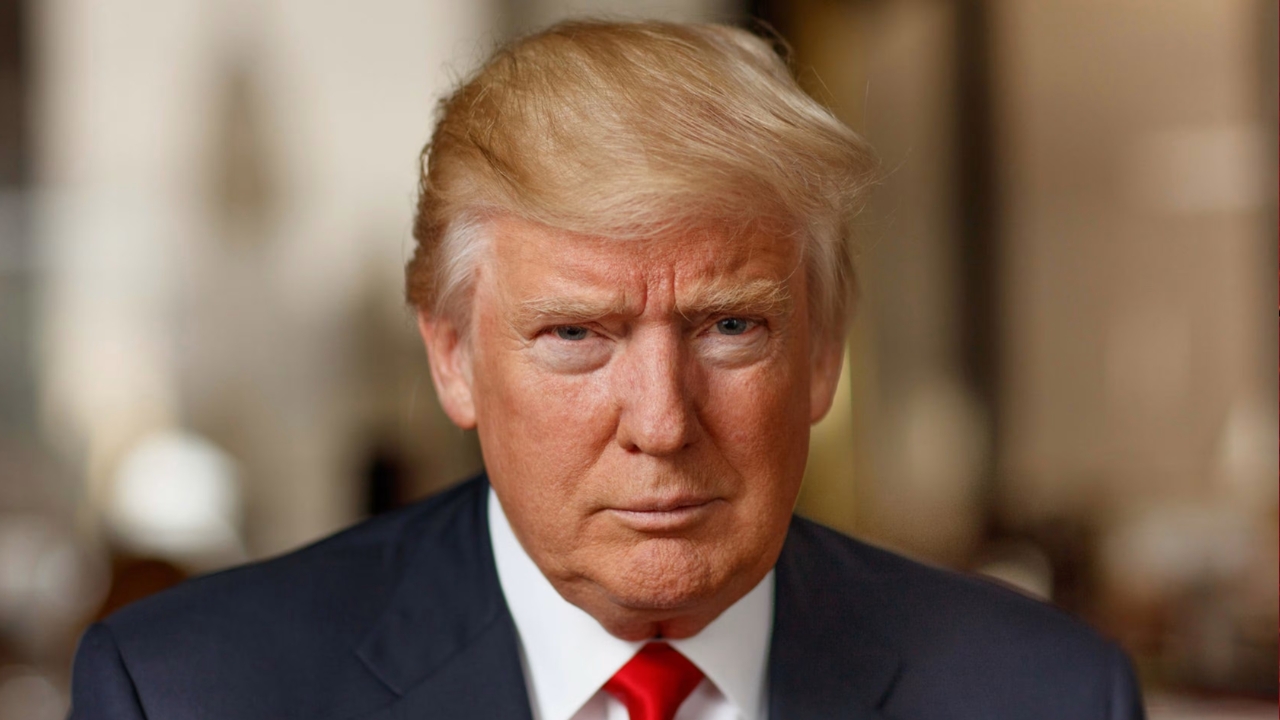
    US President Donald Trump has revealed that a Pakistani delegation will visit the United States (US) in the coming week, likely to hash out the terms of a trade and tariff deal.


    Pakistan currently enjoys a trade surplus with the US amounting to a staggering $3 billion . However, the Trump administration threatened Pakistan’s export earnings by announcing a 29 percent tariff on Pakistan last month.


    While tariffs are currently suspended, Pakistan could face their full weight if authorities do not attempt to soften trade conditions. According to a press release by the Ministry of Finance (MoF), formal negotiations began via a phone call between Finance Minister Muhammad Aurangzeb and US Trade Representative Jamieson Greer. 


    As per reports, reciprocal tariffs remained the key point of discussions. If negotiations yield positive results, it could safeguard a vital inflow of foreign exchange, shielding the current account balance from widening.


    Reports indicate that Donald Trump has reiterated his anti-war rhetoric, outlining how he does not intend to make a deal with either Pakistan or India in the event of a war breaking out. Earlier this month, he took to social media to take credit for mediating a ceasefire between the two belligerent countries.


    His remarks follow India’s unprovoked aggression against Pakistan following a militant attack in Pahalgam, Indian Illegally Occupied Jammu & Kashmir. Reports reveal that Indian aggression led to the neutralisation of five Indian jets alongside heavy economic losses to both countries.


    Speaking to news crews after departing Air Force One at Joint Base Andrews, he reportedly announced that “we’re very close (to) making a deal with India”. As per reports, US-India trade relations are expected to normalize with both sides expected to ink an interim agreement in July. 


    Details released by the Pakistan Institute of Development Economics (PIDE) paint a bleak picture for the economy in case the US does not revise the 29 percent tariff it has imposed on the import of Pakistani goods. According to PIDE, Pakistan will suffer from a loss of foreign exchange inflows amounting to $1.1 to $1.4 billion per annum if tariffs are not reversed.


    Even if the tariff is reduced, the trade deficit may still widen as long as the tariff remains above zero. This is because the imposition of a tariff will serve to make Pakistani goods more expensive in the US market.

  • Crypto is not illegal, just unregulated, clarifies State Bank

    Crypto is not illegal, just unregulated, clarifies State Bank

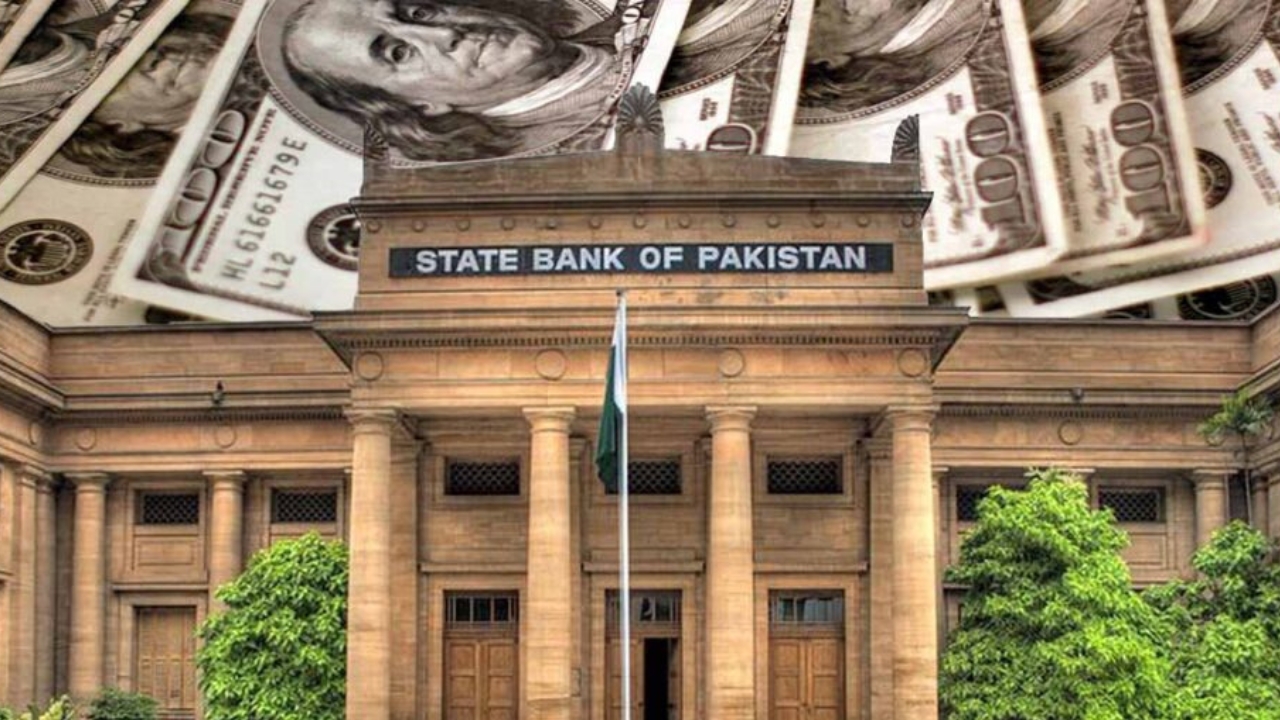
    The State Bank of Pakistan (SBP) has clarified the legal status of cryptocurrencies and other virtual assets in its latest press release. According to the details, digital assets are not illegal in Pakistan but remain unregulated due to the absence of a legal framework.

    Issued on May 30, 2025, the press release has addressed recent media reports regarding discussions during the 14th meeting of the National Assembly’s Standing Committee on Finance and Revenue. The SBP explained that it had advised banks, microfinance institutions, exchange companies, and other regulated entities back in 2018 to avoid dealing in virtual assets (VAs). 

    This was not done because digital assets were illegal, but because there were no legal or regulatory protections in place at the time. “This was done to protect its regulated entities and their customers from the risks emanating due to the absence of legal and regulatory framework for VAs in the country,” the SBP stated.

    The central bank also confirmed that it is now working with the Ministry of Finance and the Pakistan Crypto Council to develop a formal regulatory framework for virtual assets. “We understand that the legal and regulatory framework would provide the requisite clarity and legal coverage about the VAs, ensuring consumer and investor protection,” the statement added. 

    For now, cryptocurrencies remain in a legal grey area, but the SBP’s clarification suggests that Pakistan is inching toward regulation rather than an outright ban. Over the past few months, the federal government has actively been taking measures to adopt and regulate cryptocurrencies and digital assets.

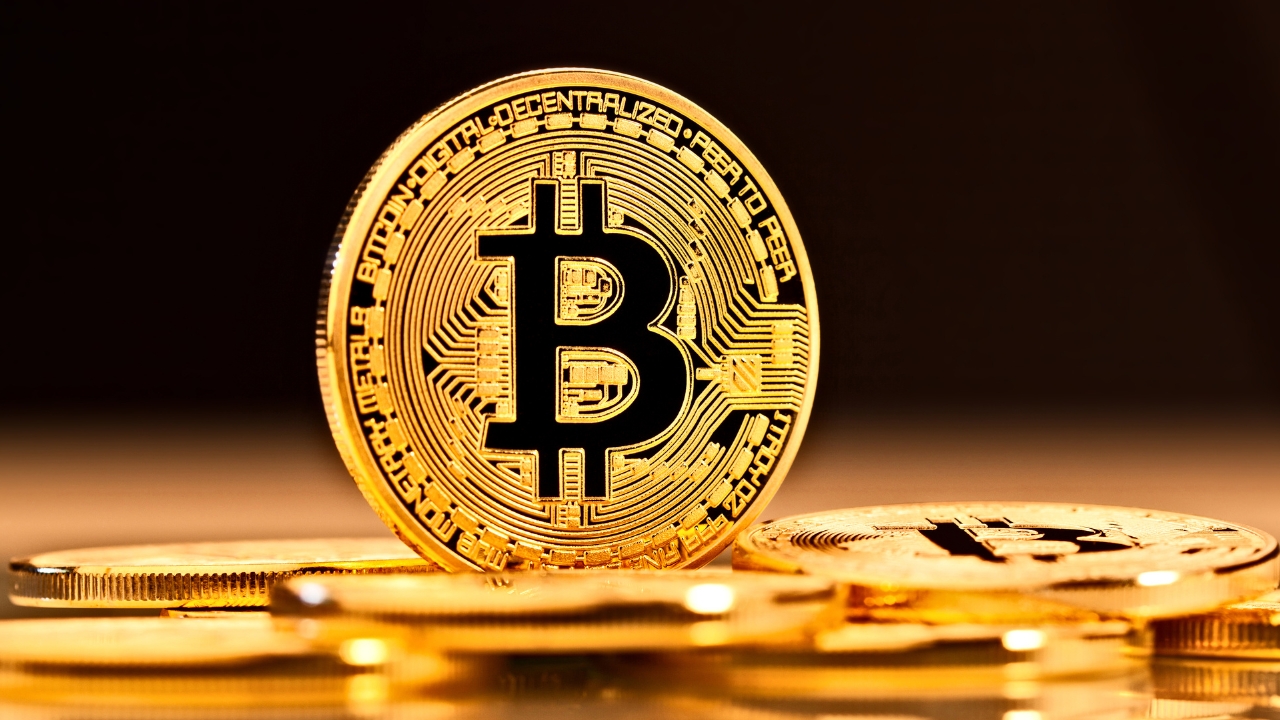
    Earlier this week, in a bid to integrate digital assets into the formal economic structure of the country, the Pakistan Crypto Council (PCC) revealed Pakistan’s first-ever government-led Strategic Bitcoin Reserve. According to reports, PCC Chief Executive Officer (CEO) Bilal Bin Saqib made the announcement during a keynote speech at Bitcoin Vegas 2025 in Las Vegas, United States.

    Pakistan has taken initiatives to support digital asset growth, mentioning how the federal government recently allocated 2,000 megawatts of surplus power to crypto mining and to power artificial intelligence data centres.

    However, critics remain sceptical, outlining how crypto may accelerate the outflow of foreign exchange from the domestic market, leading to a crisis. This is because cryptocurrencies could make it easier for capital to leave the country undetected, especially in the absence of a proper regulatory framework.

  • Inflation projected to rise after record low

    Inflation projected to rise after record low

    The Monthly Economic Update and Outlook by the Ministry of Finance (MoF) indicates that inflation was projected to rise during May and June 2025.

    For May, inflation is expected to sit between 1.5 percent to two percent, wheras it could rise to three to four percent by June. Reports have highlighted that estimates for the current and upcoming months are significantly higher compared to the “record low” 0.3 percent inflation rate recorded in April.

    While inflation rates seem to be subdued, earlier reports indicated that the decline in inflation rates can be chalked up to the ‘base effect’ of the inflation rate the economy experienced in the previous periods.

    The base effect in this context entails that subsequent increases in the prices of goods and services have been limited after inflation rates touched their peak of almost 38 percent in May 2023. However, the effect of inflation from the previous period reportedly continues to diminish the purchasing power of Pakistani citizens and businesses alike. 

    Details in the MoF’s monthly update also suggest that Large-Scale Manufacturing (LSM) remains subdued. However, the LSM sector is expected to improve its output in the next few months despite contractions in the sector on both year-on-year (YoY) and month-on-month (MoM) terms.

    As per reports, high-frequency indicators have been moving in the right direction, suggesting optimism in the sector. Improvements in the aforementioned indicators include the State Bank of Pakistan’s (SBP) expansionary monetary policy, imports of raw materials and an increase in automobile output levels.

    The SBP raised interest rates to an extortionate 22 percent in an attempt to rein in inflation rates. This measure curbed demand for consumer and business loans, resulting in a slowdown in the LSM sector.

    However, the SBP has slashed policy rates by a staggering 1,100 basis points over the past year, easing borrowing costs for manufacturers, which could help increase production levels. Moreover, consumers can avail themselves of lower rates while purchasing these goods, resulting in increased demand for LSM sector products.

    Aside from inflation rates, the MoF also outlined how the increased availability of water and improved weather conditions could boost crop output levels. If the agricultural sector witnesses growth owing to better natural conditions, it could translate into higher economic growth.

  • Pakistan boasts crypto reserve; State Bank says ban still in place

    Pakistan boasts crypto reserve; State Bank says ban still in place

    The Ministry of Finance (MoF) and the State Bank of Pakistan have reiterated that cryptocurrency and its transactions remain illegal under current regulations. This announcement, made on Thursday, comes as Islamabad takes steps to adopt and regulate cryptocurrencies on the international stage.

    Earlier this week, in a bid to integrate digital assets into the formal economic structure of the country, the Pakistan Crypto Council (PCC) revealed Pakistan’s first-ever government-led Strategic Bitcoin Reserve. According to reports, PCC Chief Executive Officer (CEO) Bilal Bin Saqib made the announcement during a keynote speech at Bitcoin Vegas 2025 in Las Vegas, United States.

    However, reports reveal that Finance Secretary Imdadullah Bosal has outlined how a crypto ban remains in place because of regulations on digital assets set by the SBP and Securities and Exchange Commission of Pakistan (SECP). The finance secretary further highlighted how crypto is not “legal tender” in Pakistan at the moment and that a legal framework can only come into place when the federal government “formally takes a decision”.

    Moreover, crypto use lacks the parliamentary backing that is needed to legalise it in the near future. Members of the National Assembly’s Standing Committee on Finance and Revenue remain confused over Islamabad’s approach to crypto. As per reports, Mirza Ikhtiar Baig asked why the government has encouraged the general public to invest in crypto when it is banned under current laws.

    He even warned investors, outlining how they could face serious consequences for investing in crypto. As per an executive director at the SBP, cryptocurrencies, including bitcoin, were declared illegal under a directive issued by the bank in 2024, with the Financial Monitoring Unit (FMU) still looking into crypto cases to refer to authorities. 

    Another official has reportedly raised concerns, shedding light on how the federal government is dedicating surplus power for bitcoin mining operations despite crypto being illegal in Pakistan.

    Mohammad Mobeen has reportedly asked why Islamabad is dealing with crypto instead of the SBP, as it could be better suited for the job of maintaining the country’s newly established crypto wallet. Critiquing the government’s approach further, he outlined how the PCC’s CEO has been meeting with leaders in the digital asset space to garner investments despite the illegal status of cryptocurrencies in Pakistan.

    Shahram Khan Tarakai has suggested that crypto may accelerate the outflow of foreign exchange from the domestic market, leading to a crisis. Committee members have also requested clarification on whether crypto mining will be controlled by the public or private sector.

  • Gold prices rise by Rs1,400 per tola in domestic market

    Gold prices rise by Rs1,400 per tola in domestic market

    Gold prices in the domestic market crept up on Wednesday, mirroring the upward trend in the international market. According to reports, the rise in prices can be attributed to growing anticipation regarding the release of information from the latest US Federal Reserve’s policy meeting.

    Reports indicate that rising prices can also be chalked up to speculative purchasing in the global market, as investors are buying the dip following a drop in gold rates. Per tola 24k gold rates have surged by Rs1,400 to rest at Rs349,300 as per data from the All Pakistan Gems and Jewellers Sarafa Association (APGJSA).

    Likewise, 24k 10-gram gold prices rose by Rs1,200, causing the rate to surge up to Rs299,468. Reports outline how prices have recovered after witnessing a persistent decline, dropping by Rs3,600 per tola on Tuesday alone.

    A director at a reputable financial brokerage outlined that while gold rates fluctuated sizably on Wednesday, they remained within a set trading range. Details from reports suggest that gold prices per troy ounce surged past the $3,300 barrier and touched $3,325, while a trading low of $3,290 was recorded as well.

    The director of the financial brokerage reportedly highlighted how the $3,270 per troy ounce was a support level from where the market rates began a rally. He also mentioned that $3,250 per troy ounce was a key resistance level beyond which gold prices may not rise in the short term.

    He explained that profit taking grips the market when rates approach higher resistance levels. Historical movements in the price of the precious metal lend credibility to his statements as higher prices tend to trigger sell-offs.

    However, ongoing Russia-Ukraine tensions along with uncertainty linked to the United States’ (US) tariffs on countries continue to make gold seem an attractive investment. Historically, gold has been perceived by many as a safe-haven asset as it is a great source of value, especially in times of uncertainty.

    Gold prices tend to rise when interest rates are low. This is because lower interest rates reduce the benefit of holding interest-yielding bonds compared to holding gold, which does not provide a coupon payment. 

    Since gold prices are denominated in dollars, the direction of the shift in interest rates in the US market largely determines how gold rates will change. If the US Federal Reserve decides to cut interest rates, gold may witness a boost, causing gold rates in Pakistan to rise as well.