Author: Ibraheem Sohail

  • Gold prices drop to Rs 338,800 per tola

    Gold prices drop to Rs 338,800 per tola

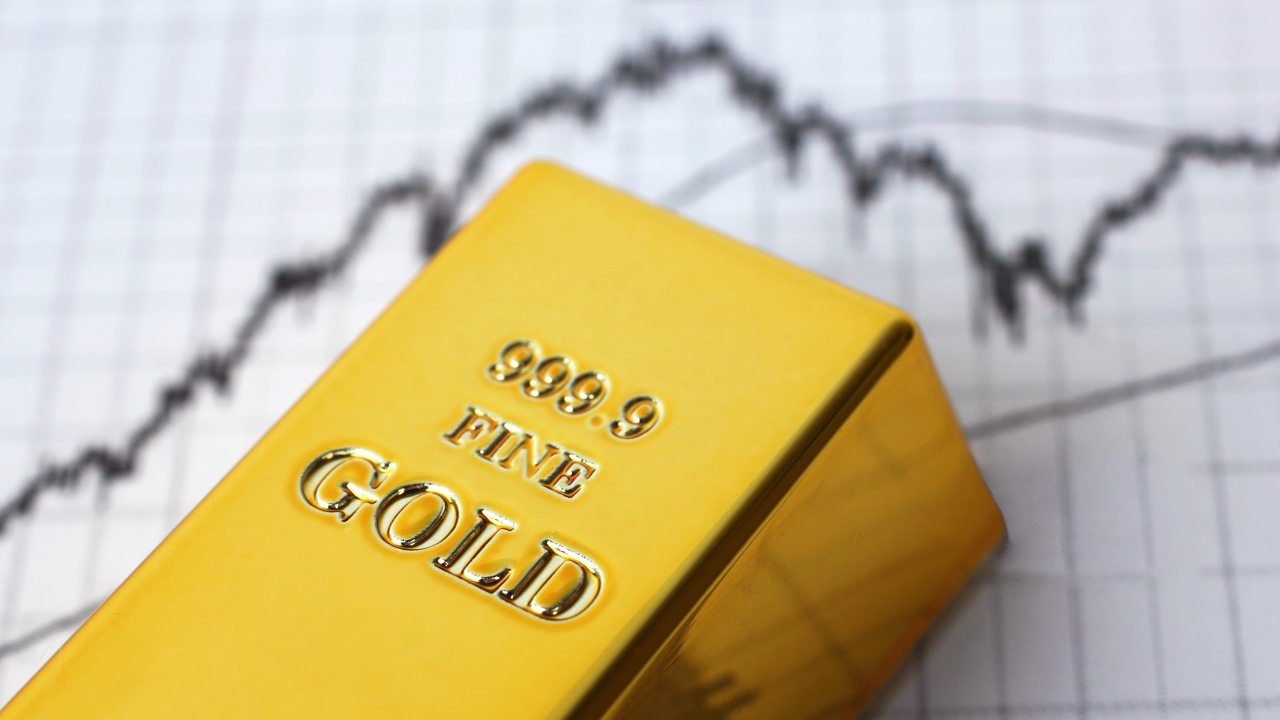
    Gold prices took a tumble on Monday, momentarily ending the hot streak the precious metal was on. As per credible reports, an upward trend had been witnessed over several sessions, pushing the price of the commodity to a record high of Rs 340,600 per tola on Saturday.

    However, gold was unofficially trading as high as Rs 345,000 per tola in the domestic market, as many believed that the commodity was poised to appreciate even more, given international geopolitical factors. With the US-China trade war escalating, gold’s status as a safe haven investment improved, causing the metal to summit new peaks.  

    Data from the All-Pakistan Gems and Jewellers Sarafa Association (APGJSA) indicates that the value of one tola 24 karat gold now sits at Rs 338,800 after witnessing a fall of Rs 1800. The price of 10 grams 24 karat gold recorded a fall of Rs 1543, coming to rest at Rs 290,466.

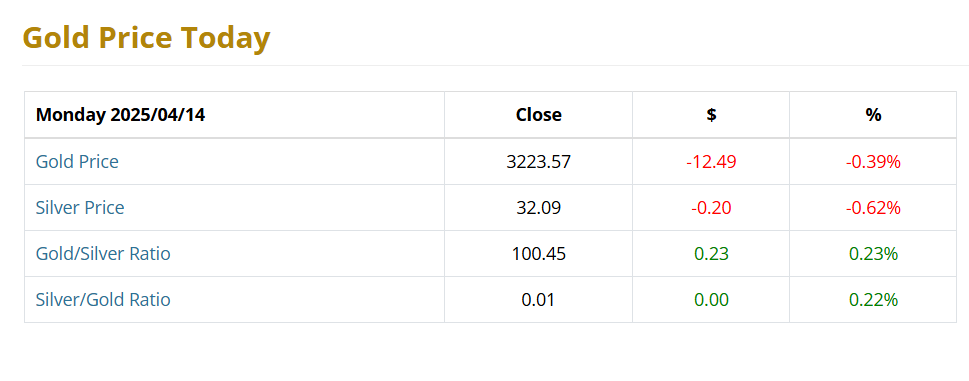
    Gold prices in the international market have fallen marginally as well. As of reporting, the price of gold across various trading platforms stood at approximately $3223.57 per troy ounce (including a premium of $20, recording a drop of $12.49). However, many believe that the price of gold could resume its climb if tensions build up between the US and China. 
    Analysts believe that market corrections are in effect now, pushing the value of gold downwards after the commodity peaked. Reports reveal that the price of the yellow metal rose unrestricted by approximately 10 percent in under a week.

    While the price of the commodity sits comfortably above $3200 per troy ounce, analysts have reportedly suggested that it could ‘test further support zones’ as low as $3,050 per troy ounce. 

    However, the price of gold may not deviate substantially as trading activities in the international market are likely to witness a drop owing to market closures amid holidays for Easter weekend and Good Friday. Until markets resume trading activities, trading volumes are unlikely to post any remarkable jumps.

    The drop in gold prices comes despite the rupee recording a depreciation against the greenback. A weaker rupee implies that the price of gold should rise. 

    However, international trends have proven to be more powerful, allowing for the price of gold to log a drop. Had the rupee held steady, gold prices would have recorded an even sharper fall.
  • ‘Health tax’ proposed for processed food, drinks, candies

    ‘Health tax’ proposed for processed food, drinks, candies

    In a bid to discourage the purchase of unhealthy foodstuffs and beverages, the Ministry of National Health Services (MNHS) has suggested that a ‘health tax’ be placed on a slew of processed food and drinks. Reports indicate that the tax rate could sit at 20 percent and may be implemented in the fiscal year (FY) 2025-26’s budget. 

    Taxes on goods that already have a 20 percent Federal Excise Duty (FED) may witness tax rates up to 40 percent. Bakery items and confectionery products also fall under the umbrella of the proposed health tax.

    The MNHS suggests that the health tax on processed goods be raised incrementally until it hits 50 percent by FY 2028-29.  Proceeds from the tax could also assist authorities in consolidating Pakistan’s cash-strapped fiscal position.

    Credible reports indicate that the increase in revenues could allow lawmakers to increase public expenditure on health, allowing the general public to benefit from a greater level of governmental provision of healthcare services. 

    The health tax could provide citizens with a double benefit as it will reduce the quantity demanded for ultra-processed food and drinks – ultimately reducing the incidence of diabetes and heart diseases. Moreover, individuals consuming harmful processed goods will indirectly foot the medical costs for the general public.

    However, companies that manufacture these goods may witness a substantial fall in their sales volume if such a tax is introduced. This could detrimentally impact these firms’ revenues and profit margins. 

    As per reports, the FED on certain aerated waters sits at 20 percent. However, recommendations have been made to revise the rate up to 40 percent initially, with a second increment that will bring the rate up to 50 percent by FY 2028-29. For context, aerated water refers to water that has been artificially impregnated with a large amount of gas.

    Likewise, the current FED of 20 percent on squashes, flavored water, syrups and sugary fruit juices could be revised up to 50 percent by FY 2028-29. Not all goods have a FED levied upon them. However, a report submitted to the MNHS has recommended that a levy of at least 20 percent be introduced on ultra-processed food products.

    Reports reveal that the 20 percent FED could be levied on confectionary products such as chocolates, candies, and chewing gum, to name a few. Bakery items such as sweetened corn flakes, cookies and nuts with sugar could face a 20 percent duty as well.

  • Trump’s tariffs likely to cause $1.4 billion hit to Pakistani exports

    Trump’s tariffs likely to cause $1.4 billion hit to Pakistani exports

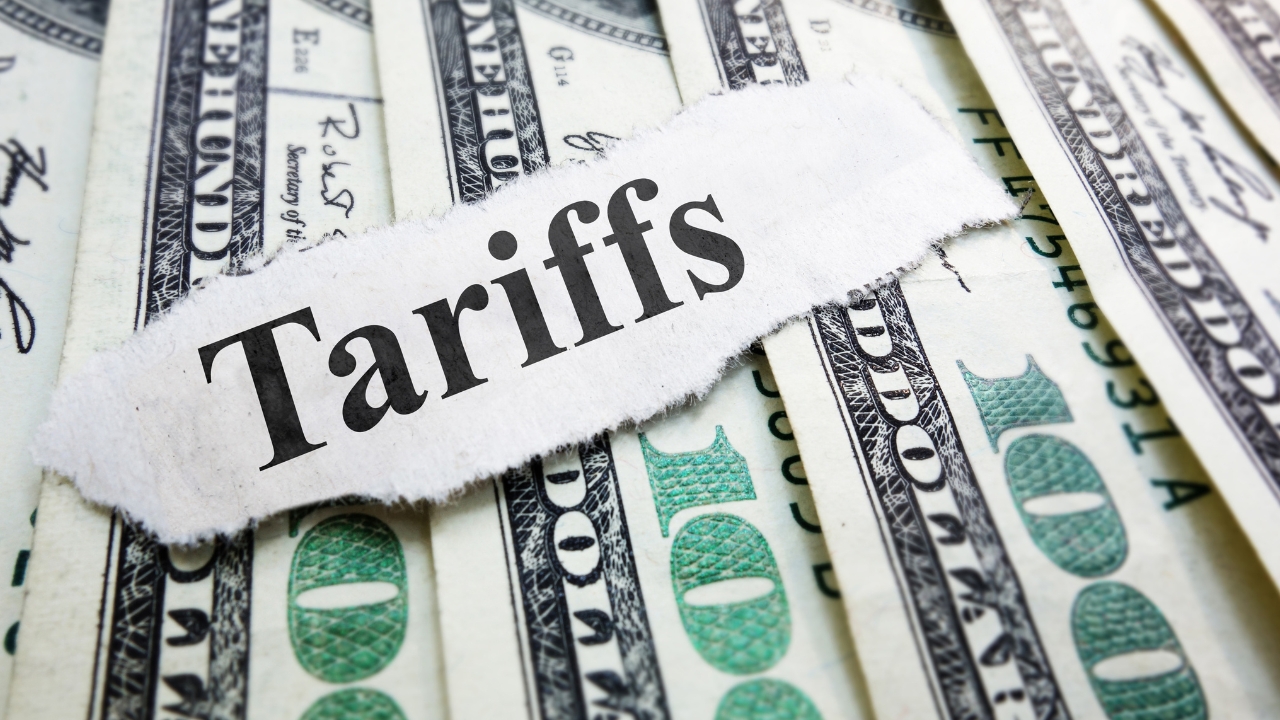
    The tariffs levied against Pakistan by the US call for rapid action by both businesses and the government to scramble to diversify export goods and destinations. A study conducted by the Pakistan Institute of Development Economics (PIDE) has outlined how Donald Trump’s tariffs could result in massive layoffs in the textile, leather, rice, surgical and sporting goods sectors.

    The study was conducted by senior research economists at PIDE, including Dr Usman Qadir, Dr Muhammad Zeshan and Dr Shujaat Farooq. These researchers extensively considered the possible effects of the 29 percent reciprocal tariff rate on Pakistani goods entering the US.

    However, reports reveal that the tariff rate Pakistan faces is actually significantly higher than 29 percent. Tacking on the 8.6 percent Most Favoured Nation (MFN) duty, the total tariff rate could surge to a staggering 37.6 percent.

    This could prove devastating for Pakistani exporters as the aforementioned tariff rates could result in exports shrinking by up to 25 percent. To put the loss into perspective, Pakistan could experience a foreign exchange inflow reduction of approximately $1.4 billion. 

    While tariffs are currently suspended, data from the study indicates that if Trump reinstates the tariffs, the domestic textile sector would be hit hardest. Reports suggest that the textile industry alone could cause a spike in the domestic unemployment rate as PIDE projects that half a million workers could be fired. 

    PIDE has indicated that the economy could witness a substantial drop in trade-related foreign exchange inflows, which could result in macroeconomic instability. Historically, Pakistan has run a trade deficit against its trading partners, and with US tariffs in place, some believe that the deficit could worsen.  

    According to data from credible reports, Pakistan exported goods valued at $5.3 billion to the US in 2024 – A sizable portion of which were textiles. Domestic exporters are slated to lose market share to neighbouring India, which has not been hit as hard by Donald Trump’s levies. 

    PIDE has suggested that relevant authorities participate in diplomatic efforts to dampen the effects of the tariffs by possible revisions. Prime Minister Shehbaz Sharif recently authorized a delegation from Pakistan to visit the US and attempt to secure better terms for Pakistan.

    Some believe that if Pakistan decreases the tariffs it levies on US imports, the Trump administration could reduce its rate on Pakistan. This could significantly benefit the local textile industry as it imports a large quantity of cotton from the US.

    As per reports, Pakistan imported cotton worth $181 million in 2024 to create final goods. If tariffs on the US are reduced, it could ultimately raise the competitiveness of the textile industry and potentially allow the Pakistani delegation to argue for lower reciprocal tariffs.

  • Dasu hydropower project cost soars to Rs 1.74 trillion

    Dasu hydropower project cost soars to Rs 1.74 trillion

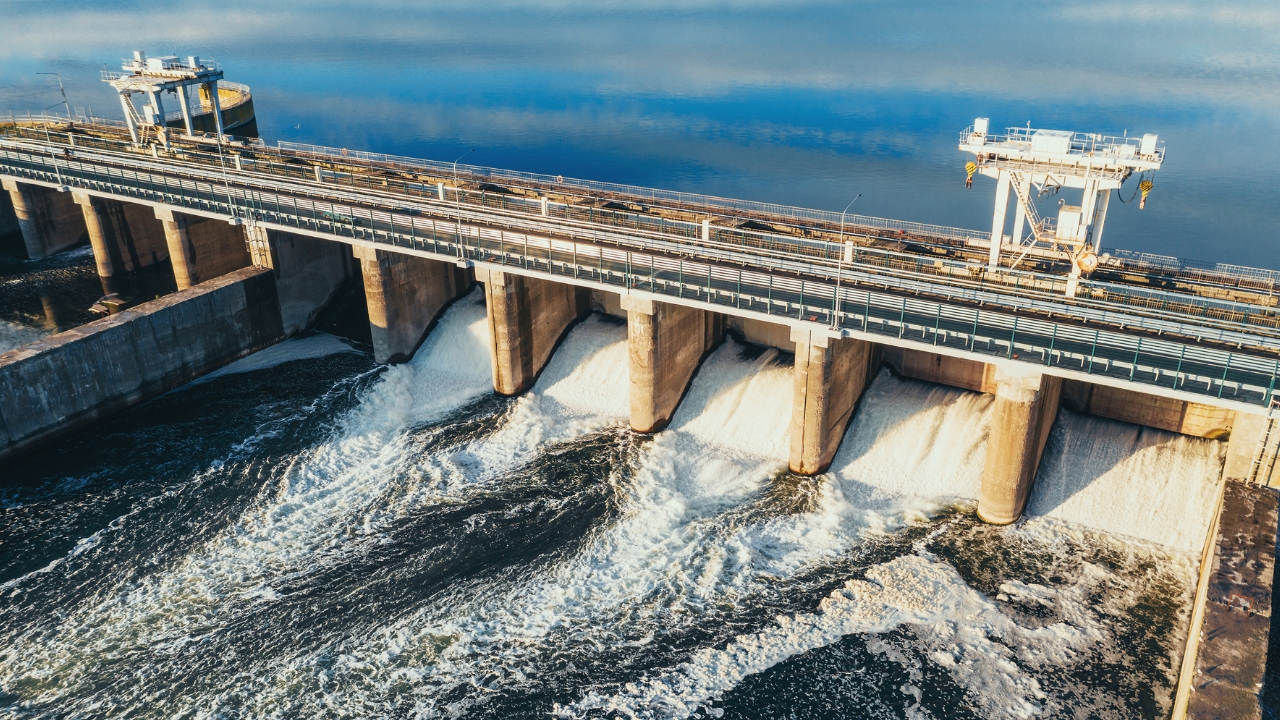
    Islamabad has recommended a new version of the Dasu hydropower project for approval with a staggering price tag of Rs 1.7 trillion. As per credible reports, the new cost represents a meteoric 240 percent rise from initial estimates.

    Earlier estimates pegged the total cost at a conservative Rs 479 billion which would have made it the most economical power generation venture. However, with the project’s cost now surging by Rs 1.3 trillion, analysts have pointed out how inefficient the scheme has become after the revision in price.

    According to reports, the per unit cost of power has swelled to Rs 8.79, which effectively makes the Dasu Project the most expensive one in the country’s history. With the project requiring $6.2 billion, a large influx of foreign investment and loans will be required to propel the project to the finish line.

    An announcement from the Ministry of Planning has revealed that under Minister for Planning Ahsan Iqbal, the Central Development Working Party (CDWP) has decided to take up ‘Stage-I’ of the revised Dasu Hydropower Project. Reports suggest that this project is worth Rs 1.74 trillion and could significantly boost Pakistan’s power generation capacity.

    Ahsan Iqbal reportedly expressed concern regarding the colossal 240 percent price increase which had come about because of severe mismanagement and persistent delays. For reference, the project does not even have a chief financial officer for the management of funds. However, Iqbal notably outlined how the previous government was responsible for these issues, effectively clearing the PMLN administration from any blame. 

    Nevertheless, he decided to forward details of the scheme to the Executive Committee of the National Economic Council (ECNEC) for approval. The ECNEC meeting will be chaired by Deputy Prime Minister Ishaq Dar and progress on the project will remain suspended until await his approval. 

    In 2014, the project was slated to produce power at a per-megawatt cost of just Rs 236 million. The aforementioned figure however has now exploded to Rs 804 million per-megawatt.

    Aside from the high cost of power generation, experts have highlighted how a vast array of mega-projects can be completed if funds for the Dasu project are rerouted elsewhere. 

    With the project’s price tag reaching $6.7 billion, reports from reputable institutions suggest that the federal government could have laid tracks for the Karachi-Peshawar railway. However, Ahsan Iqbal has outlined the importance of the project to combat water security issues.

    The World Bank has provided $517 million for the project and additional funding is likely to be secured from the World Bank too – as government entities remained locked in discussions with the global lender for an additional $1 billion loan package.

  • PIA to launch flights to Uzbekistan amid boost in bilateral tourism efforts

    PIA to launch flights to Uzbekistan amid boost in bilateral tourism efforts

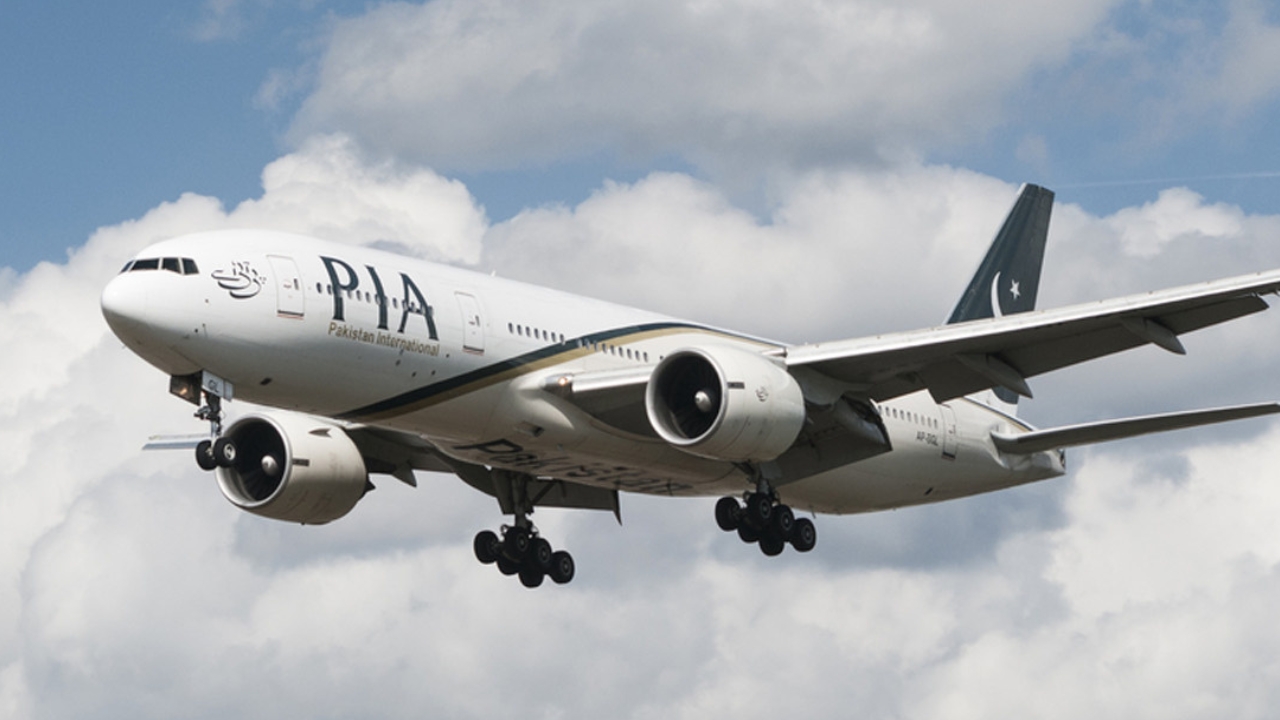
    In a bid to boost ties with Uzbekistan, Prime Minister Shehbaz Sharif has issued orders for Pakistan International Airlines (PIA) to begin flights to the Central Asian country. As per credible reports, private airlines could also be “engaged” to facilitate tourism ventures between the two nations.

    A high-profile meeting has occurred with senior officials from both sides, realising gains from collaboration in the tourism sector. Reports indicate that Uzbekistan’s Minister for Tourism, Umid Shadiev, and Ambassador to Pakistan, Alisher Tukhtaev, discussed avenues of collaboration with Haroon Akhtar Khan, who serves as Special Assistant to the Prime Minister on Industries and Production.

    Haroon Akhtar reportedly reiterated Pakistan’s willingness to collaborate with Uzbekistan to boost people-to-people exchanges, expand tourism-related links and safeguard the joint heritage of both nations. He outlined the wealth of economic growth prospects that Pakistan can enjoy by establishing greater ties with central asian countries.

    While PIA is to begin flight operations to Uzbekistan in the near future, Haroon has highlighted the federal government’s intent to engage with privately owned airlines to increase connectivity. If the demand for commercial flights between the two countries remains strong, PIA might witness a growth in its profit margins.

    Until recently, the national carrier’s financial performance was not enviable as the airline posted staggering losses for 21 consecutive years. However, recent reports suggest that the airline managed to log an operational profit of Rs3.9 billion, with net profit remaining at a healthy Rs2.26 billion in 2024.

    According to PIA’s spokesperson, the national carrier’s financial performance is now in line with that of some of the best airlines in the world. PIA has been able to achieve this feat after making major changes to its business operations and structure.

    Reports indicate that authorities are actively attempting to lubricate bilateral tourism by simplifying visa application processes. A multitude of Memoranda of Understanding (MoUs) have also been inked by both sides to help grow Pak-Uzbek ties.

    The aforementioned developments could allow a greater number of residents to obtain visas, enabling Pakistani airlines to compete in catering to the rising demand along this travel route. However, airlines will not be the sole beneficiaries for an increase in passenger flows between the two countries, as catering and hospitality services could witness a rise in demand as well.

  • Gold crosses Rs336,000 per tola

    Gold crosses Rs336,000 per tola

    The seemingly never-ending joyride of gold prices continues, climbing to a whopping Rs336,800 per tola in what has been dubbed as the highest single-day spike over the past few months.

    According to reports, the surge in domestic prices is a result of a “sharp rally” in global markets as international factors continue to drive the price of the precious metal upward.

    Gold is becoming the go-to safe haven investment as the US-China trade war escalates, reaching new peaks. Reports indicate that China has imposed a staggering 84 percent tariff on all US goods entering the country. However, this has not sit well with the Trump administration that continues to wage the trade war.

    The US has responded to China’s tariffs by levying additional tariffs of their own, bringing the total tariff rate on Chinese goods up to an extortionate 145 percent. Independent analysts predict that these developments do not have any positive ending for either the US or China.

    The trade war has resulted in a bloodbath across global capital markets as stock markets took a tumble amid shrinking investor confidence because of uncertainty.

    Analysts have outlined how recent corrections in global gold rates are unprecedented, far exceeding the normal corrections that usually sit in the $20 to $30 range. Domestic gold prices have also witnessed a Rs16,000 surge in two waves.

    Information from the All Pakistan Sarafa Gems and Jewellers Association (APSGJA) indicates that gold rates initially surged by Rs7,800 per tola. While this price hike translates into a healthy return for speculators holding gold, the precious metal witnessed a second, even larger, spike of Rs8,000.

    Data from a reputable database indicates that gold rates have surged by $594.29 per troy ounce since the beginning of 2025. This marks a 22.65 percent rise in the price of a troy ounce of gold in the aforementioned period. For reference, one troy ounce is equivalent to approximately 2.44 tolas. 

    As of reporting, the price of gold across various trading platforms stood at approximately $3,213 per troy ounce. Many believe that the price of gold could continue to surge if the US and China do not reach an amicable solution. 

    In the event that ties between the two economic giants normalise, investors may pull funds out of gold, and park them into capital markets again. With people looking to purchase gold for the next marriage season, many would be interested in seeing the price of the commodity fall.

    Recent reports have also suggested that gold shops have seen lower traffic as the extortionately high prices have pushed it out of reach for many. The high prices have caused a loss to both small jewelry store owners and those interested in getting wedding jewelry made.

  • After Ukraine, United States turns to Pakistan’s trillion-dollar mineral deposits

    After Ukraine, United States turns to Pakistan’s trillion-dollar mineral deposits

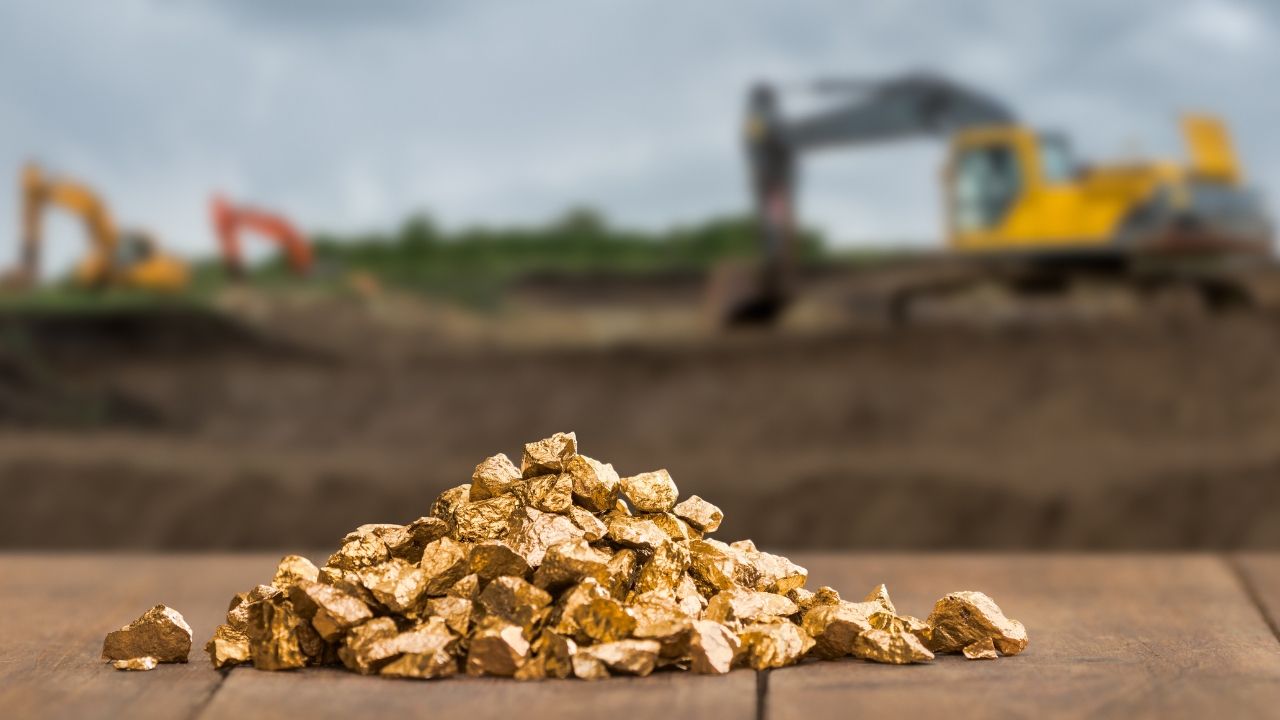
    In a quest to remain the economic hegemon of the world, the United States (US) has set its eyes on Pakistan’s precious minerals. As per credible reports, a key official from the State Department Bureau of South and Central Asian Affairs expressed American interest in Pakistani minerals to Prime Minister Shehbaz Sharif.


    The development came about after the Minerals Investment Forum was held  to boost investment inflows into the mining sector. Reports reveal that a multitude of multinational firms and foreign state officials visited the forum. 


    US based companies are considering exploiting Pakistan’s resources in mutually beneficial ventures. Reports suggest that Shehbaz Sharif believes that collaboration with the US could yield great results for cash-strapped Pakistan.


    Pakistan’s immense debt burden could be cut down if investments pour into the country. Shehbaz Sharif has outlined how the country contains precious minerals and elements worth ‘trillions of dollars’.


    There is merit to this claim as Pakistan currently possesses one of the largest deposits of gold, copper and lithium. Additionally, with China refusing to export seven rare elements to the US, it makes intuitive sense as to why the US wants to secure extraction rights and trade deals with countries other than China.


    Previously, the US was locked in negotiations with Ukraine to gain access to its resources in exchange for support in the war effort against Russia. However, many believe that if Ukraine inks this deal, it would get the short end of the stick – as it is seemingly exploitative.


    The US wants Ukraine to allocate approximately 50 percent of proceeds from mining and extraction operations to the US. Moreover, the Trump administration also seeks to secure partial ownership in important infrastructure across the war-torn country.


    While Ukraine might not sign the deal, the US is likely to find a commercial ally in Pakistan. This is because Shehbaz Sharif has reportedly expressed the federal government’s inclination to solidify ties with the US.


    His decision to send a delegation, right after the mining investment forum, to the US indicates the government’s willingness to collaborate with the superpower. Pakistan could witness significant growth because of US-led mining operations as the Pakistani premier has forbidden the export of raw minerals, claiming that foreign companies must produce goods from these elements before they can be exported.


    However, it is unclear if mining operations can run unimpeded in Balochistan – the province with the largest deposits of minerals. A rise in terrorist activities has been recorded across the region which could potentially drive away investment inflows.

  • Petrol prices could fall, govt might levy GST on fuel

    Petrol prices could fall, govt might levy GST on fuel

    Crude oil prices in the international market continue their downward trend, causing many analysts to predict a possible fall in domestic petroleum prices. Data indicates that Brent crude oil prices have been plummeting significantly.

    Brent crude oil futures recorded a 2.38 percent decline in just 24 hours, causing the price to drop below $64 per barrel. However, the drop in Brent crude oil prices has been more pronounced over the past fortnight as prices reportedly sat at a comfortable $74.95 per barrel on March 31.

    As Pakistan is a net importer of petroleum products, the $10 per barrel fall in Brent prices could allow consumers to witness relief if the government does not tack on additional charges. According to reports, the petroleum development levy currently stands at its maximum legal limit of 70 rupees per liter on both petrol and diesel.

    Analysts have predicted that the price of petroleum products could drop by approximately 11 to 12 rupees per liter. Reports indicate Islamabad might consider levying the General Sales Tax (GST) on local petroleum products.

    This is because while fuel prices are estimated to fall, consumers may not realise the full magnitude of the fall in price as the government may attempt to boost its own revenues. This could allow the government to consolidate its fiscal position, as levying taxes on fuel does not substantially decrease the quantity of fuel the economy demands.

    Currently, Pakistan does not charge consumers any general sales tax (GST) on petroleum products. However, fuel suppliers and distributors tack on an additional 17 rupees per litre as markup.

    All eyes are on the Oil and Gas Regulatory Authority (Ogra), which is responsible for making revisions to fuel prices. Analysts have highlighted the benefits of slashing fuel prices.

    A fall in High-speed diesel (HSD) rates could benefit the transport sector given the sector’s reliance upon HSD. The fall in HSD prices is likely to spur economic activity across various sectors. 

    For instance, the transportation sector has diesel as a primary input and thus requires vast quantities of the commodity. With a fall in HSD prices, these businesses could witness a drop in operational costs and, ultimately, a rise in profit margins.

    As per analysts, bus fares tend to be sticky when diesel rates drop. As such, drops in the price of diesel might not benefit commuters and could rather funnel funds into the pockets of the owners of transport companies.

  • Tariffs war: Pakistan to send high-profile delegation to US fearing massive losses

    Tariffs war: Pakistan to send high-profile delegation to US fearing massive losses

    Lawmakers in Islamabad have decided to send a high-profile delegation to the United States (US) to go over the tariffs that US President Donald Trump has levied on Pakistani goods entering the US. As per credible reports, the delegation intends to boost trade volume between the two economies.

    This move was authorised by Prime Minister (PM) Shehbaz Sharif as the government grew worried about a potential drop in export volume to the US. Pakistan, along with several other countries, has been slammed by tariffs.

    The situation is alarming for Pakistani exporters as their goods will now face a 39 percent tariff once they reach the US’s shores. Pakistan’s tariff is comprised of a country-specific rate of 29 percent and a baseline rate of 10 percent – which was unilaterally imposed on all countries. This has caused the competitiveness of Pakistani exports to shrink in the international market.

    While many consider this move to be hostile by the US, analysts have outlined how Pakistan itself has historically levied high tariffs against the US. Currently, Pakistan has a 58 percent tariff rate against all US products entering the country.

    Facing falling competitiveness because of taxes, PM Shehbaz Sharif has authorised the Pakistani delegation to draw up a framework that can protect Pakistan’s commercial interests.  As per reports, the Pakistani delegation consists of several exporters and business leaders. If successful, the delegation may secure better terms with its largest single-country export destination: The United States.  

    Data from reports suggests that the value of exports to the US stand at a respectable $6 billion, which are now under threat. These exports are primarily textiles, causing many business owners to evaluate the confidence they had placed in the textile sector.

    Projections from analysts indicate that the aforementioned developments could result in Islamabad’s failure to realise approximately $500 to $700 million in duties. While it might seem like a small amount at first glance, many believe that the effects could be devastating for the cash-strapped economy.

    Reports have revealed that PM Shehbaz Sharif is willing to work with the Trump administration to attain a better deal for Pakistan. This is because the decision to send a team to the US came mere hours after the Pakistani premier held a meeting with senior officials from the US.

    During this meeting, PM Sharif outlined Pakistan’s willingness to cooperate with the US in matters pertaining to trade, investment, counter-terrorism and regional security.

  • PIA records profit after 21 years

    PIA records profit after 21 years

    After 21 long years of remaining locked in a financial nosedive, Pakistan International Airlines (PIA) has successfully posted its first profit. According to credible reports, PIA has logged an operational profit of Rs3.9 billion, with net profit remaining at a healthy Rs2.26 billion.

    The national carrier’s board of directors approved financial results for 2024, which showed the airline’s improving financial health. A spokesperson from PIA claimed that the airline enjoyed an operating margin of over 12 percent.

    According to the spokesperson, the national carrier’s financial performance is now in line with that of some of the best airlines in the world. PIA has been able to achieve this feat after making major changes to its business operations and structure.

    These changes allowed PIA to lift the suspension that had been placed on its flights to major destinations, such as Europe and the United States. This moratorium on PIA’s services came about as a direct consequence of a post-crash speech by then-Minister Ghulam Sarwar, who had claimed without any evidence that 40 percent of PIA’s pilots were flying with fraudulent licenses. Sarwar’s speech detrimentally impacted the airline’s credibility, and the airline lost its goodwill with customers, which it had earned over the years. 

    With PIA now regaining its reputation and working tirelessly to adhere to security regulations, it has regained the right to fly lucrative routes to Europe. Moreover, the airline continues to lease out its slots to airports to which it is barred from flying, such as London Heathrow airport. 

    In addition to boosting revenues, the airline has focused on cutting costs, as reports indicate that annual expenditures fell considerably during 2024. PIA was able to slash its manpower while suspending flight operations to non-profitable routes.  

    Lawmakers have taken to social media to celebrate improvement in PIA’s financial health. Defence Minister Khawaja Asif posted on X (formerly Twitter) and outlined how the profit would boost the chances of the airline getting privatised.

    However, many question if it would be a good idea to privatise the national carrier right as it’s beginning to take off again. Reputable institutions have highlighted how the airline would previously witness frequent flight cancellations and plane seizures at airports.

    The airline’s poor financial health was responsible for the aforementioned incidents. As per reports, PIA was teetering on the edge of default and would run annual deficits, prompting Islamabad to consider privatising the state-owned enterprise.

    Previous privatisation attempts ended in failure as the government unsuccessfully attracted a bid that was far below the minimum price of $306 million for part of the airline.