Author: Ibraheem Sohail

  • ‘Low domestic savings, investment threaten long-term growth,’ warns SBP governor

    ‘Low domestic savings, investment threaten long-term growth,’ warns SBP governor

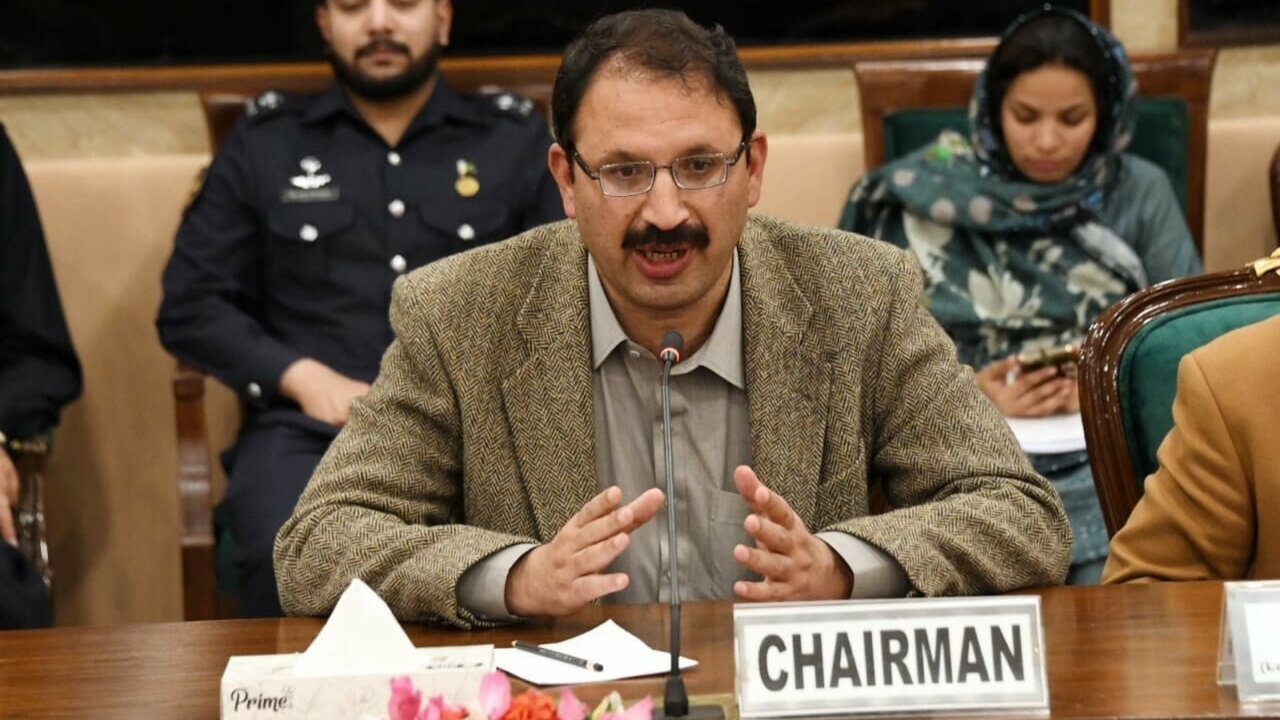
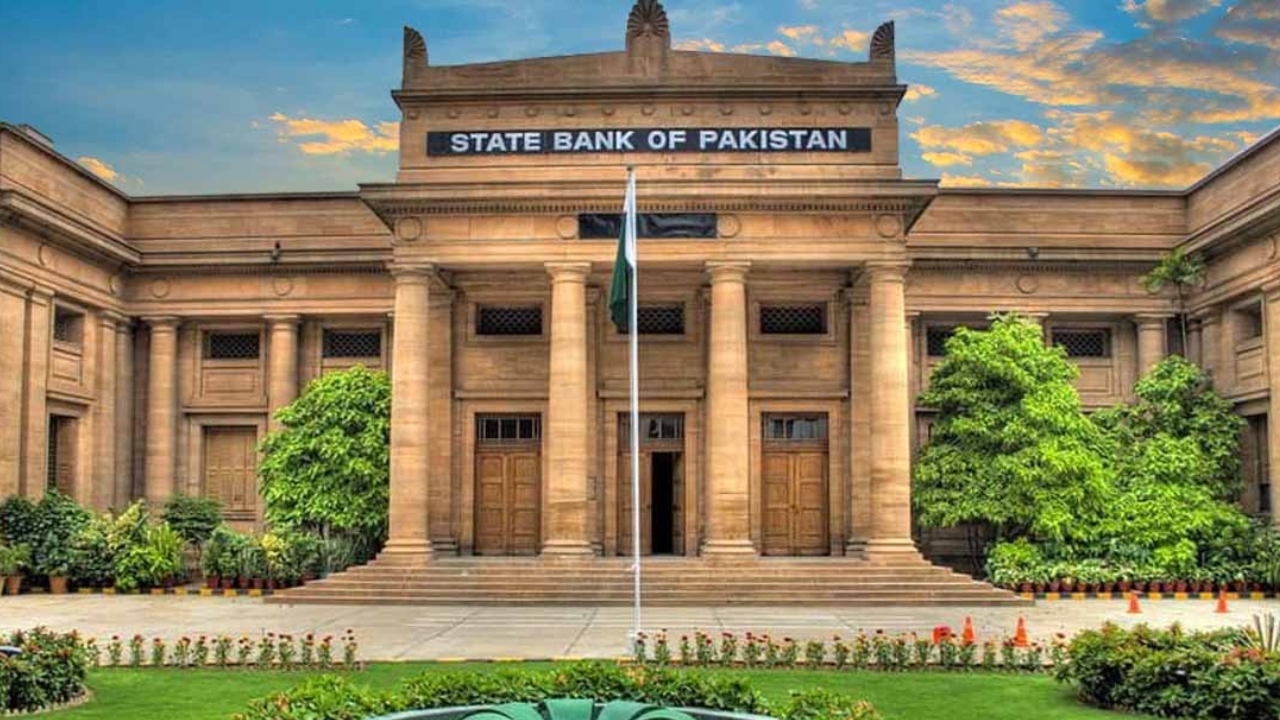
    Pakistan’s domestic savings level has declined to a measly 7.4 percent of the gross domestic product (GDP). According to the Governor of the State Bank of Pakistan (SBP) Jameel Ahmed, the low savings level has resulted in reliance upon external financing and repeated boom-bust economic cycles. Meanwhile, reports reveal that Pakistan lags far behind in domestic savings, with the regional average at 27 percent of GDP compared to just 7.4 percent in Pakistan.

    Addressing the conference “Unlocking the Capital Markets Potential for Banks,” on Monday, the SBP governor warned that Pakistan’s long-term growth prospects remain weak due to declining investment and a low savings rate. Data from the Pakistan Bureau of Statistics (PBS) indicates that private investment levels have fallen to 9 percent of GDP in 2024-25 from 12 percent in 2008-09.

    However, the decrease in investment is not limited to the private sector, as public investment has recorded a steep decline from 4 percent to 2.9 percent over the aforementioned period. Reports suggest that Pakistan now ranks the lowest in the region in terms of total investment.

    Data from the World Bank (WB) shows Pakistan’s gross fixed capital formation to sit at 12 percent of GDP, far below Bangladesh’s 31 percent and Sri Lanka’s 20 percent. For reference, gross fixed capital formation is a measure of a country’s investment into physical assets that boost future production, such as buildings and infrastructure.

    The SBP’s governor highlighted the need to address the low savings rates to help “build sustainable growth”. He stressed the importance of capital markets to help funnel domestic savings into productive investments.

    Investing in the domestic capital market is attractive for investors as well, as the Pakistan Stock Exchange (PSX) has been performing exceptionally over the past year. The PSX has proved to be an avenue of high returns for investors, as the benchmark index of the PSX, the KSE-100 index, has grown by over 92.4 percent over the past year.

    According to reports, participation in the PSX remains subdued compared to other economies in the region, given the low number of investor accounts and market capitalisation. The SBP’s governor has taken notice of the low level of financial inclusion, offering possible solutions to remedy the issue.

    As per the details, he has directed government bodies, regulators, and financial institutions to promote financial literacy to boost market participation.
  • NADRA app seeks ‘liveness check’ from deceased to cancel their own ID cards

    NADRA app seeks ‘liveness check’ from deceased to cancel their own ID cards

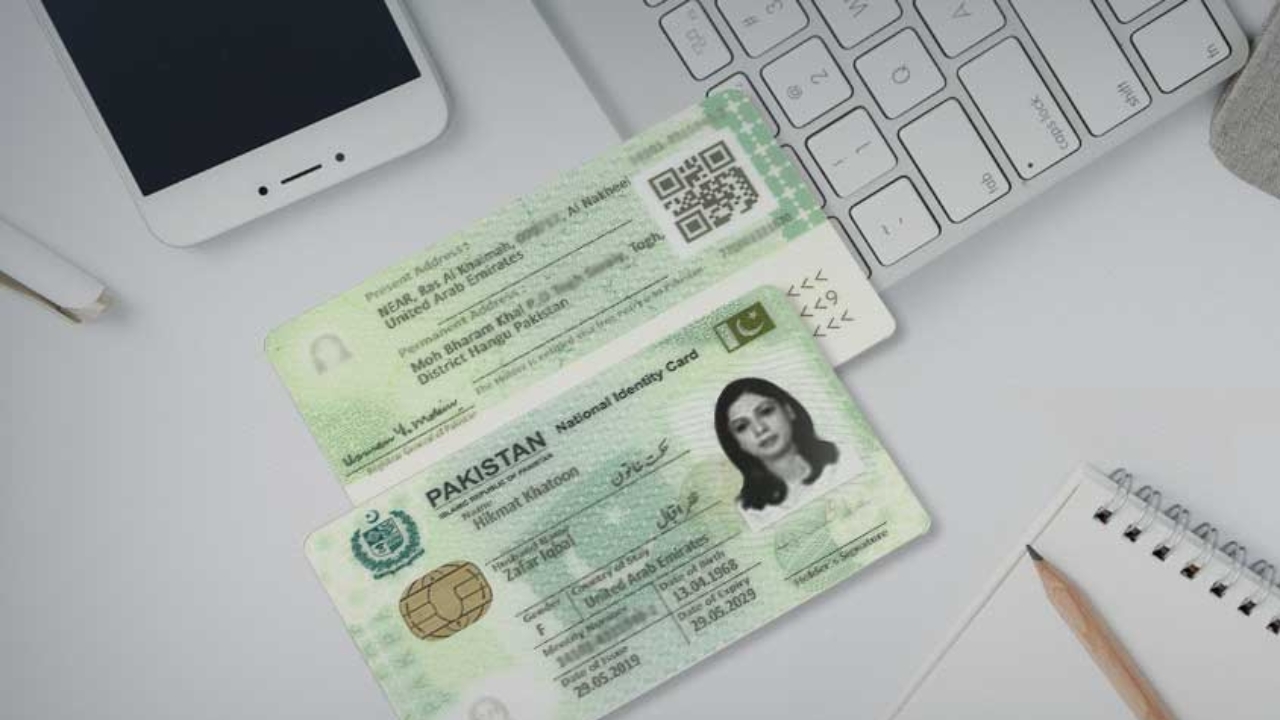
    Users of the National Database and Registration Authority’s (NADRA) mobile app have noticed a seemingly unusual feature that allows deceased individuals to reportedly cancel their own identity cards.

    As per the details, NADRA’s mobile app includes a feature labelled “Cancel Identity Due to Death,” which provides users with two options for cancelling the ID card of a deceased individual. The first option is labelled “Myself,” while the second is labelled “My blood relatives.”

    While it is questionable how a deceased person could cancel their own identity card, the second option is worded as if from the deceased person’s perspective. The “My blood relatives” option allows immediate family members, such as parents, siblings, spouse, or children, to apply for cancellation of the deceased’s ID card.

    To the bewilderment of app users, however, upon clicking on the “Myself” option, users are reportedly taken through a “liveness check” that utilises facial recognition software. According to reports, the process is designed to ensure that the person using the liveness check procedure is alive and matches with data in NADRA’s official record.

    Users have questioned how a deceased individual is supposed to follow the procedure requiring them to log in to the NADRA app, starting a cancellation of ID card application under the “myself” option, and completing a liveness check via facial recognition.

    A NADRA spokesperson reportedly commented on the matter, clarifying that the ID card cancellation service for deceased individuals is meant to be used only by their relatives. However, the spokesperson did not address concerns about the presence of the “myself” option under the “Cancel Identity Due to Death” feature.

    Additionally, the spokesperson did not explain why the NADRA app requires a liveness check for deceased individuals or how such a feature could even be used by them. Reports suggest this feature is yet another example of poorly designed government mobile apps.

    According to reports, authorities often fail to ensure proper oversight during app development, leading to multiple issues in government apps. So far, NADRA has not released a statement on the feature, sparking debate over the app’s design.

  • Govt to digitize economy to cashless systems

    Govt to digitize economy to cashless systems

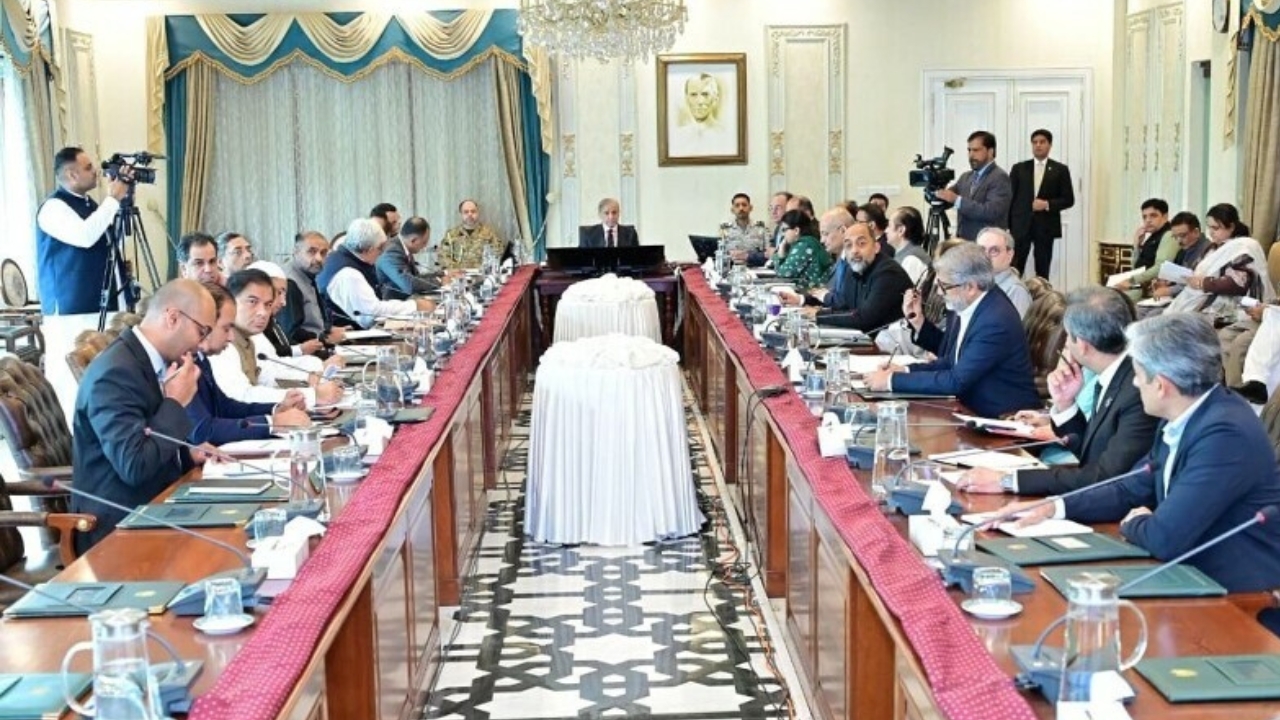
    In a bid to accelerate the shift toward a cashless economy, Prime Minister (PM) Shehbaz Sharif announced that the federal government is actively working to digitalise financial transactions. He made the remarks during a review meeting on Sunday regarding the transition to a cashless system.

    According to details, PM Shehbaz directed provincial chief secretaries to coordinate with Islamabad to expand the Raast system, with plans to extend the digital payment network down to the district level.

    Moving to a cashless economy will yield great benefits for the federal government, especially in the sphere of revenue collection. This is because businesses and individuals alike can evade taxes when making financial transactions with cash as the medium of payment.

    However, digital payments to businesses are recorded and are eligible for taxation. As per reports, the Prime Minister has expressed pleasure over the progress authorities have made thus far to transition to a cashless economy with digital financial systems.

    According to reports, the meeting was informed of the initiative wherein Pakistan will create a digital public infrastructure to enable efficient and secure digital payments. 

    Under the proposed public digital infrastructure, the government is to create digital IDs for all Pakistanis, integrate citizens’ biometrics, mobile numbers, and national identity cards.  Moreover, the stakeholders present at the meeting were briefed on the progress of provincial governments over connecting public-to-government and government-to-public payments with the Raast system.

    While the federal government has made strides to boost digital payments between the public sector and private entities, authorities should work towards digitising financial transactions taking place between private parties. This is because doing so will likely lead to an uptick in the collection figures of the Federal Board of Revenue (FBR).

    The government could encourage individuals to switch to a cashless economy by offering greater incentives. Currently, individuals pay a five percent tax on digital transactions compared to the 18 percent General Sales Tax (GST) levied on cash transactions. A reduction in the digital transaction tax or an increase in the GST could help accelerate nationwide adoption of digital payments.

    According to reports, development authorities in Islamabad have granted the right of way for fibre connectivity to support the transition to a cashless economy. Additionally, the federal government expects the National Highway Authority and Pakistan Railways to help improve digital infrastructure.

  • Chinese IPPs demand Rs475bn in dues, warn of plants shutting down

    Chinese IPPs demand Rs475bn in dues, warn of plants shutting down

    Chinese Independent Power Producers (IPPs) operating under the China-Pakistan Economic Corridor (CPEC) framework are applying pressure on the federal government to clear their dues which have surged to a staggering Rs475 billion. According to reports, the chief executive officers (CEOs) of CPEC IPPs sent a multitude of letters to key government officials to log their concerns regarding the delays in payments.


    Reports reveal that copies of these letters have also been sent to the Chinese Ambassador to Pakistan in an effort to extract the remaining dues. It merits a mention that Prime Minister Shehbaz Sharif is slated to visit China in the near future however, the $1.67 billion unmet payment to Chinese IPPs could strain relations with Beijing. 


    As per reports, the Chinese Ambassador to Pakistan has remained locked in discussions with senior officials from Pakistan to sort the issue of repayment prior to Chinese leadership hosting the Prime Minister for bilateral meetings.


    The CEO of Port Qasim Electric Power Company (PQEPC) Wang Dongfang has reportedly raised concerns, outlining how the Central Power Purchasing Agency-Guaranteed (CPPA-G) has been responsible for the growing backlog of tariff payments. For reference, PQEPC can generate upwards of 1,320 megawatts of power under the facility’s coal powered power project which reports have hailed to be “a flagship initiative under CPEC” and a “critical contributor to Pakistan’s energy grid.”


    The CEO of PQEPC has highlighted how the federal government owes a whopping Rs81 billion to the power plant he runs alone. Moreover, details from his letter suggested that delays in payment stretched over six months. 


    As per the details, non-payment by the federal government is likely to result in a deterioration of future investment inflows as stakeholders in the PQEPC from both Beijing and Doha have recorded their “discontent”.  The CEO of the power company in question has suggested that the situation is likely to worsen if Islamabad does not take immediate steps to rectify the non-payment issue.


    PQEPC’s CEO warned the federal government, indicating that the company was legally allowed to suspend plant operations if payments are not cleared. Additionally, the company will not be liable for liquidated damages either as per Section 9.10 of the Power Purchase Agreement (PPA).


    Liquidated damages in this context refers to the amount PQEPC would have to pay the government for breaching the contract. However, the company is not obligated to make any such payment to Islamabad under the current circumstances.


    The CEO underlined how this would “result in a lose-lose outcome for both sides”. Pakistan’s energy sector is already under stress and the closure of the plant will only serve to exacerbate the strain on the sector.

  • Govt denies request for lower gas tariff

    Govt denies request for lower gas tariff

    The federal government has rejected a request for a lower tariff on gas, which would have allowed for export sectors to benefit, boosting competitiveness in the international market.


    As per the details, Economic Coordination Committee (ECC) authorities, during a recent meeting of the body, noted that concessionary tariffs on the sale of gas had already been exhausted in 2023. Authorities believed that granting tariff reductions to zero-rated and export sectors could result in other sectors requesting for similar concessions, reports said.

    The Ministry of Commerce told the meeting that Ghani Glass had in 2019 filed a petition in the Lahore High Court (LHC), asking that the concessionary gas and re-gasified liquefied natural gas (RLNG) tariff of Rs600 per mmBtu, already given to zero-rated and export-oriented sectors, be extended to them as well.

    According to reports, the petition named the Petroleum Division, Oil and Gas Regulatory Authority (OGRA), Sui Northern Gas Pipelines Limited (SNGPL) and the Federal Board of Revenue (FBR) as respondents, but the finance and commerce ministries were only added to the case on April 7, 2025.


    Reports said that the court ordered the finance ministry to work with the commerce ministry and other stakeholders to present Ghani Glass’s case to the ECC within 60 days. The goal was to design a fair policy that grants concessions only to genuinely export-oriented industries, rather than to entire sectors that include non-exporters.


    The court further directed the ECC to review, within the same 60-day period, Ghani Glass’s request for a tariff concession on Sui gas and RLNG, noting that glass had been unfairly excluded from the list of export-oriented sectors.


    Authorities were reportedly also instructed to determine whether Ghani Glass should receive the lower tariff starting from 2015, up to the period when similar benefits were extended to zero-rated and export-based industries.


    According to reports, the court asked the ECC to assess the glass industry’s export potential and its ability to generate foreign exchange while also considering whether it was reasonable to charge export-oriented industries in Pakistan higher energy prices than those faced by competitors abroad.


    As per the Commerce Division, the gas concession was originally given to sectors that made up a major share of Pakistan’s exports in 2011. At that time, the glass industry’s exports stood at only $15.9 million, which it described as insignificant. Based on the aforementioned facts, the Commerce Division told the ECC that Ghani Glass’s request for a tariff concession was not justified and recommended that it be rejected.

  • Diesel prices plummet by Rs12.84, petrol prices remain same

    Diesel prices plummet by Rs12.84, petrol prices remain same

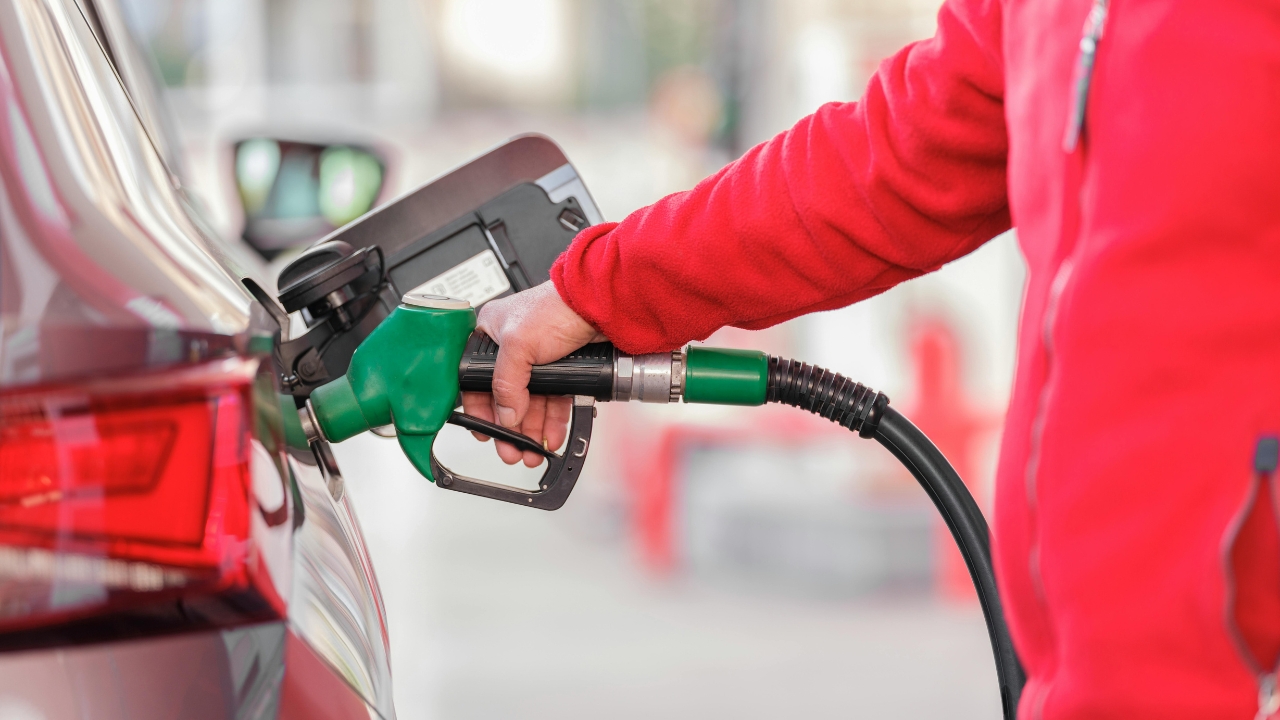
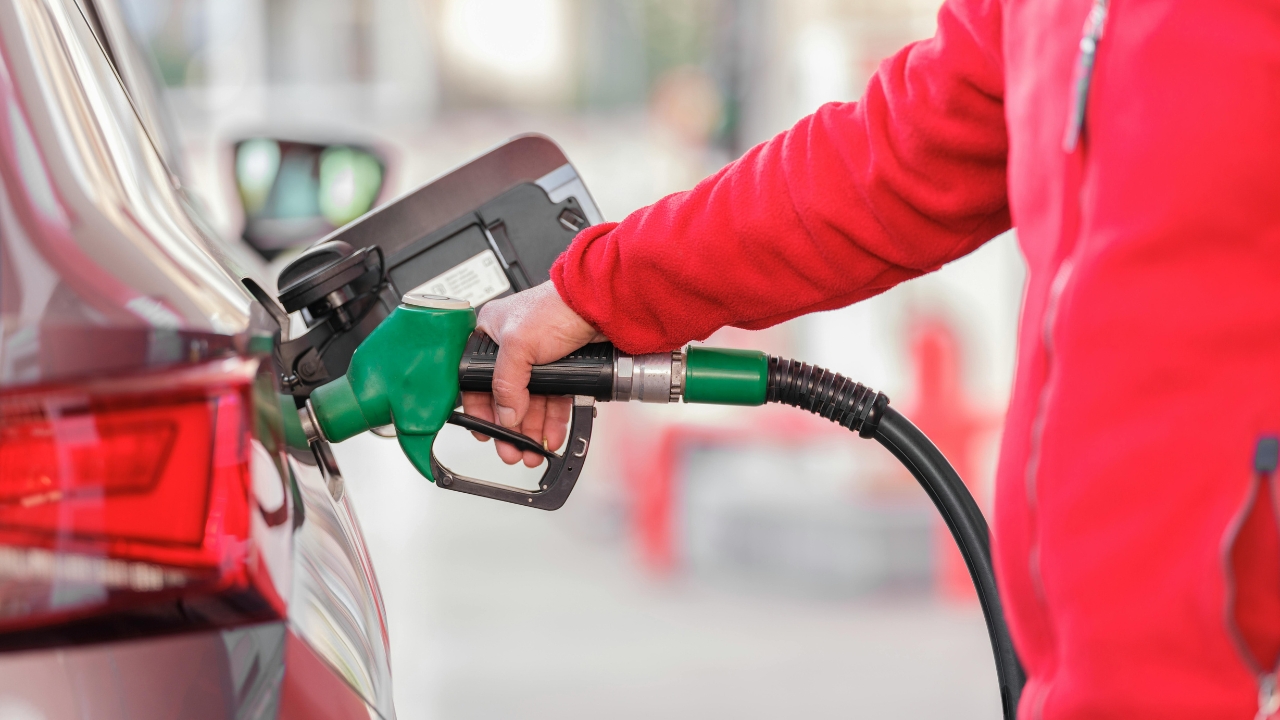
    High-speed diesel (HSD) prices for the next fortnight have been slashed by Rs12.84 per litre, according to a Finance Division notification issued on Friday. Petrol prices, however, remain unchanged despite earlier estimates suggesting a possible increase.

    The new prices took effect on Saturday, 16 August, and are reportedly based on recent exchange rate fluctuations and international market trends.


    The Rs12.84 per litre decrease in HSD prices translates to a fall of approximately 4.7 percent in the price of the commodity. The new price of HSD rests at Rs272.99 per litre while the price of petrol remains at Rs264.61 per litre.

    The federal government made the aforementioned changes to the price of petroleum products. It merits a mention that these changes were reportedly in line with recommendations made by the Oil and Gas Regulatory Authority (Ogra) and relevant ministries.

    Data from reports has revealed that over the past two weeks, the price of diesel in the international market has reportedly decreased by approximately $4.5 per barrel. Petrol prices during the same period logged a marginal increase instead, growing by 15 cents per barrel.

    According to reports from earlier this week, the rupee also recorded an increase in value, appreciating modestly against the dollar. For reference, an appreciation of the rupee makes it easier to purchase fuel domestically, as Pakistan is a net importer of petroleum-based fuels.


    Prior to the rate cut, the price of HSD stood at a staggering Rs285.83 per litre. The price of HSD had recorded a significant increase before the government reduced prices since May 15, HSD rates shot up by Rs27 per litre.

    Light diesel oil and Kerosene rates are projected to fall by approximately Rs8.2 per litre and Rs7.19 per litre, respectively. 

    However, the drop in HSD prices is likely to have the most noticeable impact on the economy as it lowers the operating costs for both the transport and agriculture sectors. The decrease may benefit the economy by helping lower food prices. HSD is widely used in agriculture to power tractors and other mechanised farming equipment.

    A decrease in HSD rates could also benefit the transport sector, given its reliance on fuel. For instance, the transportation sector has diesel as a primary input and thus requires vast quantities of the commodity. Lower HSD prices imply lower operational costs for businesses in the transportation sector.

  • Pakistan Crypto Council CEO recalls 2018 Bitcoin outlook as its price tops $124,000

    Pakistan Crypto Council CEO recalls 2018 Bitcoin outlook as its price tops $124,000

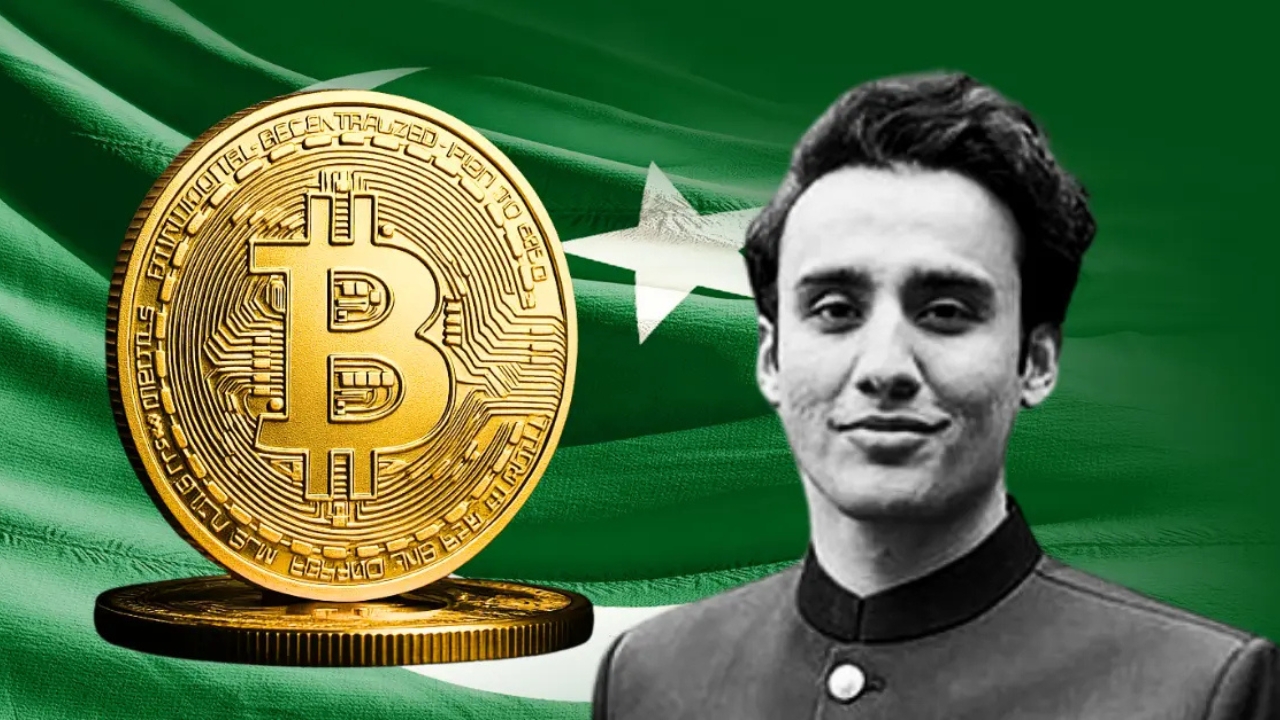
    Minister of State and Chief Executive Officer (CEO) of the Pakistan Crypto Council (PCC) Bilal bin Saqib took to social media to highlight the recent surge in Bitcoin’s (BTC) price. In his post on X (formerly Twitter), the PCC chief referred to a tweet he posted in 2018, expressing confidence that BTC’s value would not fall below the $8,000 support level.

    Seven years later, the price of bitcoin has skyrocketed to an astronomical $124,000, an all-time high which was achieved on Thursday, after which the price dipped slightly. According to the PCC’s CEO, BTC is now “leading Pakistan’s Bitcoin Strategic Reserve”. 

    The federal government has been taking strides to establish itself as a digital asset hub. These efforts include the launch of the PCC in March 2025, the creation of the regulatory body Pakistan Virtual Assets Regulatory Authority (PVARA), and the formation of the first-ever government-led Strategic Bitcoin Reserve at the ‘Bitcoin Vegas 2025’ in Las Vegas, United States.

    As per the PCC’s CEO, “2018’s overlooked asset became 2025’s crown jewel”. His statement holds merit as the value of bitcoin has surged by a staggering $116,000 since March 2018, translating into a whopping 1450 percent increase in the price of the cryptocurrency.

    Last week, the PCC’s CEO also revealed how he had been tracking Ethereum’s (ETH) explosive growth since 2018, a time when “most called it a scam”. Since then, ETH has witnessed a growth in value of 900 percent, as its value jumped from a conservative $430 to a respectable $4,300.

    He highlighted how “Pakistan is today’s undervalued play and the payoff will be far greater than anyone dares to imagine”. The PCC’s CEO’s statement is in line with earlier remarks made when Pakistan’s strategic bitcoin reserve was created, as he outlined how holding digital assets by the state was “not for sale or speculation, but as a sovereign reserve signalling long-term belief in decentralised finance.”

    If Pakistan manages to hold a sizable amount of crypto, its value could increase exponentially in the coming years. However, it merits a mention that the value of cryptocurrencies is highly volatile and is subject to large swings in prices. 

    For reference, the price of bitcoin fell by approximately $5,000 after hitting an all-time high on Thursday. As of publishing, one bitcoin is trading at a price of about $119,000.

    Netizens expressed great pleasure over Pakistan’s recent crypto developments, with one social media user believing that “Pakistan’s $BTC reserve will be talked about in textbooks one day”. Another user praised the PCC’s CEO for his work, suggesting that his efforts were “truly shaping a brighter future”.

  • Diesel prices expected to witness Rs11.50 drop, petrol prices likely to rise

    Diesel prices expected to witness Rs11.50 drop, petrol prices likely to rise

    High-speed diesel (HSD) rates are expected to tumble by approximately Rs11.50 per litre in the upcoming fortnight, while petrol prices are projected to rise by about Rs1.40 per litre. The estimated change in fuel prices is reportedly based on recent exchange rates and international market movements.

    Reports indicate that the change will go into effect from August 16, after which prices will remain locked for two weeks. The Rs11.50 per litre decrease in HSD prices translates into a fall of four percent in the price of the commodity. Conversely, petrol prices are slated to witness an uptick of 0.5 percent.

    However, it merits a mention that the aforementioned price changes are projections and not final price revisions. The federal government reserves the right to make adjustments prior to locking fuel prices for the upcoming fortnight.  

    Data from reports has revealed that over the past two weeks, the price of diesel in the international market has reportedly decreased by approximately $4.5 per barrel. Petrol prices during the same period logged an increase instead, growing by 15 cents per barrel.

    As per reports, the rupee also recorded an increase in value, appreciating modestly against the dollar. For reference, an appreciation of the rupee makes it easier to purchase fuel domestically, as Pakistan is a net importer of petroleum-based fuels.


    Currently, the price of HSD stands at a staggering Rs285.83 per litre. The price of HSD has increased significantly since May 15, rising by approximately Rs27 per litre. In contrast, the ex-depot rate of petrol currently sits at Rs264.61 per litre but is expected to rise in the upcoming fuel price revision. 

    Light diesel oil and Kerosene rates are projected to fall by approximately Rs7 per litre and Rs6 per litre, respectively. However, the drop in HSD prices is likely to have the most noticeable impact on the economy.

    This is because a fall in HSD rates lowers the operating costs for both the transport and agriculture sectors. This decrease could have positive effects on the economy, as it could lead to a drop in food prices. HSD is widely used in agriculture to power tractors and other mechanised farming equipment.

    A decrease in HSD rates could also positively impact the transport sector, given its reliance on fuel. For instance, the transportation sector has diesel as a primary input and thus requires vast quantities of the commodity. Lower HSD prices imply lower operational costs for businesses in the transportation sector.

  • Public Accounts Committee to investigate bureaucrats’ alleged investments in Portugal

    Public Accounts Committee to investigate bureaucrats’ alleged investments in Portugal

    The Public Accounts Committee (PAC) of Pakistan’s National Assembly has expressed serious concern over recent remarks made by Defence Minister Khawaja Asif regarding bureaucrats reportedly making real estate investments in Portugal. The controversy began earlier this month when the Defence Minister publicly criticised the country’s bureaucracy for allegedly making fortunes and preparing to settle abroad.

    Chaired by Junaid Akbar, the PAC chairman, the accounts committee resolved to summon officials from key government institutions, including the State Bank of Pakistan (SBP), the Federal Board of Revenue (FBR), the Ministry of Interior, and other relevant authorities, in its next session, to aid in the inquiry. Reports indicate that a briefing on the issue of bureaucrats purchasing property in Portugal will be provided in the next session. 

    As per the details, authorities aim to identify which bureaucrats may have acquired assets in foreign countries. Reports suggest that the PAC’s chairman intends to conduct a thorough review, as he outlined his intent to “obtain complete records to determine which bureaucrats have acquired plots,”.

    The PAC will look into allegations made by the defence minister, who, on August 5, took to social media platform X (formerly Twitter), claiming that more than half of Pakistan’s bureaucrats are purchasing property in Portugal, using funds that they had gathered via corruption.

    The Defence Minister highlighted the case of a bureaucrat closely linked to former Punjab Chief Minister (CM) Usman Buzdar. According to reports, he alleged that the official received a staggering Rs4 billion in cash gifts at his daughter’s wedding. For perspective, this amount, when converted into dollars, exceeds $14 million. 

    The Minister also suggested that such officials are accumulating wealth through questionable means and using it to secure a comfortable future outside Pakistan. He compared the conduct of bureaucrats to that of elected politicians, highlighting that while politicians remain directly accountable to voters and face regular elections, bureaucrats enjoy privileges that allow them to prepare for life abroad without public scrutiny. 

    He claimed that politicians, unlike many bureaucrats, typically do not hold foreign property or citizenship, outlining how bureaucrats are not held accountable for their misgivings.

    Condemning the reported behaviour of the bureaucracy, the defence minister stated that the bureaucracy “was polluting our land,” underlining his strong distaste for bureaucrats prioritising personal gain at the expense of public service.

    It merits a mention that the PAC also reviewed audit objections against the Ministry of Religious Affairs related to embezzlement cases amounting to tens of millions of rupees. Reports reveal details of a case in which an assistant accountant embezzled Rs12 million in remittances.

  • Five countries owe Pakistan $304.5 million: audit report

    Five countries owe Pakistan $304.5 million: audit report

    A recent audit report has revealed that five countries owe Pakistan a staggering $304.5 million. According to the report, these countries include Iraq, Bangladesh, Sri Lanka, Sudan and Guinea-Bissau.

    According to the details, Pakistan extended export credit to these countries as far back as the 1980s. The unpaid amount translates to over Rs86 billion, which, for reference, is over two times the Rs39.5 billion budget allocated for the Higher Education Commission (HEC) for fiscal year (FY) 2025-26.

    Data from reports that Iraq owes Pakistan the most, with Islamabad expecting $231.3 million in repayment. Sudan trails behind, owing Pakistan a hefty $46.6 million, while Guinea-Bissau owes Pakistan just $3.653 million.

    Bangladesh owes Pakistan $21.4 million, with no repayments made for cement and sugar plant projects. The Auditor General of Pakistan has advised using diplomatic channels to recover the funds.

    Efforts are reportedly underway to recover the funds, as officials from the Ministry of Economic Affairs are utilising joint ministerial committees and diplomatic channels to push for the recovery via the Foreign Office. As per the details, authorities have sent demand notices and reminder letters to all five countries to recover the unpaid amounts. 

    It merits a mention that authorities sent demand notices and reminders nearly two decades ago, after the AGP flagged the pending repayments in the 2006-07 audit. Another concern is that the repayment amount is expressed in nominal terms, whereas the value of $304.5 million in 2025 is vastly different from its face value in the 1980s and 1990s, when Pakistan initially extended these amounts to these countries.

    According to a consumer price index (CPI) calculator, the amount adjusted for inflation could range from $749 million to $1.19 billion, depending on the dates the support was extended to these five countries. In rupees, this corresponds to a present-day value of Rs211.5 billion to Rs335.5 billion.

    It merits a mention that the aforementioned figures have been adjusted for inflation and don’t account for potential earnings if the money had been invested in securities or other instruments.