Author: Ibraheem Sohail

  • S&P Global improves Pakistan’s credit rating

    S&P Global improves Pakistan’s credit rating

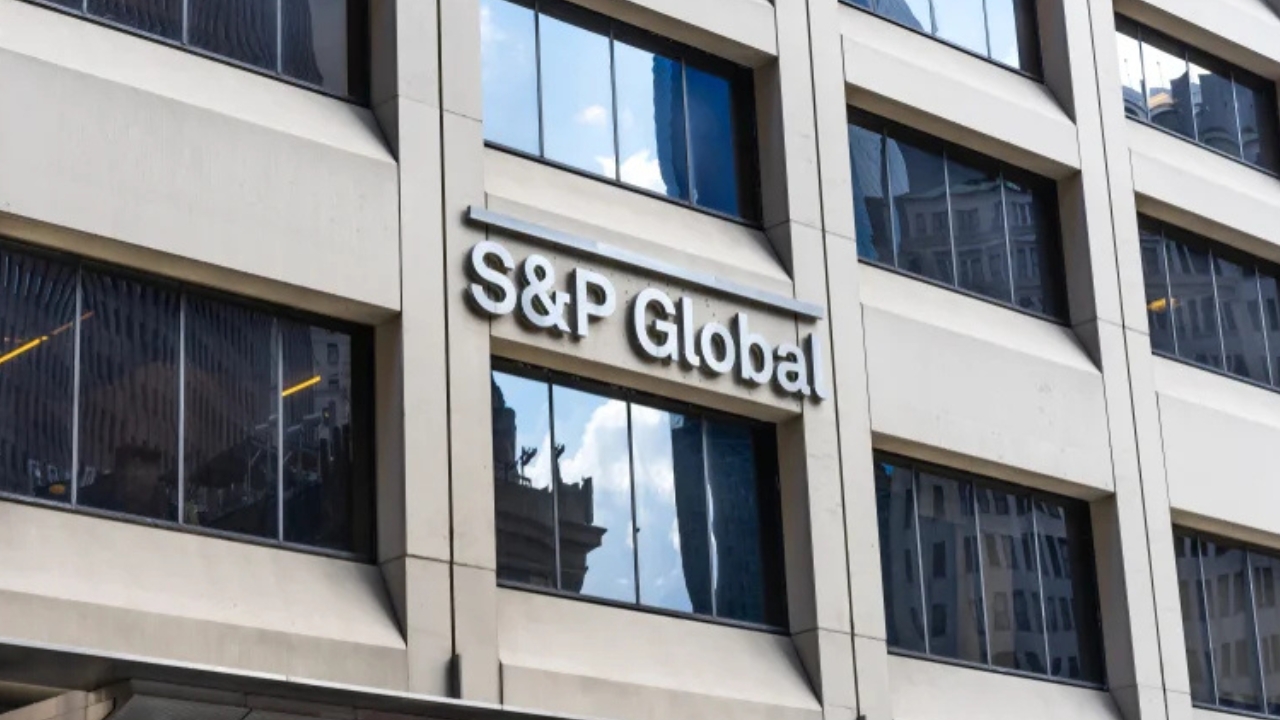
    Following improvements in Pakistan’s credit rating from international credit rating agencies, Moody’s and Fitch, S&P Global has upgraded Pakistan’s sovereign credit rating from ‘CCC+’ to a more respectable ‘B-’. According to reports, S&P Global assigned Pakistan a ‘stable’ outlook, citing the International Monetary Fund (IMF) program’s role in stabilising the country’s reserves and finances.

    In a statement, S&P Global noted that Pakistan is expected to continue its economic recovery and that Islamabad’s efforts to boost revenue could improve key macroeconomic indicators related to debt and the fiscal budget.

    The statement further suggests that, as per S&P Global, continued financing could help Pakistan meet its external repayments. Moreover, the country is likely to roll over “commercial credit lines over the next 12 months”.

    Pakistan has been rolling over debt held by China, with reports from June 2025 suggesting that China rolled over a staggering $3.4 billion in debt to Pakistan. According to these reports, two senior government officials revealed details surrounding the rollover agreement that helped boost Pakistan’s foreign exchange reserves.

    These developments, primarily the upgrade in Pakistan’s credit rating by S&P Global, reportedly increased Pakistan’s international bonds with longer maturity dates. Data from reports suggests that bonds maturing in 2051 have gained 1.6 cents, causing bids to rise up to 84.85 cents on the dollar.

    Similarly, bonds maturing in 2031 and 2036 posted a gain of approximately one cent. Bonds maturing before 2031 witnessed gains too; however, these were reportedly not as large as longer-dated maturities.

    The federal government is in discussions with international credit rating agencies to find ways to improve Pakistan’s outlook. Reports reveal that just last week, Finance Minister Muhammad Aurangzeb requested Moody’s to upgrade Pakistan’s credit rating. If approved, it would help Pakistan borrow from international markets at more favourable conditions. 

    Earlier this year, Moody’s recognised improvements in the performance of Pakistan’s banking sector. The sector had displayed signs of progress over the previous year, after conditions in the wider economy weakened the sector.

    Moody’s promoted the banking outlook in Pakistan from ‘stable’ to ‘positive’ in May 2025. Fitch, yet another renowned credit rating agency, also upgraded Pakistan’s economic outlook by boosting the country’s credit rating from CCC+ to B- before the end of fiscal year (FY) 2024-25.
  • State Bank of Pakistan likely to slash interest rates

    State Bank of Pakistan likely to slash interest rates

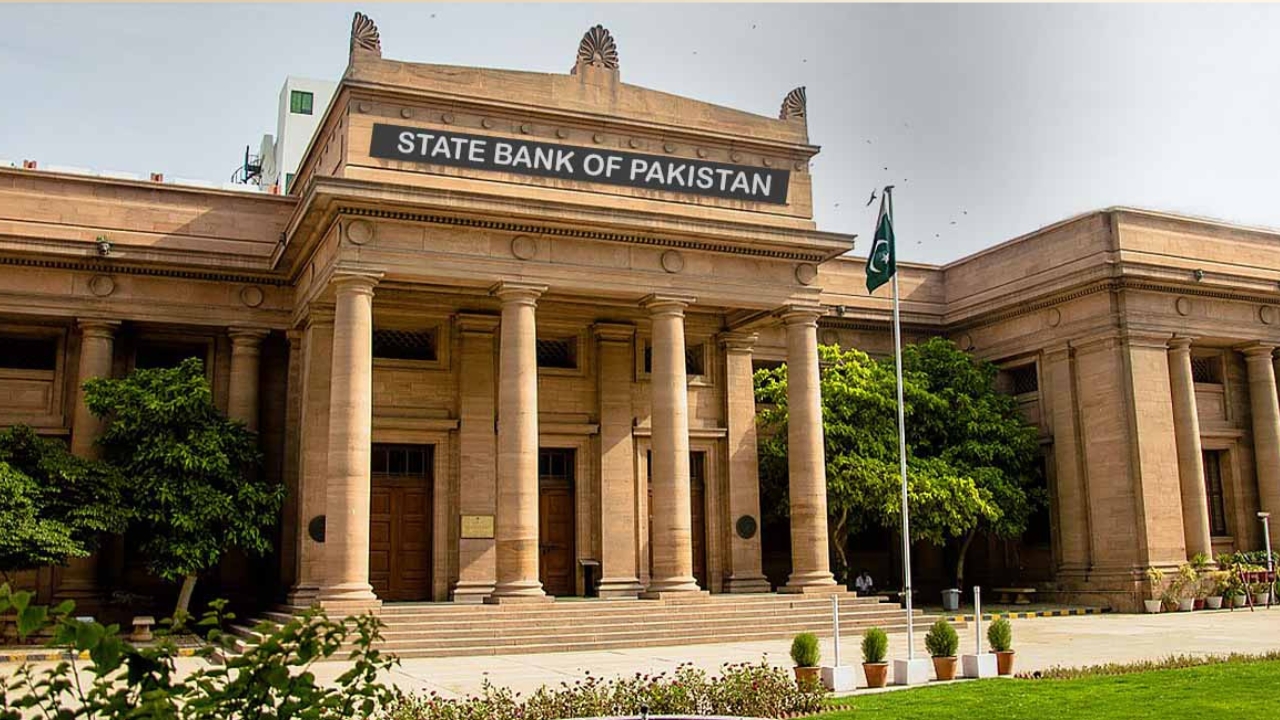
    The State Bank of Pakistan (SBP) cut the rate of return on treasury bill (T-bill) yields by a modest 39 basis points on Wednesday. According to reports, the reduction in T-bill yields could indicate a possible cut in policy rates at the next monetary policy meeting.

    The meeting, scheduled for July 30, may result in a reduction in interest rates, which have remained at 11 percent since May 2025. As per reports, the SBP’s latest T-bill auction shows a change in market sentiments, as the market anticipates a cut in interest rates because of the decline in inflation rates and subdued economic growth.

    The rate of return on one-year T-bills has fallen by 10 bps to sit at 10.80 percent. Data from reports suggests that the rates of return for one-month, three-month, and six-month papers have fallen by 39bps to 10.85 percent, 29bps to 10.99 percent and 19 bps to 10.89 percent, respectively.

    Aside from the decline in the rates of return on T-bills, inflation has remained largely controlled as well. Reports indicate that headline inflation fell to just 3.2 percent in June 2025 and is projected to vary in a band of three to 3.5 percent on a year-on-year basis in July 2025.

    This marks a stark fall in inflation that the economy was experiencing in the corresponding period last year, as the rate of inflation sat at 11.1 percent in July 2024. Moreover, the low inflation rates usually correspond to a low level of economic growth.

    Economists have outlined how the Gross Domestic Product (GDP) growth rate in fiscal year (FY) 2024-25 remained at a suboptimal 2.6 percent. The SBP could help improve the GDP growth rate by slashing the interest rate. An interest rate cut could improve the economic outlook for FY 2025-26 as it generally results in increased commercial activity and a surge in consumer demand.

    This is because when banks offer a lower rate of return on savings, individuals then prefer to park their funds in physical projects that yield a higher rate of return. Moreover, existing businesses benefit from the availability of cheaper loans, which can fuel growth. This usually leads to industry expansion, job creation and an increase in the goods and services purchased by consumers. 

    A poll conducted by a leading Securities company has suggested that 56 percent of participants expect a rate cut of 50 to 100 bps, while 37 percent believe that the policy rate will remain unchanged.

  • Global powers scramble to match Pakistan’s crypto momentum

    Global powers scramble to match Pakistan’s crypto momentum

    In a bid to fast-track the adoption and regulation of digital assets, the federal government established the Pakistan Virtual Assets Regulatory Authority (PVARA) in May 2025. According to reports, Pakistan’s efforts to position itself as a key player in the global digital asset space have pushed several countries to emulate its progress on cryptocurrency regulation.

    Reports suggest that a day after the formation of PVARA, parliamentarians in Israel gathered to hold an informal discussion surrounding bitcoin. This discussion is reportedly the first of its kind in Israel. However, it merits a mention that this session held by Israeli parliamentarians did not witness the passing of any policy proposal.

    As per reports, India has also begun to reconsider its hardline stance against virtual assets as the digital commerce sector has pushed for policy reforms. Pakistan gaining a digital edge on the aforementioned regional powers has led to both of them holding discussions on cryptocurrencies.

    Pakistan itself has radically changed its stance on virtual assets in just two years, as two years ago, Pakistan reportedly declared that cryptocurrencies would never be legalised. Since then, Pakistan Crypto Council (PCC), PVARA, and a national crypto strategic reserve have been formed. This has catapulted Pakistan to the front of the digital asset race.

    The timing of Pakistan’s crypto developments are optimal too as the global economic hegemon the United States (US) has been moving towards federal legislation on digital assets. Moreover, reports indicate countries such as Argentina and Nigeria have been looking into integrating crypto currencies into their economies.

    Reports reveal that Argentina has been looking into integrating crypto wallets and stablecoins into its economic framework. As per reports, Nigeria has also adopted regulatory sandboxes to boost developments in fintech.

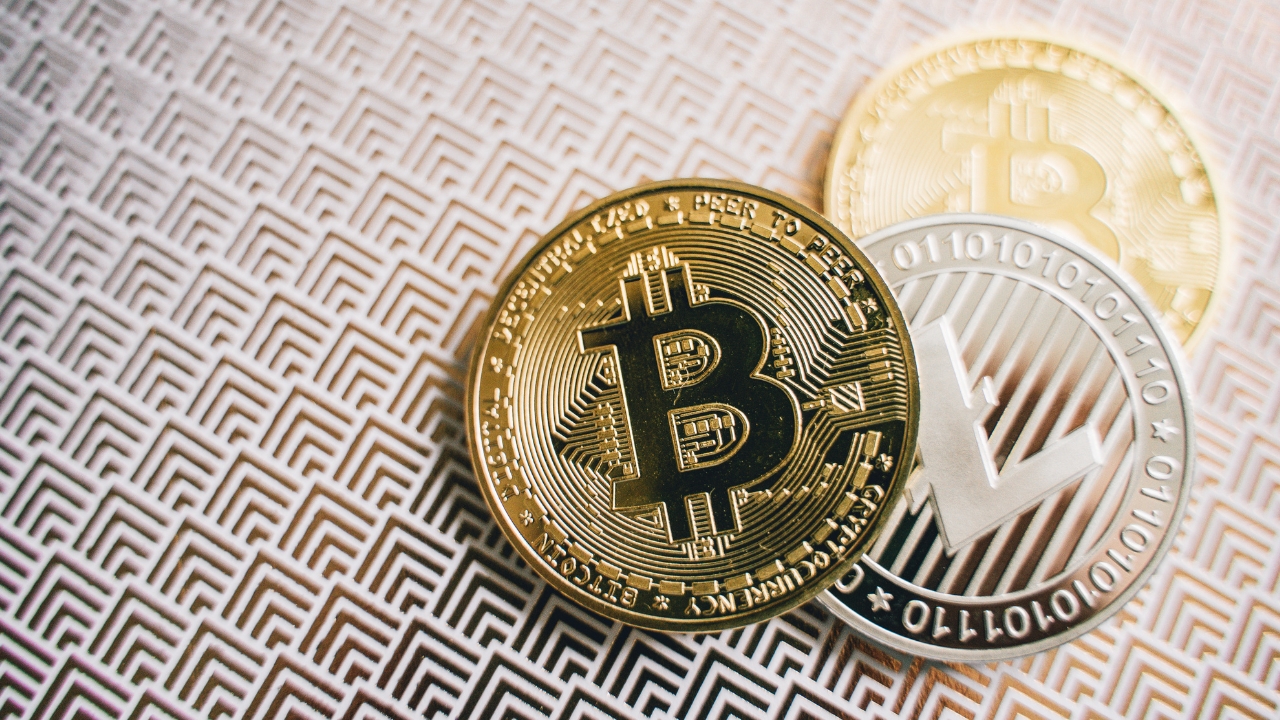
    The aforementioned developments caused the price of Bitcoin, the largest cryptocurrency by market capitalisation, to surge past the $122,500 resistance level earlier this month. As of publishing, the price of bitcoin sits close to $118,500.

    Pakistan could benefit greatly from these developments as the Pakistan Crypto Council recently announced the formation of the country’s first-ever government-led Strategic Bitcoin Reserve.

    In his keynote speech at Bitcoin Vegas 2025 in Las Vegas, United States, PCC’s Chief Executive Officer Bilal Bin Saqib outlined the intentions behind creating a crypto wallet, highlighting how holding digital assets by the state was “not for sale or speculation, but as a sovereign reserve signalling long-term belief in decentralised finance.”

  • Freelancers beware, online groups could make you lose millions

    Freelancers beware, online groups could make you lose millions

    Pakistan’s National Cyber Emergency Response Team (National CERT) has issued an advisory warning to protect social media users from the growing number of honey trap scams disguised as freelancing opportunities. According to reports, scammers are utilising messaging apps such as WhatsApp to extort large sums of money from their victims.

    Reports suggest that these “honey trap” scams are growing rapidly across Punjab. As per the National CERT, fraudsters invite unsuspecting individuals into groups on messaging apps that seemingly provide employment opportunities. People usually believe these groups are legitimate as the scam artists reportedly pose as recruiters of official freelancing platforms.

    Moreover, multiple scam artists often partake in group discussions to lend the group an air of legitimacy. However, individuals are then reportedly exposed to explicit content to elicit a response that can allow the scammers to blackmail their victims. 

    Reports indicate the fraudsters then reach out to all of the individuals who react to such content, attempting to persuade them to share it on other platforms. This results in the victims incriminating themselves, which allows the scammers to begin their extortion process. 

    The scammers then pose as law enforcement officers, asking for sums as high as Rs1.5 million in exchange for not taking legal action against the victim. Details from reports reveal that the majority of the victims are young, as scammers target job seekers, knowing they are likely to stay in groups that could land them employment.

    However, this demographic often lacks sufficient disposable income, resulting in victims relying on family for support. This causes immense financial strain on both the victim and their household.

    According to the National CERT advisory, user behaviour on social media and technical vulnerabilities contribute to the success of honey trap scams. A lack of digital safety awareness, coupled with the availability of personal information in group chats, has been outlined as a key contributor to the success of the scams.

    The primary contributor, however, is the ability scammers possess to add potential victims to their group chats without their consent. 

    The National CERT has suggested that social media users change their privacy settings to ensure they remain protected. Moreover, the cyber body also advised users not to engage with job offers on social media and to exit any group chat wherein individuals are sharing obscene content.

  • Is your ‘protected’ power status about to disappear?

    Is your ‘protected’ power status about to disappear?

    The federal government is considering eliminating the “protected” consumer category for users of the national grid. According to reports, Islamabad plans to replace the current financial relief provided to consumers using up to 200 units of electricity with a direct subsidy.

    For context, a “protected consumer” in the domestic power sector refers to an individual who uses 200 units of electricity or less per month through a single-phase meter. To qualify for this status, the consumer must consistently consume a maximum of 200 units per month for at least six consecutive months.

    During the Public Accounts Committee (PAC) meeting, led by Chairman Junaid Akbar Khan, Power Division Secretary Dr. Fakhar Alam Irfan reportedly stated that the federal government plans to end the protected consumer category by 2027.

    Taking notice of the sharp hike in electricity tariffs for consumers using more than 200 units of power, the PAC reportedly directed the Power Division to find a solution for the hefty bills that continue for six months even if users cross the 200-unit threshold by just a single unit. 

    The reason behind this request was that exceeding the 200-unit threshold even once results in the loss of protected consumer status and consumers having to maintain monthly consumption below this limit for six consecutive months to regain it.

    According to the Power Division Secretary, the number of protected consumers has increased by approximately 64 percent, rising from 11 million to 18 million. Moreover, 58 percent of power users consume only up to 200 units of power, suggesting that the magnitude of financial resources to protect all of these consumers could be quite large. 

    Reports indicate that the government might end the protected category, dispersing aid to power consumers by granting direct subsidies to deserving groups. These decisions are reportedly going to be based on data from Benazir Income Support Programme (BISP).

    While various deserving power consumers are detrimentally impacted by minorly exceeding the 200 unit threshold, it merits a mention that the higher tariff slab rate has been circumvented by various individuals across Pakistan. This has been possible by the installation of multiple single-phase meters at residences.

    Netizens have questioned what actions the government plans to take about people with multiple single-phase meters who remain in the protected category by distributing their power consumption across various meters.

  • Senate body slams Railways for failing to report accurately on losses, corruption

    Senate body slams Railways for failing to report accurately on losses, corruption

    The Senate’s Standing Committee on Railways has criticized the Ministry of Railways over its inability to report accurate figures concerning financial losses and corruption. According to media reports, the committee has outlined the Ministry’s lack of seriousness, requesting all relevant officials to be held accountable as inaccurate figures misled the parliament.   


    Reports reveal that Senator Jam Saifullah Khan, who chairs the Standing Committee on Railways, highlighted how the ministry had provided inaccurate and inconsistent figures even after receiving multiple reminders, highlighting that the inability to follow parliament’s orders reveals the lack of accountability within the ministry. 


    Commenting on the issue of inaccurate information, Senator Shahadat Awan reportedly described the Ministry’s action as a breach of privilege. Reports indicate that prior to remarking on the situation, the Senator had asked for the Ministry to provide him with data pertaining to instances of corruption and financial losses.


    The Senator also underlined the importance of transparency in public affairs, especially those that concern large sums of taxpayer funds. As per reports, the standing committee has issued directives for the Ministry of Railways to investigate and identify officials associated with the submission of inaccurate information.


    The railways secretary has responded to the aforementioned concerns, conceding that the reports were inaccurate. He highlighted that discrepancies in data existed because of confusions between fiscal and calendar year data. However, it merits a mention that the secretary has suggested that the information has been reconciled.


    Addressing concerns regarding accountability, the secretary reportedly detailed the lodging of 3,230 First Information Reports (FIR) against officials over a period of five years. Reports suggest that these FIR’s were filed against officials involved in embezzlement, misuse of authority, and theft.


    While the Ministry has been able to recover Rs109.487 million in losses from the aforementioned cases, a staggering Rs103.396 million still remains unrecovered. Data from reports indicates that 1,080 cases are currently ongoing, suggesting that additional funds may be recovered. 


    As per the data, 1,555 officials have been convicted with 309 being acquitted. For the cases that remain open however, Senator Awan has criticized the ministry for failing to share updates on these FIRs and demanded a comprehensive report detailing all unresolved and reopened cases, urging stronger collaboration with law enforcement.

  • Audit report reveals Rs244 billion overbilling fraud by electricity distribution companies

    Audit report reveals Rs244 billion overbilling fraud by electricity distribution companies

    A report by the Auditor General of Pakistan has implicated eight electricity distribution companies (Discos) in a staggering financial fraud case amounting to Rs244 billion. According to reports, the Discos overcharged users to hide the true magnitude of power theft, line losses and the sheer magnitude of operational inefficiencies.

    The Auditor General’s report indicates that Electric Supply Companies of Islamabad (Iesco), Lahore (Lesco), Hyderabad (Hesco), Multan (Mepco), Peshawar (Pesco), Quetta (Qesco), Sukkur (Sepco), and Tribal Areas Electric Supply Company (Tesco) grossly overbilled consumers from 2023-24. As per the data, consumers were overbilled for a staggering 900 million units of power.

    Details from the audit suggest that five discos overcharged consumers by a whopping Rs47.81 in a single month. Reports reveal that 278,649 consumers faced higher bills as a result of this action by these discos.

    As per reports, consumers in Quetta faced the brunt of the fraud as Qesco passed on a colossal Rs148 billion in extra charges to agricultural consumers. Authorities levied inflated tube well charges in the region to reduce the financial losses faced by Qesco. 

    While the aforementioned actions detrimentally impacted consumers, no officials have been held accountable for their participation in the fraud. Audit teams have also been denied access to documents pertaining to the utilisation of 1,432 feeders by authorities to overbill consumers by Rs18.64 billion.

    Data from reports reveals that officials passed on Rs22 billion in additional charges to consumers to hide losses resulting from technical issues, titling the extra charge as a “load adjustment”. While authorities have issued some refunds, amounting to Rs2.18 billion for Pesco and Rs5.29 billion for incorrect meter readings, it is unlikely that consumers will be compensated for the overbilling, as auditors have noted that a majority of refund claims lack necessary supporting documentation. 

    In other recent power sector-related developments, a large drop in revenues from electricity bills was recorded, with falling usage by consumers being cited as a direct consequence of a fall in total power usage. As per the data, during the first nine months of FY 2024-25, total power usage by consumers recorded a sharp 3.6 percent decline.

    Total power usage fell from a respectable 83,109 GWh to just 80,111 GWh during the aforementioned period. Data from reports suggests that industrial electricity usage logged a sharp fall too, falling to 21,082 GWh in FY 2024-25  from 28,830 GWh in FY 2023-24.

  • Crypto market rallies as US crypto bill boosts confidence

    Crypto market rallies as US crypto bill boosts confidence

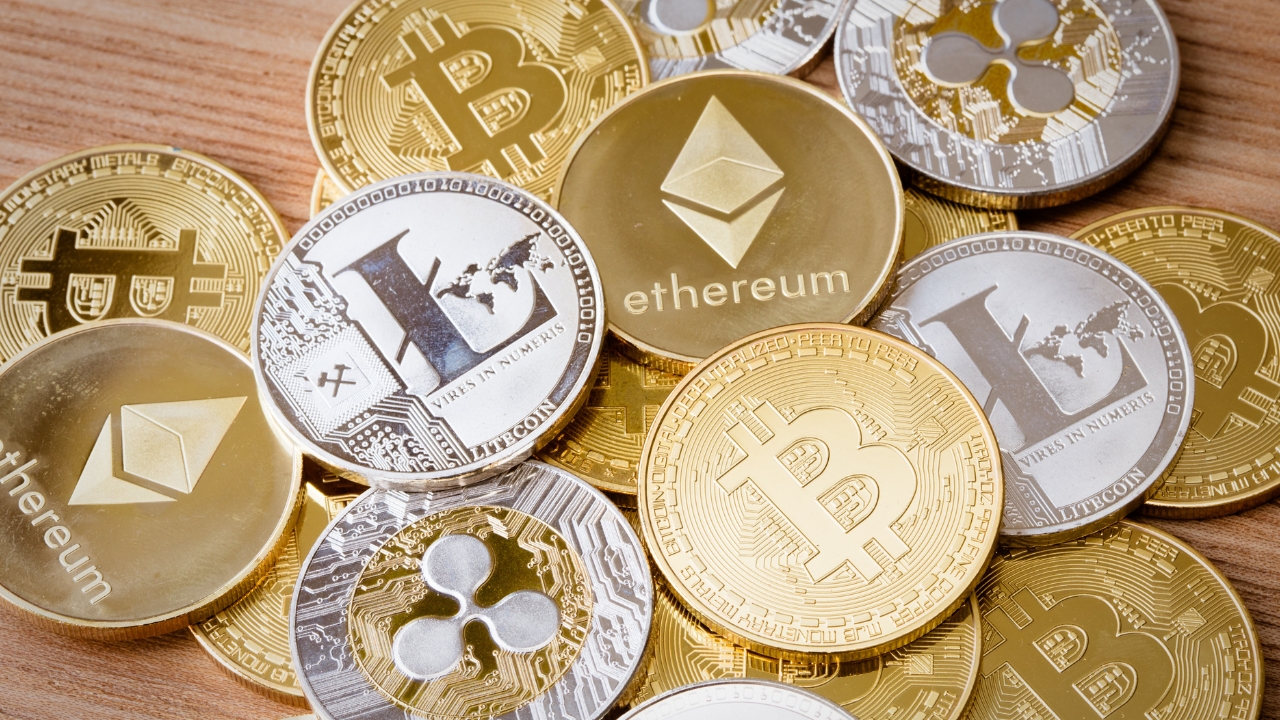
    The cryptocurrency sector has witnessed a boom following the passage of a bill in the U.S. House of Representatives last week aimed at establishing a regulatory framework for digital assets pegged to the dollar. Following these developments, the cryptocurrency sector’s market capitalisation surpassed a staggering $4 trillion on Friday last week.

    While the market capitalisation has fallen back down to approximately $3.95 trillion, data suggests that gains in certain digital assets have extended over the past 24 hours, with multiple mainstream digital assets remaining in the green. 

    According to data from a reputable crypto exchange platform, Bitcoin (BTC), the world’s largest cryptocurrency by market capitalisation, has witnessed a 0.82 percent growth in its price over the last 24 hours, allowing the currency to be valued at $119,102.62 at the time of publishing.

    The growth rate experienced by Ethereum (ETH), the second-largest cryptocurrency by market capitalisation, has been more pronounced. Data from virtual asset exchanges suggests that the price of the virtual asset has reached $3,781.73 after experiencing a 2.18 percent increase in its value. The increase in ETH’s value is even larger, considering a longer timeframe, with its value surging by a whopping 24.1 percent over seven days.

    Similar to the astronomical rise ETH has been experiencing, Ripple (XRP)​​ has witnessed a 19.34 percent increase in its value over one week. As of publishing, XRP’s value sits at $3.55 after growing by 1.74 percent in just 24 hours.

    While the information above shows a surge in value for the top three cryptocurrencies, CoinMarketCap’s (CMC) 100 Index suggests that the trend is not limited to a few digital assets, as the index has grown by 1.19 percent in the past 24 hours. For reference, the CMC100 index is a better indicator of sentiments in the market as it tracks the performance of the top 100 cryptocurrencies by market capitalisation.

    Moreover, the CMC Crypto Fear and Greed Index has recorded a reading of 67, which is starkly higher than the reading recorded last month, which sat at just 43. The aforementioned Index, which ranges from 0 to 100, helps indicate the state of the market, with higher values indicating extreme greed, consequently, leading to an increase in the value of digital assets and vice versa for lower values.

  • Pakistan logs largest current account surplus in 22 years

    Pakistan logs largest current account surplus in 22 years

    Overcoming its external balance challenges, Pakistan recorded a strong current account surplus of $2.1 billion for the fiscal year 2024–25, according to data released by the State Bank of Pakistan (SBP). The data indicates that the current account improved from a $2.1 billion deficit in FY 2023-24 to a surplus of $2.1 billion.

    According to reports, the current account surplus is the highest Pakistan has experienced in 22 years. Taking to social media, adviser to the Finance Minister Khurram Schehzad outlined how Pakistan’s current account surplus exceeded $2.1 billion after witnessing a $328 million surplus in June 2025.

    It merits a mention that Pakistan achieved this feat mainly as a result of robust remittance inflows during FY 2024-25. Historically, the country has run large current account deficits, largely driven by the balance of trade component in the current account calculation. 

    Data from the SBP indicates that Pakistan was unable to generate a trade surplus during FY 2024–25, with the largest monthly trade deficit recorded in May 2025 at a staggering $3.17 billion.

    The Finance Minister’s adviser confirmed that remittance inflows played a key role in achieving the current account surplus, outlining how remittances ballooned to a staggering $38 billion during FY 2024-25.

    The data suggests that remittance inflows logged a 27 percent growth rate on a year-on-year (YoY) basis. Prime Minister Shehbaz Sharif expressed content over the developments surrounding the current account surplus, calling them “very welcome”.

    The high influx of remittances has allowed Pakistan to improve its foreign exchange reserves, with reports suggesting that reserves have grown to a whopping $19 billion. While the Prime Minister has lauded an improvement in exports as having also contributed to the surge in the current account balance, data reveals that the balance of trade worsened significantly during the second half of FY 2024-25.

    However, some sectors have witnessed a boost in export earnings, namely the textile and IT sectors. Experts believe that Pakistan must significantly boost its export earnings as imports persistently exceed exports to equalise the balance of trade.

    Despite a negative balance of trade value, reports suggest that remittances could serve to fuel the current account surplus as throngs of Pakistani citizens head abroad for better economic prospects. While this could exacerbate the domestic brain drain issue, tackling the issue could dampen the influx of much-needed inflows.

  • Govt gearing up to end solar net metering: reports

    Govt gearing up to end solar net metering: reports

    In a bid to reduce the financial strain of surplus power on consumers, Islamabad is looking to end the solar net metering system. Earlier this week, reports revealed that the Power Division has almost prepared a policy regarding solar power production that could greatly disadvantage net meter owners in the near future.

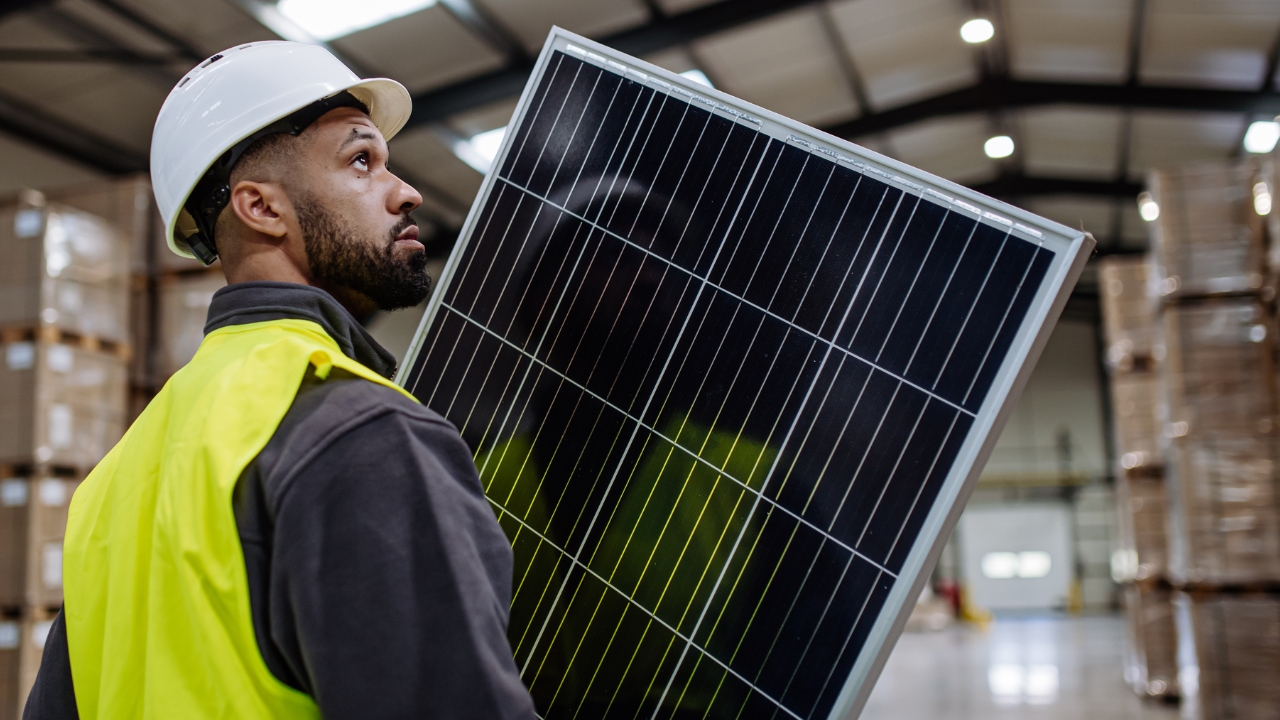
    As per reports, the aforementioned policy draft is almost complete and intends to replace solar net metering with gross metering. Under the current system, net-meter owners provide excess electricity to the national grid for Rs27 per unit and buy it back at variable rates, as prices differ depending on the time of day. 

    Reports suggest that this has disproportionately benefited households with large solar panel installations, as they consistently provide more power to the grid compared to their consumption.

    Under a gross-metering system, net-meter holders will no longer be able to achieve zero electricity bills. This is because in a gross-metering system, power from solar panels must be routed to the national grid and must be bought back from the grid for consumption.

    The current policy is favourable for net-meter owners as consumers are allowed to divert power from their panels to household consumption and only export surplus power to the grid. This mechanism allowed solar users to consistently witness zero or extremely low electricity bills.

    It merits a mention that the policy draft still has to be approved by both the National Electric Power Regulatory Authority (NEPRA) and the federal cabinet to be passed. If passed, the buyback rate will witness a staggering fall of approximately 60 percent, falling from a respectable Rs27 per unit to a measly Rs11.33 per unit.

    This proposed change in the buyback rate will only apply to individuals with new solar net meters, with existing users remaining shielded from the cut in the buyback rate. As per reports, the policy proposes linking buyback rates to about 33 percent of the regular electricity tariff, which would set Rs11.33 as a baseline.

    Authorities have highlighted how the existing net-metering system has resulted in placing financial strain on consumers without solar installations. Data from reports indicates that the net metering system costs the grid approximately Rs159 billion, of which Rs103 billion comes in the form of users having to bear higher costs for electricity generated from solar installations. According to the Power Division, a transition from net metering to gross metering could allow for a more equitable distribution of costs between users with and without net meters.