Author: Ibraheem Sohail

  • Partial market closures across country as business owners protest new taxes

    Partial market closures across country as business owners protest new taxes


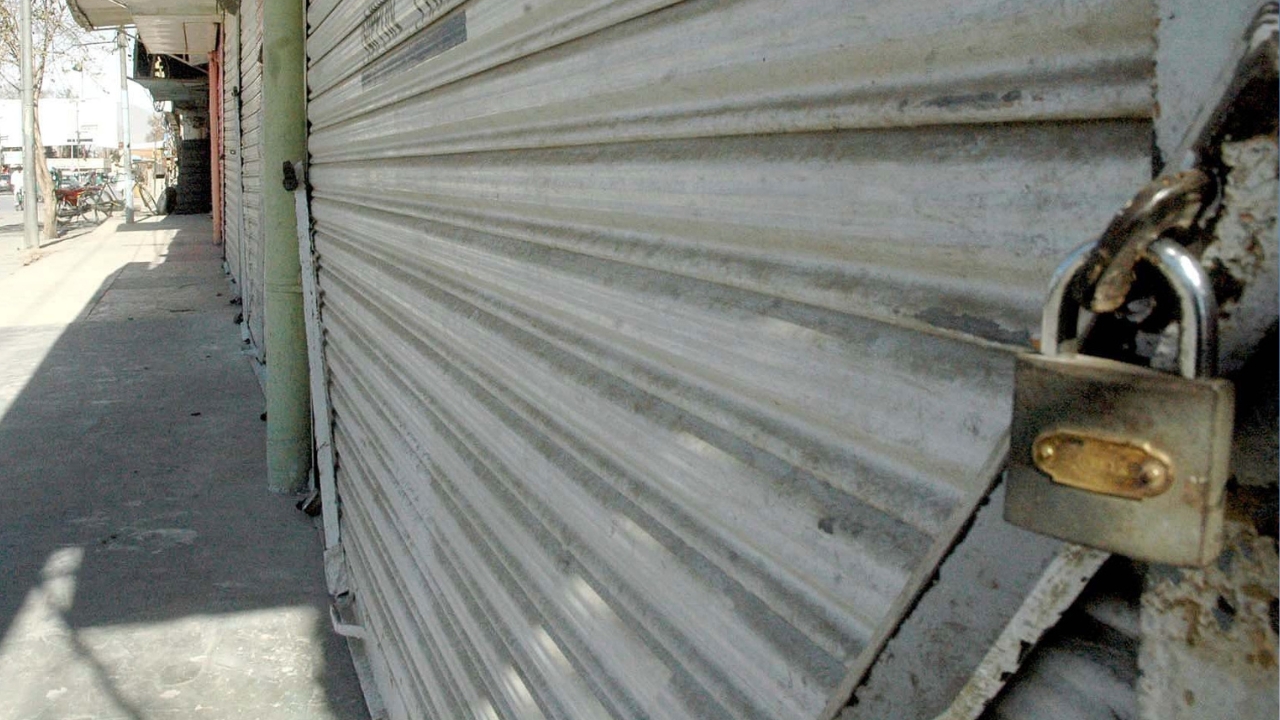
    Businesses across Pakistan are observing a shutter-down strike in protest against the tax provisions introduced in the Finance Act 2025. According to reports, a large number of business owners view the new provisions as obstacles to businiess activity and believe they could stifle economic growth.

    Business owners have suggested that the new tax provisions will serve to reduce profit margins and beget harassment against them by officials from the Federal Board of Revenue (FBR). As per reports, the Karachi Chamber of Commerce and Industry (KCCI) leads the strike in the city, with key market and trade associations supporting the strike call. 

    Reports indicate that restaurant owners, traders of automotive spare parts and packaging manufacturers are among those partaking in the strike. In a news conference on Friday, KCCI President Muhammad Jawed Bilwani announced that Karachi, Pakistan’s main commercial hub, “will be closed”. 

    While the KCCI’s President intends for the strike to last just one day, details from reports suggest that he could extend the strike to “entire weeks” if the chamber does not receive “written assurances before the next meeting”.

    Traders across the country want Islamabad to rescind the imposition of tax disallowance on cash transactions exceeding Rs200,000. Furthermore, reports claim that business owners want the federal government to repeal the decision to enforce digital invoicing for the transportation of goods, along with a curtailment in the power vested in tax officials.

    Under the new provisions, FBR officials hold the authority to arrest traders, which business owners consider to be unjust. The KCCI’s President has requested that Islamabad revoke the aforementioned provisions introduced in the Finance Act 2025.

    Business owners have threatened to take their funds and entrepreneurial skills to other regional commercial hubs like Dubai in case the government does not pull back the new provisions. Data from reports indicates that more than 50 trade bodies across Pakistan had endorsed the protest.

    The timing of the protests spells good news for companies publicly listed on the Pakistan Stock Exchange (PSX) as trading remains suspended on both Saturday and Sunday, protecting publicly listed companies from witnessing a drop in their share prices.

    If negotiations between the federal government and Islamabad pick up speed, the PSX might not take a hit when trading resumes on Monday. The Federation of Pakistan Chambers of Commerce and Industry (FPCCI) has reportedly refrained from the strike as a result of successful negotiations with the government.
  • Currency market experiences dollar shortage despite current account surplus

    Currency market experiences dollar shortage despite current account surplus

    The currency market is experiencing a shortage of foreign currency, with importers, travellers, and students facing difficulty in buying dollars. According to reports, commercial banks are now charging rates higher than the official quoted rates.

    According to the reports, the shortage has occurred despite Pakistan achieving a historic current account surplus following a surge in remittance inflows. Market experts remain stunned over the shortage of dollars, outlining how the shortage persists despite all external payments having been cleared by the State Bank of Pakistan (SBP).

    Reports indicate that importers are facing difficulty in obtaining dollars for their shipments. Currency dealers have revealed that acquiring a letter of credit for even small amounts is becoming difficult as well. These difficulties persist despite exchange companies having sold nearly $5 billion to banks in the fiscal year (FY) 2024-25.

    The aforementioned conditions are akin to those imposed on the economy when the government levies import control measures. Analysts have outlined how the restriction of imports could stifle economic growth in the coming periods.

    An analyst has expressed disbelief regarding the SBP’s decision to tighten the currency market. The analyst’s disbelief stems from the fact that the SBP seemingly has no reason to restrict the availability of dollars in the domestic market.

    This is because Pakistan has met all of its pressing external debt obligations, and the SBP has achieved the International Monetary Fund’s (IMF) reserve target.

    The SBP was able to meet the International Monetary Fund’s (IMF) $14 billion reserve target as Beijing decided to refinance a whopping $1.3 billion in commercial loans. Moreover, details from reports indicate that China also rolled over $2.1 billion, which the SBP has held in its reserves for the past three years.

    Reports suggest that officials from exchange companies and commercial banks have remained apprehensive about commenting on the situation. Banks have reportedly started charging a premium of up to Rs2.5 per dollar over the SBP’s quoted rate.

    This has caused importers acquiring dollars to face a rate of approximately Rs287.5 per dollar, up from the SBP’s quoted rate of Rs285.16. This is bound to reduce the profit margins of importers, as a depreciation in the value of the rupee makes imports more expensive.

    Aside from importers, travellers and students have also reported difficulties in obtaining dollars, while patients seeking medical treatment abroad have reportedly faced similar issues.

  • IMF rejects proposed water storage tax, recommends GST hike

    IMF rejects proposed water storage tax, recommends GST hike

    The International Monetary Fund (IMF) has decided to reject Pakistan’s plan to levy a one percent water storage tax on all taxable goods to raise revenue for mega dam projects across the country. According to reports, the international creditor has proposed that Pakistan raise funds for the development of dams by increasing the already high general sales tax (GST) rate, which currently sits at 18 percent.

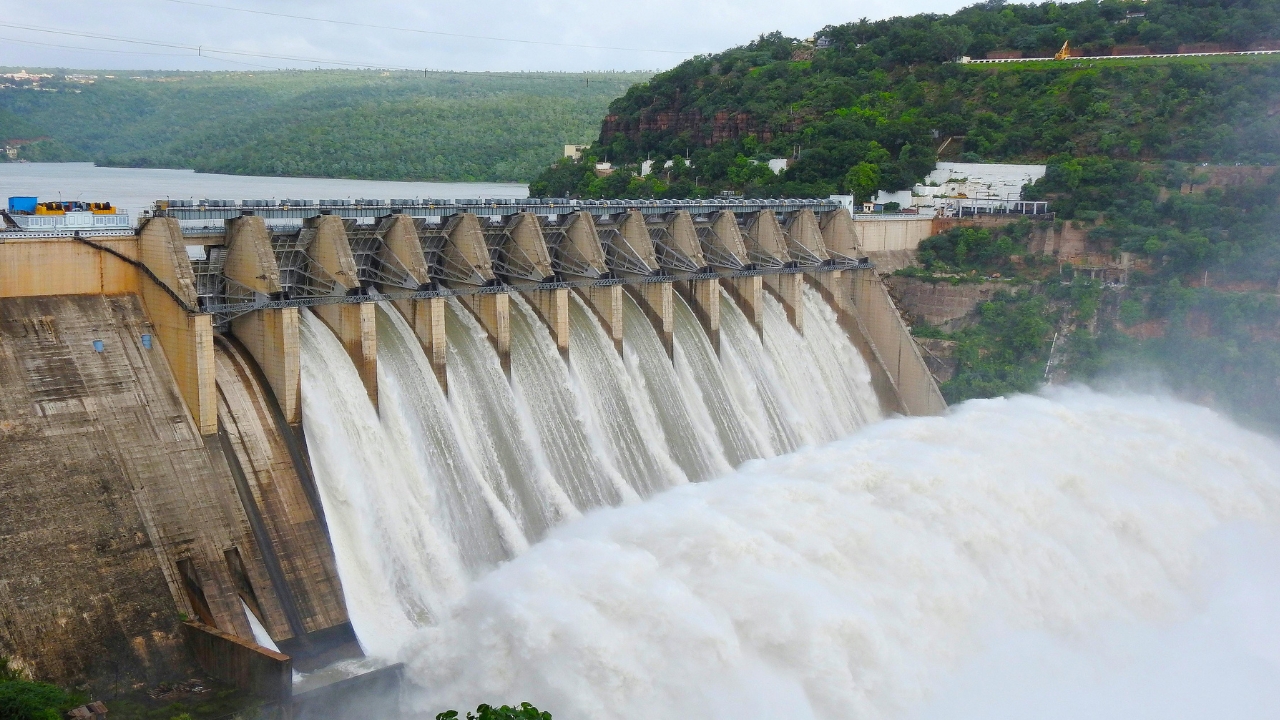
    As per reports, the federal government intended to impose a water storage tax to fund the development of Mohmand, Diamer-Bhasha and potentially Chenab Dam. However, this reportedly caused the IMF to highlight fiscal, legal and governance concerns.

    Moreover, details from reports suggest that the fund was not in favour of “handing revenue control” to the Water and Power Development Authority (WAPDA). Instead, the IMF suggested that the government could either prioritise these development initiatives by funnelling funds from the Rs1 trillion allocated for development projects to the construction of dams or by increasing the GST.

    It merits a mention that reallocating funds from the Public Sector Development Programme’s (PSDP) Rs1 trillion budget to fund dam projects could result in the neglect of a number of projects. Data from reports indicates that the revised cost for the Diamer-Bhasha dam alone could cost a staggering Rs1.1 trillion, a figure 10 percent larger than the entire PSDP budget.

    This revised figure sits much higher than earlier estimates pegged the cost of the dam to be, sitting at just Rs479 billion. Moreover, with only Rs25 billion allocated to the dam, reports reveal that authorities are short of a whopping Rs365 billion on the original estimate. 

    Similarly, the government needs Rs173 billion to cover the cost of the Mohmand dam, with Islamabad’s financial outlay for the project sitting at just Rs35.7 billion. Constructing the Chenab dam could cost the government another Rs220 billion.

    Put together, these three development projects alone require a whopping Rs1.35 trillion in additional funding. However, reports suggest that the government may attempt to raise these funds without a hike in GST.

    This could be possible if Islamabad amends the Gas Infrastructure Development Cess (GIDC) Act to funnel unspent funds from collections into dam projects. While the construction of the dam could help safeguard Pakistan from water-related natural disasters and assist the agricultural sector, it could serve to exacerbate the surplus power issue.

  • Pakistan’s ports draw interest from over 65 US companies

    Pakistan’s ports draw interest from over 65 US companies

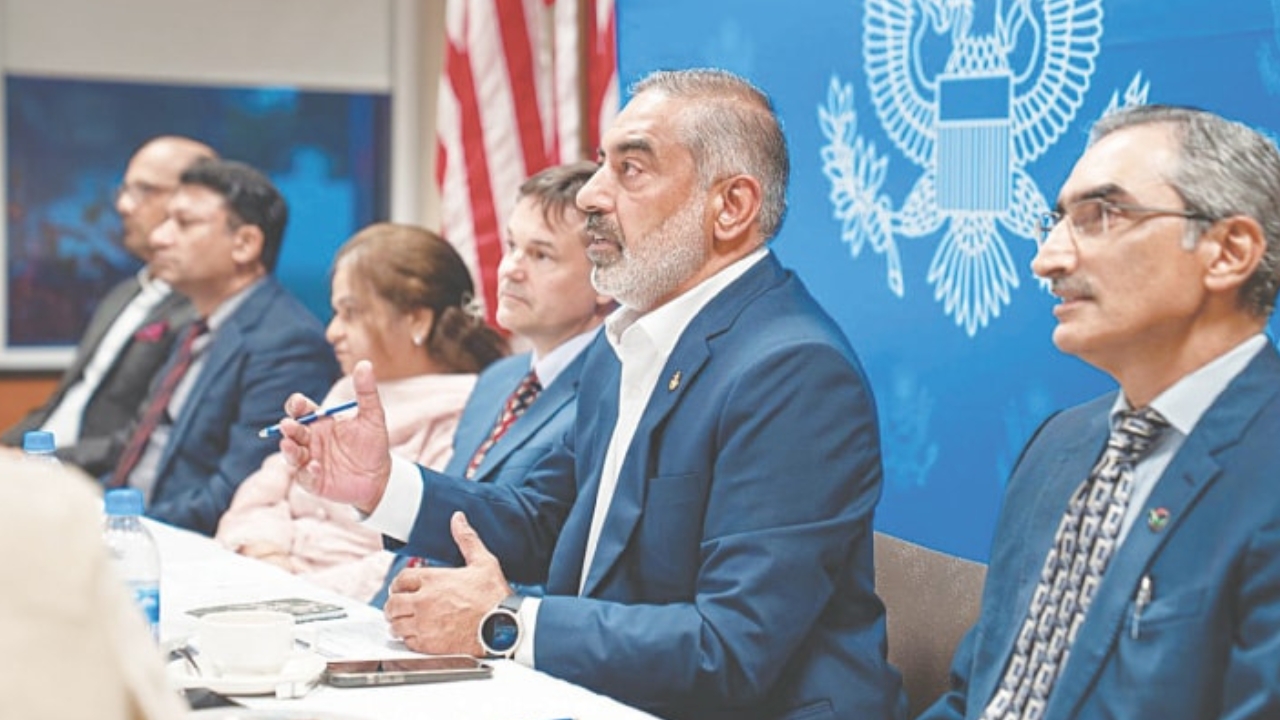
    In a bid to deepen bilateral ties, more than 65 US-based companies participated in a webinar on Wednesday aimed at uncovering business prospects at Pakistan’s ports, namely Port Qasim and Karachi Port.

    Organised under the ‘Gateways to Growth: South Asia Port Opportunities’ series, the session was reportedly a joint effort by the US Department of Commerce’s International Trade Administration and the US Department of State, in partnership with Pakistan’s Ministry of Maritime Affairs. According to reports, the event has opened up fresh avenues for American commercial engagement in Pakistan’s port and maritime sectors.

    Reports reveal that the webinar was designed as a strategic meeting ground facilitating direct conversations between US businesses and key figures from Pakistan’s port authorities and private port operators.

    Key officials from the Ministry of Maritime Affairs, Abu Dhabi Ports, Dubai Ports World and Port Qasim Authority, also participated. It merits a mention that Abu Dhabi Ports manages Karachi Gateway Terminal Ltd, while Dubai Ports World operates Qasim International Container Terminal. These entities, along with the Ministry of Maritime Affairs, laid out Pakistan’s trade priorities, infrastructure goals, and the broader regulatory framework.

    Speaking during the session, US Consul General in Karachi Scott Urbom reportedly highlighted the strength of bilateral cooperation. The Consul General mentioned that investors from the US have already contributed significantly towards the development of the country. He also announced that the Port sector could serve as an area of economic collaboration, bringing about “great success” for all parties involved.

    Moreover, he suggested that collaboration could unlock the port sector’s true capacity, create fresh openings for US-based firms, and support Pakistan’s economic progress.

    As per reports, Director of ICT and Infrastructure Policy at the US International Development Finance Corporation, Ean Hudley, explained that this initiative gives US businesses valuable market insight and direct connections to local decision-makers, allowing US firms to tap into infrastructure ventures throughout South Asia.

    The hybrid event reportedly outlined how US firms can play a vital role in accelerating trade movement by building new logistics channels between the two nations, aligning with Pakistan’s ongoing development plans for its ports.

    In recent port-related developments, the Ministry of Maritime Affairs has outlined plans to increase the number of shipping lines operating to and from the port and has also announced the launch of a ferry service. The initiative is part of the federal government’s plan to elevate Gwadar Port’s position as a “major hub in the Arabian Sea”.

    While the government attempts to boost Gwadar Port’s significance, investment inflows from the US into Port Qasim and Karachi Port could allow Pakistan to begin a regional trading hub.

  • Pakistan, El Salvador establish bilateral ties based on crypto

    Pakistan, El Salvador establish bilateral ties based on crypto

    Pakistan plans to partner with El Salvador, the first country to use cryptocurrency as legal tender, to join the digital currency race and work together to promote crypto use, according to reports.

    Pakistan Crypto Council’s (PCC) chief executive officer (CEO) Bilal Bin Saqib met with El Salvador’s President Nayib Bukele. According to a statement from Prime Minister Shehbaz Sharif’s office, the two sides discussed forming a partnership to exchange knowledge on digital assets.

    Collaboration with El Salvador could yield positive results for Pakistan, as the South American country adopted Bitcoin as legal tender in September 2021. While it rolled back Bitcoin’s status as legal tender in January 2025, Pakistan could benefit from the knowledge El Salvador gained during its three-year “experiment”, regarding the integration of digital assets into the national economy while on an International Monetary Fund (IMF) program.

    Like El Salvador, Pakistan remains under the IMF’s Extended Fund Facility (EFF) program. However, while El Salvador has made notable progress in embracing digital assets, Pakistan has only recently stepped into the space with the PCC in March 2025. Given El Salvador’s experience navigating similar economic and technological transitions, Pakistan stands to gain significantly from knowledge sharing and collaboration.

    El Salvador’s President has been attempting for years to establish his country as a hub for digital assets. Reports suggest that the issuer of the most renowned stablecoin in the country, Tether Holdings SA, also recently established its headquarters.

    Despite being mandated by the IMF to stop acquiring Bitcoin as per a loan agreement, El Salvador continues to purchase the digital asset. Data from reports suggests that the country now boasts an impressive collection of 6,238 Bitcoins in its reserves, valued at approximately $738 million as of publishing.

    Pakistan has taken steps to establish itself as a digital asset hub as well, creating the country’s first-ever government-led Strategic Bitcoin Reserve. The PCC’s CEO recently outlined Islamabad’s intentions, indicating that holding digital assets by the state signalled a long-term belief in decentralised finance and was not for speculative purposes.

    Islamabad recently allocated 2,000 megawatts of surplus power to crypto mining and to power artificial intelligence data centres. While initial reports suggested that, similar to El Salvador, the IMF disagreed with the aforementioned crypto-related initiative, Pakistan’s Power Division and the IMF jointly rubbished these claims as no formal objection had been logged by the international lender.

  • Bank lending to federal government crosses Rs44 trillion

    Bank lending to federal government crosses Rs44 trillion

    Bank lending to the federal government has surpassed Rs44 trillion, with credit extended to the private sector reportedly accounting for only 21 percent of advances by banks. Data released by the State Bank of Pakistan (SBP) has revealed that credit lent to Islamabad rose by a staggering Rs8.5 trillion in fiscal year (FY) 2023-24.

    Reports outline the excessive amount of bank borrowing by the government, drawing parallels to the funds banks lent to the private sector across various periods. As per reports, in FY 2022-23, funds lent to the private sector stood at a measly Rs46 billion.

    While advances to the private sector have grown in recent years, with SBP figures suggesting that lending to the private sector sat at Rs513 billion and Rs742 billion for FY 2023-24 and FY 2024-25, respectively, the figure still falls short of the Rs8.5 trillion lent to the government.

    Data covering the first eleven months of FY 2024-25 suggests that Islamabad’s total holdings in market securities reached Rs44.89 trillion. Of this amount, scheduled banks held the majority share at 78.9 percent or Rs35.44 trillion, while non-bank entities accounted for the remaining 21.1 percent.

    According to reports, the corporate sector is displaying a trend to invest its funds in government securities. This move displays sentiments in the business community that suggest a shift away from risky ventures to safer, lower-yield securities.

    Reports reveal that this trend has resulted in corporate holdings of government securities ballooning to a whopping Rs9.5 trillion. Analysts have highlighted that an increase in risk appetite could allow for this capital to fund physical investments, allowing for a boost in economic growth and a reduction in the unemployment rate.

    It merits a mention that banks’ holding of government debt inadvertently detrimentally impacts the economy. This is because these funds, which have been tied up to finance the government’s expenditures, could have been lent out to businesses for commercial or industrial purposes.

    Reports have underlined the federal government’s growing debt burden, which data suggests has surged to Rs76.045 trillion. A breakdown of this debt reveals that external debt accounts for Rs22.585 trillion of the total debt burden, while domestic debt accounts for the remaining Rs53.468 trillion.

  • Petrol price jacked up by Rs5.36 per litre; diesel by whopping Rs11.37

    Petrol price jacked up by Rs5.36 per litre; diesel by whopping Rs11.37

    The prices of petroleum products have surged by up to Rs11.37 per litre, driven by rising import premiums and global oil prices. The new rates came into effect on July 16 and will remain unchanged for the next two weeks.

    According to data from reports, the price of high-speed diesel (HSD) has witnessed a staggering Rs11.37 per litre hike. Moreover, reports have revealed that petrol prices have also surged by Rs5.36 per litre, causing strain on consumers. 

    This marks the second consecutive increase in fuel prices since the start of fiscal year (FY) 2025-26, on July 1, 2025. Previously, the price of petrol was increased by Rs8.36 per litre, causing its price to rise to Rs266.79 per litre.

    The price of HSD previously increased at the start of FY 2025-26 from Rs10.39 to Rs272.98 per litre. The ex-depot price of HSD has now climbed up to a whopping Rs284.35 per litre after witnessing a 4.16 percent increase.

    Similarly, a two percent increase in petrol prices has caused the price of the commodity to sit at Rs272.15 for the upcoming fortnight. As per a press release from the Finance Division, relevant ministries, along with the Oil & Gas Regulatory Authority (Ogra), revised the HSD and petrol prices.

    However, data from reports indicates that the prices of light diesel oil and kerosene have remained unchanged for the upcoming fortnight. 

    Before the hike, estimates pegged the increase in HSD prices to sit at just Rs6.50 per litre. However, HSD prices increased by almost 75 percent more than initial estimates.    

    The increase in HSD prices has adverse effects on the economy as it directly increases the prices of food. This is because it is widely used in the agricultural sector to power tractors and other mechanised farming equipment. Additionally, reports indicate that transporters have raised fares in response to the fuel price hike.

    According to analysts, Islamabad is responsible for the sky-high fuel prices as the federal government charges a colossal Rs98 per litre on both petrol and HSD. A breakdown of the charges levied on consumers by Islamabad suggests that the petroleum development levy (PDL) makes up the largest portion of this charge, amounting to approximately Rs78 per litre. A Rs20 to Rs21 per litre customs duty is also imposed on fuel.

  • ADB pushes five percent GST on digital transactions to encourage digital payments

    ADB pushes five percent GST on digital transactions to encourage digital payments

    The Asian Development Bank’s (ADB) latest report suggests that Pakistan implement a five percent general sales tax (GST) on all digital transactions to encourage a shift toward digital payments.

    The report published on Monday suggests that this will decrease inefficiencies in cash-based transactions and will help Islamabad for documentation purposes. This could help the Federal Board of Revenue (FBR) increase compliance rates with existing tax laws, allowing for a potential rise in government revenues.

    The regional lender’s report in consideration pertains to Pakistan’s Digital Ecosystem, wherein the creditor warned that high taxes on domestic digital infrastructure could hamper economic growth, slow down the expansion of digital services, and reduce the influx of foreign investments.

    The report suggests that the ADB should “rationalise all digital infrastructure taxes, both direct and indirect, making them competitive against a basket of countries, and fix sector tax rates for at least 10 years”. Rationalising digital infrastructure taxes will likely serve to increase investment inflows, lower service costs, and encourage network expansion, which could boost digital access, reduce the digital divide, and promote economic development through wider digital adoption.

    As per the report, the domestic digital infrastructure bears a large burden in the shape of “high taxation”. The report suggests that taxes on this sector in Pakistan are among some of the highest in the world. Moreover, the report has outlined how “the tax policies tend not to be very consistent”.

    Highlighting the inconsistency in policies, the report has underlined how women and other disadvantaged groups face “asymmetric cost and cultural barriers to accessing the internet.” If Pakistan lowers the barriers to entry for these marginalised groups, the use of digital financial services is likely to increase significantly.

    One of the primary barriers to digital transactions is the low rate of broadband subscriptions, which indicates that only 56.5 percent of Pakistanis have access to the internet. This figure could be vastly improved if provinces reduce the extortionate 19.5 percent sales tax which they charge on internet service usage.

    The report has also prescribed Pakistan with certain measures to boost digital transactions. These measures include collaborating with international entities to design public–private partnerships (PPPs), offering affordable smartphones and bumping up device ownership for Pakistanis, especially disadvantaged groups such as women.

  • Fuel prices likely to rise by up to Rs6.50 per litre

    Fuel prices likely to rise by up to Rs6.50 per litre

    Fuel prices are expected to rise by up to Rs6.50 per litre, driven by higher import premiums and global petroleum prices. This projected increase in prices is expected from July 16, after which prices will remain fixed for the upcoming fortnight.

    According to data from reports, the price of high-speed diesel (HSD) could witness a staggering Rs6.50 per litre hike. Moreover, reports suggest that petrol prices could rise by approximately Rs5.25 per litre, causing strain on consumers. 


    If implemented, this would be the second consecutive increase in fuel prices since the start of fiscal year (FY) 2025-26, on July 1, 2025. The price of petrol was hiked up by Rs8.36 per litre on June 30, causing its price to swell to Rs266.79 per litre.


    The price of HSD increased on June 30th, too, rising by Rs10.39 to its current price level of Rs272.98 per litre. Reports reveal that the ex-depot price of HSD is likely to reach a whopping Rs279.48 per litre after witnessing a 2.5 percent increase.


    Similarly, a two percent increase in petrol prices is also expected, causing analysts to predict that the price of the commodity is likely to sit at Rs272.04 for the upcoming fortnight. However, it merits a mention that these are only estimates and that the federal government has not yet released the final prices for the coming two weeks.


    However, data from reports indicates a potential decline in the prices of light diesel oil and kerosene by Rs2.25 per litre and Rs3.80 per litre, respectively. While this could help consumers, according to reports, the collective benefits from the drop in prices of the aforementioned commodities do not outweigh the costs of the hikes in the prices of HSD and petrol.

    This is because an increase in HSD prices directly increases the prices of food, as it is widely used in the agricultural sector to power tractors and other mechanised farm equipment. Moreover, reports reveal that transporters have been increasing fares in advance of the expected increase in fuel prices.

    Accoridng to analysts, Islamabad is responsible for the sky-high fuel prices as the federal government charges a colossal Rs98 per litre on both petrol and HSD. A breakdown of the charges levied on consumers by Islamabad suggests that the petroleum development levy (PDL) makes up the largest portion of this charge, amounting to approximately Rs78 per litre. A Rs20 to Rs21 per litre customs duty is also imposed on fuel.

  • Stock market hits record high as investor sentiment improves

    Stock market hits record high as investor sentiment improves

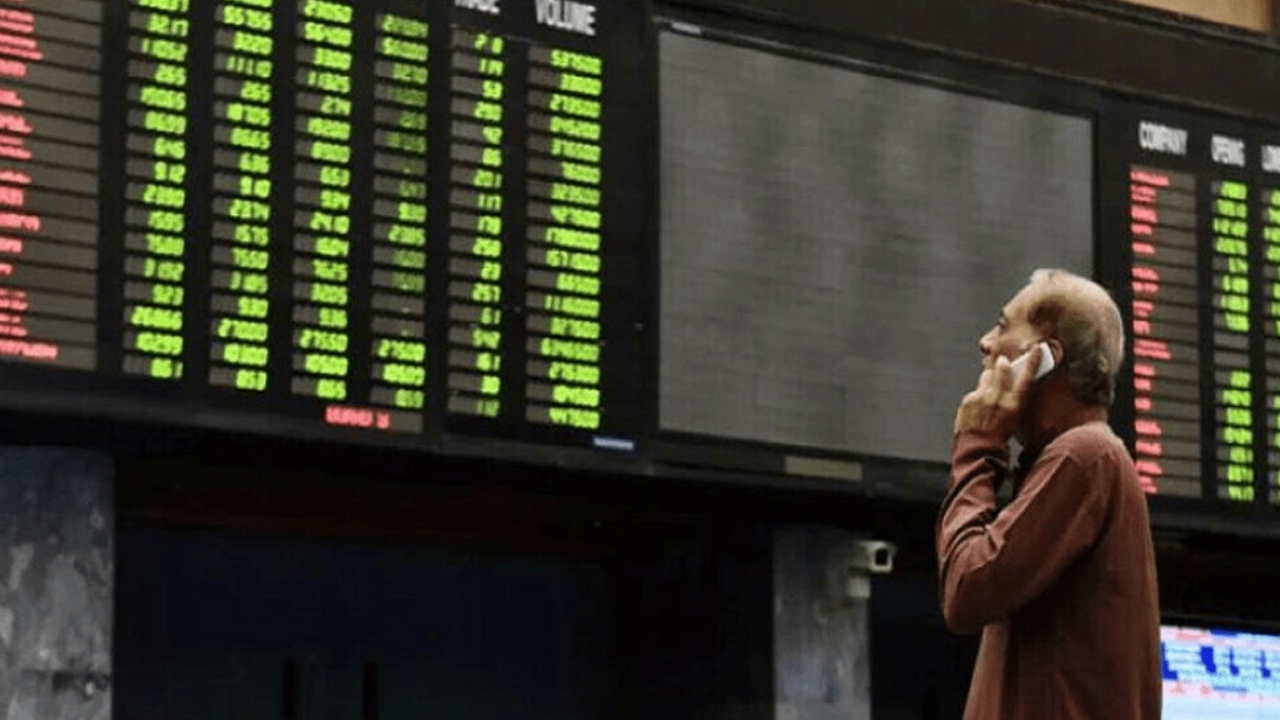
    The Pakistan Stock Exchange (PSX) witnessed a massive 2,202-point rally, allowing the benchmark index of the exchange, KSE-100 index, to cross the 136,500 point resistance level, setting a new all-time high. According to reports, shares climbed rapidly on Monday as investor confidence surged because of improved economic indicators.


    The aforementioned improvement in indicators refer to the recent improvement in Pakistan’s foreign exchange reserves, spike in remittances, and reports of strong demand for automobiles during fiscal year (FY) 2024-25.


    A statement from the Prime Minister’s Office linked the PSX’s recent upward trajectory to the “business community’s growing confidence in Pakistan’s economy.” Prime Minister Shehbaz Sharif has also highlighted how the federal government is committed to provide a business-friendly environment. 
     
    These developments caused the index to open in the green in the early hours of the day, with the upwards momentum continuing until closing hours. The KSE-100 index reached an intraday high of 136,841.49 points. The index peaked at approximately 3:27 PM, after which the market closed at a lower, yet respectable, 136,502.53 points.


    For reference, the KSE-100 closed at 134,299.766 points on Friday, after which the index recorded a growth of 1.64 percent during trading hours on Friday, leading to a 2,202.77 point rise. The market displayed a slowdown around 9:30 AM as the KSE-100 hit its intraday trading low of 134,937.43 points.


    Of the 18 indexes listed on the exchange, 16 remained in the green with the All-share index (ALLSHR) growing by 1.26 percent, which translates into a 1,061.74 point rise in the index. Unlike the KSE-100, which tracks the performance of the 100 largest and most liquid companies, the ALLSHR index records the performance of all publicly listed companies on the PSX.


    A number of companies witnessed a rise in share prices, with PICIC Insurance Limited (PIL) and Crescent Star Insurance Limited (CSIL) winning big, to the tune of growth rates that sat at 29.33 percent (PIL) and 28.78 percent (CSIL). 


    However, not every publicly listed stock witnessed an improvement, as many companies witnessed sharp declines. Of these declining companies, the one that fared the worst during intraday trading was Trust Modaraba (TRSM), which posted a 12.95 percent decline in its position.


    Recent reports have outlined the trend for the period following the coming week, suggesting that the KSE-100 index could cross 165,000 points by the middle of FY 2025-26, owing to a drop in interest rates and an improved state of the wider economy.