Category: Business

  • 8th straight surge: Gold price increases to Rs228,600 per tola in Pakistan

    8th straight surge: Gold price increases to Rs228,600 per tola in Pakistan

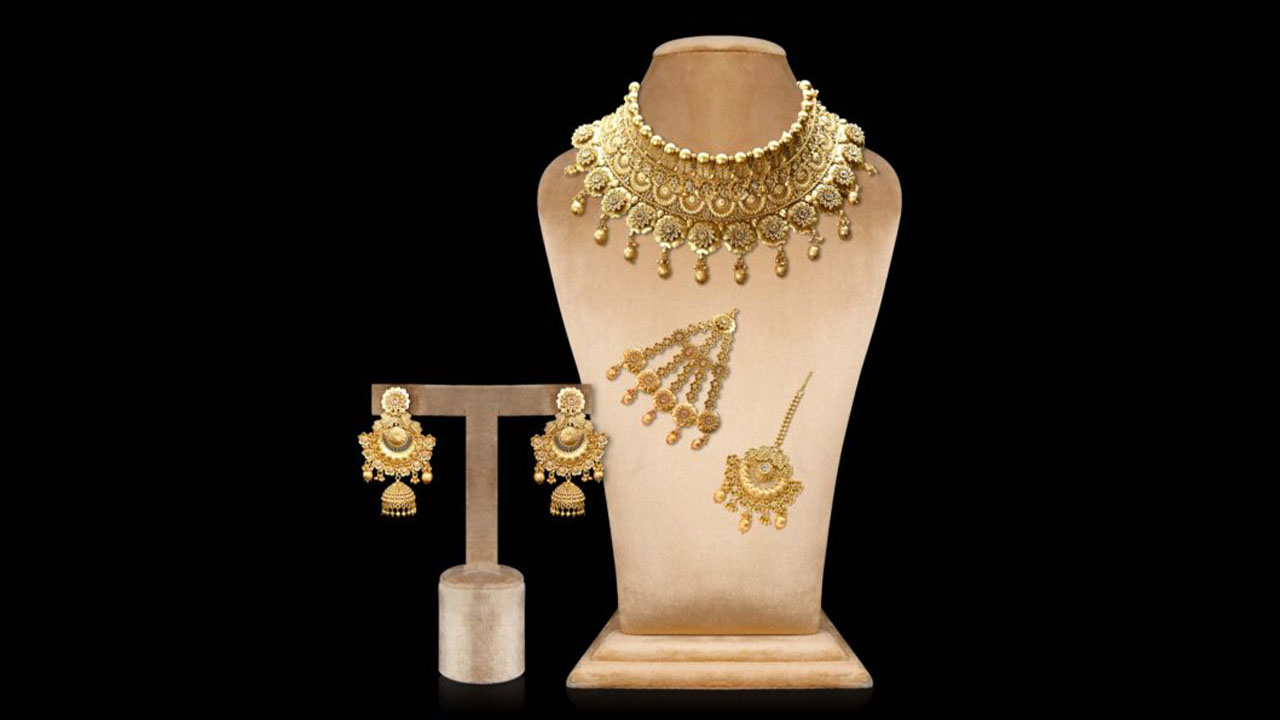
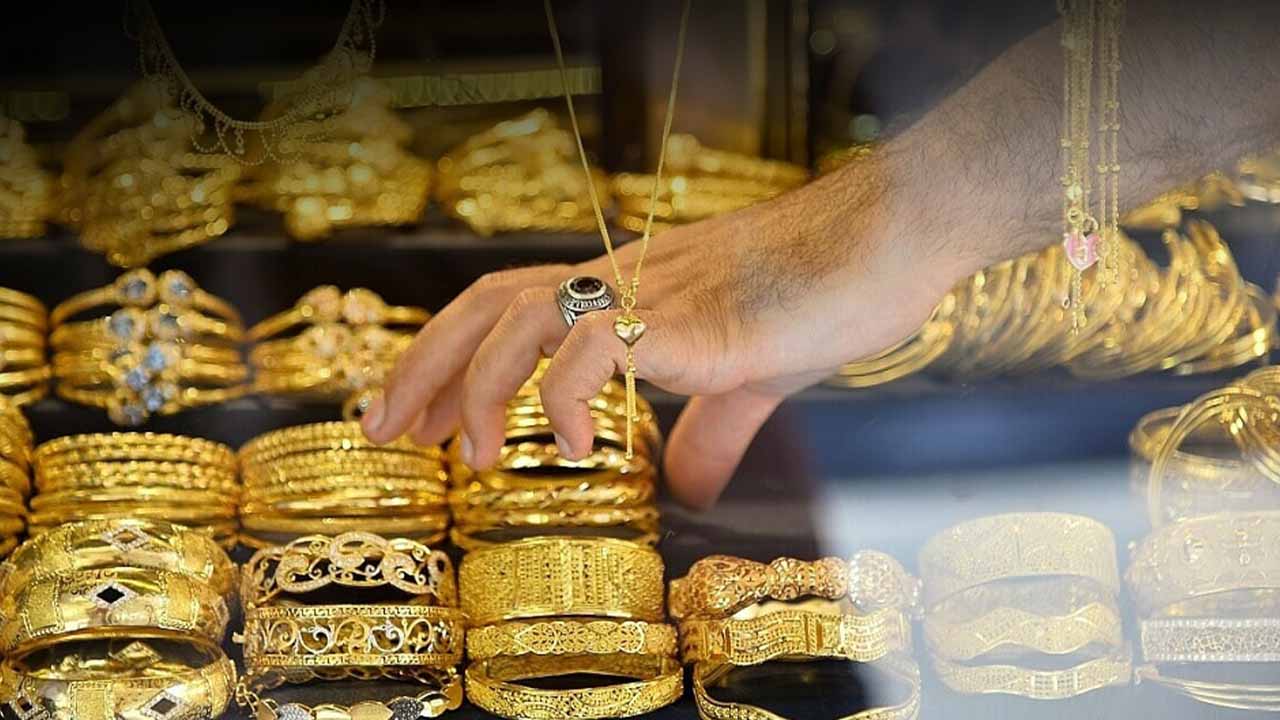
    In a remarkable eighth consecutive session, the domestic bullion market has maintained its bullish trend, driving the price of 24-karat gold to new heights.

    The surge reached an impressive Rs13,800 per tola during this period, with today’s session witnessing a gain of Rs450 per tola, bringing the current trade value to Rs228,600.

    The Karachi Sarafa Association reported that the price of 10-gramme 24-karat gold has soared to Rs195,988 per tola, marking an increase of Rs386.

    Additionally, the price of 10-gramme 22-karat gold has experienced a notable rise, reaching Rs179,655.

    Contrastingly, silver prices have remained unchanged, with 24-karat silver maintaining its position at Rs2,600 per tola and Rs2,229.08 per 10-gramme.

    Internationally, the spotlight is on the global spot gold market, which is poised to record its most significant weekly jump in five months.

    Over the past eight sessions, spot rates have climbed by 6.7 per cent, or $136, spurred by remarks from FED Chair Jerome Powell that have solidified expectations for interest rate cuts later in the year.

    The inverse relationship between gold and bond yields has contributed to the precious metal’s robust performance.

    Additionally, the rally in procyclical asset classes, particularly equities, has provided further support to gold as investors seek to diversify their risk exposure.

  • Pakistan gears up for crucial IMF talks on $3 billion SBA programme

    Pakistan gears up for crucial IMF talks on $3 billion SBA programme

    Pakistan is set to commence vital discussions with the International Monetary Fund (IMF) concerning the completion of the second review under the $3 billion Standby Arrangement (SBA) programme.

    The formal invitation to the Washington-based lender is expected to be dispatched shortly after the formation and oath-taking of the federal cabinet, with negotiations anticipated to commence in the coming week.

    Simultaneously, Pakistan plans to request a new deal under the 36-month Extended Fund Facility (EFF).

    Sources have indicated that the size of the upcoming EFF programme is yet to be finalized, but Islamabad aims to explore the inclusion of climate finance to potentially increase the programme’s magnitude from $6 billion to $8 billion.

    A significant challenge facing the incoming finance minister is the pursuit of the Federal Board of Revenue’s (FBR) tax collection target of Rs890 billion for March 2024. Failure to meet this quarterly (Jan-March) target with the IMF may prompt additional taxation measures for the remaining fiscal year.

    Prime Minister Shehbaz Sharif chaired a high-level meeting on Tuesday to receive a comprehensive briefing from the FBR team on the future strategy for revamping the taxation system.

    The FBR has, to date, collected Rs5.82 trillion in the first eight months of the current fiscal year, experiencing a shortfall of Rs33 billion in achieving the February 2024 monthly target.

    To meet the targeted Rs9.415 trillion by June 30, 2024, the FBR must collect Rs3.58 trillion in the remaining four months (March-June) period.

    March 2024 holds particular significance, with the monthly target of Rs890 billion crucial for fulfilling the agreed third-quarter (Jan-March) period with the IMF.

    PM Shehbaz emphasized the immediate commencement of automation and digitization of the FBR, personally committing to monitor the entire process.

    According to The News, he urged the adoption of international best practices to enhance transparency, increase tax collection, and eradicate tax evasion, corruption, and smuggling.

    Expressing dissatisfaction with the current progress, PM Shehbaz directed the FBR to start the automation and digitization process immediately, urging the acquisition of services from international firms. He stressed the appointment of officers based on merit in the Track and Trace system.

    During the meeting, FBR Chairman Malik Amjad Tiwana briefed the prime minister on measures taken towards automation, tax net expansion, refund payments to exporters, and anti-smuggling efforts.

    PM Shehbaz, however, insisted on immediate progress, highlighting the collaboration with the Ministry of Interior and the Pakistan Army to combat smuggling effectively.

    As the meeting concluded, PM Shehbaz praised the efforts of caretaker finance minister Dr. Shamshad Akhtar and her team, commending their adherence to the policies laid by the previous government to avert default.

    The prime minister expressed confidence in achieving progress and prosperity through diligent efforts and adherence to the right direction.

    The meeting, attended by key officials, emphasized the urgency of digitalized invoicing and the inclusion of 1.5 million more individuals into the tax net, underlining the government’s commitment to fostering economic stability and growth.
  • 7th consecutive rise: Gold price surges by over Rs2,700 per tola

    7th consecutive rise: Gold price surges by over Rs2,700 per tola

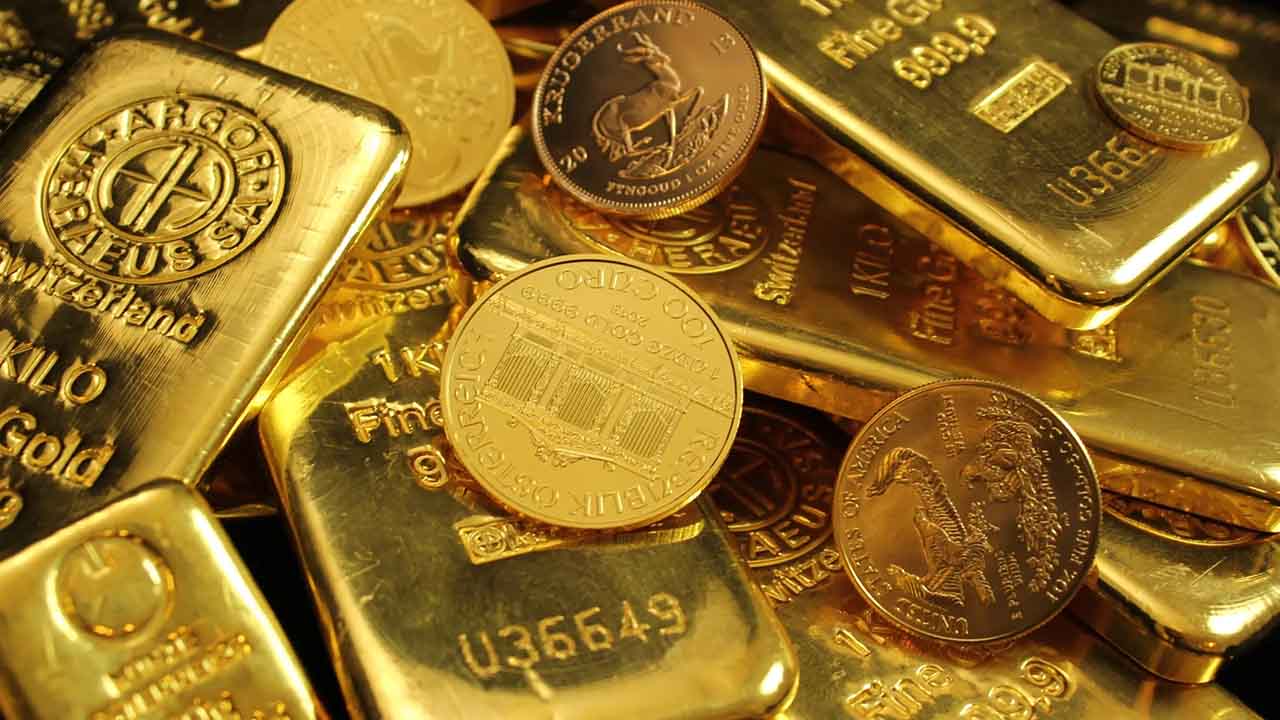
    In a remarkable seventh consecutive session, the gold market in Pakistan continued its bullish trend, witnessing a surge in the price of 24-karat gold by Rs2,750 per tola, reaching Rs228,150 on Thursday.

    Over the course of the past seven trading days, the domestic bullion market has experienced a significant uptick, with the price of gold appreciating by Rs13,350 per tola, marking a substantial 6.2 per cent increase. This surge is attributed to the notable rise in the international market.

    The Karachi Sarafa Association shared that the price of 10-gramme 24-karat gold has reached Rs195,602 per tola, indicating a substantial rise of Rs2,358.

    Additionally, the price of 10-gramme 22-karat gold has also seen an upward trend, reaching Rs179,301.

    Contrastingly, silver prices remained stable today, with 24-karat silver maintaining its position at Rs2,600 per tola and Rs2,229.08 per 10-gramme.

    On the global front, the international spot gold market continued its rapid ascent, reaching a peak of $2,161.48 per ounce.

    These gains have surprised many investors, especially considering the absence of major changes in expectations regarding the Federal Reserve’s rate-cutting decisions, as reported by Bloomberg.

    It’s worth noting that gold traditionally exhibits an inverse relationship with bond yields, further contributing to the complexity of recent market movements.

  • Toyota manufacturer in Pakistan halts car production amid parts shortage

    Toyota manufacturer in Pakistan halts car production amid parts shortage

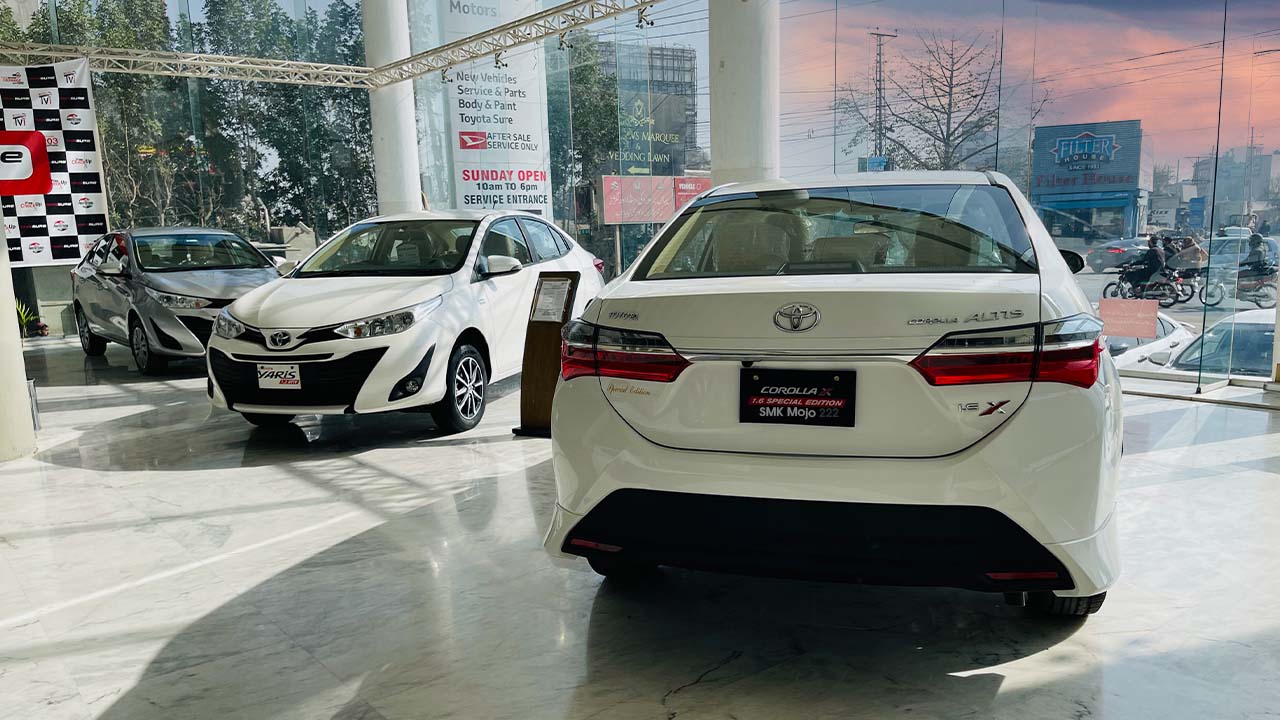
    Indus Motor Company (IMC), the manufacturer of Toyota vehicles in Pakistan, has declared a temporary shutdown of its production plant for a duration of six days.

    The decision stems from the company’s concern over low inventory levels and a shortage of essential components, as disclosed in a formal notice submitted to the Pakistan Stock Exchange (PSX).

    The notice specified, “Based on the current low level of inventory of manufactured vehicles and the shortage of parts and components for vehicle manufacturing, due to supply chain challenges, the company has decided to close its production plant from March 6th, 2024, to March 11th, 2024 (both days inclusive).”

    Pakistan’s automotive sector is grappling with various challenges, including the nation’s sluggish economic growth, surging inflation rates, and elevated borrowing costs, all of which are contributing to a decline in vehicle sales.

    To address these challenges, Indus Motor Company recently announced its board’s approval of an investment of approximately Rs3 billion.

    This investment aims to enhance the localization of production, a crucial step in the company’s broader strategy to consistently increase the localization of parts and components in locally manufactured vehicles. 

    This temporary shutdown underscores the broader challenges facing the automotive industry in Pakistan and reflects IMC’s proactive approach to managing its production in response to current market conditions.

  • Gold price surpasses Rs225,000 per tola following yet another major surge

    Gold price surpasses Rs225,000 per tola following yet another major surge

    Gold prices witnessed another substantial surge in Pakistan on Wednesday, attracting the attention of investors and consumers alike.

    The coveted yellow metal reached a notable milestone, standing at Rs225,400 per tola after witnessing a substantial gain of Rs1,500 throughout the day.

    The All Pakistan Gems and Jewellers Sarafa Association (APGJSA) provided the latest rates, revealing that the 10-gram gold was traded at Rs193,244, reflecting an increase of Rs1,286. This surge follows Tuesday’s notable rise, where gold prices in the country had escalated by Rs2,700 per tola.

    The international market played a pivotal role in influencing this surge, with gold commanding a premium of $20 on Wednesday.

    The global rate for gold was established at $2,148 per ounce after experiencing a $13 upswing, as reported by the APGJSA.

    In contrast, silver rates maintained their stability, holding steady at Rs2,600 per tola.

    The resilience in silver prices adds an intriguing dynamic to the precious metals market, warranting continued observation.

  • Oil prices drop again on concerns over China’s economic changes

    Oil prices drop again on concerns over China’s economic changes

    In the wake of growing apprehensions over reduced oil consumption in China, a key player in the global oil market, oil prices witnessed a consecutive decline for the second day.

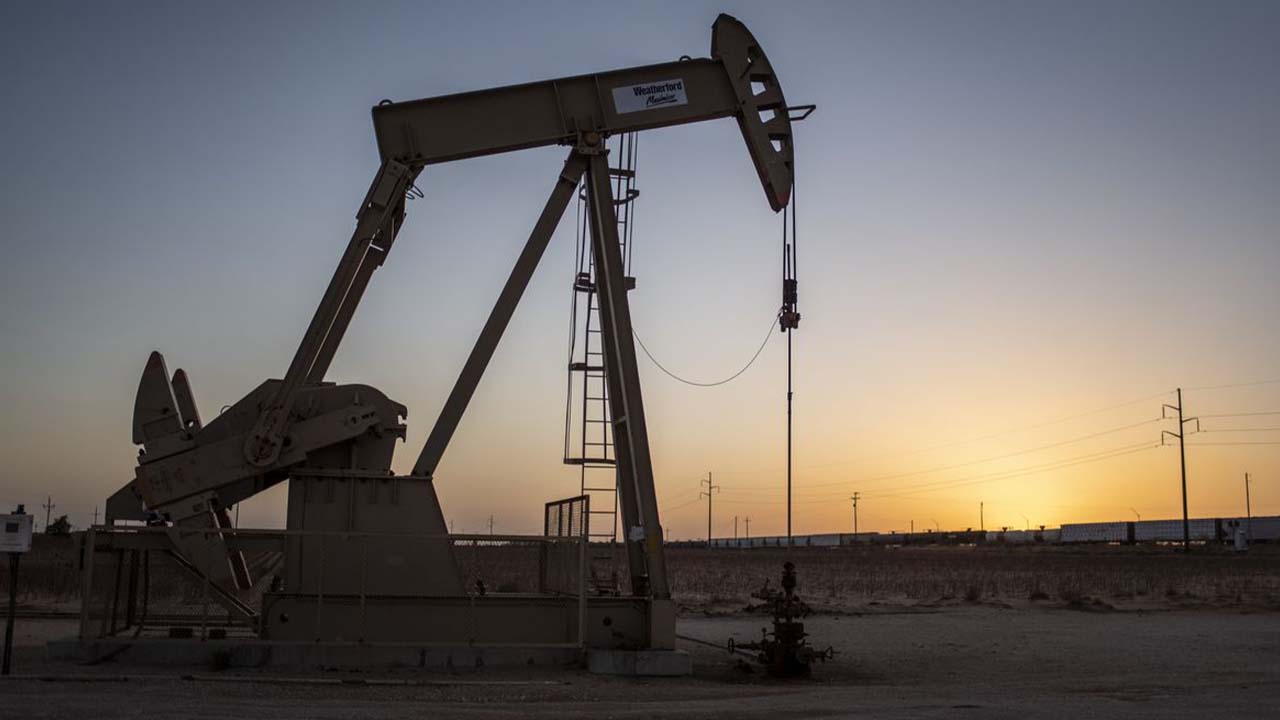
    The current market scenario reveals Brent crude trading at $82.16 per barrel, marking a 0.52 per cent decrease, while West Texas Intermediate crude (WTI) is trading at $77.9 per barrel, down by 0.6 per cent from the previous close.

    China, a significant oil consumer, declared its commitment to overhaul its economic development model and address industrial overcapacity concerns.

    Alongside these initiatives, China set its economic growth target for 2024 at approximately 5 per cent, a figure consistent with last year’s goal and in alignment with analysts’ predictions, according to Reuters.

    However, achieving this growth target may prove challenging this year, as analysts point out that China’s favourable base effect in 2023, resulting from the pandemic-affected 2022, may not be replicable. This potential hurdle has raised concerns and could impact investor sentiment.

    China, being the world’s largest crude importer, also announced intentions to intensify the exploration and development of oil and natural gas resources.

    Simultaneously, there is a commitment to tighten control over fossil fuel consumption, reflecting the nation’s dual focus on energy development and environmental responsibility.

    While anxieties regarding China’s demand outlook contributed to the downward pressure on oil prices, other factors provided support.

    Major oil producers’ decisions to reduce output and geopolitical tensions arising from the Israel-Gaza conflict played a role in sustaining crude prices.

    Over the weekend, the Organisation of the Petroleum Exporting Countries and its allies (OPEC+) extended their voluntary oil output cuts of 2.2 million barrels per day (bpd) into the second quarter.

    This decision aimed to bolster prices amidst global growth concerns and increased production outside the OPEC+ alliance.

  • Bitcoin’s price soars close to $69,000, then pulls back to $65,000

    Bitcoin’s price soars close to $69,000, then pulls back to $65,000

    Bitcoin, the leading cryptocurrency by market value, surged to a two-year peak, surpassing $68,600 on Tuesday and approaching its all-time high.

    The cryptocurrency has seen a notable 50 per cent surge this year, with a significant portion of the increase occurring in recent weeks, marked by inflows into US-listed bitcoin funds.

    During Asian trading hours on Tuesday, Bitcoin hovered around $68,500, reaching a session high of $68,828, just shy of the record peak of $68,999.99 set in November 2021.

    The approval of spot bitcoin exchange-traded funds in the United States earlier this year attracted new significant investors, reigniting enthusiasm reminiscent of the 2021 bull run.

    However, Bitcoin has now retreated to $65,000 as of 9:50 p.m. Kyle Rodda, senior markets analyst at Capital.com, described the current market conditions as “crypto mania 4.0,” suggesting that continued low bond and rate volatility could sustain the momentum, though acknowledging signs of irrational behaviour.

    In the week ending March 1, net flows into the ten largest US spot bitcoin funds totaled $2.17 billion, with over half directed towards BlackRock’s iShares Bitcoin Trust, according to LSEG data.

    Tony Sycamore, a market analyst at IG, expressed optimism about Bitcoin’s potential move towards $80,000 despite short-term overbuying.

    The cryptocurrency rally aligns with record-breaking performances in global stock indexes, including Japan’s Nikkei, the S&P 500, and the Nasdaq.

    Simultaneously, volatility measures in equities and foreign exchange markets are trending downward.

    Ether, Bitcoin’s smaller rival, also surged over 50 per cent for the year, reaching $3,649. Speculation about exchange-traded funds driving inflows has contributed to Ether’s momentum.

    A regulatory filing on Monday revealed that the US Securities and Exchange Commission has delayed its decision on BlackRock’s application for a spot ethereum exchange-traded fund.

    In a separate development, Tether announced that the number of dollar-pegged stablecoins it issued has surpassed $100 billion, providing stability in the cryptocurrency market.

  • Pakistan’s next Finance Minister: Who is Muhammad Aurangzeb?

    Pakistan’s next Finance Minister: Who is Muhammad Aurangzeb?

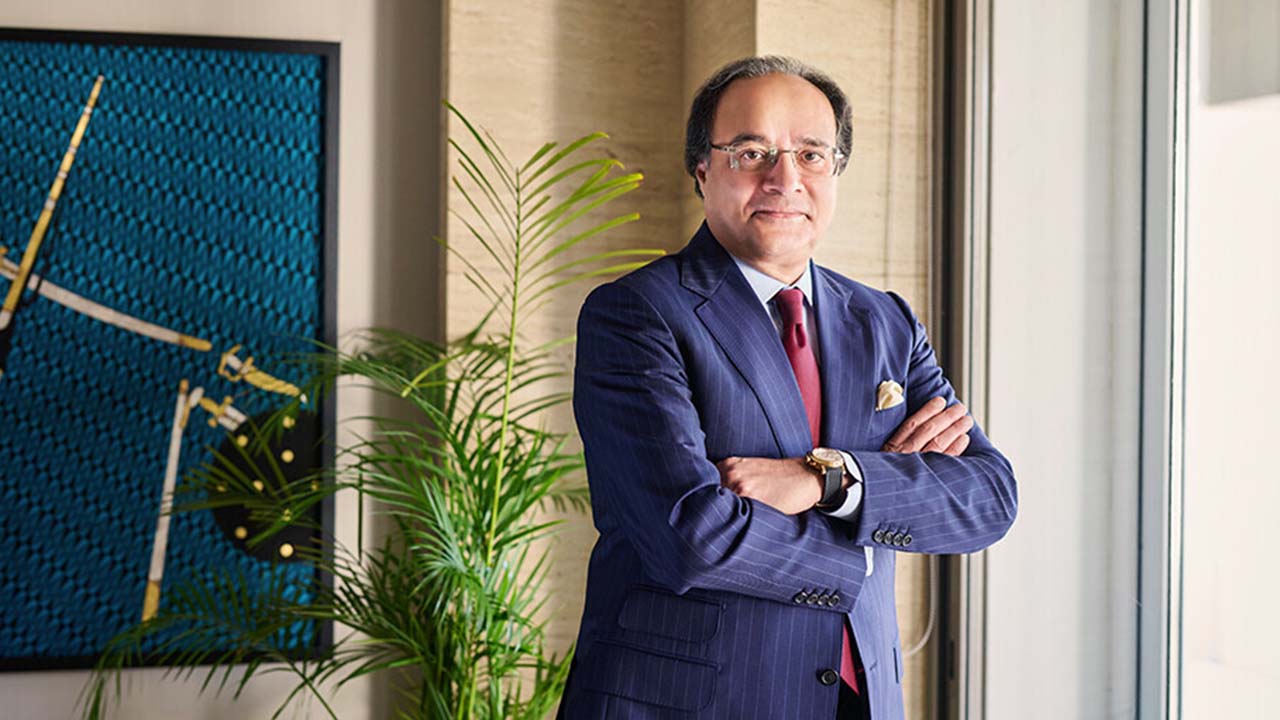
    In a significant development, sources have revealed that Muhammad Aurangzeb, a distinguished banker, is poised to become the country’s next finance minister under the newly-elected Prime Minister Shehbaz Sharif. This comes as part of the impending formation of the federal cabinet.

    The sources further disclosed that Ishaq Dar, a former finance minister and close aide to Pakistan Muslim League-Nawaz (PML-N) supremo Nawaz Sharif, is no longer in contention for the position due to health issues.

    Instead, there is speculation that Dar might be offered another crucial role, considering his formidable track record during the previous Pakistan Democratic Movement.

    During his tenure, Dar faced significant challenges in rejuvenating the stalled International Monetary Fund (IMF) programme. However, the sources did not specify the potential alternative role for Dar.

    According to information from Geo News, Muhammad Aurangzeb brings an impressive resume to the table. He has previously held the position of president at HBL and served as the CEO of JP Morgan’s Global Corporate Bank in Asia.

    With a robust international banking experience spanning over 30 years, Aurangzeb has held various senior management roles.

    In an interesting turn of events, it was revealed that the government’s initial preference for the finance minister role was Sultan Allana, the Chairman of HBL.

    Allana is recognised for his extensive experience in finance and the economy. Notably, he played a pivotal role in conceptualising the Roshan Digital Account and spearheaded the project management efforts that contributed to Pakistan’s removal from the FATF Grey List.

    However, sources clarified that Allana had international work commitments related to the Aga Khan, preventing him from committing to the finance minister role.

    This opens the door for Muhammad Aurangzeb, whose impressive banking background positions him as a strong candidate for the crucial position of finance minister under the new government.

  • Gold price soars to Rs223,900 per tola following notable surge

    Gold price soars to Rs223,900 per tola following notable surge

    In a significant turn of events, gold prices experienced a notable surge in Pakistan on Tuesday, aligning with the upward trend in the international market.

    The precious metal, often referred to as “yellow gold,” witnessed a price hike of Rs2,700 per tola, reaching a new valuation of Rs223,900.

    According to the latest data released by the All Pakistan Gems and Jewellers Sarafa Association (APGJSA), the 10-gramme gold bar was traded at Rs191,958, reflecting an increase of Rs2,315.

    This comes on the heels of a substantial jump of Rs3,500 per tola recorded on Saturday.

    Internationally, the gold rate demonstrated a robust performance, closing at $2,135 per ounce with a $20 premium on Tuesday. This marked a noteworthy uptick of $29 in the global market, as reported by APGJSA.

    In contrast, silver rates remained stable at Rs2,600 per tola during the same period.

    Shifting focus to the currency market, the Pakistani rupee experienced a slight dip against the US dollar, depreciating by 0.02 per cent in the inter-bank market on Tuesday.

    The closing exchange rate, according to the State Bank of Pakistan (SBP), stood at 279.31, indicating a marginal loss of Re0.05 against the greenback.

    This follows a similar trend observed on Monday, when the rupee settled at 279.26 against the US dollar.

  • Apple’s iPhone sales decline by 24% in China, while Huawei’s sales surge

    Apple’s iPhone sales decline by 24% in China, while Huawei’s sales surge

    In the first six weeks of 2024, Apple experienced a significant downturn in iPhone sales in China, facing a 24 per cent year-on-year decrease, according to a report by research firm Counterpoint.

    The decline was attributed to heightened competition from local rivals, notably Huawei, which witnessed a remarkable 64 per cent increase in unit sales during the same period.

    Apple, once holding the second position in the Chinese smartphone market in 2023 with a 19 per cent market share, now finds itself in fourth place with a reduced share of 15.7 per cent.

    On the other hand, Huawei climbed to second place, expanding its market share from 9.4 per cent to 16.5 per cent year-over-year.

    Counterpoint’s senior analyst, Mengmeng Zhang, explained the dynamics, stating that Apple faced formidable competition from a resurgent Huawei at the high end while also encountering pricing pressures from domestic brands like OPPO, Vivo, and Xiaomi in the middle segment.

    To counteract the decline, Apple initiated measures such as subsidising certain iPhone models by up to 1,300 yuan ($180.68) through flagship stores on Tmall, Alibaba’s major marketplace platform.

    Earlier, the company had offered discounts of up to 500 yuan on its official sites.

    Huawei’s resurgence in premium smartphone sales was attributed to the successful release of its Mate 60 series in August.

    Overcoming years of challenges posed by US restrictions on key component exports, Huawei managed to reclaim its position in the market.

    Additionally, Honour, the smartphone brand that separated from Huawei in 2020, witnessed a 2 per cent increase in unit sales, making it the only other top-five brand to experience growth in the first six weeks of the year.

    Contrastingly, Chinese brands Vivo, Xiaomi, and Oppo faced declines of 15 per cent, 7 per cent, and 29 per cent, respectively, highlighting the fiercely competitive landscape in the Chinese smartphone market.

    Overall, the report indicates a 7 per cent shrinkage in the country’s smartphone market during this period.