Category: Business

  • Pakistan aims for 15% tax-to-GDP ratio in upcoming IMF deal

    Pakistan aims for 15% tax-to-GDP ratio in upcoming IMF deal

    In pursuit of economic stability and fiscal responsibility, Pakistan is targeting a tax-to-GDP ratio of 15 per cent in its forthcoming International Monetary Fund (IMF) deal.

    Sources within the Finance Ministry revealed that measures are being taken to maintain state bank reserves equivalent to three months of import bills.

    The ministry has outlined a comprehensive strategy, including the reduction of the current account deficit and the preservation of a surplus in the primary balance.

    It is anticipated that a new agreement with the IMF will be signed upon the expiration of the current deal, with a commitment to fulfilling specified conditions before finalising the agreement.

    Today, the International Monetary Fund expressed its willingness to collaborate with the new Pakistani government, overlooking the demand from Pakistan Tehreek-e-Insaf (PTI) founders for an audit of election results prior to approving any new loan for Islamabad.

    Bloomberg News reported yesterday that Pakistan is planning to seek a new loan, estimated at a minimum of $6 billion, from the IMF to address imminent debt repayment obligations.

    The negotiations for an Extended Fund Facility with the IMF are expected to commence in March or April.

    Having successfully avoided default last summer through a short-term IMF bailout, Pakistan now faces the task of negotiating a long-term arrangement as the existing programme expires next month. The country’s $350 billion economy hinges on the stability provided by such arrangements.

    Prior to the bailout, Pakistan implemented a series of measures mandated by the IMF, including budget revisions, an increase in the benchmark interest rate, and adjustments to electricity and natural gas prices.

    The IMF continues to engage in dialogue with Pakistani authorities regarding essential longer-term reform efforts.

    A spokesperson for the fund affirmed its readiness to support the post-election government through a new arrangement, addressing the ongoing challenges faced by Pakistan.
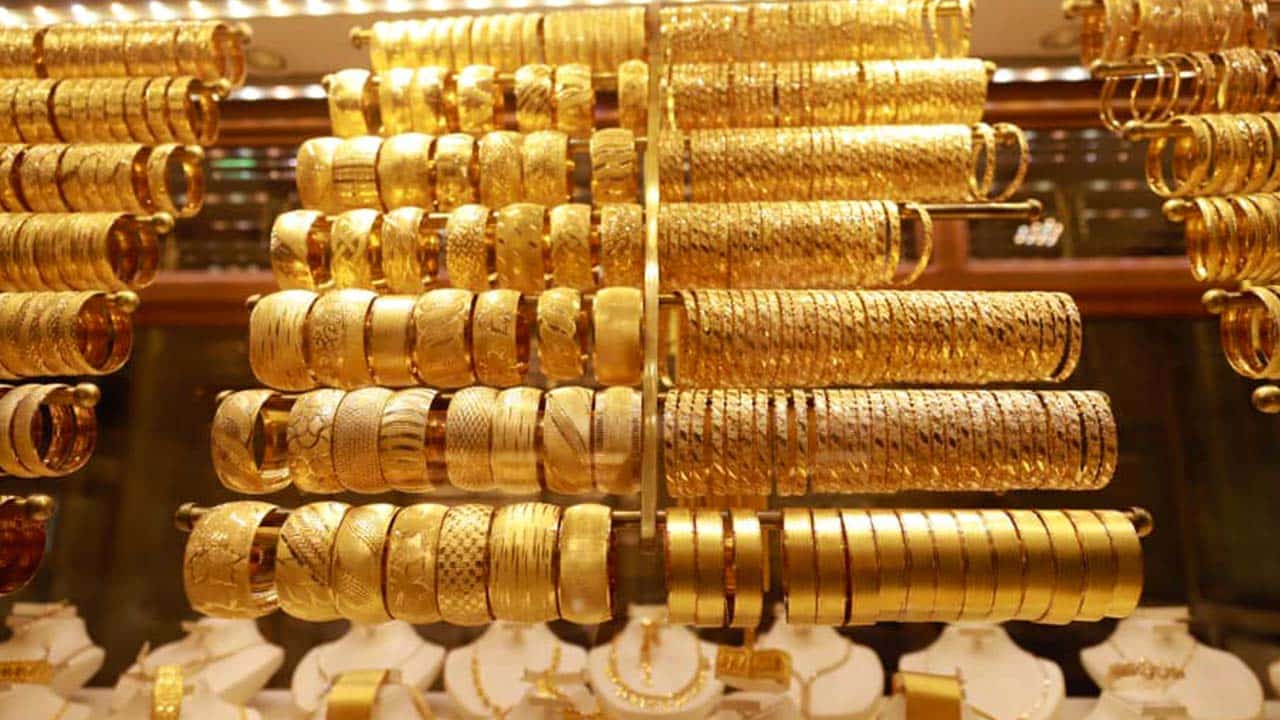

  • Gold price declines by Rs1,200 to Rs214,100 per tola

    Gold price declines by Rs1,200 to Rs214,100 per tola

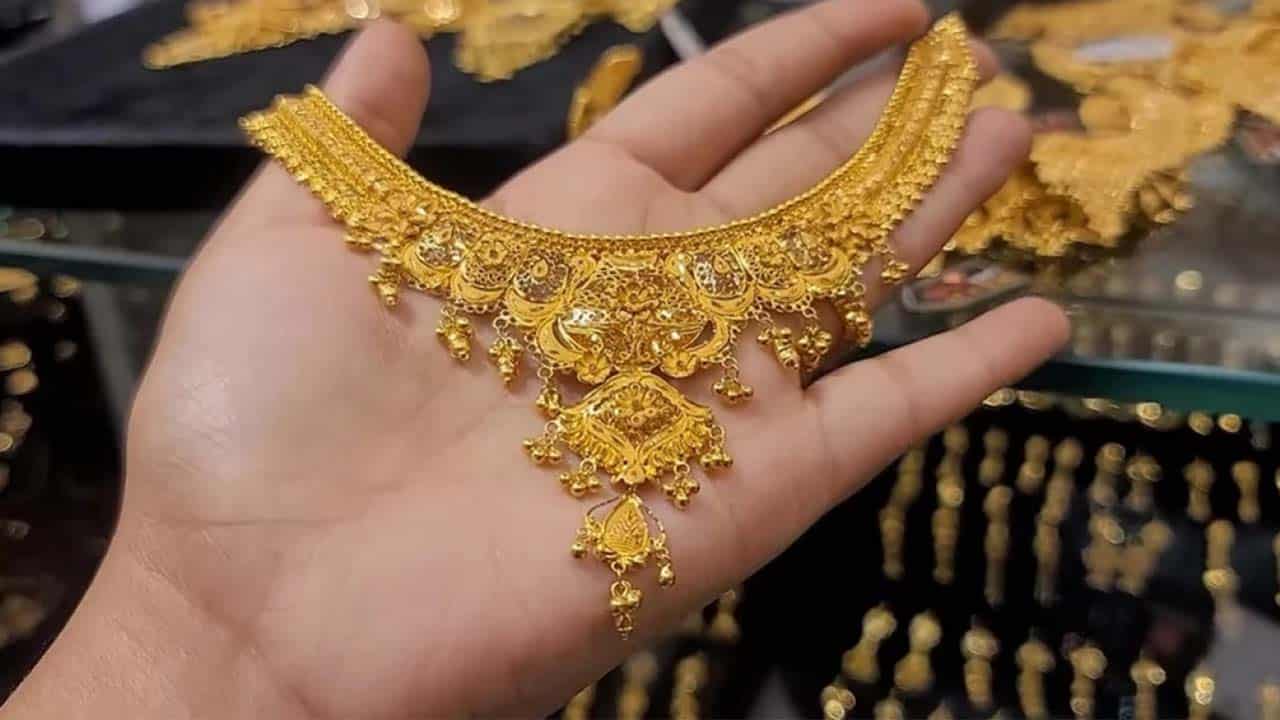
    Gold rates in Pakistan experienced a significant decrease on Friday, mirroring the decline observed in the international market.

    According to the All Pakistan Gems and Jewellers Sarafa Association (APGJSA), the yellow metal was priced at Rs214,100 per tola after shedding Rs1,200 during the day.

    The 10-gram gold rate also witnessed a decrease, with prices dropping to Rs183,556 after a decline of Rs1,029, as reported by the APGJSA.

    This reversal follows a slight increase in gold prices on Thursday, where rates had gone up by Rs100 per tola in Pakistan.

    However, the international market experienced a decline of $11, resulting in a $20 premium on the international gold rate, which was set at $2,040 per ounce on Friday.

    The APGJSA further reported that the silver rate remained stable at Rs2,570 per tola in Pakistan.

    The fluctuation in gold prices is attributed to the dynamic nature of the global market, where various economic factors and geopolitical events can influence the demand and supply dynamics of precious metals. Investors and consumers are advised to stay updated on market trends and consult with financial experts for informed decisions.

    It is essential to note that gold and silver rates can be subject to change rapidly, and individuals are encouraged to monitor the market closely for real-time updates.

  • Indus Motor Company invests Rs3 billion to boost local auto production

    Indus Motor Company invests Rs3 billion to boost local auto production

    In a significant move within Pakistan’s automotive sector, Indus Motor Company Limited (INDU) has greenlit an investment of approximately Rs3 billion (around $10.76 million) aimed at bolstering the localisation of production.

    The company, renowned for being the manufacturer of Toyota-brand vehicles in the country, disclosed this pivotal development in a notice submitted to the Pakistan Stock Exchange (PSX) on Thursday.

    The announcement conveyed, “We are pleased to announce that the Board of Directors, in its meeting held on February 21, 2024, has approved an investment of around Rs3 billion to be made by the company for additional localization of parts and components of various existing vehicles.”

    Indus Motor revealed that this investment aligns with the company’s overarching strategy to continually augment the localization of parts and components of vehicles manufactured within the country.

    This move is poised to curtail the outflow of foreign exchange and foster growth within the local auto industry.

    “The announced investment shall be made towards expenditure in plant and machinery, moulds, dies, equipment, and related expenses for localization of parts and components to be manufactured locally for various existing vehicles,” stated Indus Motor.

    The timeline for this substantial investment is set to conclude by the third quarter of the calendar year 2025.

    Indus Motor has previously indicated its commitment to increasing product localization. Notably, the company introduced its Hybrid Electric Vehicle (HEV) Corolla Cross last year, emphasising that 50 per cent of its value was localized.

    CEO Ali Asghar Jamali highlighted that, after accounting for government taxes, over 50 per cent of the Corolla Cross’s value comprises localised parts, distinguishing it among other assembled hybrids in the country.

  • 24-karat gold price rises by Rs100 per tola

    24-karat gold price rises by Rs100 per tola

    In the local market, the price of 24 karat gold witnessed a modest rise on Thursday, marking an increase of Rs100 per tola.

    The precious metal was traded at Rs215,300, compared to its previous rate of Rs215,200 during the last trading session.

    Similarly, the cost of 10 grammes of 24 karat gold experienced an uptick, registering a rise of Rs85 and reaching Rs184,585 from its previous value of Rs184,500.

    The All Sindh Sarafa Jewellers Association disclosed that the prices of 10 grammes of 22 karat gold also showed an increase, climbing to Rs169,203 from Rs169,124.

    However, the silver market remained stable, with the cost of per tola and ten-gramme silver remaining unchanged at Rs2,570 and Rs2,203.36, respectively.

    Internationally, the price of gold demonstrated a slight escalation, as it rose by $3 to $2,051 from its earlier value of $2,048, according to reports from the Association.

    Market analysts attribute these fluctuations to various factors, including global economic conditions, geopolitical events, and changes in investor sentiment.

  • Public health concerns mount as essential drug prices increase

    Public health concerns mount as essential drug prices increase

    The interim government announced on Wednesday a price adjustment affecting 146 essential drugs, aligning with the decision made by the federal cabinet on February 1, 2024.

    The Ministry of National Health Services and Regulations issued a notification invoking its authority under Section 36 of the Drug Act 1976, stating that all drugs and biological substances not included in the National Essential Medicines List are exempt from Section 12 of the act in the public interest.

    This decision stems from a federal cabinet meeting chaired by interim Prime Minister Anwaar ul Haq Kakar on February 1, 2024. The move, categorised under hardship, was endorsed based on the recommendation of the National Health Services Ministry. The ministry highlighted the escalating costs of raw materials for drug manufacturing in the global market.

    Officials from the National Health Services Ministry and the Drug Regulatory Authority of Pakistan (DRAP) informed the cabinet that citizens could report medicine unavailability through the pharmaceutical industry regulator’s online portal.

    Primarily targeting vital medications like those for cancer treatment, vaccines, and antibiotics, the decision, communicated through a drug price hike notification, was based on a proposal from the Drug Regulatory Authority, suggesting price increases for 262 medicines. However, the government opted to implement adjustments for 146 medicines crucial to saving lives.

    According to Brecorder, among the medicines listed for price increments, pharmaceutical companies are tasked with adjusting the prices of 116 medications.

    Significantly, the government will now oversee the prices of 464 medicines included in the National Essential Medicines List, ensuring the accessibility of critical medications to the public.

    The government’s decision to deregulate drug prices grants pharmaceutical companies autonomy to adjust prices independently, marking a significant shift in pharmaceutical pricing governance that may reshape the healthcare industry’s landscape.

    As stakeholders assess the implications, concerns regarding affordability and access to life-saving medications emerge. While the government seeks to balance the viability of pharmaceutical companies with public health interests, the consequences of these adjustments warrant scrutiny and debate.

    However, following the cabinet’s approval of the price increase, a shortage of essential drugs was observed in both the wholesale and retail markets. Drug distributors and retailers attribute this to manufacturers awaiting formal notification from the Health Ministry regarding the price increase before releasing supplies to the market.

    This practice has resulted in significant patient suffering, as Mohammad Samiullah Awan, a drug retailer, highlights. While the notification’s issuance may ensure medicine availability, it further burdens already financially strained consumers grappling with price hikes.

  • Gold rate increases to Rs215,200 per tola

    Gold rate increases to Rs215,200 per tola

    In Wednesday’s market update, the price of 24-karat gold exhibited an upward trend, surging by Rs750 per tola and reaching Rs215,200 per tola.

    The Karachi Sarafa Association noted a marginal gain in the price of 10-gramme 24-karat gold, which stood at Rs184,500, marking an increase of Rs644 from the previous session. Similarly, the price of 10-gramme 22-karat gold experienced an uptick, reaching Rs169,124.

    Global traders are currently anticipating the release of the US Federal Reserve’s meeting minutes on January 30 and 31. This event is expected to provide valuable insights into the economic outlook and potential policy shifts.

    Contrastingly, silver prices remained stable, with 24-karat silver maintaining a selling price of Rs2,580 per tola, and 10-gramme silver being traded at Rs2,211.93.

    It’s noteworthy that domestic gold concluded the previous week in the red zone, influenced by a downturn in international prices. Speaking of global trends, international spot gold hovered around $2,028, showing a 0.2 per cent change compared to the preceding session.

    Market participants are keenly awaiting the minutes from the Federal Reserve’s January policy meeting, scheduled for release on Wednesday, which are anticipated to provide valuable insights into the central bank’s stance and potential future monetary policy adjustments.

  • FBR collects Rs5.15 trillion in taxes in less than eight months

    FBR collects Rs5.15 trillion in taxes in less than eight months

    The Federal Board of Revenue (FBR) has revealed that it has achieved a remarkable milestone by collecting revenue amounting to Rs5.15 trillion from July 2023 to mid-February 2024.

    This represents a substantial 30 per cent increase compared to the same period in the previous fiscal year, according to an official press release.

    The report indicates that the growth in tax revenue is attributed to a comprehensive strategy employed by the FBR, with a keen focus on both domestic and import taxes.

    Tax refunds during this period witnessed a substantial 28 per cent growth, further contributing to the positive financial trajectory.

    A breakdown of the month-wise revenue collection for the period from July 2023 to January 2024 reveals that overall growth in domestic taxes reached an impressive 40 per cent. Concurrently, import duty and related taxes experienced a significant uptick of 16 per cent.

    The surge in revenue collection aligns with the revival of the Gross Domestic Product (GDP) and increased scrutiny of FBR’s collection processes.

    However, growth in import taxes faced challenges, primarily due to downward adjustments in import tariffs over the years and recent restrictions on import licences imposed by the State Bank of Pakistan to address balance of payments concerns amid foreign exchange constraints.

    The report acknowledges that revenue collection from imports incorporates the impact of improvements in import valuations, resulting in an additional Rs151 billion in collections.

    Additionally, the anti-smuggling drive witnessed a substantial 69 per cent growth in the fiscal year compared to the previous year (FY 22–23).

    Despite these achievements, concerns were raised regarding the decline in the growth of import taxes. This decline is attributed to two main factors: the gradual reduction in import tariffs and recent restrictions on import licenses.

    The need for continued efforts in anti-smuggling activities was emphasised, particularly in Baluchistan, where the customs force currently consists of only 378 personnel.

    Strengthening the enforcement efforts by increasing personnel in this region was suggested as a potential solution.

    The report concludes on a positive note, highlighting that the revenue mobilisation from domestic taxes now accounts for over 64 per cent of the total revenues collected in the current financial year.

    Simultaneously, the share of import taxes has decreased to 36 per cent, marking a significant shift from the 50 per cent share observed just three years ago. This indicates a positive trend in the diversification of revenue sources for the FBR.

  • Factors behind the continuous decline in car financing in Pakistan

    Factors behind the continuous decline in car financing in Pakistan

    In January 2024, the automobile financing sector in Pakistan witnessed a significant downturn, as car financing recorded a notable decrease to Rs246.26 billion.

    This marks a 25.82 per cent year-on-year (YoY) decrease and a 1.98 per cent month-on-month (MoM) decrease compared to Rs331.98 billion in January 2023 and Rs251.25 billion in December 2023, respectively. The latest data from the central bank provides these insights.

    This decline in automobile financing extends to the nineteenth consecutive month, with a total decrease of Rs114.29 billion over the past 19 months.

    Several factors contribute to this decline, including higher interest rates, increased car prices, regulatory restrictions on acquiring loans, and elevated taxes on the import of automobiles and their parts.

    According to the State Bank of Pakistan (SBP) data, consumer financing for house building amounted to Rs207.62 billion by the end of January 2024.

    This reflects a 3.44 per cent YoY decrease compared to Rs215 billion in the same month last year. Looking at monthly changes, financing for house building saw a marginal 0.26 per cent MoM decrease compared to the previous month’s Rs208.15 billion.

    Financing for personal use stood at Rs243.1 billion, showing a 4.47 per cent YoY decrease and a 0.54 per cent MoM decrease.

    Consequently, the overall credit disbursed to consumers declined to Rs813.96 billion during the review month, registering a fall of 9.04 per cent YoY and 0.52 per cent MoM.

    The outstanding credit to the private sector also experienced a decline, decreasing by 0.76 per cent YoY to Rs8.35 trillion in January 2024. On a monthly basis, this represents a 2.21 per cent decrease compared to the credit of Rs8.54 trillion in December 2023.

    Analysing credit distribution to the private sector, loans to the manufacturing sector amounted to Rs4.81 trillion in the review period, showing a slight 0.33 per cent YoY increase. However, on a monthly basis, there was an 0.89 per cent MoM decline, as December recorded loans to this sector at Rs4.85 trillion.

    Borrowing from the construction sector stood at Rs190.15 billion in January 2024, experiencing a 0.97 per cent YoY decrease and a 5.05 per cent MoM decrease compared to the previous month.

    Looking ahead, the data indicates that loans to the agriculture, forestry, and fishing sectors rose to Rs397.27 billion in the month under review, marking a significant 16.95 per cent YoY increase.

    However, on a sequential basis, loans to this sector recorded a fall of 4.82 per cent MoM.

  • Local market witnesses marginal gain in 24-karat gold prices

    Local market witnesses marginal gain in 24-karat gold prices

    On Tuesday, the 24-karat gold market demonstrated resilience, with a subtle uptick of Rs150 per tola, settling at Rs214,450 per tola.

    According to the Karachi Sarafa Association, the price for 10 grammes of 24-karat gold reached Rs183,856, reflecting a marginal gain of Rs128 compared to the preceding session.

    Simultaneously, the price of 10-gramme 22-karat gold experienced a modest rise, reaching Rs168,535.

    Contrary to the gold market’s movements, silver prices remained steadfast, exhibiting no change.

    The 24-karat silver maintained its position at Rs2,580 per tola, while the 10-gramme silver was traded at Rs2,211.93.

    It is noteworthy that the domestic gold market faced a downturn last week, attributed to a decline in international prices.

    International spot gold, on the other hand, hovered around $2,021, marking a 0.2 per cent change compared to the preceding session.

    As the market watches these fluctuations, all eyes are set on the forthcoming minutes from the Federal Reserve’s January policy meeting, scheduled for release on Wednesday.

    The outcome of this meeting is poised to have a considerable impact on the trajectory of both domestic and international precious metal markets.

  • Pakistan grapples with 23% surge in power generation costs amidst economic woes

    Pakistan grapples with 23% surge in power generation costs amidst economic woes

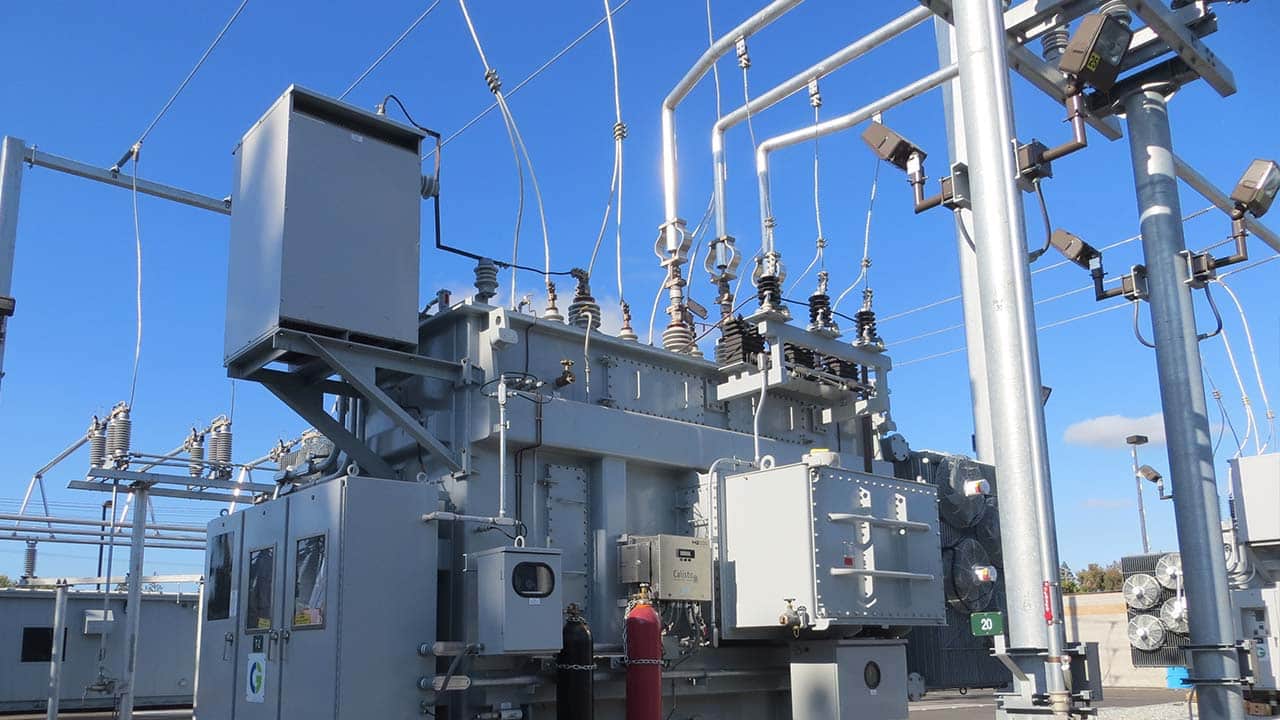
    In a startling development, the cost of power generation in Pakistan has surged by a staggering 23 per cent in January 2024, compared to the same period last year, reports the brokerage house Topline Securities.

    The average cost per kilowatt-hour (KWh) soared to Rs13.8, marking a significant increase from Rs11.20/KWh recorded in January 2023.

    The substantial hike in costs is attributed primarily to elevated expenses in power generation from gas and nuclear sources, which witnessed a spike of 43 per cent and 24 per cent, respectively, on a yearly basis. Moreover, the fuel cost for furnace oil (FO) also surged by 22 per cent year-on-year, according to data from Topline Securities.

    This surge comes as a severe blow to the populace, which is already grappling with high inflation and sluggish economic activity. Rising electricity bills have compounded the financial burden on citizens.

    In terms of power generation, Pakistan witnessed a marginal decline of over 2 per cent in January 2024 compared to the same period last year, with total generation amounting to 8,313 GWh (11,175 MW).

    The decline in power generation was predominantly due to a decrease in coal-based generation, which plummeted by 20 per cent year-on-year. Gas and wind power generation also witnessed declines of 10 per cent and 55 per cent, respectively.

    However, there was a 9 per cent increase in power generation on a monthly basis, indicating some fluctuation in the generation patterns.

    Coal emerged as the primary source of power generation in January 2024, constituting 23.4 per cent of the total generation mix, surpassing nuclear and RLNG (re-gasified liquid natural gas). Nuclear energy accounted for 20.8 per cent of the overall generation, while RLNG contributed 18.2 per cent.

    Renewable sources like wind, bagasse, and solar collectively made up a modest portion of the generation mix, indicating a potential for further development and investment in sustainable energy solutions.

    Overall, the surge in power generation costs coupled with a slight decline in generation highlights the challenges facing Pakistan’s energy sector and underscores the need for strategic measures to ensure an affordable and sustainable power supply in the country.