Category: Business

  • Govt implements measures to control onion prices amidst rising inflation

    The interim federal government has reportedly chosen to implement restrictions on onion exports due to the persistent surge in prices, as revealed by sources on Sunday. 

    According to detailed information, the government has introduced advance payments to discourage onion exports and has established a minimum export price. 

    These measures are aimed at preventing an anticipated shortage of onions and curbing further increases in prices.

    In light of escalating inflation, Pakistan witnessed a short-term inflation spike of 43.16 per cent in the week ending December 14, primarily driven by increased costs of pulses, rice, and vegetables. 

    The weekly inflation has now surpassed 41 per cent for the fifth consecutive week, influenced by elevated gas prices and electricity tariffs compared to the previous year.

  • Gold price in Pakistan settles at Rs216,800 per tola

    Gold price in Pakistan settles at Rs216,800 per tola

    In a noteworthy shift, the per-tola price of 24 karat gold witnessed a decrease of Rs1,800, settling at Rs216,800 on Saturday.

    This marks a discernible drop from its previous standing of Rs218,600 during the last trading day.

    Similarly, the cost of 10 grammes of 24 karat gold experienced a dip of Rs1,543, now standing at Rs185,871 as opposed to its previous valuation of Rs187,414.

    Meanwhile, the prices of 10 grammes of 22-karat gold also exhibited a downward trend, reaching Rs170,382 from Rs171,796, as reported by the All Sindh Sarafa Jewellers Association.

    Contrastingly, the prices of silver remained unchanged, with per tola and ten gramme silver holding steady at Rs2,670 and Rs2,289.09, respectively.

    Taking a broader perspective, the international gold market saw a decline as well, with the price of gold dropping by $15 to $2,040 from its previous position at $2,055, according to the latest report from the Association.

    This shift in the precious metals market has sparked interest and attention within financial circles.

  • Haye mehngai; Turkey’s Central Bank Chief moves in with parents

    Haye mehngai; Turkey’s Central Bank Chief moves in with parents

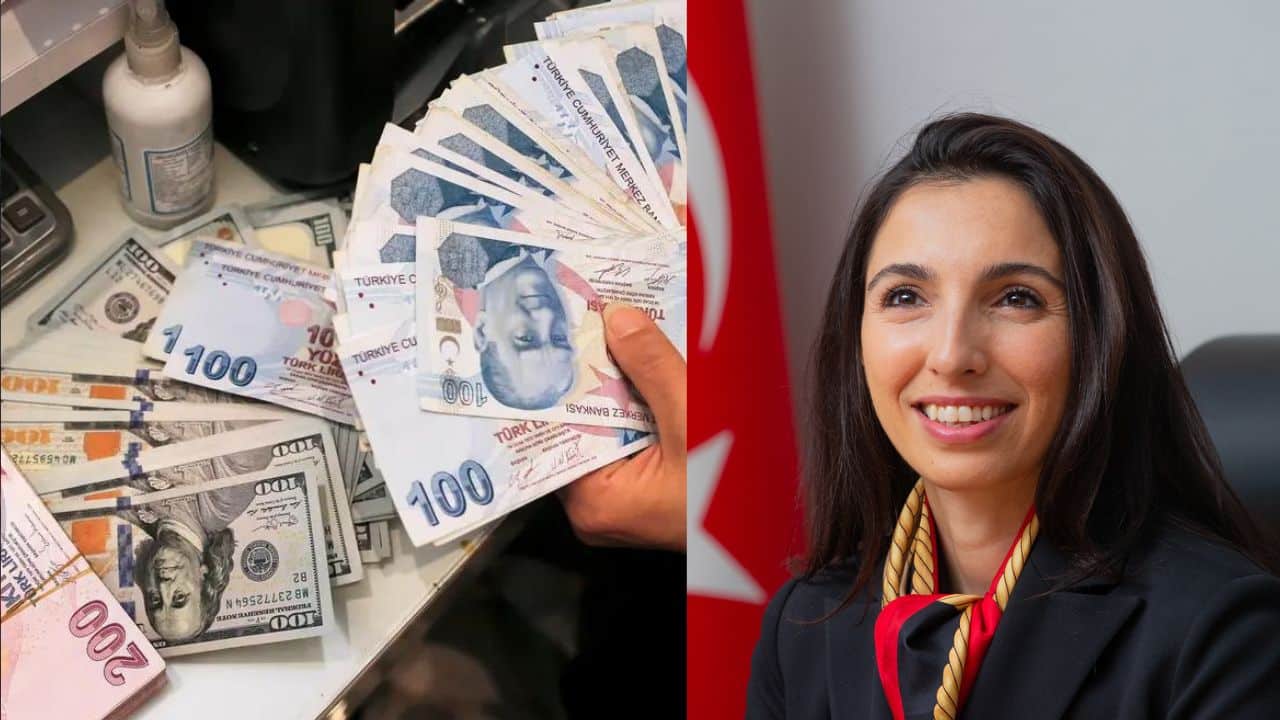
    The new head of Turkey’s central bank has said she has been priced out of Istanbul’s property market by rampant inflation, leaving no choice for the former finance executive but to move back in with her parents.

    “We haven’t found a home in Istanbul. It’s terribly expensive. We’ve moved in with my parents,” 44-year-old Hafize Gaye Erkan, who took up her post in June after two decades in the United States, told the Hurriyet newspaper.

    Erkan previously worked at renowned firms including Goldman Sachs and First Republic Bank — and is now getting a crash course in the soaring prices that have seen many young people struggling to find lodgings.

    “Is it possible that Istanbul has gotten more expensive than Manhattan?” she said.

    Year-on-year inflation stood at 61 per cent in November as President Recep Tayyip Erdogan has allowed the lira currency to weaken while promising that a new team of economists with Wall Street experience would tackle years of economic crisis.

    To quell growing anger, officials also capped rent increases at 25 percent — though experts say that has only amplified the housing tensions, as owners try to push out occupants, sometimes fraudulently, in order to set new and higher rents.

    The central bank last month pushed up benchmark lending rates to 40 per cent in a bid to get inflation under control.

    “We’re nearing the end of our monetary tightening measures,” Erkan told the paper.

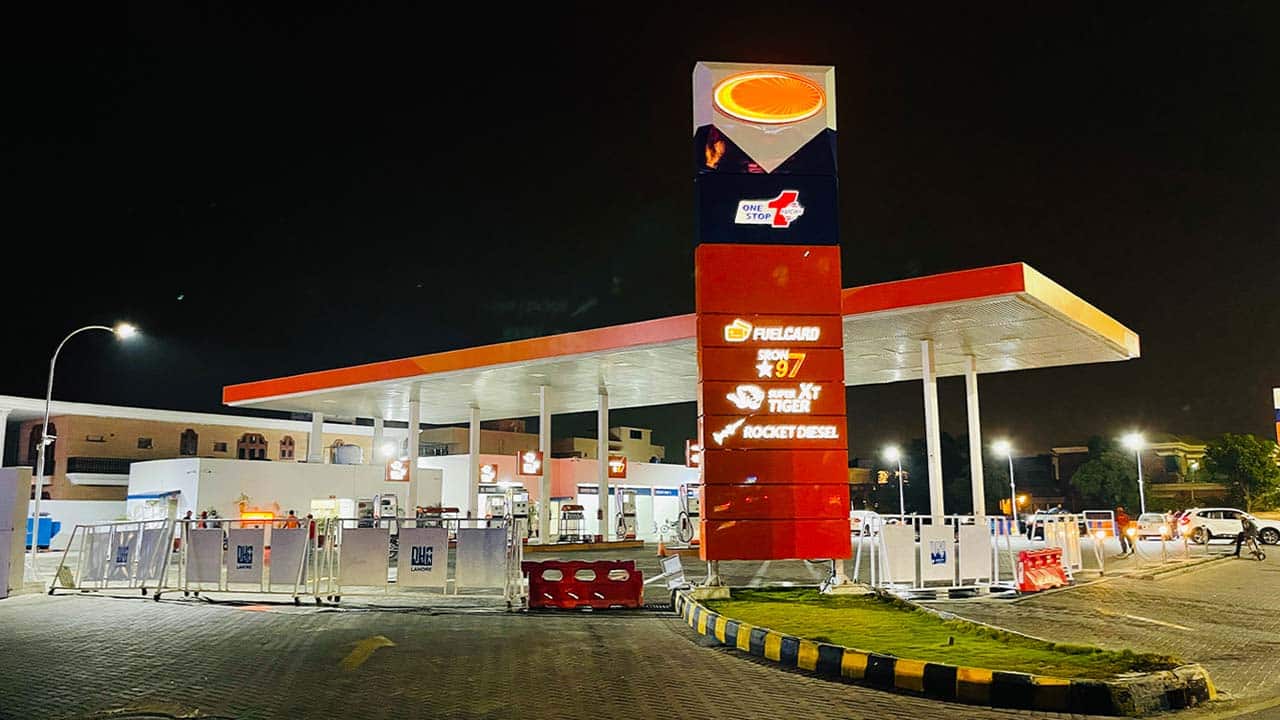
  • Petrol price slashed by Rs14 per litre, providing relief amidst inflation

    Petrol price slashed by Rs14 per litre, providing relief amidst inflation

    As announced in an official notification by the Finance Division, the revised prices for petroleum products, applicable from December 16 to December 31, have been endorsed by the Oil and Gas Regulatory Authority (OGRA).

    The recalibrated rates indicate a decline in petrol prices to Rs267.34 per litre, while the diesel rate has seen a reduction of Rs13.50 per litre, now standing at Rs276.21 per litre, according to the Finance Division’s official statement.

    Furthermore, the cost of kerosene oil has been curtailed by Rs10.14 per litre, settling at Rs191.02, and light diesel oil is now priced at Rs164.64 per litre following a reduction of Rs11.29.

    This adjustment comes in response to the notable decrease in global oil prices over the past two weeks, a factor contributing to the anticipation of a downward trend in fuel prices during the fortnightly review.

    It’s imperative to note that the government undertakes a bi-weekly reassessment of petroleum product prices, aligning them with international market dynamics and the exchange rate of the rupee. This latest revision reflects a proactive approach by the authorities to mitigate the economic impact on the general populace.

  • Gold price in Pakistan increases to Rs218,600 per tola

    Gold price in Pakistan increases to Rs218,600 per tola

    Gold prices in Pakistan experienced a marginal uptick on Friday, with the value of 24-karat gold climbing by Rs300 per tola, concluding the session at Rs218,600.

    According to the Karachi Sarafa Association, the closing rate for 10-gramme 24-karat gold in today’s session reached Rs187,414, marking an increase of Rs257.

    Simultaneously, the price of 10-gramme 22-karat gold reached Rs171,796, reflecting a rise of Rs235.

    In the domestic market, silver prices also saw an upward trend, with 24-karat silver and 10-gramme 24-karat silver settling at Rs2,670 and Rs2,289.09, respectively.

    It is noteworthy that the domestic bullion market displayed a robust recovery in the previous session after enduring five consecutive losses, resulting in a cumulative loss of Rs6,300 for 24-karat gold.

    This surge was attributed to a rally in international markets, which persisted today, contributing to gains in the domestic market.

    As of the latest update, international spot gold is trading at $2,041.17, reflecting a 0.26 per cent increase for the day.

    The ongoing upward trajectory in international gold prices is influenced by the recent statement from the US Federal Reserve, which indicates a cumulative rate cut of 75 basis points in 2024.

  • PKR gains ground against US dollar, closes at Rs283.26

    PKR gains ground against US dollar, closes at Rs283.26

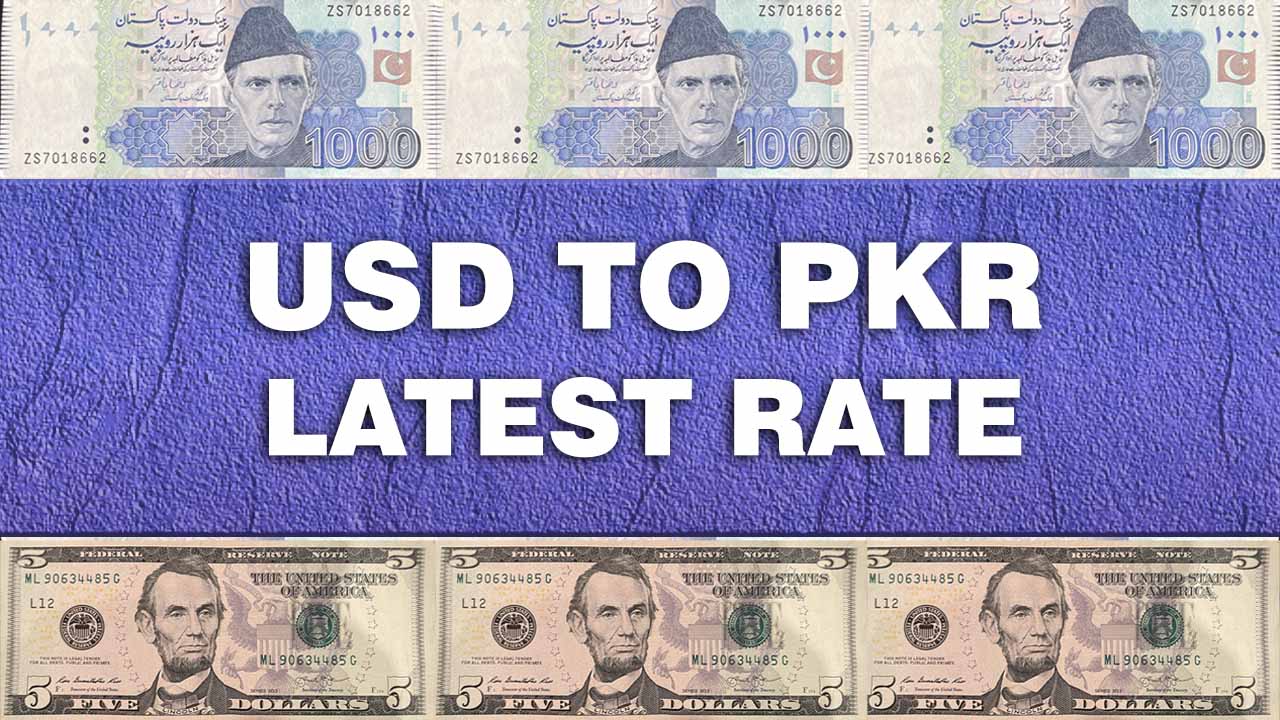
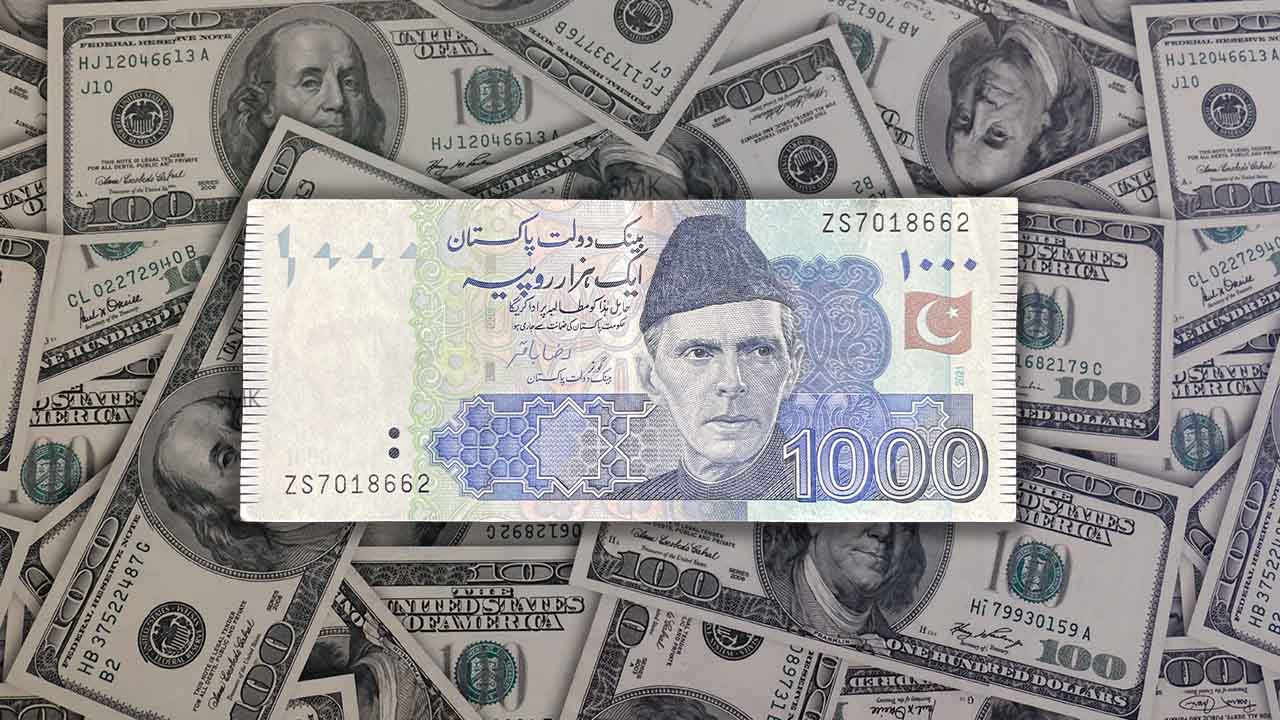
    The Pakistani rupee (PKR) continued its positive trajectory against the US dollar (USD) for the fourth consecutive session, appreciating by 0.09 per cent in the inter-bank market on Friday.

    According to the State Bank of Pakistan (SBP), the rupee concluded at Rs283.26, reflecting an increase of Re0.25.

    Thursday witnessed a marginal gain in the rupee, settling at Rs283.51 against the US dollar.

    The ongoing optimism is buoyed by the recently released trade figures for November, revealing a noteworthy 13.16 per cent month-over-month (MoM) and a substantial 31.72 per cent year-over-year (YoY) reduction in the trade deficit, amounting to $1.89 billion.

    Export figures exhibited a robust 7.66 per cent YoY surge, reaching $2.57 billion, while imports saw a YoY decline of 14.47 per cent, totaling $4.46 billion.

    On the global front, the US dollar remained near four-month lows on Friday, influenced by the increasing likelihood of US interest rate cuts in the coming year.

    Conversely, the euro and pound found support as their respective central banks reiterated the necessity for sustained higher interest rates.

    Amid an eventful week for central banks, clarity emerged regarding the potential timing of interest rate cuts following Federal Reserve Chair Jerome Powell’s statement during Wednesday’s meeting.

    Powell suggested that the tightening of monetary policy is likely concluding, with discussions about cuts coming “into view.”

    The Fed’s projections imply a 75-basis-point cut next year from the current level, leading to a broad decline of the greenback against its counterparts.

    The dollar index stands at 102.05, not far from the four-month low of 101.76 observed on Thursday, marking a 1.9 per cent decrease and its most significant weekly decline since July.

    Oil prices, a pivotal indicator of currency dynamics, saw an increase on Friday, set to achieve their first weekly rise in two months.

    This positive shift is attributed to a bullish forecast from the International Energy Agency (IEA) regarding oil demand for the upcoming year, coupled with a weaker dollar.

    Brent futures rose by 21 cents to $76.82 a barrel at 0918 GMT, while US West Texas Intermediate (WTI) crude also experienced a 21-cent climb, reaching $71.79.
  • Gold price in Pakistan experiences massive single-day gain of Rs5,700 per tola

    Gold price in Pakistan experiences massive single-day gain of Rs5,700 per tola

    In a significant development, gold staged a recovery from its recent five-session decline in Pakistan on Thursday, driven by a surge in the global market.

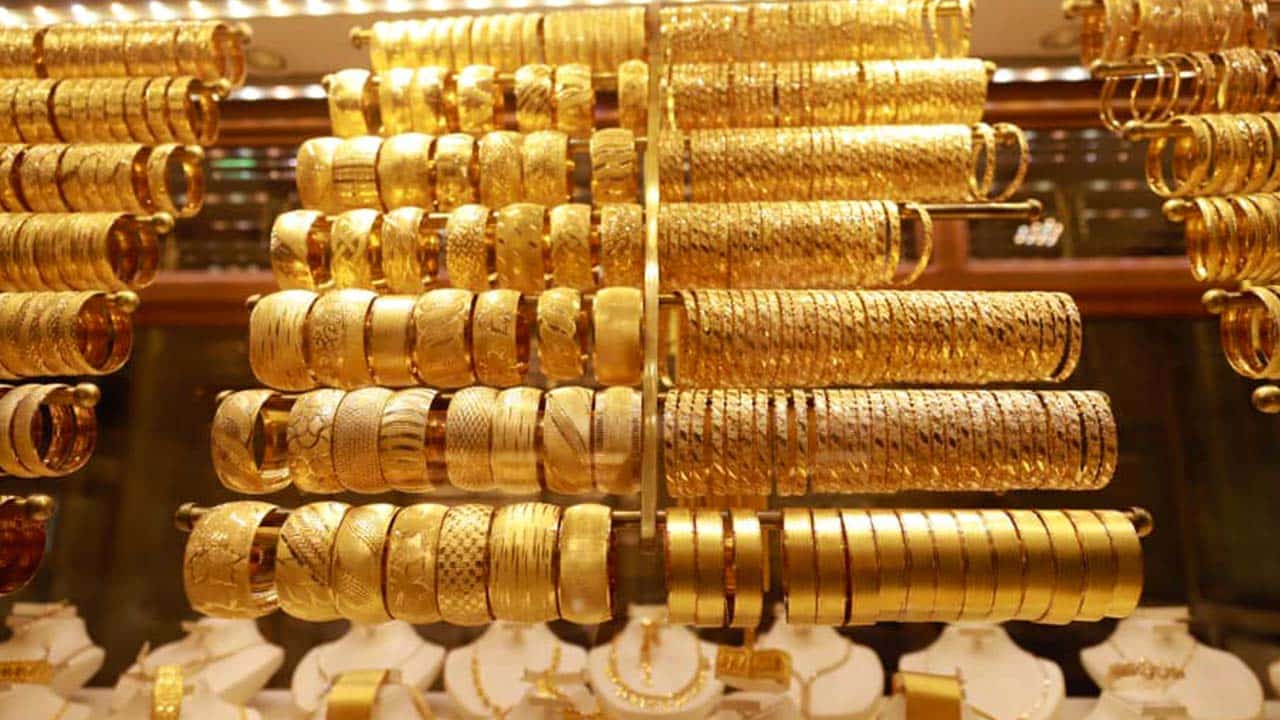
    The domestic market witnessed a notable upswing in gold prices today, surging to Rs218,300 per tola after a massive single-day gain of Rs5,700 per tola.

    According to data provided by the All Pakistan Gems and Jewellers Sarafa Association (APGJSA), the 10-gramme gold price in Pakistan experienced a surge, reaching Rs187,157 after a significant uptick of Rs4,887.

    This marks a considerable shift from Wednesday’s scenario, when gold prices in Pakistan witnessed a decline of Rs1,000 per tola.

    Internationally, the gold market reflected this positive momentum, setting the rate at $2,052 per ounce with a $20 premium on Thursday. This uptick translated into a $54 increase in the international market, as reported by APGJSA.

    Simultaneously, silver rates observed an upward trend, climbing by Rs70 and settling at Rs2,650 per tola.

    While these developments unfolded in the precious metal markets, the Pakistan Stock Exchange experienced a tumultuous Wednesday, initially plummeting by over 1,900 points.

    Despite the initial setback, the market rebounded, ultimately concluding the business day with a loss of over 1,100 points.

    The benchmark KSE-100 index kicked off Thursday’s session on a pessimistic note, extending its downward trajectory to revisit the previous day’s lows of approximately 64,400.

    However, buyers intervened, successfully defending this level once again.

    The index maintained a rangebound pattern for the remainder of the session, closing at 65,450.19, marking an increase of 170 points or 0.26 per cent day-over-day.

  • Interbank closing: Pakistani rupee gains 10 paisa against US dollar

    Interbank closing: Pakistani rupee gains 10 paisa against US dollar

    The Pakistani rupee (PKR) demonstrated resilience for the third consecutive session against the US dollar (USD), marking a 0.04 per cent appreciation in the interbank market on Thursday, according to the State Bank of Pakistan (SBP).

    The PKR settled at Rs283.51 after an increase of Rs0.10. This positive trend follows Wednesday’s marginal gain, where the rupee settled at Rs283.61 against the USD.

    In contrast to major currencies, the local currency experienced a loss of Rs2.64 against the Euro, closing at Rs308.49 compared to the previous value of Rs305.85.

    The British Pound strengthened by Rs2.91, concluding at Rs357.96 in comparison to Rs355.05 from the preceding day.

    The Swiss franc also witnessed gain of Rs1.46, closing at 325.35 compared to Rs323.89 in the previous session.

    Against the Japanese yen, PKR lost 5.23 paisa, settling at Rs1.9972 versus Rs1.9449 a day ago.

    In the ongoing financial year, the PKR has appreciated against the dollar by Rs2.48, or 0.87 per cent.

    However, in the current calendar year, it has depreciated by Rs57.08, or 20.13 per cent.

    In a related development, the Asian Development Bank (ADB), in its latest report, Asian Development Outlook (ADO), highlighted that Pakistan’s overall recovery is still constrained by moderate confidence and high inflation eroding purchasing power.

    The ADB noted that Pakistan’s inflation rate averaged 28.5 per cent over July–October but is expected to ease amid fiscal consolidation, monetary tightening, and improved availability of food and key imported inputs.

  • Pakistan plans to secure $4.5 billion from diverse sources in current fiscal year

    Pakistan plans to secure $4.5 billion from diverse sources in current fiscal year

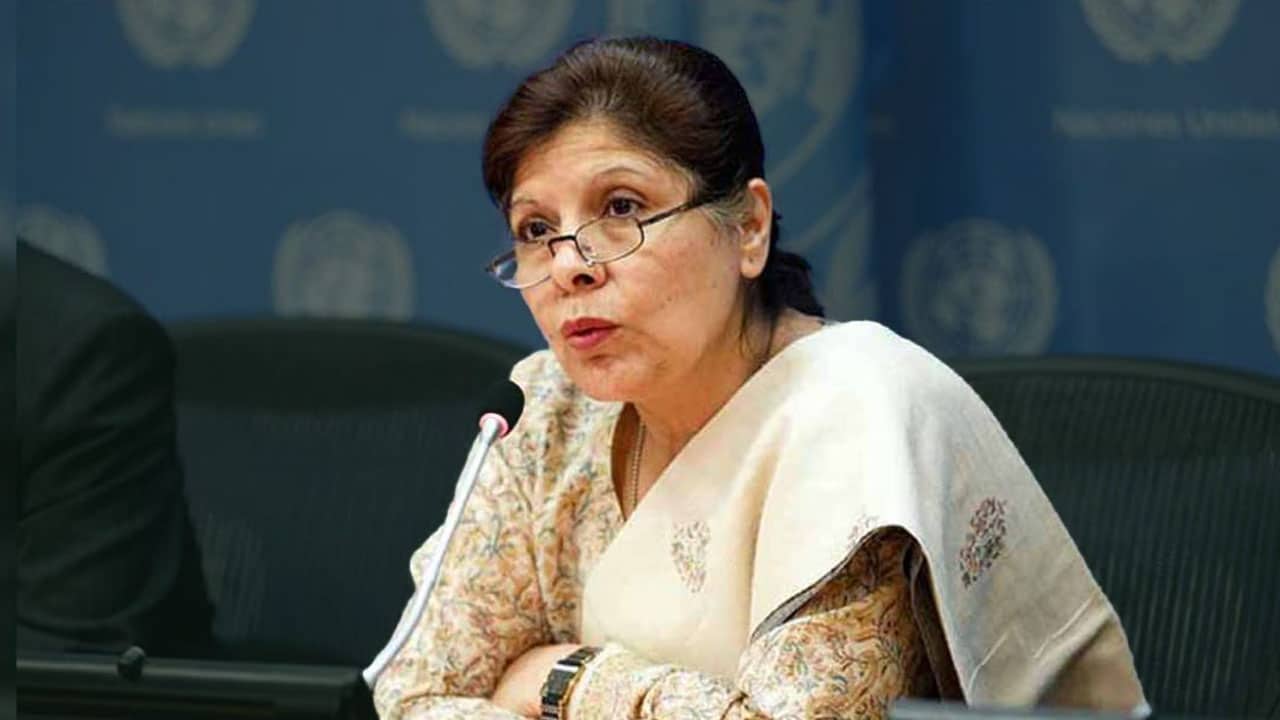
    Caretaker Minister for Finance, Dr Shamshad Akhtar, has outlined Pakistan’s financial projections for the current fiscal year (2023–24), highlighting an anticipated mobilisation of approximately $4.5 billion from both multilateral and bilateral sources, excluding the International Monetary Fund (IMF).

    Minister Akhtar disclosed that the government foresees receiving over $1.6 billion in the second quarter (Q2) from sources such as the Asian Development Bank (ADB), the World Bank, and the Asian Infrastructure Investment Bank (AIIB).

    She clarified that these inflows encompass funds allocated to both project-based and programme-based initiatives.

    Highlighting progress in negotiations, the minister revealed the completion of discussions for certain programme loans, with impending disbursements expected.

    She reassured that Pakistan remains committed to meeting its debt obligations promptly, both currently and in the future.

    Regarding the International Monetary Fund (IMF) programme, Minister Akhtar reported the successful conclusion of the first review of the Standby Agreement, resulting in the attainment of a Staff Level Agreement (SLA).

    Pending approval by the IMF’s Executive Board, this agreement will grant Pakistan access to $700 million.

    Commenting on the prevailing economic situation, Minister Akhtar acknowledged the challenges faced domestically and globally during FY2023.

    Despite these hurdles, she asserted that fiscal and external sector stability have been achieved through the implementation of various stabilisation measures and structural reforms.

  • Pakistan repays $5.4 billion of $24.6 billion external debt

    Pakistan repays $5.4 billion of $24.6 billion external debt

    The State Bank of Pakistan (SBP) governor revealed that Pakistan’s external debt obligations for Fiscal Year 2024 are $24.6 billion, as stated during the post-Monetary Policy Committee (MPC) meeting on Tuesday.

    Breaking down the figures, the principal amount is $20.7 billion, with an additional $3.9 billion accounting for interest.

    Notably, a total of $5.4 billion has already been repaid, encompassing a $4 billion principal payment and a $1.4 billion interest payment.

    As a result, the outstanding debt now stands at $19.2 billion, with plans to rollover $12.4 billion (with $9.3 billion already confirmed), according to the governor.

    This leaves a net remaining amount of $6.8 billion for the remaining seven months of the fiscal year. This comprises a $4.3 billion principal and a $2.5 billion interest payment.

    It’s crucial to note that the current foreign exchange reserves are relatively limited, standing at approximately $7 billion.