Category: Business

  • Gold price surges to Rs218,500 per tola amid global uptick

    Gold price surges to Rs218,500 per tola amid global uptick

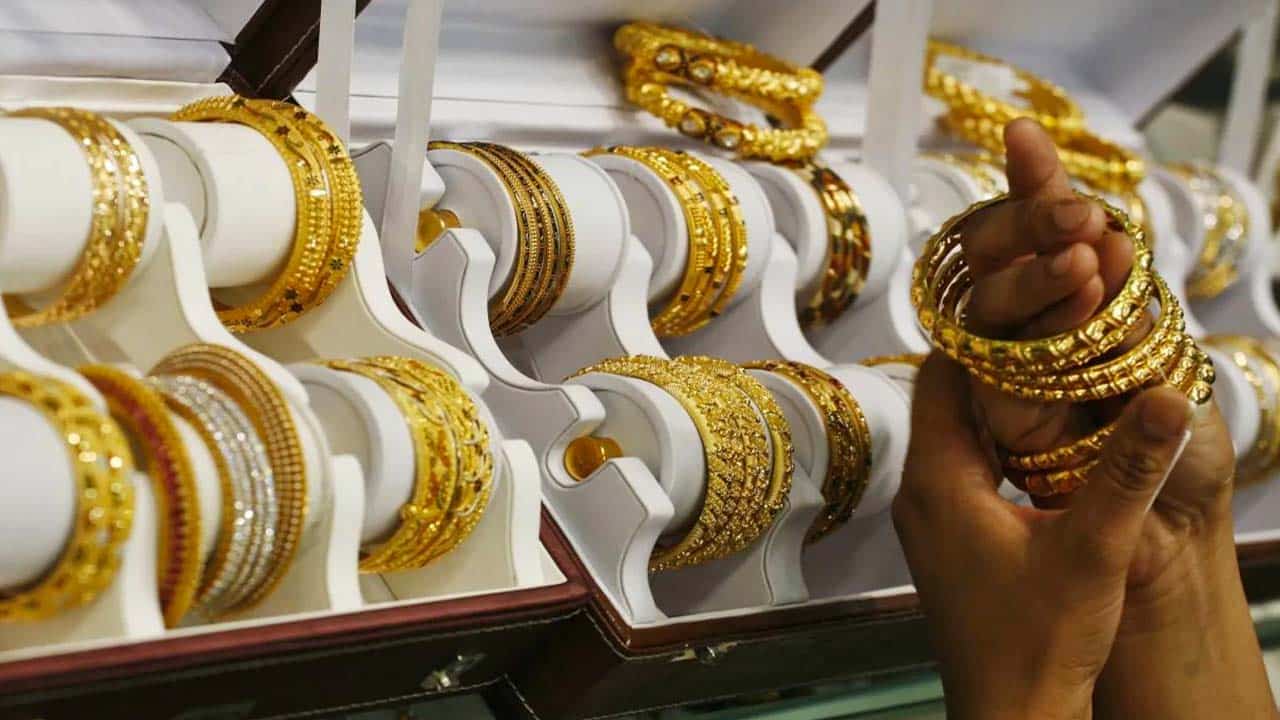
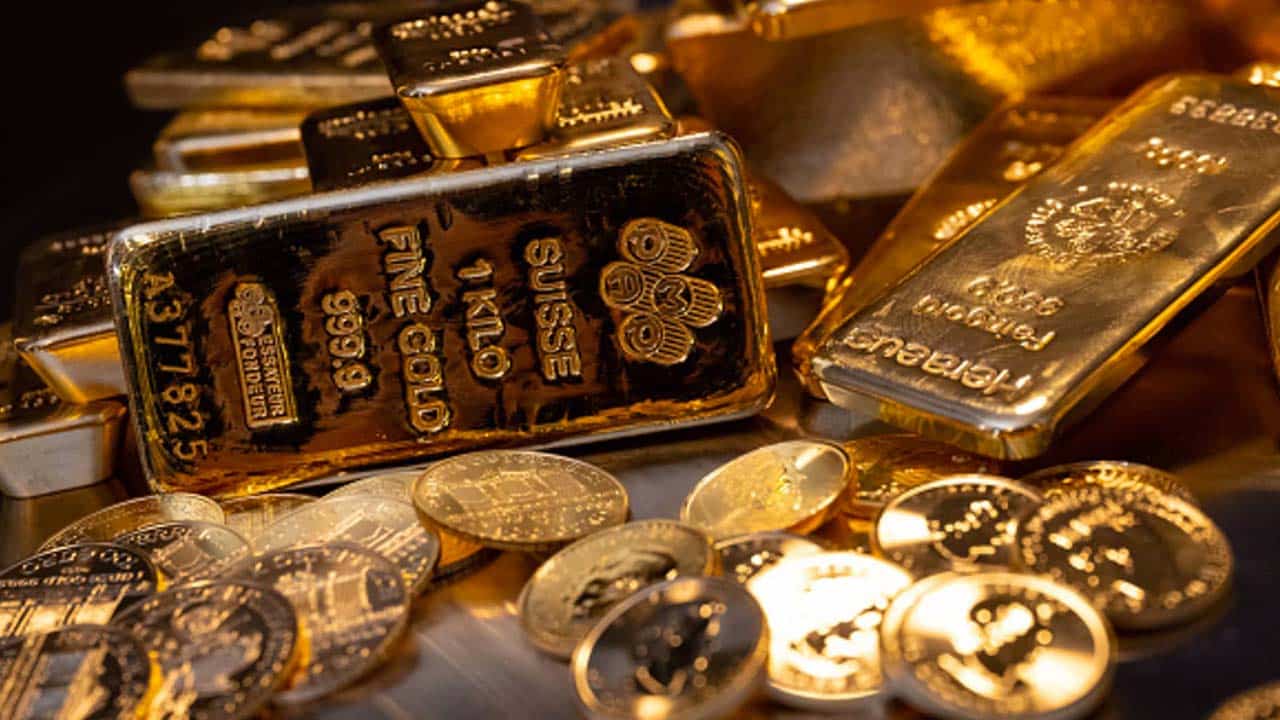
    In the latest update on the precious metals market, the cost of gold in Pakistan has witnessed a consistent upward trend for the third consecutive week, culminating in a settling price of Rs218,500 per tola on Wednesday.

    According to data released by the All-Pakistan Gems and Jewellers Association (APGJA), the rate of 24-karat gold experienced a notable surge, increasing by Rs900 per tola, reaching the current benchmark of Rs218,500.

    Simultaneously, the price for 10 grammes saw a rise of Rs771, now standing at Rs187,328.

    This surge in gold prices is a continuation of the trend observed earlier in the week, when prices increased by Rs400 twice.. This cumulative rise over the week amounts to Rs1,700 per tola, following a similar trend from the previous week when the precious metal’s price escalated by Rs1,200 per tola.

    Internationally, spot gold exhibited a modest 0.1 percent increase, reaching $2,042.10 per ounce as of 0729 GMT.

    Concurrently, US gold futures recorded a 0.2 percent uptick, settling at $2,055.90.

    These global market dynamics further contribute to the evolving landscape of gold prices, adding nuances to the economic outlook both domestically and abroad.

  • 7th consecutive gain: Pakistani rupee closes at Rs282.9 against US dollar

    7th consecutive gain: Pakistani rupee closes at Rs282.9 against US dollar

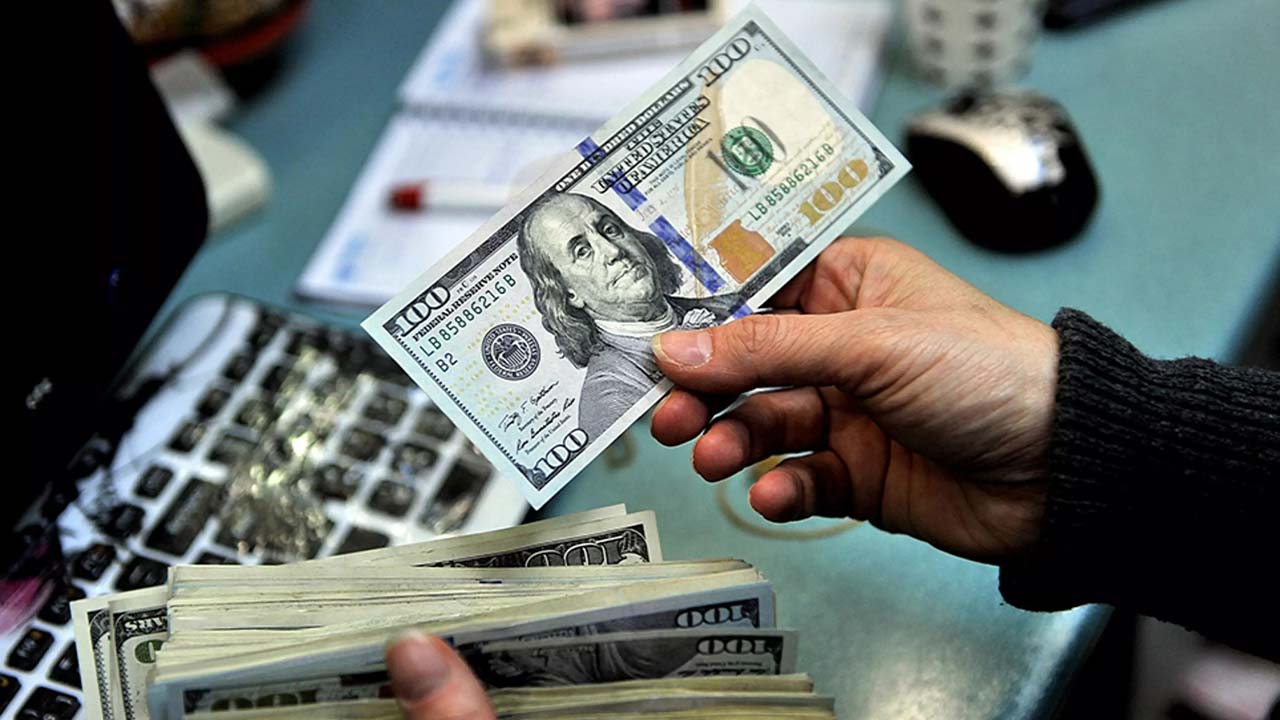
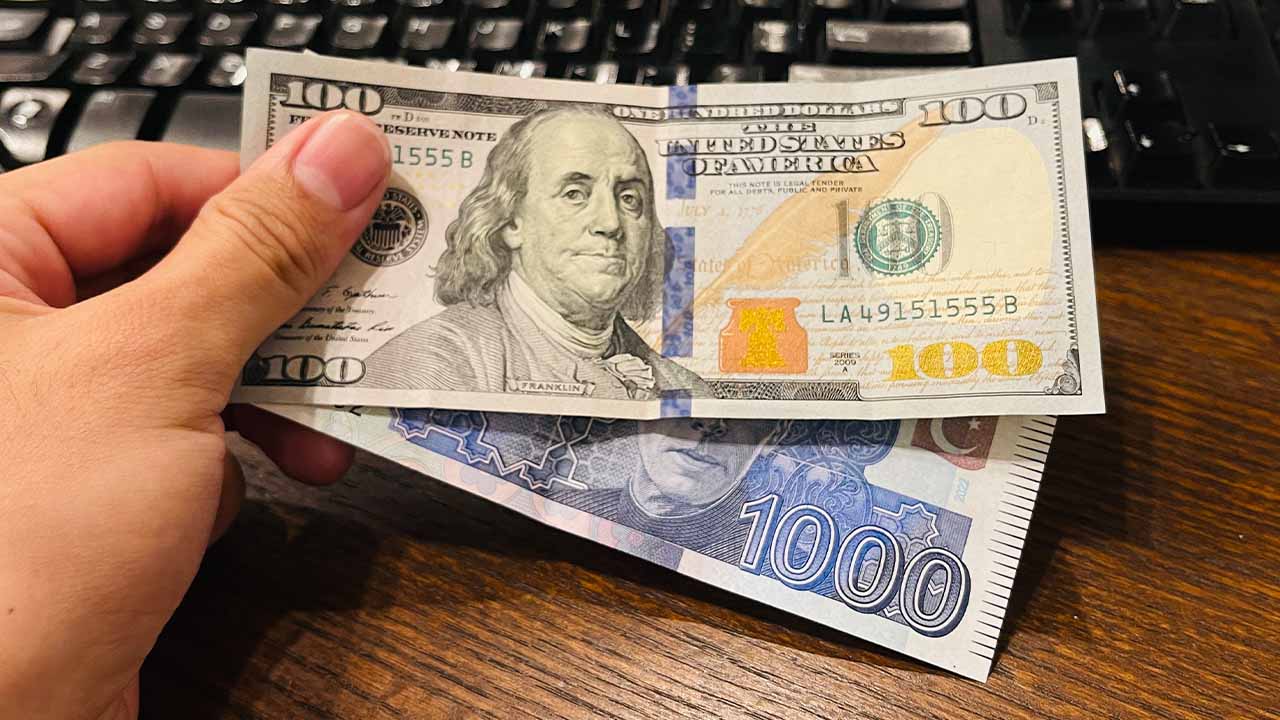
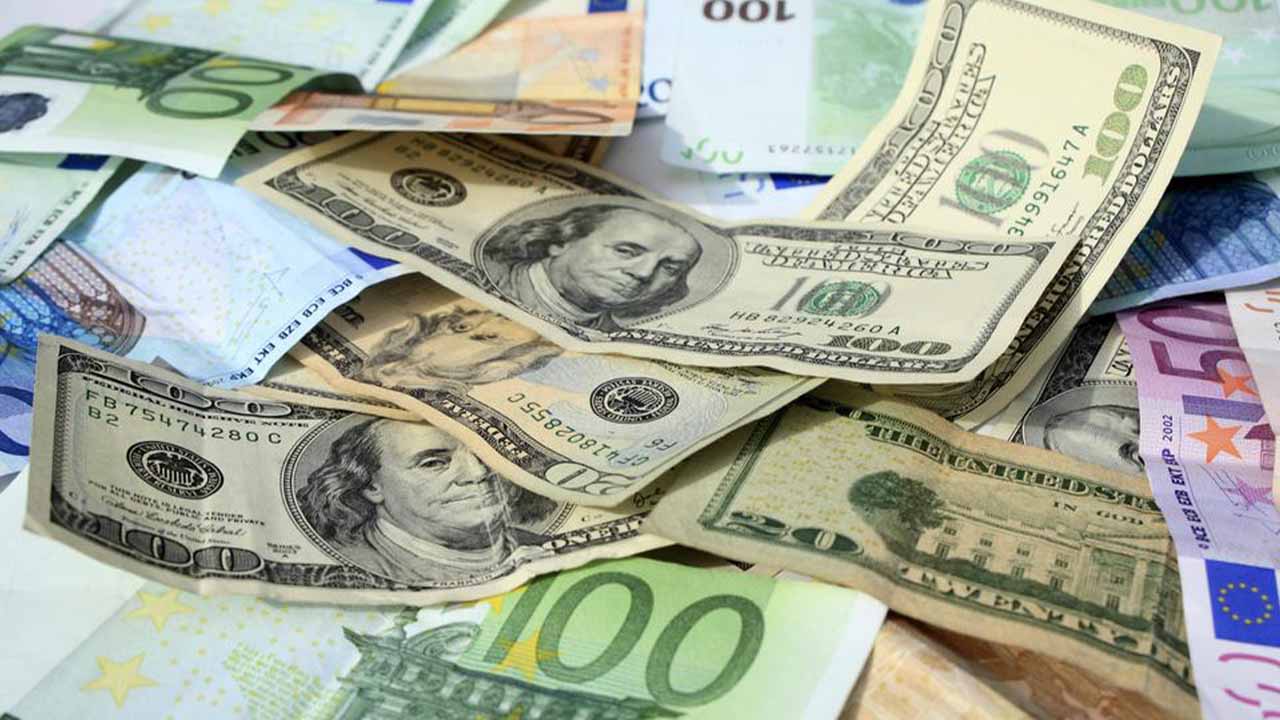
    In a persistent surge, the Pakistani rupee (PKR) continued its upward trend against the US dollar (USD) for the seventh consecutive session, appreciating by 0.04 per cent in the inter-bank market on Wednesday.

    According to the State Bank of Pakistan (SBP), the PKR concluded at Rs282.9, marking an increase of Rs0.11.

    In the open market scenario, the PKR experienced a decline of 25 paisa for both buying and selling against the USD, settling at Rs281.50 and Rs284.50, respectively.

    Conversely, against the Euro, the PKR maintained stability for both buying and selling, closing at Rs307.00 and Rs310.00, respectively.

    Against the UAE dirham, the PKR held steady for both buying and selling, concluding at Rs77.30 and Rs78.00, respectively.

    In comparison, against the Saudi Riyal, the PKR saw a gain of 10 paisa for both buying and selling, closing at Rs75.20 and Rs75.90, respectively.

    This positive trend follows Tuesday’s marginal gain, where the rupee settled at Rs283.01 against the US dollar.

    The dollar index, which experienced a slight dip on Tuesday, maintaining a mostly flat position at 102.20, had previously reached a four-month low of 101.76 last week.

    In the backdrop of global trade concerns and heightened geopolitical tensions in the Middle East, with Yemen’s Iran-aligned Houthi forces conducting attacks on ships in the Red Sea, oil prices surged past $80 a barrel on Wednesday.

    Brent crude futures observed an 89-cent increase, or 1.1 per cent, reaching $80.12 a barrel by 1101 GMT, while US West Texas Intermediate crude climbed 93 cents, or 1.3 per cent, to $74.87 a barrel.

  • World Bank greenlights $350 million for Pakistan’s fiscal reforms

    World Bank greenlights $350 million for Pakistan’s fiscal reforms

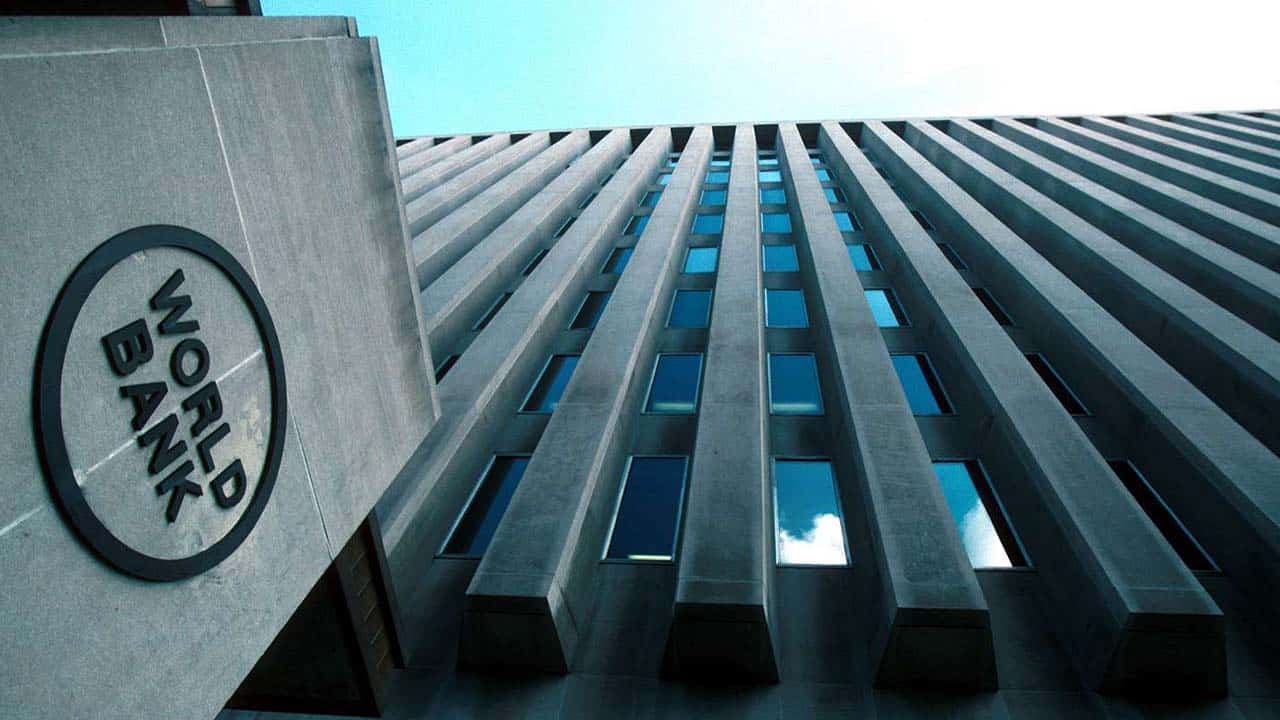
    The Board of Executive Directors of the World Bank gave its approval on Wednesday for a financing package of $350 million to support Pakistan’s fiscal and competitiveness reforms.

    This funding is allocated for the Second Resilient Institutions for Sustainable Economy (RISE-II) Operation, with the primary goal of strengthening fiscal management and promoting competitiveness for sustainable and inclusive economic growth, according to a statement from the World Bank.

    Najy Benhassine, the World Bank Country Director for Pakistan, stressed the urgent need for fiscal and structural reforms in Pakistan to restore macroeconomic balance and establish the groundwork for sustainable growth.

    He highlighted that RISE-II builds upon previous phases of tax, energy, and business climate reforms, aiming to generate additional revenues, improve expenditure targeting, and stimulate competition and investment.

    The RISE-II Operation is designed to enhance fiscal management by improving fiscal policy coordination, increasing debt transparency and management, strengthening property taxation, and enhancing the financial viability of the power sector.

    Additionally, the operation seeks to boost growth and competitiveness by reducing the cost of tax compliance, improving financial sector transparency, promoting digital payments, and facilitating exports through reduced import tariffs.

    Derek H. C. Chen, Task Team Leader of the operation, emphasised the crucial opportunity for Pakistan to address long-standing structural distortions in its economy after the upcoming general elections.

    Failing to seize this opportunity, he warned, could lead the country back into stop-and-go economic cycles.

    Recently, the World Bank projected a decrease in remittance flows to Pakistan, estimating a decline to $24 billion in 2023 and a further drop below $22 billion with a 10 per cent decline in 2024.

    The report attributed this trend to growing economic turmoil, a balance of payment crisis, and high debt, resulting in a loss of public confidence and a shift of remittances from formal to informal channels.

    Addressing Pakistan’s economic challenges, Martin Raiser, the World Bank’s Regional Vice President for South Asia, noted difficult situations, floods, and climate change.

    He highlighted that the country is trapped in a low-growth scenario with poor human development outcomes and increasing poverty. Raiser urged Pakistan to make crucial decisions for a brighter future, emphasising the need for difficult but necessary steps.

    In its October report, ‘South Asia Development Update Towards faster, cleaner growth,’ the World Bank projected positive growth for Pakistan in fiscal years 2023–24, albeit at a modest rate of 1.7 per cent.

    The report underscored the country’s dependence on capital inflows to finance substantial fiscal and current account deficits.
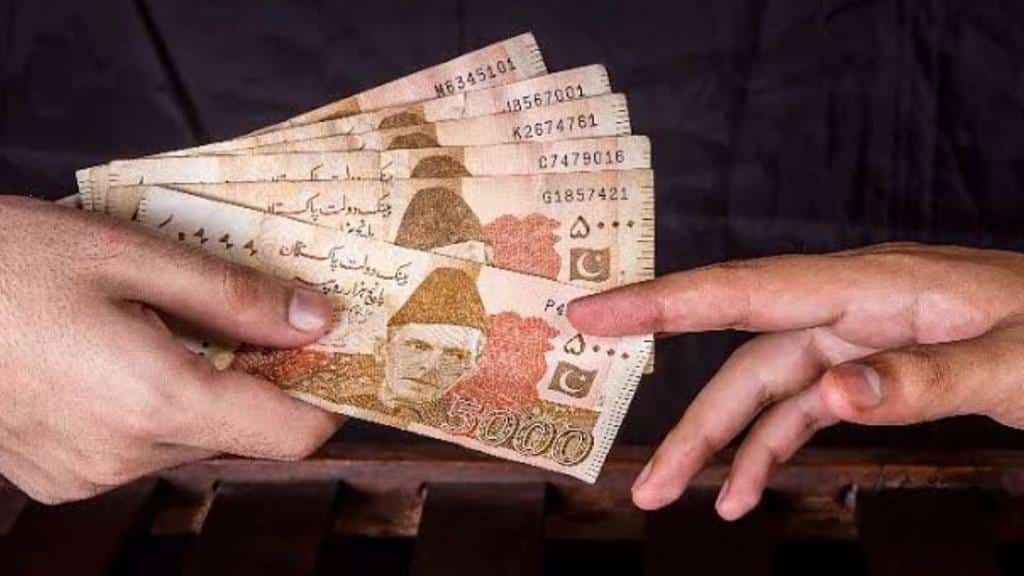
  • Concerns rise over circulation of fake Rs5,000 banknotes

    Concerns rise over circulation of fake Rs5,000 banknotes

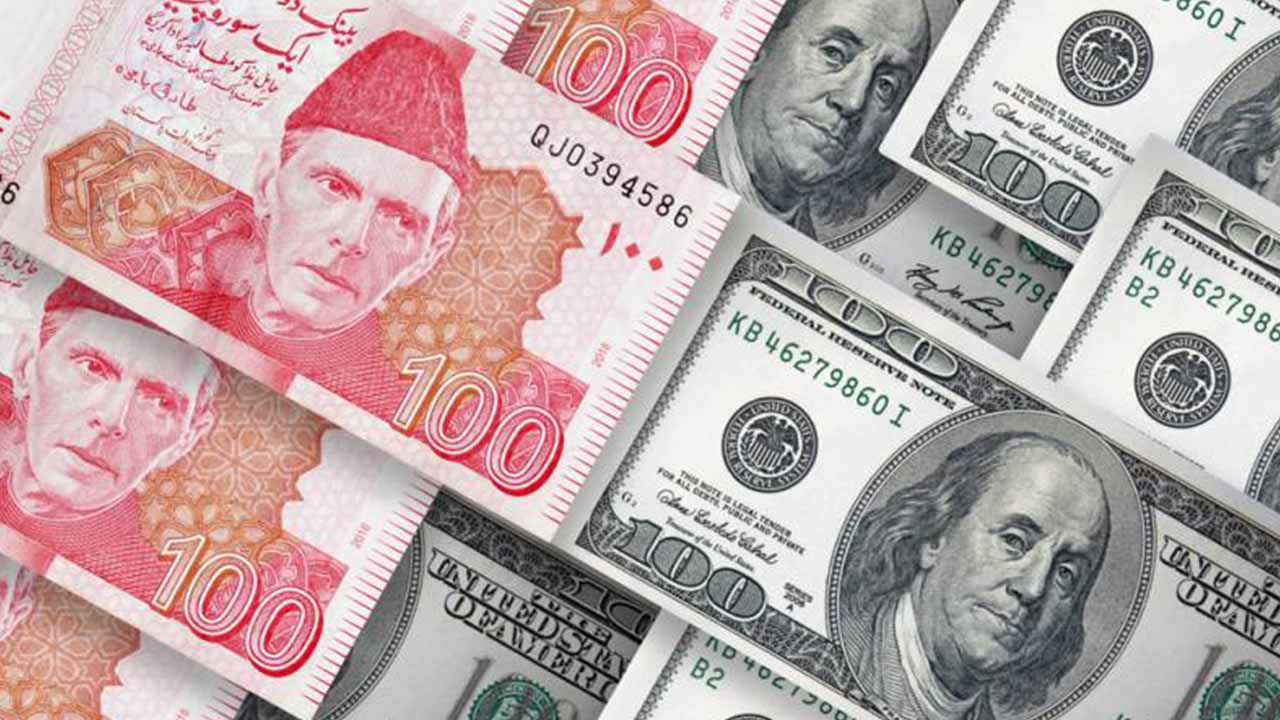
    In a recent meeting, the Senate Standing Committee on Finance convened to address the escalating circulation of counterfeit Rs5,000 banknotes, a matter that has raised serious apprehensions among officials, including those from the State Bank of Pakistan (SBP).

    Chaired by Senator Salim Mandviwala, the committee delved into the severity of the issue as it showcased a bundle of forged Rs5,000 notes.

    Senator Mandviwala, underscoring the gravity of the situation, asserted that even parliamentarians are susceptible to falling victim to this fraudulent activity.

    During the proceedings, Senator Mandviwala directed a challenge to SBP’s Deputy Governor, Dr. Inayat Hussain, urging him to identify the counterfeit notes.

    However, the attempt was met with a purported failure on the part of the Deputy Governor.

    Expressing the need for immediate and decisive action, the committee chairman called upon the central bank to take robust measures to combat the widespread dissemination of counterfeit currency.

    Mandviwala suggested that the infiltration of fake notes into circulation might be occurring through banks.

    A noteworthy proposal from Senator Mandviwala involved the exchange of counterfeit currency for genuine notes, an idea promptly dismissed by Deputy Governor Inayat Hussain.

    The latter cited concerns about potential misuse and abuse as the basis for the refusal.

    During the discussion, Hussain acknowledged the absence of a concrete system to prevent the printing of fake currency within the country.

    He further elaborated that while counterfeit dollars are a global issue, efforts are underway to enhance regulations to control the production and circulation of fake currency, specifically within Pakistan.

    According to ARY News, Mandviwala, highlighting the urgency of the situation, called for immediate relief measures. The committee, in unanimous agreement, advocated for the formulation of a comprehensive policy to combat the growing use of counterfeit currency, particularly within the banking system.

    The committee stressed the necessity of proactive measures to safeguard the financial integrity of the nation.

  • New tax rules: Discounts for overseas Pakistanis, higher costs for importers

    New tax rules: Discounts for overseas Pakistanis, higher costs for importers

    In a recent development, commercial importers of new mobile phones are set to miss out on any concessions following the issuance of the new valuation ruling.

    Conversely, a significant benefit has been extended to incoming international passengers, particularly overseas Pakistanis, who can now avail themselves of a depreciation of up to 60 per cent on used or refurbished mobile phones.

    The Directorate of Valuation Karachi’s latest ruling, numbered 1834 of 2023, is positioned to ease processes for overseas Pakistanis.

    However, it paints a different picture for commercial importers dealing with new mobile phones, who are now obligated to pay duties and taxes based on relatively higher customs values.

    The new ruling encompasses several additional models to refine the assessment of duties and taxes.

    Regrettably, the ruling does not offer any respite for commercial importers, placing the onus on them to adhere to the heightened customs values.

    In contrast, overseas Pakistanis stand to benefit from the increased depreciation rates outlined in the ruling, reaching up to 60 per cent for phones up to five years old brought in by incoming international passengers.

    Under the provisions of the new ruling, customs values for used or refurbished mobile phones imported by legitimate passengers will be assessed, considering the allowance for depreciation as stipulated in the provided tabulated values.

    For brands and models imported in commercial quantities but omitted from the annexure, clearance collectorates are advised to assess them under Section 81 of the Customs Act, 1969.

    Subsequently, a reference should be forwarded to the Directorate for the final determination of their values, according to the ruling.

    Sources indicate that overseas Pakistanis will find relief in the ruling due to the augmented depreciation rates, offering a substantial advantage for phones up to five years old.

    Meanwhile, commercial importers are left without any reprieve, as the new models of mobile phones will incur higher prices compared to their less-aged counterparts.

    This policy aims to curtail under-invoicing margins for both existing and new models of branded mobile phones.

  • Pakistani rupee gains 20 paisa against US dollar

    Pakistani rupee gains 20 paisa against US dollar

    The Pakistani rupee (PKR) extended its positive trajectory against the US dollar for the sixth consecutive session, appreciating by 0.07 per cent in the inter-bank market on Tuesday.

    According to the State Bank of Pakistan (SBP), the rupee concluded at Rs283.01, marking an increase of Re0.20.

    In the previous session, the rupee saw a marginal gain, settling at Rs283.21 against the US dollar.

    Meanwhile, in a noteworthy development, Pakistan secured $4.285 billion from various financing sources in the first five months (July–November) of the current fiscal year 2023–24.

    This represents a decrease from the $5.114 billion borrowed during the corresponding period in 2022–23, as disclosed by data from the Economic Affairs Division (EAD).

    On the global front, the US dollar experienced a 0.3 per cent decline against the yen, maintaining its position close to a four-month high of 140.95 reached last week.

    Additionally, the greenback lingered near approximately five-month lows against the Australian and New Zealand dollars.

    This was attributed to the strength of risk-sensitive currencies, driven by the anticipation that the US Federal Reserve might initiate interest rate adjustments as early as the beginning of next year.

    In the realm of commodities, oil prices stabilised on Tuesday as investors assessed the potential repercussions on oil supply arising from attacks by Yemen’s Iran-aligned Houthi militants on ships in the Red Sea.

    These attacks have disrupted maritime trade, compelling companies to reroute vessels. Notably, crude prices surged nearly 2 per cent on Monday due to concerns about trade disruptions through the Suez Canal, a vital shipping route that accounts for approximately 15 per cent of global shipping traffic.

    Brent crude declined by 12 cents to $77.83 per barrel.

    The US West Texas Intermediate crude for January, set to expire on Tuesday, experienced a decrease of 62 cents, reaching $71.85. In contrast, the more active February contract only incurred a marginal loss of 3 cents.

  • Gold prices surge in Pakistan: 24-karat soars to Rs217,600 per tola

    Gold prices surge in Pakistan: 24-karat soars to Rs217,600 per tola

    The price of 24-karat gold per tola witnessed a surge, rising by Rs400 and reaching Rs217,600 on Tuesday, as compared to its previous closing at Rs217,200.

    Similarly, the cost of 10 grammes of 24-karat gold also experienced an uptick, increasing by Rs343 to Rs186,557 from Rs186,214.

    Meanwhile, the rates for 10 grammes of 22-karat gold climbed to Rs171,011 from Rs170,696, as reported by the All Sindh Sarafa Jewellers Association.

    In contrast, both the per-tola and 10-gramme silver prices remained stable at Rs2,670 and Rs2,289.09, respectively.

    On a global scale, the price of gold saw an increment of $4, reaching $2,047 from $2,043, according to the Association.

    Simultaneously, the Pakistan Stock Exchange (PSX) witnessed a significant downturn in intra-day trading on Tuesday, with the benchmark KSE-100 index plummeting by over 2,600 points.

    The PSX reported a loss of 2,633 points, causing the 100 index to dip below the 63,000-point threshold, trading at 62,571 around 2:30 pm.

    This decline comes after a sustained bullish trend lasting over a month, which followed the successful conclusion of a staff-level agreement with the International Monetary Fund (IMF).

    Market analysts attribute the bearish trend to stocks in the exploration and production (E&P), fertiliser, and banking sectors.

    Throughout the session, profit-taking was evident, contributing to the index fluctuating by over 2,500 points.

  • Gold price in Pakistan surpasses Rs217,000 per tola

    Gold price in Pakistan surpasses Rs217,000 per tola

    In Monday’s trading session, the price of 24-karat gold witnessed a surge, with a per-tola increase of Rs400, reaching Rs217,200.

    This marks a notable uptick from its previous closing at Rs216,800. Similarly, the cost of 10 grammes of 24-karat gold experienced an increment of Rs1,543, now standing at Rs186,214, compared to its earlier rate of Rs185,871.

    Concurrently, the rates for 10 grammes of 22-karat gold rose to Rs170,696 from Rs170,382, as outlined by the All Sindh Sarafa Jewellers Association.

    Maintaining stability, the prices of silver remained unchanged, with per tola and ten-gramme silver being quoted at Rs2,670 and 2,289.09, respectively.

    On the global front, the international market witnessed a $3 increase in the price of gold, reaching $2,043 from $2,040, according to the association’s report.

    Shifting focus to economic indicators, the State Bank of Pakistan (SBP) announced a surplus in the current account, reporting a noteworthy $9 million surplus for November 2023.

    This represents a remarkable improvement, considering the current account deficit (CAD) was recorded at $775 million in July 2023.

    The data provided by SBP indicates a substantial turnaround, with the CAD evolving from $15.7 million in the last financial year to the recent surplus.

    The positive trend in the current fiscal year continues, with the CAD for the first five months showing significant improvement.

  • Pakistani rupee appreciates 0.02% against US dollar to close at Rs283.21

    Pakistani rupee appreciates 0.02% against US dollar to close at Rs283.21

    In a continuing upward trend, the Pakistani rupee demonstrated resilience in the inter-bank market by securing gains against the US dollar for the fifth consecutive session, appreciating by 0.02 per cent on Monday.

    According to the State Bank of Pakistan (SBP), the rupee closed at Rs283.21, marking an increase of Re0.05.

    Throughout the preceding week, the rupee exhibited a noteworthy appreciation, gaining Re0.61 or 0.21 per cent to settle at Rs283.26 against the US dollar in the inter-bank market.

    This marks the fifth consecutive week of the rupee’s advancement against the dollar, a momentum attributed to the recent announcement of a staff-level agreement (SLA) between Pakistan and the International Monetary Fund (IMF) concerning the first review of the $3 billion Stand-by Arrangement (SBA).

    Since the revelation of the SLA on November 15, the local currency has strengthened by Rs4.88, or 1.7 per cent, against the greenback.

    Meanwhile, on a global scale, currencies commenced the week with caution following significant fluctuations in the previous week, driven by various central bank meetings, including rate decisions from the Federal Reserve, the European Central Bank (ECB), and the Bank of England (BoE).

    The greenback, which had been bolstered throughout most of 2022 and 2023 by aggressive rate hikes from the Fed and expectations of prolonged higher rates, experienced a notable decline of approximately 1.3 per cent against a basket of currencies last week in response to the outcomes of the Fed’s policy meeting.

  • Pakistan’s current account records first surplus since June 2023

    Pakistan’s current account records first surplus since June 2023

    In a noteworthy turnaround, Pakistan’s current account, after four consecutive months of deficits, revealed a surplus of $9 million in November 2023. 

    This marks a stark contrast to the $157 million deficit recorded in the same month the previous year, as reported by the State Bank of Pakistan (SBP) on Monday.

    This surplus, the first since June 2023, is significantly lower in volume compared to its standing at $520 million. 

    Analysts attribute this surplus to a substantial rise in the country’s exports and remittances, coupled with a marginal decline in imports. Worth noting is the previous month’s current account deficit of $184 million in October 2023.

    According to SBP data, November 2023 witnessed a 12 per cent surge in the country’s exports (goods and services) to $3.364 billion, compared to $2.999 billion in November 2022. 

    Simultaneously, remittances reached $2.25 billion, reflecting a 4 per cent increase from the same month last year. Conversely, total imports saw a nearly 6 per cent reduction to $5.29 billion in November 2023, down from $5.01 billion the previous year.

    SBP reports a significant improvement, with Pakistan’s current account deficit for July-November of FY24 standing at $1.16 billion, a remarkable 64 per cent decrease from the $3.3 billion deficit in the same period of the previous fiscal year (FY23).

    During its latest Monetary Policy Committee meeting on December 12, the SBP highlighted a notable enhancement in the current account balance, with the deficit narrowing by 65.9 per cent year-on-year to $1.1 billion during Jul-Oct FY24.

    This shift is crucial for economically challenged Pakistan, heavily reliant on imports, as a widening deficit exerts pressure on the exchange rate and depletes official foreign exchange reserves, currently standing at slightly over $7 billion according to the latest data.