Category: Business

  • ‘Special allowance’ announced to assist workers earning below Rs32,000

    ‘Special allowance’ announced to assist workers earning below Rs32,000

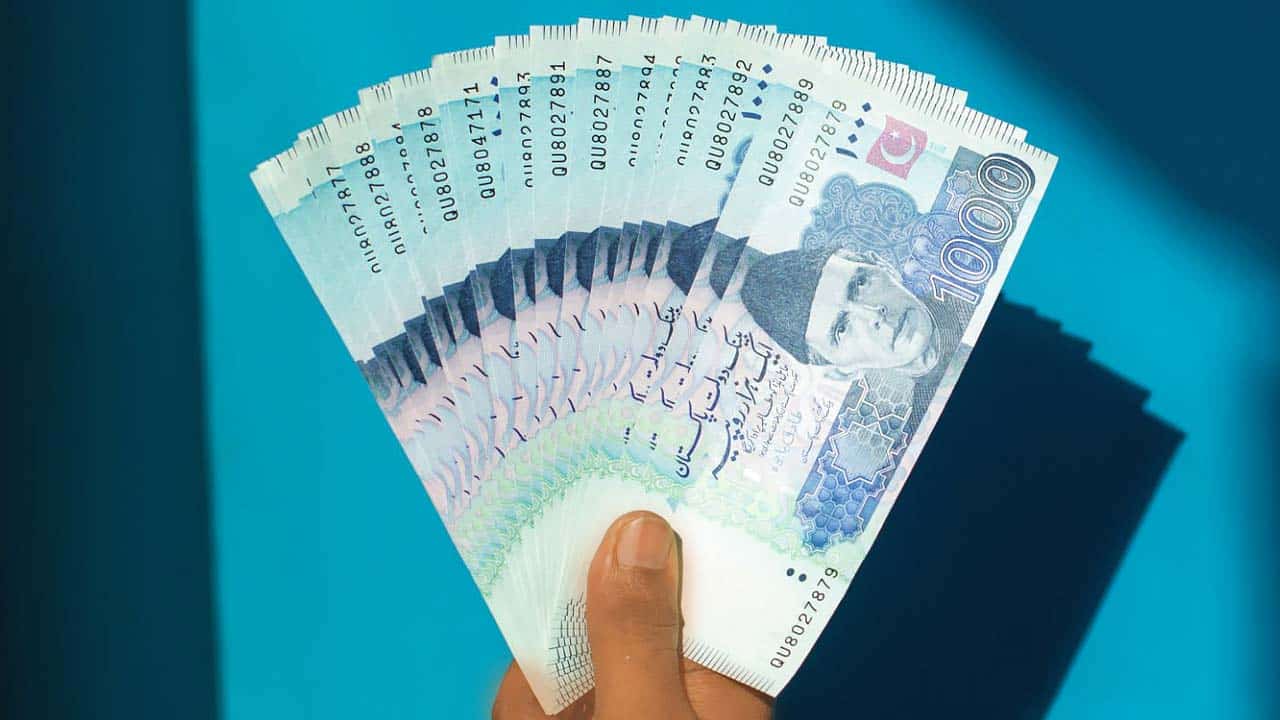
    The federal government, in accordance with a notification issued by the finance division, has officially implemented a minimum monthly wage of Rs32,000. 

    The prescribed minimum wage, which is set at Rs32,000, applies to all civil employees of the federal government. 

    This also encompasses civilians who receive their remuneration from Defence estimates, including contingent paid staff and contract employees engaged for civil posts within the basic pay scales, under standard terms and conditions of contract employment.  

    Individuals whose gross monthly salary falls below the newly established minimum wage of Rs32,000 will be entitled to receive the difference as a “special allowance.” 

    It is worth noting that the government had previously announced an increase in financial compensation for individuals hired from the private sector for MP1, MP2, and MP3 positions within the bureaucracy earlier in the same month. 

    The revised minimum wage regulations will be in effect from July 1, 2023. 

  • Honda Atlas extends production suspension amid an ongoing parts shortage

    Honda Atlas extends production suspension amid an ongoing parts shortage

    Honda Atlas Cars (Pakistan) Limited, a subsidiary of Honda Motor Co., Ltd. of Japan, has officially announced a temporary plant shutdown due to supply chain disruptions.

    In line with their communication dated October 30, 2023, the company has made the decision to extend the plant closure from November 8, 2023, to November 9, 2023, as disclosed in their notice to the Pakistan Stock Exchange (PSX).

    The automaker further said that any updates to this plan will be duly communicated.

    The automaker had previously communicated the shutdown of its plant from October 24, 2023, to October 31, 2023, and later extended it to November 7, 2023.

    This decision was attributed to significant inventory levels and disruptions in the supply chain, which have severely affected the company’s production capabilities.

    Earlier this year, Honda Atlas Cars also suspended its production activities from March 9 to May 15, citing adverse economic conditions in the country and government-imposed restrictions on Letters of Credit (LC) issuance.

  • Record-breaking bullish streak: PSX surpasses 54,000 mark for the first time in history

    Record-breaking bullish streak: PSX surpasses 54,000 mark for the first time in history

    The Pakistan Stock Exchange (PSX) continued its bullish momentum, with the KSE-100 Index surpassing the historic 54,000 level during intra-day trading on Tuesday.

    At 11:25 am, the benchmark index stood at 54,247.74, marking a 0.72 per cent increase of 387.38 points.

    On the preceding day, the KSE-100 index gained 737 points, closing at 53,860.37, marking a record-high closing level.

    On Tuesday, various sectors demonstrated mixed performance. Commercial banks, oil and gas exploration companies, and OMCs traded positively, while automobile assemblers, chemical, and fertiliser sectors faced losses.

    Financial experts attribute this bullish trend to improved macroeconomic indicators. Notably, Pakistan’s current account deficit shrank to $8 million in September 2023, compared to $360 million in the same month in 2022, due to reduced imports.

    Additionally, the Consumer Price Index (CPI)-based inflation in Pakistan decreased to 26.9 per cent in October.

    Market sentiment is optimistic as the International Monetary Fund (IMF) is currently reviewing the stand-by arrangement (SBA), which is expected to result in additional financial inflows into the country.

    According to experts, KSE-100 shows no signs of slowing down, with expectations of a successful IMF review and potential monetary easing in upcoming Monetary Policy Committee (MPC) meetings.

    While occasional profit-taking may occur, a significant increase in valuation is anticipated over the next 12 months.

  • Pakistan’s debt burden surges by Rs14,506 billion in one year

    Pakistan’s debt burden surges by Rs14,506 billion in one year

    Pakistan’s international debt burden has continued its ascent, soaring to a staggering Rs63,966 billion as of the conclusion of August 2023.

    In a recent briefing session focused on the nation’s debt situation, it was disclosed that foreign debt had surged to $24,174 billion by the end of August, while local debt had concurrently reached Rs39,791 billion.

    The data presented during the briefing demonstrated a substantial increase of Rs14,506 billion in total loans over the past year. 

    It’s worth noting that in August 2022, the loan volume was a more modest Rs49,571 billion. During that period, the foreign debt stood at $18 trillion, and the local debt was at Rs32,152 billion.

    Prior to this development, the International Monetary Fund (IMF) had demanded a tax collection plan of Rs6,670 billion from Pakistan by June 2024. 

    An IMF review mission arrived in Pakistan to assess the country’s economic performance during the initial three months of the current fiscal year, spanning from July to September.

    The IMF has insisted on a comprehensive tax collection report from all sectors as part of its projection report. 

    Negotiations for the next $700 million tranche commenced on Thursday.

    According to ARY News, reports indicate that the IMF team has emphasised the importance of the Federal Board of Revenue (FBR) achieving its tax collection revenue targets without any shortfall.

     Furthermore, the IMF team has called for a report from the FBR on the progress of tax cases pending in court.

    The FBR has shared details of one million new taxpayers added to the tax net with the IMF team, and the IMF has requested specific data on tax collection from various sectors. 

  • Pakistani rupee experiences 11th consecutive session of decline against US dollar

    Pakistani rupee experiences 11th consecutive session of decline against US dollar

    .

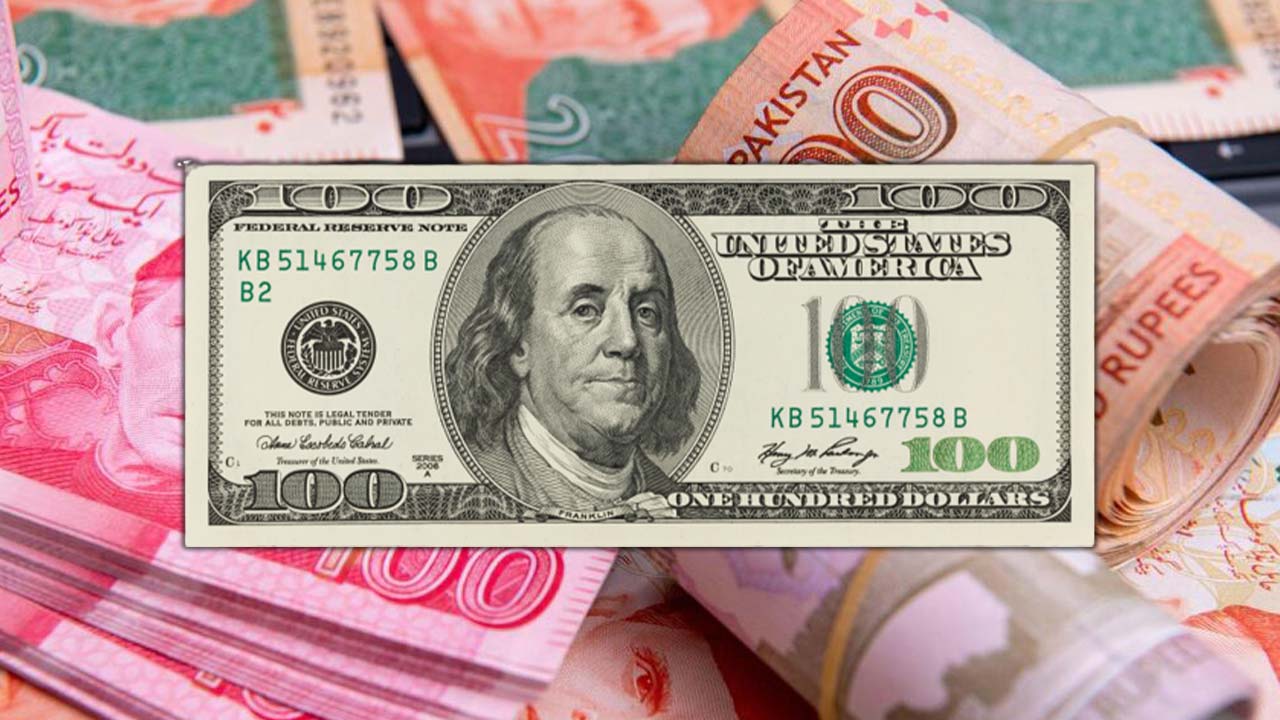
    The Pakistani rupee faced its eleventh consecutive session of losses against the US dollar, depreciating by 0.34 per cent in the inter-bank market on Monday.

    According to the State Bank of Pakistan (SBP), the rupee settled at 285.29, marking a decline of Re0.98.

    In the preceding week, the rupee had also suffered losses against the US dollar, closing 1.33 per cent lower at 284.31 in the inter-bank market, equivalent to a decrease of Rs3.74. This marked the third consecutive week of declines for the local currency.

    Prior to this recent trend, the Pakistani rupee had maintained a positive trajectory for 28 consecutive sessions, one of the longest appreciation runs, gaining a cumulative 10.93 per cent since reaching a record low of 307.1 in the inter-bank market on September 5.

    This surge was largely attributed to efforts to combat smuggling and increased controls on exchange companies.

    However, the situation has since shifted in favour of the US dollar, with global currencies remaining stable on Monday but appearing poised to continue their recent uptrend. This comes as the US dollar retreated following a moderation in the Federal Reserve’s hawkish stance.

    Internationally, major global currencies showed stability early on Monday, with the US dollar index flat at 105.11 and the euro at $1.0726.

    The dollar index experienced its most significant decline since mid-July, falling over 1 per cent last week and reaching a six-week low.

    Weakness in US job data, softer global manufacturing figures, and declining longer-term Treasury yields also contributed to the dollar’s weakened position.

  • Pakistan’s stock market surges to all-time high of 53,123.04 points

    Pakistan’s stock market surges to all-time high of 53,123.04 points

    The Pakistan Stock Exchange (PSX) continued its impressive performance, with the benchmark KSE-100 index surging by over 700 points and approaching the historic milestone of 54,000 during Monday’s trading session.

    As the closing bell neared, the KSE-100 Index stood at 53,860.36, reflecting a remarkable gain of 737.33 points, or 1.39 per cent.

    In the preceding week, the KSE-100 index achieved a then-record high, driven by robust buying primarily from local investors, bolstered by institutional support.

    The benchmark index witnessed a substantial week-on-week increase of 2,179.20 points, breaching the 53,000 mark and concluding at an all-time high of 53,123.04 points, a historic first.

    Monday’s trading session witnessed broad-based buying, with key sectors such as cement, chemicals, commercial banks, and OMCs all trading in positive territory.

    Market analysts attributed this positive momentum to an overall improvement in economic indicators, notably the State Bank of Pakistan’s (SBP) decision to maintain interest rates at 22 per cent during the last Monetary Policy Committee (MPC) meeting.

    Additionally, a decrease in the inflation rate, with the October 2023 Consumer Price Index (CPI) at 26.9 per cent year-on-year and favourable feedback from the International Monetary Fund (IMF) mission currently visiting Pakistan, further enhanced market sentiment.

    Furthermore, the announcement of final election dates by the country’s election commission, signifying political stability, also played a significant role in creating favourable conditions within the market.

  • Punjab CM orders strict enforcement of ‘one-dish’ rule for weddings

    Punjab CM orders strict enforcement of ‘one-dish’ rule for weddings

    Caretaker Chief Minister of Punjab, Mohsin Naqvi, has taken a firm stance on the violation of regulations regarding the number of dishes served and the timing of marriage ceremonies.  

    The CM has instructed the Commissioners and Deputy Commissioners to rigorously enforce these restrictions across the province, including Lahore. These rules specify that only ‘one dish’ can be served, and ceremonies must conclude by 10 pm. 

    Naqvi emphasised that these restrictions should be strictly adhered to without exception, even at farmhouses. He insisted on taking immediate action against any violations and discouraged leniency towards those who failed to comply. 

    Furthermore, the Chief Minister visited the Ghora Chowk Defence Mor flyover project to assess its progress and the construction work.  

    He observed the steel fixing process, interacted with the labourers, and commended their swift work. 

    Naqvi expressed satisfaction with the project’s continuous day-and-night progress and urged the team to maintain high construction quality standards while expediting the work. 

    In addition, the CM praised the security forces for thwarting a terrorist assault on the Mianwali Training Air Force Base.  

    He commended their timely actions, stating that they had defeated the terrorists’ sinister intentions. He paid tribute to these brave soldiers, considering them heroes of the nation, and expressed the nation’s pride in their courage. 

  • IMF review puts pressure on rupee as Pakistan negotiates loan tranche 

    IMF review puts pressure on rupee as Pakistan negotiates loan tranche 

    The Pakistani rupee is anticipated to face continued depreciation against the US dollar in the upcoming week due to heightened demand from importers outweighing the supply from exporters, according to analysts.

    The situation is further complicated by the visit of the International Monetary Fund (IMF) delegation to Pakistan for a review mission, which typically results in increased volatility for the local currency.  

    The IMF’s review discussions with Pakistani authorities are expected to conclude on November 15, potentially leading to the disbursement of a second loan tranche of approximately $700 million from the IMF. 

    In the past week, the rupee experienced a 1.19 per cent decline against the US dollar in the interbank market, closing at 284.31 on Friday, compared to 280.95 at the beginning of the week. Export proceeds have slowed down, impacting the availability of dollars.  

    Additionally, new regulations in the forex market have limited banks’ ability to fund their nostros through buy-sell swaps, leading to higher forward premiums and challenges for importers in processing payments. 

    According to The News, the rupee is expected to stabilise around 285 for the coming week, with occasional fluctuations to 288 per US dollar. A potential recovery is also anticipated once the IMF completes its review. 

    Notably, there have been positive developments, such as a boost in exports to $2.7 billion in October and a decrease in consumer price index inflation from 31.4 per cent to 26.9 per cent.  

    These developments, along with a decrease in the Karachi interbank offered rate, suggest that interest rates have likely peaked in the short to medium term, which has positively impacted equity markets, with the KSE Index reaching an all-time high. 

    Equity traders are also optimistic about the IMF’s discussions with government stakeholders and the announcement of election dates. They are hoping for a resolution on circular debt, which has constrained many profitable companies in the index. 

  • Pakistan’s cotton production surge offers hope for forex reserves 

    Pakistan’s cotton production surge offers hope for forex reserves 

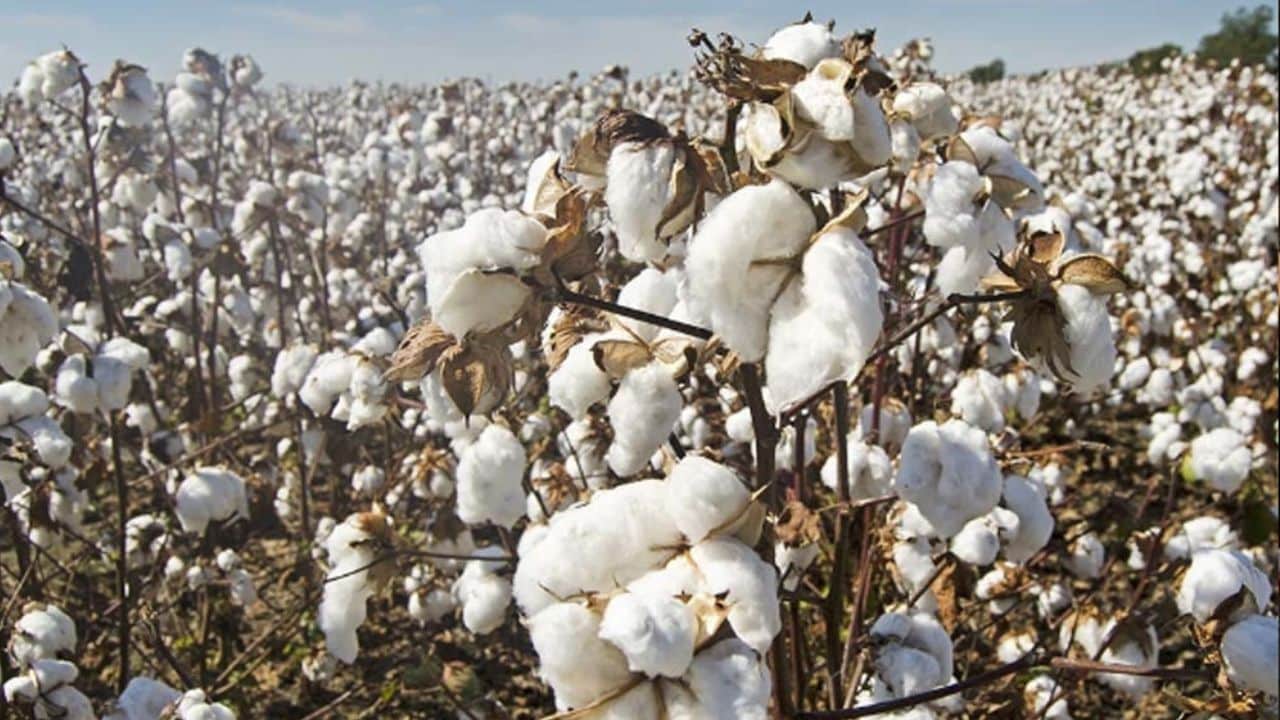
    Cotton production this year is proving to be a silver lining for Pakistan’s foreign exchange reserves, with an impressive 83 per cent increase in production for the 2023-24 season, totalling 6.79 million bales. 

    According to an estimate by the Pakistan Cotton Ginners’ Forum, cumulative production in the current season may reach around 9 to 9.5 million bales, a significant improvement from the previous year’s production of 5 million bales. This can be attributed to favourable weather conditions. 

    However, it’s worth noting that the production is still below the government’s target of 11.5 million bales. 

    According to Express Tribune, the recent 193 per cent increase in gas prices has exacerbated challenges faced by textile manufacturers and exporters, reducing the country’s competitiveness among regional textile exporters. 

    Another discouraging factor is for the farmers, as the market is offering them Rs7,000 per 40 kilogrammes, falling short of the government’s announced support price of Rs8,500 per 40 kilogrammes.

    The government has yet to fulfil its promise of purchasing cotton to stabilise market prices.  

    The Caretaker Prime Minister has urged the activation of the Trading Corporation of Pakistan, but this action is contingent on approval from the Economic Coordination Committee of the Cabinet, which has not yet occurred. 

    Ginners has mentioned that the increase in cotton production will save the country approximately $1 billion in import costs. 

  • Cost of living rises: SPI records increase in weekly inflation 

    Cost of living rises: SPI records increase in weekly inflation 

    The Sensitive Price Indicator (SPI) recorded a slight increase of 0.71 per cent for the week ending November 3, 2023, compared to the previous week.

    According to data from the Pakistan Bureau of Statistics (PBS), the combined index stood at 279.08 on November 3, 2023, up from 277.11 on October 26, 2023, and significantly higher than the index of 214.88 recorded a year ago on November 3, 2022.

    Out of 51 items, the prices of 12 items increased, 14 items decreased, and 25 items remained stable. 

    The most notable price increases were seen in tomatoes (25.58 per cent), onions (25.25 per cent), chicken (10.79 per cent), potatoes (1.61 per cent), Lipton tea (1.58 per cent), eggs (1.30 per cent), garlic (0.50 per cent), basmati broken rice (0.19 per cent), georgette (0.28 per cent), and firewood (0.05 per cent).

    Conversely, significant price decreases were observed in gur (2.66 per cent), bananas (1.78 per cent), 5-litre cooking oil (1.62 per cent), 1 kg vegetable ghee (1.23 per cent), LPG cylinders (1.05 per cent), masoor pulse (0.93 per cent), wheat flour (0.62 per cent), washing soap (0.41 per cent), and mustard oil (0.32 per cent).

    The weekly SPI percentage change across different income groups revealed an increase in SPI for all quantiles, ranging from 0.64 per cent to 0.86 per cent.